
Four days in London create a rare balance that shorter trips struggle to achieve. With this amount of time, travelers can explore major landmarks without feeling rushed while still having space to notice everyday life. A 4 day london itinerary allows the city to unfold naturally instead of feeling like a checklist of famous places.
Why three days often feel rushed
Many visitors try to fit London into three days and leave feeling tired rather than fulfilled. The distances between areas, time spent navigating transport, and natural curiosity slow things down. A fourth day removes pressure and turns a fast visit into a meaningful experience. Instead of squeezing moments, travelers gain time to enjoy them.
How four days change the travel mindset
When people know they have four full days, their mindset shifts. They stop chasing everything and start choosing what matters. This change leads to better decisions, smoother days, and fewer regrets. A four-day plan encourages confidence instead of urgency.
London rewards travelers who slow down slightly
London is not a city that reveals itself quickly. Its charm often appears between landmarks, in side streets, quiet parks, and local routines. A 4 day london itinerary creates enough breathing room to notice these details without drifting off course.
The sweet spot for first-time visitors
For first-time visitors, four days feel complete without being overwhelming. Travelers get a clear sense of London’s layout, history, and rhythm. They leave knowing how the city works rather than feeling lost or unfinished. This length offers orientation as much as exploration.
Enough time for landmarks and neighborhoods
London’s landmarks are famous for a reason, but neighborhoods shape the real experience. Four days allow time for both. Travelers can visit iconic sights and still wander through areas where locals live, shop, and relax. This mix adds depth that shorter itineraries rarely achieve.
Reduced travel stress across each day
A longer itinerary spreads experiences across days instead of compressing them. This reduces daily travel stress and avoids constant backtracking. With thoughtful pacing, each day feels connected instead of scattered. A calm structure improves energy and enjoyment.
Travelers who want more breathing room beyond four days may prefer this 7 day London itinerary, which allows a calmer rhythm across the city.
Better flexibility when plans change
Weather, queues, and personal energy levels affect every trip. A four-day plan handles disruptions better than shorter stays. If something takes longer than expected, the itinerary absorbs the change without collapsing. Flexibility is one of the strongest advantages of this length.
Ideal for understanding London’s geography
London can feel confusing at first because it grew from many villages rather than a single center. Four days allow travelers to learn how districts relate to one another. By the end of the trip, navigation feels intuitive instead of intimidating.
Why this itinerary focuses on experience, not volume
This 4 day london itinerary is not designed to see everything. Its goal is to help travelers experience London with clarity and confidence. By focusing on flow rather than volume, the city feels enjoyable instead of exhausting.
How to Use This 4 Day London Itinerary Before You Arrive

Treat this itinerary as a framework, not a script
This itinerary works best when viewed as a guiding structure rather than a strict schedule. London rarely follows exact timing due to crowds, weather, and personal interests. A 4 day london itinerary should support decision making, not restrict it. Flexibility keeps the experience enjoyable.
Understand the logic behind each day
Each day in this plan is grouped by geography and theme. This reduces unnecessary travel and keeps energy levels steady. Knowing why places are grouped together helps travelers adapt if plans change. The itinerary flows with the city instead of fighting it.
Plan mornings lightly and evenings loosely
London mornings tend to move slower than expected. Transport, queues, and breakfast routines take time. Leaving breathing space in the morning prevents stress. Evenings work best when left open for spontaneous choices like walks, casual dining, or unexpected discoveries.
Avoid overbooking attractions in advance
Booking too many timed attractions locks the day into rigid slots. While some reservations help, too many reduce flexibility. This itinerary assumes only a few fixed commitments across four days. Freedom between activities often leads to better experiences.
Use the itinerary to make priority decisions
Not every traveler values the same experiences. Some prefer museums, others prefer streets and neighborhoods. This guide helps travelers choose priorities instead of forcing everything in. A 4 day london itinerary should reflect personal interests, not generic lists.
Learn transport basics before day one
Understanding how to move around London saves time and energy. Familiarity with underground lines, walking distances, and basic routes prevents confusion. This knowledge makes the itinerary easier to follow and reduces hesitation during the trip.
Expect walking to be part of every day
London is highly walkable, especially in central areas. Walking connects attractions naturally and reveals details often missed underground. Comfortable shoes and realistic walking expectations improve every day of the itinerary.
Accept that some moments will slow you down
Crowds, street performances, and scenic views naturally pause progress. These pauses are part of the experience. A well-designed 4 day london itinerary leaves space for these moments instead of treating them as delays.
Prepare for changing weather without overthinking
London weather changes quickly. Carrying light layers and staying adaptable matters more than detailed forecasts. This itinerary works in different conditions because it balances indoor and outdoor experiences across days.
Use this guide to reduce decision fatigue
One of the biggest travel stresses is constant decision making. This itinerary reduces that burden by providing a clear daily structure. With fewer choices to make on the spot, travelers can focus on enjoying the city.
Understanding London’s Layout Before Planning Four Days
London is not built around a single center
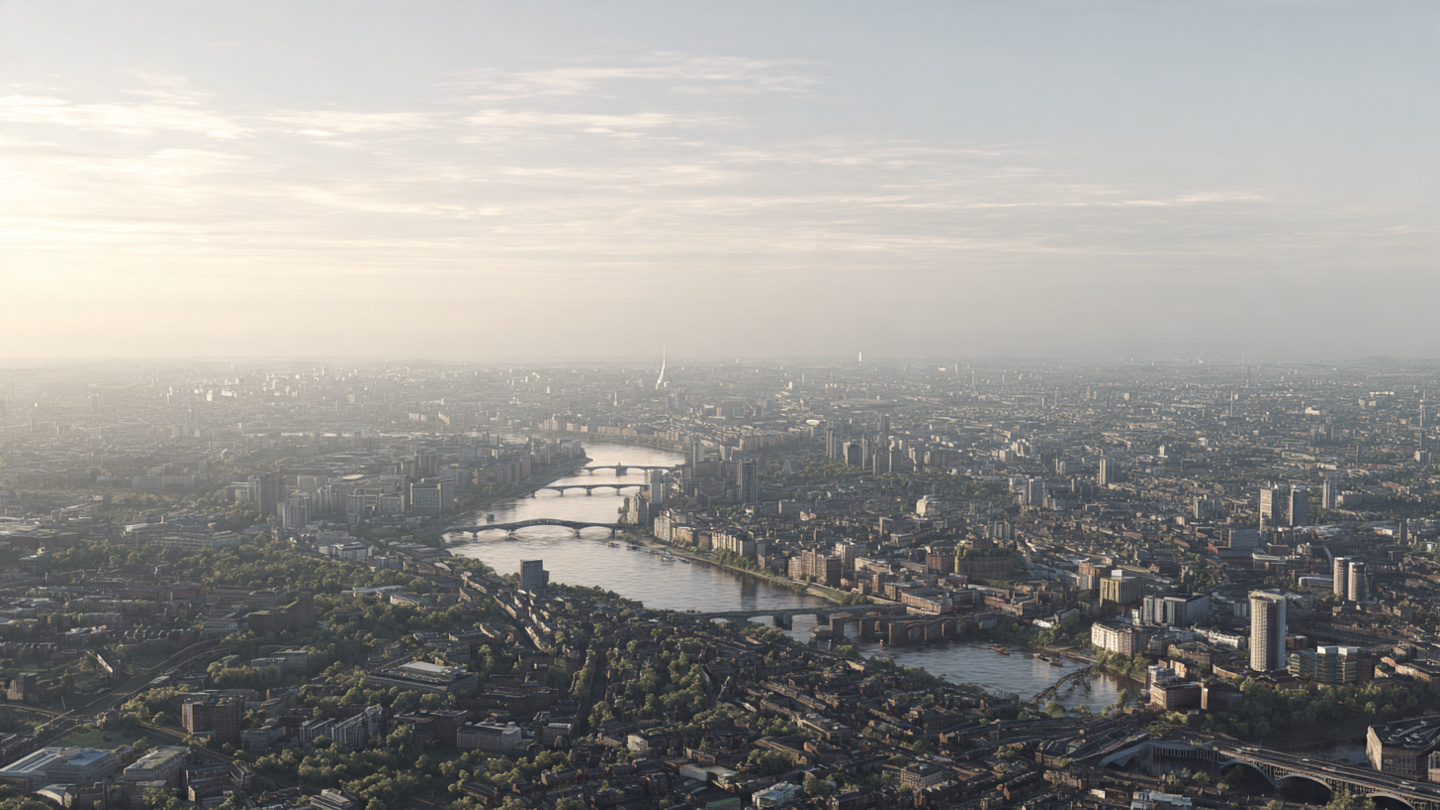
Many cities revolve around one historic core, but London does not work that way. It grew from separate villages that slowly connected over centuries. Because of this, the city feels wide rather than compact. Understanding this early helps travelers plan four days without frustration.
Why neighborhoods matter more than distance
On a map, places may look close but feel far once transport and crowds are involved. London neighborhoods function like small towns with their own character. A smart 4 day london itinerary groups experiences by area instead of chasing straight-line distance.
Central London works best as a foundation
For first-time visitors, central London provides the strongest base. Many iconic sights sit close together here, connected by walkable routes and reliable transport. Using central areas as anchors keeps daily travel simple and predictable.
The River Thames acts as a visual and geographic guide through the city. Many major landmarks sit along or near it. Following the river helps travelers understand how different areas relate to one another. This reduces confusion and improves orientation.
Underground lines shape daily movement
London’s underground system influences how people move more than street layouts. Some areas look nearby but require multiple line changes. Others feel far but connect directly. Learning which lines serve which zones helps make daily plans realistic.
Walking often reveals faster routes
In many central areas, walking beats public transport. Short underground rides often involve stairs, corridors, and waiting time. Walking keeps the experience continuous and allows spontaneous discoveries. A four-day plan benefits from embracing walking whenever possible.
Why backtracking wastes energy
Backtracking drains time and energy, especially in a large city. This itinerary avoids jumping between distant areas on the same day. Grouping experiences by location keeps days efficient without feeling rushed.
Parks and open spaces reset the pace
London’s parks break up dense urban areas naturally. They offer breathing space between attractions and help maintain energy. Understanding where green spaces sit allows travelers to balance busy streets with calmer moments.
Each day should feel like a complete loop
Well-planned days start and end logically without unnecessary crossings. This makes evenings easier and reduces travel fatigue. A strong 4 day london itinerary treats each day as a self-contained experience rather than a scattered list.
Orientation builds confidence quickly
By the second or third day, travelers often feel more confident navigating London. Understanding how districts connect builds trust in movement decisions. This confidence is one of the biggest benefits of spending four days in the city.
Day 1: Westminster, the Thames, and London’s Historic Core
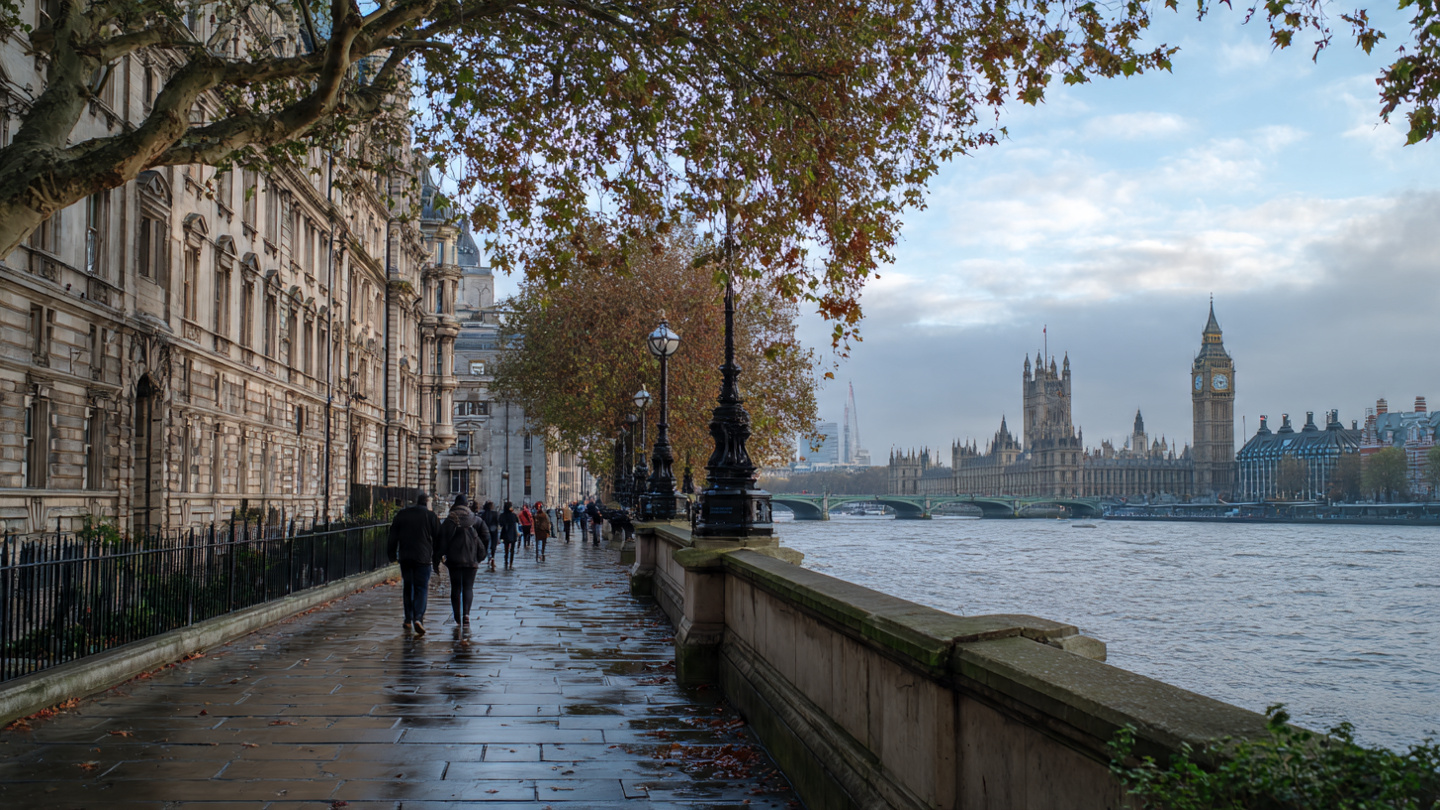
Starting the trip in London’s most recognizable area
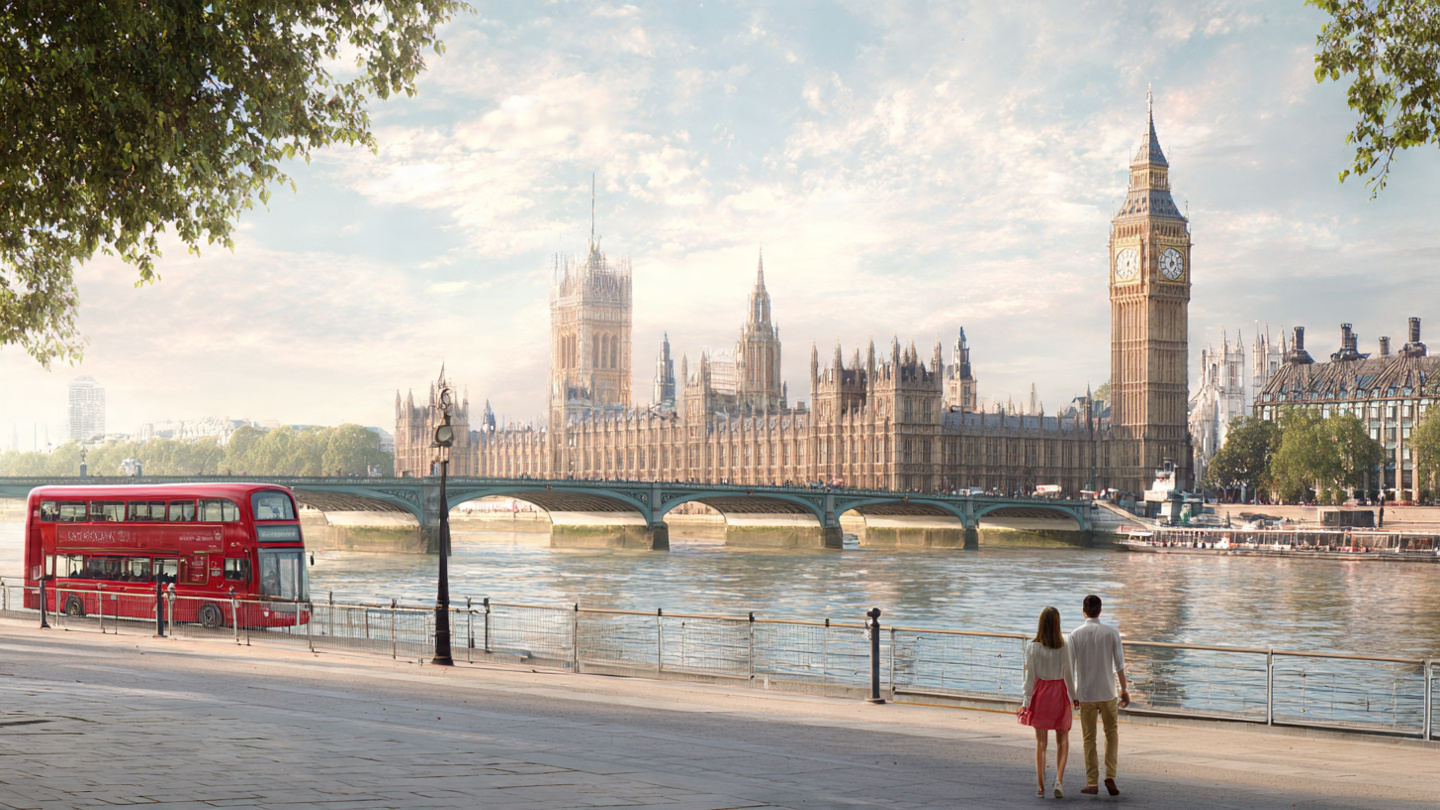
The first day works best when it introduces London in a familiar way. Westminster offers landmarks that many travelers already recognize, which builds confidence early in the trip. Beginning a 4 day london itinerary here helps visitors feel oriented rather than overwhelmed.
Why this area sets the tone for the whole trip
Westminster represents the political and historical heart of London. The streets, buildings, and open spaces communicate the city’s identity clearly. Starting here creates a strong mental map that makes later days easier to understand.
To understand how these landmarks connect on foot, seeing them together on a single route makes planning far easier.
Morning walks establish rhythm and direction
Mornings in this area feel calmer before crowds peak. Walking through Westminster early allows travelers to move at a relaxed pace while absorbing the surroundings. This gentle start helps set a comfortable rhythm for the days ahead.
The value of seeing landmarks from the outside first
Day one focuses more on viewing landmarks rather than rushing inside them. Seeing these sites from the outside helps travelers understand their scale and placement. This approach avoids early fatigue and leaves room for deeper visits later if desired.
Using the Thames as a natural guide
The Thames connects many of the day’s highlights naturally. Walking alongside the river keeps navigation simple and scenic. The river acts as a visual anchor that prevents disorientation, especially for first-time visitors.
Beautifully made and well explained by Anna Fernandes our guide. Great sculptures and carvings….very thoughtfully made. Great to see a unique way of recognizing and celebrating luminaries and legends.
Read more reviews at Tripadvisor.
Bridges as transition points, not just crossings
London’s bridges offer more than passage across the river. They create natural pauses to observe the city from above. These moments help travelers slow down and appreciate how different areas connect.
Lunch as a pacing tool rather than a destination
Midday meals work best when they support the flow of the day instead of interrupting it. Choosing lunch spots near walking routes keeps momentum steady. This prevents long detours that drain energy early in the trip.
Afternoon exploration deepens historical context
As the day progresses, the historic core reveals more detail. Streets, memorials, and architecture add layers to the morning’s impressions. This gradual deepening prevents information overload and keeps interest high.
Allowing time for spontaneous stops
Street performers, quiet corners, and unexpected views often appear along the Thames route. Leaving space for spontaneous pauses adds personality to the day. A strong 4 day london itinerary always allows for unplanned moments.
Ending the day without rushing
The first day should end calmly rather than late and exhausting. An unhurried evening walk or relaxed dinner helps travelers recover and reflect. This approach preserves energy for the remaining days and keeps the experience enjoyable.
Day 2: Royal London, Museums, and Green Spaces
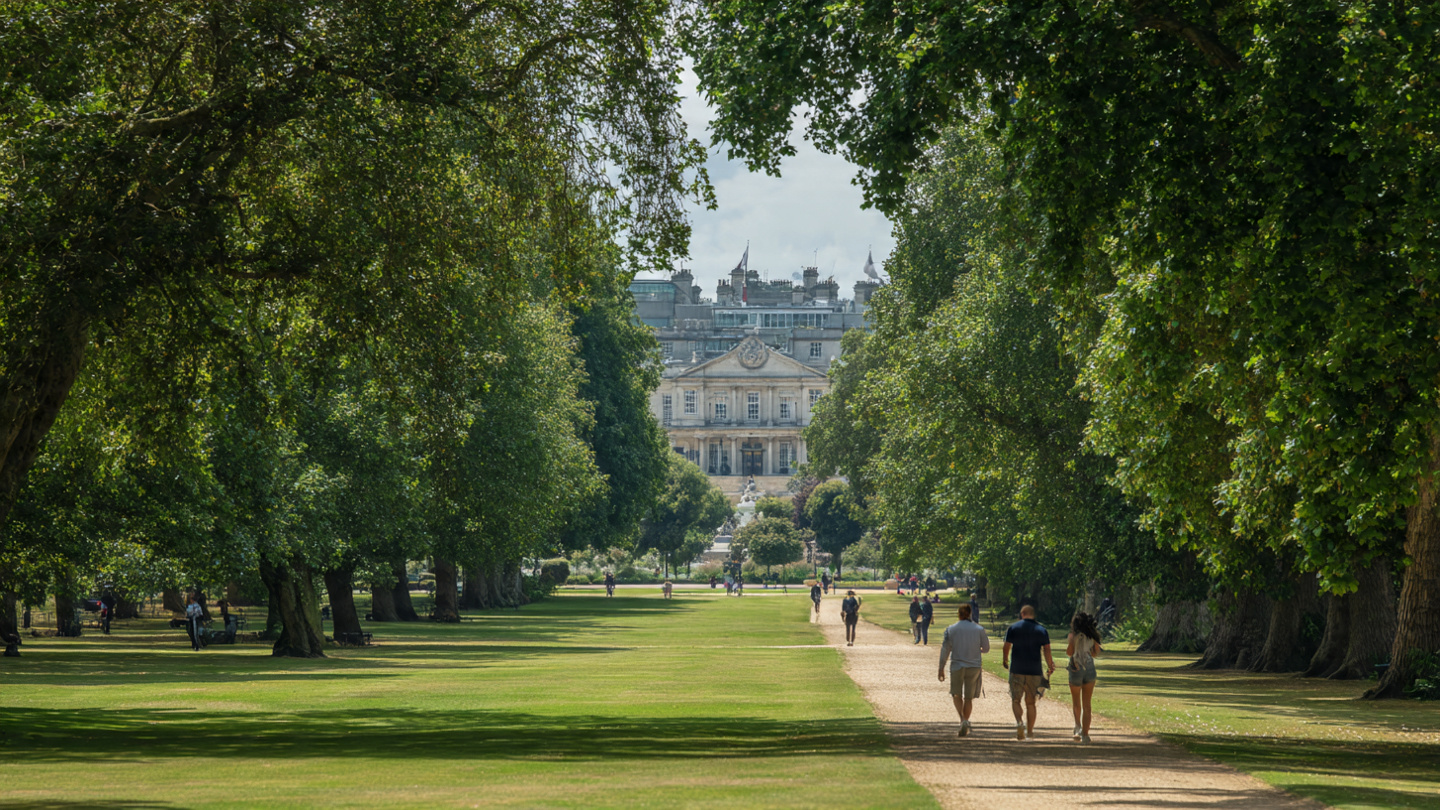
Shifting from history to culture on the second day
The second day works best when it builds on confidence gained from day one. After understanding London’s historic core, travelers are ready to explore culture, royalty, and everyday public spaces. This shift keeps the 4 day london itinerary balanced and engaging.
Why royal areas feel different from Westminster
Royal districts feel more open and ceremonial than the compact streets of Westminster. Wide roads, grand facades, and planned spaces create a calmer atmosphere. This contrast helps travelers experience a different side of London without traveling far.
Mornings suit museums and structured visits
Museums and formal attractions work best earlier in the day when energy and focus are high. Starting the day with these experiences prevents fatigue later. It also avoids peak afternoon crowds that slow movement.
It is a large museum with many rooms from different parts of the world, from my point of view it is too big and does not have a correct order to visit the rooms which makes it confusing.
Read more reviews at Tripadvisor.
Choosing depth over museum hopping
London’s museums are extensive, and trying to see too many in one day quickly becomes overwhelming. This itinerary encourages choosing a small number and spending time inside them properly. A focused approach improves retention and enjoyment.
Green spaces as natural breaks between experiences
London’s parks act as pauses between cultural sites. They reset attention and reduce mental overload. Walking through green spaces after museum visits restores balance and keeps the day from feeling dense.
Why walking through parks matters more than sitting
Movement through parks helps connect areas naturally. Sitting for too long can slow momentum and reduce motivation. Gentle walks maintain flow while still offering rest from urban intensity.
Royal landmarks work best when seen gradually
Large royal landmarks can feel imposing when rushed. Approaching them slowly through surrounding streets and parks builds anticipation. This pacing makes the experience feel intentional rather than forced.
Afternoon flexibility keeps the day realistic
The second half of the day should remain flexible. Travelers may want to revisit something briefly or rest more than expected. This 4 day london itinerary allows adjustments without disrupting the overall plan.
Ending the day with open options
Evenings on day two work best when they are not tightly scheduled. Cultural performances, casual dining, or quiet walks all fit naturally here. The goal is to enjoy the atmosphere rather than complete tasks.
Preparing mentally for the neighborhood-focused days ahead
By the end of day two, travelers usually feel comfortable navigating London. This confidence prepares them for days focused more on neighborhoods and local life. The itinerary gradually shifts from iconic to personal experiences.
Day 3: Markets, Neighborhoods, and Local Life

Moving beyond landmarks into everyday London
By the third day, travelers usually feel comfortable navigating the city. This is the right moment to step away from formal landmarks and experience how London feels on a daily level. A 4 day london itinerary becomes richer when it includes ordinary routines alongside famous sights.
Why neighborhoods reveal the city’s personality
London’s true character lives in its neighborhoods. Each area carries its own rhythm, sounds, and habits. Exploring these spaces helps travelers understand how locals live rather than how visitors move through the city.
Markets play a major role in London life. They are not just places to buy things but places to observe conversations, food traditions, and creative expression. Spending time in markets adds texture and authenticity to the day.
Late mornings suit neighborhood exploration
Neighborhood-focused days work best with slower starts. Streets feel more alive later in the morning when shops open and locals appear. This relaxed pace suits walking, browsing, and casual discovery.
Walking streets without a strict agenda
Allowing time to wander without a fixed list changes the experience. Side streets, small shops, and unexpected corners often become highlights. This approach removes pressure and encourages curiosity.
Food experiences feel more personal on this day
Meals on day three often feel more relaxed and local. Instead of rushing between attractions, travelers can enjoy food as part of the environment. This makes dining feel like an experience rather than a break.
Observing daily routines builds connection
Watching how people commute, shop, and socialize creates emotional connection. These small observations often stay in memory longer than major attractions. A strong 4 day london itinerary leaves room for these moments.
Balancing popular areas with quieter streets
Some neighborhoods attract crowds while nearby streets remain calm. Stepping slightly away from busy zones changes the atmosphere quickly. This balance keeps the day enjoyable without feeling isolated.
For travelers who want to keep spending under control while enjoying a balanced pace, this budget London itinerary explains how to plan four days around walkable areas and free highlights.
Afternoon energy shifts naturally
Energy often dips slightly in the afternoon. Neighborhood days adapt easily to this change. Cafes, short walks, and light exploration keep momentum without exhaustion.
Ending the day with familiarity
By the evening of day three, London often feels familiar rather than foreign. Returning to an area already visited or choosing a comfortable setting helps travelers feel settled. This sense of belonging is a key reward of spending four days in the city.

Why the final day should stay intentionally open
The fourth day works best when it remains flexible. By now, travelers understand their pace, interests, and energy levels. Leaving this day open allows the itinerary to respond naturally to what felt most meaningful during the previous days.
Using familiarity to explore with confidence
By day four, moving around London feels easier. Travelers recognize routes, stations, and patterns. This familiarity removes hesitation and encourages exploration without constant planning. A 4 day london itinerary benefits from this confidence boost.
Slower exploration works best when you can see which quieter areas sit just beyond busy streets.
Revisiting favorite areas without pressure
Some places leave a stronger impression than expected. The final day offers time to return without urgency. Revisiting an area allows deeper observation and appreciation that rushed visits rarely provide.
Discovering quieter corners away from crowds
Hidden corners often sit just beyond busy streets. With no strict schedule, travelers can drift into calmer areas naturally. These quieter spaces often provide the most reflective moments of the trip.
Letting curiosity guide movement
Instead of following a fixed route, day four invites curiosity. A street that looked interesting earlier or a neighborhood passed too quickly can now be explored. This approach creates a sense of personal discovery.
Light activities support low-pressure exploration
The final day works best with lighter activities that do not demand intense focus. Casual walks, browsing, and relaxed experiences keep energy steady. This prevents burnout before departure.
Using the day to fill emotional gaps
Some travelers realize they want more nature, others more culture, or simply more calm. Day four fills these emotional gaps rather than adding new demands. A well-designed 4 day london itinerary adapts to these needs.
Short distances create freedom
Keeping movement local on the final day avoids long travel times. Short distances increase freedom and reduce stress. This makes it easier to change plans without consequences.
Reflecting on the journey while still inside it
The last day allows travelers to reflect while still present in the city. This reflection often shapes how London is remembered. Moments of calm help experiences settle into lasting memories.
Ending the trip without exhaustion
A calm final day ensures travelers leave London feeling satisfied rather than drained. Ending gently preserves positive impressions and avoids the fatigue that can overshadow a great trip. This closure matters as much as the experiences themselves.
How to Adjust This 4 Day London Itinerary for Different Travel Styles

Why flexibility matters more than perfection
No two travelers experience London the same way. Personal interests, energy levels, and expectations shape every decision. This itinerary is designed to adjust easily without breaking its structure. Adaptation improves satisfaction more than strict adherence.
Adjusting the pace for slower travelers
Some travelers prefer fewer activities with more time in each place. In that case, extending walks, sitting longer in parks, or revisiting familiar areas works well. A 4 day london itinerary supports slower pacing without leaving days feeling empty.
Making the itinerary work for faster explorers
Others enjoy covering more ground each day. Faster travelers can add nearby attractions or short detours without disrupting flow. Because days are grouped by area, adding options remains realistic rather than chaotic.
Tweaking the plan for cultural focus
Travelers drawn to history, art, and museums can spend more time indoors on days two and three. Reducing neighborhood wandering slightly creates space for deeper cultural experiences. The itinerary remains balanced even with this shift.
Adapting for outdoor and walking preferences
Those who enjoy walking and open spaces can extend park routes and riverside paths. Short underground trips can be replaced with scenic walks. This approach enhances physical engagement with the city.
Adjusting for weather without stress
Weather influences daily choices, especially in London. Rainy periods can be redirected toward indoor experiences without collapsing the plan. Clear days can be used for walking-heavy segments. Flexibility protects the overall experience.
Some travelers enjoy lively streets and busy markets, while others seek calm spaces. This itinerary allows both by alternating active areas with quieter moments. Adjusting emphasis maintains emotional balance.
Making room for spontaneous interests
Unexpected interests often appear during travel. A conversation, a view, or a neighborhood may spark curiosity. Day four and parts of day three are intentionally open to follow these impulses naturally.
Traveling solo versus with others
Solo travelers may move faster and change plans easily. Groups often need more coordination and rest. This 4 day london itinerary accommodates both by avoiding rigid scheduling and allowing natural regrouping.
Keeping the structure while changing the details
The strength of this itinerary lies in its structure, not fixed activities. Travelers can swap experiences freely as long as the daily flow remains intact. This balance preserves clarity while honoring personal style.
Where This 4 Day London Itinerary Fits Into a Longer London Trip

Why four days often become the foundation of longer visits
Many travelers arrive in London with flexible plans and end up extending their stay. Four days naturally form a strong foundation because they introduce the city without exhausting it. This 4 day london itinerary often becomes the core around which longer trips are shaped.
How this itinerary connects to shorter stays
Travelers who later return for a shorter visit often recognize patterns from this four-day structure. Areas feel familiar and movement feels intuitive. The experience gained here makes future one-day or weekend trips easier and more confident.
Expanding beyond four days without repeating experiences
When travelers add extra days, they rarely want to repeat what they have already seen. This itinerary avoids exhausting major categories too quickly. That leaves space for deeper exploration later without overlap or boredom.
Using this plan as a midpoint rather than a limit
Four days do not represent the limit of what London offers. Instead, they create a midpoint between introduction and immersion. Travelers leave with clarity about what they would like to explore next.
Transitioning into themed itineraries
After four days, travelers often discover specific interests such as food, history, or neighborhoods. This itinerary helps identify those interests naturally. Longer trips can then focus on themes rather than general exploration.
How confidence changes longer planning
By the end of four days, travelers understand transport, distances, and pacing. This confidence removes hesitation when planning additional days. Decisions become faster and more personal.
Avoiding fatigue in extended stays
Extended trips risk fatigue if early days are too intense. This 4 day london itinerary avoids early overload, which helps travelers maintain energy if they continue longer. A calm foundation supports sustainable travel.
Blending London with nearby destinations
Some travelers use London as part of a broader journey. Four days provide enough exposure without dominating the trip. This balance makes it easier to combine London with other destinations while still feeling satisfied.
Why this itinerary works as a return reference
Many travelers mentally reference their first four days when thinking about London later. The structure and flow create a clear memory map. This makes future visits feel familiar even after time has passed.
Seeing four days as an orientation, not a conclusion
The goal of this itinerary is orientation rather than completion. It helps travelers understand London’s rhythm and layout. From there, longer trips become richer and more intentional.
Common Mistakes to Avoid When Spending Four Days in London

Trying to see everything instead of experiencing enough
One of the most common mistakes is treating four days as a race. London is too layered for that approach. A 4 day london itinerary works best when it focuses on experience rather than coverage. Trying to see everything often results in shallow memories and constant stress.
Underestimating travel time between places
Distances in London can be deceptive. Even short trips involve walking, waiting, and navigating large stations. Ignoring travel time leads to rushed days and frustration. Planning realistically keeps the itinerary comfortable and achievable.
Overbooking timed attractions
Booking too many attractions with fixed entry times locks the day into a rigid schedule. Delays quickly cascade and create pressure. This itinerary avoids heavy pre-booking so days can adjust naturally as needed.
Ignoring daily energy levels
Energy fluctuates throughout a trip. Some travelers push through fatigue instead of adjusting plans. A successful four-day visit respects natural energy dips and adapts accordingly rather than forcing productivity.
Spending too much time underground
While the underground is efficient, overusing it disconnects travelers from the city. Many visitors miss the experience of moving through streets and neighborhoods. Walking reveals context that transport alone cannot provide.
Packing every day with indoor experiences
London offers excellent indoor attractions, but too many in a row feel heavy. Without outdoor balance, days blur together. This 4 day london itinerary intentionally mixes open spaces with indoor time to maintain contrast.
Skipping quieter moments entirely
Many travelers overlook pauses in favor of constant movement. Quiet moments often become emotional anchors of a trip. Skipping them leads to exhaustion rather than fulfillment.
Treating evenings as afterthoughts
Evenings shape how days are remembered. Leaving them unplanned or rushed reduces enjoyment. Calm, flexible evenings support reflection and recovery after active days.
Carrying unnecessary expectations
Expectations shaped by images or lists can distort the real experience. London often feels different in person. Letting the city reveal itself leads to more authentic memories.
Forgetting that flexibility is the real advantage
The biggest mistake is forgetting that four days provide flexibility. This itinerary succeeds because it adapts. Holding plans too tightly removes the freedom that makes a four-day visit special.
Final Thoughts on Experiencing London in Four Well-Planned Days

Ultimately, four days create clarity rather than pressure
In the end, spending four days in London brings clarity instead of confusion. Rather than rushing from place to place, travelers gain a clear sense of how the city functions. As a result, the experience feels intentional instead of overwhelming.
Gradually, the city begins to feel familiar
By the fourth day, streets start to feel recognizable and movement becomes more natural. Instead of constantly checking directions, travelers begin trusting their instincts. Consequently, London feels less like an unknown city and more like a place that makes sense.
Most importantly, balance matters more than coverage
While it may be tempting to measure success by how much is seen, balance plays a far greater role. By combining landmarks, neighborhoods, open spaces, and quieter moments, the trip feels complete. Therefore, memories form through experience rather than volume.
In contrast, ambition often works against London’s rhythm
Although ambitious schedules look impressive on paper, they often clash with how London actually works. Instead, intentional choices allow the city to reveal itself naturally. Because of this, travelers experience depth rather than fatigue.
Over time, flexibility becomes a valuable travel skill
As plans shift throughout the trip, flexibility turns into a strength. Rather than causing stress, small changes improve the overall experience. In fact, this adaptability often carries into future trips beyond London.
Meanwhile, unplanned moments grow more meaningful
Interestingly, some of the strongest memories emerge between scheduled activities. For example, a quiet street, a slow walk, or a brief pause often lingers longer than major sights. Therefore, leaving space between plans becomes just as important as planning itself.
Eventually, confidence replaces urgency
At first, short trips create pressure to move quickly. However, four well-paced days replace urgency with confidence. As travelers settle into the city’s rhythm, they begin enjoying London instead of racing through it.
As a result, the experience feels complete without exhaustion
Because the itinerary spreads experiences thoughtfully, travelers finish the trip feeling satisfied rather than drained. Consequently, the final impression of London remains positive and energizing.
Long after leaving, London continues to stay with you
When experienced at the right pace, London lingers in memory. Streets, routines, and everyday moments resurface over time. For this reason, a thoughtful four-day plan creates a lasting emotional connection.
Ultimately, this approach works beyond a single trip
Finally, this itinerary is not only about four days. It teaches how to approach London with intention and awareness. Whether returning for a short visit or planning a longer stay, the mindset developed here continues to guide better travel decisions.
Frequently Asked Questions
Planning and Timing Questions
Yes, four days offer enough time to understand London’s layout, see major landmarks, and experience local neighborhoods. While it is not enough to see everything, it provides a complete and satisfying first-time experience when planned well.
Spring and early autumn are often the most comfortable due to mild weather and manageable crowds. However, this itinerary works year-round because it balances indoor and outdoor experiences.
No, planning every hour usually leads to stress. Instead, it is better to follow a loose structure with flexibility built into each day. This approach allows the city to be experienced naturally.
Transport and Movement Questions
Yes, walking is one of the best ways to explore central London. Many major areas connect naturally by foot, and walking often saves time compared to short underground trips.
Having a basic understanding helps significantly. Knowing how underground lines work and when walking is faster reduces confusion and saves energy during the trip.
Not if the itinerary is planned by area. Grouping experiences geographically keeps daily travel time reasonable and avoids unnecessary backtracking.
Experience and Pacing Questions
No, the itinerary is designed to feel relaxed while still productive. Each day balances structured experiences with open time to prevent fatigue.
Yes, flexibility is one of the strengths of a four-day plan. You can slow down, skip minor activities, or extend rest time without disrupting the overall flow.
Yes, quiet moments are intentionally included through parks, walking routes, and flexible periods. These moments often become the most memorable parts of the trip.
Customization and Travel Style Questions
Absolutely. Solo travelers often find this structure easy to adapt because it avoids rigid schedules and allows spontaneous decisions.
Yes, the pacing works well for couples and groups. It leaves room for shared experiences without creating pressure to stay perfectly synchronized.
This itinerary works well as a foundation. After four days, travelers usually know which areas or themes they want to explore more deeply in additional days.
Final Practical Questions
Trying to see too much is the most common mistake. Focusing on experience rather than volume leads to better memories and less stress.
Most travelers leave feeling oriented rather than incomplete. Four days provide clarity, confidence, and a strong emotional connection to the city.
For first-time visitors, four days often feel ideal. It offers more flexibility and depth than shorter stays while remaining manageable.