
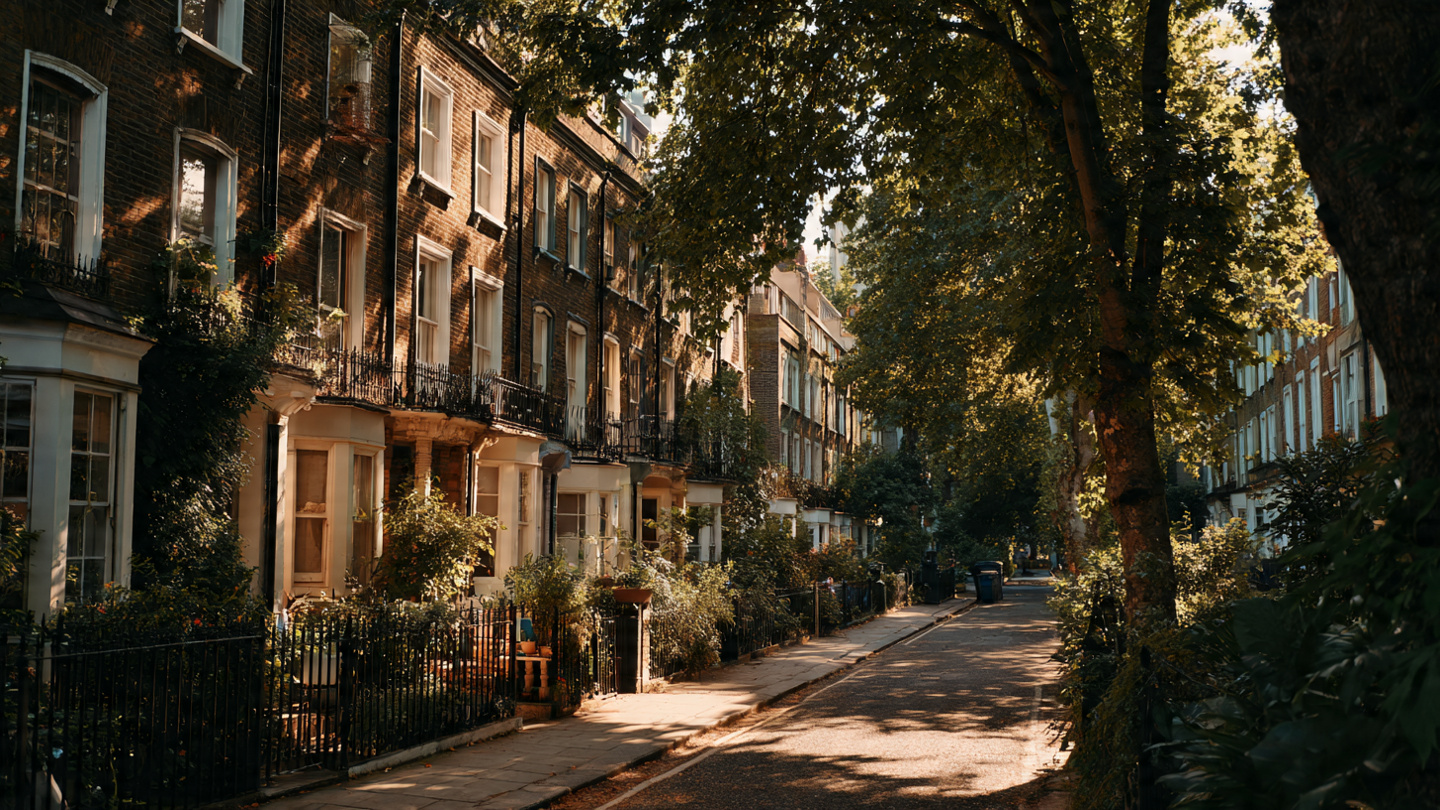
Many travelers focus on famous landmarks. However, London’s underrated neighborhoods offer a quieter and more authentic experience where the charm of hidden streets truly shines. These areas feel calm, lived in, and welcoming. As a result, visitors can see the city from a different and more personal perspective. Exploring London beyond the obvious brings unique rewards.
The Value of Discovering Lesser-Known Areas
Underrated neighborhoods in London encourage slower exploration. For example, travelers can observe daily routines, community life, and small local details in these often overlooked districts. Experience London’s lesser-known communities and discover their hidden beauty. In addition, these areas help visitors understand how the city functions beyond its busy tourist districts.
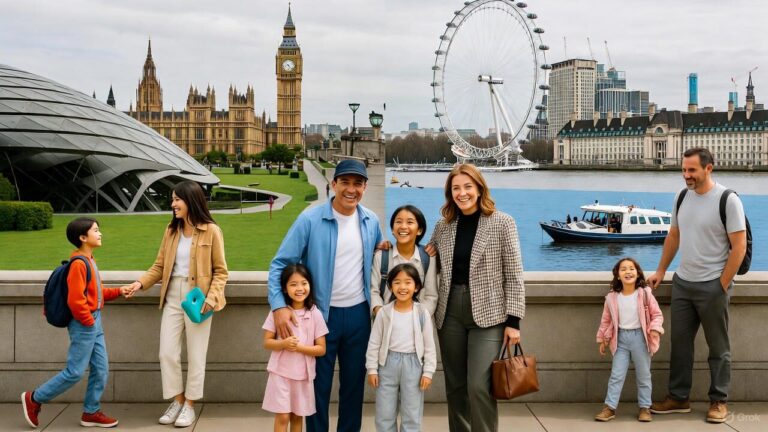
Some central areas feel calmer and more approachable when explored on foot, a theme also seen in this guide to things to do near London Eye.
For travelers who want to go even deeper into places most visitors never see, this broader guide explores London’s hidden side in detail through carefully selected locations and experiences found in hidden gems in London most tourists miss.
A Different Kind of Exploration Experience
In these neighborhoods, movement feels relaxed rather than rushed. Visitors to areas often underrated in London often walk slowly, pause often, and notice subtle changes in atmosphere. Furthermore, cafés, small shops, and quiet streets create an environment that supports meaningful and reflective travel.
Why Travelers Appreciate These Quiet Corners
Many travelers describe time spent in London’s neighborhoods that are underrated as calm and emotionally balanced. In contrast, crowded attractions can sometimes feel overwhelming. Instead, these areas provide space for reflection, observation, and gentle curiosity, offering a true sense of serenity. These hidden neighborhoods foster a more tranquil travel experience.
How This Guide Supports Meaningful Travel
This guide highlights several neighborhoods that are underrated in London, along with similar lesser-known areas across the city. Moreover, it encourages thoughtful travel and respectful exploration. Finally, readers can use it to choose neighborhoods where they can slow down, connect with their surroundings, and experience London beyond the obvious, exploring hidden gems on their journey.
Why Underrated Neighborhoods Matter for Meaningful Travel
Seeing the City Through Everyday Life
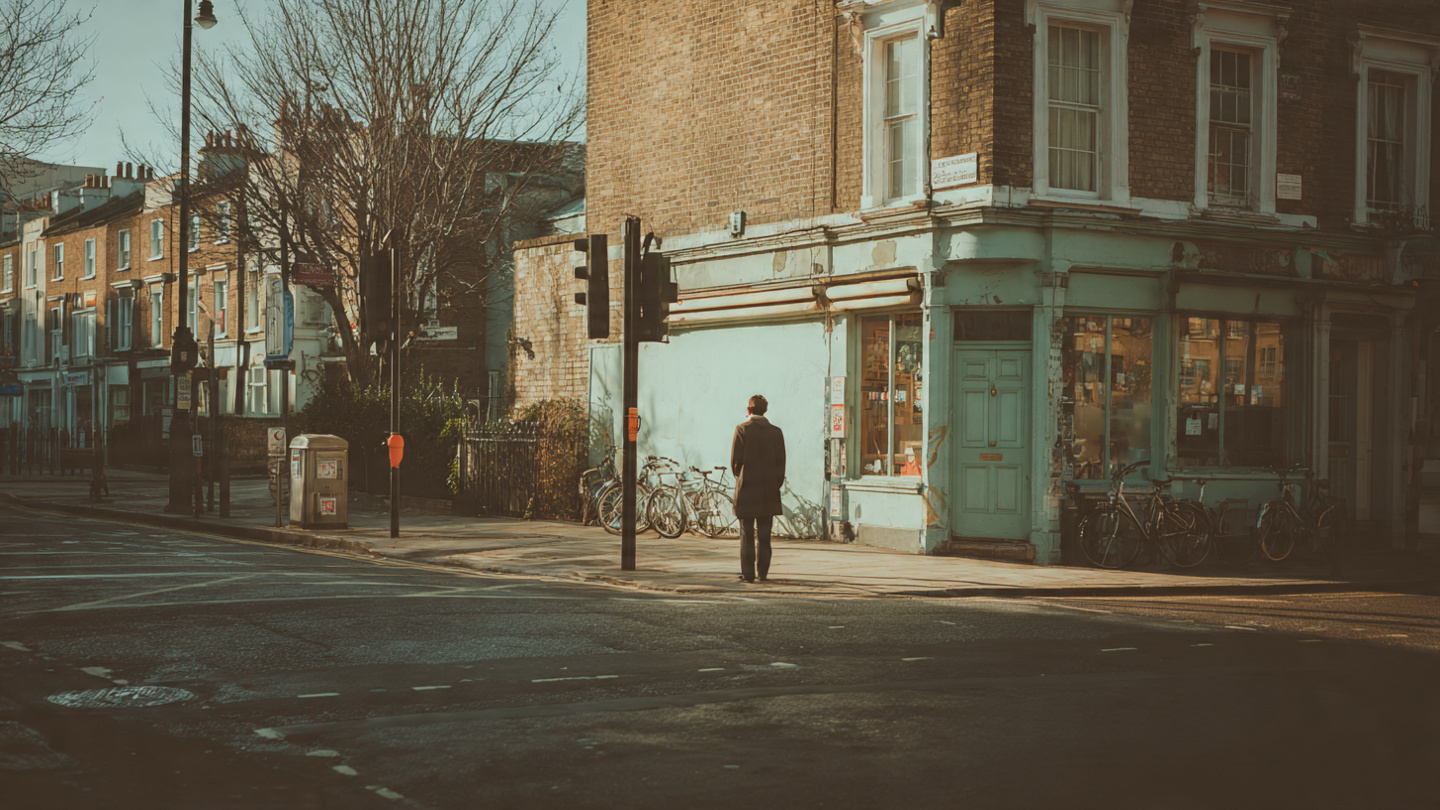
Underrated neighborhoods in London allow travelers to experience the city through daily routines rather than attractions alone. In these quieter areas, ordinary streets, local cafés, and small community spaces reveal how people actually live. As a result, visitors gain a deeper and more grounded understanding of the city.
Many quieter neighborhoods also hide small green retreats where residents unwind, and discovering hidden parks in London adds a peaceful layer to understanding how these areas feel beyond the streets.
Moving Beyond Typical Tourist Patterns
Many itineraries focus only on popular central areas. However, underrated neighborhoods in London encourage travelers to step outside familiar routes. Instead of repeating the same sightseeing circuits, visitors explore places with character, identity, and atmosphere. Consequently, each walk feels fresh and personally meaningful.
Connecting with Culture in Subtle Ways
In these lesser-known neighborhoods, culture appears in gentle and authentic forms. For example, independent shops, family businesses, and street markets often reflect long-standing community traditions. In addition, certain streets show layers of history that remain visible in architecture, public spaces, and everyday movement.
Creating Calm and Reflective Travel Experiences
Unlike crowded tourist zones, underrated neighborhoods in London support a slower rhythm. Therefore, travelers have time to pause, notice details, and enjoy quiet surroundings. Furthermore, this calm environment helps experiences feel emotionally balanced, which makes each visit more memorable.
Supporting Responsible and Respectful Exploration
Choosing underrated neighborhoods in London also spreads visitor attention across wider areas of the city. As a result, tourism pressure reduces in busy districts, while local communities benefit from gentle, respectful interaction. Moreover, travelers learn to value authenticity, sensitivity, and awareness while exploring.
To help visualize these underrated neighborhoods in London, I created a map highlighting all the areas mentioned in this guide, making it easier to understand their location and how they fit into the wider city.
Stoke Newington — A Calm Village Atmosphere Inside the City
First Impressions and Neighborhood Character
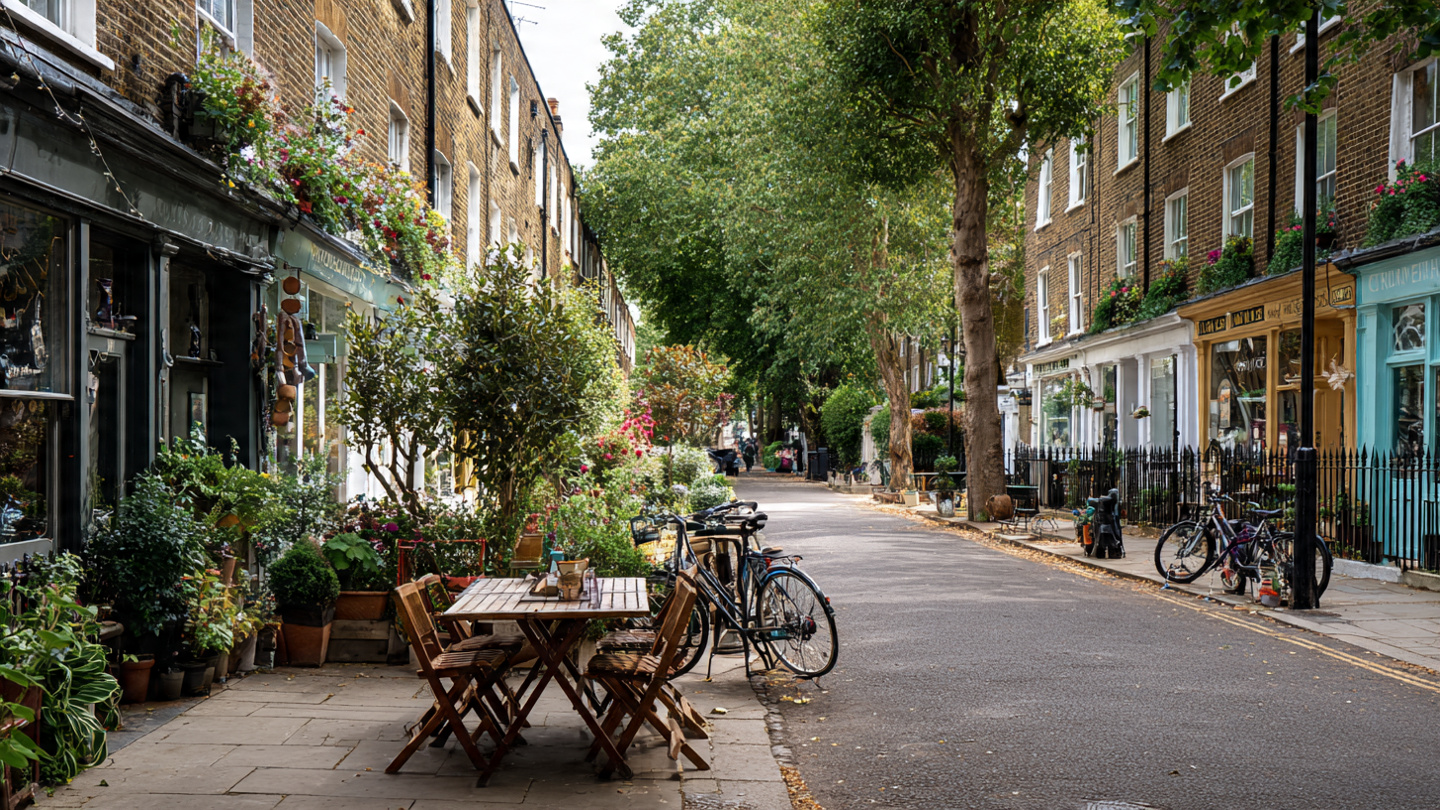
Stoke Newington is often mentioned when people talk about underrated neighborhoods in London because it feels like a peaceful village within the city. Although it sits inside a busy urban area, its atmosphere remains calm, welcoming, and community focused. As a result, many travelers find it refreshing and emotionally grounding.
Why This Area Feels Underrated
Unlike well-known central districts, Stoke Newington receives fewer visitors. However, this quieter presence is exactly what makes it special. Streets feel lived in, conversations flow naturally, and local routines unfold without rush. Therefore, the neighborhood reflects everyday London life in a genuine way.
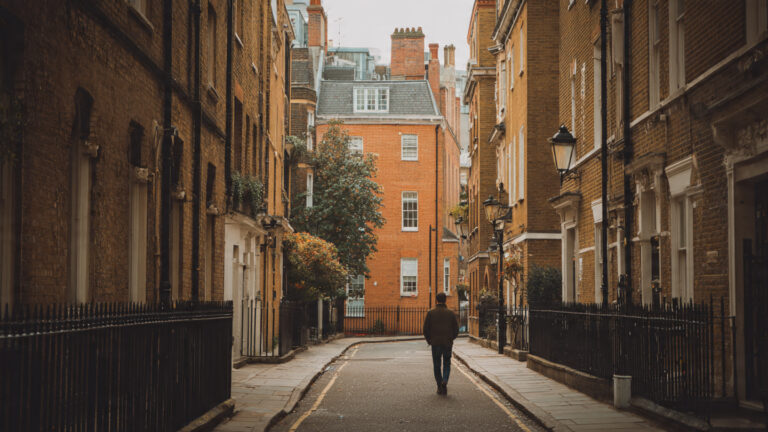
Much of a neighborhood’s character is revealed through its quieter routes, and this guide to hidden streets in London focuses on the lanes and passages that shape everyday local life.
Independent Shops and Local Businesses
Throughout this area, small cafés, independent stores, and creative businesses shape the neighborhood’s identity. For example, many long-standing shops continue to serve local residents instead of focusing on tourist traffic. In addition, these places create a warm and familiar environment that supports slow and mindful exploration.
Green Spaces and Relaxed Walking Routes
Stoke Newington also appeals to travelers who enjoy peaceful outdoor spaces. Nearby parks and quiet walking streets offer room to pause, observe, and breathe. Furthermore, gentle pathways connect different parts of the neighborhood, which makes walking feel comfortable and pleasant rather than tiring.
Community Atmosphere and Everyday Details
Time spent here often reveals subtle moments that define the spirit of underrated neighborhoods in London. People greet one another in cafés, parents walk with children along calm streets, and conversations carry a softer tone. Consequently, visitors feel included in the rhythm of daily life instead of standing apart from it.
Many of these neighborhoods also hide subtle elevated spots where the city opens up quietly, and discovering hidden viewpoints in London shows how these perspectives blend naturally into everyday local life.
Why Travelers Appreciate Visiting This Area
For many travelers, Stoke Newington becomes memorable because it offers authenticity without noise or pressure. In contrast to busy tourist zones, the experience here feels balanced, reflective, and emotionally calm. Therefore, it represents the kind of meaningful exploration that this guide encourages across similar underrated neighborhoods in London.
Walthamstow — Creative Streets and Community Identity
First Impressions and Sense of Place
Walthamstow stands out as one of the underrated neighborhoods in London because it blends creativity, tradition, and everyday community life. At first glance, the area feels vibrant yet grounded. As a result, travelers quickly notice a strong sense of identity that differs from more commercial parts of the city.
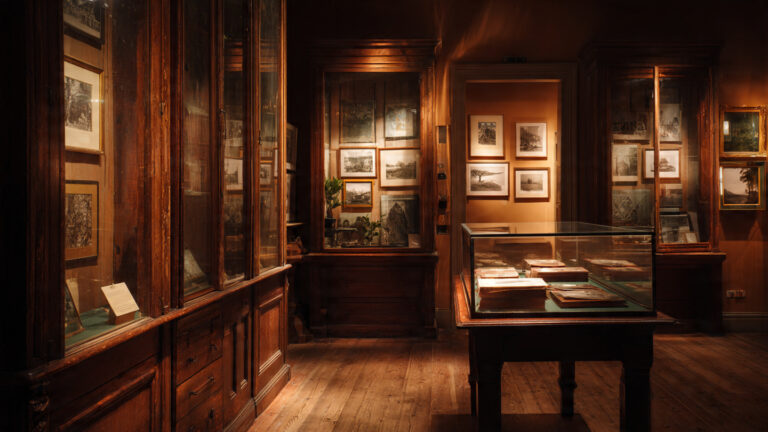
Beyond streets and local communities, London’s quieter cultural spaces also reflect neighborhood identity in subtle ways. Exploring hidden museums in London helps travelers understand how history, creativity, and daily life quietly shape areas often overlooked by most visitors.
How Creativity Shapes the Neighborhood
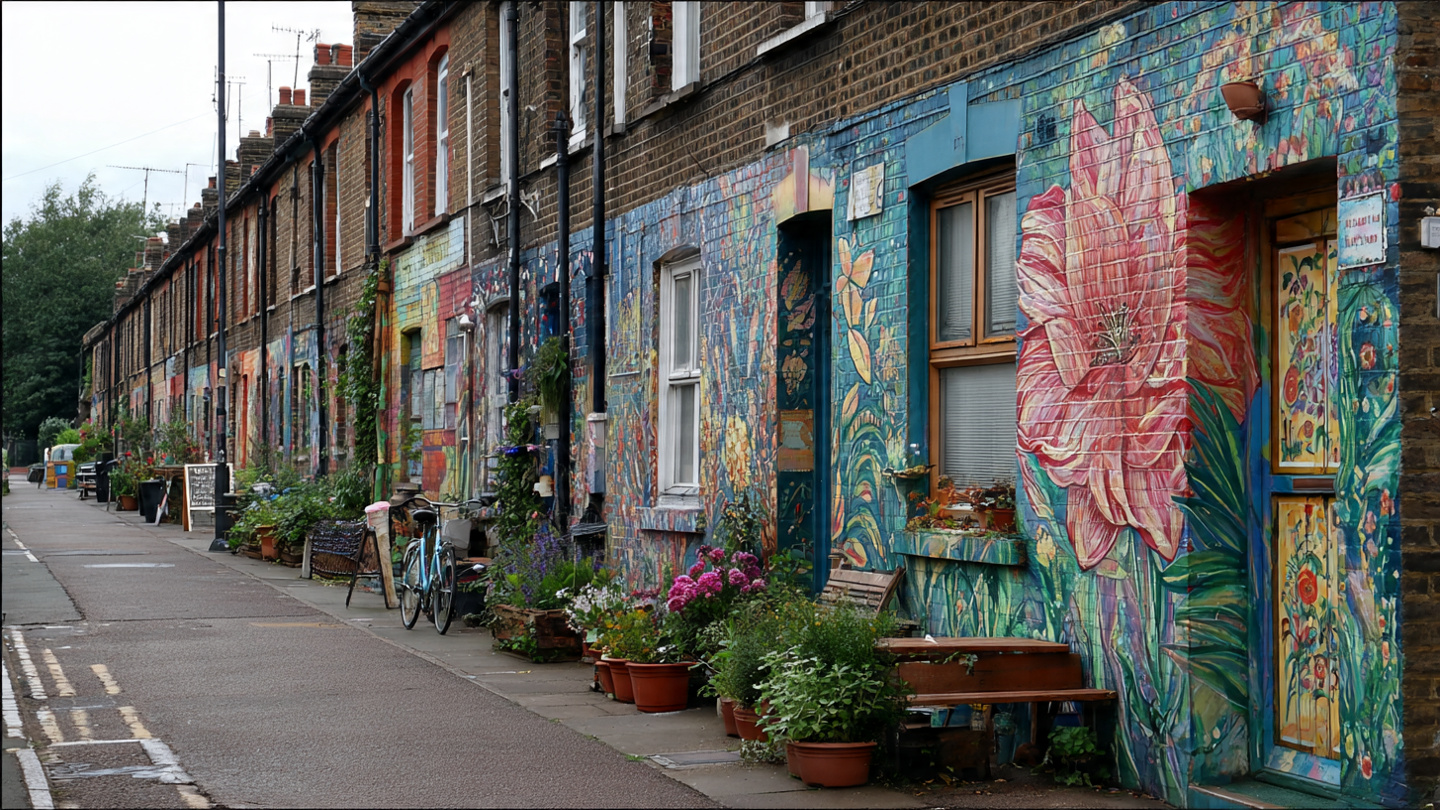
Across Walthamstow, creative spaces appear in many forms. For example, street art, studios, and independent workshops reflect the neighborhood’s artistic spirit. In addition, local initiatives and community projects give the area an atmosphere of collaboration rather than tourism. Therefore, visitors experience culture in a natural, authentic way.
Everyday Life and Local Energy
Unlike crowded central districts, Walthamstow remains closely connected to the routines of daily life. Markets, residential streets, and small cafés support local residents first. Meanwhile, travelers who explore respectfully gain insight into real urban rhythms. Consequently, the neighborhood feels sincere, approachable, and quietly engaging.
Historical Layers Within a Modern Setting
Walthamstow also carries visible traces of history. Certain streets, buildings, and public spaces reveal older architectural character. However, these features blend smoothly with newer developments. Therefore, the neighborhood offers a meaningful balance between past and present, which many visitors find emotionally compelling.
Time spent here shows why Walthamstow belongs among underrated neighborhoods in London. It does not rely on major attractions. Instead, its value appears through atmosphere, community presence, and subtle details. Furthermore, travelers who enjoy slow exploration often feel deeply connected to the environment.
What Makes the Experience Memorable
Many visitors describe Walthamstow as a place where creativity feels lived in rather than displayed. As a result, the experience becomes personal, reflective, and emotionally warm. In contrast to busy tourist zones, the neighborhood invites patience, awareness, and curiosity — qualities that define meaningful travel across many underrated neighborhoods in London.
Peckham — Independent Culture and Everyday Energy
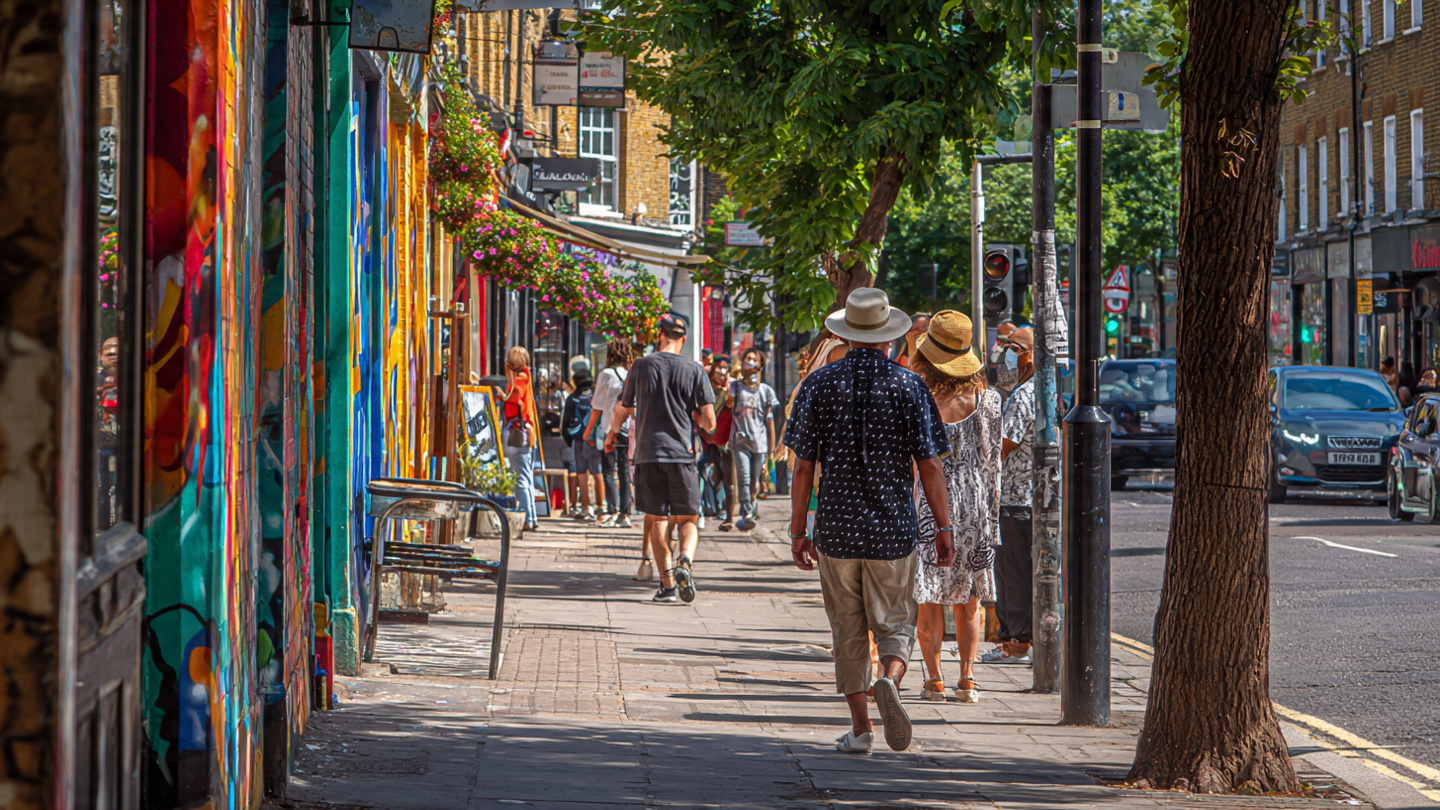
First Impressions and Neighborhood Atmosphere
Peckham is often included among underrated neighborhoods in London because it combines creativity, diversity, and everyday street life. At first sight, the area feels lively and expressive. However, beneath this energy, the neighborhood also carries a grounded community spirit that makes exploration feel genuine and meaningful.
Some underrated neighborhoods in London feel especially atmospheric during quieter seasons, when streets slow down and everyday life becomes more visible. Exploring these areas during autumn often reveals a softer side of the city, similar to the experiences described in things to do in London in autumn.
Independent Culture and Local Identity
Across Peckham, independent cafés, small restaurants, and creative venues shape the environment. For example, many businesses grow directly from local communities rather than commercial tourism. In addition, artistic projects and cultural spaces reflect personal expression instead of mass-produced experiences. Therefore, visitors encounter culture in a direct and authentic way.
Street Life and Everyday Movement
Daily life remains visible everywhere in Peckham. Markets, sidewalks, and residential streets stay busy with local activity throughout the day. Meanwhile, travelers who move slowly can observe how the neighborhood functions as a living community. Consequently, the experience feels real and immersive, which is a defining quality of underrated neighborhoods in London.
Layers of History and Change
Peckham also shows how history and transformation exist side by side. Older buildings, longstanding shops, and familiar landmarks continue to shape identity. However, new creative spaces and social hubs appear alongside them. As a result, the neighborhood feels dynamic, evolving, and emotionally complex in a way that many visitors find compelling.
Time spent in Peckham reveals why it belongs among the most meaningful underrated neighborhoods in London. It does not present itself as a traditional sightseeing destination. Instead, value appears through atmosphere, interaction, and lived experience. Furthermore, every walk through the area encourages curiosity, awareness, and respect for local life.
What Travelers Appreciate About the Experience
Many travelers remember Peckham for its emotional warmth and lively human presence. In contrast to crowded tourist zones, the neighborhood invites connection rather than spectacle. Therefore, the experience feels personal, reflective, and deeply rooted in everyday culture — just like many other underrated neighborhoods in London highlighted in this guide.
Bermondsey — Riverside Character with Local History
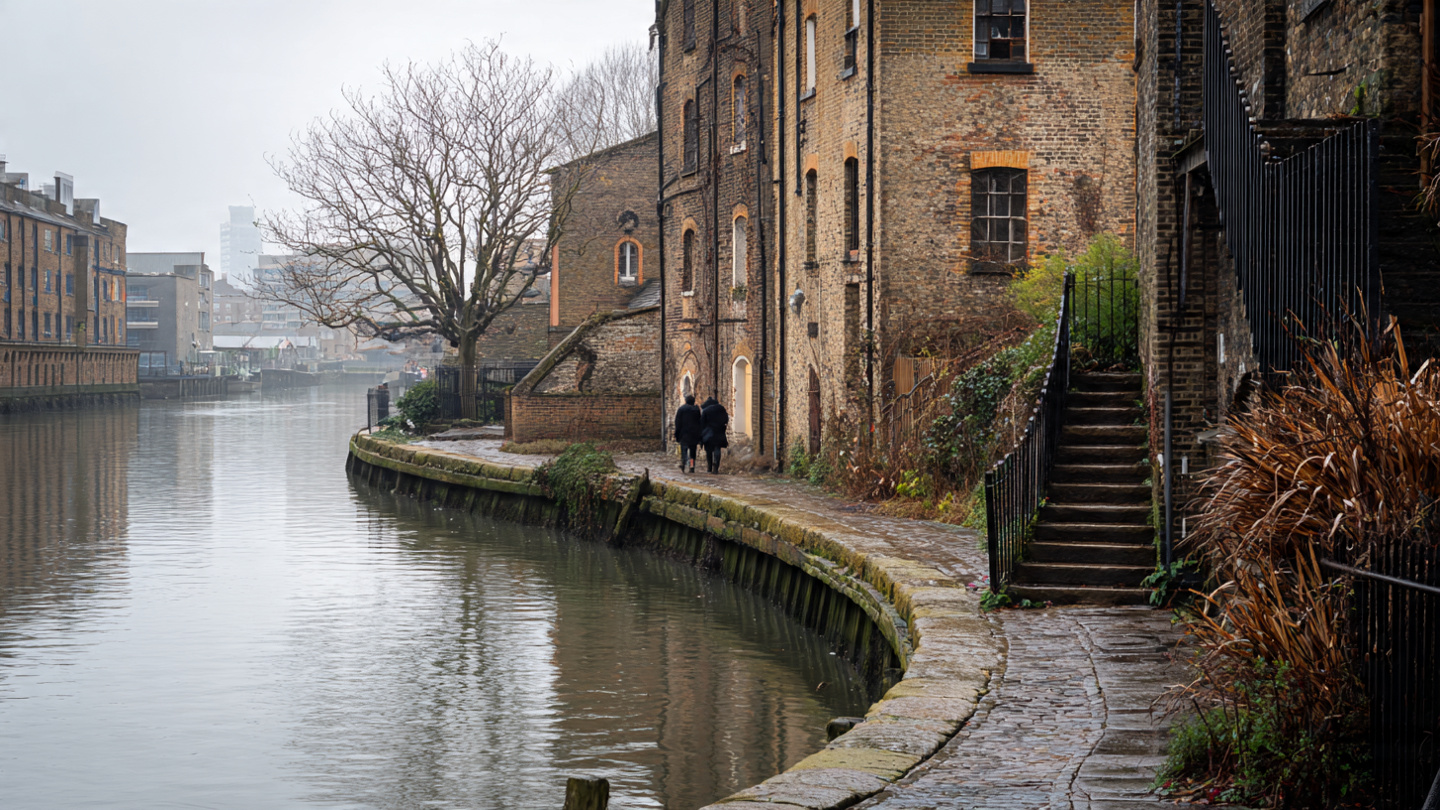
First Impressions and Sense of Place
Bermondsey is often recognised as one of the underrated neighborhoods in London because it blends quiet riverside character with deep historical roots. At first glance, the area feels calm and atmospheric. However, as travelers explore further, subtle layers of heritage and community presence begin to reveal themselves.
Historic Streets and Architectural Identity
Many streets in Bermondsey reflect earlier periods of London’s development. Old warehouses, brick buildings, and restored industrial structures show how the area has changed over time. In addition, these features give the neighborhood a distinctive visual identity. Therefore, walking here feels both reflective and visually engaging.
Riverside Paths and Peaceful Walks
The riverside side of Bermondsey offers gentle walking routes that differ from busy tourist promenades. Paths feel calm, open, and well connected to everyday life. Meanwhile, travelers can pause, observe the surroundings, and experience the softer rhythm that often defines underrated neighborhoods in London. As a result, exploration becomes relaxing rather than rushed.
Local Food Culture and Community Spaces
Although Bermondsey has several well-known food spots, much of its atmosphere still feels community-driven rather than tourist-focused. Independent cafés, small eateries, and local gathering places encourage slow conversations and meaningful pauses. Furthermore, these spaces reflect real neighborhood life instead of commercial presentation.
A Balance Between Heritage and Modern Living
Bermondsey demonstrates how tradition and modernity can coexist naturally. Historical structures remain visible, yet new creative spaces and residential developments continue to reshape the environment. Consequently, the neighborhood offers a balanced, layered experience that reflects the evolving character of many underrated neighborhoods in London.
Why Travelers Value Time Spent Here
Visitors often describe Bermondsey as calm, grounded, and emotionally rich. In contrast to crowded central districts, the area provides room for awareness, reflection, and quiet discovery. Therefore, time spent here feels meaningful, and the experience aligns with the deeper style of exploration encouraged throughout the underrated neighborhoods in London featured in this guide.
Several underrated neighborhoods in London are shaped by riverside settings, offering calm walking paths and historic views along the water, as shown in this focused map.
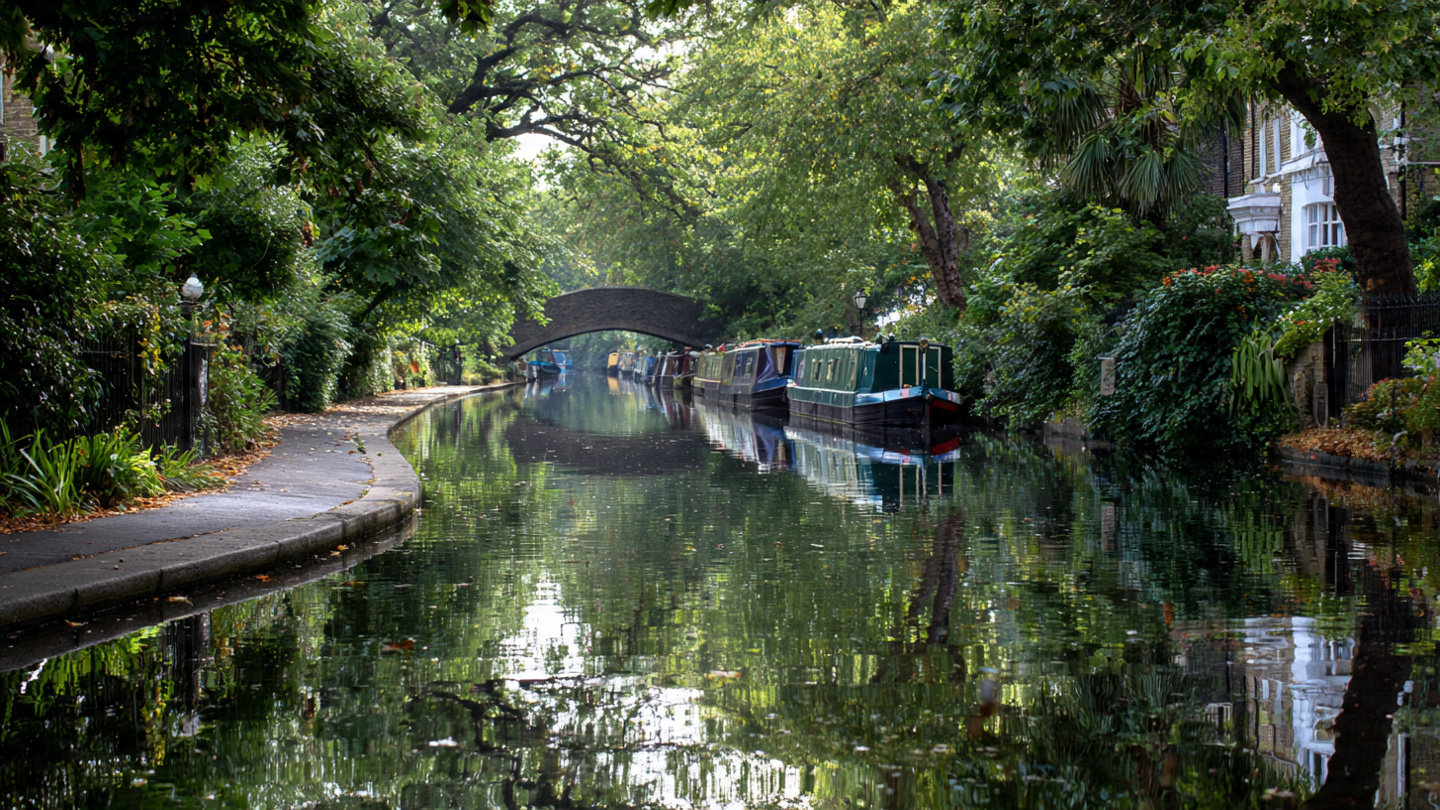
First Impressions and Neighborhood Atmosphere
Little Venice stands out as one of the underrated neighborhoods in London because it offers a calm waterside environment that feels distant from the city’s busy districts. At first sight, the canals create a gentle, almost poetic mood. As a result, many travelers experience a sense of quiet reflection as soon as they arrive.
A Unique Waterside Identity
The canals shape the character of this neighborhood in a way that feels different from most urban areas. Boats rest along the water, pathways curve slowly, and reflections move across the surface in soft patterns. In addition, tree-lined edges and peaceful sitting spots encourage visitors to pause rather than hurry. Therefore, the area supports slow and mindful exploration.
Friendly, professional, fun, great with children! Elisabetta and Savio offer to see London in a different wayRead more reviews at Tripadvisor.
Walking Routes That Encourage Awareness
Walking through Little Venice feels calm and intentional. For example, travelers often follow narrow towpaths, cross small bridges, and move gently along the water’s edge. Meanwhile, each turn reveals subtle details such as moored boats, quiet corners, and shaded seating areas. Consequently, the experience reflects the slower rhythm often associated with underrated neighborhoods in London.
Everyday Life Beside the Water
Although the area attracts some visitors, much of its atmosphere remains closely connected to local daily life. Residents walk dogs, sit beside the canals, or talk quietly on nearby benches. In addition, small cafés and community spaces blend naturally into the environment. Therefore, the neighborhood feels lived in rather than staged for tourism.
A Space for Calm and Emotional Balance
Little Venice offers travelers a place to step back from intense movement and constant activity. In contrast to crowded districts, the surroundings here invite reflection, observation, and emotional calm. Furthermore, the combination of water, greenery, and quiet pathways creates a soothing atmosphere that many visitors find deeply memorable.
While famous attractions offer highlights, many travelers discover that deeper satisfaction comes from quieter moments and local environments. These kinds of meaningful encounters often align closely with the philosophy behind best experiences in London for tourists.
Time spent in Little Venice shows why it belongs among the most meaningful underrated neighborhoods in London. It does not rely on major attractions or loud entertainment. Instead, its value appears through serenity, subtle beauty, and the gentle rhythm of everyday life beside the canals. For this reason, many travelers consider it one of the city’s most peaceful and rewarding places to explore.
Hampstead — Timeless Streets and Scenic Village Charm
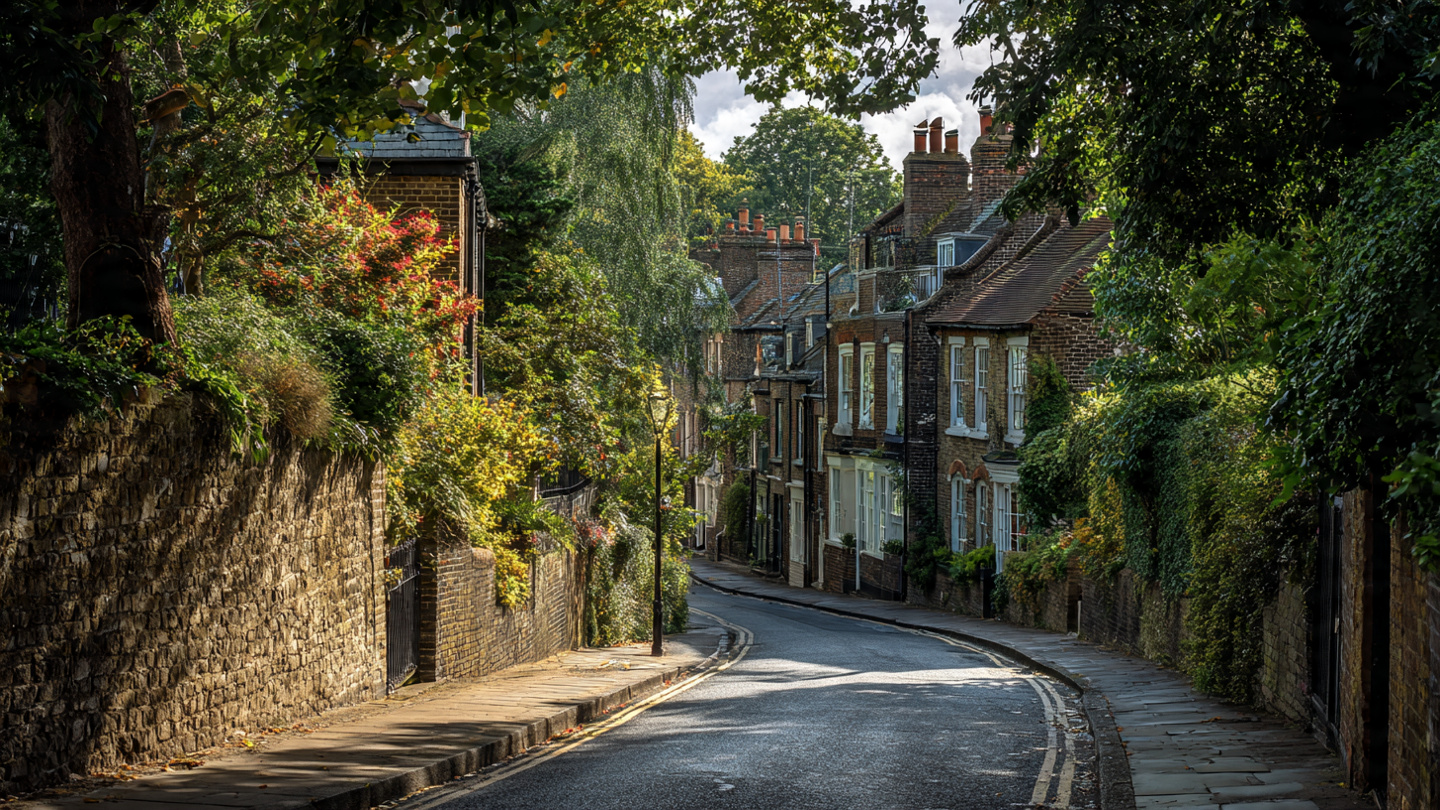
First Impressions and Sense of Place
Hampstead is often included among underrated neighborhoods in London because it preserves a timeless village atmosphere within a modern city. Narrow streets, historic houses, and gentle slopes create an environment that feels calm and deeply rooted in tradition. As a result, many travelers experience a strong emotional connection as they begin exploring the area.
Historic Architecture and Lasting Character
The architectural identity of Hampstead plays an important role in shaping its mood. Older buildings, stone walls, and preserved facades reflect centuries of history. In addition, many streets appear almost unchanged, which gives the neighborhood a sense of quiet continuity. Therefore, walking here often feels reflective and grounded in the past.
Calm Streets and Gentle Walking Routes
Hampstead encourages slow movement rather than hurried sightseeing. For example, travelers might follow winding lanes, pause beside leafy corners, or walk uphill through peaceful residential streets. Meanwhile, the quiet surroundings support awareness and observation. Consequently, the experience aligns with the softer rhythm found in many underrated neighborhoods in London.
Felt so peaceful and chill to visit the beautiful, big and green Hampstead Heath. I highly suggest visiting it while in London.
Read more reviews at Tripadvisor.
Local Life and Community Presence
Although the area includes elegant houses and cultural landmarks, daily life remains visible and sincere. Residents shop at small stores, talk outside cafés, and move through the streets at a relaxed pace. In addition, local traditions and long-standing businesses create a sense of continuity. Therefore, the neighborhood feels authentic rather than tourist-focused.
A Place for Reflection and Emotional Calm
Hampstead offers travelers space to think, breathe, and slow down. In contrast to crowded urban districts, the environment feels composed and gently atmospheric. Furthermore, scenic viewpoints and quiet streets create moments of stillness that many visitors find emotionally meaningful. For this reason, time spent here often becomes one of the most memorable parts of exploring underrated neighborhoods in London.
The value of Hampstead does not depend on loud attractions or busy entertainment spaces. Instead, it appears through character, history, and subtle beauty. Moreover, each walk reveals layered stories, architectural detail, and a strong sense of place. As a result, Hampstead stands as a clear example of how underrated neighborhoods in London can offer deep, thoughtful, and rewarding travel experiences.
Crouch End — A Neighborhood Shaped by Creativity and Community
First Impressions and Neighborhood Identity
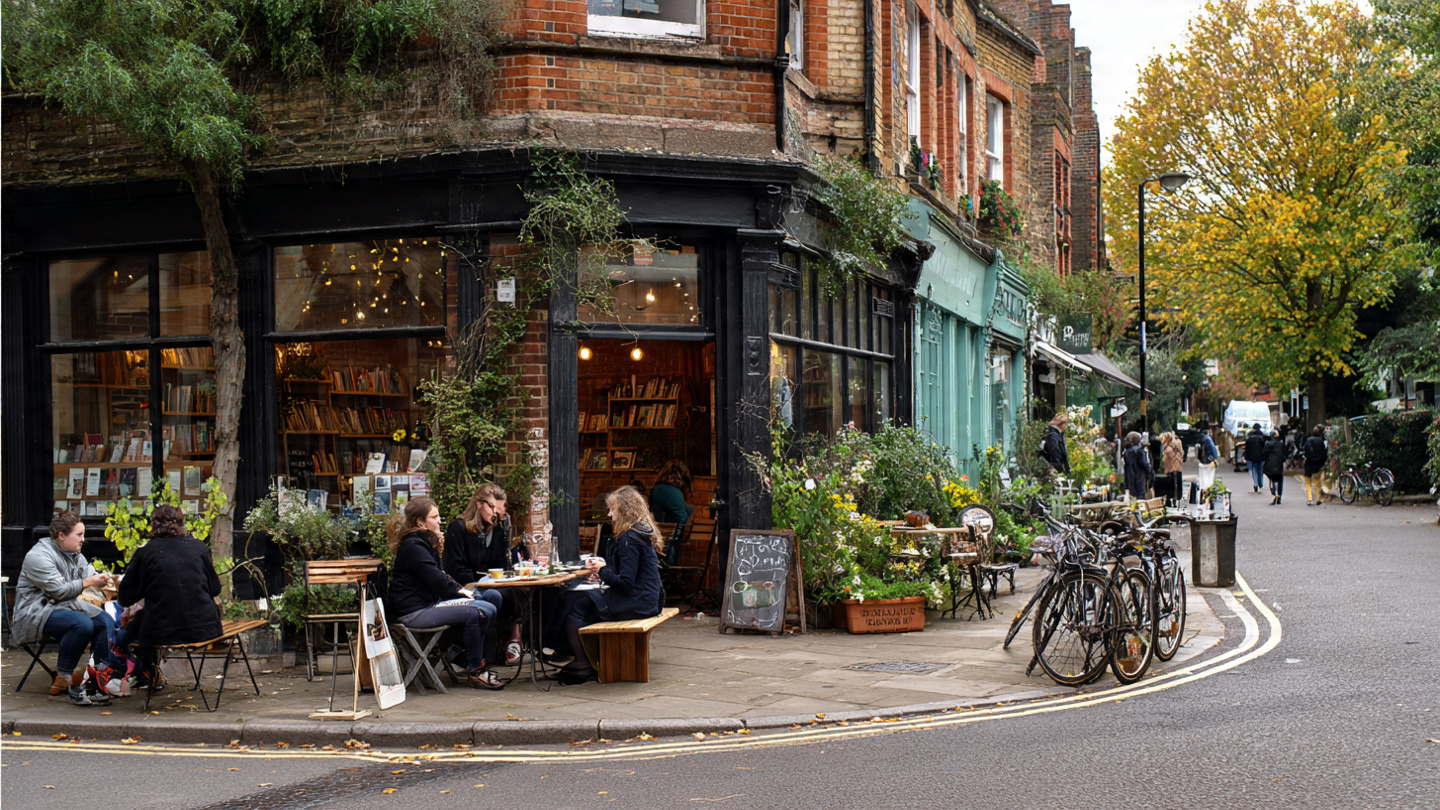
Crouch End is often mentioned among underrated neighborhoods in London because it feels creative, welcoming, and quietly independent. The area does not rely on major tourist attractions. Instead, its character appears through everyday streets, local gathering places, and a strong sense of community life. As a result, many travelers feel comfortable and grounded as soon as they arrive.
Creative Atmosphere and Subtle Cultural Energy
Creativity shapes much of the environment in Crouch End. For example, independent cafés, small studios, and locally owned shops reflect personal expression rather than commercial tourism. In addition, community events and artistic spaces give the neighborhood a gentle cultural rhythm. Therefore, visitors experience creativity in a natural and authentic way instead of through staged displays.
Calm Streets and Relaxed Daily Movement
Walking through Crouch End feels calm and unhurried. Streets curve gently, traffic remains moderate, and residential areas create a peaceful backdrop. Meanwhile, people move at a steady pace, greeting neighbors or stopping for short conversations outside small businesses. Consequently, the atmosphere reflects the slower rhythm often found in underrated neighborhoods in London.
Independent Shops and Local Businesses
The neighborhood’s identity is closely tied to its independent shops and long-standing local businesses. Many places serve residents first, which keeps the area rooted in everyday life. In addition, cafés and bakeries feel welcoming rather than commercialized. Therefore, travelers who value authenticity often appreciate how Crouch End protects its community-centered character.
A Sense of Belonging and Emotional Warmth
Time spent in Crouch End often feels emotionally warm and inclusive. Unlike crowded tourist districts, the neighborhood encourages presence, awareness, and gentle curiosity. Furthermore, the combination of creativity and community spirit gives visitors a sense of belonging, even during a short visit. For this reason, many travelers describe Crouch End as one of the most comforting underrated neighborhoods in London.
Why This Neighborhood Represents Meaningful Exploration
Crouch End demonstrates how meaningful travel does not always require famous landmarks or heavy sightseeing. Instead, value appears through atmosphere, connection, and lived experience. Moreover, the neighborhood invites visitors to slow down, observe quietly, and appreciate subtle cultural expression. As a result, it stands as a clear example of how underrated neighborhoods in London can offer thoughtful, sincere, and deeply rewarding moments of exploration.
As neighborhoods come alive with light, greenery, and renewed energy, slow exploration becomes even more rewarding. Many travelers find that walking through residential areas in spring pairs naturally with ideas found in things to do in London in spring.
Deptford — Cultural Layers and Everyday Urban Life
First Impressions and Neighborhood Character
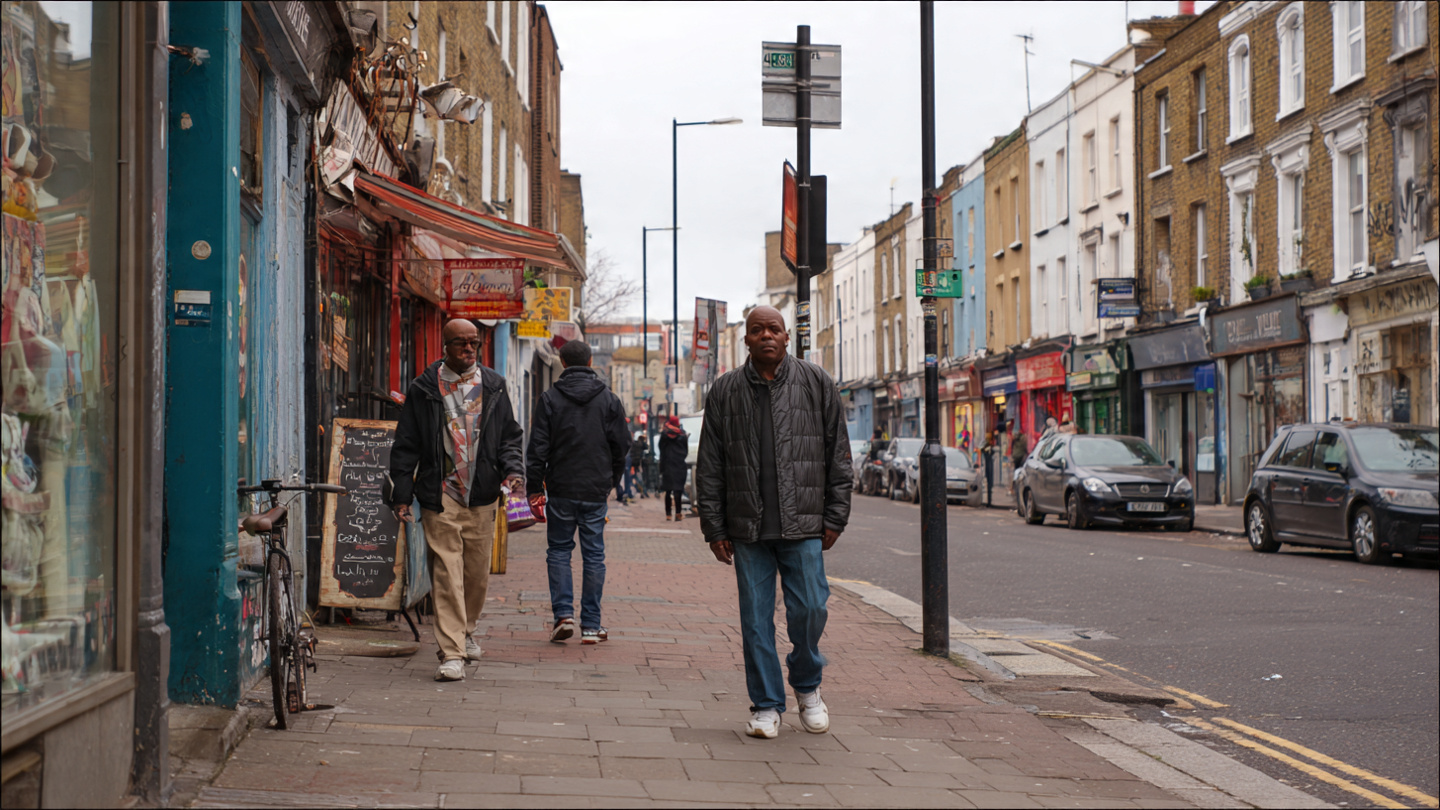
Deptford is often included among underrated neighborhoods in London because it blends cultural diversity with a strong sense of everyday urban life. The area feels lively, authentic, and deeply rooted in community identity. As a result, travelers who visit with curiosity often discover a neighborhood that feels honest, expressive, and emotionally engaging.
Historical Roots Within a Modern Setting
Deptford carries visible traces of its maritime and industrial past. Old buildings, historic streets, and preserved architectural details remain present across the neighborhood. However, new creative spaces, residential developments, and cultural venues now exist alongside them. Therefore, the area reflects a layered story where history and modern life continuously interact.
Markets, Streets, and Community Presence
Daily movement in Deptford feels energetic and grounded. For example, markets stay active, sidewalks remain busy, and local routines unfold throughout the day. Meanwhile, conversations, music, and small gatherings create a sense of lived experience. Consequently, the atmosphere differs from tourist-focused districts and reflects the spirit of many underrated neighborhoods in London.
Independent Culture and Local Expression
Much of Deptford’s identity comes from independent cafés, small restaurants, and community-driven creative spaces. These places highlight personal expression rather than commercial presentation. In addition, local initiatives and cultural projects strengthen neighborhood connections. Therefore, visitors encounter culture in natural, everyday contexts instead of staged attractions.
A Neighborhood of Contrast and Emotional Depth
Deptford also demonstrates contrast. Certain streets feel quiet and reflective, while others feel vibrant and full of movement. However, these differences create emotional depth rather than conflict. Furthermore, the neighborhood’s varied character allows travelers to experience multiple moods within a single walk, which makes exploration feel rich and compelling.
Time spent in Deptford shows why it belongs among the most meaningful underrated neighborhoods in London. Its value does not depend on iconic landmarks. Instead, it appears through lived culture, layered history, and the realism of daily urban life. As a result, travelers who appreciate authentic environments often find Deptford memorable, sincere, and deeply connected to the broader story of the city.
Tooting — Local Markets, Street Food, and Community Spirit
First Impressions and Everyday Neighborhood Energy
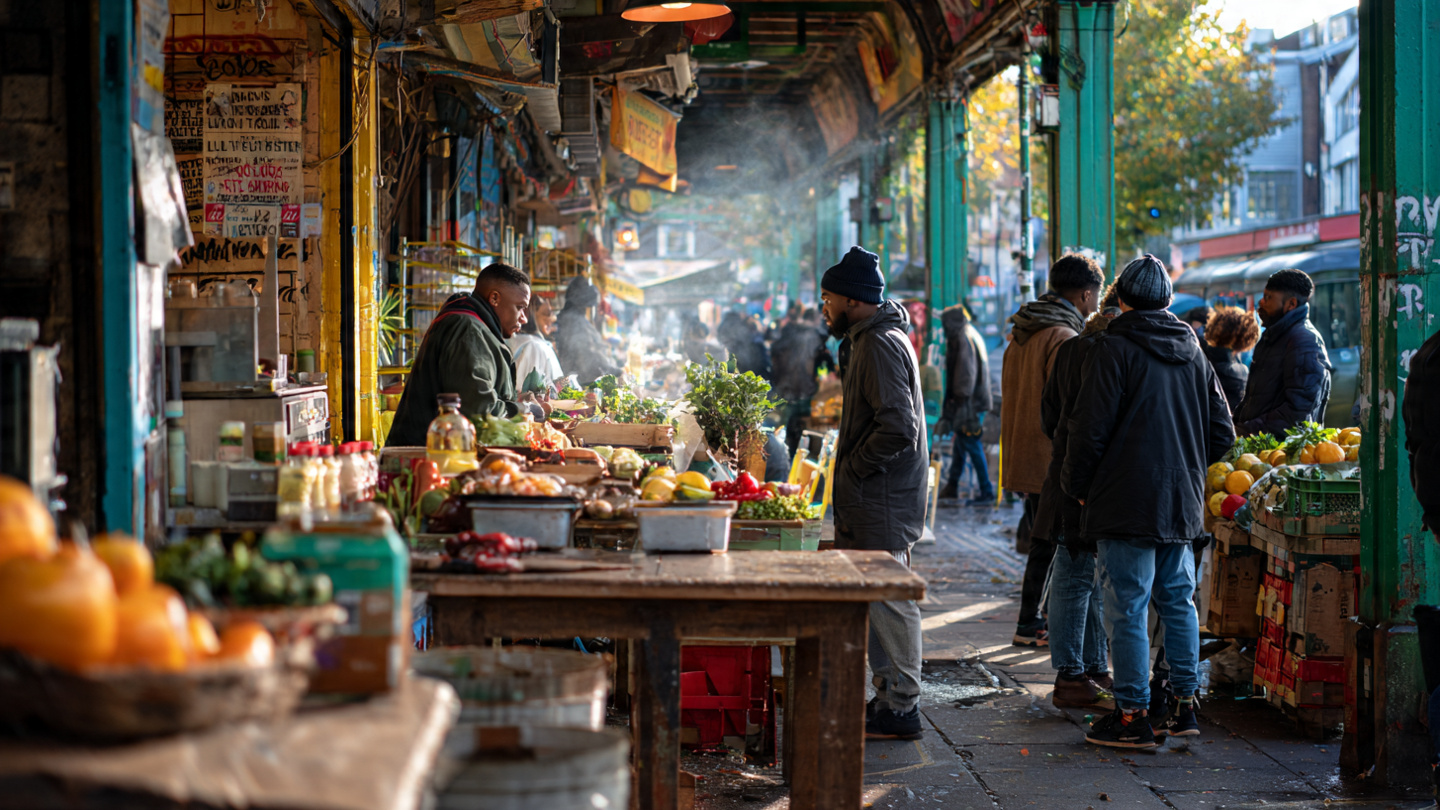
Tooting is frequently recognised among underrated neighborhoods in London because it combines lively street life with a strong sense of local identity. The area feels busy, warm, and welcoming, yet it remains rooted in everyday community routines rather than tourism. As a result, travelers who explore Tooting experience a neighborhood that is active, expressive, and deeply connected to real city life.
Markets That Reflect Daily Community Rhythm
Markets play a major role in shaping the character of Tooting. For example, indoor and outdoor market spaces stay active throughout the day, supporting small traders, family-run stalls, and long-established local businesses. In addition, these markets create a social environment where conversations, sounds, and movement blend together. Therefore, the atmosphere feels authentic and closely tied to daily living.
Street Food Culture and Culinary Diversity
Tooting is also known for its rich and diverse food culture. Independent restaurants, street-food kitchens, and family eateries represent cuisines from many parts of the world. Meanwhile, travelers who visit respectfully can enjoy food that reflects real community traditions rather than commercialised dining. Consequently, the neighborhood offers one of the most flavourful cultural experiences found across underrated neighborhoods in London.
Local Life and Community Connections
Beyond food and markets, Tooting maintains a strong community presence. Residents gather in cafés, talk along sidewalks, and participate in local activities that shape the rhythm of the area. Furthermore, many spaces feel welcoming to newcomers while still protecting neighborhood identity. As a result, visitors sense a balance between openness and rooted community belonging.
Contrasts That Add Depth and Character
Tooting also expresses contrast in meaningful ways. Certain streets feel energetic and full of movement, while nearby residential areas remain calm and quiet. However, these differences do not create tension. Instead, they reveal the layered personality that defines many underrated neighborhoods in London. Therefore, each walk through Tooting offers shifting perspectives and emotional variety.
Why Travelers Appreciate Time Spent in Tooting
Travelers often remember Tooting for its honesty, warmth, and everyday realism. In contrast to heavily curated tourist districts, the neighborhood feels genuine and unfiltered. Moreover, its combination of food culture, market life, and community spirit creates a grounded, human-centered experience. For this reason, Tooting stands as a powerful example of how underrated neighborhoods in London can offer meaningful connections and lasting impressions.
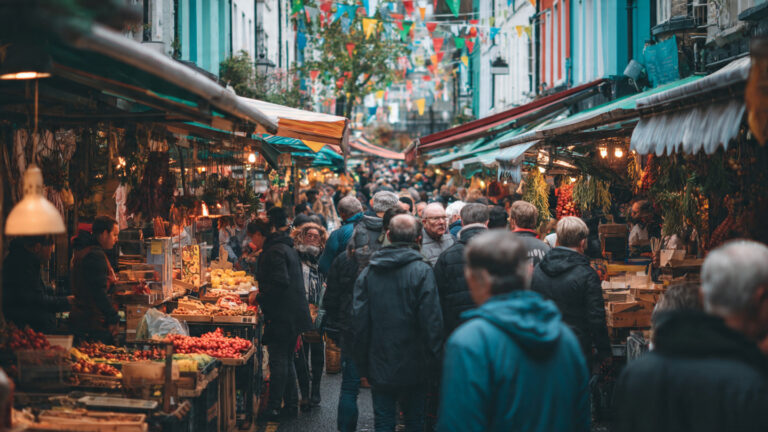
Some underrated neighborhoods in London are best understood through their markets, street life, and everyday community spaces, which are highlighted in this local-focused map.
Brentford and Isleworth — Calm Riverside Neighborhood Environments
First Impressions and Riverside Character
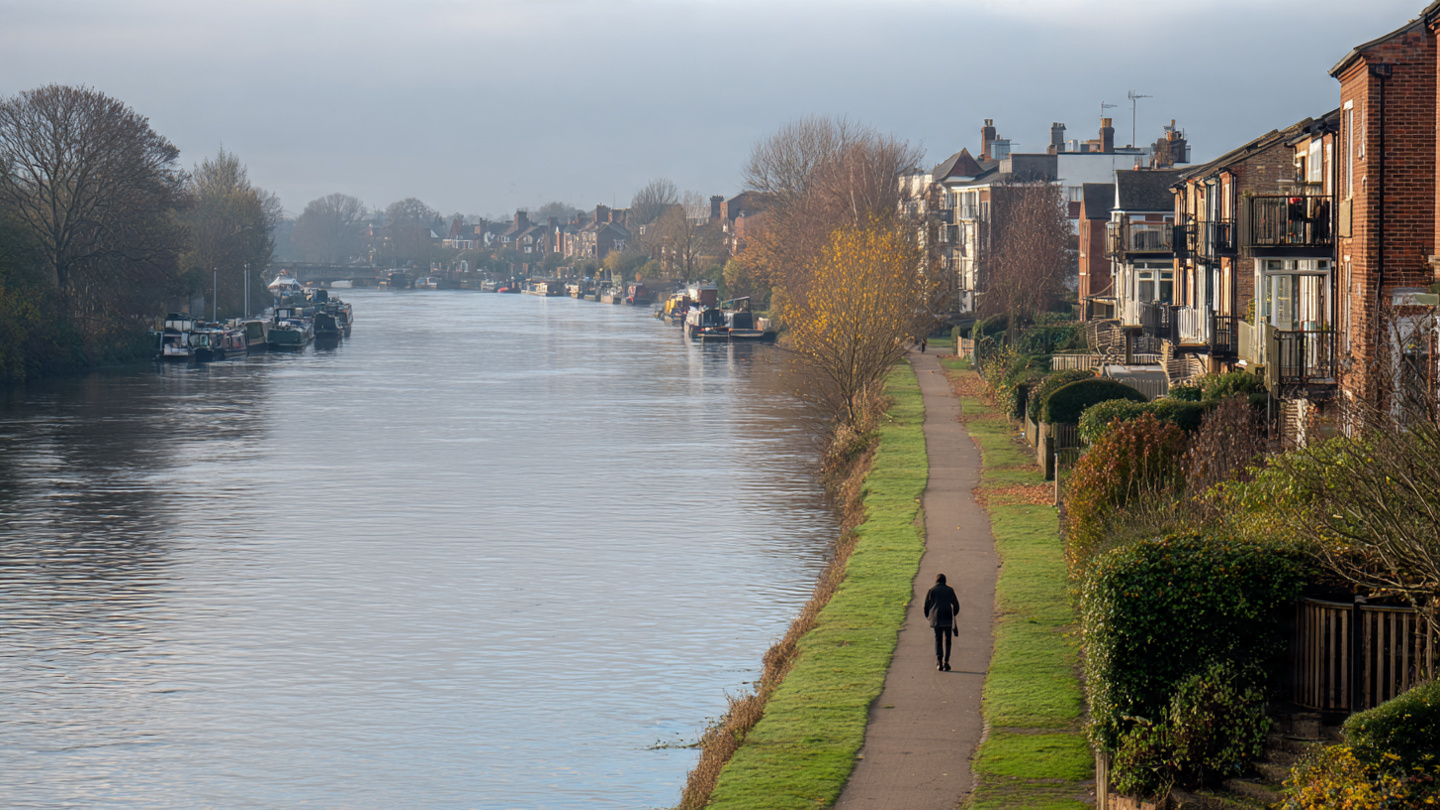
Brentford and Isleworth often appear among underrated neighborhoods in London because they offer calm riverside surroundings far from busy central districts. The areas feel peaceful, open, and naturally connected to the water. As a result, travelers immediately sense a slower rhythm that supports reflective exploration and quiet observation.
Waterfront Paths and Gentle Walking Routes
Both neighborhoods feature riverside paths where movement feels relaxed and steady. For example, travelers can follow walkways along the Thames, pause beside moored boats, or sit near quiet viewing spots. In addition, these routes create an environment that encourages awareness rather than speed. Therefore, the experience reflects the gentle style of exploration common in many underrated neighborhoods in London.
Historic Traces Within Everyday Life
Although these neighborhoods feel calm, they also contain strong historical depth. Old warehouses, traditional houses, and preserved waterfront structures reveal earlier chapters of London’s story. Meanwhile, contemporary housing and community spaces exist alongside them. Consequently, the mix of history and modern living creates a layered atmosphere that feels authentic and emotionally grounded.
Local Community Presence and Subtle Activity
Daily life in Brentford and Isleworth unfolds in quiet and natural ways. Residents walk dogs, talk beside the river, or gather in small cafés and local shops. Furthermore, activity levels remain balanced rather than crowded. As a result, visitors experience neighborhoods that are welcoming, lived in, and genuinely representative of everyday London life.
A Sense of Space and Emotional Calm
These riverside districts give travelers room to breathe, think, and slow down. In contrast to dense urban areas, open views and flowing water create a calming emotional backdrop. Moreover, the absence of heavy tourism allows moments of privacy and reflection. For this reason, many visitors describe Brentford and Isleworth as restorative environments within the wider group of underrated neighborhoods in London.
Why These Neighborhoods Offer Meaningful Exploration
Brentford and Isleworth do not rely on major attractions or entertainment venues. Instead, their value appears through atmosphere, scenery, and the quiet rhythm of daily movement. In addition, their riverside settings highlight a softer side of the city that often remains overlooked. Consequently, they stand as clear examples of how underrated neighborhoods in London can provide peaceful, thoughtful, and deeply rewarding travel experiences.
South Norwood — Residential Calm and Local Identity
First Impressions and Everyday Neighborhood Character
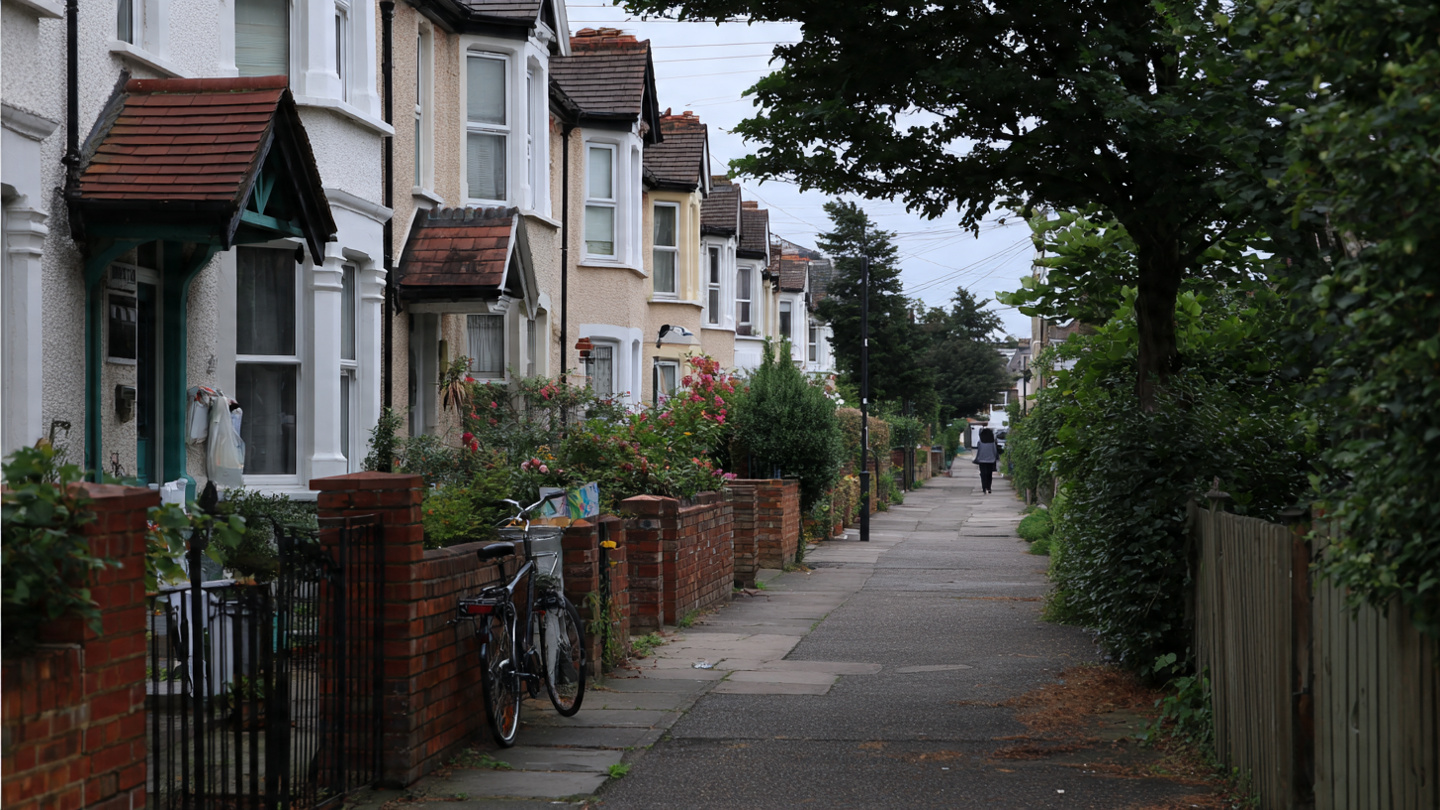
South Norwood is often recognised among underrated neighborhoods in London because it reflects a quiet, residential side of the city that many travelers rarely see. The area feels calm, grounded, and closely connected to local community life. As a result, visitors experience a neighborhood that emphasizes authenticity rather than tourism or spectacle.
Residential Streets and Gentle Daily Movement
Most of South Norwood consists of peaceful residential streets where daily routines unfold at a natural pace. People walk to local shops, children play in nearby parks, and neighbors greet one another in familiar ways. In addition, traffic remains moderate, which creates a relaxed walking environment. Therefore, the neighborhood supports slow and thoughtful exploration.
Local Parks and Open Green Spaces
Green spaces play an important role in shaping the mood of South Norwood. For example, small parks, tree-lined paths, and open recreational areas provide room to pause, reflect, and enjoy quiet surroundings. Meanwhile, these spaces feel integrated into everyday life rather than designed for visitors. Consequently, they contribute to the gentle atmosphere often associated with underrated neighborhoods in London.
Community Identity and Subtle Cultural Presence
South Norwood also carries a strong sense of identity rooted in local culture and long-standing community connections. Independent cafés, small stores, and neighborhood services reflect daily needs rather than tourist expectations. Furthermore, community initiatives and social spaces help maintain a feeling of belonging. As a result, the area feels sincere, grounded, and emotionally real.
Contrast Between Calm Streets and Urban Edges
The neighborhood includes moments of contrast that add depth to the experience. Certain streets feel quiet and residential, while nearby areas show more urban energy and movement. However, this variation creates character rather than disruption. Moreover, it reveals the layered personality shared by many underrated neighborhoods in London, where calm living spaces coexist with active city life.
Why Travelers Value Time Spent in South Norwood
Travelers who explore South Norwood often describe it as honest, peaceful, and deeply connected to everyday reality. In contrast to crowded tourist districts, the neighborhood encourages awareness, patience, and respectful observation. Therefore, time spent here demonstrates how underrated neighborhoods in London can offer meaningful insight into real community life, even without major attractions or busy entertainment areas.
How to Explore Underrated Neighborhoods Respectfully
Understanding That These Are Living Communities
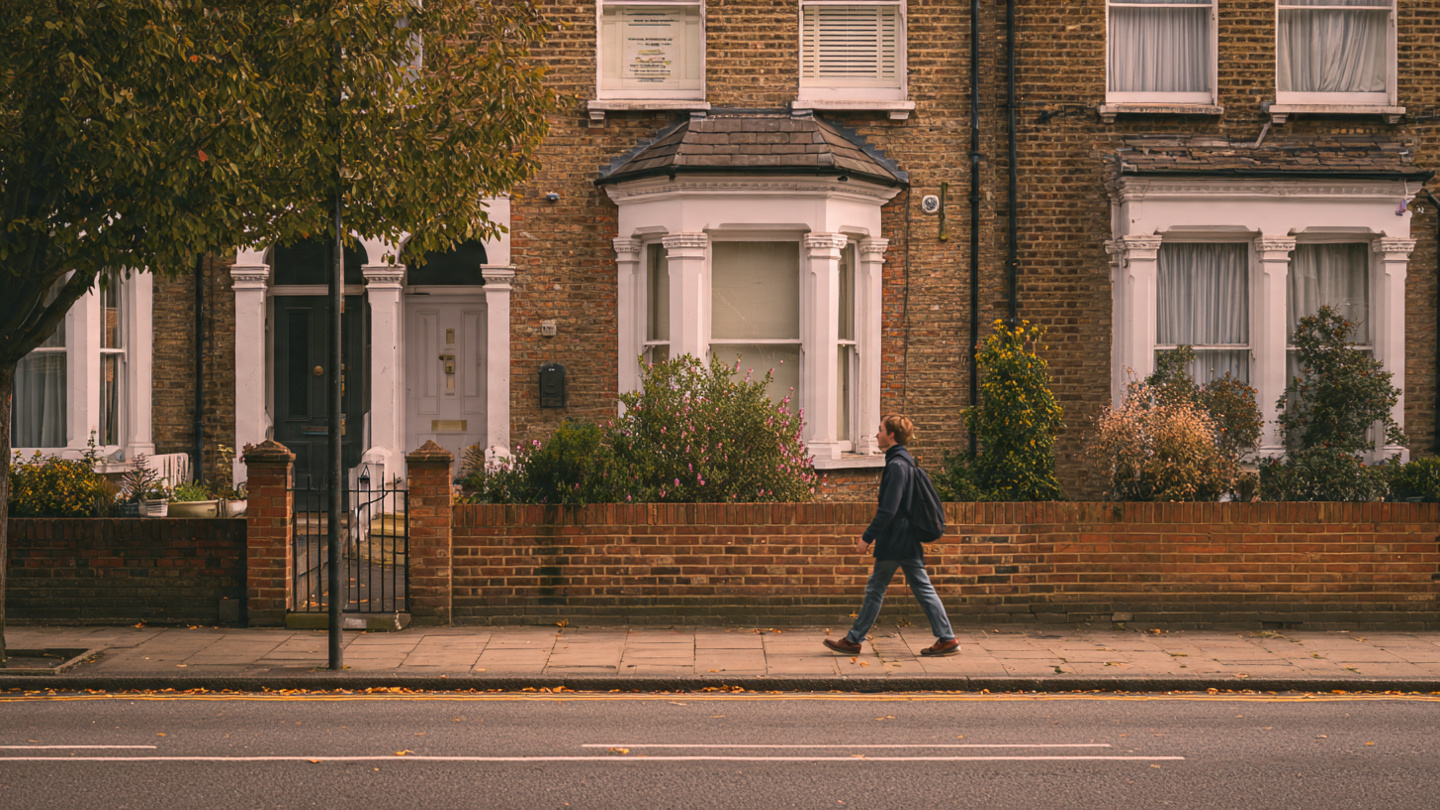
Underrated neighborhoods in London are not sightseeing stages. Instead, they are real residential areas where people live, work, and build daily routines. For this reason, travelers should move with awareness and sensitivity. Observing respectfully helps protect the natural rhythm of local life and ensures that exploration remains considerate rather than intrusive.
Moving Slowly and Blending Into the Environment
Slow movement creates a more meaningful experience. For example, walking calmly, pausing quietly, and avoiding sudden crowd-like behavior allows visitors to blend into the environment rather than disrupt it. In addition, this slower pace encourages deeper observation. Therefore, travelers notice subtle details, gentle atmospheres, and emotional nuances commonly found in underrated neighborhoods in London.
Supporting Local Businesses Thoughtfully
Independent cafés, small restaurants, and family shops often sustain community identity. However, respectful support matters more than consumption alone. Choosing locally owned places, speaking politely, and showing appreciation for service strengthens positive connections. Consequently, visitors contribute to the economy in a way that benefits residents rather than overwhelming them.
Being Mindful About Photography and Personal Spaces
Photography can capture meaningful moments, yet it also requires consideration. People’s homes, private gatherings, and everyday activities should never feel exposed or interrupted. Therefore, asking permission when appropriate and avoiding intrusive close-ups helps maintain trust. Moreover, this approach reflects the respectful attitude expected when exploring underrated neighborhoods in London.
Keeping Noise and Behavior Balanced
Calm environments depend on balanced behavior. Loud conversations, disruptive actions, or careless movement can disturb residents who rely on these neighborhoods for peace and routine. Instead, travelers should maintain a quiet tone, follow local norms, and act with awareness. As a result, the experience remains harmonious for both visitors and the community.
Recognizing That Discovery Requires Responsibility
Exploring lesser-known areas brings privilege and responsibility together. Travelers gain access to authentic environments, but they must also protect the integrity of those spaces. Furthermore, recognizing emotional, cultural, and social sensitivity ensures that exploration remains sustainable. For this reason, responsible behavior plays an essential role in experiencing underrated neighborhoods in London in a way that is meaningful and ethical.
Who These Neighborhoods Are Best Suited For
Travelers Who Value Calm and Reflection
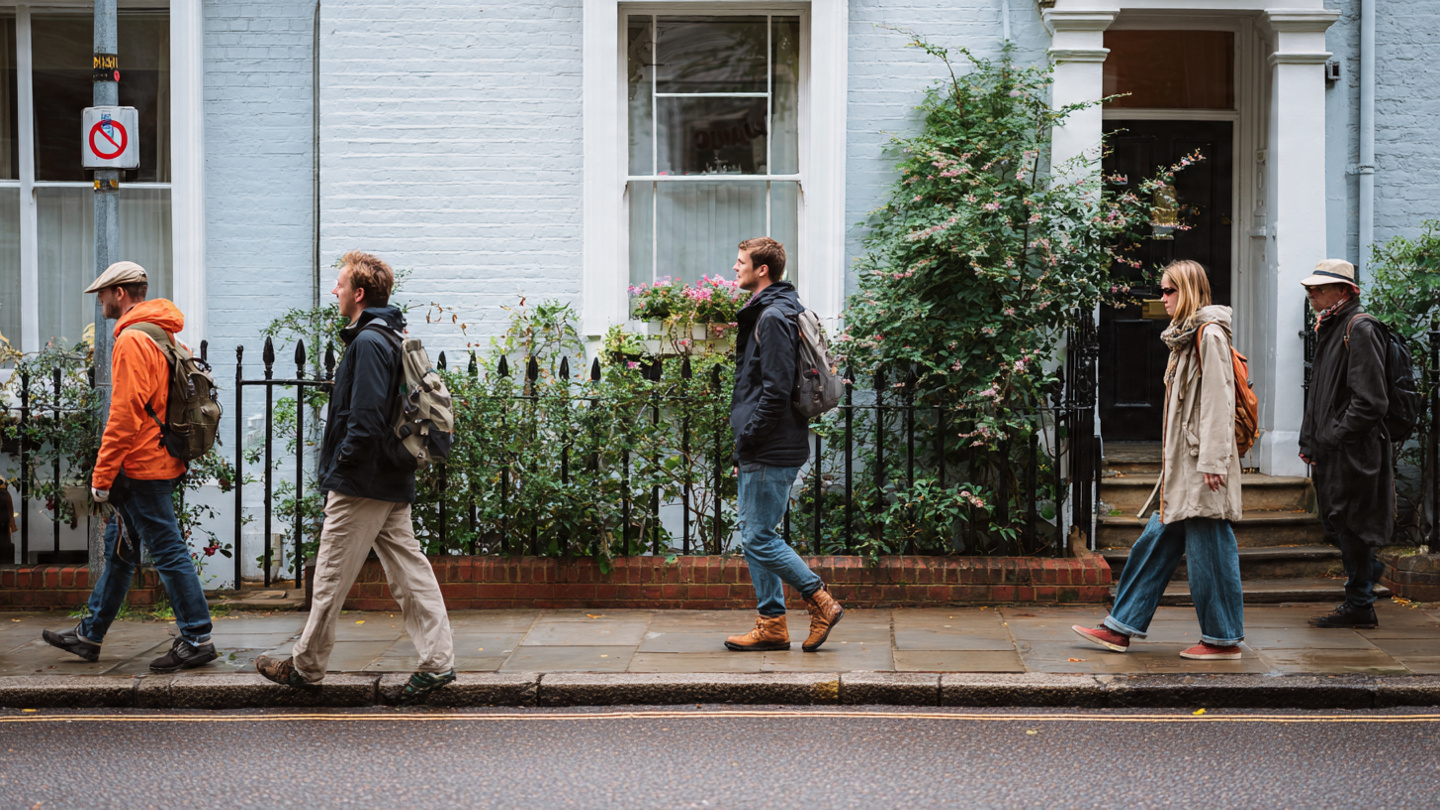
Underrated neighborhoods in London are ideal for travelers who prefer quiet environments rather than crowded tourist districts. These visitors often appreciate slower rhythms, softer atmospheres, and emotionally grounded experiences. As a result, they find deeper meaning in everyday streets, local shops, and lived-in surroundings.
Explorers Interested in Culture Beneath the Surface
Some travelers want to understand culture through subtle details instead of obvious attractions. For example, they notice architecture, neighborhood routines, and personal interactions that reveal authentic social identity. In addition, they value conversations, local expressions, and community presence. Therefore, underrated neighborhoods in London suit people who enjoy learning through observation and thoughtful engagement.
Independent Travelers Who Enjoy Walking
Many of these neighborhoods reward those who like walking at an easy, steady pace. Paths, side streets, and residential routes encourage free exploration without strict planning. Meanwhile, movement feels calm but immersive. Consequently, travelers who enjoy self-guided discovery often find these areas especially meaningful.
Photographers and Creative Thinkers
Creative visitors often feel inspired by the textures, contrasts, and quiet emotional tones found in underrated neighborhoods in London. Soft light, layered architecture, and real community scenes create visual richness. Furthermore, these environments offer fresh storytelling possibilities because they remain outside typical tourist imagery.
Returning Visitors and Long-Stay Travelers
People who have already experienced the city’s famous landmarks often search for new perspectives during later visits. However, instead of repeating familiar attractions, they seek places that reveal everyday life. Moreover, long-stay travelers appreciate neighborhoods where they can build routine, observe change, and feel temporarily connected to local rhythms. Therefore, underrated neighborhoods in London become especially meaningful for those who want deeper, second-layer experiences.
Each of these traveler types shares an interest in authenticity, awareness, and emotional depth. They value presence over performance and reflection over rushed sightseeing. For this reason, underrated neighborhoods in London provide environments that match their goals, offering thoughtful, grounded, and personally meaningful forms of exploration.
Final Thoughts — Discovering London Beyond the Obvious
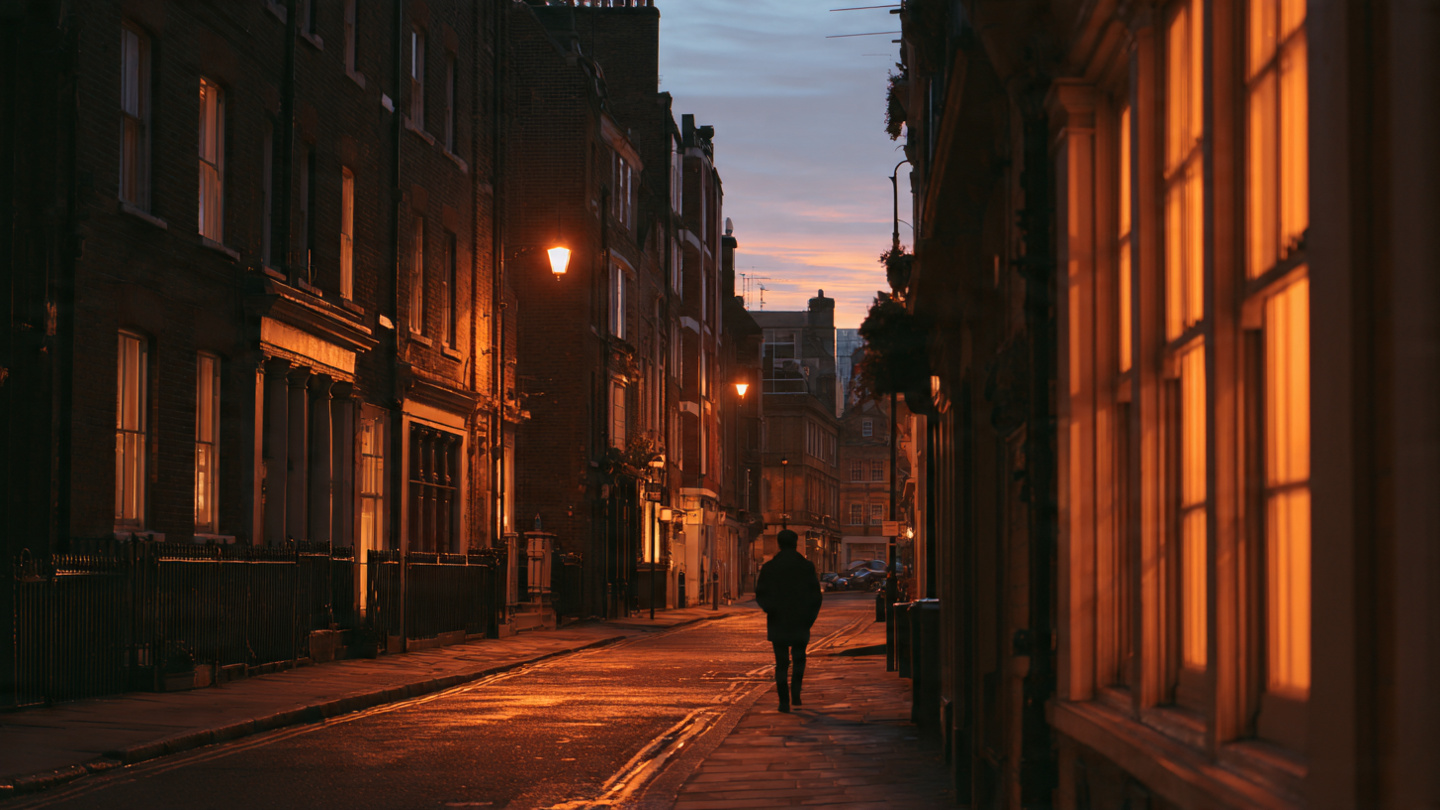
Exploring underrated neighborhoods in London reveals a side of the city that feels personal, sincere, and deeply human. Instead of following crowded routes, travelers move through calm streets, local markets, and authentic community spaces. As a result, they experience the city not as a collection of attractions, but as a living environment filled with everyday meaning.
Understanding the Value of Quiet Exploration
These neighborhoods show that meaningful travel does not always depend on famous landmarks. Instead, it grows from awareness, patience, and curiosity. Moreover, slow exploration allows travelers to see details that might otherwise remain unnoticed. Therefore, underrated neighborhoods in London remind visitors that true discovery often happens in quieter places.
How These Areas Shape a Deeper Connection to the City
Time spent in these neighborhoods creates a stronger emotional connection to the city. Travelers begin to understand rhythm, culture, and lifestyle from within rather than from a distance. In addition, everyday scenes — conversations, routines, and subtle architectural patterns — become powerful sources of insight. Consequently, exploring underrated neighborhoods in London helps visitors feel included in the story of the city.
Encouraging Thoughtful and Respectful Travel
Meaningful exploration also requires responsibility. Travelers who choose these areas must act with care, awareness, and respect for residents. Furthermore, supporting local businesses, protecting quiet spaces, and observing community norms ensures that these neighborhoods remain authentic and welcoming. For this reason, responsible behavior strengthens the long-term value of underrated neighborhoods in London.
As the journey through these areas comes to a close, one idea remains clear. The most memorable travel moments often emerge away from noise and spectacle. Instead, they grow in quiet streets, local cafés, and gentle community spaces. In the end, underrated neighborhoods in London encourage travelers to slow down, look closely, and discover the city in a way that feels genuine, reflective, and unforgettable.
Frequently Asked Questions About Underrated Neighborhoods in London
Understanding These Neighborhoods
A neighborhood is considered underrated when it offers meaningful local character, culture, and community life but receives far less attention than major tourist districts. These areas often feel authentic, reflective, and closely connected to everyday living rather than commercial attractions.
Exploring these areas allows travelers to experience the city in a quieter and more personal way. Instead of crowds and busy landmarks, visitors encounter real community routines, subtle history, and calm walking environments that create deeper emotional connections to the city.
Yes, they can be suitable for first-time visitors who prefer slower, more thoughtful travel. However, many travelers enjoy them most after seeing major landmarks first, because these neighborhoods offer a second layer of cultural understanding.
Practical Travel Considerations
Most of these neighborhoods are safe when explored with normal awareness and respect. Travelers should follow standard urban safety practices, stay attentive to surroundings, and move through residential areas calmly and responsibly.
Many underrated neighborhoods in London are easily accessible by Underground, Overground, or bus routes. Travel times may be slightly longer than to central tourist districts, but the experience often feels more rewarding and less crowded.
A few hours is usually enough for a meaningful visit, especially when walking slowly and observing daily life. However, some neighborhoods feel even richer when explored across an afternoon or combined with nearby areas.
Experience and Exploration Style
Activities are usually simple and reflective. Travelers may walk through residential streets, relax in local parks, visit independent cafés, observe architecture, browse small shops, and experience community spaces rather than traditional attractions.
Yes, many underrated neighborhoods in London feature soft visual details, layered architecture, calm streets, and atmospheric spaces. These qualities often inspire photographers, writers, and creative travelers who enjoy subtle visual storytelling.
They may feel quiet to travelers expecting fast-paced sightseeing. However, their value comes from calm spaces, everyday life, and authentic rhythm. Many visitors appreciate this slower pace once they adjust to it.
Respectful and Responsible Travel
Visitors should move quietly, avoid blocking residential areas, support local businesses thoughtfully, and remain mindful when taking photographs. Respectful behavior helps protect community comfort and preserves the natural atmosphere of these neighborhoods.
Most communities respond positively when visitors behave with awareness and respect. Travelers who act politely, shop locally, and treat spaces carefully usually experience warm and natural interactions.