
Hidden museums in London provide travelers with a calmer and more authentic cultural experience. Instead of crowded tourist spaces, these places offer peaceful rooms, personal storytelling, and meaningful collections. Moreover, visitors discover history in a slower and more thoughtful way, which allows deeper emotional connection and appreciation from the very beginning of their journey.
Quiet Places Where Stories Live Beyond the Main Attractions
Most travelers focus on major museums that everyone recognizes. However, some of the most memorable experiences happen inside small private collections and preserved historic homes. In addition, many of these hidden museums in London sit quietly along residential streets, where they blend naturally into local neighborhoods. As a result, visitors feel welcomed into intimate cultural spaces rather than busy visitor environments.
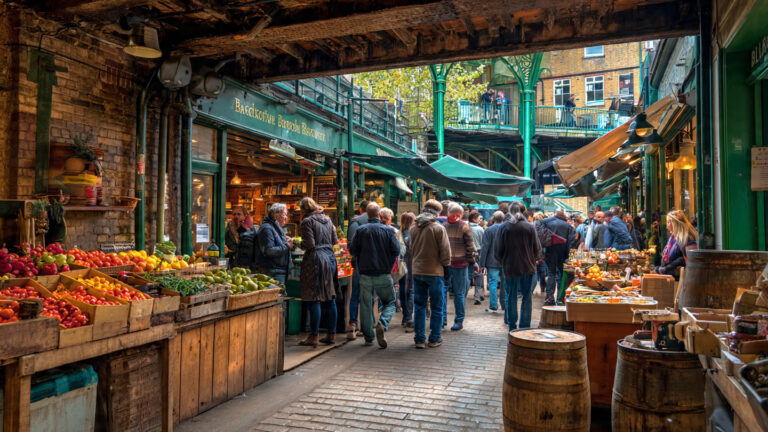
London’s quieter museums are part of a much larger collection of places that reveal the city beyond its famous landmarks, offering travelers calm, authentic, and lesser-known experiences that many visitors overlook when planning their trip to explore hidden gems in London most tourists miss.
Understanding Culture Through Small and Meaningful Spaces
Many of the most rewarding hidden museums in London are quietly located within central neighborhoods, often just a short walk from busy streets. Viewing these locations together helps travelers understand how easily calm cultural spaces can be explored within the heart of the city.
Hidden museums in London help travelers see the city from new perspectives. For example, some museums highlight everyday life, while others celebrate community heritage, creative traditions, or scientific innovations. Moreover, each collection tells a story about people who shaped the city in subtle but important ways. Because of this, visitors gain insight that extends far beyond what they find in mainstream museum galleries.
A Calm Environment for Thoughtful Exploration
These museums create peaceful environments where travelers can slow down and reflect. Instead of rushing through crowded areas, visitors move through quiet exhibitions at a comfortable pace. In addition, there is time to read descriptions carefully, observe small details, and ask questions. As a result, every visit feels more personal, meaningful, and memorable.
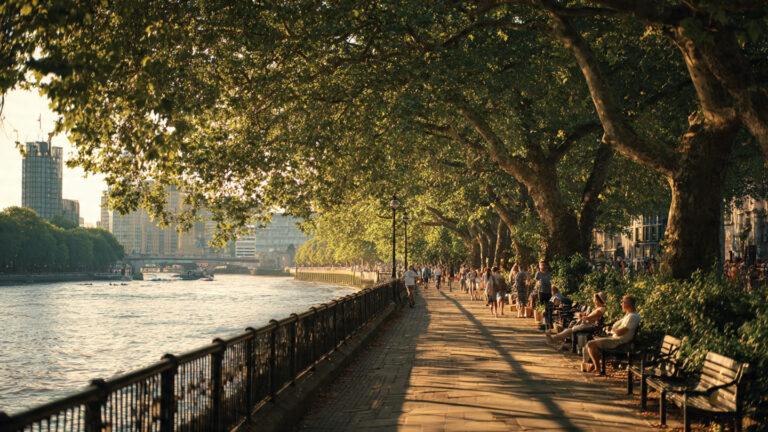
Quiet museums are not the only places in London where travelers can slow down and reflect. The city also offers peaceful outdoor spaces where nature and calm atmosphere create a similar sense of escape, making time spent in hidden parks in London a perfect complement to cultural exploration.
The diversity of hidden museums in London reflects the city’s layered identity. Some museums focus on working-class history, while others preserve immigrant stories, artistic movements, or rare cultural traditions. Moreover, when these elements come together, they create a richer and more complete picture of London. Therefore, travelers who explore these places understand the city in a deeper and more authentic way.
Many of these quieter museums are closely connected to the character of the areas that surround them. Exploring underrated neighborhoods in London helps travelers understand how local history, daily life, and community identity shape the cultural spaces found beyond the main tourist zones.
Why Travelers Remember These Visits Deeply
Many visitors describe their time in hidden museums in London as emotional and rewarding. For example, quiet surroundings, friendly caretakers, and preserved interiors often create a sense of warmth and connection. In addition, these visits encourage reflection instead of distraction. As a result, travelers carry these memories long after their trip ends.
For many travelers, discovering quieter cultural spaces creates the same sense of surprise and emotional connection as finding locations few visitors ever notice. These experiences naturally align with exploring secret places in London, where discovery feels personal and meaningful rather than planned.
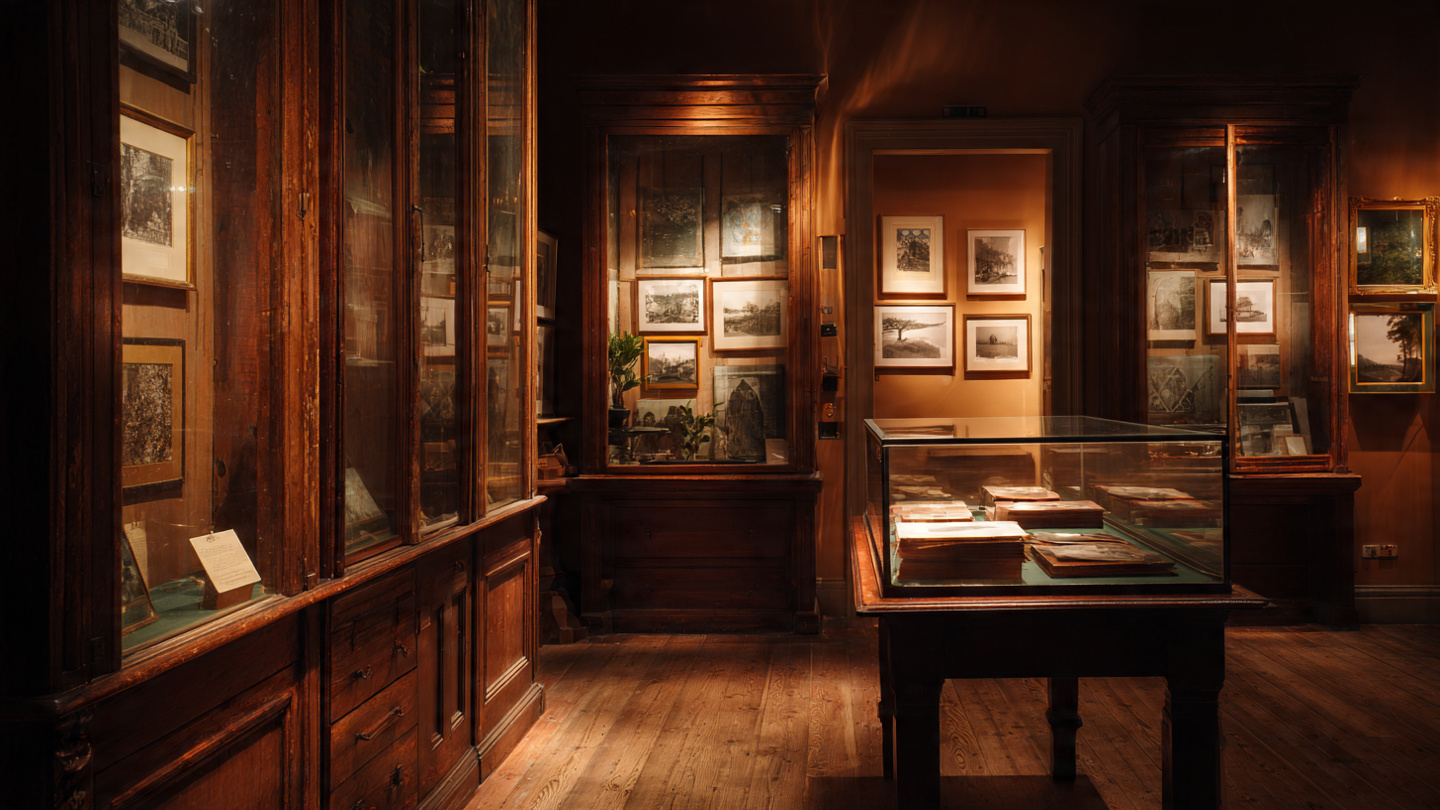
Sir John Soane was a radical architect who removed walls and built a crypt in his home. The space is literally filled with objects and a great place to spend a few hours. It was great fun! They also had a nice gift shop.
Read more reviews at Tripadvisor.
The Purpose of This Guide for Travelers
This guide is designed to help travelers explore hidden museums in London with intention and confidence. Instead of presenting a simple list, it explains what each place offers, who will enjoy it most, and why it matters culturally. Moreover, the guide encourages responsible exploration so that visitors appreciate these spaces with respect and curiosity.
Supporting Preservation and Local Culture
When travelers spend time in hidden museums in London, they also support the curators, volunteers, and community organizations who protect these collections. In addition, their visits help sustain preservation projects that keep important stories alive. Therefore, exploring these museums contributes to cultural heritage rather than just tourism activity.
This introduction sets the direction for the rest of the article. In the following sections, we will explore different categories of hidden museums in London, including niche collections, cultural archives, historic homes, and creative exhibition spaces. Moreover, each section will explain why these museums deserve attention from curious and thoughtful travelers.
Beyond indoor cultural spaces, visitors can also enjoy slower outdoor exploration through reflective things to do near Tower Bridge along the river.
Hidden museums in London give travelers an experience that feels far more personal than a visit to larger institutions. Instead of moving through busy halls and crowded galleries, visitors step into quiet rooms where every exhibit feels close and meaningful. Moreover, these spaces often allow direct interaction with curators or volunteers who care deeply about the stories they preserve. As a result, travelers develop a stronger emotional connection to what they see, because the experience feels human rather than commercial.
Large attractions often push visitors to move quickly from one highlight to the next. However, hidden museums in London encourage a slower rhythm. Travelers take time to read captions, notice details, and reflect on each exhibit. In addition, the calm environment reduces pressure and distraction. Therefore, every moment inside these museums feels intentional rather than rushed, which leads to deeper understanding and appreciation.
A Meaningful Alternative to the Typical Tourist Experience
Many travelers search for experiences that go beyond standard tourist routes. Hidden museums in London provide that alternative. Instead of repeating the same popular attractions as everyone else, visitors discover places that feel authentic and grounded in real community history. Moreover, these museums often reveal untold perspectives, overlooked stories, and cultural themes that rarely appear in mainstream travel guides. As a result, the journey feels unique, personal, and memorable.
Hidden museums in London play an important role in protecting fragile histories and small cultural narratives. Some focus on local families, neighborhood traditions, or niche artistic movements. Meanwhile, others preserve rare collections that might vanish without dedicated care. In addition, many of these museums operate through passion rather than profit. Therefore, every visitor supports the preservation of stories that add depth and value to London’s cultural identity.
The Emotional Impact of Visiting Smaller and More Intimate Museums
Travelers often describe visits to hidden museums in London as emotionally meaningful experiences. For example, standing inside a preserved home, a small archive, or a personal collection can feel like stepping directly into the past. Moreover, the close proximity to artifacts, letters, photographs, and everyday objects creates a strong sense of connection to the people behind them. As a result, visitors leave not only with information, but also with a feeling of empathy and reflection.
My second Silent Night Christmas visit. Loved it so much last year that I took my daughter this year.
The house is amazing – so atmospheric. An absolutely fabulous experience.
Read more reviews at Tripadvisor.
Why These Museums Appeal to Curious and Independent Travelers
Hidden museums in London attract travelers who enjoy discovery and exploration. Instead of following predictable sightseeing lists, they seek places that invite curiosity and thoughtful engagement. In addition, these museums reward independent thinking, because visitors uncover stories through observation rather than spectacle. Therefore, people who value culture, creativity, and quiet exploration often find these museums especially meaningful.
When travelers visit hidden museums in London, they support local communities in direct and practical ways. Many of these institutions rely on donations, volunteer work, and small visitor fees to continue operating. Moreover, their survival helps protect neighborhood culture, heritage, and identity. As a result, each visit contributes to long-term cultural sustainability rather than mass-tourism pressure.
A Richer and More Complete Understanding of London’s History
Large museums often present broad national or global narratives. However, hidden museums in London reveal the smaller stories that complete the bigger picture. They show how ordinary lives, local traditions, and community histories shaped the city over time. In addition, these perspectives deepen historical understanding by adding variety and nuance. Therefore, travelers who explore hidden museums gain a more balanced and authentic view of London’s past and present.
Visiting hidden museums in London does more than fill spare time during a trip. Instead, it transforms the entire travel experience. Travelers leave with unique stories, meaningful insights, and memorable encounters that cannot be found in mainstream attractions. Moreover, these experiences inspire curiosity and appreciation for the quieter side of the city. As a result, exploring hidden museums becomes an essential part of understanding London in a deeper and more rewarding way.
Small Community Museums That Preserve Local Neighborhood Stories
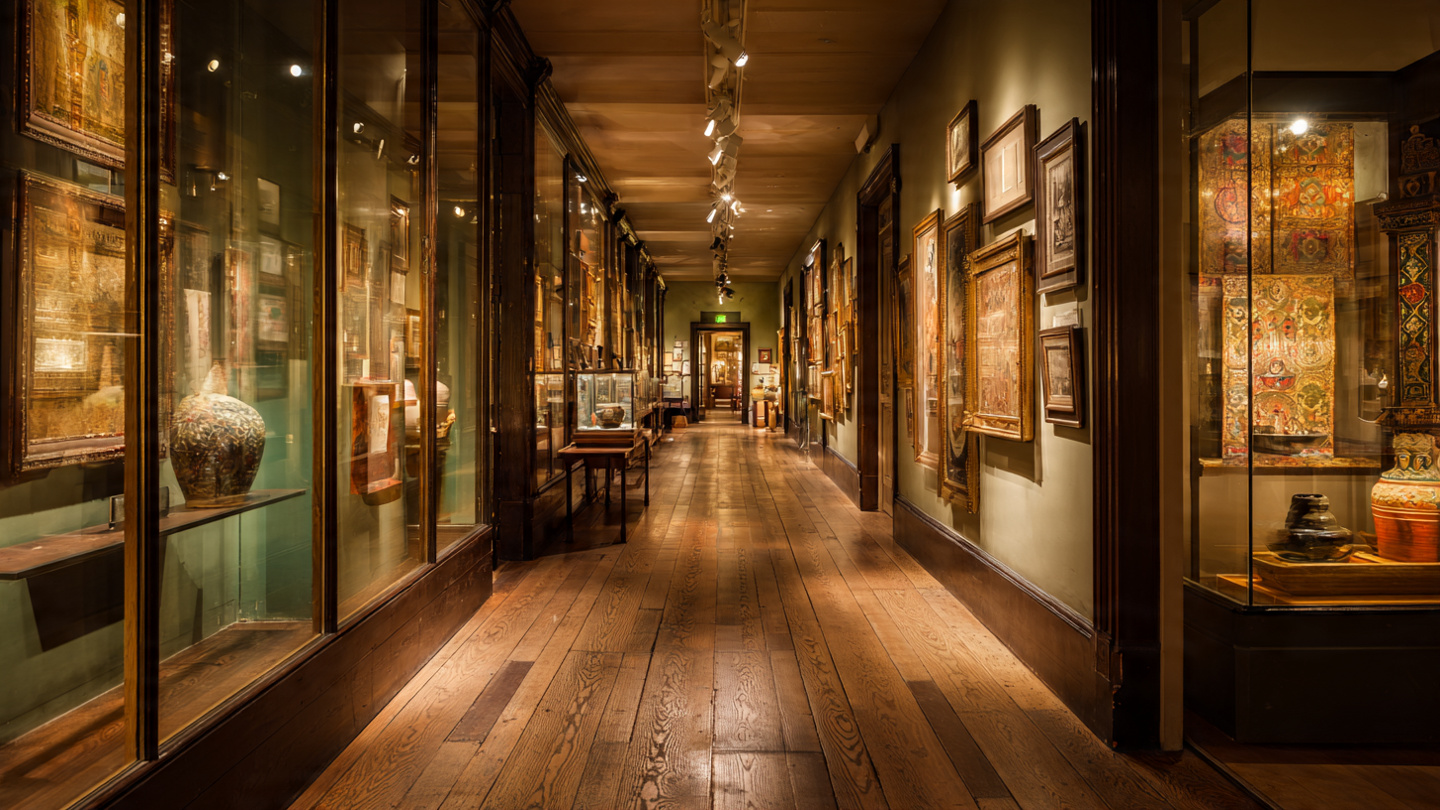
Hidden museums in London often begin within local communities rather than large institutions. These small museums focus on neighborhood history, social life, and everyday experiences that shaped local identity. Moreover, many of them collect photographs, letters, community records, and personal objects donated by residents. As a result, travelers gain insight into how ordinary people lived, worked, and built the character of the city over time. In addition, these museums create a sense of belonging, because they reflect real memories instead of distant historical narratives.
Historic House Museums That Capture Life From the Past
Another important group of hidden museums in London includes preserved historic homes. These museums allow visitors to walk through original rooms, furniture settings, and personal belongings that once belonged to writers, artists, political figures, or local families. Moreover, the experience feels immersive, because travelers do not only read about history — they stand inside the spaces where life actually happened. As a result, the visit feels emotional and realistic, and it helps travelers understand how people experienced daily life in earlier times.
Preserved historic homes allow visitors to experience London’s past in a deeply personal way. Mapping these spaces together makes it easier to plan a quiet route through residential streets where history still feels alive.
Specialist and Niche Museums With Unique Themes
Some hidden museums in London focus on very specific subjects that rarely appear in mainstream museum collections. For example, visitors may find museums dedicated to printing, medical instruments, postal communication, craft traditions, or cultural subcultures. Moreover, these museums often exist because passionate individuals or small organizations wanted to protect rare knowledge and objects. Therefore, travelers who enjoy curiosity-driven learning discover collections that feel surprising, unusual, and intellectually stimulating.
Independent Art and Creative Culture Museums
Hidden museums in London also include independent art spaces that preserve creative heritage outside large galleries. These places may focus on local artists, grassroots movements, or alternative art communities that influenced the city in subtle ways. In addition, many of these museums organize small exhibitions, creative workshops, or storytelling programs that support emerging creators. As a result, travelers experience art not only as finished works on display, but also as an active and evolving cultural process.
Cultural Heritage Museums Connected to Identity and Migration
Some hidden museums in London highlight the experiences of communities who immigrated to the city and contributed to its cultural diversity. These museums explore themes such as heritage, belonging, tradition, resilience, and social change. Moreover, they often present personal testimonies, family histories, and community archives that reveal lived experience rather than abstract statistics. Therefore, travelers gain a deeper understanding of London as a multicultural city shaped by many voices across generations.
Community centered museums are spread across different parts of London rather than concentrated in tourist areas. Seeing these locations on a map highlights how everyday life, identity, and migration have shaped neighborhoods across the city.
Science, Technology, and Innovation Museums With Intimate Collections
While London is home to several major science museums, many smaller and lesser known ones exist quietly across the city. These hidden museums in London preserve early inventions, scientific tools, research documents, industrial machinery, and educational exhibits. In addition, they often explain complex topics in simple and engaging ways. As a result, visitors can explore technology and innovation through real objects and stories rather than large-scale displays. Moreover, the smaller size makes learning feel accessible and interactive.
A unique group of hidden museums in London centers on the history of ordinary life rather than grand historical events. For example, some showcase domestic life, childhood experiences, local trades, or past urban lifestyles. Moreover, these museums remind travelers that history includes small moments and personal routines that shaped communities. Therefore, visitors reflect not only on major historical figures, but also on the daily lives of people who built the foundations of the city.
Volunteer-Run and Grassroots Museums Built From Passion
Many hidden museums in London operate through the dedication of volunteers rather than large budgets. These spaces grow from personal commitment, community support, and long-term preservation efforts. In addition, volunteers often guide visitors, share stories, and explain the meaning behind each exhibit. As a result, travelers experience warm, sincere interactions that feel very different from formal museum environments. Moreover, every visit directly supports the continuation of their work.
How These Different Museum Types Shape the Visitor Experience
Because hidden museums in London come in many forms, every visit offers a unique atmosphere and learning style. Some spaces feel quiet and reflective, while others feel lively and interactive. Moreover, the variety allows travelers to choose museums that match their interests, curiosity level, and travel mood. As a result, exploring these different types of museums creates a richer and more meaningful cultural journey across the city.
Hidden museums in London appeal strongly to travelers who enjoy discovery and quiet exploration. Instead of following busy tourist routes, they look for peaceful places where they can explore at their own pace. Moreover, these visitors value curiosity, reflection, and meaningful cultural encounters. As a result, hidden museums in London provide an experience that feels authentic rather than commercial.
Many history lovers choose hidden museums in London because they want deeper context and richer stories than those found in large institutions. These museums often include personal archives, community records, and focused exhibitions. In addition, the smaller scale allows visitors to study themes in greater detail. Therefore, travelers who appreciate historical depth find these museums especially rewarding.
Hidden museums in London attract cultural travelers who want to understand the city through real community experiences. Instead of distant interpretations, they prefer museums that highlight migration stories, traditions, and everyday life. Moreover, many collections include letters, photographs, and personal objects that present history through lived experience. As a result, visitors gain a clearer understanding of how people shaped London over time.
For solo travelers, hidden museums in London create calm and welcoming environments. These museums are quiet, friendly, and easy to move through independently. In addition, the slower pace allows visitors to read displays carefully and enjoy reflection without pressure. Therefore, solo travelers often describe these museums as peaceful, engaging, and emotionally meaningful.
Hidden museums in London also work well for couples and small groups who want meaningful shared experiences. Instead of crowded attractions, they spend time in quiet rooms where conversation and observation feel natural. Moreover, these visits encourage thoughtful discussion about history, memory, and identity. As a result, time spent in hidden museums often becomes one of the most memorable parts of their trip.
Many students, researchers, and lifelong learners visit hidden museums in London to access specialist knowledge and rare archives. Museum staff often share insights and background stories that support academic or creative work. In addition, the intimate scale makes learning interactive rather than distant. Therefore, these museums serve as valuable resources for anyone who enjoys studying culture in depth.
Some travelers look for quieter alternatives to busy tourist locations. Hidden museums in London provide that balance. These spaces reduce stress, noise, and congestion while still offering meaningful cultural value. Moreover, choosing these museums helps distribute visitors more evenly across the city. As a result, travelers enjoy a calmer experience while supporting sustainable tourism.
Hidden museums in London attract travelers who want their visit to have a positive impact. Many of these institutions rely on community support, donations, and volunteer efforts. In addition, every visitor helps preserve heritage that might otherwise disappear. Therefore, people who care about cultural preservation find purpose in exploring these museums.
The travelers who benefit most from hidden museums in London are those who value authenticity, curiosity, learning, and emotional connection. They do not seek only entertainment. Instead, they look for depth and meaning. Moreover, hidden museums reward this mindset with thoughtful stories and memorable experiences. As a result, these visitors leave with a deeper understanding of London and a stronger appreciation for its quiet cultural spaces.
A Calmer and More Relaxed Cultural Experience
Smaller and lesser-known museums across the city offer a peaceful alternative to crowded attractions. Instead of standing in long lines or trying to navigate busy galleries, visitors explore quiet spaces where they can move slowly and comfortably. Moreover, the tranquil atmosphere encourages reflection and emotional connection. As a result, culture feels personal rather than overwhelming.
Not all meaningful experiences in London happen inside busy galleries or famous institutions. Some visitors prefer places that encourage silence, personal thought, and gentle exploration. This same calm approach can be found outdoors as well, especially within secret gardens in London, where peaceful surroundings create space for reflection beyond museum walls.
Deeper Learning Through Focused Collections
Large institutions often present broad historical summaries. However, many small cultural museums concentrate on narrow themes, personal archives, and carefully curated exhibits. Because of this, visitors gain sharper insight into specific periods, creative movements, or community histories. In addition, the closeness of the displays makes learning feel real and memorable.
A Stronger Connection to Local Life and Community Heritage
These quiet museums frequently share history through family records, neighborhood stories, and lived experiences. As a result, travelers see culture from a human perspective rather than only reading factual descriptions. Moreover, friendly conversations with curators and volunteers add warmth to each visit. Therefore, visitors leave with a deeper appreciation of the city and the people who shaped it.
Encouraging Curiosity and Exploration Beyond Tourist Routes
Exploring small museums often leads travelers into residential streets and lesser-visited neighborhoods. Because of this, they discover places they might never have seen otherwise. Moreover, each visit feels like a small adventure, since every location reveals a new perspective on the city. As a result, travel becomes more engaging and exploratory.
Supporting Preservation and Meaningful Cultural Work
Many niche museums depend on donations, volunteer support, and community commitment. When travelers visit, they help protect fragile archives, rare artifacts, and important local histories. In addition, continued interest strengthens long-term preservation efforts. Therefore, every visit contributes to cultural sustainability instead of mass-tourism pressure.
Creating Lasting and Memorable Travel Moments
People often remember time spent in these intimate museum spaces more clearly than visits to large attractions. The quiet surroundings, detailed storytelling, and thoughtful exhibits leave a strong emotional impression. Moreover, the slower pace encourages conversation and personal reflection. As a result, the experience stays in memory long after the trip ends.
A Budget-Friendly Way to Experience Culture
Many of these museums offer low-cost or donation-based entry. Therefore, travelers can enjoy meaningful cultural experiences without spending heavily. In addition, the value feels higher because the environment is personal and welcoming rather than commercial. Budget-minded visitors especially appreciate this balance of affordability and depth.
Encouraging Responsible and Balanced Urban Tourism
Spreading visits across smaller museums helps reduce pressure on major sightseeing areas. As a result, neighborhoods benefit from balanced tourism activity instead of overcrowding. Moreover, responsible travelers support culture in different parts of the city. Therefore, exploring these museums contributes to a healthier and more sustainable travel experience.
Why These Benefits Matter for Thoughtful Travelers
Altogether, the advantages of visiting these quieter museums show why they deserve a place in meaningful travel plans. They provide calm spaces, deeper learning, authentic community stories, and real cultural impact. Moreover, they transform sightseeing into reflection and discovery. As a result, travelers experience the city in a way that feels sincere, human, and unforgettable.
A More Intimate and Welcoming Atmosphere
Visitors who step into smaller museums across the city often notice the difference immediately. Instead of large reception halls and busy ticket counters, they are greeted by calm spaces, friendly staff, and a warm sense of familiarity. Moreover, many of these cultural places feel closer to community environments than traditional institutions. As a result, travelers feel comfortable, relaxed, and personally welcomed from the start of their visit.
Smaller Exhibition Spaces With Carefully Curated Displays
Unlike major museums with vast galleries, these quieter museums usually present compact exhibits arranged with care and intention. Because of this, travelers can focus on each display without feeling overwhelmed. In addition, many exhibits highlight personal objects, handwritten records, photographs, and everyday artifacts that reveal detailed human stories. Therefore, every item carries emotional value rather than simply serving as a historical reference.
A Slower and More Reflective Visitor Experience
People visiting these museums often move at a slower and more thoughtful pace. Instead of rushing from one hall to another, they take time to read descriptions, observe subtle details, and reflect on the meaning behind each collection. Moreover, the absence of noise and crowds encourages deeper concentration. As a result, the experience becomes immersive, reflective, and emotionally engaging.
More Opportunities to Interact With Curators and Volunteers
One of the most rewarding aspects of visiting these small cultural museums is the opportunity for conversation. In many places, curators, historians, or volunteers are available to share background stories and answer questions. Moreover, these personal interactions provide insight that visitors rarely receive in large institutions. Therefore, learning feels conversational, authentic, and grounded in firsthand knowledge.
Unique Exhibits That Focus on Specific Themes or Niche Histories
Travelers can expect exhibits that explore highly focused subjects rather than broad historical narratives. For example, some museums highlight artistic movements, neighborhood traditions, craft industries, or social history topics. In addition, many collections reflect the passion of individuals or communities who dedicated years to preserving them. As a result, every museum tells a story that feels distinctive and deeply meaningful.
A Quiet and Peaceful Environment for Observation and Thought
These museums generally maintain a calm and gentle atmosphere. Visitors walk through quiet rooms, preserved interiors, or small exhibition spaces where movement feels unhurried. Moreover, the environment encourages silence and mindfulness instead of distraction. Therefore, travelers can concentrate fully on the stories in front of them, which creates a stronger emotional connection to the past.
Practical Differences Compared to Large Tourist Attractions
Because many of these cultural spaces operate on a smaller scale, visitors may notice a few practical differences. For instance, some museums have limited opening days, shorter visiting hours, or small exhibition areas. In addition, on certain days they may rely on volunteer availability. However, these factors contribute to the personal and community-based nature of the experience. As a result, travelers understand that authenticity often comes with simplicity.
A Sense of Discovery That Adds Meaning to the Journey
Exploring museums like these often feels like uncovering something special that most travelers never see. Each visit becomes an experience shaped by curiosity, observation, and quiet discovery. Moreover, the journey encourages visitors to think differently about culture and history. Therefore, travelers leave not only with information, but with a deeper appreciation for the hidden stories that shape the city.
Why Knowing What to Expect Improves the Experience
Understanding the character of these museums helps travelers approach each visit with openness and respect. They arrive ready for slow exploration, thoughtful engagement, and meaningful conversation. Moreover, this mindset allows the experience to feel richer and more rewarding. As a result, visitors gain far more than a simple sightseeing stop — they gain insight, reflection, and emotional connection.
Planning Your Visit to Smaller and Lesser-Known Museums in the City
Before visiting quieter museums across the city, it is helpful to plan ahead. Many of these places operate with limited staff or community support. Therefore, opening hours may differ from large institutions. Moreover, some museums open only on specific days of the week or during particular seasons. As a result, checking visiting times in advance prevents unnecessary travel and ensures a smooth, well-timed experience.
Why It Helps to Allow Extra Time for Slow and Meaningful Exploration
Unlike busy tourist attractions where visitors often rush through exhibits, these museums reward patience and curiosity. Therefore, it is useful to schedule extra time for each visit. Travelers can read displays carefully, ask questions, and reflect without pressure. Moreover, this slower rhythm allows the experience to feel rich and immersive rather than hurried or superficial.
Being Respectful in Quiet Cultural Spaces
Because many of these museums operate within small rooms, preserved homes, or community buildings, respectful behavior is especially important. Visitors should move gently through exhibits, avoid loud conversation, and treat objects with care. In addition, some museums may restrict photography to protect delicate collections. Therefore, following signs and guidance from staff helps preserve the atmosphere for everyone.
Speaking With Curators, Volunteers, and Local Guides
One of the greatest advantages of visiting these smaller cultural spaces is the chance to talk with the people who maintain them. Curators and volunteers often share background stories that do not appear on display boards. Moreover, these conversations reveal personal connections, community history, and emotional context. As a result, travelers gain insight that turns a simple visit into a meaningful learning experience.
Considering Donations and Small Contributions
Many of these museums rely on community support rather than large funding sources. Therefore, small donations, entry contributions, or souvenir purchases help keep collections preserved for the future. Moreover, visitors often feel a sense of purpose when they know their support directly benefits cultural preservation. As a result, contributing even a small amount plays an important role in sustaining these valuable spaces.
Visiting at Quieter Times for an Even More Peaceful Experience
Although these museums are already calm compared to major attractions, choosing the right time of day can make the visit even more comfortable. For example, mornings or weekdays often provide the quietest environment. In addition, avoiding peak holiday periods helps travelers enjoy longer, uninterrupted moments with exhibits. Therefore, thoughtful timing enhances both focus and enjoyment.
Exploring Surrounding Neighborhoods While Visiting
Many of these museums sit within charming residential streets, historic districts, or culturally rich neighborhoods. Therefore, combining a museum visit with a short walk in the area creates a fuller experience. Moreover, nearby cafés, markets, and small local landmarks often reveal additional layers of community life. As a result, the visit becomes more than a single destination — it becomes part of a broader cultural journey.
Staying Open to Unique and Unusual Museum Styles
Some of these museums may look different from what travelers expect from traditional institutions. For example, a collection may exist inside a converted house, a community center, or a small heritage building. However, these differences contribute to authenticity rather than limitation. Moreover, they reflect the dedication of people who preserved history with passion rather than formality. Therefore, approaching each space with openness allows visitors to appreciate its unique character.
Why Practical Preparation Improves Every Visit
By planning ahead, showing respect, and engaging with the stories behind each museum, travelers experience culture on a deeper level. Moreover, practical awareness helps every visit feel smooth, meaningful, and emotionally rewarding. As a result, these museums become not just places to see, but places to understand, reflect, and connect with the quieter side of the city.

Protecting Stories That Might Otherwise Be Forgotten
Smaller museums across the city play an essential role in preserving memories that might disappear without care and attention. Many of these collections come from families, community groups, or passionate individuals who wanted to protect meaningful objects, letters, and records. Moreover, by safeguarding these materials, the museums ensure that local stories remain part of the city’s historical memory. As a result, future generations can understand how ordinary lives shaped London over time.
Strengthening Community Identity Through Heritage Preservation
These cultural spaces do more than display objects; they help communities recognize and value their own history. For example, residents often feel proud when they see their neighborhood represented in exhibitions, photographs, or oral histories. In addition, community involvement encourages participation, storytelling, and shared responsibility. Therefore, the museums become spaces where identity, belonging, and cultural continuity remain alive.
Encouraging Education and Lifelong Learning
Many of these museums support learning beyond formal education. School groups, researchers, travelers, and local residents all benefit from access to real historical materials. Moreover, the small-scale environment makes learning interactive and personal. As a result, visitors understand history as a living experience rather than a distant academic subject. This approach inspires curiosity and lifelong interest in cultural heritage.
Preserving Diverse Perspectives Within the City’s History
Large institutions often focus on national narratives or widely recognized figures. However, these smaller museums highlight voices and experiences that might otherwise remain overlooked. For example, they may preserve histories from immigrant communities, working-class families, artists, or social movements. In addition, these perspectives expand the understanding of London’s past. Therefore, cultural preservation becomes richer and more inclusive.
Supporting Traditional Skills, Crafts, and Creative Practices
Some of these museums also protect traditional craftsmanship and creative techniques that no longer exist in everyday life. They may display tools, artwork, manufacturing processes, or artistic methods used in earlier periods. Moreover, demonstrations, workshops, and educational programs allow visitors to see these skills in action. As a result, preservation extends beyond objects and becomes an active cultural practice.
Encouraging Local Participation and Volunteer Support
Many of these museums rely on volunteers who contribute time, knowledge, and dedication. Their involvement not only keeps the museums operating, but also strengthens social ties within the community. Moreover, volunteering gives people the opportunity to connect with heritage in a meaningful way. Therefore, preservation becomes a collaborative effort rather than a purely institutional responsibility.
Creating a Bridge Between the Past and the Present
These cultural spaces help visitors understand how historical events, personal experiences, and local traditions continue to shape modern life. Exhibits encourage reflection on social change, identity, resilience, and community growth. Moreover, travelers often see parallels between past experiences and present realities. As a result, the museums create a living connection between generations.
Why Cultural Preservation in These Museums Matters
Through preservation, education, community engagement, and storytelling, these museums protect more than physical objects — they protect memory, identity, and cultural meaning. Moreover, their work ensures that heritage remains accessible rather than hidden or forgotten. As a result, visiting and supporting these museums contributes not only to travel enjoyment, but also to the long-term protection of the city’s cultural soul.
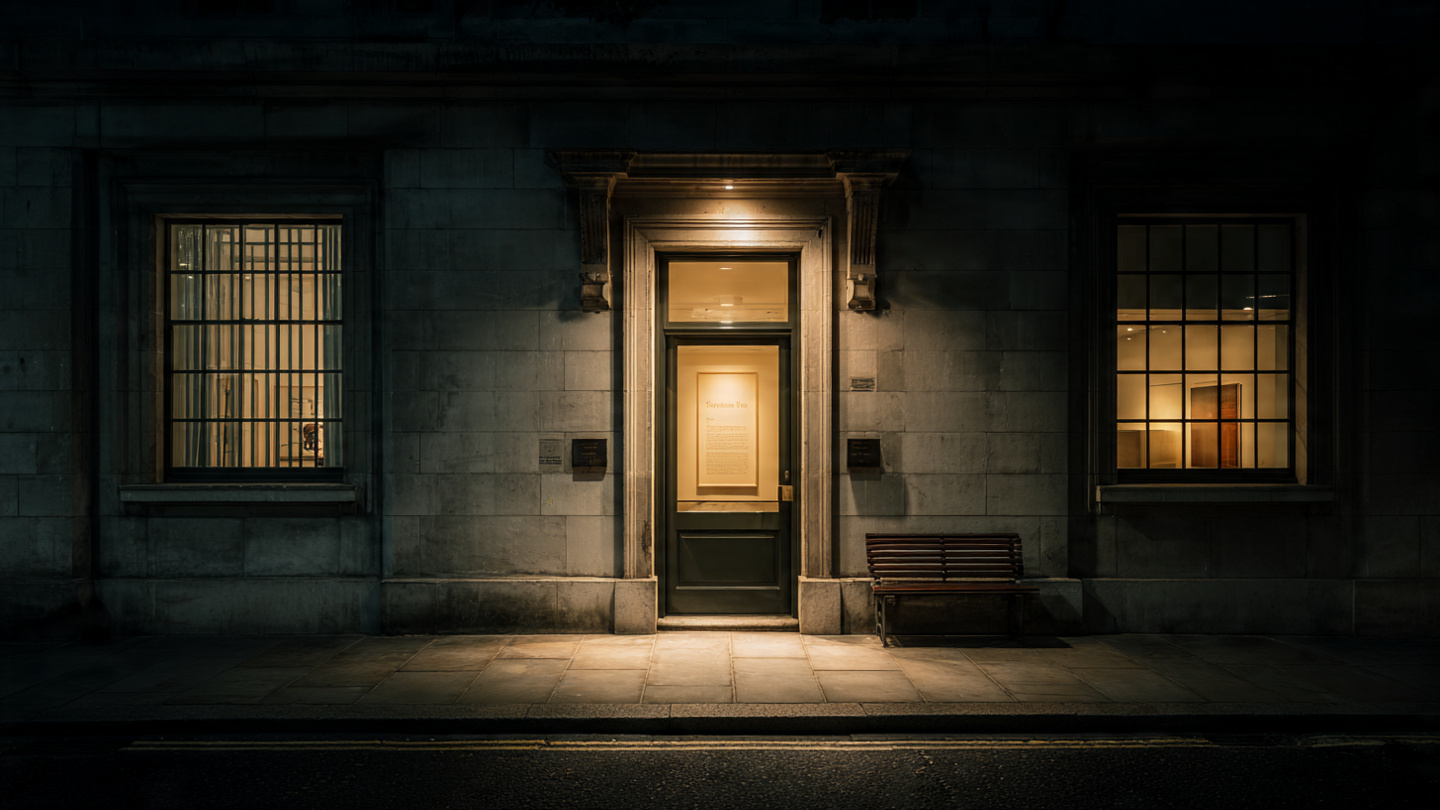
Misconception: Smaller Museums Offer Less Value to Visitors
Some travelers assume that small or lesser-known museums provide fewer learning opportunities than large institutions. However, the opposite is often true. These museums deliver deeper storytelling, personal perspectives, and intimate environments where visitors can engage more closely with exhibits. Moreover, the focused collections allow travelers to understand subjects in greater detail. As a result, the experience often feels richer and more meaningful than expected.
Another common belief is that these museums are hard to locate or inconvenient to reach. In reality, many are located within residential neighborhoods, historic streets, or local community areas that are easy to access by public transport. In addition, visiting these places encourages travelers to explore different parts of the city. Therefore, accessibility becomes part of the overall discovery experience rather than a barrier.
Misconception: Only Local Residents Benefit From These Museums
Some people think that these cultural spaces primarily serve nearby residents. However, travelers benefit just as much — and sometimes even more. By visiting, they gain insights into local identity, social history, and everyday experiences that do not appear in mainstream tourist attractions. Moreover, these museums help visitors understand how neighborhoods developed over time. As a result, the experience connects travel, culture, and learning in a meaningful way.
Misconception: Smaller Museums Lack Professional Presentation
A frequent misunderstanding is that community-run museums lack quality or professionalism. In many cases, they are managed with great care, academic research, and strong attention to preservation standards. Moreover, the exhibitions often feel warm, authentic, and carefully curated. Therefore, visitors experience high-quality displays presented in a more personal and accessible format.
Some travelers believe these museums cater only to historians or experts. However, most collections are designed for a wide audience, including families, students, independent travelers, and casual visitors. In addition, exhibits usually explain themes in clear and engaging ways. As a result, people with many different interests find these spaces enjoyable and inspiring.
Misconception: Visiting These Museums Does Not Impact Cultural Preservation
Another misconception is that visiting small museums has little influence on their future. In reality, each visitor plays a meaningful role. Entry donations, community support, and positive feedback help sustain long-term preservation work. Moreover, ongoing interest encourages future development and programming. Therefore, every visit contributes directly to protecting cultural heritage.
Travelers sometimes assume that small museums exist in the shadow of famous landmarks. However, they offer a completely different style of experience rather than competing with large attractions. They provide reflection instead of spectacle, depth instead of scale, and emotion instead of grandeur. Moreover, these qualities often make visits more memorable. As a result, hidden museums complement major attractions rather than replace them.
Why Challenging These Misconceptions Matters for Travelers
By understanding the truth behind these misconceptions, travelers become more open to exploring lesser-known cultural spaces. Moreover, they begin to appreciate the personal value, historical depth, and community importance these museums provide. As a result, curiosity replaces hesitation, and visitors gain access to a richer, more authentic side of the city.

Exploring the quieter side of the city through its lesser-known museums allows travelers to experience culture in a deeper and more reflective way. Instead of seeing only the most famous attractions, visitors discover places where history feels personal and closely connected to real lives. Moreover, these museums encourage curiosity, conversation, and thoughtful observation. As a result, the journey becomes richer, more meaningful, and emotionally engaging.
Well-known museums showcase major historical collections and global narratives. However, smaller museums reveal stories that exist beneath the surface of everyday life. Together, they create a complete cultural picture of the city. In addition, visiting both types of museums allows travelers to balance large-scale learning with intimate, human-centered storytelling. Therefore, hidden museums do not replace iconic attractions — they enhance them.
The Lasting Emotional Value of Quiet and Authentic Cultural Spaces
Many travelers remember these museums because the experiences feel sincere and personal. The calm rooms, thoughtful displays, and conversations with passionate caretakers form memories that remain long after the trip ends. Moreover, the slower pace encourages reflection rather than distraction. As a result, visitors leave not only with information, but also with feelings of connection, empathy, and appreciation for the past.
Encouraging Responsible and Respectful Cultural Exploration
When travelers choose to visit smaller museums, they support community preservation, education, and heritage protection. In addition, they help distribute tourism more evenly across neighborhoods instead of concentrating activity in crowded areas. Therefore, exploring these museums contributes to responsible travel practices that respect both culture and local communities. Moreover, visitors play a small but meaningful role in keeping history alive.
The most rewarding discoveries often come from curiosity and openness. Travelers who step away from familiar routes find museums that reveal surprising stories, quiet beauty, and emotional depth. In addition, each visit encourages new perspectives on the city and the people who shaped it. Therefore, approaching London with curiosity transforms sightseeing into exploration, learning, and true cultural discovery.
For a softer cultural experience beyond traditional attractions, this guide to things to do near Buckingham Palace highlights how history, atmosphere, and walking routes come together near the palace.
Looking Ahead to the Journey Beyond This Guide
This guide serves as an invitation to explore thoughtfully, observe carefully, and appreciate the cultural spaces that exist beyond the spotlight. Moreover, every hidden museum offers a unique doorway into history, memory, identity, and community life. As a result, travelers who take the time to discover these places experience the city in a way that feels authentic, human, and deeply rewarding.
FAQs
Planning Your Visit
Hidden museums are usually smaller, quieter, and more focused on personal or community history. Instead of large crowds and broad exhibits, they offer intimate spaces, detailed storytelling, and a more reflective cultural experience.
Yes. Most of them are located in residential neighborhoods or historic streets that can be reached easily by public transport. However, opening hours may be limited, so checking times in advance is helpful.
Some smaller museums accept walk-ins, while others operate with scheduled entry times or limited capacity. Because of this, it is always better to confirm availability before visiting.
Visitor Experience
Yes. Even though many collections are niche or specialized, most exhibits are presented in a clear and accessible way, making them suitable for families, students, and independent travelers.
Not at all. Their small scale creates a more personal experience. Visitors often spend more time engaging with exhibits, reading stories, and speaking with curators than they would in larger museums.
In many of these museums, curators and volunteers are happy to share background stories or answer questions, which adds depth and emotional context to the visit.
Cultural Value and Preservation
They safeguard local histories, community memories, personal archives, and niche cultural themes that may not appear in mainstream museums. Their work helps protect stories that could otherwise disappear.
Yes. Many rely on donations, small entry fees, and community support. Each visitor contributes to preservation efforts and helps ensure the museum can continue operating.
They cover a wide range of themes including art, social history, migration, science, creative culture, and everyday life. Each museum reflects a specific perspective or story within the city.
Practical and Experience
Most visits last between 30 minutes and 2 hours, depending on exhibit size and how deeply you explore the stories and displays.
They are generally much quieter than large institutions. However, weekends may still attract more visitors, so weekday visits often provide the calmest experience.
Yes. Many of these museums are located in culturally rich areas, making it easy to enjoy nearby cafés, historic streets, local parks, or small community landmarks after your visit.