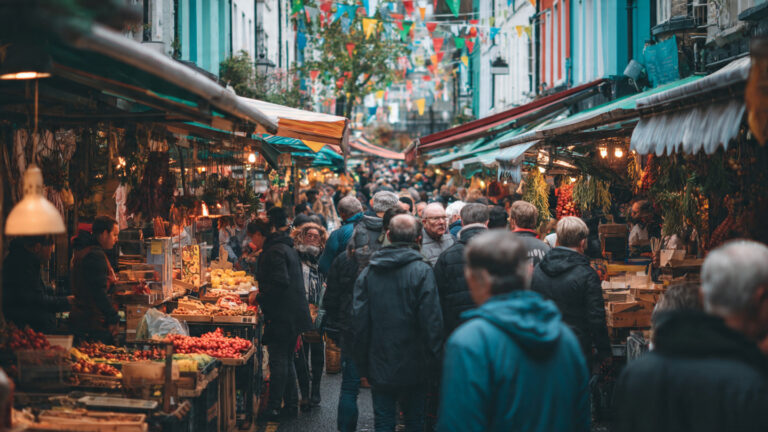

Lesser known markets in London offer a more personal style of exploration compared to crowded tourist markets. These local markets exist inside residential neighborhoods where daily routines continue at a calm and natural pace. Visitors see real community life instead of performance-style attractions. This makes the experience feel authentic and meaningful for travelers who enjoy culture, observation, and quiet discovery.
How These Markets Differ from Busy Tourist Areas
Many popular markets focus on entertainment, noise, and commercial activity. In contrast, lesser known markets in London feel slower and more grounded. The stalls usually serve nearby residents, so the products reflect everyday living rather than tourist demands. Walking through these spaces helps visitors notice small details, such as friendly conversations between vendors and customers, simple food stands, and familiar neighborhood interactions.
While markets add energy to the city, stepping away from activity reveals quiet places in London where movement slows and the atmosphere feels more balanced.
For travelers interested in uncovering places that exist beyond London’s famous attractions, many of these market experiences connect naturally with other overlooked locations featured in hidden gems in London most tourists miss.
Who Will Enjoy Visiting These Local Market Spaces
These markets are ideal for travelers who prefer genuine cultural connection instead of fast sightseeing. People who enjoy walking through neighborhoods, speaking with independent traders, and supporting community businesses often feel especially comfortable here. Visiting lesser known markets in London also suits thoughtful travelers who value calm environments, slow movement, and personal interaction.
How These Markets Shape Local Identity
Each market contributes to the identity of its neighborhood. These spaces act as informal community centers where people gather, talk, share food, and support local traditions. Spending time in lesser known markets in London allows visitors to understand how culture continues through everyday activity. The experience becomes more than shopping. It becomes a quiet moment of cultural learning and appreciation.
Setting the Direction for This Market Guide
This guide explores different types of lesser known markets across the city, including community markets, small food markets, creative craft spaces, and peaceful weekend markets. The goal is to help readers understand why these market experiences feel meaningful and how they add depth to a London itinerary without focusing on commercial tourism.
Authentic London Shopping Experiences
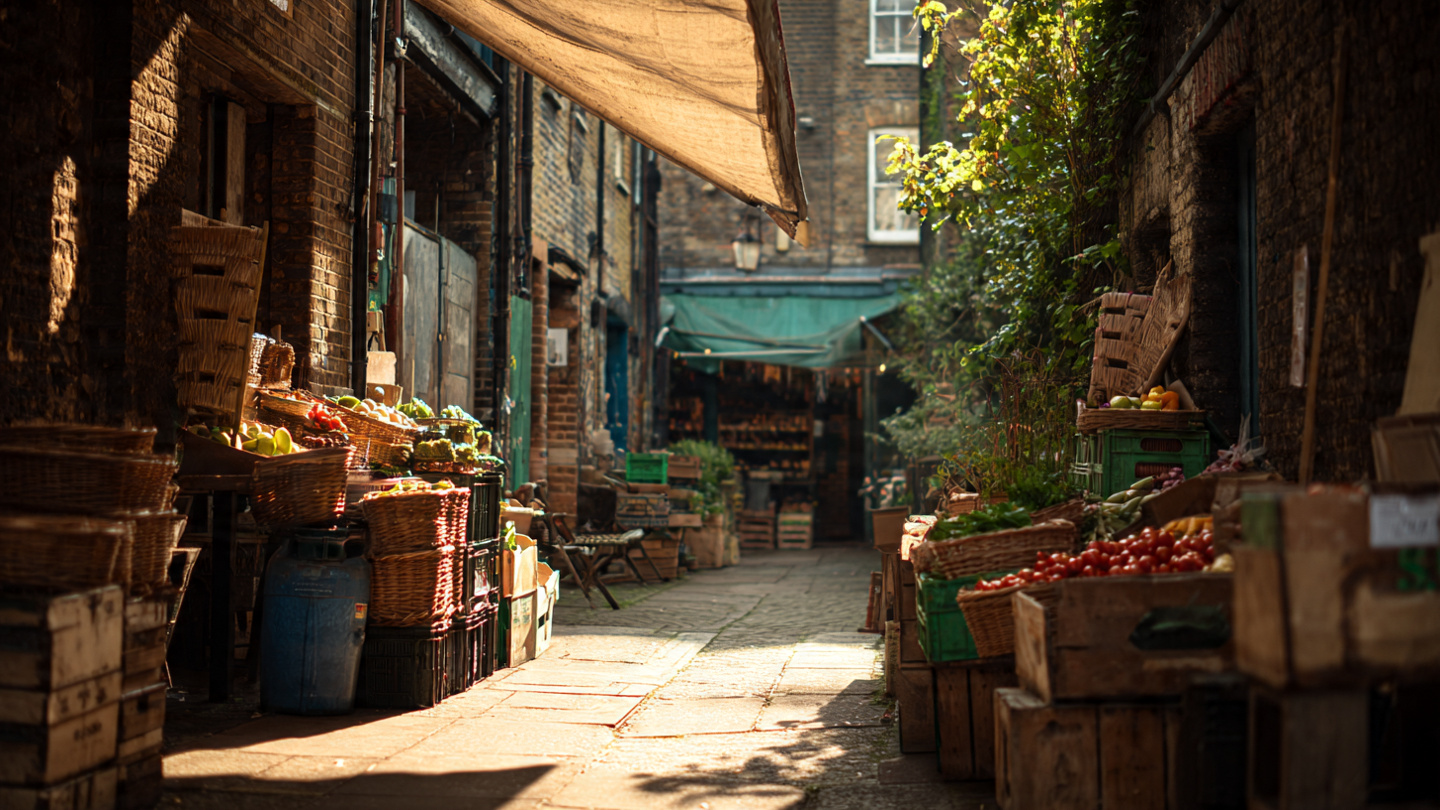
Lesser known markets in London give travelers a chance to experience daily life rather than staged attractions. These markets reflect how residents actually shop for food, clothing, flowers, handmade items, and everyday essentials. Instead of commercial displays, visitors see small stalls, personal conversations, and genuine interactions. This creates an experience that feels natural and sincere. Travelers begin to understand the rhythms of local neighborhoods, not just the image of the city shown in tourist districts.
Meeting Local Vendors and Community Traders
One of the most meaningful parts of visiting lesser known markets in London is the opportunity to meet independent vendors. Many stall owners have been part of the same market community for years. They recognize familiar customers, share stories about their products, and often explain where items come from. These conversations create emotional connection and cultural learning. Visitors gain insight into traditions, family businesses, and community pride in a way large tourist markets rarely provide.
Supporting Small Independent Businesses
Spending time — and money — in these markets helps support small-scale traders who depend on local customers rather than mass tourism. Buying fresh produce, handmade crafts, or simple daily goods contributes to the survival of community-based businesses. This kind of travel encourages ethical spending and responsible exploration. Travelers leave with memories that feel meaningful, because their visit has supported real people and real neighborhoods instead of large commercial outlets.
Experiencing Calm and Slower Travel Moments
Some travelers feel overwhelmed by crowded shopping streets and busy tourist markets. Lesser known markets in London offer a calmer alternative. Movement is slower, spaces feel open, and interactions happen at a comfortable pace. Visitors can walk, observe, and take their time without pressure. This creates a more reflective style of travel, where small details, sounds, and everyday routines become part of the experience.
Discovering Neighborhood Identity Through Markets
Markets often reveal the character of the areas around them. Food choices, languages spoken, music, and the style of goods on display all reflect the cultural identity of local communities. By exploring lesser known markets in London, travelers begin to recognize how different neighborhoods express their own history and lifestyle. This helps visitors understand the city as a collection of living communities rather than a single uniform destination.
Creating Personal Travel Memories
Experiences in these markets often feel memorable because they are personal, simple, and real. A short conversation with a vendor, the smell of fresh bread or spices, or the quiet atmosphere of a neighborhood square can stay with a traveler long after the trip ends. Instead of collecting souvenirs, visitors collect moments — and those moments give depth and meaning to their journey.
Neighborhood Community Markets
The Charm of Small Local Market Culture
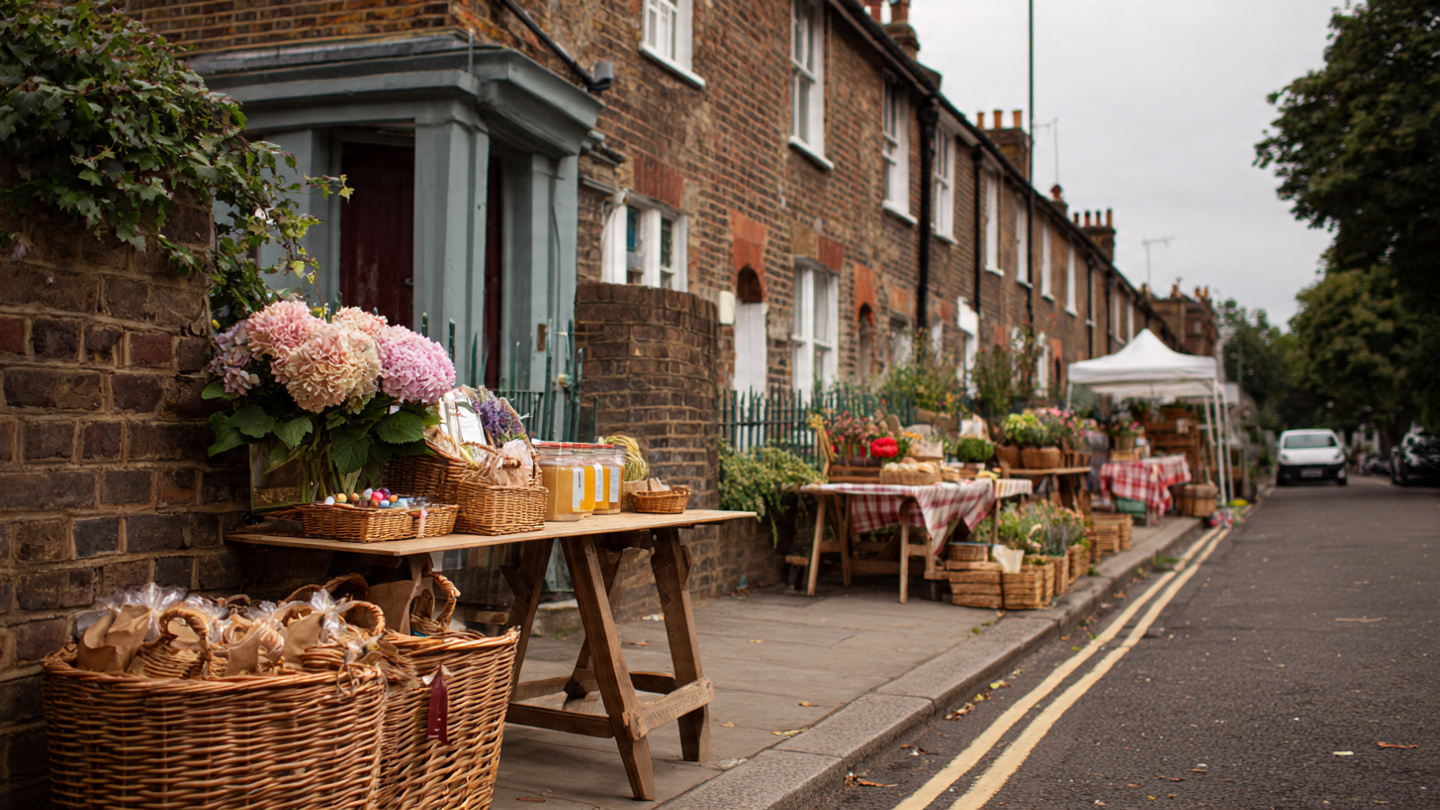
Neighborhood community markets represent some of the most genuine spaces within the city’s daily life. Many of these markets are small, quiet, and deeply connected to the people who live nearby. Unlike busy tourist areas, lesser known markets in London often exist in residential streets or open courtyards where residents gather for simple, everyday shopping. The atmosphere feels relaxed and friendly, with familiar faces greeting each other as part of a shared community routine.
How Community Markets Serve Local Residents
These neighborhood markets usually focus on practical, essential goods rather than souvenir items. Fresh vegetables, bread, household supplies, flowers, and simple snacks are commonly found at the stalls. Because the markets are designed for residents and not tourists, the products reflect local needs and traditions. Visiting these places gives travelers a closer look at how daily life functions within real London communities, showing a more grounded side of the city.
Everyday Interactions and Neighborhood Connections
One of the most interesting parts of visiting neighborhood markets is observing how people interact with one another. Regular customers often know the stall owners by name. Short conversations take place alongside purchases, and these exchanges help maintain social bonds within the area. Travelers who spend time in lesser known markets in London can witness this sense of connection and belonging, which adds emotional depth to the experience.
A Slower and More Observational Travel Experience
Community markets encourage slow exploration rather than rushing from one attraction to another. The pace is gentle, and visitors have time to look closely at stalls, watch how people shop, and appreciate small details. This slower rhythm creates a thoughtful travel experience, especially for people who prefer meaningful observation over high-energy sightseeing.
What You Usually Find in Community Markets
Many neighborhood markets focus on useful everyday items rather than decorative or luxury products. Fresh fruit and vegetables, baked goods, plants, fabrics, basic clothing, and locally sourced foods are commonly sold. Some markets include small street food stands or home-cooked dishes prepared by community members. These details help travelers understand how food, family life, and culture blend together in ordinary environments.
Why These Markets Feel Welcoming to Visitors
Even though these markets primarily serve local residents, they often feel warm and approachable to respectful travelers. The environment is simple and sincere, without pressure to spend money or move quickly. People who visit with curiosity and appreciation are often welcomed as observers of daily life. This makes neighborhood markets one of the most meaningful ways to experience lesser known markets in London while staying connected to real human stories.
Many travelers who enjoy the relaxed, community feel of local markets also seek nearby places to slow down, and visiting hidden cafés in London provides quiet settings to rest, reflect, and observe everyday life.
Many neighborhood community markets are spread across residential areas rather than tourist zones. To better understand where these quieter spaces are located, exploring a map of local neighborhood markets iln London helps visualize how these markets fit naturally into everyday community life.
Local Food Culture and Everyday Produce Traditions
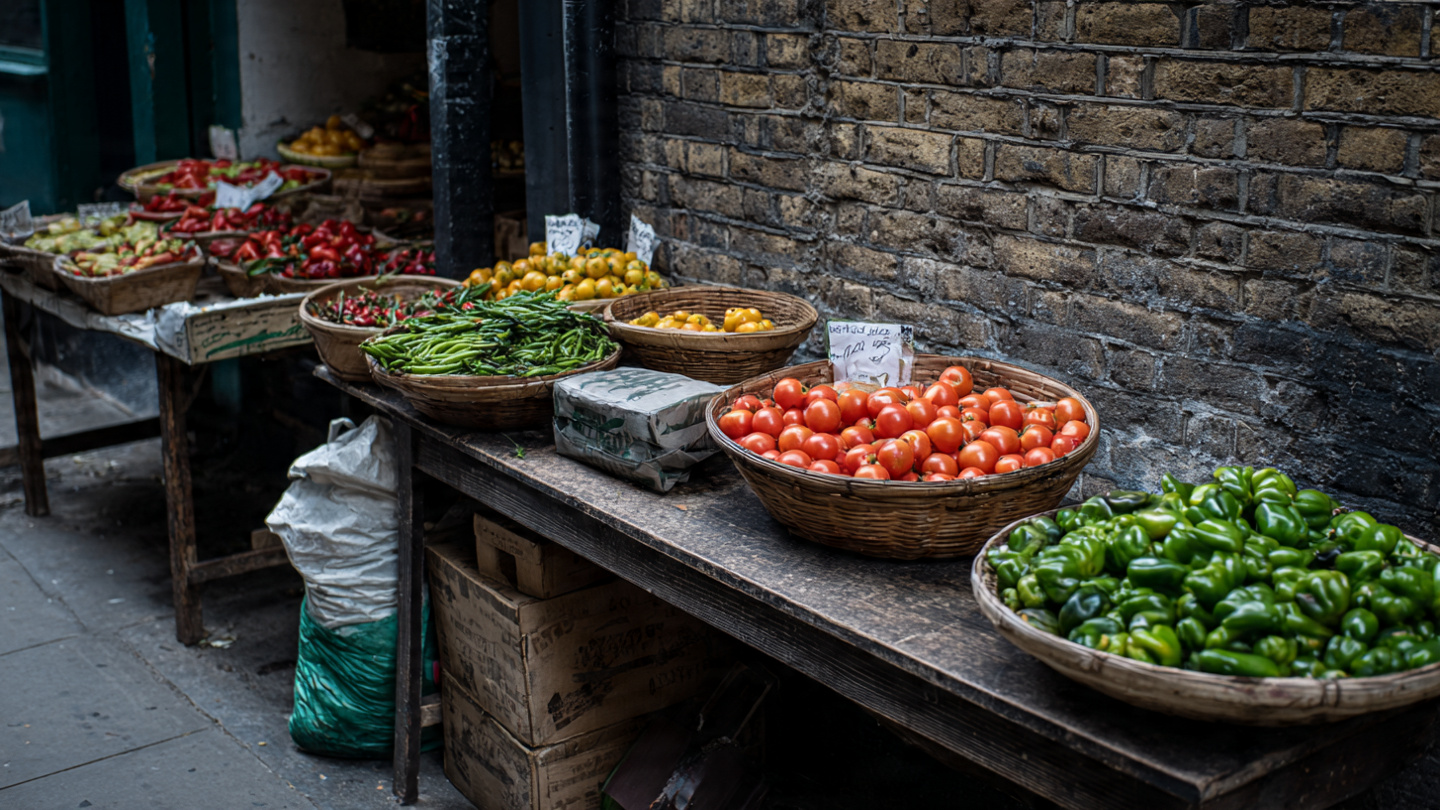
Hidden food markets reveal how daily eating habits and local traditions shape neighborhood life. Many of these spaces are simple and understated, yet they play an essential role in community routines. Travelers visiting lesser known markets in London often discover small produce stalls, independent bakers, spice vendors, and family-run food stands that reflect the character of the surrounding area. These markets highlight fresh ingredients, seasonal produce, and regional flavors rather than commercial packaging or tourist-oriented displays.
Fresh Produce Markets Loved by Local Residents
In many neighborhoods, residents depend on small food markets for weekly shopping. Instead of large supermarkets, people purchase vegetables, fruit, herbs, bread, and essential ingredients from trusted local traders. These markets create a sense of familiarity and continuity, because customers often return to the same stalls again and again. For travelers, this environment offers insight into real food culture. Observing the way people select produce, discuss prices, and exchange greetings provides a direct connection to everyday community life.
Many of these food-focused markets exist quietly within neighborhoods and are best discovered visually. Viewing a map of hidden food markets in London makes it easier to see how these produce stalls and street corners serve local residents rather than tourists.
Street Corner Markets and Informal Food Stalls
Some of the most interesting lesser known markets in London appear in unexpected places, such as small street corners, open squares, or narrow side streets. These informal food stalls may operate only on certain days or during limited hours. They often specialize in a few carefully prepared items rather than large menus or commercial products. Visitors may see home-style snacks, freshly cooked dishes, or traditional foods that reflect the cultural background of local residents. These spaces feel intimate and personal, creating memorable moments for travelers who enjoy authentic culinary discovery.
Regional and Cultural Food Influences
London is home to many different cultural communities, and hidden food markets often reflect this diversity. Some areas feature ingredients and flavors from South Asia, the Middle East, Africa, Eastern Europe, or the Mediterranean. Exploring these markets helps travelers understand how migration, heritage, and local identity come together through food. Buying a small snack, tasting a regional dessert, or speaking briefly with a vendor becomes an educational and emotional experience, not just a purchase.
What Visitors Can Expect When Exploring These Markets
Travelers should expect simple setups rather than polished commercial environments. Stalls may be modest, signs may be handwritten, and the atmosphere may feel informal. However, this simplicity is part of the charm. Many visitors appreciate how honest and unfiltered these markets feel. The focus remains on quality, tradition, and community rather than presentation. Spending time in these lesser known markets in London encourages travelers to slow down, observe, taste, and appreciate food as a living expression of culture.
Exploring these markets allows visitors to engage with the city in a deeper and more personal way. Instead of only seeing famous landmarks, travelers experience the flavors, smells, sounds, and social interactions that shape daily life. A small food purchase or casual conversation may become one of the most meaningful memories from the trip. These markets remind travelers that the heart of a city often exists not in its busiest tourist attractions, but in its quiet neighborhood corners where real life continues every day.
Vintage, Retro, and Second-Hand Markets

Why Vintage Markets Appeal to Curious Travelers
Vintage and second-hand markets offer a special kind of discovery that feels different from modern retail shopping. Many of these spaces are part of the quieter, lesser known markets in London, where travelers browse through collections of old books, antique furniture, retro clothing, handmade jewelry, and recycled household items. The atmosphere feels reflective and nostalgic. Instead of identical new products, every item carries a story, a past owner, and a sense of personal history. This creates a slow and thoughtful browsing experience that encourages exploration rather than quick purchasing.
Sustainable and Eco-Friendly Shopping Culture
One of the strongest reasons people enjoy visiting vintage markets is their connection to sustainability. Buying reused, repaired, or repurposed items supports an environmentally conscious lifestyle. Many travelers appreciate the idea that second-hand shopping reduces waste and gives objects a longer life. These values often shape the culture of lesser known markets in London, where independent traders focus on quality and preservation instead of mass-produced goods. The experience feels ethical and responsible, especially for visitors who care about mindful consumption.
Types of Items Commonly Found in Vintage Markets
Vintage markets vary widely, but several types of items frequently appear across different locations. Clothing stalls may feature retro jackets, classic dresses, leather bags, scarves, and restored accessories from earlier decades. Other areas may focus on vinyl records, photography equipment, handmade ceramics, postcards, or small decorative objects for the home. Some traders specialize in antiques, such as mirrors, wooden chests, or traditional household tools. Browsing these stalls often feels like walking through fragments of the past, each object revealing a small piece of cultural memory.
The Experience of Browsing Rather Than Rushing
Visitors rarely hurry through these markets. Instead, they move slowly, lifting objects, inspecting materials, and imagining the history behind each item. This style of exploration suits travelers who enjoy calm environments and personal reflection. Many lesser known markets in London encourage this quiet browsing experience. There is no pressure to buy quickly or compete with large crowds. Instead, travelers can spend time appreciating craftsmanship, textures, and details that might otherwise go unnoticed.
Conversations with Independent Collectors and Traders
Another meaningful aspect of visiting vintage markets is the chance to speak with knowledgeable stall owners. Many traders are passionate collectors who understand the origins and background of the pieces they sell. They often share stories about where objects were found, how they were restored, or why they matter culturally. These conversations help travelers connect not only with the items, but also with the people who preserve them. This personal interaction is one of the qualities that makes lesser known markets in London feel warm, human, and emotionally engaging.
How Vintage Markets Add Depth to a Travel Experience
Exploring vintage and second-hand markets allows travelers to see London from a more reflective and cultural perspective. Instead of simply visiting attractions, they engage with memory, heritage, and creativity through everyday objects. A small purchase, such as an old postcard or a handmade piece of jewelry, can become a meaningful keepsake that carries real character and story. Moments like these help transform a simple shopping trip into a deeper experience of connection, history, and appreciation.
Vintage and second-hand markets are scattered across different neighborhoods, often away from busy shopping streets. Exploring a map of vintage and second-hand markets in London helps travelers discover quieter spaces focused on reuse, history, and craftsmanship.
Weekend-Only and Pop-Up Markets
Temporary Markets with Unique Neighborhood Atmospheres
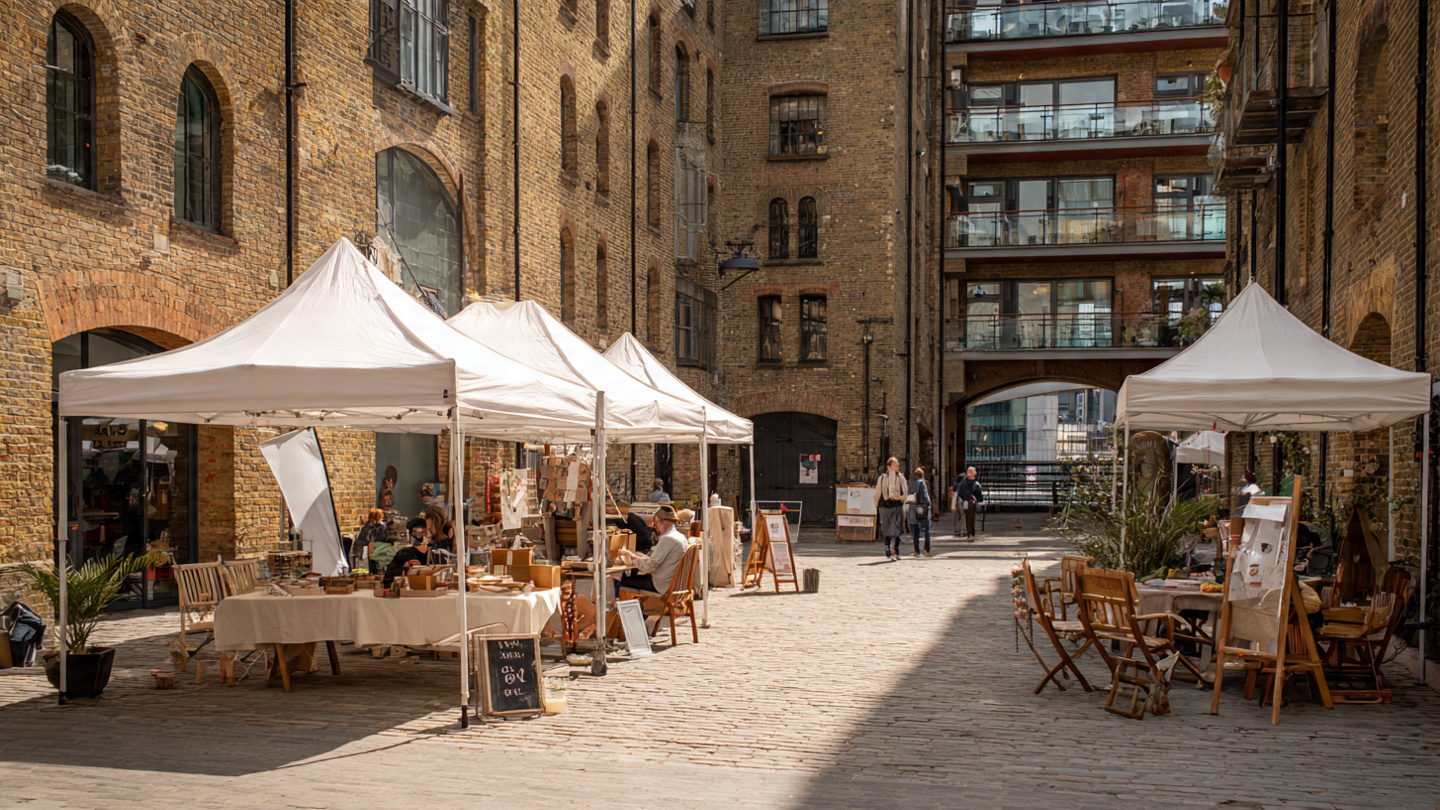
Weekend-only and pop-up markets create a special kind of energy that feels different from permanent shopping areas. Many of these temporary spaces belong to the broader group of lesser known markets in London, appearing only on specific days or during certain seasons. Because they are not open every day, they often attract small groups of local residents who know when and where the market will appear. Travelers who arrive at the right time experience a lively but relaxed environment filled with conversation, creativity, and community interaction.
Some weekend markets can be explored alongside nearby cultural walks and riverside experiences featured in things to do near London Eye.
Such an amazing variety of cheeses, tinned fish, and all sorts of tasty goodies—and at really great prices! We popped in on a Sunday, and yeah, it was a bit busier than we’d hoped, but we had such a good time that we’ll definitely be back soon! 😊
Read more reviews at Tripadvisor.
How Pop-Up Markets Reflect Local Creativity
Pop-up markets often serve as platforms for small independent creators who do not operate full-time shops. Artists, food makers, designers, and hobby traders use these temporary stalls to share their work with the community. Visitors may find handmade crafts, experimental food recipes, home-baked desserts, or unique design projects that would not normally appear in traditional retail spaces. Exploring these lesser known markets in London allows travelers to see how creativity and entrepreneurship grow at a grassroots level.
Seasonal Markets with Changing Themes
Some weekend markets follow seasonal patterns, appearing more frequently during spring, summer, or festive periods. The themes may change depending on the time of year. Warm-weather markets might feature outdoor seating, fresh drinks, garden plants, and summer produce, while cooler seasons may focus on warm food, handmade gifts, and cozy local crafts. These seasonal shifts create a dynamic travel experience, because each visit reveals a slightly different atmosphere and selection of items.
Community Events Combined with Market Spaces
In many neighborhoods, weekend and pop-up markets are linked to community events, local gatherings, or cultural celebrations. Music performances, children’s activities, art workshops, or neighborhood fundraisers sometimes take place alongside the stalls. This creates a feeling of togetherness rather than a purely commercial setting. Travelers who visit these lesser known markets in London often feel like participants in a shared community moment rather than outsiders observing from a distance.
What Visitors Typically Find at Weekend Pop-Up Markets
The variety of goods at these markets can be surprisingly wide. Handmade jewelry, craft decorations, speciality street food, natural skincare products, prints, small artworks, and locally designed clothing are commonly found. Some traders offer limited edition items or short-run creations that exist only for that particular event. This makes the experience feel more personal and unique, since many products cannot be found again in regular shops.
Why Weekend Markets Feel Memorable for Travelers
The temporary nature of these markets creates a sense of rarity and excitement. Visitors know that the stalls, people, and atmosphere may not appear in the exact same way again. This makes each visit feel special and emotionally meaningful. Instead of collecting typical souvenirs, travelers leave with memories of conversations, tastes, sounds, and moments that belonged to a specific time and place. These qualities are part of what makes lesser known markets in London so rewarding for thoughtful explorers who value authentic experiences.
Cultural and Ethnic Community Markets
Global Influences Within London’s Market Scene
Many lesser known markets in London reflect the city’s rich multicultural identity. Different communities have created their own local market spaces where food, clothing, ingredients, and traditions from their home countries continue to thrive. Walking through these markets feels like stepping into small cultural worlds, each shaped by heritage, memory, and everyday life. Travelers who visit these spaces experience London not as a single cultural environment, but as a collection of interconnected communities.
Cultural Food, Spices, and Traditional Ingredients
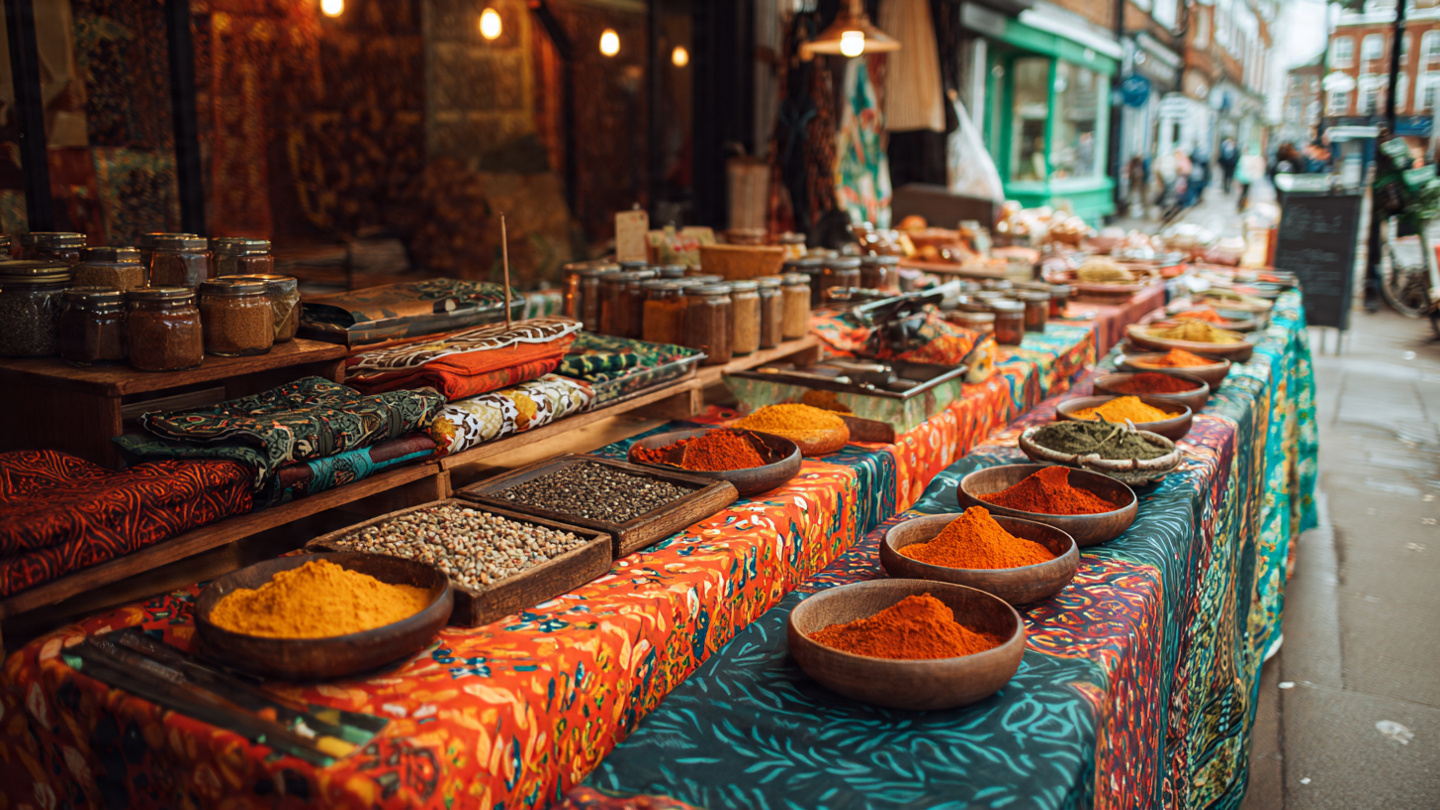
Food plays a central role in many cultural markets. Stalls often display regional spices, fresh herbs, traditional sweets, imported ingredients, and homemade dishes prepared according to family recipes. These markets help residents maintain connections to their culinary traditions, especially for communities with migrant histories. Travelers exploring lesser known markets in London can observe how food becomes a bridge between past and present. Even a simple purchase, such as a snack or dessert, may carry cultural meaning and personal storytelling.
Clothing, Textiles, and Community Identity
Beyond food, many cultural markets include stalls selling traditional clothing, fabrics, jewelry, and textiles. These items express identity, ceremony, and heritage. Some fabrics are worn during festivals, while others are part of everyday cultural dress. Visitors often notice bright colors, detailed patterns, and handcrafted materials that reflect regional artistry. Spending time in these markets gives travelers a deeper understanding of how clothing connects people to culture, family history, and shared community values.
Handmade Goods and Small Cultural Crafts
Many traders in cultural community markets create handmade crafts, such as pottery, decorative ornaments, woven baskets, carved figures, or home-style accessories. These objects often reflect traditional craftsmanship passed down through generations. Exploring these stalls allows travelers to see how creativity and cultural memory are preserved through everyday work. In many lesser known markets in London, craftsmanship becomes both a livelihood and a form of cultural expression.
Respectful and Mindful Visiting Practices
Because these markets are primarily community spaces, visitors should approach them with sensitivity and respect. Travelers are encouraged to observe calmly, speak politely, and show appreciation for the culture represented. Taking time to listen, ask gentle questions, and acknowledge the work of traders helps create positive interaction. When visitors behave thoughtfully, the experience becomes mutually meaningful, strengthening the sense of trust between locals and travelers.
How Cultural Markets Deepen the Travel Experience
Exploring these community markets allows travelers to move beyond surface-level sightseeing. Instead of viewing culture from a distance, they witness how traditions continue through food, conversation, craft, and daily life. Each market reveals a story about migration, family heritage, resilience, and belonging. These moments help travelers understand that lesser known markets in London are not just shopping spaces, but living cultural environments where identity and memory remain active and present.
Just as markets often hide stories beyond their stalls and walkways, London also carries entire layers out of sight, which are explored through these underground hidden spots in London.
It is a great market. It has a lot of small shops and stands on the road with a bit of everything, from hats to jewellry, to souvenir or even produce. It has a great vibe and you can walk around easily.
Read more reviews at Tripadvisor.
Artist and Craft Maker Markets

Creative Handmade Goods and Local Art
Artist and craft maker markets highlight the creative spirit that exists inside many neighborhoods. These spaces often feel personal and expressive, because the people selling their work are usually the same people who designed and created it. Travelers visiting lesser known markets in London often find handmade jewelry, watercolor prints, ceramics, wooden ornaments, textile art, and carefully crafted home decorations. Each item carries the personality of its maker, turning the market into a living gallery rather than a simple shopping area.
Meeting Independent Designers and Creators
One of the most meaningful aspects of these markets is the opportunity to speak directly with artists about their work. Many creators enjoy explaining the inspiration behind their designs, the materials they use, and the techniques involved in the creative process. These conversations help visitors understand the emotion and effort behind each piece. Instead of buying a generic souvenir, travelers support real people who rely on their craft as both income and artistic expression. This personal interaction is one of the qualities that makes lesser known markets in London feel authentic and emotionally rewarding.
Small-Scale Creativity Outside Commercial Retail
Artist markets often exist outside mainstream retail environments. Many creators work from home studios or small workshops rather than large commercial stores. Market stalls give them a place to share limited-edition pieces, experimental designs, or one-of-a-kind artworks that cannot be found anywhere else. This creates a sense of originality and individuality. Travelers who value creativity and craftsmanship often feel inspired by the atmosphere, where every stall tells a different artistic story.
The Emotional Experience of Handmade Craft Spaces
Walking through these markets feels different from browsing mass-produced items in large shops. The textures, colors, and imperfections of handmade objects create a sense of warmth and human presence. Travelers may notice the marks of hand-carving, brush strokes on painted surfaces, or natural variations in fabric and clay. These details remind visitors that each piece has been shaped by time, effort, and personal skill. Exploring lesser known markets in London through handmade craft spaces allows travelers to connect with art in an approachable, everyday setting.
How Craft Markets Support Local Creative Communities
Many artist markets also function as supportive networks for creative communities. Designers share ideas with one another, collaborate on projects, and encourage new artists to develop their skills. Some markets host small workshops or demonstrations where visitors can observe creative techniques. This sense of community strengthens both the market environment and the people who participate in it. Travelers who spend time in these spaces contribute to the survival of independent art culture, helping local creators continue their work.
Why These Markets Feel Meaningful for Travelers
Purchasing a handmade item from an artist market often feels more personal than buying something from a standard gift shop. The object carries a story, a memory, and a connection to the person who created it. Even visitors who choose not to buy anything still leave with inspiration and appreciation for the creativity they witnessed. These experiences show how lesser known markets in London are not only places of trade, but living environments where imagination, identity, and community come together in everyday form.
Local Farmer and Organic Lifestyle Markets in London

Organic Culture in Lesser Known Markets in London
Local farmer and organic lifestyle markets play an important role in supporting sustainable living across the city. Many of these spaces are part of the quieter network of lesser known markets in London, where residents buy natural produce, handmade food products, eco-friendly goods, and farm-grown ingredients. The environment feels calm and community-focused, with an emphasis on quality, transparency, and ethical shopping rather than commercial display.
Farm-to-City Produce in Neighborhood Market Communities
These markets help connect urban neighborhoods with small-scale farmers and producers. Visitors often see fresh vegetables, organic fruit, artisanal bread, farm honey, herbal teas, handmade dairy products, and natural condiments. Many traders explain how their goods are sourced or produced, making the experience educational as well as practical. Travelers who explore these lesser known markets in London gain insight into how sustainability, agriculture, and city life come together through everyday food choices.
Eco-Friendly Goods and Sustainable Living Practices
Beyond fresh produce, many organic lifestyle markets include stalls that focus on environmentally conscious products. Reusable household items, natural skincare, plant-based food options, beeswax candles, and eco-friendly packaging alternatives are commonly available. These markets encourage responsible consumption and support independent creators who prioritize sustainability. Visiting these lesser known markets in London allows travelers to see how environmental values are reflected in real community spaces.
Community Atmosphere at Local Farmer Markets
The atmosphere in these markets is often relaxed and friendly. Shoppers talk with producers, ask questions about ingredients, and build long-term relationships with their favorite stalls. This sense of trust creates a strong community identity around the market itself. Travelers who spend time in these lesser known markets in London experience a side of the city where cooperation, respect, and shared values shape everyday interactions.
What Visitors Can Expect at Organic Lifestyle Markets
Stalls are usually simple and practical, with clear focus on product quality rather than decoration. Prices may reflect the effort behind ethical production, but buyers often value freshness and authenticity over mass-market alternatives. Travelers exploring these lesser known markets in London should expect a calm environment where people shop slowly, taste samples, and make thoughtful choices based on health, sustainability, and connection to producers.
Why These Markets Offer Meaningful Travel Experiences
Farmer and organic markets provide more than food shopping opportunities. They reveal how communities care for health, environment, and shared responsibility. A short conversation with a grower or baker can leave a lasting impression, because the interaction feels sincere and human. These moments help travelers understand that lesser known markets in London are not only places of trade, but living spaces where values, lifestyle, and culture come together in everyday life.
Quiet and Peaceful Markets Away from Busy Tourist Areas
Calm Market Spaces in Lesser Known Markets in London
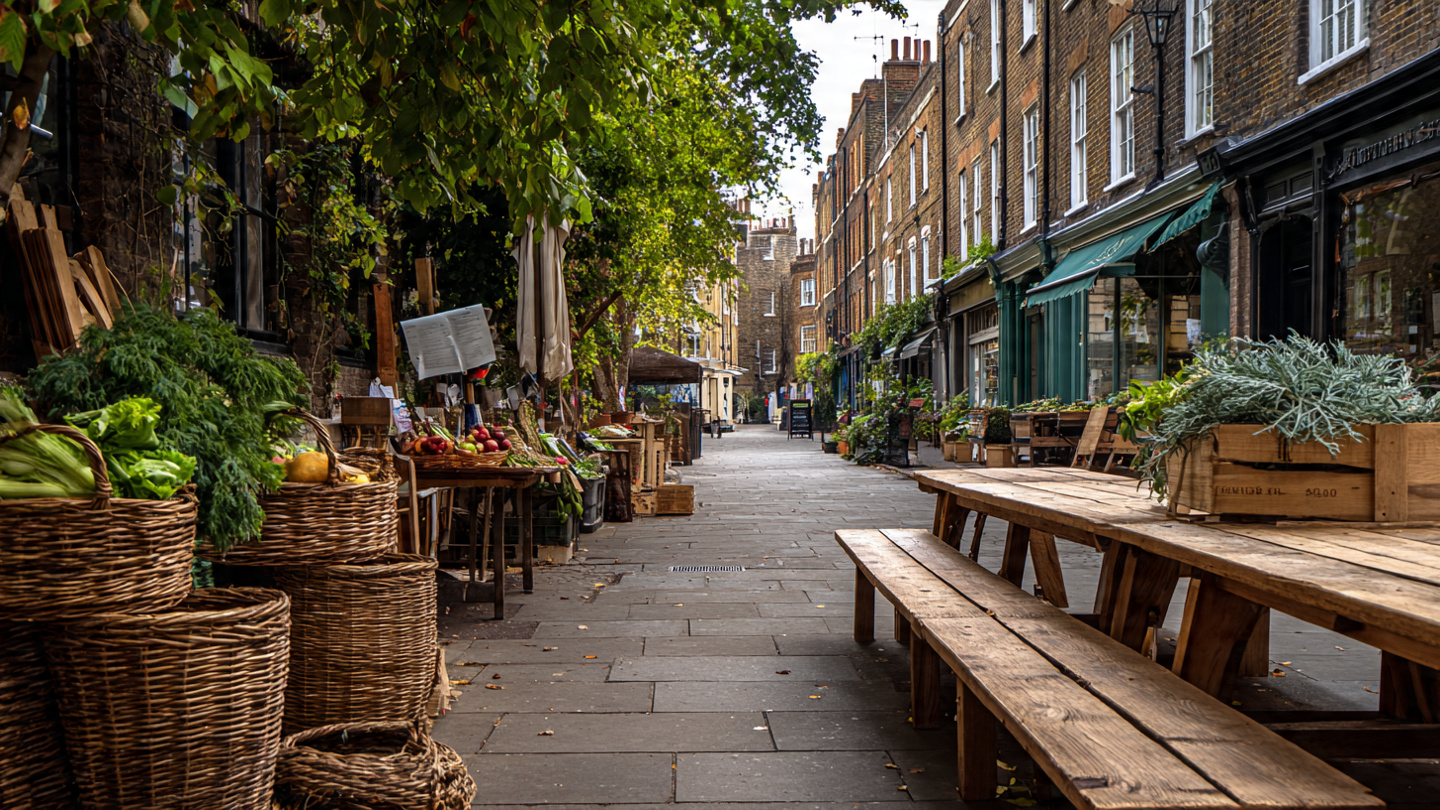
Some of the most relaxing places in the city can be found in quiet market areas that sit far from major tourist zones. These locations belong to the broader group of lesser known markets in London, where movement feels slow and gentle. Instead of loud entertainment or crowded walkways, travelers experience open spaces, soft conversations, and a calm neighborhood atmosphere. These environments suit visitors who prefer peaceful exploration rather than energetic sightseeing.
Why Quiet Neighborhood Markets Feel Different
Busy tourist markets often focus on noise, attention, and constant activity. In contrast, quiet markets center on everyday routines. People buy groceries, chat with familiar vendors, and continue their normal day without rush. When travelers spend time in these lesser known markets in London, they step into a rhythm that feels balanced and natural. The experience allows them to observe life as it happens, not as it is staged for visitors.
Travelers who appreciate calm environments often enjoy pairing market visits with other peaceful spaces, such as the secret gardens in London.
Ideal Visitors for Peaceful Market Environments
These markets are especially meaningful for travelers who enjoy reflection, photography, or slow cultural observation. People who like walking quietly, noticing small details, or simply sitting and watching daily activity often feel comfortable in such spaces. Exploring lesser known markets in London in this way encourages visitors to connect emotionally with the surroundings rather than focusing only on buying goods or ticking locations off a list.
What Travelers Usually Experience in Quiet Market Areas
Instead of rows of souvenir stands, travelers may see small grocery stalls, plant sellers, bakeries, local cafés, or simple food counters serving residents. Conversations are low and personal, and the market sometimes feels like an extension of a neighborhood square. These moments reveal how markets function not just as shopping areas, but as social environments where trust and familiarity shape daily life.
Many of these markets are located along overlooked routes where daily life unfolds slowly, similar to the character found in hidden streets in London.
How Peaceful Markets Encourage Mindful Travel
Quiet markets invite visitors to slow down, breathe, and move at a natural pace. Travelers can observe gestures, greetings, and subtle interactions that might be missed in faster environments. Spending time in these lesser known markets in London helps create a mindful travel experience, where appreciation grows from calm presence rather than constant activity.
Why These Markets Leave Lasting Impressions
The memories formed in peaceful markets often feel gentle yet powerful. A quiet street corner, the smell of fresh bread, or the sight of neighbors sharing conversation can remain in a traveler’s mind long after the journey ends. These spaces show that meaningful experiences do not always come from famous attractions — sometimes they come from quiet, human moments found within the hidden network of lesser known markets in London.
Practical Tips for Visiting Lesser Known Markets in London

Best Times to Visit Lesser Known Markets in London
Most lesser known markets in London feel calmer during morning hours, when vendors begin setting up and residents start their daily shopping routines. Early visits allow travelers to experience a quieter atmosphere and observe authentic interactions. Late morning and early afternoon can become slightly busier, especially on weekends, but the pace usually remains comfortable. Visiting earlier in the day also increases the chance of seeing the widest selection of fresh produce and handmade goods.
Understanding Market Schedules and Opening Days
Many small markets follow limited schedules, and some operate only on certain days of the week. Because of this, travelers should check opening times before planning a visit. Unlike major tourist markets, these community spaces may close earlier or run for only a few hours. Paying attention to timing helps visitors experience lesser known markets in London at their most active moments rather than arriving after stalls have already begun packing up.
What to Bring When Exploring Local Market Areas
Travelers benefit from carrying a small bag, comfortable walking shoes, and enough cash for small purchases, since not every vendor accepts card payments. Reusable shopping bags are especially useful, as many markets encourage environmentally friendly habits. A small notebook or phone notes can also help travelers remember vendor names, conversation details, or meaningful interactions experienced in these lesser known markets in London.
Respectful Behavior in Community-Focused Markets
Because these markets primarily serve residents, visitors should behave with awareness and respect. Speaking politely, avoiding intrusive photography, and giving space to shoppers ensures a positive experience for everyone. Travelers who engage gently, ask simple questions, and show appreciation for local culture are usually welcomed warmly. This respectful approach strengthens trust and reinforces the community spirit that defines many lesser known markets in London.
Safety, Awareness, and Comfortable Movement
These markets are generally safe, but travelers should remain mindful of personal belongings, just as in any busy public space. Moving slowly, staying aware of surroundings, and keeping bags secure encourages a relaxed experience. The goal is to blend into the natural rhythm of the market rather than rush through it. This awareness helps visitors feel comfortable and present while exploring lesser known markets in London.
Making the Most of Each Market Visit
Travelers are encouraged to take their time, observe details, and enjoy quiet moments rather than focusing only on buying items. A brief conversation with a vendor, watching how people interact, or noticing the layout of stalls can add meaning to the experience. By approaching each visit with curiosity and patience, travelers transform simple market visits into deeper cultural encounters within the broader world of lesser known markets in London.
Final Thoughts on Exploring Lesser Known Markets in London
The Value of Discovering Lesser Known Markets in London
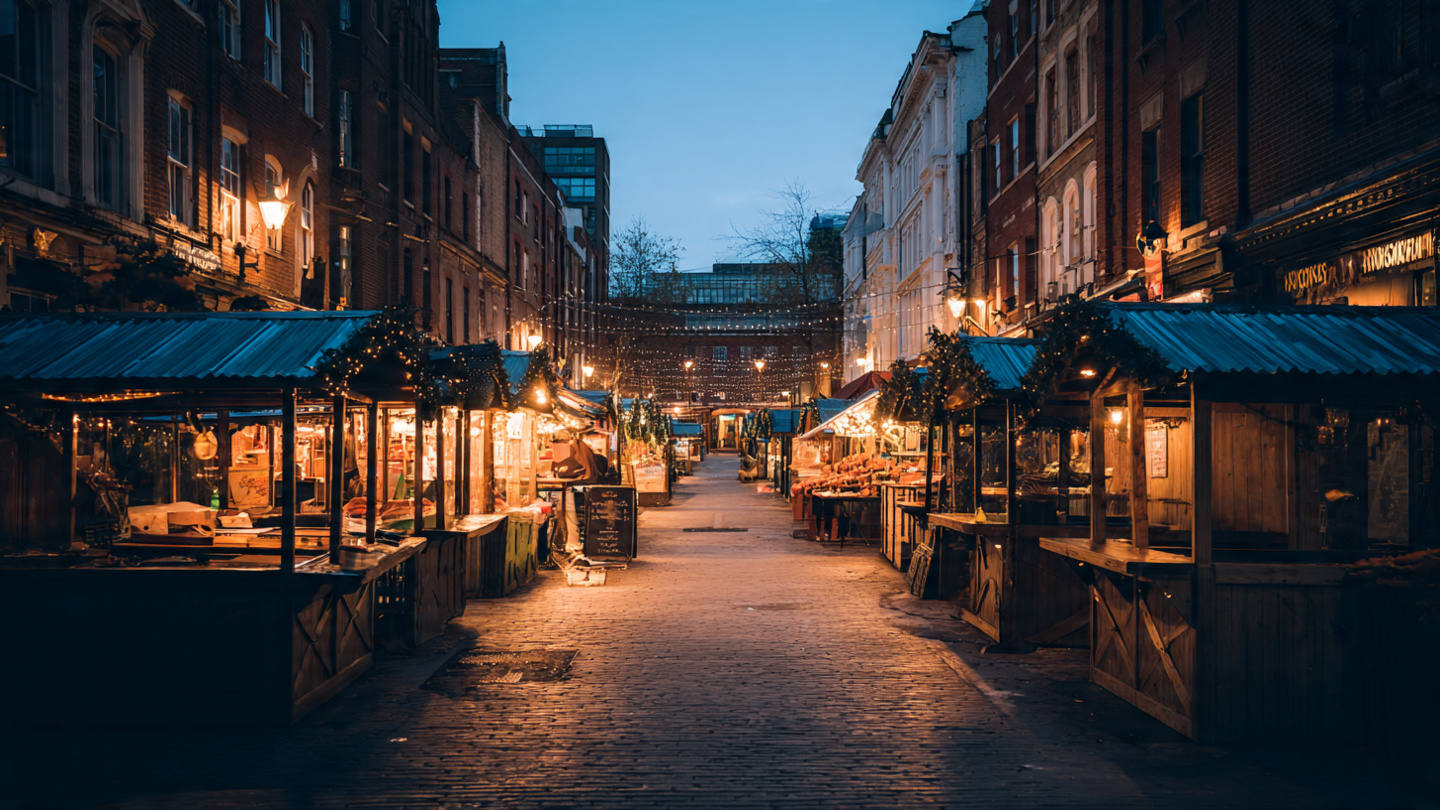
Exploring lesser known markets in London allows travelers to experience the city in a more honest and human way. Instead of staying inside busy tourist districts, visitors step into neighborhoods where daily routines, quiet conversations, and simple exchanges shape community life. These markets reveal how people shop, connect, and support one another in spaces that exist for residents first and travelers second. This creates a deeper and more meaningful style of exploration.
How These Markets Add Depth to a London Travel Experience
Famous landmarks often represent the public image of the city, but lesser known markets in London reveal the layers that exist beneath that image. Each market reflects culture, identity, tradition, and memory through everyday activity. A single walk through a small market can teach travelers more about real life in the city than hours spent in crowded tourist attractions. These experiences help transform a trip into a genuine cultural journey rather than a surface-level visit.
Creating Personal and Reflective Travel Memories
Moments inside these markets often feel gentle but unforgettable. The sound of a friendly greeting, the smell of fresh bread, the colors of fruit stalls, or a short conversation with a vendor can stay in a traveler’s memory long after the journey ends. These experiences feel special because they are not staged or artificial — they happen naturally within the rhythm of local life. That quiet authenticity is one of the strongest reasons travelers value time spent in lesser known markets in London.
Why These Markets Remain Important to Local Communities
Beyond their value to visitors, these markets play an essential role in supporting community relationships. They provide income for small traders, protect traditional skills, and create social spaces where residents feel connected and visible. When travelers visit respectfully, they contribute to the preservation of these environments rather than replacing them with tourism-focused spaces. The markets continue to exist as living community hubs, not as attractions designed only for visitors.
Encouraging Thoughtful, Responsible Exploration
Travelers who explore lesser known markets in London are encouraged to approach each visit with curiosity, patience, and respect. Observing calmly, speaking kindly, supporting independent traders, and valuing small details create positive and meaningful interactions. This type of responsible exploration helps protect the authenticity of these markets while allowing visitors to experience them in a genuine and enriching way.
A Closing Reflection on Market-Based Travel Experiences
In the end, these markets remind travelers that cities are not defined only by monuments and grand buildings, but by everyday spaces where people live, work, and connect. Lesser known markets in London offer a quiet invitation to slow down, observe, and appreciate the beauty of ordinary life. For many travelers, this becomes one of the most rewarding and memorable parts of their entire journey.
Frequently Asked Questions
🟢 General Questions About Lesser Known Markets in London
Yes, they are suitable for first-time visitors who want to experience everyday life beyond major tourist areas. These markets feel calm, genuine, and culturally rich, making them ideal for travelers who prefer meaningful exploration rather than fast sightseeing.
They primarily serve local residents, but respectful travelers are usually welcomed. Visitors who move calmly, interact politely, and show appreciation for the environment often experience positive and friendly exchanges.
Yes, they are generally safe, especially during daytime hours. As in any public place, travelers should remain aware of personal belongings and move comfortably through the space.
🟢 Visiting Experience and Market Atmosphere
These markets focus on everyday goods rather than tourist souvenirs. Travelers may find fresh produce, bread, flowers, household essentials, handmade crafts, vintage clothing, and small local food stalls.
Yes, they are some of the best environments for understanding everyday community life. Conversations, food traditions, and social interactions inside these markets reveal how neighborhoods connect and support one another.
No, meaningful experiences can happen even without making purchases. Observing routines, speaking with vendors, or simply walking through the market can create memorable cultural moments.
🟢 Timing, Scheduling, and Practical Planning
Morning hours are usually best. Vendors are fully set up, the atmosphere feels calm, and travelers can experience authentic daily routines before markets become busier.
No, many follow limited schedules and may open only on specific days or for a few hours. Travelers benefit from checking opening times in advance to avoid arriving when the market is closed.
A small bag, comfortable shoes, some cash for small purchases, and a reusable shopping bag are useful. Not all vendors accept cards, and many markets encourage environmentally friendly habits.