


Abandoned places in London reveal a side of the city that most visitors never see. London is widely known for museums, royal landmarks, and modern skylines. However, beyond the busy streets, there are quiet areas where time seems to pause. These neglected spaces show how the city has grown, changed, and moved forward while leaving certain locations behind.
Memories Preserved in Forgotten Walls
Many abandoned places in London still carry emotional traces of the past. Old railway platforms, silent industrial shells, and closed public buildings remind us that people once worked, travelled, and gathered in these environments. Abandoned and forgotten, these places show how communities evolved and how city life transformed over generations.
To see how forgotten buildings, silent spaces, and overlooked corners connect to the wider story of the city, this guide to hidden gems in London most tourists miss reveals places that quietly exist beyond the main attractions.
Some forgotten buildings quietly survive by finding new life in unexpected ways, and this guide to hidden bookshops in London explores how overlooked spaces continue to shape quieter cultural corners of the city.
The Emotional Pull of Exploring the Past
People feel a strong connection when they observe locations that hold visible layers of history. When someone stands near an abandoned building or a forgotten passage, curiosity and reflection naturally blend together. Rather than noise and movement, there is stillness, creating a sense of abandonment. As a result, visitors can imagine the human stories that once existed there, and this experience creates a meaningful emotional response.
For travelers drawn to stillness rather than activity, exploring quiet places in London reveals how calm environments offer a different way to connect with the city beyond abandoned spaces.
A Different Way to Understand the City
When explored carefully and respectfully, abandoned places in London offer a deeper perspective on urban history. Popular attractions show the polished face of the city. In contrast, forgotten structures in London reveal moments of change, industrial decline, new construction, and shifting priorities. Through these contrasts, readers and travelers gain a fuller and more human understanding of how London developed over time.
Curiosity Guided by Respect and Awareness
Interest in abandoned locations should always remain responsible. Many sites are restricted, protected, or structurally unsafe. Therefore, responsible exploration of these London abandoned places means observing from appropriate viewpoints, respecting boundaries, and valuing preservation efforts. This approach allows curiosity to stay meaningful while protecting heritage and public safety.
Some of the best ways to experience this atmosphere safely is to stay on legal public routes, and these off-the-beaten-path London walks help you find quieter streets and overlooked paths where you can observe forgotten sites responsibly from the outside.
This guide begins a reflective journey through abandoned places in London that still shape the city’s identity. Each location shows how history leaves visible marks on the landscape. As the article continues, readers will discover how these spaces became silent, why they still matter today, and how their abandonment contributes to a deeper understanding of London’s past.
Responsible Exploration and Safety Awareness

Understanding the Limits of Exploring Abandoned Places in London
Exploring abandoned places in London feels exciting because these locations hold layers of history, memory, and curiosity. However, responsible behavior matters from the very beginning. Many of these spaces stand on fragile ground, belong to private owners, or contain structural weaknesses. When visitors approach them carefully and stay aware of their surroundings, they protect both themselves and the historical character of each site. This mindful approach turns exploration into a respectful learning experience rather than a risky activity.
Why Safety Comes First in Forgotten and Silent Locations
Old tunnels, neglected platforms, sealed corridors, and derelict buildings may appear calm from the outside. Yet inside, broken floors, sharp debris, unstable walls, and dark sections can create serious danger. For that reason, visitors should avoid stepping into unsafe interiors and focus on viewing these abandoned places in London from secure, open, and permitted areas. By placing safety first, explorers preserve their wellbeing while still experiencing the atmosphere of the past.
Respecting Boundaries, Rules, and Legal Restrictions
Every city protects certain sites for structural, environmental, or heritage reasons, and London is no exception. Some abandoned locations remain locked, fenced, or monitored because authorities safeguard them from damage and trespassing. When visitors ignore warning signs, they risk legal trouble and potential harm. Instead, choosing to respect boundaries shows maturity and awareness. People can still appreciate abandoned places in London from public paths, nearby streets, and open viewpoints without crossing restricted lines.
How Respectful Behaviour Helps Preserve Cultural Memory
Abandoned locations hold meaning far beyond their empty walls. They reflect industrial achievements, community memories, transport history, and architectural identity. When people behave responsibly around these places, they help protect what remains of that heritage. Over time, careful observation prevents further deterioration. As a result, future generations can continue learning from abandoned places in London and understand how these sites shaped the life and character of the city.
Choosing Safer and More Ethical Ways to Experience the Past
Visitors have many alternatives that allow them to experience the atmosphere of forgotten locations without entering risky areas. For example, several sites can be viewed from surrounding walkways, bridges, riversides, or open public grounds. In addition, some heritage organizations occasionally provide controlled access or educational opportunities through officially supervised programs. These options give travelers the chance to explore abandoned places in London in a way that feels informative, ethical, and fully respectful of safety guidelines.
Developing a Mindful and Reflective Exploration Mindset
A mindful mindset transforms urban exploration into a thoughtful journey rather than an adrenaline-driven activity. When curiosity works together with awareness, people understand that these environments are not playgrounds, but fragile records of history. Therefore, observers slow down, notice details, and reflect on the human stories behind each silent space. Through this approach, abandoned places in London become learning environments that encourage empathy, respect, and deeper appreciation for the city’s past.
Balancing Curiosity, Safety, and Appreciation
Curiosity continues to play an important role in the experience of exploring forgotten environments. However, it grows stronger when it stays balanced with caution and ethical awareness. By respecting safety rules, protecting fragile structures, and valuing cultural heritage, visitors help maintain the integrity of abandoned places in London. This balance allows exploration to remain inspiring while also supporting preservation, historical understanding, and responsible travel behaviour across the city.
London’s Forgotten Past: How Places Become Abandoned
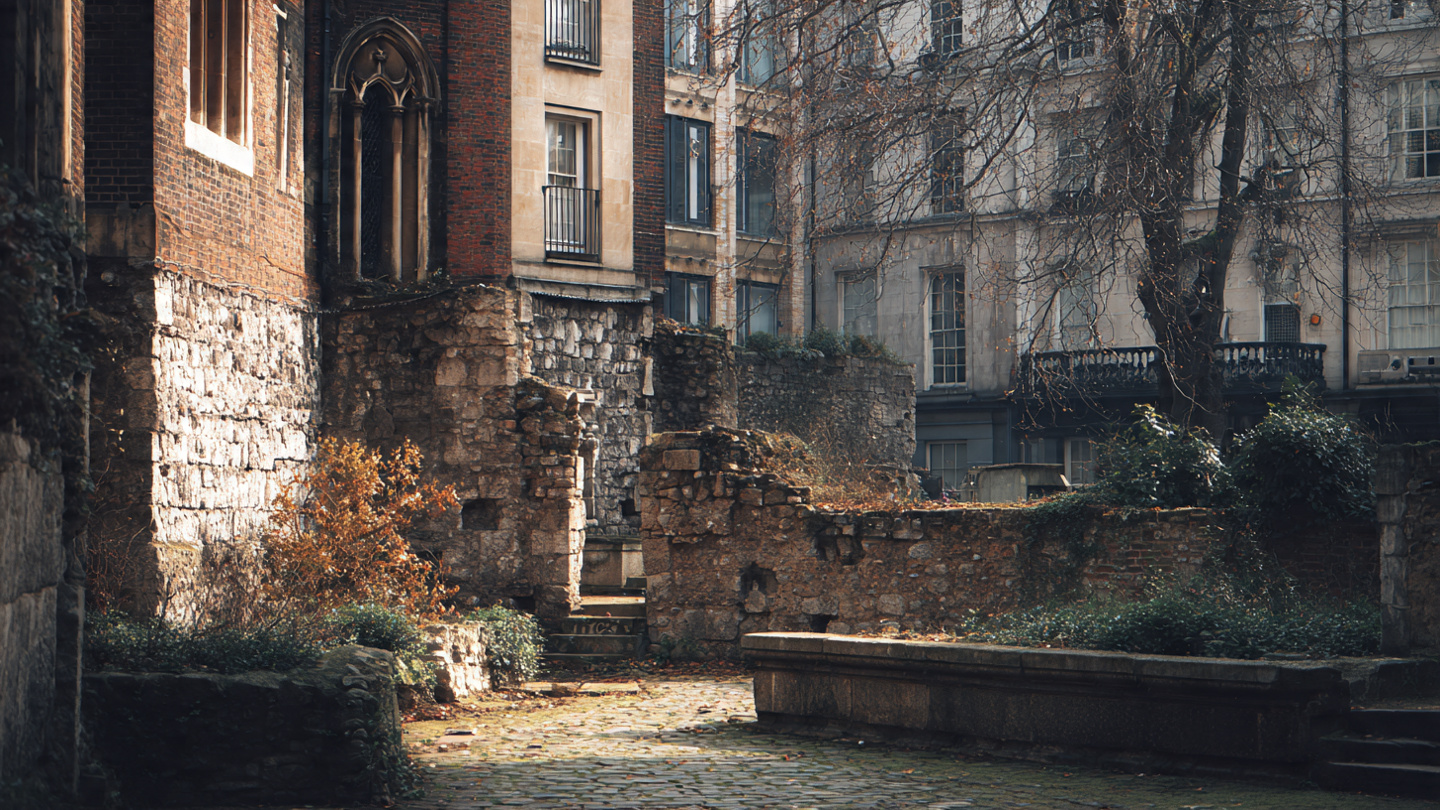
Understanding the Historical Roots of Abandoned Places in London
Abandoned places in London exist because the city has constantly evolved through centuries of expansion, innovation, and social change. Every district, industrial zone, and transport corridor reflects a moment in time when people built structures to serve a specific purpose. However, as priorities shifted, some of these places lost their role in daily life. Instead of remaining active, they slowly turned silent, leaving visible reminders of how the city continues to transform.
Many abandoned and transitional locations eventually become sites for experimentation and cultural reuse, a process closely connected to the development of hidden art spaces in London.
Industrial Growth, Change, and the Birth of Silent Structures
During the industrial era, London grew rapidly. Factories, mills, dock warehouses, and processing plants powered trade and employment. People moved into new neighborhoods, and large mechanical industries shaped the urban landscape. Eventually, technology improved, global trade routes changed, and production relocated to other regions. When industries declined, many buildings no longer had a function. Over time, they became part of the long network of abandoned places in London, standing as monuments to a working past that no longer exists.
Transport Expansion and the Emergence of Ghosted Spaces
London’s transport system has always adapted to population movement and new urban needs. Railway lines closed, new routes replaced older corridors, and fresh infrastructure redirected commuters elsewhere. As transport priorities changed, some facilities stopped operating and slipped out of everyday use. Instead of being demolished immediately, several of these structures remained as quiet footprints of earlier travel systems. Today, they contribute to the story of abandoned places in London and reveal how mobility decisions shaped the city’s physical identity.
War, Damage, and the Aftermath of Structural Loss
Conflict and bombing left lasting marks across many neighborhoods. Some buildings suffered partial destruction or structural weakening, and rebuilding did not always happen straight away. Communities rebuilt parts of the city, yet certain sites remained untouched due to cost, planning decisions, or changing priorities. These neglected fragments later evolved into forgotten environments. As a result, a number of abandoned places in London carry emotional connections to survival, disruption, and long-term recovery.
Urban Renewal, Redevelopment Delays, and Frozen Transitions
Modern planning introduced regeneration programs, housing redesign, infrastructure upgrades, and land restructuring. However, development does not always progress smoothly. Projects pause, ownership changes, or plans shift direction. When this happens, a building or site may sit unused for years, caught between demolition and revival. These incomplete transitions often create new abandoned places in London, not because the city forgot them entirely, but because time temporarily froze their future.
As lifestyles evolve, communities adapt. Families move to new districts, institutions relocate, and public services merge or modernize. Old schools close, hospitals shift to new campuses, and community centers outgrow their original buildings. When these structures lose their purpose, they do not always receive immediate redevelopment. Instead, they fade slowly, becoming quiet historical layers within the city. This process explains why many abandoned places in London feel deeply tied to everyday human life rather than only architectural history.
From Active Spaces to Reflective Landmarks
Although these locations no longer function as they once did, they still influence how people understand the city. Every silent building, closed platform, or forgotten industrial shell represents a chapter in London’s story. When observers look at these abandoned places in London today, they see more than unused structures. They witness traces of ambition, growth, loss, resilience, and renewal — all preserved in the physical landscape.
Abandoned Railways and Ghost Stations of London
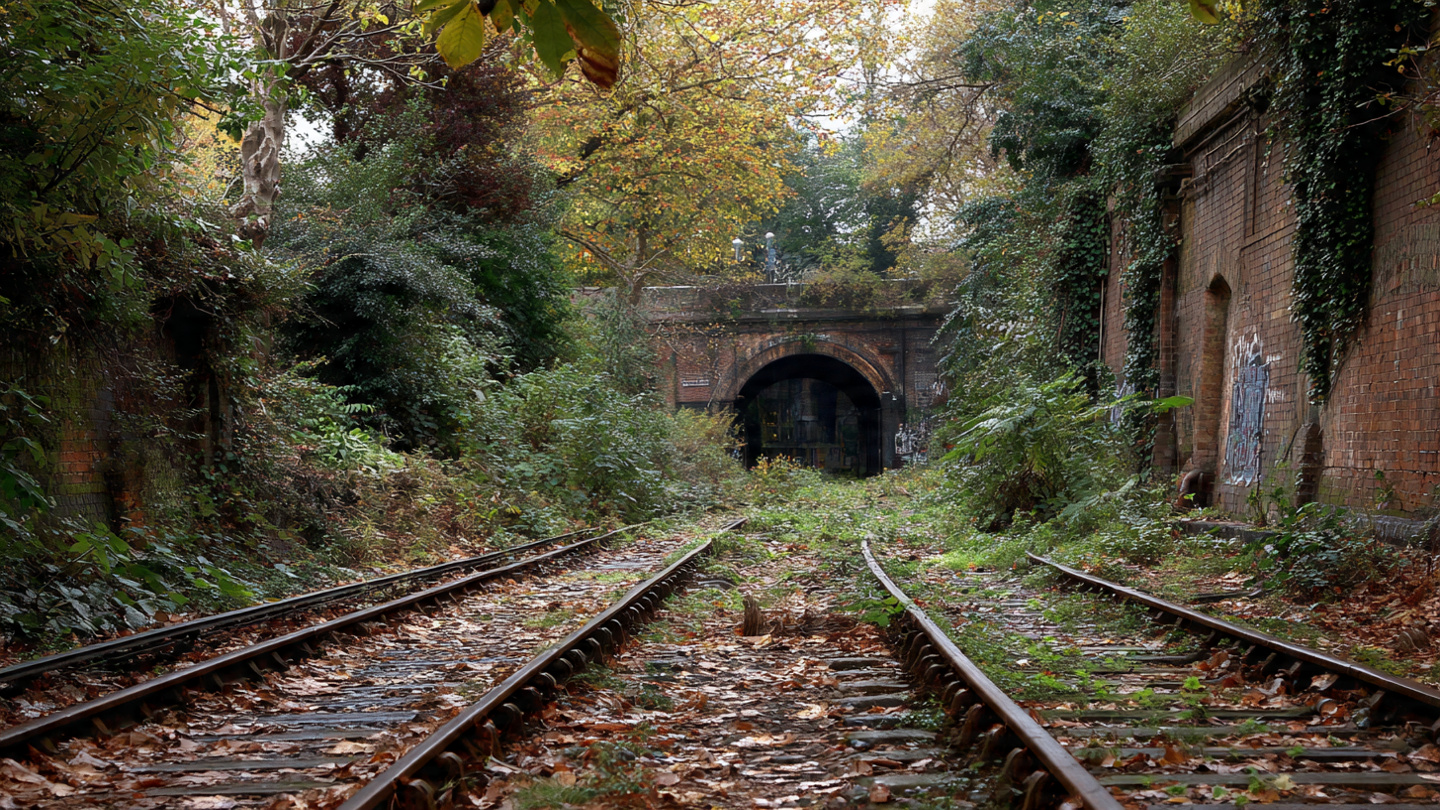
Tracing the Quiet History of Railway Abandonment
Abandoned places in London often connect closely to the history of transport. Railways once served as the lifeline of neighborhoods, carrying workers, goods, and daily commuters across the city. Over time, however, new routes replaced older ones, technology advanced, and passenger demand shifted to different stations. As these changes unfolded, some platforms and corridors slipped out of use. Today, these railway remnants form some of the most fascinating abandoned places in London, where traces of movement remain even though trains no longer pass through.
Silent Platforms That Echo with Past Journeys
Across several rail corridors, silent platforms still stand as reminders of a different travel era. These spaces once filled with footsteps, announcements, and the sound of departing trains. Now, they exist quietly beside active lines or hidden behind sealed entrances. Although travelers no longer board trains there, the atmosphere still reflects the memory of movement. When people observe these locations from the outside, they gain insight into how transportation shaped many abandoned places in London and how routes evolve as the city grows.
Former Stations That Lost Their Purpose Over Time
Some stations became redundant not because they failed, but because urban travel patterns changed. New interchanges, faster connections, and alternative commuter links reduced the need for certain stops. As railway networks modernized, a few stations gradually closed and entered a state of stillness. These forgotten stops now stand as architectural relics, where doorways, archways, and faded signs hint at their previous role. They represent abandoned places in London where infrastructure outlived its function yet continues to tell part of the city’s story.
Railway Tunnels and Subterranean Remains Beneath the City
Beneath the surface, London contains tunnels and passageways that once supported railway systems but no longer serve active routes. Some of these underground sections now sit sealed, dark, and structurally fragile. Although they cannot be entered, their presence contributes to the layered history of abandoned places in London. These tunnels remind observers that not all forgotten spaces exist above ground — many remain hidden beneath streets, silently recording earlier phases of engineering and transportation development.
Industrial Sidings and Forgotten Rail Service Areas
Beyond passenger stations, service areas, storage sidings, and maintenance yards also played essential roles in railway operation. When networks changed, many of these spaces lost their purpose. Tracks were removed, equipment relocated, and the land surrounding them grew quiet. Over time, some of these service environments transformed into overlooked corners of the rail landscape. Today, they form another branch of abandoned places in London, showing how transport infrastructure extends far beyond platforms and public entrances.
How Railway Abandonment Shaped Local Neighborhoods
When stations or rail facilities closed, nearby communities often experienced change as well. Shops, small businesses, and residential streets once supported by commuter traffic gradually adapted to new realities. Some areas shifted toward different forms of development, while others retained hints of their transport-driven past. Because of this, many abandoned places in London linked to rail history also reveal how neighborhoods evolve alongside infrastructure decisions and economic transitions.
Remembering the Human Stories Within Silent Tracks
Even though trains no longer run through these spaces, human memory remains strongly present. Workers maintained equipment, travelers rushed to catch carriages, and families used these lines to move across the city. When observers look at railway-related abandoned places in London today, they see more than empty structures or unused corridors. They see evidence of daily routines, personal journeys, and social connections that once depended on these routes.
Deserted Industrial Sites and Old Factory Remains

Industry, Innovation, and the Creation of Silent Spaces
Many abandoned places in London trace their origins to the city’s long industrial past. During periods of intense manufacturing and trade, factories, processing plants, and dockside warehouses filled entire districts with activity. Workers operated heavy machinery, transported materials, and powered economic growth. Eventually, industries relocated, modernized, or declined, and these once-busy facilities lost their purpose. As production slowed or stopped completely, large industrial buildings transformed into silent shells, joining the wider network of abandoned places in London.
Forgotten Warehouses That Once Drove City Commerce
Along riverside districts and former trade routes, warehouses once stored goods arriving from distant markets. These buildings operated as crucial links in shipping and distribution chains. When trade systems changed and transport technology evolved, many of these storage facilities became unnecessary. Instead of receiving goods, they slowly shifted into inactivity. Today, some remain as quiet physical reminders of economic change, forming an important part of the story of abandoned places in London and the industries that shaped urban growth.
Factory Buildings That Outlived Their Original Purpose
Factories once stood at the center of working-class neighborhoods, providing employment for thousands of residents. As new technologies replaced old machinery and global production moved elsewhere, many local factories closed. Their brick walls, tall chimneys, and wide interior halls now serve as traces of an earlier manufacturing era. Observing these structures offers insight into how economic transitions created many abandoned places in London, where architecture survives even after industry disappears.
Docklands, Storage Yards, and Industrial Waterfront Remains
London’s docklands played a vital role in shipping and maritime trade. Over time, container systems, new ports, and alternative logistics hubs changed the way goods travelled. As a result, several dockside yards and industrial waterfront spaces no longer served their original functions. While many have been redeveloped, others remain quiet, retaining fragments of equipment foundations, loading areas, and structural frames. These environments contribute to the network of abandoned places in London that reflect the city’s maritime and commercial transformation.
Not all industrial abandonment occurred on a large scale. Across residential districts, smaller workshops once supported trades such as carpentry, metalwork, printing, and tailoring. When these industries declined or moved into modern facilities, many small buildings fell out of use. Although less visually dramatic than huge factories, these humble spaces still form part of the landscape of abandoned places in London. They tell stories of everyday craftsmanship, local employment, and changing economic needs.
Environmental Transformation and the Reclaiming of Space
Over time, plants, moss, and natural growth often begin to reclaim neglected industrial structures. Walls soften, surfaces weather, and nature slowly blends with architecture. This transformation adds another emotional layer to many abandoned places in London. It shows how the environment adapts when human activity fades, creating a powerful visual contrast between industrial strength and natural resilience.
Why Industrial Ruins Continue to Hold Meaning
Even when industry disappears, its structures continue to shape memory, identity, and urban character. These industrial ruins invite reflection on how technological progress, economic shifts, and community life interact. When people observe abandoned places in London linked to industry, they see more than empty buildings. They encounter reminders of work, ambition, and human effort that once defined entire neighborhoods.
Forgotten Public Buildings and Historic Institutions
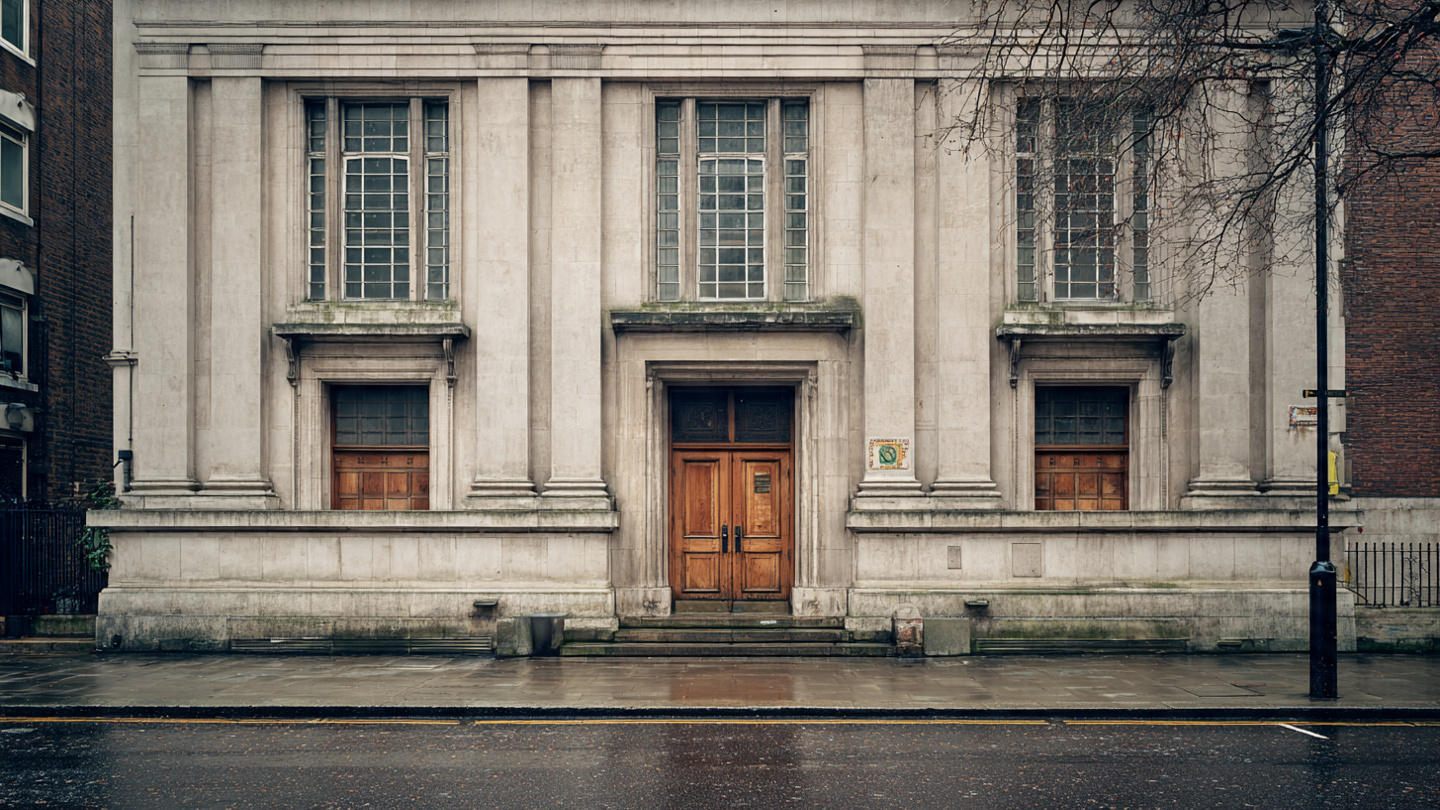
Public Spaces That Once Shaped Community Life
Many abandoned places in London began as important public institutions. These buildings once supported education, healthcare, administration, and social services. People gathered inside them for learning, treatment, civic duties, or community events. As time passed and society changed, new facilities replaced older ones, and some of these structures no longer served an active role. Instead of remaining central to daily life, they slowly turned silent, becoming part of the broader landscape of abandoned places in London.
Old Schools and Educational Buildings Left Behind
Across several districts, former school buildings still stand with their tall windows, wide corridors, and aging playground spaces. At one time, children studied, learned, and built their futures inside these classrooms. However, when populations shifted or modern campuses opened elsewhere, certain schools closed. Their walls now preserve the memory of lessons, routine mornings, and lively activity. These unused school structures represent abandoned places in London that carry emotional connections to childhood, community identity, and changing educational systems.
Former Hospitals and Health Facilities That Fell Out of Use
Some hospitals and medical centers once played vital roles in serving local communities. They provided treatment, emergency care, and public health support. Over time, new medical standards, larger facilities, and centralized services replaced older hospital buildings. When operations moved to more advanced locations, some of the original sites remained empty or partially unused. These silent medical environments now stand as abandoned places in London that reflect progress in healthcare, while also reminding observers of the lives and stories once connected to them.
Civic Buildings, Town Offices, and Administrative Structures
Government offices, civic halls, and administrative headquarters once acted as the backbone of local organization. Residents visited them for documentation, public meetings, and civic responsibilities. When administrative systems modernized or relocated, certain older buildings lost their original purpose. Instead of remaining active, they entered a quiet phase, sometimes awaiting redevelopment or future planning decisions. As a result, many of these properties now form another layer within the network of abandoned places in London, showing how governance and urban design evolve together.
Cultural Institutions and Community Spaces That Faded from Use
Libraries, community centers, theatres, and small cultural venues also contributed to local social life. People attended performances, gatherings, and public programs inside these spaces. However, when funding structures changed, audiences declined, or cultural activities moved elsewhere, some of these buildings stopped functioning. Their stages and halls now sit silent, echoing memories of shared experiences. These locations add emotional depth to the story of abandoned places in London because they highlight how culture, community engagement, and architecture remain closely connected.
Religious and Spiritual Buildings No Longer in Active Service
Certain chapels, mission halls, or small places of worship once supported neighborhood faith communities. Over time, demographic movement and congregational changes reduced attendance in some areas. When religious activity relocated or diminished, a few of these structures were left unused. The atmosphere around them often feels reflective, carrying a sense of quiet dignity. These sites also contribute to the group of abandoned places in London, illustrating how social transformation influences spiritual spaces as well.
How Public Institutions Become Part of the City’s Memory
Even when these buildings no longer operate, they continue to shape how people remember their neighborhoods. Former schools remind communities of shared childhood experiences. Old hospitals speak about resilience, healing, and public service. Civic halls recall cooperation, decision-making, and local identity. When observers look at these abandoned places in London today, they see more than empty rooms — they see the imprint of human connection, social change, and historical continuity embedded in every wall.

Exploring the Silent World Beneath the Surface
Many abandoned places in London are not immediately visible above ground. Instead, they exist beneath streets, parks, and buildings in the form of sealed tunnels, forgotten passageways, and buried ruins. These underground remnants reveal how the city expanded layer by layer across centuries. Even though most of these spaces cannot be entered, their presence reminds observers that London’s history continues beneath its modern foundations. These unseen environments add mystery to the broader story of abandoned places in London.
Old Service Tunnels and Infrastructure Passages
Beneath certain districts, networks of service tunnels once carried utilities, maintenance systems, and operational routes for workers. Over time, technological upgrades and redesigned infrastructure made many of these tunnels unnecessary. As newer systems replaced them, the older passages fell out of use. Today, they remain sealed, dark, and structurally fragile. Although they are no longer active, they form part of the silent framework of abandoned places in London, showing how engineering evolves while earlier designs remain hidden beneath the surface.
Underground Ruins Linked to Historic Buildings
Some underground spaces connect to older buildings that no longer exist above ground. Foundations, storage chambers, and support structures may still remain beneath redeveloped sites. These ruins once played roles in the daily operation of estates, civic buildings, and institutional complexes. When the structures above were altered or removed, the underground sections were sometimes left in place. As a result, they now represent a lesser-known layer within abandoned places in London, preserving fragments of architecture that history has partially erased from view.
Forgotten Passageways That Once Supported Movement
In earlier periods, small underground corridors supported movement between buildings, service areas, or transport facilities. When new routes emerged and urban planning changed direction, many of these passageways lost their function. Instead of disappearing completely, they remained sealed beneath streets and modern developments. These quiet corridors illustrate how movement patterns shift over time. They also contribute to the atmosphere of abandoned places in London by revealing how past infrastructure still exists, even when daily life no longer depends on it.
Some underground remnants date back to periods of conflict and civil defense. Shelters, reinforced chambers, and protective spaces once provided safety during uncertain times. After the immediate need for them ended, many of these structures were closed and left unused. Today, they form part of the historical memory preserved in the city’s underground landscape. These wartime environments add emotional weight to abandoned places in London because they reflect resilience, fear, survival, and communal strength during difficult moments in history.
Natural Decay and the Passage of Time Below Ground
Underground environments change slowly, but time still leaves visible marks. Moisture, soil pressure, and environmental conditions alter walls and surfaces, creating textures that reflect gradual decay. This natural transformation shows how even unused spaces continue to evolve. Observing the idea of these hidden ruins — even without entering them — encourages reflection on how abandoned places in London persist quietly beneath modern life, shaped by both history and nature.
Why Underground Remnants Inspire Curiosity and Reflection
The unseen nature of these spaces strengthens their sense of mystery. People know they exist, yet they remain out of sight and inaccessible. This creates a powerful emotional connection to the past, where history feels close but just beyond reach. When readers learn about these underground abandoned places in London, they gain a deeper appreciation for how the city extends downward as well as outward, carrying traces of earlier worlds beneath the one that exists today.
Some hidden environments lie completely out of sight, and this look into secret tunnels in London explains how underground spaces quietly supported the city long before being sealed and forgotten.
Places You Can See From Outside but Should Not Enter
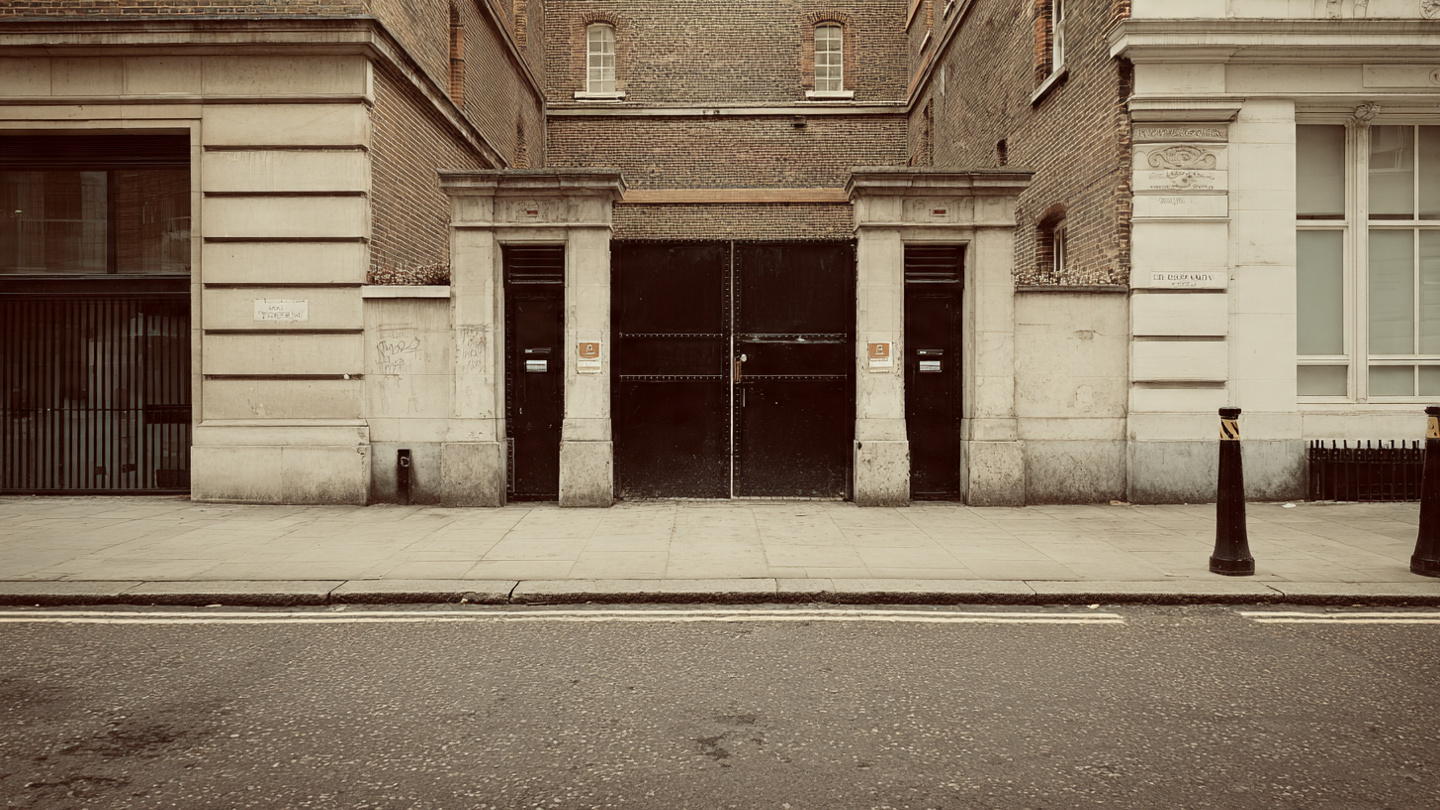
Why Some Abandoned Places in London Are Best Observed from a Distance
Certain abandoned places in London may appear visually calm or structurally complete, yet they remain unsafe or legally restricted. Cracked foundations, unstable floors, and hidden hazards often exist inside older structures. Because of this, the safest and most responsible way to experience these locations is by appreciating them from the outside. Observing from public walkways or nearby streets allows visitors to reflect on the history of these spaces while avoiding unnecessary risk.
Respecting Barriers, Fences, and Security Measures
Barriers, security fencing, and restricted entry signs exist for important reasons. They protect both people and fragile structures from damage. When individuals respect these boundaries, they support preservation efforts and avoid harmful consequences. Many abandoned places in London still hold cultural and architectural value, and responsible behaviour helps ensure that what remains is not destroyed through trespassing or careless exploration.
Understanding the Role of Private Ownership and Legal Responsibility
A large number of abandoned locations remain privately owned, even if they look unused or neglected. Property laws protect these sites, and entering without permission can lead to legal action. Instead of viewing restrictions as obstacles, visitors can interpret them as reminders that these places continue to exist within real social and legal systems. This understanding encourages people to approach abandoned places in London with maturity, awareness, and ethical consideration.
Appreciating Architecture and Atmosphere from Safe Viewpoints
Even when access is limited, the exterior views of abandoned structures often reveal powerful stories. Weathered brickwork, faded signage, sealed doors, and aging windows all reflect the passage of time. Standing outside allows observers to notice details that might otherwise be overlooked. From these safe perspectives, many abandoned places in London still inspire reflection, curiosity, and appreciation for the architectural layers that remain visible.
How Distant Observation Encourages Thoughtful Reflection
Viewing abandoned environments from the outside encourages a slower and more reflective experience. Instead of rushing inside, visitors have time to think about the lives, routines, and histories once connected to these places. This distance adds emotional depth to exploration. It reminds observers that abandoned places in London are not simply vacant structures — they are historical fragments that deserve patience, care, and understanding.
Learning to Value Preservation Over Access
Some people may feel tempted to explore interiors because they associate entry with adventure. However, true appreciation does not require physical access. By valuing preservation over intrusion, visitors help protect both themselves and the site. This approach ensures that abandoned places in London continue to exist as meaningful historical references rather than damaged remains. Responsible observation strengthens the connection between curiosity, respect, and cultural awareness.
Balancing Curiosity with Ethical Awareness
Curiosity plays an important role in the appeal of abandoned environments, yet it must always remain guided by ethical awareness. When individuals choose to observe from the outside, they demonstrate respect for safety, property, and heritage. Through this balance, abandoned places in London become spaces for learning and reflection rather than risk or conflict. This mindset supports a deeper and more sustainable way of understanding the city’s hidden and forgotten landscapes.
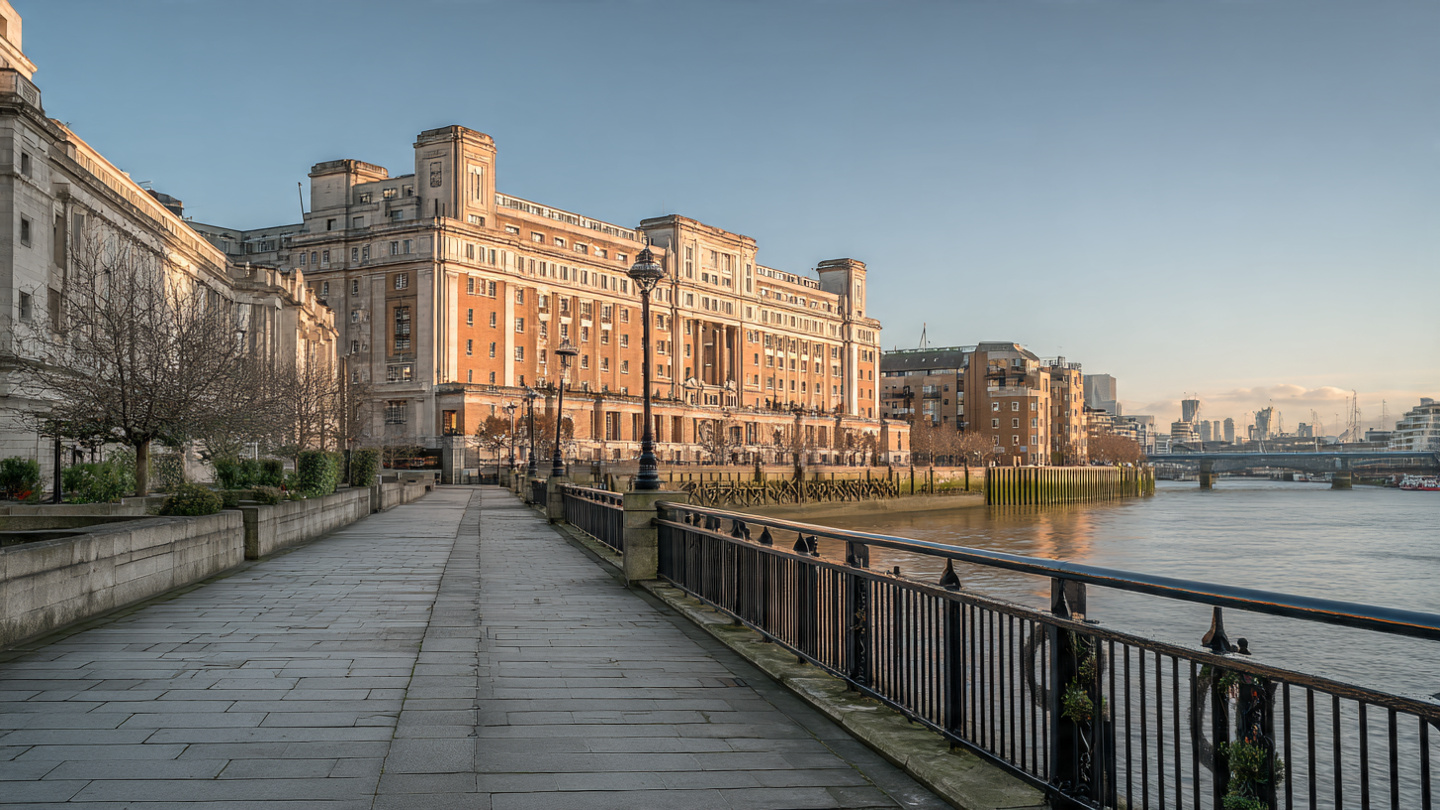
While many abandoned places in London remain restricted or unsafe to enter, several locations can still be viewed legally from public streets, riverside paths, and open walkways. These viewpoints allow visitors to observe forgotten buildings and historic structures without crossing boundaries or risking safety. The map below highlights places where the atmosphere of abandonment can be experienced responsibly and from appropriate public spaces.
Legal Ways to Experience Abandoned Heritage in London
Discovering Safe and Responsible Ways to Learn About Abandoned Places in London
People who feel curious about abandoned places in London do not need to rely on risky or unauthorized exploration. Instead, there are responsible ways to experience the history and atmosphere of these locations without entering unsafe spaces. By choosing legal options, visitors can learn more about forgotten environments while supporting heritage protection and community respect.
Excellent morning – will definitely be coming back to another tour. I work around the Barnican area and will now spot lots of interesting details that I had never noticed before
Read more reviews at Tripadvisor.
Guided Learning Opportunities and Heritage Awareness Programs
In some cases, heritage groups, historical societies, or educational organizations share information about abandoned environments through talks, exhibitions, or supervised visits. These programs help people understand the historical background of sites that are no longer in public use. Rather than encouraging entry into fragile locations, they focus on storytelling, research, and interpretation. Through these learning opportunities, many abandoned places in London become accessible in a safe, informed, and respectful way.
Very interesting and Tom was very knowledgeable and enthusiastic, the two hours went very quickly. Would recommend if you want to learn more about the fascinating history of London.
Read more reviews at Tripadvisor.
Archives, Records, and Historical Documentation
Even when a site cannot be visited physically, its history often remains preserved through archives, maps, photographs, planning records, and written reports. Researchers, students, and curious readers can study these materials to gain insight into the life cycle of different structures. Exploring historical documentation provides an alternative pathway for understanding abandoned places in London, showing how knowledge and discovery can exist beyond physical space.
Public Viewing Points Around Forgotten Structures
Some locations can be viewed legally from nearby streets, open grounds, or public pathways. These perspectives allow observers to appreciate architecture, atmosphere, and remaining details without crossing restricted borders. When people choose these vantage points, they experience abandoned places in London in a way that balances curiosity with safety. This method encourages reflection while avoiding harm to the site or to visitors themselves.
Community-Led History Projects and Local Memory Preservation
Local communities sometimes participate in projects that record memories, photographs, or stories connected to forgotten buildings and former public spaces. These initiatives keep the social value of abandoned environments alive, even when the physical structures remain unused. Through shared storytelling and community heritage work, abandoned places in London continue to contribute to cultural identity rather than fading completely from memory.
Educational Resources That Support Ethical Urban Exploration
Books, research publications, documentaries, and learning platforms also provide meaningful ways to experience the atmosphere of forgotten environments. These resources explain why places were abandoned, how they reflect wider historical change, and what lessons they offer about urban development. By using educational material instead of unauthorized entry, visitors gain a deeper and more responsible understanding of abandoned places in London and their role in shaping the city’s narrative.
How Legal Approaches Strengthen Appreciation and Preservation
Choosing legal and ethical ways to explore forgotten environments creates a more sustainable relationship with the past. It protects fragile structures, supports conservation efforts, and encourages thoughtful engagement rather than thrill-seeking behavior. As a result, abandoned places in London remain preserved as learning spaces, historical references, and emotional landmarks that future generations can continue to appreciate.
Final Reflections: Why Abandoned Places in London Still Matter Today

Understanding the Emotional Meaning Behind Abandoned Spaces
Abandoned places in London remind people that cities are living environments shaped by time, memory, and change. These locations may no longer serve a practical purpose, yet they continue to influence how communities understand their past. When observers look at silent buildings, empty platforms, or unused industrial sites, they see more than structural remains. They encounter traces of human effort, ambition, struggle, resilience, and transition. Because of this, abandoned places in London hold emotional depth that reaches far beyond simple curiosity.
How Forgotten Locations Reveal the Layers of Urban History
Every abandoned building or neglected structure represents a moment when the city moved in a new direction. Transport systems evolved, industries shifted, communities relocated, and public services modernized. Instead of erasing the past completely, these changes left visible marks across the landscape. By paying attention to abandoned places in London, people gain a clearer view of how history develops in stages rather than sudden leaps. These sites help explain how yesterday’s decisions continue to shape today’s environment.
Preservation, Memory, and the Value of Respectful Observation
Respectful awareness plays an important role in how society interacts with forgotten environments. When visitors choose to observe from safe and legal spaces, they support preservation rather than damage. This approach allows abandoned places in London to survive as meaningful historical references instead of deteriorating beyond recognition. Through careful observation, communities protect the fragile balance between curiosity and conservation, ensuring that these reminders of the past remain part of the cultural landscape.
The Role of Reflection in Appreciating Silent Urban Spaces
Quiet observation encourages people to move beyond surface-level interest and engage emotionally with what they see. Standing near an older structure, viewers may imagine the activities, voices, and experiences that once filled the space. This reflective process turns abandoned places in London into sources of learning and empathy. It helps people understand that progress does not simply replace the past — it grows from it, leaving traces that continue to communicate meaning.
Abandoned Places as Bridges Between Past and Present
Although these locations stand silent today, they continue to connect earlier generations with modern urban life. They act as bridges between what once existed and what now shapes the city. By acknowledging the presence of abandoned places in London, observers recognize that history remains visible not only in preserved landmarks, but also in structures that have faded from everyday use. This awareness deepens appreciation for the city’s complexity and the many stories woven into its streets.
Why These Sites Will Continue to Matter in the Future
As London keeps changing, new developments, regeneration projects, and community initiatives will gradually transform some of these spaces. However, their meaning will not disappear. Whether restored, repurposed, or preserved as historical reminders, abandoned places in London will continue to influence how people understand identity, memory, and urban growth. They serve as quiet teachers, reminding future generations that every city carries a past beneath its surface — a past worth noticing, respecting, and learning from.
Closing Thoughts on Exploring with Awareness and Care
Exploration becomes most valuable when it balances curiosity with responsibility. By observing respectfully, valuing heritage, and acknowledging the human stories behind forgotten structures, visitors experience abandoned places in London in a thoughtful and meaningful way. These locations do not exist simply as ruins or empty shells. Instead, they stand as living reminders that time leaves marks, that history shapes space, and that every silent corner carries a story still worth remembering.
Frequently Asked Questions
General Questions About Abandoned Places in London
Abandoned places in London are locations that once served a purpose — such as transport stations, factories, public buildings, or community facilities — but later fell out of use due to redevelopment, industrial change, new infrastructure, or social shifts. Instead of disappearing completely, many of these places remain as silent reminders of earlier periods in the city’s history.
People feel drawn to these locations because they carry traces of stories, effort, and everyday life from the past. Observing them encourages reflection and imagination, allowing visitors to see how time, progress, and human movement shape the city over generations.
Yes, although most are no longer in active use, many still exist in the urban landscape. Some remain visible from streets, nearby paths, or public areas, while others are hidden, sealed, or partially integrated into newer developments.
Safety, Access, and Responsible Exploration
No — entering abandoned buildings or restricted locations can be dangerous due to structural damage, hidden hazards, or instability. The safest and most responsible approach is to observe from outside or rely on legal, supervised forms of exploration.
In most cases, entering private or secured property without authorization is illegal. Even if a place appears unused, it is usually still owned, monitored, or protected. Responsible visitors respect boundaries, restrictions, and safety signs.
You can view many locations from public spaces, learn about their history through archives or educational resources, or engage with heritage programs that share information in controlled and responsible ways.
History, Meaning, and Cultural Significance
They highlight moments of transformation — industrial decline, transport evolution, wartime impact, urban renewal, and social change. Each location represents a chapter in the city’s ongoing development.
Some locations hold architectural, cultural, or historical value. Even when unused, they still serve as physical records of earlier communities and infrastructure, helping people understand how London has changed over time.
Yes — these spaces act as quiet memory keepers. They remind society of previous ways of living, working, and traveling, and they preserve emotional connections to earlier generations.
Observation, Reflection, and Visitor Awareness
Absolutely. Many locations can be understood through careful observation from outside. Exterior views often reveal architectural details, textures of time, and traces of history just as powerfully as interiors.
Responsible behaviour protects fragile structures, prevents damage, supports preservation, and ensures that abandoned places in London remain part of the historical landscape for future generations to learn from.
A reflective and patient mindset works best. Instead of seeking thrill or intrusion, visitors focus on learning, empathy, and appreciation for the past, allowing exploration to feel meaningful rather than risky.