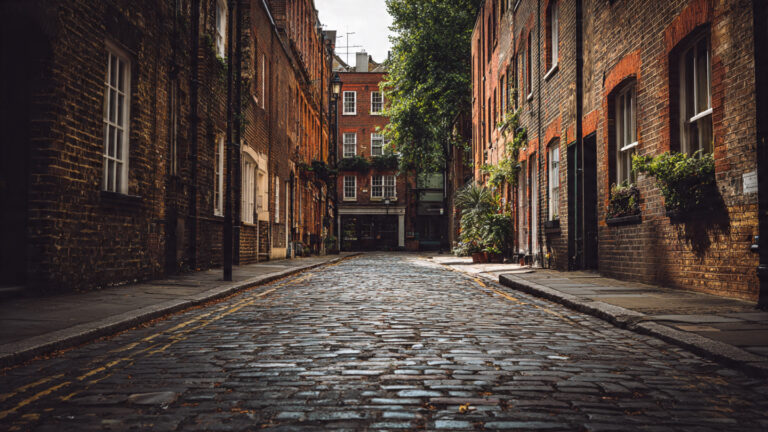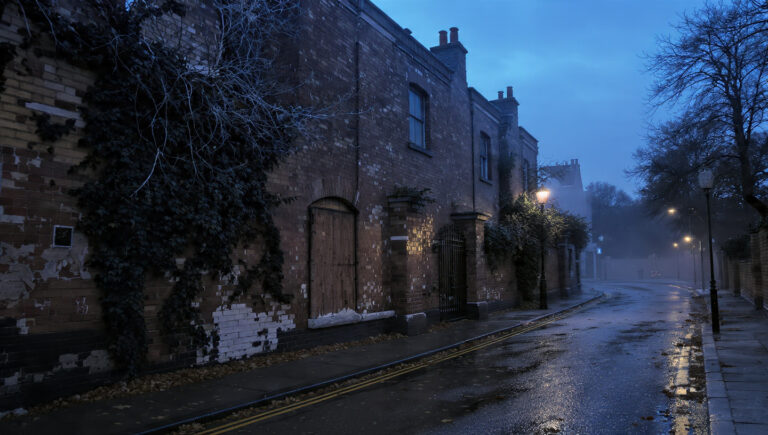

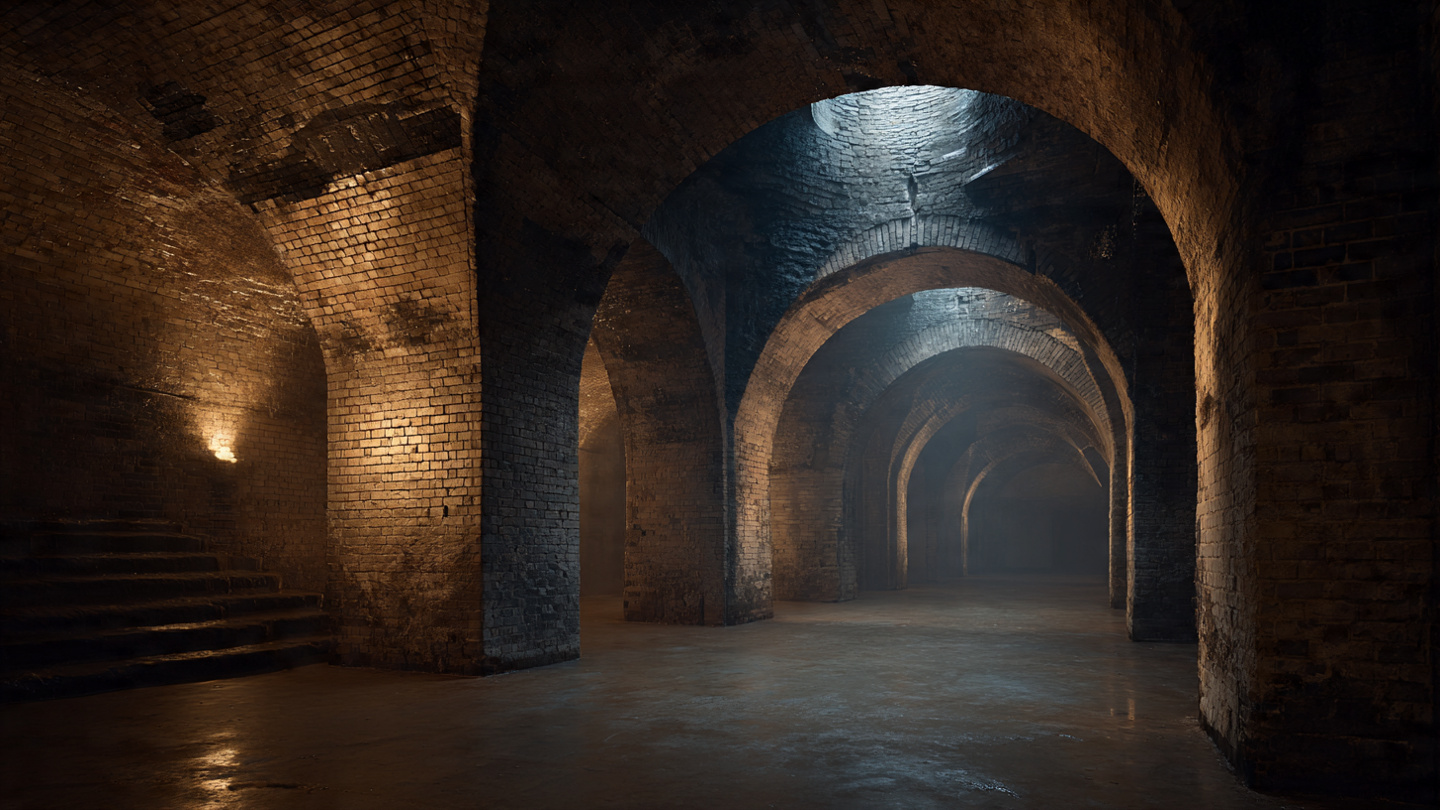
Underground hidden spots in London form a quiet layer that most people never notice, even while walking directly above them. The city presents itself confidently at street level, with landmarks, crowds, and movement shaping the everyday experience. Yet below that familiar surface exists a network of spaces created through centuries of adaptation. These underground places reveal how London responded to pressure, fear, growth, and survival.
When I first began paying attention to what lies beneath the streets, the city started to feel deeper and more complex. Roads, buildings, and transport routes did not replace what came before them. Instead, London often built over earlier structures, sealing them away rather than removing them. As a result, underground hidden places in London remain physically present, even when memory has faded.
Some travelers prefer experiencing London through stillness rather than depth, and exploring quiet places in London reveals how calm can exist even above ground.
To see how these underground layers connect with other overlooked places across the city, this guide fits naturally within the broader collection of hidden gems in London most tourists miss.
Before we go deeper into the stories, I like to keep a simple map open so it is easy to connect the hidden layers to real places you can actually visit. You can use my Underground London Hidden Spots Map to see the key museums, wartime spaces, and tunnel history locations in one view.
A City That Grows Without Erasing Its Past
London rarely clears its history completely. Instead, it layers it. Fires, wars, and redevelopment reshaped the city many times, but each transformation left traces behind. Cellars became foundations. Vaults lost their original purpose. Passages closed when routes changed. Over time, these underground spaces stopped serving daily needs, yet they stayed in place.
Many of these buried spaces exist for the same reason as London’s lesser-noticed landmarks, which are explored in detail in this guide to hidden historical sites in London.
This layered approach explains why underground hidden spots in London feel scattered rather than planned. Some sit beneath busy shopping streets. Others lie below churches, offices, or residential buildings. Their locations reflect practical decisions made long ago, not modern tourism planning. Because of this, they remain overlooked by design rather than intention.
What “Underground” Actually Represents
Many people associate underground London only with transport. Trains, platforms, and tunnels dominate the popular imagination. However, underground hidden places in London extend far beyond the railway network. They include burial chambers, storage vaults, wartime shelters, sealed staircases, and forgotten rooms that once played essential roles.
These spaces often existed to solve specific problems. Some offered protection. Others stored goods or supported daily work. A few provided spiritual or communal functions. When circumstances changed, the city moved on, leaving these spaces behind. Their presence today reflects how London adapts instead of replaces.
Why These Places Fade from Awareness
Underground hidden spots in London disappear from attention for several reasons. Modern life moves quickly, and the city guides people toward visible attractions. Clear signage, curated experiences, and efficient transport encourage visitors to focus on what stands above ground. Underground spaces rarely fit into that structure.
Comfort also plays a role. Darkness, silence, and confinement make many people uneasy. Even when access exists, curiosity often gives way to caution. As a result, these places remain unseen, not because they are unreachable, but because they demand a slower, more attentive way of exploring the city.
This quiet disappearance mirrors how calm green spaces can remain unnoticed in busy areas, much like the locations featured in this collection of secret gardens in London.
Despite being overlooked, underground hidden spots in London are not myths or exaggerations. Many still exist exactly where they were built. Some can be accessed during specific times or events. Others reveal themselves through subtle details such as unusual doorways, ventilation grilles, or changes in street level.
Some of London’s lesser-seen experiences exist above ground as well, including the thoughtful and intimate spaces highlighted in this guide to hidden bookshops in London.
Once you learn how to notice these signs, the city begins to feel different. Ordinary streets gain depth. Familiar routes take on new meaning. The underground becomes a silent companion to the visible city rather than a separate world.
In a similar way, everyday commercial areas often hide unexpected depth, which is why exploring lesser-known markets in London reveals another overlooked side of the city.
Time, Pressure, and Practical Decisions
London’s underground spaces reflect moments when practicality mattered more than appearance. Builders reused existing structures to save time and resources. Authorities sealed areas rather than dismantling them. Engineers adapted what already existed instead of starting fresh.
These decisions created a city where underground hidden places in London function like a historical archive. Each space marks a specific response to a challenge, whether population growth, conflict, or economic change. Together, they form a physical record of how the city learned to survive.
Human Stories Beneath the Streets
Behind every underground space lies a human story. People worked, waited, prayed, and sheltered in these environments. Some spent hours below ground each day. Others turned to these spaces during moments of fear or uncertainty. Even after abandonment, traces of those experiences remain.
Beyond well-known underground locations, there are deeper and lesser-discussed spaces that reveal how London developed below the surface over time.
When I think about underground hidden spots in London, I do not imagine empty structures alone. I imagine the people who once relied on them. That awareness adds emotional weight to places that otherwise seem forgotten.
Although sealed or unused, underground spaces still influence London’s surface. Building layouts, street elevations, and construction limits often respond to what lies below. In this way, the underground continues to shape the city indirectly.
Understanding underground hidden places in London changes how the city feels as a whole. It becomes less polished and more human. The imperfections, adaptations, and quiet compromises become visible once you recognize what supports the streets above.
Why This Perspective Matters
Exploring London only at surface level offers an incomplete picture. Underground hidden spots in London provide context that deepens understanding. They explain why certain areas developed the way they did and why others feel layered with history rather than redesigned.
This article focuses on those quieter spaces. It does not aim to sensationalize or encourage risky exploration. Instead, it invites careful observation and respect. By noticing what exists beneath the city, London reveals itself as a place shaped by continuity rather than replacement.
Beneath Familiar Routes
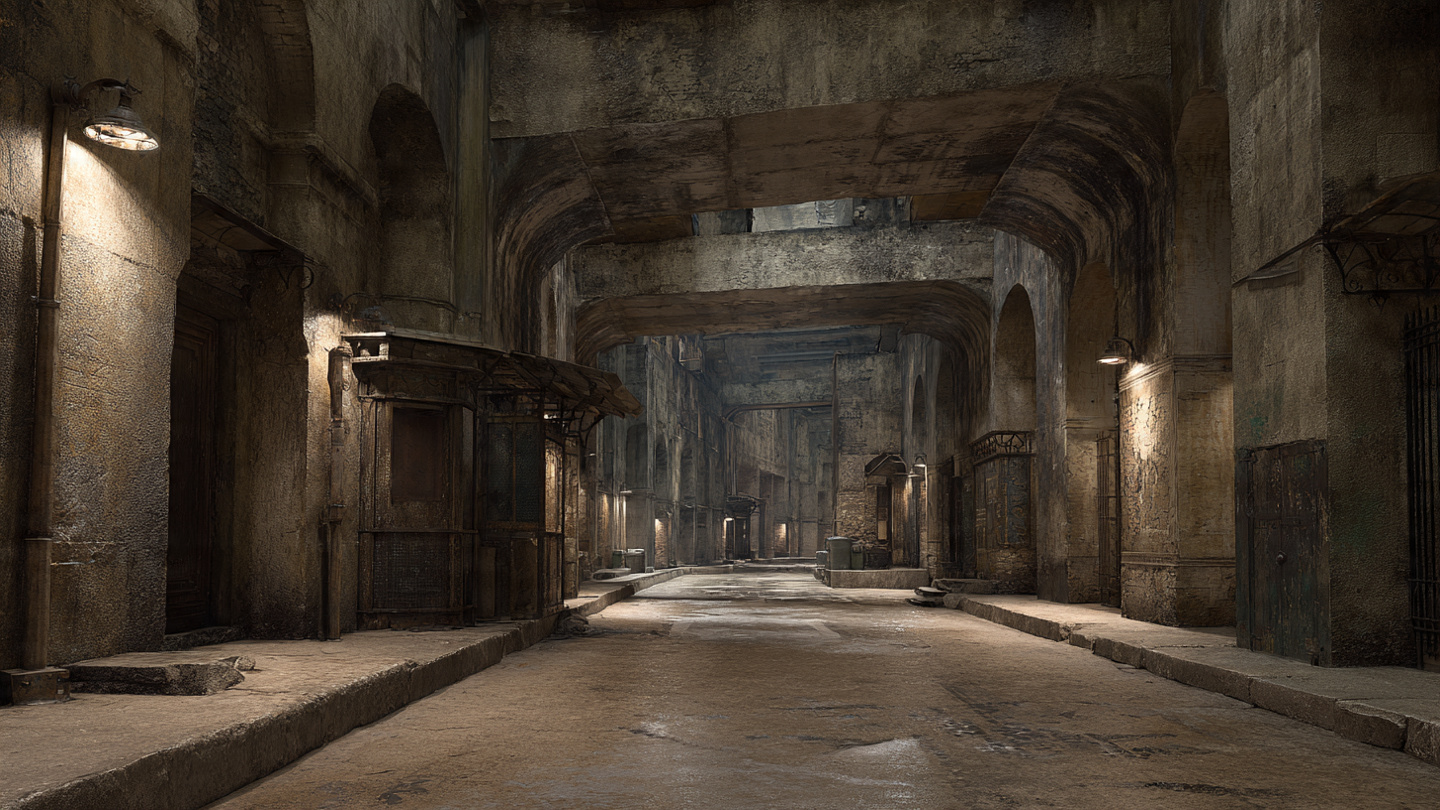
Many underground hidden spots in London exist directly below streets people use every day. Shoppers, commuters, and visitors move along pavements without realizing that entire rooms, corridors, and chambers sit quietly beneath their feet. These spaces once supported daily life in practical ways. Over time, they lost relevance as the city modernized, yet London chose to build above them rather than remove them.
Walking through central areas, I often notice how street levels change subtly. A step down here, a raised curb there. These small shifts often indicate earlier ground levels. Below them, forgotten underground spaces remain sealed, preserved by accident rather than intention.
Cellars That Became Time Capsules
Cellars form one of the most common forgotten underground spaces in London. Originally built for storage, trade, or food preservation, many cellars outlived their original purpose. As shops expanded or changed ownership, these spaces became inconvenient rather than useful.
Some cellars were sealed when buildings changed function. Others remained accessible only to maintenance staff. Over decades, they turned into time capsules. Old shelving, stone walls, and original layouts often remain intact. These underground hidden spots in London reflect everyday life rather than grand historical moments, which makes them especially revealing.
Vaults Beneath Commercial Streets
In areas shaped by trade and commerce, underground vaults once played an essential role. Merchants needed secure, cool spaces to store goods. Builders constructed strong chambers beneath shops and warehouses, often extending under pavements.
As transport improved and storage practices changed, these vaults became unnecessary. Many were closed and forgotten. Today, they still exist beneath busy streets, supporting modern buildings above. Their presence explains why some structures have unusual foundations or limited redevelopment options.
When Streets Rose Above the Past
London did not always sit at its current height. Over centuries, the city raised street levels to manage drainage, improve transport, or rebuild after disasters. When this happened, ground floors sometimes became basements, and basements turned into underground rooms.
These changes created underground hidden spots in London that feel accidental. Windows sit half buried. Doorways lead nowhere. Rooms that once opened onto streets now exist entirely below ground. They reveal how the city adapted without erasing what came before.
Forgotten Rooms Beneath Public Buildings
Public buildings often hide underground spaces that no longer serve an active role. Old service corridors, storage rooms, and utility areas once supported daily operations. As systems modernized, these rooms fell out of use.
Because public buildings undergo renovations carefully, many underground areas remain untouched. They stay locked, mapped poorly, and rarely visited. These spaces show how institutional life functioned in earlier periods, offering insight into routines that shaped public life.
Why These Spaces Remain Invisible
Underground hidden spots in London remain unseen because they lack obvious entrances. Redevelopment often prioritizes surface appearance, leaving underground areas sealed behind walls or floors. Without visible markers, these spaces fade from awareness.
Modern safety standards also play a role. Accessing old underground rooms often requires assessments and upgrades. Instead of investing in unused spaces, owners choose to close them permanently. Over time, familiarity disappears, and knowledge passes out of memory.
The Quiet Presence Below
Even when forgotten, underground spaces influence how buildings function. Structural limits, moisture concerns, and maintenance needs often relate to what lies beneath. Architects and engineers still account for these hidden areas, even when the public does not see them.
Knowing that underground hidden spots in London exist beneath familiar streets changes how those places feel. A busy shopping area suddenly carries depth. A quiet side street hints at unseen layers below.
Everyday History Preserved by Accident
Unlike famous landmarks, these underground spaces survived because no one needed to remove them. Their survival feels unplanned, yet valuable. They preserve ordinary history rather than celebrated moments.
These forgotten underground spots show how people lived, worked, and adapted. They remind us that London’s story does not belong only to palaces and monuments. It also belongs to storage rooms, service corridors, and sealed chambers that quietly supported life above ground.
Disused Underground Stations and Silent Platforms
When Transport Routes Changed Direction
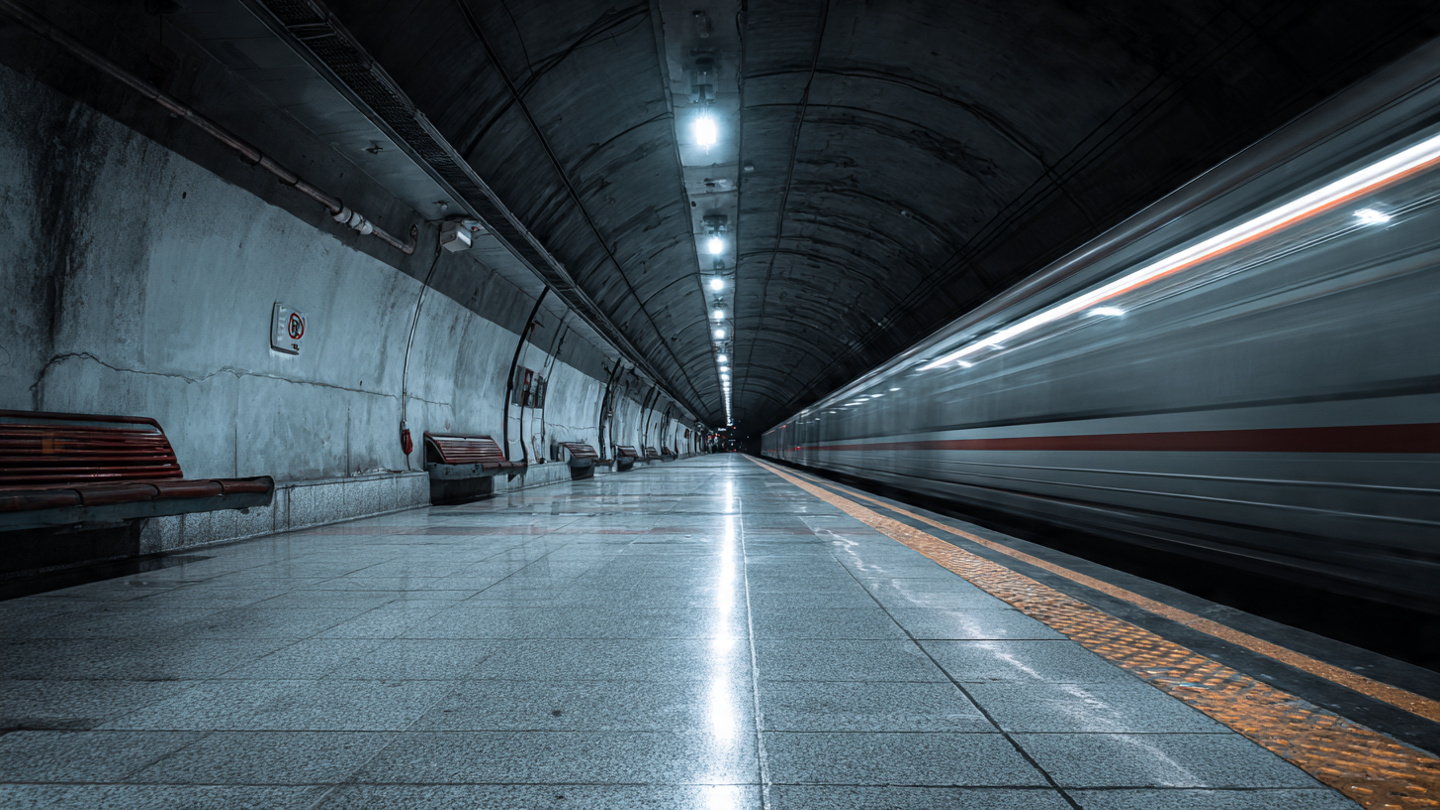
Some of the most intriguing underground hidden spots in London exist within the transport system itself. As the city expanded, routes shifted, stations moved, and platforms lost their purpose. London rarely erased these spaces completely. Instead, it sealed them, redirected passengers, and continued operating around what already existed.
Transport planners often responded to changing travel patterns rather than starting from scratch. New tunnels bypassed old ones. Platforms closed when demand dropped. Over time, these abandoned sections became silent witnesses to how London learned to move differently.
Platforms Left Behind
Disused platforms feel especially striking because they sit so close to daily life. Trains still pass through nearby tunnels. Announcements echo above ground. Yet these platforms remain dark and still.
Many closed when stations modernized or lines merged. Others became redundant as newer infrastructure handled growing demand. These underground hidden spots in London show how transport evolves gradually. They also explain why some stations feel unusually large or oddly shaped today.
Architectural Details Frozen in Time
I came to London just to visit the Transport Museum and had a fantastic day. Thank you to David for delivering a fantastic informative and interactive tour. It made the whole experience!
Read more reviews at Tripadvisor.
Disused stations often preserve architectural details that modern spaces lack. Original tiles, signage, and layouts remain visible in some locations. Because no one updated these areas, they avoided later design trends.
This preservation happens unintentionally. Once a station closes, it rarely justifies renovation. As a result, underground hidden places in London connected to transport often feel like paused moments rather than ruins. They reveal how the city once imagined movement, efficiency, and public space.
Why Stations Close but Remain
Closing a station does not mean removing it. Excavation would disrupt active lines and surrounding buildings. Engineers often choose the simplest solution, sealing entrances and maintaining structural integrity.
This approach leaves underground spaces intact beneath busy routes. The city moves forward while carrying its past underneath. These decisions highlight London’s preference for adaptation over replacement.
Human Presence Without Crowds
Disused platforms still receive occasional visitors. Maintenance teams inspect tunnels. Engineers monitor structures. These visits keep the spaces functional without bringing them back to life.
Knowing that people still enter these silent areas adds complexity to how we view underground hidden spots in London. They are not abandoned in the romantic sense. They remain part of the city’s working body, even without passengers.
Emotional Contrast With Active Stations
Standing above an active station, it feels difficult to imagine silence below. Trains arrive and depart every few minutes. Yet nearby, sealed platforms sit untouched.
This contrast shapes how underground spaces feel. They reflect moments when London slowed down, changed direction, or chose efficiency over tradition. That tension between movement and stillness defines much of the city’s underground identity.
What These Spaces Reveal About London
Disused stations tell a story of experimentation. London did not always get transport planning right on the first attempt. It tried routes, adjusted them, and learned from experience.
These underground hidden spots in London reveal a city comfortable with revision. Rather than erasing past decisions, London absorbed them into its structure. That willingness to adapt explains why layers of history coexist so closely beneath the surface.
Wartime Shelters and Civil Defence Spaces
Underground Safety During Uncertain Times
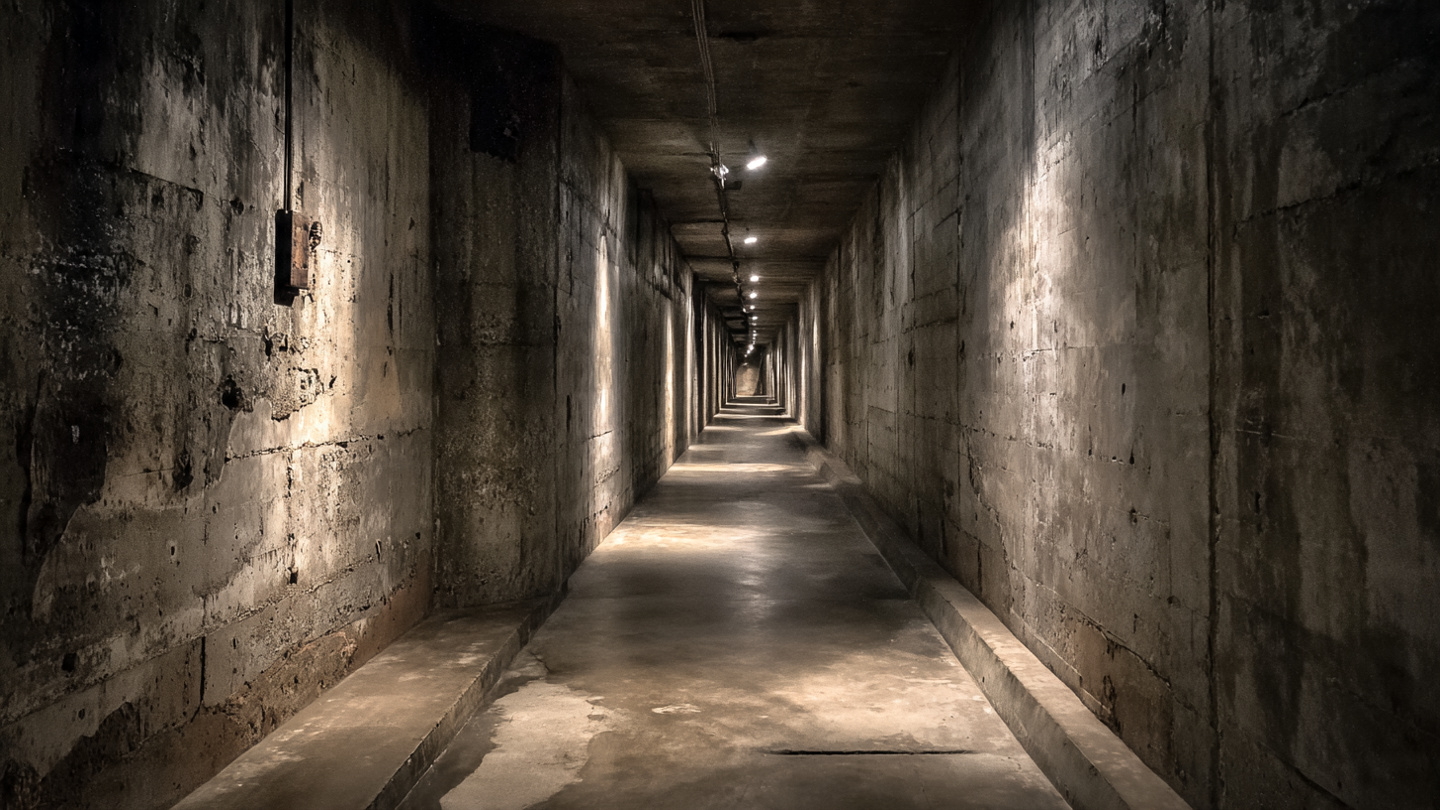
Some underground hidden spots in London exist because fear once shaped daily life. During periods of conflict, especially in the twentieth century, people needed protection from dangers that came from above. The city responded by turning underground spaces into places of safety. Tunnels, basements, and purpose-built shelters offered refuge when streets no longer felt secure.
These spaces did not aim for comfort or permanence. They existed to solve immediate problems. Yet many survived long after the threats disappeared. Today, they remain as quiet reminders of how London adapted under pressure.
How the Underground Became a Place of Refuge
When air raids threatened the city, Londoners looked below ground for safety. Authorities expanded existing tunnels and constructed new shelter systems where possible. Some spaces were simple and cramped. Others included basic facilities to support long stays.
These underground hidden spots in London often followed practical logic. Builders reused available structures rather than starting from scratch. As a result, shelters appeared beneath streets, rail lines, and public buildings. Their locations reflect urgency rather than long-term planning.
Life Below During Wartime
Life inside these shelters followed its own rhythm. People waited together in silence, shared information, and tried to rest despite the conditions. Underground spaces that once served technical or commercial purposes became temporary homes.
The war rooms were fascinating, worth the ticket price and the time spent. We spent over 2 hours going through the museum and could have spent another hour.
Read more reviews at Tripadvisor.
The emotional weight of these places still lingers. Even when empty, they carry the memory of collective fear and resilience. Understanding this context changes how these underground spaces feel today. They represent survival rather than curiosity.
Purpose-Built Defence Structures
Not all wartime underground spaces began as existing rooms or tunnels. Authorities also constructed dedicated defence sites below ground. These spaces supported coordination, communication, and planning during emergencies.
After the war, many lost their purpose quickly. Technology advanced, and defence strategies changed. Instead of removing these underground structures, London sealed them. They became part of the hidden infrastructure that continues to exist without public awareness.
Sealed Entrances and Fading Memory
Many wartime underground spaces disappeared from public memory because their entrances closed quietly. Once danger passed, people returned to surface life. Over time, knowledge of these places faded, even though the structures remained.
Today, these underground hidden spots in London sit behind locked doors or sealed staircases. Without visible signs, they blend into their surroundings. Only records, maps, and subtle clues reveal their presence.
While some underground locations remain hidden from view, understanding abandoned places in London helps explain how forgotten spaces above and below ground continue to reflect the city’s layered history.
The Ethical Side of Remembering
Wartime underground spaces deserve careful treatment. They reflect moments of shared vulnerability and collective effort. Describing them requires respect rather than fascination.
These places remind us that the underground served as a refuge, not a novelty. By acknowledging their purpose and emotional weight, we preserve their meaning without turning them into spectacle.
How Wartime Spaces Shaped the City
The existence of these shelters influenced how London rebuilt after conflict. Infrastructure decisions considered protection, access, and continuity. Some underground areas influenced later transport or storage planning.
Understanding these wartime underground spaces adds depth to how London’s history unfolds. They show a city that turned inward when necessary and emerged stronger by adapting rather than abandoning its foundations.
Crypts, Burial Chambers, and Sacred Underground Areas
Sacred Spaces Below the City
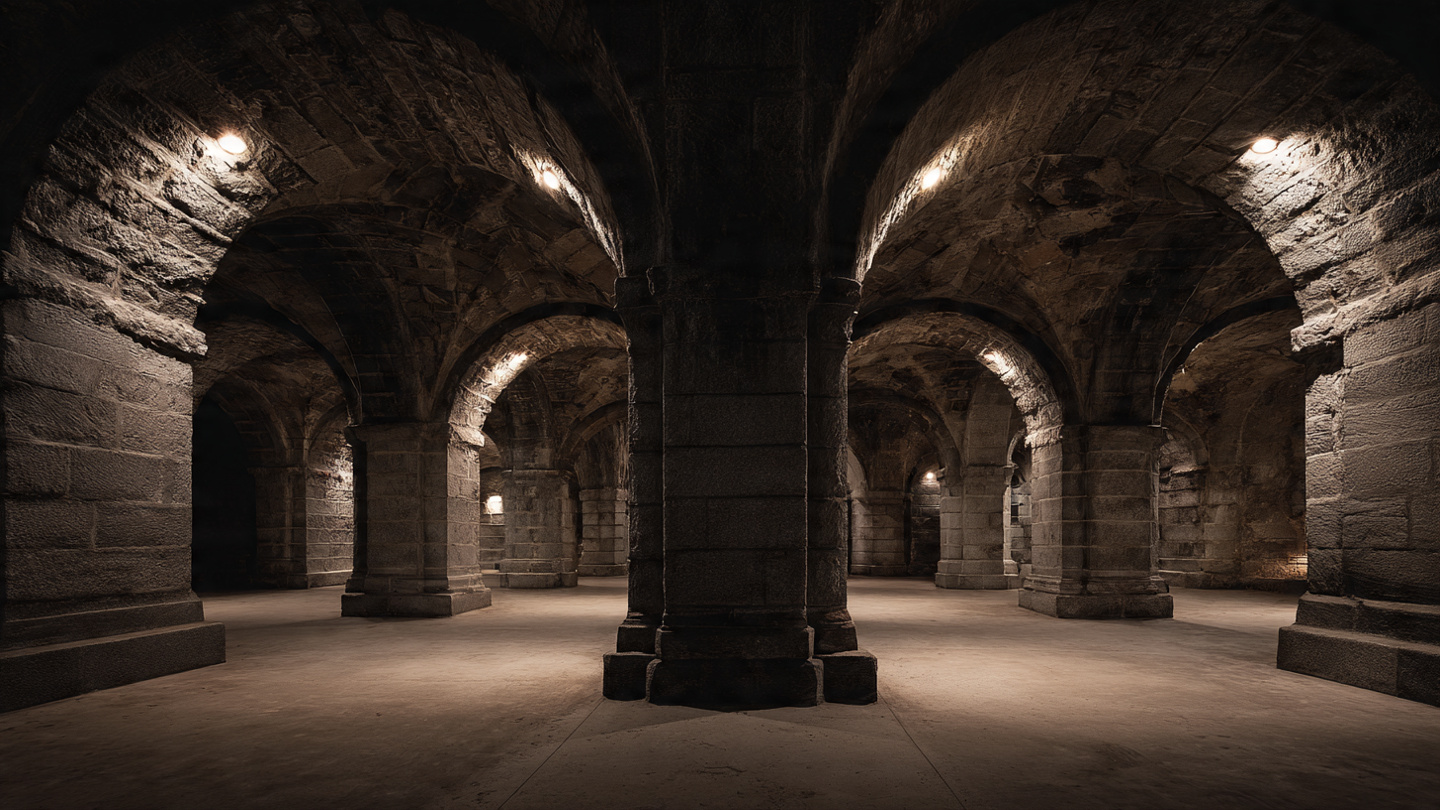
Among the most emotionally resonant underground hidden spots in London are those connected to faith, burial, and remembrance. Long before modern infrastructure reshaped the city, religious buildings shaped daily life. Beneath many of them, underground spaces served spiritual and practical roles. Crypts and burial chambers provided places for rest, reflection, and continuity.
These spaces were never meant to attract attention. They existed quietly below places of worship, supporting rituals that unfolded above ground. Even today, many remain sealed or lightly used, preserving a sense of calm that contrasts sharply with the streets outside.
Why Burial Took Place Underground
In earlier periods, burial space above ground remained limited, especially in densely populated areas. Churches used underground chambers to accommodate the dead while keeping them close to sacred ground. This practice reflected beliefs about proximity, protection, and spiritual connection.
As the city grew, burial practices changed. New regulations and cemeteries reduced the need for underground interment. Yet the chambers remained. These underground hidden spots in London still exist beneath churches that continue to serve active communities above.
Crypts as Places of Reflection
Crypts often feel different from other underground spaces. Light enters softly, air moves slowly, and sound fades quickly. These conditions create an atmosphere suited to reflection rather than activity.
Walking near such places, even without entering them, often feels grounding. The knowledge that generations rest below adds depth to otherwise ordinary surroundings. These underground sacred spaces remind us that London’s history includes private grief and quiet continuity, not only public events.
Forgotten Burial Chambers
Not all underground burial spaces remain visible or remembered. Some churches closed, relocated, or changed function over time. When this happened, burial chambers often stayed sealed beneath redeveloped structures.
These forgotten underground spots in London carry layers of history rarely acknowledged. They exist without signage or public access, yet they continue to influence how buildings can be altered. Respect for these spaces often limits redevelopment, preserving them indirectly.
The Boundary Between Sacred and Secular
One of the most striking aspects of these underground spaces lies in how closely they sit to modern life. Offices, cafés, and homes often stand directly above burial chambers. The city moves forward without disturbing what lies below.
This coexistence reflects London’s ability to balance change with respect. Underground hidden spaces connected to faith continue to shape planning decisions, even when their presence goes unnoticed.
Preservation Through Stillness
Unlike active museums or memorials, many crypts remain preserved through inactivity. Their survival depends on being left alone rather than curated. This stillness protects their character.
These underground hidden spots in London do not demand visitors. They exist quietly, offering depth rather than spectacle. Their power lies in what they represent rather than what they show.
Why These Spaces Still Matter
Sacred underground spaces anchor London to its human past. They remind us that the city grew around communities, beliefs, and rituals. Even as architecture and lifestyles changed, these foundations remained.
Understanding crypts and burial chambers helps explain why some places feel heavy with history. Beneath the noise and movement of the city, these underground spaces hold memories that continue to shape London’s identity.

Water Beneath the Streets
Long before London became a dense urban centre, water shaped its layout. Streams, tributaries, and natural channels once flowed openly across the landscape. As the city expanded, these waterways became obstacles to growth rather than assets. Instead of removing them entirely, London redirected and buried many of them beneath streets and buildings.
These buried waterways form some of the most extensive underground hidden spots in London. Unlike rooms or chambers, they continue to move. Water still flows beneath the city, following paths laid down centuries ago. Their presence explains subtle changes in ground levels, unexpected dampness, and the placement of certain roads.
Why Rivers Were Buried Rather Than Removed
As population increased, open rivers became sources of flooding and disease. Covering them offered a practical solution. Builders enclosed waterways within culverts and tunnels, allowing development to continue above. This approach required less disruption than rerouting water entirely.
Over time, these decisions created a city where natural systems coexist with urban infrastructure. Underground hidden spots in London tied to water reflect how necessity guided planning more than long-term visibility.
Culverts, Channels, and Drainage Networks
Beneath many streets lie carefully constructed channels that guide water away from the surface. Some began as natural streams. Others were engineered later to manage runoff and sanitation. Together, they form a layered system that continues to protect the city.
These underground water spaces rarely attract attention unless something goes wrong. Flooding or subsidence often reveals their existence. Otherwise, they remain silent, doing their work without recognition.
The Sound of Water Below
In certain quiet areas, attentive listeners can sometimes hear water moving beneath the ground. The sound is subtle and easy to miss, blending into the city’s background noise. Yet once noticed, it changes how the area feels.
Knowing that water flows beneath your feet adds a sense of movement to static spaces. These underground hidden spots in London remind us that the city rests on systems that remain alive rather than static.
Water and Urban Boundaries
Hidden rivers often mark old boundaries between districts or parishes. Even after burial, their paths influenced property lines and road layouts. This explains why some streets curve unexpectedly or why neighbourhood borders follow unusual patterns.
Understanding these underground water systems reveals how natural geography continues to shape the city, even when invisible. London did not erase its landscape. It adapted to it.
Maintenance Without Visibility
Water systems require constant monitoring. Engineers maintain underground channels to prevent blockages and collapse. These interventions happen quietly, without public awareness.
This ongoing care highlights how underground hidden spots in London remain part of the city’s active infrastructure. They are not relics. They continue to serve essential functions, supporting life above ground.
Hidden rivers and water systems offer insight into London’s long-term resilience. They show how the city responded to environmental challenges while preserving continuity. By working with natural systems rather than eliminating them, London created a structure that endures.
Recognizing these underground spaces encourages a deeper appreciation of how the city functions. Beneath the streets, water continues to move, shaping London in ways most people never see.
Underground Spaces Used for Art, Culture, and Music

Creativity Below Street Level
Not all underground hidden spots in London exist because they were forgotten or sealed away. Some survived because people found new ways to use them. As the city changed, artists, musicians, and cultural groups began to occupy underground spaces that no longer served practical roles. These places offered isolation, affordability, and freedom from conventional expectations.
Underground environments naturally encourage experimentation. Sound behaves differently below ground. Light becomes controlled and intentional. Walls feel closer, and attention sharpens. For many creators, these conditions provided an alternative to traditional venues above the surface.
From Utility to Expression
Many underground cultural spaces began as basements, vaults, or storage rooms. When their original purposes faded, they became available for reuse. Instead of remaining sealed, some were adapted carefully, preserving their structure while giving them new life.
These underground hidden spots in London often retain traces of their past. Brick walls, exposed beams, and uneven floors remain visible. Rather than hiding these features, cultural spaces tend to embrace them. The result feels raw and honest, reflecting both history and creativity.
Music Shaped by Underground Acoustics
Music venues below ground feel distinct because of how sound travels in enclosed spaces. Bass resonates differently. Voices feel closer. Audiences often stand within arm’s reach of performers. This intimacy creates a connection that larger venues rarely replicate.
Underground music spaces became especially important during periods when mainstream venues felt restrictive or commercial. They allowed alternative scenes to grow quietly, supported by communities rather than publicity. Many influential movements found their footing in such environments.
Art Spaces That Resist Convention
Visual art also found a home underground. Galleries below street level often reject polished presentation in favour of atmosphere. Dim lighting, textured walls, and confined layouts encourage slower engagement.
These underground hidden spots in London challenge how art is consumed. Visitors cannot rush through them. The space itself demands attention. This relationship between environment and artwork creates experiences that feel personal rather than curated.
Cultural Communities Built Below
Beyond individual events, underground cultural spaces often foster strong communities. Regular visitors recognize one another. Organisers prioritise participation over profit. Because these spaces exist slightly outside the city’s mainstream flow, they attract people seeking authenticity rather than spectacle.
This sense of belonging explains why underground cultural venues endure even when facing financial or regulatory pressure. They serve needs that surface-level venues often cannot address.
Adaptation Without Erasure
One of the most meaningful aspects of these spaces lies in how they adapt history rather than erase it. Underground hidden spots in London used for culture rarely disguise their origins. Pipes remain visible. Old doorways stay sealed but acknowledged.
This approach respects the past while allowing new stories to unfold. The underground becomes a place where continuity feels tangible. Old and new coexist without conflict.
Why These Spaces Matter Today
In a city shaped by constant change, underground cultural spaces offer stability through character rather than permanence. They remind us that creativity does not always need visibility to thrive.
These underground hidden spots in London demonstrate how forgotten spaces can gain purpose without losing identity. They show that reuse can feel meaningful rather than forced. Beneath the city’s surface, culture continues to grow quietly, shaping London in ways that often go unnoticed.
Sealed, Inaccessible, and Lost Underground Places
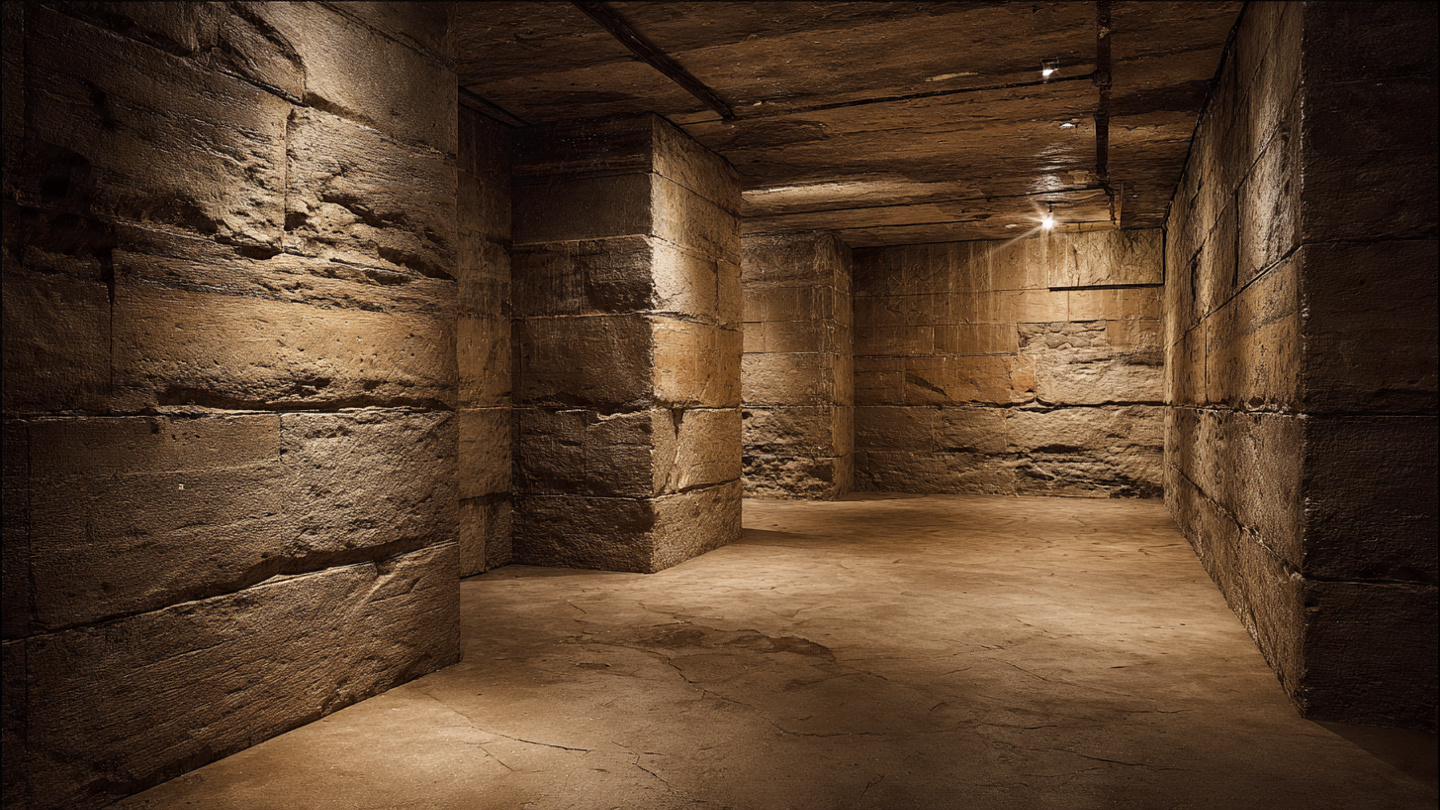
Spaces That Can No Longer Be Reached
Some underground hidden spots in London exist in a state of permanent absence. They remain physically present, yet access has been removed completely. Entrances were sealed, stairways filled, and passages blocked as buildings changed purpose or safety standards evolved. These spaces were not closed with ceremony. They simply slipped out of use.
Unlike disused stations or adapted basements, sealed underground places offer no visual confirmation of their survival. Their existence relies on records, architectural plans, and fragments of memory. For most people, they are indistinguishable from solid ground.
Why London Seals Rather Than Removes
Removing underground structures often creates more risk than leaving them in place. Excavation can destabilize surrounding buildings, disrupt infrastructure, and create long-term safety concerns. As a result, London frequently chooses containment over demolition.
This decision explains why underground hidden spots in London accumulate rather than disappear. The city grows around them, treating sealed spaces as fixed elements that no longer require attention. Over time, their presence becomes abstract rather than physical.
Lost Spaces Beneath Redevelopment
Redevelopment often masks underground history. New foundations sometimes sit directly on top of older structures. In some cases, builders reinforce existing underground rooms instead of clearing them.
These lost underground places influence what can be built above. Load limits, moisture management, and access constraints often relate to unseen structures below. Even when forgotten, these spaces continue to shape the city quietly.
Entrances That No Longer Exist
Many sealed underground spaces lost their entrances during renovations. Staircases were removed. Doors were bricked over. Corridors ended abruptly behind walls. Without access points, knowledge of these places faded.
This disappearance feels gradual rather than dramatic. Each renovation removes a small piece of awareness. Eventually, entire underground areas become theoretical, known only through documentation rather than experience.
The Role of Memory and Documentation
Historians, engineers, and archivists play an important role in preserving awareness of sealed underground spaces. Maps, photographs, and reports provide evidence of what remains below ground.
Without this documentation, underground hidden spots in London would vanish from understanding entirely. Physical preservation alone does not guarantee remembrance. Awareness depends on record keeping rather than visibility.
Ethical Distance From Exploration
Sealed underground places raise important ethical considerations. Their inaccessibility exists for reasons related to safety, preservation, or respect. Describing these spaces requires restraint rather than curiosity-driven speculation.
These locations remind us that not all hidden places are meant to be seen. Their value lies in what they represent rather than what they offer to visitors.
Absence as a Form of Presence
There is a strange power in knowing something exists but cannot be reached. Sealed underground spaces shape imagination more than experience. They introduce gaps in understanding that cannot be filled through exploration.
These underground hidden spots in London contribute to the city’s sense of depth. They remind us that London is not fully knowable through direct experience alone. Some parts remain permanently out of reach.
What These Lost Spaces Say About the City
Sealed underground places reveal how London prioritizes continuity and safety over exposure. The city accepts that some elements of its past will remain hidden rather than displayed.
This acceptance reflects maturity rather than neglect. London does not need to reveal everything to be understood. Its sealed underground spaces form part of its identity, quietly reinforcing the idea that the city’s history exists in layers, some visible and some deliberately left below the surface.
How Underground London Shapes the City’s Identity
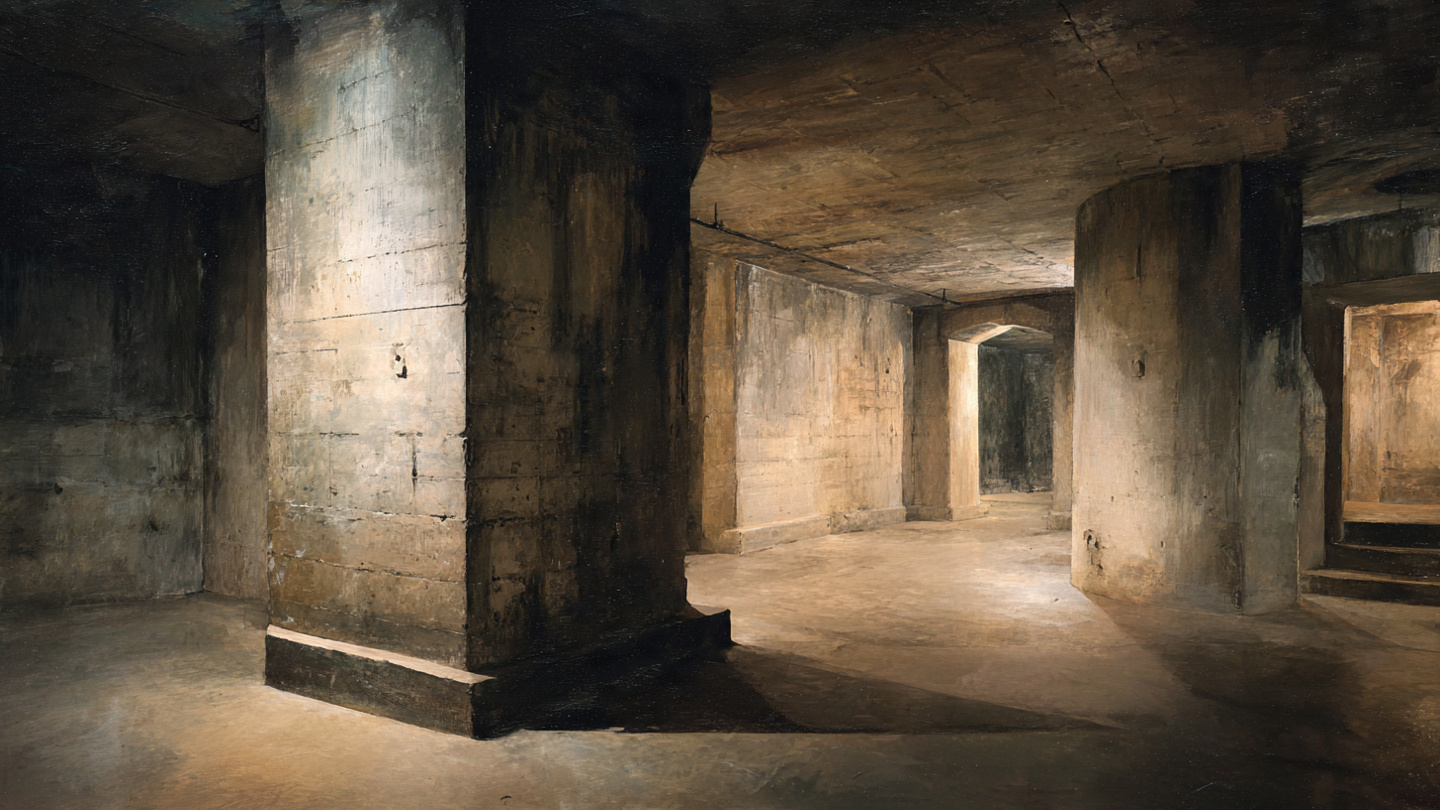
A City Defined by What It Carries Below
London’s identity is often described through what stands above ground. Landmarks, streets, and neighbourhoods dominate how the city is understood. Yet much of London’s character comes from what it carries beneath the surface. Underground hidden spots in London influence how the city functions, grows, and remembers itself.
These spaces act like a foundation of memory. They hold evidence of past decisions, priorities, and responses to change. Without them, London would feel flatter, less layered, and less resilient.
Continuity Instead of Replacement
One of London’s defining traits lies in how it handles change. Rather than clearing old structures entirely, the city absorbs them. Underground spaces remain while new ones form above. This approach creates continuity rather than disruption.
Underground hidden spots in London demonstrate this clearly. They show how the city moves forward without severing ties to earlier stages of its development. Each layer supports the next, physically and symbolically.
Subtle Influence on Urban Design
Even when unseen, underground spaces shape surface design. Building heights, street layouts, and construction limits often respond to what exists below. Architects and planners work around these constraints rather than ignoring them.
This influence gives London its irregular character. Streets curve unexpectedly. Buildings sit at uneven levels. These features reflect adaptation rather than aesthetic choice. Underground hidden spots in London help explain why the city resists uniformity.
Emotional Depth Beneath Everyday Life
Knowing what lies beneath familiar places adds emotional depth to daily experience. A routine walk becomes layered with meaning when you understand that shelters, crypts, or sealed chambers exist below.
This awareness does not overwhelm the city. Instead, it enriches it. Underground spaces introduce quiet gravity, reminding residents and visitors that London carries experiences far older and more complex than surface impressions suggest.
A City Comfortable With Complexity
London does not attempt to simplify itself. Underground hidden spots in London reflect a city willing to accept contradiction. Old and new coexist. Use and abandonment overlap. Visibility and secrecy share space.
This comfort with complexity allows London to evolve without losing identity. The underground acts as an anchor, grounding change in accumulated experience.
Underground spaces offer lessons beyond history. They show how adaptability creates resilience. They demonstrate that preservation does not always require display. Sometimes, survival depends on remaining unnoticed.
Understanding underground hidden spots in London encourages patience and attention. It shifts focus from spectacle to substance. The city becomes something to read rather than consume.
Why the Underground Matters to the Present
London’s underground is not just a relic. It continues to support infrastructure, influence planning, and shape cultural imagination. Its presence reminds us that cities are living systems built over time.
By acknowledging what lies beneath, London gains depth rather than nostalgia. Underground hidden spots connect present life to past necessity, reinforcing a sense of continuity that defines the city’s character.
Final Reflections on Exploring London Below Ground
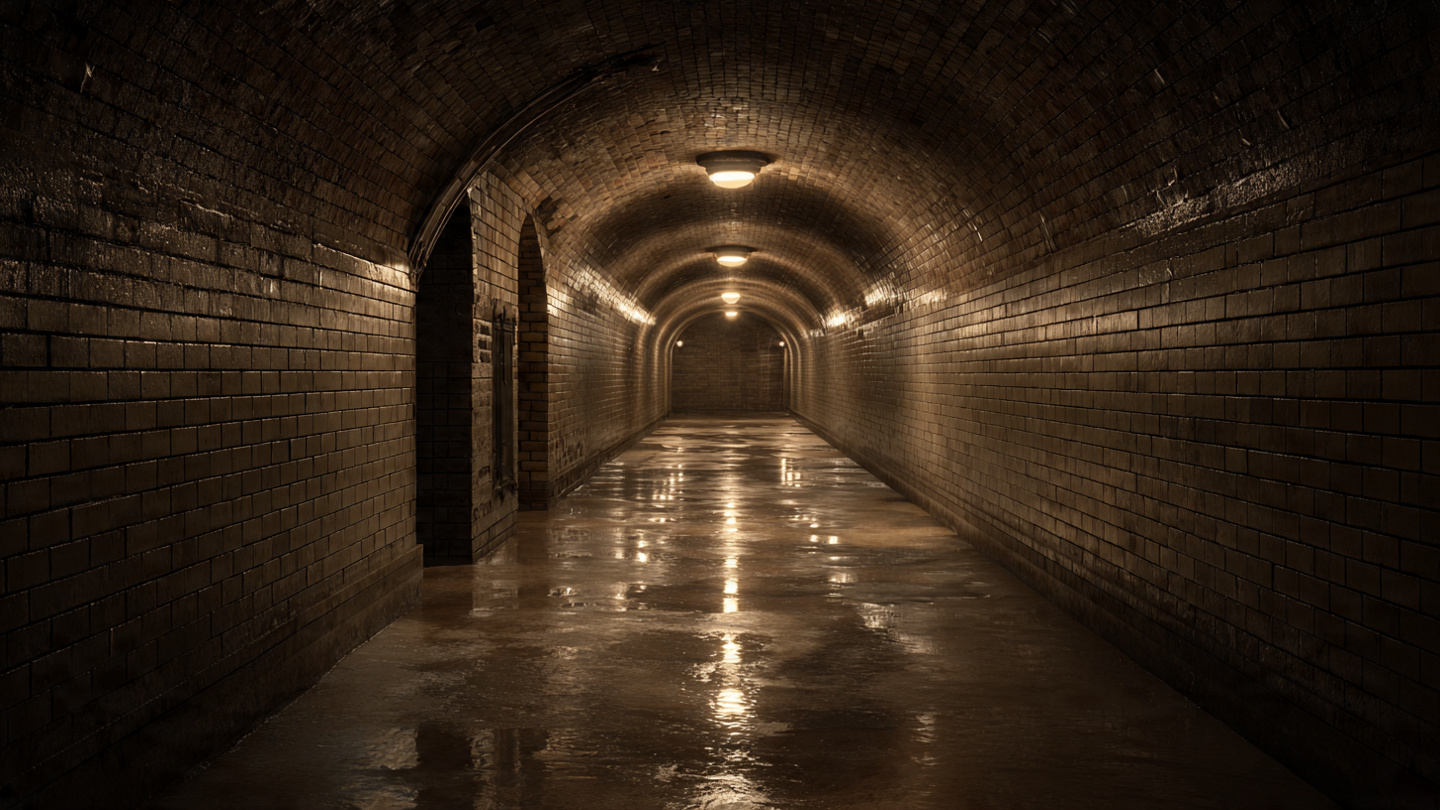
Seeing the City With New Awareness
Exploring London below ground does not require entering sealed tunnels or hidden chambers. It begins with awareness. Once you understand that underground hidden spots in London exist beneath familiar streets, the city feels different. Ordinary routes gain depth. Everyday buildings feel layered rather than flat.
This shift in perspective encourages slower observation. You start noticing changes in street level, unusual building shapes, and subtle architectural decisions. These details act as quiet reminders that the city did not begin at the surface.
Respect Over Curiosity
One of the most important aspects of understanding underground spaces lies in restraint. Not every hidden place is meant to be entered or explored. Many underground hidden spots in London exist because they were sealed for safety, preservation, or respect.
Acknowledging their presence without attempting access reflects maturity as a traveler or observer. Respect allows these spaces to retain meaning without becoming spectacle.
The Value of What Remains Unseen
Modern travel often prioritizes visibility. People seek experiences they can document and share. Underground London resists that impulse. Much of its value lies in what remains unseen and unrecorded.
These hidden spaces remind us that not everything meaningful needs exposure. Their quiet existence adds weight to the city without demanding attention.
A Deeper Connection to Place
Understanding what lies beneath London fosters connection rather than excitement. It encourages reflection instead of consumption. Underground hidden spots in London deepen the relationship between place and memory.
This connection grows over time. Each walk through the city becomes layered with knowledge. The city feels less like a destination and more like a living structure shaped by necessity, choice, and adaptation.
London as a City of Layers
London’s strength lies in its ability to carry history without being overwhelmed by it. Underground spaces support that balance. They hold past functions, emotions, and responses without interrupting present life.
This layered structure allows London to change while remaining recognizable. Underground hidden spots anchor the city to its past, even as new layers continue to form above.
Closing Thoughts
Exploring London below ground does not mean searching for secrets. It means understanding context. It means recognizing that beneath every street lies a story shaped by time rather than intention.
By noticing underground hidden spots in London, you begin to see the city as it truly is. Not a collection of landmarks, but a layered environment where visible life rests on foundations built long before the present moment.