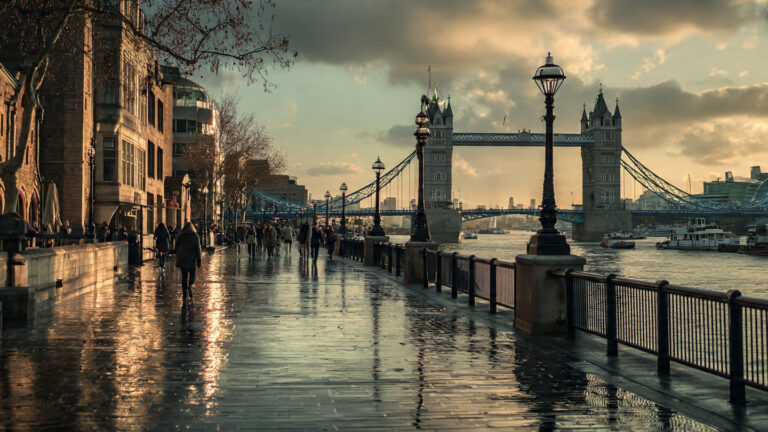

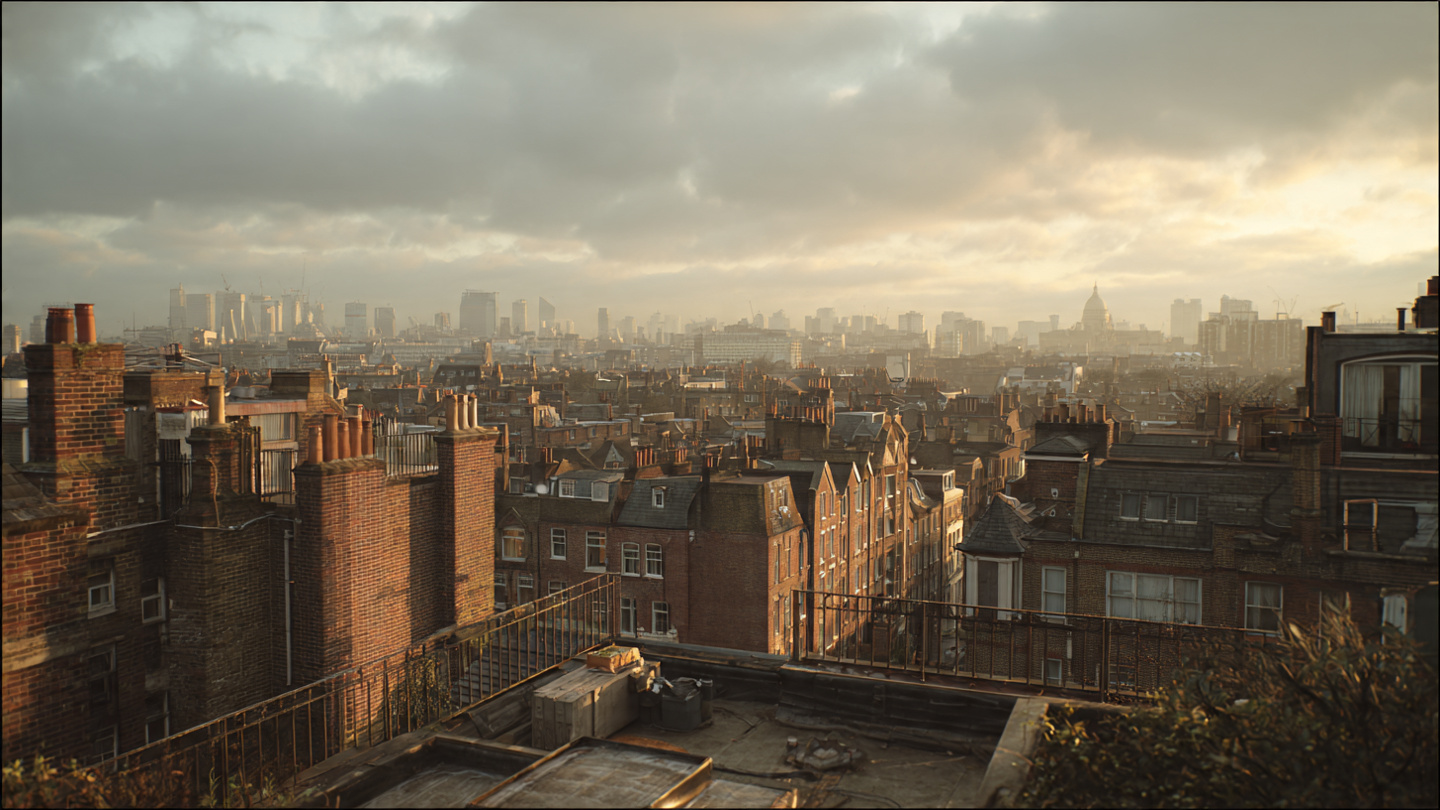
Hidden rooftop views in London offer a side of the city that most visitors never notice. While streets stay busy and landmarks draw crowds, the city above them remains calm, spacious, and quietly revealing. From these elevated spaces, London feels less overwhelming. The skyline stretches naturally, rooftops form patterns, and neighborhoods connect in ways that street-level travel rarely shows.
These rooftop views do not announce themselves. They sit above cultural buildings, everyday institutions, and ordinary city spaces. Because they lack signs and hype, many people pass beneath them without realizing what exists overhead. This quiet anonymity gives them their value. You arrive without expectation, and the city slowly opens in front of you.
While rooftop viewpoints reveal a quieter way to experience London visually, the city’s creativity also unfolds indoors through independent venues and community-led environments, explored further in these hidden art spaces in London.
If you’re drawn to overlooked places that reveal London’s quieter side, this perspective connects closely with broader hidden discoveries around the city in our pillar guide to hidden gems in London most travelers miss.
Why Elevated Views Change How London Feels
When you step onto a rooftop, the city’s rhythm shifts immediately. Traffic noise softens. Movement slows. Your attention widens. Instead of focusing on a single attraction, you see layers of streets, buildings, and distant landmarks sharing the same space.
This perspective helps London feel more coherent. The city no longer appears as a series of disconnected stops. Instead, it becomes a continuous landscape shaped by time, architecture, and daily life. From above, even familiar places feel new because they sit within a broader visual story.
Rooftops as Places of Calm, Not Spectacle
Many rooftop viewpoints in London exist for practical reasons rather than entertainment. Some serve as terraces for buildings. Others provide light, air, or communal space. Because of this, they avoid the staged atmosphere of observation decks.
These rooftops encourage quiet behavior. People pause rather than pose. They observe rather than rush. This calm environment creates space for reflection. You can stand without pressure, watch the city move below, and absorb the view at your own pace.
This same sense of calm appears elsewhere in the city, especially in lesser-known spaces explored in our guide to quiet places in London.
Hidden does not mean inaccessible. In London, hidden rooftop views often remain unnoticed because they sit outside tourism narratives. They do not appear in guidebooks or travel ads. Many people reach them accidentally while visiting a building for another purpose.
Awareness defines access more than permission. Once you know where to look, these spaces become part of the city’s natural rhythm. They reward curiosity rather than planning. This sense of discovery creates a stronger personal connection than any ticketed viewpoint ever could.
How These Rooftops Fit Into a Thoughtful Visit
Hidden rooftop views in London work best when woven into slower exploration. They suit afternoons without strict schedules and moments between destinations. Instead of structuring a day around them, you encounter them organically.
This approach reduces fatigue. You spend less time navigating crowds and more time engaging with your surroundings. Rooftops become pauses rather than objectives. They add balance to busy itineraries and depth to longer stays.
Reaching these elevated spaces often feels most natural when approached on foot, and these off-the-beaten-path London walks connect quieter streets and overlooked routes that make rooftop discoveries feel unhurried and intuitive.
What This Guide Will Explore
This guide focuses on rooftop spaces that feel grounded, quiet, and authentic. Some overlook historic neighborhoods. Others frame modern London from unexpected angles. Each one offers a different emotional experience shaped by its location and purpose.
You will not find heavily promoted observation decks here. Instead, this article explores places that blend into the city’s daily life while offering meaningful elevated views. The goal is not to collect rooftops, but to understand how they change the way London feels when seen from above.
Cultural Buildings With Unexpected Rooftop Views
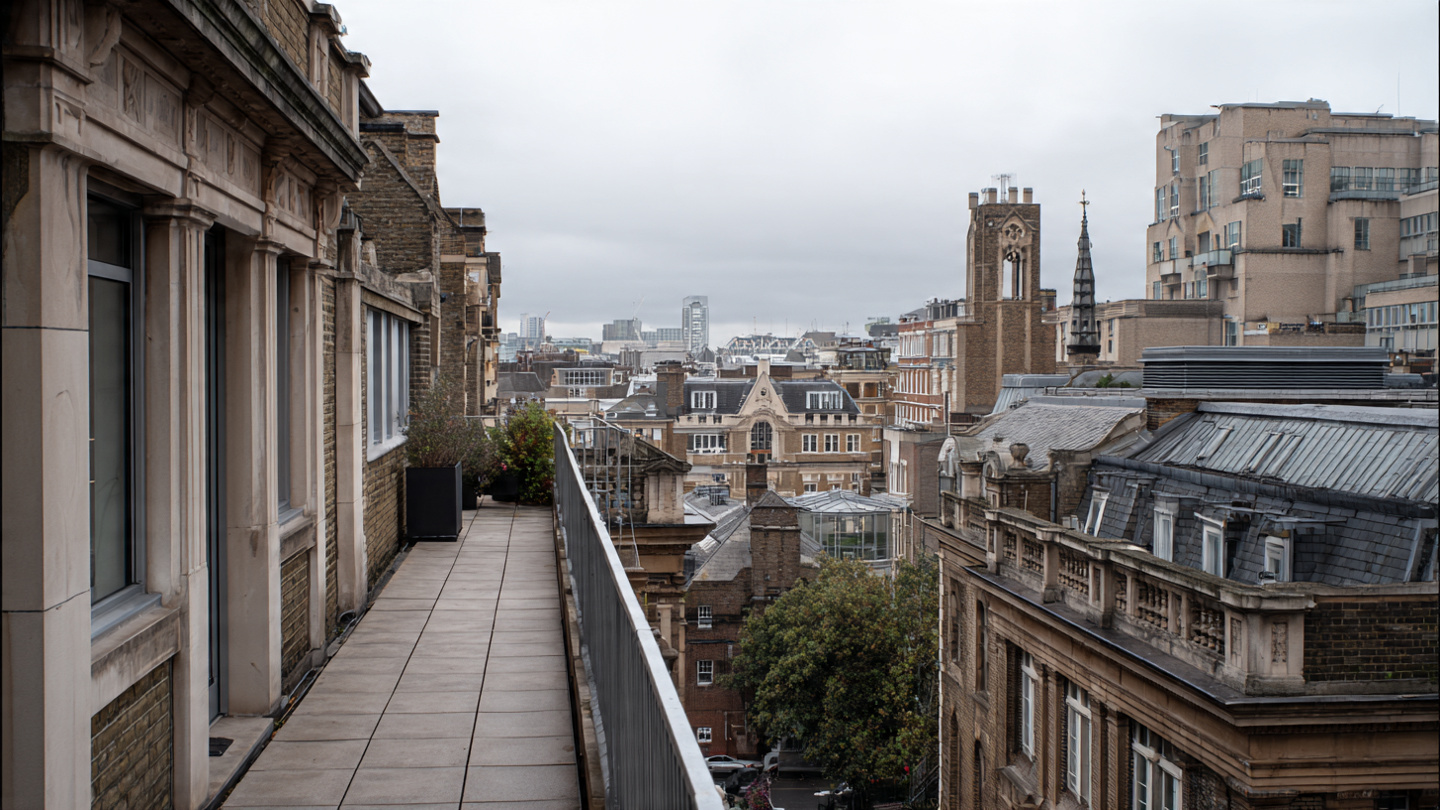
Why Cultural Spaces Often Hide the Best Rooftops
Many of the most overlooked rooftop views in London sit above cultural buildings. These places exist primarily for learning, reflection, or creativity, not sightseeing. Because of that, visitors rarely think to look upward when they enter them. Their attention stays focused on exhibitions, reading rooms, or events happening indoors.
Many of London’s most peaceful rooftop views exist above cultural buildings that people already visit for other reasons. Libraries, galleries, and arts spaces often include elevated levels or open terraces that were designed for light and reflection rather than sightseeing. Seeing these buildings together on a map helps explain why these rooftops feel calm and integrated into daily city life.
This lack of expectation works in the visitor’s favor. Rooftops connected to cultural spaces often remain calm even during busy hours. People who reach them tend to linger quietly rather than treat the view as a quick photo stop. The atmosphere feels intentional without being designed for spectacle.
The same quiet curiosity that leads people upward in cultural spaces often guides them toward other overlooked interiors, such as those explored in hidden bookshops in London.
Elevation as an Extension of Learning and Reflection
Cultural buildings shape how people move and think. When these spaces include rooftop access, the experience continues naturally outdoors. After spending time inside with books, art, or ideas, stepping onto a rooftop allows the mind to widen again.
From above, the city becomes part of the learning environment. You can see how old streets align with newer developments. You notice contrasts between preserved architecture and modern additions. This visual context deepens understanding in a way that exhibitions alone cannot provide.
Rooftops That Frame London Rather Than Dominate It
Unlike purpose-built viewpoints, cultural rooftops rarely aim to impress through height alone. Many sit at moderate elevations that place you close enough to feel connected to the streets below. This distance matters. It keeps the city human in scale.
You see rooftops instead of skylines. Chimneys, terraces, church spires, and small details come into focus. These views highlight how London grew organically rather than through grand design. The result feels intimate, even when the view stretches across several neighborhoods.
The Quiet Advantage of Cultural Rooftops
Cultural rooftops attract a specific kind of visitor. People arrive already prepared to slow down. Conversations remain soft. Movement stays minimal. This shared understanding shapes the entire experience.
Because these spaces do not market themselves as viewpoints, they avoid the pressure to perform. No one rushes to the edge. No one competes for space. You gain room to stand back, shift angles, and observe without distraction.
How These Rooftops Change the Meaning of a Visit
Visiting a cultural building often feels complete once you exit through the front doors. Rooftop access adds another layer to that visit. It turns a single-purpose stop into a multi-sensory experience.
You leave with more than information or inspiration. You carry a visual memory of the city that connects directly to what you just experienced indoors. This pairing strengthens recall and emotional attachment, which is why these rooftops stay vivid long after the visit ends.
Why Many Visitors Miss These Views Entirely
Most people move through cultural spaces with a checklist mindset. They plan what to see, how long to stay, and where to go next. Rooftop access often requires curiosity rather than instruction.
Signs remain subtle or absent. Access points blend into staircases or lifts used for other purposes. Without awareness, visitors pass by without noticing. Those who pause, ask questions, or explore beyond the obvious often discover something unexpected above them.
Great place to get a great view from East to West London.. minutes away too from fab pubs, cafes and shops. Also close to London Zoo.
Read more reviews at Tripadvisor.
The Role of Curiosity in Finding Elevated Calm
Cultural rooftops reward curiosity more than planning. They appear when you slow down enough to notice how a building works. Asking where a staircase leads or taking an extra lift ride can open a new perspective.
This sense of discovery feels earned. You did not follow directions from a guide. You responded to the space itself. That interaction creates a stronger bond with both the building and the view it offers.
Rooftop Spaces Above Everyday City Life
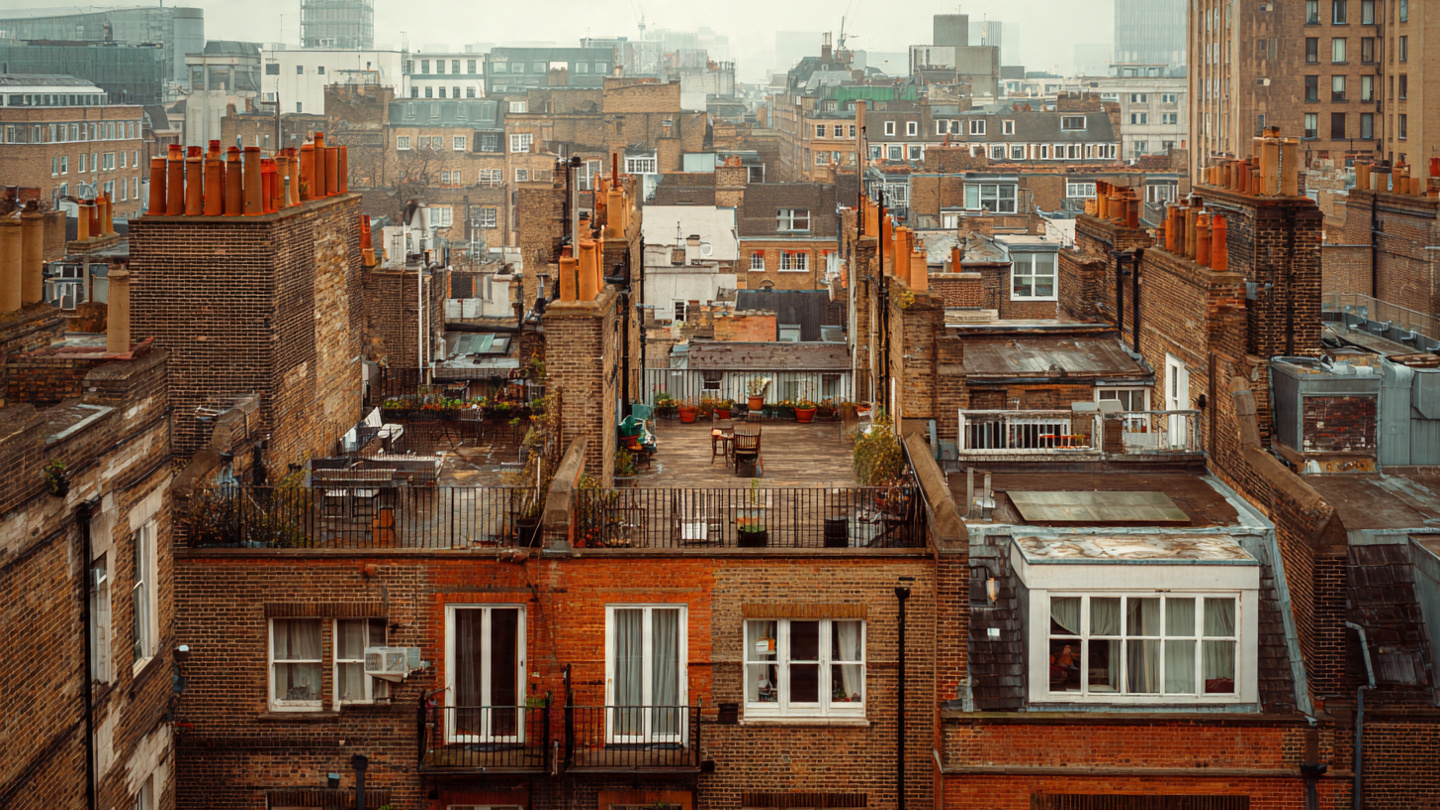
Some of the most rewarding rooftop views in London sit above buildings people use every day. Offices, mixed-use developments, civic buildings, and shared workspaces often include rooftop areas that serve practical needs rather than tourism. Because these rooftops exist as functional spaces, they rarely attract attention from visitors.
These elevated pauses mirror how understated spaces at street level also shape the city’s rhythm, particularly the everyday discoveries highlighted in hidden cafes in London.
This everyday setting makes them easy to miss. People enter these buildings with a purpose, complete their task, and leave. Few consider looking beyond the obvious routes. Yet above the routine movement below, these rooftops offer a calm vantage point that feels deeply connected to the surrounding neighborhood.
Seeing London as a Working City
Some rooftop views are hidden simply because they sit above buildings people use every day. Offices, shared workspaces, and civic buildings often include rooftop terraces that remain open and understated. Mapping these everyday rooftops shows how elevation exists quietly within the normal rhythm of the city.
Rooftop views above everyday buildings reveal London in motion rather than performance. From these spaces, you watch deliveries arrive, commuters move through streets, and small interactions unfold across nearby rooftops. The city feels lived-in rather than staged.
This perspective adds realism to the skyline. Instead of distant landmarks dominating the view, ordinary buildings shape the scene. Brick terraces, office blocks, and narrow streets combine to form a city that functions continuously. This honesty gives the view emotional weight.
Why These Rooftops Feel More Authentic
Authenticity comes from purpose. Rooftops above working buildings exist because the building needs light, air, or shared space. They were not designed to impress outsiders. Because of that, the experience feels unforced.
People who use these rooftops tend to respect them naturally. Noise stays low. Movement remains minimal. The space feels shared rather than claimed. This quiet respect allows visitors to blend in rather than stand out.
The Comfort of Moderate Height
Many everyday rooftops sit at a height that keeps the city close. You remain above street level, yet details stay visible. You can follow a bus route, watch pedestrians pause at crossings, or notice patterns in how buildings cluster together.
This middle distance creates comfort. The city does not feel overwhelming or distant. Instead, it feels understandable. You gain clarity without losing connection.
How These Views Fit Into Daily Exploration
Rooftops above everyday spaces fit naturally into flexible exploration. You might encounter them between appointments, during a casual visit, or while waiting for something else. They do not demand a dedicated trip.
This ease removes pressure. You can step out, observe for a few minutes, and move on without disruption. These small pauses often become the moments people remember most because they arrive without expectation.
Why Visitors Often Overlook These Spaces
Tourism habits train people to seek destinations rather than environments. Everyday rooftops challenge that mindset. They require attention to context instead of checklists.
Without clear labels or promotion, these rooftops remain invisible to those rushing through the city. Visitors who slow down, observe building layouts, or explore shared spaces stand a better chance of discovering what exists above them.
Learning to Read the City Upward
Finding rooftop views above everyday life starts with observation. Look for buildings that invite public movement. Notice staircases, lifts, and shared areas that suggest vertical access. Pay attention to how spaces flow.
This approach turns the city itself into a guide. Instead of following instructions, you respond to what the environment offers. The reward feels personal because the discovery belongs to you alone.
Quiet Rooftop Terraces and Open-Air Platforms
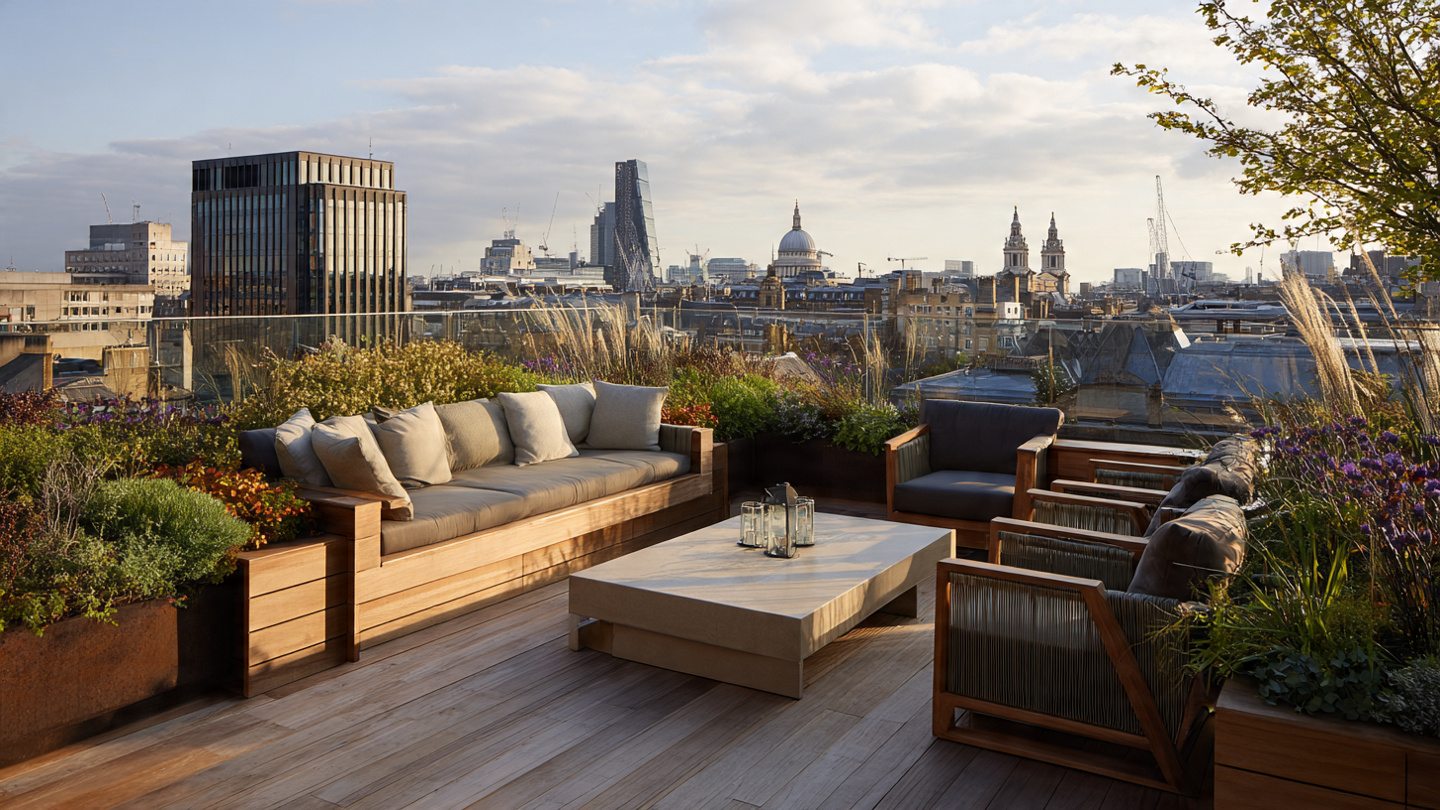
Why Quiet Rooftop Views in London Feel Different
Quiet rooftop views in London create a very different experience from popular observation points. These spaces do not aim to impress through scale or drama. Instead, they offer a calm place to pause above the city, where the movement below continues without demanding attention.
Hidden rooftop views in London often appear in buildings designed for everyday use. Rooftop terraces attached to offices, libraries, and public institutions focus on function rather than spectacle. Because of this, they maintain a relaxed atmosphere even during busy hours.
Not all rooftop views are designed to impress through height or spectacle. Some of the quietest elevated spaces in London exist simply to provide openness and air. Viewing these rooftops on a map highlights how calm spaces remain scattered across the city without being formally labeled as attractions.
Rooftop Terraces That Prioritize Space Over Height
Many of the most satisfying rooftop views in London come from moderate heights. These terraces do not rise above the entire skyline, yet they provide enough elevation to change perspective. You remain close enough to recognize streets, rooftops, and daily activity.
This balance matters. When height feels manageable, the city stays readable. Rooftop viewpoints that sit just above street level help visitors understand how neighborhoods connect, rather than separating landmarks from their surroundings.
Open-Air Platforms and the Feeling of Presence
Open-air rooftop platforms strengthen the sense of connection between viewer and city. Without glass walls or enclosed decks, the experience feels direct. Wind, light, and sound become part of the moment.
Hidden rooftop views in London often feel more alive because they allow these elements to remain present. You hear distant traffic instead of silence. You notice clouds passing across nearby buildings. This subtle interaction keeps the city grounded rather than abstract.
Why These Rooftop Views Stay Quiet
Quiet rooftop terraces attract visitors who value atmosphere more than attention. These rooftop spaces do not encourage crowds, posing, or constant movement. People arrive, observe, and leave without disrupting the environment.
Because many of these rooftop viewpoints remain unadvertised, they avoid becoming crowded. This lack of exposure protects their character. Visitors share the space naturally, giving each other room without competition.
Short Visits That Leave a Strong Impression
Hidden rooftop views in London work best in small moments. A brief pause on a rooftop terrace can reset the pace of a day. You do not need long stays or detailed planning.
These short rooftop visits often leave lasting impressions because they arrive unexpectedly. You step outside, look across the city, and move on with a clearer sense of place.
Why Guidebooks Rarely Mention These Rooftops
Most travel guides focus on locations that offer immediate visual impact. Quiet rooftop terraces resist that format. They reveal value gradually rather than instantly.
Because these rooftop views do not present a single iconic angle, they slip past traditional recommendations. Their appeal depends on awareness, not promotion.
Finding hidden rooftop views in London requires attention rather than research. Look for buildings that welcome public movement. Notice staircases, lifts, and shared areas that suggest vertical access.
When you shift focus upward, the city opens in unexpected ways. Rooftop terraces become part of the urban experience rather than separate destinations.
Rooftop Views That Reveal London’s Layers of History
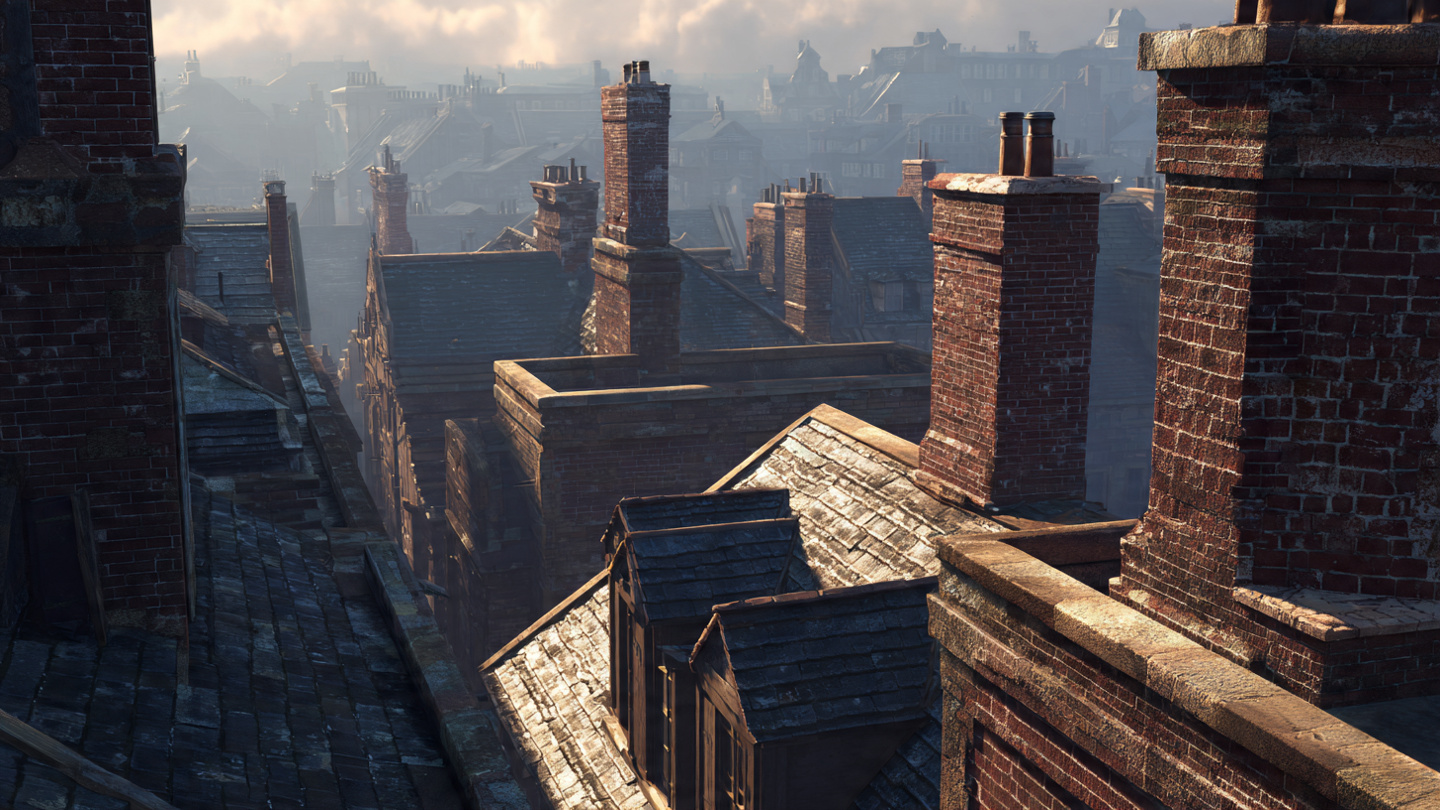
Hidden rooftop views in London offer more than visual beauty. They quietly explain how the city evolved over time. When you look across the city from above, patterns emerge that remain invisible at street level. Buildings no longer stand alone. Instead, they relate to one another through height, spacing, and alignment.
Because of this elevated perspective, history becomes easier to understand. Older brick structures sit beside modern developments. Narrow streets trace routes established centuries ago. As a result, the city’s past feels present rather than distant.
Seeing Old and New London Side by Side
From many hidden rooftop views in London, the contrast between eras appears clearly. On one side, you may notice historic rooftops with chimneys and pitched lines. On the other, modern buildings rise with flat surfaces and clean edges. Together, they form a visual timeline.
This side-by-side view matters. Instead of separating history into designated districts, rooftops show how London adapted continuously. Consequently, the city feels layered rather than divided. Each period builds upon the last without erasing it completely.
Why Rooftop Views Clarify Urban History
At street level, history often feels fragmented. Traffic, signage, and crowds interrupt observation. Roooftop views remove many of these distractions. As a result, the city’s structure becomes clearer.
Hidden rooftop views in London allow the eye to travel naturally. Streets lead into one another. Building heights shift gradually. Neighborhood boundaries reveal themselves through form instead of maps. Therefore, understanding replaces explanation.
Rooftops Near Historic Areas Feel Especially Intimate
Rooftop terraces near older parts of London often feel closer and more grounded. The buildings below remain human in scale. You can trace courtyards, alleyways, and rooflines without losing detail.
Because of this closeness, these rooftop views feel personal. Instead of observing from a distance, you remain connected to the fabric of daily life. Consequently, the past does not feel preserved behind glass. It feels lived in.
How Height Changes Familiar Places
Many places feel entirely different when viewed from above. A building that dominates the street may appear modest from a rooftop. Likewise, a quiet lane may reveal its importance through alignment with older routes.
Hidden rooftop views in London encourage this shift in perception. Over time, you stop seeing landmarks as isolated icons. Instead, you see how they fit within broader patterns. As a result, familiar places gain new meaning.
Reading History Through Rooflines and Streets
Rooflines tell stories. Changes in height often mark different construction periods. Materials hint at economic shifts. Street layouts reveal planning decisions made long before modern transport existed.
From hidden rooftop views in London, these clues become visible all at once. Therefore, the city explains itself without commentary. Observation replaces instruction, which makes the experience feel more organic.
Why Historical Rooftop Views Remain Overlooked
Despite their value, many historical rooftop views remain unnoticed. Most visitors associate history with interiors such as museums or preserved buildings. Rooftops rarely enter that mindset.
Additionally, many of these rooftop spaces do not advertise their presence. Without signs or promotion, they stay quiet. However, for those who notice them, they offer one of the clearest ways to understand London’s development.
How Rooftop Views Connect Past and Present
Hidden rooftop views in London create continuity. They show how the past shapes the present rather than standing apart from it. Old and new coexist within the same frame.
Because of this, rooftop perspectives help visitors feel oriented. The city becomes easier to read. History stops feeling abstract and starts feeling visible.
Why These Views Stay With You Longer
Street-level memories often blur together. Rooftop views stand apart. The stillness, the perspective, and the sense of discovery leave a lasting impression.
Hidden rooftop views in London linger in memory because they combine understanding with emotion. You do not just see the city. You begin to understand it.
Rooftops That Feel Best at Certain Moments of the Day
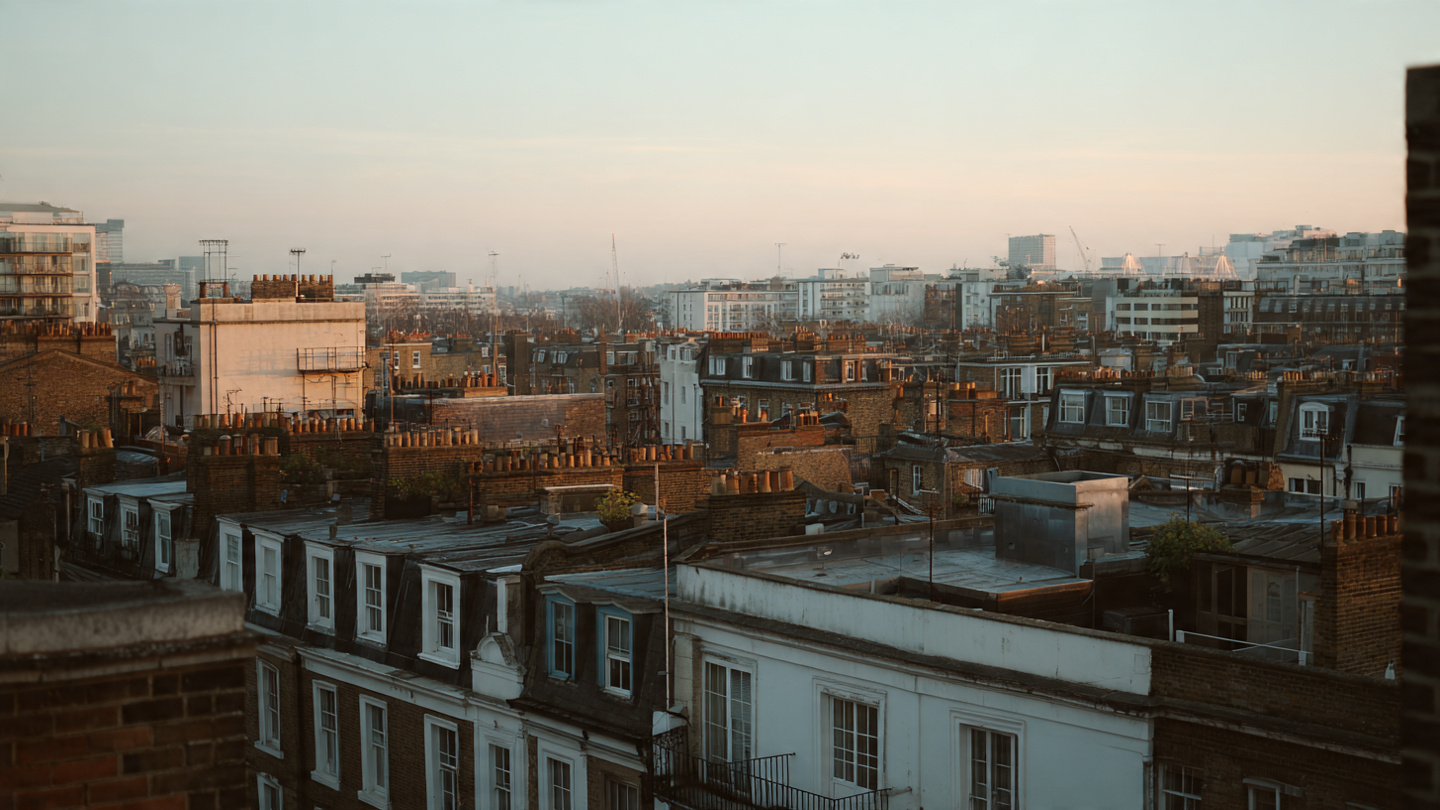
Hidden rooftop views in London shift character as the day moves forward. Although the physical view stays the same, light, sound, and activity transform how the city feels from above. Because of this, timing quietly shapes the experience without needing careful planning.
Rather than focusing on schedules, these rooftop views reward awareness. When you arrive at the right moment, the city aligns naturally with your pace. As a result, the experience feels intuitive rather than forced.
Morning Rooftops and a Slower Beginning
Early hours bring a unique calm to rooftop spaces. Traffic remains lighter. Sounds stay softer. From hidden rooftop views in London, the city appears rested rather than reactive.
At this time, rooftops feel reflective. Light spreads gently across buildings. Shadows remain long and forgiving. Consequently, the city feels approachable and balanced. For travelers who enjoy quiet observation, mornings offer clarity without interruption.
Midday Light and Sharper City Detail
As the day progresses, light strengthens and sharpens. Details become more defined. Colors appear clearer. From rooftop perspectives, the city’s structure becomes easier to read.
Hidden rooftop views in London during midday highlight patterns. Rooflines align. Streets reveal direction. Although activity increases below, distance keeps the experience calm. Therefore, rooftops still provide space to observe without feeling overwhelmed.
Afternoon Rooftops and Softened Movement
Later in the afternoon, the city begins to slow again. Movement below feels less urgent. Sounds blend rather than clash. From rooftop terraces, this transition becomes noticeable.
Hidden rooftop views in London at this time often feel warm and grounded. Light softens edges. Buildings take on depth rather than glare. As a result, the city feels settled rather than rushed.
Evening Calm Without Nightlife Pressure
Evening does not always mean crowds or noise. Many hidden rooftop views in London avoid nightlife altogether. As daylight fades, these spaces remain quiet and reflective.
Instead of dramatic lighting or entertainment, the city offers subtle changes. Windows glow gradually. Streets quiet down. Rooftops become places to observe transitions rather than events. Therefore, evenings suit those who prefer atmosphere over activity.
Why Timing Matters More Than Height
Height alone does not define a rooftop experience. Timing shapes mood more than elevation. A moderate rooftop at the right moment can feel more meaningful than a higher one at the wrong time.
Hidden rooftop views in London emphasize this truth. They respond to light and rhythm rather than spectacle. Because of this, even brief visits feel complete when they align with the moment.
Learning to Let the City Set the Pace
Rather than planning visits around ideal conditions, many rooftop experiences improve when you remain flexible. If you notice quiet light or softened sound, that moment often signals the right time.
Hidden rooftop views in London encourage this awareness. They reward those who respond to the city instead of controlling it. As a result, the experience feels personal and unrepeatable.
Why These Moments Stay Memorable
Memories form strongest when place and time align. Rooftop views create that alignment naturally. The combination of elevation and atmosphere anchors the moment clearly.
Hidden rooftop views in London linger because they connect observation with feeling. You remember not just what you saw, but how the city felt at that moment.
How to Discover Rooftop Views Naturally While Exploring London
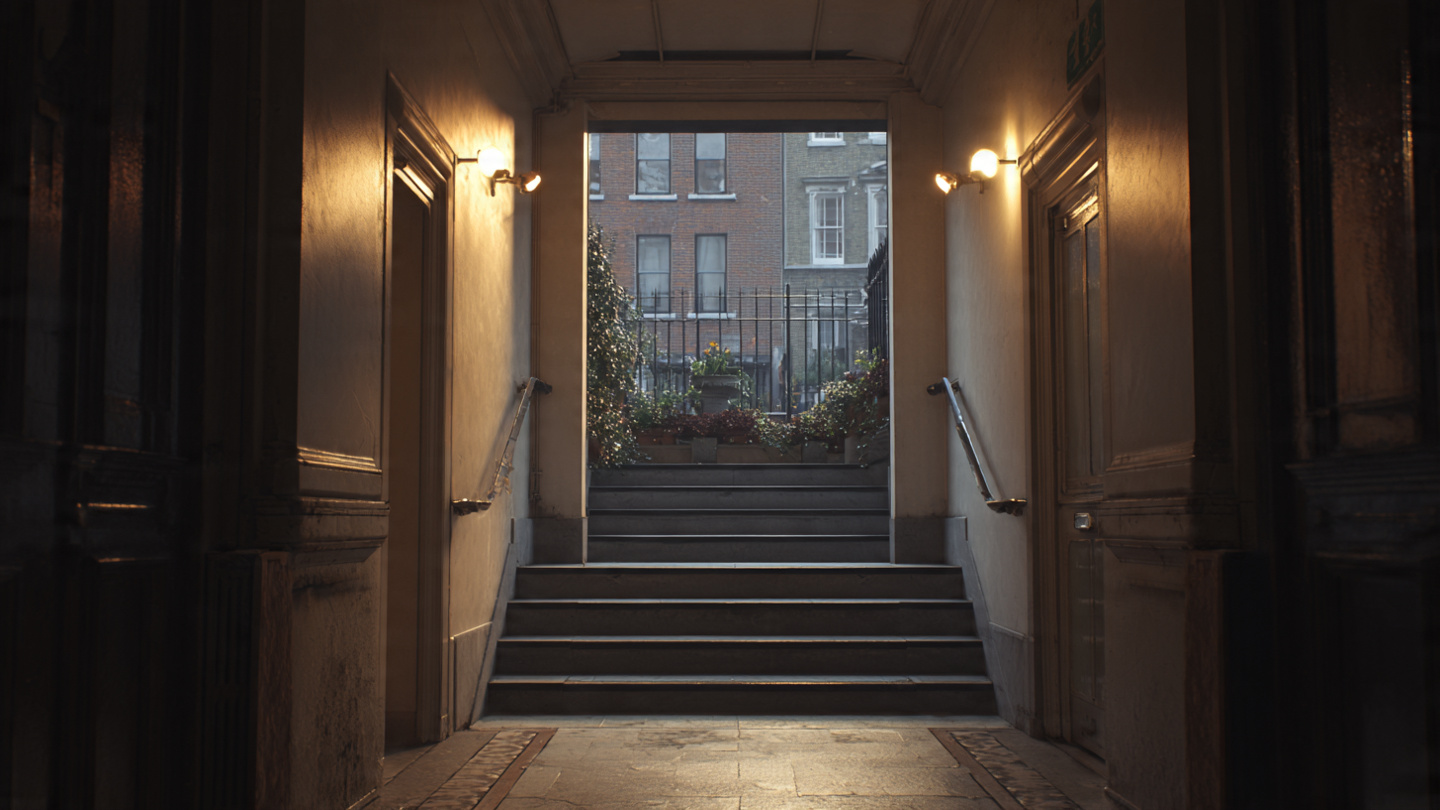
Shifting Attention Upward While Moving Through the City
Many people explore London by looking straight ahead. Streets, signs, and destinations guide movement. However, discovering hidden rooftop views in London often begins with a simple shift in attention. When you start noticing how buildings rise and connect vertically, new possibilities appear.
Instead of focusing only on entrances and exits, pay attention to staircases, lifts, and shared upper levels. Often, rooftop access hides within buildings that welcome public movement. As a result, curiosity becomes more useful than preparation.
Letting Buildings Lead the Way
Buildings often reveal their intentions through design. Wide staircases suggest public access. Glass lifts hint at upper-level spaces meant to be used rather than restricted. When you follow these signals, rooftop spaces sometimes appear naturally.
Hidden rooftop views in London rarely announce themselves. Instead, they reveal themselves to those who move slowly enough to notice architectural cues. Therefore, patience matters more than planning.
Exploring Without a Checklist
Checklists can limit discovery. When you aim to complete a list, you often overlook what falls outside it. Rooftop views benefit from a different approach.
By allowing time between destinations, you create room for observation. A building entered for one purpose may offer something unexpected above. Consequently, exploration feels organic rather than forced.
Many rooftop areas connect to shared spaces such as reading rooms, galleries, or communal terraces. These areas exist to support comfort and circulation, not tourism.
Hidden rooftop views in London often sit beyond these shared zones. If a building feels welcoming rather than guarded, it may offer vertical movement worth following. However, respect remains essential. Shared does not mean disruptive.
Asking Simple Questions When Appropriate
Sometimes discovery comes from asking rather than searching. A brief question to staff or volunteers can reveal access that signage does not show. Because these rooftop spaces do not function as attractions, information often passes through conversation.
Asking politely keeps the experience human. It also reinforces respect for the space. As a result, access feels collaborative rather than intrusive.
Accepting That Not Every Attempt Leads Upward
Not every building offers rooftop access, and that is part of the process. Discovery involves false starts. When a staircase leads nowhere or access remains restricted, the attempt still sharpens awareness.
Hidden rooftop views in London reward persistence without guarantee. Therefore, patience becomes part of the experience. Each attempt trains attention upward, making future discoveries easier.
Why Serendipity Matters More Than Strategy
Rooftop discoveries often happen when you least expect them. A delay, a pause, or a wrong turn can reveal something new. These moments feel meaningful because they resist control.
Hidden rooftop views in London thrive on serendipity. They remind visitors that the city offers more than what appears in guides. When discovery happens naturally, it carries a stronger emotional imprint.
Turning Exploration Into a Habit
Once you begin noticing vertical possibilities, the habit sticks. You start scanning buildings instinctively. You recognize patterns in access points. Over time, rooftops become part of how you read the city.
Hidden rooftop views in London stop feeling rare. Instead, they become quiet rewards woven into everyday exploration.
Rooftop Etiquette and Respecting These Spaces
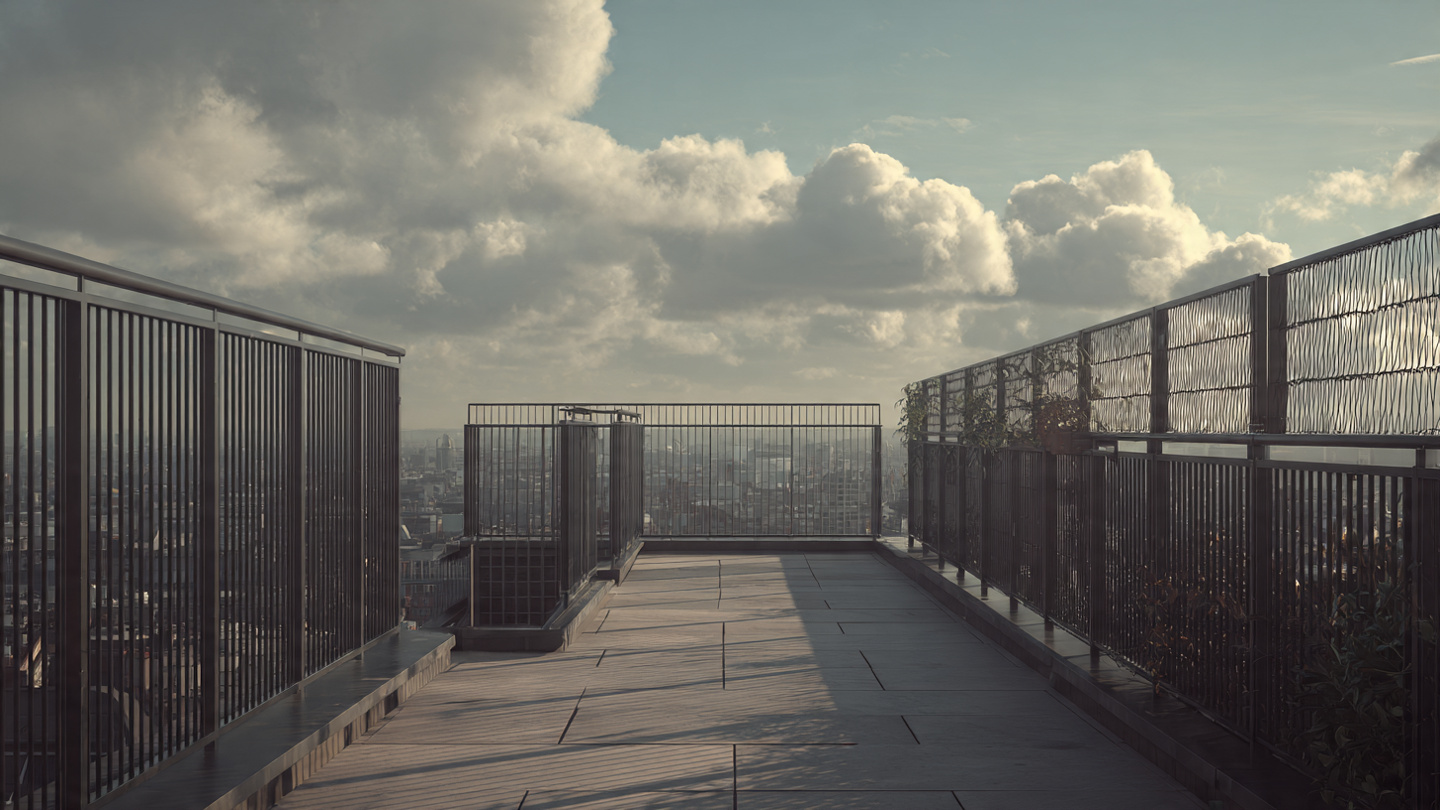
Hidden rooftop views in London remain accessible largely because people treat them with care. Unlike formal attractions, these spaces depend on shared understanding rather than enforcement. When visitors behave thoughtfully, rooftops stay open and welcoming.
Because many rooftop areas serve multiple purposes, respect protects their future. Quiet behavior, mindful movement, and awareness of surroundings ensure these spaces remain part of everyday city life rather than becoming restricted.
Understanding the Purpose of Rooftop Spaces
Most rooftop areas were not created as viewing platforms. They exist to provide light, air, or shared space for the building below. Keeping this purpose in mind helps guide behavior naturally.
Hidden rooftop views in London often feel calm because visitors align with the space instead of reshaping it. Therefore, adapting to the environment matters more than claiming it.
Keeping Noise and Movement Balanced
Sound carries differently at height. Even small noises travel across rooftops and down into buildings below. Because of this, keeping voices low maintains comfort for everyone.
Movement matters as well. Slow, deliberate motion suits rooftop environments. When people avoid rushing or clustering, the space remains open and relaxed. Consequently, everyone benefits from the shared calm.
Photography With Awareness and Consideration
Photography often feels natural on rooftops. However, awareness keeps it respectful. Avoid blocking pathways or lingering too long in one spot. Consider how your presence affects others.
Hidden rooftop views in London allow for quiet observation. Photos should complement that experience rather than interrupt it. When photography remains secondary to awareness, the moment stays intact.
Knowing When to Step Back
Some rooftops feel welcoming but still function as work or communal areas. If a space feels busy or private, stepping back shows respect. Awareness includes recognizing when a moment belongs to others.
Hidden rooftop views in London do not require constant access. Often, a brief look offers enough. Leaving space for others preserves the atmosphere that made the view appealing in the first place.
Why Responsible Behavior Keeps Rooftops Accessible
Access depends on trust. When rooftop spaces remain clean, calm, and respected, building managers see no reason to restrict them. Responsible behavior protects future access.
Hidden rooftop views in London survive through quiet cooperation. Visitors become temporary caretakers rather than consumers. This shared responsibility keeps discovery possible.
How Etiquette Shapes the Experience
Respectful behavior enhances the experience itself. Calm spaces feel more meaningful. Observation deepens. The city reveals itself without distraction.
Hidden rooftop views in London reward those who approach them gently. Etiquette does not limit enjoyment. Instead, it preserves the very qualities that make these spaces special.
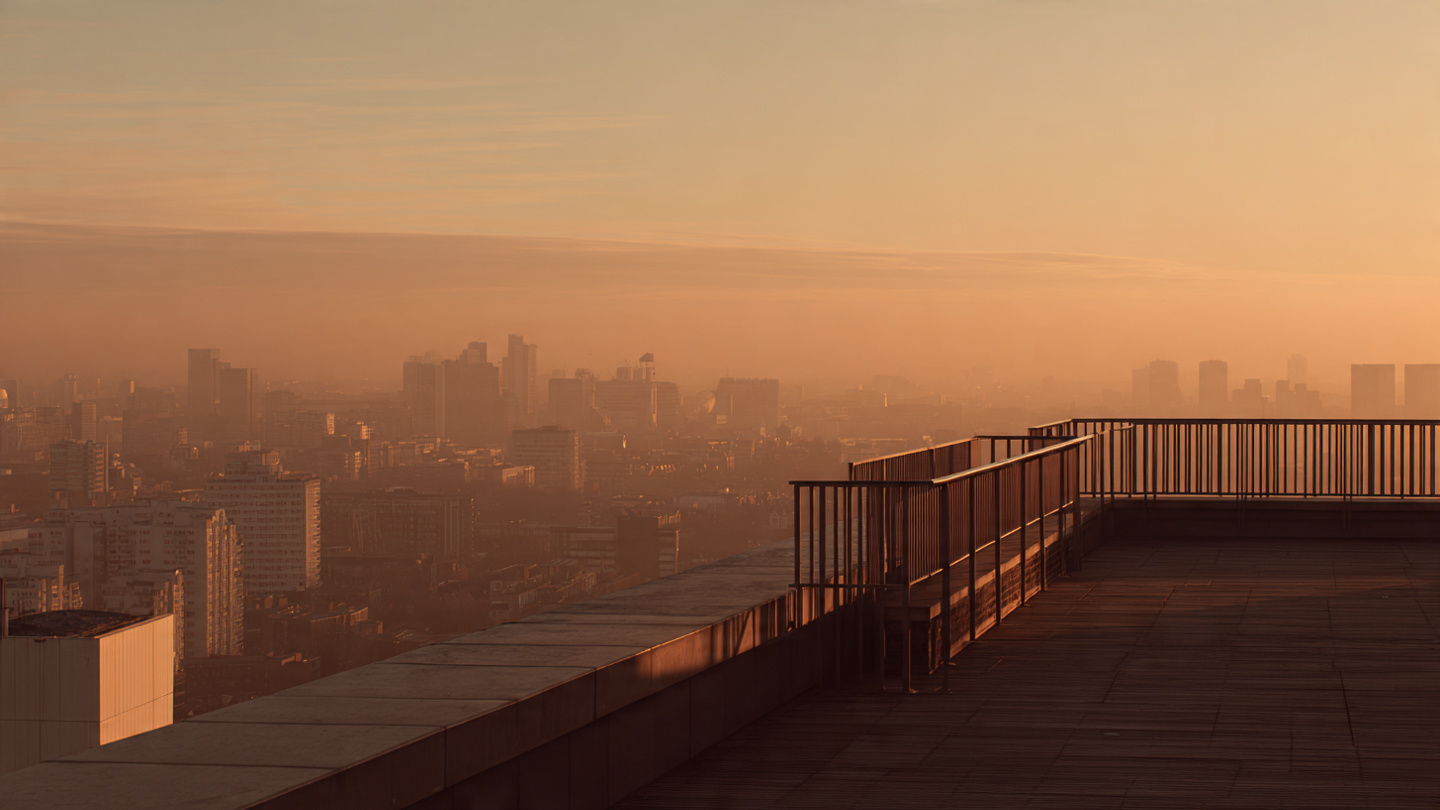
Memory Forms Differently When You See London From Above
Hidden rooftop views in London tend to stay in memory longer than many well-known attractions. This happens because the experience feels personal rather than shared. Instead of standing in a crowd or following a fixed route, you arrive quietly and take in the city on your own terms.
As a result, memory attaches itself to feeling rather than spectacle. You remember the stillness, the light, and the sense of space more than a single landmark. Over time, these impressions blend into how London itself is remembered.
Rooftops Create Emotional Distance Without Disconnection
Rooftop views provide distance, yet they do not remove you from the city. From above, you gain perspective without losing context. Streets remain visible. Movement continues. Life unfolds naturally below.
Hidden rooftop views in London strike this balance well. They lift you out of noise while keeping you connected to everyday life. Because of this, the city feels approachable rather than overwhelming.
Why Quiet Discovery Feels More Meaningful
Discovering something quietly creates a stronger emotional response than being shown something loudly. When you find a rooftop without signs or promotion, the moment feels earned.
Hidden rooftop views in London thrive on this sense of discovery. They do not compete for attention. Instead, they reward curiosity. That reward carries weight because it feels genuine.
How These Views Reshape Familiar Places
After seeing London from above, street-level experiences often change. Routes feel more connected. Neighborhoods make more sense. Familiar buildings take on new meaning because you have seen how they fit into the wider city.
Hidden rooftop views in London quietly reorganize perception. They provide context that improves understanding without instruction. As a result, future exploration feels more confident and grounded.
Rooftops as Moments, Not Destinations
These rooftop experiences do not demand planning or repetition. They exist as moments rather than must-see stops. You encounter them, absorb them, and move on.
Because hidden rooftop views in London resist ownership, they remain flexible. They fit into any itinerary without dominating it. This adaptability makes them valuable to both first-time visitors and repeat explorers.
Leaving London With a Different Perspective
When people reflect on London, they often recall crowds, landmarks, and movement. Rooftop experiences soften those memories. They add calm, clarity, and balance.
Hidden rooftop views in London help shape a quieter narrative of the city. One that includes pause, observation, and connection. This version of London feels more personal and less performative.
Why These Views Matter Long After the Visit Ends
Time fades details but keeps emotion. Rooftop views imprint emotion clearly. The feeling of standing above the city without noise or urgency stays vivid.
Hidden rooftop views in London matter because they change how the city settles in memory. They remind visitors that London offers space as well as scale, quiet as well as energy.
Final Reflection
London reveals itself fully only when you stop trying to see everything. Rooftops offer that pause. They invite reflection rather than consumption.
Hidden rooftop views in London do not ask to be remembered. Yet they remain unforgettable.
Frequently Asked Questions
General Questions
Hidden rooftop views in London are lesser-known elevated spaces that offer city views without crowds. They are often found on cultural buildings, everyday institutions, or quiet terraces rather than famous observation decks.
Many hidden rooftop views in London are free, especially those connected to public or semi-public buildings. However, access can vary depending on the location and purpose of the space.
Access and Discovery
You can discover hidden rooftop views by paying attention to public buildings, shared spaces, staircases, and lifts. Curiosity and slow exploration often reveal rooftops that are not clearly advertised.
In most cases, no special permission is required. However, visitors should respect signage, staff guidance, and the primary function of the building.
Experience and Etiquette
No, most hidden rooftop views in London remain quiet because they are not widely promoted. This makes them ideal for calm observation and reflection.
Visitors should keep noise low, avoid blocking pathways, and treat the space as shared rather than touristic. Respect helps keep these rooftops accessible to everyone.
Timing and Atmosphere
Morning and late afternoon often offer the calmest atmosphere, but the experience depends more on light and mood than a specific time.
Yes, weather and light can dramatically change how rooftop views feel. Overcast skies, soft sunlight, and evening transitions often create the most memorable moments.