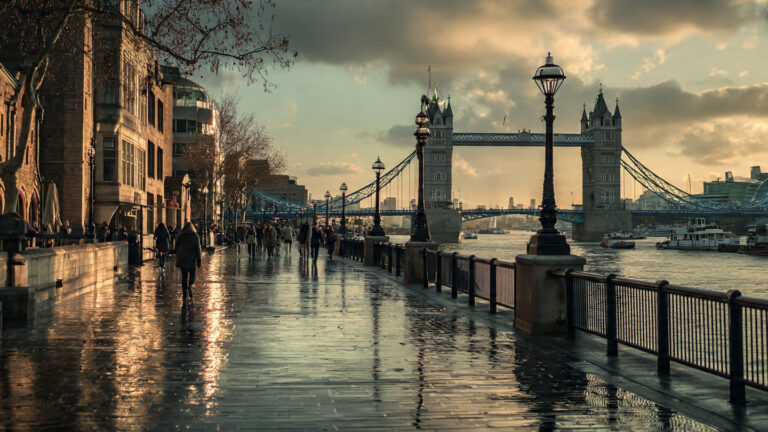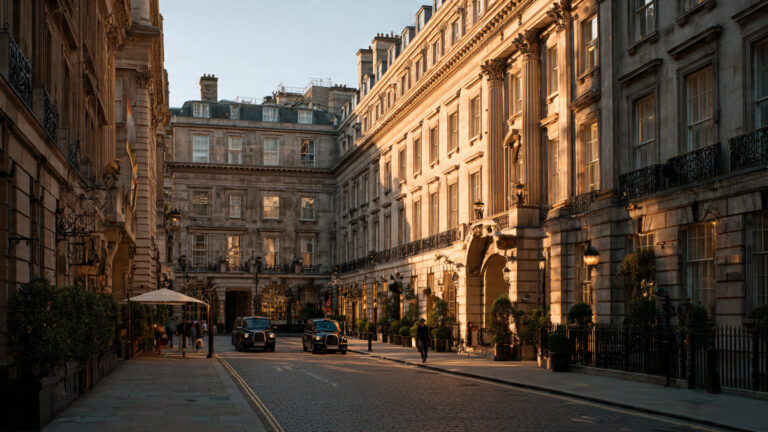

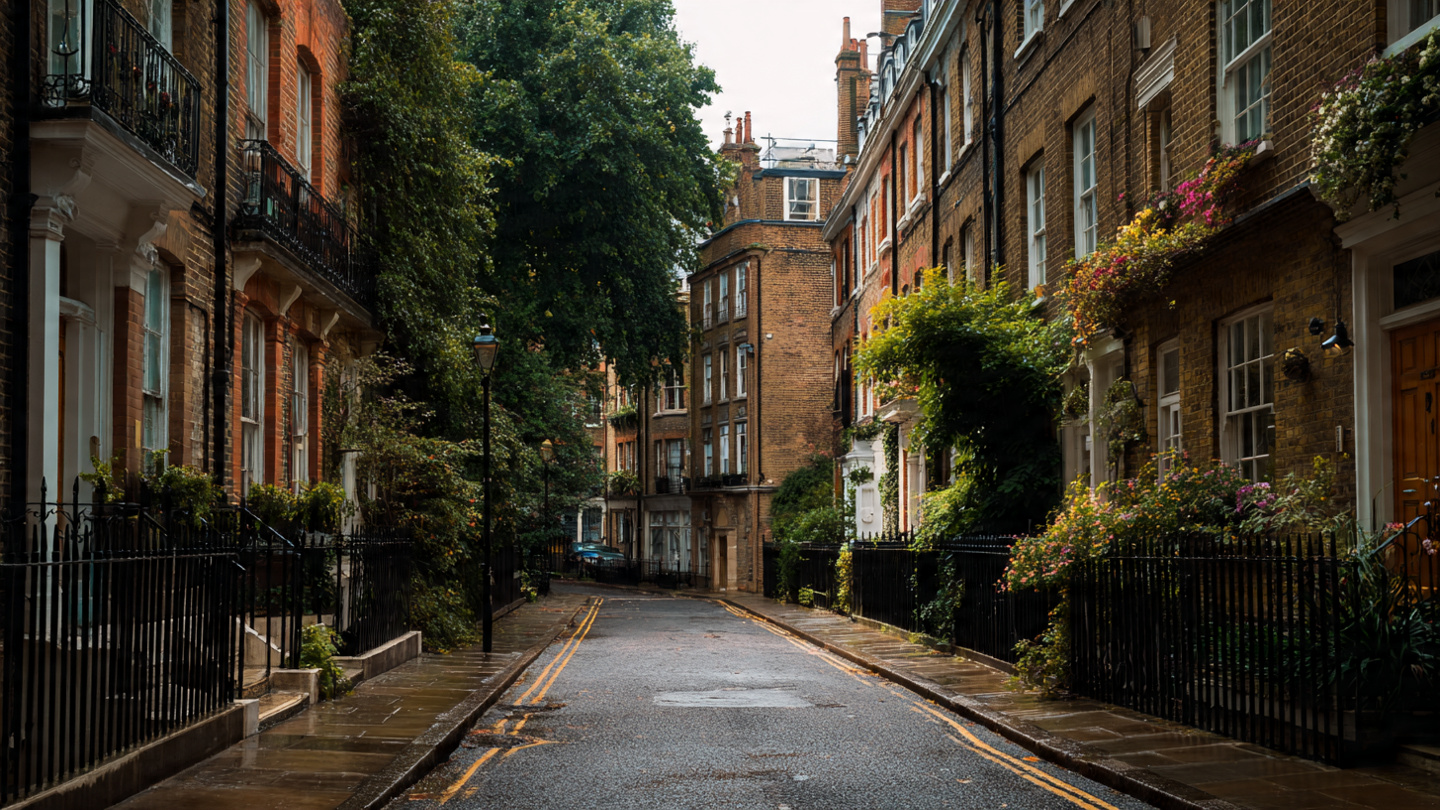
Off-the-beaten-path London walks reveal a side of the city that most visitors never experience. From the first few steps, these quieter routes feel different from the familiar tourist corridors. Instead of following signs and crowds, the walk unfolds naturally through overlooked streets, calm corners, and lived-in neighborhoods. This shift in direction changes how London feels almost immediately.
While many travelers focus on landmarks, these alternative walking routes allow the city to settle into a slower rhythm. The noise fades, the pace softens, and the surroundings begin to speak more clearly. As a result, the experience feels less curated and far more personal.
To understand how these quieter walking routes fit into the wider picture of places most visitors overlook, this guide to hidden gems in London most tourists miss explores overlooked streets, calm neighborhoods, and lesser-known corners beyond the usual attractions.
Why Walking Away From the Main Routes Matters
Choosing off-the-beaten-path London walks creates distance from the constant movement that defines central areas. That distance matters because it allows attention to return to the present moment. Rather than scanning for attractions, the eyes begin to notice small details that usually pass unnoticed.
For example, brickwork reveals age and repair. Doorways show signs of daily use. Street corners hint at older paths beneath modern layouts. These details often disappear in busy areas, yet they remain visible along quieter walking routes. Over time, this awareness deepens the connection with the city.
How a Slower Pace Changes Perception
When walking without a strict destination, the body naturally slows down. That slower pace shapes how London is perceived. Instead of feeling overwhelming, the city begins to feel approachable. Each street flows into the next without urgency.
As the walk continues, thoughts stretch out rather than rush forward. The mind no longer competes with noise or navigation. Because of this, off-the-beaten-path London walks create space not only physically, but mentally as well. This mental calm allows the surroundings to leave a stronger impression.
Quiet Routes Bring London’s History Closer
History often hides in plain sight along lesser-known walking routes. On busy streets, historic elements compete with traffic and crowds. However, quieter areas allow those layers to emerge more clearly. A narrow lane suggests centuries of footsteps. A weathered wall hints at repeated change rather than sudden transformation.
These moments feel unforced. Nothing explains itself, yet everything feels connected. Off-the-beaten-path London walks reveal how the city grew gradually, adapting instead of replacing. This sense of continuity becomes easier to feel when the surroundings remain calm.
Everyday Life Shapes the Experience
Away from the main attractions, London feels less symbolic and more human. Local routines quietly unfold along these routes. A resident waters plants outside a flat. A shop owner adjusts a display before opening. Conversations drift briefly through open windows.
Because these scenes are not designed for visitors, they feel genuine. Off-the-beaten-path London walks make room for this everyday life to appear naturally. Over time, these small moments become just as memorable as famous sights.
Why These Walks Stay With You
Landmarks often blur together after a trip ends. In contrast, quiet walking experiences tend to linger. The memory of a calm street or an unexpected turn stays vivid because it felt discovered rather than planned.
These walks leave space for personal meaning. Each route becomes part of the walker’s own story with the city. That is why off-the-beaten-path London walks continue to shape how London is remembered long after the journey ends.
If you enjoy exploring without strict routes, you may also like this guide to undiscovered London attractions, which focuses on places people miss simply because they never slow down.
Residential Streets That Reveal Everyday London
Leaving the Familiar Streets Behind
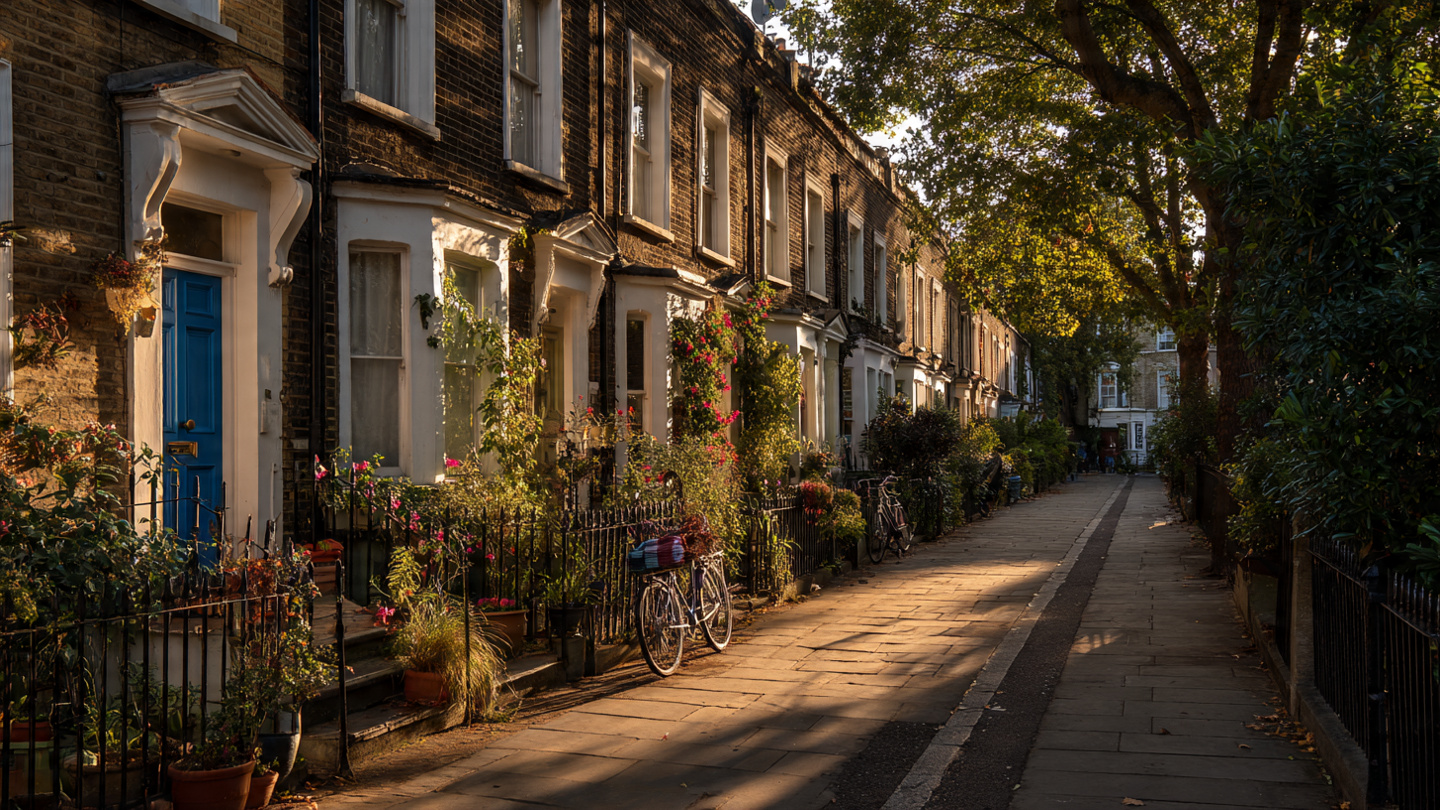
Off-the-beaten-path London walks often begin the moment the familiar streets fade behind you. The transition is subtle. A busy road narrows. Traffic noise softens. The rhythm of movement changes. Suddenly, the city feels less like a destination and more like a place where people live.
These residential streets rarely appear in guidebooks. However, they form the backbone of London’s daily life. Walking through them creates a sense of entering the city’s private spaces rather than its public stage.
Streets Designed for Living, Not Visiting
Unlike tourist-focused areas, residential streets follow a different logic. Shops appear only when needed. Pavements feel practical rather than decorative. Buildings prioritize function over display. Because of this, the walk feels grounded and calm.
As I move through these areas, I notice how consistent they feel. Similar houses repeat along the street, yet small differences stand out. A painted door. A carefully kept garden. A worn step polished by years of use. These details quietly tell stories without asking for attention.
How Residential Walks Slow the Mind
Crowded routes demand constant decision-making. Where to walk. When to stop. How to move through others. Residential streets remove that pressure. The mind relaxes because nothing is competing for attention.
As a result, off-the-beaten-path London walks through residential areas often feel restorative. The pace slows naturally. Breathing deepens. Thoughts wander instead of rushing forward. This calm is not accidental. It comes from walking through places designed for routine rather than spectacle.
The Subtle Beauty of Ordinary Architecture
London’s residential architecture rarely aims to impress. Instead, it reveals beauty through repetition and age. Rows of houses stretch quietly into the distance. Brick colors shift slightly over time. Windows reflect changing light throughout the day.
On these walks, architectural details become easier to notice. Iron railings show careful craftsmanship. Chimneys hint at older heating methods. Extensions reveal how families adapted spaces over generations. These observations add depth to the walking experience without overwhelming it.
Community Life Seen in Passing
One of the most meaningful aspects of residential walking routes is how community life appears briefly, then moves on. A neighbor pauses to greet someone across the street. A delivery arrives at a familiar door. A child waits patiently outside a building.
These moments feel intimate but not intrusive. They pass quickly, leaving only an impression. Off-the-beaten-path London walks allow these fragments of daily life to surface naturally, adding warmth to the experience.
Why These Streets Feel More Honest
Tourist areas often feel curated. Residential streets do not. Their honesty comes from consistency. Nothing changes to accommodate visitors. Life continues as usual, whether anyone is watching or not.
Walking through these streets reminds me that London exists beyond its highlights. It thrives in repetition, routine, and quiet continuity. This realization reshapes how the city feels as a whole.
How Residential Routes Connect the City
Although they feel separate, residential streets connect major areas seamlessly. They act as quiet bridges between busier zones. By choosing these routes, the walk becomes smoother and more fluid.
Over time, these connections reveal London as a network of neighborhoods rather than isolated attractions. Off-the-beaten-path London walks make that network visible, one calm street at a time.
Canal and Waterside Walks Most Visitors Miss
Discovering Calm Along London’s Waterways
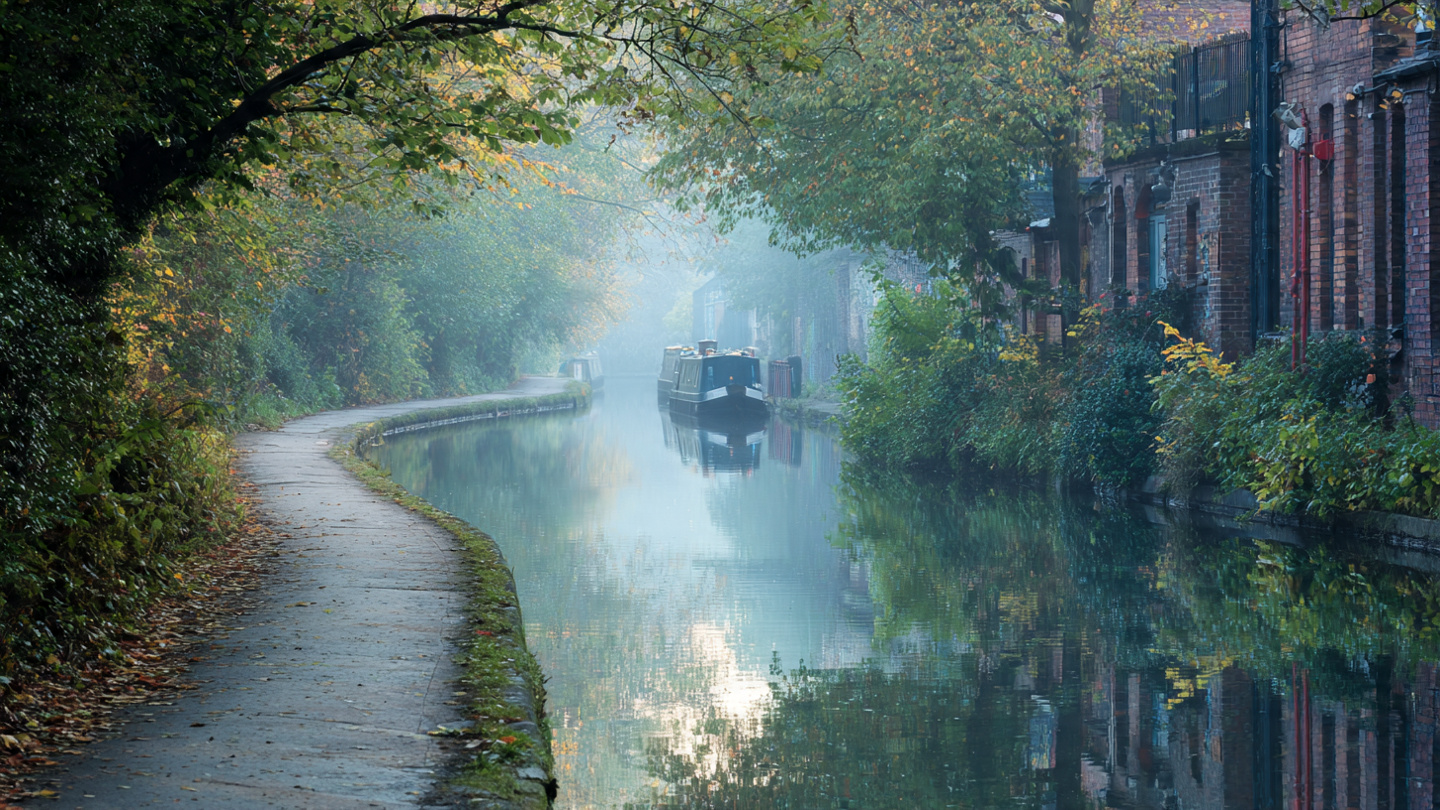
Off-the-beaten-path London walks often feel most peaceful when they follow water. Canals and lesser-used waterside paths create natural corridors away from traffic and crowds. From the moment the water comes into view, the city’s energy shifts. Sounds soften. Movement slows. The walk begins to feel separated from the surrounding streets.
Unlike major riverside routes, these quieter paths do not announce themselves. They slip behind buildings, pass beneath bridges, and continue without signage. Because of this, the experience feels discovered rather than designed.
How Water Changes the Walking Rhythm
Water has a steady presence that influences pace without effort. Steps align with the slow movement beside the path. Reflections shift gently across the surface. Boats remain still or drift quietly past. This environment encourages longer pauses and slower progress.
During off-the-beaten-path London walks near canals, I find myself stopping more often. Not to photograph landmarks, but to watch simple moments unfold. A ripple spreads across the water. A bird settles along the edge. These pauses become part of the walk itself.
Canal routes often pass beneath old bridges and arches that block noise and light briefly. These transitions create moments of enclosure followed by openness. Each passage feels like crossing a threshold between different moods of the city.
As the walk continues, layers of London reveal themselves. Industrial walls stand beside modern apartments. Old stonework meets newer repairs. These contrasts appear naturally along waterside routes, adding texture without drawing attention away from the calm.
A Different View of the City’s Development
Walking beside water reveals how London grew around transport and trade. Canals once carried goods through the city quietly and efficiently. Today, those same paths carry walkers instead. This shift becomes clear when following these routes for extended stretches.
Off-the-beaten-path London walks along canals highlight how function evolves without erasing history. The infrastructure remains, repurposed rather than replaced. This continuity adds depth to the experience and connects present movement with past purpose.
Why These Routes Feel Detached From Time
Canal paths often feel suspended between eras. Modern buildings rise nearby, yet the water continues its steady course unchanged. This contrast creates a sense of detachment from time. The walk feels neither entirely historic nor entirely modern.
Because of this, these routes allow reflection without distraction. Thoughts settle. The city feels expansive rather than dense. Off-the-beaten-path London walks gain emotional weight in these moments of quiet continuity.
Although canals attract locals, they rarely feel crowded. Walkers, cyclists, and residents move through with unspoken awareness. Everyone adjusts naturally, creating a shared rhythm rather than competition for space.
This balance adds to the sense of ease. The walk remains fluid, uninterrupted by urgency. Over time, this shared calm becomes one of the most memorable aspects of waterside walking.
Why Canal Walks Stay With You
Landmarks fade from memory, but the feeling of walking beside water often remains. The stillness, the reflections, and the steady pace linger long after the walk ends.
Off-the-beaten-path London walks gain lasting impact when they follow these quiet waterways. They offer a version of the city that feels open, patient, and quietly alive.
Historic Lanes and Passageways That Escape Tourist Routes
Where London Narrows and Slows
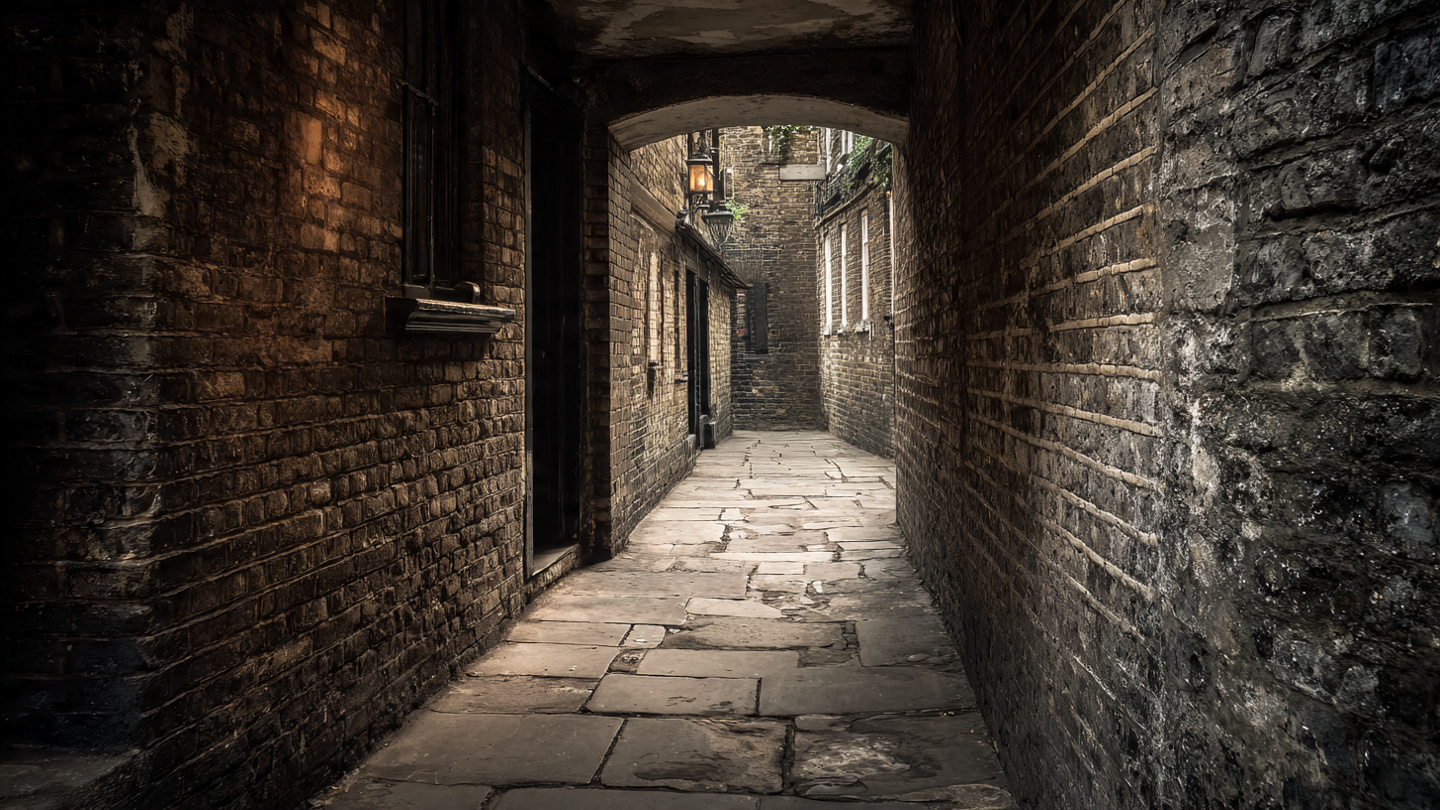
Some of the most memorable off-the-beaten-path London walks happen when the city suddenly narrows. Wide streets give way to slim lanes. Buildings lean closer. The space feels compressed, yet calm. These historic passageways often appear unexpectedly, opening into a different rhythm of movement.
Many historic passageways hint at deeper layers beneath the streets, and this exploration of secret tunnels in London reveals how some lesser-known routes extend below ground rather than across the surface.
As I step into these lanes, my pace adjusts instinctively. Walking feels more deliberate. Each step carries awareness, as if the space itself encourages attention rather than speed.
Lanes Shaped Before Modern Planning
Many of these routes existed long before modern street planning took hold. They followed practical needs rather than symmetry. Over time, larger roads formed around them, yet the lanes remained untouched. This survival gives them a quiet authority.
During off-the-beaten-path London walks, these historic lanes reveal how the city once functioned. They hint at foot traffic, trade, and daily routines that shaped movement centuries ago. Even now, their purpose feels intact.
Texture, Shadows, and Enclosure
Unlike open streets, narrow lanes create strong visual contrast. Light falls unevenly. Shadows stretch across stone and brick. Walls show signs of age through cracks, repairs, and layered materials.
These textures become more noticeable because nothing competes for attention. Without traffic noise or crowds, the senses focus inward. The walk becomes intimate, guided by observation rather than direction.
Quiet Continuity Beneath Modern Life
Although modern London surrounds these lanes, they exist quietly beneath the surface of daily activity. Office buildings rise nearby. Shops operate just beyond their entrances. Yet within the passageway, time feels slower.
Off-the-beaten-path London walks through these spaces highlight continuity rather than contrast. Old routes continue to serve movement, even as the city changes around them. This persistence adds emotional depth to the experience.
Moments of Solitude in the City Center
One of the most surprising aspects of these historic lanes is how close they sit to busy areas. A single turn can create complete separation from crowds. That contrast sharpens awareness of place.
These moments of solitude do not last long, yet they feel significant. The city pauses briefly before resuming its pace. Such pauses become memorable precisely because they are fleeting.
Why Passageways Feel Personal
Unlike major streets, passageways rarely invite lingering groups. They encourage individual movement. Walking alone through these spaces feels natural, almost expected.
As a result, off-the-beaten-path London walks gain a personal tone here. The route belongs to the moment rather than the map. Each passageway becomes part of a private experience shaped by timing and presence.
How These Lanes Connect the Past to the Walk
Walking through historic lanes does not require historical knowledge to feel meaningful. The space communicates through form rather than explanation. Narrowness, material, and layout tell their own story.
These elements shape how London is understood beyond its landmarks. They show how movement itself influenced the city’s development. Off-the-beaten-path London walks make that influence tangible, one quiet lane at a time.
Green Corridors and Overlooked Natural Paths
For readers who prefer to explore without fixed routes, viewing these quieter areas on a single map helps show how off-the-beaten-path London walks connect residential streets, canals, historic lanes, and overlooked paths across the city.
Finding Nature Without Leaving the City
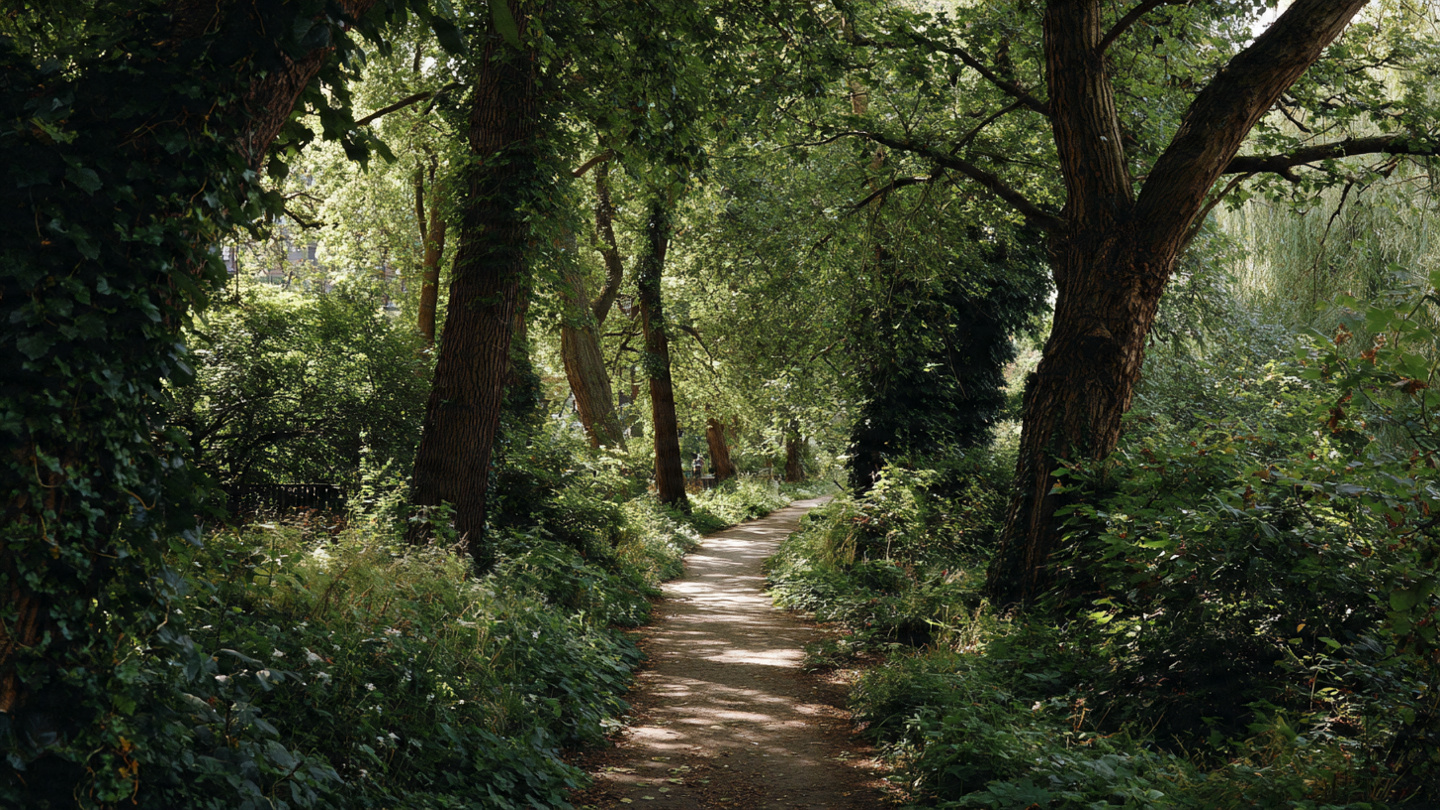
Off-the-beaten-path London walks often reveal nature in unexpected ways. These routes do not lead to grand parks or famous green spaces. Instead, they pass through narrow strips of greenery woven quietly between buildings. Trees line forgotten paths. Grass pushes through edges. The city softens without announcing the change.
These green corridors appear suddenly. One moment the walk follows brick and pavement. The next, leaves filter the light and footsteps sound different. This transition feels gentle, yet noticeable.
How Green Space Changes the Walking Experience
Nature alters movement almost immediately. The pace slows. Breathing deepens. Attention shifts outward toward sound and texture. Even small patches of greenery have this effect when they appear naturally along a route.
During off-the-beaten-path London walks, these overlooked natural paths create moments of relief. The city’s density loosens briefly, allowing the body and mind to reset before continuing onward.
Paths Shaped by Utility Rather Than Design
Many green corridors exist because they serve practical purposes. Old rail lines became walking paths. Boundary strips remained undeveloped. Maintenance routes evolved into informal walkways. Because of this, these paths feel functional rather than decorative.
This practicality adds to their appeal. The route feels authentic, shaped by necessity rather than tourism. Walking through these spaces feels like following the city’s hidden logic rather than a planned experience.
Seasonal Changes Add Quiet Variety
These natural paths change subtly throughout the year. Leaves shift color. Growth thickens or recedes. Light filters differently through branches depending on the season. Each walk feels slightly altered, even when the route remains the same.
Off-the-beaten-path London walks gain depth through this variation. Returning to the same path months later creates a sense of familiarity without repetition. The city reveals itself gradually rather than all at once.
Wildlife and Stillness Along the Way
Green corridors often attract small wildlife that rarely appears elsewhere in the city. Birds settle into quieter spaces. Insects move undisturbed. The presence of life beyond human activity adds another layer to the walk.
These encounters remain brief, yet they reinforce the sense of calm. The walk feels balanced rather than dominated by movement. Off-the-beaten-path London walks benefit from this quiet coexistence.
Why These Paths Feel Protected
Because they are less visible, green corridors often feel sheltered. They do not invite large groups or constant activity. Instead, they remain lightly used, preserving their calm character.
Walking through these areas creates a sense of stepping into a shared but unspoken space. Respect becomes part of the experience. The path feels borrowed rather than owned.
How Nature Connects Disconnected Areas
Green corridors often link neighborhoods that otherwise feel separate. They create smooth transitions between built environments. By following these paths, the city feels less fragmented.
Off-the-beaten-path London walks reveal how nature quietly stitches the city together. These overlooked routes provide continuity, allowing movement to flow gently across changing surroundings.
Walks Shaped by Industry and Forgotten Infrastructure
Tracing London’s Working Past on Foot
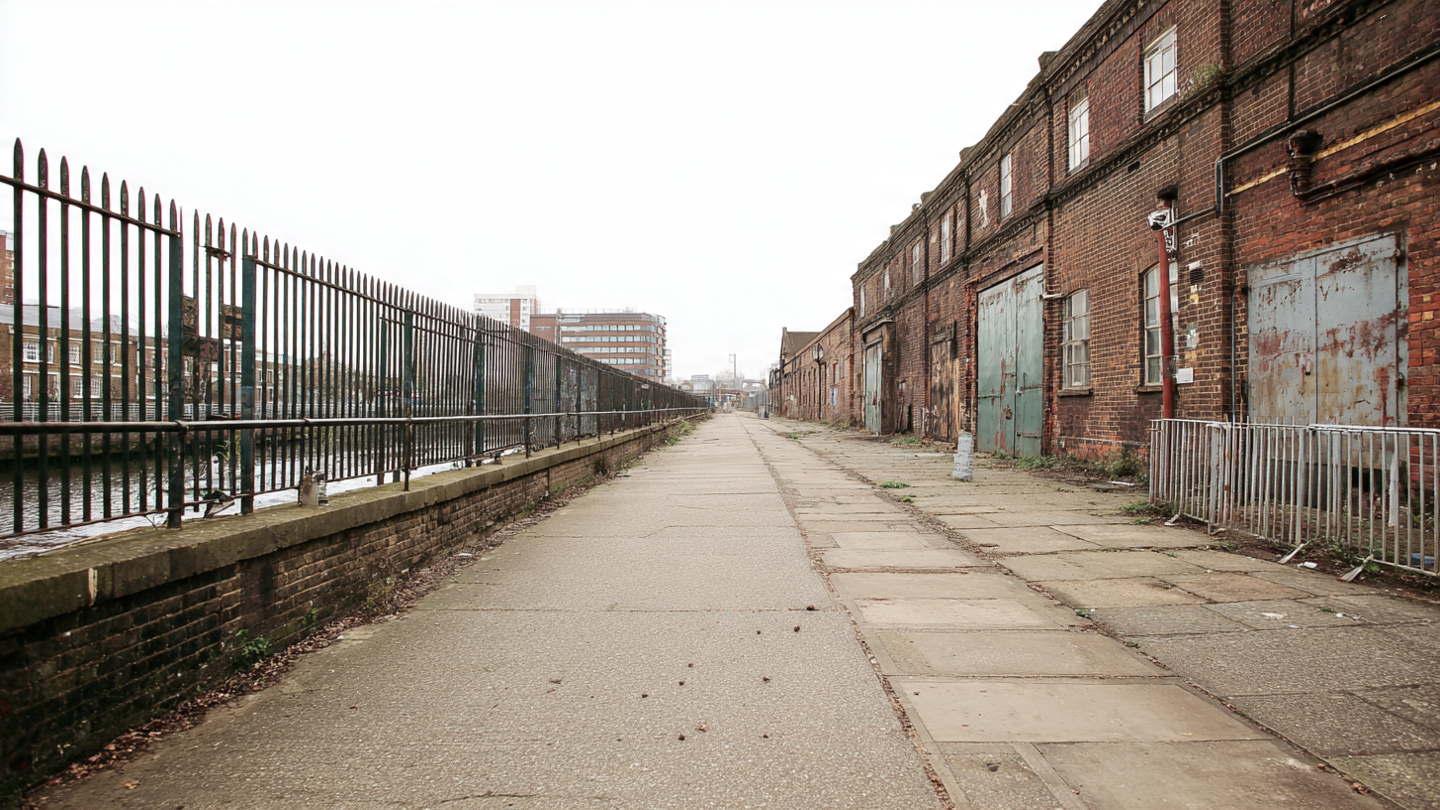
Some off-the-beaten-path London walks follow routes shaped not by beauty, but by work. These paths developed alongside railways, warehouses, canals, and service corridors that once powered the city’s economy. Today, their original purpose has faded, yet their physical presence remains.
Walking through these areas feels different from residential or green routes. The atmosphere is quieter, more spacious, and often slightly rough around the edges. That roughness carries history without needing explanation.
Where Function Still Defines the Landscape
Industrial walking routes often feel straightforward in their design. Straight lines replace curves. Materials appear solid and utilitarian. Brick, metal, and concrete dominate the surroundings. These elements were built to endure, not to impress.
During off-the-beaten-path London walks along former industrial corridors, I notice how purpose shaped every detail. Loading bays align with wide entrances. Rail-adjacent paths follow strict lines. Even in disuse, the logic remains visible.
The Silence After Activity
What makes these walks compelling is not what happens there now, but what no longer happens. Spaces once filled with movement and noise feel unusually still. The absence creates room for reflection.
As I walk through these areas, the quiet feels earned. It follows decades of use and adaptation. Off-the-beaten-path London walks gain emotional weight in places where activity has slowed without disappearing entirely.
Adaptive Reuse Without Erasure
London rarely removes its infrastructure completely. Instead, it repurposes. Old rail routes become footpaths. Service roads become informal walkways. Warehouses find new functions while retaining their original form.
These transitions remain visible along industrial walking routes. Off-the-beaten-path London walks reveal how the city evolves by layering new uses onto old structures rather than starting fresh. This approach preserves memory within movement.
Space, Distance, and Perspective
Industrial routes often feel more open than other hidden paths. Buildings sit farther apart. Sightlines stretch longer. This openness changes how the city is perceived. London feels expansive rather than compressed.
Walking through these spaces provides a different kind of calm. It comes not from greenery or water, but from scale and stillness. The city breathes more slowly here.
A Less Polished Kind of Beauty
These walks rarely offer postcard scenes. Instead, they provide texture. Rusted metal contrasts with clean repairs. Faded signs linger beside modern updates. Surfaces show wear rather than decoration.
This unpolished character gives off-the-beaten-path London walks a sense of honesty. Nothing feels staged. The walk reflects how the city works, adapts, and moves forward without forgetting its foundations.
Why Industrial Routes Feel Grounded
Walking through former industrial areas grounds the experience of London. The city feels less abstract and more physical. Weight, structure, and effort become visible.
These routes remind me that London’s story is not only cultural or political. It is also practical. Off-the-beaten-path London walks shaped by industry make that story tangible through space and movement.
Quiet Cultural and Literary Walking Areas
Culture That Does Not Announce Itself
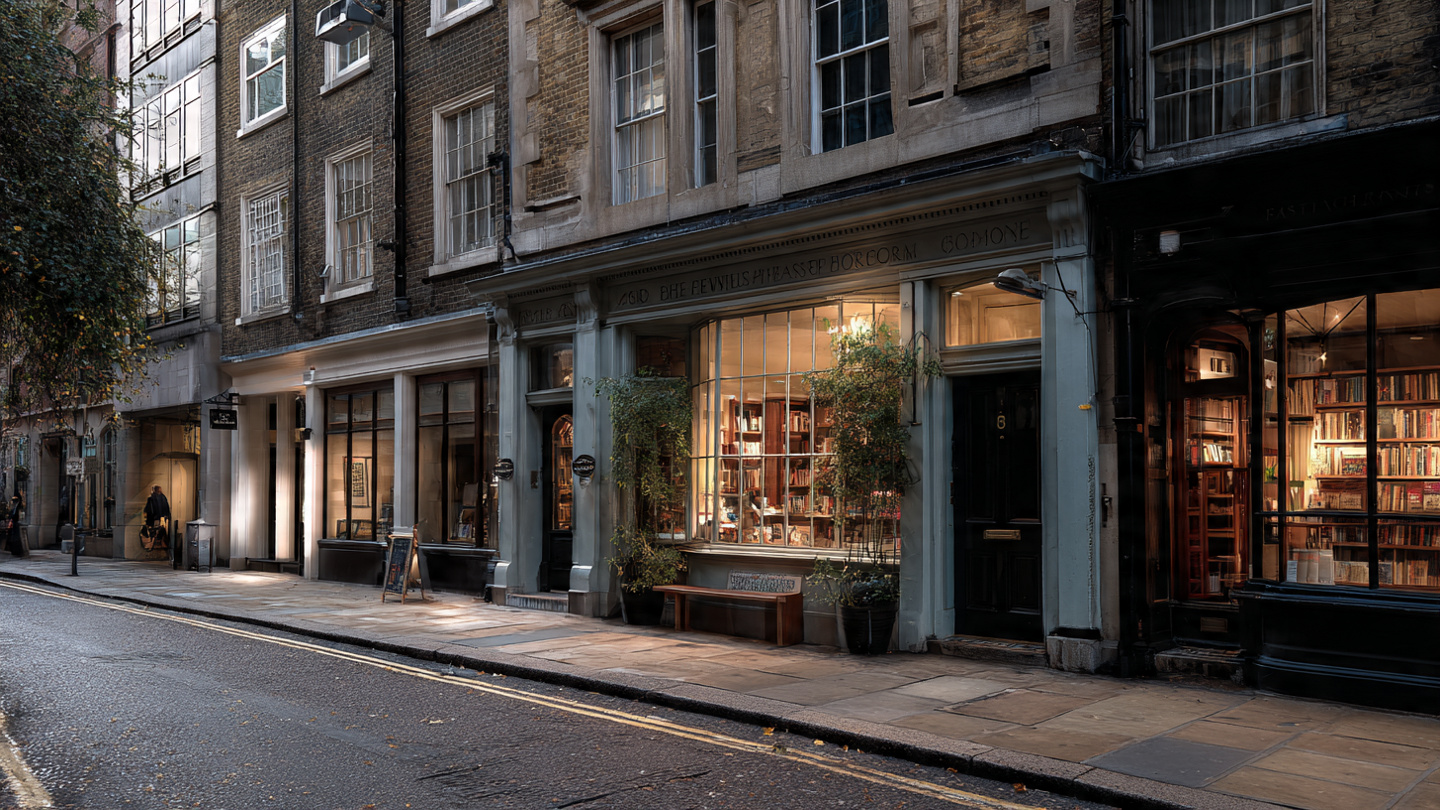
Some of the most rewarding off-the-beaten-path London walks pass through areas shaped by culture, yet free from crowds. These places do not rely on signs, plaques, or guided routes. Their cultural weight sits quietly within streets, buildings, and atmospheres rather than attractions.
Walking through these areas feels like entering a conversation already in progress. Nothing explains itself, yet everything feels intentional. The walk becomes about awareness rather than discovery in the traditional sense.
Some quieter walking routes naturally pass through areas shaped by reading, writing, and quiet reflection, and this guide to hidden bookshops in London highlights literary spaces that fit seamlessly into slower walks away from busy streets.
We were a large family group from ages 17- 64 yrs old – just hilarious – so clever and quick witted . We all thoroughly enjoyed it ! Had no eye make up on as I left – laughed it all off – just crying laughing!
Read more reviews at Tripadvisor.
Streets Influenced by Writers, Artists, and Thinkers
Many quiet walking routes pass through neighborhoods that once attracted writers, artists, and thinkers seeking space away from noise. These areas offered privacy, stability, and room for reflection. Over time, their character settled rather than changed.
In similar fashion, some off-the-beaten-path walks quietly intersect with creative districts, and this guide to hidden art spaces in London explores galleries and studios that remain tucked away from main tourist routes.
During off-the-beaten-path London walks, I notice how these streets encourage inward focus. Cafés feel subdued. Buildings feel personal rather than imposing. The environment supports thought rather than distraction.
Libraries, Studios, and Subtle Landmarks
Cultural presence often reveals itself indirectly. A modest library entrance. A former studio hidden within a residential block. A small venue tucked behind an unremarkable facade. These elements appear quietly, without demanding attention.
Walking past them feels respectful. The experience does not require stopping or interpreting. Off-the-beaten-path London walks allow these spaces to exist naturally within the flow of movement.
The Role of Silence in Cultural Spaces
Silence plays a central role in these areas. Unlike busy cultural districts, quiet routes support contemplation. Footsteps echo lightly. Conversations remain muted. The absence of noise sharpens awareness.
As I move through these streets, the city feels thoughtful rather than performative. Off-the-beaten-path London walks benefit from this atmosphere, allowing culture to be felt rather than consumed.
How Routine Sustains Cultural Memory
Cultural walking areas remain alive through routine rather than events. Residents continue daily habits. Students pass through regularly. Creatives work quietly behind doors. This consistency preserves the area’s character.
Off-the-beaten-path London walks reveal how culture survives through repetition. It does not rely on spectacle. Instead, it remains present through steady use and shared respect for space.
Why These Walks Encourage Reflection
Walking through quiet cultural areas often triggers reflection without effort. The surroundings slow thought. The absence of stimulation creates room for ideas to settle. This mental shift feels natural rather than forced.
These moments stand out because they contrast with London’s usual pace. Off-the-beaten-path London walks offer a version of the city that values pause as much as progress.
A Sense of Belonging Without Familiarity
Even without knowing the history, these areas feel welcoming. The streets do not demand knowledge or participation. They allow walkers to pass through without judgment.
This openness creates a sense of belonging without ownership. Off-the-beaten-path London walks gain emotional depth here, shaped by quiet acceptance rather than recognition.
Timing, Awareness, and Respectful Walking
Why Timing Shapes the Experience
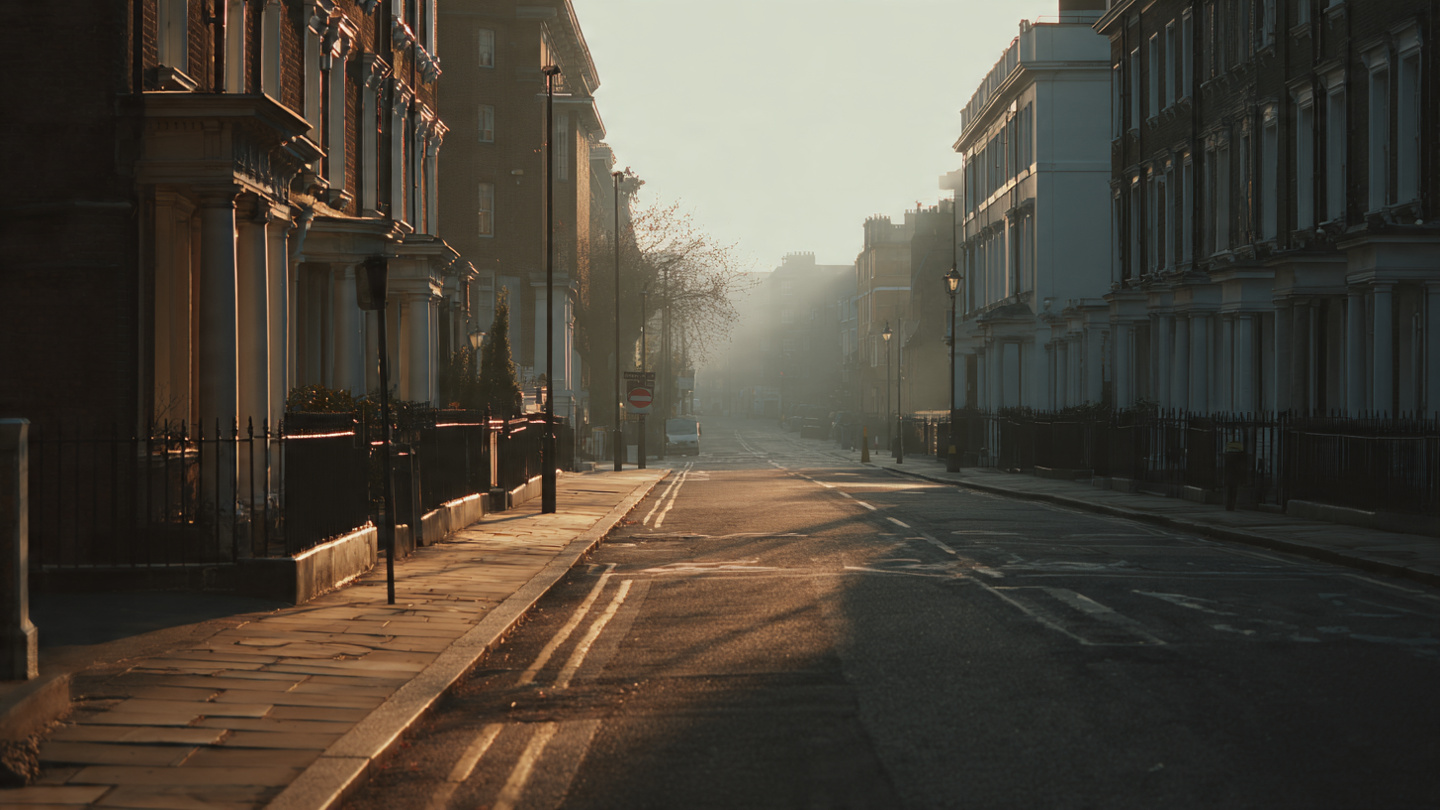
Off-the-beaten-path London walks change significantly depending on when they take place. The same route can feel entirely different at various times of day. Early mornings often bring stillness. Afternoons introduce subtle movement. Evenings soften the edges of the city.
Timing affects not only atmosphere, but also awareness. Quieter hours allow attention to expand. Sounds travel differently. Light settles into corners that remain unnoticed during busier periods. Choosing the right moment allows these walks to unfold naturally.
Walking With Awareness Rather Than Intention
These routes benefit from awareness more than planning. Rather than seeking specific outcomes, the walk works best when guided by observation. A change in sound signals a shift in space. A pause invites curiosity. Small deviations often lead to meaningful moments.
During off-the-beaten-path London walks, awareness replaces direction. The walk becomes responsive rather than fixed. This openness allows the city to reveal itself gradually instead of all at once.
Respecting Spaces That Are Not Performative
Many lesser-known routes pass through areas shaped by routine rather than tourism. Homes, workplaces, and quiet community spaces define these environments. Walking respectfully becomes essential.
Lowering pace, keeping noise minimal, and observing without intrusion preserve the character of these places. Off-the-beaten-path London walks depend on this shared respect. Without it, the calm that defines them fades quickly.
Blending In Rather Than Standing Out
Walking quietly through these areas encourages blending rather than observation. Clothing, movement, and behavior naturally adjust to the surroundings. The walk feels less like exploration and more like participation.
This subtle shift changes perception. The city feels less external and more immersive. Off-the-beaten-path London walks work best when the walker becomes part of the environment rather than a visitor moving through it.
Letting Routes End Naturally
Unlike guided walks, these routes do not require clear endings. They fade back into busier areas without ceremony. This lack of closure feels appropriate. The walk completes itself when attention shifts.
Allowing routes to end naturally reinforces their purpose. They exist for movement, not achievement. Off-the-beaten-path London walks leave space for interpretation rather than conclusion.
Why Respect Sustains These Routes
These walking paths remain meaningful because they are lightly used. Respect ensures they stay that way. When walked thoughtfully, they retain their calm and openness.
Off-the-beaten-path London walks depend on collective restraint. Each quiet step contributes to the preservation of spaces that were never meant to perform. This shared responsibility keeps the experience intact.
How These Walks Change the Way London Is Remembered

Memory Forms Through Atmosphere, Not Landmarks
Off-the-beaten-path London walks often remain vivid long after specific locations fade. Rather than standing out through visual impact, they settle into memory through mood and pace. A quiet street encountered at the right moment can leave a deeper impression than any famous sight.
These memories develop gradually. Sensations anchor them rather than images. The rhythm of footsteps, the softness of light, and the absence of urgency shape how the experience stays with you. Over time, these details merge into a broader emotional memory of the city.
Feeling the City Instead of Cataloguing It
Walking away from crowded routes alters how London is absorbed. Instead of collecting places, the experience becomes internal. Attention shifts toward how spaces feel rather than how they appear.
Through off-the-beaten-path London walks, the city takes on a layered presence. Each route adds depth instead of information. This personal quality makes the memory harder to summarize, yet more meaningful to hold onto.
Familiarity That Grows Without Repetition
These walks rarely lose their impact over time. Returning to the same routes does not dull the experience. Instead, familiarity sharpens awareness. Seasonal changes modify light and sound. Personal perspective continues to evolve.
Because of this, off-the-beaten-path London walks resist becoming routine. Each encounter offers variation without requiring novelty. The city reveals itself slowly, encouraging patience rather than completion.
The Power of What Is Missing
Often, what shapes memory most strongly is absence. Fewer people. Less noise. No urgency. This lack of stimulation creates contrast that reshapes perception once the walk ends.
After quiet routes, busy streets feel sharper and louder. Time feels faster. That contrast reinforces the value of stillness. Off-the-beaten-path London walks make the city’s complexity easier to understand by temporarily removing excess.
Walking as a Way of Understanding
Movement itself becomes a form of knowledge during these experiences. Routes reveal relationships between neighborhoods. Transitions expose continuity. Space communicates meaning without explanation.
Through off-the-beaten-path London walks, the city feels coherent rather than overwhelming. Each step contributes to understanding without demanding attention.
Why These Walks Matter Long After the Journey
The influence of these walks extends beyond travel. Expectations shift. Awareness sharpens. Simplicity gains value. Discovery becomes quieter, yet more lasting.
London transforms into a city that welcomes slow entry and gradual understanding. Off-the-beaten-path London walks offer that connection through restraint rather than spectacle.
How Off-the-Beaten-Path Walks Reshape the Pace of Travel

Letting Go of the Pressure to See Everything
Travel in London often begins with quiet urgency. Schedules fill quickly. Days revolve around movement between well-known places. While this approach delivers familiarity, it leaves little room for reflection.
Off-the-beaten-path London walks interrupt that momentum naturally. They remove the pressure to accumulate experiences. Instead, presence becomes the purpose. The itinerary loosens, allowing the walk to shape the day rather than the reverse.
Slowness as a Form of Access
Moving slowly opens parts of the city that speed conceals. Sound layers become noticeable. Distances feel intentional. Details surface without effort.
During off-the-beaten-path London walks, time stretches in subtle ways. Short routes feel complete. Long walks feel unhurried. This shift allows the city to register fully rather than pass by.
When Travel Stops Feeling Transactional
Typical sightseeing follows a simple pattern. Arrive. Observe. Leave. Quiet walking routes dissolve that structure. There is nothing to enter and nothing to exit.
As a result, the city stops feeling like a series of stops. It becomes a shared environment instead. Off-the-beaten-path London walks encourage participation rather than consumption.
Allowing Curiosity to Guide Movement
Without fixed goals, curiosity takes over. A turn happens because it feels right. A pause occurs because something invites attention. Small deviations shape the experience more than plans.
Off-the-beaten-path London walks reward responsiveness over preparation. Trust replaces structure. Over time, this builds confidence in observation rather than direction.
How Pace Shapes What Is Remembered
Fast movement often produces shallow recall. Slower walking allows impressions to settle. Memory forms through sensation instead of documentation.
Rather than recalling names or locations, the experience lingers as feeling. Calm. Openness. Stillness. These emotional traces endure longer because they connect personally.
A Gentle Counterbalance to Urban Intensity
London’s scale can feel demanding over time. Quieter walking routes restore balance without removing the city entirely. Energy softens without disappearing.
Off-the-beaten-path London walks provide rhythm within the journey. They protect attention rather than drain it, allowing longer stays to feel sustainable.
Why Pace Matters More Than Distance
Distance often dominates walking discussions, yet pace defines experience. A short, slow route can offer more depth than a long, rushed one.
Through off-the-beaten-path London walks, movement becomes measured by moments rather than miles. This reframing changes how the city is approached, experienced, and remembered.