
A 2 day London itinerary works especially well for travelers visiting the city for the first time. London is vast, layered, and packed with centuries of history, yet many visitors arrive with limited time. Instead of trying to cover everything, a focused two-day plan creates clarity from the start. It immediately sets expectations and helps travelers understand what kind of experience is realistic within a short stay.
Why First-Time Visitors Benefit From a Shorter Plan
For first-time visitors, too much choice often becomes a problem. London offers countless museums, neighborhoods, landmarks, and cultural spaces. However, without structure, this abundance can feel overwhelming. A two-day plan narrows the focus. As a result, travelers make better decisions and spend less time worrying about what they are missing.
For travelers who want to understand how a two-day plan fits into a broader first-time visit, this guide connects naturally with a complete overview of pacing, neighborhoods, and travel flow in the Ultimate London Itinerary for First-Time Visitors.
How Limited Time Improves Travel Decisions
Interestingly, limited time often improves the quality of a trip. When travelers know they have only two days, they naturally prioritize what matters most. Instead of jumping from place to place, they slow down and pay attention. Because of this, the experience feels more intentional. A well designed 2 day London itinerary encourages meaningful moments rather than rushed sightseeing.
When arrival or departure times shorten the available hours, this plan often works better when adjusted into a balanced London weekend itinerary focused on two full but manageable days.
Why London Suits a Two-Day Introduction
Not every city works well for a short visit, but London does. Many of its most important experiences sit close together, especially in central areas. In addition, walking routes often connect landmarks in a natural way. This makes it possible to experience history, culture, and atmosphere without spending the entire day in transit.
Learning the City’s Scale Without Exhaustion
London is much larger than it appears on a map. Each district feels distinct, almost like its own town. For first-time visitors, this scale can be surprising. A two-day approach introduces the city gradually. On the first day, travelers begin to understand distances and rhythms. On the second day, that understanding turns into confidence.
Balancing Famous Landmarks With Real City Life
Most first-time visitors arrive with a list of famous places in mind. These landmarks matter because they help shape a first impression. However, London’s true character often appears in quieter moments. A thoughtful two-day structure balances iconic sights with everyday scenes, such as local streets, green spaces, and informal food spots. This balance creates a more complete picture of the city.
Why Two Days Feels Better Than One
One day in London often feels like a race. Travelers rush from attraction to attraction, rarely stopping to absorb their surroundings. Two days changes that dynamic. There is time to walk without urgency, pause in parks, and enjoy evenings without feeling pressured. Because of this, the experience feels calmer and more rewarding.
Avoiding the Common Overplanning Trap
Many travelers believe that planning more leads to a better trip. In reality, overplanning often leads to fatigue. London demands energy, both physical and mental. A two-day plan encourages restraint. Instead of filling every hour, it leaves room for adjustment. Consequently, travelers respond better to weather, crowds, and personal energy levels.
Experiencing London as a Story, Not a Checklist
A good itinerary should feel like a story rather than a checklist. Over two days, London unfolds naturally. The first day introduces the city’s symbols, history, and structure. The second day reveals how people live within that framework. This progression helps first-time visitors understand London beyond surface impressions.
Why This Length Fits Modern Travel Styles
Modern travel often involves short breaks or multi-city trips. Two days fits neatly into these patterns. Flight schedules, accommodation costs, and vacation limits all support shorter stays. A focused itinerary respects time and budget while still offering depth. For many travelers, this balance makes a return visit more likely.
Setting Realistic Expectations From the Start
Perhaps the most important benefit of a two-day visit is mindset. The goal is not to see everything. Instead, it is to feel connected. When expectations are realistic, frustration disappears. Travelers leave with clear memories, not regret. That sense of connection often becomes the reason London stays memorable long after the trip ends.
How to Approach This 2 Day London Itinerary Without Feeling Rushed

Start With the Right Mindset for a 2 Day London Itinerary
A 2 day London itinerary works best when the focus stays on experience rather than coverage. Many travelers arrive with long lists and unrealistic expectations. However, London rewards patience and awareness more than speed. Approaching these two days with flexibility immediately reduces stress and improves the overall experience.
Accept That You Cannot See Everything
London cannot be completed in two days, and trying to do so often leads to exhaustion. Instead of treating the itinerary as a checklist, it helps to see it as a framework. Each stop represents an opportunity to understand the city, not a task to finish quickly. This mindset shift changes how every moment feels.
Use Mornings for Structure and Afternoons for Freedom
One effective way to avoid rushing is to structure mornings more carefully than afternoons. Energy levels are usually higher early in the day, which makes mornings ideal for well known landmarks and popular areas. As the day progresses, slowing down becomes easier. Therefore, afternoons should allow for wandering, pauses, and spontaneous decisions.
Walk Whenever Possible to Understand the City
Walking plays a crucial role in how London reveals itself. Distances between major sights often feel shorter than expected, especially in central areas. By walking, travelers notice architecture, street life, and small details that never appear on maps. As a result, the city feels more connected and less fragmented.
Use Transport Strategically Rather Than Constantly
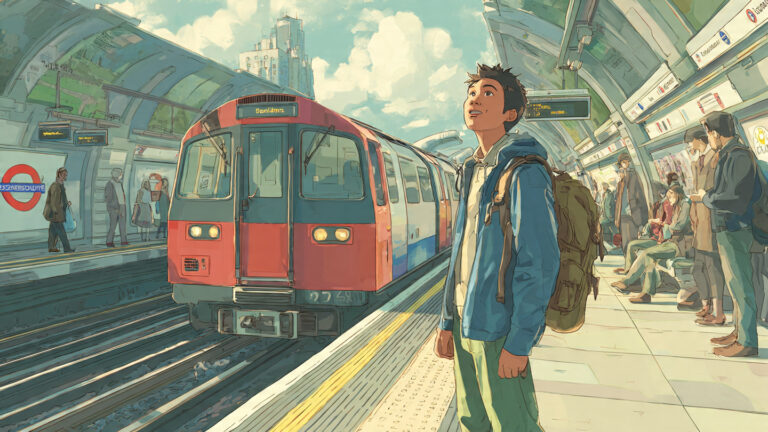
While walking is valuable, transport still has its place. The key is to use it intentionally. Short Underground rides can save energy when distances grow larger. However, relying on transport too often can break the natural flow of the day. A balanced approach keeps the experience smooth and prevents unnecessary backtracking.
Build in Natural Breaks Throughout the Day
Rushing often comes from ignoring personal limits. London days involve standing, walking, and sensory overload. Therefore, breaks are not optional. Sitting in a park, stopping at a café, or simply slowing the pace helps maintain energy. These pauses also create space for reflection, which deepens memory.
Let Evenings Feel Earned, Not Forced
Evenings in London can be special, but only if energy remains. Instead of forcing late nights, it helps to choose one meaningful evening activity per day. Whether that involves a quiet walk, a relaxed meal, or a scenic area, keeping evenings simple prevents burnout and improves enjoyment.
Stay Flexible When Conditions Change
Weather, crowds, and personal mood can change plans quickly. A strong itinerary allows for adjustment without stress. If one area feels too crowded, moving on earlier is fine. Likewise, staying longer in a place that feels right often leads to unexpected highlights. Flexibility turns potential frustration into opportunity.
Focus on Flow Rather Than Exact Timing
Minute by minute planning rarely works in London. Queues, walking speed, and distractions affect timing constantly. Instead of rigid schedules, focusing on the order of experiences works better. When flow replaces precision, the day feels natural rather than controlled.
Remember That Pace Shapes Memory
How a trip feels matters more than how much is seen. A rushed visit often leaves blurred memories. In contrast, a calm two-day experience creates clear impressions. By protecting pace and energy, a 2 day London itinerary becomes something travelers remember with clarity and warmth.
Essential Planning Basics Before Spending Two Days in London

Choosing the Right Area to Stay
Where you stay has a strong impact on how a 2 day London itinerary unfolds. Central areas reduce travel time and preserve energy, which matters when days are limited. Staying close to major Underground lines also makes movement easier. As a result, mornings begin calmly instead of with long commutes.
Understanding London’s Daily Rhythm
London operates on a clear daily rhythm. Mornings tend to feel quieter, especially before offices fully open. Midday brings crowds to popular areas, while evenings spread people across neighborhoods. Knowing this rhythm helps travelers choose the right times for busy locations and calmer walks.
Starting Early Without Feeling Rushed
Early starts create breathing room later in the day. Beginning the morning slightly earlier allows popular areas to feel more enjoyable. At the same time, early starts do not mean rushing. Instead, they provide flexibility. If energy drops later, the schedule can adjust naturally.
Planning Around Weather Without Stress
London weather can change quickly. Instead of reacting emotionally, planning with variety helps. Mixing indoor and outdoor experiences across both days allows easy adjustments. Therefore, unexpected rain or wind does not disrupt the entire plan.
Dressing for Comfort and Movement
Comfort shapes how much the city can be enjoyed. London involves more walking than many travelers expect. Comfortable footwear, light layers, and practical bags reduce fatigue. When physical discomfort disappears, attention shifts back to the experience itself.
Managing Energy Across Two Days
Two full days can feel long if energy is not managed. Alternating between active periods and slower moments prevents burnout. Sitting in parks, cafés, or along the river helps restore focus. Consequently, the second day feels as strong as the first.
Avoiding Overloaded Attraction Lists
Trying to include too many attractions creates pressure. Instead, selecting a few meaningful experiences per day works better. London rewards depth. Spending more time in fewer places often creates stronger memories than quick visits everywhere.
Knowing What to Skip on a Short Visit
Some experiences simply require more time than a short stay allows. Large museums, distant neighborhoods, or day trips can dominate an entire day. Accepting these limits reduces frustration. What is skipped today often becomes the reason for a future visit.
Using Food as Part of the Experience
Meals do not need to interrupt the itinerary. In London, food often blends naturally into exploration. Markets, casual spots, and neighborhood cafés allow quick stops without formal planning. This flexibility keeps days flowing smoothly.
Setting Expectations Before Arrival
Finally, expectations shape perception. Entering London with curiosity rather than pressure changes everything. A two-day visit is an introduction, not a conclusion. When expectations remain realistic, the city feels welcoming instead of overwhelming.
Before starting Day 1, it helps to visualize how central London fits together. This walking overview shows how major areas connect naturally, making it easier to understand distances, pacing, and movement during a two day visit.
Day 1 Morning: First Impressions Through London’s Iconic Landmarks
Beginning Day One With Purpose
The first morning sets the tone for the entire trip. During a 2 day London itinerary, early hours are valuable because energy is high and crowds are lighter. Starting the day with intention helps first-time visitors orient themselves while building excitement rather than pressure.
Why Iconic Landmarks Belong on the First Morning
Famous landmarks help create mental anchors. They provide context and familiarity, especially for travelers who have only seen London through photos or films. Experiencing these places early prevents constant comparison later. As a result, the rest of the trip feels more relaxed.
Experiencing London’s Historic Core
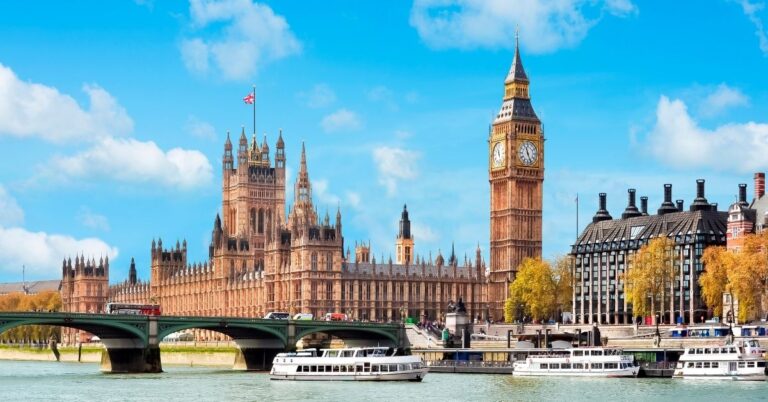
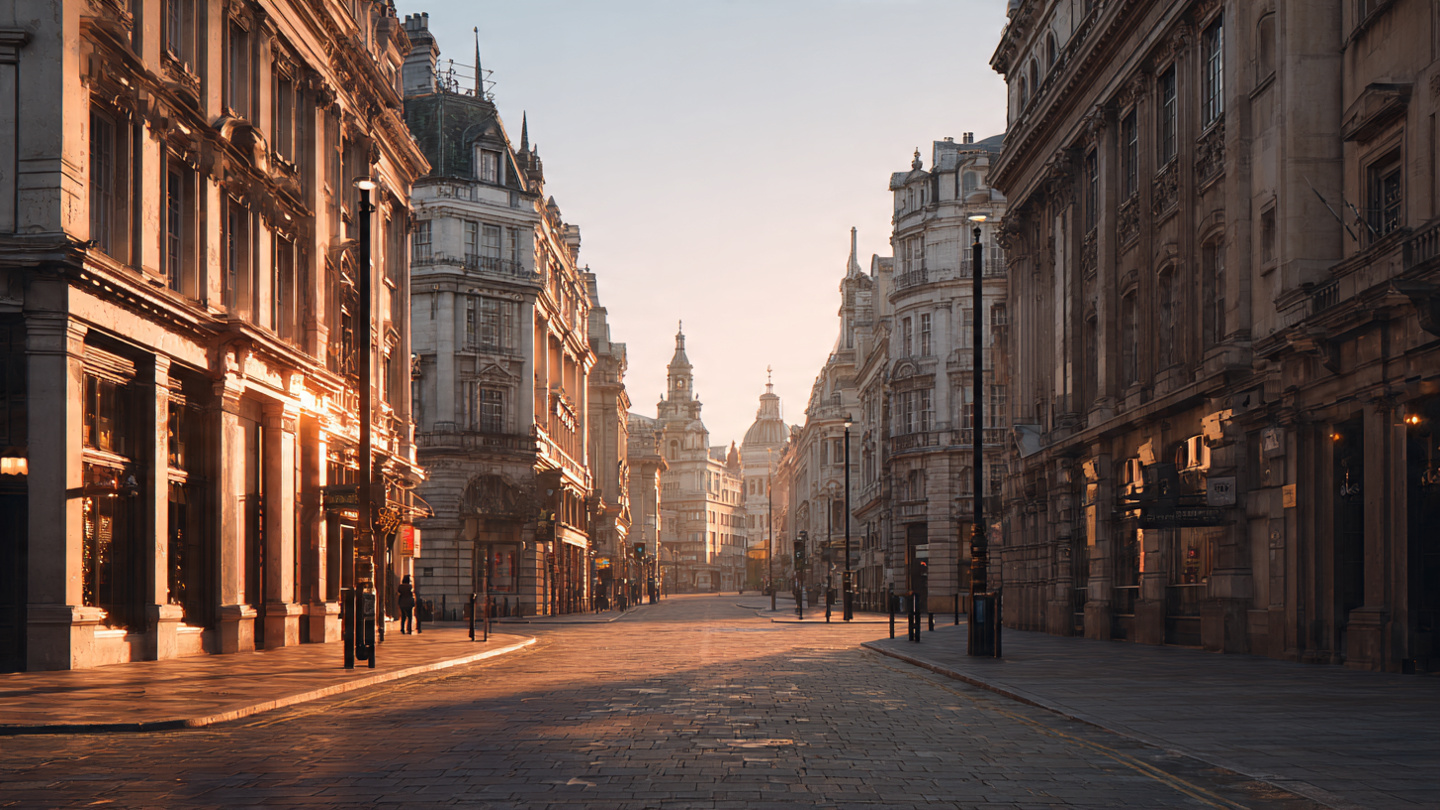
Central London carries the city’s political and historical identity. Walking through these areas introduces visitors to how power, tradition, and architecture intersect. Buildings feel symbolic rather than decorative. This exposure helps travelers understand London’s past before exploring its quieter sides.
Very beautiful site amazing photo opportunities for all ages must see attraction very central location even better at night with the beautiful light
Read more reviews from Tripadvisor.
Walking Routes That Reveal the City Naturally
Morning walks work particularly well in London. Streets feel calmer, and details stand out more clearly. Instead of jumping between locations, following a connected walking route allows the city to unfold gradually. This approach reduces stress and makes navigation intuitive.
Observing the City as It Wakes Up
Morning reveals a different London. Office workers, early commuters, and local routines create subtle movement without chaos. Watching the city wake up adds authenticity to the experience. These everyday moments often feel more memorable than crowded attractions later in the day.
Understanding Architecture Without Rushing
London’s architecture tells long stories. Palaces, government buildings, and historic streets reflect different eras layered together. Slowing down allows visitors to notice contrasts between old and new. Because time feels less pressured in the morning, appreciation comes more naturally.
Using Early Hours to Avoid Crowds
Crowds tend to build quickly around major sites. Arriving early reduces noise, queues, and distractions. This creates space for photos, quiet observation, and calm walking. Consequently, even popular areas feel approachable instead of overwhelming.
Setting Emotional Expectations for the Day
The first morning shapes emotional expectations. When it feels smooth and unrushed, confidence grows. Travelers feel capable of navigating the city rather than reacting to it. This confidence carries through the rest of the itinerary.
Knowing When to Move On
Lingering too long can disrupt the day’s flow. While the morning deserves attention, it should not drain energy. Moving on at the right moment keeps momentum intact. A balanced morning leaves visitors curious, not tired.
Transitioning Smoothly Into the Afternoon
By late morning, London begins to change. Streets grow busier, and energy shifts. A good itinerary anticipates this transition. Ending the morning with clarity makes the afternoon feel like a continuation rather than a reset.
Day 1 Afternoon and Evening: Streets, Culture, and London After Dark
Shifting Pace After the Morning
By the afternoon, energy naturally changes. After a landmark focused morning, the afternoon should feel slower and more exploratory. This shift is important in a 2 day London itinerary because it prevents fatigue and keeps the experience balanced. Instead of chasing highlights, the afternoon invites observation and movement at a gentler pace.
Exploring Streets That Reflect London’s Character
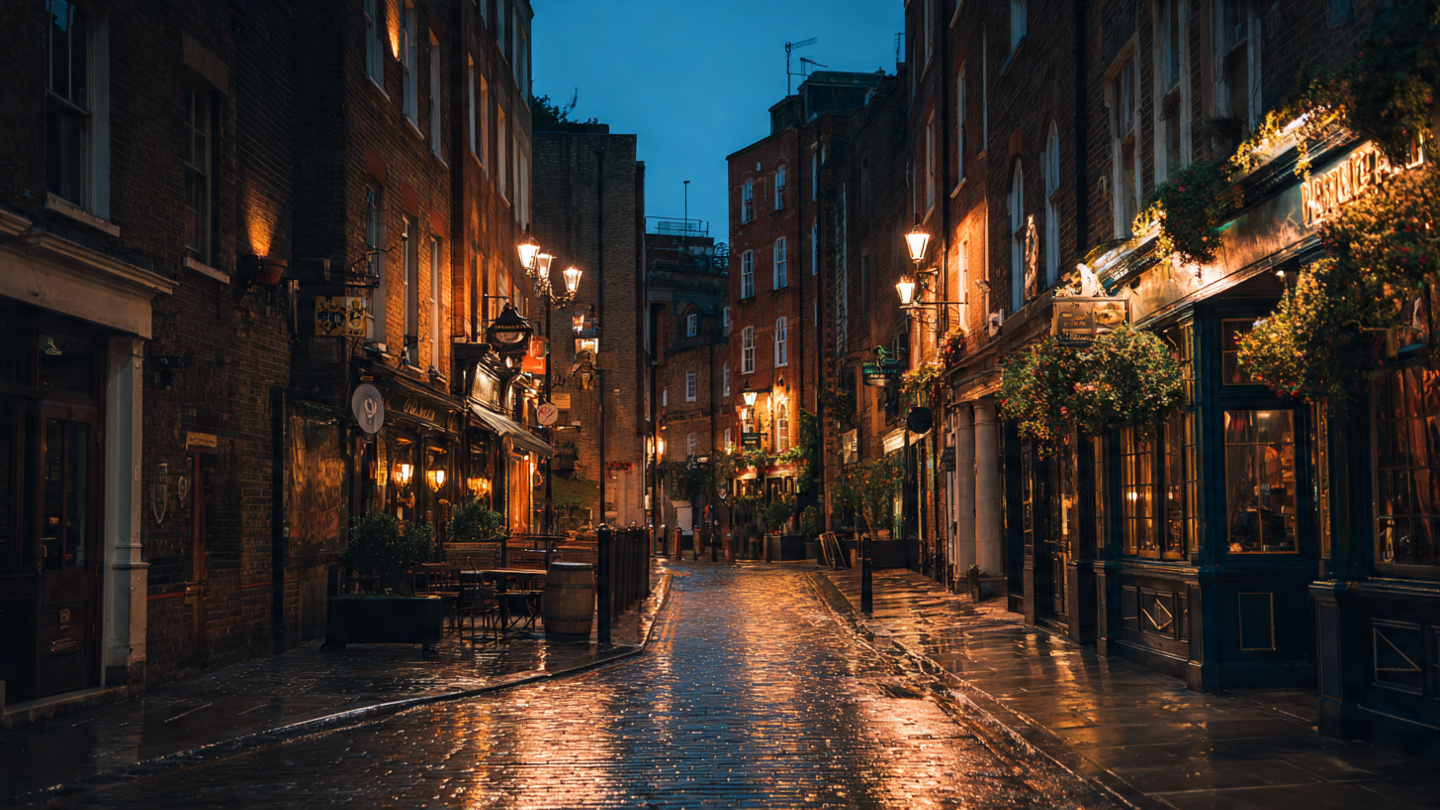
London’s streets carry personality. Some feel formal and historic, while others feel creative and lived in. Walking through varied streets during the afternoon reveals how the city functions beyond monuments. Small details such as storefronts, pubs, and residential corners help transform London from a destination into a lived place.
Allowing Culture to Appear Naturally
Culture in London does not always announce itself. It often appears through street performers, independent shops, or small galleries tucked between buildings. Afternoon hours are ideal for this kind of discovery. Without strict timing, travelers notice what feels interesting instead of following a rigid plan.
Using the River as a Visual Anchor
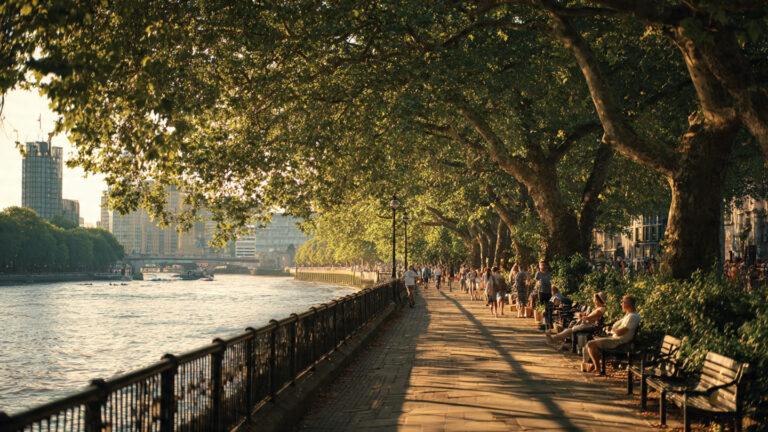
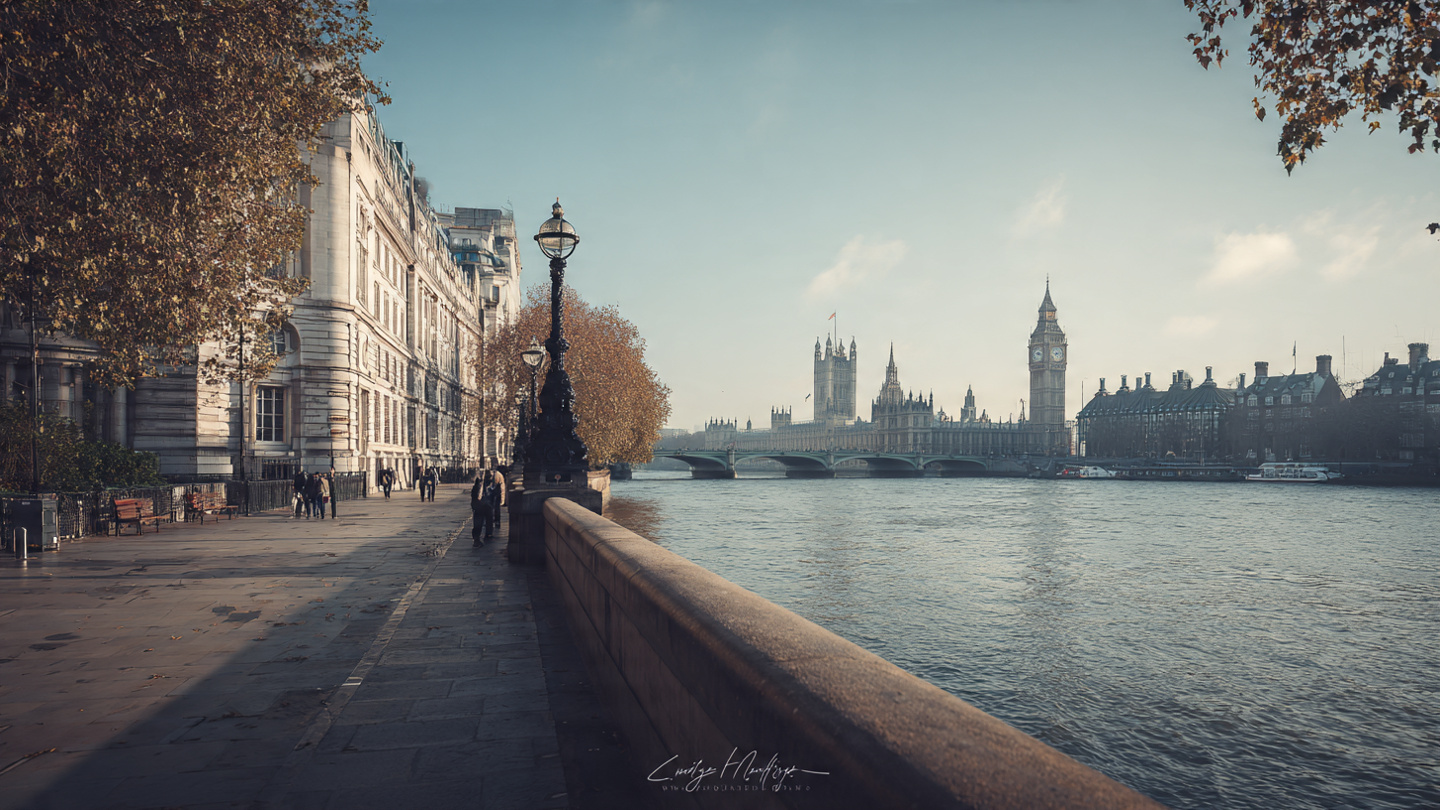
The river plays an important role in London’s identity. Walking near it during the afternoon provides openness and perspective. Views feel expansive, and movement slows naturally. This change in scenery refreshes the senses after the architectural density of the morning.
Letting Food Fit Into the Flow
Afternoon meals should feel convenient rather than scheduled. London offers countless casual options that allow travelers to eat without interrupting exploration. Eating when hunger appears keeps energy stable. As a result, the day feels smoother and more intuitive.
Understanding the City’s Afternoon Rhythm
Afternoons in London are busy but not chaotic. Offices remain active, tourists move between areas, and neighborhoods maintain their own pace. Observing this rhythm helps visitors feel connected rather than out of place. This awareness builds confidence for navigating the city independently.
Transitioning Into Evening Without Pressure
Evening does not need to feel dramatic to be memorable. Instead of forcing major activities, letting the city guide the pace works better. As daylight fades, streets and public spaces change character. This transition often feels rewarding after a full day of exploration.
Experiencing London After Dark Calmly
London after dark offers variety. Some areas feel lively, while others feel peaceful. Choosing calmer evening environments helps conserve energy for the second day. Walking, sitting, or enjoying simple surroundings creates a satisfying close to the day.
Knowing When to End the Day
Ending the first day at the right time matters. Pushing too late can affect the next morning. Listening to energy levels helps travelers stop before exhaustion sets in. A rested end ensures the second day begins strong.
Reflecting on the First Day’s Experience
Before resting, reflecting briefly helps solidify memory. The first day introduces London’s structure, history, and rhythm. This reflection creates a mental pause before moving forward. It also prepares travelers to experience the city differently on the following day.
Day 2 Morning: Experiencing London Beyond the Tourist Core

Starting the Second Day With Fresh Perspective
The second morning feels different from the first. By now, the city no longer feels unfamiliar. Movement feels easier, directions make more sense, and confidence begins to replace caution. In a 2 day London itinerary, this shift is important because it allows travelers to experience the city more naturally rather than defensively.
Moving Away From the Most Visited Areas
Day two works best when it steps slightly away from the busiest zones. While famous landmarks define first impressions, quieter areas reveal daily life. Morning hours are ideal for this transition because neighborhoods feel authentic before crowds arrive. Streets feel calmer, and local routines become visible.
Observing Everyday London Life
Beyond tourist centers, London feels more personal. Residents commute, cafés open gradually, and shops prepare for the day. Observing these patterns helps visitors understand how the city actually functions. These moments rarely appear in guidebooks, yet they often become the most meaningful memories.
Letting Neighborhoods Set the Pace
Each London neighborhood has its own rhythm. Some feel creative and informal, while others feel refined and residential. Allowing the neighborhood to guide movement creates a sense of ease. Instead of rushing, travelers adapt naturally to the surroundings.
Appreciating Architecture Without Crowds
Architectural appreciation becomes easier away from major attractions. Streets lined with period buildings, small squares, and local landmarks offer visual interest without congestion. Slowing down allows details to emerge. This calmer environment encourages curiosity rather than distraction.
Walking as a Tool for Discovery
Walking remains the most effective way to explore on the second morning. Distances feel shorter now that orientation has improved. Walking also allows spontaneous decisions, such as turning down an interesting street or pausing somewhere inviting. This freedom enhances the sense of discovery.
Allowing the City to Surprise You
Day two often delivers unexpected moments. A quiet street, a small park, or a local interaction can shift perception entirely. These surprises appear when plans leave room for them. A flexible morning creates space for the city to reveal itself.
Balancing Movement and Stillness
Constant movement can dull perception. Therefore, moments of stillness matter. Sitting briefly, watching people pass, or pausing in a quiet space restores focus. This balance keeps energy steady and improves engagement with surroundings.
Recognizing How Confidence Changes Experience
Confidence transforms how places feel. By the second morning, travelers walk with purpose rather than hesitation. This change affects how the city responds. Navigation feels smoother, and choices feel intentional. The city becomes less intimidating and more inviting.
Preparing for a Slower Second Half of the Day
The morning sets the tone for the rest of day two. By keeping it calm and exploratory, energy remains available for the afternoon and evening. This thoughtful pacing ensures the final day feels complete rather than rushed.
Day 2 Afternoon and Evening: Green Spaces, Markets, and a Thoughtful Finale
Slowing the Pace as the Trip Nears Its End
By the afternoon of the second day, the rhythm of the trip naturally slows. Energy levels change, and attention becomes more selective. This shift is not a weakness. In a 2 day London itinerary, it is an advantage. Slowing down allows travelers to process what they have already seen while still discovering new layers of the city.
Why Green Spaces Matter on the Second Day
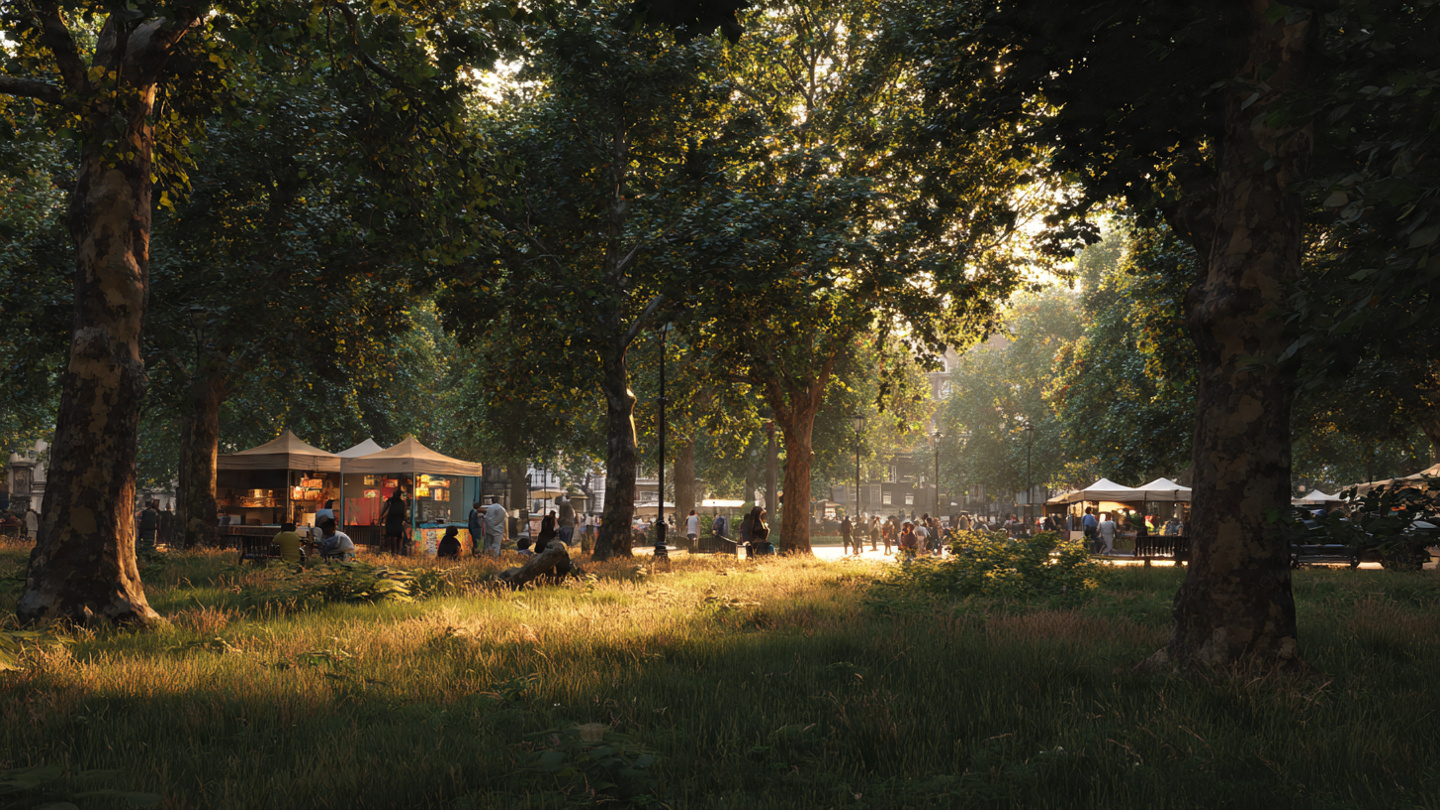
London’s green spaces play an important role in how the city feels. After hours of walking through streets and neighborhoods, open spaces offer relief. Parks provide contrast to the built environment and create mental quiet. Spending time in these areas helps travelers reset before the final stretch of the trip.
Experiencing London Outdoors Without Pressure
Outdoor experiences work best when they feel unstructured. Instead of treating green spaces as attractions, approaching them as places to rest and observe changes the experience. Sitting, walking slowly, or simply watching the city move around these spaces creates calm and balance.
Markets as a Window Into Local Culture
Markets reflect everyday life more clearly than many landmarks. They reveal eating habits, social behavior, and local rhythms. On the second afternoon, markets fit naturally into the itinerary because they allow movement without commitment. Travelers can explore briefly or stay longer depending on interest and energy.
Such an amazing variety of cheeses, tinned fish, and all sorts of tasty goodies—and at really great prices! We popped in on a Sunday, and yeah, it was a bit busier than we’d hoped, but we had such a good time that we’ll definitely be back soon! 😊
Read more reviews at Tripadvisor.
Letting Food Become Part of Exploration
Food experiences work best when they remain flexible. Markets and casual spots allow travelers to eat according to appetite rather than schedule. This approach prevents fatigue and keeps the afternoon flowing naturally. Food becomes part of the experience rather than a pause in it.
Observing How London Changes in the Evening
As evening approaches, London shifts again. Light changes, movement slows in some areas, and activity increases in others. Observing this transition adds depth to the final hours of the trip. It shows how the city adapts rather than stops.
Choosing a Calm Ending Over a Busy One
Ending the trip does not require intensity. In fact, quieter endings often feel more satisfying. Walking through familiar streets, revisiting a favorite area, or spending time in a peaceful space creates emotional closure. These moments feel personal rather than performative.
Reflecting on the Journey Through the City
By the final evening, London no longer feels unknown. Travelers recognize patterns, understand distances, and feel oriented. Taking time to reflect reinforces this sense of connection. Reflection turns experience into memory and makes the trip feel complete.
Avoiding the Temptation to Overfill the Last Hours
Many travelers try to squeeze in extra activities at the end. This often leads to exhaustion rather than satisfaction. Accepting that the journey is ending allows the final hours to remain enjoyable. Quality matters more than quantity at this stage.
Ending With a Sense of Belonging
The best itineraries end with a feeling rather than a checklist. A thoughtful final evening leaves travelers feeling connected to the city. This sense of belonging often becomes the reason people want to return. London lingers not because of how much was seen, but because of how it felt.
Common Mistakes That Ruin a 2 Day London Itinerary

Trying to See Too Much in Too Little Time
One of the most common mistakes travelers make is attempting to fit too much into a short visit. London offers endless possibilities, which makes overplanning tempting. However, when every hour is packed, the experience quickly becomes tiring. A successful 2 day London itinerary focuses on balance rather than volume, allowing space to enjoy each moment.
If you have an extra day available, this 3 day London itinerary adds local neighborhoods, scenic walks, and more flexibility without increasing daily pressure.
Treating the Plan Like a Checklist
Many visitors approach their trip as a series of tasks to complete. This mindset creates pressure and removes flexibility. London is a city that rewards curiosity and wandering. When the itinerary becomes too rigid, travelers miss spontaneous moments that often define the experience.
Underestimating Walking Distances
Although London looks compact on maps, walking distances can be deceptive. Long stretches between areas add up quickly and drain energy. As fatigue builds, enjoyment drops. Understanding realistic walking limits helps protect both mood and stamina across the two days.
Relying Too Heavily on Transport
Public transport is efficient, yet using it constantly can disconnect travelers from the city itself. Moving underground too often skips the details that give London character. A thoughtful mix of walking and transport keeps the journey immersive while still saving energy when needed.
Ignoring Personal Energy Levels
Another common issue is pushing through exhaustion because of time pressure. When energy drops, patience and focus follow. Short breaks, slower moments, and even early evenings help maintain balance. Listening to the body often improves the second day dramatically.
Planning Evenings That Are Too Demanding
Evenings are often overfilled with activities. Late nights may seem appealing, but they frequently reduce enjoyment the following morning. In a short visit, calmer evenings tend to work better. Ending the day with ease keeps the overall rhythm intact.
Including Experiences That Require Too Much Time
Some attractions demand several hours to appreciate properly. Including them without considering their impact often disrupts the rest of the day. For a short visit, it is better to choose experiences that fit naturally into the flow rather than dominate it.
Expecting the Same Atmosphere Everywhere
London changes from area to area. Expecting uniformity leads to disappointment. Each neighborhood has its own pace and personality. Accepting these differences allows travelers to enjoy variety rather than compare constantly.
Letting Small Disruptions Take Over the Day
Crowds, weather changes, or delays are inevitable. Allowing small issues to derail the plan increases stress unnecessarily. Flexibility turns minor disruptions into manageable adjustments instead of frustrations.
Forgetting the Purpose of a Short Visit
The goal of a short stay is not completeness. A 2 day London itinerary is meant to introduce the city, not define it. When travelers accept this, pressure fades. Leaving with curiosity and positive memories matters far more than covering every possible sight.
How This 2 Day London Itinerary Fits Into Longer or Shorter Trips

Understanding the Role of a Two-Day Visit
A 2 day London itinerary often acts as a foundation rather than a complete journey. For many travelers, two days represent either the beginning of a longer trip or a short stop within a broader plan. Understanding this role helps set expectations and reduces pressure to see everything at once.
Using Two Days as a First Chapter
For first-time visitors, two days work well as an introduction. The city’s structure, pace, and personality become clear without overload. This initial exposure makes longer stays easier to plan later. Travelers return with confidence rather than uncertainty, knowing which areas deserve deeper exploration.
Connecting Naturally With a One-Day Visit
Some travelers arrive in London with only a single day available. In comparison, two days offer breathing space. However, the structure of a two-day plan can still guide shorter visits. Key experiences from the first day often translate well into a one-day format by trimming slower moments rather than essential ones.
If a shorter schedule is needed, this same route can be simplified into a faster plan using this 1 day London itinerary.
Extending the Experience to Three or More Days
When travelers have additional time, a two-day plan provides direction. Instead of starting from scratch, extra days can build outward. Quieter neighborhoods, deeper cultural experiences, and slower walks become easier additions. The initial two days anchor the trip and prevent scattered planning.
Supporting Weekend Travel Styles
Weekend trips to London remain popular, especially for travelers coming from nearby countries. A two-day structure fits neatly into this pattern. Arrival, exploration, and departure align naturally. Because of this, the itinerary adapts well to weekend schedules without feeling rushed.
Adapting the Itinerary for Different Travel Paces
Not all travelers move at the same speed. Some prefer steady walking, while others favor frequent stops. A flexible two-day structure accommodates both styles. Faster travelers can explore further, while slower travelers can linger longer without losing coherence.
Helping Travelers Decide When to Return
Two days often spark curiosity rather than closure. Visitors leave with a sense of what they enjoyed most and what they missed. This clarity helps shape future trips. Returning travelers arrive with intention, focusing on specific interests rather than general sightseeing.
Preventing Overplanning on Longer Trips
Ironically, longer trips can suffer from poor pacing. Starting with a structured two-day approach teaches restraint. Travelers learn to prioritize quality and flow. This lesson often carries into extended stays, improving the overall experience.
Making Multi-City Trips More Manageable
London frequently appears as one stop among many. In multi-city itineraries, two days offer a manageable commitment. Travelers experience the city without sacrificing time elsewhere. This balance suits modern travel patterns and keeps itineraries realistic.
Seeing the Two-Day Plan as a Flexible Core
Rather than viewing it as fixed, the two-day structure works best as a flexible core. It adapts easily to different lengths, travel styles, and interests. Whether shortened or expanded, the framework remains useful and relevant.
Final Thoughts and Practical Advice for Making Two Days in London Feel Complete

Letting the Experience Matter More Than Coverage
By the end of the trip, what stays in memory is rarely the number of places visited. Instead, it is how the city felt. A 2 day London itinerary works best when it prioritizes connection over completion. Travelers who focus on atmosphere, movement, and small details often leave with clearer memories than those who rush between highlights.
Accepting That London Cannot Be Finished
London is not a city that reveals itself all at once. Even long stays leave corners unexplored. Accepting this reality removes pressure and creates peace of mind. Two days offer a meaningful introduction, not a final chapter. This understanding allows travelers to enjoy what is present instead of worrying about what is missing.
Using Confidence Gained From the Visit
One of the most valuable outcomes of a short visit is confidence. By navigating streets, transport, and neighborhoods, travelers gain familiarity. This confidence transforms future visits. Returning to London becomes easier and more intentional because the city no longer feels unknown.
Remembering the Importance of Pace
Pace shapes perception. A calm rhythm allows moments to breathe and memories to settle. When days feel balanced, the experience feels generous rather than demanding. Protecting pace ensures that enjoyment remains consistent from the first morning to the final evening.
Trusting Simple Moments
Some of the most memorable parts of a trip often feel simple. A quiet street, a brief conversation, or a pause in a park can leave lasting impressions. These moments rarely appear in plans, yet they define how London is remembered. Allowing space for simplicity enriches the journey.
Adjusting Expectations for Future Trips
After two days, travelers usually understand what kind of experiences appeal to them most. Some realize they enjoy walking and neighborhoods. Others discover a preference for culture or green spaces. This self awareness improves future planning and prevents repeat mistakes.
Knowing When to Rest Rather Than Push
Rest is often undervalued in short trips. However, fatigue diminishes enjoyment quickly. Choosing to rest rather than push creates better outcomes. Ending days with energy rather than exhaustion makes the entire visit feel more satisfying.
Viewing Two Days as an Invitation
A short visit often feels like an invitation rather than a conclusion. London leaves many questions unanswered, which is part of its appeal. Curiosity remains. This sense of unfinished discovery often becomes the reason people return.
Carrying the Experience Beyond the Trip
Memories continue shaping perception long after departure. Sounds, sights, and emotions resurface unexpectedly. A thoughtful two-day experience leaves positive impressions that grow with time rather than fade.
Leaving With Clarity and Appreciation
Ultimately, the success of a two-day visit lies in clarity. Travelers understand what they experienced and why it mattered. London feels approachable rather than overwhelming. Leaving with appreciation rather than fatigue is the strongest sign that the journey worked.