
A well planned 3 day London itinerary helps first-time visitors understand the city without feeling rushed or overwhelmed. London rewards travelers who move with purpose rather than speed. With only three days available, the goal is not to see everything, but to experience enough of the city to feel oriented and confident. This introduction sets the foundation for a structured yet flexible plan that respects time, energy, and distance.
Why three days in London can feel complete
Three days give travelers enough time to explore London’s historic core, experience local neighborhoods, and enjoy quieter moments between major sights. When days follow a logical flow, travel time stays manageable and experiences feel connected. A thoughtful 3 day London itinerary focuses on depth rather than volume, allowing visitors to enjoy landmarks, streets, and daily rhythms without pressure.
For travelers who want a broader planning framework beyond this three-day plan, this complete London itinerary for first-time visitors helps place shorter itineraries into a wider travel context.
How poor planning affects short London trips
Many short trips fail because they try to cover too much ground. London’s size and scale punish rushed schedules. Long walks, crowded transport, and constant movement drain energy quickly. This itinerary avoids those issues by grouping nearby areas and creating natural breaks. Each day supports the next, which keeps fatigue low and attention high.
What this itinerary aims to achieve
This guide exists to remove guesswork. It provides a realistic structure that balances iconic locations with everyday London life. Instead of listing attractions, it explains how to move through the city in a way that feels natural. A strong 3 day London itinerary should leave travelers with a sense of place, not just photos.
Who this guide works best for
This plan suits first-time visitors who want clarity and balance. It also works for travelers returning to London after a long break who want a refreshed overview. The itinerary assumes moderate walking and basic use of public transport. It does not require aggressive scheduling or early mornings to succeed.
Travelers visiting London with children may prefer a version of this plan that places greater emphasis on pacing, flexibility, and energy management, which is covered in this London family itinerary designed for parents traveling with kids.
How flexibility is built into the structure
Although the itinerary follows a clear framework, it leaves room for personal choices. Time blocks allow for rest, weather changes, or spontaneous discoveries. London often reveals its character through small moments, such as street scenes or local cafés. This structure supports those moments instead of cutting them short.
What to expect as you continue reading
The sections that follow explain not only where to go, but why each choice fits within a three-day visit. Each day builds logically, helping travelers feel more comfortable as the trip progresses. By understanding the purpose behind the plan, readers can adapt the itinerary with confidence while keeping the overall structure intact.
How to Use This 3 Day London Itinerary

Understanding the purpose of this guide
This 3 day London itinerary works as a framework rather than a rigid schedule. It gives clear direction while leaving space for personal interests and real world conditions. London changes pace throughout the day, and this guide accounts for crowds, travel time, and energy levels. Use it to understand how each day fits together, not as a checklist to rush through.
Reading the itinerary before you arrive
Before starting your trip, read through all three days once from beginning to end. This overview helps you see how locations connect and why certain areas appear on specific days. A 3 day London itinerary works best when travelers understand the logic behind it. Familiarity also reduces decision fatigue once the trip begins.
Adjusting start times to suit your rhythm
Not every traveler enjoys early mornings. This itinerary allows flexible start times without breaking the flow of the day. If you begin later, focus on the main movement of the day rather than every suggested stop. London remains active well into the evening, which helps balance slower mornings.
For travelers who need an even simpler plan with minimal daily decisions, this 1 day London itinerary shows how to experience London in a single focused day.
Choosing what to prioritize each day
Each day includes a mix of must-see areas and optional experiences. If a museum, walk, or neighborhood captures your interest, spend more time there and shorten another part of the day. A good 3 day London itinerary encourages informed choices instead of strict adherence. Prioritization improves enjoyment more than speed.
Managing walking and transport wisely
London rewards walking, but long distances add up quickly. This guide combines walking routes with short public transport journeys to keep days comfortable. When using transport, think in terms of connecting areas rather than jumping across the city. This approach saves time and preserves energy across all three days.
Handling weather changes without stress
Weather affects London plans more than many travelers expect. This itinerary allows easy adjustments when conditions change. Indoor options, covered markets, and flexible walking routes help maintain momentum. Treat weather changes as part of the experience rather than disruptions to the plan.
Using this itinerary with travel companions
When traveling with others, discuss priorities before each day begins. Different interests often surface once the trip starts. This structure makes it easier to split briefly and regroup later without losing direction. Clear daily anchors help groups move independently while staying aligned.
Knowing when to slow down
One of the strengths of a well designed 3 day London itinerary is knowing when to pause. Cafés, parks, and riverside walks offer natural breaks that restore focus. Slowing down at the right moment often leads to the most memorable experiences. This guide intentionally includes space for those pauses.
Moving forward with confidence
By understanding how to use this itinerary, travelers gain control over their time rather than reacting to it. The following sections will guide you through practical planning decisions and daily routes. With this approach, three days in London can feel organized, rewarding, and surprisingly complete.
Where to Stay for a 3 Day London Trip

Why location matters more than hotel type
Choosing the right area matters more than choosing the perfect hotel. On a short visit, time lost commuting quickly reduces what you can experience. A well planned 3 day London itinerary depends on staying somewhere that keeps daily travel simple. Central access allows you to start mornings calmly and return easily in the evening without long journeys.
Staying in central London for efficiency
Central areas place many major sights within walking distance or a short transport ride. Staying near Westminster, Covent Garden, or Soho helps reduce daily movement across the city. These locations work especially well for first-time visitors who want familiarity and convenience. Even when crowds appear, the time saved often outweighs the noise.
Choosing neighborhoods with strong transport links
Some travelers prefer slightly quieter areas with excellent connections. Neighborhoods like South Bank, Bloomsbury, or Paddington offer a balance between calm streets and fast access to key areas. Underground and bus routes from these locations connect smoothly to most itinerary stops. This balance helps maintain energy across three full days.
Avoiding long commutes during a short stay
Outer zones may appear cheaper, but they add hidden costs in time and fatigue. Long journeys in the morning and evening drain focus and reduce flexibility. For a short visit, staying closer to the center supports a smoother experience. Less commuting also makes spontaneous stops easier to enjoy.
For visitors trying to avoid overspending on a short trip, this budget London itinerary explains how planning structure reduces last-minute costs.
Matching accommodation style to travel goals
Accommodation choices should support how you plan to experience the city. Travelers who expect full days outside may prioritize location over amenities. Those who value rest may prefer quieter streets even if transport is required. A successful stay aligns comfort with daily movement rather than luxury alone.
Considering walking routes and surroundings
The area around your accommodation shapes daily impressions. Streets with cafés, small shops, and local activity make mornings and evenings more enjoyable. Walking through pleasant surroundings often becomes part of the travel experience. This subtle factor adds value beyond the room itself.
Planning evenings around your location
After a full day, many travelers prefer staying close to their accommodation. Areas with nearby dining options or relaxed evening walks reduce the need for late travel. This comfort becomes especially important on the second and third nights. Ending each day smoothly helps maintain enthusiasm for the next one.
Making a practical final decision
When choosing where to stay, focus on simplicity, access, and comfort. A central or well connected location supports every part of a three-day plan. Once accommodation decisions are settled, the rest of the itinerary becomes easier to follow. The next section explains how to move efficiently between these areas during your stay.
Getting Around London During a Three-Day Visit

Why transport planning shapes the entire trip
Movement defines how a short visit feels. A smooth transport plan supports every part of a 3 day London itinerary by reducing stress and wasted time. London offers many options, yet choosing the right mix matters more than using everything available. Simple decisions often lead to the most efficient days.
Walking as the foundation of city exploration
Walking remains the best way to understand London’s layout and atmosphere. Many key areas connect naturally on foot, allowing travelers to notice details that transport often hides. Short walking routes between nearby stops help maintain rhythm without exhaustion. When distances stay reasonable, walking becomes an advantage rather than a burden.
Using public transport with confidence
The Underground, buses, and trains provide reliable connections across the city. For short trips, public transport works best as a connector rather than a constant solution. Using it to bridge longer gaps keeps days flowing smoothly. Confidence comes from understanding that routes are frequent and clearly marked.
If your visit is shorter or limited to a quick city break, this planning logic compresses naturally into a practical London weekend itinerary without losing flow.
Knowing when to choose buses over trains
Buses offer a different perspective on London. They move more slowly, yet they allow travelers to see streets, neighborhoods, and daily life. On certain routes, buses reduce walking and provide scenic movement. Choosing buses selectively can add enjoyment without sacrificing efficiency.
Managing peak hours wisely
Crowded times affect comfort more than speed. Morning and evening peaks bring packed platforms and slower boarding. Adjusting start times slightly can improve the experience significantly. A well planned 3 day London itinerary avoids unnecessary peak travel whenever possible.
Allowing time for transfers and delays
Even the best systems experience delays. Adding small buffers between major movements reduces pressure. Transfers between lines or stations take longer than expected, especially for first-time visitors. Calm pacing prevents small delays from disrupting the day.
Balancing transport with rest
Continuous movement drains energy quickly. Planned pauses, cafés, and short rests keep focus sharp. Transport should support exploration, not dominate it. Alternating movement with rest maintains enjoyment throughout the trip.
Staying flexible as conditions change
Weather, crowds, and personal energy levels change daily. Transport flexibility allows easy adjustments without losing structure. Understanding multiple options between areas increases confidence. This adaptability supports the overall success of a three-day visit.
Preparing for the daily routes ahead
With transport basics in place, daily routes become easier to follow. The next sections break down each day of the itinerary in detail, starting with London’s historic core. Clear movement allows deeper enjoyment of each location rather than constant planning.
Day 1: Classic London Landmarks and the Historic Core
Starting the first day with clear direction
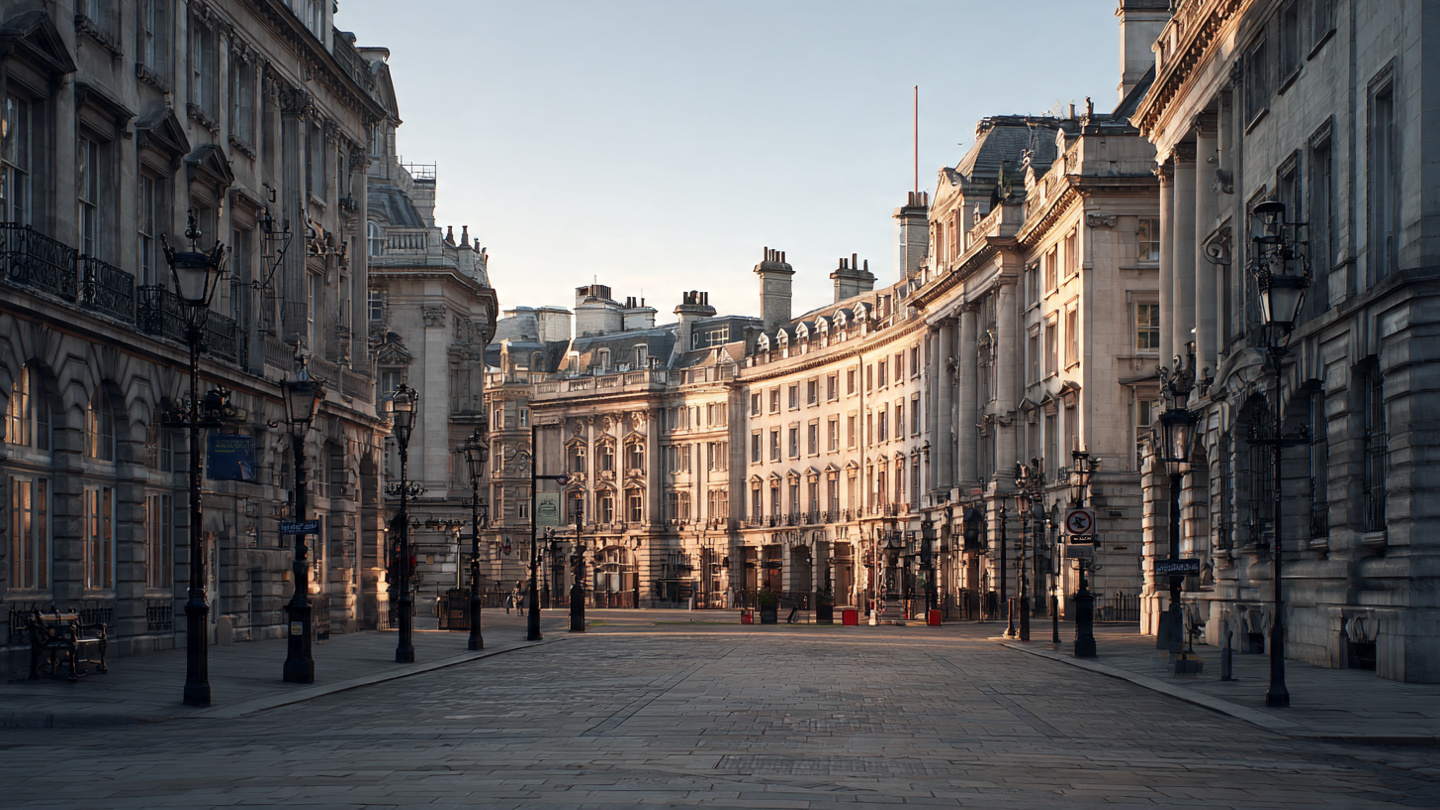
The first day of a 3 day London itinerary works best when it focuses on the historic heart of the city. This area introduces London’s identity through landmarks, ceremonial spaces, and long established streets. Beginning here helps first-time visitors build spatial awareness early. Once this foundation is set, the following days feel easier to navigate.
Morning focus on Westminster and its surroundings
Westminster offers one of the strongest introductions to London. Government buildings, open squares, and riverside paths sit close together, which keeps movement simple. Morning hours suit this area well because crowds remain lighter and the atmosphere feels calmer. Walking between key points allows travelers to absorb scale and detail without pressure.
Understanding the significance of the historic core
This part of London reflects centuries of political and cultural influence. Streets feel formal, yet surprisingly walkable. Observing architecture, public spaces, and daily routines reveals how history continues to shape modern life. A thoughtful 3 day London itinerary uses this area to establish context rather than rushing through highlights.
Midday transition through central streets
As the morning ends, movement toward central London feels natural. Streets become busier, and the city’s energy shifts. This transition introduces shopping areas, theatres, and everyday crowds. The change in atmosphere helps travelers sense London’s rhythm rather than viewing it as a collection of separate attractions.
Choosing walking routes that feel intentional
Direct routes often miss the character hidden between major roads. Slight detours through side streets create moments of discovery. These quieter paths often reveal cafés, small shops, and unexpected views. Walking with intention keeps energy steady while enriching the experience.
Lunch as part of the experience
Midday breaks should feel restorative rather than rushed. Central London offers countless places to pause, yet the goal is not finding the best option, but choosing a comfortable one. Sitting, observing, and resting legs prepares travelers for the afternoon. In a well paced 3 day London itinerary, lunch supports momentum instead of interrupting it.
Afternoon exploration of cultural districts
The afternoon suits areas known for museums, galleries, and cultural institutions. These spaces allow slower movement and deeper focus. Indoor exploration also balances the morning’s outdoor walking. Choosing one main area prevents overload and keeps attention sharp.
Deciding what to enter and what to observe
Not every landmark requires entry. Sometimes observing exteriors and public spaces delivers enough meaning. Selecting one or two indoor experiences creates balance. This selective approach prevents fatigue and supports better engagement with chosen sites.
Late afternoon walks and open spaces
As the afternoon progresses, energy often dips. Open spaces, riverside paths, or parks help reset focus. These moments offer contrast after structured visits. Light walking combined with rest prepares travelers for the evening without draining remaining energy.
Early evening transition toward relaxed areas
The shift from day to evening changes London’s tone. Streets soften as offices close and leisure activity increases. This transition works best when movement stays minimal. Ending the day near dining and evening stroll options reduces stress.
Dinner without over planning
Evening meals should remain simple on the first day. After travel and exploration, flexibility matters more than reservations. Areas with multiple options allow spontaneous choices based on mood and energy. This approach keeps the evening enjoyable rather than demanding.
Reflecting on the first day’s pace
Day one should feel satisfying, not exhausting. A successful first day in a 3 day London itinerary leaves travelers oriented and confident. Familiarity with transport, walking distances, and city rhythm sets a positive tone. Reflection helps identify personal preferences for the next days.
Preparing mentally for day two
As the day ends, expectations for the rest of the trip become clearer. Understanding what felt comfortable guides adjustments ahead. London reveals itself gradually, and the first day opens the door without forcing it. With this foundation, the second day can explore deeper layers of the city.
To make the first day easier to follow, this walking route highlights the main historic areas covered on Day 1 and shows how closely they connect.
Day 2: Culture, Neighborhoods, and Local London Life
Moving beyond landmarks into everyday London
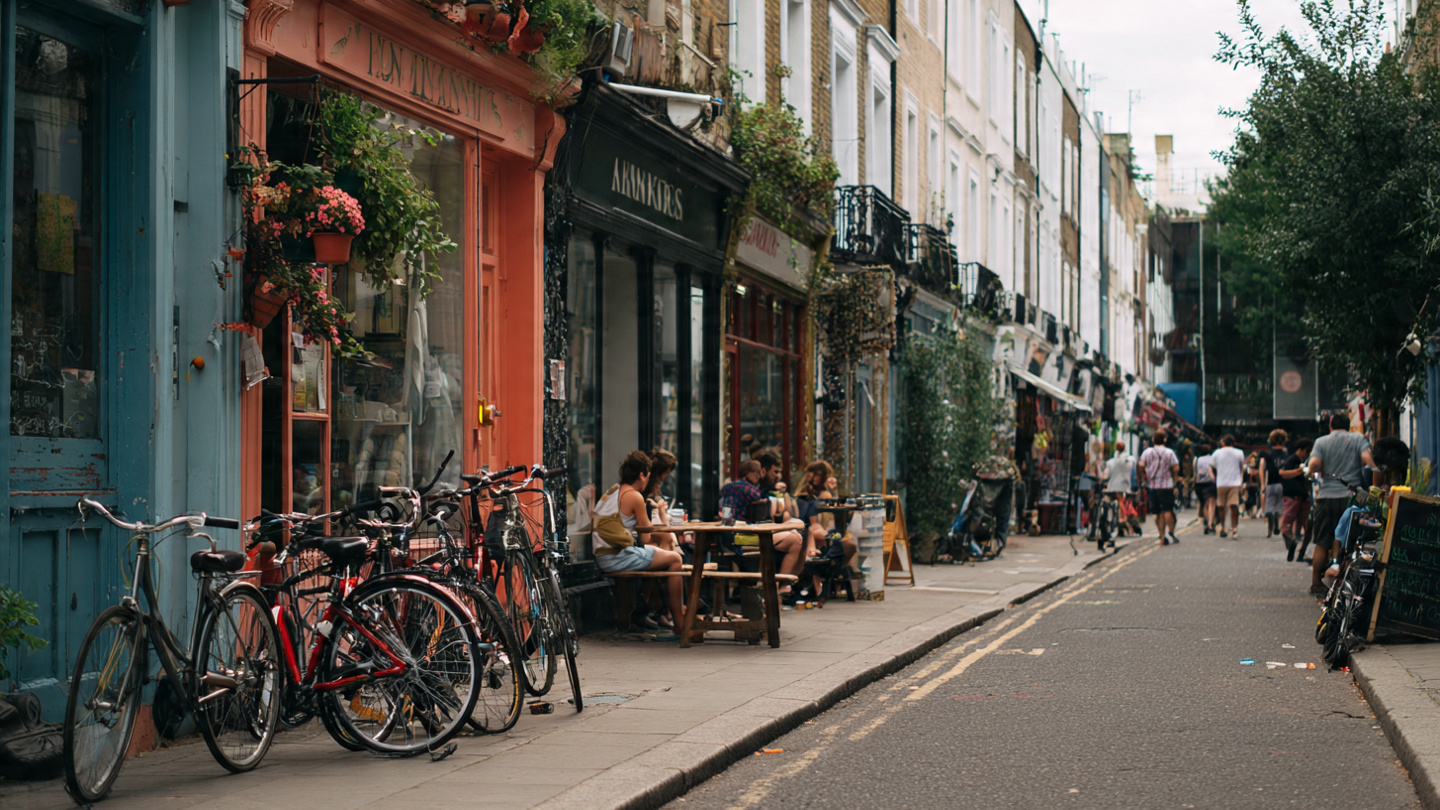
By the second day, the pace of the trip naturally shifts. Instead of focusing on formal landmarks, this stage of a 3 day London itinerary turns attention toward how the city feels on a daily basis. At this point, navigation feels easier, which allows travelers to explore with more confidence and less urgency. As a result, the city begins to feel lived-in rather than overwhelming.
Starting the morning in quieter cultural areas
In contrast to the busy historic core, many cultural districts feel calmer in the morning. Because of this, early hours suit museums, academic quarters, and creative spaces particularly well. These areas encourage slower movement and deeper observation. Moreover, the quieter atmosphere helps travelers engage without distractions.
Choosing meaningful cultural experiences
Rather than moving quickly between multiple sites, focusing on one main cultural stop improves the experience. This approach allows ideas and impressions to settle naturally. Therefore, a strong 3 day London itinerary favors depth over quantity. In addition, limiting choices reduces fatigue and keeps curiosity intact throughout the day.
Using walking routes to understand neighborhoods
Between major areas, walking becomes an essential tool for discovery. As travelers move through residential streets, everyday life becomes visible. For example, local shops, small parks, and morning routines reveal how London functions beyond tourism. Consequently, these walks often feel more personal than formal attractions.
Exploring mixed-use neighborhoods at midday
As the day progresses, neighborhoods that blend work, leisure, and living come alive. At this stage, streets feel energetic without becoming overwhelming. Markets, independent shops, and shared public spaces create a balanced atmosphere. Because of this mix, midday exploration feels natural and engaging.
Letting lunch reflect local habits
Instead of treating lunch as a pause in the itinerary, it becomes part of the experience. Choosing neighborhood cafés or casual dining spots offers insight into local routines. Meanwhile, observing how spaces are used adds subtle cultural context. As a result, meals support exploration rather than interrupting it.
Shifting toward creative and informal spaces
In the afternoon, creative districts and informal galleries often feel more welcoming. At this time, wandering without strict direction becomes easier. Therefore, travelers can follow curiosity rather than schedules. This freedom adds spontaneity and keeps the day from feeling rigid.
Maintaining balance between indoor and outdoor time
To avoid mental fatigue, alternating environments plays an important role. After spending time indoors, short outdoor walks help reset focus. Similarly, open air spaces provide contrast after concentrated cultural visits. Because of this balance, energy levels remain steady throughout the afternoon.
Noticing contrasts between nearby areas
One of London’s defining qualities is how quickly neighborhoods change. As travelers move between districts, differences in architecture, pace, and atmosphere become clear. Consequently, these transitions deepen understanding of the city’s structure. A thoughtful itinerary allows time to notice these shifts rather than rushing past them.
Taking restorative pauses without stopping exploration
Short breaks during the afternoon help sustain momentum. For instance, sitting in a café or resting in a small park refreshes both body and attention. Importantly, these pauses do not end the day. Instead, they support continued exploration with renewed focus.
Ending the day in locally active areas
As evening approaches, neighborhoods shaped by everyday life feel especially appealing. These areas offer dining and social activity without intense crowds. Therefore, staying nearby reduces travel stress and keeps the evening relaxed. This choice aligns well with the balanced nature of the itinerary.
Keeping evening plans simple and flexible
After a full day, simplicity matters more than variety. Light dining, casual walks, or informal entertainment fit the mood well. Moreover, avoiding over scheduling preserves energy for the final day. In a well paced 3 day London itinerary, evenings support rest as much as enjoyment.
Reflecting on preferences discovered so far
By the end of the second day, personal interests often become clearer. Some travelers connect most with cultural depth, while others prefer neighborhood life. Recognizing these preferences helps shape the final day. As a result, the itinerary becomes more personal rather than fixed.
Preparing for a flexible final day
With confidence built over two days, the final stage of the trip feels less structured. Understanding pace, transport, and comfort levels allows for spontaneous choices. Therefore, the third day can focus on relaxed exploration. The next section shifts toward markets, walks, and open-ended discovery to close the itinerary naturally.
Day 2 focuses on culture and everyday London life, and this map shows how the neighborhoods explored during the day fit naturally together.
Day 3: Markets, Scenic Walks, and Flexible Exploration
Slowing the pace to end the journey well
By the third day, energy levels naturally change. Therefore, the final stage of a 3 day London itinerary benefits from a gentler rhythm. Instead of structured sightseeing, this day allows the city to unfold at a comfortable pace. As a result, experiences feel more personal and less demanding.
Why markets fit the final day so well
Markets reflect everyday life more clearly than formal attractions. Because they feel social and informal, they work especially well at the end of a trip. Moreover, markets allow travelers to engage casually without fixed schedules. This flexibility helps reduce pressure while still offering rich experiences.
Choosing the right market for your mood
Not all markets feel the same, and preferences often change by the final day. For this reason, selection should depend on energy and interest rather than popularity. Some markets feel lively and crowded, while others remain calm and community-focused. Consequently, choosing thoughtfully improves enjoyment.
Letting scenic walks shape the day
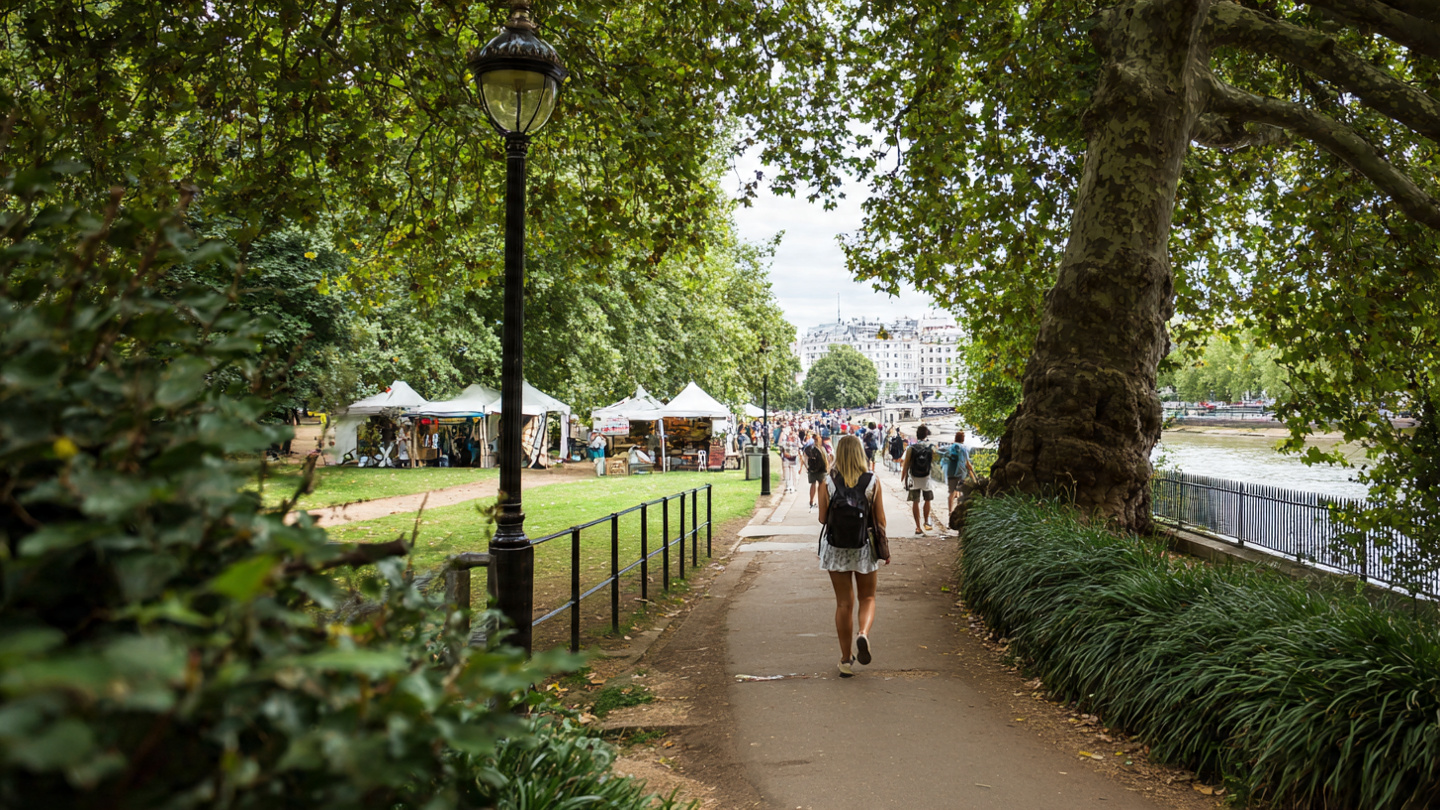
Walking routes play a larger role on the final day. Instead of moving between major sites, walks connect moments and impressions. For example, riverside paths, neighborhood streets, and open spaces create continuity. Therefore, walking without urgency often reveals details missed earlier.
Slowing down without disengaging
Although the pace is lighter, engagement remains important. Pausing to observe street scenes, architecture, and daily routines adds depth. In contrast to rushing, this attentiveness strengthens the experience. Thus, slowing down becomes a strength rather than a limitation.
Balancing green spaces with urban activity
After busy streets, open spaces offer necessary contrast. As a result, short walks through parks or along water help restore focus. Meanwhile, returning to urban areas keeps energy from dropping too low. This balance supports steady engagement throughout the day.
Allowing spontaneous decisions to guide exploration
By now, navigating London feels familiar. Therefore, spontaneous choices become easier and more rewarding. Choosing a café, street, or small attraction based on instinct often leads to memorable moments. In this way, flexibility becomes the highlight of the final day.
Taking midday breaks that restore energy
Midday pauses matter more on the third day. Instead of structured stops, casual seating and quiet corners provide relief. Consequently, meals feel reflective rather than rushed. These breaks support both physical comfort and mental clarity.
Revisiting places that left an impression
Some travelers prefer returning to areas that stood out earlier. Because familiarity reduces effort, revisiting allows deeper appreciation. Streets and spaces often feel different the second time. Therefore, this option adds emotional closure to the itinerary.
Leaving room for unplanned moments
One of the most valuable choices on the final day is leaving space unscheduled. Unexpected performances, small exhibitions, or street scenes often appear naturally. As a result, leaving gaps allows these moments to happen without conflict.
Ending the day calmly and locally
As evening arrives, keeping plans simple helps preserve the day’s tone. Staying close to accommodation or choosing a short walk reduces fatigue. Moreover, avoiding complex travel keeps stress low. This calm ending supports a positive final impression of the trip.
Reflecting on the experience as it concludes
By the end of the third day, London often feels familiar rather than overwhelming. Because the itinerary built confidence gradually, movement feels natural. A thoughtful 3 day London itinerary creates this transformation through balance and pacing. Reflection helps solidify the experience as complete and rewarding.
The final day allows more flexibility, and this map highlights market areas and scenic walking routes that work well at a relaxed pace.
What to Skip and What to Save for Another Trip

Understanding the value of selective choices
When time is limited, knowing what to skip becomes just as important as knowing what to see. Therefore, a realistic 3 day London itinerary benefits from restraint. London offers far more than three days can cover, and attempting to include everything often reduces enjoyment. Instead, thoughtful omission improves focus and energy.
Why skipping can improve the overall experience
Although it may feel counterintuitive, skipping certain attractions often enhances a short visit. Because crowded or distant locations demand extra time, they can disrupt the natural flow of the days. As a result, removing them creates breathing space. This space allows travelers to enjoy chosen areas more fully.
Avoiding attractions that require long travel times
Some popular places sit far from the central and connected areas covered in this itinerary. While these locations may be rewarding, they often require half a day on their own. Therefore, including them in a three-day plan usually creates unnecessary pressure. Saving them for a future visit keeps this itinerary balanced.
Limiting the number of major museums
London’s museums deserve time and attention. However, visiting too many within a short period leads to fatigue and reduced focus. Consequently, choosing one or two key museums works better than attempting several. This approach aligns with the depth-first philosophy of a strong 3 day London itinerary.
Skipping activities that demand strict scheduling
Experiences tied to fixed time slots can restrict flexibility. If delays or fatigue occur, these commitments create stress. For this reason, the itinerary favors open-ended exploration. Saving tightly scheduled experiences for longer trips preserves freedom during a short stay.
Recognizing when crowds reduce enjoyment
Some areas feel significantly different during peak times. Heavy crowds can limit movement and reduce atmosphere. Therefore, skipping certain hotspots at their busiest moments often improves the day. Alternative routes or quieter neighborhoods usually offer a better experience.
Saving outer neighborhoods for a longer stay
London’s outer neighborhoods reveal fascinating character and diversity. However, exploring them properly requires time and patience. Because a three-day visit focuses on central and well-connected areas, outer zones fit better into longer itineraries. Saving them ensures they receive proper attention later.
Letting personal interests guide what to skip
Not every traveler values the same experiences. Some prefer culture, while others enjoy markets or walking routes. As a result, skipping attractions that do not align with personal interests strengthens the itinerary. This customization prevents obligation-driven sightseeing.
If two full days fit better than three, this 2 day London itinerary offers a simpler structure while still covering London’s key areas at a comfortable pace.
Avoiding exhaustion-driven decisions
Fatigue often leads to poor choices late in the day. Therefore, it helps to recognize limits early. Skipping an evening activity may preserve enjoyment for the following day. In a balanced 3 day London itinerary, rest supports experience rather than reducing it.
Viewing skipped places as future opportunities
Skipping does not mean missing out permanently. Instead, it creates reasons to return. London reveals itself gradually, and future visits often feel richer because of what was saved. This mindset transforms limitation into anticipation.
Keeping the itinerary realistic and enjoyable
Ultimately, skipping supports realism. A calm, focused plan leads to better memories than an overcrowded schedule. By choosing thoughtfully, travelers protect their energy and attention. This approach ensures the trip feels complete rather than incomplete.
Common Mistakes Travelers Make on a 3 Day London Itinerary

Trying to see too much in too little time
One of the most frequent mistakes is attempting to cover too many areas in a single day. Because London is large and layered, moving constantly between distant locations quickly becomes exhausting. As a result, travelers spend more time in transit than experiencing places. A focused 3 day London itinerary works better when each day stays geographically logical.
Underestimating travel time between areas
Although London transport is efficient, travel time still adds up. Transfers, walking within stations, and waiting for services all require patience. Therefore, underestimating these factors often leads to rushed decisions. Planning with realistic buffers keeps the day flowing smoothly instead of feeling compressed.
Treating landmarks as mandatory stops
Many visitors feel pressure to see every famous sight. However, not every landmark adds equal value to a short visit. Consequently, forcing stops out of obligation often reduces enjoyment. Choosing experiences that align with personal interests creates a stronger connection to the city.
Ignoring the impact of crowds
Crowds influence mood, movement, and energy. During peak hours, popular areas become harder to enjoy. Therefore, failing to account for crowd patterns can disrupt the day. Adjusting timing or selecting alternative routes often improves the experience significantly.
Overloading days with indoor activities
Although museums and galleries offer depth, too many indoor visits create mental fatigue. As a result, attention drops and enjoyment fades. Balancing indoor experiences with walks and open spaces keeps focus fresh. A well designed 3 day London itinerary relies on variety rather than repetition.
Skipping rest in favor of constant movement
Some travelers believe rest wastes time. In reality, short pauses improve awareness and comfort. Therefore, skipping rest often leads to early burnout. Planned breaks support sustained enjoyment across all three days.
Relying too heavily on rigid schedules
Strict schedules leave little room for change. When delays occur, stress follows. Consequently, flexibility becomes essential during a short visit. Allowing time blocks instead of fixed times reduces pressure and increases satisfaction.
Choosing accommodation far from daily routes
Staying too far from central or well-connected areas increases daily travel time. As a result, mornings and evenings become tiring rather than relaxing. Location decisions directly affect itinerary success. Choosing convenience over novelty usually pays off.
Forgetting to adapt plans to personal pace
Every traveler moves differently. Ignoring personal pace often leads to frustration. Therefore, adapting the itinerary based on energy levels improves outcomes. Listening to physical and mental cues prevents unnecessary strain.
Overplanning evenings after full days
Evenings often feel appealing for additional activities. However, after long days, energy drops quickly. Consequently, overplanning nights can lead to exhaustion. Keeping evenings flexible supports recovery and enjoyment.
Learning from common pitfalls
Recognizing these mistakes helps travelers avoid them before they happen. A thoughtful 3 day London itinerary anticipates challenges instead of reacting to them. Awareness transforms planning into confidence, which improves the overall experience.
Final Thoughts: Making Three Days in London Feel Complete

Bringing the three days together with intention
After three days, London often feels familiar rather than overwhelming. Because each day followed a clear purpose, movement through the city becomes natural. A successful 3 day London itinerary does not attempt to cover everything. Instead, it creates a sense of understanding and comfort. When travelers leave feeling oriented and confident, the plan has worked.
If you plan to extend your stay, this 7 day London itinerary shows how to move beyond highlights and explore London more comfortably.
Why balance matters more than coverage
Many trips feel incomplete because they prioritize quantity over experience. However, balance creates stronger memories than constant movement. By mixing landmarks, neighborhoods, and quiet moments, the itinerary supports attention and enjoyment. As a result, three days can feel surprisingly full without feeling rushed.
Recognizing the value of gradual immersion
London reveals itself in layers rather than instant highlights. Therefore, allowing time for adjustment improves the experience. Each day builds familiarity with transport, walking distances, and city rhythm. This gradual immersion explains why a structured 3 day London itinerary often feels more satisfying than an unplanned longer stay.
Understanding what makes the trip memorable
Memorable moments often come from small experiences rather than famous sights. For example, a calm walk, a neighborhood café, or a quiet street can leave a lasting impression. Because this itinerary allows space for those moments, it supports personal discovery. These experiences often define how travelers remember London.
Using this itinerary as a foundation for future visits
This plan works not only as a short visit guide but also as a foundation. Areas explored briefly can become priorities on future trips. In this way, the itinerary opens pathways rather than closing them. London rewards return visits, and this structure encourages that mindset.
Frequently Asked Questions
Planning and Time Management
Three days are enough to understand London’s character and layout. While it is not possible to see everything, travelers can experience major areas, local neighborhoods, and everyday city life without feeling rushed.
Covering one main area and one nearby district per day works best. This approach keeps travel time low and allows more meaningful exploration rather than constant movement.
Staying flexible leads to a better experience. Time blocks work better than strict schedules because crowds, weather, and energy levels change throughout the day.
Transport and Getting Around
Walking works well for short distances and nearby areas. Public transport becomes useful when connecting larger zones. A combination of both keeps the itinerary comfortable.
Short journeys often take longer than expected due to station size and transfers. Allowing extra buffer time prevents rushing and keeps the day relaxed.
London transport is well signed and consistent. Most visitors feel comfortable navigating it after the first day, especially when using it only to connect key areas.
Accommodation and Location
Yes, staying centrally or near strong transport links saves time and energy. Long commutes reduce flexibility and make evenings more tiring.
Budget stays can work if the location is practical. Proximity to transport matters more than hotel category when time is limited.
Pace, Energy, and Comfort
Walking is spread throughout the day rather than concentrated. Comfortable footwear and regular breaks make the experience manageable for most travelers.
Yes, the structure allows adjustments. Fewer stops can be chosen while still following the same daily flow.
Rest breaks are essential. Short pauses improve focus and enjoyment and help maintain energy across all three days.
Customization and Interests
Yes, the structure supports customization. Cultural visits, markets, walks, or neighborhoods can be emphasized based on personal preference.
Revisiting places is encouraged. Familiarity often leads to deeper appreciation and a more relaxed experience.
Weather and Seasonal Considerations
The structure works year round. Seasonal adjustments may be needed for daylight and weather, but the overall flow remains effective.
Indoor activities and covered areas can replace outdoor walks when needed. Flexibility within each day helps handle weather changes smoothly.
Overall Experience
This itinerary focuses on flow, pacing, and realistic movement rather than long attraction lists. It is designed to feel achievable and comfortable.
Most travelers leave feeling oriented and satisfied rather than disappointed. Skipping some places often improves the overall experience.
It works best for first-time visitors, but repeat travelers can also use it as a refreshed framework with different area choices.