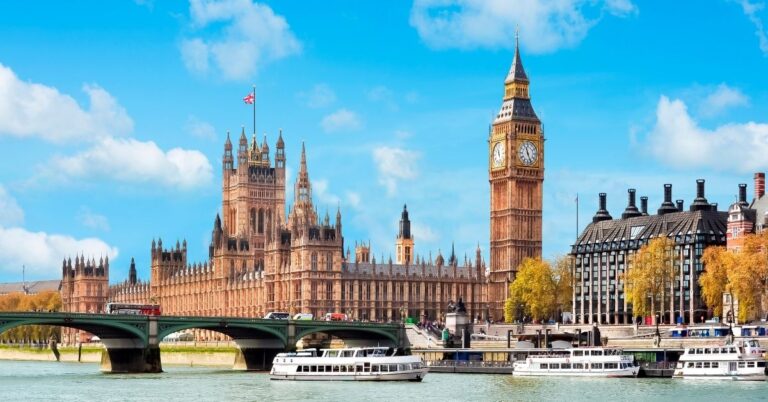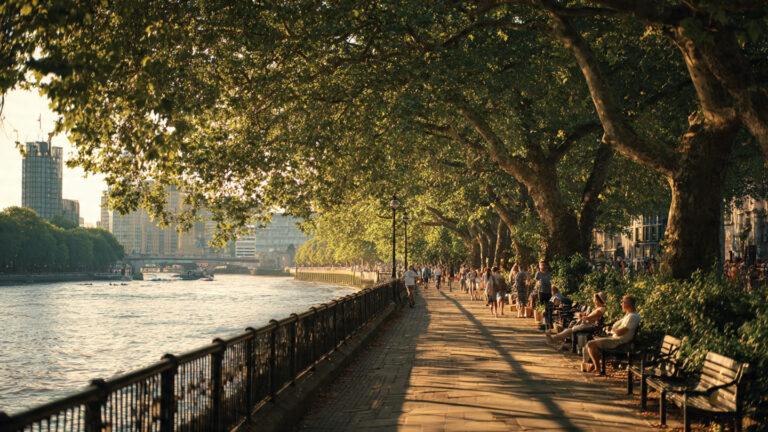

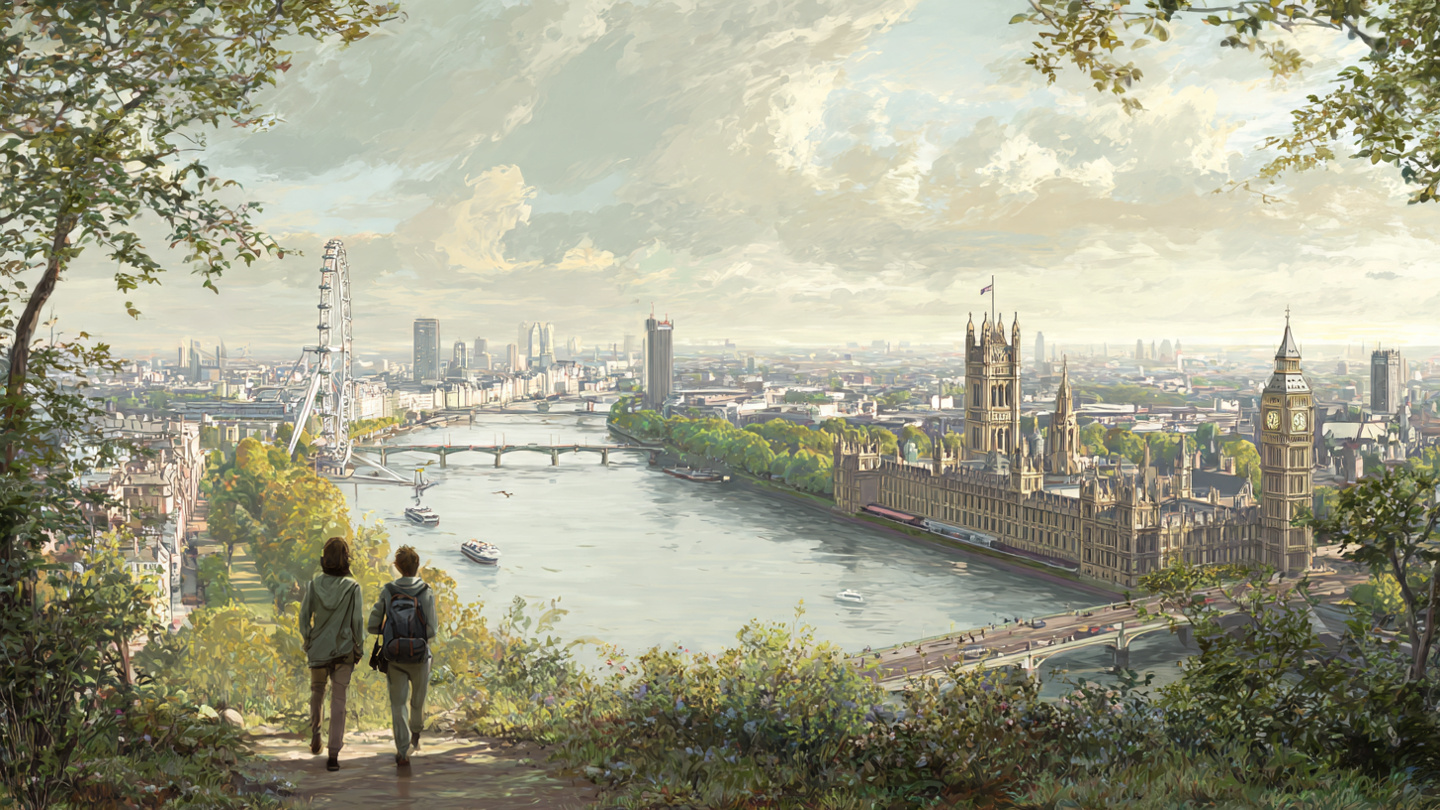
one week in londonA 7 day London itinerary works because London is far larger than it first appears. At a glance, attractions seem close together. However, once travelers arrive, distances and travel time become clear. Therefore, seven days create the space needed to explore the city without rushing or frustration.
Travelers comparing trip lengths may also find this 5 day London itinerary helpful for understanding how a shorter stay changes pacing and priorities.
How Time Changes the Way London Feels
At first, London can feel confusing and dense. Streets curve, neighborhoods overlap, and transport routes look complex. Over time, this changes. With a seven day London itinerary, travelers begin to recognize stations, routes, and patterns. As a result, daily movement becomes easier and more confident.
For travelers who want to understand how this seven-day plan fits into a broader structure, this complete London itinerary for first-time visitors explains how shorter and longer stays connect across the city.
Why Short Trips Create Unnecessary Pressure
When time is limited, every decision feels urgent. Travelers often rush from place to place, worried about missing something important. In contrast, a 7 day London itinerary removes that pressure. Because there is more time, plans can shift naturally without stress or disappointment.
Seeing London Beyond Famous Landmarks
Although landmarks define London’s skyline, they do not define daily life. Parks, cafés, markets, and residential streets reveal the city’s personality. For this reason, a seven day London itinerary allows travelers to move beyond highlights and experience quieter, more local moments alongside major sights.
How Longer Stays Improve Energy Levels
London demands physical effort. Long walks, crowded platforms, and standing queues drain energy quickly. However, when time spreads across a full week, https://wanderbretain.com/london-itinerary-first-time-visitors/effort feels manageable. A 7 day London itinerary balances busy days with lighter ones, helping travelers maintain energy throughout the trip.
Families traveling with children often need even more rest and flexibility, which is why this London family itinerary built around slower pacing and kid-friendly days can be a better fit for a full week.
Why Flexibility Matters in London
Even the best plans change once travel begins. Weather shifts, interests evolve, and fatigue appears unexpectedly. Because of this, a seven day London itinerary leaves room for flexibility. Travelers can pause, revisit favorite areas, or slow down without falling behind schedule.
For travelers who want that flexibility paired with refined hotels, private experiences, and a slower, more comfortable pace, this luxury London itinerary shows how a week in the city can feel indulgent without feeling rushed.
How London Becomes Familiar Over Seven Days
Familiarity grows with repetition. Returning to the same street, park, or café builds comfort. Over a full week, travelers stop feeling lost. By the end of a 7 day London itinerary, the city feels more approachable and less overwhelming than it did on day one.
Creating Balance Between Experience and Rest
Many trips fail because they focus only on seeing more. London rewards balance instead. A seven day London itinerary supports sightseeing while still allowing rest. Museums, walks, meals, and downtime fit together naturally, creating a smoother experience.
Understanding London Through Gradual Discovery
London does not reveal itself immediately. Each day adds context to the last. Therefore, a 7 day London itinerary helps travelers connect neighborhoods and understand how the city fits together. Over time, London starts to feel logical rather than chaotic.
Why Seven Days Set the Right Travel Rhythm
Finally, rhythm shapes the entire journey. A rushed start often leads to exhaustion later. In contrast, a seven day London itinerary establishes a calm pace from the beginning. This steady rhythm allows travelers to enjoy London with clarity instead of urgency.
If you are exploring London independently and want a plan built around flexibility rather than fixed schedules, this solo travel London itinerary shows how to adapt days to your own rhythm.
How This 7 Day London Itinerary Is Designed to Flow
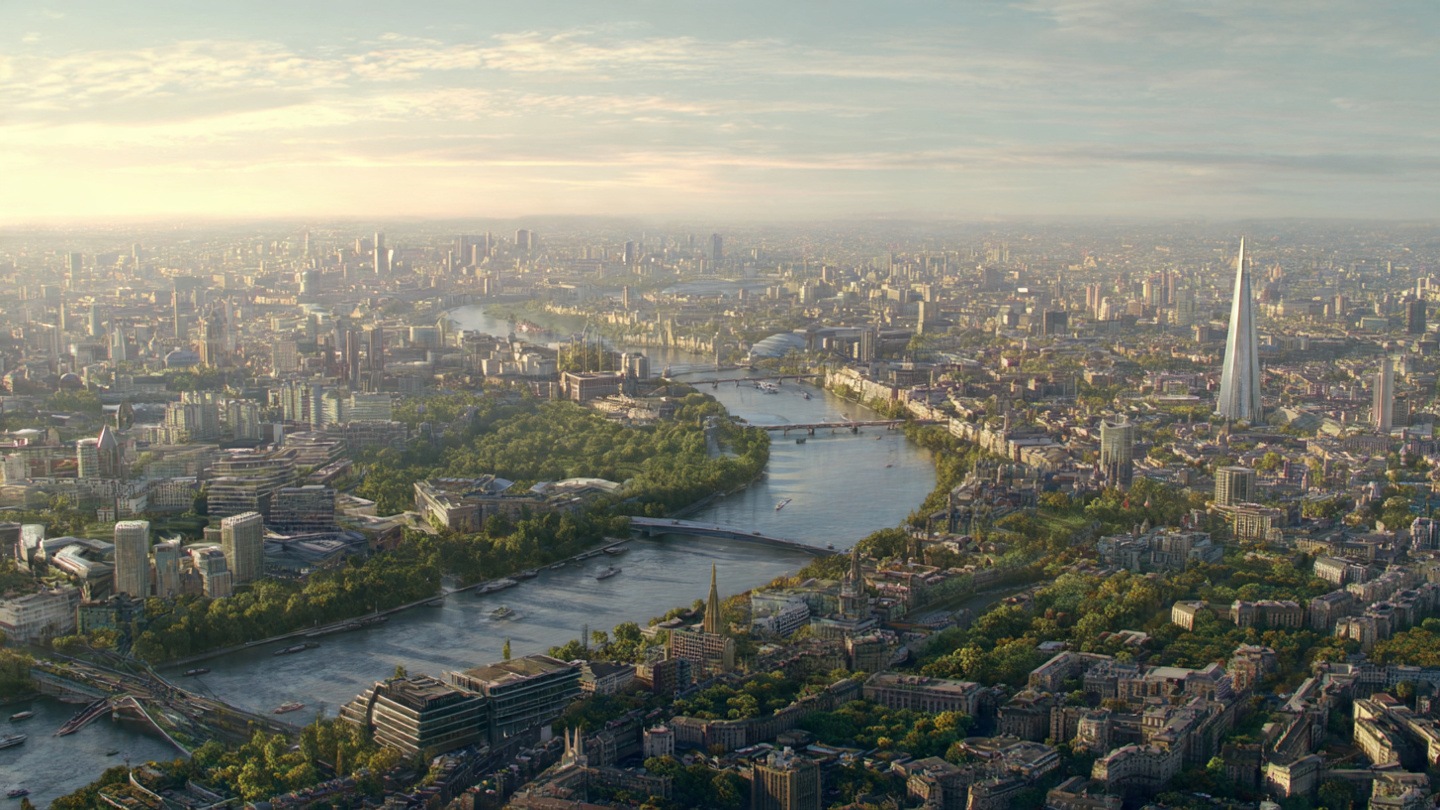
Starting With Geography, Not a Checklist
To begin with, this 7 day London itinerary follows geography instead of attraction lists. London developed as a collection of villages, which means nearby sights often share history, transport links, and walking routes. Therefore, grouping days by area reduces backtracking and wasted travel time.
Building Confidence Early in the Week
In the first part of the week, the itinerary focuses on clear, central areas. As a result, travelers learn how London works before venturing farther out. This early structure helps first-time visitors feel confident using public transport, navigating stations, and estimating travel time.
Alternating Busy Days With Lighter Ones
Next, the plan alternates high-energy days with slower-paced ones. London can be physically demanding, especially when walking and standing add up. For that reason, this 7 day London itinerary avoids stacking intense sightseeing back to back and instead allows recovery without losing momentum.
Mixing Outdoor and Indoor Experiences
Additionally, the itinerary balances outdoor exploration with indoor activities. Parks, riverside walks, and neighborhoods appear alongside museums and cultural spaces. This balance keeps the week enjoyable even if weather changes, which is important in London.
Letting Each Day Prepare You for the Next
Rather than treating days as separate units, this itinerary connects them. What you see on one day helps you understand the next. Over time, this approach builds context. With a 7 day London itinerary, the city starts to feel connected instead of scattered.
Allowing Space for Adjustment
Even with good planning, travel never goes exactly as expected. Because of this, the itinerary leaves room for adjustment. If one day runs long, the next day can slow down. This flexibility prevents stress and keeps the experience enjoyable.
Gradually Expanding the City Experience
As the week progresses, the itinerary moves outward from central London into neighborhoods and less tourist-heavy areas. This gradual expansion helps travelers experience different sides of the city without feeling overwhelmed. By following this flow, a 7 day London itinerary feels natural rather than rushed.
Designing Days Around Human Energy
Importantly, the structure considers how people actually feel while traveling. Energy tends to be higher in the morning and lower later in the day. Therefore, demanding activities appear earlier, while evenings remain flexible. This design keeps days realistic.
Avoiding the Trap of Overplanning
Another key principle is avoiding overplanning. London offers endless options, but too many plans reduce enjoyment. This itinerary prioritizes flow over volume. With a 7 day London itinerary, seeing fewer places well leads to a better experience than rushing through many.
Creating a Calm Narrative for the Week
Finally, the itinerary creates a narrative rather than a checklist. Each day builds on the last, forming a story of gradual discovery. By the end of the week, travelers understand London as a place, not just a collection of sights.
What This 7 Day London Itinerary Assumes Before You Start

Assuming You Will Stay in a Well-Connected Area
This 7 day London itinerary assumes you stay in an area with strong transport links. London does not require staying next to every attraction. However, easy access to the Underground or main bus routes makes daily movement simpler and less tiring.
Expecting Daily Walking as Part of the Experience
London is a walking city. Even with public transport, most days involve walking between stations, streets, and attractions. For this reason, a 7 day London itinerary works best when travelers feel comfortable walking several kilometers a day at a relaxed pace.
Basic Familiarity With Public Transport
This itinerary assumes basic use of London’s transport system. Trains, buses, and walking work together throughout the week. Although the system looks complex, it becomes intuitive quickly. Over seven days, confidence builds naturally.
Allowing Flexibility in Daily Timing
Not every day will start early or end late. This 7 day London itinerary assumes flexibility rather than strict schedules. Some mornings begin slowly, while other days run longer. This flexibility helps maintain energy across the full week.
Accepting That Not Everything Will Be Seen
London offers more than any one trip can cover. Therefore, this itinerary assumes travelers accept that some attractions will remain unseen. Instead of trying to see everything, the focus stays on enjoying what fits naturally into seven days.
Planning for Rest Without Guilt
Rest is part of the experience. Parks, cafés, and slower afternoons are intentional, not wasted time. A 7 day London itinerary works best when travelers allow themselves to pause without feeling behind schedule.
Understanding That Weather May Affect Plans
London weather changes quickly. This itinerary assumes some flexibility if rain or wind appears. Because indoor and outdoor experiences mix throughout the week, adjustments remain easy without disrupting the overall flow.
Expecting Personal Preferences to Shape the Week
Finally, this 7 day London itinerary assumes personal interests matter. Some travelers prefer museums, others enjoy markets or walks. The structure allows these preferences to guide small adjustments without breaking the plan.
Understanding London’s Layout Before Planning a Full Week
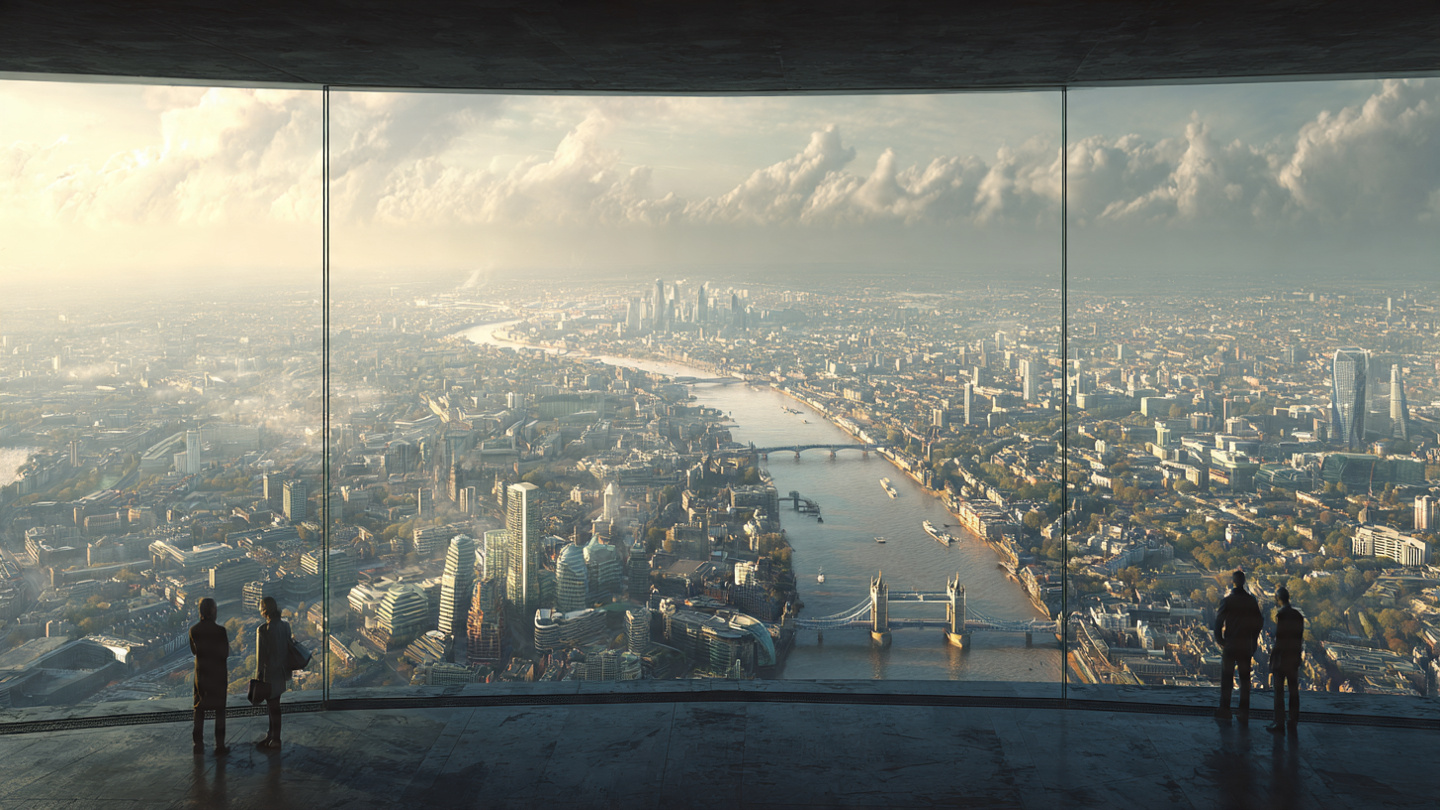
London Grew as Separate Villages
London did not develop around a single center. Instead, it grew by absorbing surrounding villages over centuries. Because of this, areas like Westminster, Kensington, Camden, and Greenwich still feel distinct today. A 7 day London itinerary works best when travelers understand this structure early.
Why Distances Feel Longer Than Expected
On a map, many places appear close together. However, streets curve, parks interrupt routes, and transport changes add time. As a result, short distances often take longer to travel. This 7 day London itinerary accounts for real travel time rather than ideal travel time.
Central London Is Dense but Manageable
Central London contains many major sights, but it also concentrates crowds and movement. Therefore, this itinerary introduces central areas first, when energy is highest. Over time, travelers learn how to move through busy zones without feeling overwhelmed.
Outer Neighborhoods Offer Breathing Room
Beyond the center, neighborhoods feel calmer and more spacious. Markets, parks, and residential streets dominate these areas. For this reason, a 7 day London itinerary gradually introduces outer districts after visitors gain confidence navigating the city.
Understanding Transport Zones Helps Planning
London uses transport zones rather than a single downtown area. Although zones can seem confusing, they help explain travel time and cost. Over a full week, travelers begin to understand which areas connect easily and which require more planning.
Walking Links Many Areas Together
Despite its size, London remains walkable in sections. Rivers, parks, and historic streets often connect neighborhoods naturally. This 7 day London itinerary uses walking where it feels logical and transport where it saves energy.
Parks Shape the City’s Flow
Large parks interrupt dense urban areas and create natural pauses. Hyde Park, Regent’s Park, and Greenwich Park act as transitions between neighborhoods. Therefore, this itinerary uses parks as rest points rather than obstacles.
The Thames runs through many key areas and helps with orientation. Over several days, travelers start using the river as a reference point. A 7 day London itinerary benefits from this natural guide through the city.
Why Layout Knowledge Reduces Fatigue
When travelers understand how London fits together, decision-making becomes easier. Fewer wrong turns and less backtracking save energy. As a result, days feel smoother and less tiring across the full week.
How Layout Awareness Improves the Experience
Finally, understanding London’s layout changes how the city feels. What once seemed chaotic becomes connected. By the middle of a 7 day London itinerary, travelers move with intention instead of hesitation.
To understand how this 7 day London itinerary flows across the city, it helps to see the main areas visually before diving into the daily plans.
Days 1–2: Westminster, Royal London, and the Historic Core

Why the Itinerary Starts With London’s Historic Heart
The first two days of a 7 day London itinerary work best when spent in the historic core. Westminster and the surrounding areas introduce London’s identity in a clear and structured way. Starting here helps first-time visitors understand the city’s history, scale, and rhythm before moving into less familiar neighborhoods.
If your time is limited to London’s historic core, this focused 3 day London itinerary shows how to experience key areas in a shorter visit.
Building Orientation Through Familiar Landmarks
Westminster contains many of the landmarks people already recognize. Because these places feel familiar, navigation feels easier. As a result, travelers gain confidence quickly. During days 1 and 2, this 7 day London itinerary uses recognizable sights to help visitors settle into the city.
Keeping the First Days Walkable and Logical
Early days should feel manageable. Westminster, the Thames corridor, and nearby districts allow walking between major points without constant transport changes. Therefore, this itinerary limits complexity at the start. Walking helps travelers connect streets, landmarks, and river views naturally.
Using the Thames as a Visual Guide
The River Thames plays an important role during the first two days. It acts as a visual anchor while moving between areas. Over time, travelers begin to understand where they are in relation to the river. This awareness supports easier navigation throughout the 7 day London itinerary.
Introducing Royal London at a Calm Pace
Royal London often feels overwhelming when rushed. Palaces, parks, and ceremonial spaces deserve time rather than quick visits. For this reason, the itinerary spreads these experiences across two days. This slower approach helps avoid fatigue while still covering key areas.
Mixing Open Spaces With Historic Sites
Days 1 and 2 balance dense historic areas with open spaces. Parks and riverside walks appear alongside buildings and monuments. This balance matters early in the trip, as it prevents mental overload and supports steady energy levels.
Avoiding Overcrowding During Peak Hours
Crowds concentrate heavily in Westminster at certain times. This 7 day London itinerary considers timing carefully. By adjusting walking routes and visit order, travelers avoid the most congested periods without missing important sights.
Creating a Strong Emotional First Impression
First impressions shape the rest of the trip. Westminster’s architecture, history, and setting along the Thames create a powerful introduction to London. Experiencing this area over two days allows the city’s atmosphere to settle in rather than blur past.
Learning How London Moves
These early days teach practical lessons. Travelers learn how long walks take, how stations connect, and how crowds flow. This learning process prepares visitors for later days in the 7 day London itinerary, when exploration expands outward.
Ending Day Two With Confidence
By the end of day two, most travelers feel grounded. Streets feel familiar, transport feels usable, and the city feels less intimidating. This sense of confidence sets the stage for deeper exploration in the days that follow.
The first two days focus on London’s historic heart, where many major landmarks sit within walking distance of each other.
We obtained free tickets online to attend the Christmas Eve service at this historic church. It was an amazing privilege to be there on Christmas Eve. If you ever have the chance to go, do not hesitate — just be sure to obtain your tickets early.
Read more reviews at Tripadvisor.
Days 3–4: Museums, Culture, Parks, and Central Districts
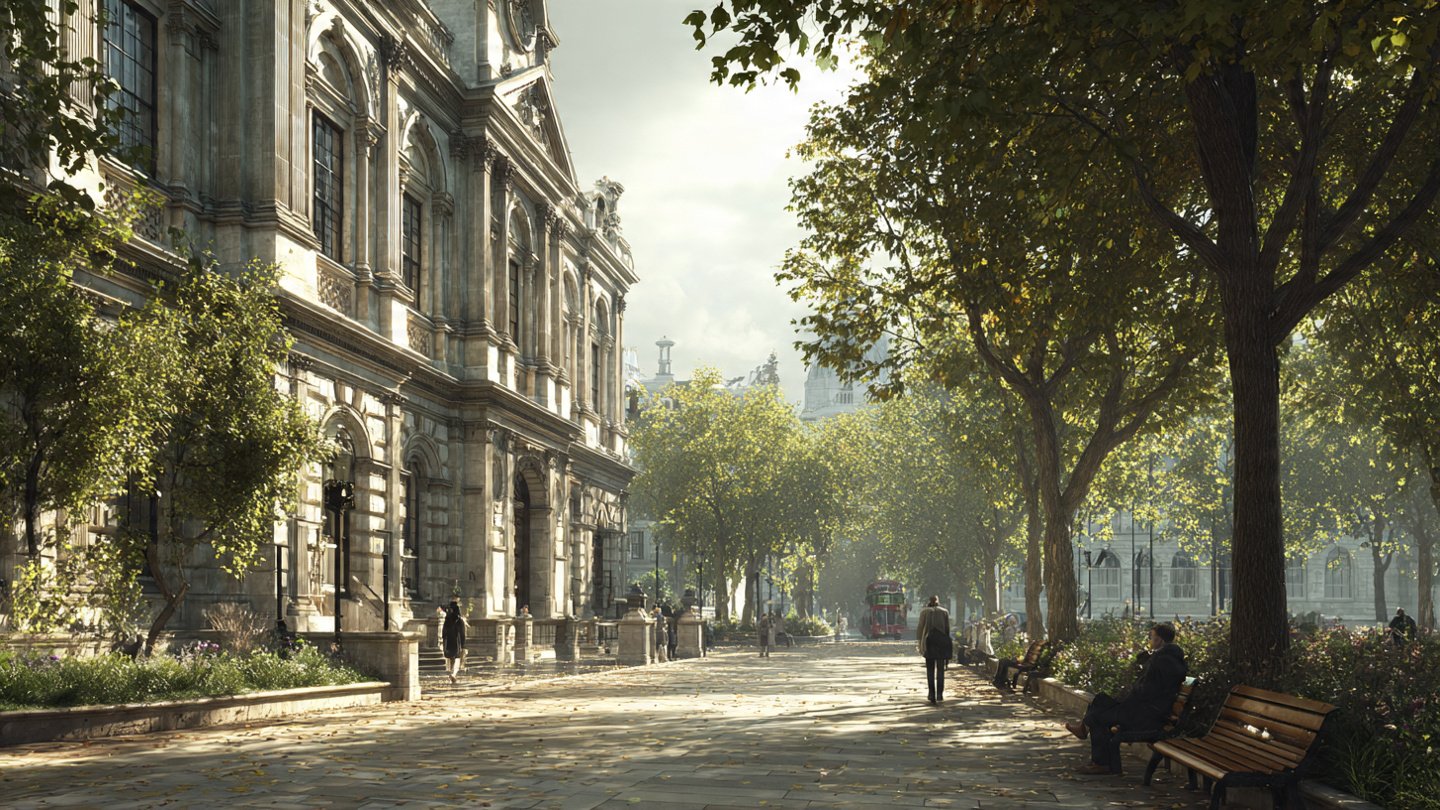
Shifting From Orientation to Deeper Exploration
After the first two days, travelers usually feel more settled. At this stage, a 7 day London itinerary shifts focus from orientation to depth. Days 3 and 4 explore culture, museums, and central districts at a calmer pace, allowing curiosity to guide decisions rather than urgency.
Why Museums Fit Best in the Middle of the Week
Museums demand time and mental energy. Placing them in the middle of the week works well because travelers are no longer overwhelmed, yet not tired. Therefore, this itinerary introduces major cultural spaces on days 3 and 4, when attention and interest remain high.
Allowing Choice Instead of Forcing Every Museum
London offers more museums than most travelers can visit. For this reason, a 7 day London itinerary avoids forcing every option into the schedule. Instead, it allows travelers to choose based on interest, whether art, history, science, or design.
Balancing Indoor Culture With Outdoor Space
Spending hours indoors can feel heavy. To avoid this, days 3 and 4 mix museums with parks and open areas. Green spaces provide natural breaks, helping visitors reset before continuing. This balance keeps each day enjoyable rather than exhausting.
Exploring Central Districts Beyond Major Sights
Central districts offer more than famous buildings. Streets, squares, and everyday activity reveal how London functions. During these days, the itinerary encourages wandering between planned stops. This approach allows discovery without pressure.
Using Parks as Natural Pauses
Parks act as anchors during busy days. Sitting, walking, or simply resting in green spaces helps maintain energy. A 7 day London itinerary uses parks intentionally, not as filler, but as essential parts of the experience.
Adapting to Weather Without Stress
Weather often influences plans in London. Days 3 and 4 work well for adaptation because museums provide shelter when needed. As a result, travelers can adjust plans easily without losing structure.
Central districts can feel crowded, especially during peak hours. However, by this point in the trip, travelers understand transport patterns and walking routes better. This familiarity reduces stress and improves confidence during busy moments.
Experiencing Culture at a Comfortable Pace
Culture feels richer when time allows reflection. Instead of rushing through galleries or exhibitions, this itinerary encourages slower visits. Over two days, travelers absorb more and feel less overwhelmed.
Preparing for More Local Experiences Ahead
Days 3 and 4 act as a bridge. They deepen understanding while preparing travelers for neighborhoods and local life later in the week. By the end of day 4, a 7 day London itinerary begins to feel personal rather than introductory.
Day 5: Markets, Neighborhoods, and Everyday London Life
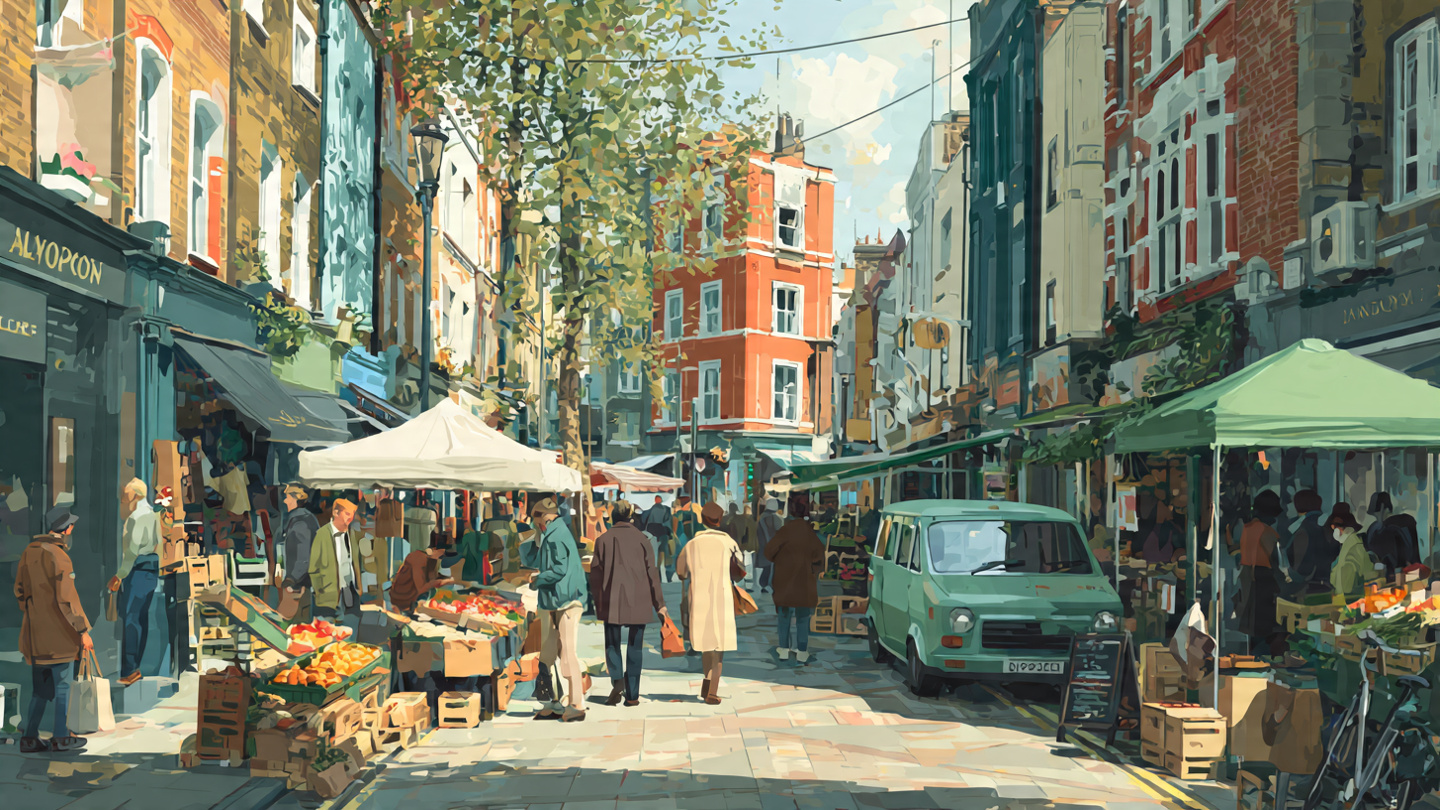
Moving Beyond Tourist-Focused Areas
By day five, most travelers feel comfortable navigating London. At this point, a 7 day London itinerary shifts away from major sightseeing zones and toward neighborhoods where daily life unfolds. This change of focus helps travelers experience London as a lived-in city rather than a collection of attractions.
Why Markets Reveal the City’s Personality
Markets show how London functions day to day. Food stalls, small shops, and local crowds create an atmosphere that feels authentic. Therefore, this itinerary places markets at the center of day five, allowing travelers to observe routines, tastes, and local interactions.
Exploring Neighborhoods at a Slower Pace
Neighborhoods deserve time. Rushing through them removes their charm. For this reason, a 7 day London itinerary encourages slower movement on day five. Walking without fixed deadlines allows streets, cafés, and small details to stand out.
Understanding London Through Local Streets
Local streets often explain more than landmarks. Residential areas show how people live, commute, and relax. As a result, day five focuses on observation rather than checking off sights. This approach deepens understanding of London’s everyday rhythm.
Letting Food Shape the Day Naturally
Meals play a larger role on this day. Markets, bakeries, and casual cafés provide flexible options. Because food choices happen naturally, the day feels relaxed. A 7 day London itinerary benefits from days like this, where structure remains light.
Accepting a Less Structured Schedule
Unlike earlier days, day five avoids rigid timing. Travelers move according to interest rather than obligation. This flexibility allows unexpected discoveries, which often become trip highlights.
Seeing How Different Areas Feel Distinct
Each London neighborhood carries a different mood. Architecture, pace, and crowd behavior change quickly. Experiencing this contrast helps travelers understand the city’s diversity. Over a full week, these differences become clearer and more meaningful.
Reducing Fatigue Through Familiarity
By now, transport and walking feel easier. Familiar routes reduce mental effort, making exploration less tiring. As a result, travelers enjoy longer wandering sessions without feeling drained.
Creating Personal Memories Outside Landmarks
Personal memories often form away from famous sights. A quiet café, a street performance, or a market conversation stays with travelers longer than a photo stop. Day five supports these moments within a 7 day London itinerary.
Preparing for Alternative Experiences Ahead
This day acts as a transition. It moves the focus from central London toward more alternative and hidden areas. By the end of day five, travelers feel ready to explore deeper layers of the city.

Shifting Focus Away From the Obvious
By the sixth day, most travelers no longer need constant guidance. At this stage, a 7 day London itinerary moves away from well-known routes and into places that feel less polished and more personal. This shift helps travelers see a different side of London, one that exists beyond guidebooks and postcard views.
Hidden corners work best after the city feels familiar. Earlier in the week, these places can feel confusing or disconnected. However, by day six, travelers understand transport, distances, and neighborhoods. As a result, exploring lesser-known areas feels comfortable rather than stressful.
Discovering London Through Small Details
Alternative London reveals itself through details. Independent shops, quiet streets, tucked-away gardens, and creative spaces shape the experience. This day encourages attention to these small elements, which often go unnoticed during rushed sightseeing.
Allowing Curiosity to Guide Movement
Unlike earlier days, day six relies less on structure. Travelers follow curiosity instead of schedules. Turning down an unfamiliar street or lingering longer in one area becomes part of the plan. This flexibility makes the day feel natural and unforced.
Experiencing Creativity and Local Expression
Many alternative areas reflect London’s creative side. Street art, small galleries, music spaces, and unconventional cafés appear naturally throughout the day. A 7 day London itinerary benefits from including this creative layer, as it adds contrast to earlier historic and cultural experiences.
Enjoying Quieter Spaces Without Crowds
Hidden areas often come with fewer crowds. This change in atmosphere feels refreshing after several busy days. Walking becomes calmer, and time feels slower. These quieter moments help restore energy near the end of the trip.
Understanding London’s Diversity Through Place
London’s diversity shows clearly in its alternative neighborhoods. Languages, food, and styles shift from street to street. Experiencing this diversity helps travelers understand how layered the city truly is.
Letting the Day Feel Unplanned but Purposeful
Although day six feels open, it still serves a purpose. It allows travelers to engage with London on their own terms. This balance between freedom and intention keeps the itinerary meaningful without feeling rigid.
Creating a Sense of Ownership Over the City
By now, travelers often feel a sense of ownership. Certain areas feel familiar, and preferences become clear. Day six strengthens this connection, turning exploration into personal experience rather than guided movement.
Preparing for a Gentle Final Day
This slower, more reflective day sets the tone for the end of the trip. After exploring alternative London, travelers feel ready for a calmer farewell. This transition leads naturally into the final day of the 7 day London itinerary.
Day 7: Flexible Exploration and a Slower Farewell

Letting the Final Day Breathe
The last day of a 7 day London itinerary should feel lighter than the rest. After several days of exploration, energy naturally dips. For this reason, day seven avoids heavy plans and instead allows space to move slowly, reflect, and enjoy the city without pressure.
For travelers planning a very short stay or return visit, this concise 2 day London itinerary outlines a practical way to explore London with limited time.
Returning to Places That Left an Impression
By the end of the week, most travelers have favorites. It might be a park, a street, a museum area, or a café. Day seven works well for returning to these places. Revisiting familiar spots often feels more meaningful than discovering something new.
Allowing Mood to Shape the Day
Unlike earlier days, this one responds to how travelers feel rather than what they planned. If rest feels necessary, quiet walks or parks fit naturally. If curiosity remains high, light exploration still works. A 7 day London itinerary benefits from ending with choice rather than obligation.
Enjoying London Without a Schedule
The final day removes strict timing. There is no rush to move between locations. This freedom allows travelers to sit longer, wander casually, and enjoy moments as they come. London feels calmer when time pressure disappears.
Creating Closure Through Reflection
Reflection helps close the experience. Walking familiar routes or sitting along the Thames allows travelers to process what they have seen. These moments often become emotional highlights, even though they appear simple.
Handling Practical Tasks Calmly
Day seven also works well for practical needs. Packing, shopping for gifts, or preparing for departure fit easily into a relaxed schedule. Because the rest of the week was structured, these tasks feel manageable rather than disruptive.
Enjoying Familiarity One Last Time
By now, transport feels easy and streets feel known. This familiarity removes stress from the final day. Instead of navigating uncertainty, travelers move with confidence, which improves the overall ending of the trip.
Avoiding the Mistake of Overfilling the Last Day
Many travelers try to squeeze too much into their final hours. This often leads to exhaustion and rushed departures. A 7 day London itinerary avoids this mistake by treating the last day as a gentle conclusion rather than a final challenge.
Ending the Trip With a Personal Moment
A quiet meal, a walk, or a moment of stillness can become the most memorable part of the trip. Day seven encourages these personal moments, which often define how travelers remember London.
Leaving London With a Sense of Completion
When the final day feels calm and intentional, the entire week feels complete. Instead of feeling like something was missed, travelers leave London with satisfaction and clarity.
Final Tips, Common Mistakes, and How This Fits Into Longer Trips

Understanding That This Itinerary Is a Framework
This 7 day London itinerary provides structure, not rules. Travelers should treat it as a guide that adapts to personal interests. Flexibility improves enjoyment and prevents unnecessary stress.
Avoiding the Trap of Overplanning
One common mistake is filling every hour. London offers endless options, but too many plans reduce enjoyment. Leaving space allows the city to unfold naturally.
Not Underestimating Travel Time
Another mistake involves ignoring travel time. Distances and crowds add minutes quickly. Planning realistic movement keeps days smooth and energy levels steady.
Respecting Physical and Mental Energy
Long walks and busy stations drain energy faster than expected. Taking breaks is not wasted time. A successful 7 day London itinerary balances effort with recovery.
Choosing Areas Over Attractions
Travelers often enjoy focusing on areas rather than individual sights. Exploring a neighborhood deeply creates stronger memories than rushing between landmarks.
Adjusting Plans Based on Weather
London weather changes often. Mixing indoor and outdoor experiences makes adjustment easier. Flexibility prevents frustration when plans need to shift.
Understanding How This Fits Into Longer UK Travel
Seven days in London work well as a standalone trip. However, it also fits easily into longer UK journeys. Some travelers extend their stay or continue to nearby cities once they feel comfortable navigating London.
Knowing When to Add Day Trips
Day trips can work if planned carefully. However, adding too many reduces time in London itself. This itinerary assumes London remains the priority.
Ending the Trip Without Regret
The goal is not to see everything. The goal is to experience enough to feel connected. When travelers accept this, satisfaction replaces regret.
Taking Confidence Forward
Finally, a well-paced 7 day London itinerary leaves travelers confident. They understand the city, trust their navigation skills, and feel ready to return someday with deeper focus.
Frequently Asked Questions
General Planning Questions
Seven days is enough to experience London in a meaningful way, especially for first-time visitors. While it is not possible to see everything, a full week allows travelers to explore major areas, understand the city’s layout, and enjoy slower moments without rushing. A 7 day London itinerary focuses on balance rather than completion, which leads to a better overall experience.
For most travelers, seven days is not too long. London is large, layered, and varied. A shorter trip often feels rushed, while a week allows visitors to settle in, reduce stress, and enjoy the city at a comfortable pace. Many first-time visitors find that seven days feels ideal rather than excessive.
This itinerary works best for travelers who want depth rather than speed. First-time visitors, couples, solo travelers, and those interested in culture, walking, and neighborhoods benefit the most. It also suits travelers who prefer flexible days instead of tightly packed schedules.
Yes, but with adjustments. Repeat visitors can skip familiar landmarks and spend more time on neighborhoods, markets, and hidden areas. The structure still works well, but priorities may shift toward alternative experiences.
Daily Pace and Energy Questions
The days are intentionally balanced. Some days involve more walking and sightseeing, while others focus on slower exploration. This pacing prevents burnout and allows travelers to enjoy the city across the full week without feeling exhausted.
No. While some mornings start earlier, especially in central areas, not every day requires an early start. A full week allows flexibility. Slower mornings are built into the plan to support energy and enjoyment.
London can feel tiring if poorly planned. However, when days are structured logically and include rest, most travelers find the pace manageable. Parks, cafés, and flexible afternoons help maintain energy throughout the week.
Transport and Walking Questions
Walking is part of the experience. Most days include moderate walking between attractions, stations, and neighborhoods. However, the itinerary avoids unnecessary backtracking. Comfortable shoes and regular breaks make walking enjoyable rather than tiring.
Some Underground use is expected, but not constantly. Many areas connect well by walking. Buses also work well for shorter distances. Over seven days, travelers naturally learn when walking feels better than transport.
At first, it may feel confusing. However, most travelers adjust quickly. By the middle of a 7 day London itinerary, using the Underground and buses feels routine rather than stressful.
Budget and Cost Questions
London can be expensive, but costs depend on choices. Food, transport, and attractions vary widely. A week allows travelers to mix paid experiences with free museums, parks, and walking routes, which helps control spending.
Yes. Many of London’s best experiences are free. Museums, neighborhoods, parks, and markets provide value without cost. Budget travelers benefit from longer stays because they can pace spending rather than compress costs into fewer days.
Budgets vary greatly based on accommodation, dining style, and activities. A mid-range traveler should plan for accommodation, daily transport, meals, and some paid attractions. Having seven days allows for cost balancing rather than daily pressure.
Accommodation Questions
Staying in a well-connected area matters more than staying central. Areas with strong Underground access allow easy movement without paying premium central prices. A longer stay benefits from convenience rather than proximity to every landmark.
Staying in one place is usually better. Moving accommodations wastes time and energy. A single base supports smoother days and stronger familiarity with one part of the city.
Weather and Seasonal Questions
Yes. London offers strong indoor and outdoor experiences in every season. Museums, markets, and neighborhoods adapt well to weather changes. A full week allows easy adjustment if conditions shift.
Rain is common in London, but rarely constant. This itinerary mixes indoor and outdoor experiences, making it easy to swap plans without losing structure. Rain rarely ruins a well-paced week.
Day Trips and Extensions
Day trips are optional, not necessary. London alone can fill seven days comfortably. Adding too many day trips often reduces time spent enjoying the city itself. Most first-time visitors benefit from staying within London.
Yes. Seven days in London works well as the start or end of a longer UK journey. After a week, travelers feel confident navigating transport, which helps when continuing to other destinations.
Common Mistakes and Final Concerns
The biggest mistake is overplanning. Filling every hour creates fatigue and stress. London rewards flexibility and slower exploration more than rigid schedules.
Not at all. Skipping attractions often improves the experience. London offers more than any one trip can cover. Enjoying fewer places deeply leads to stronger memories.
No. London changes quickly from area to area. Neighborhoods, architecture, and atmosphere vary widely. Over seven days, the city feels layered rather than repetitive.
For first-time visitors, yes. A single extended stay builds familiarity, confidence, and connection. Short visits often repeat the same areas without deeper understanding.