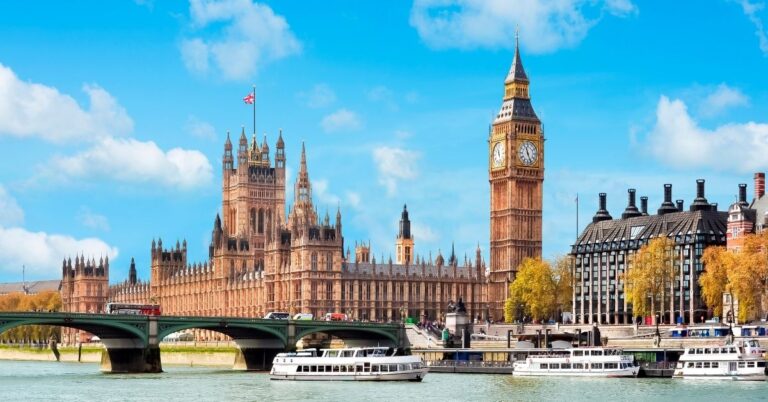


A budget London itinerary sets expectations clearly from the first moment of planning. London often appears expensive because early research highlights hotel prices, transport zones, and famous attractions all at once. Without a clear structure, travelers assume that every part of the trip will feel costly. A budget-focused itinerary changes that perception by showing how the city actually works.
How cost expectations influence travel behavior
When travelers expect high prices everywhere, their decisions shift automatically. They rush between attractions, rely on taxis or inefficient transport routes, and choose meals out of convenience rather than value. A London itinerary on a budget prevents this reaction by giving direction to each day, so spending decisions feel intentional instead of pressured.
Why most budget problems start with planning
London rarely becomes expensive by accident. Costs rise when days are unstructured and locations are scattered across the city. Transport fares increase, meals become rushed, and paid attractions replace free alternatives. A well planned budget London travel itinerary reduces these issues by grouping experiences logically and minimizing unnecessary movement.
Why London rewards structure more than discounts
Unlike cities where saving money depends on deals or coupons, London rewards planning above all else. Many of its best experiences are free, but they only feel valuable when they fit naturally into the day. A cheap London itinerary works best when free museums, historic streets, and public spaces form the core of the plan rather than acting as backups.
Free experiences are central to a budget London itinerary
London’s free experiences are not secondary attractions. World-class museums, galleries, parks, and riverside walks are part of the city’s identity. An affordable London itinerary simply prioritizes these strengths. When planned correctly, free experiences often become the most memorable parts of the trip.
Many of London’s best free experiences sit close enough to explore on foot when planned correctly. Grouping museums, public squares, and historic streets into a single walking area reduces transport costs while allowing the day to flow naturally. This approach turns free attractions into the backbone of a budget-friendly day rather than scattered stops.
It is a relief to be able to walk around here and admire the beautiful works. I particularly like monet and pissaro and there are some of these hanging.
Read more reviews at Tripadvisor.
How last-minute choices increase costs
London punishes indecision more than many destinations. Last-minute transport changes raise daily travel costs. Unplanned meals near landmarks are often overpriced. Paid attractions feel unavoidable when free options are not scheduled ahead. A budget London itinerary removes this pressure by defining priorities before arrival, not during moments of fatigue.
The difference between cheap travel and smart budgeting
Traveling cheaply can feel restrictive, but traveling smart feels comfortable. A smart London itinerary on a budget focuses on value, pacing, and balance. It allows room for one or two paid highlights while keeping overall costs controlled. This approach makes the experience feel intentional rather than limited.
Why first-time visitors benefit the most
First-time visitors often struggle with London’s scale and complexity. Without guidance, they default to expensive shortcuts that seem easier. A budget London itinerary creates confidence by offering a clear daily structure. With direction in place, travelers enjoy the city instead of reacting to it.
For travelers who are new to the city, this budget-focused approach works best when combined with a broader London itinerary for first-time visitors that explains how areas, pacing, and priorities fit together.
Seeing the real city through a budget approach
A budget-focused plan often reveals a more authentic side of London. Neighborhood walks, local streets, and everyday spaces become part of the experience. An itinerary on a budget encourages slower exploration, which naturally brings travelers closer to how the city actually lives and moves.
Spending less often improves the experience
In London, spending less can improve the overall journey. Slower days reduce exhaustion. Walkable routes uncover small details. Free spaces invite lingering rather than rushing. A well designed budget London itinerary creates space for curiosity, which is often where the strongest travel memories are formed.
What a Real Budget London Itinerary Looks Like in Practice

Moving beyond the idea of cheap travel
A real budget London itinerary focuses on smart choices rather than constant cost cutting. Many travelers think budget travel means giving up comfort or skipping experiences. In practice, a well planned itinerary on a budget emphasizes balance. Travelers decide where to save and where to spend so the trip feels complete, not restricted.
Why priorities shape the entire trip
London offers more options than any visitor can realistically experience in one visit. When travelers fail to set priorities, spending spreads in every direction. A London itinerary on a budget begins with clear decisions about what deserves time and attention. These decisions prevent unnecessary costs and keep the experience focused.
How structure removes expensive guesswork
Structure plays a central role in a budget London travel itinerary. When each day follows a clear plan, travelers avoid expensive last-minute decisions. Clear structure reduces the need for taxis, rushed meals, and paid attractions chosen out of convenience. Planning ahead protects the budget quietly and consistently.
Designing days around walkable areas
A strong budget London itinerary builds each day around areas that support walking. London becomes surprisingly walkable when travelers group nearby sights together. Walking lowers transport costs and improves the experience by revealing local streets, hidden corners, and everyday city life.
Budget-focused travelers visiting London alone often need a different daily rhythm, and this solo travel London itinerary shows how to plan independently without overloading each day.
Using free attractions as the backbone of each day
Free attractions work best when they form the core of the day rather than acting as backups. A smart itinerary on a budget places museums, historic areas, parks, and public spaces at the center of each route. Paid attractions then become optional additions instead of financial obligations.
Why transport planning controls overall spending
Transport choices strongly influence the total cost of a London trip. A cheap London itinerary relies on efficient routes rather than avoiding transport completely. When travelers plan short, logical journeys, daily transport costs stay predictable. This control removes stress and keeps spending consistent.
Managing time instead of chasing value
Many travelers try to extract maximum value by overloading each day. In London, packed schedules often lead to exhaustion and higher spending. A budget London itinerary values time and energy alongside money. Slower pacing reduces fatigue and limits the need for costly shortcuts.
Planning food as part of the itinerary
Food costs rise quickly when travelers make decisions based on hunger rather than planning. A realistic budget London itinerary treats meals as part of the overall plan. Travelers decide in advance when to save and when to enjoy a proper sit-down meal. This approach prevents unnecessary overspending without reducing enjoyment.
Separating daily expenses from special moments
A successful London itinerary on a budget separates routine spending from special experiences. Travelers keep daily costs steady while choosing paid highlights carefully. This separation prevents early overspending and allows room for meaningful experiences later in the trip.
Allowing flexibility without losing control
Budget planning does not remove flexibility. Instead, it creates space for it. When travelers manage costs well, they feel confident adjusting plans when something unexpected appears. A budget London itinerary provides a stable framework that supports spontaneity without financial stress.
Avoiding the feeling of sacrifice
Many travelers worry that budgeting will limit their experience. In London, careful planning often leads to richer moments. Neighborhood walks, local spaces, and unhurried exploration deliver deeper impressions than rushed visits to paid attractions. An itinerary on a budget often feels more authentic, not less.
Why this approach suits different travel styles
This structure works well for solo travelers, couples, and families alike. Walkable planning, free attractions, and controlled spending benefit almost everyone. A budget London itinerary adapts easily without losing its core principles.
Preparing the mindset for the days ahead
Successful budget travel starts with realistic expectations. Travelers who accept that they cannot see everything enjoy London more fully. A clear itinerary on a budget replaces pressure with confidence and sets the tone for the days that follow.
Building toward the daily itinerary
This practical framework prepares travelers for the detailed day-by-day plan ahead. With priorities set and structure defined, each day unfolds naturally. The budget remains stable while the experience grows more rewarding.
How This Budget London Itinerary Is Structured to Save Money

Starting with geography instead of attraction lists
This budget London itinerary starts with geography, not a checklist of famous places. London rewards travelers who move through the city logically. When days follow nearby areas instead of scattered highlights, travel time drops and costs stay controlled. Geography shapes every decision in this itinerary because it directly affects transport spending, energy levels, and overall enjoyment.
Grouping experiences to reduce transport costs
A London itinerary on a budget works best when each day focuses on one main area. Grouping museums, neighborhoods, parks, and landmarks that sit close together reduces the need for frequent transport. Fewer journeys mean lower daily caps and less temptation to use taxis when tired. This simple choice saves money without feeling restrictive.
Using walking as the default, not a backup
Walking plays a central role in this budget London travel itinerary. Instead of treating walking as something to do only when transport feels inconvenient, this structure assumes walking first and transport second. London’s streets often reveal more than its underground lines. Walking also removes hidden costs that build up quietly over several days.
Letting free attractions shape the day
Free attractions do not fill gaps in this itinerary. They shape the entire flow of each day. Museums, historic streets, public parks, and cultural spaces form the backbone of the plan. A cheap London itinerary feels satisfying because free experiences receive the same importance as paid ones, not because money is avoided.
Limiting paid experiences without eliminating them
This itinerary does not avoid paid attractions completely. Instead, it limits them intentionally. A London itinerary on a budget usually includes one paid highlight at most on any given day. This rule keeps spending predictable and prevents decision fatigue. When travelers choose paid experiences carefully, they enjoy them more.
Controlling daily costs through repetition
Repetition helps control costs. This budget London itinerary uses consistent routines for transport, meals, and pacing. Travelers avoid constant changes that increase expenses. Familiar routes, predictable meal patterns, and steady daily rhythms reduce stress and make budgeting feel natural rather than forced.
Planning energy to avoid expensive shortcuts
Fatigue often leads to overspending. Tired travelers rely on taxis, overpriced cafes, or paid attractions simply to avoid thinking. This itinerary plans energy as carefully as money. Shorter distances, regular breaks, and realistic daily goals help travelers stay alert and make better spending decisions throughout the day.
Separating must-see experiences from optional ones
Clear separation between essential experiences and optional extras keeps the budget under control. A budget London itinerary identifies what matters most before arrival. Optional activities remain available but never feel necessary. This clarity prevents guilt spending and keeps priorities intact.
Designing flexible blocks instead of fixed schedules
This structure avoids rigid hourly schedules. Instead, it uses flexible blocks of time that allow natural exploration. A London itinerary on a budget works best when travelers feel free to linger or move on without pressure. Flexibility prevents rushed decisions that often lead to unnecessary spending.
Using consistency to reduce mental load
Mental fatigue can cost money just as easily as physical fatigue. This budget London travel itinerary relies on consistent patterns so travelers do not need to rethink every choice. When routines feel familiar, decisions become faster and cheaper. Consistency quietly protects the budget across multiple days.
Making budgeting feel invisible
The strongest budget itineraries never feel like budget plans. This structure hides cost control inside smart design choices. Walkable days, free anchors, limited paid highlights, and controlled pacing work together without drawing attention to money. Travelers focus on the experience, not the budget.
Preparing for the day-by-day plan
This structure sets the stage for the daily itinerary that follows. With geography, pacing, and priorities defined, each day fits naturally into the budget framework. The result feels calm, realistic, and rewarding rather than tight or restrictive.
How Many Days You Need for a Comfortable Budget Trip to London

Why the number of days matters more on a budget
The length of a trip plays a major role in how a budget London itinerary performs. Too few days often force rushed decisions that increase spending, while too many days without structure can slowly drain the budget. Finding the right balance allows travelers to control costs while still enjoying London at a comfortable pace.
Why short trips often feel more expensive
Many travelers assume fewer days automatically mean lower costs. In London, the opposite often happens. Short trips push visitors to pack too much into each day. This leads to higher transport use, quick meals near attractions, and paid shortcuts to save time. A London itinerary on a budget works best when the pace stays realistic rather than compressed.
If your visit is limited to a short stay, this London weekend itinerary explains how to prioritize walkable areas and avoid the costly mistakes that rushed trips often create.
How three days can work with the right structure
Three days can support a solid budget London travel itinerary when expectations stay clear. Travelers who focus on central areas, walk frequently, and rely on free attractions can experience London meaningfully in three days. This timeframe suits visitors with limited time who want an introduction without overspending.
Why four days create better balance
Four days allow a budget London itinerary to breathe. With an extra day, travelers reduce daily pressure and spread experiences more evenly. Transport costs often drop because routes feel calmer and more logical. Meals become more planned, and fatigue decreases. For many visitors, four days offer the best balance between cost control and enjoyment.
For travelers who want a balanced stay without rushing or overspending, this 4 day London itinerary shows how to spread experiences comfortably while keeping daily costs predictable.
Why five days often deliver the best value
A five-day stay often delivers the strongest value for a London itinerary on a budget. With more time, travelers walk more, rely less on transport, and explore neighborhoods beyond the main tourist core. Daily spending becomes more consistent, and paid attractions feel optional rather than urgent. The budget stretches further because the pace slows naturally.
When visitors have a little more time, this 5 day London itinerary demonstrates how slower pacing and neighborhood exploration can stretch a budget further without sacrificing depth.
How longer stays can still remain affordable
Some travelers worry that extending their stay automatically increases costs. In reality, a longer budget London itinerary often lowers daily expenses. Slower days reduce transport use and impulse spending. When travelers settle into a routine, budgeting feels easier rather than harder.
Matching trip length to travel style
The ideal number of days depends on how travelers prefer to move. Fast-paced travelers may feel comfortable with three focused days, while slower explorers benefit from four or five. A flexible London itinerary on a budget adapts to different styles by adjusting pacing rather than adding expensive experiences.
Why flexibility matters more than fixed numbers
Instead of locking into a strict number of days, a smart budget London itinerary allows room for adjustment. Travelers may arrive tired or discover areas they want to explore longer. Flexibility prevents rushed spending and supports better decision-making throughout the trip.
Avoiding the pressure to see everything
London rewards travelers who accept that they cannot see everything in one visit. Trying to cover too much increases costs and reduces enjoyment. A realistic itinerary on a budget focuses on depth rather than volume. This mindset protects both the budget and the experience.
Choosing days based on energy, not ambition
Energy management matters as much as time management. Travelers who plan days based on how much they can comfortably handle avoid expensive shortcuts later. A budget London itinerary stays affordable when days feel manageable rather than exhausting.
Preparing for the day-by-day plan
Understanding how many days work best prepares travelers for the detailed itinerary ahead. Whether the trip lasts three, four, or five days, the same budget principles apply. The next section turns these principles into a clear, day-by-day plan that keeps costs controlled and experiences meaningful.
Budget Transport and Accommodation Choices That Matter Most

Why transport and accommodation shape the entire budget
Transport and accommodation usually consume the largest portion of any budget London itinerary. Small mistakes in these two areas multiply quickly over several days. Smart choices here create stability, while poor choices force constant adjustments that increase stress and spending. This section focuses on decisions that offer the highest impact.
Choosing location over comfort level
In a London itinerary on a budget, location matters more than luxury. Staying slightly outside the tourist core but near reliable transport often saves more money than choosing a cheaper place in an inconvenient area. When accommodation sits near Underground or bus connections, travelers reduce daily travel costs and avoid expensive late-night journeys.
Understanding zones without overthinking them
Many visitors overcomplicate London’s transport zones. A budget London travel itinerary does not require deep technical knowledge of the system. Most first-time travelers spend the majority of their time within central zones. Choosing accommodation that avoids extreme outer zones keeps daily transport simple and predictable.
Accommodation that looks cheaper on paper can cost more in practice. Long walks to transport stations and frequent transfers add up. A smart budget London itinerary prioritizes places that reduce movement friction. Short walks to stations and attractions save both time and money across multiple days.
Choosing accommodation near walkable areas dramatically reduces daily transport spending. When major sights, parks, and neighborhoods sit within comfortable walking distance, travelers avoid unnecessary journeys and maintain better energy throughout the day. This makes location one of the most important budget decisions.
Using public transport efficiently instead of frequently
Public transport works best when used strategically. A cheap London itinerary does not rely on constant hopping between lines. It uses transport to connect walkable areas rather than replace walking entirely. Fewer journeys reduce daily costs and make travel feel calmer.
Keeping daily transport costs predictable
Predictability matters more than chasing the lowest possible fare. A London itinerary on a budget stays affordable when daily transport spending remains consistent. Planning routes in advance prevents unexpected costs and removes anxiety around fare calculations.
Why buses deserve more attention
Many travelers overlook buses in favor of the Underground. In reality, buses play an important role in a budget London itinerary. They cost the same per ride, cover scenic routes, and reduce the need for transfers. Buses also reveal street-level views that help travelers understand the city better.
Avoiding transport mistakes caused by fatigue
Tired travelers make expensive choices. Late-night taxis, unnecessary ride-hailing, and inefficient routes often appear when energy drops. A budget London travel itinerary accounts for fatigue by keeping days compact and accommodation well connected. Good planning prevents these costly decisions before they happen.
Choosing accommodation types that support budgeting
Hotels, hostels, serviced apartments, and short-term rentals all fit different budget strategies. A smart London itinerary on a budget focuses less on category and more on function. Comfortable sleep, safe surroundings, and easy transport access matter more than extra amenities that rarely get used.
Why flexibility in accommodation helps
Some travelers lock themselves into rigid accommodation plans. Flexibility often supports better budgeting. Staying in one location for the entire trip reduces transport costs and packing stress. A stable base allows travelers to settle into routines that protect the budget.
Balancing privacy, comfort, and cost
Budget travel does not require sacrificing comfort entirely. A realistic budget London itinerary balances privacy and price carefully. Choosing a clean, well-located place with basic comfort often delivers more satisfaction than chasing the lowest price available.
How accommodation affects daily spending habits
Where travelers stay influences how they spend each day. Accommodation near supermarkets, cafes, and local areas encourages affordable habits. A London itinerary on a budget benefits when daily routines include easy access to practical services rather than constant reliance on tourist zones.
Preparing for the itinerary days ahead
With transport and accommodation decisions in place, the rest of the itinerary becomes easier to follow. Movement feels logical, costs remain steady, and daily plans stay flexible. The next section turns this foundation into a clear, day-by-day budget London itinerary that brings everything together.
Eating Well in London on a Budget Without Sacrificing the Experience

Why food decisions define the budget more than attractions
Food often becomes the most underestimated expense in a budget London itinerary. While travelers plan transport and attractions carefully, meals are frequently left to chance. This creates unnecessary spending, not because food in London lacks affordable options, but because hunger forces quick decisions in expensive locations. Treating food as part of the itinerary changes this completely.
How location quietly influences food spending
Where travelers eat matters more than what they eat. Restaurants and cafes near major attractions charge higher prices because demand stays constant. A London itinerary on a budget works best when meals happen slightly away from landmark-heavy areas. A short walk often leads to better value, larger portions, and a calmer atmosphere without sacrificing quality.
Why planning meals does not mean rigid schedules
Meal planning does not require fixed times or strict rules. Instead, it creates awareness. Travelers who know roughly when and where they will eat avoid impulse spending. A budget London travel itinerary benefits when meals feel intentional but flexible, allowing adjustments without stress or overspending.
Understanding London’s everyday food culture
London’s everyday food culture supports budget travel naturally. Locals rely heavily on casual eateries, bakeries, markets, and takeaway options. These places focus on consistency rather than presentation. An itinerary on a budget aligns naturally with this culture by prioritizing how Londoners actually eat rather than chasing tourist-focused dining.
Using markets as a natural food solution
Markets play an important role in eating well without overspending. They offer variety, competitive pricing, and flexible portion sizes. A budget London itinerary often feels more enjoyable when meals happen in lively market environments rather than formal restaurants. Markets also allow travelers to eat according to appetite rather than set menus.
Why supermarkets support smarter budgeting
Supermarkets quietly support many successful budget trips. They provide affordable breakfasts, snacks, and simple meals that reduce pressure to eat out constantly. A London itinerary on a budget does not rely on supermarkets for every meal, but uses them strategically to stabilize daily spending and avoid overpriced convenience food.
Balancing saving meals with enjoyable ones
Eating on a budget does not mean avoiding sit-down meals entirely. A smart approach balances simple meals with one or two enjoyable dining experiences. This balance keeps morale high while protecting the overall budget. In a budget London itinerary, food spending feels controlled, not restricted.
For independent travelers balancing cost and comfort, this solo travel London itinerary explains how to explore the city alone without overspending or rushing.
How fatigue increases food costs
Tired travelers spend more on food. When energy drops, people choose whatever is closest, fastest, or most comfortable. These options often cost more and offer less satisfaction. A well paced London itinerary on a budget reduces fatigue, which naturally improves food choices and spending habits.
Timing meals to avoid peak pricing
Timing influences food costs as much as location. Eating slightly earlier or later than peak hours often leads to better service and calmer environments. A budget London itinerary benefits when travelers remain flexible with meal times, avoiding crowded periods that push prices and reduce quality.
Why street-level exploration improves food value
Street-level exploration reveals food options that never appear in guidebooks. Small cafes, bakeries, and casual eateries often deliver excellent value. Walking through neighborhoods rather than relying on recommendations alone helps travelers discover places that fit both taste and budget.
Avoiding the pressure to “eat out properly” every day
Many travelers feel pressure to treat every meal as an event. In London, this mindset quickly becomes expensive. A London itinerary on a budget removes that pressure by normalizing simple, satisfying meals. This approach reflects how people actually live in the city and keeps spending realistic.
How food choices affect the overall experience
Food decisions influence energy, mood, and pacing. Eating too heavily or too expensively can limit flexibility later in the day. A budget London travel itinerary keeps meals supportive rather than dominant. Food fuels exploration instead of becoming the focus of constant decision-making.
Making food part of the rhythm of the day
The best budget itineraries treat food as part of the daily rhythm rather than isolated events. Short breaks, casual meals, and flexible timing allow travelers to stay present and engaged. This rhythm supports better choices and keeps spending aligned with the overall plan.
Why eating well improves the sense of value
When travelers eat well without overspending, the entire trip feels more balanced. A budget London itinerary succeeds when visitors feel satisfied rather than deprived. Good food experiences, even simple ones, reinforce the idea that budgeting enhances the trip instead of limiting it.
Preparing for attraction decisions next
With food choices under control, travelers gain more freedom when deciding which attractions deserve spending. The next section focuses on how to balance free and paid attractions in London without regret, using the same calm, value-driven approach.
Free vs Paid Attractions and How to Choose on a Budget

Why attraction choices shape the entire experience
Attraction choices influence both spending and satisfaction in a budget London itinerary. Many travelers assume that paid attractions automatically deliver better experiences, while free ones act as backups. In London, this assumption often leads to unnecessary spending and disappointment. Choosing attractions well matters more than choosing expensive ones.
Understanding London’s unusual balance of value
London differs from many cities because some of its most respected cultural institutions are free to enter. Museums, galleries, historic streets, and public spaces carry real depth and quality. A London itinerary on a budget works best when travelers recognize that free does not mean inferior and paid does not always mean essential.
Why paid attractions feel urgent but are rarely necessary
Paid attractions often feel urgent because of marketing, queues, and limited-time messaging. Travelers fear missing out and make quick decisions that strain the budget. A budget London travel itinerary removes this pressure by placing paid experiences within a broader context rather than treating them as must-do moments.
How free attractions create better pacing
Free attractions naturally support slower, more flexible pacing. Travelers feel comfortable spending more time without worrying about value for money. This freedom improves energy levels and reduces the urge to rush. A budget London itinerary benefits when experiences allow lingering rather than enforcing strict timelines.
Evaluating paid attractions based on timing
Paid attractions offer better value when chosen carefully. Visiting one paid experience on a low-energy day often improves satisfaction more than stacking several into a single schedule. A London itinerary on a budget treats paid attractions as energy management tools rather than highlights that must dominate the trip.
Why skipping some famous attractions improves value
Skipping famous attractions can feel uncomfortable, especially for first-time visitors. However, many iconic sights deliver their impact from the outside or through surrounding areas. A budget London itinerary gains value when travelers choose experiences that fit their interests instead of chasing recognition.
Avoiding regret spending
Regret spending happens when travelers pay for attractions without clear expectations. This often occurs when fatigue or uncertainty drives decisions. A budget London travel itinerary reduces regret by encouraging travelers to decide in advance which paid experiences truly matter to them.
Using free experiences to test interest
Free attractions offer a low-risk way to explore interests. Travelers can spend time in museums, neighborhoods, or cultural spaces before deciding whether a deeper paid experience feels worthwhile. This approach supports smarter spending and improves confidence.
How crowds affect perceived value
Crowds often reduce the value of paid attractions. Long queues and packed interiors limit enjoyment and increase stress. Free attractions usually offer more space and flexibility. A London itinerary on a budget benefits when travelers prioritize comfort over prestige.
Recognizing when paid experiences add meaning
Some paid attractions genuinely enhance the trip when chosen with intention. These experiences often connect strongly to personal interests or offer perspectives unavailable elsewhere. A budget London itinerary allows room for these moments without letting them dominate the plan.
Great experience on the London Eye cruise! We had a really good time, and our tour guide Jordan was brilliant. He kept us entertained with jokes and interesting facts throughout the trip. Would definitely recommend!
Read more reviews at Tripadvisor.
Why balance matters more than numbers
The goal is not to maximize the number of free attractions or minimize paid ones. The goal is balance. A London itinerary on a budget feels successful when travelers enjoy a mix of meaningful free experiences and carefully chosen paid highlights.
Letting value guide decisions instead of price
Price alone does not determine value. Some free experiences deliver lasting impressions, while some expensive attractions feel forgettable. A budget London travel itinerary stays grounded by asking whether an experience adds genuine enjoyment rather than focusing solely on cost.
How attraction choices affect the rest of the day
Attraction decisions influence energy, movement, and spending later in the day. Overloading with paid attractions often leads to fatigue and additional costs. A balanced itinerary on a budget keeps days open and adaptable.
Preparing for common mistakes
Understanding how to choose between free and paid attractions helps travelers avoid costly errors. The next section focuses on common budget mistakes that quietly make London more expensive than it needs to be, and how to avoid them.
Common Budget Mistakes That Make London More Expensive Than It Should Be

Assuming London is expensive before planning begins
One of the most common mistakes travelers make is assuming London will be expensive no matter what they do. This belief influences decisions before the trip even starts. When people expect high costs everywhere, they stop questioning prices and accept unnecessary expenses as unavoidable. A budget London itinerary works best when travelers challenge this assumption early.
Trying to see too much in too little time
Overloading each day creates hidden costs. Rushed schedules push travelers toward taxis, paid attractions chosen out of convenience, and overpriced meals near landmarks. A London itinerary on a budget avoids this mistake by keeping days realistic. Fewer experiences often lead to better memories and lower spending.
Treating transport as a shortcut instead of a tool
Many visitors rely too heavily on transport to save time. Frequent Underground rides, unnecessary transfers, and last-minute route changes increase daily costs quickly. A budget London travel itinerary treats transport as a connector between walkable areas, not a replacement for walking. This shift alone reduces spending significantly.
Choosing accommodation based only on price
Accommodation that looks cheap can become expensive in practice. Long distances, poor connections, and inconvenient locations increase transport costs and daily fatigue. A London itinerary on a budget prioritizes location and access over headline price. Comfortable positioning often saves money across the entire trip.
Eating where hunger strikes
Food spending often spikes when travelers eat wherever hunger strikes. Areas near major attractions charge premium prices because demand remains constant. A budget London itinerary avoids this trap by planning meals loosely in advance. Even simple awareness helps travelers walk a little farther for better value.
Overvaluing famous paid attractions
Famous attractions often feel essential, but many deliver limited value once inside. Paying for recognition rather than experience leads to disappointment and regret spending. A London itinerary on a budget encourages travelers to evaluate attractions based on personal interest rather than reputation.
Ignoring free experiences because they seem obvious
Free museums, parks, and public spaces sometimes feel too obvious to matter. Travelers assume they can visit them anytime and postpone them indefinitely. In practice, these experiences often deliver the strongest impressions. A budget London travel itinerary treats free attractions as priorities, not afterthoughts.
Letting fatigue drive spending decisions
Fatigue increases spending quietly. Tired travelers choose taxis, overpriced cafes, and unnecessary comforts to recover energy. A well paced London itinerary on a budget plans rest into each day. This reduces the temptation to spend money simply to feel comfortable.
Changing plans too often during the day
Constant plan changes lead to confusion and extra costs. Missed routes, duplicated journeys, and last-minute decisions add up quickly. A budget London itinerary benefits from a clear daily outline that allows flexibility without chaos.
Expecting every meal to be memorable
Not every meal needs to be an event. Travelers who expect exceptional dining at every stop often overspend and feel disappointed. A London itinerary on a budget normalizes simple, satisfying meals. This mindset keeps food spending realistic and enjoyable.
Treating budgeting as restriction rather than design
Many travelers see budgeting as something that limits experience. In reality, good budgeting improves it. A budget London itinerary uses design and structure to remove stress. When money feels controlled, travelers focus more on the city and less on calculations.
Ignoring the cumulative effect of small expenses
Small expenses feel harmless in isolation. Extra transport rides, snacks bought impulsively, and convenience purchases add up across several days. A London itinerary on a budget stays affordable when travelers remain aware of these small choices without becoming obsessive.
Learning from mistakes instead of repeating them
Most budget mistakes come from habits rather than necessity. Travelers who notice patterns early can adjust quickly. A thoughtful budget London travel itinerary allows room for correction without derailing the entire plan.
Preparing for a confident conclusion
Avoiding these common mistakes makes London feel far more approachable. With awareness and structure in place, the city becomes manageable, enjoyable, and affordable. The final section brings everything together and reinforces how a budget-focused approach leads to a better overall experience.
Final Thoughts on Experiencing London Well on a Budget

Why a budget approach leads to a better London experience
A budget London itinerary does more than reduce costs. It improves how travelers experience the city. When spending feels controlled, attention shifts toward streets, neighborhoods, and everyday moments that define London’s character. The city feels less intimidating and more inviting when money stops dominating every decision.
How structure creates freedom rather than limitation
Structure often sounds restrictive, but in practice it creates freedom. A London itinerary on a budget removes constant decision-making and replaces it with confidence. Travelers know where they are going, why they are there, and how the day fits together. This clarity allows spontaneity to feel enjoyable instead of stressful.
Why slower travel reveals more of the city
London rewards travelers who slow down. Walking routes, public spaces, and local areas reveal details that rushed visits miss entirely. A budget London travel itinerary naturally encourages this slower pace, not as a sacrifice, but as a better way to connect with the city.
Letting go of the pressure to see everything
No single trip can cover all of London. Accepting this reality improves both enjoyment and budgeting. A London itinerary on a budget focuses on depth rather than volume. Travelers leave with a stronger sense of place instead of a checklist of exhausted memories.
How budgeting supports confidence for future visits
Travelers who experience London comfortably on a budget often feel confident returning. They understand the city’s layout, transport rhythms, and daily costs. A successful budget London itinerary turns London from an overwhelming destination into a familiar one.
Seeing value beyond price
Value does not come from price tags alone. Some of the most memorable moments in London happen without spending anything. A London itinerary on a budget trains travelers to recognize value in atmosphere, movement, and observation rather than cost alone.
Why this approach works for many travel styles
This itinerary suits first-time visitors, repeat travelers, solo explorers, and couples alike. Its principles remain consistent across travel styles because they rely on logic rather than restriction. A budget London itinerary adapts naturally without losing its foundation.
Turning planning into part of the enjoyment
Thoughtful planning does not remove excitement. It builds anticipation. Knowing that London can be experienced well without overspending creates a sense of calm before arrival. A London itinerary on a budget allows travelers to focus on discovery instead of worry.
Carrying the mindset beyond London
The habits formed during a budget-focused London trip often carry into future travel. Travelers learn to value structure, pacing, and intention. These lessons apply far beyond one city and often improve travel experiences everywhere.
Ending the trip with satisfaction rather than fatigue
The strongest sign of a successful itinerary is how travelers feel at the end of the trip. A budget London itinerary aims for satisfaction, not exhaustion. When travelers leave feeling energized rather than drained, the approach has worked.
A final perspective on budgeting and experience
Exploring London on a budget does not mean settling for less. It means choosing better. With thoughtful planning, clear priorities, and realistic pacing, London becomes not only affordable, but deeply rewarding. This approach transforms budgeting from a constraint into a quiet advantage.
Frequently Asked Questions
General Budget Planning
Yes, London is very possible to visit on a budget when the trip is structured correctly. Many major experiences in the city are free, and careful planning around walking, transport, and food keeps daily costs manageable.
A budget London itinerary focuses on value rather than extreme cost-cutting. It prioritizes free attractions, walkable areas, and smart food choices while allowing limited paid experiences where they add real value.
Yes, first-time visitors often benefit the most from a budget-focused itinerary. Clear structure reduces confusion, prevents overspending, and makes the city feel easier to navigate.
Trip Length and Timing
Three to five days work best for a budget London itinerary. Shorter trips often feel rushed and expensive, while longer stays allow slower pacing and better daily cost control.
Not always. Longer stays often reduce daily expenses because travelers walk more, rely less on transport, and make fewer impulse spending decisions.
Shoulder seasons often offer better value. However, London remains budget-friendly year-round because many top attractions are free regardless of season.
Transport and Accommodation
No. A good budget London itinerary relies heavily on walking. Public transport works best as a connector between walkable areas rather than constant daily use.
Staying slightly outside central areas can save money if the location has good transport connections. Poorly connected areas often increase costs despite lower accommodation prices.
Buses can be very budget-friendly and offer scenic routes. Many travelers find buses useful when they want to reduce transfers and enjoy street-level views.
Food and Attractions
Yes. London offers many affordable food options through markets, casual eateries, and supermarkets. Planning meals loosely in advance helps avoid overpriced tourist areas.
Paid attractions are optional. Many travelers find that free museums, neighborhoods, and public spaces deliver the most meaningful experiences.
Paid attractions work best when chosen based on personal interest rather than popularity. A budget London itinerary usually includes only a few paid highlights spaced across the trip.
Practical Concerns
No. Most travelers find that budgeting improves the experience. Slower pacing, fewer rushed decisions, and more time in public spaces often lead to a more enjoyable trip.
Yes. The principles of walking, free attractions, and controlled spending adapt well to different travel styles, including families and couples.
The biggest mistake is trying to see too much in too little time. This leads to fatigue, rushed transport choices, and unnecessary spending.