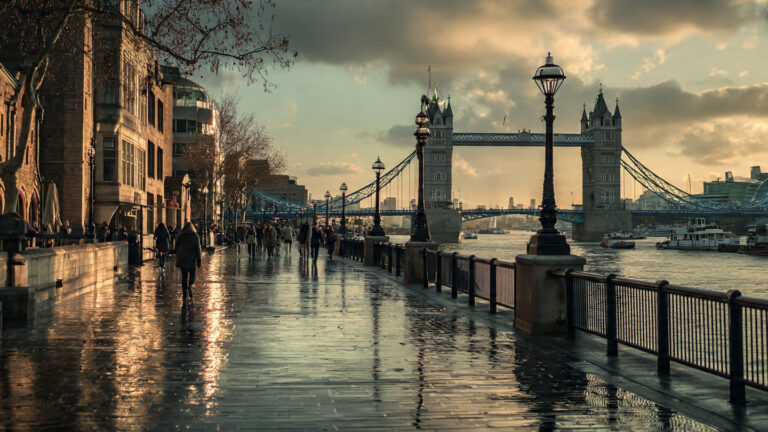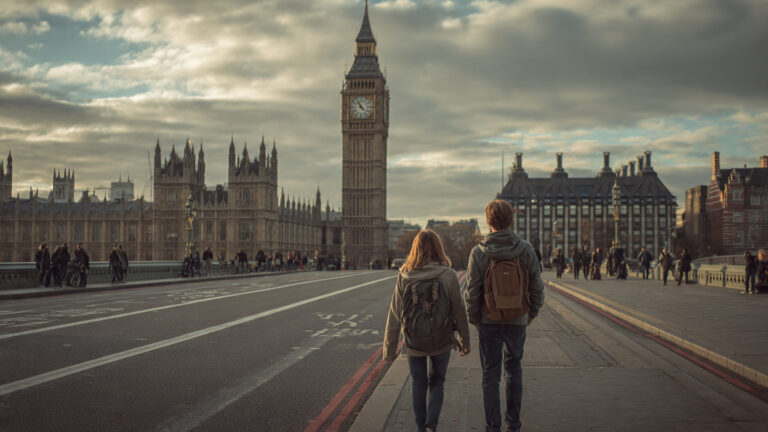


A solo travel London itinerary works best when the city supports independence, clarity, and calm movement from the very beginning. London offers exactly that. For travelers arriving alone, the city feels structured without being rigid. Transport systems are easy to understand, neighborhoods are clearly defined, and moving from one place to another feels intuitive even on the first day. This makes London an ideal destination for anyone planning to explore alone without stress or confusion.
What makes a solo travel London itinerary effective here is flexibility. You can arrive with a loose plan and still feel in control. The city adapts to your pace rather than forcing you into constant decision-making.
For travelers who want to see how solo exploration fits into a complete first-time plan, this broader guide explains how London connects day by day in a London itinerary for first-time visitors.
A City Where Being Alone Feels Natural
One of the biggest concerns solo travelers have is feeling out of place. In London, that concern fades quickly. People move through the city independently every day. They eat alone, walk alone, read alone in public spaces, and explore without company. This normalcy creates an environment where solo travel blends into daily life instead of standing out.
For anyone following a solo travel London itinerary, this sense of belonging matters deeply. When being alone feels normal, attention shifts away from self-consciousness and toward curiosity, observation, and enjoyment of the city.
Neighborhood-Based Exploration Reduces Pressure
London is not built around a single compact center. Instead, it operates as a collection of neighborhoods, each with its own rhythm and atmosphere. This layout is especially helpful for solo travelers. A solo travel London itinerary can focus on one neighborhood at a time rather than forcing long, exhausting journeys across the city.
Exploring London this way reduces mental fatigue. You spend less time planning routes and more time experiencing places. For solo travelers, this creates a sense of completion at the end of each day without the feeling of rushing or missing out.
Visibility Supports Safety and Comfort
Safety during solo travel depends more on visibility than isolation. London provides a strong sense of shared space. Streets remain active, transport hubs are well-managed, and public areas feel lived in rather than empty. This creates reassurance without tension.
As you move through your solo travel London itinerary, familiarity develops quickly. You begin to recognize patterns in crowds, understand which areas feel busy or calm, and learn how the city shifts throughout the day. This awareness builds confidence naturally instead of relying on constant caution.
Freedom Without Compromise
Traveling alone removes the need to negotiate plans. A solo travel London itinerary benefits greatly from this freedom. You can change direction on impulse, stay longer in places that interest you, or leave early when energy drops without explaining yourself.
London supports this style of travel. Museums, parks, cafés, and walking routes allow you to move in and out easily. That flexibility helps solo travel feel intentional rather than fragmented or rushed.
A City Designed for Wandering
London does not demand strict efficiency. It encourages wandering. Streets curve unexpectedly, green spaces appear between buildings, and history reveals itself gradually. For solo travelers, wandering becomes part of the experience rather than a distraction from it.
A well-paced solo travel London itinerary leaves room for this. Walking without urgency allows you to notice architectural details, street life, and small moments that group travel often overlooks. These details add depth to the journey.
Confidence Grows With Each Day
One of the strongest advantages of choosing London for solo travel is how quickly confidence builds. The first day may feel cautious. By the second day, navigation becomes easier. By the end of the trip, the city feels familiar and manageable.
This progression is essential when designing a solo travel London itinerary. London supports gradual confidence rather than demanding immediate comfort, which makes it especially suitable for first-time solo travelers.
Why This Foundation Matters
Understanding why London works so well for solo travel shapes every planning decision that follows. A successful solo travel London itinerary is not about seeing everything. It is about moving through the city with clarity, comfort, and flexibility while allowing space for discovery.
The next section will focus on how solo travel in London differs from traveling with others and how that difference affects planning and pacing.
What Makes Solo Travel in London Different From Traveling With Others

Decision-Making Becomes Personal
Solo travel in London feels different because every decision belongs to you. When traveling with others, plans often revolve around compromise. When following a solo travel London itinerary, choices are guided by energy, interest, and mood instead. This changes how the city is experienced. You are not rushing to match someone else’s pace or forcing interest in places that do not resonate.
This personal decision-making allows days to unfold more naturally. You might spend longer in a museum, cut a walk short, or change direction entirely. London supports this flexibility, which is why solo travel here often feels calmer than group travel.
Pacing Feels More Balanced
One of the biggest differences when traveling alone is pacing. Groups tend to push days to their limits, trying to fit in as much as possible. A solo travel London itinerary benefits from a more balanced rhythm. You move slower when needed and faster when energy allows, without pressure.
London rewards this approach. The city is layered, not linear. Slower pacing allows details to surface. Architecture, local streets, and everyday life become part of the experience rather than background noise.
Energy Management Matters More
When traveling alone, there is no shared energy pool. Everything runs on your own physical and mental state. A solo travel London itinerary must respect this reality. Overloading days leads to faster burnout, especially in a city as large as London.
Solo travelers often benefit from shorter active periods followed by intentional rest. Parks, cafés, and quiet streets are not filler stops. They are essential parts of maintaining momentum throughout the trip.
Awareness Replaces Group Security
Group travel often creates a false sense of security. Solo travel replaces that with awareness. In London, this shift is empowering rather than stressful. Streets are busy, transport is predictable, and signage is clear. You learn quickly how to move confidently without relying on others.
This awareness becomes one of the strengths of a solo travel London itinerary. You notice surroundings more clearly. You choose routes intentionally. Over time, this builds trust in your own judgment.
Traveling alone does not mean constant solitude. It means control over social interaction. In London, this distinction matters. You can engage with people when you feel open and withdraw when you need quiet.
A solo travel London itinerary should leave room for both. Some days feel social through markets, tours, or shared spaces. Other days feel reflective through walking routes and solo meals. London accommodates both without friction.
Flexibility Shapes the Experience
When plans involve multiple people, flexibility often disappears. Traveling alone restores it. A solo travel London itinerary thrives on this freedom. You can follow curiosity instead of schedules. You can linger in places that feel right and skip those that do not.
This flexibility changes how memories form. Instead of remembering a list of attractions, you remember moments. A street you wandered into. A park bench where you rested. A café where time slowed down.
Planning Shifts From Lists to Flow
Traditional itineraries often rely on lists. Solo travel requires flow. A solo travel London itinerary works best when days are shaped around geography, energy, and mood rather than strict attraction counts.
London’s neighborhood-based layout supports this planning style. You move through areas naturally, allowing the day to evolve instead of forcing structure onto it.
Why This Difference Matters for the Itinerary
Understanding how solo travel changes behavior is essential before planning daily structure. A solo travel London itinerary should not mirror a group itinerary with one person removed. It should be designed specifically for independence, flexibility, and confidence.
The next section will focus on choosing the right number of days for a solo London trip and how trip length affects comfort, energy, and experience.
How Many Days Are Ideal for a Solo London Itinerary

Why Trip Length Feels Different When Traveling Alone
Choosing the right length for a solo London trip is one of the most important decisions in planning. When traveling alone, time feels more personal. There is no shared momentum pushing days forward and no group energy carrying you through long schedules. A solo travel London itinerary must match your natural rhythm rather than external expectations.
London is large, layered, and mentally stimulating. Solo travelers often process experiences more deeply, which can make shorter trips feel fuller and longer trips feel intense if not paced carefully.
One or Two Days Create Pressure
A very short stay in London often creates pressure for solo travelers. One or two days can feel rushed, especially when navigating transport, neighborhoods, and attractions alone. Decision-making happens constantly, and there is little room for rest or reflection.
A solo travel London itinerary built around one or two days works best only when the goal is a focused experience rather than a broad introduction. Otherwise, the pace can feel demanding rather than enjoyable.
Three to Four Days Offer Balance
For many solo travelers, three to four days provide a comfortable balance. This timeframe allows you to explore multiple neighborhoods without feeling hurried. It also leaves space for slower mornings, flexible afternoons, and early evenings when energy dips.
A solo travel London itinerary of this length supports confidence-building. You have enough time to learn how the city works without feeling overwhelmed by endless options.
Five Days Allow Deeper Exploration
Five days is often the ideal length for solo travelers who enjoy immersion. At this pace, London begins to feel familiar. Routes repeat, neighborhoods connect, and daily movement becomes intuitive.
A solo travel London itinerary spread across five days allows you to combine structure with spontaneity. You can dedicate time to major areas while still leaving room for wandering and rest. This length works especially well for first-time visitors who want depth without exhaustion.
Longer Trips Require Intentional Rest
Trips longer than five days can be rewarding but require intentional pacing. London offers endless experiences, which can lead to burnout if every day is treated as a sightseeing day.
For a longer solo travel London itinerary, rest becomes part of the plan. Parks, quiet streets, and low-effort days are essential. Without them, the experience can feel mentally heavy rather than enriching.
If you prefer slower days with more flexibility and less pressure, this 7 day London itinerary is a strong option for building a calmer week.
Energy Matters More Than Ambition
Solo travel highlights personal limits more clearly than group travel. Energy levels fluctuate daily, and there is no one else to absorb that variation. A successful solo travel London itinerary respects this reality.
Instead of maximizing sights, focus on maintaining steady energy. Days that feel slightly underplanned often end up being the most memorable.
First-Time Visitors Should Avoid Overcommitment
First-time solo travelers sometimes underestimate London’s scale. Overcommitting to a packed schedule creates unnecessary stress. A solo travel London itinerary should feel supportive, not demanding.
Choosing fewer days with better pacing often leads to a stronger experience than stretching a trip thin with unrealistic goals.
Let Comfort Guide the Decision
There is no perfect number of days that fits everyone. Comfort should guide the decision more than attraction lists. Some travelers feel fulfilled in three days. Others need five or more to settle into the city’s rhythm.
A solo travel London itinerary works best when it aligns with how you naturally move through unfamiliar places.
Why Day Count Shapes the Entire Itinerary
The number of days determines everything else, from neighborhood choices to daily structure. Before planning routes or activities, deciding on trip length creates clarity.
The next section will focus on how to structure each day when exploring London alone, including pacing, breaks, and decision-making strategies.
How to Structure Your Days When Exploring London Alone
Start Each Day With a Clear Anchor
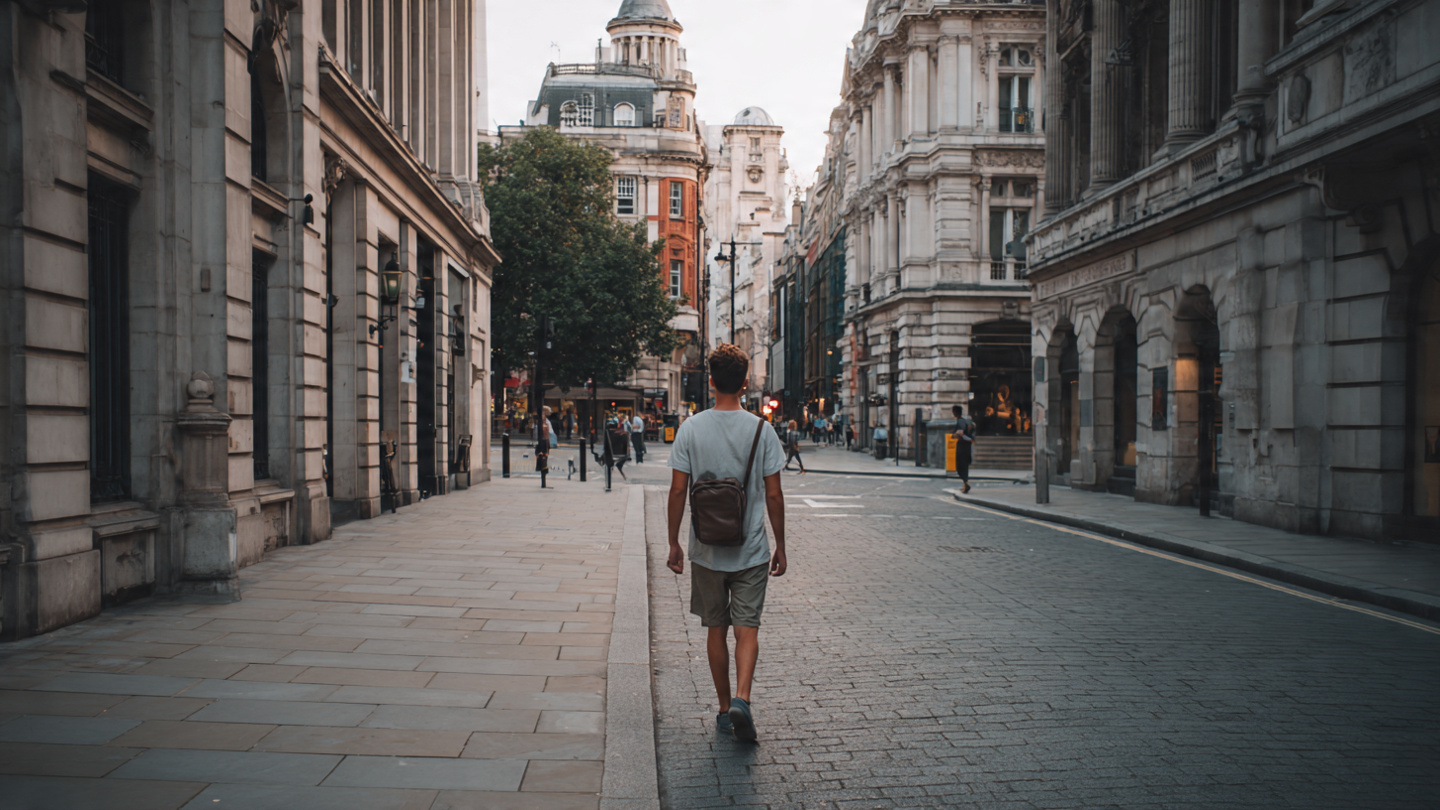
When traveling alone, days feel smoother when they begin with one clear anchor. This might be a neighborhood, a landmark, or even a walking direction. A solo travel London itinerary works best when mornings are simple. Instead of planning every hour, choose one main focus and let the rest of the day develop around it.
This approach reduces mental load early in the day. You wake up knowing where you are heading, which creates calm and confidence before decisions multiply.
Build the Day Around Geography
London rewards geographic planning more than attraction-based planning. When exploring alone, moving back and forth across the city can drain energy quickly. A solo travel London itinerary should follow natural walking paths and nearby connections rather than scattered points.
By staying within one area or two connected neighborhoods, you spend more time experiencing and less time navigating. This makes solo days feel fuller without being exhausting.
Plan One Major Activity Per Day
Solo travel becomes overwhelming when every day contains too many high-effort activities. Museums, long walks, and busy areas all require attention and energy. A solo travel London itinerary benefits from limiting major activities to one per day.
Everything else becomes optional and flexible. This structure protects energy and allows space for unexpected discoveries without pressure.
Use Breaks as Part of the Plan
Breaks are not signs of slowing down. They are part of sustainable solo travel. London offers countless places to pause, from parks to cafés to riverside benches. A solo travel London itinerary should include intentional rest points.
Short pauses reset focus and prevent burnout. They also allow you to absorb surroundings instead of rushing through them.
Keep Afternoons Flexible
Energy often shifts in the afternoon, especially when traveling alone. Crowds increase, legs tire, and attention fades. A solo travel London itinerary works best when afternoons remain flexible rather than tightly scheduled.
This flexibility allows you to decide whether to continue exploring, slow down, or change direction entirely. Some afternoons lead to spontaneous walks. Others call for quiet time. Both are valid.
Avoid Overplanning Evenings
Evenings can be unpredictable for solo travelers. Energy levels vary, and social appetite changes. A solo travel London itinerary should avoid locking in rigid evening plans unless necessary.
Some evenings feel perfect for wandering or casual dining. Others are better spent resting early. Leaving evenings open keeps the experience balanced rather than forced.
Trust Familiar Patterns as Days Progress
As days pass, patterns begin to form. You recognize transport routes, street layouts, and daily rhythms. A solo travel London itinerary should adapt to this growing familiarity.
Later days can feel more spontaneous because confidence has increased. Trusting these patterns allows you to move with ease rather than constantly checking plans.
Let Mood Guide Adjustments
Solo travel heightens awareness of mood. Some days feel energetic. Others feel reflective. A solo travel London itinerary must allow adjustments based on how you feel rather than how the plan looks on paper.
Changing direction is not failure. It is responsiveness. London supports this kind of travel better than most cities.
Why Daily Structure Matters
Daily structure is not about control. It is about support. A well-paced solo travel London itinerary balances clarity with freedom, allowing each day to unfold naturally.
The next section will explore which London neighborhoods feel most comfortable for solo travelers and why area choice matters when traveling alone.
London Neighborhoods That Feel Comfortable for Solo Travelers
Why Neighborhood Choice Matters When Traveling Alone
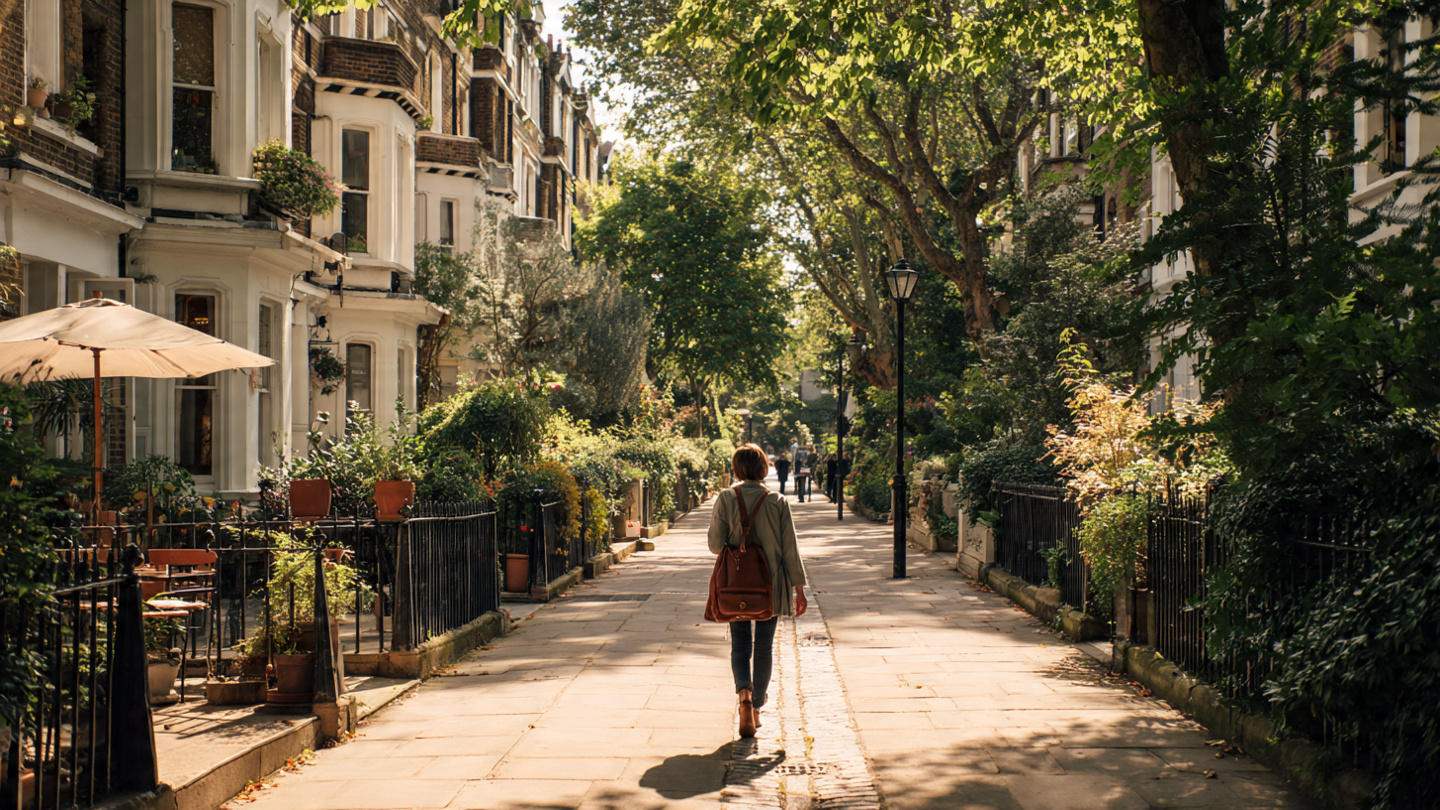
When traveling solo, where you spend time matters just as much as what you see. A solo travel London itinerary benefits from neighborhoods that feel walkable, visible, and easy to navigate. Comfort comes from clear streets, active public spaces, and a steady flow of everyday life rather than tourist-only zones.
Choosing the right areas reduces stress and builds confidence. Instead of constantly checking directions or transport connections, you move naturally and feel grounded in your surroundings.
Central Areas That Offer Balance
Central London neighborhoods often feel ideal for solo travelers because they combine accessibility with energy. Areas like Bloomsbury, Covent Garden, and South Bank provide clear layouts, strong transport links, and a mix of locals and visitors. This balance helps solo travelers feel both safe and engaged.
A solo travel London itinerary that includes central areas makes daily movement easier, especially in the early days of the trip when familiarity is still developing.
Lively area and very nice to do day and night. The streets are lively, there are many people, many restaurants to allow you to taste different specialties. Take 1-2 hours to stroll and make beautiful photos
Read more reviews at Tripadvisor.
Neighborhoods That Encourage Walking
Some London neighborhoods are especially friendly to solo walking. These areas offer wide pavements, clear signage, and plenty of places to pause. Walking alone feels natural rather than rushed.
For solo travelers, walkable neighborhoods reduce reliance on transport and allow the day to unfold organically. A solo travel London itinerary built around walking often feels calmer and more personal.
Areas With a Local Rhythm
Neighborhoods with a strong local rhythm often feel more comfortable than heavily touristed zones. Streets where people shop, commute, and relax daily create a sense of normalcy. Solo travelers blend in rather than standing out.
Including these areas in a solo travel London itinerary helps create moments that feel authentic rather than staged. You experience London as a lived-in city, not just a destination.
Green Spaces Within Neighborhoods
Parks and green spaces play a crucial role in solo comfort. Neighborhoods that include accessible green areas provide natural breaks during the day. These spaces allow solo travelers to rest without needing a plan or purpose.
A solo travel London itinerary that includes park-rich neighborhoods supports energy management and mental clarity. Green spaces become anchors rather than afterthoughts.
Areas That Feel Calm After Dark
Evening comfort matters when traveling alone. Some neighborhoods retain activity without becoming chaotic after dark. Well-lit streets, visible public transport, and a steady presence of people create reassurance.
A solo travel London itinerary should consider where evenings will be spent, not just daytime exploration. Choosing neighborhoods that feel calm rather than deserted helps solo travelers move confidently at any hour.
Avoiding Overstimulating Zones
Not every popular area suits solo travel equally. Some districts feel overwhelming due to crowds, noise, or complex layouts. While these areas may be exciting, they can drain energy quickly when experienced alone.
A thoughtful solo travel London itinerary balances vibrant zones with quieter neighborhoods to prevent sensory overload.
Let Familiarity Guide Area Choices
As days pass, certain neighborhoods will start to feel familiar. You recognize streets, cafés, and routes. A solo travel London itinerary should adapt to this familiarity by revisiting areas that feel comfortable.
Returning to known places builds confidence and reduces daily decision-making. Familiar neighborhoods become temporary homes within the city.
Why Neighborhood Comfort Shapes the Trip
Comfortable neighborhoods allow solo travelers to focus on experience rather than logistics. They reduce mental strain and create space for observation, reflection, and enjoyment.
The next section will explore how to balance walking and public transport when traveling alone in London, and how movement choices affect comfort and confidence.
To visualize how these neighborhoods connect and why they work well for independent exploration, this solo-friendly London neighborhoods map helps place everything in context.
Walking vs Public Transport When Traveling Solo in London

Why Movement Choices Matter More When Alone
How you move through London shapes your entire solo experience. When traveling alone, movement is not just about efficiency. It affects energy, confidence, and awareness. A solo travel London itinerary must balance walking and public transport in a way that supports independence without exhaustion.
Unlike group travel, there is no shared momentum. Every step and every transfer relies on your own focus, which makes choosing the right movement style essential.
Walking Builds Confidence Quickly
Walking is one of the most effective ways for solo travelers to build confidence in London. Streets reveal how neighborhoods connect, how distances feel, and where natural pauses exist. Walking removes the pressure of navigating complex transport systems in the early stages of a trip.
A solo travel London itinerary that prioritizes walking, especially in central and walkable areas, allows familiarity to develop naturally. Each walk makes the city feel smaller and more manageable.
Walking Encourages Observation and Presence
Solo travel often heightens awareness. Walking supports this by slowing movement and allowing details to surface. Architecture, street life, and everyday routines become part of the experience rather than background noise.
For solo travelers, this presence is valuable. A solo travel London itinerary built around walking creates space for reflection and spontaneous discovery without distraction.
When Public Transport Becomes Essential
Despite London’s walkability, public transport plays a vital role in solo travel. Distances between neighborhoods can be significant, and relying only on walking can drain energy quickly. Transport allows solo travelers to preserve strength for exploration rather than commuting.
A solo travel London itinerary should use public transport strategically rather than constantly. Trains and buses are tools, not default choices.
Transport Offers Predictability
One of London’s strengths is predictability. Routes are consistent, signage is clear, and announcements are reliable. For solo travelers, this predictability reduces anxiety and builds trust in the system.
Using public transport during quieter times or for longer distances allows solo travelers to move confidently without feeling rushed or overwhelmed.
Combining Walking and Transport Creates Balance
The most effective solo travel London itinerary blends walking and transport intentionally. Walking works best within neighborhoods. Transport works best between them. This balance protects energy while maintaining a sense of connection to the city.
When movement feels balanced, days feel fuller without becoming tiring. You arrive at destinations alert rather than drained.
Avoiding Movement Fatigue
Movement fatigue is common in large cities, especially for solo travelers who manage everything independently. Overusing transport can feel disorienting. Overwalking can feel exhausting.
A solo travel London itinerary should include moments of stillness between movements. Sitting on a bus, pausing in a park, or resting briefly can reset focus and prevent burnout.
Trusting Intuition Over Speed
Solo travel allows you to choose comfort over speed. Sometimes walking a little longer feels better than navigating busy stations. Sometimes transport saves energy for later exploration.
A solo travel London itinerary should allow intuition to guide these decisions rather than rigid rules.
How Movement Affects Safety and Comfort
Movement choices also influence safety. Well-lit walking routes, familiar streets, and staffed transport hubs contribute to confidence. Solo travelers often feel more secure when movement feels deliberate rather than rushed.
Choosing how and when to move becomes part of staying aware and comfortable.
Why Movement Strategy Shapes the Experience
Walking and transport are not separate choices. Together, they shape how London feels when experienced alone. A thoughtful solo travel London itinerary uses both to create a rhythm that feels steady, safe, and flexible.
The next section will explore one of the most common solo travel concerns: eating alone in London and how to make it feel comfortable rather than awkward.
For solo travelers who prefer to move through the city at their own pace, this central London walking routes map shows how walkable areas connect naturally.
Eating Alone in London Without It Feeling Awkward

Why Eating Alone Feels Different When Traveling Solo
Eating alone is often the moment when solo travel feels most noticeable. Meals are traditionally social, and without companions, they can feel exposed or uncomfortable at first. In London, this feeling fades quickly. The city’s dining culture is flexible, casual, and accustomed to individuals eating on their own.
A solo travel London itinerary should treat meals as part of the experience rather than interruptions between activities. Once this shift happens, eating alone becomes a moment of rest instead of discomfort.
London’s Dining Culture Supports Solo Travelers
London’s food culture is diverse and practical. Many people eat alone during workdays, between meetings, or while commuting. This creates an environment where solo dining blends naturally into daily life.
For solo travelers, this normalcy matters. You are rarely the only person dining alone. A solo travel London itinerary benefits from this cultural acceptance, especially during breakfast and lunch hours.
It was a perfect meal in every way, amazing food, great service, an amazing setting and it didn’t break the bank. It was truly knock out, 10/10. Can’t wait to go back!
Read more reviews at Tripadvisor.
Choosing the Right Dining Environment
Not all dining spaces feel equally comfortable when traveling alone. Casual cafés, markets, bakeries, and counter-service spots often feel more relaxed than formal restaurants. These environments remove pressure and allow you to eat at your own pace.
For travelers who want to keep costs low while still enjoying London properly, this budget London itinerary breaks down the most practical ways to plan affordably.
A thoughtful solo travel London itinerary includes meals in places where movement feels easy. Ordering, eating, and leaving should feel natural rather than ceremonial.
Timing Makes a Difference
Eating at slightly off-peak hours can make solo dining more comfortable. Lunch before the rush or dinner earlier in the evening often feels calmer. Spaces are quieter, staff are less hurried, and seating feels more flexible.
For solo travelers, timing is a subtle but effective tool. A solo travel London itinerary that considers meal timing reduces stress and improves comfort.
Turning Meals Into Intentional Breaks
Meals do not have to be social events. They can be intentional pauses in the day. Eating alone allows you to slow down, reflect, and recharge without distraction.
In a solo travel London itinerary, meals often become grounding moments. Sitting quietly, observing surroundings, or planning the next part of the day can feel restorative rather than isolating.
Using Food as Part of Exploration
Food in London reflects its neighborhoods. Eating becomes another way to explore the city. Markets, small eateries, and local spots reveal daily rhythms and cultural layers.
Solo travelers often engage more deeply with food experiences because there is no pressure to rush or negotiate preferences. A solo travel London itinerary that treats meals as exploration adds depth to the trip.
Overcoming Initial Discomfort
The first solo meal often feels the hardest. Once you experience it, discomfort fades quickly. Confidence grows with repetition. What feels awkward at first soon feels ordinary.
A solo travel London itinerary naturally builds this confidence. Each meal reinforces independence and self-assurance.
Embracing Flexibility in Food Choices
Traveling alone allows complete freedom in food choices. You can eat when hungry, skip meals when not, or try unfamiliar foods without compromise.
This flexibility often leads to better experiences. A solo travel London itinerary that remains flexible around food avoids unnecessary stress and rigid scheduling.
Why Eating Alone Becomes a Strength
Over time, eating alone shifts from a challenge to a strength. It becomes a symbol of independence rather than isolation. Meals become personal moments rather than obligations.
This change in perspective is part of what makes solo travel rewarding. London’s inclusive dining culture supports this transformation naturally.
How Food Comfort Shapes the Overall Experience
Comfort around food influences the entire trip. When meals feel easy, days flow better. Energy remains steady, and confidence increases.
The next section will focus on staying safe and confident while traveling alone in London, building on the awareness and comfort developed so far.
Staying Safe and Confident While Traveling Alone in London

Why Safety Feels Personal During Solo Travel
Safety takes on a different meaning when traveling alone. Without companions, awareness becomes sharper and decisions feel more personal. In London, this awareness does not need to turn into anxiety. The city’s infrastructure, visibility, and daily rhythms support solo travelers who remain attentive without being overly cautious.
A solo travel London itinerary should be built around confidence rather than fear. Feeling safe comes from understanding how the city functions, not from avoiding it.
Awareness Is More Effective Than Worry
Solo travel encourages presence. Paying attention to surroundings, reading the mood of a street, and trusting instincts matter more than memorizing rules. London’s busy streets and shared spaces make awareness easier to maintain.
A solo travel London itinerary that follows visible routes and active areas naturally supports this awareness. When you move with intention, confidence follows.
Understanding Daily Rhythms
London changes throughout the day. Morning commuters, afternoon crowds, and evening social life all create different atmospheres. Solo travelers benefit from recognizing these shifts.
Planning movement around these rhythms makes the city feel predictable rather than chaotic. A solo travel London itinerary that respects timing often feels safer without any extra effort.
Choosing Comfort Over Isolation
Solo travelers sometimes mistake isolation for safety. In reality, comfort comes from shared spaces rather than empty ones. Busy streets, staffed transport hubs, and active neighborhoods provide reassurance.
A well-planned solo travel London itinerary prioritizes visibility and familiarity over secluded shortcuts or poorly lit areas, especially after dark.
Transport Confidence Builds Independence
Public transport plays an important role in safety. Knowing how to enter, exit, and navigate stations builds independence quickly. London’s transport system supports this learning curve well.
Using familiar routes repeatedly strengthens confidence. A solo travel London itinerary that limits unnecessary transfers reduces stress and increases comfort.
Trusting Instincts Without Overthinking
Instincts sharpen during solo travel. If a situation feels uncomfortable, changing direction is always an option. London offers multiple alternatives for movement, dining, and rest.
A solo travel London itinerary should allow flexibility for these adjustments. Trusting instincts does not mean expecting danger. It means respecting comfort.
Evenings Require Gentle Awareness
Evenings often bring uncertainty for solo travelers. Energy dips, crowds change, and unfamiliar streets can feel different after dark. This does not mean evenings should be avoided.
Choosing familiar neighborhoods, well-lit streets, and visible routes allows solo travelers to enjoy evenings without pressure. A solo travel London itinerary that plans lighter evenings often feels more balanced.
Confidence Grows Through Familiarity
Confidence does not appear instantly. It grows through repetition. Each successful day reinforces trust in your ability to navigate and adapt.
A solo travel London itinerary supports this growth by gradually expanding comfort zones instead of forcing immediate boldness.
Safety Without Fear-Mongering
London does not require constant vigilance. It requires awareness and respect for personal limits. Solo travelers who approach the city calmly often feel more secure than those who expect problems.
Building safety into a solo travel London itinerary means choosing clarity, visibility, and comfort rather than avoiding experiences.
Why Confidence Is the Real Goal
True safety comes from confidence. When you trust yourself to make decisions, adjust plans, and respond to situations, travel feels empowering rather than risky.
The next section will focus on how to adapt existing London itineraries for solo travel, using flexibility and pacing to create a personalized experience.
How to Adapt Existing London Itineraries for Solo Travel

Why Solo Travel Requires Adjustment
Most itineraries are designed with groups in mind. They assume shared energy, constant movement, and collective decision-making. When traveling alone, these assumptions no longer apply. A solo travel London itinerary works best when existing plans are adapted rather than followed rigidly.
For solo travelers working with limited time, this London weekend itinerary shows how a short visit can still feel balanced without rushing.
Adapting an itinerary does not mean removing structure. It means reshaping it to match individual pace, comfort, and attention.
Simplifying Daily Expectations
Group itineraries often pack multiple highlights into a single day. Solo travelers benefit from simplifying these expectations. Fewer stops often lead to deeper experiences.
A solo travel London itinerary should aim for clarity rather than coverage. Choosing fewer areas per day reduces stress and allows moments to unfold naturally.
Will is amazing: knowledgeable, energetic, cheerful and funny — absolutely the best guide of all we had during this trip.
Read more reviews at Tripadvisor.
Reframing Time-Based Itineraries
Day-based itineraries such as one-day or two-day plans can still work for solo travelers, but they need reframing. Instead of treating them as strict schedules, view them as flexible guides.
A solo travel London itinerary might borrow structure from shorter itineraries while adjusting timing and intensity. What matters is flow, not completion.
Using Walking-Focused Plans More Effectively
Walking itineraries adapt particularly well to solo travel. They emphasize neighborhood flow, observation, and discovery. These elements align naturally with independent exploration.
A solo travel London itinerary that prioritizes walking allows solo travelers to pause, adjust direction, or extend moments without disrupting anyone else’s experience.
Adjusting Activity Density
Activities that feel manageable in groups can feel draining alone. Museums, long tours, or crowded attractions often require more energy when experienced solo.
Adapting an itinerary means spacing these activities thoughtfully. A solo travel London itinerary should avoid stacking high-effort experiences back-to-back.
Allowing Space for Spontaneity
Group itineraries often leave little room for spontaneity. Solo travel thrives on it. A chance encounter, an inviting street, or an unexpected pause can become highlights of the trip.
A solo travel London itinerary should leave intentional gaps. These gaps allow the city to reveal itself without pressure.
Letting Mood Shape the Day
Solo travel heightens emotional awareness. Some days feel energetic. Others feel reflective. Adapting itineraries means responding to these shifts rather than resisting them.
A solo travel London itinerary that allows mood-based adjustments feels supportive rather than demanding.
Using Familiar Sections as Anchors
As the trip progresses, certain neighborhoods or routes become familiar. These familiar sections can act as anchors when adapting plans.
Returning to known areas provides comfort and reduces decision fatigue. A solo travel London itinerary that includes repetition builds confidence rather than monotony.
Measuring Success Differently
Success in solo travel is not measured by how much you see. It is measured by how you feel. Comfort, confidence, and enjoyment matter more than completion.
Adapting itineraries means redefining success around personal experience rather than external benchmarks.
Why Adaptation Creates Better Solo Experiences
An itinerary should serve the traveler, not control them. Solo travel London itineraries work best when they act as flexible frameworks rather than fixed instructions.
The final section will reflect on the overall experience of solo travel in London and how thoughtful planning transforms independence into confidence.
Final Thoughts on Experiencing London as a Solo Traveler

Solo Travel in London Is About Ease, Not Isolation
Traveling alone in London is rarely about being by yourself. It is about ease. The city allows solo travelers to move freely, blend naturally into daily life, and explore without constant adjustment. A solo travel London itinerary works best when it embraces this ease instead of fighting it.
London does not require constant interaction or forced connection. It supports independence quietly, which makes solo travel feel grounded rather than lonely.
Confidence Comes From Understanding the City
Confidence in solo travel grows from familiarity. Knowing how neighborhoods connect, how transport flows, and how daily rhythms shift removes uncertainty. Over time, London feels less like a destination and more like a place you temporarily belong.
A well-paced solo travel London itinerary creates this familiarity naturally. Each day builds on the last, turning uncertainty into comfort.
Planning Creates Freedom, Not Restriction
Some travelers fear that itineraries remove spontaneity. In solo travel, the opposite is often true. Thoughtful planning reduces stress and frees mental space for curiosity.
A solo travel London itinerary should act as a support system. It provides structure when needed and flexibility when desired. This balance allows you to respond to the city instead of reacting to it.
Slower Experiences Often Leave Stronger Memories
Solo travel encourages presence. Without conversation filling every moment, experiences settle more deeply. Walking through a neighborhood, sitting quietly in a park, or observing street life can become meaningful memories.
A solo travel London itinerary that allows time for stillness often creates stronger impressions than one focused only on highlights.
Independence Becomes a Strength
Traveling alone highlights personal capability. Navigating a large city, making decisions independently, and adapting to change build self-trust. London supports this growth gently.
By the end of a solo travel London itinerary, many travelers feel more confident not only about the city, but about traveling alone in general.
Comfort Matters More Than Coverage
Seeing everything is not the goal. Feeling comfortable is. Solo travel in London succeeds when days feel balanced, movement feels intentional, and rest feels earned.
A solo travel London itinerary that prioritizes comfort often leads to deeper enjoyment than one focused on maximizing sights.
London Rewards Personal Curiosity
London does not require a checklist. It rewards curiosity. Streets lead to unexpected discoveries. Neighborhoods reveal character slowly. Solo travel allows you to follow these moments without compromise.
A solo travel London itinerary should leave space for curiosity to guide parts of the journey.
Reflection Is Part of the Experience
Traveling alone creates space for reflection. Thoughts settle, observations deepen, and personal rhythms emerge. London’s parks, walks, and everyday scenes support this reflective side of travel.
This reflection often becomes one of the most valuable aspects of solo travel.
The City Adapts to You
London meets you where you are. Whether you feel energetic, cautious, curious, or reflective, the city adapts. Solo travel works here because London does not demand a specific pace or personality.
A solo travel London itinerary should reflect that adaptability rather than forcing uniform days.
A Solo Journey That Feels Personal
In the end, solo travel in London feels personal because it is shaped entirely by individual choice. Each decision, pause, and direction reflects your own rhythm.
With thoughtful planning and an open mindset, a solo travel London itinerary becomes more than a guide. It becomes a framework for confidence, independence, and meaningful experience.
Frequently Asked Questions
Planning a Solo Travel London Itinerary
Yes, London is one of the easiest cities to navigate alone. Clear transport systems, walkable neighborhoods, and everyday solo living make it comfortable for independent travelers.
Most solo travelers find three to five days ideal. This allows enough time to explore without feeling rushed or overwhelmed.
No. A flexible structure works better than a strict schedule. One main focus per day with room to adjust usually leads to a more enjoyable experience.
Safety and Comfort for Solo Travelers
London is generally safe when you stay aware of your surroundings. Busy areas, well-lit streets, and public transport make it comfortable for solo travel.
Walking alone at night is usually safe in active, well-lit neighborhoods. Solo travelers often feel most comfortable sticking to familiar areas in the evenings.
There is no need to avoid large parts of the city. Comfort usually depends on time of day and familiarity rather than specific locations.
Getting Around Alone in London
Yes, London’s public transport is clear and reliable. Solo travelers often find it easier than driving or navigating unfamiliar streets alone.
A mix of both works best. Walking helps you understand neighborhoods, while transport saves energy for longer distances.
Eating and Daily Life While Traveling Alone
Not at all. Eating alone is very common in London. Cafés, markets, and casual restaurants make solo dining feel normal.
Yes. London offers many casual dining spots where eating alone feels comfortable and unremarkable.
Solo Travel Experience and Mindset
Most solo travelers feel independent rather than lonely. The city’s energy and everyday rhythm create a sense of connection without pressure.
Yes. London is often recommended for first-time solo travel because it is structured, visible, and easy to navigate.