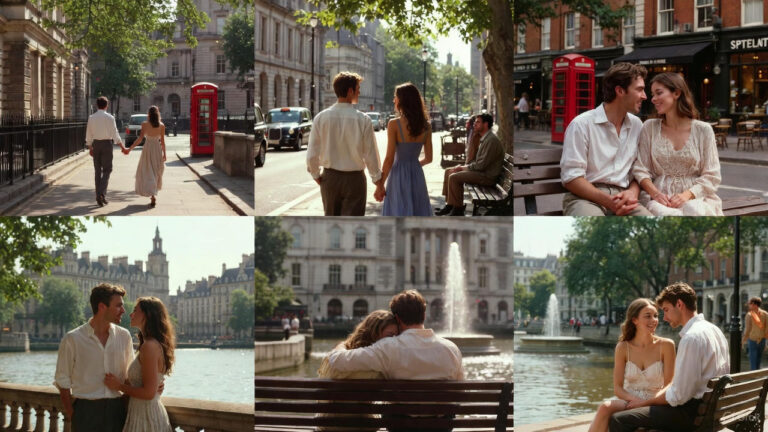


A London walking itinerary often feels unclear at first. When viewed on a map, the city looks wide, layered, and difficult to connect on foot. As a result, many travelers rely heavily on public transport, moving quickly between stations to cover distance. However, this approach often fragments the experience rather than clarifying it.
Walking reveals what transport hides
By contrast, walking changes how London unfolds. Instead of skipping between points, you move through the space that connects them. Therefore, streets gain meaning. Small architectural shifts, local shops, and subtle changes in atmosphere become visible. These details form the real structure of the city.
London developed as many places, not one
Importantly, London did not grow as a single planned capital. Over centuries, villages and trading centers merged into what exists today. Because of this, boundaries still exist even if they are no longer marked. When you walk, these transitions appear naturally. Architecture changes. Street energy shifts. Neighborhood identity becomes clear without explanation.
Ground-level movement builds understanding
As you continue walking, orientation improves. Rather than memorizing routes, you begin recognizing patterns. Consequently, streets feel familiar faster than expected. Confidence builds quietly, and the city becomes easier to navigate without constant reference points.
Walking reduces decision pressure
In addition, walking removes much of the stress tied to transport schedules and crowded platforms. Once the day begins, movement becomes continuous. You stop when something draws your attention and continue when it feels right. Because of this flexibility, days feel calmer even in busy areas.
Distance feels shorter when the journey matters
Although London is large, many central areas connect closely at street level. What looks distant on a map often becomes a manageable walk filled with interest. Therefore, distance feels lighter because the journey itself offers variety instead of dead time.
Walking improves pacing without effort
Moreover, planning to walk naturally filters your day. Instead of forcing multiple highlights into tight windows, you focus on areas that connect logically. As a result, time feels balanced rather than rushed, and energy lasts longer.
Everyday London becomes part of the experience
Another advantage of a walking itinerary in London is visibility. Daily routines, independent shops, and small green spaces appear naturally. These moments add depth and make the city feel lived-in rather than staged.
Transport works better when it supports walking
This approach does not exclude public transport. Instead, walking becomes the base layer, while trains and buses support longer transitions when needed. Because of this balance, movement feels connected rather than broken into pieces.
Confidence grows quickly on foot
After a day or two, familiarity settles in. Streets repeat. Areas begin to feel known. Consequently, even when transport is used later, the city feels easier to read and less overwhelming.
Time slows and awareness increases
Finally, walking reshapes how time is experienced. Detours feel intentional. Pauses feel natural. The day unfolds instead of being forced forward. In this way, a London walking itinerary turns sightseeing into something closer to living within the city.
Why walking changes the experience
Ultimately, exploring London on foot is not just an alternative method. It is often the clearest way to understand how the city fits together. Walking transforms London from scattered attractions into a connected place with rhythm and memory.
Understanding London’s Layout Before You Start Walking
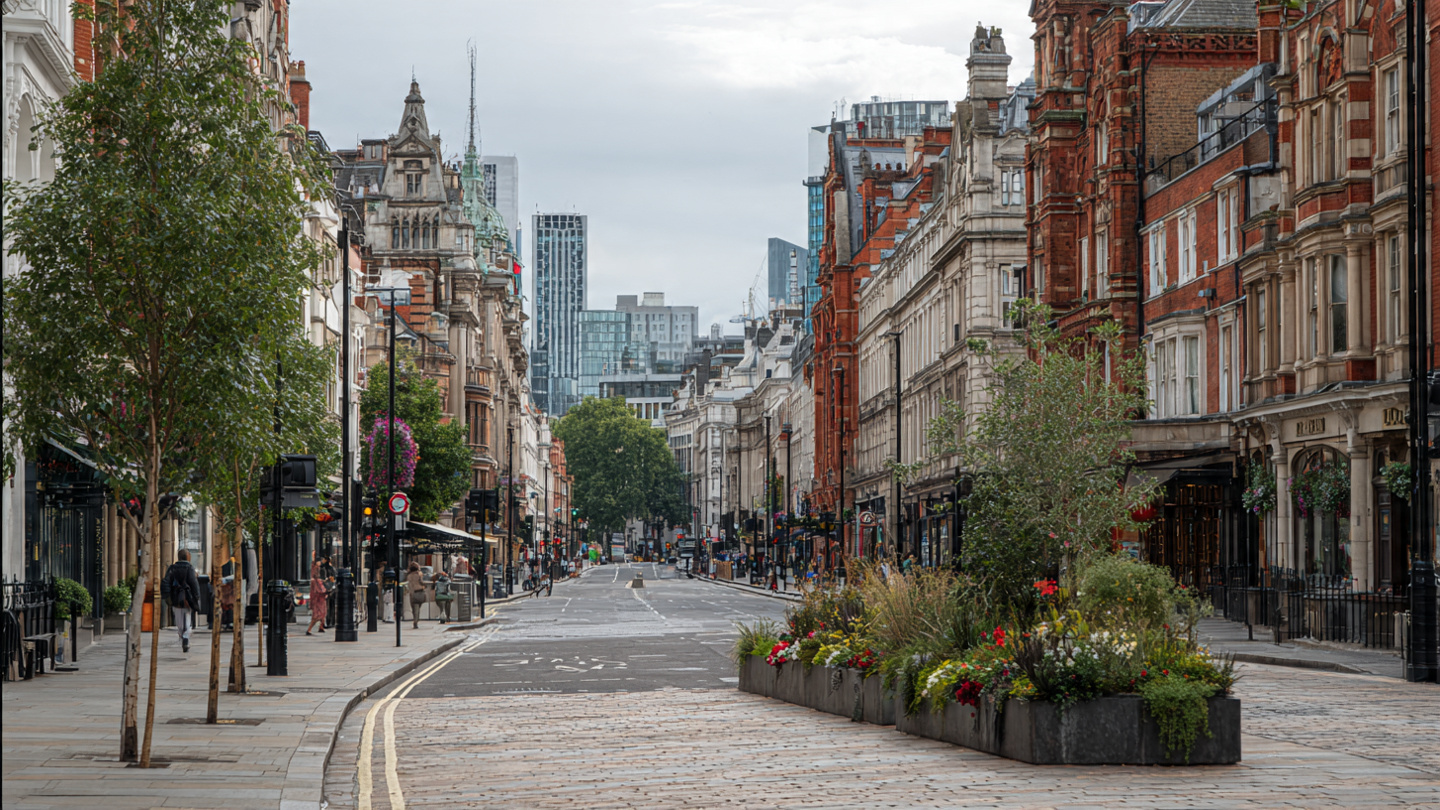
London does not revolve around a single center
At first glance, London feels like it should have a clear central point. However, once you arrive, that assumption fades quickly. Unlike many European cities built around one historic core, London functions as a network of centers rather than a single heart. Therefore, understanding this structure matters before committing to long walks.
The city grew outward, not inward
Historically, London expanded by absorbing nearby towns and villages. As a result, places that were once independent still retain their own identity today. When walking through the city, you may notice that one neighborhood ends abruptly while another begins with a different rhythm. This layered growth explains why London feels varied even within short distances.
Neighborhoods connect more than maps suggest
On a map, London often appears fragmented by size and complexity. In reality, many areas connect seamlessly at street level. Consequently, walking between neighborhoods feels more natural than expected. What seems like a long distance visually often becomes a continuous, engaging route once you begin moving.
Walking reveals natural boundaries
When traveling underground, transitions between areas disappear. By contrast, walking exposes the moments where neighborhoods change. Architecture shifts. Shopfronts adapt. Street noise rises or softens. These signals help you understand where you are without relying on signs or stations.
Major roads do not define the walking experience
Although large roads appear dominant on maps, they rarely control how walking actually feels. Side streets, pedestrian paths, and hidden cut-throughs soften these divisions. Therefore, a walking-based approach allows you to move around barriers instead of confronting them directly.
Parks and green corridors shape movement
Another important element of London’s layout is its green space. Parks, gardens, and riverside paths form natural walking corridors across the city. As a result, walking routes often feel calmer and more scenic than expected, even when crossing busy areas.
Distance depends on experience, not numbers
While maps measure distance numerically, walking measures it emotionally. If the route holds interest, distance feels shorter. Consequently, planning a London walking itinerary based purely on mileage misses the point. Flow matters more than numbers.
Central London is more compact than expected
Despite its reputation for size, much of central London is surprisingly walkable. Neighborhoods blend into one another without clear breaks. Therefore, walking becomes a practical choice rather than a challenge, especially when routes are planned logically.
Orientation improves quickly at street level
As you walk, your sense of direction strengthens naturally. Landmarks repeat. Streets become recognizable. Because of this, the city begins to feel smaller and more manageable with each day spent on foot.
Understanding layout reduces planning mistakes
Many itinerary mistakes come from misunderstanding London’s structure. By recognizing how areas connect, you avoid unnecessary backtracking and overpacked days. Walking encourages realistic planning grounded in how the city actually works.
Why layout knowledge matters before walking
Ultimately, understanding London’s layout is not about memorizing districts. It is about recognizing patterns. Once those patterns become clear, walking through the city feels intuitive rather than exhausting.
How This London Walking Itinerary Is Structured

The structure prioritizes flow over attraction count
A London walking itinerary works best when it follows movement rather than ambition. Instead of listing as many places as possible, this structure focuses on how areas connect naturally. Therefore, each day is designed around logical walking paths rather than isolated highlights.
Neighborhoods come before individual sights
Rather than treating landmarks as standalone goals, this itinerary organizes days by neighborhood. As a result, walking feels continuous instead of interrupted. You experience places as environments rather than boxes to tick, which creates a stronger sense of place.
Daily routes are designed to feel complete
Each walking day is shaped with a natural beginning, middle, and end. This matters because unfinished days create fatigue. By contrast, a complete walking loop or clear endpoint gives the day a sense of closure without forcing a strict schedule.
Distance is managed through variety, not limitation
Instead of limiting walking distance aggressively, this itinerary manages effort through variety. Quieter streets, green spaces, and slower sections are balanced with livelier areas. Consequently, energy lasts longer even when walking for extended periods.
Flexibility is built into every day
Although the itinerary has structure, it does not rely on fixed times. This flexibility allows you to pause when something catches your attention or move faster when needed. Because of this, the plan adapts to real conditions rather than fighting them.
Walking days avoid unnecessary backtracking
One common mistake in walking plans is repeating ground already covered. This structure avoids that by keeping movement directional. Therefore, each step feels purposeful, and time is spent exploring rather than retracing routes.
Natural stopping points replace rigid breaks
Instead of scheduling formal breaks, the itinerary relies on natural pauses. Small parks, cafés, benches, and scenic streets appear along the way. As a result, rest feels organic rather than planned, which suits walking-based travel better.
Transport is used strategically, not habitually
While walking forms the foundation, transport is introduced only when it improves flow. For example, it may help reposition you at the start or end of a day. Because of this, walking remains the main experience rather than an afterthought.
The structure supports different walking speeds
Not everyone walks at the same pace. This itinerary accounts for that by allowing days to stretch or compress naturally. Faster walkers gain more exploration time, while slower walkers maintain comfort without falling behind.
Each day builds familiarity
Because routes connect logically, areas begin to feel familiar rather than random. Over time, this familiarity reduces mental effort. You spend less time navigating and more time observing, which is one of the key benefits of walking London.
Why structure matters for long walks
Ultimately, structure is what turns walking from a tiring activity into an enjoyable rhythm. When days flow smoothly, walking feels natural rather than demanding. This is what allows a London walking itinerary to remain sustainable across multiple days.
Day One Walk: Historic Streets and Quiet Central Areas

The first walking day should feel gentle
The first day of a London walking itinerary should ease you into the city rather than test your limits. After arrival, energy levels are often uneven. Therefore, this day focuses on calm streets, familiar landmarks, and a steady rhythm that allows orientation to develop naturally.
Starting in areas that feel open and readable
Beginning the walk in central yet open areas helps reduce early confusion. Wide pavements, clear sightlines, and recognizable surroundings create confidence. As a result, you spend less time navigating and more time observing how the city behaves at street level.
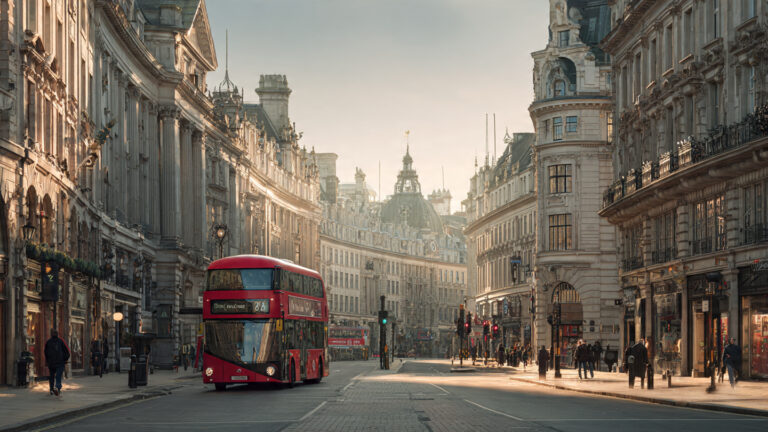
Walking through central London works best when streets connect naturally rather than jumping between landmarks. This route highlights how historic streets and quieter central areas flow together at walking pace, making orientation easier on the first day.
Historic streets work best at walking speed
London’s historic streets reveal their character slowly. When explored on foot, details such as building age, street width, and layout become visible. Consequently, the city’s history feels layered rather than summarized. Walking allows you to sense continuity instead of jumping between eras.
Quiet streets balance central locations
Although this walk stays close to central London, it avoids constant exposure to busy roads. Instead, quieter parallel streets soften the experience. This balance keeps the day engaging without becoming overwhelming, especially for first-time walkers.
Orientation improves through repetition
As you move through connected streets, landmarks begin to repeat from different angles. Because of this repetition, mental maps form quickly. You start recognizing where you are without checking directions constantly, which reduces cognitive fatigue.
Natural pauses replace planned stops
On the first walking day, it helps to let breaks happen organically. Benches, small squares, and calm corners appear often. Therefore, rest becomes part of the movement rather than a scheduled interruption.
Central London feels more personal on foot
When walking through central areas, the scale changes. Streets that feel impersonal when passed quickly become intimate. Shopfronts, doorways, and side alleys invite curiosity. As a result, central London feels less tourist-driven and more human.
Avoiding pressure to see everything
The goal of this day is not coverage. Instead, it is connection. By resisting the urge to include every nearby highlight, the walk remains comfortable. This restraint sets the tone for the days that follow.
Ending the day without exhaustion
A successful first walking day ends with energy still intact. Finishing near places to sit, eat, or simply pause allows reflection. Because of this, the day closes calmly rather than abruptly.
Why the first day sets the rhythm
Ultimately, Day One establishes how the rest of the itinerary feels. A gentle start builds confidence, orientation, and trust in walking as the primary way to explore London. Once that trust is established, longer and more varied walks become enjoyable rather than intimidating.
Day Two Walk: Markets, River Paths, and Local Streets
The second walking day can expand in energy
By the second day, confidence usually feels stronger. Your sense of direction improves, and walking no longer feels like an experiment. Therefore, this day allows for slightly longer distances and more varied environments while still maintaining a relaxed pace.
Markets work best when approached on foot
Markets form naturally within walking itineraries because they reward slow movement. As you approach on foot, the atmosphere builds gradually. Sounds change, crowds gather, and activity increases. Consequently, markets feel like transitions rather than sudden arrivals.
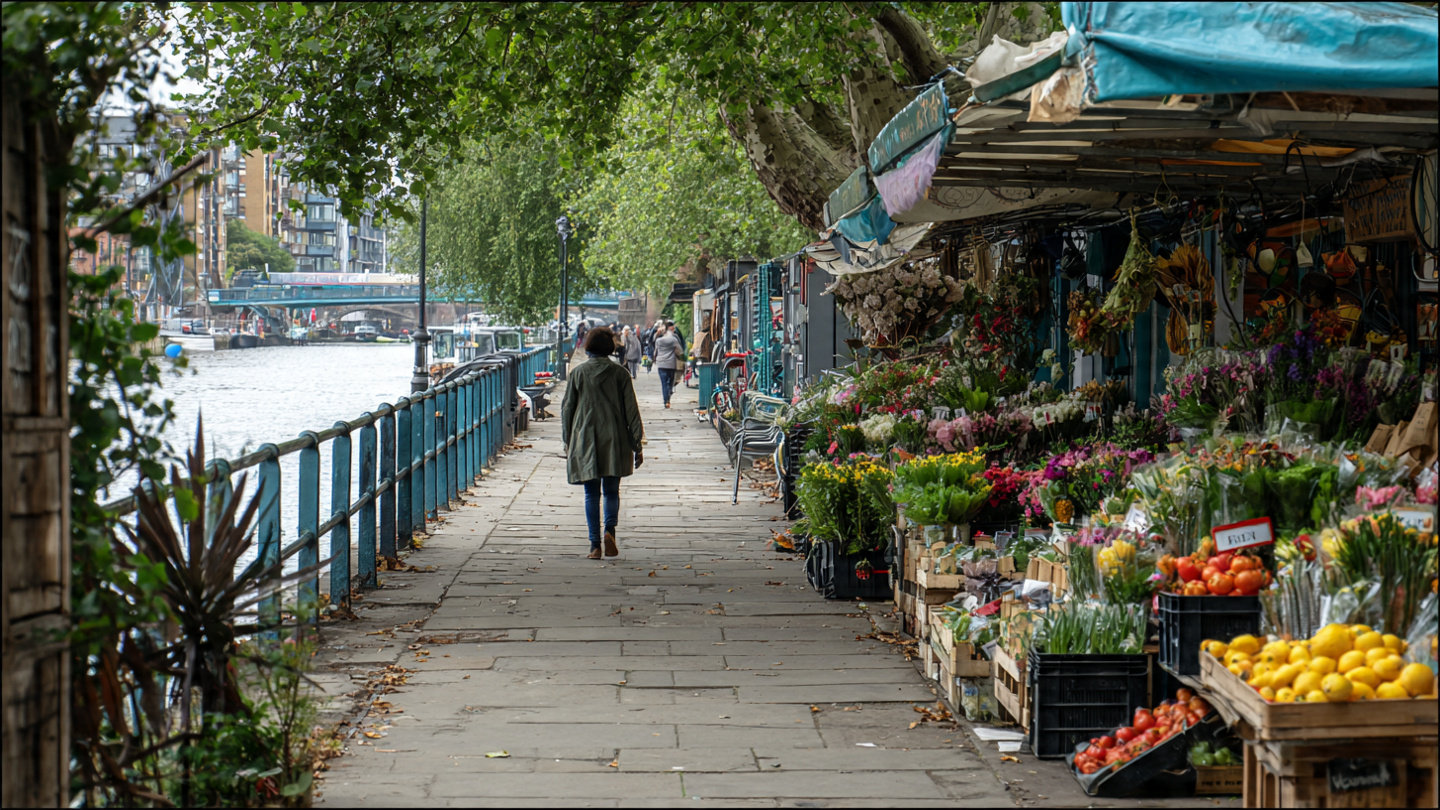
Markets and river paths shape the rhythm of walking in London. This route shows how busy market areas transition naturally into open river walks and nearby local streets without breaking the walking flow.
Walking encourages selective engagement
When moving through market areas on foot, you engage differently. Instead of feeling pressure to see everything, you notice patterns. Certain stalls draw attention while others fade into the background. Because of this, exploration feels intentional rather than overwhelming.
River paths create natural continuity
River walks offer one of the clearest advantages of a walking-focused approach. The river acts as a guide, keeping movement directional without constant decision-making. As a result, walking feels effortless even over longer stretches.
Movement slows naturally near the water
Along river paths, pace tends to slow without conscious effort. Views open up, seating appears, and distractions multiply. Therefore, walking becomes reflective rather than goal-driven, which balances the busier moments of the day.
Local streets soften busy areas
After lively market sections or popular river stretches, local streets provide contrast. These quieter routes allow recovery without stopping entirely. Because of this balance, energy remains steady rather than spiking and crashing.
Everyday life becomes more visible
Walking through local streets reveals routines that rarely appear in guides. Deliveries, conversations, and daily errands unfold naturally. These moments add realism and prevent the day from feeling staged or performative.
Flexibility matters more on Day Two
Unlike the first day, this walk benefits from loose timing. If a market holds attention longer than expected, the route adapts easily. Therefore, the itinerary supports curiosity rather than restricting it.
Breaks feel earned rather than scheduled
By this point, rest stops feel purposeful. Sitting near the river or on a quiet street becomes part of the experience rather than a necessity. Because walking pace is balanced, breaks enhance enjoyment instead of repairing exhaustion.
Ending the day with calm surroundings
Finishing Day Two near residential or slower areas helps the day taper naturally. Instead of ending abruptly, the walk winds down. This creates a sense of completion without fatigue.
Why Day Two deepens the walking experience
Ultimately, the second day reinforces trust in walking as a way to explore London. Variety increases, confidence grows, and the city begins to feel familiar rather than foreign. This shift prepares you for longer and more immersive walks ahead.
Day Three Walk: Green Corridors and Residential London
The third day benefits from a slower rhythm
By the third day, walking no longer feels new. Your body has adjusted, and your awareness of the city feels sharper. Therefore, this day shifts toward a calmer rhythm, allowing longer pauses and deeper observation without reducing overall movement.
Green spaces reset walking fatigue
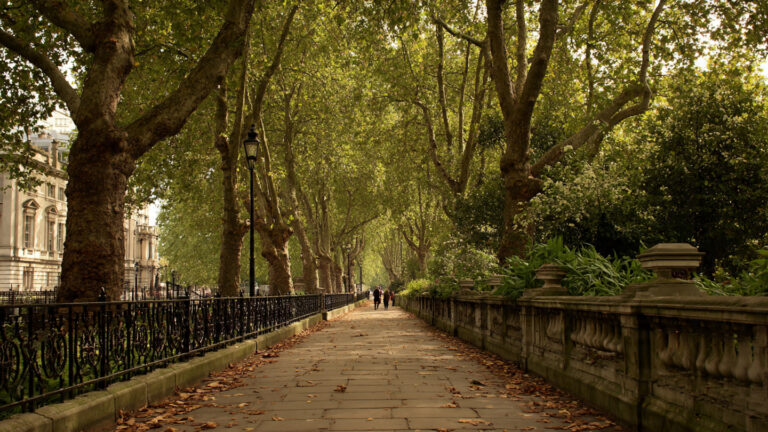
London’s green corridors play a crucial role in sustaining longer walks. Parks, gardens, and tree-lined paths reduce sensory overload. As a result, walking feels restorative rather than demanding, even after multiple days on foot.
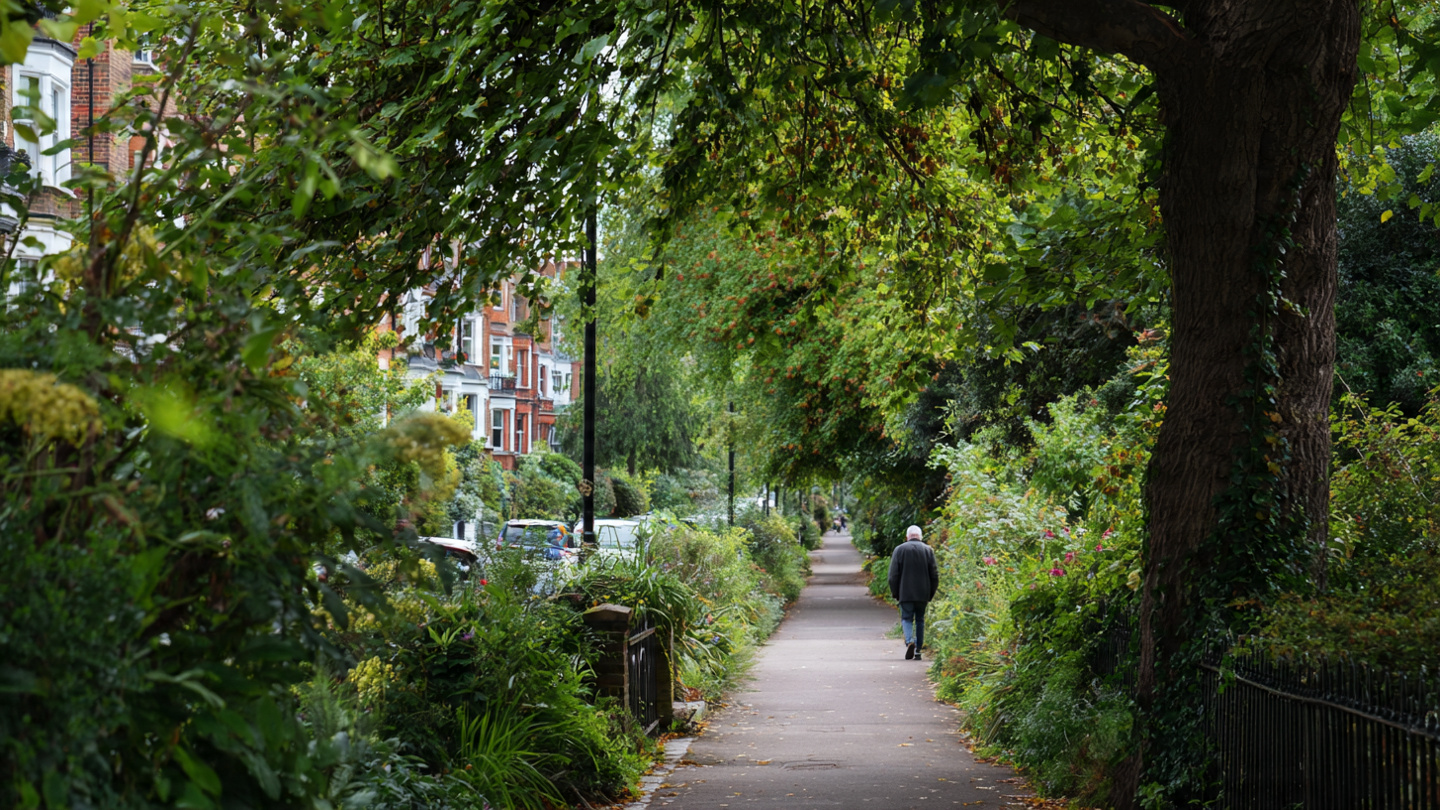
Green corridors make longer walking days sustainable. This route demonstrates how canals, parks, and residential streets create calm connections across the city while reducing walking fatigue.
Green routes connect neighborhoods quietly
Many green spaces in London act as bridges between areas. When you move through them, transitions happen gently. Consequently, you pass from one neighborhood to another without the abrupt changes that busy roads often create.
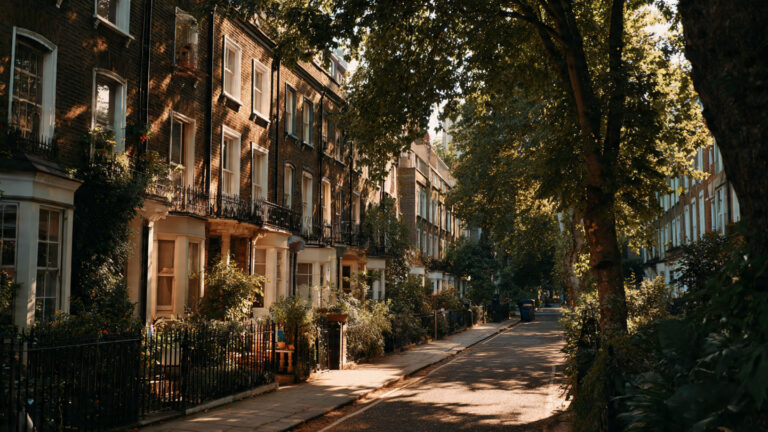
Residential streets reveal a different London
Once you leave major routes behind, residential areas begin to dominate the experience. These streets operate at a different pace. Sound softens, movement slows, and the city feels more intimate. Walking here offers contrast rather than spectacle.
Familiarity increases comfort
By this stage, repeated visual cues create comfort. Street layouts feel predictable. Direction comes naturally. Because of this familiarity, walking requires less mental effort, allowing attention to shift toward surroundings instead of navigation.
Green spaces encourage unplanned pauses
Parks and gardens invite lingering. Benches, lawns, and shaded paths create natural stopping points. Therefore, rest becomes integrated into the walk rather than interrupting it.
Distance feels lighter in calm environments
Even when covering similar distances to earlier days, the presence of greenery changes perception. Movement feels smoother and less tiring. As a result, longer walks remain enjoyable without pushing limits.
Residential areas add emotional balance
After days of activity, residential streets provide emotional grounding. Daily routines unfold quietly. This balance prevents the itinerary from becoming visually overwhelming and adds depth to the overall experience.
Walking becomes intuitive
At this point, walking no longer feels like a method. It feels natural. Decisions happen instinctively, and detours feel safe rather than risky. This intuitive movement marks a turning point in the walking itinerary.
Ending the day in calm surroundings
Finishing Day Three near green or residential areas allows the body and mind to settle. Instead of needing recovery, you end the day relaxed and present. This prepares you for extending the itinerary if time allows.
Why green corridors matter in a walking itinerary
Ultimately, green corridors and residential streets sustain long-term walking. They balance energy, protect focus, and prevent fatigue. Without them, a walking itinerary would feel incomplete and exhausting.
Extending the Walking Itinerary for Longer Trips

Longer stays benefit from repetition, not expansion
When time allows for more days in London, the instinct is often to keep adding new areas. However, walking-based travel benefits more from revisiting places than constantly expanding outward. Repetition builds familiarity, which makes each walk feel lighter and more meaningful.
Turning a three-day framework into five days
A walking itinerary designed for three days adapts easily to five by slowing the pace rather than increasing distance. Shorter daily walks, longer pauses, and repeated routes allow deeper engagement. As a result, the city feels less rushed and more personal.
Slower days prevent accumulated fatigue
Walking multiple days in a row can create subtle fatigue if every day carries the same intensity. Therefore, longer trips should include intentionally slower days. These days may cover fewer streets but offer more time to observe and rest without stopping movement entirely.
Revisiting neighborhoods changes perception
Walking through the same area on different days reveals new details. Light changes. Street activity shifts. Familiar routes feel different at different times. Because of this, repetition enhances understanding rather than creating boredom.
Extending routes instead of relocating bases
Rather than changing starting points every day, longer stays work well when routes extend gradually from familiar areas. This approach reduces navigation stress and keeps walking intuitive. Consequently, each new area feels connected instead of isolated.
Balancing exploration with comfort
Extended walking itineraries must balance curiosity with physical comfort. Alternating longer walks with shorter ones helps maintain energy. Because walking remains enjoyable, motivation stays high throughout the trip.
Allowing days to overlap naturally
In longer trips, walking days may overlap geographically. This overlap is intentional. It allows flexibility and removes pressure to complete rigid plans. As a result, days adapt easily to weather, mood, and energy.
Building routines through walking
With more time, walking creates routine. Morning routes feel familiar. Preferred cafés and rest spots reappear. This routine anchors the trip and makes London feel lived-in rather than visited.
Transport becomes even less necessary
As familiarity increases, reliance on transport decreases naturally. Walking routes expand confidently. Because orientation improves, walking feels efficient even across larger areas.
Knowing when not to add more
One of the most important skills in extending a walking itinerary is restraint. Recognizing when the experience feels complete prevents overextension. Ending a day early or revisiting a calm area often adds more value than forcing new ground.
Why longer walking trips feel different
Ultimately, extending a London walking itinerary changes the experience from exploration to immersion. Time slows. Confidence grows. The city begins to feel cohesive rather than complex.
What to Wear and Carry for a London Walking Itinerary

Comfort matters more than appearance when walking London
A London walking itinerary places comfort above everything else. When your day involves several hours on foot, even small discomforts become distractions. Therefore, clothing choices should support movement, balance, and temperature control rather than short-term style decisions.
Footwear shapes the entire walking experience
Footwear has the greatest impact on any London walking itinerary. Pavements vary from smooth stone to uneven brick, and distances add up quietly. Shoes designed for long walks provide cushioning and flexibility that reduce fatigue over multiple days.
Preparing footwear before the trip
Even well-made walking shoes can cause discomfort if they are new. Wearing them before arrival allows your feet to adapt. As a result, walking days feel smoother and less physically demanding from the start.
Layered clothing supports long walking days
London weather changes quickly, which matters when following a walking itinerary. Light layers allow you to adjust without stopping movement. Breathable inner layers paired with removable outer layers help maintain comfort throughout the day.
Rain protection should stay light and practical
Rain is part of London life, but heavy gear disrupts walking flow. Compact rain protection works better than bulky items. This keeps your London walking itinerary flexible without adding unnecessary weight.
Choosing the right bag for walking
Bags affect posture and energy during long walks. Large or uneven loads increase strain over time. For a walking-focused London itinerary, small backpacks or crossbody bags that distribute weight evenly work best.
Carrying only essential items
Walking comfort improves when you carry less. Water, light snacks, and basic personal items are usually enough. Overpacking adds fatigue without adding value, especially when walking across multiple neighborhoods.
Hydration supports consistent walking
Although shops and cafés are common, carrying water helps maintain steady energy. Small hydration habits prevent slow fatigue from building unnoticed during a long London walking itinerary.
Constant phone use interrupts walking rhythm. Instead, light planning and occasional reference checks work better. This allows attention to stay on surroundings rather than screens.
Avoiding over-preparation
Over-preparation often leads to heavy bags and rigid thinking. Walking itineraries thrive on adaptability. Trusting the city and adjusting naturally keeps walking enjoyable rather than stressful.
Why preparation affects walking quality
Ultimately, preparation shapes how a London walking itinerary feels. Comfortable clothing, supportive footwear, and minimal gear remove friction. When preparation supports movement instead of complicating it, walking London becomes effortless.
Common Mistakes People Make When Planning a London Walking Itinerary

Trying to walk too much in a single day
One of the most common mistakes in a London walking itinerary is overestimating how much ground can be covered comfortably. Although London streets invite exploration, continuous walking adds up faster than expected. As a result, overly ambitious days often lead to fatigue that affects the rest of the itinerary.
Treating distance as the only planning factor
Many travelers plan a London walking itinerary by focusing only on distance. However, distance alone does not reflect effort. Crowd density, street surfaces, and noise levels all affect how walking feels. Therefore, shorter routes can sometimes feel more demanding than longer, calmer ones.
Mixing walking and transport without structure
Another frequent issue is switching between walking and transport without a clear reason. When transport interrupts a London walking itinerary unnecessarily, flow breaks down. Consequently, orientation suffers and the day feels fragmented instead of connected.
Planning around attractions instead of walkable areas
Building a London walking itinerary around individual attractions often creates zigzag routes. This leads to backtracking and wasted energy. Walking works best when days are organized around areas that connect naturally rather than isolated points.
Ignoring mental fatigue
While physical tiredness is expected, mental fatigue often goes unnoticed. Constant navigation, noise, and crowds drain focus slowly. Therefore, a successful London walking itinerary includes calmer stretches that allow the mind to recover while still moving.
Skipping rest because walking feels flexible
Walking itineraries feel open-ended, which sometimes leads travelers to delay rest. However, short pauses prevent fatigue from accumulating. Without them, energy drops suddenly later in the day, reducing enjoyment.
Underestimating how surfaces affect comfort
London streets vary widely in texture. Stone pavements, brick paths, and uneven sections increase strain over time. Ignoring this factor can undermine an otherwise well-planned London walking itinerary.
Assuming every day should feel productive
Productivity-focused thinking often pushes walking days too far. Not every day in a London walking itinerary needs to feel full or intense. Slower days still contribute to understanding the city and maintaining energy.
Failing to adjust plans during the day
Rigid plans conflict with the nature of walking. A London walking itinerary should adapt to weather, interest, and energy levels. Ignoring these signals creates unnecessary strain and reduces enjoyment.
Not letting familiarity shape later days
As walking confidence grows, plans should evolve. Repeating routes or slowing pace becomes beneficial rather than repetitive. Ignoring this progression keeps the London walking itinerary static instead of responsive.
Why avoiding these mistakes matters
Ultimately, most mistakes happen when walking is treated as secondary. When walking becomes the foundation of the itinerary, planning becomes realistic, flexible, and sustainable across multiple days.
Who This London Walking Itinerary Is Best For
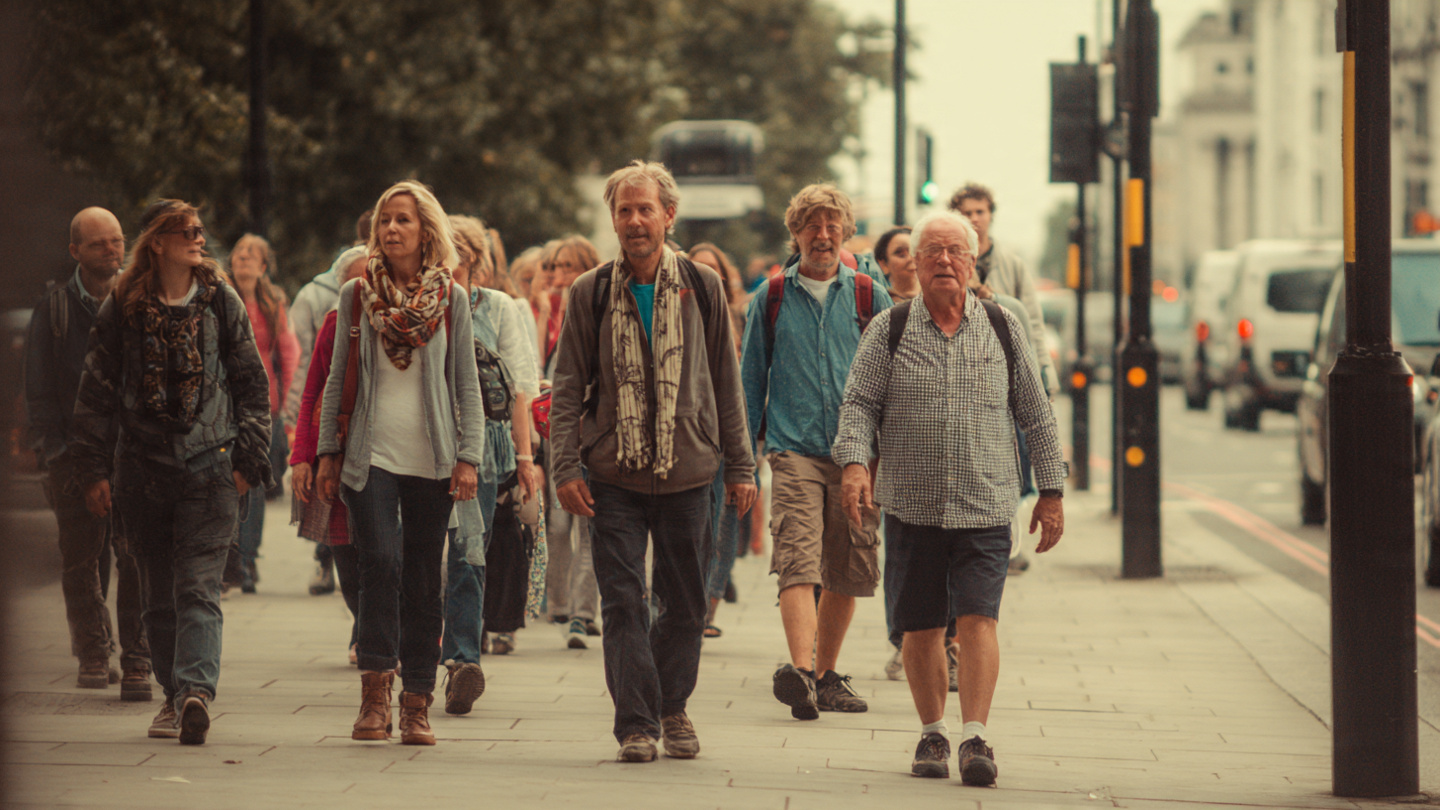
First-time visitors who want a clear sense of place
A London walking itinerary works especially well for first-time visitors who want to understand how the city fits together. Walking reveals connections between areas that are easy to miss when relying on transport. As a result, newcomers gain confidence quickly and feel less overwhelmed by London’s size.
Travelers who value flow over attraction counts
This London walking itinerary suits travelers who prefer smooth movement rather than packed schedules. Instead of rushing between highlights, walking allows the city to unfold gradually. Therefore, the experience feels connected rather than broken into isolated stops.
Slow travelers who enjoy observing daily life
Slow travelers benefit greatly from a London walking itinerary. Walking creates space for observation, whether that means noticing architecture, local routines, or changes in street atmosphere. Because of this, the city feels lived-in rather than staged.
Repeat visitors seeking a deeper experience
For repeat visitors, a London walking itinerary offers depth instead of repetition. Familiar areas feel different when explored on foot. Subtle details emerge, and previously overlooked streets gain meaning. This makes walking a rewarding alternative to revisiting major sights.
Travelers who prefer less time on public transport
Some travelers find busy trains and stations draining. A walking-focused London itinerary reduces dependence on transport, especially during peak hours. Consequently, days feel calmer and more controlled.
Visitors staying in walkable neighborhoods
This London walking itinerary works best for those staying in central or well-connected areas. Short distances between neighborhoods make continuous walking practical. As a result, the itinerary feels comfortable rather than demanding.
Travelers who enjoy flexible planning
Walking itineraries require adaptability. This London walking itinerary suits travelers who are comfortable adjusting plans based on mood, energy, or weather. Flexibility allows each day to evolve naturally instead of following rigid expectations.
People seeking a less tourist-heavy London
Walking often leads away from the busiest routes. Side streets, residential areas, and quieter paths appear naturally. Because of this, a London walking itinerary offers a more balanced experience with fewer crowds.
Travelers who prefer rhythm over speed
This itinerary favors steady movement rather than rapid transitions. Travelers who enjoy consistent rhythm find walking sustainable across multiple days. The London walking itinerary supports this pace without pressure.
Visitors open to changing expectations
A walking-based approach requires letting go of rigid goals. Not every day will look the same. Travelers who accept this variation tend to enjoy the London walking itinerary more fully.
Why this itinerary fits these travelers
Ultimately, this London walking itinerary is best for people who want connection rather than completion. It rewards curiosity, patience, and awareness, offering a more grounded way to experience London.
How a London Walking Itinerary Changes How London Feels
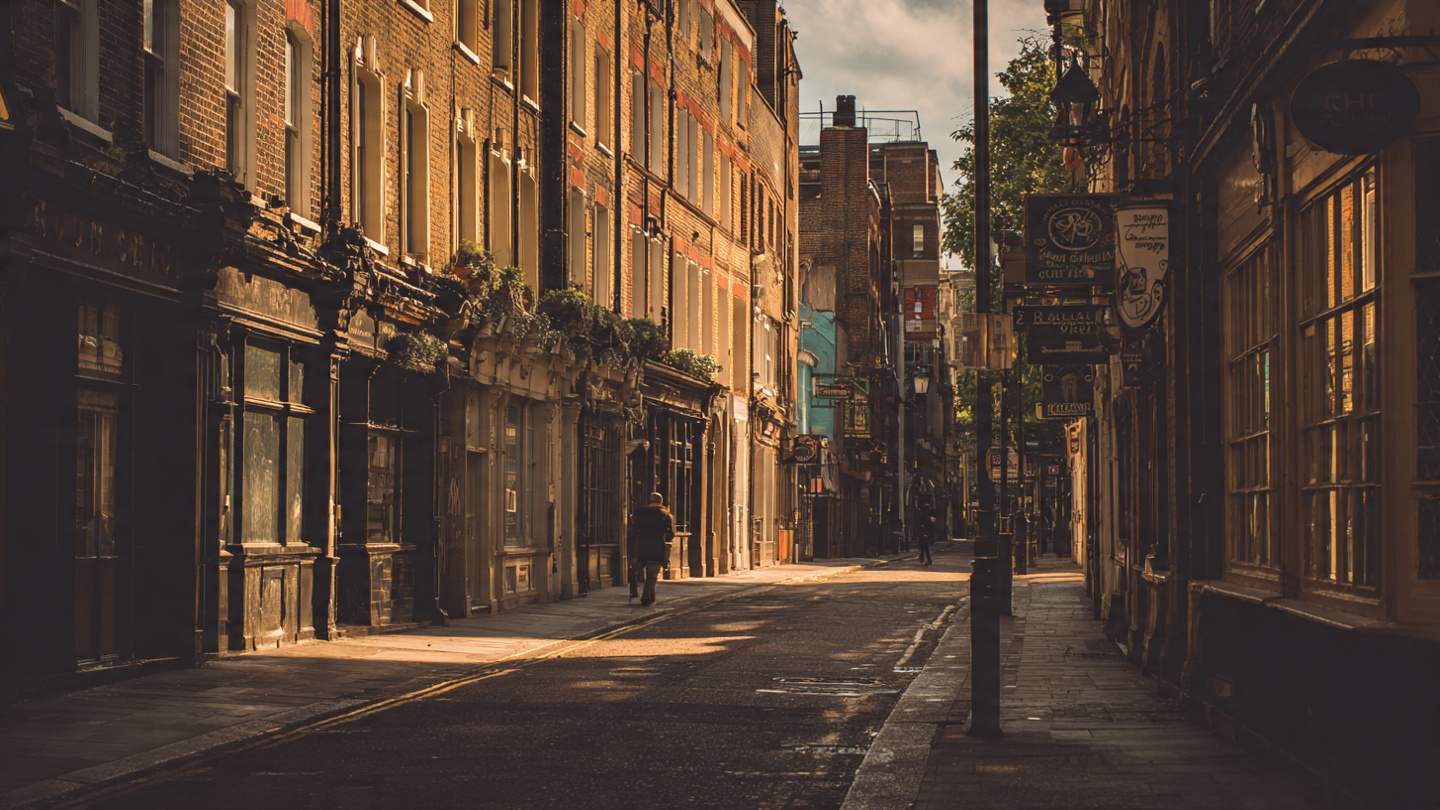
Movement creates emotional connection
A London walking itinerary changes the emotional relationship you have with the city. When you move at walking speed, places stop feeling abstract. Streets become familiar, and neighborhoods feel connected rather than scattered. As a result, London feels approachable instead of overwhelming.
The city feels smaller and more coherent
Walking reduces the mental scale of London. Although the city is large, repeated routes and recognizable landmarks shrink perceived distance. Therefore, the city begins to feel organized rather than chaotic, especially after a few days on foot.
Walking replaces urgency with awareness
Public transport often creates urgency. Schedules, transfers, and crowds push movement forward quickly. By contrast, a London walking itinerary removes that pressure. Movement becomes continuous, and awareness replaces urgency. This shift allows the city to unfold naturally.
Familiar streets build confidence
Confidence grows quietly when walking. Seeing the same streets from different angles reinforces orientation. Consequently, London stops feeling confusing, and navigation becomes intuitive rather than stressful.
Everyday details gain importance
Walking places attention on details that are often ignored. Shop routines, street conversations, and small architectural choices become visible. These details add texture and turn sightseeing into lived experience.
Time slows without losing momentum
A London walking itinerary changes how time is perceived. Days feel full without feeling rushed. Pauses feel intentional rather than unproductive. This balance creates momentum without exhaustion.
The city feels less performative
Walking draws you away from staged experiences. Tourist-heavy routes fade into the background as quieter streets appear. Because of this, London feels more authentic and less curated.
Memory forms through repetition
Memories strengthen when routes repeat. Familiar paths anchor experiences and make moments easier to recall. Therefore, walking helps create lasting impressions rather than fleeting snapshots.
Walking reshapes expectations
After several days on foot, expectations shift. Instead of asking what to see next, you begin asking where to walk next. This change reflects a deeper engagement with the city.
Why walking transforms the experience
Ultimately, a London walking itinerary does more than organize movement. It reshapes how London is felt, remembered, and understood. Walking turns the city into a connected experience rather than a list of destinations.
Final Thoughts on Exploring London on Foot

Walking creates a complete experience
A London walking itinerary brings the city together in a way few other approaches can. Instead of separating days into disconnected stops, walking creates continuity. Streets, neighborhoods, and daily life blend into a single experience that feels complete rather than fragmented.
Understanding replaces checklist travel
When London is explored on foot, priorities shift naturally. The focus moves away from ticking off sights and toward understanding how the city functions. As a result, the experience feels grounded and personal instead of rushed or superficial.
Walking encourages better decisions
Walking slows decision-making just enough to improve it. Routes are chosen based on flow rather than convenience alone. Pauses happen when needed. Because of this, days feel balanced without constant adjustment.
Flexibility becomes a strength
A walking-based approach allows plans to evolve without stress. Changes in weather, energy, or interest are easy to accommodate. Therefore, the itinerary works with real conditions instead of resisting them.
The city becomes familiar quickly
Repeated movement through connected areas builds familiarity faster than expected. Streets begin to feel known. Directions come naturally. This familiarity creates confidence that carries through the rest of the trip.
Walking leaves room for discovery
Some of the most memorable moments come from unplanned detours. A quiet street, a small park, or a local café appears unexpectedly. Walking creates space for these discoveries without forcing them.
Pace supports longer enjoyment
Because walking spreads effort evenly, energy lasts longer across multiple days. Instead of exhaustion, there is rhythm. This allows the itinerary to remain enjoyable rather than demanding.
London feels lived-in, not visited
Exploring London on foot changes perspective. The city feels less like a destination and more like a place people actually live. This shift adds depth and meaning to the experience.
Why walking works so well in London
London rewards curiosity and patience. Its layered history, varied neighborhoods, and human-scale streets reveal themselves best at walking speed. A London walking itinerary aligns naturally with how the city was built and how it continues to function.
Closing reflection
Ultimately, walking is not just a method of getting around London. It is a way of understanding it. When movement slows, awareness grows. The city becomes clearer, calmer, and more memorable.
Frequently Asked Questions
Planning a Walking-Based Trip
London is highly walkable once you understand how neighborhoods connect. Many areas that look far apart on a map feel close when explored at street level.
Yes. Walking helps first-time visitors understand London’s layout faster and reduces confusion caused by constant transport changes.
Time and Pace Considerations
Three days works well for a focused experience, while five days allows slower pacing and deeper exploration without fatigue.
No. A walking itinerary works best when walking is the main structure, supported by short transport use when needed.
Comfort and Experience
Walking can be tiring if days are overplanned. Balanced routes, green spaces, and natural pauses make it comfortable for most travelers.
Walking may reduce the number of attractions visited, but it increases understanding and enjoyment of the city overall.
Suitability and Travel Style
This approach suits travelers who enjoy slower travel, flexible plans, and discovering how a city feels rather than rushing between highlights.
Yes. Repeat visitors often find walking reveals details and neighborhoods they missed on earlier trips.