

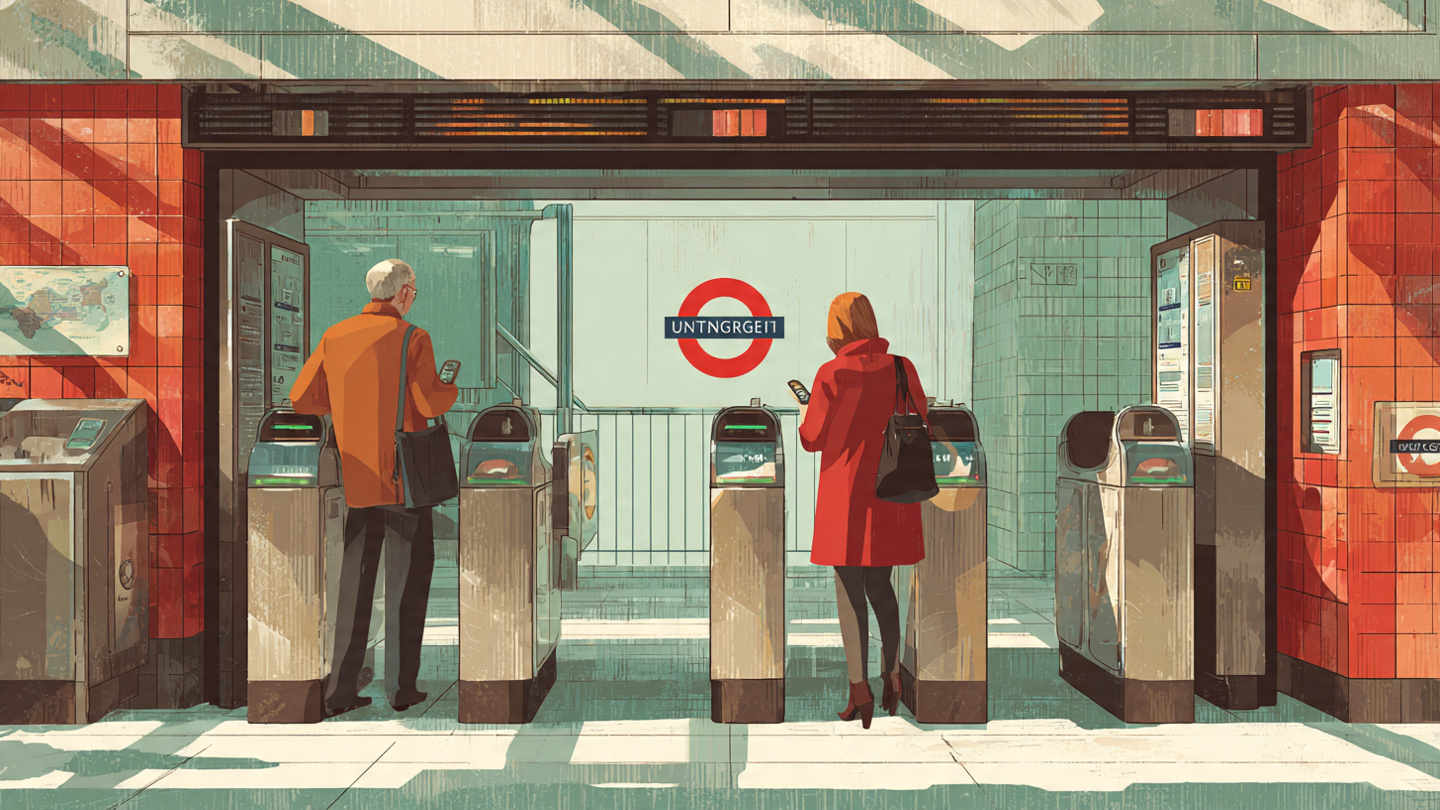
Oyster vs contactless in London is one of the earliest decisions travelers face after arrival. As soon as visitors enter a station, they see ticket barriers, card readers, and payment signs. At that moment, people must decide how they will pay for public transport. This choice affects how easily they move through the city from the very first journey.
London transport pricing depends on how you pay
Unlike cities with flat fares, London uses a zone-based pricing system. Fares change based on distance, travel time, and frequency of use. Because of this, the payment method plays an active role in fare calculation. When travelers compare Oyster vs contactless, they are really deciding how the system will track and cap their daily travel.
For travelers who want a broader understanding of how all transport options connect across the city, this complete London transport guide explains routes, payment methods, and travel tips in one place.
Why rushed decisions often cause problems
Most visitors make this decision quickly. Airports feel crowded, stations feel unfamiliar, and queues move fast. As a result, many travelers follow others or choose the option that looks simpler. However, without understanding oyster and contactless differences, confusion often appears later. This explains why payment questions remain common among London visitors.
For travelers arriving at Heathrow, this guide explains the transport options, timing, and payment choices clearly in how to travel from Heathrow to central London.
Price alone does not explain the difference
At first, many travelers assume one option costs much less than the other. In reality, oyster vs contactless pricing is often very similar. What matters more is how each option behaves in real situations. Refunds, daily caps, bank fees, and error handling influence the experience more than the headline fare.
Frequent travel makes small differences noticeable
London spreads across many neighborhoods, so visitors rely on public transport several times a day. Even travelers who enjoy walking still use trains and buses often. Over multiple days, small differences between Oyster and contactless usage begin to add up. These differences affect convenience, confidence, and overall comfort.
Uncertainty leads to cautious travel behavior
When travelers feel unsure, they hesitate. Many worry about tapping incorrectly or missing a tap-out. Because of this, they avoid certain routes or overthink simple journeys. A clear understanding of oyster vs contactless in London removes that hesitation and encourages more relaxed exploration.
Why Oyster still feels reassuring
For years, Oyster has been promoted as the standard option for visitors. It feels official, physical, and controlled. Many travelers like having a dedicated transport card. While this feeling is understandable, Oyster is not automatically the best choice for every type of trip.
Why contactless feels more natural for some travelers
Contactless payment feels familiar to people who already use tap-and-go cards or mobile wallets. It removes the need to buy or manage an extra card. Still, contactless travel in London behaves differently for international visitors, which makes understanding the details important.
What this comparison guide focuses on
This guide does not push one option as universally better. Instead, it explains how oyster vs contactless works during real travel situations. The aim is to help visitors choose confidently based on how they actually plan to travel around London.
Why understanding the system comes next
Before comparing Oyster and contactless directly, travelers need a clear picture of how London’s transport payment system works. Once that foundation is clear, the differences between oyster vs contactless in London become easier to evaluate without confusion.
How London’s Public Transport Payment System Works
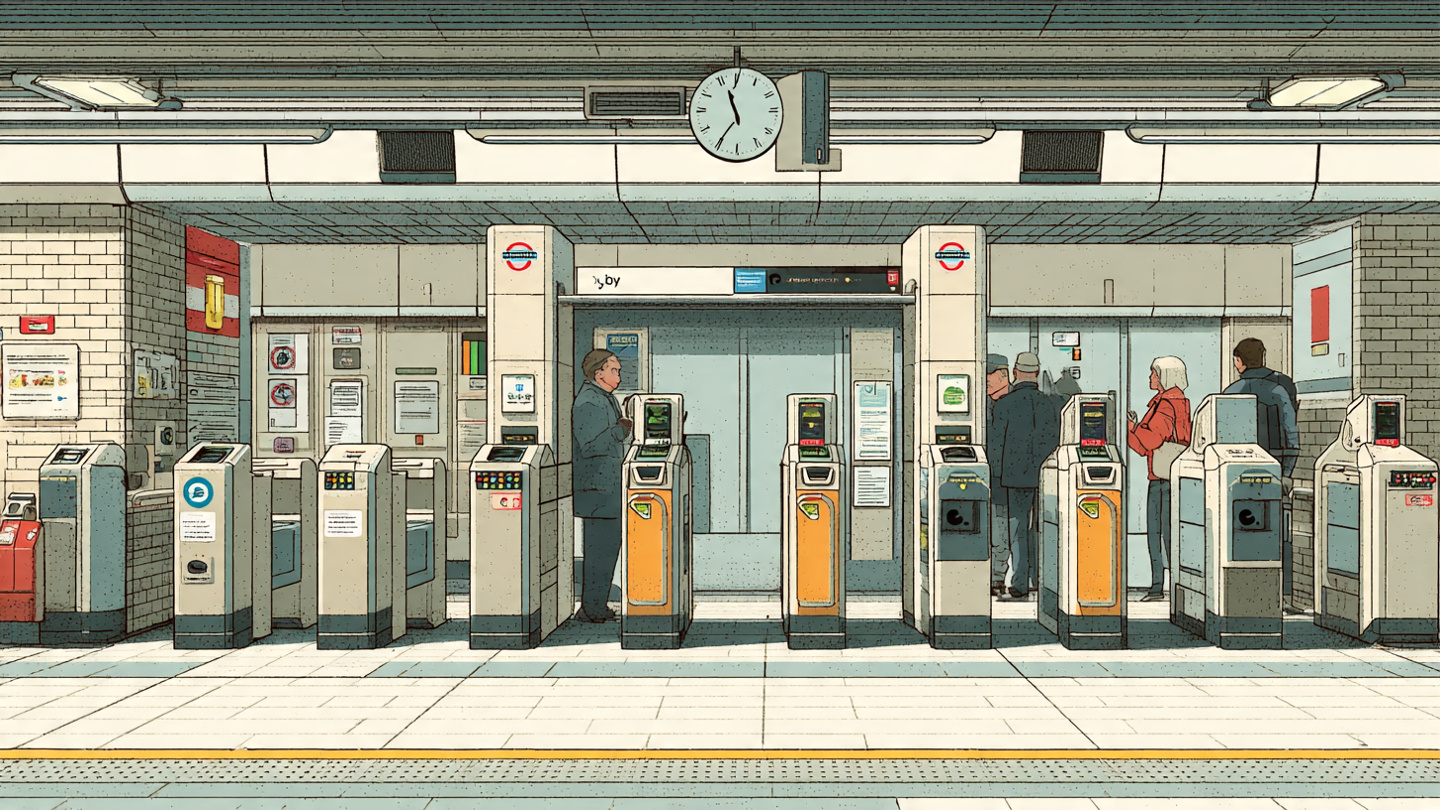
London operates a single, unified payment system across most public transport. The Underground, buses, trams, and many train services all rely on the same fare logic. Whether travelers use an Oyster Card or contactless payment, the system processes journeys in the same way. This shared structure is why the oyster vs contactless comparison focuses more on usage style than on completely different rules.
Travel zones define how fares are calculated
London is divided into numbered travel zones that expand outward from the city center. Zone 1 covers central London, while higher-numbered zones reach suburban areas. Each journey passes through one or more zones, and the number of zones crossed affects the fare. Both Oyster Card and contactless payment use these zones to calculate costs, which keeps pricing consistent regardless of payment method.
For travelers who want practical, step-by-step guidance on navigating stations, lines, and platforms, this guide explains how to use the London Underground confidently from the first journey.
Tapping in and out records Oyster and contactless journeys
On the Underground and train services, travelers must tap in at the start of a journey and tap out at the end. This rule applies equally to Oyster Card and contactless users. The system uses these taps to identify where the journey begins and ends. If either tap is missed, the system cannot calculate the correct fare and may charge a higher default amount.
Bus and tram journeys follow a simpler rule
Buses and trams use a flat fare system. Travelers tap once when boarding and do not tap again when leaving. This rule applies to both Oyster and contactless travel. Many visitors worry about tapping out on buses, but understanding this difference helps reduce confusion when switching between transport types.
Daily fare caps apply to Oyster and contactless users
One of the most helpful features of London transport is daily fare capping. Instead of charging endlessly for each trip, the system sets a maximum daily spend. Once a traveler reaches that limit, additional journeys that day do not cost extra. This protection works automatically for both Oyster Card and contactless payment, which makes frequent travel more affordable.
Weekly limits depend on how you pay
Weekly fare limits exist, but they behave differently depending on whether travelers use Oyster or contactless. Some weekly caps follow calendar weeks, while others follow rolling periods. Because of this difference, oyster vs contactless becomes more important for travelers staying several days. Understanding how each method handles weekly limits helps avoid unexpected charges.
Peak and off-peak pricing affects both options
London applies peak and off-peak pricing on certain services, mainly trains and the Underground. Peak times usually occur during weekday rush hours. Journeys taken outside these hours cost less. Both Oyster Card and contactless payment automatically apply these rates, so travelers do not need to select anything manually.
Consistent travel patterns benefit the system
The payment system rewards travelers who move regularly and predictably. Repeated journeys on similar routes often reach daily or weekly caps faster. Because Oyster and contactless both interact with the same system, the real oyster vs contactless difference appears in how spending is tracked and reviewed rather than how fares are calculated.
Most problems come from incomplete journeys
Unexpected charges usually happen when a journey is not fully recorded. This can occur when travelers forget to tap out or tap the wrong reader. When the system cannot confirm the journey, it applies a maximum fare. This rule affects both Oyster Card and contactless users, which is why understanding tapping behavior is essential.
Why this knowledge matters before comparing options
Once travelers understand zones, tapping rules, fare caps, and peak pricing, the oyster vs contactless decision becomes easier. Instead of guessing, visitors can evaluate which option suits their travel length and habits. With this foundation in place, the next step is to look closely at how the Oyster Card works in everyday travel.
London’s transport fares are based on zones rather than distance alone. Seeing how these zones spread across the city makes it easier to understand why oyster vs contactless charges change depending on where and how often you travel.
What an Oyster Card Is and How It Works for Visitors
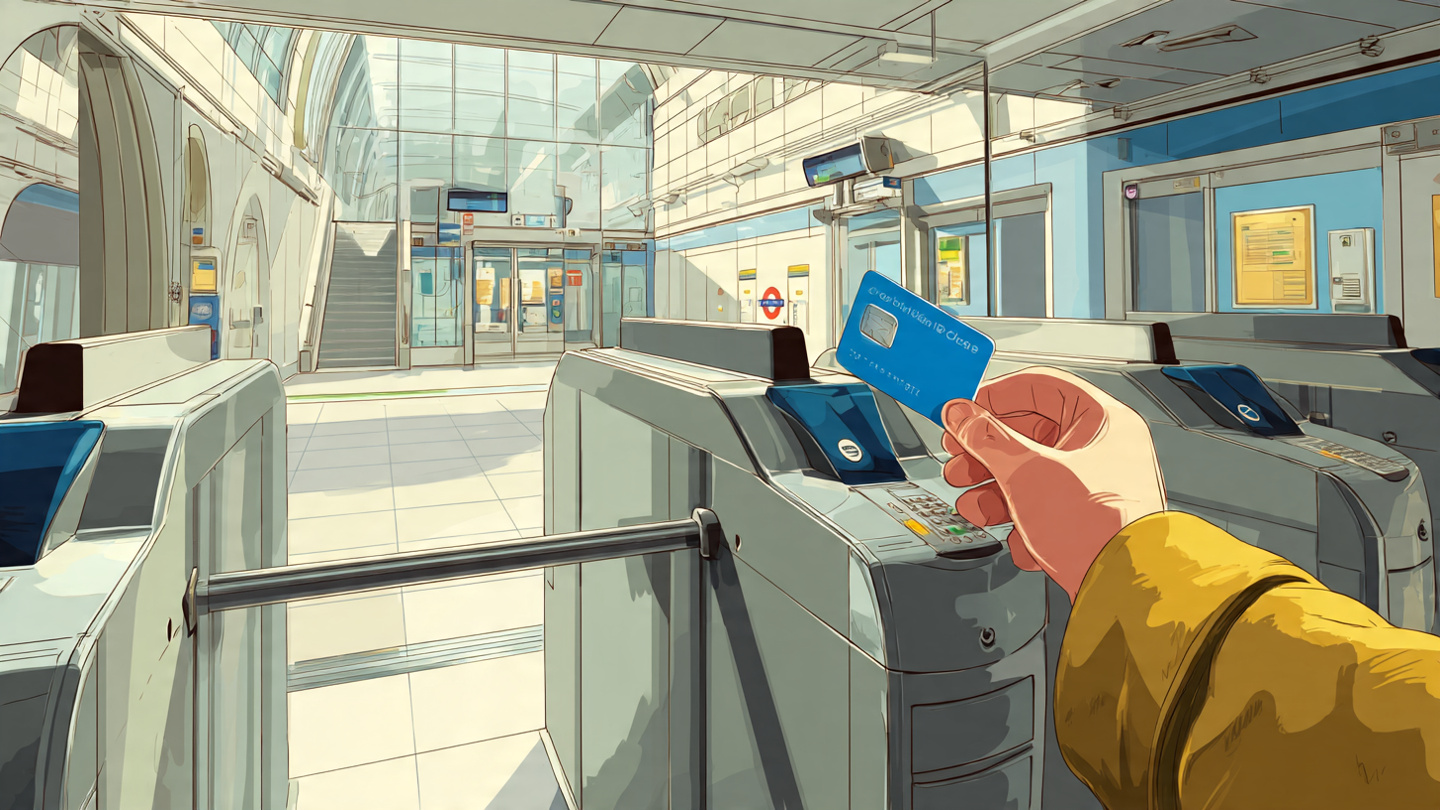
The Oyster Card as a dedicated travel card
The Oyster Card is a reusable smart card created specifically for London’s public transport. Visitors load money onto the card and use it to pay for journeys by tapping at gates or readers. Because it exists only for transport, many travelers feel more in control when using an Oyster Card, especially during a first visit. In the oyster vs contactless discussion, Oyster often appeals to people who prefer a separate, clearly defined travel method.
How visitors get an Oyster Card
Travelers usually buy an Oyster Card at airports, major stations, or visitor centers. The process is straightforward. After purchasing the card, visitors add credit, which becomes available immediately. This physical step reassures some travelers, since they know exactly how much money sits on the card before they begin using transport. For people comparing oyster vs contactless in London, this sense of visibility often feels important.
Adding credit and managing balance
Once activated, the Oyster Card works on a pay-as-you-go basis. Each journey deducts a fare from the balance, while daily caps limit the total amount charged. Visitors can top up the card at machines or counters whenever the balance runs low. This manual control appeals to travelers who like monitoring spending closely, especially those managing a strict travel budget.
How Oyster behaves during daily travel
During normal use, Oyster functions smoothly across most of London’s transport network. Travelers tap in and out on trains and the Underground, while buses and trams require only one tap. The system automatically applies caps and correct fares. In the oyster vs contactless comparison, Oyster behaves predictably because it is not linked to a bank account or external payment system.
Oyster and fare caps for visitors
Oyster Cards support daily caps automatically. Once a traveler reaches the daily limit for the zones used, additional journeys that day do not cost extra. This feature protects visitors who travel frequently. For longer stays, weekly travelcards can also be loaded onto an Oyster Card, which is one area where Oyster differs clearly from contactless payment.
Using Oyster across different transport types
Visitors can use Oyster on the Underground, buses, trams, and many local train services. However, Oyster does not work on every rail line or premium service. This limitation matters when comparing oyster vs contactless, since contactless payment often works on a slightly wider range of routes. Understanding where Oyster works helps travelers avoid confusion later.
Refunds and leftover credit
At the end of a trip, visitors can request a refund for unused balance on an Oyster Card. This option provides peace of mind, especially for short stays. The refund process varies by location and method, but it reassures travelers who dislike leaving unused money behind. This refund flexibility is one reason some visitors prefer Oyster over contactless.
Oyster Cards work well for families, since each traveler can carry their own card. Children can also use special versions or discounted cards, depending on age. For groups traveling together, Oyster provides a simple way to separate transport spending without linking everything to one bank account, which often comes up in oyster vs contactless decisions.
Situations where Oyster feels easier
Oyster often feels simpler for travelers who do not want to use a bank card for daily transport. Visitors concerned about foreign transaction fees, card declines, or spending visibility often feel more comfortable with Oyster. These situations explain why Oyster still remains popular among tourists, despite the availability of contactless options.
Why understanding Oyster helps with comparison
Knowing how the Oyster Card works in real travel situations makes the oyster vs contactless choice clearer. Oyster offers structure, predictability, and separation from personal banking. With this understanding in place, travelers can better evaluate whether contactless payment offers advantages for their specific trip.
What Contactless Payment Means on London Transport
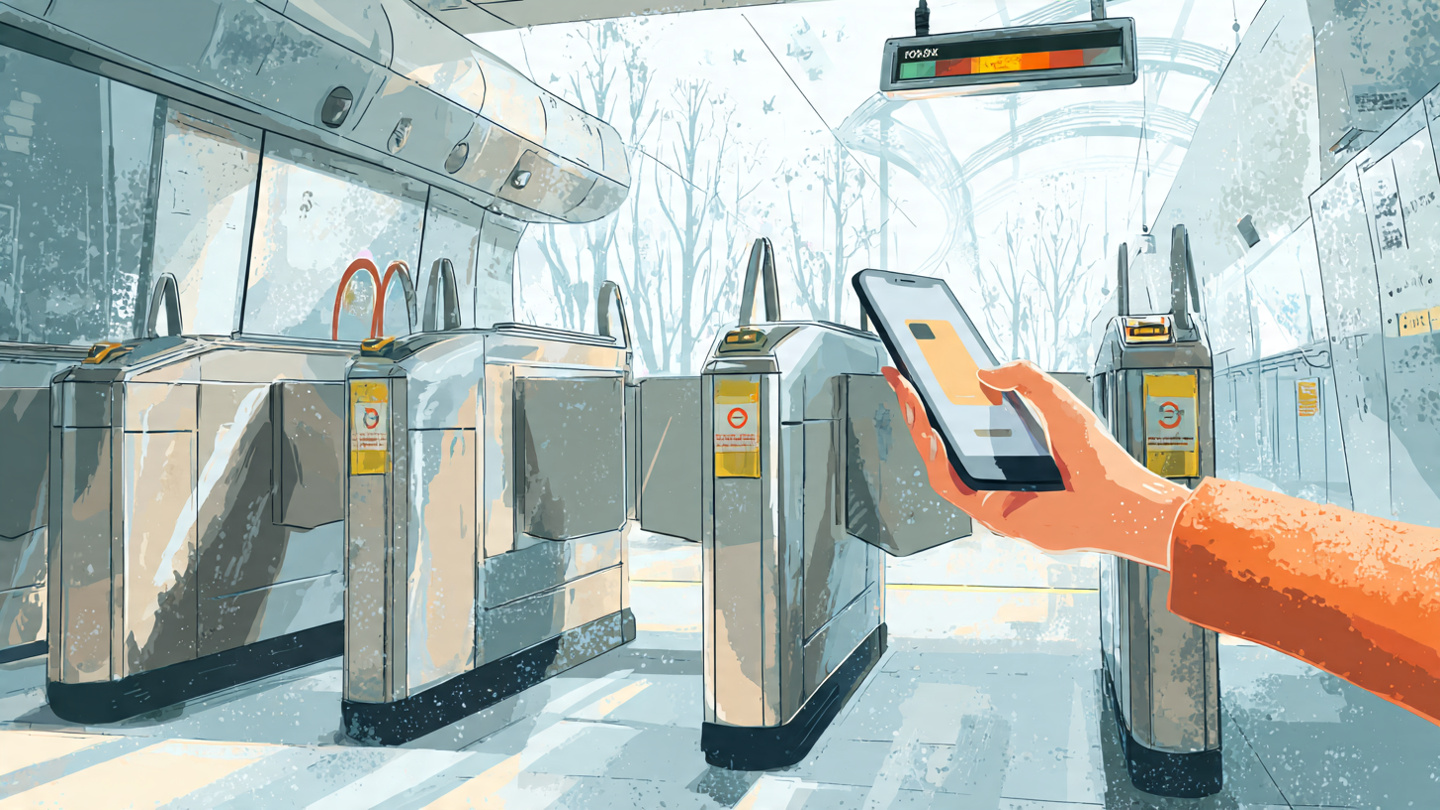
Contactless payment uses your existing bank card or device
Contactless payment allows travelers to use their own debit card, credit card, or mobile wallet to pay for public transport in London. Instead of buying a separate travel card, visitors tap their card or phone directly at gates and readers. In the oyster vs contactless comparison, this option appeals to people who prefer fewer physical items and faster setup.
How contactless works during everyday travel
From a traveler’s perspective, contactless payment feels almost identical to using an Oyster Card. Passengers tap in and out on trains and the Underground, while buses and trams require a single tap. Behind the scenes, the system records each journey and calculates fares later. This delayed calculation often surprises visitors who expect instant deductions.
Contactless charges are processed after travel
Unlike Oyster, contactless payment does not deduct money immediately after each trip. Instead, the system groups journeys together and processes charges later, usually at the end of the day. This method allows daily caps to apply automatically. When travelers compare oyster vs contactless in London, this difference in charge timing often affects how comfortable they feel tracking spending.
Daily caps still apply with contactless
London’s daily fare caps work the same way for contactless users as they do for Oyster Card users. Once a traveler reaches the daily maximum for their zones, additional journeys that day do not cost extra. This protection makes contactless suitable for frequent travel, even without a physical transport card.
Weekly limits behave differently with contactless
Weekly limits for contactless payment usually follow a rolling seven-day period rather than a fixed calendar week. This distinction matters for travelers staying several days. In the oyster vs contactless discussion, this difference often influences which option works better for longer trips that cross different travel weeks.
Contactless and international bank cards
Many international visitors worry about whether their bank card will work in London. In most cases, contactless cards issued abroad function without problems. However, foreign transaction fees, currency conversion rates, and bank security checks can affect the experience. These factors play a key role when travelers evaluate oyster vs contactless for international use.
Using mobile wallets for transport
Contactless payment also includes mobile wallets such as those on smartphones or smartwatches. These devices work the same way as physical cards at transport readers. For some travelers, using a phone feels more convenient. For others, battery life or technical concerns create hesitation. This personal preference often shapes the oyster vs contactless decision.
Situations where contactless feels simpler
Contactless payment works well for short stays and spontaneous travel. Visitors do not need to buy, top up, or refund a card. They simply tap and go. This simplicity attracts travelers who want minimal planning and quick movement through stations.
Situations where contactless can feel uncertain
Despite its convenience, contactless payment can feel less transparent. Charges appear later, and spending is not always visible immediately. Some travelers also worry about card declines or bank alerts. These concerns explain why contactless does not suit every visitor equally in the oyster vs contactless comparison.
Why contactless changes the comparison
Understanding how contactless payment works helps travelers see its strengths and limits clearly. Contactless offers speed, flexibility, and reduced setup. However, it relies heavily on personal banking systems. With this knowledge, visitors can better compare contactless payment to the Oyster Card in practical terms.
Oyster vs Contactless: Cost, Caps, and Fare Differences
Why most travelers assume one option is cheaper
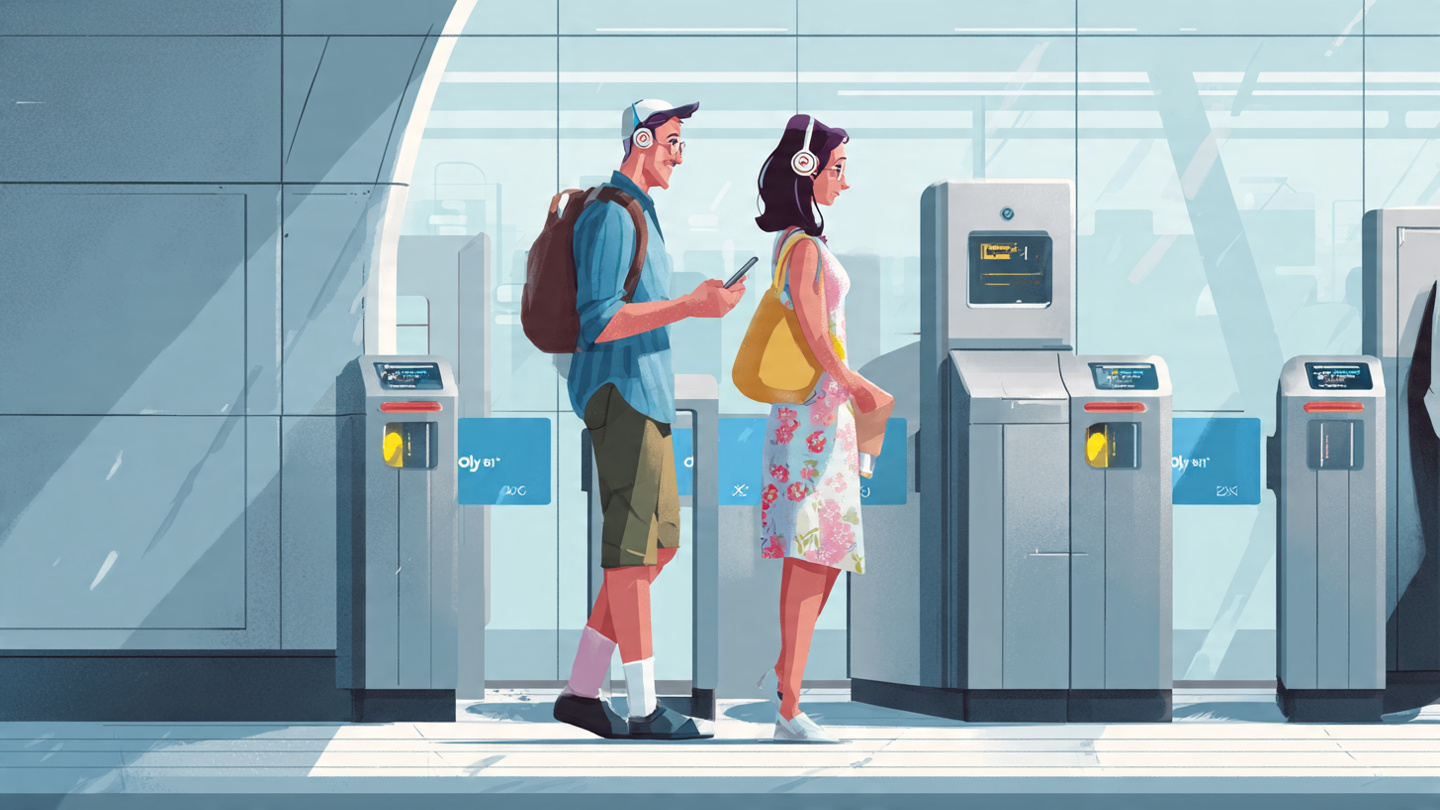
Many visitors begin this comparison believing that Oyster or contactless must be cheaper. This assumption makes sense because cities often price travel cards differently from bank card payments. In London, however, the situation works differently. When comparing oyster vs contactless, the base fares for most journeys are usually the same. The real differences appear in how caps, timing, and tracking work rather than in headline prices.
Base fares are generally identical
For standard travel on the Underground, buses, and most local trains, Oyster Card and contactless payment use the same fare table. A journey through the same zones at the same time of day costs the same regardless of which method a traveler uses. Because of this, visitors should not expect large savings simply by choosing one option over the other.
Daily caps work in a similar way
Daily fare caps protect travelers from overpaying when they make multiple journeys in a single day. Once the cap for the zones traveled is reached, further trips that day do not add extra cost. This rule applies to both Oyster and contactless. In the oyster vs contactless comparison, daily caps rarely create a cost difference for short stays or busy sightseeing days.
Weekly caps create clearer differences
Weekly caps introduce one of the first meaningful distinctions. Oyster Cards allow travelers to load weekly travelcards that run from Monday to Sunday. Contactless payment, by contrast, usually follows a rolling seven-day cap. Depending on arrival day and length of stay, this difference can affect total spending. For travelers staying close to a week, oyster vs contactless cost behavior becomes more important.
How timing affects total cost
The day a trip begins can influence which option works better. A visitor arriving midweek may benefit more from contactless because the rolling cap aligns with their stay. Someone arriving on a Monday might find Oyster travelcards easier to manage. This timing factor often explains why different travelers report different experiences when comparing oyster vs contactless in London.
Peak and off-peak pricing applies equally
Peak and off-peak pricing affects both Oyster Card and contactless payment in the same way. Journeys taken during weekday rush hours cost more than those taken later in the day or on weekends. The system applies these rates automatically. Because both options follow the same rules, peak pricing rarely tips the balance in the oyster vs contactless decision.
Extra charges usually come from errors
Unexpected costs typically do not come from choosing Oyster or contactless. Instead, they come from missed tap-outs, incorrect routes, or incomplete journeys. When this happens, the system applies a maximum fare. These penalties affect both Oyster Card and contactless users equally, which means careful tapping matters more than payment choice.
How refunds and adjustments differ
Oyster Cards allow unused credit to be refunded at the end of a trip. This feature gives travelers confidence that leftover money will not go to waste. Contactless payment does not involve stored credit, so refunds work differently and often require checking bank statements. In the oyster vs contactless comparison, refund handling can influence comfort rather than cost.
Currency and bank fees matter for some travelers
International visitors sometimes face foreign transaction fees or currency conversion costs when using contactless payment. Oyster Card spending, on the other hand, happens in local currency upfront. For travelers sensitive to bank fees, this difference can affect the true cost of oyster vs contactless travel, even if base fares remain the same.
Why cost alone should not decide
When comparing oyster vs contactless, cost differences are usually small or situational. Daily travel behavior, trip length, arrival timing, and banking setup matter more than headline fares. Understanding these details helps travelers choose the option that fits their trip rather than chasing minor price differences.
In central London, Underground stations sit very close together. This station density explains why daily caps matter more than individual fares when comparing oyster vs contactless for sightseeing-heavy days.
Ease of Use: Which Option Is Simpler for First-Time Visitors

Why simplicity matters more than savings
For first-time visitors, ease of use often matters more than small cost differences. London’s transport system moves quickly, and hesitation at ticket gates can feel stressful. When comparing oyster vs contactless, many travelers care less about saving a small amount and more about avoiding mistakes, delays, or confusion during daily travel.
Oyster feels structured and predictable
Oyster Card use follows a clear routine. Visitors buy the card, add credit, and watch the balance decrease with each journey. This visible structure helps many first-time travelers feel in control. Because Oyster is separate from personal banking, mistakes feel easier to manage. In the oyster vs contactless comparison, this sense of predictability often reassures cautious travelers.
Contactless removes setup steps
Contactless payment eliminates several early steps. Travelers do not need to buy a card, choose a top-up amount, or find a ticket machine. They simply tap and go. For visitors arriving late or feeling tired, this simplicity can feel like a major advantage. In oyster vs contactless decisions, this convenience often appeals to confident travelers.
Learning curves differ between the two options
Oyster requires a small learning period at the start. Travelers must understand top-ups, balance checks, and refund options. Contactless shifts the learning curve elsewhere. Visitors need to understand delayed charges, bank notifications, and spending visibility. Neither option is difficult, but each asks travelers to learn different things.
Mistakes feel easier to fix with Oyster
When something goes wrong, Oyster Card issues often feel more approachable. Station staff can check balances, confirm taps, or guide refunds. Because Oyster is a transport-only card, problems stay within the transport system. For first-time visitors, this clarity often influences oyster vs contactless comfort levels.
Contactless depends on personal banking systems
Contactless payment relies on external bank systems. If a card is declined, blocked, or flagged for security reasons, transport access can stop suddenly. While this rarely happens, the possibility worries some travelers. In the oyster vs contactless comparison, this dependency makes contactless feel less forgiving to cautious users.
Physical card versus digital convenience
Some visitors prefer holding a physical card. Oyster provides something tangible that can be checked and managed easily. Others prefer using a phone or wallet they already carry. This personal preference plays a major role in deciding between oyster vs contactless in London, especially for travelers unfamiliar with the city.
Group travel adds another layer
For families or groups, Oyster often feels easier to manage. Each traveler can have their own card, and spending stays separate. Contactless works well for solo travelers but can become confusing if multiple people share one bank card. This factor often shapes oyster vs contactless choices for first-time group travel.
Confidence grows with understanding
Once travelers understand how their chosen option works, confidence grows quickly. The real challenge lies in the first few journeys. By choosing the option that feels simpler personally, visitors reduce early stress and move through the city more comfortably. This mindset often matters more than technical differences.
Why ease of use depends on the traveler
There is no single simplest option for everyone. Oyster suits travelers who value structure and visibility. Contactless suits those who value speed and minimal setup. Understanding these differences helps first-time visitors choose wisely in the oyster vs contactless decision.
Kingsley, thanks for helping my family and I on the underground yesterday at London Bridge – you’re a true underground legend 👍👍👍
Read more reviews at Tripadvisor.
Which Option Works Better for Short Trips and Weekends

Why trip length changes the decision
Short trips and weekend visits create a different set of priorities. Travelers want to move quickly, avoid setup time, and spend as little energy as possible thinking about transport. In these situations, the oyster vs contactless decision often comes down to convenience rather than long-term planning.
Contactless suits quick arrivals and departures
For visitors arriving on a Friday and leaving by Sunday, contactless payment often feels natural. There is no need to buy a card, add credit, or request a refund before leaving. Travelers can start using public transport immediately after arrival and stop just as easily when they leave. This friction-free entry and exit fits well with short stays.
Oyster setup can feel unnecessary for brief visits
Buying an Oyster Card takes only a few minutes, but for a very short trip, even that can feel like extra effort. Visitors staying one or two nights may not want to spend time topping up a card they will barely use. In the oyster vs contactless comparison, this makes Oyster feel less efficient for quick visits.
Daily caps protect weekend travelers
Weekend sightseeing often involves multiple short journeys. Daily fare caps help limit costs regardless of payment method. Because both Oyster and contactless apply daily caps automatically, weekend travelers usually pay similar amounts. This means cost rarely becomes the deciding factor for short stays.
Contactless aligns well with flexible plans
Short trips often involve spontaneous decisions. Travelers may change plans, revisit areas, or take unplanned journeys. Contactless payment supports this flexibility without requiring balance checks or top-ups. This freedom appeals to visitors who want to explore without tracking every journey.
When Oyster still makes sense for weekends
Despite its setup, Oyster can still suit some weekend travelers. Visitors without compatible bank cards, those avoiding foreign transaction fees, or travelers who prefer spending limits often choose Oyster. These situations explain why oyster vs contactless does not have a single answer even for short stays.
Late arrivals and early departures
Many weekend trips include late-night arrivals or early-morning departures. At these times, travelers want the fastest possible station experience. Contactless reduces decision points at ticket machines and gates, which can be valuable after long flights or during rushed departures.
Groups and families on short trips
Families visiting for a weekend may prefer Oyster Cards for clarity. Each traveler can have their own card, making it easier to manage movement through gates. Contactless works best for solo travelers, while Oyster can reduce confusion when multiple people travel together, even on short trips.
Stress levels matter more than optimization
For short stays, reducing stress matters more than optimizing every fare detail. Travelers who choose the option that feels simpler personally tend to enjoy their trip more. In oyster vs contactless decisions for weekends, comfort often outweighs technical advantages.
Why short trips favor simplicity
Overall, short trips and weekend visits reward simplicity. Contactless payment often fits this need best, but Oyster remains useful in specific situations. Understanding how each option fits short travel patterns helps visitors make a calm, confident choice.
Most major attractions are located close to Underground stations, which makes frequent short journeys common during a weekend visit. Viewing how tourist areas connect to nearby stations helps decide whether oyster vs contactless fits a short stay better.
Which Option Is Better for Longer Stays, Families, and Groups

Why longer trips change transport priorities
As trips extend beyond a few days, transport decisions start to feel more important. Travelers begin to notice patterns in their movement and become more aware of total spending. For longer stays, the oyster vs contactless decision shifts from short-term convenience to consistency, budgeting, and ease of daily use.
Oyster offers clearer control for extended travel
For visitors staying a week or more, Oyster often feels easier to manage. Travelers can load a set amount of money or add a weekly travelcard, which creates predictable spending. This structure appeals to visitors who want a clear transport budget without checking bank statements daily. In the oyster vs contactless comparison, this control becomes more valuable as trips lengthen.
Weekly travelcards favor Oyster users
One advantage of Oyster during longer stays is the ability to use weekly travelcards that run from Monday to Sunday. Travelers who arrive early in the week and stay several days often find this option straightforward. Contactless payment, which uses rolling weekly caps, may not align as neatly with longer stays that follow a calendar rhythm.
Contactless still works well for independent travelers
Solo travelers staying longer may still prefer contactless payment. Once familiar with the system, tapping a personal card or phone becomes effortless. For confident travelers who track spending digitally, contactless remains convenient even over extended periods. In oyster vs contactless decisions, personal comfort plays a large role during longer stays.
Managing transport for families
Families face unique challenges when using public transport. Each traveler needs their own way to tap in and out. Oyster Cards simplify this by giving each person a separate card. Parents can easily manage who has tapped correctly, which reduces gate confusion. This clarity often makes Oyster feel more practical for family travel.
Children and discounted travel
Oyster supports special arrangements for children and young travelers, depending on age. Discounts and child-specific cards help families manage costs more easily. Contactless payment does not handle these situations as smoothly, which influences oyster vs contactless decisions for families with children.
Groups traveling together often prefer separating transport payments. Oyster Cards allow each person to handle their own travel independently. Using one contactless card for multiple people is not possible at the same time, which creates complications. For groups, Oyster usually offers a smoother experience.
Budget awareness over longer stays
As days pass, small transport costs accumulate. Travelers on longer trips often prefer seeing spending clearly and managing limits manually. Oyster makes this easier by keeping transport spending separate from other expenses. This separation influences oyster vs contactless comfort levels for budget-focused visitors.
Reliability matters more with time
Over a longer stay, even small disruptions feel larger. Oyster’s independence from bank systems gives some travelers peace of mind. Contactless payment relies on banks, security checks, and connectivity. While issues are rare, the possibility can matter more during extended travel.
Why longer stays favor structure
Overall, longer stays reward structure and predictability. Oyster often fits these needs better, especially for families and groups. Contactless still works well for independent travelers, but understanding these differences helps visitors choose wisely for extended trips.
Common Mistakes Tourists Make With Oyster and Contactless

Forgetting to tap out at the end of a journey
One of the most common mistakes visitors make is forgetting to tap out when leaving a station. On the Underground and train services, both Oyster and contactless require a tap in and a tap out. When travelers miss the exit tap, the system cannot calculate the full journey and applies a maximum fare. This mistake often leads people to believe they were overcharged due to oyster vs contactless differences, when the real issue was an incomplete journey.
Using different cards during the same day
Some travelers switch between payment methods without realizing the consequences. For example, tapping in with contactless and tapping out with an Oyster Card counts as two separate journeys. The system cannot link them, which results in incorrect charges. In oyster vs contactless comparisons, this mistake causes confusion and unnecessary costs.
A single Oyster Card or contactless card cannot be used by more than one person at the same time. Some visitors attempt to tap one card for two people entering together, especially in busy stations. This leads to gate errors and possible penalties. Understanding this rule is essential for families and groups traveling together.
Confusion between buses and trains
Buses and trams require only one tap when boarding, while trains and the Underground require two taps. Tourists often worry they forgot to tap out on a bus, or they assume trains work the same way. This confusion creates unnecessary stress and often leads to incorrect assumptions about oyster vs contactless charges.
Assuming charges appear instantly with contactless
Contactless payment does not always show charges immediately. Some travelers check their bank app after each journey and panic when nothing appears. Charges are usually processed later, once daily caps are applied. This delay does not mean something went wrong, but many visitors misinterpret it during their first days in London.
These payment mistakes are part of a bigger pattern of avoidable travel errors, explained in this guide to London travel mistakes to avoid.
Overlooking foreign bank fees
International visitors sometimes forget that their bank may charge foreign transaction or currency conversion fees for contactless payments. These fees do not come from London transport but from the bank itself. When travelers later compare oyster vs contactless costs, they may incorrectly blame transport fares rather than bank policies.
Not checking where Oyster works
While Oyster covers most of London’s transport network, it does not work everywhere. Some rail services and premium routes require different payment methods. Travelers who assume Oyster works universally may encounter issues on certain journeys. This misunderstanding often surfaces in oyster vs contactless discussions after unexpected disruptions.
Ignoring balance levels on Oyster Cards
Visitors using Oyster sometimes forget to check their remaining balance. When the balance runs too low, entry gates may refuse access. This situation feels stressful in busy stations. Contactless users do not face this exact issue, but Oyster users benefit from monitoring balances regularly.
Expecting refunds without action
Unused Oyster credit does not refund itself automatically. Travelers must actively request a refund before leaving or through specific channels. Forgetting this step leads some visitors to believe Oyster wastes money, which affects oyster vs contactless perceptions unfairly.
Why avoiding these mistakes changes the experience
Most transport problems visitors face are not caused by choosing Oyster or contactless. They come from small misunderstandings of how the system works. Once travelers know these common mistakes, confidence increases and the oyster vs contactless decision becomes much less stressful.
Within 30 minutes back and forth between Calair and Folkstone. With warm weather like this weekend hot on the train but nice to be mobile with your own car in England and France.
Read more reviews at Tripadvisor.
Final Recommendation: How to Choose the Right Option for Your London Trip

Why there is no single correct answer
Many travelers look for a clear winner when comparing oyster vs contactless. However, London’s transport system is designed to support both options equally well. The better choice depends on how long you stay, how you travel, and how comfortable you feel managing payments. Understanding this removes pressure to choose “correctly” and instead focuses on choosing what fits your trip.
Choose Oyster if you value structure and control
Oyster suits travelers who like clear boundaries around spending. Having a separate transport card makes it easy to see how much money is available and how much has been used. Visitors who prefer topping up once and not thinking about daily charges often feel more relaxed using Oyster. This option also works well for families, groups, and travelers who want transport spending separated from personal banking.
Payment method is only one part of moving confidently in the city, and this guide on the best way to travel around London explains how to choose between walking, buses, the Underground, and trains based on your trip style.
Choose contactless if you prefer speed and flexibility
Contactless payment works best for travelers who want minimal setup. If you are comfortable using your bank card or mobile wallet abroad and do not mind charges appearing later, contactless feels effortless. It fits short trips, weekend visits, and confident solo travel particularly well. For many visitors, the ability to arrive and start traveling immediately is the biggest advantage.
Think about trip length before deciding
Short stays usually favor contactless because there is no card to buy or refund. Longer stays often favor Oyster because of budgeting clarity and weekly travelcard options. When comparing oyster vs contactless, trip duration often matters more than daily travel volume.
Consider your comfort with banking systems
Some travelers trust their bank cards fully, while others worry about foreign transaction fees or card security. If banking uncertainty causes stress, Oyster provides peace of mind. If banking feels routine and reliable, contactless removes an extra step. This personal comfort level plays a major role in the oyster vs contactless decision.
Group size changes what feels simple
Solo travelers often find contactless easier. Families and groups often find Oyster clearer. Managing multiple people through ticket gates becomes simpler when each person has their own card. This practical difference influences many real-world choices more than pricing details.
Mistakes matter more than method
Most negative experiences come from missed taps, mixed cards, or misunderstandings rather than from choosing the wrong option. Whichever method you choose, using it consistently and understanding basic rules matters more than the method itself. Once travelers accept this, confidence grows quickly.
When switching options makes sense
Some travelers use both options during different trips rather than committing forever. What works for a weekend visit may not work for a longer stay. London’s system allows flexibility, and there is no penalty for choosing differently on future visits.
Focus on confidence, not optimization
The best choice is the one that lets you move through London confidently. If you are not worrying about balances, charges, or gates, you are using the right option for your trip. In the oyster vs contactless comparison, comfort often outweighs small technical differences.
Final takeaway for visitors
Oyster and contactless both work well across London. Oyster offers structure, visibility, and family-friendly control. Contactless offers speed, flexibility, and minimal setup. By matching the option to your travel style, you remove transport stress and free your attention for exploring the city.
For many visitors, the first oyster vs contactless decision happens immediately after landing. Seeing how Heathrow connects to central London helps travelers choose the payment option that feels easiest from the very first journey.
Frequently Asked Questions
General Questions
In most situations, Oyster and contactless cost the same for standard journeys. Both use the same fare structure and daily caps. Any difference usually comes from how weekly limits, refunds, or bank fees work rather than base fares.
Yes. Tourists can use contactless debit cards, credit cards, or mobile wallets on most public transport services. The card must support contactless payments and international transactions.
They work on almost the same network, including the Underground, buses, trams, and many local trains. However, some rail services and premium routes may accept contactless but not Oyster.
Cost, Caps, and Charges
Yes. Both options automatically apply daily fare caps based on the zones traveled. Once the cap is reached, additional journeys that day do not cost extra.
Oyster weekly travelcards usually run from Monday to Sunday. Contactless weekly caps typically follow a rolling seven-day period. This difference matters for trips lasting several days.
Yes. Some international banks charge foreign transaction or currency conversion fees for contactless payments. These fees come from the bank, not the transport system, and can make contactless slightly more expensive for some travelers.
Ease of Use and Practical Concerns
Many first-time visitors find Oyster easier because it offers visible balance control and does not rely on a bank card. Others prefer contactless for its simplicity. Ease of use depends on personal comfort rather than technical difficulty.
Yes, but you should not switch methods during the same journey. Always tap in and out using the same card or device to avoid incorrect charges.
If you forget to tap out on a train or Underground journey, the system applies a maximum fare. This applies to both Oyster and contactless users.
Families, Groups, and Special Situations
No. Each traveler must have their own card or payment method. One card cannot be used for multiple people at the same time.
Often yes. Oyster makes it easier to manage multiple travelers, especially children, because each person has a separate card and spending stays clearly divided.
Yes. Unused Oyster credit can be refunded at the end of your trip through specific refund options. Contactless payments do not involve stored credit, so refunds work differently.