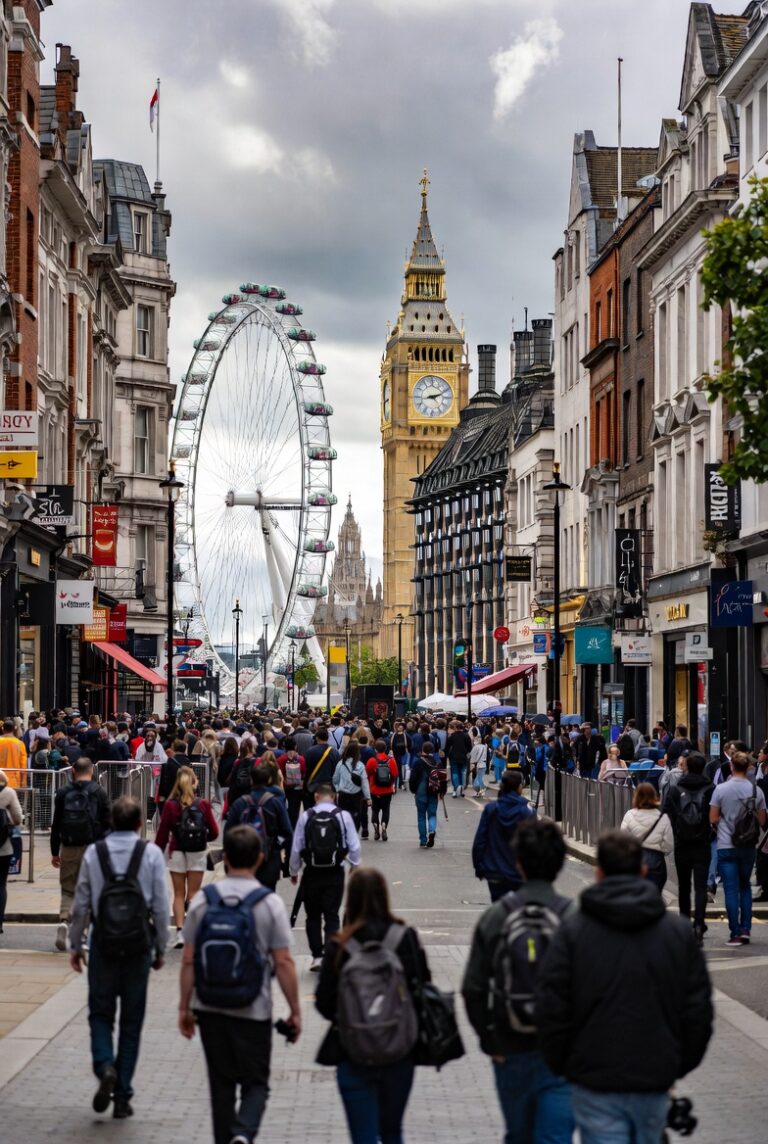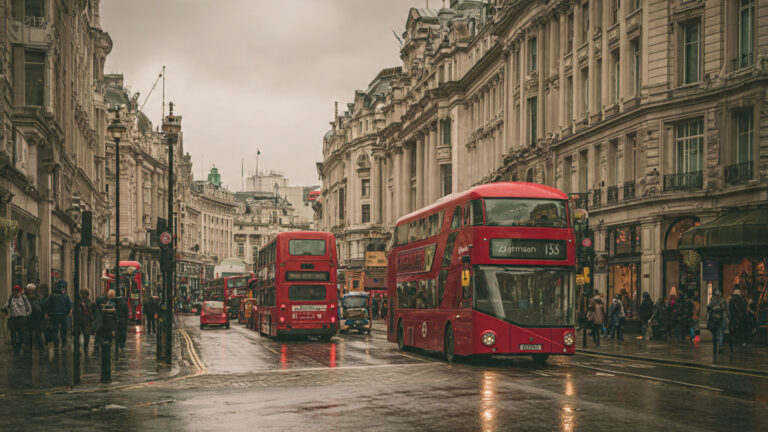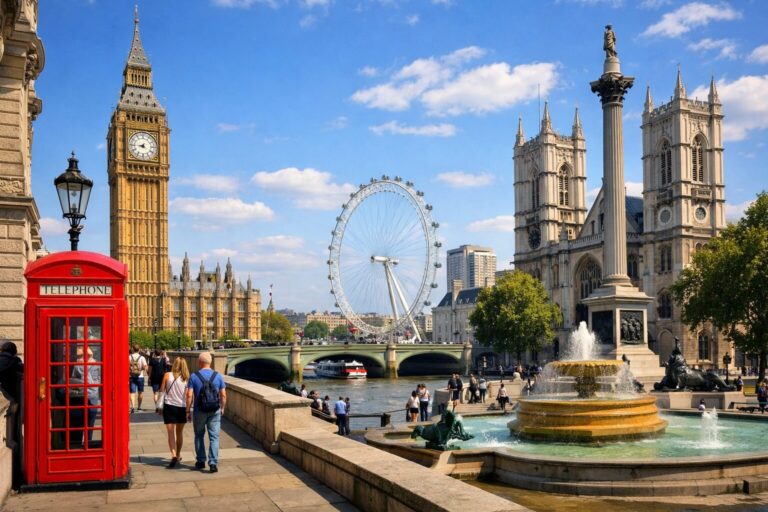


London travel mistakes to avoid usually appear long before a visitor steps onto a London street. Many travelers assume preparation ends with booking flights and hotels. In reality, early assumptions about how London works shape nearly every decision that follows. When those assumptions are inaccurate, small errors stack up quickly during the trip.
Familiar Language Creates a False Sense of Readiness
Because English is spoken everywhere, visitors feel confident navigating daily life. This comfort hides important differences in how London operates. Transport flow, neighborhood scale, and local behavior follow patterns that are not obvious at first. One of the most common London travel mistakes is assuming familiarity equals understanding.
Understanding these mistakes becomes much easier when travelers see how all transport options fit together in the complete London transport guide for traveling around London.
Online Planning Encourages Confidence Without Context
Search results, videos, and short guides often simplify London into disconnected tips. Travelers collect advice without learning how those pieces interact. This creates a surface-level readiness that breaks down once movement begins. Many first-time visitors later realize that the advice they followed did not consider timing, distance, or daily rhythm.
London’s Complexity Is Not Immediately Visible
London presents itself clearly on maps and signs. That clarity can be misleading. Beneath the surface, the city is layered with overlapping systems built across centuries. Visitors who expect one consistent logic encounter confusion. A key London travel mistake to avoid is expecting the city to behave like a single, unified system.
Trying to Get Everything Right Immediately Backfires
Many travelers believe mistakes mean failure. They overprepare, memorize routes, and follow rigid plans. London rewards adaptability instead. Learning happens through experience. When visitors allow flexibility, mistakes shrink into minor adjustments rather than stressful events.
Anxiety Turns Small Errors Into Big Problems
Missing a stop or choosing the wrong exit is normal. Anxiety magnifies these moments. London feels large, so errors feel permanent. In reality, alternatives are always nearby. One overlooked London travel mistake to avoid is letting stress guide decisions instead of pausing and recalibrating.
Applying Other City Habits Causes Planning Errors
Travelers often use habits from smaller or car-based cities. London operates differently. Distances take longer than expected. Neighborhoods function independently. Assuming everything is close together leads to rushed days and exhaustion. Recognizing this difference early prevents repeated misjudgments.
Cultural Similarity Masks Practical Differences
While communication is easy, unspoken rules shape daily interactions. Queue behavior, personal space, and movement etiquette influence comfort levels. Visitors rarely receive explanations when they misstep. Instead, they sense friction. Understanding these subtleties helps avoid unnecessary discomfort.
Highly edited content shows London at its most scenic moments. Transition time, crowds, and weather rarely appear. Visitors arrive expecting seamless movement between highlights. When reality differs, disappointment follows. One subtle London travel mistake to avoid is planning based on visuals rather than lived experience.
A lot of frustration comes from expecting London to look and feel the same every hour, even when rain, cloud cover, or short daylight changes how the city moves. If you want a realistic way to plan around these conditions without overthinking, the London weather travel guide breaks it down clearly.
Early Decisions Have the Largest Impact
Airport arrivals, first transport choices, and accommodation location influence the entire trip. Fatigue makes early mistakes more likely. When the first day feels chaotic, stress carries forward. Recognizing this pattern allows travelers to slow down during the most vulnerable moments.
Many of these early mistakes happen before travelers fully understand their arrival options, especially when choosing how to leave the airport. This London airport transport guide explains how each airport connects to the city and helps travelers avoid unnecessary stress during their first hours in London.
London Operates on Rhythm More Than Rules
Time of day, season, and local routines shape how London feels. Static planning ignores these shifts. Travelers who move with the city’s rhythm feel less resistance. Those who fight it feel overwhelmed. Awareness of this rhythm prevents repeated travel mistakes.
Understanding seasonal timing makes this rhythm clearer, and this guide on the best time to visit London explains how crowds, daylight, and travel pace change throughout the year.
Mistakes Are Part of Learning the City
London is forgiving. Trains are frequent, routes overlap, and alternatives exist. Visitors who accept this recover quickly. Expecting perfection creates tension. The most important London travel mistake to avoid is believing one wrong move ruins the day.
This Guide Focuses on Reducing Friction, Not Fear
The goal of highlighting London travel mistakes to avoid is confidence, not caution. Awareness removes uncertainty. When expectations match reality, decisions become easier. London feels less intimidating and more intuitive with each adjustment.
Underestimating London’s Size and Daily Travel Time

London Looks Compact on Maps but Feels Vast on Foot
One of the most common London travel mistakes to avoid is trusting the map more than lived experience. On a screen, neighborhoods appear close together. Streets seem walkable. Once visitors arrive, the scale of London becomes clearer. Blocks stretch longer than expected, junctions take time to cross, and walking between areas consumes energy faster than planned.
Distance in London Is Measured in Time, Not Miles
Visitors often think in distance rather than duration. In London, travel time matters more than how far something looks. A short distance may involve stairs, corridors, platforms, or crowded streets. Assuming that nearby attractions require only a few minutes leads to late arrivals and rushed decisions. This misjudgment sits at the core of many London travel mistakes to avoid.
Many first-time visitors underestimate how spread out central London really is until they start moving between areas. Seeing major landmarks on a single map helps explain why travel time often feels longer than expected, even when destinations look close together.
Neighborhoods Function Like Separate Towns
London did not grow around a single center. It expanded as connected villages. Each neighborhood has its own pace, layout, and focal points. Moving between them feels like changing cities rather than crossing districts. Visitors who plan as if everything exists in one compact zone struggle to maintain realistic schedules.
Travel Time Expands During Peak Hours
Time behaves differently during busy periods. Trains arrive frequently, yet boarding and exiting slow movement. Platforms fill, corridors clog, and walking speed drops. Visitors who ignore peak hours underestimate how long simple journeys take. This leads to stress and missed plans, especially early in the trip.
First-Day Fatigue Distorts Time Perception
Arrival day amplifies size-related mistakes. Jet lag, luggage, and unfamiliar surroundings slow everything down. What looks manageable in planning feels overwhelming in reality. Many London travel mistakes to avoid happen on day one because travelers overestimate their energy and underestimate the city’s demands.
Stacking Too Many Areas Into One Day Creates Pressure
Some itineraries jump between distant neighborhoods in a single day. Each transition adds time and friction. Waiting, walking, navigating, and adjusting accumulate quietly. By midday, visitors feel behind schedule. The issue is not poor planning effort but misunderstanding how London absorbs time.
Transport transitions consume more time than expected. Moving between lines involves escalators, long corridors, and waiting. Even efficient journeys include pauses. Visitors who calculate travel time based only on ride duration forget these layers. Recognizing this prevents frustration.
Short Walks Often Take Longer Than Expected
Walking in London is enjoyable but not always fast. Crowds, crossings, and street layouts slow movement. A ten-minute walk rarely stays ten minutes during busy hours. Planning with generous buffers avoids constant rushing and recalculating.
Rushing to Save Time Often Loses More Time
When travelers feel behind, they rush. Rushing leads to wrong turns, missed exits, and stress-driven decisions. Slowing down slightly often saves time overall. One overlooked London travel mistake to avoid is reacting to time pressure instead of planning for it.
Accepting London’s Scale Improves Every Decision
Once visitors accept that London is large, planning improves naturally. Fewer areas per day feel manageable. Travel becomes smoother. Energy lasts longer. Understanding scale transforms the trip from a race into a rhythm.
Adjusting Expectations Reduces Daily Frustration
The goal is not to shrink London but to align expectations. When visitors allow extra time, delays stop feeling like failures. Days feel fuller rather than rushed. This mindset shift eliminates many London travel mistakes to avoid without changing the itinerary itself.
London Rewards Depth Over Coverage
Trying to cover ground quickly rarely leads to memorable experiences. Staying longer in fewer places allows observation, rest, and enjoyment. London reveals itself through time spent, not distance crossed.
Trying to See Too Much Instead of Experiencing London Properly

One of the most common London travel mistakes to avoid is believing that a full schedule guarantees a successful trip. Many visitors arrive with tightly packed plans designed to maximize value. While this feels efficient, it quietly introduces pressure into every hour of the day. When one activity runs long, the entire plan begins to collapse.
Attraction Checklists Replace Real Experience
Travelers often treat London like a checklist of famous names. The focus shifts from being present to moving on. This approach reduces each place to a brief stop rather than an experience. Visitors leave with photos but little memory of how places actually felt. This mistake is subtle because it looks productive on paper.
Time Loss Compounds Faster Than Expected
Each attraction includes unseen time costs. Entry queues, security checks, orientation, and exit all consume minutes. When several attractions are stacked together, these delays compound. Visitors feel rushed even when the plan seemed reasonable during research. Recognizing this accumulation helps avoid daily disappointment.
Mental Fatigue Builds Faster Than Physical Fatigue
London travel mistakes to avoid are not always physical. Constant decision-making exhausts the mind. Navigating, adjusting plans, and watching the clock drains attention. By afternoon, visitors struggle to enjoy anything fully. Reducing planned stops restores mental clarity and enjoyment.
We obtained free tickets online to attend the Christmas Eve service at this historic church. It was an amazing privilege to be there on Christmas Eve. If you ever have the chance to go, do not hesitate — just be sure to obtain your tickets early.
Read more reviews at Tripadvisor.
The City Does Not Reveal Itself at Speed
London rewards stillness. Sitting in a square, walking without a goal, or lingering in a neighborhood often becomes the most memorable part of the trip. Overfilled itineraries remove these moments. Visitors who allow unstructured time experience the city rather than pass through it.
Flexibility Disappears When Every Hour Is Booked
When plans leave no room to adjust, small disruptions feel catastrophic. Weather changes, crowds, or simple curiosity create conflict. Visitors ignore interesting detours because the schedule demands movement. One important London travel mistake to avoid is treating plans as obligations instead of guides.
Online content shows idealized days packed with highlights. Visitors unconsciously compare their pace to these images. When reality feels slower, they assume they are doing something wrong. This comparison fuels unnecessary stress and pushes travelers to overextend themselves.
Energy Declines Before the Day Ends
Long days filled with constant movement reduce enjoyment later. Even evening plans feel like chores instead of rewards. Visitors often cancel experiences they were most excited about because earlier overplanning drained their energy. Balancing intensity preserves enthusiasm.
Depth Creates Stronger Memories Than Volume
Spending more time in fewer places creates emotional connection. Observing details, patterns, and local rhythm builds memory. London travel mistakes to avoid often stem from confusing coverage with value. Depth consistently delivers better returns.
When the pace slows, navigation improves. Visitors notice signs, patterns, and landmarks more clearly. Confidence grows naturally. Overpacked days keep travelers in reaction mode rather than learning mode.
London Encourages Flow, Not Completion
The city functions best when days follow a natural flow. Morning energy differs from afternoon and evening energy. Respecting this rhythm prevents exhaustion. One of the most practical London travel mistakes to avoid is ignoring how personal energy changes throughout the day.
Letting Go of “Everything” Makes the Trip Better
Accepting that not everything can be seen frees the trip from pressure. Visitors enjoy what they choose rather than regret what they skip. This mindset shift transforms London from overwhelming to welcoming.
Misunderstanding How London Transport Really Works

London Transport Appears Simple Until You Start Using It
One of the most underestimated London travel mistakes to avoid is assuming the transport system will feel intuitive immediately. Maps are clear, lines are color-coded, and stations are well signed. Despite this, first-time visitors often feel disoriented once they enter the system. The issue is not complexity but expectation. Travelers expect instant mastery instead of gradual familiarity.
The Underground Map Is Not a Geographic Map
Many visitors treat the Tube map as a literal representation of distance and direction. This misunderstanding leads to poor route choices and unnecessary transfers. The map shows connections, not physical layout. Stations that appear far apart may be close on the surface, while stations that seem adjacent may require long walks. Recognizing this prevents confusion and inefficient travel.
Many of these transport mistakes disappear once travelers clearly understand how the system works in this step-by-step guide on how to use the London Underground.
Lines Overlap, but Purposes Differ
London transport lines serve different roles. Some prioritize speed, others coverage. Visitors often choose routes based solely on color familiarity or popularity. This leads to crowded journeys and missed opportunities for smoother travel. A key London travel mistake to avoid is assuming all lines function the same way.
Transfers Take Longer Than Expected
Changing lines involves more than stepping off one train and onto another. Corridors, escalators, stairs, and waiting times add up. Visitors who plan journeys based only on ride duration underestimate total travel time. This miscalculation contributes to rushed schedules and late arrivals.
Stations Vary Greatly in Size and Layout
Not all stations are equal. Some are compact and easy to navigate. Others span multiple levels and exits. Visitors often assume familiarity after using a few stations. This assumption breaks down at larger interchanges. Expecting variation reduces stress when movement feels slower.
Entry and Exit Points Matter More Than Visitors Expect
Choosing the wrong exit can add significant walking time. Stations often have multiple exits leading to different streets. Visitors who rush through exits without checking direction find themselves disoriented above ground. One practical London travel mistake to avoid is ignoring exit signage.
Transport Efficiency Depends on Timing
The system behaves differently depending on time of day. Peak hours change boarding speed, platform movement, and comfort levels. Off-peak travel feels dramatically smoother. Visitors who ignore timing experience unnecessary stress and discomfort.
Buses and Trains Serve Different Travel Needs
Many visitors default to the Underground for every journey. While fast for longer distances, it is not always the best option. Buses provide direct routes and surface-level orientation. Walking sometimes beats both. A common London travel mistake to avoid is using one mode exclusively.
Understanding Direction Matters More Than Route Names
Visitors often focus on line names instead of direction. Trains operate in two directions, and choosing the wrong one leads to backtracking. Learning to identify direction by final destination rather than station names reduces errors and builds confidence.
Small Errors Feel Bigger Underground
Mistakes underground feel amplified because surroundings are enclosed. Missing a stop or boarding the wrong train triggers panic. In reality, recovery is easy. Trains run frequently, and alternatives exist. Recognizing this reduces anxiety-driven decisions.
Familiarity Develops Through Use, Not Study
Transport confidence grows with repetition. Visitors who accept early confusion adapt quickly. Overstudying routes creates pressure to perform perfectly. Allowing room for adjustment eliminates one of the most stressful London travel mistakes to avoid.
London Transport Rewards Calm Decision-Making
The system is forgiving but requires patience. Rushing leads to missed signage and poor choices. Calm movement improves accuracy. Travelers who slow down slightly navigate more effectively than those who hurry.
Making the Wrong Transport Choice for Short and Medium Journeys

Defaulting to the Underground for Every Trip Creates Problems
One of the easiest London travel mistakes to avoid is assuming the Underground is always the fastest option. Many visitors treat it as the default solution for every journey, regardless of distance or location. While the Underground excels at covering longer distances, it often becomes inefficient for short and medium trips where access time outweighs travel speed.
Short Journeys Hide Long Access Times
Entering a station, passing gates, descending platforms, and waiting for trains adds time. For short distances, these steps consume more minutes than the ride itself. Visitors who ignore this end up spending longer underground than moving between destinations. Recognizing access time prevents unnecessary detours.
Choosing the right option becomes easier when travelers understand the best way to travel around London based on distance, timing, and comfort.
Walking Often Provides Better Orientation
Walking keeps travelers connected to the city’s layout. Streets, landmarks, and neighborhoods become familiar through movement on the surface. Visitors who rely solely on underground travel struggle to understand where places sit in relation to one another. This lack of orientation increases dependence on maps and directions.
Buses Offer Direct Routes Many Visitors Overlook
Buses follow surface routes that align closely with street geography. For medium-distance journeys, they often provide simpler point-to-point travel. Visitors avoid buses because they appear slower or confusing. In reality, buses remove the need for transfers and long station walks. Avoiding them unnecessarily limits flexibility.
Surface Travel Reduces Mental Fatigue
Remaining above ground reduces decision fatigue. Signage, visual cues, and consistent movement make navigation feel easier. Underground travel demands constant attention to signs, platforms, and exits. Choosing surface options when appropriate preserves energy for exploration.
Transfers Multiply the Cost of a Poor Choice
Choosing a route that requires multiple changes increases the chance of error. Each transfer adds waiting time and navigation effort. Visitors often select these routes because they look efficient on maps. In practice, direct options save time and reduce stress.
Short Rides Can Create a False Sense of Progress
Moving quickly underground can feel productive even when it is inefficient. Visitors believe they are saving time because trains move fast. When total journey time is considered, this sense of progress often proves misleading. One important London travel mistake to avoid is confusing speed with efficiency.
Many memorable moments occur between destinations. Streets, shops, and small details reveal character. Visitors who skip these transitions miss spontaneous discoveries. Treating walking as wasted time limits the richness of the experience.
Overusing One Mode Reduces Adaptability
London’s transport system works best when used flexibly. Relying on one mode limits options when disruptions occur. Visitors who understand multiple choices adapt more easily to delays, closures, or crowding.
Medium Journeys Require Balanced Decisions
Medium-distance trips often sit at the crossroads of choice. Walking may be too long, but underground access may be inefficient. Evaluating surface routes, buses, and partial walking creates smoother journeys. Avoiding rigid habits reduces friction.
Comfort Should Influence Transport Choices
Crowded trains during busy periods drain energy. Buses and walking offer breathing space. Visitors who ignore comfort prioritize speed at the expense of enjoyment. One overlooked London travel mistake to avoid is sacrificing comfort unnecessarily.
Awareness Improves Decision-Making Over Time
As visitors gain experience, they recognize patterns. Certain journeys consistently work better above ground. Others benefit from underground speed. Allowing this awareness to guide choices improves daily flow.
Choosing the Right Mode Changes How the City Feels
Transport decisions shape perception. Smooth journeys make London feel welcoming. Frustrating ones make it feel overwhelming. Understanding when to walk, ride, or combine options removes a major source of travel stress.
Not Understanding Travel Costs, Zones, and Daily Limits

Travel Costs Feel Unpredictable Without a Clear Mental Model
One of the most persistent London travel mistakes to avoid is misunderstanding how travel costs accumulate. Visitors often expect a simple fare system with fixed prices per ride. London operates differently. Costs depend on distance, time of day, and how journeys connect. Without a basic mental model, spending feels random rather than controlled.
Zones Shape Cost More Than Visitors Expect
London is divided into travel zones that influence pricing. Many attractions sit close together visually but fall into different zones. Visitors who ignore zones are surprised by higher charges. This misunderstanding often leads to unnecessary worry about overspending when the system is actually working as designed.
Daily Limits Exist but Are Poorly Understood
Many visitors are unaware that daily spending caps exist. Others misunderstand how they work. Some believe the cap applies instantly. Others assume it resets based on calendar days rather than travel days. Confusion around limits causes travelers to restrict movement unnecessarily or avoid spontaneous exploration.
Confusion around fares often comes from payment choices, which is why comparing options in the Oyster Card vs contactless payment guide for London travel helps prevent unnecessary cost mistakes.
Mixing Payment Methods Creates Inconsistent Charges
Switching between payment methods during the same day often leads to confusion. Visitors may assume all rides connect automatically. When they do not, charges appear higher than expected. One subtle London travel mistake to avoid is inconsistency in how journeys are paid for.
Fear of Overspending Reduces Mobility
Worrying about cost causes some visitors to avoid short trips or return journeys. This fear limits exploration and increases walking fatigue. Understanding that costs stabilize within daily limits allows freer movement and better use of time.
Peak and Off-Peak Pricing Adds Complexity
Time of travel affects pricing. Visitors who ignore peak hours are surprised by higher charges during busy periods. This confusion reinforces the idea that costs are unpredictable. Recognizing time-based variation removes uncertainty and improves planning.
Short Trips Can Cost More Than Expected
Short journeys that cross zones or occur during peak periods sometimes cost more than visitors anticipate. Without context, this feels unfair. In reality, the system prioritizes overall network efficiency rather than individual trip length. Accepting this logic reduces frustration.
Planning Without Cost Awareness Leads to Adjustment Stress
Visitors who plan days without considering travel cost patterns often make last-minute changes. These adjustments create stress and disrupt flow. Building basic cost awareness into planning prevents constant recalculation during the trip.
Misreading Charges Creates Distrust in the System
When charges appear higher than expected, visitors may assume errors. This distrust leads to hesitation at gates and anxiety during travel. Understanding how zones and limits interact restores confidence and smooth movement.
Cost Awareness Improves Decision Confidence
When visitors understand approximate daily limits, decisions become easier. Choosing whether to take a short ride or walk no longer feels risky. One of the most freeing London travel mistakes to avoid is letting uncertainty dictate movement.
Travel Costs Are Predictable With the Right Perspective
While the system appears complex, patterns emerge quickly. Daily limits protect against runaway spending. Zones define boundaries clearly. Time-based pricing follows consistent rules. Recognizing these patterns transforms cost from a source of stress into a manageable factor.
Clarity Encourages Exploration
Visitors who trust the system explore more confidently. They move between neighborhoods without hesitation. Understanding costs supports spontaneity rather than restricting it. This shift dramatically improves the overall travel experience.
Choosing Accommodation Without Thinking About Movement

Accommodation Decisions Shape the Entire Daily Experience
One of the most impactful London travel mistakes to avoid happens before arrival. Many visitors choose accommodation based on price, photos, or star ratings alone. While these factors matter, location influences every single day of the trip. Where you sleep determines how much time, energy, and patience you spend moving through the city.
Distance From Key Areas Is Often Misjudged
Visitors frequently underestimate how far accommodation sits from the places they plan to visit. A location that looks convenient on a map may require multiple transport changes or long walks. This distance quietly adds friction to mornings and evenings, when energy levels are already low.
Lower-priced options often sit farther from central areas. While the savings appear attractive, the trade-off comes in longer daily travel times. Those extra minutes accumulate quickly. What seemed like a bargain becomes costly in terms of time and fatigue. This is a subtle but common London travel mistake to avoid.
Accommodation choices become clearer when travelers understand how transport zones connect to daily movement. Viewing the transport layout alongside central areas helps explain why some locations feel convenient while others quietly add travel time every day.
Neighborhood Feel Matters as Much as Distance
Not all areas feel the same at different times of day. Some neighborhoods grow quiet early. Others remain busy late into the night. Visitors who ignore this aspect may feel disconnected or uncomfortable after sightseeing hours. Choosing accommodation without considering neighborhood rhythm affects overall comfort.
Morning Travel Sets the Tone for the Day
Long or complicated morning journeys drain energy before exploration begins. Visitors who start each day navigating complex routes feel behind schedule immediately. Simple, direct morning movement creates calm and confidence. One overlooked London travel mistake to avoid is underestimating how mornings influence the entire day.
Late Evenings Magnify Location Problems
After a full day, long returns feel exhausting. Crowded trains, multiple transfers, or lengthy walks discourage evening plans. Visitors often skip dinners or nighttime activities because returning feels too demanding. Accommodation location quietly shapes how much of London gets experienced.
Being Close to Transport Is Not Always Enough
Some visitors assume proximity to any station guarantees convenience. In reality, station size, line type, and connectivity matter. A nearby station with limited connections may still require frequent transfers. Evaluating transport quality rather than distance alone improves decisions.
Staying in areas with walkable surroundings helps visitors build mental maps of the city. Constant underground travel from distant accommodation limits orientation. Visitors feel disconnected from the city’s layout. Choosing a location that supports surface movement improves spatial understanding.
Changing Plans Becomes Harder With Poor Location Choice
Spontaneous decisions feel risky when accommodation sits far away. Visitors hesitate to return midday or explore new areas late. This hesitation reduces flexibility. One of the more restrictive London travel mistakes to avoid is locking into a location that discourages adjustment.
Balance Matters More Than Perfection
Perfect location does not exist. The goal is balance. Reasonable distance, good connectivity, and a comfortable neighborhood combine to support smoother travel. Overemphasizing one factor at the expense of others leads to daily friction.
Location Influences Emotional Experience
Feeling close to activity creates excitement. Feeling isolated creates hesitation. Accommodation location shapes emotional connection to the city. Visitors who feel well-positioned move with confidence rather than calculation.
Thoughtful Location Choices Reduce Daily Stress
When movement feels easy, everything else improves. Days feel longer. Energy lasts. Plans feel flexible. Avoiding this London travel mistake early removes a major source of frustration before the trip even begins.
Ignoring How Crowds, Timing, and Seasons Affect Travel

London Feels Like Different Cities at Different Times
One of the most underestimated London travel mistakes to avoid is assuming the city behaves the same throughout the day. London changes dramatically by hour. A street that feels calm in the morning can feel overwhelming by midday. Visitors who ignore these shifts struggle to understand why plans feel harder than expected.
Peak Hours Redefine Movement Across the City
Rush hours affect more than transport. Sidewalks narrow, station entrances slow, and popular areas compress. Visitors who travel during these periods experience delays that feel unpredictable. Understanding that peak hours reshape the city prevents unnecessary frustration and rushed decisions.
The heart of London’s market, with all the shops at your feet, you can spend plenty of time there to enjoy the tour. Perfect in every way with all the amenities in the surrounding area.
Read more reviews at Tripadvisor.
Crowds Distort Perception of Distance and Time
Crowded environments slow movement and increase fatigue. A short walk feels long when navigating through people. Waiting times feel extended when surrounded by noise and motion. One common London travel mistake to avoid is planning as if crowd density does not matter.
Popular Areas Follow Predictable Crowd Cycles
Major attractions and surrounding streets fill and empty in patterns. Late mornings and early afternoons often feel busiest. Evenings may calm in some areas while intensifying in others. Visitors who observe these cycles move more smoothly through the city without needing strict schedules.
Seasonal Changes Affect More Than Weather
Seasons influence daylight, crowd size, and travel pace. Shorter winter days compress sightseeing time. Longer summer days invite extended exploration but attract more visitors. Ignoring these seasonal shifts leads to unrealistic daily plans. Adjusting expectations keeps days balanced.
Weekends Feel Different From Weekdays
Weekends change London’s rhythm. Tourist areas grow busier, while business districts quiet down. Transport patterns shift. Visitors who treat weekends like weekdays encounter unexpected congestion. Recognizing this difference helps with smarter timing choices.
Events Create Invisible Pressure Points
Concerts, sports matches, and festivals temporarily reshape entire neighborhoods. Transport routes crowd quickly before and after events. Visitors unaware of these moments experience sudden delays. Awareness prevents confusion when the city feels unusually intense.
Midday Fatigue Increases Sensitivity to Crowds
Crowds feel more overwhelming when energy drops. Visitors who push nonstop through busy periods feel drained faster. Planning lighter activities during peak crowd times preserves patience and enjoyment.
Avoiding Crowds Is Not Always Necessary
Some visitors attempt to avoid crowds entirely. This approach limits experiences unnecessarily. The goal is not avoidance but timing. Visiting busy places earlier or later in the day transforms the experience without sacrificing highlights.
Calm Windows Exist Every Day
Even on busy days, quieter windows appear. Early mornings and later evenings often provide breathing space. Visitors who identify these windows experience popular areas with less pressure. Missing these moments is a subtle London travel mistake to avoid.
Adapting to Rhythm Builds Confidence
When travelers stop fighting the city’s rhythm, movement feels easier. Plans adjust naturally. Stress reduces. Understanding how crowds, timing, and seasons interact turns chaos into predictability.
Awareness Turns Overwhelm Into Control
London rarely becomes unmanageable without warning. Signals appear through crowd density, noise, and pace. Visitors who learn to read these signals regain control of their experience. This awareness eliminates one of the most draining London travel mistakes to avoid.

Popular Advice Often Lacks Context
One of the most misleading London travel mistakes to avoid is trusting widely shared advice without understanding where it applies. Social media tips often present themselves as universal truths. In reality, they are shaped by personal timing, location, budget, and travel style. When visitors apply them blindly, results rarely match expectations.
Algorithms Reward Drama, Not Accuracy
Platforms prioritize content that feels exciting or extreme. Long queues, perfect views, or dramatic reactions generate engagement. Practical realities receive less attention. Visitors arrive expecting constant highlights and overlook the ordinary moments that make London enjoyable. This distortion creates disappointment rather than preparation.
Generic Itineraries Ignore Individual Pace
Many shared itineraries assume unlimited energy and ideal conditions. They rarely account for fatigue, weather, or crowd variation. Visitors who follow these plans feel pressured to keep up. One subtle London travel mistake to avoid is copying someone else’s pace without considering personal limits.
Transport changes, ticket systems adjust, and neighborhoods evolve. Advice that worked last year may no longer apply. Visitors who rely on outdated tips face confusion when reality differs. Checking context matters more than collecting volume.
Highlight Culture Skips Transitions
Most content focuses on destinations, not movement between them. Travel time, waiting, and navigation disappear from narratives. Visitors underestimate how much of the day involves transitions. This gap leads to overly ambitious plans and rushed experiences.
Personal Experience Does Not Equal Universal Truth
Influencers share what worked for them under specific circumstances. Their success does not guarantee repeatability. Visitors who expect identical outcomes misinterpret variability as failure. Understanding that experiences differ reduces unnecessary frustration.
Overconsumption of Advice Creates Conflicting Signals
Too much information creates paralysis. Visitors receive contradictory recommendations and struggle to choose. Instead of clarifying decisions, excess advice increases doubt. One of the more modern London travel mistakes to avoid is consuming without filtering.
Practical Advice Often Appears Less Exciting
Simple guidance about pacing, timing, and rest rarely goes viral. Yet these details shape the trip more than iconic shots. Visitors who prioritize glamour over practicality feel overwhelmed when the trip begins.
Local Nuance Gets Lost in Short Content
London operates through small details. Neighborhood flow, daily rhythm, and subtle cues matter. Short-form advice rarely captures these nuances. Visitors relying solely on condensed tips miss important context that only emerges through explanation.
Comparison Steals Satisfaction
Seeing curated experiences creates silent comparison. Visitors judge their own trip against edited moments online. When reality feels messier, enjoyment drops. One emotional London travel mistake to avoid is measuring success through comparison instead of experience.
Curated Advice Works Best as Inspiration, Not Instruction
Social media excels at sparking ideas. It performs poorly as a step-by-step guide. Visitors who treat inspiration as instruction encounter friction. Separating these roles improves planning quality.
Selective Use of Advice Improves Confidence
Choosing fewer, well-explained sources builds clarity. Visitors who filter advice feel more confident and adaptable. Understanding why something works matters more than knowing that it worked once.
Trusting Lived Experience Creates Better Decisions
Once in London, personal observation becomes the most reliable guide. Adjusting plans based on energy, interest, and environment leads to better outcomes. Letting go of rigid advice eliminates one of the most restrictive London travel mistakes to avoid.
How Avoiding These London Travel Mistakes Changes the Entire Trip

Travel Feels Calmer When Expectations Match Reality
When travelers avoid the most common London travel mistakes to avoid, the city immediately feels more manageable. Expectations align with experience. Delays feel normal instead of alarming. Adjustments feel natural rather than disruptive. This alignment removes the emotional friction that often defines first impressions of London.
Confidence Replaces Constant Recalculation
Visitors who understand how London functions spend less time questioning decisions. They move with purpose instead of hesitation. Confidence builds through awareness rather than trial and error. Knowing what is normal prevents overthinking and second-guessing every choice.
Daily Energy Lasts Longer
Mistakes drain energy quietly. Long transfers, rushed schedules, and poor timing compound fatigue. When these are avoided, days feel balanced. Visitors remain engaged into the evening instead of collapsing early. Energy preservation becomes one of the most noticeable benefits.
Flexibility Becomes a Strength Instead of a Risk
Without rigid plans and fear of mistakes, flexibility feels safe. Visitors adjust routes, change plans, and follow curiosity without stress. This adaptability leads to better discoveries and fewer regrets. London rewards this openness more than strict adherence to schedules.
Movement Feels Purposeful Rather Than Reactive
Travel decisions become intentional. Visitors choose transport modes based on comfort and context. They anticipate busy periods instead of reacting to them. This shift from reaction to intention improves every transition throughout the trip.
Small Delays Lose Their Emotional Weight
Delays stop feeling like failures. Waiting becomes part of the experience rather than a disruption. Visitors understand that London absorbs time differently. This mindset removes frustration from unavoidable pauses.
The City Becomes Easier to Read
As mistakes decrease, patterns become visible. Neighborhoods make sense. Timing feels intuitive. Visitors start recognizing rhythm instead of fighting it. London begins to feel navigable rather than overwhelming.
Enjoyment Increases Without Adding More Activities
Avoiding mistakes does not require doing more. It requires doing better. Enjoyment increases through smoother days, clearer decisions, and reduced stress. Visitors often feel they experienced more despite seeing fewer places.
Emotional Memory Improves Alongside Practical Flow
Trips are remembered by how they felt, not how much was done. Reduced stress creates space for observation and connection. These emotional memories last longer than checklist accomplishments.
London Feels Welcoming Instead of Intimidating
When visitors stop making avoidable errors, London reveals its accessibility. The city feels cooperative rather than resistant. Confidence replaces caution. Curiosity replaces anxiety.
Understanding Matters More Than Mastery
No visitor masters London in one trip. Those who accept this enjoy the city more. Avoiding the most common London travel mistakes to avoid allows learning to happen naturally, without pressure to perform perfectly.
The Trip Shifts From Survival to Experience
The ultimate change is subtle but powerful. The trip stops feeling like a challenge to manage and starts feeling like a place to inhabit. This shift defines the difference between a stressful visit and a memorable journey.
London Rewards Prepared, Flexible Travelers
Preparation does not mean rigidity. It means awareness. Visitors who understand common pitfalls move freely, adjust easily, and enjoy deeply. Avoiding these London travel mistakes transforms the entire experience without changing the destination.
Frequently Asked Questions
Planning and Timing Questions
The biggest mistake is underestimating how large London is and how long daily travel takes. Visitors often plan too many areas in one day, which leads to rushing, fatigue, and frustration rather than enjoyment.
Most travelers enjoy London more when they limit plans to two or three key activities per day. This allows time for travel, rest, and spontaneous discovery without feeling pressured by the schedule.
A loose plan works best. Knowing priorities helps, but leaving room to adjust based on energy, weather, and crowds prevents stress. Overly rigid plans are one of the most common London travel mistakes.
Yes. Arrival day often feels the most challenging due to fatigue and unfamiliar surroundings. Planning a lighter first day helps travelers adjust and avoid early frustration.
Transport and Cost Questions
Overspending usually happens due to misunderstanding zones, peak hours, or daily limits rather than excessive travel. Once visitors understand how costs work, spending becomes predictable and manageable.
No. The Underground is fast for longer distances, but buses and walking are often better for short or medium journeys. Relying only on one transport option limits flexibility.
Most mistakes are easy and inexpensive to correct. Trains run frequently, alternative routes exist, and the system is forgiving. Stress often comes from perception rather than real cost or difficulty.
Yes. Travelers who understand common pitfalls feel more confident, move more smoothly, and enjoy London more deeply. Avoiding these mistakes often matters more than visiting additional attractions.