
Many travelers search for a Portobello Road Market guide because the market feels confusing before arrival. Online photos show antiques, food stalls, and colorful streets, but they rarely explain how everything fits together. Visitors want to know what the market actually offers, when it feels alive, and whether it suits their travel style. A clear guide helps remove hesitation and turns curiosity into confidence.
What Portobello Road Market Really Is
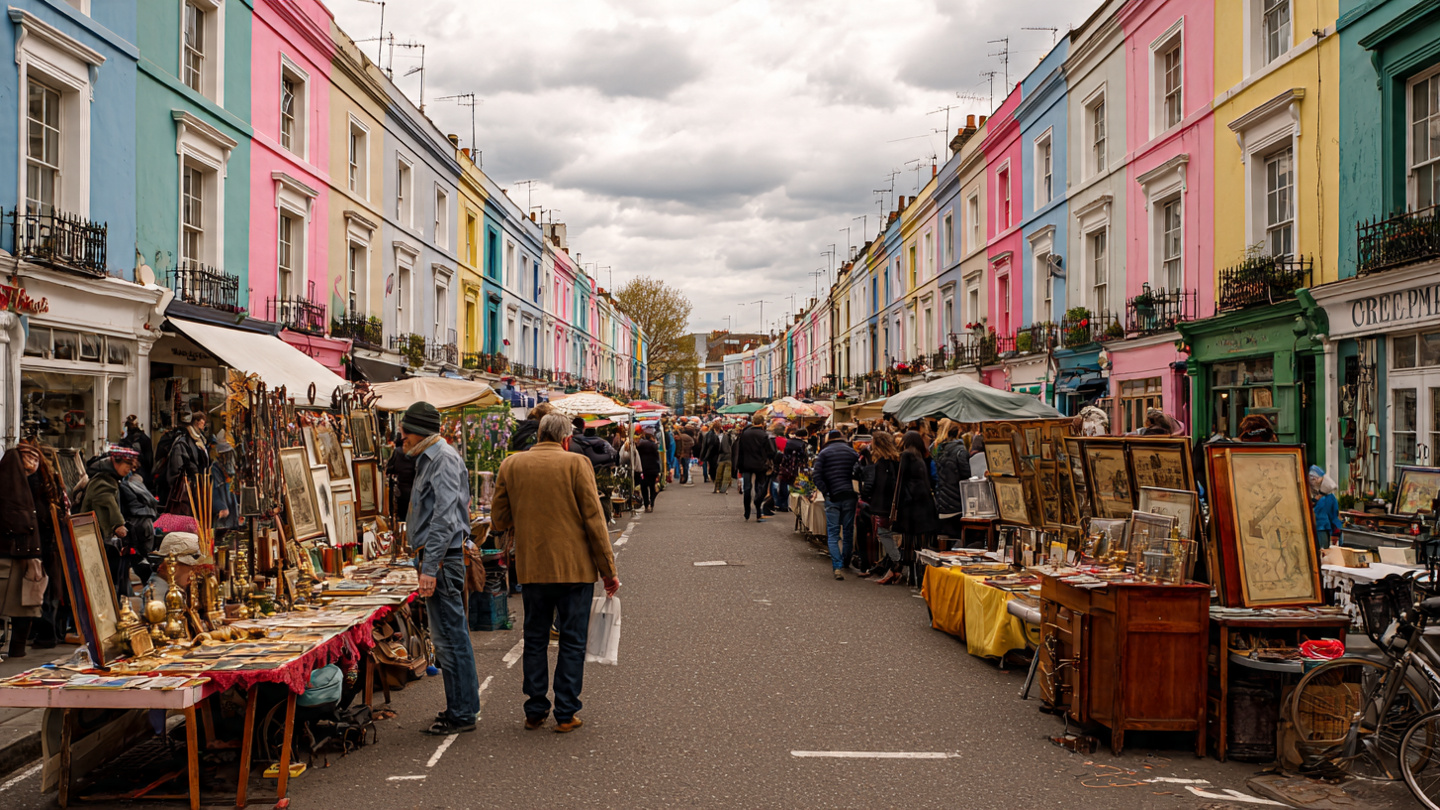
Portobello Road Market is not a single market experience. It stretches through a residential street in Notting Hill and changes character throughout the week. Some days focus on antiques, while others feel more like a local shopping street. Food stalls, vintage clothing, and small specialty vendors appear in different sections. A reliable Portobello Road Market guide explains these differences instead of treating the street as one fixed attraction.
Why Expectations Shape the Experience
Visitors often arrive with narrow expectations. Some expect only antiques. Others expect a street food destination. These expectations create frustration when reality does not match the image. Portobello Road Market rewards visitors who understand its rhythm. Knowing when to visit and which part of the street to explore makes the experience feel intentional rather than overwhelming.
Travelers who want a clearer comparison between market expectations and real-world experience may find it useful to see how crowd flow, food focus, and structure differ at Borough Market.
How This Guide Helps You Plan with Confidence
This Portobello Road Market guide focuses on clarity. It explains how the street works, how the atmosphere shifts, and how visitors can plan their time without rushing. Instead of listing stalls, the guide walks through the experience step by step. You learn what to expect before arriving, which helps you move through the market with purpose.
Who Will Benefit Most from This Guide
This guide suits first-time visitors to London who want structure without rigid rules. It also helps returning travelers who felt rushed or confused on a previous visit. Travelers interested in culture, shopping, photography, or local atmosphere will find practical value here. The goal is not to sell the market, but to help you decide how it fits into your London plans.
Setting the Right Mindset Before Visiting
Portobello Road Market feels busy, imperfect, and alive. Locals live along the street, and vendors operate within a real neighborhood. Crowds appear in waves, and quieter moments exist between them. Visitors who approach the market with flexibility enjoy it more. A realistic mindset allows the street to feel welcoming rather than chaotic.
Portobello Road Market is just one example of how diverse London’s market scene can be, and understanding it becomes easier when viewed within the wider context of the city’s most popular and historic markets.
Where Portobello Road Market Is and Why the Location Matters
How Portobello Road Fits Into London
Portobello Road Market sits in West London within the neighborhood of Notting Hill. This location plays a major role in how the market feels and functions. Unlike markets placed in commercial zones or near major landmarks, this one runs through a lived-in residential street. Homes, small shops, cafés, and schools surround the stalls. Because of this, the market blends daily local life with visitor activity instead of separating the two.
Why Notting Hill Shapes the Market Experience
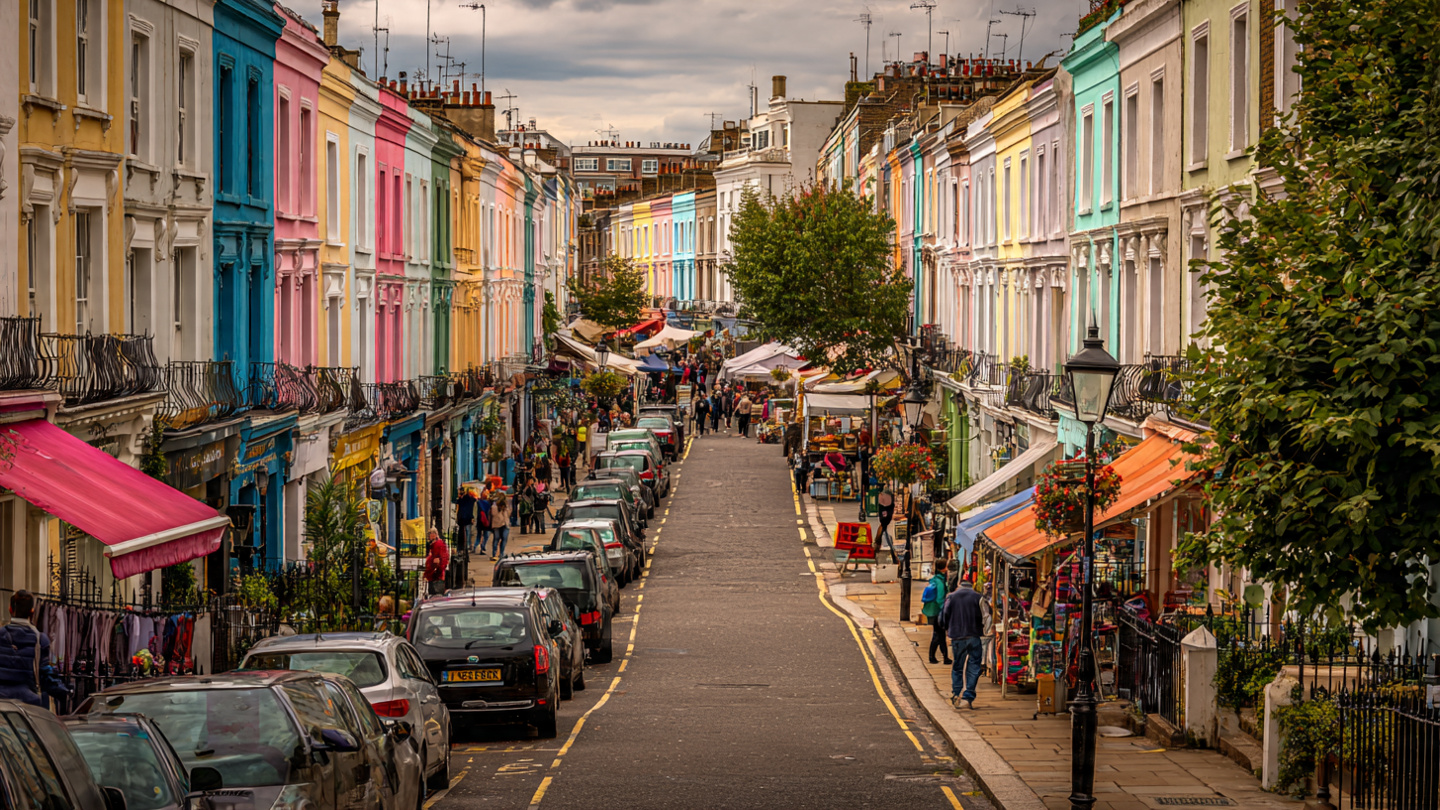
Notting Hill influences the atmosphere more than many visitors expect. The area carries a relaxed, village-like tone despite its global recognition. Colorful townhouses, narrow side streets, and independent businesses give the market a softer pace compared to central shopping districts. A Portobello Road Market guide needs to explain this setting clearly because the neighborhood shapes how visitors move, shop, and observe the street.
The Length and Layout of Portobello Road
Portobello Road stretches for more than a mile, and the market does not occupy the entire length equally. Activity concentrates in certain sections depending on the day and time. The northern end often feels quieter and more residential. The central stretch hosts most stalls and visitors. This long layout explains why some people feel overwhelmed while others feel underwhelmed. Understanding the street’s length helps visitors pace their walk instead of trying to see everything at once.
How Location Affects Crowds and Movement
Because Portobello Road Market runs through a narrow street, crowds behave differently than in open plazas or wide boulevards. People move slowly, pause often, and gather around stalls. Side streets become important breathing spaces. Visitors who understand the street layout avoid bottlenecks and frustration. Location awareness turns the market into a walkable experience rather than a stressful one.
Why the Market Feels Different From Central London Attractions
Central London attractions often feel polished and controlled. Portobello Road Market does not. Its residential setting allows unpredictability. Vendors arrive and leave. Locals pass through on errands. Sounds shift from quiet conversation to busy street noise within minutes. This contrast makes the market memorable, but it also requires patience. A good Portobello Road Market guide prepares visitors for this difference so they enjoy the authenticity instead of resisting it.
How the Surrounding Streets Add Value to a Visit
Small streets branching off Portobello Road offer moments of calm and discovery. These side streets hold cafés, independent shops, and colorful corners that reward slower exploration. Visitors who treat the market as part of a wider neighborhood experience often enjoy it more. The location encourages wandering rather than checklist sightseeing.
Seeing the exact position of the market helps visitors understand how Portobello Road fits into the wider Notting Hill area and why the surrounding streets play such an important role in the experience.
History of Portobello Road Market

How Portobello Road Began as an Ordinary Street
Portobello Road did not begin as a destination. It started as a simple road used by farmers and traders moving goods between villages on the edge of London. The street served practical needs rather than commerce aimed at visitors. Houses appeared gradually, and local businesses followed. This ordinary beginning explains why Portobello Road Market still feels grounded in daily life instead of staged for tourism.
The Early Market Roots in Food and Necessities
The earliest version of the market focused on food and household goods. Local residents relied on street vendors for fresh produce and basic supplies. Stallholders set up where people already lived, not where travelers gathered. This local focus shaped the street’s identity long before antiques or vintage goods appeared. Any Portobello Road Market guide needs to understand this origin to explain why the market resists rigid structure.
How Antiques Changed the Market’s Direction
During the mid-twentieth century, antique dealers began using Portobello Road as a trading space. Their presence transformed the street’s reputation. Collectors and enthusiasts traveled specifically to browse objects with history and character. Over time, antiques became closely associated with the market, especially on Saturdays. This shift attracted attention beyond the neighborhood and placed the market on London’s cultural map.
The Role of Postwar London in Market Growth
Postwar London played a key role in shaping Portobello Road Market. Changing social patterns, housing shifts, and renewed interest in heritage objects supported the rise of antiques and vintage trading. The street offered space where small sellers could operate without large overheads. This flexibility allowed the market to grow organically instead of following a planned commercial model.
How Film and Media Increased Global Recognition
Film, photography, and media exposure expanded awareness of Portobello Road far beyond London. Appearances in popular culture introduced the street to international audiences. While media attention increased visitor numbers, it did not erase the market’s local foundation. The contrast between global recognition and neighborhood reality still defines the market today and explains why expectations often clash with experience.
Why the Market Continues to Evolve
Portobello Road Market continues to change because it responds to people rather than trends. Vendors adapt to demand. Sections of the street rise or quieten depending on interest. New generations bring different goods and styles. This ongoing evolution keeps the market relevant while preserving its layered identity. A thoughtful Portobello Road Market guide respects this movement instead of freezing the market in one moment of time.
Understanding the Different Sections of Portobello Road Market
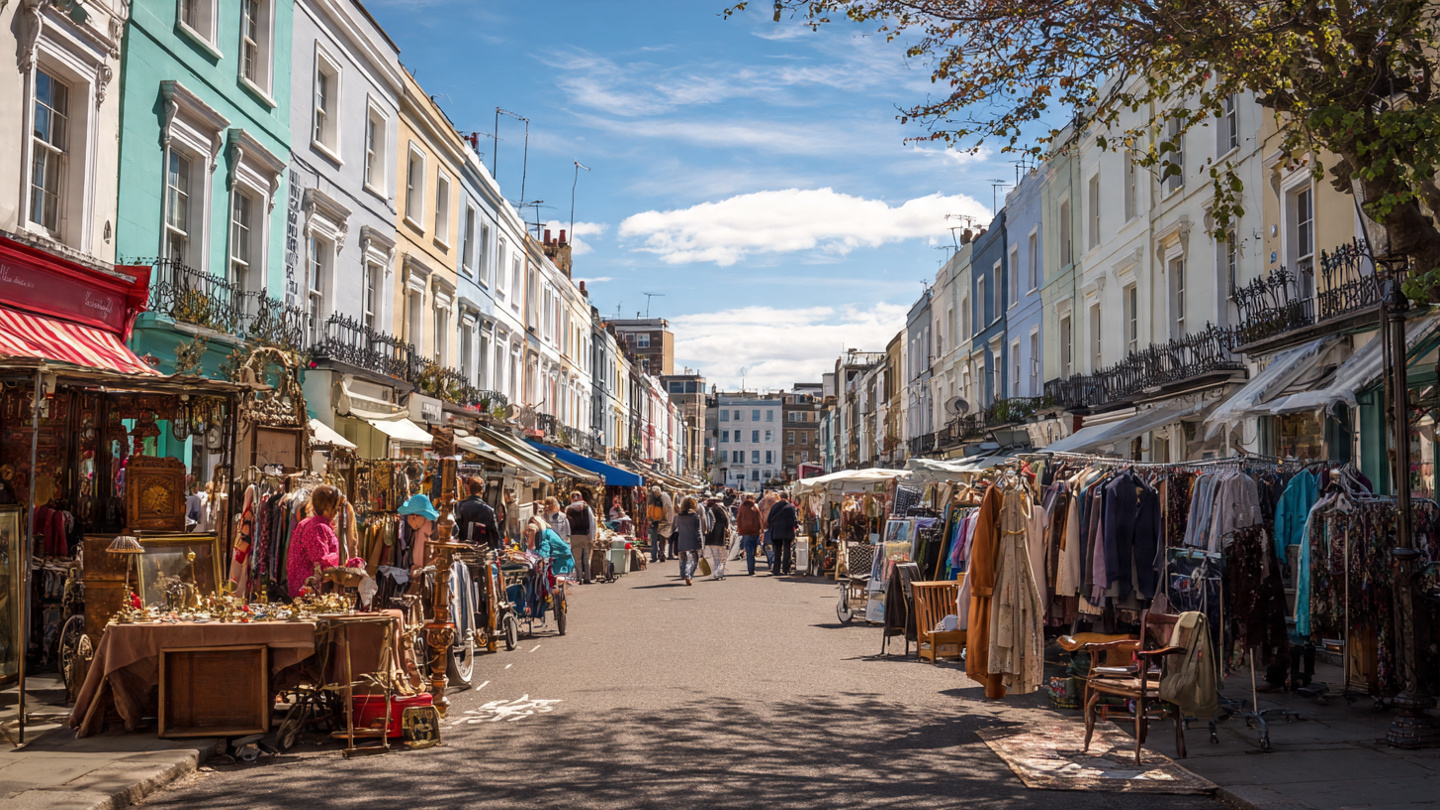
Viewing the street layout makes it easier to understand how the market changes along its length and why different sections feel busier or quieter depending on where you walk.
Why the Market Does Not Feel Like One Single Place
Portobello Road Market often confuses first-time visitors because it does not operate as a single, unified space. The street changes character as you move along it. Different types of sellers cluster in different areas, and some sections only become active on certain days. A clear Portobello Road Market guide must explain this structure so visitors understand what they are seeing instead of assuming they missed something.
The Northern Residential Stretch and Its Quiet Rhythm
The northern end of Portobello Road feels calmer and more residential. Fewer stalls appear here, especially on weekdays. Local shops, bakeries, and everyday services dominate the scene. Visitors who start here often feel surprised by how quiet it feels compared to photos they have seen online. This area acts as a transition zone and sets a slower pace before the busier sections begin.
The Antiques Section and Its Traditional Identity
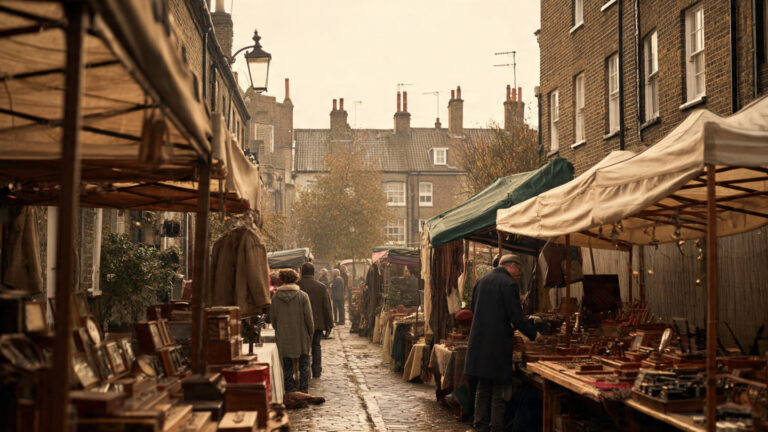
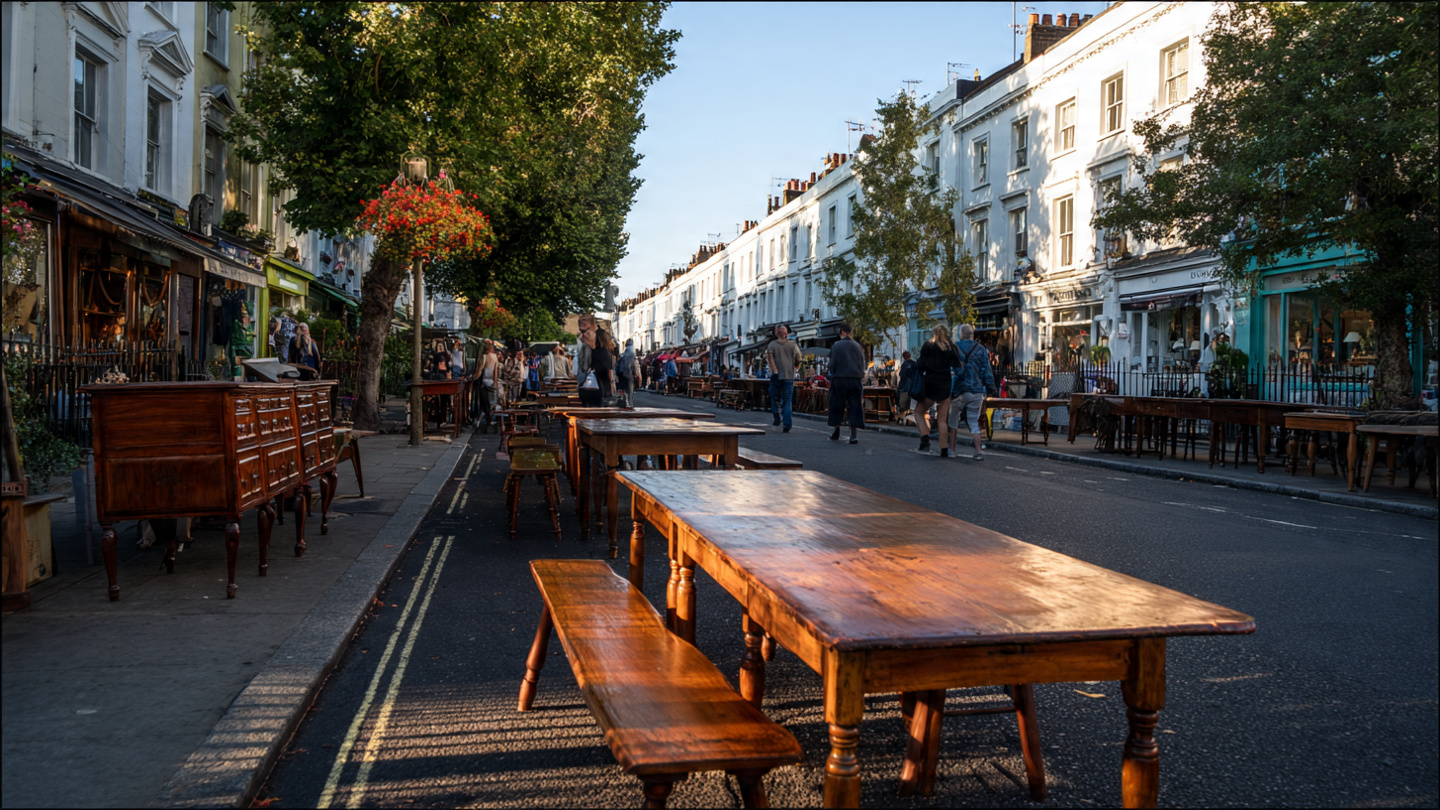
As you move south, the antiques section becomes more visible, particularly on Saturdays. Dealers arrange tables and stalls filled with objects that reflect different eras and styles. This part of the market draws collectors and browsers who enjoy slow inspection rather than quick purchases. The antiques area gives Portobello Road Market much of its historic reputation and attracts visitors seeking character rather than trends.
The Central Market Area and Visitor Concentration
The central stretch of Portobello Road hosts the highest concentration of stalls and foot traffic. This section often feels crowded, energetic, and visually busy. Vendors sell a mix of goods, including clothing, accessories, and souvenirs. Movement slows here, and visitors spend more time navigating people than stalls. Understanding this helps travelers plan breaks and avoid frustration.
Food stalls appear mainly in specific zones rather than along the entire street. These areas feel social and lively, especially around midday. People stop to eat, talk, and rest. The smell of food and sound of conversation change the tone of the street. Visitors who expect food everywhere may feel confused without guidance, which is why section awareness matters.
How Side Streets Create Space and Balance
Side streets branching off Portobello Road offer relief from crowds. These quieter pockets allow visitors to pause, take photos, or reset their pace. Small shops and cafés often sit just off the main road. A well-planned Portobello Road Market visit includes moments on these side streets to balance the busier sections.
Best Days and Best Times to Visit Portobello Road Market
Why Timing Shapes the Entire Market Experience
Timing affects Portobello Road Market more than many visitors expect. The same street can feel completely different depending on the day and hour. Some visitors arrive during peak moments and feel overwhelmed. Others arrive during quieter periods and wonder where the famous market went. A clear Portobello Road Market guide explains timing first because it determines crowds, stall variety, and overall atmosphere.
Saturdays and the Market at Full Scale
Saturday represents the most complete version of Portobello Road Market. This is when antiques sellers, casual traders, food vendors, and visitors all appear together. The street feels energetic from morning through early afternoon. Stalls line the road, and movement slows as crowds gather. Visitors who want to see the market at its most famous usually choose Saturday, but they should also expect noise, limited walking space, and longer browsing time.
Weekdays and the Slower Market Rhythm
Weekdays offer a quieter and more local experience. Fewer stalls operate, especially in the antiques sections. Shops and cafés remain open, and residents move through the street as part of daily life. Visitors who prefer space and relaxed exploration often enjoy weekdays more. A Portobello Road Market visit during the week suits travelers who value atmosphere over spectacle.
Morning Hours and the Advantage of Early Arrival
Early morning visits allow visitors to experience the market before crowds build. Vendors set up stalls, and the street feels organized and calm. Photographers and antique browsers often prefer this time because it allows clear views and easier conversations with sellers. Arriving early also makes walking the length of the market more comfortable.
Midday Crowds and Energy Peaks
Midday marks the busiest period, especially on weekends. Food areas become social hubs, and central sections feel dense. This time suits visitors who enjoy lively environments and people-watching. Those sensitive to crowds may find this period tiring. Knowing when energy peaks helps visitors choose when to pause or step into side streets.
Late Afternoon and the Market’s Gradual Wind-Down
Later in the afternoon, some vendors begin packing up. Crowds thin gradually, and the street regains a calmer tone. This period works well for relaxed walking and reflection rather than shopping. Visitors who understand this rhythm avoid disappointment and enjoy the changing mood of the street.
Shopping at Portobello Road Market

Why Shopping Here Feels Different From Regular Markets
Shopping at Portobello Road Market feels different because it blends browsing with discovery. Many stalls do not follow fixed categories, and sellers often curate small collections rather than mass-produced items. Visitors move slowly, examine details, and compare pieces. This style rewards patience rather than speed. A thoughtful Portobello Road Market guide prepares visitors for browsing as an experience rather than a transaction.
Antiques and Collectible Finds
Antiques remain one of the market’s strongest identities, especially on Saturdays. Sellers offer items ranging from small decorative objects to furniture, jewelry, and historical curiosities. Not every stall focuses on high-value pieces. Some specialize in affordable collectibles that attract casual buyers. Shoppers who take time to ask questions often learn the stories behind the objects, which adds value beyond price.
For travelers who want to explore similar antiques and second-hand environments beyond Notting Hill, this guide to flea markets in London highlights other areas worth visiting.
A real experience. There really is an energy selection and the market is huge. Of course, many things are repeated and it is quite crowded, but it is still worth the visit. Especially those who like vintage are in good hands here.
Read more reviews at Tripadvisor.
Vintage Clothing and Fashion Stalls
Vintage clothing stalls appeal to visitors looking for unique style rather than trends. Pieces vary widely in condition, era, and price. Some stalls focus on carefully selected garments, while others offer mixed racks for browsing. Trying items requires flexibility, as changing spaces are limited. Visitors who enjoy searching through racks often find this part of the market rewarding.
Portobello Road is often the first place travelers encounter vintage fashion in London, but it represents only one part of a much larger scene. Across the city, different neighborhoods host markets that specialize in retro clothing, accessories, and collectible styles from past decades. This guide to vintage markets in London helps compare those locations and choose where to explore next.
Handmade Goods and Small Creative Sellers
Beyond antiques and clothing, Portobello Road Market includes sellers offering handmade items and creative products. These may include accessories, art prints, or small crafts. This section reflects changing visitor interests and allows newer sellers to participate alongside established traders. Shopping here supports individual makers rather than large brands.
Souvenirs and Tourist-Oriented Purchases
Some stalls cater directly to visitors seeking souvenirs. These items tend to cluster in the busiest sections of the street. Prices vary, and quality differs between sellers. A Portobello Road Market guide encourages visitors to compare before buying and avoid rushed decisions during crowded moments.
Understanding Prices and Value
Prices at Portobello Road Market vary widely based on item type, seller experience, and demand. Antiques may carry higher price tags, while clothing and small goods often remain accessible. Bargaining appears occasionally but remains subtle. Polite conversation works better than aggressive negotiation. Visitors who understand this dynamic shop with confidence rather than uncertainty.
Knowing When to Buy and When to Walk Away
Not every item deserves immediate purchase. Some stalls appear daily, while others operate occasionally. Visitors benefit from walking the street first before committing. This approach reduces regret and improves satisfaction. Shopping with intention rather than impulse aligns well with the pace of the market.
Street Food and Eating Around Portobello Road Market

How Food Fits Into the Market Experience
Food plays a supporting role at Portobello Road Market rather than dominating it. Visitors often expect a continuous line of food stalls along the street, but the reality is more selective. Eating here complements browsing rather than replacing it. A well-timed meal or snack helps visitors rest, observe, and reset before continuing their walk.
Where Food Stalls Tend to Appear
Food stalls cluster in specific sections instead of spreading evenly across the road. These areas feel lively, especially around midday. Vendors prepare food fresh, and visitors gather nearby rather than walking while eating. Understanding where these clusters form helps visitors avoid searching aimlessly when hunger strikes.
Eating at Portobello Road Market feels communal. People stand together, share tables, and strike up casual conversations. This social atmosphere adds warmth to the experience, especially during busy periods. Visitors who embrace the informal setting often enjoy the food more than those expecting seated dining.
Choosing When to Eat During a Visit
Timing matters when eating at the market. Midday offers the widest food selection but also the longest waits. Early visits allow quicker service, while late afternoon brings calmer conditions with fewer choices. Planning meals around crowd flow improves comfort and enjoyment.
Cafés and Bakeries Along the Street
Permanent cafés and bakeries line parts of Portobello Road and nearby streets. These places provide seating, shelter, and a quieter atmosphere. Visitors who prefer a slower pace often choose cafés over street stalls. This option works well for families, longer visits, or travelers seeking a break from crowds.
Managing Expectations About Food Variety
Food options at Portobello Road Market change frequently. Vendors rotate, menus evolve, and availability depends on the day. Visitors who arrive with flexible expectations tend to enjoy the experience more. Treating food as part of the journey rather than a highlight prevents disappointment.
Eating as a Pause, Not a Destination
Food works best at Portobello Road Market when it functions as a pause. A short stop to eat allows visitors to observe the street, rest their feet, and absorb the atmosphere. This approach keeps energy balanced and avoids rushing through the market.
Practical Tips for First-Time Visitors

How to Plan Your Visit Without Overplanning
First-time visitors often try to plan Portobello Road Market too precisely. This approach usually creates stress. The market works best with loose structure rather than strict timing. Knowing the general flow of the street and the best day to visit matters more than following a detailed schedule. Visitors who allow time for wandering usually enjoy the experience more.
What to Wear and Bring for Comfort
Comfort plays a major role in how long visitors enjoy the market. The street involves extended walking and standing, often on uneven ground. Comfortable shoes matter more than fashion choices. Weather-ready clothing also helps, as much of the market operates outdoors. Carrying a small bag instead of a large backpack makes movement easier in crowded sections.
How Long to Spend at Portobello Road Market
There is no fixed ideal duration, but most visitors spend between two and four hours. This allows time to walk the full length, browse stalls, eat, and pause on side streets. Short visits often feel rushed, while very long stays can feel tiring. A flexible time window allows visitors to adjust based on energy and interest.
Managing Crowds Without Frustration
Crowds appear suddenly and move slowly. First-time visitors benefit from accepting this rather than resisting it. Stepping into side streets or cafés provides relief. Slowing down reduces stress and makes browsing more enjoyable. Understanding that movement will not always be efficient helps maintain a relaxed mindset.
Photography Tips for Better Results
Photography works best during quieter hours when the street feels open and light falls evenly. Early morning and late afternoon offer softer conditions. Visitors should remain aware of people around them and avoid blocking pathways. Simple observation often produces better photos than rushing to capture every moment.
Handling Purchases and Payments
Many vendors accept card payments, but cash still appears in use at some stalls. Carrying a small amount of cash offers flexibility. Receipts may not always be available, especially for small purchases. Visitors should inspect items carefully before buying, as returns vary by seller.
Common Mistakes First-Time Visitors Make
Common mistakes include arriving too late, expecting the same experience every day, and trying to see everything quickly. Another mistake involves focusing only on the busiest sections and missing quieter areas. Awareness of these pitfalls improves the overall experience and reduces disappointment.
When to Take Breaks and Reset
Breaks improve enjoyment. Sitting briefly, eating, or stepping away from the main street helps restore energy. Visitors who ignore fatigue often leave with a negative impression. Treating breaks as part of the visit keeps the experience balanced.
Visiting Portobello Road Market with Family, Accessibility, and Safety
Visiting Portobello Road Market with Children
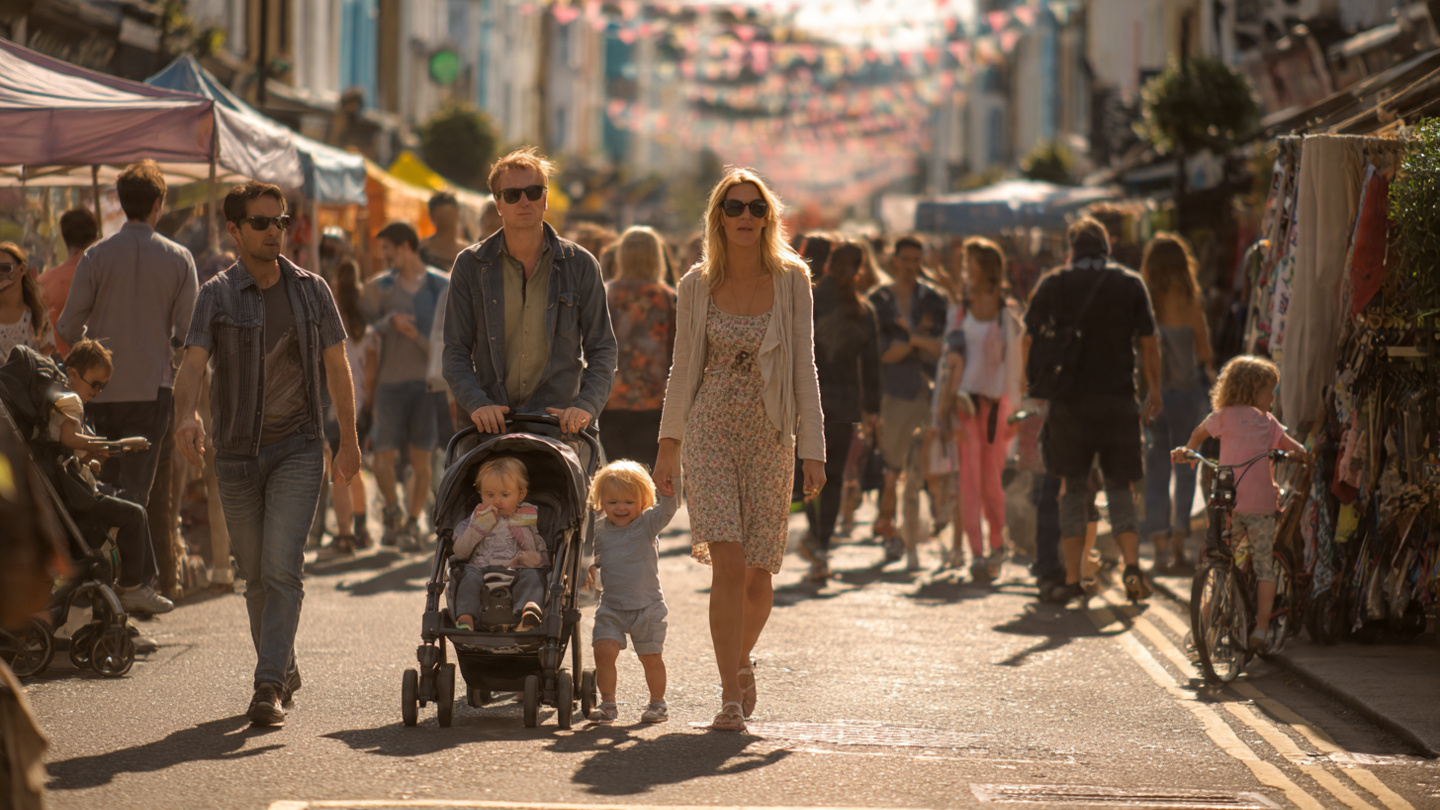
Families often wonder whether Portobello Road Market suits children. The answer depends on timing and expectations. Earlier hours tend to feel calmer and more manageable. Children usually enjoy the colors, sounds, and variety of objects, but long stretches of slow walking can feel tiring. Planning short breaks and keeping the visit flexible helps families enjoy the experience without pressure.
Stroller and Pushchair Considerations
Strollers and pushchairs require patience in crowded sections. Narrow walkways and sudden stops can make movement slow. Families may find quieter weekday visits easier. Using side streets to bypass congestion helps maintain momentum. Accepting slower progress reduces frustration and keeps the visit comfortable.
Accessibility and Mobility Awareness
Portobello Road Market presents mixed accessibility conditions. Some areas feel easier to navigate than others. Pavements vary in width, and crowds create unpredictable movement. Visitors with mobility concerns may benefit from arriving early or choosing less busy days. Taking time to rest and avoiding peak congestion improves comfort.
Seating and Rest Opportunities
Seating within the market remains limited, especially during busy periods. Cafés and bakeries offer the most reliable resting spots. Visitors benefit from planning brief pauses rather than searching for seating spontaneously. Rest moments allow the market experience to remain enjoyable rather than exhausting.
General Safety and Crowd Awareness
Portobello Road Market feels lively and busy rather than unsafe. Crowds naturally draw attention, so visitors should remain aware of their belongings. Simple precautions like keeping bags closed and avoiding distraction provide peace of mind. Staying present and observant allows visitors to focus on enjoyment instead of concern.
Confidence grows when visitors understand what to expect. Moving slowly, choosing moments to pause, and stepping aside when needed all contribute to a positive experience. Families and individuals alike benefit from approaching the market with patience and flexibility rather than urgency.
Knowing When to Step Away
Recognizing when to leave or pause matters. Crowds, noise, and fatigue affect everyone differently. Visitors who listen to their comfort level tend to remember the market positively. Stepping away does not mean missing out. It often preserves enjoyment.
Is Portobello Road Market Worth Visiting

Why the Answer Depends on Expectations
Whether Portobello Road Market feels worth visiting depends largely on what a traveler expects from it. Visitors who arrive looking for a polished attraction or a perfectly organized shopping experience may feel challenged. The market operates as a living street rather than a controlled venue. Those who understand this tend to appreciate its character rather than judge its imperfections.
What the Market Offers That Others Do Not
Portobello Road Market offers a layered experience that few places in London replicate. It combines residential life, trading history, and modern travel curiosity in one long street. The mix of antiques, casual shopping, food, and everyday neighborhood activity creates a sense of place rather than spectacle. This quality appeals to travelers who value atmosphere over efficiency.
Who Will Enjoy the Market Most
Travelers who enjoy walking, observing, and browsing without urgency usually enjoy the market the most. It suits visitors who like discovering small details, changing moods, and unscripted moments. Photographers, culture-focused travelers, and those interested in London beyond landmarks often find the visit rewarding.
Who May Want to Skip or Limit Their Visit
Visitors who dislike crowds, tight spaces, or slow movement may find the busiest periods challenging. Travelers on very short schedules may also feel pressed for time. In these cases, choosing a quieter day or limiting the visit to a short walk can still offer value without frustration.
How to Decide If It Fits Your London Plans
Portobello Road Market works best when treated as part of a broader neighborhood experience rather than a standalone destination. Pairing it with nearby streets, cafés, or relaxed exploration often improves satisfaction. Travelers who build flexibility into their plans usually leave with a positive impression.
Final Thoughts and Personal Guidance
Portobello Road Market does not try to impress everyone, and that is part of its appeal. It reflects a version of London that remains active, imperfect, and lived in. Visitors who arrive informed and open-minded often find the experience memorable. Approached with patience and curiosity, the market earns its place in a thoughtful London itinerary.
Frequently Asked Questions
General Questions About Portobello Road Market
Portobello Road Market is best known for its antiques, vintage finds, and lively street atmosphere. Many visitors associate it with antiques first, especially because of its long history in antique trading. Over time, the market has expanded to include clothing, food, souvenirs, and everyday goods. Its reputation comes from variety rather than a single attraction.
Portobello Road Market does attract many visitors, but it does not operate purely for tourists. Locals still shop, live, and work along the street. Some stalls clearly target visitors, while others focus on antiques or local customers. Whether it feels authentic depends on the day, time, and how you approach the visit.
The street itself is always open, but the market experience changes daily. Saturday offers the largest number of stalls and vendors. Weekdays feel quieter, with fewer traders and more permanent shops open. Understanding this difference helps visitors choose the best time based on their expectations.
Portobello Road Market developed gradually over many decades. It began as a local trading area for food and household goods before antiques became popular in the mid-twentieth century. Its long history explains why the market feels layered rather than uniform.
Visiting and Planning Questions
Saturday offers the fullest version of the market, with antiques, clothing, and food stalls operating together. Visitors who want to see the market at its busiest usually choose Saturday. Those who prefer quieter conditions often enjoy weekdays more, even though fewer stalls appear.
Early morning provides calmer conditions and easier movement. Midday feels lively but crowded. Late afternoon becomes quieter as some vendors pack up. The best time depends on whether you prefer energy or space.
Most visitors spend between two and four hours exploring. This allows time to walk the street, browse stalls, eat, and take breaks. Shorter visits can feel rushed, while longer stays may feel tiring if crowds are heavy.
Yes, but expectations matter. Visitors with limited time should focus on one section rather than trying to see the entire street. A short walk combined with a café stop often works better than rushing through everything.
Shopping and Buying Questions
Visitors can find antiques, vintage clothing, handmade items, souvenirs, and everyday goods. The selection varies by day and seller. Some items appear only occasionally, which adds to the sense of discovery.
Many antiques sold at Portobello Road Market are authentic, especially in established stalls. However, quality and age vary widely. Buyers interested in authenticity should ask sellers questions and take time to inspect items carefully.
Bargaining exists but remains subtle. Polite conversation works better than aggressive negotiation. Some sellers expect fixed prices, especially for antiques, while others allow small flexibility.
Prices range widely. Antiques and curated vintage items often cost more, while clothing and small goods remain affordable. Comparing stalls before buying helps visitors understand value and avoid impulse purchases.
Food and Eating Questions
Food options add to the experience but do not dominate it. Visitors can find street food in certain areas and cafés along the street. Eating works best as a break rather than the main focus of the visit.
Seating near food stalls is limited. Cafés and bakeries offer the most reliable seating options. Visitors who want a relaxed meal often prefer nearby cafés.
Both options work. Eating during the visit helps maintain energy, while eating afterward allows visitors to explore without stopping. Planning meals around crowd levels improves comfort.
Family, Accessibility, and Comfort Questions
Yes, with planning. Children often enjoy the colors and activity, but crowds can feel overwhelming. Earlier visits and regular breaks help families enjoy the experience.
Strollers are allowed, but movement becomes slow in crowded areas. Weekdays or early hours feel easier. Using side streets helps avoid congestion.
Accessibility varies. Pavements differ in width, and crowds affect movement. Visiting during quieter times improves comfort. Planning rest stops helps manage fatigue.
Safety and Practical Questions
The market feels busy and lively rather than unsafe. Visitors should remain aware of belongings, especially in crowded sections. Simple precautions help maintain peace of mind.
Public toilets are limited. Cafés provide the most reliable option for customers. Planning ahead avoids inconvenience.
Many vendors accept cards, but some still prefer cash. Carrying a small amount of cash provides flexibility.
Experience and Expectations Questions
The street layout remains narrow, and visitor numbers increase quickly during peak hours. Crowds form naturally around popular stalls and food areas. Understanding this helps visitors manage expectations.
Yes. Warmer months feel busier and more social, while colder months feel quieter and slower. Seasonal changes affect energy rather than core structure.
During winter, many travelers expand their market visits beyond Notting Hill to experience the festive atmosphere across the city, which is fully explored in this guide to London Christmas markets
Many visitors enjoy returning on different days. A weekday visit feels very different from a Saturday visit. Each experience reveals new details.
Final Clarifying Questions
Visitors should not expect a polished shopping mall or a perfectly organized event. The market remains organic and imperfect. This quality appeals to some travelers more than others.
Travelers who dislike crowds, slow movement, or unpredictability may find peak periods challenging. Choosing quieter times or limiting the visit helps manage this.
Arrive informed, stay flexible, and allow time to wander. Treat the market as an experience rather than a checklist. This mindset leads to the most satisfying visit.