
A Borough Market visitor guide helps first-time travelers feel confident before arriving. Many visitors reach the market excited but unsure how to begin. Crowds move fast, smells come from every direction, and stalls sit close together. Without a clear plan, people often stop suddenly and block walkways. This guide exists to remove that stress and help you enjoy the visit from the first step inside.
What First-Time Visitors Usually Experience
Most people expect Borough Market to feel like a quick food stop. Instead, they find a dense space packed with traders, shoppers, and visitors. The market has no fixed path, so newcomers often hesitate. They look around, scan menus, and feel pressure to choose fast. A Borough Market visitor guide sets realistic expectations and prepares you for this moment.
For travelers comparing food-focused markets across the city, this broader overview of London’s market scene helps put Borough Market into context within the full range of options available.
Why Borough Market Feels Different From Other Markets
Borough Market works as both a local food hub and a global attraction. Professional chefs shop beside tourists holding cameras. Long-time traders sell produce next to modern street food stalls. This mix creates energy but also confusion. Understanding this balance helps visitors relax and move with purpose instead of reacting to the noise.
If you want to see the other side of London’s market culture, focused on antiques, second-hand finds, and casual browsing instead of food, this guide to flea markets in London is a useful next step.
How to Use This Borough Market Visitor Guide
This Borough Market visitor guide focuses on decision-making, not stall lists. It explains how to enter the market, how to move through it, and how to choose food without rushing. The goal is not to see everything. The goal is to enjoy what fits your time, budget, and appetite. Clear guidance leads to a calmer visit.
The Rhythm of a Typical Visit
Borough Market changes throughout the day. Early hours feel quieter and more local. Midday brings crowds, queues, and louder energy. Many visitors arrive during peak time without realizing how much this affects movement. Knowing this rhythm helps you choose the right moment and avoid frustration.
Food Is Only Part of the Experience
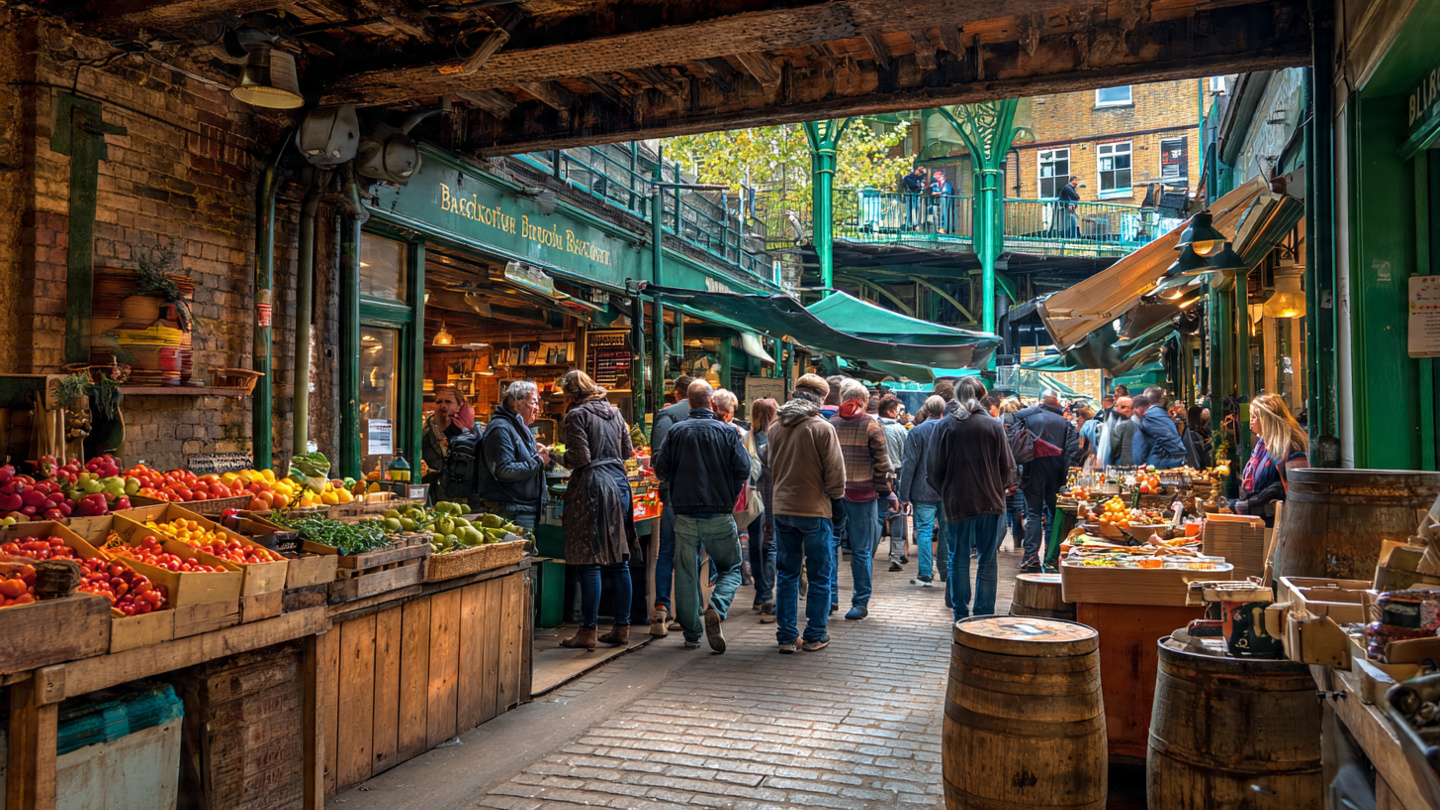
Food draws people to Borough Market, but atmosphere keeps them there. Sounds echo under the railway arches. Traders prepare food in open view. Brief conversations often become highlights. Visitors who slow down notice these details and enjoy the visit more. Eating well matters, but observing matters too.
While Borough Market is driven by food and ingredients, London’s market culture also extends into fashion, collectibles, and retro style. Travelers interested in that side of the city’s market scene can explore how clothing, accessories, and older design trends appear across different areas in this guide to vintage markets in London.
Who This Section Is Written For
This section speaks to first-time visitors who want clarity, not pressure. It suits travelers who value planning but still want freedom. If you want to explore without chasing every popular stall, this Borough Market visitor guide will support you. The sections ahead build confidence step by step.
Where Borough Market Is Located and Why the Area Matters
Understanding the Exact Position of the Market
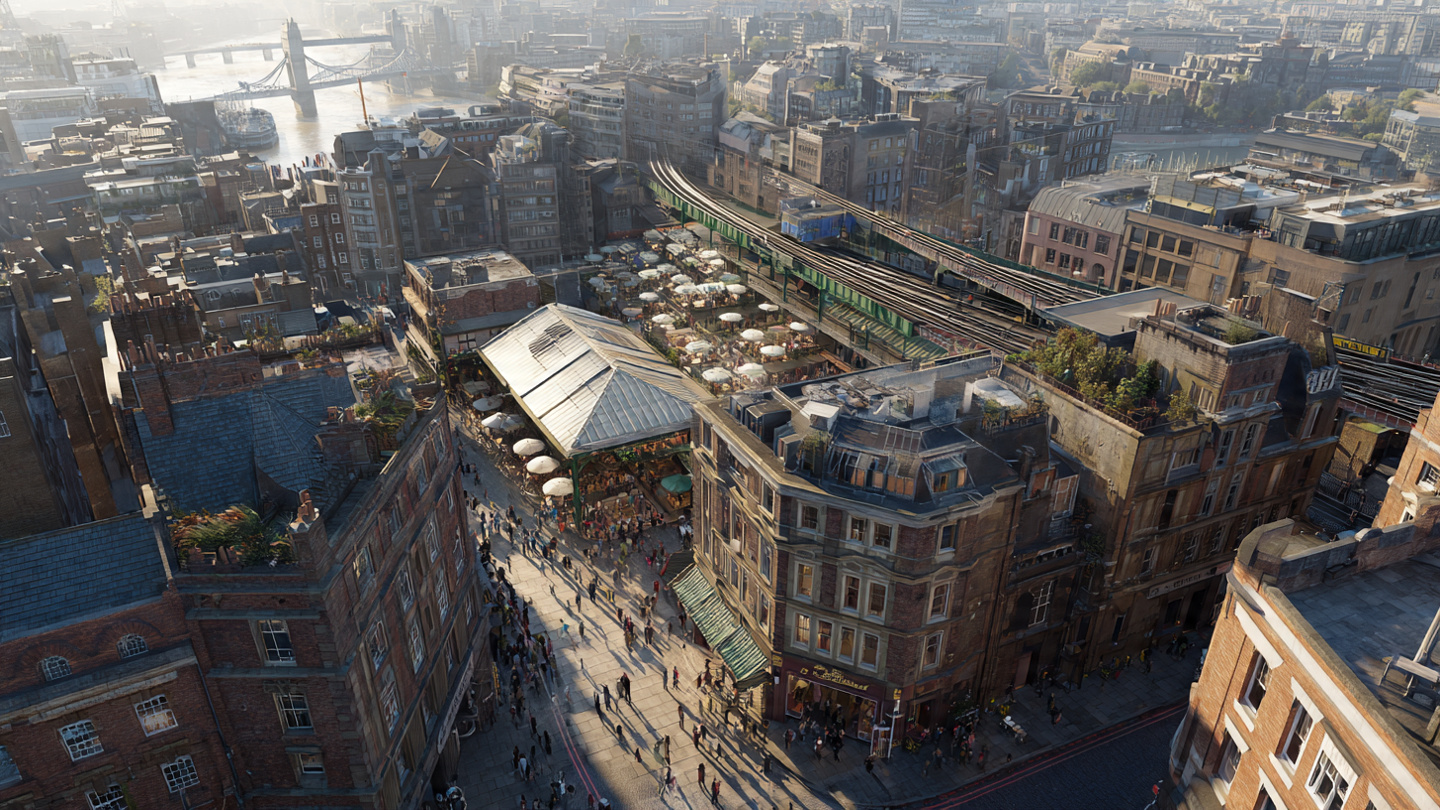
Borough Market sits on the south side of the River Thames, close to London Bridge. This location shapes how visitors experience the market from the moment they arrive. Trains, buses, and walking routes all converge nearby, which explains why the surrounding streets feel busy for most of the day. The market does not stand alone. It forms part of a wider neighborhood that blends transport, history, and daily city life.
Why London Bridge Changes the Visitor Experience
London Bridge acts as a major gateway rather than a scenic destination. Many visitors cross it without stopping, focused on reaching another place. Borough Market benefits from this movement. People flow through the area naturally, often discovering the market while exploring nearby streets. This constant motion gives the market energy, but it also means visitors should expect limited open space and steady foot traffic.
The Relationship Between the Market and the River
The River Thames influences the mood of the area around the market. Short walks lead to river views, open air, and quieter paths. Many visitors step into the market after walking along the river, already relaxed and curious. Others leave the market to escape crowds and digest both food and atmosphere. This connection makes the location practical for pacing a visit.
Historic Streets That Shape the Market’s Layout
Narrow streets surround the market because the area developed long before modern planning. Railway arches, old brick buildings, and uneven paths remain part of daily movement. These features create charm but also limit visibility. Visitors often turn a corner and find a busy stall or a quiet produce stand without warning. Understanding this layout prevents frustration and encourages flexible exploration.
Why the Area Attracts Both Locals and Visitors
The neighborhood around the market supports offices, housing, restaurants, and cultural spaces. Locals shop for ingredients, workers grab lunch, and visitors explore at the same time. This mix keeps the market active beyond tourist peaks. It also explains why some stalls focus on bulk produce while others serve ready-to-eat meals. The market responds to real daily demand, not just travel trends.
How Nearby Attractions Influence Crowd Levels
Several major landmarks sit within walking distance. Cultural venues, historic sites, and riverside walks all feed foot traffic toward the market. Visitors often arrive after sightseeing elsewhere, which increases crowd density during late mornings and early afternoons. Recognizing this pattern helps travelers choose better arrival times or plan breaks outside the busiest windows.
Walking Routes That Lead Naturally to the Market
Many people reach the market on foot without planning a direct route. Bridges, river paths, and side streets funnel movement toward the same area. This organic approach feels pleasant but can feel disorienting at first. Knowing that the market connects to several walking routes helps visitors stay calm if they arrive from an unexpected direction.
Why Location Matters for Planning Your Visit
The location affects how long you stay, when you arrive, and where you go next. Visitors who treat the market as a single stop often feel rushed. Those who see it as part of a larger area enjoy more flexibility. The surrounding streets offer places to pause, rest, or continue exploring after eating. Planning with the location in mind leads to a smoother experience.
How the Area Shapes the Market’s Identity
Borough Market reflects the character of its surroundings. It feels busy, layered, and practical rather than polished. The market fits into the working rhythm of the neighborhood instead of standing apart from it. This integration explains why it feels authentic and lived-in. Visitors who understand this context appreciate the market for what it is, not what they expect it to be.
Seeing the exact location of Borough Market helps visitors understand how closely it connects to London Bridge, nearby transport links, and the River Thames. This context makes it easier to plan arrival times and decide how the market fits into a wider day of exploring the area.
The History of Borough Market and Its Place in London Food Culture
How the Market Began as a Trading Space
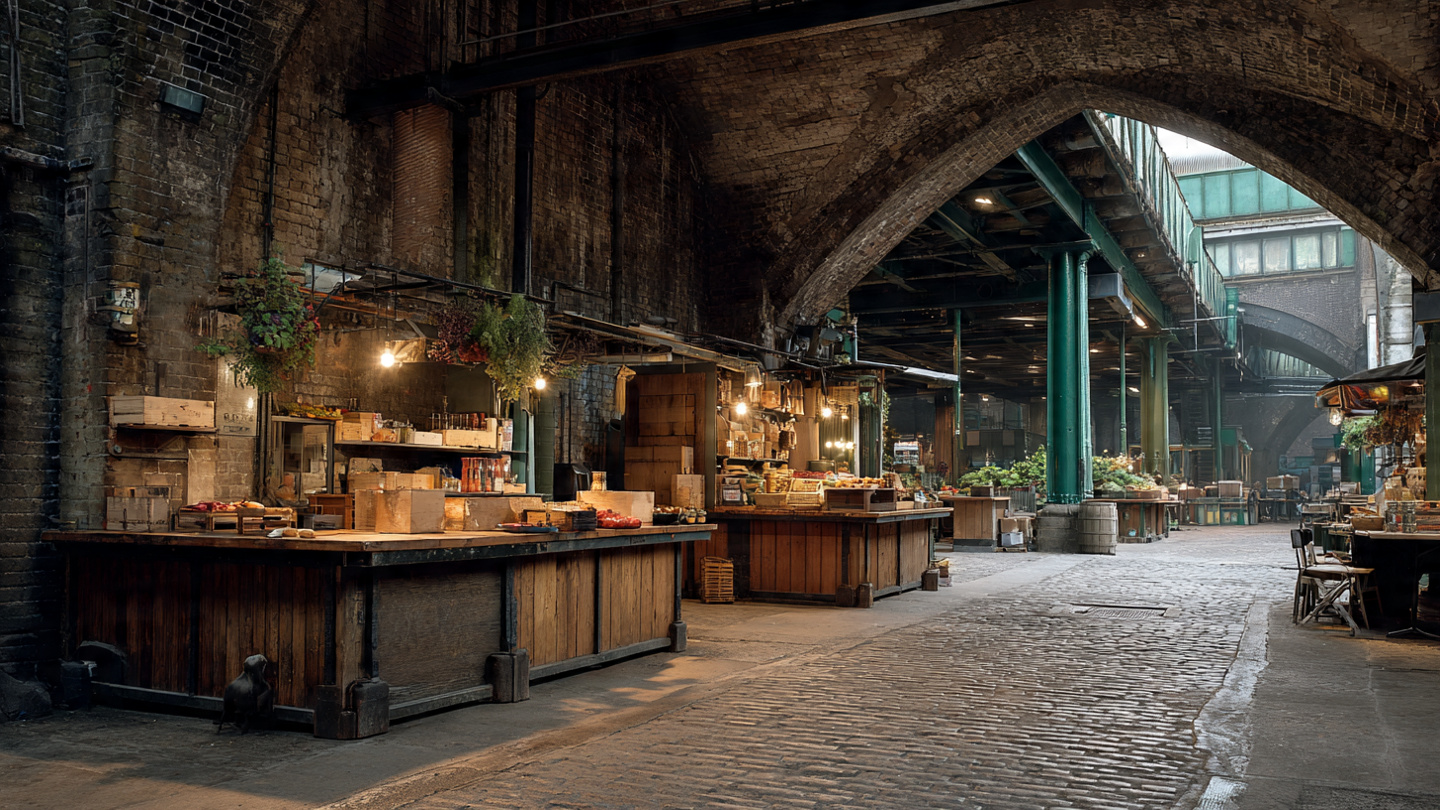
The Borough Market visitor guide needs context because the market did not appear by accident. Traders gathered in this area long before modern London took shape. The location worked because it sat near a river crossing and major routes into the city. Farmers and merchants brought goods here to sell to people entering London. This trading function shaped the area’s identity from the beginning and explains why food remains central today.
Why the Market Survived While Others Disappeared
Many historic markets vanished as London expanded and regulations changed. Borough Market survived because local authorities and traders protected its role as a working food market. Instead of turning into a purely decorative attraction, it continued to serve residents and businesses. This decision kept commercial food trading alive and allowed the market to adapt without losing its purpose.
The Role of Railway Development in the Market’s Evolution
Railway construction changed the physical structure of the market area. Arches and tracks cut through older streets, creating the tight spaces visitors see now. While this disrupted movement, it also created sheltered areas for stalls and storage. Traders learned to work within these constraints. Today, the railway presence defines the market’s visual character and soundscape.
How Wholesale Traditions Shaped Modern Offerings
Wholesale trading influenced what the market sells and how vendors operate. Many stalls focus on quality ingredients rather than novelty. Chefs and restaurant buyers still source products here. This professional demand pushes standards higher and keeps prices tied to real value. A Borough Market visitor guide works best when it explains this balance between retail and trade.
The Shift Toward Public Food Culture
Public interest in food changed how the market presents itself. As people began seeking authentic food experiences, Borough Market opened more directly to visitors. Street food stalls appeared alongside traditional traders. This shift expanded appeal without replacing core functions. Visitors now experience both ingredient sourcing and ready-to-eat culture in one space.
Why Borough Market Influenced London’s Food Identity
The market helped normalize quality-focused eating in London. Before food halls became popular, Borough Market already emphasized origin, preparation, and craft. Chefs, writers, and travelers noticed this approach. Over time, it shaped how people talk about London food culture. The market became a reference point rather than a trend follower.
How Tradition and Innovation Coexist
Stalls at the market reflect different generations of food thinking. Some traders preserve long-standing methods. Others experiment with flavors and formats. This mix creates variety without chaos. Visitors who understand this coexistence feel less pressure to chase novelty and more freedom to explore with curiosity.
The Market’s Role in Everyday London Life
Despite global attention, the market still serves daily routines. Locals shop, workers eat lunch, and suppliers move goods through narrow paths. This everyday function prevents the market from becoming staged. A Borough Market visitor guide should highlight this reality so expectations stay grounded and respectful.
Why History Enhances the Visitor Experience
Knowing the market’s past adds meaning to the visit. The stalls feel less random when seen as part of a long food tradition. Movement patterns make sense when linked to trade needs. History does not slow the experience. It sharpens awareness and deepens appreciation.
Understanding the Layout and Flow of Borough Market
Why the Layout Feels Confusing at First
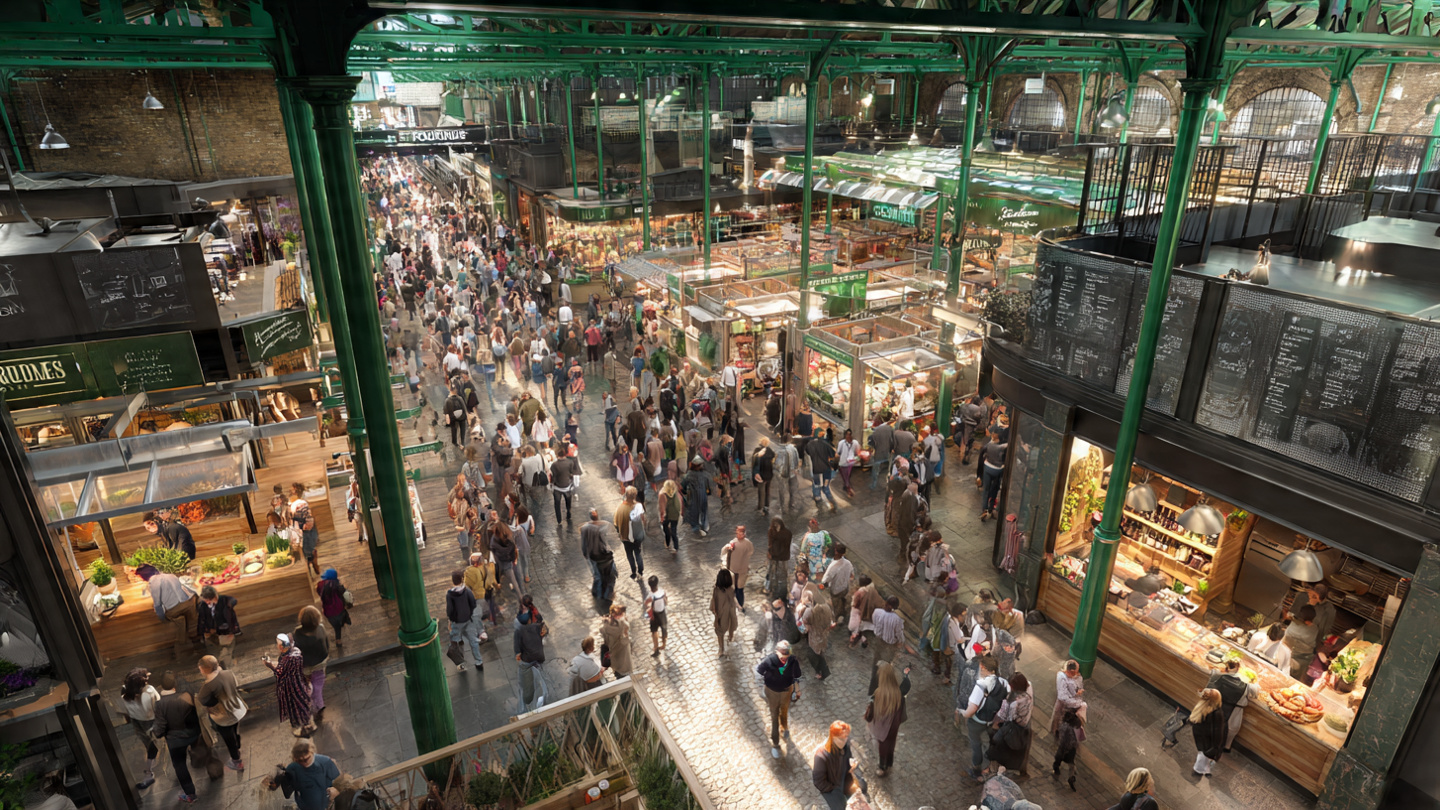
Many first-time visitors struggle with the layout because the market does not follow a straight or circular path. Stalls appear under railway arches, along narrow walkways, and in small open pockets. This structure developed over time, not through design. As a result, people often stop suddenly or turn back when crowds thicken. Recognizing that confusion is normal helps visitors stay patient and flexible.
How the Railway Arches Shape Movement
The railway arches create natural bottlenecks and shaded areas. Sound echoes, light changes, and smells concentrate under these structures. Vendors often cluster here because the arches provide shelter. Visitors slow down instinctively, which causes congestion. Moving with the flow instead of stopping in these zones improves the experience for everyone.
Open Areas Versus Narrow Passages
The market alternates between tight corridors and small open spaces. Open areas feel like relief points where people pause, eat, and regroup. Narrow passages demand movement and awareness. Visitors who treat open areas as resting spots and narrow paths as transit zones move more comfortably and avoid frustration.
How Stall Placement Influences Decision-Making
Stalls selling ready-to-eat food often sit near high-traffic routes. Produce and specialty goods tend to appear slightly off the main flow. This placement encourages quick food choices while protecting slower browsing areas. Visitors who rush through everything miss this pattern. Observing where stalls sit helps you decide when to stop and when to keep moving.
The Role of Queues in Shaping Flow
Queues shape movement more than signs or barriers. Popular stalls attract lines that spill into walkways. These lines change position throughout the day. Visitors who walk around queues instead of through them reduce stress. Stepping back before joining a line also helps you judge whether the wait fits your time and energy.
Why Backtracking Happens Often
Backtracking feels inevitable because many visitors notice something after passing it. The layout encourages discovery rather than efficiency. Accepting this prevents annoyance. Taking mental notes and returning later often works better than stopping immediately in crowded sections.
Locals move with purpose. They avoid peak walkways, cut through side spaces, and know where to stand. Watching how they move provides subtle guidance. Following their pace and positioning helps visitors blend into the flow instead of fighting it.
Using the Layout to Pace Your Visit
The layout supports gradual exploration. Visitors who try to cover everything at once feel overwhelmed. Those who move section by section enjoy more control. Short pauses in open spaces allow you to reset before entering busy zones again.
Why There Is No Perfect Route
No single route works for everyone. Crowd levels, time of day, and personal interests change the experience. The best approach involves awareness rather than planning. Let the layout guide you, not frustrate you.
How Understanding Flow Improves Enjoyment
When visitors understand how movement works, stress drops. Decisions feel easier. Small inconveniences feel expected rather than annoying. The market becomes a place to observe and enjoy, not a puzzle to solve.
Best Times to Visit Borough Market and How Crowds Change
Why Timing Shapes the Entire Experience
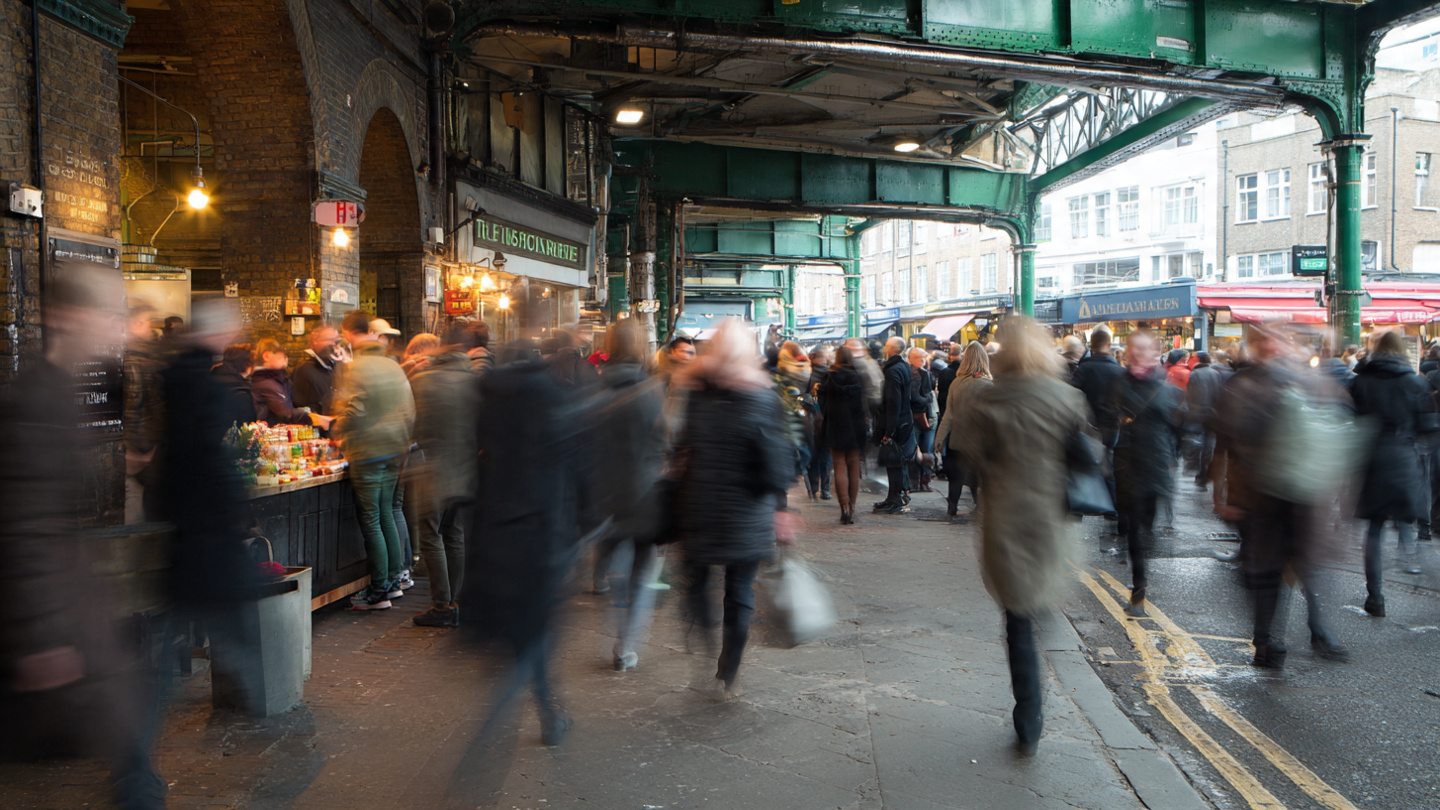
Timing affects every part of a visit, from how easily you move to how long you wait for food. Borough Market attracts different groups at different hours. Locals, workers, and visitors each follow their own schedules. When these groups overlap, crowds peak and movement slows. Choosing the right time can turn a stressful visit into an enjoyable one.
Early Mornings Feel Calm and Purposeful
Early mornings suit visitors who prefer space and clarity. Traders set up, deliveries arrive, and local shoppers move with intent. Food stalls operate at a slower pace, and queues stay short. This time works well for browsing, conversation, and photography. Visitors who arrive early often feel more connected to the market’s daily rhythm.
Late Morning Brings Curiosity and Energy
Late morning introduces a shift. Visitors arrive after sightseeing or travel. Stalls become fully active, and food aromas fill the air. The market feels lively but manageable. This period suits travelers who want choice without peak congestion. Movement still feels possible, though popular stalls begin to draw lines.
Midday Creates the Highest Pressure
Midday brings the densest crowds. Office workers arrive for lunch, tourists cluster around well-known stalls, and queues stretch into walkways. Noise rises, and decision-making feels rushed. Visitors without a plan often feel overwhelmed during this window. Those who expect intensity cope better and focus on one or two priorities instead of exploring everything.
Early Afternoon Allows Gradual Release
Crowds begin to thin in early afternoon. Some stalls sell out of popular items, but movement improves. This time suits visitors who value space over variety. Eating becomes easier, and seating areas open up. The atmosphere relaxes without losing energy.
Late Afternoon Feels Transitional
Late afternoon brings another change. Tour groups move on, and traders prepare for closing. Some stalls reduce menus or pack away items. Visitors who arrive at this stage should focus on atmosphere rather than selection. Walking through the market feels easier, though choices narrow.
Weekdays Versus Weekends
Weekdays attract locals and workers more than tourists. Movement feels purposeful, and crowds peak briefly at lunch. Weekends draw visitors throughout the day. Saturdays feel busiest, while Sundays feel slower but more limited in options. Visitors who can choose weekdays often find the experience smoother.
Seasonal Crowd Differences
Seasonal travel patterns influence crowd size. Warmer months bring more foot traffic and longer queues. Colder months feel calmer, though indoor areas still fill quickly. Weather affects how long people linger. Planning around seasons helps manage expectations.
During winter, many visitors extend their food-focused market experiences into festive settings across the city, especially when exploring the atmosphere and seasonal stalls featured in this guide to Christmas markets in London.
How to Adjust If You Arrive at a Busy Time
Busy times do not ruin a visit if approached correctly. Step aside before choosing food. Observe queue length before committing. Move toward less crowded edges first. Small adjustments reduce stress and restore control.
Choosing the Best Time for Your Style
The best time depends on what you value. Calm exploration favors early hours. Variety and energy suit late mornings. Quick meals fit midday if you accept crowds. Understanding these trade-offs allows you to plan with confidence.
What to Eat at Borough Market and How to Choose Confidently
Why Choice Feels Difficult Inside the Market
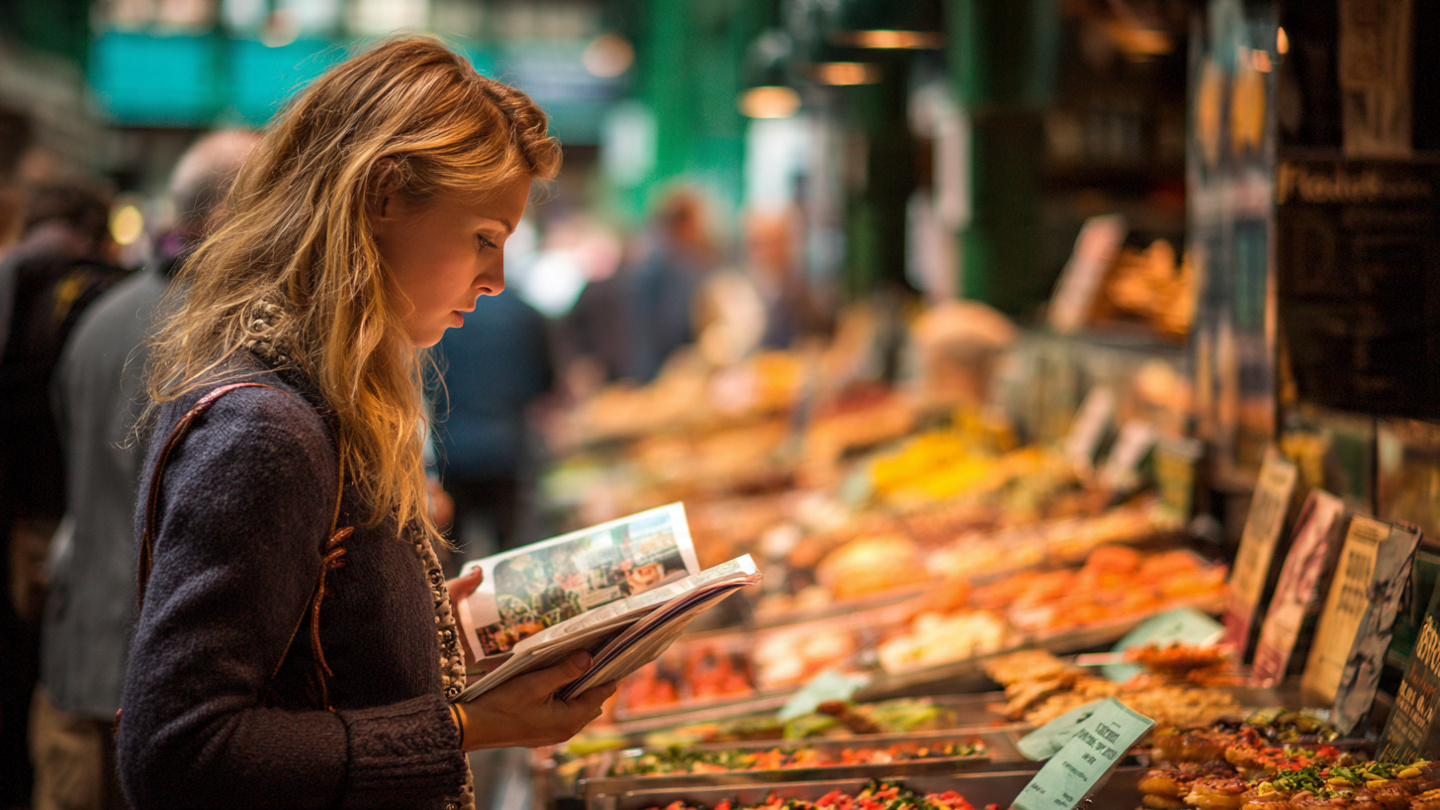
Many visitors freeze when faced with dozens of food options in a small space. Menus appear everywhere, smells overlap, and queues suggest urgency. People worry about choosing the wrong thing or missing something better nearby. This pressure often leads to rushed decisions or joining the longest line without understanding why. Recognizing that there is no single correct choice helps remove unnecessary stress.
Understanding the Difference Between Browsing and Ordering
Browsing and ordering require different mindsets. Browsing works best when you keep moving, observing menus, portion sizes, and prices without stopping. Ordering works best when you commit fully to one stall and step out of the main flow. Visitors who mix these two behaviors block walkways and feel flustered. Separating them improves confidence and courtesy.
Travelers interested in comparing different market styles may also enjoy exploring how London’s street markets differ in atmosphere, food focus, and overall experience across the city.
How to Read a Stall Before Joining a Queue
Queues signal popularity but not always suitability. Before joining, look at how fast the line moves, how food is prepared, and what people are holding when they leave. Fast-moving lines often serve simple, efficient dishes. Slower lines usually involve made-to-order items. Matching your time and hunger level to the queue type prevents disappointment.
Street Food Versus Ingredient-Focused Stalls
Some stalls exist to feed you immediately. Others sell ingredients meant for cooking later. Confusion arises when visitors expect ready-to-eat meals everywhere. Ingredient stalls reward curiosity and conversation rather than quick eating. Knowing this distinction helps you focus your energy where it fits your goal for the visit.
Why Portion Size Matters More Than Variety
Trying to taste everything rarely works. Portions at many stalls are generous, and flavors can be rich. Visitors who choose fewer items enjoy them more and avoid fatigue. Sharing food or planning short breaks between bites allows you to stay engaged instead of overwhelmed.
How Smell Can Mislead Decision-Making
Smell strongly influences choice, but it does not always match taste or satisfaction. Strong aromas attract attention, especially when hungry. Taking a moment to look beyond smell helps you choose food that matches your appetite rather than impulse.
Talking to Traders Improves Outcomes
Traders expect questions. Asking about portion size, spice level, or preparation time often leads to better choices. Short conversations reduce uncertainty and help you feel welcomed rather than rushed. Visitors who engage politely often receive guidance that improves the experience.
Managing Expectations Around Popular Dishes
Popular dishes gain attention through reputation and visibility. Some live up to expectations. Others feel underwhelming if you wait too long or expect something life-changing. Viewing popular food as a shared experience rather than a personal benchmark keeps expectations realistic.
Eating Without Blocking Movement
Once you receive food, step away from the stall. Look for edges, open spaces, or seating areas. Standing in walkways creates tension and reduces enjoyment. Finding a calmer spot allows you to taste properly and observe the market at a comfortable pace.
How Confident Choices Improve the Visit
Confidence does not come from perfect selection. It comes from understanding how to choose under pressure. When visitors accept trade-offs and focus on enjoyment rather than comparison, the market becomes rewarding instead of exhausting.
Budget Tips, Dietary Needs, and Smart Spending at Borough Market
Why This Borough Market Visitor Guide Emphasizes Budget Awareness
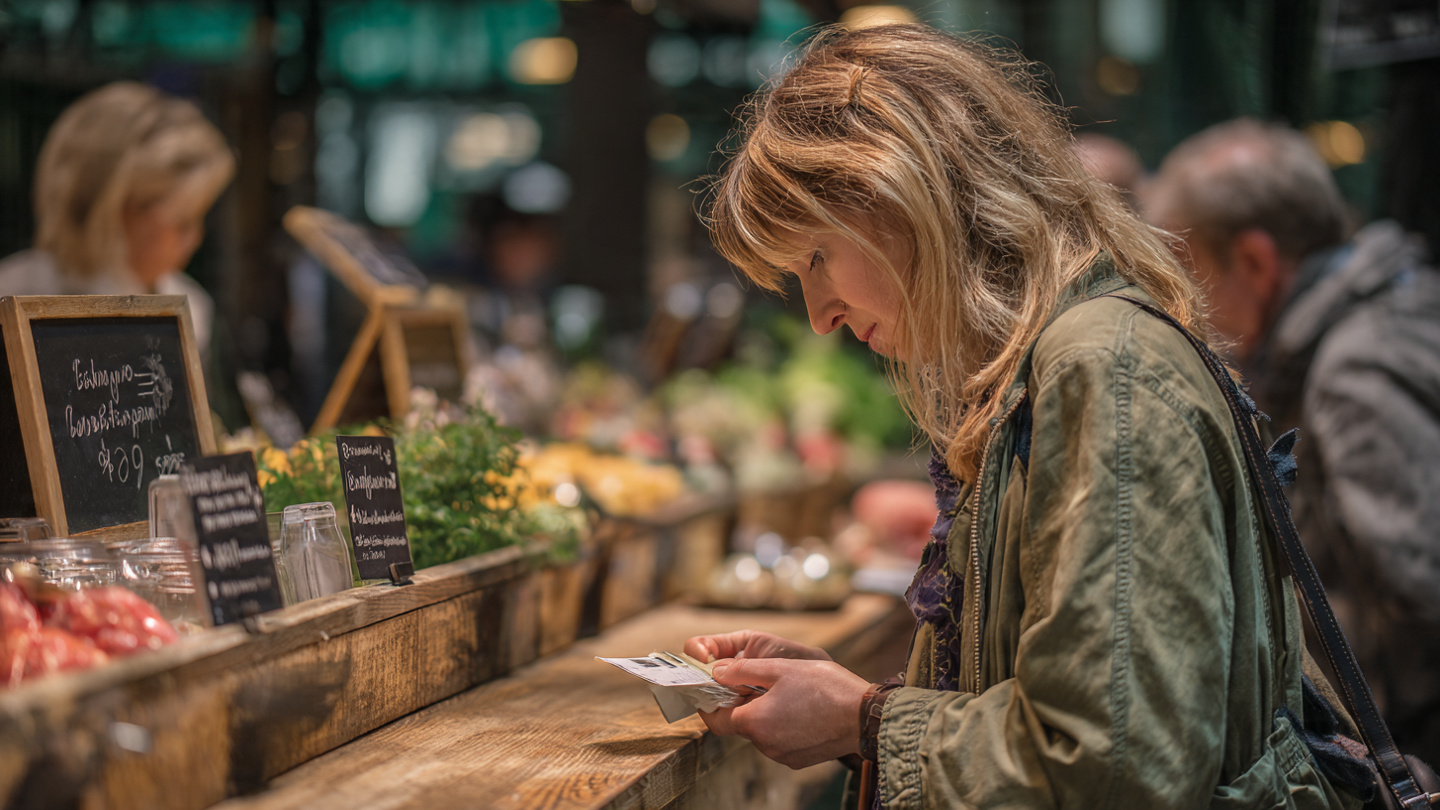
A Borough Market visitor guide should prepare travelers for real spending conditions, not ideal ones. Prices feel higher because ingredients, preparation, and location all add value. Visitors who understand this before arriving make calmer choices. Budget awareness does not reduce enjoyment. It increases control and confidence.
How a Borough Market Visitor Guide Helps You Spend Intentionally
This Borough Market visitor guide encourages intentional spending instead of impulse buying. Walking the market once before ordering gives you price context. Comparing portion sizes helps you avoid ordering too much too soon. Visitors who pause first usually spend less and enjoy more.
Using Ingredient Stalls to Stretch Your Budget
A practical Borough Market visitor guide always highlights ingredient stalls as budget-friendly options. Fresh bread, fruit, cheese, and baked goods often cost less than cooked meals. These stalls suit visitors who enjoy grazing or saving food for later. Choosing one ingredient-based option balances higher-priced hot food.
Managing Spending During Peak Crowd Hours
Peak hours increase pressure and reduce decision quality. This Borough Market visitor guide recommends stepping away from busy walkways before ordering. Calm spaces allow clearer price comparisons and better portion judgment. Visitors who slow down during peak times often spend less overall.
Eating Well on a Tight Budget at the Market
A Borough Market visitor guide does not assume unlimited spending. Visitors on a tight budget should focus on simple menus with fast service. These stalls rely on efficiency and often offer better value. Avoid stacking drinks and extras, which raise totals without adding satisfaction.
Understanding Portion Size Before You Pay
Portion size varies widely across the market. This Borough Market visitor guide encourages asking short questions before ordering. Knowing whether a dish works as a snack or a full meal prevents accidental overspending. Clear expectations protect both budget and appetite.
Vegetarian and vegan visitors often worry about limited choice. This Borough Market visitor guide clarifies that many stalls adapt dishes when asked. Clear communication saves time and avoids wandering. Visitors who ask directly usually find suitable options faster.
Handling Allergies and Special Diets Safely
A responsible Borough Market visitor guide treats dietary needs seriously. Traders understand allergy concerns, but busy hours reduce conversation time. Visiting during calmer periods allows clearer discussion. Confirming ingredients protects health and avoids rushed decisions.
Hidden costs often appear through add-ons, sides, and drinks. This Borough Market visitor guide advises setting priorities before ordering. Decide whether food, variety, or experience matters most. Focused choices reduce regret and control spending.
Why Smart Spending Improves the Overall Visit
Smart spending supports a relaxed experience. Visitors who follow this Borough Market visitor guide feel satisfied rather than rushed or uncertain. When spending aligns with intention, the market feels rewarding instead of overwhelming.
Common Visitor Mistakes and How to Avoid Them

Why a Borough Market Visitor Guide Helps You Avoid Frustration
Many visitors struggle because they arrive without clear expectations. A Borough Market visitor guide exists to highlight common problems before they happen. When you understand how people usually get stuck, you can move with confidence instead of reacting to pressure. Awareness removes most stress before it begins.
Arriving Hungry at the Busiest Time
One of the biggest mistakes happens when visitors arrive extremely hungry during peak hours. Crowds peak around midday, queues grow long, and movement slows. Hunger increases impatience and poor decisions. A Borough Market visitor guide recommends eating lightly beforehand or arriving earlier. This simple step improves focus and patience.
Stopping in Narrow Walkways
Visitors often stop suddenly when something looks interesting. This blocks narrow paths and creates tension. The market layout does not support sudden pauses. A Borough Market visitor guide encourages stepping to the side before stopping. This habit keeps traffic flowing and reduces stress for everyone.
Trying to Experience Everything in One Visit
Many people attempt to see and eat everything at once. This goal creates pressure and fatigue. The market rewards selectivity, not completion. A Borough Market visitor guide reminds visitors to choose a few priorities and let the rest go. Enjoyment increases when expectations stay realistic.
Joining Queues Without Checking Details
Long queues attract attention, but they do not guarantee satisfaction. Visitors often join lines without checking menus, prices, or portion size. A Borough Market visitor guide advises observing first. Look at how fast the line moves and what people receive. This step saves time and prevents regret.
Eating in High-Traffic Areas
Eating while standing in walkways feels convenient but quickly becomes uncomfortable. People bump into you, and food loses focus. A Borough Market visitor guide suggests moving to open spaces or edges before eating. Calm surroundings improve comfort and taste.
Ignoring the Market Beyond Food
Food draws people in, but the environment completes the experience. Visitors who focus only on eating miss atmosphere and context. A Borough Market visitor guide encourages short pauses to observe traders, sounds, and movement. These moments add depth and memory.
Overestimating Appetite and Portion Tolerance
Many dishes feel richer and more filling than expected. Visitors often over-order early and feel uncomfortable later. A Borough Market visitor guide recommends starting small and reassessing hunger. Pacing protects energy and enjoyment.
Following Rigid Plans Instead of Adapting
Rigid plans fail in dynamic spaces. Stalls sell out, queues shift, and crowd density changes quickly. A Borough Market visitor guide promotes flexibility. Adjusting calmly prevents disappointment and keeps the visit enjoyable.
Rushing the Visit Instead of Absorbing It
Some visitors treat the market as a checklist stop. They eat fast and leave without absorbing the space. A Borough Market visitor guide encourages slowing down when possible. Even brief moments of calm improve memory and satisfaction.
How Avoiding These Mistakes Improves the Visit
Avoiding common mistakes requires attention, not expertise. Visitors who follow a Borough Market visitor guide move with purpose and patience. The market feels welcoming when expectations align with reality.
How to Include Borough Market in a London Day Plan
Why a Borough Market Visitor Guide Treats Timing as Flexible
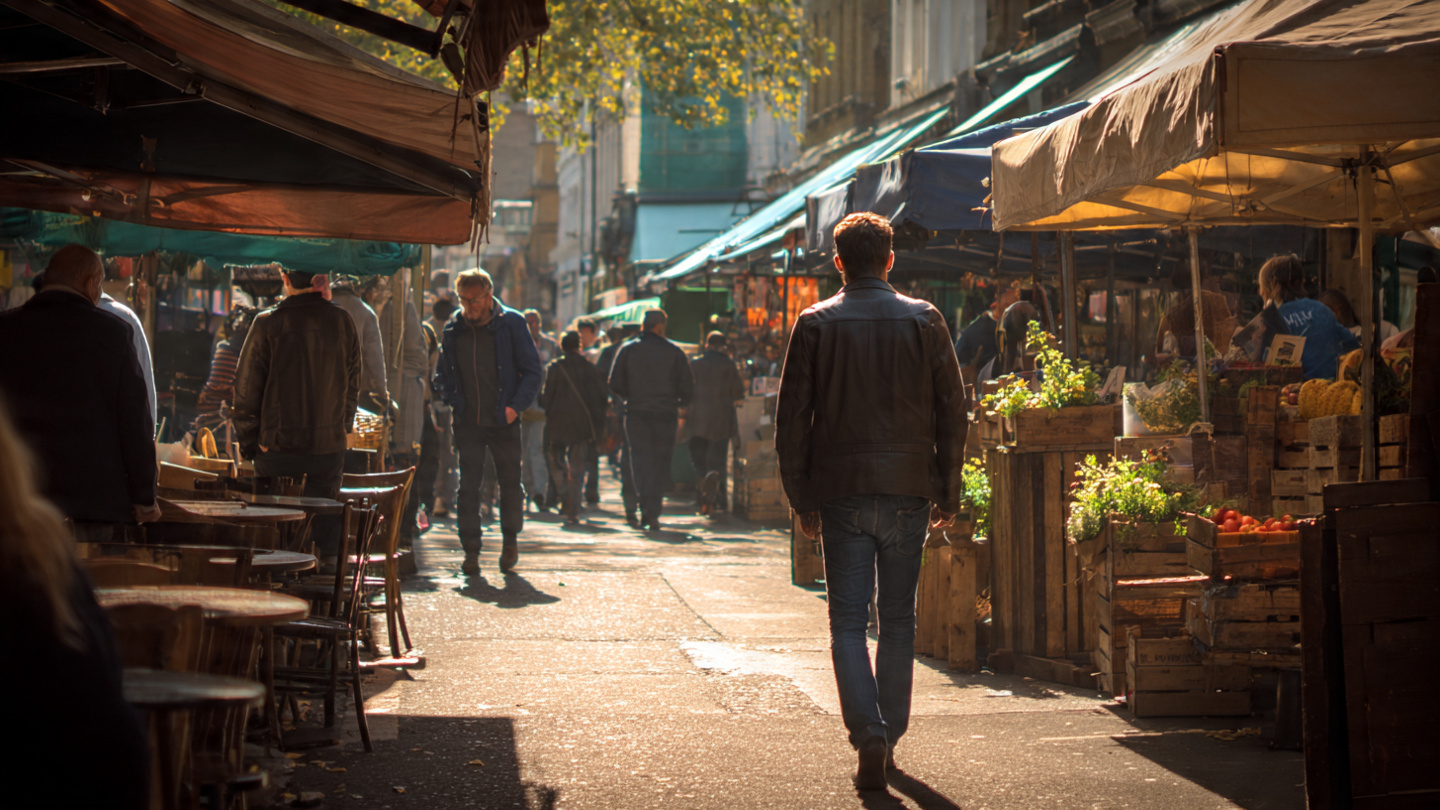
A Borough Market visitor guide works best when it avoids rigid schedules. The market reacts to crowds, queues, and appetite rather than clocks. Visitors who lock exact times often feel rushed or disappointed. Flexibility allows the visit to enhance the day instead of interrupting it.
Using Borough Market as a Natural Pause
Many travelers benefit from treating Borough Market as a pause rather than a destination that consumes the day. Arriving after a walk or light activity builds appetite and curiosity. Leaving space before and after the visit keeps energy balanced and prevents overload.
Planning a Morning-First Approach
A Borough Market visitor guide often recommends a morning-first plan. Light sightseeing or walking before the market helps you arrive relaxed. Early or late morning visits offer better movement and clearer choices. This approach suits visitors who want calm decision-making without peak pressure.
Anchoring the Market Into a Midday Plan
Some visitors prefer to place the market at midday. A Borough Market visitor guide suggests limiting expectations during this window. Choose one main food goal, accept crowds, and plan to move on afterward. Treating the market as an anchor rather than the entire focus keeps the day flowing.
Pairing the Market With Nearby Exploration
The surrounding area supports easy transitions. After eating, many visitors enjoy walking away to quieter streets or open spaces. A Borough Market visitor guide encourages movement after food to reset senses. Short walks improve digestion and restore calm before the next activity.
Avoiding Food Overload in One Day
Stacking food-focused stops reduces enjoyment. A Borough Market visitor guide advises spacing meals thoughtfully. One strong food experience often feels better than several rushed ones. Leaving space between eating moments helps you appreciate flavors and atmosphere.
Because Borough Market works best as part of a flexible plan, it helps to see what surrounds it. Nearby streets, river paths, and landmarks all influence how easily the market connects to the rest of a London day.
Planning Around Energy Instead of Distance
Distance matters less than energy. The market demands attention, patience, and movement. A Borough Market visitor guide emphasizes visiting when you feel alert. Tired visitors feel overwhelmed faster and make rushed decisions. Energy-aware planning improves outcomes.
For groups, the market works well as a flexible split point. People can choose different food and regroup later. A Borough Market visitor guide recommends agreeing on a meeting spot in advance. This approach reduces stress and allows personal choice.
Adjusting Plans When Crowds Shift
Crowds change quickly. A Borough Market visitor guide promotes adapting in real time. If movement feels too tight, shorten the visit. If space opens, linger a little longer. Adaptation keeps frustration low and enjoyment high.
Knowing When to Move On
Leaving at the right moment matters. When hunger feels satisfied and curiosity slows, it is time to go. A Borough Market visitor guide encourages ending on a positive note rather than pushing through fatigue. A well-timed exit improves memory of the visit.
Why Integration Matters More Than Precision
A successful day plan integrates the market naturally. A Borough Market visitor guide focuses on flow rather than precision. When the market fits smoothly into the day, it enhances the entire travel experience.
The paella from this establishment is quite tasty. We chose the option with the Prawns to sample. So flavorful! The rice truly consumed all the various seasoning and stock used. My only complaint was it’s difficult to remove the shell from the shrimp and prawns while standing.
Read more reviews at Tripadvisor.
Final Visitor Tips and Frequently Asked Questions
Final Practical Tips From a Borough Market Visitor Guide
A Borough Market visitor guide works best when it focuses on small habits rather than big plans. Keep your bag secure and light so movement feels easy. Wear shoes that handle standing and slow walking without discomfort. Carry a small bottle of water, especially during warmer months. These details seem minor, but they affect how long you stay comfortable and alert inside the market.
We’ve been to Borough Market before but with Celia’s guidance we feel like we have now fully experienced the market and its history. A great walking tour with plenty of treats to sample. Would thoroughly recommend.
Read more reviews on Tripadvisor.
How to Stay Oriented When the Market Feels Busy
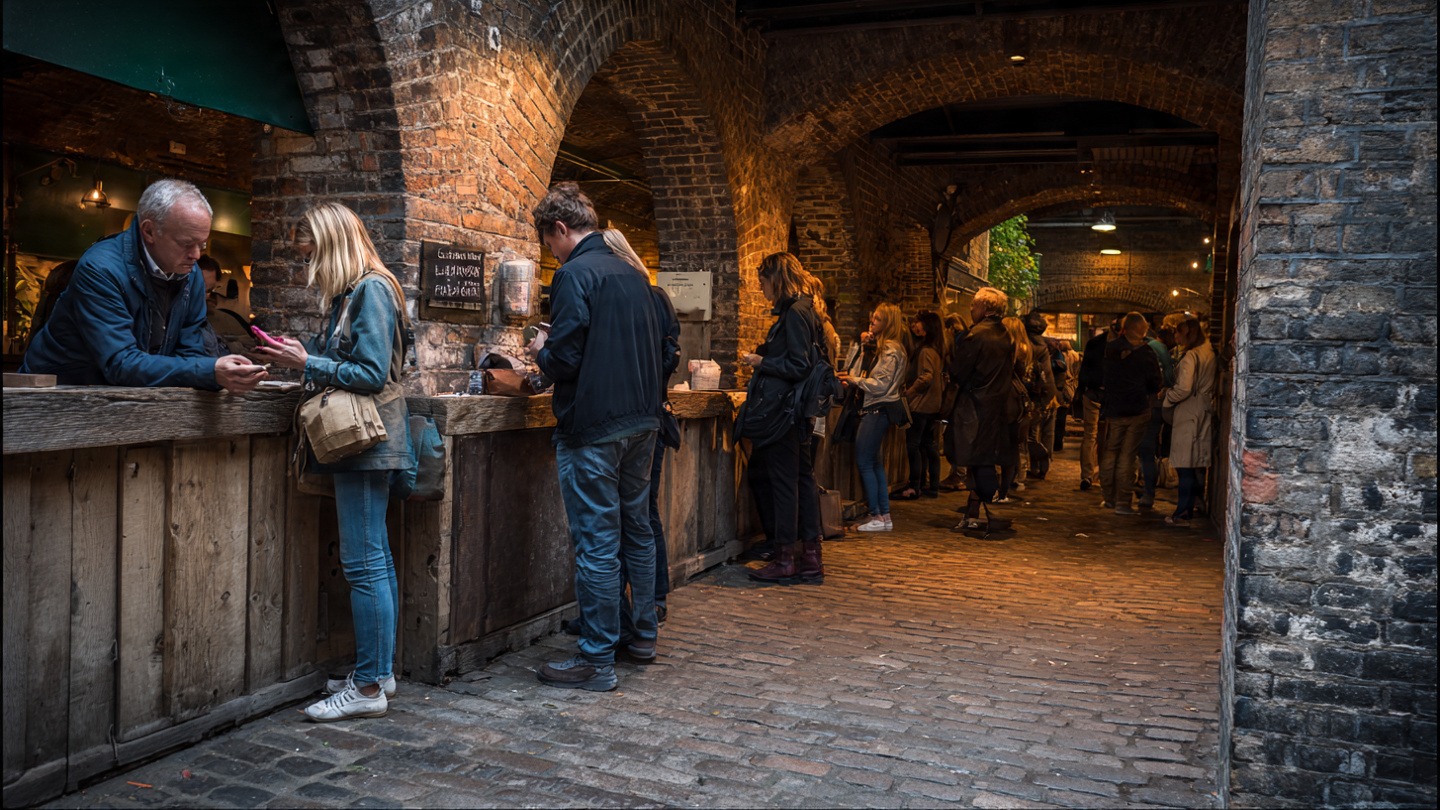
When the space feels crowded, pause at the edges instead of pushing forward. A Borough Market visitor guide encourages stepping under arches or into open pockets before deciding what to do next. Regaining visual awareness helps you spot exits, quieter paths, and food options you may have missed. Orientation reduces stress more than speed.
Why Short Breaks Improve the Experience
Short breaks reset your senses. The market delivers strong smells, noise, and movement. A Borough Market visitor guide suggests leaving briefly after eating and returning if needed. Even a five-minute pause outside the busiest area improves focus and enjoyment when you re-enter.
How Long a Typical Visit Should Last
Most visitors enjoy Borough Market most within one to two hours. Staying longer often leads to fatigue rather than discovery. A Borough Market visitor guide emphasizes quality over duration. Leaving while interest remains high creates a better memory than staying until exhaustion.
Is Borough Market Suitable for First-Time London Visitors
Yes, but expectations matter. A Borough Market visitor guide prepares first-time visitors for crowds and choice overload. Those who arrive informed enjoy the energy without feeling lost. The market offers a strong introduction to London food culture when approached calmly.
Can You Visit Borough Market Without Eating
Yes. Some visitors enjoy observing more than eating. A Borough Market visitor guide confirms that browsing, watching food preparation, and absorbing atmosphere still create value. You do not need to eat everything to enjoy the space.
Is Borough Market Family-Friendly
Families can enjoy the market with planning. A Borough Market visitor guide suggests visiting earlier in the day and choosing open areas for pauses. Keeping visits shorter works better for children. Flexibility improves comfort for everyone.
What If the Market Feels Too Crowded
Crowds do not mean failure. A Borough Market visitor guide recommends adjusting rather than leaving immediately. Move toward quieter edges, delay ordering, or shorten the visit. Control comes from adaptation, not endurance.
Do You Need a Fixed Plan Before Visiting
A fixed plan often creates pressure. A Borough Market visitor guide favors loose priorities instead. Decide what matters most, then adapt to conditions. This approach keeps the experience enjoyable even when things change.
Why Borough Market Rewards Awareness Over Speed
Rushing reduces satisfaction. A Borough Market visitor guide highlights awareness as the key skill. Watching flow, reading space, and choosing moments carefully transform the visit. Awareness turns chaos into character.
Final Thoughts on Visiting Borough Market
Borough Market offers more than food. It reflects movement, trade, and daily London life in a compact space. A Borough Market visitor guide helps visitors approach it with confidence rather than expectation. When you move thoughtfully and stay flexible, the market becomes memorable for the right reasons.
Frequently Asked Questions
General Visitor Questions
Yes. Entry to the market is completely free. You only pay for food, drinks, or products you choose to buy.
No reservations are required. All stalls operate on a walk-up basis, though waiting times depend on crowd levels and stall popularity.
Yes. Many visitors enjoy the atmosphere, historic setting, and people-watching even if they eat very little or nothing at all.
Yes. Browsing, observing food preparation, and experiencing the environment are all part of the visit. Eating is optional.
Late morning on a weekday usually offers the best balance of choice and manageable crowds. Early mornings feel calmer, while midday is the busiest.
Yes. Saturdays are usually the busiest day. Sundays are slightly quieter but may have fewer stalls open or limited menus.
Most visitors spend between one and two hours. Staying longer often leads to fatigue rather than added enjoyment.
Yes. Crowd density, stall availability, and atmosphere shift significantly from morning to afternoon, which affects movement and waiting times.
Food, Diet, and Budget Questions
Prices are generally higher than typical street food, but portions and ingredient quality are often better. Careful selection helps control spending.
Yes. Many stalls offer vegetarian and vegan food, and some can adapt dishes if asked directly.
Many traders understand allergy concerns, but you should always ask clearly about ingredients. Quieter hours make these conversations easier.
Portion sizes vary. Some dishes work as full meals, while others are better suited for sharing or tasting.
Practical Planning Questions
Yes, especially during quieter times. Short visits work best, and open areas make it easier to pause without blocking walkways.
The market is mostly flat, but pathways can become crowded and narrow. Visiting during off-peak hours improves accessibility.
Comfortable shoes are important due to standing and slow walking. Light layers are useful as indoor and outdoor areas vary in temperature.
Step toward the edges, pause in quieter areas, or leave briefly and return later. Short breaks often improve the experience.
Yes. The market works well as part of a flexible day plan rather than a full-day destination.