
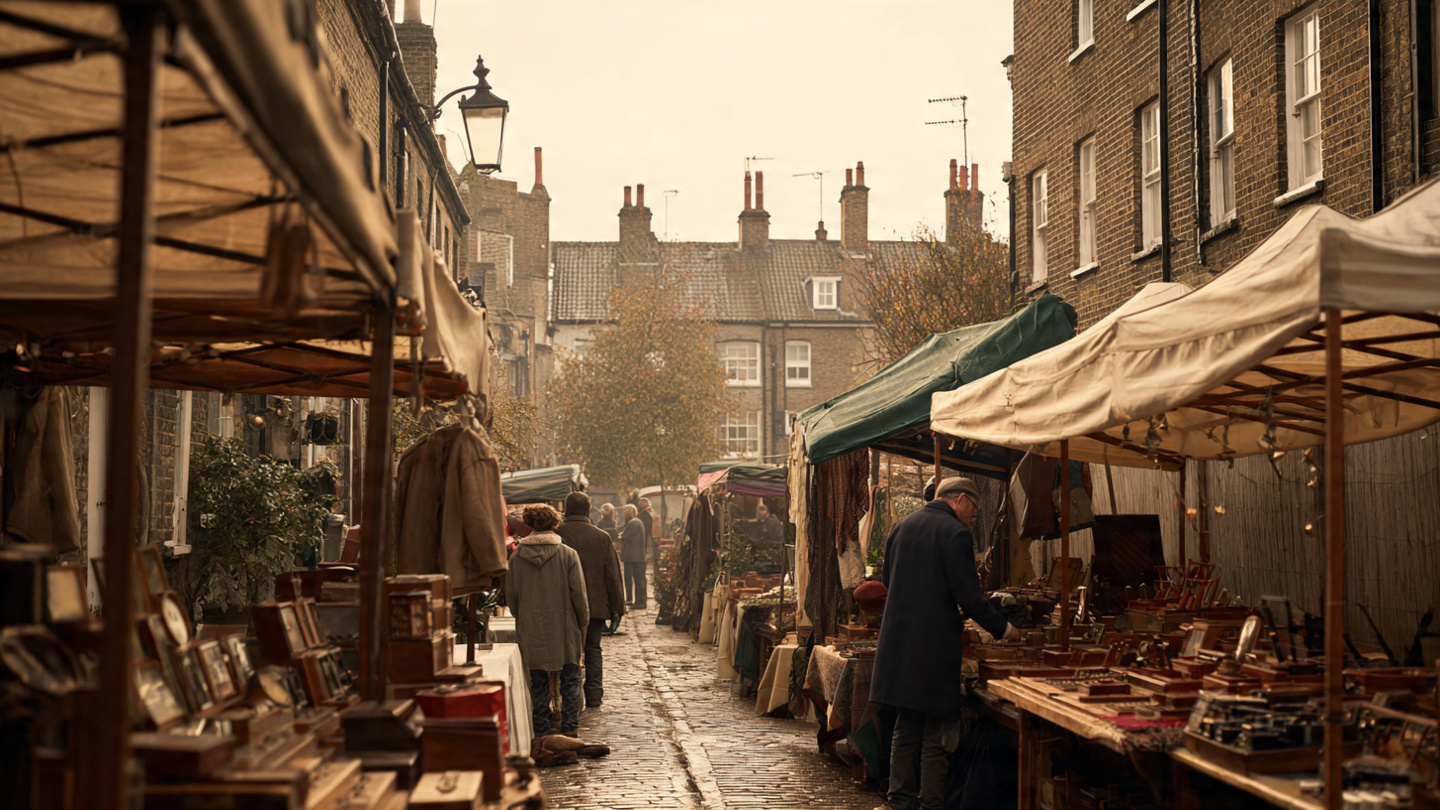
Many visitors arrive in London with a fixed idea of what a flea market should feel like. However, once they step into these spaces, the experience often feels very different. Instead of loud bargaining and crowded aisles, flea markets in London tend to feel quieter and more informal. Because of this contrast, first impressions can feel confusing. Understanding this difference early helps visitors relax and enjoy the experience as it unfolds.
How Expectations Shape the Experience
In most cases, disappointment comes from expectations rather than reality. Travelers often expect flea markets to operate like organized attractions. In London, that is rarely the case. Instead, these markets blend into daily neighborhood life. As a result, there may be no clear entrance or obvious starting point. When visitors adjust their expectations, the market begins to feel natural rather than disordered.
For a broader overview of how flea markets compare with food and shopping-focused options across the city, explore the full guide to the best markets in London.
Flea Markets as Part of Everyday London Life
Unlike purpose-built tourist markets, flea markets in London usually exist for locals first. Because of that, sellers often know their regular customers well. Shoppers browse slowly, conversations happen casually, and there is rarely a sense of urgency. Over time, visitors who observe this rhythm begin to move more comfortably through the space. This slower pace is part of what makes these markets feel authentic.
Why There Is No Single Flea Market Style
Although the term suggests a shared identity, flea markets in London vary widely. Some feel polished and carefully arranged, while others feel rough and deeply local. Additionally, the type of goods can shift from antiques to second-hand household items within the same market. Therefore, expecting consistency often leads to confusion. Treating each market as its own environment creates a more rewarding experience.
The Importance of Location Over Size
Many people assume larger flea markets offer better finds. However, in London, location often matters more than size. Smaller neighborhood markets may offer better conversations and more character. Meanwhile, larger markets can feel busier and less personal. Because each area attracts different sellers, understanding the surrounding neighborhood gives helpful clues about what to expect.
Why Flea Markets Are Not Designed for Quick Visits
Flea markets in London reward patience rather than speed. While it may be tempting to scan stalls quickly, many interesting items sit quietly at the edges or beneath tables. As a result, rushed visits often miss the most distinctive finds. Slowing down allows details to emerge naturally. Over time, browsing becomes part of the enjoyment rather than a task.
How Pricing Works in Flea Market Settings
Unlike retail shops, flea markets rarely display prices clearly. Some sellers label items, while others prefer to talk first. Although this can feel uncomfortable at first, it is completely normal in London. Rather than pressure, this approach usually reflects flexibility. Once visitors understand this, price conversations feel less intimidating and more natural.
Flea Markets as Reflections of London’s Past
Many items sold at flea markets come from house clearances or long-closed shops. Because of this, browsing often feels like stepping into fragments of everyday history. Even without purchasing anything, visitors encounter objects that tell quiet stories. Over time, this historical layer becomes one of the most interesting aspects of the experience.
Why Overplanning Can Reduce Enjoyment
Although planning is helpful, too much structure can work against flea market visits. Markets change frequently due to weather, events, and seller availability. Therefore, a stall you hoped to see may not appear. At the same time, unexpected finds often become highlights. Leaving space for spontaneity makes the visit feel lighter and more enjoyable.
What a Successful Flea Market Visit Really Means
Success at flea markets in London is not always about finding a bargain. Sometimes, it is about understanding a neighborhood or enjoying the atmosphere. When visitors redefine success this way, the experience becomes rewarding regardless of what they buy. This mindset sets the foundation for exploring the rest of London’s flea market culture.
What Makes Flea Markets in London Different From Other Markets
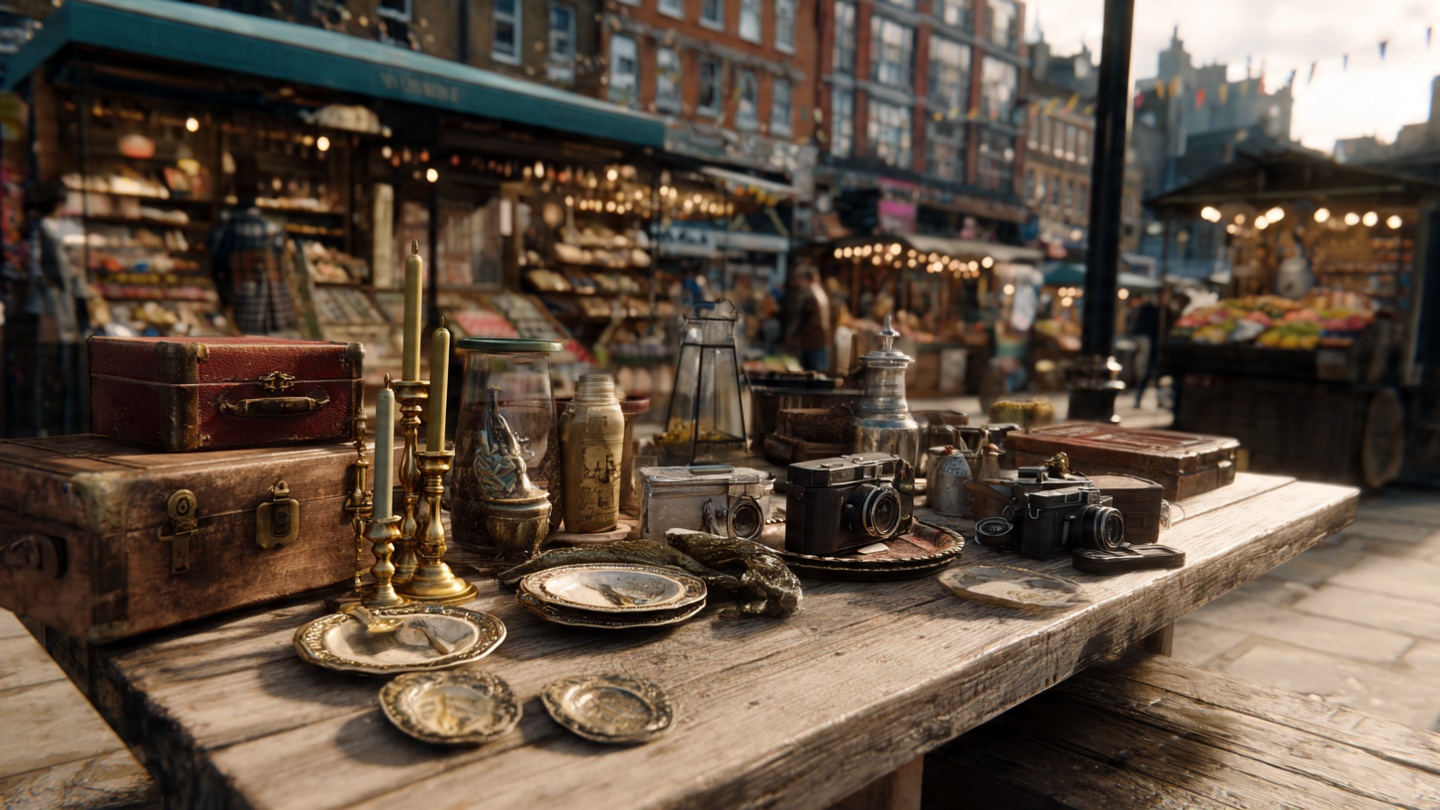
Flea Markets in London Do Not Follow a Fixed Structure
At first glance, flea markets in London may look similar to other markets across the city. However, once you begin walking through them, the differences become clear. Unlike food or street markets, flea markets rarely follow a fixed layout. Instead, stalls appear wherever space allows. Because of this, movement feels organic rather than guided. As a result, visitors often explore more freely and notice details they might otherwise miss.
The Absence of Clear Categories Changes How You Browse
In many markets, products are grouped by type. Flea markets in London work differently. One stall may sell antique furniture, while the next offers books or old photographs. Consequently, browsing becomes slower and more observational. Rather than searching for one specific item, visitors tend to discover things unexpectedly. This lack of strict categorization is one of the defining features of the experience.
Flea Markets Prioritize Objects Over Consumption
While food markets encourage quick decisions and constant movement, flea markets invite pause. Visitors stop, look closely, and often handle objects with care. Because items usually have a history, sellers are more willing to explain where something came from. Therefore, conversations become part of the experience. This focus on objects rather than consumption gives flea markets a calmer rhythm.
If you want to compare this atmosphere with a structured food-focused market, read the full Borough Market visitor guide.
Why Time Feels Different in Flea Markets
Time behaves differently inside flea markets. Without set paths or timed activities, visitors lose track of minutes. Instead of rushing from stall to stall, people linger. Over time, this creates a relaxed atmosphere that contrasts with busier retail spaces. For many visitors, this slower pace becomes one of the most enjoyable aspects of the visit.
Flea Markets Are Less Transaction-Driven
Although buying and selling still happen, flea markets in London are not purely transactional. Sellers often value discussion as much as sales. Because many items are personal or collected over years, conversations naturally develop. As a result, visitors feel less pressure to buy quickly. This relaxed approach sets flea markets apart from more commercial markets.
The Role of Sellers Shapes the Experience
Sellers play a larger role in flea markets than in other market types. Many are collectors, hobbyists, or long-time traders rather than temporary vendors. Because of this, they often know the background of their items well. When visitors show interest, sellers usually respond with stories rather than sales pitches. This interaction adds depth to the experience.
Flea Markets Reflect Neighborhood Character
Each flea market reflects the neighborhood around it. Markets in historic areas often feature older items, while those in residential districts may focus on household goods. Therefore, visiting different flea markets reveals subtle differences in local life. Over time, this makes flea markets feel like extensions of the city rather than isolated attractions.
Why Flea Markets Feel Less Polished
Compared to curated vintage shops or themed markets, flea markets in London feel less polished. Tables may be mismatched, displays imperfect, and signage minimal. However, this lack of polish contributes to authenticity. Instead of feeling staged, markets feel lived-in. For many visitors, this raw quality is part of the appeal.
Flea markets are perfect for second-hand discovery, but they are not the only way to browse London on foot. Many neighborhoods have shopping streets where independent shops, resale boutiques, and creative storefronts give a similar sense of exploration without the rotating stall format. This guide to street shopping in London helps you choose the right streets when you want that same browsing energy outside market days.
Flea Markets Encourage Observation Over Efficiency
Efficiency is rarely the goal in flea markets. Instead, they reward observation. Visitors notice textures, materials, and small details that would be overlooked elsewhere. Because of this, even those who do not buy anything often leave satisfied. The experience itself becomes the reward.
How These Differences Shape Expectations
Understanding how flea markets differ from other markets helps visitors approach them with the right mindset. Rather than expecting speed or structure, visitors learn to expect discovery. Once this shift happens, flea markets in London feel less confusing and more engaging. This perspective prepares visitors for exploring specific markets across the city.
Although flea markets emphasize second-hand discovery and informal trading, visitors who want to compare these experiences with permanent retail districts can review Best Shopping Streets in London to understand how structured high streets operate differently.
How Flea Market Culture Developed Across London

Flea Markets Emerged From Practical Everyday Needs
Flea markets in London did not begin as lifestyle destinations. Instead, they grew out of practical needs within growing neighborhoods. As the city expanded, households regularly sold unwanted items to supplement income or clear space. Over time, informal selling spots began to form in streets, yards, and open squares. Because these exchanges were practical rather than commercial, the culture developed organically.
The Influence of London’s Long Residential History
London’s housing history played a major role in shaping flea markets. Many homes passed through generations, accumulating furniture, tools, books, and decorative objects. When properties changed hands, contents were often sold locally. As a result, flea markets became places where household history circulated within the community. This residential continuity still influences what appears on flea market tables today.
War, Rebuilding, and the Rise of Second-Hand Trading
Periods of hardship accelerated flea market growth. During and after wartime, reuse became essential rather than optional. People repaired, resold, and repurposed what they had. Consequently, second-hand trading gained social acceptance across all classes. Flea markets offered accessible places to exchange goods without formal retail structures. This mindset remained long after conditions improved.
How Neighborhood Markets Took Shape
As London neighborhoods developed distinct identities, flea markets adapted to local character. Some areas leaned toward antiques and collectibles, while others focused on everyday household goods. Because markets served nearby residents first, they reflected the needs and tastes of each community. Over time, this created a patchwork of flea market styles across the city rather than a single uniform model.
The Role of Informal Trading Spaces
Unlike officially planned shopping districts, flea markets often occupied flexible spaces. Car parks, school yards, church halls, and closed streets became temporary trading grounds. This flexibility allowed markets to survive changing regulations and economic shifts. As a result, flea market culture remained resilient even as the city modernized.
How Flea Markets Adapted to Changing Economies
As retail chains expanded, flea markets adjusted rather than disappeared. Instead of competing on convenience, they emphasized uniqueness. Sellers offered items with character, history, or craftsmanship that mass retail could not replicate. Therefore, flea markets remained relevant even as shopping habits changed. This adaptation continues today.
The Growing Interest in Vintage and Collectibles
In recent decades, interest in vintage items reshaped flea market culture. Collectors, designers, and hobbyists began visiting regularly. Consequently, some markets became known for specific categories, such as furniture or printed materials. However, everyday selling never disappeared entirely. This balance keeps flea markets accessible while attracting specialized interest.
Flea Markets as Cultural Meeting Points
Beyond commerce, flea markets evolved into social spaces. People met neighbors, exchanged stories, and shared local knowledge. Over time, markets became informal gathering points that strengthened community ties. This social function remains central to flea market culture in London.
Why Flea Markets Survived While Others Faded
Many market types disappeared as shopping habits shifted. Flea markets survived because they offered flexibility and authenticity. They required minimal infrastructure and responded quickly to local demand. Therefore, they remained sustainable even during economic uncertainty. This adaptability explains their continued presence across London.
How History Shapes Today’s Flea Market Experience
Understanding this history explains why flea markets in London feel the way they do today. Their informal layouts, varied goods, and conversational tone reflect decades of practical use rather than deliberate design. When visitors recognize this background, the experience feels grounded rather than chaotic. This historical awareness sets the stage for exploring what flea markets offer now.
What You Can Find at Flea Markets in London
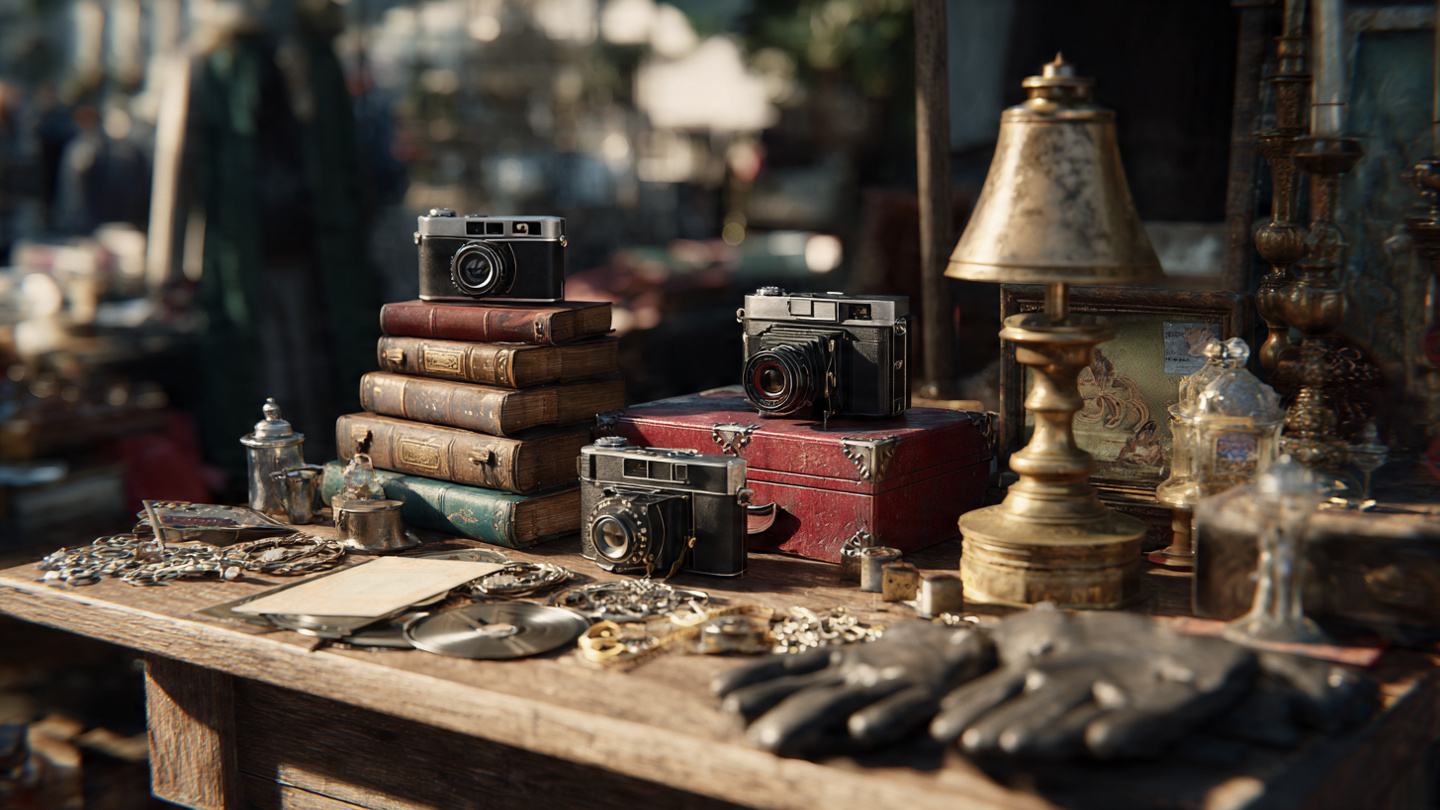
Flea Markets Offer a Mix Rather Than a Theme
One of the first things visitors notice is the lack of a single theme. Flea markets in London rarely focus on just one type of item. Instead, tables display a mix of objects that reflect personal collections, household clear-outs, and long-held belongings. Because of this variety, browsing feels exploratory rather than targeted. Visitors often find things they did not plan to look for.
Antique Items Appear Alongside Everyday Objects
Antiques often attract attention, but they share space with ordinary household items. Old mirrors may sit next to kitchenware, while framed artwork rests beside boxes of tools. As a result, flea markets feel less curated than antique shops. This mix creates a relaxed environment where valuable items do not feel intimidating.
Furniture and Home Pieces Tell Personal Stories
Small furniture pieces frequently appear at flea markets. Chairs, side tables, lamps, and storage items reflect changing interior styles across decades. Because many of these pieces come from lived-in homes, they show signs of use. However, these imperfections often add character. For visitors, this makes furniture browsing feel more personal and grounded.
Printed Materials Reveal Layers of the Past
Books, postcards, magazines, and printed ephemera appear regularly. These items often attract visitors who enjoy quiet browsing. Old maps, letters, and sheet music provide glimpses into everyday life from different periods. As a result, printed materials become one of the most reflective categories at flea markets.
Clothing Reflects Changing Fashion Trends
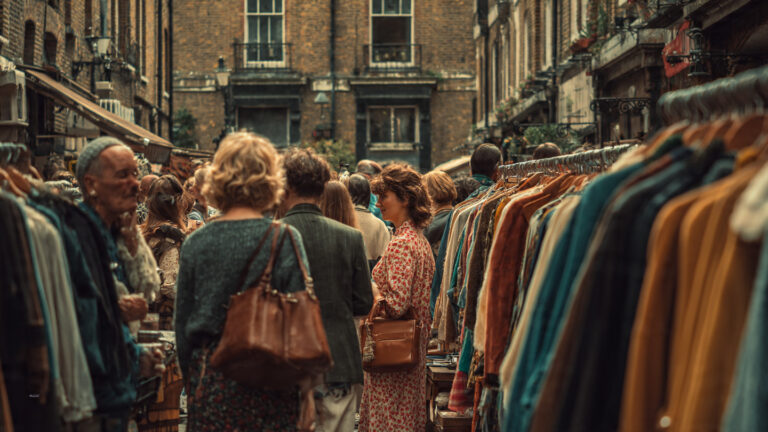
Second-hand clothing appears in many forms. Some sellers specialize in vintage garments, while others sell everyday clothing from recent decades. Because sellers source items locally, styles reflect what people actually wore rather than curated fashion narratives. This makes clothing stalls feel authentic and unpredictable.
Collectibles Attract Focused Browsers
Certain stalls focus on collectibles such as coins, cameras, records, or toys. These sellers often have deep knowledge of their items. Consequently, conversations tend to be detailed and informative. Even visitors who are not collectors often enjoy listening and learning. This educational aspect adds depth to the browsing experience.
For markets that specialize more specifically in curated retro fashion and design pieces, see the guide to vintage markets in London.
Decorative Objects Carry Emotional Value
Decorative items like ceramics, frames, and ornaments often carry emotional weight. Many come from family homes or personal collections. Because of this, sellers sometimes share stories about where items came from. These moments transform objects into memories, making browsing more meaningful.
Tools and Practical Items Still Play a Role
Despite growing interest in decorative pieces, practical items remain common. Tools, hardware, and household supplies appear regularly. Their presence reflects the original purpose of flea markets as practical trading spaces. This balance keeps flea markets connected to everyday needs rather than purely aesthetic trends.
Why Condition Varies So Widely
Condition varies significantly across items. Some pieces are carefully preserved, while others show heavy wear. This variation is normal and expected. Rather than signaling quality issues, it reflects the diversity of sources. Understanding this helps visitors evaluate items without unrealistic expectations.
How Variety Shapes the Overall Experience
The wide range of items shapes how visitors move through flea markets. Instead of scanning quickly, people pause frequently. Each table offers a new possibility. Over time, this rhythm encourages curiosity rather than efficiency. This variety is what gives flea markets in London their distinctive character.
The Most Well-Known Flea Markets in London
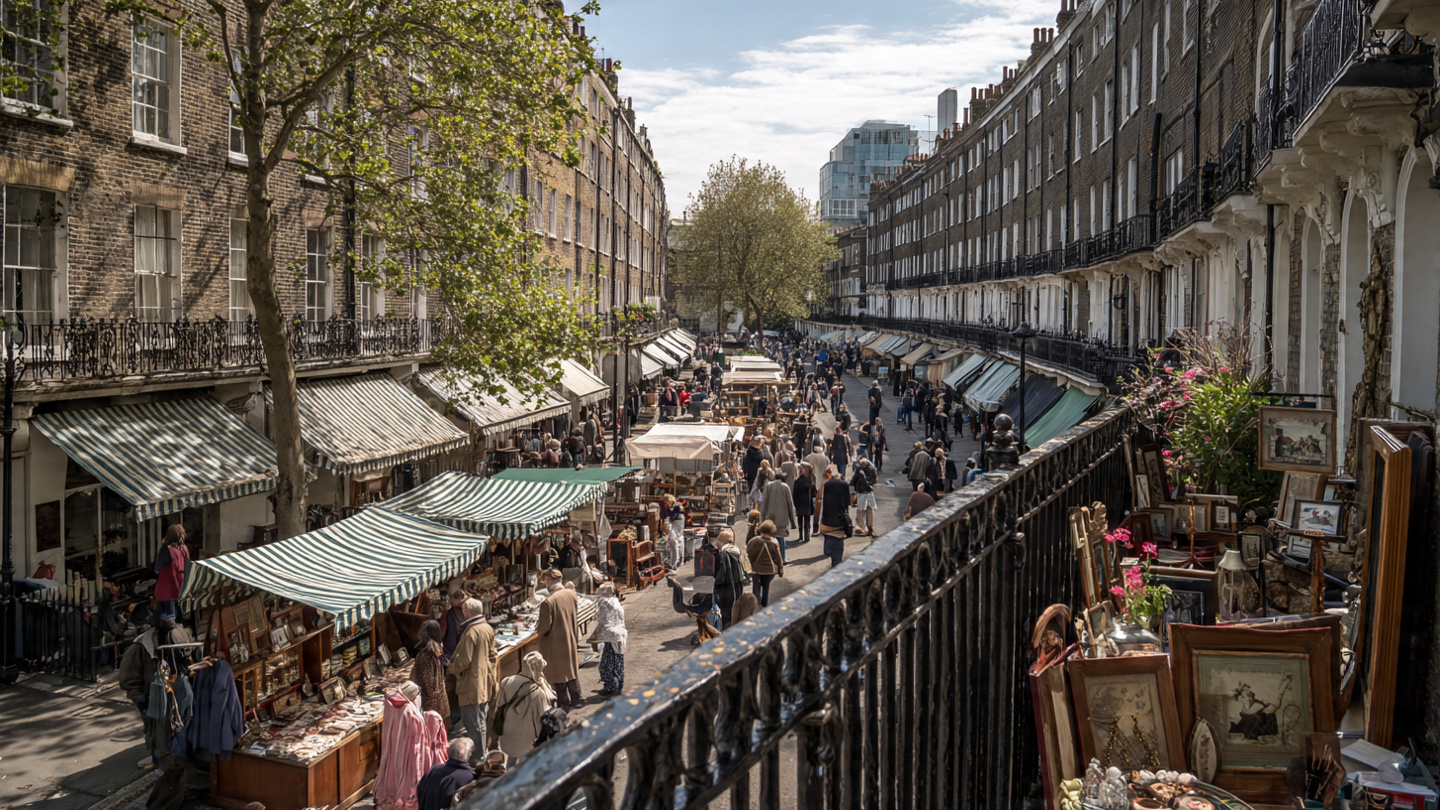
Why Certain Flea Markets Became Widely Recognized
Some flea markets in London became well known because they consistently attracted sellers and buyers over many years. Over time, word spread through neighborhoods and beyond. As more people visited, these markets developed reputations for specific types of items or atmospheres. Therefore, recognition grew gradually rather than through deliberate promotion.
How Familiar Names Shape Visitor Expectations
Well-known flea markets often carry strong reputations. Visitors arrive expecting a particular experience based on photos or recommendations. However, these expectations can sometimes clash with reality. Although popular markets offer variety and scale, they still operate as flea markets rather than curated attractions. Understanding this helps visitors approach them with realistic expectations.
The Role of Longevity in Market Identity
Markets that operate consistently over long periods tend to build trust. Sellers return regularly, and buyers recognize familiar faces. Because of this continuity, these flea markets develop stable identities. Visitors often sense this immediately through the rhythm of activity and the confidence of sellers. Longevity contributes more to reputation than size alone.
How Mixed Markets Gained Flea Market Recognition
Some of London’s most recognized flea markets exist within larger, mixed-use markets. Over time, flea-style sections grew alongside food, clothing, and specialty stalls. As these sections expanded, visitors began associating the entire market with flea market browsing. This blending explains why some famous markets feel diverse rather than focused on one category.
The Influence of Location and Accessibility
Accessibility plays a major role in recognition. Markets located along well-known streets or near transport links naturally attract more visitors. As a result, these flea markets receive steady foot traffic from both locals and travelers. Over time, accessibility reinforces visibility and reputation.
Why Popular Flea Markets Feel Busier
Well-known flea markets often feel crowded, especially on peak days. This is not always because they offer better items, but because more people know about them. Consequently, browsing requires patience and awareness of shared space. Visitors who expect quiet exploration may need to adjust their approach.
How Sellers Adapt in Recognized Markets
Sellers in popular flea markets often adapt to diverse audiences. Some adjust pricing expectations, while others refine their displays. However, many still maintain personal styles and collections. This balance allows markets to remain authentic despite increased attention.
Example of a Market That Shaped Public Perception
Portobello Road Market is often associated with flea market browsing because of its long-standing antiques and second-hand sections. Although it includes many other elements, its flea-style areas influenced how people understand flea markets in London. This example shows how mixed markets can shape broader perceptions.
To understand the scale and layout before visiting, you can view the exact location of Portobello Road Market in Notting Hill on the map below. Seeing how the street stretches through the neighborhood helps you plan which sections to explore first.
It is a great market. It has a lot of small shops and stands on the road with a bit of everything, from hats to jewellry, to souvenir or even produce. It has a great vibe and you can walk around easily.
Read more reviews on Tripadvisor.
Why Recognition Does Not Equal Suitability
Being well known does not automatically mean a market suits every visitor. Some people enjoy busy environments, while others prefer quieter settings. Therefore, popularity should be seen as one factor rather than a guarantee. Understanding personal preferences helps visitors choose where to spend their time.
How Well-Known Markets Fit Into a First Visit
For first-time visitors, recognized flea markets often provide a gentle introduction. They offer scale, variety, and familiarity. However, they also require patience and flexibility. Approached with the right mindset, these markets can be enjoyable starting points for deeper exploration.
Lesser-Known and Local Flea Markets Across London
Why Local Flea Markets Feel Different
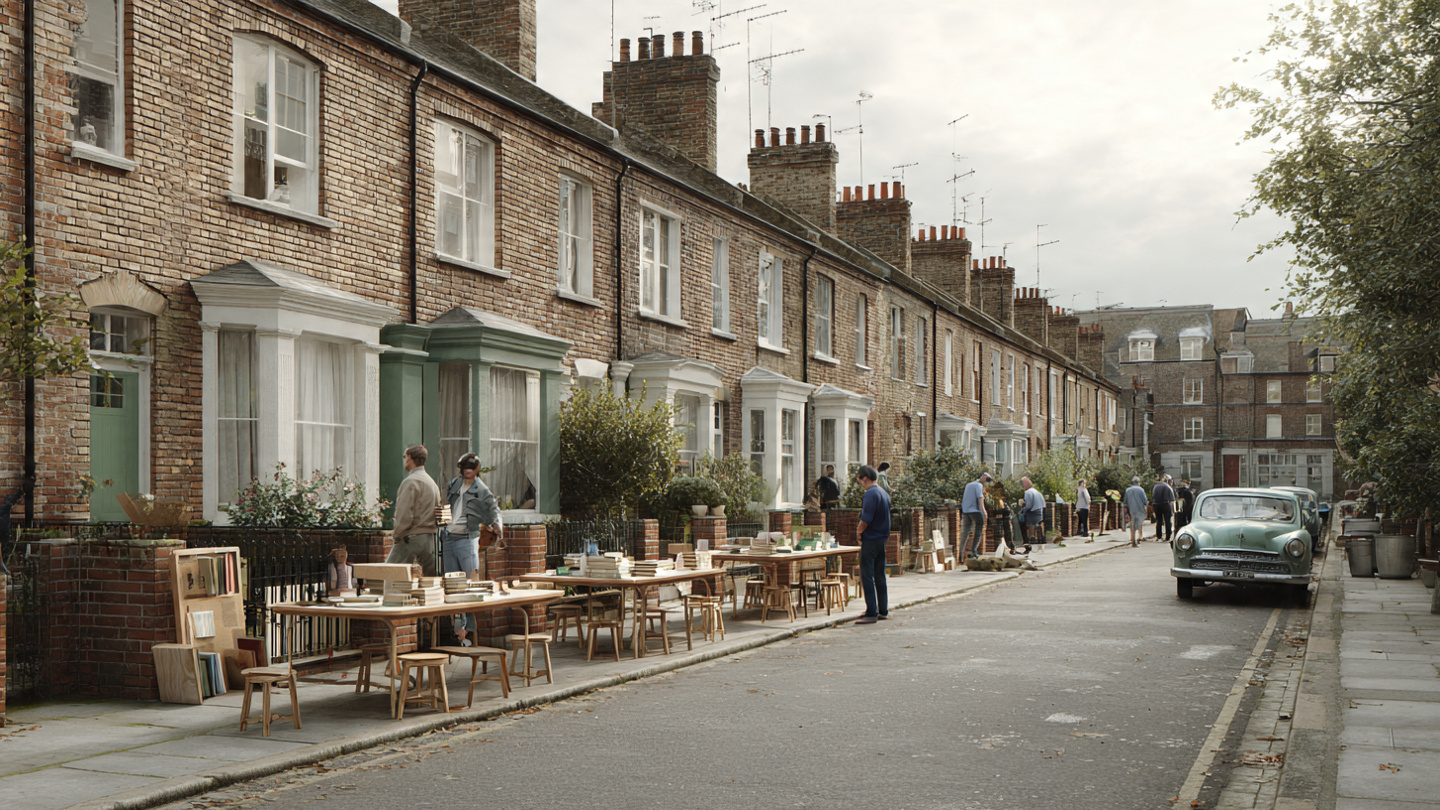
Lesser-known flea markets in London often feel quieter and more personal. Because they attract fewer visitors, sellers and shoppers interact more naturally. Conversations happen without pressure, and browsing feels unhurried. As a result, these markets often appeal to visitors who want to observe local life rather than follow crowds.
How Community Shapes These Markets
Local flea markets usually grow from community needs rather than tourism. Many operate in church halls, school yards, or residential streets. Because neighbors recognize each other, the atmosphere feels familiar. This sense of community influences what gets sold, how prices are discussed, and how visitors are treated.
Some well-established streets blend antiques and flea-style browsing into larger market environments, and the full Portobello Road Market guide explains how those sections operate within a broader setting.
Why These Markets Change Frequently
Unlike well-known markets with fixed schedules, local flea markets often change. Some operate monthly, while others appear seasonally or for special events. Therefore, stall numbers and product types vary widely. This unpredictability keeps the experience fresh but also requires flexibility from visitors.
What You Are More Likely to Find
Local flea markets often feature everyday household items alongside older pieces. Furniture, kitchenware, and tools appear frequently. Because sellers are usually clearing personal spaces, items feel practical rather than curated. For visitors, this creates a grounded and realistic browsing experience.
How Pricing Feels More Relaxed
Prices at local flea markets often feel more approachable. Sellers are usually motivated by decluttering rather than profit. As a result, discussions about price feel casual. Visitors who browse respectfully often find sellers open to conversation without expectation.
Why These Markets Reward Observation
Because displays are informal, interesting items may not stand out immediately. Visitors who look carefully often notice unique pieces tucked away. This makes local flea markets ideal for patient browsing. Over time, small discoveries add up to a satisfying visit.
Indoor Local Flea Market Spaces
Some local flea markets operate indoors, especially in historic buildings. For example, Alfies Antique Market offers an indoor flea-style environment with multiple floors. While more structured than outdoor markets, it still retains an informal browsing feel. Indoor spaces also provide consistency during colder months.
Early Morning Local Markets
Certain local flea markets operate early in the day. Bermondsey Antiques Market is known for its early hours and focused crowd. Although it attracts experienced buyers, it remains rooted in local trading culture. These markets offer a different rhythm compared to midday browsing.
If you prefer early morning browsing, checking the location of Bermondsey Antiques Market near London Bridge can help you understand how accessible it is from central areas before planning your visit.
Small market that we found near our accommodation, not far from Tower Bridge. It is very peculiar and with opportunities for connoisseurs.
Read more reviews at Tripadvisor.
Why Visitors Often Miss These Markets
Many visitors miss local flea markets because they are less visible online. Without strong promotion, they rely on word of mouth. However, this limited exposure keeps them authentic. Visitors who find them often feel rewarded for stepping off common paths.
How Local Flea Markets Fit Into Exploration
Local flea markets work best when treated as part of neighborhood exploration. Instead of being the sole destination, they complement walks, cafés, and local shops. This integration makes the experience feel natural. Over time, these markets often become memorable highlights.
Indoor, Outdoor, and Seasonal Flea Market Experiences
How Indoor Flea Markets Shape the Experience
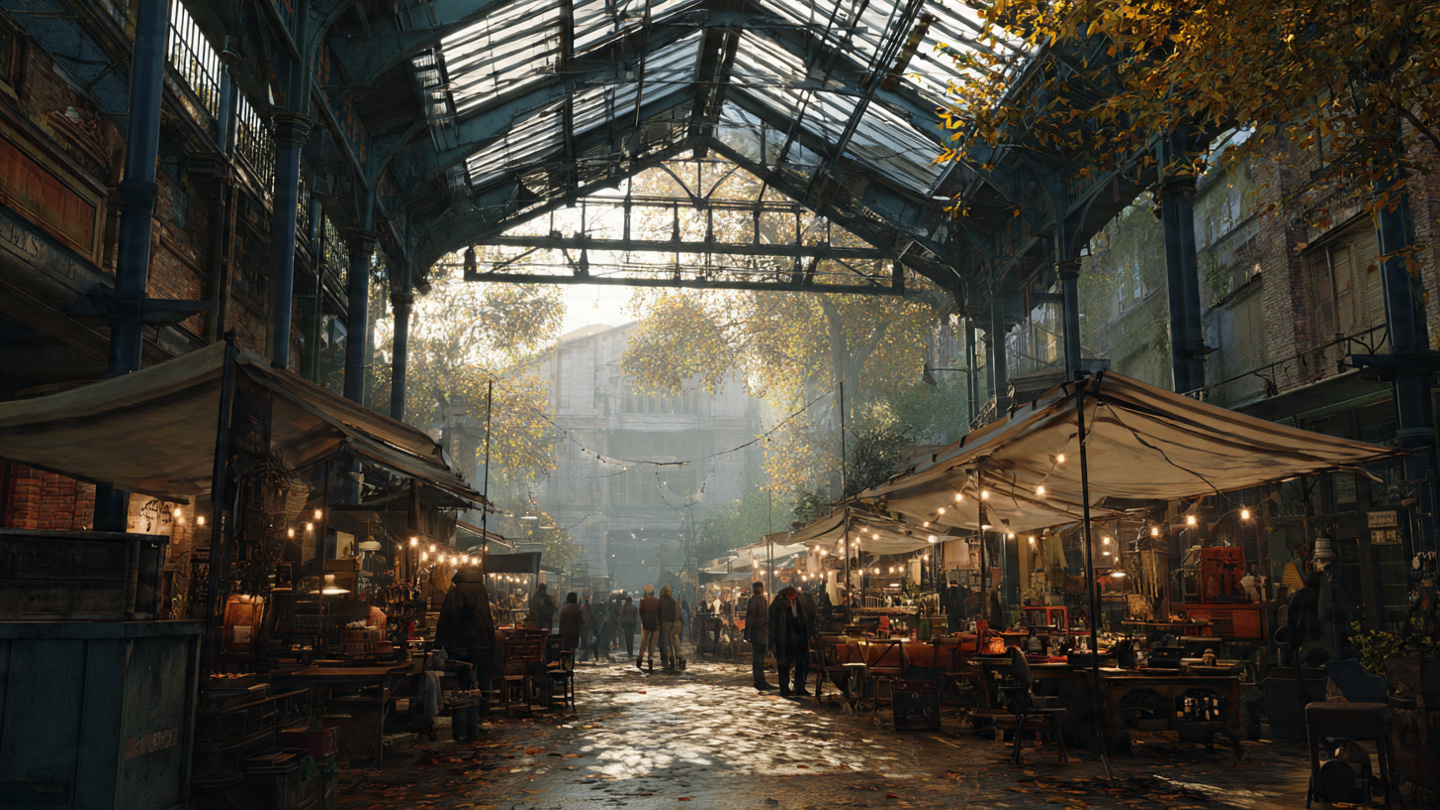
Indoor flea markets in London offer a more controlled environment. Because they operate inside permanent buildings, lighting and layout feel more predictable. Visitors often feel comfortable browsing without weather concerns. As a result, indoor markets tend to attract people who prefer slower, uninterrupted exploration.
Why Indoor Markets Feel More Structured
Although still informal, indoor flea markets usually follow some internal order. Stalls occupy fixed spaces, and pathways feel clearer. This structure helps visitors move confidently between sellers. However, despite this organization, browsing remains relaxed rather than rushed.
Outdoor Flea Markets Feel More Spontaneous
Outdoor flea markets create a different energy. Because they rely on open streets or temporary spaces, layouts change frequently. Weather affects attendance, stall placement, and atmosphere. Consequently, each visit feels slightly different. This spontaneity adds excitement for visitors who enjoy unpredictability.
How Weather Influences Outdoor Markets
Weather plays a significant role in outdoor flea markets. Sunny days encourage longer browsing and higher stall numbers. Rainy conditions reduce activity but can also create quieter moments. Visitors who adapt their expectations often find charm in both situations.
Seasonal Flea Markets Appear at Specific Times
Some flea markets operate only during certain seasons. Warmer months bring outdoor community markets, while colder periods shift activity indoors. These seasonal changes influence what items appear. For example, summer markets may feature lighter household items, while winter markets emphasize collectibles and indoor decor.
Why Seasonal Markets Attract Different Sellers
Seasonal flea markets attract sellers with specific inventories. Some participate only when conditions suit their goods. This variation keeps flea market culture dynamic. Visitors who return at different times of year often notice how offerings change.
How Timing Shapes the Crowd
Indoor and seasonal markets often attract different crowds. Indoor spaces draw visitors seeking comfort and consistency. Outdoor markets appeal to those enjoying exploration alongside walks and social activity. Understanding this helps visitors choose markets that match their preferences.
Flea Markets as Part of Seasonal Routines
For many locals, flea markets follow seasonal routines. Some attend weekly summer markets, while others prefer monthly indoor events during winter. These routines influence atmosphere and pace. Visitors who align with these rhythms feel more integrated into the experience.
Why No Format Is Better Than Another
There is no superior flea market format. Indoor, outdoor, and seasonal markets each offer distinct advantages. The best choice depends on mood, timing, and comfort. Recognizing this prevents disappointment and encourages flexible planning.
How These Formats Expand Exploration
Experiencing different flea market formats deepens understanding of London’s market culture. Each format reveals different aspects of the city. Together, they create a layered picture that goes beyond any single visit.
Why Flea Markets Can Feel Intimidating at First
For many visitors, flea markets in London feel overwhelming during the first few minutes. There is no clear route, stalls appear irregularly, and crowds move unpredictably. Because nothing signals where to begin, hesitation is common. However, this initial discomfort fades once visitors accept that wandering is part of the experience.
Letting Go of the Need for a Plan
One of the most effective ways to reduce stress is to release the idea of a fixed plan. Flea markets do not reward structured movement. Instead, they respond to curiosity. Visitors who allow themselves to drift naturally often feel more comfortable within minutes. This mental shift makes navigation feel intuitive rather than forced.
How Slowing Down Changes Everything
Moving slowly is essential in flea markets. Quick scanning rarely works because interesting items are often placed low, behind other objects, or partially hidden. Slowing down allows the eye to adjust and notice detail. Over time, browsing becomes more focused without feeling rushed.
Using Landmarks to Stay Oriented
Even in informal layouts, flea markets usually contain subtle landmarks. These might include food stalls, entrances, or clusters of larger tables. Using these points as reference helps visitors stay oriented. When lost, returning to a familiar spot provides a sense of control without breaking the flow.
Observing Before Engaging
Taking time to observe before interacting with sellers helps ease anxiety. Watching how others browse reveals unspoken norms. Some stalls encourage conversation, while others favor quiet browsing. Observing first allows visitors to approach interactions with confidence rather than uncertainty.
Managing Crowded Moments
Crowds are common during peak hours. In these moments, patience matters more than speed. Stepping aside briefly often reveals quieter spaces moments later. Rather than pushing through, waiting creates opportunities to browse more comfortably.
Knowing When to Take Breaks
Flea markets can be mentally stimulating. After extended browsing, fatigue sets in. Taking short breaks helps reset focus. Sitting nearby or stepping away briefly often makes returning feel enjoyable rather than tiring.
Avoiding Comparison Overload
Comparing every item across stalls can create decision fatigue. Instead of evaluating everything, focusing on items that genuinely stand out reduces stress. This approach keeps browsing enjoyable and prevents regret.
Accepting That You Will Miss Things
It is impossible to see everything at a flea market. Accepting this fact reduces pressure. Many experienced visitors embrace the idea that each visit reveals only part of what is available. This mindset encourages return visits and removes urgency.
Letting Curiosity Lead the Experience
The most satisfying flea market visits happen when curiosity leads. Allowing interest to guide movement creates a natural rhythm. Over time, navigation feels effortless. This sense of ease is what turns flea markets into memorable experiences rather than overwhelming ones.
Prices, Bargaining, and Shopping Etiquette at Flea Markets

Why Prices Are Often Flexible
Prices at flea markets in London rarely follow strict rules. Unlike retail shops, sellers often set prices based on context rather than fixed margins. Because items come from varied sources, value can be subjective. As a result, prices remain open to discussion rather than clearly posted.
Understanding When Bargaining Is Appropriate
Bargaining exists, but it follows subtle cues. Some sellers expect conversation before discussing price, while others prefer straightforward exchanges. Observing how sellers interact with other buyers helps visitors understand what feels acceptable. This awareness prevents awkward interactions and builds confidence.
How Tone Matters More Than Technique
The tone of a conversation matters more than bargaining skill. Polite curiosity usually receives better responses than aggressive negotiation. Asking questions about an item often opens natural discussion about price. This approach feels respectful and aligns with flea market culture.
Why Not All Items Are Open to Negotiation
Some items carry personal or historical value. Sellers may be less flexible when they feel attached to an object. Recognizing this helps visitors avoid frustration. When price feels firm, it usually reflects emotional value rather than inflexibility.
How Sellers View Serious Buyers
Sellers often sense genuine interest quickly. Visitors who handle items carefully and ask thoughtful questions tend to receive more attention. This interaction builds trust. Over time, trust often leads to more open price discussions.
Managing Expectations About Bargains
While bargains exist, they are not guaranteed. Prices vary depending on market, seller, and demand. Visitors who expect dramatic discounts may feel disappointed. Viewing pricing as part of the experience rather than the goal keeps satisfaction high.
Why Cash Still Plays a Role
Although digital payments are common, cash remains useful. Some sellers prefer it for simplicity. Carrying small amounts of cash helps transactions feel smoother. This preparation reduces friction and speeds up decisions.
Respecting Space and Objects
Handling items with care is important. Many objects are fragile or sentimental. Asking before touching larger pieces shows respect. This behavior creates positive interactions and leaves a good impression.
When Walking Away Is the Right Choice
Not every interaction leads to a purchase. Walking away politely is normal. Sometimes sellers reconsider pricing after reflection. Other times, visitors simply move on. Accepting this outcome keeps the experience relaxed.
How Etiquette Shapes the Overall Experience
Good etiquette benefits everyone. Respectful browsing creates positive energy within the market. When visitors follow these unspoken rules, flea markets feel welcoming rather than stressful. This understanding completes the practical side of flea market visits.
Final Thoughts on Experiencing Flea Markets in London
Flea Markets Offer More Than Shopping
Flea markets in London offer much more than the chance to buy objects. They provide insight into how the city lives, changes, and remembers. Each table reflects personal history, local habits, and shifting tastes. When visitors approach flea markets with curiosity rather than urgency, the experience becomes richer and more meaningful.
Why Flea Markets Feel Personal
Unlike structured retail environments, flea markets feel personal because they are shaped by individuals. Sellers bring parts of their lives into the open. Shoppers respond with interest and conversation. This exchange creates a sense of connection that is difficult to replicate elsewhere. Over time, these small interactions become lasting memories.
Flea Markets Encourage Slower Travel
In a city that often feels fast-paced, flea markets slow things down. Visitors pause, observe, and engage. This slower rhythm encourages deeper exploration. Instead of rushing between landmarks, travelers spend time understanding a place through everyday objects and conversations. This approach often leads to more satisfying travel experiences.
Why Every Visit Feels Different
No two flea market visits feel the same. Weather, sellers, timing, and crowd dynamics constantly change. Because of this, each visit offers new discoveries. Even returning to the same market can feel fresh. This variability keeps flea markets engaging and prevents them from becoming predictable.
Flea Markets Reflect London’s Diversity
London’s diversity appears clearly in its flea markets. Objects come from different cultures, eras, and neighborhoods. This mix mirrors the city itself. Browsing becomes a quiet way to understand how diverse influences coexist within everyday life. Over time, this perspective deepens appreciation for the city as a whole.
Who Flea Markets Suit Best
Flea markets suit travelers who enjoy exploration rather than structure. They appeal to those who value atmosphere, storytelling, and discovery. Visitors seeking polished experiences may need to adjust expectations. However, those open to informal environments often find flea markets rewarding.
Why Patience Is Rewarded
Patience plays an important role in flea market experiences. Interesting items reveal themselves slowly. Conversations unfold naturally. Visitors who allow time often leave with deeper impressions than those who rush. This patience transforms browsing into genuine exploration.
Flea Markets as Part of a Balanced Visit
Flea markets work best when combined with other experiences. Pairing a market visit with a walk, café stop, or neighborhood exploration creates balance. This integration keeps the day relaxed and enjoyable. Flea markets become part of a broader rhythm rather than isolated activities.
What Flea Markets Reveal About the City
Ultimately, flea markets reveal how London values continuity and reuse. They show how history remains present in daily life. Through ordinary objects, visitors glimpse stories that museums may overlook. This perspective adds depth to any visit.
Leaving With Understanding Rather Than Items
Many visitors leave flea markets without purchases but with understanding. They gain insight into local culture, history, and daily life. This outcome is just as valuable as finding an object. Flea markets in London reward those who engage with them thoughtfully.
Frequently Asked Questions
General Questions About Flea Markets in London
Flea markets in London tend to be quieter and more informal than in many other cities. They focus on browsing, conversation, and discovery rather than loud bargaining or fast sales. Each market reflects its neighborhood rather than following a fixed format.
Most flea markets serve local communities first. Tourists are welcome, but the atmosphere is shaped by regular sellers and neighborhood visitors. This balance makes the experience feel authentic rather than staged.
Some operate weekly, others monthly, and a few appear seasonally. Schedules vary depending on location, weather, and community events, so consistency is not guaranteed across all markets.
Shopping and Buying at Flea Markets
Bargaining is possible, but it is subtle. Polite conversation works better than aggressive negotiation. Some sellers are open to discussion, while others prefer fixed prices.
Prices vary widely. Some items are affordable, while others reflect rarity or condition. Flea markets are better for unique finds than guaranteed bargains.
Common items include household goods, small furniture, books, clothing, decorative pieces, and collectibles. Availability depends on the market and the sellers present that day.
Planning Your Visit
Late morning often offers a good balance between stall availability and manageable crowds. Early visits can feel quieter, while peak times bring more energy but less space.
Outdoor flea markets are affected by weather. Rain may reduce stall numbers, while indoor markets operate more consistently throughout the year.
Most visitors spend one to two hours browsing comfortably. Flea markets are not designed for quick visits, so allowing extra time improves the experience.
Etiquette and Practical Tips
Light handling is usually acceptable, but asking before touching fragile or large items is respectful. Careful behavior creates better interactions with sellers.
While many sellers accept digital payments, some prefer cash. Bringing a small amount makes transactions easier and faster.
Yes. Browsing without purchasing is normal. Flea markets value curiosity and conversation as much as sales.