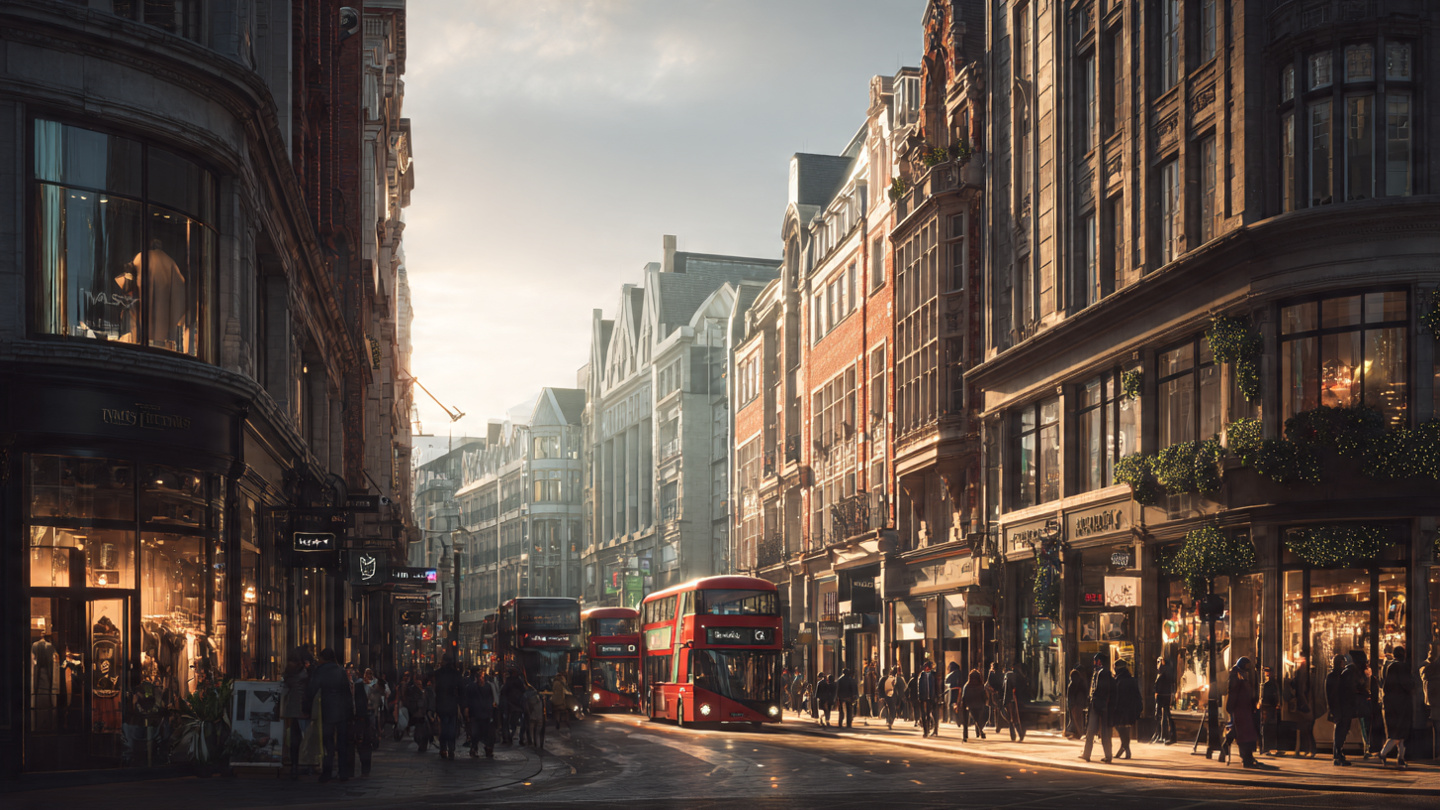
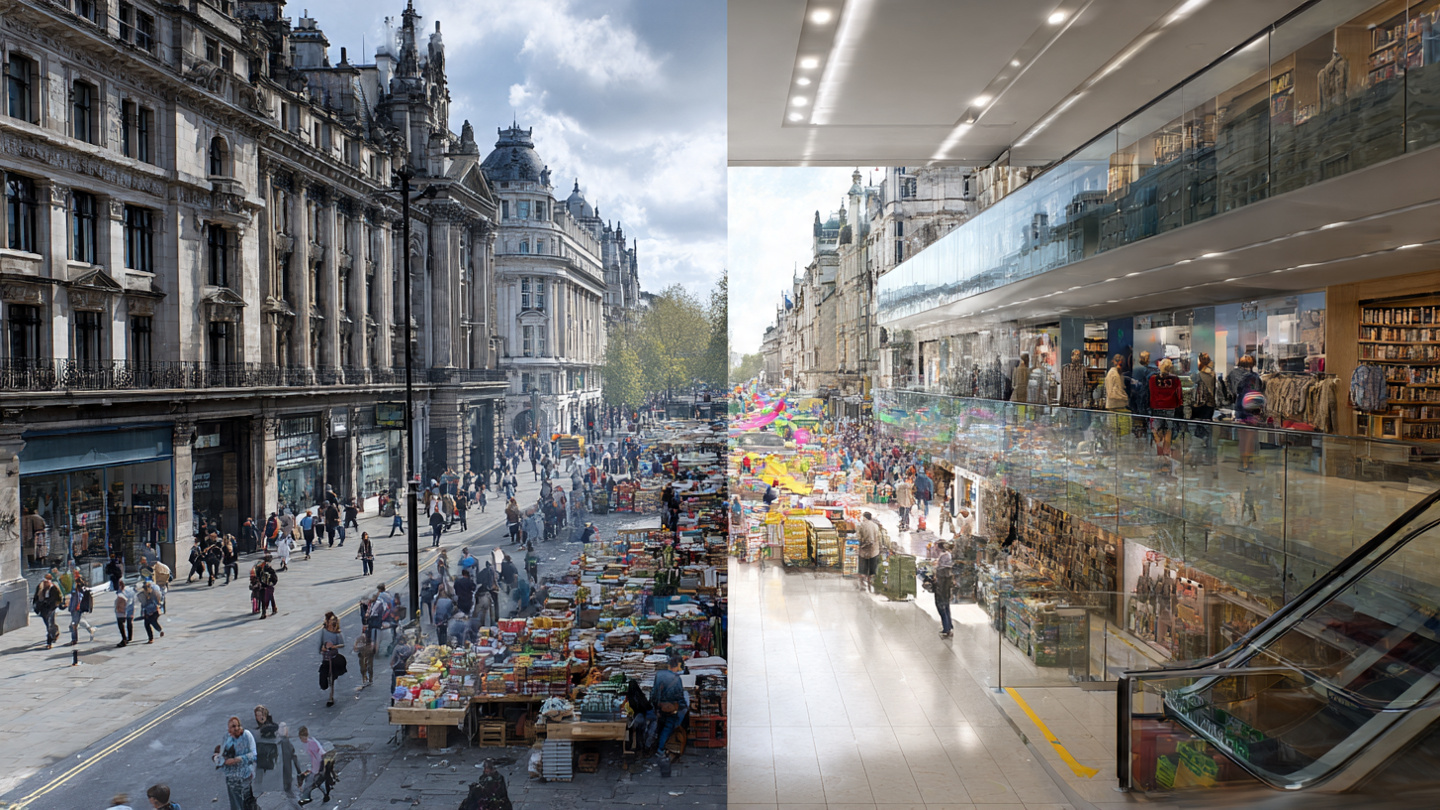
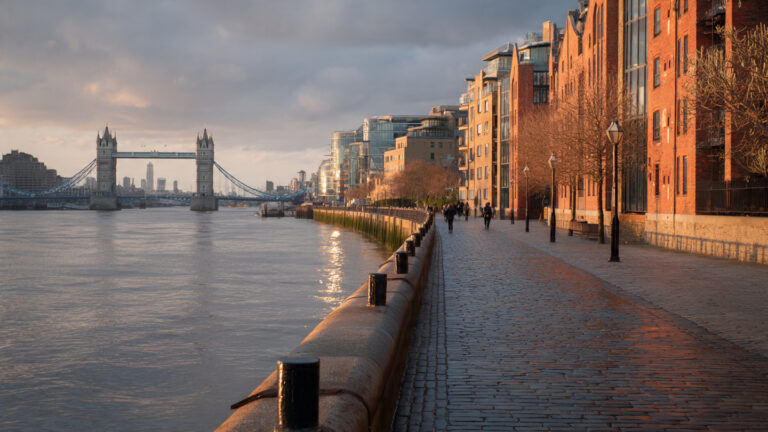
Fantastic place tor shopping eating sightseeing and simply watching the world pass by with excitement and enjoy life!
Read more reviews at Tripadvisor.
Regent Street and Architectural Cohesion
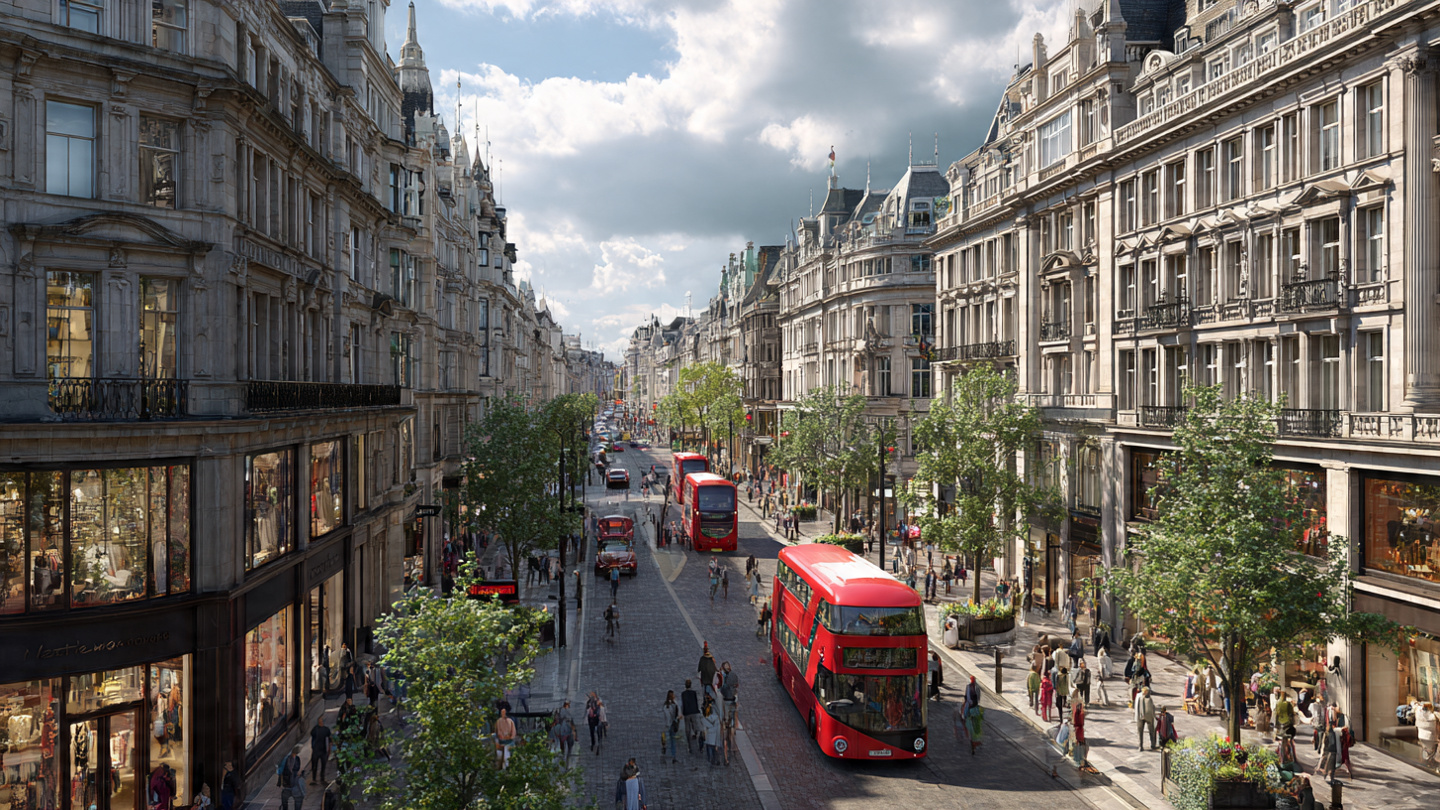
Just nearby, Regent Street presents a slightly different experience. The curved layout and uniform façades create visual harmony. Compared to Oxford Street, the atmosphere feels more structured.
Although many of the brands remain international, presentation plays a larger role here. Window displays tend to be carefully designed, and storefronts appear more refined. Consequently, street shopping in London along Regent Street feels organized without losing its public, open-air character.
The balance between accessibility and elegance appeals to visitors who want central retail but prefer a calmer visual environment.
Carnaby Street and Fashion-Led Expression
Carnaby Street carries cultural associations linked to fashion movements of previous decades. Today, it combines boutique labels with well-known names. Unlike broader commercial roads, the street feels compact and pedestrian-focused.
Colorful signage and creative branding define its identity. As you move between stores, the atmosphere feels expressive rather than corporate. Street shopping in London within this area emphasizes personality and style.
Because of its scale, browsing feels manageable. Visitors often explore side lanes connected to the main stretch, discovering additional independent retailers.
Covent Garden and Its Surrounding Roads
Although Covent Garden is widely known for performance spaces and dining, surrounding streets contribute significantly to the retail landscape. Established shops operate alongside boutique stores in preserved historic buildings.
Street shopping in London here blends sightseeing with retail. Visitors often transition between entertainment, cafés, and shopping without changing districts. The pedestrian-friendly layout enhances comfort and encourages longer visits.
While tourism density remains high, architectural charm softens the commercial intensity. This balance creates an inviting environment for casual browsing.
Tottenham Court Road and Retail Transition
Tottenham Court Road historically focused on electronics and home furnishings. However, in recent years, its retail profile has expanded. Fashion brands and lifestyle stores now sit beside technology retailers.
Because the road connects major transport hubs, foot traffic remains steady. Street shopping in London along this corridor feels transitional. It links different retail zones while maintaining its own character.
Urban redevelopment projects have modernized storefronts, contributing to a contemporary feel. As a result, the area reflects how retail adapts to changing consumer trends.
King’s Road and Heritage Influence
King’s Road in Chelsea carries a long association with fashion and cultural change. Over decades, it has evolved into a balanced mix of mid-range and premium brands.
Compared to central commercial corridors, the pace feels calmer. Street shopping in London along King’s Road emphasizes heritage and continuity. Wide pavements and less congestion allow for relaxed browsing.
Visitors who prefer quieter surroundings often appreciate this environment. The street’s length supports extended exploration without overwhelming crowds.
Brick Lane and Creative Retail Culture
Moving east introduces a different atmosphere entirely. Brick Lane reflects artistic influence and cultural diversity. Independent boutiques, vintage shops, and niche retailers dominate the scene.
Many of these creative districts blur the line between street retail and curated retro fashion. If you want to explore dedicated spaces focused entirely on past decades and preserved styles, the complete guide to vintage markets in London breaks down where structured vintage trading differs from ordinary high-street resale.
Street shopping in London within this district feels less standardized. Storefront designs vary widely, and creativity shapes the retail presentation. Instead of uniform branding, individuality stands out.
Because of this distinctive identity, shoppers seeking unique clothing or design pieces often gravitate toward this area. The experience contrasts sharply with mainstream commercial corridors.
Notting Hill’s Boutique-Focused Streets
Notting Hill offers a blend of residential charm and curated retail. While nearby market activity attracts visitors, surrounding streets host permanent stores that operate throughout the week.
Street shopping in London here feels refined but approachable. Smaller storefronts and pastel-colored buildings contribute to visual appeal. Rather than focusing on volume, shops often emphasize selected collections.
This environment encourages slower browsing. Architecture and retail combine to create a cohesive neighborhood experience.
Camden High Street and Youthful Energy
Camden High Street presents a lively retail atmosphere influenced by music and alternative culture. Although markets operate nearby, the street itself consists of permanent shops.
Street shopping in London along Camden High Street feels bold and energetic. Fashion outlets, specialty stores, and creative displays attract diverse crowds. The area maintains strong identity through distinctive storefront aesthetics.
Because the district draws younger audiences and creative communities, the mood remains dynamic throughout the week.
A very lively area, full of smells, sounds and tastes. Very eclectic, you can buy pretty much anything on the high street, with Camden Lock and Camden Market a short stroll away, there’s everything here to fill your day…..
Read more reviews at Tripadvisor.
Soho and Its Interconnected Streets
Soho does not rely on a single large avenue. Instead, it consists of interconnected smaller roads filled with boutiques and specialty shops. The compact layout encourages wandering rather than linear walking.
Street shopping in London in this area feels intimate. Short distances between stores create high density without overwhelming scale. Visitors often discover hidden storefronts while navigating side streets.
This network format adds unpredictability to the retail experience, rewarding those who explore beyond main roads.
How These Streets Reflect Broader Retail Patterns
Together, these streets illustrate the range within the city’s retail landscape. Some prioritize global brands and heavy foot traffic. Others highlight independence and cultural influence.
Street shopping in London cannot be reduced to a single corridor. Instead, it exists as a collection of environments shaped by architecture, history, and community identity. Exploring more than one area reveals how varied the experience can be.
Affordable Street Fashion and Budget-Friendly Shopping Streets
Why Affordability Matters in a Global City
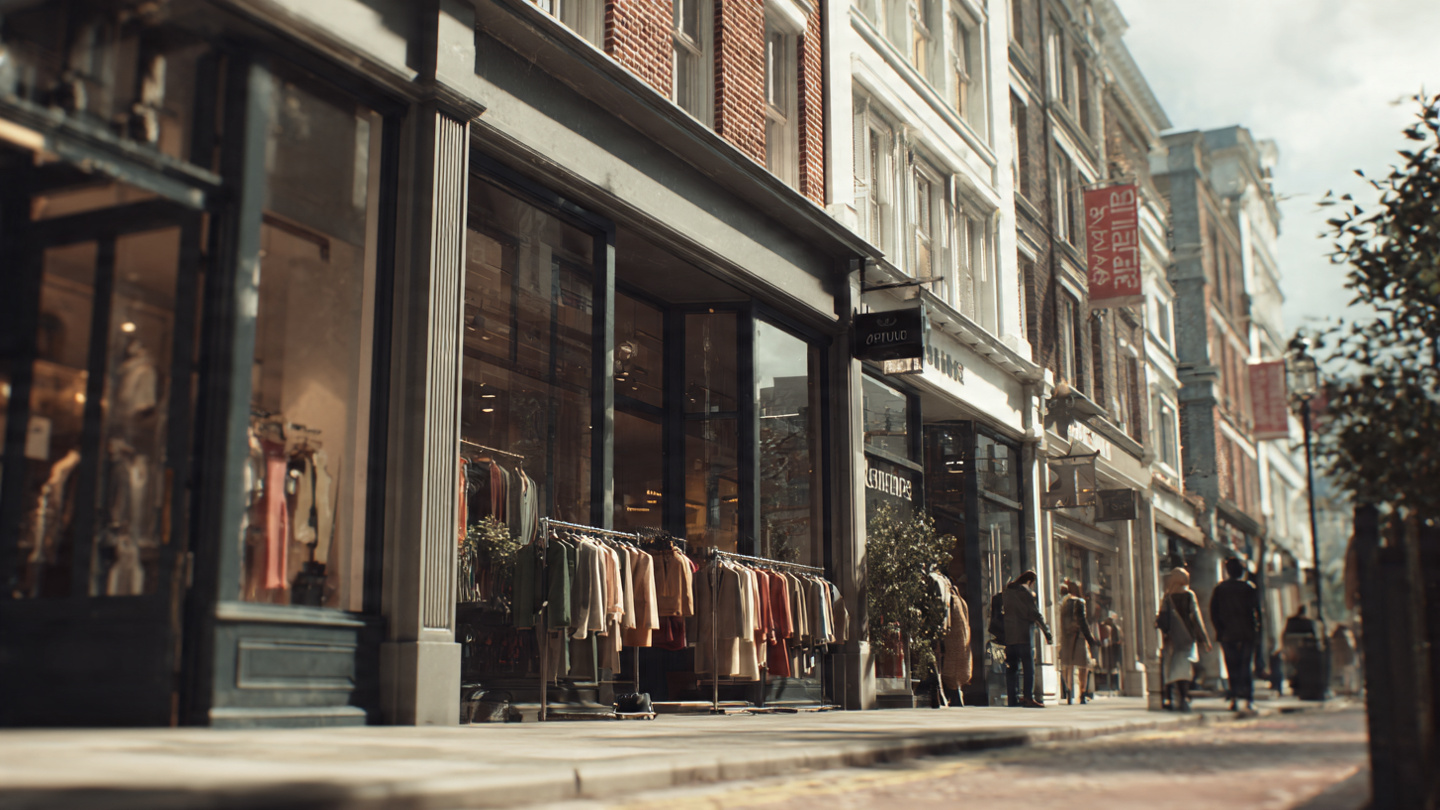
London carries a reputation for high living costs. Naturally, many visitors assume shopping will be expensive everywhere. However, that assumption overlooks the diversity within street shopping in London. While certain districts lean toward premium pricing, others offer accessible fashion and competitive deals.
Understanding where affordability exists allows visitors to shop confidently without overspending. Budget-friendly streets do not mean low quality. Instead, they reflect brand positioning, seasonal discount culture, and strong competition between retailers.
Oxford Street During Sale Seasons
Although Oxford Street is widely known for mainstream fashion brands, its pricing shifts dramatically during sales. End-of-season reductions attract shoppers looking for recognizable labels at lower prices.
Because multiple brands compete within close proximity, discounts often overlap. Street shopping in London during these periods becomes more accessible. Instead of paying full retail value, visitors can compare promotions within minutes.
However, timing matters. Early mornings during sale periods reduce crowd pressure. Visiting strategically increases the likelihood of finding preferred sizes and styles.
Tottenham Court Road and Transitional Retail
Tottenham Court Road continues to evolve, and that evolution benefits budget-conscious shoppers. As new brands enter the area, promotional pricing frequently accompanies store openings.
Additionally, the mix of technology and lifestyle retailers creates cross-category comparison opportunities. Street shopping in London along this corridor can include fashion purchases alongside discounted electronics or home accessories.
Because the area connects major retail streets, shoppers often pass through naturally. This movement increases visibility for mid-range brands offering competitive pricing.
Camden High Street for Casual and Youth Fashion
Camden High Street provides alternatives to mainstream fashion corridors. Independent stores and youth-focused brands create varied pricing structures.
Street shopping in London within Camden often appeals to those seeking casual style rather than formal collections. Graphic apparel, streetwear, and themed accessories appear frequently. While some items carry niche pricing, others remain surprisingly affordable due to strong local competition.
Weekdays typically offer calmer browsing conditions, allowing visitors to explore smaller shops without pressure.
Brick Lane and Independent Value
Brick Lane’s creative retail culture includes both vintage and contemporary shops. Pricing varies widely, yet value can often be found in smaller boutiques that avoid large-scale overhead costs.
Street shopping in London here encourages comparison. Instead of relying on standardized brand pricing, shoppers can examine quality, fabric, and uniqueness. While not every store is inexpensive, careful browsing often reveals reasonably priced pieces that differ from mass-produced fashion.
The key advantage lies in originality. Affordable items may feel more distinctive than similarly priced products in larger chain stores.
Shepherd’s Bush and Westfield Proximity Influence
Shepherd’s Bush High Street benefits from its location near a major shopping complex. Because of this proximity, independent stores along the street frequently adjust pricing to remain competitive.
Street shopping in London within this district offers mid-range fashion alongside lower-cost alternatives. While nearby enclosed retail centers attract significant traffic, the high street retains value for those seeking deals outside the mall environment.
Shoppers willing to compare both formats often discover better pricing along the street itself.
Peckham and South London Value
Moving south introduces neighborhoods where affordability becomes more visible. Peckham’s high street features independent retailers, budget fashion outlets, and culturally diverse specialty stores.
Street shopping in London in this district feels less tourist-oriented. Because pricing caters primarily to residents, items often reflect everyday budgets. This local orientation creates opportunities for cost-conscious visitors willing to explore beyond central zones.
Although the atmosphere differs from polished central streets, authenticity compensates for reduced commercial intensity.
Sales Cycles and Discount Culture
London retail follows predictable sale cycles. Winter sales begin shortly after the holiday period. Summer reductions appear toward the end of the warmer season. Planning around these cycles significantly affects affordability.
Street shopping in London becomes particularly attractive during these transitional periods. Large brands reduce inventory, and smaller stores adjust pricing to compete. Consequently, shoppers who monitor timing rather than location alone gain advantage.
Mid-season promotions also occur throughout the year. Window signage clearly indicates discount percentages, allowing quick comparison without entering every store.
Outlet-Like Pricing Within City Streets
Although outlet villages exist outside central London, certain streets host stores that carry past-season collections. These are not traditional outlets but function similarly through clearance sections and permanent markdown racks.
Street shopping in London therefore includes value opportunities hidden within standard retail units. Rather than traveling far from the city center, shoppers can access reduced pricing directly along established streets.
Careful inspection of in-store clearance areas often reveals deeper discounts than advertised in window displays.
Comparing Chain Brands With Independent Retailers
Chain retailers frequently provide structured discount systems, loyalty programs, and predictable sale events. Independent shops, on the other hand, may adjust pricing informally based on demand and inventory levels.
Street shopping in London benefits from this combination. Shoppers can rely on transparent pricing from larger brands while remaining open to unexpected value in smaller boutiques.
Although negotiation is rare in formal retail stores, occasional price flexibility may appear in smaller independent shops during quieter hours.
The Importance of Location Within a Street
Not every segment of a shopping street carries identical pricing. Prime corners often host flagship stores with standard rates. Side stretches or secondary streets sometimes accommodate smaller retailers offering competitive pricing.
Street shopping in London rewards those who explore beyond the busiest intersections. Walking a few minutes further can reveal alternative pricing structures. Because many visitors concentrate on the most visible storefronts, quieter segments may hold better value.
Practical Tips for Budget-Conscious Shoppers
Timing, comparison, and patience remain essential. Visiting during weekday mornings reduces crowd pressure. Exploring side streets increases variety. Checking multiple stores before committing to a purchase ensures competitive pricing.
Street shopping in London offers affordability when approached strategically. Rather than focusing solely on reputation, shoppers who evaluate context often discover better deals.
Balancing Cost With Quality
Affordability does not require sacrificing durability. Established mid-range brands maintain quality control standards even during sale periods. Meanwhile, independent shops may offer handmade or small-batch items at fair prices.
Street shopping in London supports multiple spending levels. Visitors can mix discounted chain purchases with carefully selected independent pieces. This combination creates balanced shopping experiences without exceeding budget limits.
Neighborhood High Streets That Locals Actually Use
Why Exploring Beyond Central London Matters
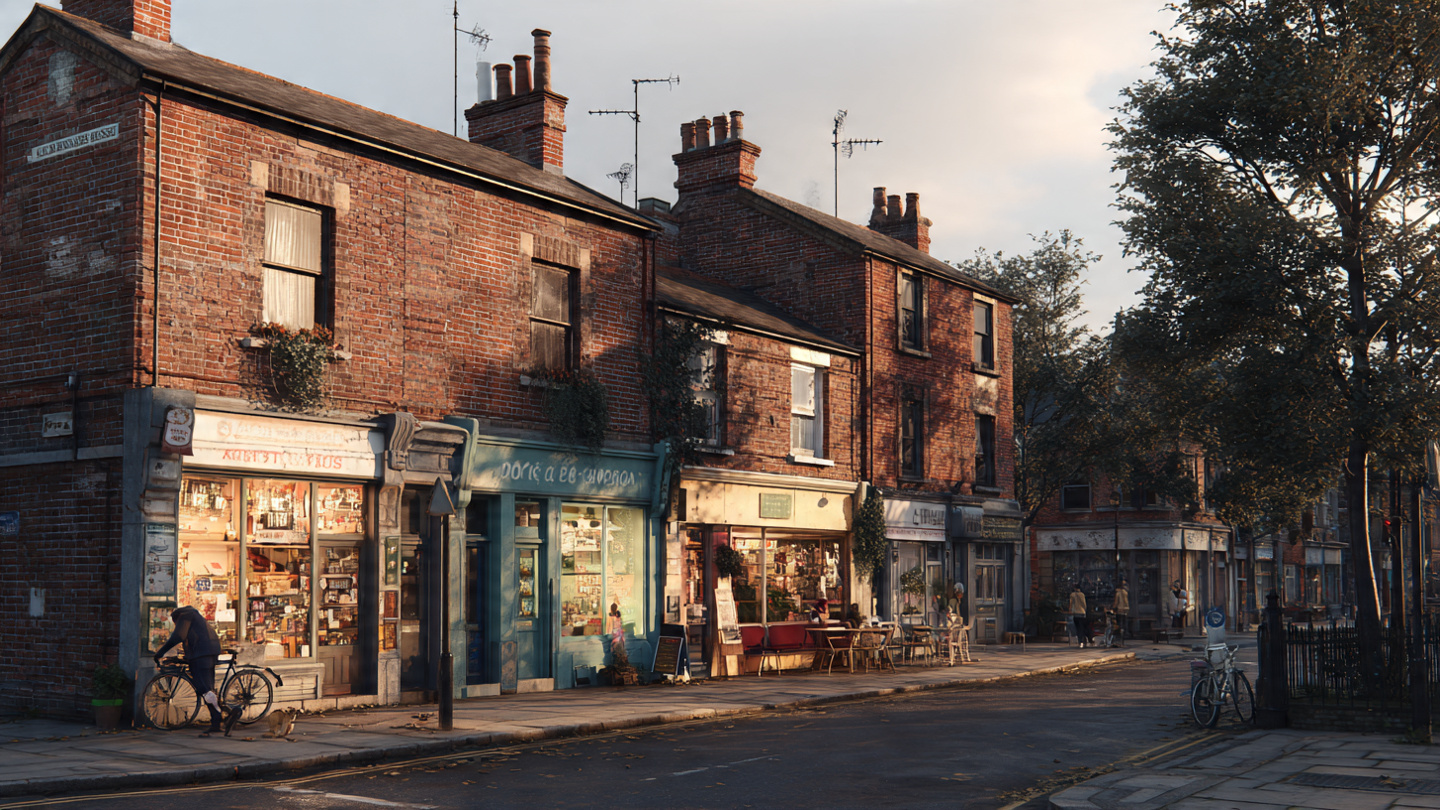
While central retail corridors attract international attention, neighborhood high streets reveal how everyday commerce functions. These streets are not designed primarily for tourism. Instead, they serve residents who rely on them daily.
Exploring these areas adds depth to street shopping in London. The atmosphere shifts from high-volume browsing to practical, community-driven retail. Architecture becomes more varied. Storefronts reflect local demand rather than global branding strategies.
For visitors willing to move beyond central zones, these streets offer a different pace and perspective.
Hackney High Street and Creative Energy
Hackney High Street combines independent fashion stores, specialty cafés, and practical service shops. The district has evolved significantly over the years, attracting creative professionals and young residents.
Street shopping in London here emphasizes individuality. Boutique clothing shops sit beside everyday convenience stores. This mix reflects the area’s balanced identity. While not polished in a traditional commercial sense, it feels authentic and community-oriented.
Because tourism density remains lower than central areas, browsing often feels relaxed. Shoppers can explore without the pressure of constant foot traffic.
Peckham High Street and Everyday Affordability
Peckham High Street serves a diverse residential population. Supermarkets, budget fashion outlets, and culturally specific retailers define the landscape.
Street shopping in London within this district focuses on practicality rather than presentation. Prices often reflect local income levels, which makes the area appealing for budget-conscious visitors.
Although the aesthetic differs from central retail streets, authenticity becomes its strength. Exploring Peckham reveals how retail adapts to community needs rather than tourist expectations.
Shepherd’s Bush High Street and Mixed Retail Layers
Shepherd’s Bush High Street operates alongside a major shopping complex nearby. However, the street itself retains character distinct from enclosed retail environments.
Street shopping in London along this corridor blends chain stores with smaller independent retailers. The presence of both formats encourages pricing competition. Shoppers may notice differences in cost between street-facing shops and nearby mall stores.
Because the area attracts both locals and visitors, the atmosphere remains active without becoming overwhelming.
Kentish Town Road and Residential Integration
Kentish Town Road presents a quieter alternative to heavily trafficked commercial zones. Shops integrate directly with residential buildings, creating seamless transitions between living spaces and retail units.
Street shopping in London in this district feels grounded. Bookstores, small clothing shops, and practical service providers operate side by side. The street does not aim for spectacle. Instead, it supports daily routines.
For visitors seeking less commercial intensity, Kentish Town offers comfortable browsing conditions.
Green Lanes and Cultural Retail Diversity
Green Lanes reflects strong multicultural influence. Restaurants, grocery stores, and specialty retailers represent diverse communities.
Street shopping in London along this corridor extends beyond fashion. It includes culinary retail, specialty foods, and culturally specific goods. The street demonstrates how retail adapts to demographic composition.
Browsing here becomes educational. Shoppers observe how commercial offerings respond to community identity rather than global trend cycles.
Walthamstow High Street and Length-Based Variety
Walthamstow High Street stretches for a considerable distance, creating space for varied retail categories. The area combines established chain stores with independent outlets and open-air sections.
Street shopping in London here feels expansive. Because the street extends across multiple blocks, visitors experience gradual shifts in atmosphere. Busy sections transition into quieter stretches naturally.
Although tourism remains limited compared to central zones, value and variety remain strong. This balance appeals to those exploring residential boroughs.
Chiswick High Road and Subtle Refinement
Chiswick High Road presents a calmer retail environment with mid-range and independent brands. The street retains a residential tone while maintaining consistent foot traffic.
Street shopping in London along Chiswick High Road emphasizes balance. Stores cater to local families and professionals rather than short-term visitors. As a result, retail offerings feel curated but accessible.
Wide pavements and tree-lined sections contribute to comfortable movement between stores.
Brixton High Street and Community Rhythm
Brixton High Street combines cultural vibrancy with structured retail. Independent shops operate alongside established brands. The area reflects strong community presence throughout the day.
Street shopping in London in Brixton feels energetic without resembling central commercial corridors. Music culture, food retail, and everyday clothing stores blend into one continuous urban experience.
The mix of heritage and modern development reinforces the district’s distinctive character.
If you want to explore beyond the main tourist corridors, this map highlights some of the most creative and community-driven street shopping in London.
Balham High Road and Residential Practicality
Balham High Road offers another example of integrated retail. Shops serve daily household needs alongside fashion and specialty stores.
Street shopping in London within this area remains functional rather than performative. Visitors exploring residential boroughs often notice how retail aligns with community rhythms.
Although less dramatic visually, the street provides insight into everyday economic patterns.
The Value of Exploring Local High Streets
Neighborhood high streets reveal how retail supports communities. Unlike central corridors designed for maximum visibility, these streets prioritize accessibility and continuity.
Street shopping in London gains depth when visitors explore beyond iconic zones. Local streets demonstrate how commerce adapts to demographic shifts, income levels, and cultural diversity.
Moreover, these areas often offer competitive pricing due to lower overhead costs compared to prime central locations. Shoppers seeking authenticity frequently prefer this environment.
Why These Streets Strengthen the Broader Retail Landscape
Without neighborhood high streets, the city’s retail system would lose stability. Central shopping corridors rely on global brand recognition. Local streets, however, maintain daily commercial flow.
Street shopping in London remains resilient because it operates across multiple layers. From tourist-heavy avenues to residential high roads, retail continues to integrate with urban life.
Vintage, Independent, and Creative Street Shopping
Why Independent Retail Adds Depth to the Experience
Large retail brands provide familiarity and consistency. However, independent shops contribute personality and unpredictability. In many parts of the city, these smaller stores shape the identity of entire streets.
Street shopping in London becomes more layered when independent retailers enter the mix. Instead of standardized displays and identical layouts, shoppers encounter creative merchandising and niche selections. The environment feels less uniform and more exploratory.
For visitors who value originality over mass production, these areas offer a distinctive alternative.
Brick Lane and Alternative Fashion Culture
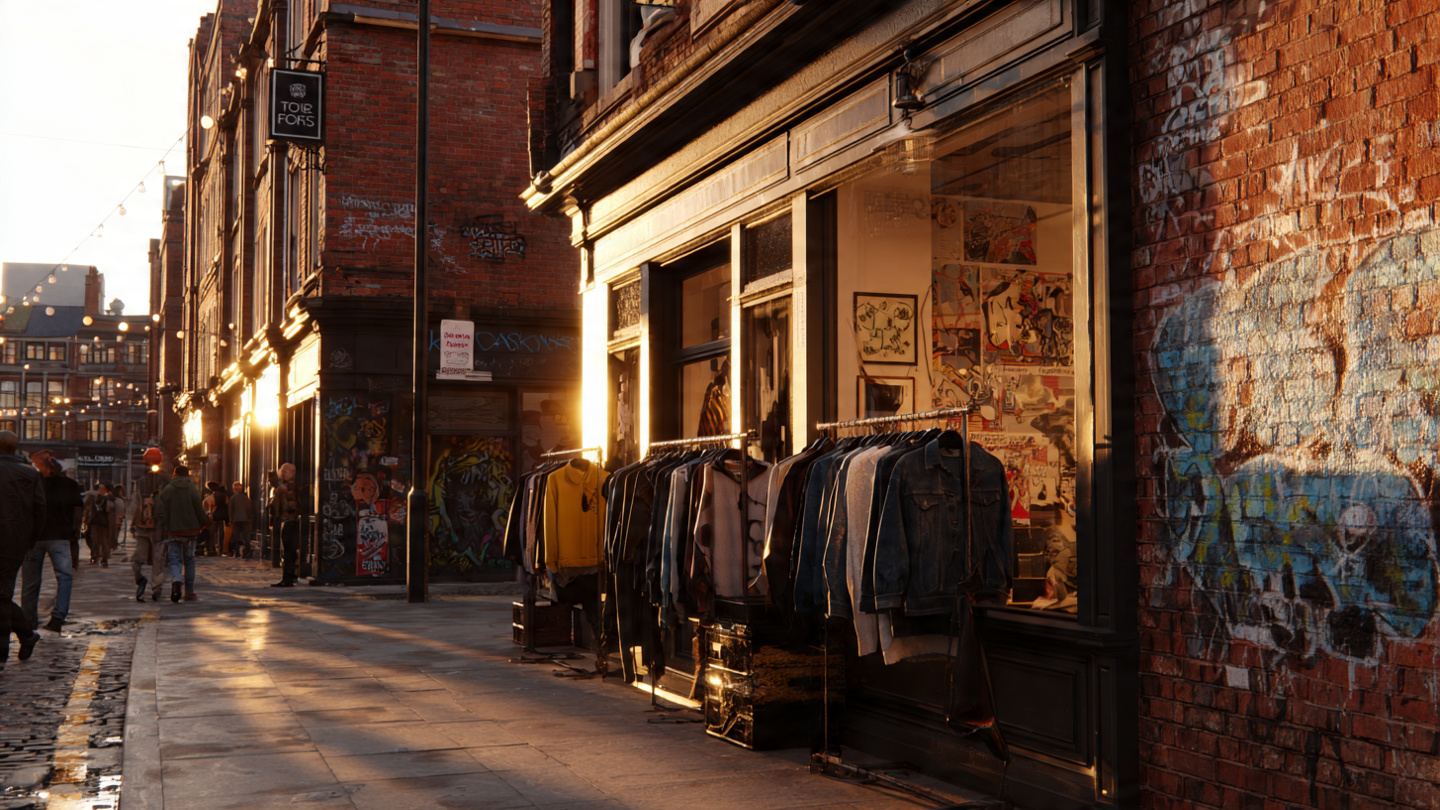
Brick Lane has built a reputation around vintage clothing, second-hand fashion, and artistic expression. Although markets operate nearby, the street itself hosts permanent independent stores that open daily.
Street shopping in London within this district emphasizes individuality. Shop interiors often reflect creative themes rather than corporate branding. Clothing racks may display curated collections from past decades, while window displays incorporate artistic design.
Because the area attracts designers and creative communities, inventory tends to rotate frequently. Shoppers willing to browse thoroughly often discover rare pieces unavailable in mainstream stores.
Camden High Street Beyond the Markets
While Camden is widely associated with its market spaces, the surrounding street retail deserves equal attention. Permanent storefronts line the road, offering alternative fashion, accessories, and themed merchandise.
Street shopping in London here leans toward bold styling. Storefronts use distinctive signage and décor to signal identity. Unlike more formal retail streets, presentation often feels expressive rather than restrained.
Although some items carry niche pricing, others remain affordable due to competitive density. Exploring multiple stores allows comparison between similar products.
Notting Hill’s Boutique Influence
Notting Hill combines visual charm with curated retail. Independent boutiques operate throughout the area, offering clothing, homeware, and specialty goods.
Street shopping in London within this neighborhood emphasizes quality over quantity. Smaller shops often focus on limited collections rather than broad inventory. This approach creates a sense of exclusivity without necessarily increasing prices beyond mid-range levels.
Because tourism intersects with residential life here, retail balances aesthetic presentation with practical accessibility.
Soho’s Compact Independent Network
Soho’s streets contain a high concentration of independent shops within short walking distances. Record stores, niche fashion boutiques, and specialty retailers occupy compact spaces.
While street shopping focuses on permanent retail storefronts, London’s resale culture extends far beyond high streets. If you are interested in bargain hunting, collectibles, and informal trading environments, the detailed guide to flea markets in London explains where to find rotating vendors and second-hand discoveries across the city.
Street shopping in London in Soho feels concentrated yet intimate. Instead of walking long stretches, shoppers navigate interconnected roads filled with unique storefronts. This format encourages spontaneous discovery.
The smaller scale of many stores fosters direct interaction between staff and customers, creating a personalized experience.
Shoreditch and Contemporary Creative Retail
Shoreditch has emerged as a center for modern creative industries. Independent designers and concept stores frequently open here before expanding elsewhere.
Street shopping in London within this district often reflects experimental fashion and contemporary design. Retailers may introduce limited-edition collections or collaborative pieces unavailable in larger chain stores.
Because the area values innovation, store layouts and displays frequently change. Visitors who return periodically notice how quickly trends evolve.
Marylebone High Street and Curated Selection
Marylebone High Street presents a refined but approachable independent retail environment. While some chain brands operate here, independent boutiques play a significant role.
Street shopping in London along this corridor emphasizes careful selection. Stores often specialize in specific product categories, such as tailored fashion or artisanal goods.
The atmosphere remains calm compared to busier central streets. As a result, browsing feels deliberate rather than rushed.
Columbia Road and Design-Oriented Retail
Although Columbia Road is widely known for its flower market, the street’s permanent shops contribute to its character throughout the week. Independent retailers offer design-focused products and specialty items.
Street shopping in London here combines visual appeal with creative presentation. Storefronts often reflect artistic sensibilities aligned with the surrounding community.
Outside peak market days, the street becomes quieter, allowing more focused browsing.
The Role of Vintage in Sustainable Fashion
Vintage retail has gained popularity as sustainability becomes more important. Many independent shops prioritize second-hand or reworked garments.
Street shopping in London supports this shift. Instead of relying solely on fast-fashion chains, shoppers can access alternative clothing options that extend product lifecycles.
While pricing varies depending on rarity and condition, careful browsing can reveal both affordable and high-quality pieces.
Why Creative Streets Offer Long-Term Value
Independent retailers contribute to neighborhood resilience. They adapt quickly to trends and often introduce innovative ideas before mainstream brands.
Street shopping in London remains dynamic partly because of these creative businesses. Without them, retail corridors would appear repetitive. Their presence ensures variation and surprise within the broader shopping landscape.
Moreover, purchasing from smaller stores often supports local entrepreneurship. Visitors seeking meaningful retail experiences may appreciate this connection.
Balancing Independent and Mainstream Retail
Successful shopping streets often combine both independent and global brands. This balance allows shoppers to move between reliable sizing and experimental design.
Street shopping in London benefits from this layered model. A visitor might purchase essentials from a recognized chain and then discover a unique accessory from a boutique nearby.
This coexistence strengthens the retail ecosystem, preventing monotony while maintaining stability.
Street Shopping by Area of London
Why Geography Shapes Retail Experience
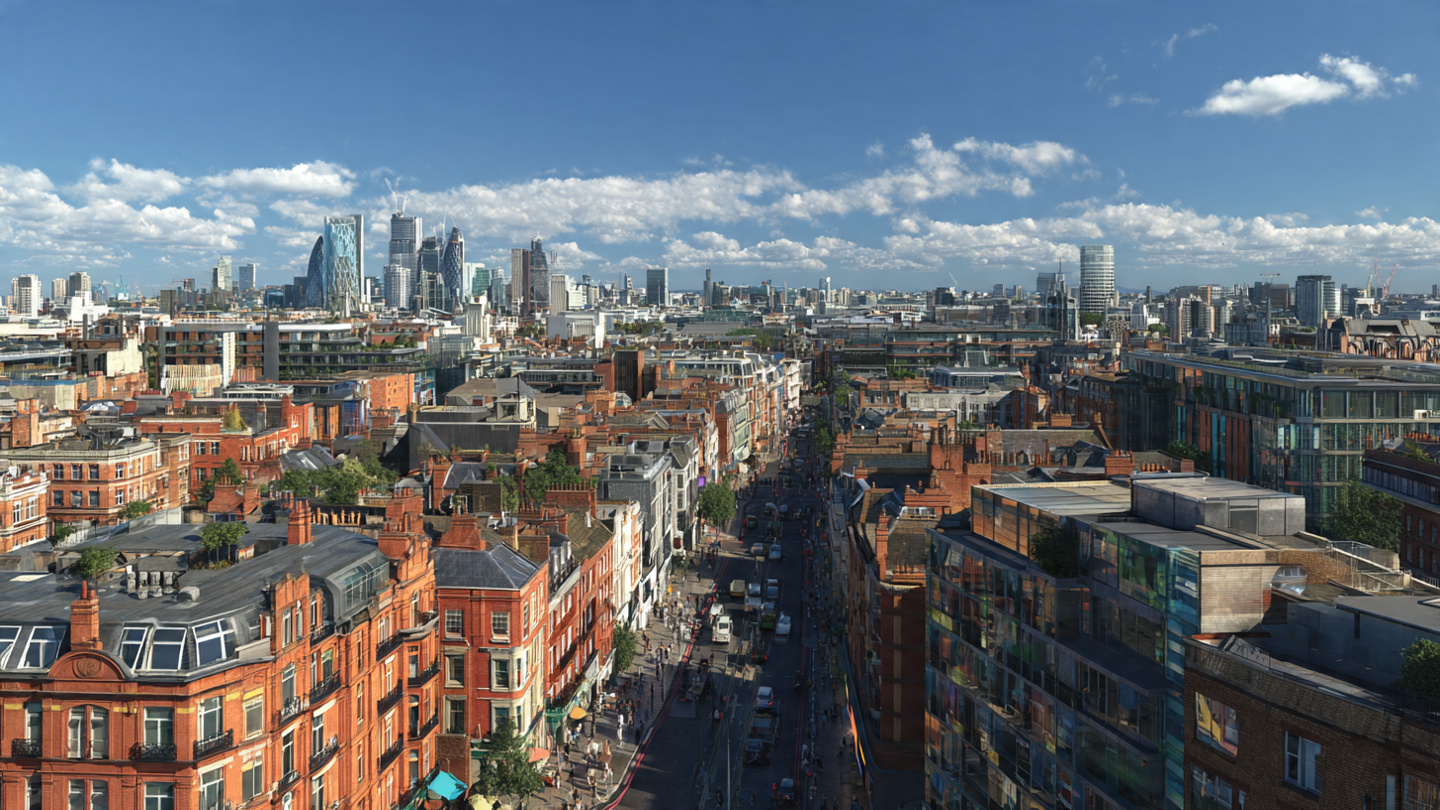
London is not built around a single retail core. Instead, the city expands outward in layers, and each layer carries its own commercial identity. Because of this structure, street shopping in London feels different depending on which part of the city you explore.
Central districts often prioritize visibility and brand concentration. Outer boroughs emphasize practicality and community service. Between these extremes, transitional neighborhoods blend both approaches. Understanding geography helps shoppers align expectations with location.
In winter, many central shopping streets transform with decorative lighting, temporary wooden stalls, and festive displays that change the atmosphere entirely. To understand how these seasonal trading spaces expand beyond permanent stores, explore the complete guide to Christmas markets in London before planning a December visit.
Central London and High-Density Retail
Central London hosts the most recognizable shopping streets. Oxford Street, Regent Street, Carnaby Street, and surrounding areas create a dense network of retail corridors.
Street shopping in London within this zone focuses on accessibility and scale. Transport connections converge here, bringing constant foot traffic. As a result, stores compete through visibility and brand strength.
Crowd levels remain high during weekends and sale periods. However, the benefit lies in convenience. Shoppers can compare multiple major brands within short walking distances.
Central districts also attract international tourism. Therefore, multilingual signage and tax-refund services are common. This global orientation shapes the retail atmosphere.
East London and Creative Expression
East London reflects artistic influence and evolving urban development. Areas such as Shoreditch, Hackney, and Brick Lane emphasize independent retail and cultural identity.
Street shopping in London across the eastern boroughs often feels experimental. Storefronts vary in design. Fashion tends to lean toward contemporary or alternative styles. Independent designers frequently test new concepts here before expanding elsewhere.
Because tourism density is lower than central zones, browsing can feel more relaxed. Shoppers encounter fewer standardized retail formats and more niche offerings.
The east demonstrates how retail adapts to demographic shifts and creative industries.
West London and Residential Refinement
West London includes districts known for balanced residential and commercial life. Streets such as King’s Road and Chiswick High Road illustrate this dynamic.
Street shopping in London within western boroughs emphasizes comfort and continuity. Retailers often cater to local families and professionals. The pace feels steadier compared to central commercial corridors.
While certain areas carry premium pricing, others remain mid-range. Wide pavements and tree-lined roads enhance walking comfort. As a result, the overall experience appears calmer and less rushed.
West London shows how retail integrates seamlessly with established residential communities.
South London and Community-Driven Commerce
South London features diverse neighborhoods where retail reflects local demographics. Peckham, Brixton, and Balham provide examples of community-centered high streets.
Street shopping in London within southern districts focuses on daily functionality. Independent shops operate alongside national chains. Cultural influences shape product variety, especially in food and specialty retail.
Because these streets primarily serve residents, pricing often reflects practical budgets rather than tourist spending patterns. Visitors exploring these areas gain insight into everyday commercial rhythms.
The environment feels grounded rather than performative.
Transitional Zones Between Districts
Some shopping streets sit at the edge of multiple boroughs. These transitional zones combine elements of different retail styles. Tottenham Court Road, for example, links central density with surrounding creative neighborhoods.
Street shopping in London across these areas often feels mixed. Large brands coexist with independent stores. Infrastructure upgrades frequently accompany retail development, resulting in modernized storefronts.
These zones demonstrate how geography is not rigid. Retail identity evolves as neighborhoods shift.
Transport Connectivity and Area Identity
Transport infrastructure influences retail success. Underground stations, bus routes, and pedestrian pathways determine foot traffic patterns. Central zones benefit from dense connectivity. Outer boroughs rely on localized transport hubs.
Street shopping in London thrives where accessibility aligns with demand. Well-connected streets experience higher visibility, which attracts larger brands. Meanwhile, residential streets rely on community loyalty.
Understanding these transport relationships helps shoppers plan efficient routes between districts.
Crowd Levels and Timing by Area
Geographic location also affects crowd intensity. Central districts remain busiest during weekends and tourist seasons. Eastern creative areas experience fluctuating traffic depending on events. Western and southern high streets maintain steadier daily rhythms.
Street shopping in London therefore changes not only by location but by time of day. Morning visits often feel calmer across all boroughs. Evening foot traffic increases in entertainment-focused districts.
Planning around these patterns improves browsing comfort.
Price Variation Across Boroughs
Pricing structures often correlate with rental costs and tourism density. Prime central streets command higher rents, which can influence retail pricing. Residential districts with lower overhead may offer more competitive rates.
Street shopping in London becomes strategically advantageous when shoppers consider this relationship. Exploring beyond central corridors frequently reveals value without sacrificing quality.
However, exclusivity in certain western districts may raise pricing despite lower tourist traffic. Evaluating both geography and brand positioning ensures informed decisions.
Architectural Influence on Retail Experience
Historic buildings dominate central areas, creating visual cohesion. Eastern districts showcase industrial conversions and modern developments. Western neighborhoods emphasize classic residential façades. Southern boroughs often blend commercial units with residential blocks.
Street shopping in London gains visual depth through this architectural diversity. The design of a street shapes how retail feels. Narrow roads encourage slower browsing. Wide avenues support high-density foot traffic.
Architecture therefore becomes part of the shopping atmosphere rather than a background detail.
Why Exploring Multiple Areas Matters
Limiting exploration to one district reduces understanding of the city’s retail ecosystem. Each borough contributes differently to the broader identity of street shopping in London.
Central areas demonstrate scale and brand concentration. Eastern neighborhoods highlight creativity. Western districts show residential integration. Southern streets reflect community diversity.
Together, these layers form a comprehensive picture. Visitors who explore across geographic boundaries experience a more complete version of the city’s retail culture.
Best Times for Street Shopping in London
Why Timing Influences the Experience
Timing affects more than just crowd levels. It shapes pricing, atmosphere, lighting, and even the type of inventory available in stores. Because street shopping in London takes place in open public environments, seasonal and daily shifts influence the overall mood.
Understanding when to visit specific areas helps shoppers maximize both comfort and value. Rather than choosing a street at random, aligning timing with goals produces better results.
Morning hours typically provide calmer browsing conditions. Most shopping streets begin filling gradually after opening time. Early visits allow uninterrupted access to fitting rooms and less congested pavements.
By contrast, afternoons bring heavier pedestrian movement, particularly in central districts. Street shopping in London during these hours feels energetic but more crowded. Visitors who prefer slower exploration often benefit from arriving earlier in the day.
Late afternoons and early evenings can create a balanced environment, especially in areas connected to office districts where foot traffic shifts gradually rather than suddenly.
Weekday Versus Weekend Atmosphere
Weekdays offer a noticeably different rhythm compared to weekends. Local residents may shop during lunch breaks or after work, but overall crowd density remains manageable.
On weekends, especially Saturdays, central retail streets experience peak congestion. Street shopping in London during these periods becomes more dynamic but less relaxed. Photographs, browsing, and movement may require patience.
Creative districts in the east sometimes feel more active on weekends due to cultural events or nightlife connections. In contrast, residential high streets in outer boroughs maintain relatively steady traffic patterns.
Winter Sales and Post-Holiday Discounts
One of the most significant pricing shifts occurs shortly after the holiday season. Winter sales begin in late December and continue into January.
Street shopping in London during this period attracts high demand. Retailers clear inventory to prepare for new seasonal collections. Discounts often extend across fashion, accessories, and homeware.
Although crowds increase significantly during early sale days, visiting midweek mornings can reduce pressure while still providing strong value opportunities.
Summer Sales and Transitional Inventory
Summer sales typically emerge toward the end of the warm season. As autumn collections approach, retailers reduce prices on seasonal garments.
Street shopping in London during these transitional periods allows shoppers to secure discounted summer items. Lightweight clothing, footwear, and accessories often see price reductions.
However, inventory may vary depending on store size and location. Larger central retailers may rotate stock more rapidly than smaller neighborhood shops.
Spring and Autumn as Balanced Periods
Spring and autumn often provide moderate crowd levels and stable pricing. Weather conditions remain relatively comfortable for extended walking.
Street shopping in London during these months feels balanced. While major discount events may not dominate, inventory freshness becomes an advantage. New collections appear regularly, offering wider selection without intense sale competition.
These transitional seasons also support comfortable outdoor movement without extreme temperatures.
Holiday Decorations and Evening Shopping
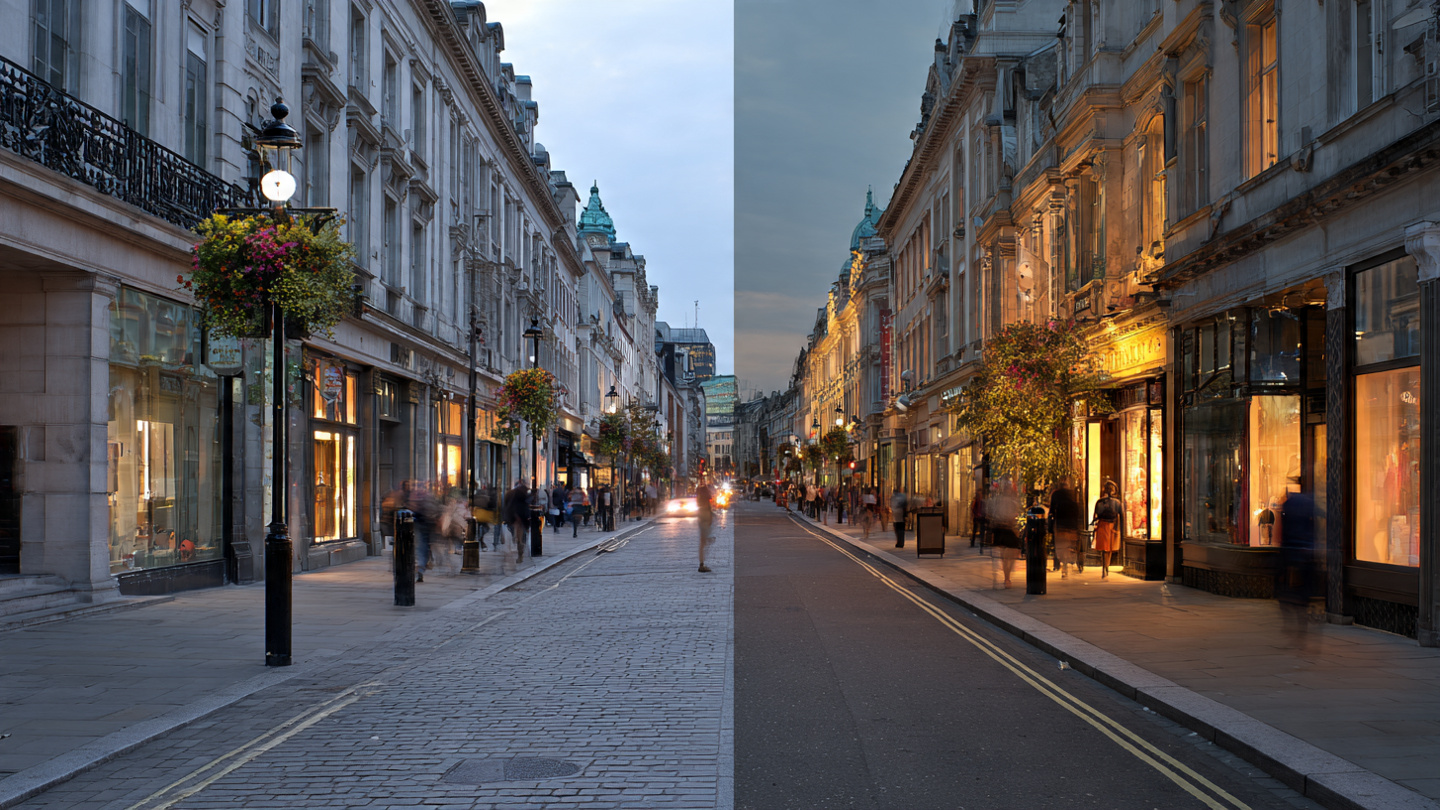
Winter introduces festive lighting across major shopping streets. Decorative displays transform the atmosphere after sunset.
Street shopping in London during this period becomes visually immersive. Even shoppers not planning purchases may enjoy walking through illuminated corridors.
Evening visits during the holiday season feel particularly vibrant. However, peak tourist periods may require strategic timing to avoid congestion.
Weather Considerations in an Open Retail Format
Because street-based retail unfolds outdoors, weather influences comfort directly. Rain can shorten visits, especially in areas without covered walkways.
Street shopping in London during warmer months often encourages longer browsing sessions. Mild temperatures allow shoppers to explore side streets without rushing indoors.
During colder periods, layering clothing becomes practical. Many visitors plan shorter, more focused visits when temperatures drop significantly.
School Holidays and Tourism Peaks
School holiday periods, especially during summer, increase visitor numbers across central districts. International tourism also rises during these months.
Street shopping in London at these times may feel busier than usual. However, extended daylight hours provide flexibility. Evening shopping becomes more comfortable in brighter conditions.
Visitors seeking quieter experiences may prefer shoulder seasons outside peak travel periods.
Event-Driven Traffic Surges
Certain streets experience temporary foot traffic increases due to nearby events, festivals, or cultural celebrations. Creative districts in the east often host exhibitions or art-related gatherings.
Street shopping in London during such events can feel lively and spontaneous. However, browsing space may become limited. Monitoring local calendars helps anticipate these fluctuations.
Central retail streets may also see surges during promotional campaigns or special brand launches.
Strategic Planning for Comfort and Value
Successful shopping requires aligning goals with timing. If affordability is priority, sale seasons provide advantage. If atmosphere matters more than pricing, holiday evenings may appeal.
Street shopping in London offers flexibility, but strategic scheduling enhances outcomes. Early weekday visits reduce crowd stress. Mid-season transitions support fresh inventory access.
Evaluating both personal comfort and retail cycles ensures balanced planning.
Why Timing Completes the Experience
Location shapes retail identity, but timing determines mood. A street that feels overwhelming on a Saturday afternoon may appear calm on a Tuesday morning.
Street shopping in London therefore requires attention to both geography and calendar. Combining the right area with the right time transforms browsing from chaotic to enjoyable.
Practical Tips for Exploring London’s Shopping Streets
Planning Before You Arrive
Preparation reduces unnecessary stress. Although street shopping in London allows spontaneous movement, basic planning improves efficiency. Reviewing store opening hours prevents disappointment, especially on Sundays when trading times may be shorter.
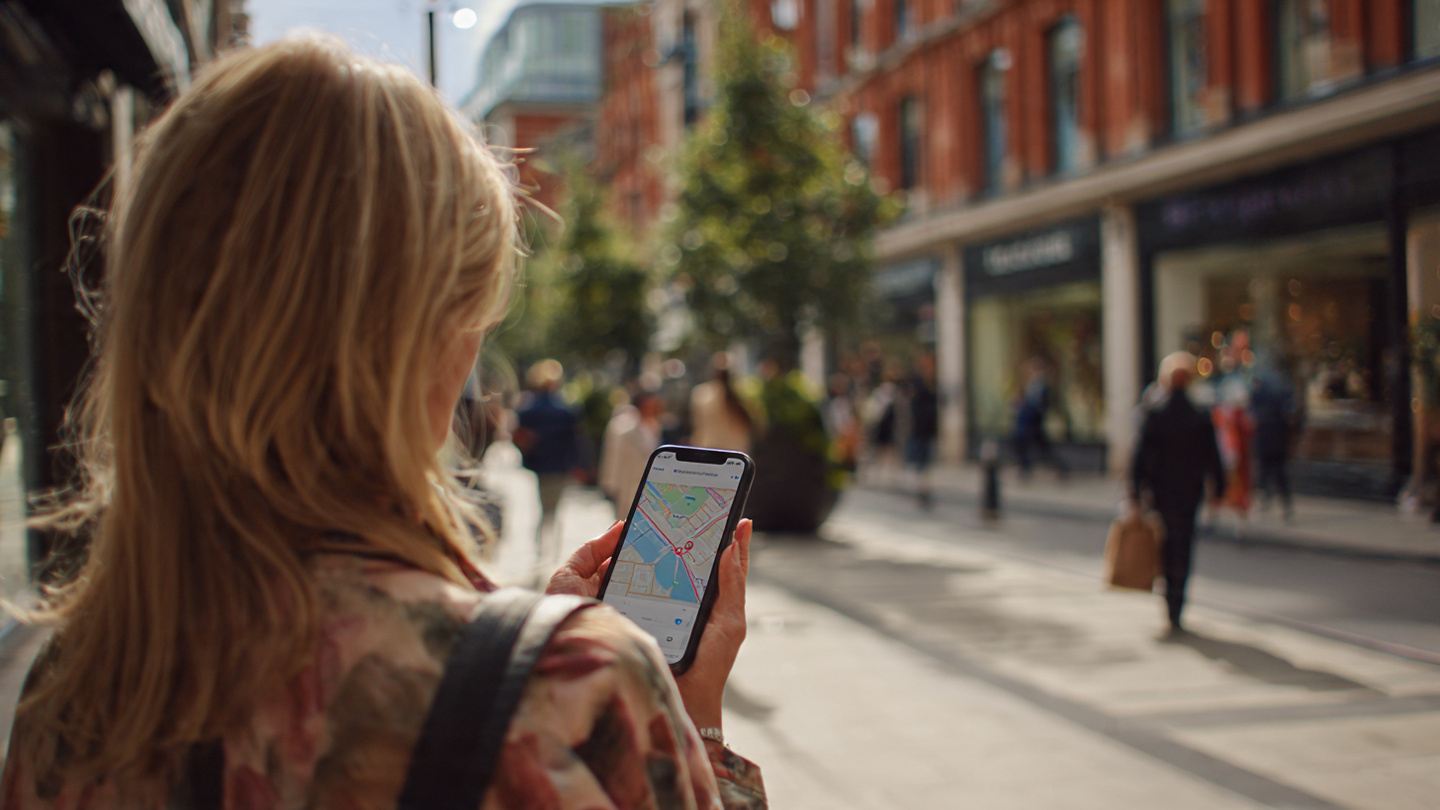
Additionally, identifying the nearest Underground stations in advance helps structure your route. Because shopping streets can stretch across long distances, knowing entry and exit points saves time and energy.
Understanding Payment Methods
Most retailers across London accept contactless payments and major debit or credit cards. Cash remains accepted in many locations, but digital transactions dominate.
Street shopping in London therefore feels streamlined in terms of payment. Quick tap-to-pay systems reduce queue time. Visitors from abroad should inform their banks before travel to avoid transaction interruptions.
Currency exchange offices exist in central districts, but exchange rates may vary. Using international cards with low foreign transaction fees can be more practical.
Budget Awareness and Spending Control
Because shopping streets often display multiple brands within close proximity, impulse buying becomes common. Setting a spending limit before entering high-density retail corridors helps maintain control.
Street shopping in London can feel exciting due to visual merchandising and promotional signage. Comparing prices across stores before committing to a purchase ensures balanced decision-making.
Carrying a small list of priority items also prevents distraction from unnecessary purchases.
VAT and International Visitor Considerations
Visitors traveling from outside the UK should check current VAT refund policies before shopping. Regulations occasionally change, and eligibility may vary.
Street shopping in London often involves international clientele. Larger stores typically provide documentation guidance when applicable. However, verifying policies in advance prevents confusion at checkout.
Keeping receipts organized simplifies potential refund claims.
Return Policies and Exchange Procedures
Return windows differ by retailer. While large brands often provide clear exchange periods, smaller independent stores may operate with stricter policies.
Street shopping in London benefits from reviewing return terms before finalizing purchases. Asking staff directly clarifies whether refunds or exchanges are permitted.
Retaining original packaging and receipts increases flexibility.
Managing Crowds Efficiently
Central retail corridors experience heavy foot traffic during peak hours. Walking slightly ahead or behind main clusters creates more comfortable browsing space.
Street shopping in London becomes easier when avoiding bottlenecks near flagship store entrances. Entering less crowded stores first may reduce queue time later.
Weekday mornings remain the most manageable period in busy districts.
Staying Aware of Personal Belongings
Open urban environments require attention to personal items. Although most shopping areas remain safe, busy pavements increase risk of minor theft.
Street shopping in London should involve secure bags and awareness of surroundings. Crossbody bags or zipped compartments reduce vulnerability in crowded conditions.
Staying attentive while browsing prevents distractions from affecting personal security.
Exploring Side Streets for Better Variety
Main corridors attract the highest visibility, but side streets frequently host independent retailers and smaller boutiques.
Street shopping in London rewards curiosity. Stepping away from heavily photographed storefronts often reveals alternative options. These quieter sections may also offer more personalized service.
Exploration beyond primary avenues increases the likelihood of discovering unique items.
Combining Shopping With Breaks
Because retail unfolds along open streets, integrating rest stops becomes simple. Cafés and seating areas appear throughout most districts.
Street shopping in London does not require continuous browsing. Taking short breaks prevents fatigue and improves decision-making clarity.
Hydration and pacing matter, especially during extended walking sessions across multiple neighborhoods.
Checking Store-Specific Opening Hours
Although general retail hours follow predictable patterns, some independent shops open later or close earlier than chain stores.
Street shopping in London therefore benefits from verifying opening times online before traveling to specific boutiques. Arriving early in the day may result in limited access to smaller stores.
Central brand stores often maintain longer hours, especially during holiday periods.
Observing Local Etiquette
London retail culture values queue discipline and respectful browsing. Waiting patiently in line and avoiding blocking entrances improves overall flow.
Street shopping in London feels more efficient when visitors respect pedestrian movement. Standing to the side when checking phones or examining maps prevents congestion.
Inside stores, maintaining reasonable distance from other shoppers supports comfort during busy periods.
Evaluating Quality Before Purchase
Examining fabric, stitching, and construction ensures value for money. Even during sale periods, quality assessment remains essential.
Street shopping in London provides diverse options, but standards vary between retailers. Taking time to inspect items reduces the likelihood of returns.
In independent shops, asking staff about product sourcing may offer insight into durability.
Balancing Speed With Experience
Some visitors approach shopping with strict time constraints. Others treat it as leisure. Aligning pace with schedule prevents frustration.
Street shopping in London can become overwhelming if rushed through densely packed corridors. Planning short segments rather than attempting multiple districts in one session improves satisfaction.
Allowing time for spontaneous discoveries enhances the overall experience.
Why Practical Awareness Enhances Enjoyment
Retail streets reflect real urban life. Unlike enclosed shopping centers, they require awareness of environment, timing, and movement.
Street shopping in London becomes far more enjoyable when practical considerations align with location and timing. Preparation, budgeting, and observation combine to create a balanced experience.
Why Street Shopping in London Still Matters
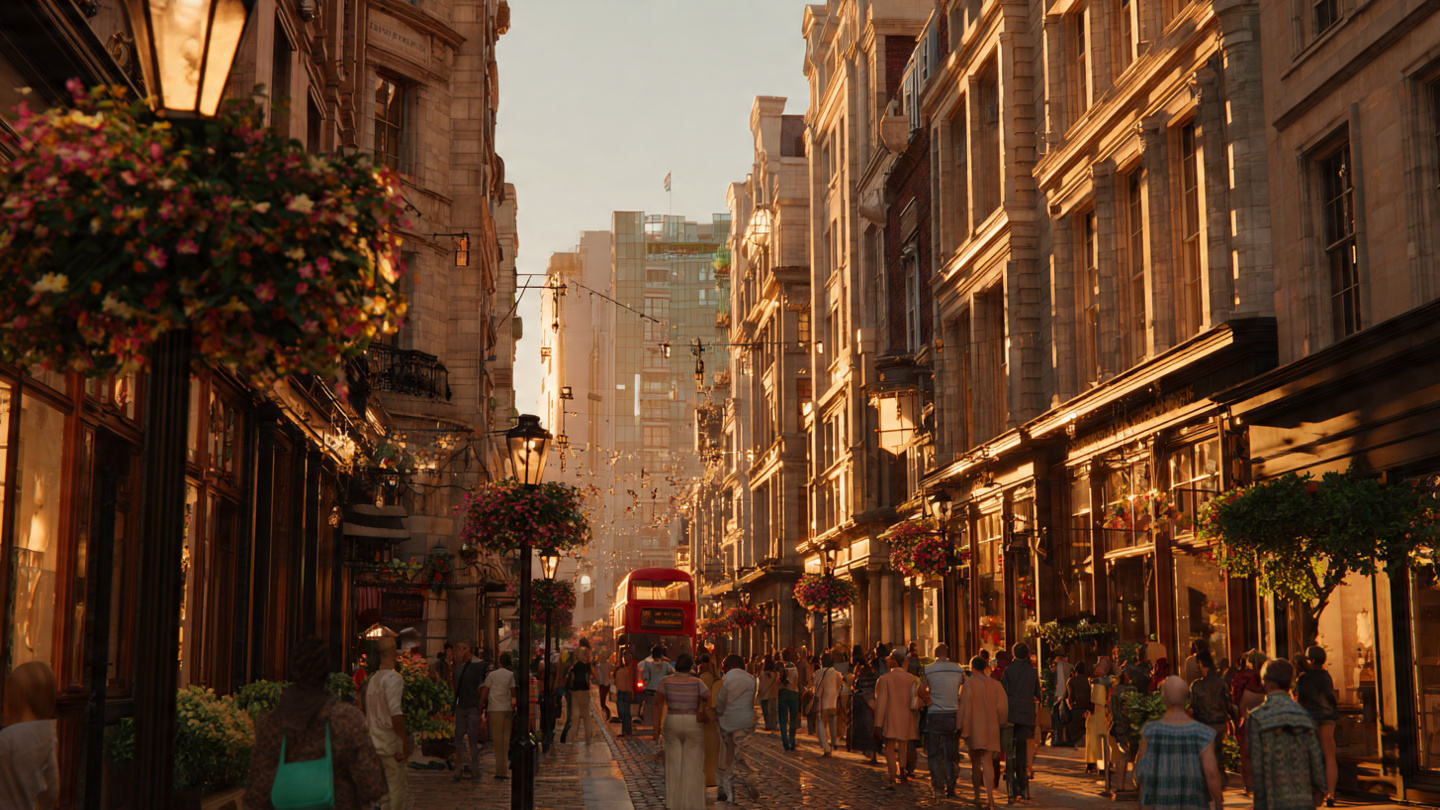
More Than a Retail Activity
Street-based retail in London extends beyond commercial exchange. It reflects how neighborhoods function, how architecture adapts, and how communities evolve. While online shopping continues to grow globally, physical storefronts remain central to urban life in the city.
Street shopping in London persists because it connects commerce directly to daily movement. Shoppers do not enter isolated retail zones. Instead, they participate in living streets where business, culture, and residential life intersect.
Street retail is strongest in the daytime, but London’s evening energy shifts toward food-led trading, late-opening halls, and curated after-dark market scenes. If you want the night version of this atmosphere with warm lighting, crowds, and street food culture, this guide to night markets in London explains how evening trading works and what to expect.
Supporting Local Economies
Independent shops rely heavily on foot traffic. When people browse neighborhood high streets, they contribute directly to small business sustainability.
Street shopping in London therefore supports employment and local entrepreneurship. Unlike centralized retail complexes, high streets distribute economic activity across different boroughs. This decentralized structure strengthens long-term stability.
Even large global brands benefit from this format. Their presence increases visibility while coexisting with smaller retailers that serve community needs.
Preserving Architectural Character
Many shopping streets occupy historic buildings. These structures contribute visual continuity and heritage preservation. Retail becomes a mechanism for maintaining architectural relevance rather than replacing it.
Street shopping in London integrates commerce into historic façades without erasing identity. Shopfronts adapt within existing design constraints, creating cohesion across districts.
As cities modernize, maintaining this architectural-commercial balance becomes increasingly important.
Encouraging Walkability and Urban Movement
Open retail corridors promote walking. Unlike enclosed malls that centralize shopping under one roof, street-level retail disperses activity across broader areas.
Street shopping in London encourages pedestrian exploration. Visitors naturally discover nearby cafés, galleries, and parks while moving between stores. This walkability reinforces the city’s urban rhythm.
Because many streets remain well connected to public transport, retail becomes accessible without reliance on private vehicles.
Cultural Reflection Through Retail
High streets often mirror demographic shifts. Product offerings respond to neighborhood identity, income patterns, and cultural preferences.
Street shopping in London reflects diversity. In one borough, you may encounter globally recognized fashion brands. In another, culturally specific retailers define the landscape. This variation demonstrates how commerce adapts to community needs.
The retail environment becomes a subtle indicator of social and cultural transformation.
Resilience in a Digital Era
Online platforms have altered consumer habits. However, physical shopping streets maintain advantages digital spaces cannot replicate. Immediate product inspection, tactile experience, and spontaneous discovery remain powerful incentives.
Street shopping in London continues to thrive because it delivers these tangible elements. Shoppers can assess fabric quality, compare sizing directly, and interact with knowledgeable staff.
Additionally, browsing along open streets introduces unplanned discoveries that algorithms cannot fully predict.
Balancing Tourism and Everyday Life
Central shopping corridors attract global visitors. Meanwhile, neighborhood high streets serve daily local routines. This balance prevents retail districts from becoming purely tourist-focused.
Street shopping in London benefits from layered demand. Tourist spending sustains visibility in central areas, while resident spending ensures continuity across boroughs.
Together, these forces maintain consistent activity throughout the year.
A Social and Shared Experience
Retail streets often function as informal gathering spaces. Friends meet before browsing. Families combine shopping with dining. Street performers and public events occasionally add atmosphere.
Street shopping in London therefore operates as a shared experience rather than a solitary task. The open environment allows conversation and observation simultaneously.
Unlike enclosed centers that separate visitors from urban surroundings, shopping streets maintain connection with public life.
Why Visitors Should Experience It
For travelers, exploring shopping streets offers insight into everyday London. It reveals how residents interact with commerce outside major landmarks.
Street shopping in London complements sightseeing rather than competing with it. Moving between retail corridors and cultural attractions deepens understanding of neighborhood character.
Even those not planning major purchases benefit from observing storefront design, street layout, and community rhythm.
The Future of Street-Level Retail
Urban development continues to reshape retail patterns. Some streets undergo renovation. Others shift toward mixed-use spaces that combine housing, office space, and shops.
Street shopping in London will likely evolve further as consumer behavior adapts. However, its core principle remains stable: retail embedded within open, public streets.
As long as neighborhoods rely on accessible commerce, high streets will retain relevance.
Bringing the Experience Together
Across central corridors, creative districts, and residential boroughs, retail activity reflects the city’s layered identity. Some streets emphasize scale. Others highlight individuality. Together, they form a cohesive yet diverse commercial ecosystem.
Street shopping in London represents more than a transaction. It embodies movement, architecture, community, and economic exchange woven into daily urban life.
Visitors who explore thoughtfully, consider timing, and step beyond the most visible corridors gain a deeper understanding of how the city truly functions.