
London often feels energetic, structured, and constantly in motion. However, the moment you step into one of its open landscapes, the atmosphere changes. Parks in London are not decorative gaps between buildings. Instead, they function as living spaces that shape how both residents and visitors experience the city.
For example, you can leave a crowded street filled with buses and shops and, within minutes, find yourself walking beside a quiet lake or beneath tall trees. As a result, the contrast feels immediate. Because of this transition, London begins to feel balanced rather than overwhelming.
If your main goal is to slow down and find routes that feel calm even in busy districts, my detailed guide on peaceful walking routes in London breaks down the quietest timings, low-pressure paths, and the best environments for restorative walking across the city.
While iconic lawns and royal landscapes anchor the city’s green identity, some of the most immersive experiences unfold along woodland corridors, canal edges, and lesser-known paths that many visitors overlook, which you can explore further in Hidden Walking Trails in London.
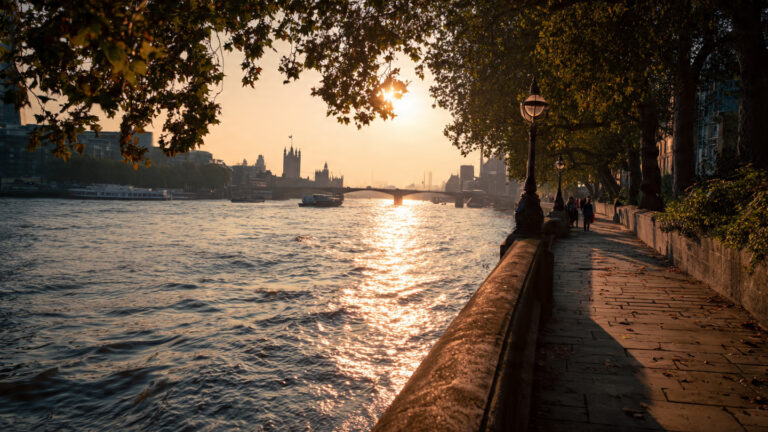
If you want an outdoor route that feels spacious and calm while still showing iconic views, this guide to Scenic walks along the River Thames London is the easiest way to experience London’s green side through water, light, and long riverside promenades.
More Than Simple Urban Greenery
In many global cities, parks sit quietly on the edges. In contrast, parks in London are central to daily life. Office workers eat lunch on benches. Families gather on weekends. Runners circle paths before sunrise. Meanwhile, travelers pause between major attractions. Therefore, these spaces feel authentic rather than staged for visitors.
Moreover, these landscapes are not random lawns. They reflect centuries of preservation and planning. Formal gardens exist alongside wooded trails. Wide meadows sit beside structured flower beds. Consequently, each park carries its own personality and rhythm.
A Natural Reset Within a Busy Capital
https://wanderbretain.com/peaceful-walking-routes-in-london/?utm_source=chatgpt.comLondon rarely slows down. Trains move constantly. Streets remain active. Attractions draw steady crowds. Nevertheless, once inside a park, the pressure softens. You may still see cyclists, musicians, and families; however, the open space absorbs the movement.
Because there is room to breathe, activity rarely feels chaotic. Instead, you experience energy without tension. Therefore, even a short walk through greenery can restore focus before continuing your day.
Diversity That Matches Every Travel Style
Another reason parks in London matter so much is their variety. Some spaces feel structured and ceremonial. Others feel expansive and almost rural. Additionally, certain parks follow the River Thames, while others rise on hills that reveal wide skyline views.
As a result, no two experiences feel the same. A riverside walk creates a completely different mood compared to an elevated heath overlooking the city. Likewise, a shaded bench under dense trees offers a quieter atmosphere than an open meadow filled with wildlife. Because of this diversity, travelers can choose environments that match their interests.
Walking as the Most Natural Way to Explore
Although public transport connects London efficiently, walking often reveals more subtle details. Parks frequently serve as connectors between districts. Instead of moving only underground, you can cross green corridors that soften the journey.
For instance, a scenic route may guide you naturally toward historic landmarks without feeling rushed. Consequently, sightseeing becomes continuous rather than fragmented. You are not jumping between isolated points. Instead, you are experiencing the city as one connected landscape.
Seasonal Transformations That Redefine the Atmosphere
Furthermore, parks in London change noticeably throughout the year. In spring, blossoms brighten pathways. During summer, long daylight hours extend evening walks. In autumn, golden leaves transform wooded trails. Even in winter, quieter paths offer reflective moments and clear views.
Because of these seasonal shifts, parks remain relevant regardless of travel dates. No matter when you visit, the landscape will feel distinct. Therefore, green spaces are not tied to a single ideal season. They evolve while maintaining their structure.
Accessibility at the Core of the Capital
Unlike many cities where major parks sit far from central districts, London integrates large green spaces directly into key areas. As a result, you can move from famous landmarks into open lawns within minutes.
This proximity allows you to combine iconic sightseeing with restorative breaks. For example, after exploring busy attractions, stepping into nearby greenery feels effortless. Consequently, parks often become unexpected highlights rather than planned stops.
Importantly, parks in London blur the line between tourism and everyday life. Locals exercise, read, and socialize there. Visitors rest, photograph, and reflect. Because both groups share the same environment, the experience feels genuine.
Instead of observing from a distance, you participate in the city’s rhythm. This shared atmosphere adds depth to your visit.
Setting the Foundation for the Guide Ahead
This guide will explore iconic parks, scenic walking routes, elevated viewpoints, hidden green areas, and practical advice for planning your time outdoors. Step by step, you will see how parks in London support different travel styles and expectations.
By understanding their role early, you approach the rest of the city with greater intention. Rather than treating green spaces as optional stops, you begin to see them as essential parts of the London experience.
While this guide focuses specifically on the most iconic and expansive parks across the capital, London’s outdoor landscape extends far beyond formal park boundaries. Smaller gardens, canal corridors, wooded commons, historic cemeteries, and quiet neighborhood squares all contribute to the city’s green identity. To understand how these varied environments connect and shape the broader outdoor experience, explore our in-depth guide to Green Spaces in London.
Why Parks in London Feel Different From Other Major Cities
A Capital Built Around Preserved Land
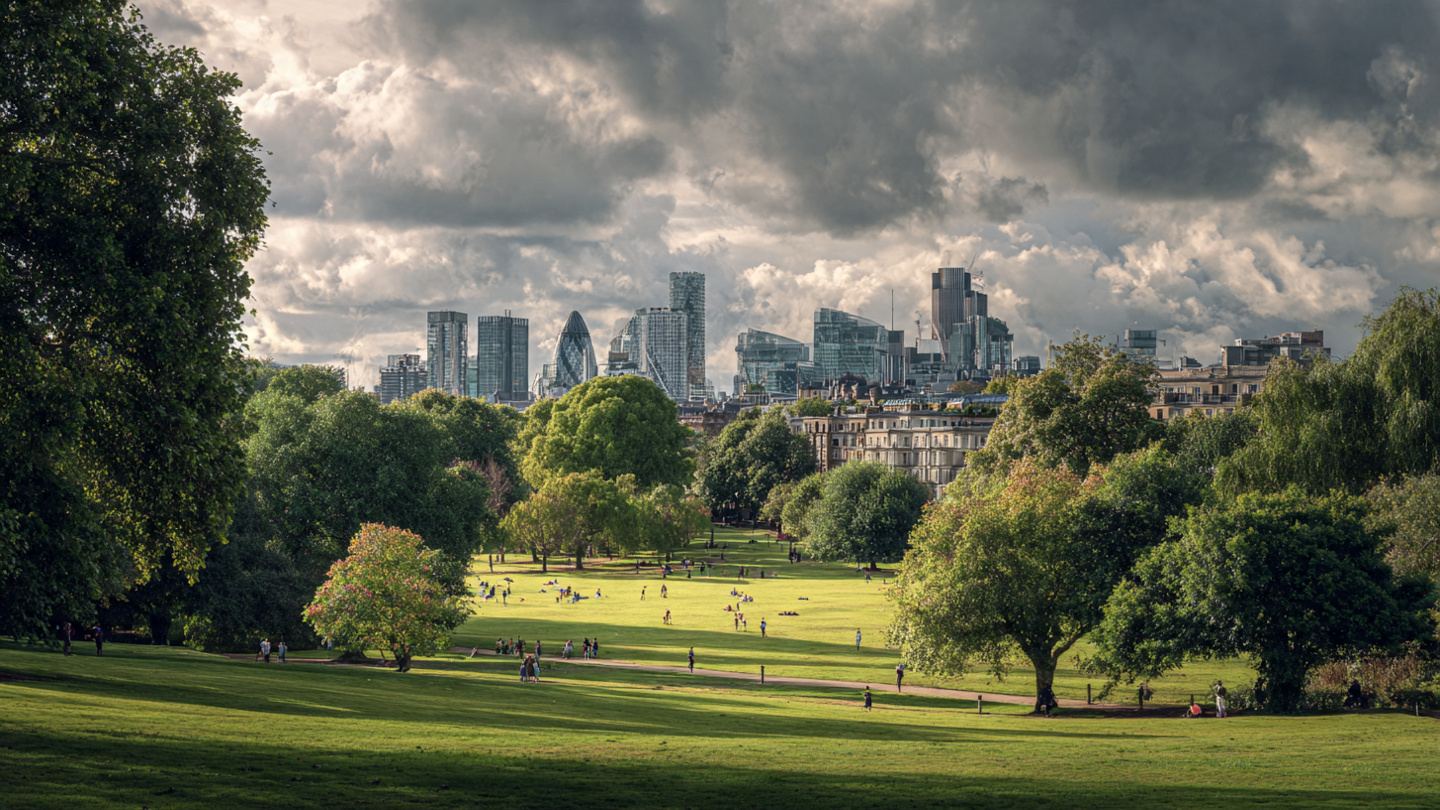
Many major cities grow by replacing open land with buildings. London developed differently. Over centuries, large areas were protected, royal estates were maintained, and communal land was preserved. As a result, parks in London are not squeezed into leftover spaces. Instead, they were integrated into the city’s structure from early stages of expansion.
Because of this historical foundation, green spaces feel intentional rather than accidental. Wide lawns do not appear compressed between skyscrapers. Instead, they stretch naturally across large areas, often framed by historic architecture rather than modern high-rise walls.
Royal Influence and Urban Planning
Another key difference lies in royal influence. Several of the most significant parks were once royal hunting grounds or private estates. Over time, they opened to the public while retaining their original scale and layout. Consequently, these landscapes feel expansive and ceremonial rather than purely recreational.
To understand which historic landscapes officially fall under national royal designation and how they differ from other public green areas, explore our detailed breakdown of the Royal Parks of London Guide.
Furthermore, formal pathways, symmetrical gardens, and grand entrances reflect structured planning. At the same time, natural woodland and meadows were preserved within these boundaries. Therefore, parks in London often blend formal design with open countryside atmosphere. This dual character sets them apart from the strictly manicured parks seen in some other capitals.
Scale Without Isolation
In many cities, the largest parks are positioned far from central districts. Visitors must travel intentionally to reach them. However, London integrates large green spaces directly within major urban zones. As a result, you can move between commercial streets and open landscapes within minutes.
This proximity changes the experience dramatically. Instead of feeling detached from the city, parks in London feel woven into it. For example, you might walk through a lively shopping area and suddenly enter wide lawns where skyline views appear in the distance. Because transitions are short, exploration feels fluid rather than segmented.
A Blend of Wild and Structured Environments
Another reason parks in London feel distinctive is the balance between structured design and semi-wild terrain. Some areas feature precise flower beds, paved promenades, and ornamental lakes. Meanwhile, other sections feel untamed, with tall grass, woodland paths, and wildlife roaming freely.
As a result, the atmosphere shifts depending on where you walk. You might begin in a formal garden and gradually transition into open heathland. Therefore, the experience evolves naturally rather than remaining visually uniform. This layered design creates depth that many modern parks lack.
Wildlife Within an Urban Setting
Unlike cities where wildlife feels limited or controlled, London’s larger parks often support diverse ecosystems. Deer roam in open fields. Birds gather around lakes and ponds. Woodland sections provide habitat for smaller species. Consequently, visitors experience moments that feel unexpectedly rural.
Because of this presence of wildlife, parks in London offer more than visual beauty. They provide sensory variation. You may hear birds rather than traffic. You may notice shifting light through trees rather than reflections from glass buildings. These subtle changes influence how long visitors choose to stay.
Elevated Views Within the City Landscape
Many cities rely on observation decks or towers for panoramic views. London, however, offers natural elevation within its green spaces. Certain parks sit on hills or elevated ground, allowing wide views of the skyline without entering a building.
As a result, scenic walking routes often end with open perspectives across the city. This combination of nature and urban backdrop feels distinctive. Instead of observing London from enclosed platforms, you experience it from open landscapes.
Seasonal Adaptability in a Temperate Climate
Climate also contributes to the difference. London’s temperate weather allows green spaces to remain usable throughout the year. While winter may bring colder air, most parks remain accessible. In spring and summer, extended daylight enhances walking routes and outdoor gatherings.
Because the climate supports year-round use, parks in London function consistently rather than seasonally. Therefore, they become reliable anchors in both local life and visitor itineraries.
Integration With Daily Movement
Perhaps most importantly, parks are not separate weekend destinations. They form part of daily commuting and leisure patterns. Many residents cross green areas on their way to work. Others meet friends there before continuing into nearby neighborhoods.
This integration influences how visitors experience the city. When you walk through these spaces, you share the environment with people who use it routinely. As a result, the atmosphere feels natural rather than performative.
A Cultural Attachment to Open Space
Beyond design and geography, there is also a cultural dimension. Londoners value public green space deeply. Parks host community events, outdoor performances, seasonal festivals, and informal gatherings. At the same time, quiet corners remain available for solitude.
Because of this balance between community use and personal space, parks in London serve multiple purposes simultaneously. They are social without being overwhelming. They are active without losing calm.
Why This Difference Matters for Visitors
Understanding what makes parks in London distinct helps you approach them with the right expectations. These are not quick photo stops or brief rest areas. Instead, they are environments designed for immersion.
Therefore, when planning your itinerary, consider allocating intentional time rather than passing through quickly. Walking slowly, observing transitions, and noticing subtle details will reveal why these green spaces feel integral to the city’s character.
The Most Iconic Parks in London Every Visitor Should Experience
Hyde Park: The Open Heart of Central London
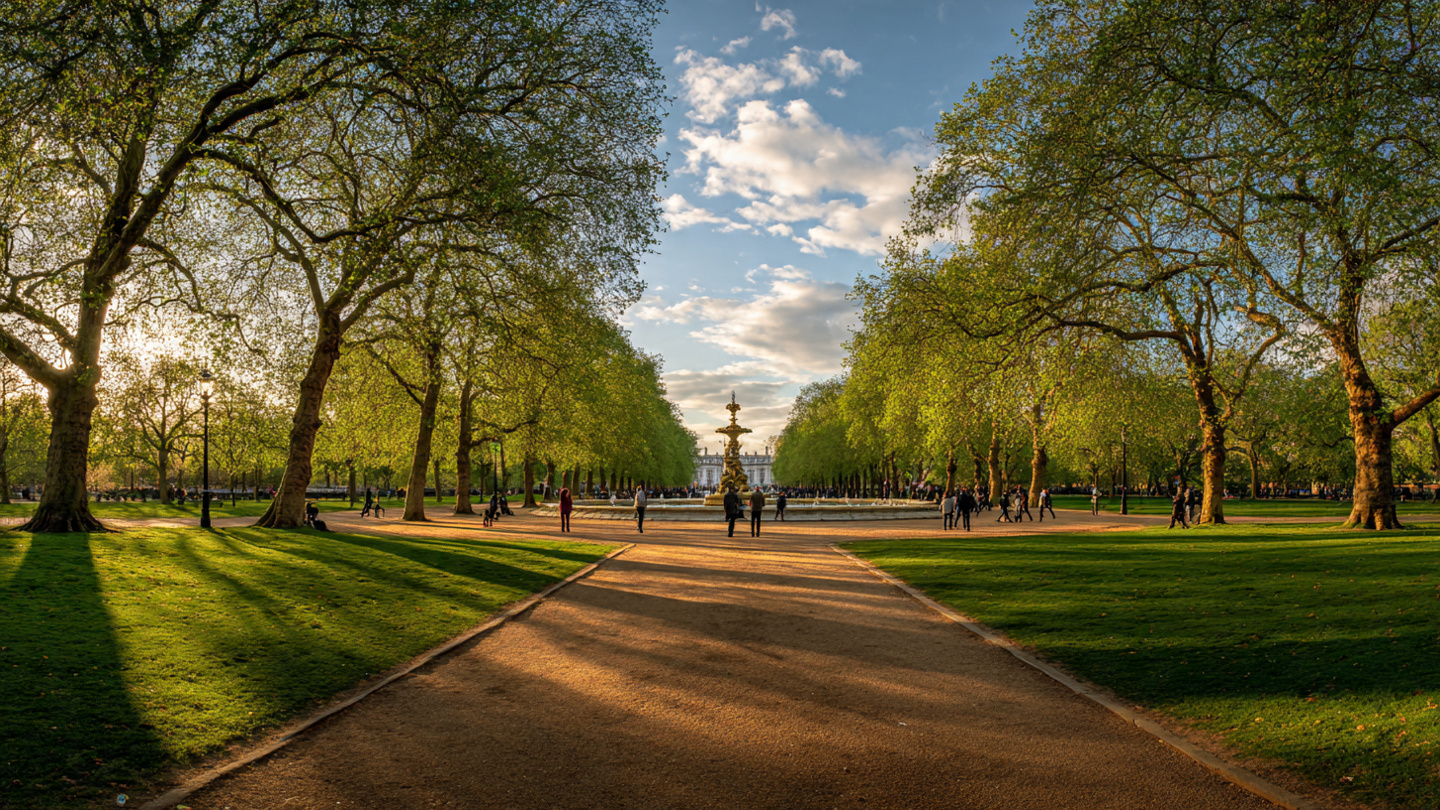
When people think about parks in London, Hyde Park is often the first name that comes to mind. Located in the center of the city, it feels expansive without feeling distant. Because of its size and location, it acts as both a landmark and a daily gathering place.
Really pleasant relaxing open space in in London. Great for a walk in the good weather & to view memorial & Kensington Palace. Play area closed for refurbishment at present. No litter or graffiti seen 👍🏻.Read more reviews at Tripadvisor.
Wide pathways stretch around the Serpentine lake, where walkers, runners, and cyclists share space comfortably. Meanwhile, open lawns allow visitors to sit without feeling crowded. As a result, Hyde Park becomes more than a sightseeing stop. It becomes a place where you naturally slow down.
Furthermore, its proximity to major attractions makes it easy to include in a walking day. After exploring nearby landmarks, stepping into this open landscape feels effortless. Therefore, Hyde Park often functions as a transition space between busy sightseeing sessions.
If you are staying in Zone 1 and want a clear, park-by-park breakdown of the most walkable green spaces near Buckingham Palace, Westminster, and the West End, read our guide to best parks in central London to choose the right park based on your time, mood, and route.
Regent’s Park: Structure, Gardens, and Calm Design
While Hyde Park feels broad and open, Regent’s Park offers a more structured atmosphere. Its design emphasizes symmetry, curated gardens, and elegant pathways. Because of this, it feels visually refined without becoming rigid.
In spring and summer, the rose gardens draw visitors seeking color and detail. However, even outside peak bloom, the park maintains a balanced layout that encourages slow wandering. As a result, photographers and couples often gravitate toward its more ornamental sections.
Additionally, Regent’s Park connects to other scenic walking routes. Therefore, it works well as part of a longer walking day rather than a standalone stop.
Richmond Park: A Landscape That Feels Almost Rural
In contrast to central parks, Richmond Park offers scale that feels closer to countryside than city. It is one of the largest green spaces within Greater London, and because of its openness, it provides a different experience from more structured parks.
Wide grasslands stretch across gentle slopes, and deer move freely across the landscape. Consequently, the atmosphere feels expansive and quiet. You may walk for extended periods without hearing heavy traffic.
Although it requires more planning to reach compared to central parks, the reward is space and perspective. Therefore, visitors seeking nature-focused walks often find Richmond Park worth the journey.
Greenwich Park: Elevation and Historic Backdrop
Greenwich Park stands out because of its elevated position and historic surroundings. As you walk uphill through tree-lined paths, the city gradually reveals itself behind you. Once at the top, panoramic views stretch across the River Thames and central skyline.
Because of this elevation, the park offers both physical activity and visual reward. Additionally, its historic landmarks add context to the landscape. Therefore, a visit feels layered rather than purely recreational.
Many visitors combine a walk here with exploration of nearby attractions. As a result, Greenwich Park often becomes both a scenic viewpoint and a restful pause in a full travel day.
St James’s Park: Intimate Yet Iconic
Although smaller than some of the other major parks, St James’s Park holds unique significance. Positioned near important landmarks, it provides one of the most recognizable views in central London.
The lake, crossed by a small bridge, frames skyline elements beautifully. Because of its compact design, you can experience much of it within a short visit. However, despite its size, it does not feel rushed.
Instead, it feels intimate. Visitors often pause here before continuing toward nearby attractions. Therefore, it functions as both a scenic highlight and a calm interlude.
Kensington Gardens: A Softer Extension
Adjacent to Hyde Park, Kensington Gardens feels slightly quieter and more refined. While connected geographically, it maintains a distinct atmosphere. Because pathways feel more contained, the environment encourages slower walking.
Statues, open lawns, and shaded areas create a balanced landscape that appeals to families and reflective travelers alike. Consequently, it serves as a gentle alternative to the busier sections of Hyde Park.
Why These Parks Anchor the London Experience
Together, these iconic spaces represent different dimensions of parks in London. Some emphasize central accessibility. Others prioritize openness and wildlife. Some focus on gardens and structured design. Others offer elevation and skyline views.
Because each park delivers a distinct atmosphere, visitors can choose based on mood and location. Moreover, these spaces often connect naturally to walking routes, making them part of a broader exploration rather than isolated stops.
When planning your time outdoors, starting with these iconic parks provides orientation. From there, you can expand into scenic routes, quieter corners, and lesser-known landscapes across the city.
To help you visualize the locations of these major parks in London and plan your walking routes efficiently, explore this interactive map showing their exact positions across the city.
Scenic Walking Routes That Reveal a Different Side of London
The Thames Path: Following the River’s Natural Rhythm
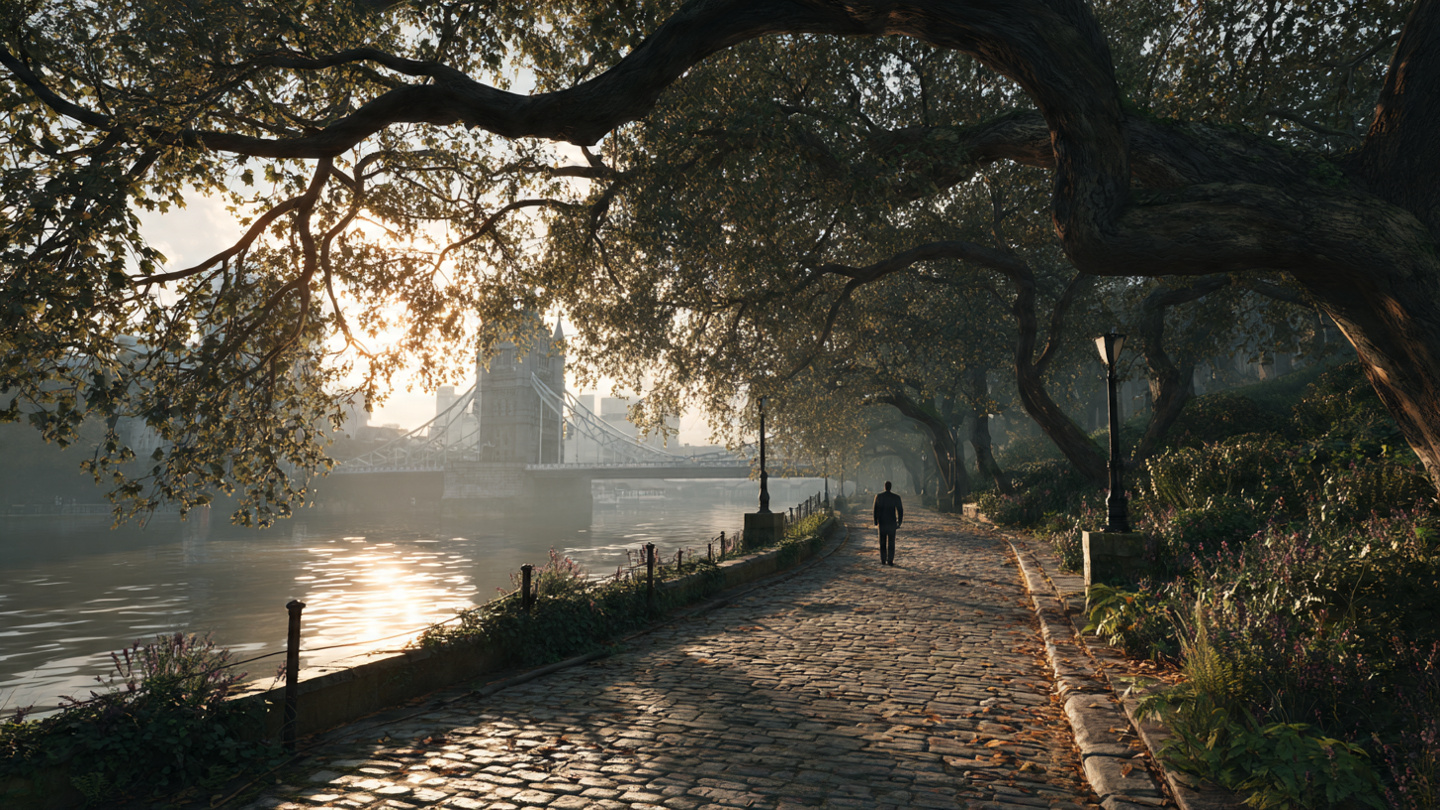
One of the most rewarding ways to experience parks in London is by following the River Thames. The Thames Path stretches for miles, connecting districts, green spaces, and historic landmarks in one continuous route. Because the river curves through the city, the perspective constantly changes.
At certain points, you walk beside calm water reflecting the skyline. At others, you pass under bridges or alongside historic buildings. As a result, the route feels dynamic rather than repetitive. Unlike underground travel, walking along the river allows you to see gradual transitions between neighborhoods.
Moreover, several parks sit directly along the Thames. Therefore, you can move naturally between riverside paths and open lawns without breaking your rhythm. This combination makes the Thames Path ideal for travelers who prefer continuous movement rather than isolated stops.
Hampstead Heath: Open Sky and Elevated Freedom
While central parks offer structure, Hampstead Heath delivers openness and raw landscape. The terrain feels less formal and more expansive. Rolling hills replace symmetrical pathways. Woodland trails replace curated gardens.
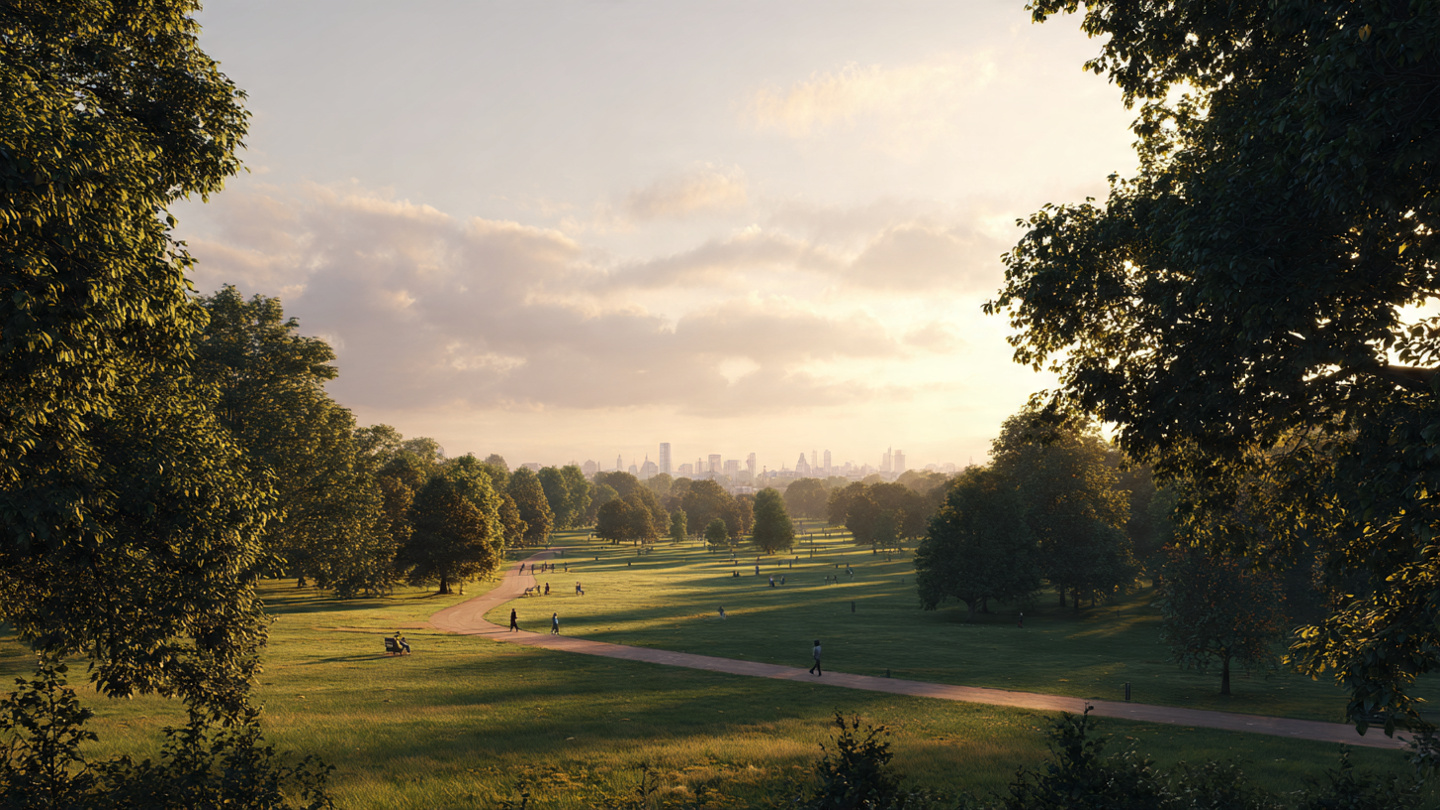
Because of its elevation, certain viewpoints offer wide panoramas across the city. However, unlike enclosed observation platforms, these views feel organic. You arrive at them through effort, walking uphill through open land.
Very pleasant stroll, good views from Parliament Hill and nearby Primrose Hill as sunset approached, latter full of young people
Read more reviews at Tripadvisor.
Consequently, the experience feels earned. You are not simply observing London from above. Instead, you transition gradually from dense city streets to wide sky and distant skyline. For travelers seeking scenic walks in London that feel immersive, Hampstead Heath offers a distinctive atmosphere.
Primrose Hill: A Short Walk With Strong Visual Reward
Primrose Hill demonstrates how even a relatively short walk can deliver impact. The climb is gentle, yet the view from the top stretches across central London. Because the path is accessible, it attracts both locals and visitors.
Although it is not as large as some other parks, the simplicity of the route makes it appealing. You walk upward through open grass, pause at the top, and absorb the skyline. As a result, the experience feels direct and satisfying.
Additionally, the surrounding neighborhood adds character to the walk. Therefore, Primrose Hill often fits easily into a broader day of exploration.
Regent’s Canal: A Different Kind of Green Corridor
Not all scenic routes move through wide lawns. Regent’s Canal offers a narrower, more intimate walking experience. The path follows the water through residential districts, small bridges, and leafy stretches.
Because the canal runs slightly below street level in many sections, the noise of traffic softens. Consequently, the walk feels quieter than nearby roads might suggest. Boats move slowly along the water, adding gentle motion to the scene.
This route connects several green spaces, allowing you to shift naturally between canal paths and open parkland. Therefore, it works well for travelers who prefer gradual exploration rather than large open fields.
Greenwich to Blackheath: Expanding Beyond the Core
For those willing to move slightly beyond central districts, the walk between Greenwich and Blackheath offers space and contrast. Beginning near historic surroundings, the path gradually opens into wider landscapes.
Because the terrain transitions from structured parkland to broader open space, the experience feels layered. You move from enclosed paths to expansive fields where the sky dominates the horizon.
As a result, the walk feels less urban and more atmospheric. It suits visitors who want scenic walking routes that extend beyond postcard views.
Combining Parks Into One Continuous Journey
One of the strengths of parks in London is how easily they connect. You are rarely limited to a single space. Instead, you can plan routes that move from one park to another without returning to busy streets immediately.
For example, you might begin in a structured garden, continue through open lawns, and finish at a riverside path. Because transitions are short, the journey feels cohesive.
Therefore, rather than viewing each park separately, consider how they interact. Scenic walks in London often become memorable precisely because they combine different textures within one afternoon.
Why Scenic Routes Change Your Perspective
When you follow a scenic walking route instead of moving directly between attractions, the city reveals subtle details. Light changes gradually across open lawns. Skyline angles shift as you move. Sounds soften under tree cover.
As a result, your understanding of London deepens. Instead of experiencing isolated highlights, you experience continuity. This continuity transforms sightseeing into exploration.
Therefore, scenic walking routes are not just alternatives to transport. They are central to experiencing parks in London fully and intentionally.
For a deeper exploration of woodland corridors, wetland routes, elevated heathland, and immersive green trails beyond formal park layouts, read the complete guide to London nature walks.
If you prefer continuous walking routes instead of isolated park visits, this interactive map highlights some of the most scenic walking paths in London so you can connect green spaces naturally.
Romantic and Peaceful Walks for Slower Travel Days
Quiet Corners Within Larger Parks
Although some green spaces feel lively, many contain quieter sections that reward slower exploration. Even in the most visited parks in London, you can often move a short distance away from main pathways and find calm.
For couples or travelers intentionally slowing down their pace, certain routes feel especially atmospheric, particularly those that combine lakes, elevated views, and quiet tree-lined paths. If you are specifically looking for thoughtfully designed routes built around mood and intimacy, explore the curated guide to Romantic Walks in London for Couples and Scenic Evenings.
For instance, shaded trails behind lakes or tree-lined edges near the perimeter tend to feel more secluded. Because most visitors remain near central attractions within each park, these quieter zones provide balance. As a result, couples and reflective travelers often discover intimate spaces without leaving central districts.
Rather than seeking complete isolation, the goal is to find softened atmosphere. In these moments, movement slows naturally, conversations feel quieter, and the city’s background noise fades.
Lakeside Paths That Encourage Stillness
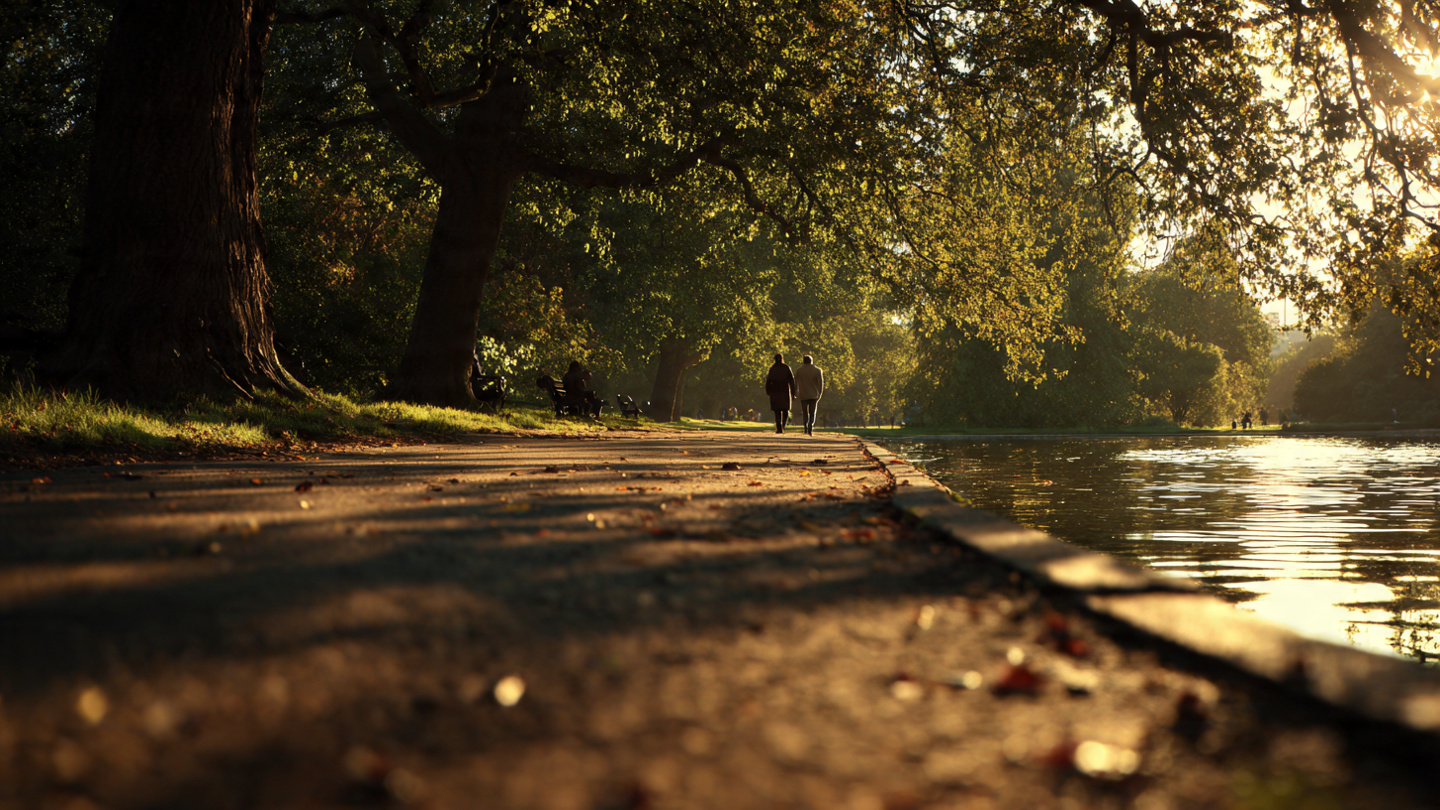
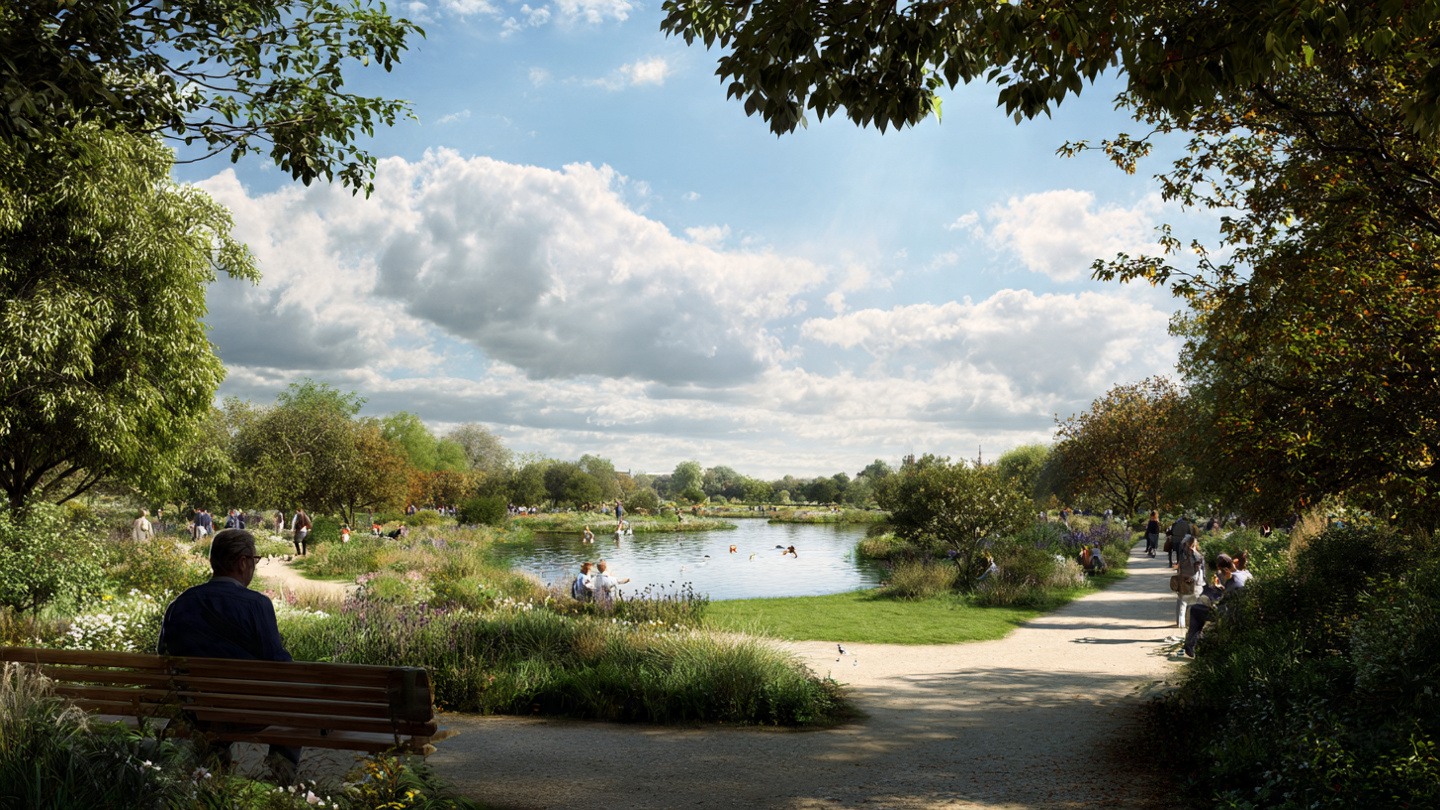
Water changes the mood of a landscape. Lakes within parks in London often create gentle focal points where people pause. The surface reflects light differently throughout the day. In the morning, it may appear calm and bright. In the evening, reflections soften and deepen.
Because water attracts both birds and walkers, lakeside paths tend to feel active yet peaceful. You can walk without urgency, stop briefly, and continue without pressure. Consequently, these routes suit couples who prefer conversation over sightseeing intensity.
Moreover, benches positioned along these edges invite extended rest. Therefore, lakeside walks frequently become some of the most memorable moments in a visit.
Tree-Lined Avenues and Formal Gardens
Structured gardens create a different type of calm. Straight pathways framed by trees or floral beds provide visual symmetry. Because the design feels intentional, movement feels guided rather than random.
In several parks in London, formal garden sections contrast sharply with open lawns. As a result, they feel more enclosed and sheltered. This enclosure creates a sense of privacy even within larger public areas.
For romantic walks, these spaces offer both beauty and containment. Light filters through branches, and seasonal color changes enhance the atmosphere. Consequently, even short walks through formal gardens can feel intimate.
Early Morning and Late Afternoon Atmosphere
Timing often shapes the experience more than location. Parks in London transform noticeably depending on the hour. Early mornings feel open and lightly populated. Late afternoons soften as sunlight shifts lower across lawns.
Because fewer visitors move through at these times, pathways feel less hurried. Therefore, travelers seeking peaceful walking routes often benefit from adjusting their schedule rather than searching for entirely different locations.
Additionally, softer light enhances photographs and skyline views. As a result, couples and solo travelers alike find these periods especially rewarding.
Riverside Stretches With Gentle Movement
Certain riverside sections, particularly those slightly removed from major landmarks, provide a calm walking rhythm. The steady movement of water contrasts with the stillness of open grass nearby.
Because riverside paths extend for long distances, you can walk without interruption. There are no gates or structured entry points. Consequently, the experience feels continuous rather than segmented.
For slower travel days, these stretches offer mental space. You are not navigating crowds or analyzing maps constantly. Instead, you follow the curve of the river and allow the route to unfold naturally.
Open Lawns for Reflection and Pause
Not all peaceful experiences involve movement. Sometimes the most meaningful moments occur when you stop walking. Wide lawns across parks in London provide space to sit comfortably without feeling confined.
Because these lawns rarely feel overcrowded, you can choose your own distance from others. This autonomy creates comfort. You decide how close or far you wish to be to activity.
As a result, parks become environments where reflection feels natural. Whether traveling alone or with someone else, open space encourages conversation or quiet observation.
Why Slower Walks Matter in a Fast City
London’s attractions often demand energy and focus. Museums require attention. Markets involve movement. Transport systems require navigation. However, romantic and peaceful walks allow you to step outside that intensity.
Because parks in London provide these slower routes, they balance the overall travel experience. Without them, the city might feel overwhelming. With them, it feels layered and manageable.
Therefore, planning intentional slow walks is not optional for many travelers. It is essential for maintaining rhythm and perspective.
Stepping Away From the Most Photographed Lawns
While iconic parks draw the majority of attention, smaller green areas often provide more intimate experiences. Because many visitors focus on the most famous names, quieter spaces remain underexplored.
These hidden areas may not appear on every travel list. However, they frequently offer similar beauty without the same level of foot traffic. As a result, visitors who venture slightly beyond the obvious often discover more personal connections with parks in London.
Rather than chasing landmarks, you begin to notice atmosphere. Sound softens. Movement slows. The experience becomes less about recognition and more about presence.
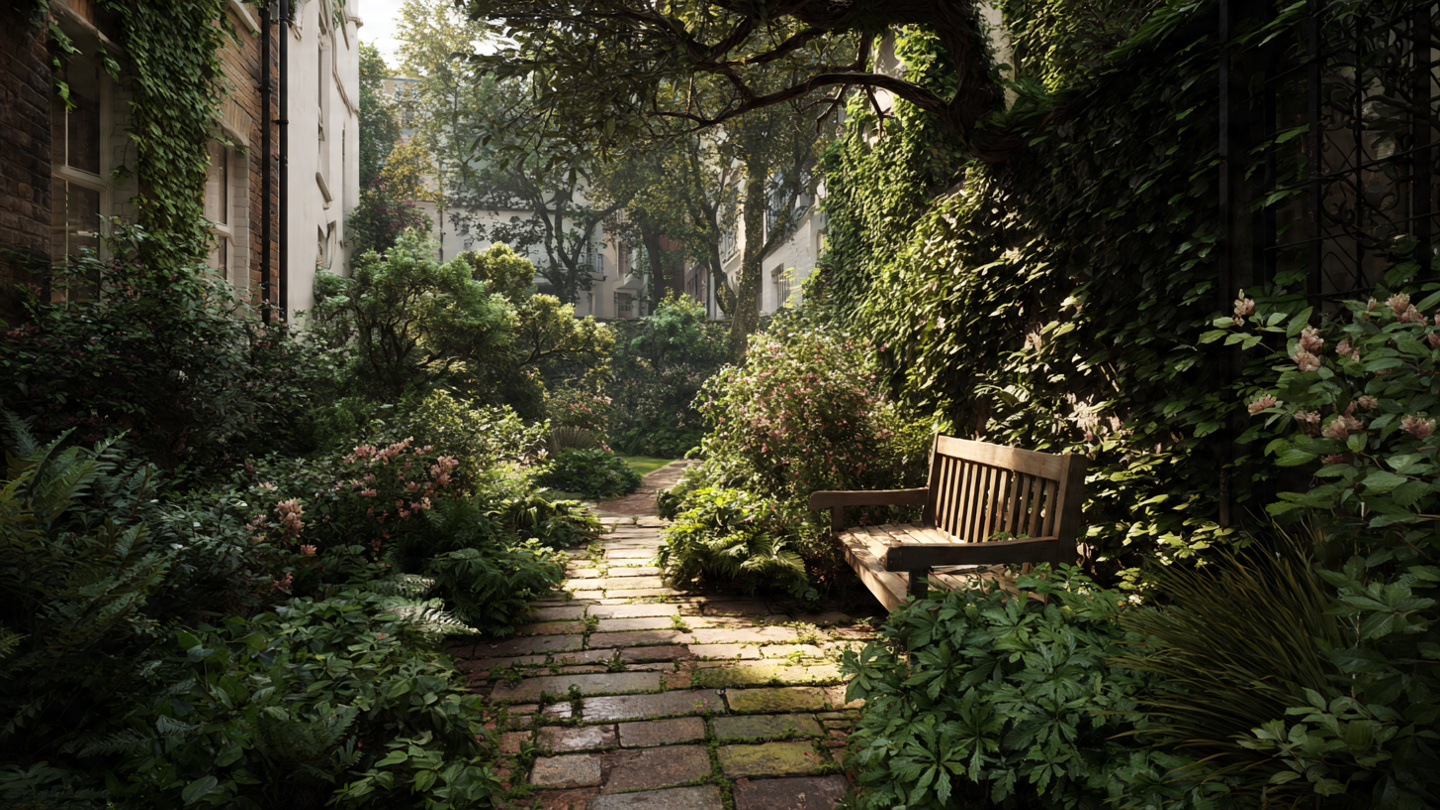
Enclosed Gardens Within Busy Districts
Some of the most surprising green spaces sit behind buildings or within residential districts. From the street, you might not immediately notice them. Yet once inside, the contrast feels dramatic.
Because these gardens are smaller and more contained, they often feel sheltered from surrounding noise. Tall trees and enclosed walls reduce traffic sound. Consequently, even short visits create noticeable calm.
For travelers who want a break without committing to a large park, these enclosed gardens provide balance. They demonstrate how parks in London exist not only in grand open landscapes but also in carefully protected pockets.
Hilltop Greens Beyond the Main Routes
Beyond the better-known viewpoints, several elevated green spaces provide wide perspectives with fewer visitors. Although they require slight detours from central routes, the reward is quieter access to skyline views.
Because these areas are less promoted, you often share them with locals rather than tour groups. As a result, the atmosphere feels more relaxed and authentic.
Furthermore, the gradual walk toward elevation creates anticipation. When the skyline finally appears, it feels discovered rather than delivered.
Woodland Trails That Feel Unexpectedly Rural
In certain parts of London, wooded trails create environments that feel far removed from urban surroundings. Dense tree cover filters light, and narrow paths curve gently through undergrowth.
Because traffic noise fades quickly within these areas, the sensation shifts from city exploration to nature immersion. Consequently, you may forget how close you are to central districts.
These wooded paths reveal another dimension of parks in London. They are not only formal gardens and open lawns. They also preserve landscapes that feel almost untouched.
Canal-Side Greens and Transitional Spaces
Not all hidden green spaces are isolated. Some exist along transitional routes, particularly near canal paths and quieter riverside stretches. These areas may not be marked as major parks, yet they offer seating, open grass, and shade.
Because they function as connectors between larger destinations, they often remain overlooked. However, that same quality makes them ideal for spontaneous pauses.
Instead of planning an entire visit, you might simply follow a path and find yourself within a peaceful stretch of green. As a result, discovery feels natural rather than scheduled.
Community Greens and Everyday Gathering Spaces
Smaller community parks reveal how residents interact with open space daily. Children play. Neighbors talk. Individuals read quietly on benches. These environments may lack grand monuments or wide meadows, yet they provide insight into local rhythm.
Because they are less curated for tourism, they feel grounded. Consequently, visitors who step into these spaces gain perspective beyond major attractions.
Hidden green spaces within London demonstrate that value does not always correlate with size. Sometimes, intimacy creates stronger memory than scale.
Why Lesser-Known Spaces Enhance Your Itinerary
Including lesser-known parks in London within your itinerary prevents the experience from feeling predictable. Iconic locations provide orientation. However, smaller green areas provide contrast.
Because travel fatigue often arises from repetition, variation becomes important. A quiet woodland path after a busy museum visit resets your attention. A small garden before sunset softens the pace of the evening.
Therefore, hidden green spaces do not replace major parks. Instead, they complement them. Together, they create a more complete understanding of the city’s layered landscape.
Best Sunset Viewpoints and Elevated Park Views in London
Why Elevation Changes the Entire Experience
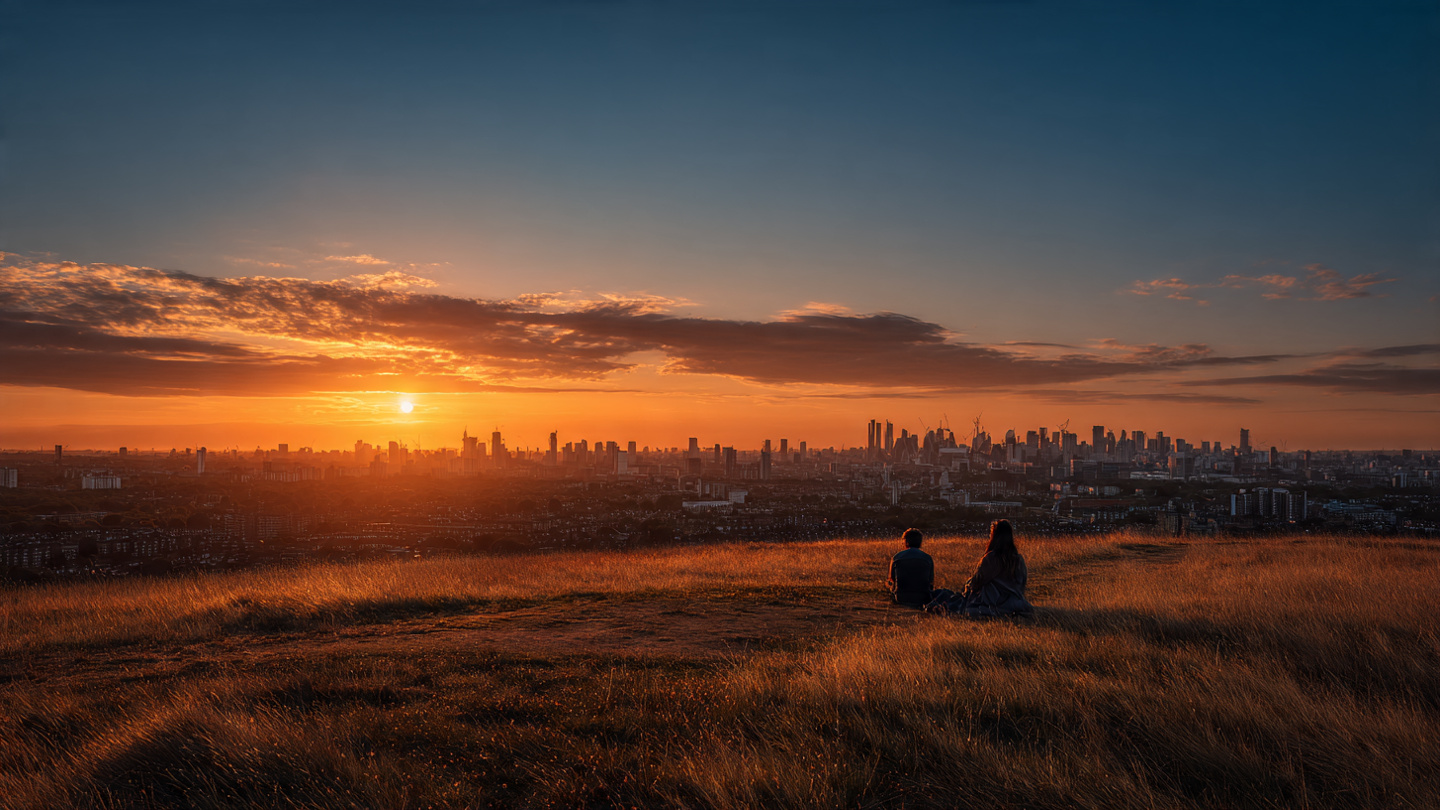
Experiencing parks in London from higher ground offers a different emotional response compared to walking through flat lawns. Elevation creates perspective. Instead of being surrounded by trees, you see how green space connects with skyline, river, and neighborhoods.
If you want a dedicated guide that focuses only on golden hour planning, skyline angles, and the most reliable locations to watch the light change, my detailed roundup of the best sunset viewpoints in London will help you choose the right hill, riverside stretch, or rooftop based on your travel style and the season.
Because London does not rely only on skyscrapers for views, several natural high points provide open panoramas. As a result, sunset becomes less about entering observation decks and more about reaching open landscapes.
When light begins to lower, shadows stretch across grass and buildings reflect warmer tones. Therefore, elevated parks become gathering points for those seeking atmosphere rather than attraction.
Parliament Hill: A Wide Skyline Without Barriers
One of the most expansive elevated views comes from Parliament Hill within Hampstead Heath. The climb is gradual, yet the reward feels immediate once you reach the top.
Because there are no walls or viewing platforms blocking the horizon, the skyline feels uninterrupted. You see layers of buildings stretching toward the city center. As a result, sunset here feels immersive rather than staged.
Moreover, the open grass allows visitors to sit comfortably while watching the sky change. Consequently, the experience feels communal yet calm.
Primrose Hill: Compact but Visually Strong
Although smaller in scale, Primrose Hill delivers a powerful view. The gentle ascent makes it accessible, and the skyline appears directly ahead once you reach the summit.
Because the space is compact, visitors naturally gather along the ridge. However, even with company nearby, the atmosphere remains relaxed. As the sun lowers, warm tones spread across the city’s outline.
For those exploring central districts, this viewpoint integrates easily into a walking route. Therefore, it works well for travelers who want elevated perspective without long detours.
Greenwich Park: River and City in One Frame
Greenwich Park combines elevation with historical context. As you walk upward, the River Thames gradually becomes visible. Once at the top, the view stretches across water and skyline together.
Because of this dual perspective, sunset here feels layered. The river reflects fading light while buildings darken gradually against the horizon.
Additionally, the surrounding landscape remains open enough to avoid crowding. Consequently, visitors can move slightly aside to find quieter positions without losing the view.
Richmond Park’s High Points: Space and Distance
Richmond Park offers elevated sections that feel less urban and more expansive. Instead of focusing solely on skyline silhouettes, these viewpoints emphasize distance and horizon.
Because the park is large, you often share the space with fewer people compared to central hills. As a result, the atmosphere feels calm and reflective.
Sunset here emphasizes open sky rather than dense architecture. Therefore, it appeals to travelers who prefer natural landscapes over city-focused compositions.
How Light Transforms Open Lawns
Even in parks without dramatic hills, late afternoon light changes the mood significantly. Open lawns catch long shadows. Trees create layered patterns. Lakes reflect shifting colors.
Because these transformations occur gradually, walking during this period feels dynamic. The same path you walked earlier may appear completely different as the sun lowers.
Therefore, sunset in parks in London is not limited to high points. It also includes subtle light shifts across familiar spaces.
Timing and Practical Considerations
Planning for sunset views requires awareness of season and timing. In summer, daylight extends well into the evening. In winter, light fades earlier. Because of these variations, checking sunset times before setting out improves the experience.
Additionally, arriving slightly early allows you to choose positioning calmly rather than rushing. Consequently, the atmosphere feels intentional.
If the weather remains clear, elevated parks often become some of the most memorable parts of a visit. Therefore, including at least one sunset walk can deepen your connection with the city.
Why Sunset Walks Anchor the Day
After a full day of exploration, elevated views provide closure. Instead of ending your schedule inside a building, you finish outdoors under open sky.
Because parks in London remain accessible and open, they offer flexibility at the end of the day. You do not need reservations or tickets. You simply walk upward and wait.
As light fades and the skyline softens, the city feels cohesive rather than fragmented. Consequently, sunset walks often become emotional highlights of the entire trip.
Choosing the Right Park Based on Your Travel Style
For First-Time Visitors Seeking Orientation
If this is your first visit, selecting parks in London that provide strong visual context can improve your overall understanding of the city. Elevated spaces and centrally located green areas help you see how districts connect.
Because first-time travelers often move between iconic landmarks, choosing parks near major attractions allows natural integration into your itinerary. You avoid long detours while still gaining the benefit of open space.
Moreover, starting with well-known parks builds confidence. Once you understand layout and scale, exploring quieter spaces becomes easier.
For Couples Looking for Romantic Atmosphere
Traveling as a couple often shifts priorities toward mood and shared moments. In this case, parks in London with lakes, enclosed gardens, and shaded pathways tend to feel more intimate.
Because slower walking encourages conversation, selecting parks with varied scenery prevents the experience from feeling repetitive. Gentle elevation changes, reflective water, and filtered sunlight create atmosphere naturally.
Timing also plays an important role. Early mornings and late afternoons soften both light and crowd density. As a result, even popular parks can feel romantic under the right conditions.
For Families Needing Space and Flexibility
Families benefit from open lawns and structured paths. Wide areas allow children to move freely without feeling restricted. Additionally, clear walking routes reduce navigation stress.
When choosing parks in London for family visits, consider accessibility and facilities. Larger central parks often provide restrooms, seating, and visible pathways.
Because children respond well to open space and wildlife, parks with ponds or occasional deer sightings tend to maintain engagement. Consequently, green spaces become active parts of the day rather than rest stops.
For Solo Travelers Seeking Reflection
Solo travelers often appreciate environments that allow quiet observation. Parks in London provide this without isolation. You remain within public space while still finding calm.
Woodland trails, elevated viewpoints, and lakeside benches create ideal settings for reflection. Because there is no pressure to move quickly, you can adjust your pace freely.
In addition, scenic walking routes allow extended exploration without complex planning. As a result, solo visitors often find parks to be grounding elements within busier travel schedules.
For Photographers Chasing Light and Composition
Light behaves differently across open landscapes. Photographers benefit from varied textures such as water, trees, skyline outlines, and open sky.
When selecting parks in London for photography, consider elevation and seasonal variation. High points provide skyline silhouettes. Lakes create reflection. Autumn leaves add texture. Spring blossoms soften compositions.
Because weather shifts frequently, flexibility improves results. Returning to the same park at different times of day often produces entirely different images.
For Nature-Focused Visitors Wanting Escape
Some travelers prioritize natural immersion over city landmarks. In this case, larger and less structured parks provide the strongest experience.
Wide grasslands, wooded trails, and wildlife sightings create a sense of distance from dense urban areas. Because these parks feel expansive, you may forget how close you remain to central districts.
Choosing these spaces intentionally ensures that your visit includes both urban highlights and restorative landscapes.
For Slow Travelers Building Balanced Days
Travelers who prefer slower pacing benefit from combining parks strategically. Instead of filling the schedule with consecutive attractions, alternate between indoor sites and outdoor walking.
Because parks in London are distributed across districts, you can position them as natural transitions. For example, a morning museum visit followed by an afternoon walk reduces fatigue.
As a result, your day feels continuous rather than exhausting. Planning with rhythm in mind improves overall satisfaction.
Matching Location With Energy Level
Your energy level on a given day should influence park selection. After long travel or heavy sightseeing, smaller central parks may feel sufficient. On high-energy days, longer scenic walking routes may feel rewarding.
Because green spaces vary widely in size and terrain, flexibility becomes an advantage. Rather than committing to a fixed plan, adjust based on how you feel.
This adaptability is one of the strengths of parks in London. They accommodate different moods without requiring major logistical changes.
Practical Tips for Exploring Parks in London
Plan Your Visit Around Light and Weather
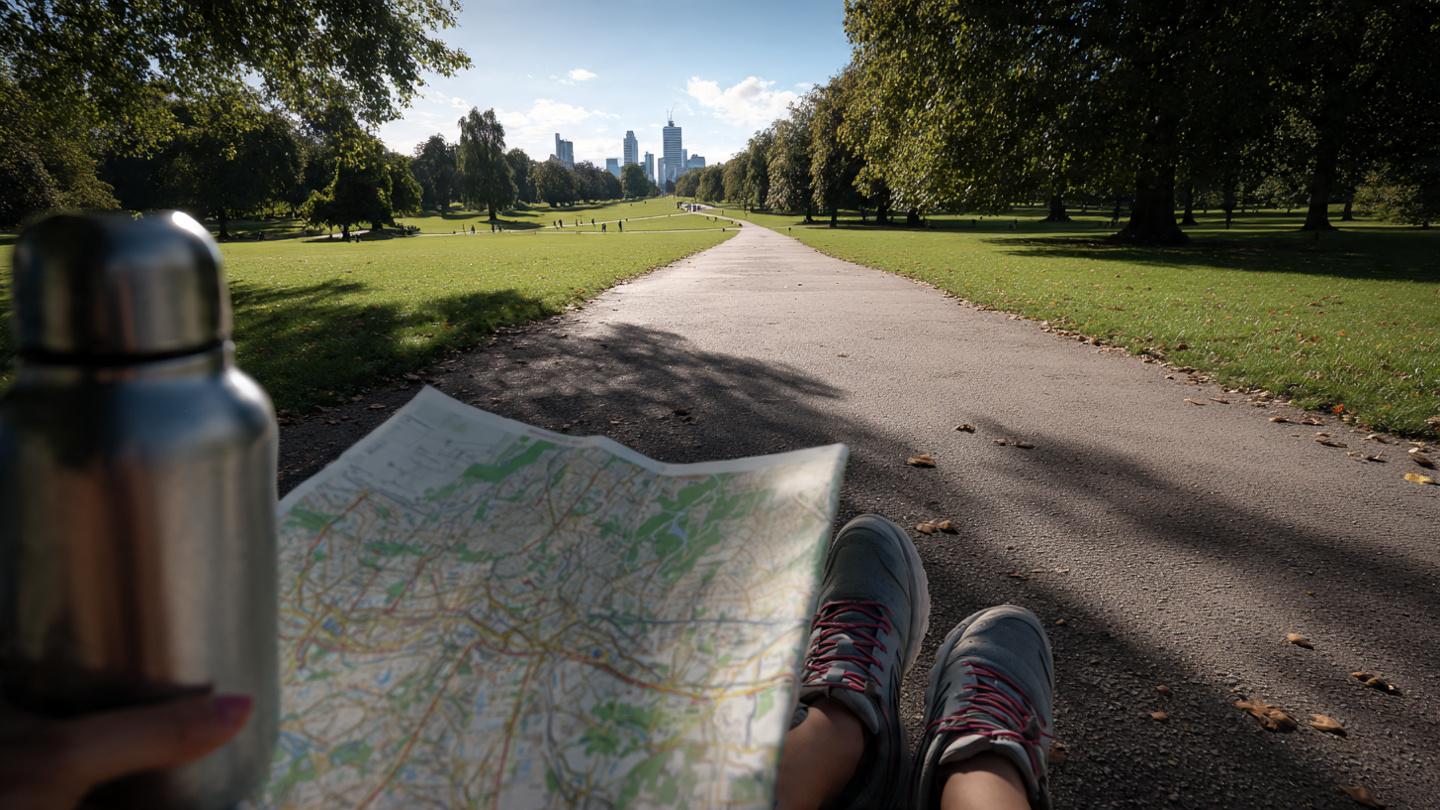
Weather influences the atmosphere of parks in London more than many visitors expect. While the city’s climate remains generally moderate, cloud cover and light conditions can transform a landscape completely.
For example, overcast skies soften colors and reduce harsh shadows. Meanwhile, clear afternoons enhance contrast and skyline views. Therefore, checking the forecast before heading out allows you to choose parks that match the conditions.
If light rain appears, do not dismiss the idea of walking entirely. Wet paths often deepen colors and create reflective surfaces that feel atmospheric rather than inconvenient.
Wear Comfortable Footwear for Varied Terrain
Although many parks offer paved pathways, others include grass, gravel, and uneven trails. Because terrain can shift quickly, comfortable walking shoes improve the experience significantly.
Elevated viewpoints and woodland routes may require slight inclines. As a result, footwear with stable grip ensures confidence while moving.
Even in central parks, distances can be longer than they initially appear. Therefore, preparing for extended walking prevents fatigue from overshadowing enjoyment.
Combine Parks With Nearby Attractions Strategically
One of the advantages of parks in London is their proximity to cultural landmarks. Rather than visiting green spaces as isolated stops, integrate them between major attractions.
For instance, after exploring museums or historic sites, stepping into nearby greenery creates natural contrast. Consequently, your itinerary flows smoothly rather than feeling segmented.
Planning this sequence intentionally reduces travel time and maintains rhythm throughout the day.
Use Green Spaces as Natural Break Points
Travel days often involve constant movement. However, scheduling short pauses inside parks improves stamina. Even fifteen minutes seated on a bench can restore energy.
Because parks remain open and accessible, they offer flexibility without advance planning. Therefore, when fatigue begins to build, look for nearby green areas instead of pushing forward immediately.
This simple adjustment can prevent burnout during longer stays.
Parks in London function as communal environments. Locals use them daily for exercise, gatherings, and relaxation. Therefore, maintaining awareness of surroundings ensures respectful coexistence.
Stay mindful of cyclists on shared paths. Keep noise levels moderate in quieter areas. Dispose of litter properly. Because these spaces serve both residents and visitors, preserving their condition matters.
When approached with respect, the experience remains positive for everyone.
Understand Seasonal Crowds
Although green spaces rarely feel overwhelming, certain times attract more visitors. Warm summer weekends draw families and social gatherings. Sunset viewpoints become busier on clear evenings.
Therefore, if you prefer quieter conditions, consider weekday mornings or early afternoons. Adjusting timing often changes the atmosphere without requiring different locations.
Seasonal awareness helps set realistic expectations and prevents frustration.
Bring Essentials for Comfort
Simple preparation enhances comfort. Water, light snacks, and weather-appropriate clothing ensure flexibility during longer walks.
Because some larger parks stretch over extensive areas, facilities may not always be immediately visible. Consequently, carrying small essentials reduces dependency on nearby shops.
Preparation allows you to extend your time comfortably rather than cutting it short.
Balance Structure With Spontaneity
While planning improves efficiency, leaving space for spontaneity enriches the experience. You may begin walking toward one destination and discover an unexpected view or quiet path.
Because parks in London contain multiple layers, following curiosity occasionally leads to memorable moments. Therefore, allow flexibility within your route rather than adhering strictly to maps.
Spontaneous detours often reveal hidden corners that structured plans overlook.
Safety and Awareness
Overall, London’s parks remain safe, especially during daylight hours. However, like any major city, awareness remains important.
Stick to well-used paths after dark. Keep personal belongings secure. Because green spaces are open environments, visibility tends to remain high in central areas.
By combining awareness with common sense, visitors can enjoy parks confidently.
Ending Your Day With Intention
Finally, consider using a park as the closing point of your day. Rather than ending inside crowded streets, choose an open lawn or elevated viewpoint.
As daylight fades, the city softens. Walking slowly toward your accommodation after time in green space creates a sense of closure.
Because parks in London remain accessible and welcoming, they provide flexible endings that feel natural rather than scheduled.
Final Reflections: Experiencing London Through Its Green Spaces
Seeing the City Beyond Its Landmarks
London is often introduced through monuments, museums, and historic architecture. However, once you begin exploring its open landscapes, the city feels different. Parks in London reveal a quieter dimension that balances the intensity of urban life.
Because these green spaces sit alongside major landmarks rather than far from them, they become part of the narrative rather than a separate chapter. You move between history and nature seamlessly. As a result, your understanding of London expands beyond attractions into atmosphere.
The Rhythm That Parks Create
Travel often involves momentum. You follow schedules, queues, and transport routes. Nevertheless, stepping into a park interrupts that pattern gently. The pace shifts from fast to measured.
Because movement slows naturally in open landscapes, attention sharpens. You notice small details such as changing light, subtle elevation, or the way trees frame skyline views. Consequently, parks in London help reset sensory overload without requiring you to leave the city entirely.
This rhythm becomes essential for longer visits. Without intentional pauses, the experience can feel compressed. With green space integrated thoughtfully, each day gains balance.
Unlike ticketed attractions, parks remain accessible to everyone. Locals walk dogs. Friends meet for conversation. Travelers sit quietly with cameras or notebooks. Because there is no barrier to entry, the environment feels inclusive.
As a result, you experience London alongside residents rather than separate from them. This shared presence adds authenticity. You are not observing daily life from outside; you are part of it.
For many visitors, this subtle integration becomes one of the most meaningful aspects of their trip.
The Value of Open Space in a Dense Capital
Major cities often emphasize height and density. London certainly contains both. Yet its preserved green spaces prevent that density from feeling suffocating.
Because parks in London remain widely distributed, they break visual monotony. Open lawns contrast with brick facades. Woodland trails contrast with paved streets. Elevated viewpoints contrast with narrow alleys.
This variation prevents the city from feeling one-dimensional. Instead, it feels layered and dynamic.
Why Intentional Walking Changes Perspective
Choosing to walk through green space rather than relying solely on transport transforms how you absorb the city. Movement becomes gradual instead of abrupt.
For example, skyline angles shift slowly as you approach elevated hills. Water reflections change as you move along lakes or rivers. Therefore, experience replaces checklist behavior.
Parks in London encourage this slower absorption. They remind you that exploration is not only about arrival but also about the path taken.
Returning to Green Space Throughout Your Visit
One of the most effective ways to integrate parks into your itinerary is to revisit them. Light changes. Crowds fluctuate. Seasonal details shift.
Because of these variations, the same park can feel entirely different across multiple visits. An early morning walk may feel reflective, while an evening sunset visit may feel atmospheric.
Repetition deepens familiarity. As a result, parks often become emotional anchors within the broader travel experience.
Ending With Perspective
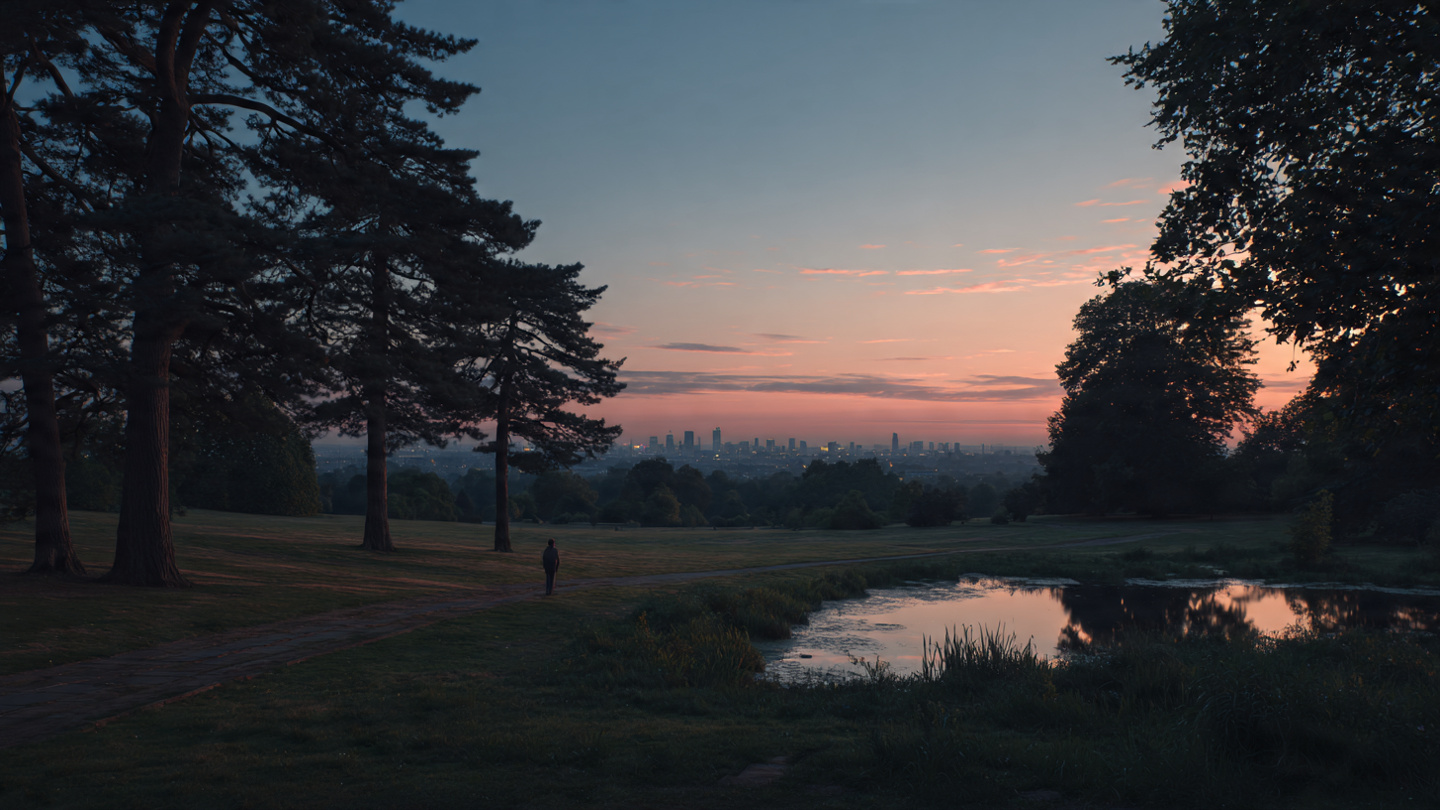
By the end of your stay, certain images may stand out more vividly than expected. Perhaps it is not a monument but a skyline framed by trees. Perhaps it is not a museum but an open lawn under golden light.
Because parks in London blend nature, history, and daily life, they leave layered impressions. They do not compete with landmarks. Instead, they support and contextualize them.
When approached intentionally, these green spaces become essential rather than optional. They provide rhythm, perspective, and balance within one of the world’s busiest capitals.
Frequently Asked Questions
General Questions About Parks in London
Yes, most major parks in London are free and open to the public. You do not need tickets to walk, sit, or explore general areas. However, certain attractions within parks, such as museums, boating rentals, or guided tours, may charge fees.
Spring and summer offer longer daylight and blooming gardens, making them popular choices. However, autumn provides beautiful foliage, and winter can feel peaceful and less crowded. The best season depends on whether you prefer vibrant activity or quiet atmosphere.
Overall, parks in London are considered safe, especially during daylight hours. Like any major city, it is wise to stay aware of your surroundings and stick to well-used paths after dark.
Scenic Walks and Views
Several elevated parks provide strong skyline perspectives. Locations such as Primrose Hill, Parliament Hill, and Greenwich Park are especially known for open panoramic views.
Yes, parts of the Thames Path connect directly with green spaces. This allows you to combine riverside walking with open parkland, creating continuous scenic routes.
This depends on your travel style. A short visit may last 30–45 minutes, while scenic walking routes can extend for several hours. Many visitors integrate parks into broader walking days rather than visiting them as isolated stops.
Planning and Practical Advice
Yes, many parks offer open lawns, playground areas, and wide paths suitable for strollers. Larger parks provide space for children to move comfortably without feeling restricted.
Comfortable walking shoes are usually sufficient. While most paths are maintained, some routes include grass or light gravel. Bringing water and checking the weather forecast can improve comfort during longer walks.
Yes. Many parks in London are located relatively close to one another or connected by scenic routes. Planning strategically allows you to combine green spaces within a single walking itinerary.
Yes. While iconic parks attract more visitors, many lesser-known green spaces and woodland sections offer calmer environments. Visiting early in the morning or on weekdays also reduces crowd density.
Opening and closing times vary by park and season. Some close at dusk, while others have set evening hours. It is advisable to check official times if you plan to stay late.