
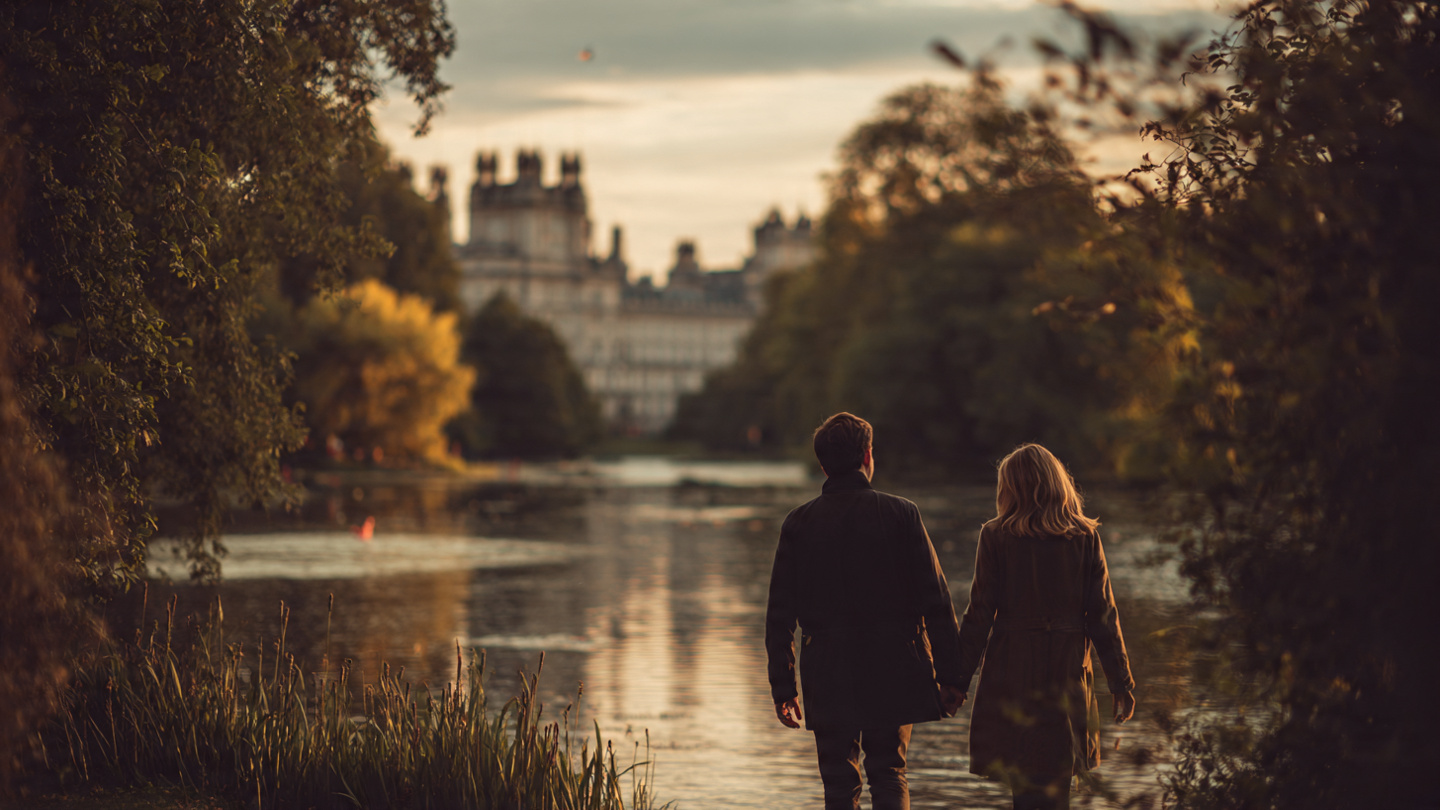
Romantic walks in London are not defined by distance or difficulty. Instead, they are shaped by atmosphere. Although the city is known for movement and energy, certain routes create calm within that motion. When couples step away from traffic and into riversides, parks, or quiet residential streets, the rhythm changes immediately. As a result, the experience begins to feel personal rather than public.
London does not remove its noise completely. However, it softens it in specific areas. Because of this contrast, intimacy becomes easier. The shift from busy streets to open pathways creates emotional space. Consequently, even a short walk can feel meaningful.
Many of these romantic routes unfold inside London’s most beautiful green landscapes, where lakes, open lawns, and tree-lined avenues quietly shape the atmosphere. If you would like to explore how these parks connect across the city beyond just romantic settings, see the complete guide to Parks in London: Scenic Walks, Royal Parks and Peaceful Green Spaces.
Space Creates Emotional Comfort
Romance rarely thrives in crowded or narrow spaces. Therefore, physical openness matters. Wide promenades, tree-lined avenues, and gently curving park paths allow couples to move without constant interruption. When there is room to walk naturally, conversation flows more comfortably.
In London, this breathing space appears in layered landscapes. For example, riverside embankments stretch outward with open sightlines. Similarly, royal parks provide lawns and water features that reduce visual pressure. Because these environments feel less compressed, they support closeness.
Moreover, spacious routes reduce distraction. Instead of focusing on navigation, couples focus on connection. As a result, the setting quietly supports intimacy.
Light Transforms Ordinary Routes
Lighting plays a powerful role in shaping emotion. A walkway that feels neutral at midday often feels completely different at sunset. Golden tones soften historic stone. Reflections shimmer along the Thames. Even modern buildings appear warmer under evening light.
Therefore, timing becomes essential when choosing romantic places to walk in London. Early mornings feel quiet and private. Late afternoons feel warm and cinematic. Meanwhile, evenings introduce glow and reflection. Because London’s skyline interacts beautifully with changing light, couples often experience a noticeable emotional shift as the day progresses.
Additionally, seasonal light enhances this effect. Spring brightness feels hopeful. Autumn light feels reflective. Winter evenings feel intimate under street lamps. Each season adds its own tone.
Nature Softens the City
Although London is a global capital, greenery remains central to its character. Parks, canals, and tree-lined streets act as natural buffers. Consequently, many romantic walking routes in London include water or greenery.
Trees filter sound and reduce visual intensity. Water slows perception through gentle movement and reflection. Grass absorbs noise and creates comfort. Because of these natural elements, couples often feel calmer in green spaces than on busy commercial streets.
Furthermore, London blends architecture and landscape seamlessly. You can walk beside historic buildings and, within minutes, enter open lawns or shaded paths. This balance between structure and softness strengthens the romantic atmosphere.
Elevation Changes Perspective
Height introduces emotional depth. When couples rise above street level, the perspective shifts. Instead of being surrounded by crowds, they look outward together. As a result, the moment feels shared and expansive.
Even subtle elevation creates impact. Hilltops, raised park sections, and riverside bridges provide open views without extreme effort. Moreover, skyline views during sunset amplify warmth and reflection. Because the city stretches beneath you, the experience feels symbolic rather than crowded.
Shared perspective encourages reflection. Therefore, elevated spots naturally enhance romantic walks in London.
Simplicity Encourages Intimacy
Many visitors assume romance requires dramatic scenery. However, simplicity often feels more genuine. A quiet canal stretch. A curved bench beneath trees. A pastel residential street. These subtle details create atmosphere without overwhelming the senses.
In contrast, overly busy routes interrupt rhythm. Therefore, choosing paths that allow steady pacing becomes important. Romantic walks in London feel strongest when they feel effortless. No rushing. No constant stopping. Just consistent movement and conversation.
Because of this, the most memorable moments often happen in the quiet pauses rather than at major landmarks.
Semi-Privacy Within Public Spaces
London is rarely empty. Nevertheless, certain routes feel partially private. Wide paths prevent shoulder contact. Hidden benches offer pause. Quieter park corners create retreat without isolation.
Importantly, romance does not require total seclusion. Instead, it requires comfort. When couples feel unhurried and secure, conversation deepens naturally. Therefore, selecting routes that balance openness and calm becomes essential.
Semi-private environments, especially near water and within parks, often provide that balance.
Walking side by side creates natural alignment. Unlike structured activities, walking allows conversation to develop gradually. Additionally, shared observation of surroundings creates effortless topics.
Because of this, couples walks in London often feel more connected than traditional sightseeing. The physical rhythm of steps supports emotional rhythm. Furthermore, flexible distances allow couples to adjust pace based on mood.
Whether the walk lasts twenty minutes or two hours, the key is continuity. Continuous movement without stress strengthens intimacy.
Why London Feels Naturally Romantic
Ultimately, romantic walks in London work because of balance. The city combines history, water, greenery, and skyline within compact distances. Therefore, couples can move between different emotional settings without long travel.
You might begin beside the river, continue through a royal park, and finish at a hilltop viewpoint. Each transition feels seamless. As a result, the experience feels layered and organic.
London does not manufacture romance. Instead, it reveals it slowly through atmosphere, space, and light.
Westminster to Tower Bridge: A Timeless Riverside Walk for Couples
Why This Riverside Route Feels Instantly Romantic
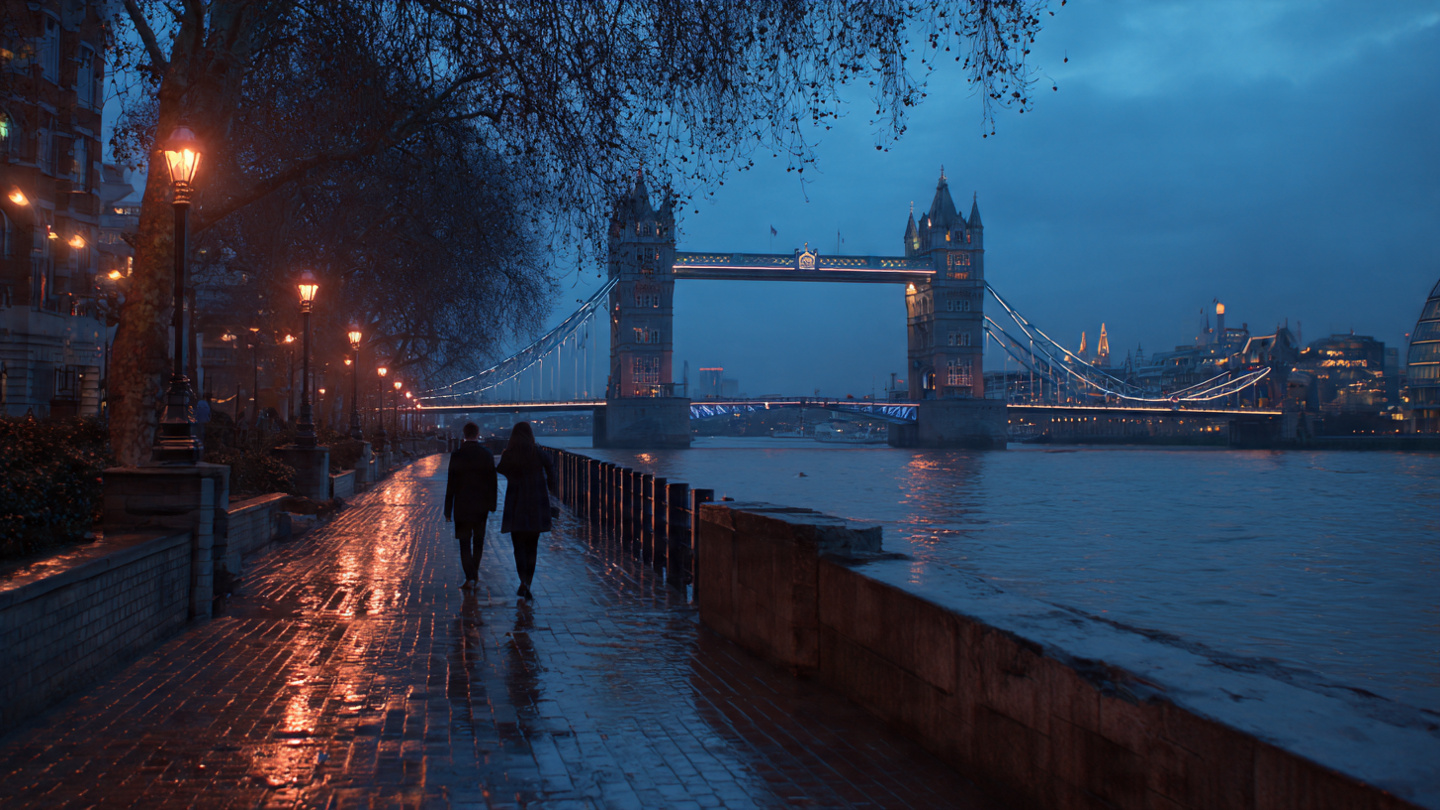
Among all romantic walks in London, the stretch between Westminster and Tower Bridge remains one of the most naturally intimate. Although it passes several iconic landmarks, the route itself feels surprisingly calm when approached with the right mindset. Instead of rushing from one attraction to another, couples can treat this riverside path as a slow unfolding experience.
For couples who want to extend their riverside experience beyond this route, the full breakdown of waterside paths is covered in Scenic Walks Along the River Thames: A London Guide.
The Thames acts as a visual anchor throughout the walk. Because water creates openness, the space feels wider than surrounding streets. As a result, even in central London, the atmosphere becomes softer. Movement slows naturally along the embankment, and conversation feels less interrupted by traffic noise.
Moreover, the combination of historic architecture and steady river flow adds a timeless quality. The setting feels grounded in history, yet emotionally present.
Beginning at Westminster: Grandeur Without Pressure
Starting near Westminster provides immediate visual impact. The architectural presence creates a sense of importance. However, once couples move slightly away from crowded photo areas and continue along the riverside, the energy shifts.
Instead of focusing on buildings, attention gradually moves toward reflections on the water. Because the river curves gently, sightlines open and close naturally. This creates rhythm. Each bend reveals a new perspective without overwhelming the senses.
Furthermore, wide pedestrian paths reduce stress. Couples do not need to rush. They can pause briefly, lean against the embankment, or continue walking without feeling pushed forward by crowds.
The Emotional Power of Water
Water transforms the emotional tone of any city. Along this stretch, the Thames reflects changing light throughout the day. In the afternoon, the surface shimmers softly. At sunset, warm tones deepen across the skyline. During early evening, city lights ripple across the river.
Therefore, timing significantly enhances this romantic walking route in London. Late afternoon and early evening offer the strongest atmosphere. As light lowers, shadows stretch across stone embankments. The environment becomes less about sightseeing and more about shared presence.
Additionally, the steady flow of the river creates calm. Unlike busy streets, water moves without urgency. This subtle psychological effect supports emotional closeness.
Midway Moments: South Bank Energy Versus Quiet Edges
As couples continue walking, the route passes through more lively areas near the South Bank. Street performers, small gatherings, and riverside seating introduce movement and sound. However, this energy does not need to interrupt intimacy.
Instead, couples can choose edges of the promenade where space opens slightly. By staying closer to the water and away from dense activity, the walk maintains rhythm. The key is intentional pacing.
Because the path remains continuous, there is no need to stop abruptly. Even when the area becomes livelier, forward movement restores calm within minutes.
Bridges as Romantic Pause Points
Each bridge along this stretch offers an opportunity for subtle pause. Bridges create elevation and perspective. When couples step slightly above river level, they gain a shared view of both banks.
Standing at the center of a bridge during sunset feels symbolic. The city expands outward in both directions. Meanwhile, the river glows below. As a result, the moment feels expansive yet personal.
However, it is important not to treat bridges as rushed photo stops. Instead, brief stillness followed by continued walking preserves emotional continuity.
Approaching Tower Bridge: A Cinematic Finish
As the walk nears Tower Bridge, the atmosphere shifts again. The structure appears gradually in the distance. Because the approach is not abrupt, anticipation builds quietly.
By the time couples reach the bridge, the skyline feels layered behind them. If timed during golden hour or early evening, the visual impact becomes stronger. Reflections deepen. Architectural details soften.
Nevertheless, the romance of this route does not depend solely on the final view. The strength lies in the journey between points. The gradual transitions from Westminster to Tower Bridge create emotional pacing.
Like the blue colours. Let’s cars go across. Not sure what else to say really. Been and can confirm it’s definitely a bridge.
Read more reviews at Tripadvisor.
Choosing the Right Direction
Although many visitors begin at Westminster, walking in the opposite direction also works well. Starting near Tower Bridge and moving toward Westminster provides a different light orientation during sunset.
For example, evening light often illuminates the skyline differently depending on direction. Therefore, couples may choose based on timing. Both directions maintain continuity because the riverside path remains uninterrupted.
Additionally, transport connections at both ends make the route practical. Easy access allows couples to end the walk without stress. Practical ease strengthens the romantic experience.
To keep this walk simple and stress-free, I use a saved route map for the whole riverside stretch, so we can focus on the Thames views instead of checking directions. Tap Westminster to Tower Bridge walking route map to follow the exact path.
Ideal Timing for This Walk
While the route works throughout the day, late afternoon into evening offers the most balanced atmosphere. During this period, crowds begin thinning slightly, and light becomes warmer. As darkness approaches, riverside lighting introduces reflection and depth.
Spring and early autumn often provide the most comfortable temperatures. Summer evenings extend daylight and allow longer walks. Even winter can feel romantic if layered clothing makes the cold manageable.
Because the path is open and exposed in some areas, checking weather conditions beforehand improves comfort. A calm evening enhances the reflective quality of the river.
If you want romantic routes that also carry strong history, ceremonial scenery, and lakefront pathways near iconic landmarks, our Royal Parks of London Guide highlights the best royal park settings to match that slower, more intimate walking mood.
Keeping the Experience Intimate
To preserve intimacy along this popular stretch, pacing becomes essential. Walking slightly slower than the crowd naturally creates space ahead. Choosing moments to pause along quieter sections reduces pressure.
Importantly, romantic walks in London are not about avoiding people completely. Instead, they are about choosing where to focus attention. When couples focus on water reflections, skyline lines, and shared conversation, external movement fades into the background.
The Westminster to Tower Bridge walk works because it balances grandeur and calm. It offers iconic views without forcing spectacle. When approached slowly and intentionally, it becomes one of the most rewarding romantic routes in the city.
St James’s Park and Green Park: Royal Romance in the Heart of London
Royal Surroundings Create a Different Kind of Intimacy
While the riverside offers openness, St James’s Park and Green Park provide elegance. These connected green spaces sit at the center of historic London, yet they feel surprisingly calm. Because of their layout and symmetry, they create a structured, refined atmosphere that naturally enhances romantic walks in London.
Unlike dramatic skyline views, this area offers subtle beauty. Tree-lined paths guide movement gently. Open lawns stretch quietly between water and palace views. As a result, couples experience intimacy through balance rather than spectacle.
The setting feels timeless. Walking here does not feel rushed or chaotic. Instead, it feels composed.
St James’s Park: Water, Symmetry, and Soft Reflection
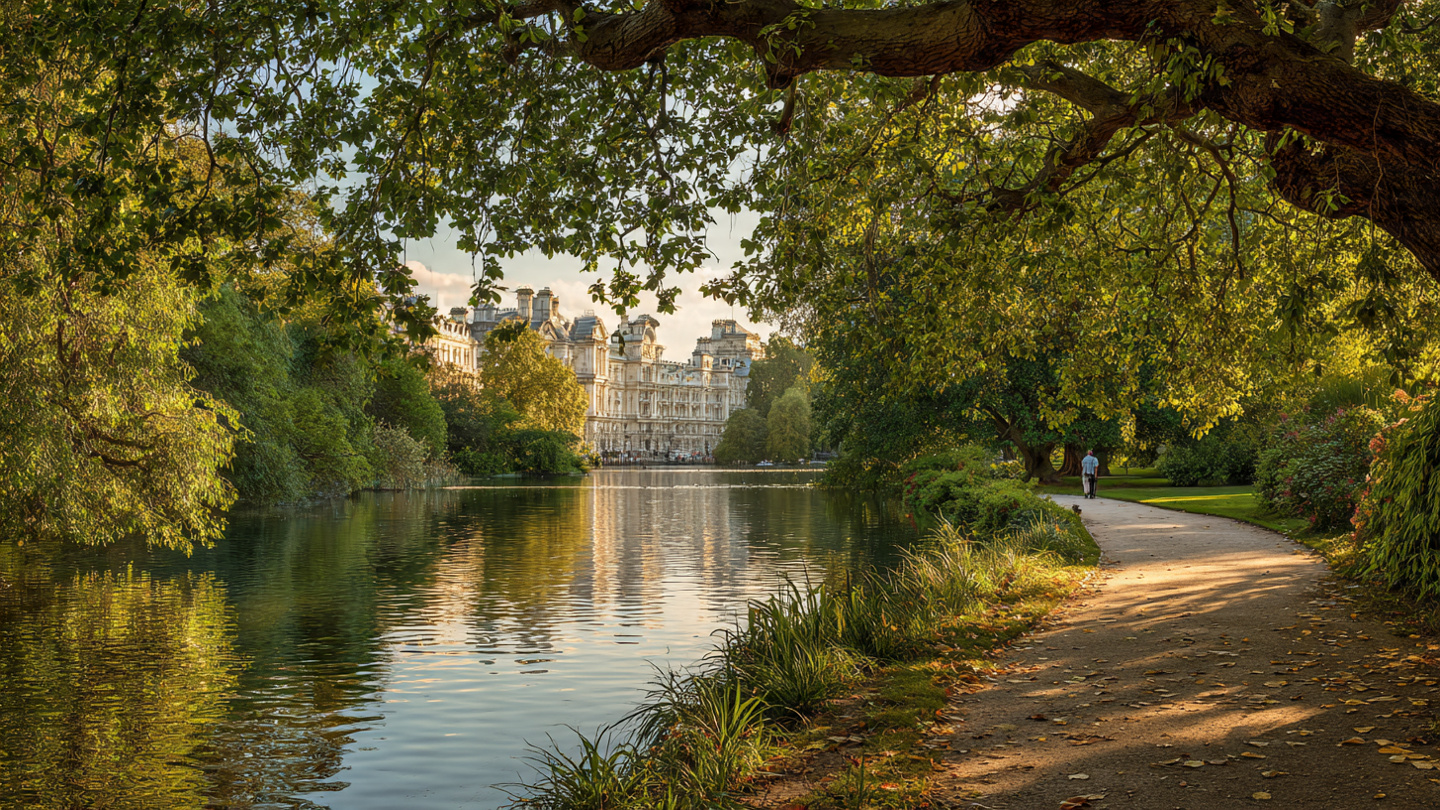
St James’s Park stands out for its central lake and carefully designed pathways. Because the water runs through the middle, couples walk beside gentle reflections rather than traffic. The visual softness of the lake creates immediate calm.
Moreover, the curved bridge crossing the water becomes a natural pause point. From there, skyline elements appear layered in the distance. However, the mood remains peaceful rather than dramatic. This quiet layering strengthens emotional presence.
In spring, blossoms frame pathways with light color. In autumn, leaves create warmth beneath footsteps. Therefore, the park adapts seasonally while maintaining its romantic tone.
Too good for a nice relaxing walk. Nice to go with your family and nice for a picnic in the beautiful nature
Read more reviews at Tripadvisor.
Green Park: Simplicity and Open Calm
Green Park feels less structured but equally intimate. Unlike St James’s Park, it contains fewer water features and flower beds. Instead, it offers open grassland beneath mature trees. Because of this simplicity, the environment feels understated.
This understated quality works well for couples seeking quiet conversation. Wide shaded areas allow steady walking without distraction. Additionally, fewer ornamental features mean less foot traffic in certain corners.
As a result, romantic places to walk in London sometimes feel strongest where design steps back and space leads.
The Flow Between the Two Parks
One of the greatest advantages of this route is continuity. Couples can move seamlessly from St James’s Park into Green Park without interruption. Because the spaces connect naturally, the walk feels fluid rather than segmented.
This flow allows emotional pacing. For example, couples may begin beside the lake’s reflections and gradually transition into shaded lawns. Each shift feels gentle. There is no sudden change in environment.
Furthermore, surrounding royal architecture creates a backdrop without overwhelming the landscape. Buildings frame the parks rather than dominate them.
This is one of the easiest romantic walks to do without planning, but I still like having a quick loop saved so we naturally hit the lake bridge and the quiet shaded paths. Here is my St James’s Park and Green Park walking loop map for a relaxed route.
Early Morning Versus Late Afternoon Atmosphere
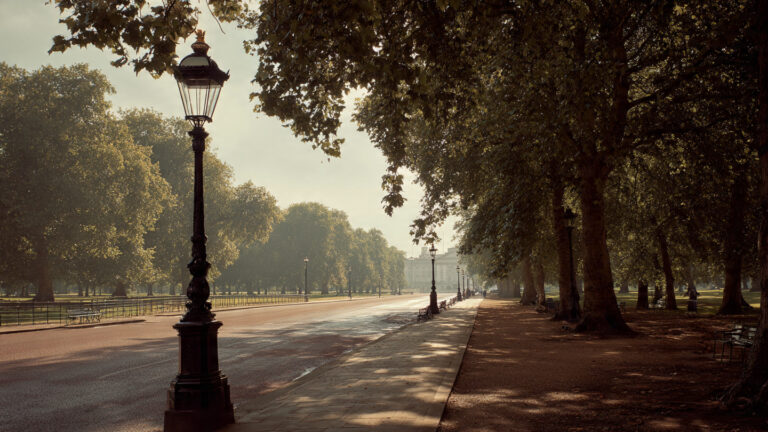
Timing changes the emotional texture of this walk significantly. Early mornings feel calm and lightly misted, especially near the water. Fewer visitors create quiet space. Consequently, couples often feel as though they are walking through a private garden.
Late afternoons introduce warmth and golden tones. Light filters through tree branches and reflects across the lake. Because the parks remain open and spacious, even busier periods rarely feel crowded.
Evenings, although darker, introduce subtle charm. Lamps glow softly along pathways. As a result, movement slows naturally.
Benches and Pauses as Part of the Experience
Unlike fast-paced city routes, these parks encourage pauses. Benches sit beside water and beneath trees. Couples can sit briefly without feeling rushed.
Importantly, the pause becomes part of the romantic rhythm. Walking, sitting, and walking again creates balance. The body relaxes. Conversation deepens. Therefore, romantic walking routes in London often benefit from built-in moments of stillness.
This pattern of movement and pause strengthens connection.
A Walk That Feels Refined Rather Than Dramatic
Some romantic walks in London feel cinematic and expansive. In contrast, St James’s Park and Green Park feel refined. The beauty here is controlled and balanced. The paths curve gently. The lawns stretch evenly. The water remains calm.
Because of this structure, the environment feels intentional. Couples do not need dramatic backdrops to feel connected. Instead, they experience intimacy through harmony.
Moreover, the central location makes the route practical. Easy transport access means the walk can fit naturally into a day without logistical stress. Practical simplicity enhances emotional ease.
Seasonal Variation Enhances the Experience
Each season changes the character of these parks. Spring introduces blossom and lighter air. Summer extends daylight, allowing longer evening walks. Autumn deepens color tones and creates warmth underfoot. Winter strips the landscape back to minimal elegance.
Despite these shifts, the core atmosphere remains consistent. Therefore, this route works year-round. Couples walks in London often depend on adaptable spaces, and these parks provide exactly that.
Why This Route Feels Balanced
Ultimately, St James’s Park and Green Park succeed because they combine openness with intimacy. They sit in the heart of London, yet they feel slightly removed from its urgency. The design encourages slow pacing. The surroundings encourage reflection.
Unlike busier commercial streets, this route allows couples to feel composed rather than stimulated. As a result, it becomes one of the most reliable romantic walks in London for those who prefer elegance over spectacle.
If you would like to compare these royal green spaces with other centrally located gardens and landscaped areas, explore the complete overview in The Best Parks in Central London for Scenic Walks.
Primrose Hill and Hampstead Heath: Elevated Views for Intimate Moments
Why Height Deepens Romance
While parks in central London offer elegance and balance, elevated landscapes introduce something different. Height changes perception. When couples rise above the city, the environment feels wider, quieter, and more reflective. Therefore, Primrose Hill and Hampstead Heath naturally rank among the most memorable romantic walks in London.
If you are planning your walk around golden hour, you can explore additional skyline spots and elevated evening perspectives in the detailed guide to Best Sunset Viewpoints in London with Scenic Views.
Unlike structured royal gardens, these areas feel organic and expansive. The ground slopes gently upward. Trees thin as the skyline begins to reveal itself. Because of this gradual transition, anticipation builds slowly. The emotional reward arrives not suddenly, but progressively.
Moreover, elevation creates shared perspective. Looking outward together strengthens connection in subtle ways. Instead of focusing inward on crowds or noise, couples focus outward on horizon and sky.
Primrose Hill: A Compact but Powerful Viewpoint
Primrose Hill may be smaller in scale compared to other green spaces, yet its impact is immediate. The climb is short and manageable. As a result, couples of all walking levels can reach the summit comfortably.
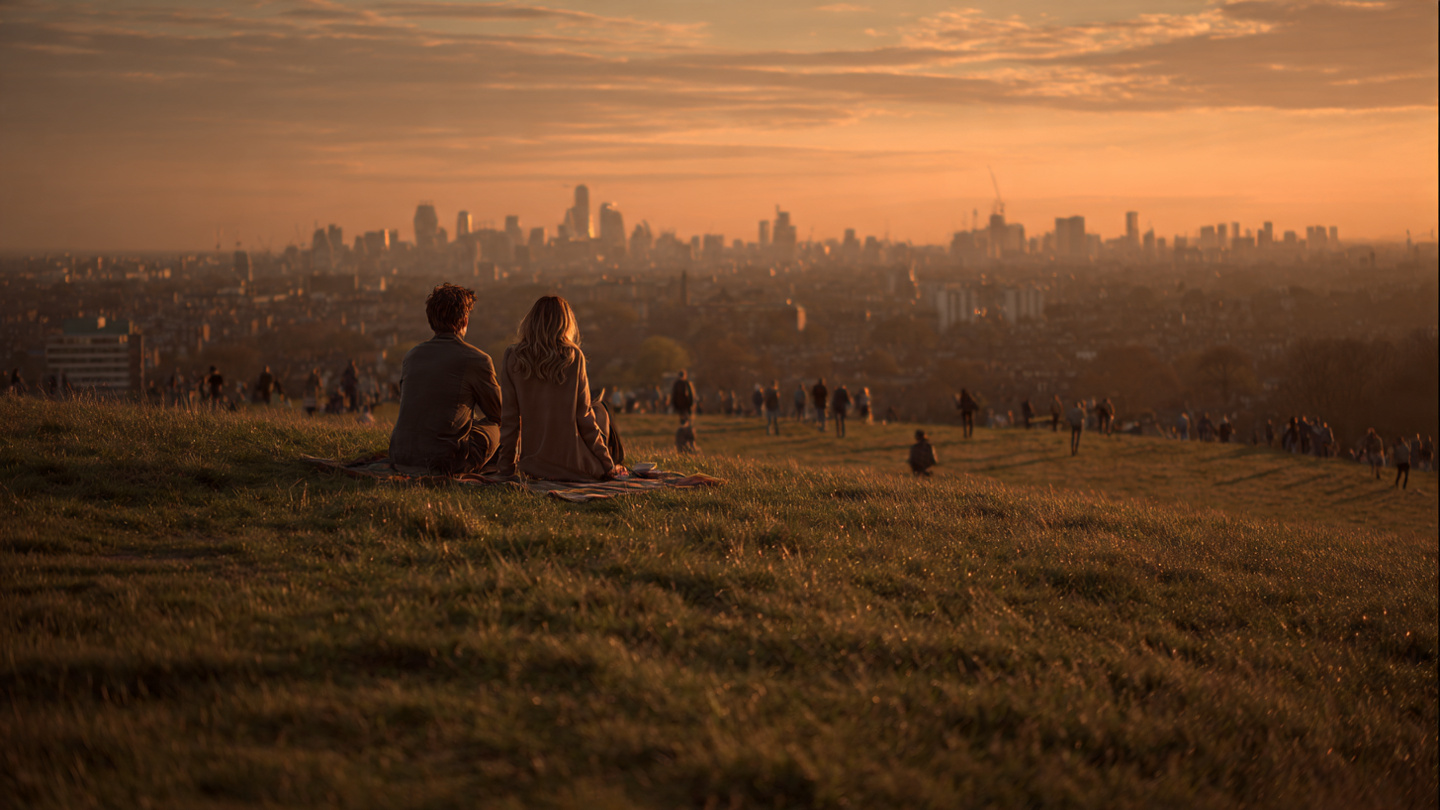
Once at the top, the skyline unfolds clearly. Because the view faces central London, iconic outlines appear layered across the horizon. However, what makes this location romantic is not the buildings themselves. It is the space between you and them.
Open sky stretches wide. Grass slopes gently downward. The absence of barriers allows couples to sit close together without interruption. Consequently, the atmosphere feels both exposed and intimate.
Sunset often transforms the experience completely. Warm tones soften the skyline. Shadows lengthen across the grass. Therefore, timing becomes essential for maximizing emotional impact.
Hampstead Heath: Wild Beauty and Expansive Calm
In contrast to Primrose Hill’s defined viewpoint, Hampstead Heath feels untamed. The landscape is broader and less symmetrical. Paths twist naturally rather than follow formal design. Because of this, the walk feels exploratory.
Romantic walking routes in London sometimes benefit from unpredictability. Hampstead Heath provides exactly that. Couples can wander without strict direction. Open fields lead into wooded areas. Gentle rises reveal distant skyline views through gaps in trees.
Furthermore, the heath offers multiple elevated spots rather than a single focal point. This allows couples to choose their own pace and perspective. Some may prefer open grassland. Others may prefer partial tree cover.
This flexibility strengthens emotional personalization. The walk becomes uniquely shared rather than predetermined.
The Emotional Power of Wide Open Sky
One of the strongest romantic qualities of elevated parks is sky exposure. When couples stand beneath open sky, the sense of confinement disappears. Even in a large city, the atmosphere feels expansive.
During late afternoon, clouds reflect warm tones. During early evening, city lights begin appearing gradually. Because the skyline sits at a distance, the environment feels peaceful rather than overwhelming.
Additionally, wind movement across grass and trees adds sensory depth. The subtle sound of rustling leaves replaces traffic noise. As a result, conversation becomes softer and more focused.
Elevation creates a psychological pause. Couples feel slightly removed from daily pace. This removal deepens connection.
Ideal Timing for Elevated Walks
Although Primrose Hill and Hampstead Heath work throughout the day, late afternoon into sunset provides the strongest atmosphere. During this window, light gradually shifts from bright to golden.
However, early mornings offer something different. Fewer visitors create solitude. Mist sometimes hovers above lower ground. Therefore, couples seeking privacy may prefer earlier hours.
Season also plays a role. Spring and summer extend daylight, allowing longer stays at the summit. Autumn introduces warmer color tones that complement skyline views. Winter, while colder, offers crisp visibility on clear days.
Because weather conditions affect exposure on hilltops, checking wind and temperature beforehand improves comfort.
Walking Versus Sitting: Balancing Movement and Stillness
Unlike linear riverside routes, elevated parks invite alternation between walking and sitting. Couples may walk partway, pause to observe, then continue along another path. This rhythm creates variety without pressure.
Importantly, stillness enhances intimacy. Sitting on grass with a wide skyline ahead encourages reflection. Meanwhile, gentle walking between vantage points keeps energy flowing.
Romantic walks in London often become stronger when movement and stillness are balanced intentionally.
Accessibility and Practical Considerations
Both locations are accessible via public transport, which reduces logistical stress. However, the final approach always involves a slight incline. Fortunately, the incline is manageable and gradual.
Comfortable footwear becomes important, especially at Hampstead Heath where terrain can be uneven. Therefore, planning ahead enhances ease. When couples feel physically comfortable, emotional atmosphere improves.
Additionally, choosing less crowded access points can preserve quiet pacing.
Why Elevated Walks Feel Symbolic
There is something inherently symbolic about standing above a city together. The perspective suggests shared overview and shared journey. Because the skyline spreads outward, the moment feels larger than daily routine.
However, the romance does not depend on grandeur alone. Instead, it grows from contrast. After walking through city streets, rising above them creates emotional separation.
Therefore, Primrose Hill and Hampstead Heath remain essential romantic walks in London for couples seeking perspective, openness, and reflection rather than formal structure.
Notting Hill and Little Venice: Colorful Streets and Canal Serenity
Why Charm Feels Different From Grandeur
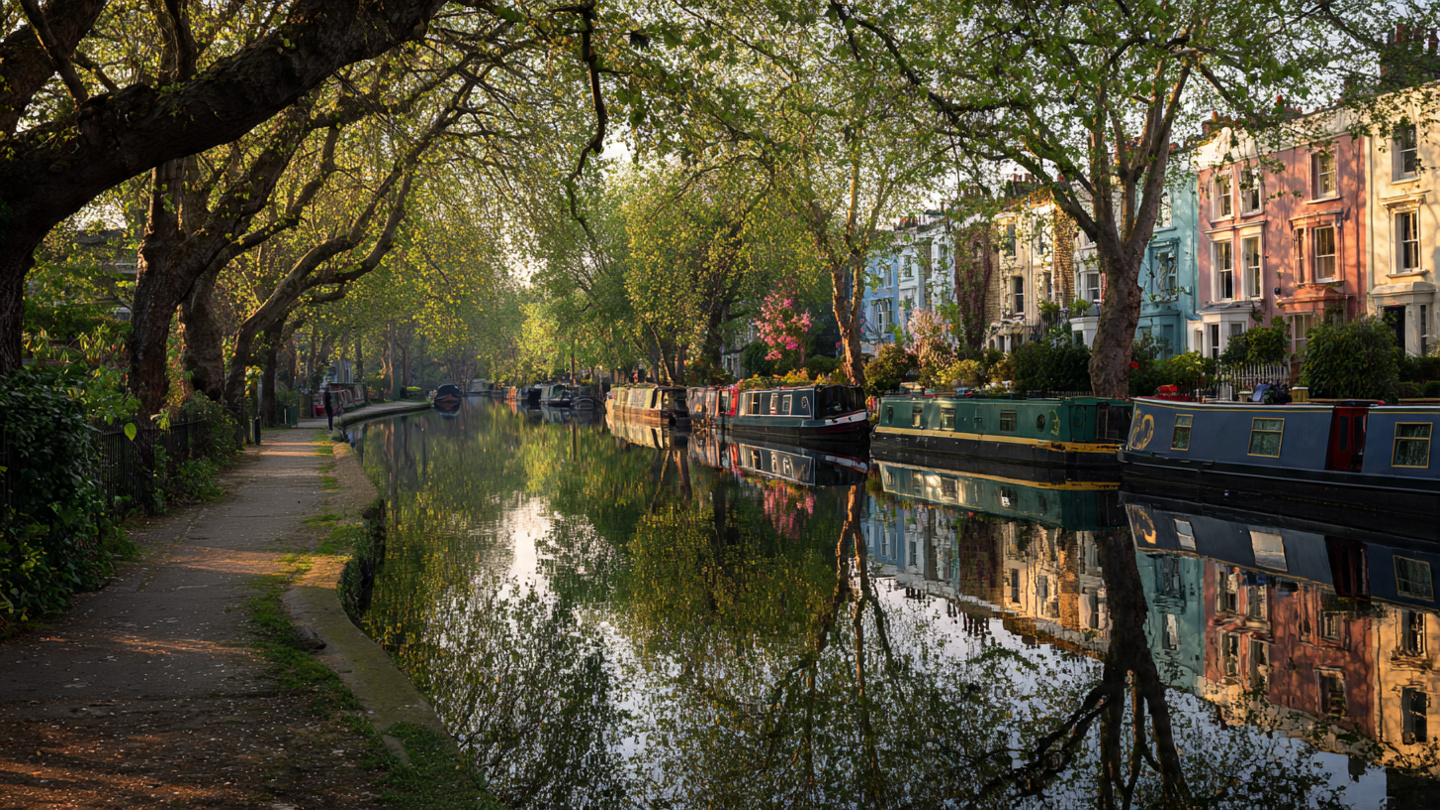
While elevated parks offer expansive views and royal parks provide elegance, Notting Hill and Little Venice introduce charm. This area does not rely on dramatic skylines or structured landscapes. Instead, it creates romance through color, texture, and quiet detail. For couples seeking romantic walks in London that feel cinematic yet relaxed, this combination works beautifully.
Unlike open hilltops, these streets feel enclosed and intimate. Buildings sit close together. Canals curve gently through residential areas. As a result, the atmosphere becomes softer and more personal. Movement slows not because of scale, but because of detail.
Every corner reveals something subtle rather than monumental.
Notting Hill: Pastel Streets and Gentle Exploration
Notting Hill is known for its pastel-colored houses and residential charm. However, when couples walk beyond the busiest sections, the neighborhood becomes peaceful. Because many streets remain residential, foot traffic naturally thins.
Tree-lined roads soften building edges. Window boxes introduce seasonal color. Quiet side streets create the feeling of discovery. Therefore, romantic places to walk in London often feel strongest in areas where daily life continues calmly rather than loudly.
The rhythm here is unhurried. There are no long, straight avenues forcing constant forward motion. Instead, small turns and gentle curves create a meandering experience. This wandering quality strengthens intimacy because it removes urgency.
The Emotional Effect of Color and Architecture
Color influences mood more than many people realize. In Notting Hill, pastel facades reflect light differently throughout the day. During late afternoon, soft tones appear warmer. During overcast weather, colors feel muted and calm.
Architecture adds texture to the experience. White columns, curved balconies, and iron railings create visual interest without overwhelming the senses. Consequently, couples often pause briefly to observe details rather than rush forward.
This balance between simplicity and character makes the area ideal for couples walks in London that focus on atmosphere instead of landmarks.
Little Venice: Water Without the Crowd
Transitioning from Notting Hill toward Little Venice introduces a different mood. The Grand Union Canal replaces residential streets. Boats line the water quietly. Trees reflect softly along the surface.
Because canal paths feel narrower and more sheltered than riverside promenades, the atmosphere becomes even more intimate. Unlike central Thames routes, canal walkways remain calm and lightly trafficked.
Water moves slowly here. Reflections ripple gently. As a result, conversation feels natural and uninterrupted. The absence of major road noise enhances tranquility.
Walking Along the Canal Path
The canal path provides a steady, linear route without dramatic elevation changes. Couples can walk side by side comfortably. Meanwhile, boats and narrow bridges introduce visual rhythm along the way.
Small footbridges offer pause points. Standing briefly above the canal creates perspective without height. These moments feel understated yet meaningful.
Because the path stretches quietly through residential areas, the walk avoids performance and spectacle. Instead, it feels private, even though it remains accessible.
Ideal Timing for Maximum Atmosphere
Late afternoon works particularly well in this area. As sunlight lowers, pastel houses appear warmer and canal reflections deepen. Early evenings introduce soft golden tones that enhance intimacy.
However, mid-morning can also feel pleasant due to reduced foot traffic. Since the area remains residential, evenings rarely feel overcrowded compared to central tourist zones.
Seasonal changes affect greenery along the canal. Spring blossoms introduce lightness. Summer greenery becomes lush. Autumn leaves create warmth. Winter strips back foliage, revealing architectural detail more clearly.
Therefore, the route adapts well year-round.
The Importance of Slow Movement
Unlike more iconic romantic walking routes in London, this area rewards slow exploration. There is no need to reach a specific viewpoint. The charm lies in continuous detail.
Walking slowly allows couples to notice subtle reflections, soft architectural lines, and gentle curves of the canal. Rushing would reduce this effect. Therefore, pacing becomes essential.
Romantic walks in London often feel strongest where movement aligns with environment. In Notting Hill and Little Venice, that rhythm is naturally unhurried.
Blending Street Energy With Canal Calm
One of the strengths of combining Notting Hill and Little Venice is contrast. Couples may begin in colorful residential streets and gradually shift toward water-lined paths. The transition feels organic rather than abrupt.
This blend allows emotional variation within a single route. Lively color leads into quiet reflection. Open streets narrow into canal corridors. As a result, the experience feels layered and dynamic.
Such variation keeps the walk engaging without overwhelming it.
Why This Route Feels Personal
Ultimately, this combination works because it feels lived-in. Unlike monumental areas, these neighborhoods maintain residential authenticity. People walk dogs. Windows remain open. Daily life continues gently.
For couples seeking romantic walks in London that feel grounded and genuine, this authenticity matters. The environment does not demand attention. Instead, it invites quiet presence.
The romance here grows from subtlety rather than spectacle.
Richmond Riverside and Kew Area: A Peaceful Escape from Central Crowds
Why Leaving Central London Changes the Mood
While central routes offer grandeur and charm, stepping slightly beyond the busiest districts introduces a different emotional tone. Richmond Riverside and the Kew area feel open, slower, and less structured. Because they sit away from the densest tourist zones, the atmosphere becomes calmer almost immediately. For couples seeking romantic walks in London without constant background movement, this setting provides relief.
The transition itself enhances the experience. Moving from central pace to riverside quiet creates contrast. As a result, the walk feels intentional. The environment supports conversation without interruption.
Moreover, the wider landscape creates breathing room. Instead of tall buildings and narrow paths, couples find open skies, flowing water, and tree-lined edges.
Richmond Riverside: Open Space and Gentle Flow
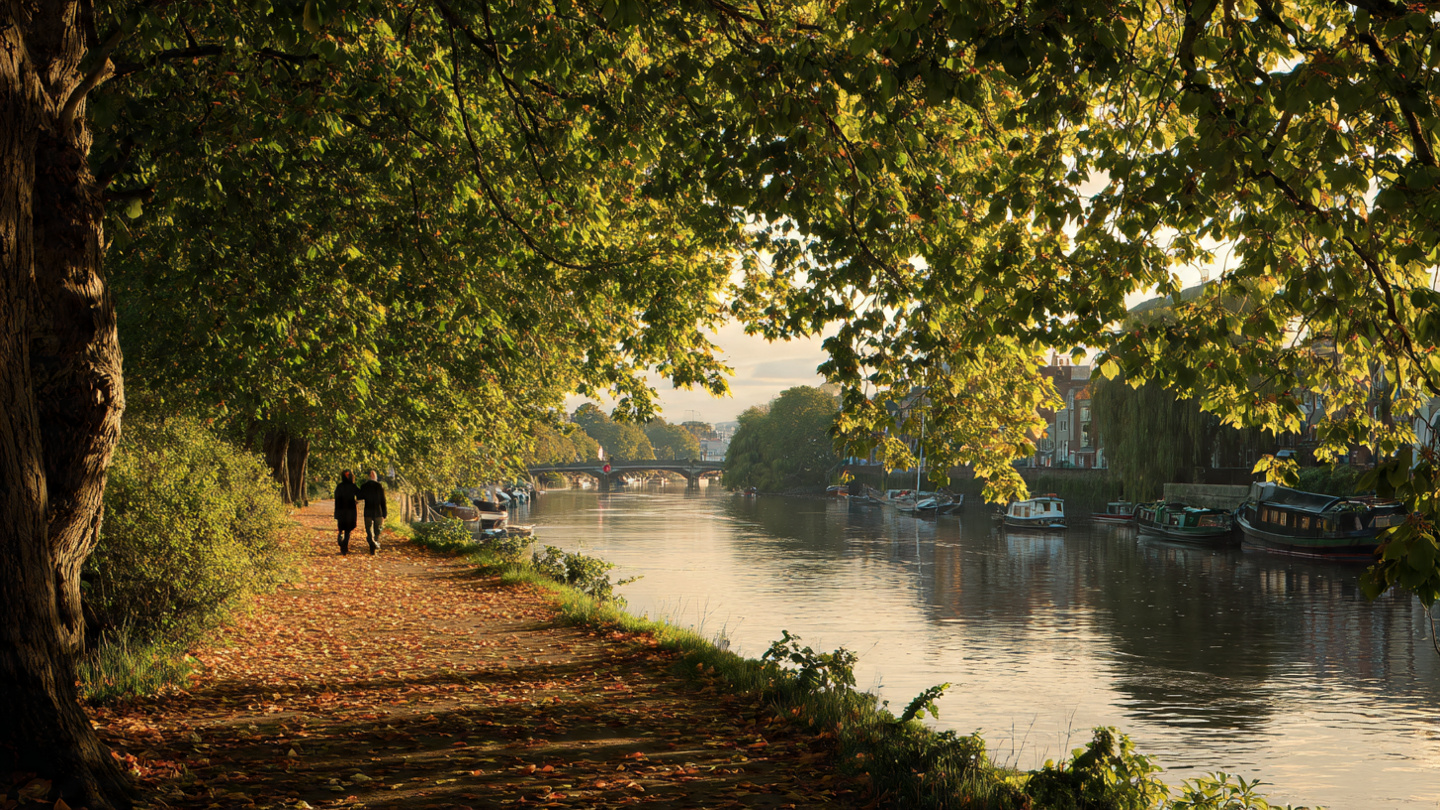
Richmond’s stretch of the Thames feels broader and more natural than central embankments. The river curves softly, framed by greenery rather than heavy stone architecture. Because of this softer framing, the mood shifts from urban to pastoral.
Walking beside this section of the river encourages steady rhythm. Boats move slowly. Reflections ripple gently. Therefore, conversation flows without pressure. The absence of intense traffic noise enhances calm.
Additionally, wide riverside paths allow couples to walk comfortably side by side. There is no need to weave through dense crowds. Instead, the movement feels relaxed and continuous.
The Emotional Effect of Nature Along Water
Water combined with greenery creates a strong emotional balance. Trees line the riverbanks, filtering light and sound. Open grass areas allow couples to pause briefly without feeling exposed. As a result, the setting feels peaceful yet secure.
Unlike central Thames routes, Richmond feels less formal. The natural curves of the river and irregular tree lines soften visual intensity. This natural framing strengthens intimacy because the environment feels unforced.
Romantic walking routes in London often depend on this balance between structure and softness. Richmond provides that balance effortlessly.
Richmond Green and Surrounding Streets
Beyond the river, Richmond Green adds another layer to the experience. The open lawn feels expansive yet contained by historic buildings. Couples can walk along its edges or cross its center slowly.
The surrounding streets introduce subtle character without overwhelming the calm atmosphere. Small cafes and independent shops create life without crowd pressure. Therefore, couples can blend walking with brief pauses naturally.
Because the area feels lived-in rather than staged, romance here feels grounded.
Kew Area: Botanical Calm and Subtle Grandeur
Moving toward the Kew area introduces botanical influence and additional greenery. Although formal gardens require entry, the surrounding streets and riverside stretches remain open and peaceful.
Tree-lined avenues create shade and structure. Residential streets maintain low traffic levels. Consequently, the environment supports slow pacing and extended conversation.
Romantic places to walk in London often benefit from layered greenery. In the Kew area, this layering feels refined but not overwhelming.
Ideal Timing for Maximum Tranquility
Late morning and early evening often provide the most comfortable balance. Because Richmond and Kew attract fewer tourists compared to central landmarks, even busier hours remain manageable.
Sunset reflects warmly along this wider stretch of the Thames. The sky appears expansive. Additionally, evening light filters through trees, creating depth and softness.
Season plays an important role here. Spring introduces fresh greenery and blossoms. Summer extends daylight for longer riverside walks. Autumn enhances warmth through foliage. Winter, although cooler, provides crisp clarity on calm days.
Each season shifts the tone slightly while preserving tranquility.
Walking Distance and Route Flexibility
One of the advantages of this area is flexibility. Couples can choose shorter riverside loops or extend their walk along longer paths. Because the environment feels open, there is less pressure to follow a strict route.
This adaptability strengthens romantic walks in London by allowing couples to respond to mood and energy levels. If one section feels particularly peaceful, they can linger. If they wish to continue, the path remains inviting.
There is no fixed starting or ending point that must be reached.
Semi-Rural Atmosphere Within the City
Perhaps the most unique quality of Richmond and Kew is the semi-rural feeling. Although still part of London, the area feels removed from urban urgency. Birds become more noticeable. Wind through trees becomes audible. River movement replaces street vibration.
This psychological distance enhances connection. Couples feel slightly outside the city while remaining within it. Therefore, the walk feels restorative rather than stimulating.
Romantic walks in London do not always need iconic landmarks. Sometimes, calm expanses and gentle natural surroundings create stronger intimacy.
Why This Route Feels Restorative
Ultimately, Richmond Riverside and the Kew area succeed because they restore balance. The environment feels open, grounded, and authentic. Movement flows gently. Light reflects naturally.
Unlike more central routes, romance here grows from quiet continuity rather than visual drama. Couples seeking depth rather than spectacle often find this area especially meaningful.
The experience feels less like sightseeing and more like shared presence.
Greenwich Park and Historic Surroundings: Love with a View
Where History and Horizon Meet
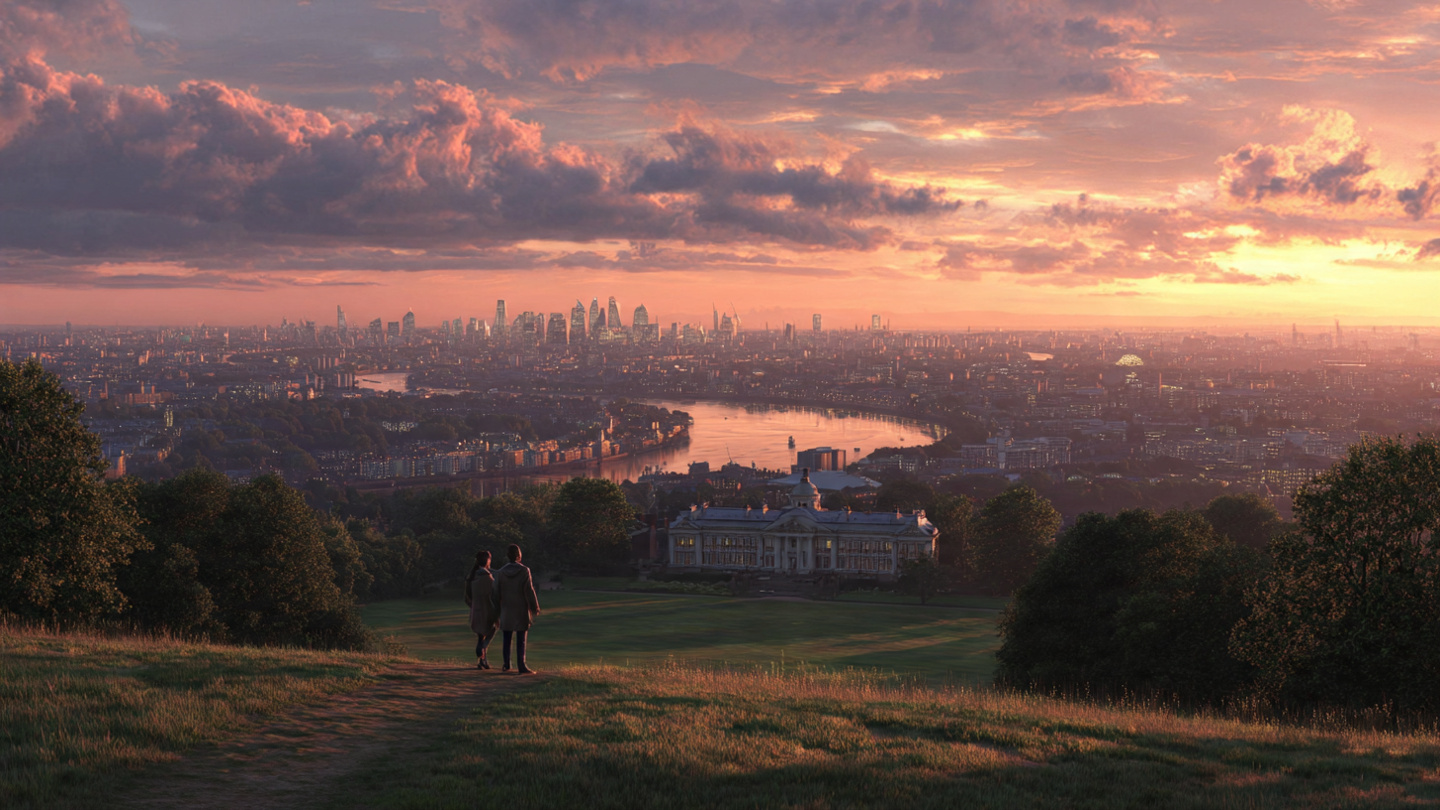
Greenwich offers a different kind of romance. While Richmond feels pastoral and Notting Hill feels charming, Greenwich blends history with openness. The park rises gradually above the river, revealing one of the most expansive skyline views in London. Because of this elevated perspective combined with architectural symmetry below, the atmosphere feels both grand and intimate. As a result, many couples consider it one of the most balanced romantic walks in London.
Unlike purely natural landscapes, Greenwich carries visible history in every direction. However, the historical presence does not overwhelm the walk. Instead, it frames it.
The Gradual Climb Toward the View
One of the most appealing qualities of Greenwich Park is its gentle ascent. The climb toward the main viewpoint is steady rather than demanding. Therefore, couples can walk side by side without strain.
As the elevation increases, the skyline begins to appear slowly across the horizon. Because the reveal happens gradually, anticipation builds naturally. The river curves in the distance. The city rises beyond it. This layered composition enhances emotional depth.
Moreover, the openness at the top allows couples to stand without feeling compressed. Even when other visitors are present, the wide lawn creates space.
A Skyline That Feels Expansive Yet Personal
The view from Greenwich Park differs from closer skyline vantage points. Instead of towering buildings dominating the frame, the city appears balanced across the horizon. The river acts as a dividing line between greenery and urban landscape.
This visual separation creates psychological calm. Couples stand above movement rather than within it. As a result, the moment feels reflective instead of chaotic.
Sunset transforms the skyline here particularly well. Warm tones spread across the river’s curve. City lights begin appearing gradually. Therefore, timing can significantly deepen the atmosphere.
Historic Architecture Adds Emotional Weight
Below the park, historic buildings create visual symmetry. Their classical lines contrast gently with open sky above. Because the architecture feels grounded and stable, it adds quiet depth to the experience.
Walking down toward these structures after spending time at the summit introduces a second layer to the route. The shift from open horizon to detailed architecture feels smooth rather than abrupt.
Romantic walking routes in London often benefit from this layered transition. Couples move between elevation and structure without losing rhythm.
Quiet Corners Beyond the Main Viewpoint
Although the main hilltop attracts visitors, the park itself contains quieter sections. Tree-lined paths extend away from the central lawn. Benches sit beneath shaded areas. Because the park is large, couples can step slightly aside from the main viewpoint.
These quieter corners allow for slower pacing. Conversation continues without distraction. The sense of elevation remains present, yet intimacy increases.
Therefore, Greenwich works well for couples who want both iconic perspective and private pause.
Early Morning Versus Evening Energy
Early mornings at Greenwich feel spacious and almost serene. Fewer visitors create a garden-like atmosphere. Mist sometimes lingers lightly across lower ground. Consequently, couples seeking calm often prefer this time.
Evenings introduce warmth and skyline glow. While slightly busier, the open layout prevents overcrowding. Because the view faces westward, sunset becomes particularly striking.
Season also influences experience. Spring adds fresh color. Summer extends daylight hours. Autumn introduces warm foliage against the skyline. Winter sharpens visibility on clear days.
Each variation shifts mood subtly without altering the park’s core atmosphere.
Combining the Park With Riverside Movement
After descending from the hill, couples can continue along nearby riverside paths. This creates continuity between elevated reflection and waterside calm.
The river here feels broader than central stretches. Boats move steadily yet quietly. As a result, the walk regains gentle rhythm after the pause at the summit.
Blending park elevation with riverside movement strengthens emotional pacing. The experience does not feel static.
Practical Comfort and Accessibility
Greenwich remains accessible by public transport, making it practical without stress. However, comfortable footwear remains important due to the incline.
Because the area feels slightly removed from central intensity, couples often feel less pressure to move quickly. This practical ease enhances romantic tone.
Romantic places to walk in London work best when logistics remain simple. Greenwich offers that simplicity.
Why Greenwich Feels Balanced
Ultimately, Greenwich Park succeeds because it combines openness, history, and water in one fluid route. The skyline feels expansive. The architecture feels grounded. The park feels spacious.
Unlike purely residential areas or strictly formal gardens, Greenwich blends multiple emotional elements. Therefore, it stands out among romantic walks in London as both reflective and visually rewarding.
The walk encourages couples to pause, observe, and move forward together without urgency.
Why Small Spaces Often Feel More Intimate
While elevated parks and riverside promenades offer scale, smaller hidden areas often create deeper intimacy. Romance does not always grow from grand views. Instead, it frequently develops in quiet corners where movement slows naturally. For couples searching for romantic walks in London that feel personal rather than iconic, these lesser-known spaces can be especially meaningful.
Because these locations sit slightly outside major tourist routes, they allow couples to experience London without performance. There are no large crowds gathering for photographs. There are no constant interruptions. As a result, conversation becomes the focus.
Hidden corners encourage presence rather than spectacle.
Tucked-Away Garden Squares
Throughout central and residential London, small garden squares sit behind iron gates and leafy streets. Although many are modest in size, they create immediate calm once entered. Because traffic noise fades quickly, the atmosphere becomes softer.
Tree cover filters light gently. Benches sit beneath shade. Seasonal flowers introduce subtle color. Therefore, these compact spaces feel balanced and composed.
Romantic walking routes in London often benefit from including short detours into these squares. Even a ten-minute pause within greenery can reset emotional rhythm.
Quiet Meews Streets and Residential Lanes
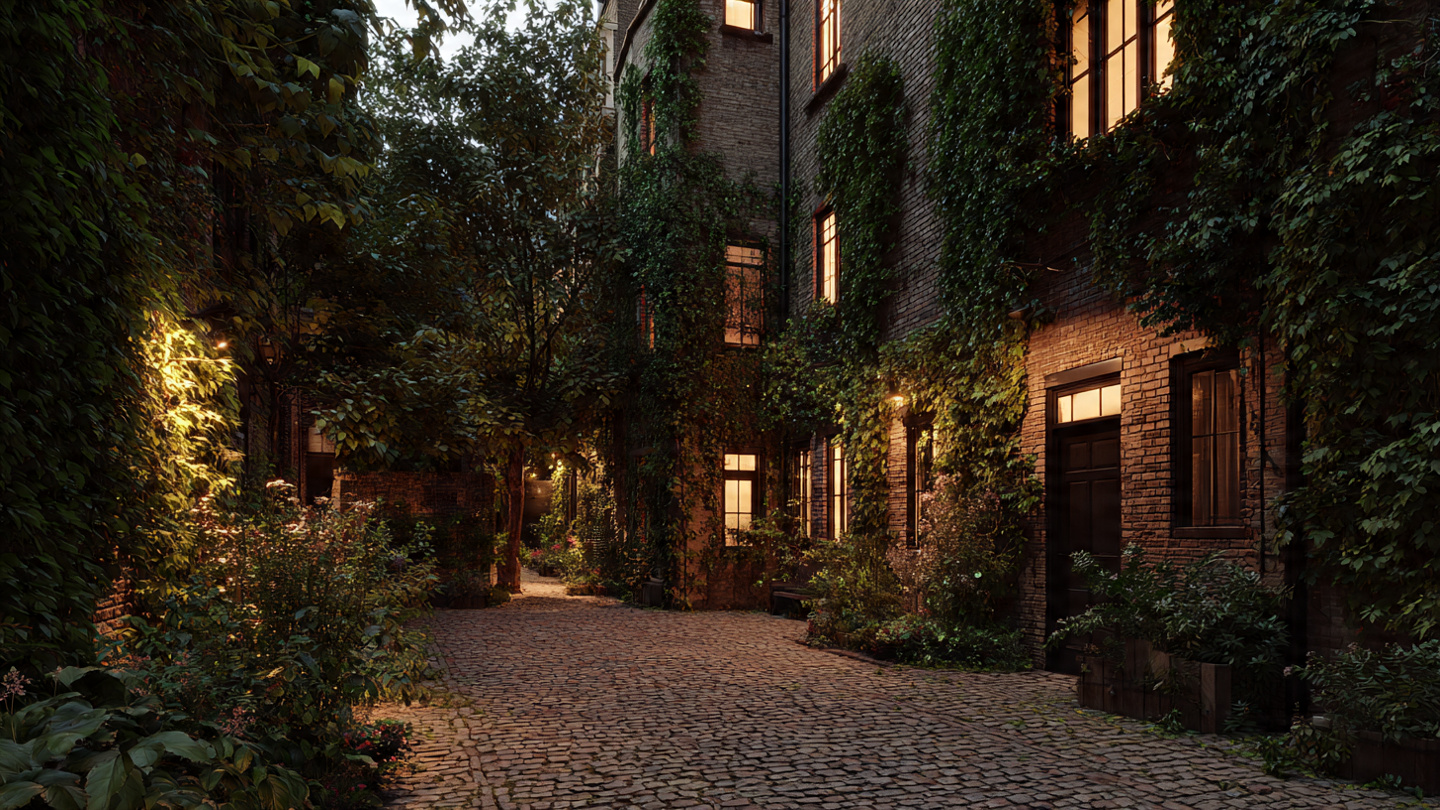
London’s mews streets provide another form of intimacy. Originally designed as stable lanes, many now feature cobblestone surfaces and pastel-painted homes. Because they remain narrow and residential, foot traffic tends to be light.
Walking slowly through these lanes feels almost cinematic. The scale is human rather than monumental. As a result, couples often feel momentarily removed from the surrounding city.
Unlike busy shopping streets, mews routes reward unhurried exploration. Their charm lies in subtle detail rather than scale.
Canal Side Paths Beyond Popular Sections
While Little Venice attracts attention, other canal stretches remain far quieter. Moving slightly away from well-known starting points often reduces pedestrian flow significantly. Because these paths feel narrower and sheltered, they create natural intimacy.
Water reflections remain steady. Footbridges appear at gentle intervals. Trees lean slightly over the canal edges. Consequently, couples can walk side by side without distraction.
These quieter canal routes offer some of the most peaceful romantic walks in London, especially during weekday evenings.
London’s historic layout includes narrow passageways connecting larger streets. Although easy to overlook, these routes often feel atmospheric and secluded.
Because they remain pedestrian-focused, noise levels drop immediately. Soft lighting during evening hours enhances depth and texture. Therefore, couples seeking romantic places to walk in London may find these passageways surprisingly memorable.
The transition from busy road to quiet courtyard creates emotional contrast that strengthens intimacy.
Small Hilltop Rises Within Larger Parks
Even within well-known parks, subtle elevation changes create semi-private viewpoints. These minor rises are often overlooked because they lack signage or dramatic framing. However, they provide perspective without crowd concentration.
Standing slightly above the main lawn allows couples to observe surroundings while maintaining distance. This balance between visibility and separation enhances connection.
Romantic walking routes in London do not always require famous vantage points. Sometimes, understated rises provide stronger atmosphere.
Early Evening Is Ideal for Discovery
Hidden corners often feel most atmospheric in early evening. As daylight softens, lighting becomes warmer and shadows lengthen. Additionally, foot traffic decreases slightly after peak sightseeing hours.
Because many hidden streets and squares remain residential, evenings feel calm rather than deserted. This balance between quiet and safety supports relaxed pacing.
Seasonal variation enhances these areas as well. Spring blossoms frame narrow streets beautifully. Autumn leaves add warmth beneath soft street lighting. Winter evenings introduce glow from nearby windows.
Each variation shifts tone while preserving intimacy.
Large landmarks belong to everyone. Hidden corners feel discovered. Even if others have walked there before, the sense of finding something quiet within a busy city creates emotional ownership.
Couples walks in London often feel strongest when the route feels chosen rather than followed. Hidden lanes, small gardens, and quiet canals allow couples to shape their own experience.
Instead of moving through predefined sightseeing paths, they move through atmosphere.
Including hidden corners within a larger route enhances overall pacing. For example, couples might begin with a well-known riverside section and then turn into a quiet square. This variation prevents sensory overload.
Because romantic walks in London benefit from balance, combining scale with subtlety creates depth. Grand views provide perspective. Hidden corners provide closeness.
The shift between the two keeps the experience layered and meaningful.
Evening and Seasonal Romantic Walks in London
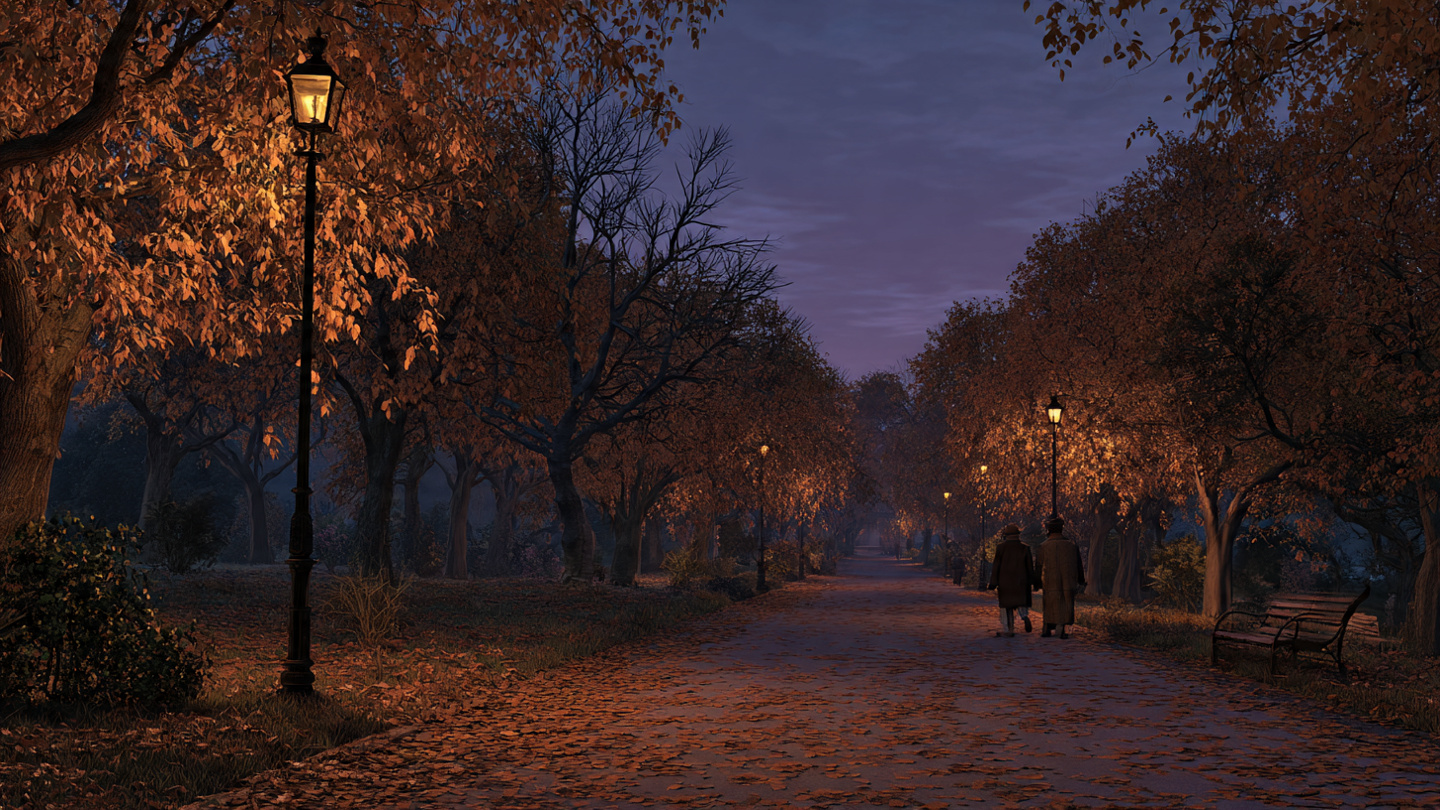
How Evening Transforms the Atmosphere
During the day, London feels energetic and structured. However, once evening begins to settle, the city softens noticeably. Light changes first. Shadows lengthen. Reflections deepen. Gradually, the intensity of movement decreases. Because of this shift, romantic walks in London often feel most powerful after late afternoon.
Evening introduces glow rather than glare. Street lamps replace direct sunlight. Windows begin to light up. As a result, architecture appears warmer and more textured. Couples walking during this time often notice that conversation becomes slower and more reflective.
The city does not become silent, yet it becomes gentler.
Riverside Reflections After Sunset
Water plays a stronger role at night. Along riverside routes, reflections stretch and ripple across the surface. Bridges glow softly. Buildings shimmer instead of dominate. Therefore, evening riverside walks feel layered and atmospheric.
Unlike daytime views that emphasize detail, nighttime views emphasize contrast. Light and shadow create depth. Because couples walk beside moving reflections, the environment feels dynamic without being chaotic.
Romantic routes in London feel even more special when they pass through places that offer real breathing space. Beyond the well-known parks, the city is full of garden squares, canal-side paths, cemeteries with calm walking lanes, and small green pockets that create quieter moments for couples. If you want a broader view of where to find these peaceful outdoor settings, explore our guide to Green Spaces in London.
Additionally, evening crowds tend to disperse gradually rather than all at once. This natural thinning creates small pockets of space along promenades and bridges.
Parks at Dusk: Calm and Contained
Parks take on a different character as daylight fades. Open lawns appear darker and more contained. Trees form silhouettes against fading sky. Because visual detail reduces, focus shifts inward toward conversation.
Romantic walking routes in London often feel more intimate in dusk conditions. The absence of harsh light reduces distraction. Even well-known parks feel quieter emotionally.
However, it remains important to choose well-lit and secure areas during late evening hours. Fortunately, many central parks maintain gentle lighting along main pathways.
Spring Walks: Soft Light and Fresh Energy
Spring introduces subtle romance through renewal. Blossoms appear along tree-lined streets. Air feels lighter. Because temperatures remain comfortable, couples can walk longer without discomfort.
Pastel colors enhance residential routes particularly well. Canal reflections carry soft pink and white tones from overhanging branches. Therefore, spring is often ideal for romantic places to walk in London that emphasize detail and freshness.
Additionally, longer daylight hours begin returning during this season. Extended twilight creates more opportunity for sunset walks.
Summer Evenings: Extended Golden Hours
Summer transforms timing more than scenery. Because daylight stretches late into the evening, couples gain flexibility. Golden hour lingers. The sky shifts slowly from warm tones to deep blue.
Romantic walks in London during summer benefit from this extended light. Couples can begin walking after dinner and still enjoy skyline views under soft glow.
However, popular routes may attract more visitors during peak summer months. Therefore, selecting slightly less central areas can preserve intimacy.
Autumn: Warm Colors and Reflective Mood
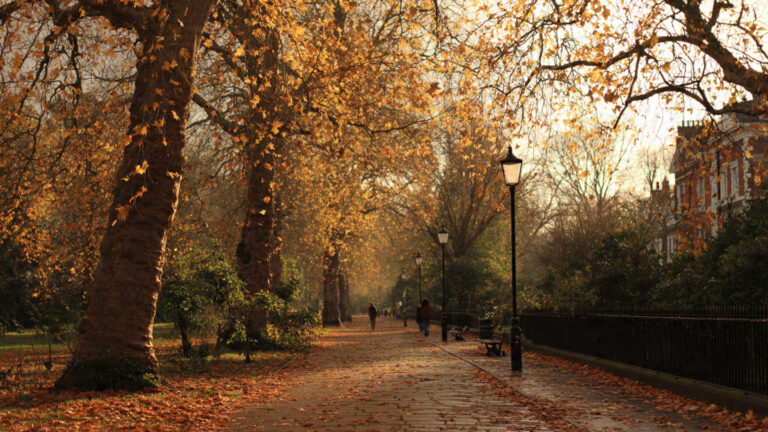
Autumn introduces warmth through foliage. Leaves deepen into amber, orange, and red. As they fall, pathways soften visually. Because temperatures cool gently, walking feels comfortable without heavy layering.
The emotional tone shifts toward reflection. Light appears softer and more diffused. Romantic walking routes in London often feel particularly cinematic during autumn afternoons.
Furthermore, autumn sunsets tend to produce dramatic skies. These skies enhance elevated viewpoints and riverside reflections.
Winter: Quiet Beauty and Soft Illumination
Winter changes both light and pacing. Days shorten. Evening arrives earlier. Consequently, couples may experience twilight conditions sooner than expected.
Although colder, winter can feel deeply romantic under the right conditions. Clear evenings create crisp skyline outlines. Street lamps glow against darker surroundings. Fewer tourists occupy outdoor routes.
Layered clothing becomes essential. However, when comfort is maintained, winter walks feel intimate and calm. The city appears stripped back to essentials.
Matching Season to Personal Preference
Each season offers different emotional tones. Couples who prefer color and warmth may choose spring or autumn. Those who enjoy extended golden light may prefer summer. Those seeking quieter streets may prefer winter evenings.
Because romantic walks in London adapt naturally to seasonal change, there is no single best time. Instead, the best season depends on desired atmosphere.
Planning around weather forecasts and daylight hours ensures smoother pacing.
Blending Evening With Seasonal Strengths
Evening and seasonal variation combine powerfully. For example, an autumn sunset along a riverside path feels entirely different from a summer twilight in a park. Similarly, spring blossoms at dusk create softness that daytime light cannot replicate.
Therefore, couples can elevate their experience simply by adjusting timing rather than changing location.
Romantic walking routes in London are not static. They shift continuously with light, temperature, and season.
Planning the Perfect Romantic Walk in London

Choosing a Route That Matches Your Energy
Every couple experiences connection differently. Some prefer open skyline views and dramatic perspectives, while others feel closer in quiet residential streets. Because of this, selecting the right route matters more than simply choosing the most famous location.
Elevated parks suit couples who enjoy expansive horizons and sunset moments. Meanwhile, canal paths and garden squares create softer, enclosed atmospheres. By aligning the route with your emotional rhythm, the experience becomes intentional rather than accidental.
Distance also influences mood. A shorter walk keeps energy relaxed. A longer path encourages immersion. Matching route length to your comfort level ensures the walk remains enjoyable from beginning to end.
Timing Shapes the Entire Experience
The hour you choose can transform the same route completely. Late afternoon offers warmth and gradually softening light. As evening approaches, reflections deepen and shadows stretch across parks and riversides.
Early mornings create quiet space and slower movement. Fewer visitors mean more breathing room. On the other hand, twilight introduces glow and atmosphere that feels naturally intimate.
Seasonal timing adds another layer. Spring blossoms brighten garden routes. Autumn leaves warm the landscape. Summer extends daylight for longer strolls. Winter sharpens skyline outlines under crisp skies. Therefore, checking sunset times and weather forecasts beforehand strengthens the experience.
Managing Crowds Without Losing Atmosphere
Popular areas naturally attract visitors, especially on weekends. However, adjusting arrival times can preserve intimacy. Weekday evenings often feel calmer than midday hours. Arriving slightly before peak sunset allows space to settle comfortably.
Rather than avoiding well-known locations entirely, focus on pacing. Slower walking naturally creates space ahead. Choosing slightly less central entry points also reduces congestion.
Intimacy depends less on emptiness and more on awareness. By staying attentive to surroundings, couples maintain connection even in shared spaces.
Comfort Enhances Romance
Physical comfort directly influences emotional presence. Supportive footwear prevents distraction, especially on longer routes or gentle inclines. Layered clothing allows flexibility as temperatures shift, particularly near water or elevated parks.
Unpredictable weather is part of London’s character. Bringing light rain protection during uncertain seasons prevents sudden interruptions. When comfort is maintained, attention remains focused on shared experience rather than adjustment.
Practical preparation may seem small, yet it protects atmosphere.
Building Natural Pauses Into the Walk
Continuous walking is not required for connection. Alternating between movement and stillness often strengthens intimacy. Parks offer benches. Hilltops provide open grass. Canal edges create quiet pause points.
Brief stops encourage deeper conversation. They also allow couples to absorb surroundings fully instead of moving through them quickly. A thoughtful pause near water or beneath trees can become the most memorable part of the route.
Balanced pacing prevents fatigue and keeps energy aligned.
Ending the Walk With Intention
The final moments shape how the entire experience is remembered. Selecting an endpoint near transport links or relaxed dining options prevents abrupt transitions. A calm conclusion maintains emotional continuity.
Finishing beside softly lit streets or quiet riverside seating allows the walk to taper gently. Sudden exposure to heavy traffic can break atmosphere unnecessarily. Therefore, planning the ending with as much care as the beginning enhances overall impact.
A smooth finish lingers longer in memory.
Safety and Awareness Support Ease
Well-lit paths and established routes provide reassurance, particularly during evening hours. Remaining within visible and active areas reduces unnecessary concern. Confidence allows couples to relax fully.
There is no need for isolation to create romance. Comfort and awareness strengthen connection far more effectively than seclusion. By choosing areas that balance privacy and activity, couples maintain both intimacy and peace of mind.
Feeling secure allows emotion to unfold naturally.
Keeping the Experience Personal
No guide can define the perfect romantic walk for every couple. While suggested routes offer structure, flexibility keeps the experience authentic. If a side street feels inviting, follow it. If a bench feels comfortable, pause longer.
Letting the walk evolve organically transforms it from a checklist into a shared memory. Romantic walks in London become meaningful when couples respond to mood rather than strict planning.
Presence matters more than perfection.
Why Thoughtful Planning Elevates the Moment
Careful preparation does not reduce spontaneity. Instead, it removes obstacles that might interrupt connection. By selecting the right route, choosing ideal timing, dressing comfortably, and pacing intentionally, couples create space for genuine closeness.
London provides the setting. Planning refines the experience.
When approached with awareness and intention, even a simple walk becomes something quietly unforgettable.
Frequently Asked Questions
General Questions About Romantic Walks
Some of the most romantic walks in London include riverside routes along the Thames, elevated views at Primrose Hill and Greenwich Park, and peaceful park strolls through St James’s Park or Richmond. The best option depends on whether you prefer skyline views, water reflections, or quiet greenery.
Yes. Many romantic walking routes pass iconic landmarks while still offering calm space for conversation. Couples can combine sightseeing with slower, more intimate pacing without feeling rushed.
Not necessarily. Some routes can be completed in 30 to 60 minutes, while others can extend for several hours. The experience depends more on atmosphere and pacing than on distance.
Best Time and Season Questions
Late afternoon into sunset often provides the most balanced atmosphere. Light becomes softer, reflections deepen, and crowds gradually thin. Early mornings also work well for couples seeking quiet space.
Spring and autumn are especially popular because of blossoms and warm foliage. However, summer offers long golden evenings, and winter can feel intimate under city lights. Each season creates a different mood.
Most central parks and riverside paths remain safe when well lit and moderately active. Choosing established routes and staying aware of surroundings ensures comfort without reducing romance.
Planning and Practical Questions
Walking on weekday evenings or early mornings reduces congestion. Choosing slightly less central entry points and maintaining slower pacing also helps preserve intimacy.
Comfortable footwear is essential, especially for longer routes or gentle inclines. Layered clothing works best because London weather can change quickly.
Yes. Canal paths, garden squares, mews streets, and areas like Richmond or parts of Greenwich offer peaceful alternatives to heavily visited spots.
Experience-Based Questions
Elevated viewpoints such as Primrose Hill or Greenwich Park are popular for proposals due to expansive skyline views. However, quieter canal paths or hidden garden corners can feel more personal.
Yes. Many routes end near relaxed dining areas or riverside cafes. Planning a smooth transition from walking to dinner helps maintain atmosphere.
Walking side by side encourages natural conversation and shared observation. The steady rhythm creates emotional connection without pressure, which makes romantic walks in London especially meaningful.