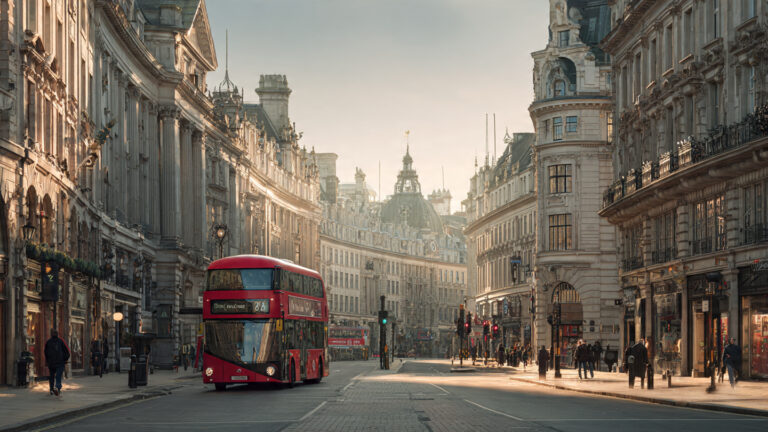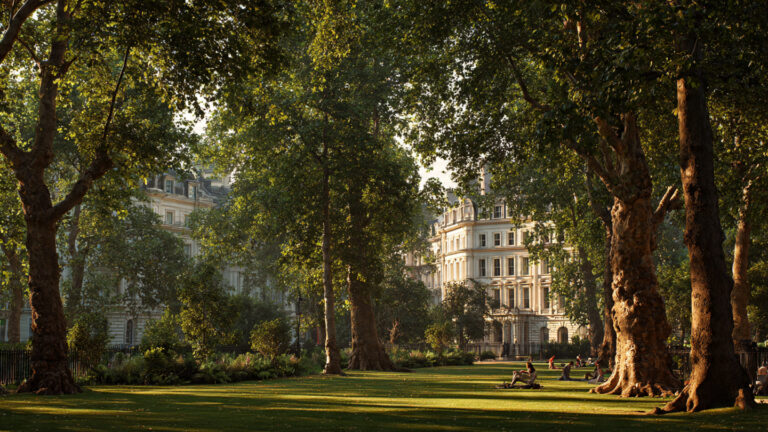

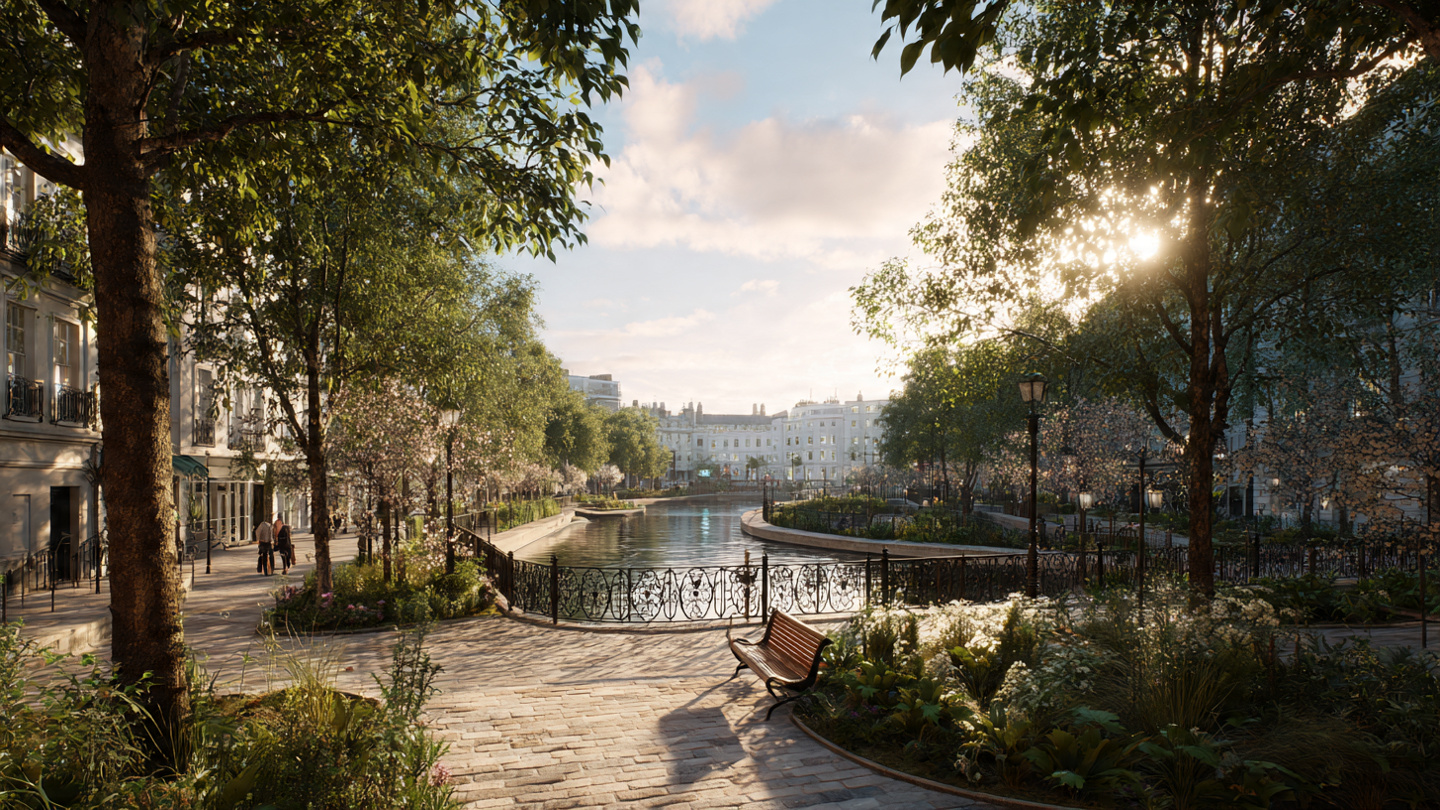
When travelers search for green spaces in london, they usually picture large parks with wide lawns and walking paths. However, the term describes something much broader. Across the capital, green areas appear in many forms, including canal corridors, residential garden squares, wooded commons, churchyards, landscaped cemeteries, and small planted corners hidden between busy streets.
Unlike cities that separate nature from urban life, London blends greenery directly into its neighborhoods. As a result, these urban green spaces shape everyday movement rather than serving only as weekend destinations. Trees line major roads, lawns sit behind historic terraces, and shaded pathways connect districts. Nature exists within the structure of the city itself.
London’s green character extends far beyond individual lawns and quiet corners. If you want a broader overview of the capital’s most iconic outdoor spaces, royal landscapes, and expansive parklands, it helps to explore the city’s full park network in one place. For a complete breakdown of major royal parks, historic grounds, and seasonal experiences across the capital, visit our Parks in London guide.
More Than Traditional Public Parks
Public parks represent an important part of London green spaces, yet they form only one layer of the outdoor landscape. City planners design parks with clear entrances, maintained lawns, and visible amenities. People visit them intentionally to relax, exercise, or gather socially.
However, many green areas in London do not follow this structured format. A quiet square in Bloomsbury may offer central gardens surrounded by period architecture. A canal towpath can provide long stretches of vegetation without functioning as a formal park. Even a modest churchyard with mature trees creates a meaningful retreat from traffic noise.
Because of this variety, green spaces in london function as an interconnected network rather than isolated attractions.
Among the most historically significant public landscapes are the parks that fall under formal royal designation, and our Royal Parks of London Guide breaks down which green spaces qualify and how their governance differs from borough-managed parks.
A City Structured Around Accessible Greenery
Over centuries, London expanded while preserving open land within its boundaries. Royal hunting grounds transformed into public commons. Residential developments incorporated shared garden squares. Victorian planners created landscaped cemeteries that doubled as peaceful walking areas.
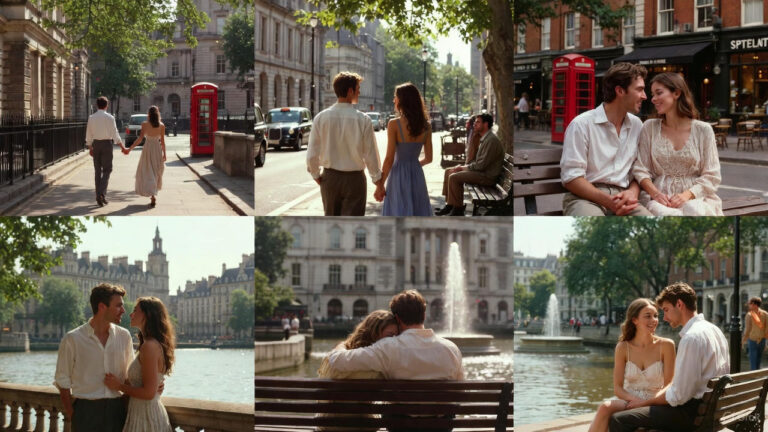
Many of London’s green areas create a calm and intimate atmosphere, especially during golden hour or early mornings. Couples looking for quiet benches, tree-lined paths, and elevated viewpoints will find that several of these spaces double as ideal date settings. If you are planning something more intentional and thoughtfully paced, explore our detailed guide to Romantic Walks in London for curated routes designed specifically for couples.
Consequently, green spaces in london became part of the city’s identity rather than decorative afterthoughts. Residents expect access to greenery within walking distance. Visitors quickly notice how often they encounter lawns, trees, and planted courtyards throughout different neighborhoods.
Everyday Life Within Urban Green Areas
Unlike some global capitals where parks attract mostly tourists, London green spaces serve daily routines. Office workers eat lunch outdoors. Students read on benches during warmer months. Families gather on open lawns during weekends. Joggers move through shaded paths before the city fully wakes.
This constant use gives green areas in London a lived-in atmosphere. They feel active but authentic. Even smaller outdoor spaces provide brief pauses from traffic and crowd density. The value of green spaces in london lies not only in scale but also in how frequently people use them.
Formal Gardens and Natural Landscapes
The city offers remarkable diversity within its outdoor environments. Some London green spaces feature symmetrical flower beds, trimmed hedges, and carefully structured layouts. Landscape designers maintain these formal gardens with precision.
At the same time, heathlands and wooded commons offer a more organic experience. Tall grasses move freely, ponds attract wildlife, and paths follow natural contours. This contrast allows visitors to choose between structured elegance and informal wilderness while exploring green areas in London.
Public and Private Dimensions
Access shapes how people experience green spaces in london. Many areas remain fully public year-round. Others, particularly historic residential squares, limit entry to nearby residents. Occasionally, events allow temporary public access to enclosed gardens.
This mix of openness and privacy adds complexity to the city’s outdoor system. Public green spaces encourage social interaction and movement. Private ones create quiet sanctuaries within residential districts. Together, they strengthen the layered character of London green spaces.
Environmental Importance in a Modern Capital
Today, green areas in London support environmental stability as well as recreation. Trees lower temperatures during summer. Vegetation improves air quality. Soil absorbs rainfall and reduces flood risk. Wildlife habitats develop in woodland sections and along canal edges.
For this reason, city planners prioritize maintaining and expanding green spaces in london as part of long-term sustainability efforts. These spaces protect environmental health while enhancing urban comfort.
Foundation for the Rest of This Guide
Overall, green spaces in london describe a broad system of commons, canals, squares, gardens, and natural landscapes woven through one of the world’s busiest capitals. This interconnected network balances density with openness and movement with calm.
Some of London’s most memorable green spaces are not large parks at all, but quieter corridors that run behind residential streets, along waterways, or beside old rail lines. For real examples of these less obvious routes, see Hidden Walking Trails in London.
Why Green Spaces Matter in a Fast-Paced Global City
Creating Balance Within Urban Intensity
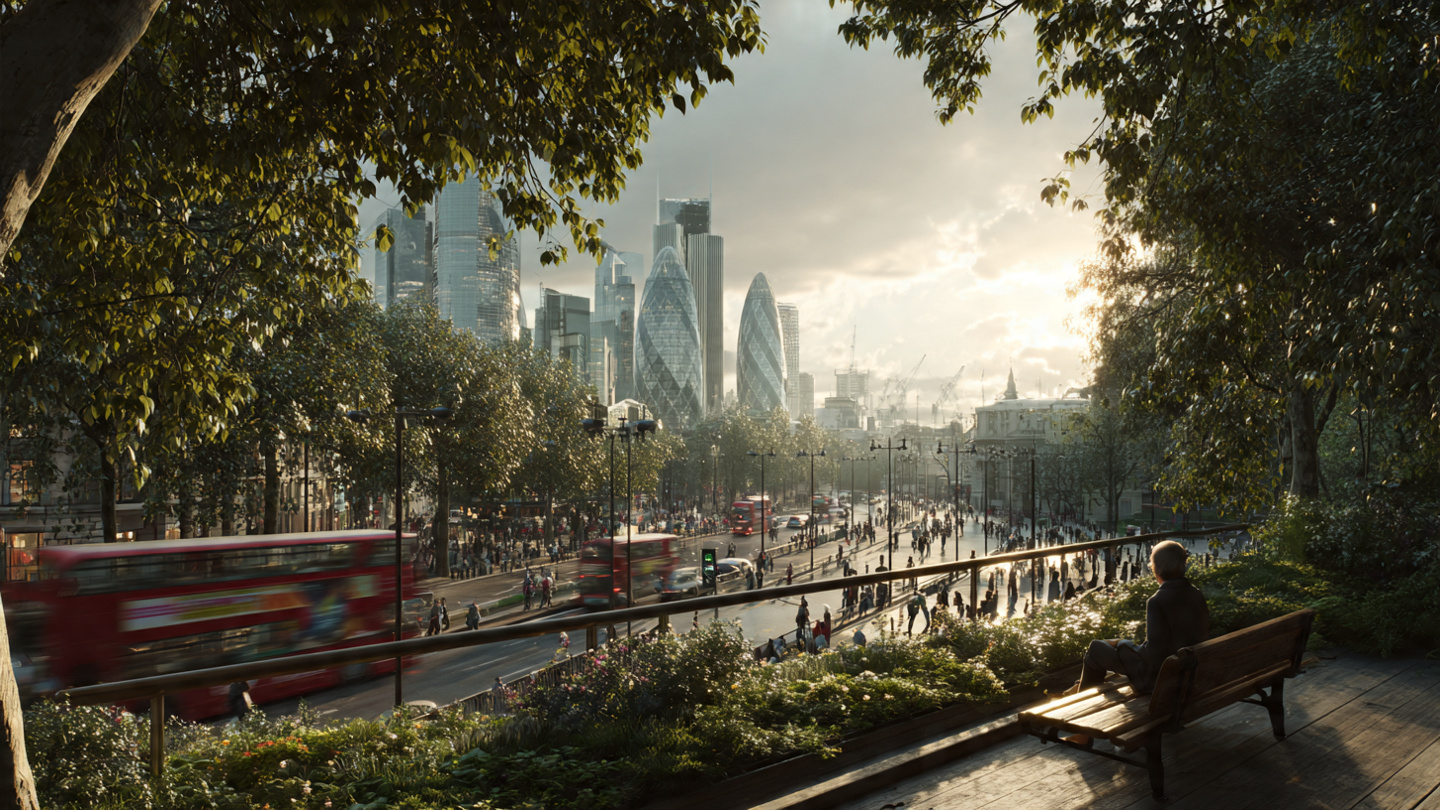
London moves quickly. Trains arrive every few minutes. Streets stay active from early morning until late at night. Offices, markets, and cultural venues keep the city in constant motion. However, green spaces in london introduce a different rhythm. They slow the pace without stopping it completely.
When people step from a crowded pavement onto grass or beneath trees, the atmosphere changes immediately. Noise softens. Movement becomes less urgent. Even a short pause in an urban green area can reset focus and energy. Because these outdoor environments appear throughout the city, they provide balance rather than isolation.
Supporting Mental Wellbeing
Living or traveling in a major capital can feel overwhelming. Dense streets, traffic, and visual stimulation require constant attention. In contrast, time spent in London green spaces reduces that mental load. Natural surroundings encourage slower breathing and quieter observation.
Research consistently links urban greenery with lower stress levels. In London, access to open lawns, tree cover, and quiet corners makes that relief practical rather than theoretical. People do not need to leave the city to reconnect with nature. Instead, they can walk a few blocks and find themselves in a calmer setting.
Encouraging Physical Activity
Beyond mental wellbeing, outdoor areas encourage movement. Joggers follow shaded paths before work. Cyclists use canal corridors to avoid traffic. Families walk together across open commons. These daily habits strengthen community health.
Because green spaces in london connect different neighborhoods, they also support active commuting. Many residents choose routes through parks or along waterways instead of busy roads. As a result, greenery shapes not only leisure time but also transportation patterns.
Outdoor environments naturally invite gathering. On sunny afternoons, lawns fill with small groups sharing food and conversation. Musicians perform in open corners. Children play while parents sit nearby. Unlike indoor venues, green areas reduce the need for formal arrangements.
This openness encourages spontaneous interaction. Friends meet casually after work. Neighbors recognize each other during regular walks. Visitors join local rhythms simply by sitting on a bench. London green spaces therefore act as social bridges across different communities.
Softening the City’s Architecture
London’s architecture ranges from medieval stone to modern glass towers. While impressive, dense buildings can feel imposing. Trees, lawns, and planted corridors soften those edges. They break up hard lines and introduce texture.
As people move through green areas in London, they experience shifting perspectives. A skyline appears framed by leaves. A historic church stands beside open grass. Water reflects surrounding buildings differently than pavement does. These visual contrasts reduce monotony and enhance exploration.
Providing Environmental Protection
Greenery also protects the city physically. Trees reduce urban heat during summer. Open soil absorbs rainfall and lowers flood risk. Plants improve air quality by filtering pollutants. Wildlife habitats flourish in less developed sections of the city.
Because climate pressures increase each year, planners continue to invest in green spaces in london as part of environmental resilience strategies. These areas support sustainability goals while remaining accessible to the public.
Enhancing the Visitor Experience
For travelers, outdoor areas change how London feels. Instead of moving only between attractions, visitors experience pauses between landmarks. A walk across a common or along a canal adds breathing room to a sightseeing day.
Many first-time visitors underestimate this effect. They plan museum visits and major monuments but overlook the role of greenery. However, incorporating time in London green spaces often transforms the overall experience from rushed to balanced.
Offering Choice and Flexibility
Another reason these environments matter lies in flexibility. Some days call for quiet reflection. Other days invite active exploration. Because green spaces in london range from formal gardens to wide-open commons, people can match their surroundings to their mood.
A traveler seeking stillness might choose a shaded square. Someone craving long walking routes might follow a canal path. Families might prefer open lawns with room to move. This range allows the city to serve many travel styles at once.
Building Long-Term Urban Identity
Over time, outdoor environments shape how people remember a city. Visitors may recall sitting beneath trees near historic buildings or walking along water at sunset. Residents associate certain seasons with specific landscapes. Blossoms in spring, golden leaves in autumn, and frosted grass in winter create recurring visual memories.
In this way, green areas in London contribute to emotional connection. They anchor experiences and create continuity across different visits.
Transition to the Largest Landscapes
Understanding why these outdoor environments matter prepares us to explore them more deeply. Some locations offer vast open landscapes that feel surprisingly distant from the city’s core. Others remain woven tightly into residential districts.
The Largest and Most Expansive Green Spaces in the Capital
Wide Landscapes Beyond the Central Parks
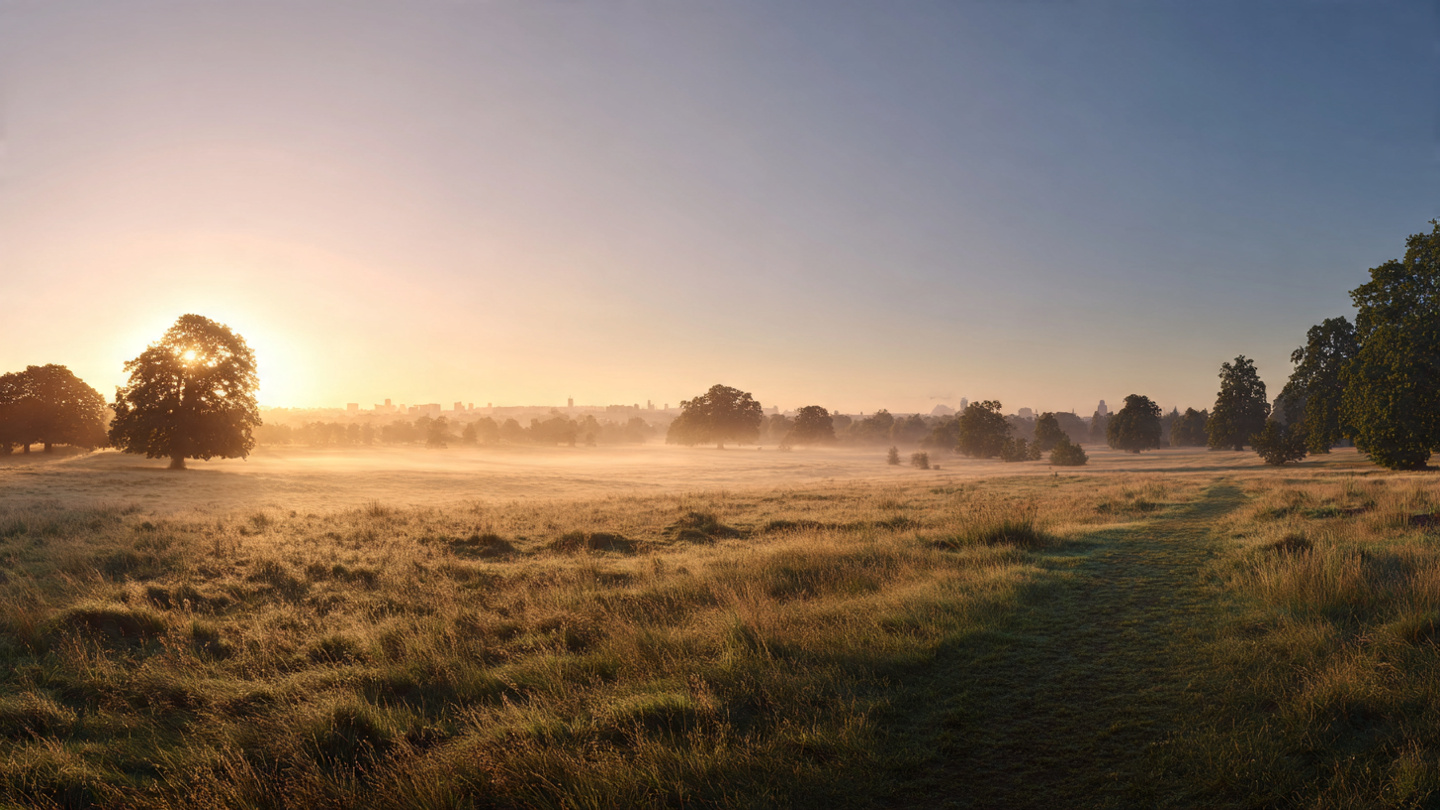
Many visitors associate open land in the city with a handful of famous parks. However, some of the most impressive green spaces in london stretch far beyond those well-known areas. These expansive landscapes feel less ornamental and more natural. They offer room to walk long distances without constantly encountering crowds.
Large commons and heathlands create the strongest sense of openness. Unlike tightly designed gardens, these spaces allow uneven terrain, scattered trees, and broad skies to dominate the experience. As a result, visitors often forget how close they remain to busy neighborhoods.
Hampstead Heath and Elevated Natural Terrain
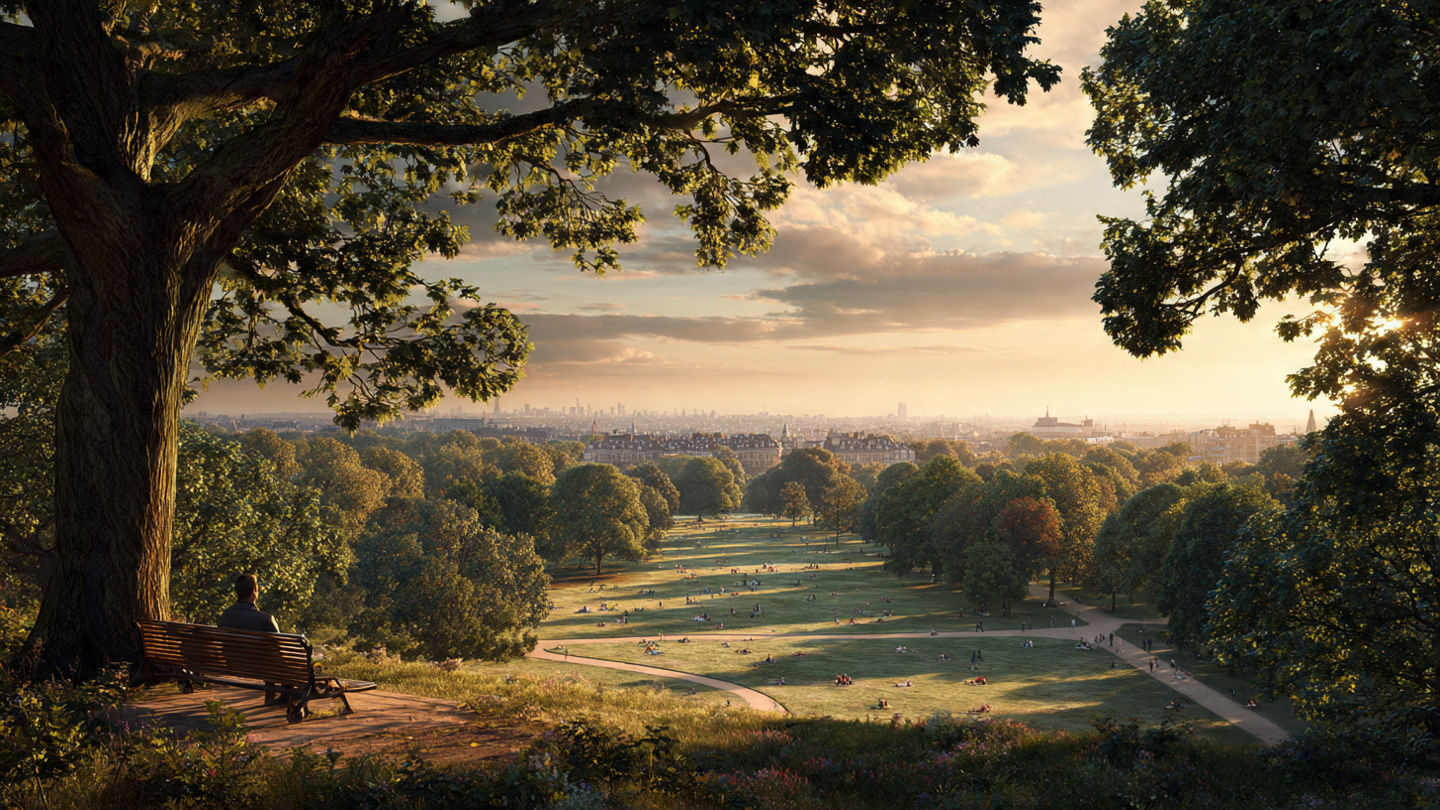
Some of the city’s most memorable moments happen just before dusk, when open lawns and hilltop parks catch the last light of the day. Wide skies, reflective water surfaces, and skyline silhouettes transform ordinary green spaces into unforgettable evening settings. To discover the most reliable golden-hour locations across the capital, visit our guide to the Best Sunset Viewpoints in London.
Hampstead Heath stands out for its raw, natural character. Instead of symmetrical lawns, it offers rolling ground, woodland sections, and open meadows. Paths curve freely rather than follow strict design principles. Because of its elevation, certain viewpoints provide wide perspectives across the city skyline.
This landscape feels closer to countryside terrain than to a formal park. People swim in ponds during warmer months, walk dogs along open fields, and pause at hilltops to watch the city stretch outward. Among the largest green areas in London, this heathland delivers one of the most varied environments.
To understand the scale and elevation of this landscape before visiting, explore Hampstead Heath on Google Maps and zoom in on Parliament Hill for one of the city’s most famous skyline views.
Wimbledon Common and Woodland Openness
Further southwest, Wimbledon Common provides another expansive setting. Wide grassy areas merge into woodland sections, creating a sense of depth and movement. The absence of heavy commercial development keeps the atmosphere calm.
Walkers often describe this common as spacious rather than decorative. Long paths allow uninterrupted exploration, and large sections feel deliberately preserved. Because of its scale, this landscape supports jogging routes, cycling, and extended weekend walks.
Richmond Park and Broad Grasslands
Richmond Park covers vast territory and introduces a different type of openness. While it remains managed, much of the landscape retains a natural appearance. Herds of deer move freely across grasslands, reinforcing the feeling of distance from central districts.
Unlike smaller urban gardens, this space invites long drives, cycling loops, and panoramic views. Its size makes it one of the most significant green spaces in london, particularly for visitors who want extended time outdoors without leaving the city boundary.
If you are in London and love nature, this is the place to be. Avoid it on Sundays, too many kids runing around. I’d go mid-week. Visit Isabella Plantation. The place is special.
Read more reivews at Tripadvisor.
Epping Forest and Ancient Woodland
To the northeast, Epping Forest stretches across a wide belt of ancient woodland. Dense tree cover creates shaded walking routes that feel immersive and secluded. In contrast to manicured lawns, this forest emphasizes biodiversity and natural growth.
Because it spans a large area, walkers can choose short paths or multi-hour routes. Wildlife thrives here, and seasonal changes become especially noticeable. In spring, new growth fills the canopy. In autumn, fallen leaves transform the forest floor into warm tones.
The Sense of Escape Within the City
What unites these expansive landscapes is the sense of escape they provide. Although public transport connects them to central districts, they feel removed from urban pressure. Wide horizons, mature trees, and open fields reduce visual density.
This contrast plays an important role in the network of green spaces in london. Smaller garden squares offer brief pauses. Large commons and forests provide full immersion. Together, they ensure that different scales of nature remain accessible within city limits.
Accessibility and Travel Considerations
While these expansive areas require more travel time than central gardens, reaching them remains straightforward. Underground lines, buses, and rail connections link major neighborhoods to outer districts. Therefore, visitors can incorporate large landscapes into multi-day itineraries without difficulty.
Planning ahead improves the experience. Comfortable footwear, weather awareness, and sufficient time allow people to explore fully. Because these landscapes encourage longer walks, visitors often spend several hours rather than brief stops.
Activities Within Expansive Landscapes
Large open areas support varied activities. Some visitors prioritize long-distance walking routes. Others cycle along designated paths. Families picnic on open grasslands. Photographers capture panoramic views during golden hour.
These expansive environments also attract seasonal events and community gatherings. However, even during busier periods, their scale absorbs crowds effectively. Unlike smaller urban gardens, they rarely feel compressed.
Comparing Scale Across the City
Understanding scale helps visitors choose the right destination. Central gardens provide immediate access and shorter visits. Heathlands and forests demand more time but offer greater immersion. Each contributes differently to the system of green spaces in london.
Those seeking dramatic views and extended walking routes often prefer outer commons and parks. Travelers with limited time may opt for more centrally located options.
Preparing to Explore Smaller Enclaves
After examining the city’s largest landscapes, it becomes clear that size alone does not define quality. In fact, some of the most memorable outdoor experiences occur in smaller, elegant settings.
Garden Squares and Elegant Urban Green Enclaves
The Character of London’s Garden Squares
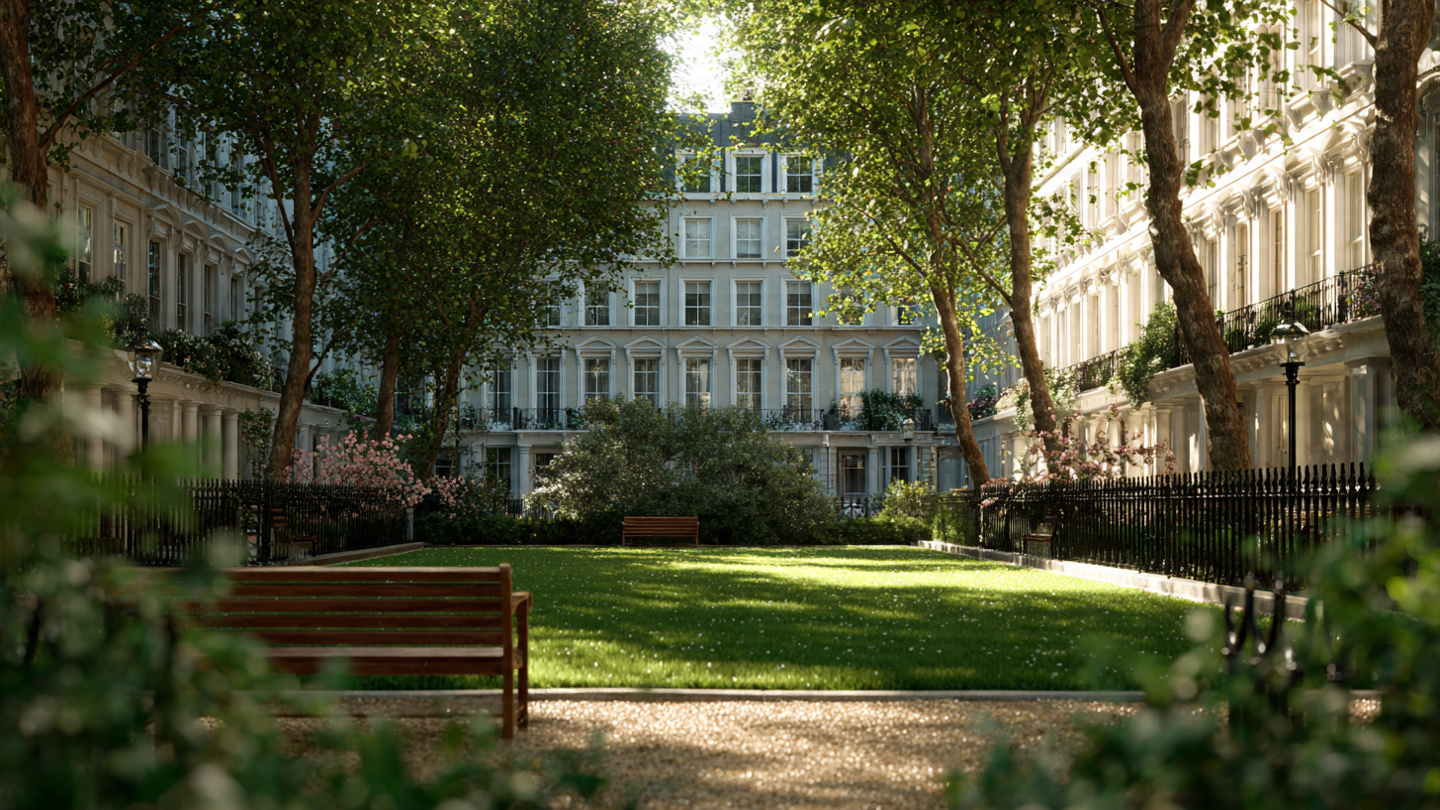
While expansive commons offer wide horizons, garden squares introduce a more intimate experience. These spaces sit at the heart of residential districts, often surrounded by Georgian or Victorian architecture. Instead of vast open fields, they provide carefully maintained lawns, mature trees, and symmetrical pathways.
Garden squares form a distinctive part of green spaces in london because they blend architecture and landscape into one cohesive setting. They do not aim to feel wild or remote. Instead, they create quiet order within busy neighborhoods.
Bloomsbury and the Tradition of Residential Squares
Bloomsbury offers some of the most recognizable examples. Russell Square, Bedford Square, and Gordon Square illustrate how planners integrated greenery into urban expansion. Developers designed these squares as shared garden spaces for surrounding residents, increasing both prestige and comfort.
Even today, these locations maintain a calm atmosphere. Students read on benches, office workers pause during lunch, and travelers sit beneath trees between museum visits. The greenery does not overwhelm the architecture. Rather, it complements it.
Semi-Private Spaces and Controlled Access
Some garden squares remain private and accessible only to nearby residents. Iron railings often surround them, reinforcing a sense of enclosure. Although visitors cannot always enter, they still contribute visually to the streetscape.
These semi-private areas add depth to London green spaces. They show how outdoor access became part of residential identity. During special open garden events, certain private squares allow public entry, revealing manicured lawns and hidden flower beds rarely seen from the street.
Designed Landscapes Within Dense Neighborhoods
Unlike heathlands or commons, garden squares emphasize structure. Landscape designers position trees strategically to frame pathways. Flower beds introduce seasonal color. Benches face inward, encouraging stillness rather than movement.
Because of this design, these urban green areas often feel refined. They provide a pause without demanding long walks. Visitors can sit quietly, observe local life, and appreciate architectural surroundings without leaving central districts.
Balancing Openness and Containment
Garden squares strike a careful balance between openness and containment. Their boundaries create protection from traffic noise, yet they remain visually connected to surrounding streets. This balance gives them a unique atmosphere.
Among the many green spaces in london, these squares feel particularly measured. They encourage reflection rather than activity. Joggers rarely cross them, but readers and small groups often linger.
Seasonal Changes in Garden Squares
These elegant enclaves change noticeably with the seasons. In spring, blossoms brighten structured lawns. Summer brings dense shade beneath mature trees. Autumn introduces warm tones across pathways. Even winter reveals architectural symmetry more clearly once leaves fall.
Because they sit within residential neighborhoods, these spaces offer consistent year-round access. Visitors can experience different moods without traveling far.
Although quieter than major parks, garden squares still support social interaction. Local residents walk dogs along perimeter paths. Students gather informally between lectures. Office workers bring takeaway coffee to shaded benches.
This gentle activity reinforces their role within the broader system of green spaces in london. They do not compete with large commons. Instead, they complement them by offering accessible calm within dense urban grids.
Comparing Squares to Larger Landscapes
Scale defines the main difference. Commons provide distance and open skies. Garden squares provide containment and symmetry. Both serve valuable purposes. One encourages exploration across miles. The other invites short, reflective pauses.
Understanding this distinction helps visitors choose settings that match their available time and energy. Those with limited schedules may find garden squares more practical, while travelers seeking extended walks may prefer expansive landscapes.
Architectural Framing and Visual Harmony
One of the defining qualities of these spaces lies in their architectural framing. Historic terraces surround many squares, creating a harmonious relationship between built environment and greenery. This combination produces visually balanced scenes ideal for quiet observation.
Because of this framing, garden squares often appear in photographs that capture the elegance of London green spaces without focusing on grand monuments.
After exploring these refined enclaves, it becomes clear that the city offers greenery at multiple scales. Yet some of the most surprising outdoor areas remain small and easily overlooked.
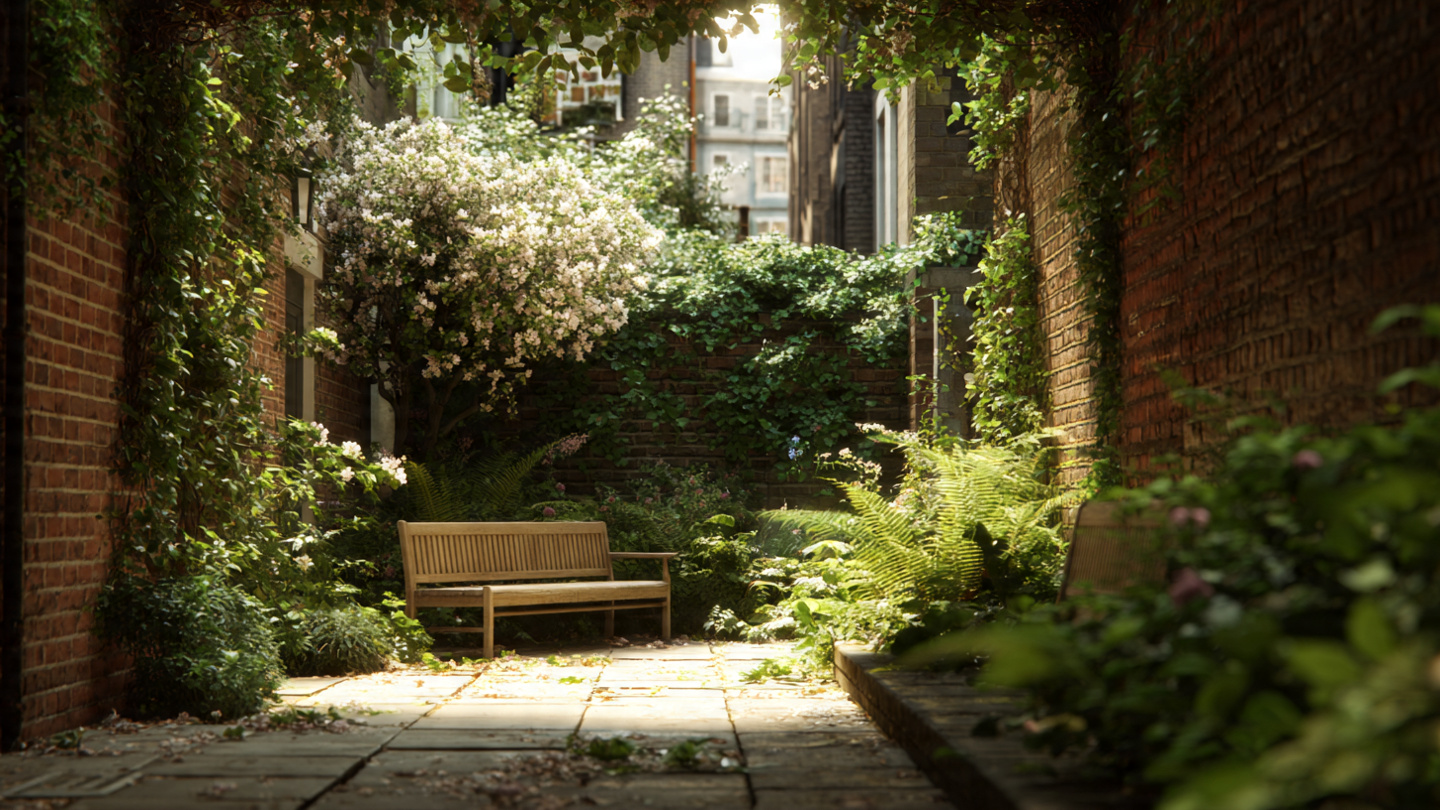
Discovering Quiet Corners Within the City
Beyond large commons and formal garden squares, the capital hides countless compact retreats. These smaller green areas often sit between office buildings, behind churches, or along residential streets that many visitors pass without noticing. Because they lack grand entrances or landmark status, they rarely appear in major travel guides.
Yet these modest locations form an important layer within green spaces in london. They offer immediate access to calm without requiring long travel or careful planning.
Pocket Parks Tucked Between Streets
Pocket parks represent some of the most understated outdoor environments in the city. Often no larger than a courtyard, they include benches, planted borders, and mature trees. Despite their limited size, they provide quick relief from surrounding traffic and movement.
Nearby workers use them during short breaks. Residents pause for a few minutes between errands. Travelers resting between attractions may discover them unexpectedly. These compact London green spaces show that impact does not depend on scale.
Churchyards as Peaceful Urban Retreats
Historic churchyards frequently serve as quiet green areas within dense districts. Low stone walls and mature trees create a sense of separation from nearby streets. Simple pathways guide gentle movement, and benches encourage brief pauses.
Although originally created for burial and remembrance, many churchyards now function as calm seating areas open to the public. Their understated design supports reflection and quiet observation. Within the broader network of green spaces in london, these sites provide intimacy rather than spectacle.
Some outdoor spaces remain concealed behind archways or within residential developments. Visitors often discover them by chance. Once inside, they encounter enclosed lawns, small flower beds, and shaded seating away from heavy foot traffic.
These hidden courtyards reveal how deeply greenery integrates into the urban structure. Rather than existing only along main roads, London green spaces appear in unexpected corners. This sense of discovery adds character to exploration.
Small Gardens Along Historic Streets
Older neighborhoods often include narrow planted areas between buildings. Though modest in size, they introduce seasonal color and soften brick facades. Spring blossoms brighten quiet streets. Autumn leaves create contrast against stone architecture.
Even when people do not enter these spaces directly, their presence influences how green areas in London feel. They add texture and visual balance to dense urban blocks.
Everyday Use by Local Residents
These smaller outdoor areas support everyday routines. Office workers eat lunch on shaded benches. Students review notes during warmer afternoons. Older residents enjoy slow walks through familiar paths. Families pause briefly during neighborhood errands.
Because these spaces attract nearby communities rather than large tourist groups, they reveal authentic city rhythms. They feel grounded and personal.
The Importance of Small-Scale Greenery
Large parks create immersion. Smaller areas create accessibility. In a dense city, the ability to step into greenery within minutes changes daily life. Instead of planning a long excursion, people can find a moment of quiet close to home or work.
This flexibility strengthens the overall system of green spaces in london. Each compact retreat contributes to mental reset and visual relief, even if it occupies only a small footprint.
Seasonal Detail in Compact Spaces
Seasonal shifts appear in subtle ways within these small gardens. A single flowering tree can transform a courtyard. Fallen leaves gather along narrow paths in autumn. Winter light filters differently through bare branches.
Although these changes may seem understated compared to expansive landscapes, they often feel more intimate. Small spaces highlight detail rather than scale.
Taken together, these overlooked retreats show that the city’s greenery extends far beyond its most photographed locations. While larger commons attract attention, compact gardens and pocket parks sustain daily comfort.
Canal Paths and Linear Green Corridors
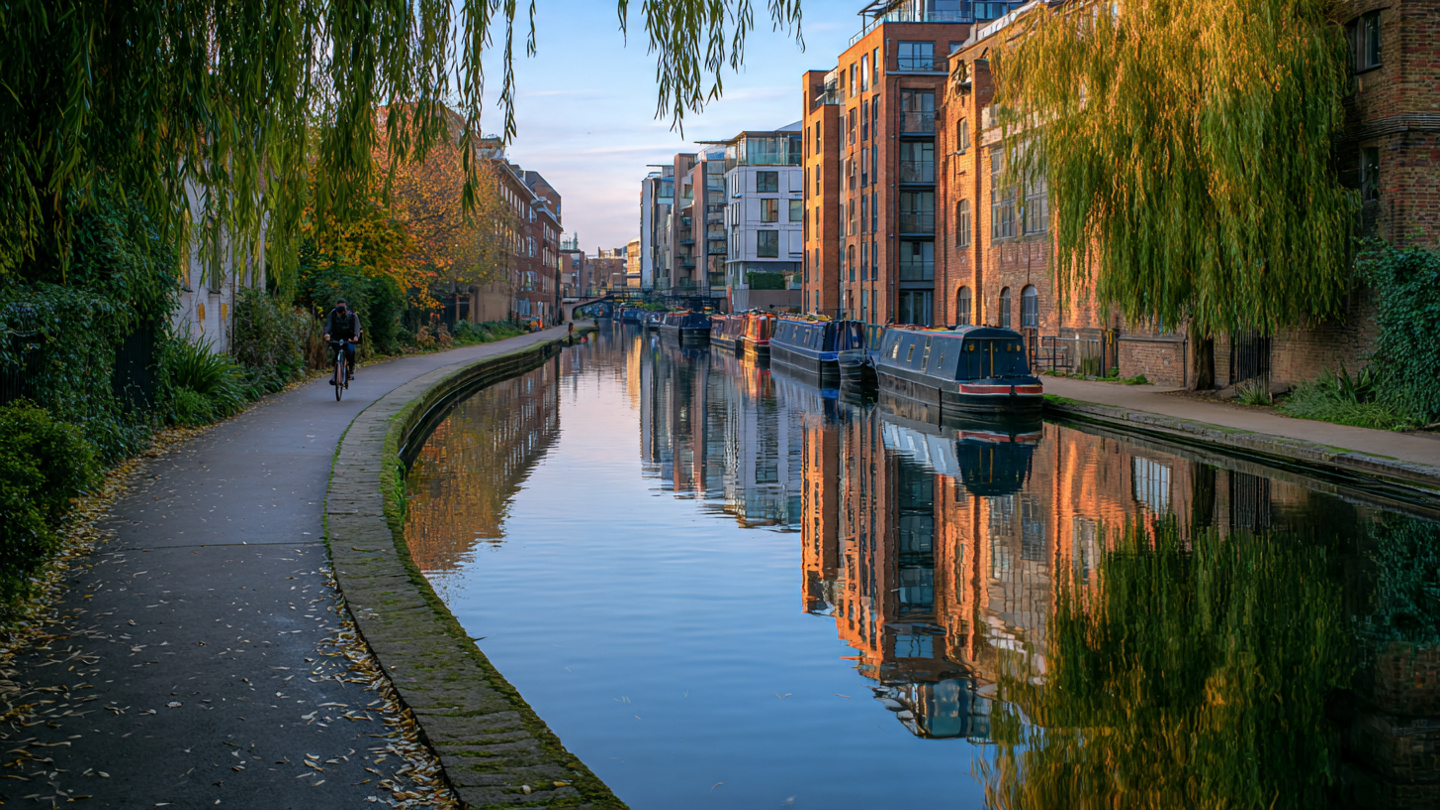
Continuous Green Routes Across the City
Unlike parks and squares that occupy defined boundaries, canal paths create continuous movement through the city. These routes stretch for miles, linking neighborhoods through water and vegetation. Instead of entering a single enclosed space, visitors follow a living corridor that unfolds gradually.
Within the broader network of green spaces in london, canal corridors serve a unique purpose. They do not invite people to remain in one location. Instead, they encourage steady walking, cycling, and quiet observation along the water’s edge.
Regent’s Canal and Long-Distance Flow
Regent’s Canal provides one of the most recognizable examples of this linear design. The towpath runs through diverse districts, connecting markets, residential areas, and cultural zones. Trees line much of the route, creating shade and visual softness.
Because the path avoids busy roads, walkers experience uninterrupted flow. Buildings frame the water, yet the canal itself reduces traffic noise and visual congestion. This steady rhythm sets canal corridors apart from more static London green spaces.
Movement Instead of Containment
Formal gardens and squares encourage stillness. Canal paths prioritize motion. Walkers follow gentle curves beside water, often unaware of how far they have traveled. Cyclists share the route, moving efficiently between districts.
This sense of direction changes how people interact with outdoor environments. Rather than choosing a bench and remaining there, they explore gradually. In this way, canal corridors expand the function of green areas in London beyond recreation.
Water as a Visual Anchor
Water plays a central role in shaping these environments. Reflections soften surrounding architecture. Wildlife gathers along edges. Swans, ducks, and other birds introduce movement without noise.
The presence of water also cools the atmosphere during warmer months. Combined with tree cover, it creates a layered sensory experience. Among green spaces in london, canal paths stand out for this combination of greenery and waterways.
Linking Neighborhoods Through Nature
One of the most valuable aspects of canal corridors lies in connectivity. They allow pedestrians to move between districts without constant traffic interruptions. Instead of crossing busy intersections, people follow shaded paths beside water.
This continuity strengthens the wider network of London green spaces. It turns nature into infrastructure. Visitors often discover new neighborhoods simply by continuing along the towpath.
To follow one of the most scenic continuous green routes in the capital, open Regent’s Canal on Google Maps and trace the towpath from Little Venice toward Camden.
Everyday Commuting and Leisure Combined
Canal paths support both daily commuting and leisure walks. Early mornings bring runners and cyclists heading toward work. Afternoons attract relaxed walkers and small groups enjoying conversation.
Because these routes stretch across long distances, they distribute foot traffic naturally. Even on busy days, the movement rarely feels compressed. Compared to central lawns, canal corridors provide breathing room.
Seasonal Change Along the Water
Seasonal transitions appear clearly along canal edges. In spring, fresh leaves frame the water. Summer creates deep shade across narrow sections. Autumn reflects warm tones on the surface. Winter reveals open views as branches lose foliage.
These changes add visual variety throughout the year. Visitors who return during different seasons experience distinct atmospheres along the same path.
Practical Considerations for Canal Walks
Towpaths vary in width and surface condition. Comfortable footwear improves longer walks. During wet weather, certain stretches may become slippery. Cyclists and pedestrians share space, so awareness remains important.
Planning a route in advance helps visitors connect canal walks with nearby markets or neighborhoods. Because canal corridors intersect multiple districts, they fit easily into broader itineraries.
A Different Kind of Urban Greenery
Canal paths illustrate how green spaces in london extend beyond lawns and structured gardens. They create fluid, elongated landscapes that blend movement, water, and vegetation.
Historic Cemeteries and Quiet Biodiversity Spaces
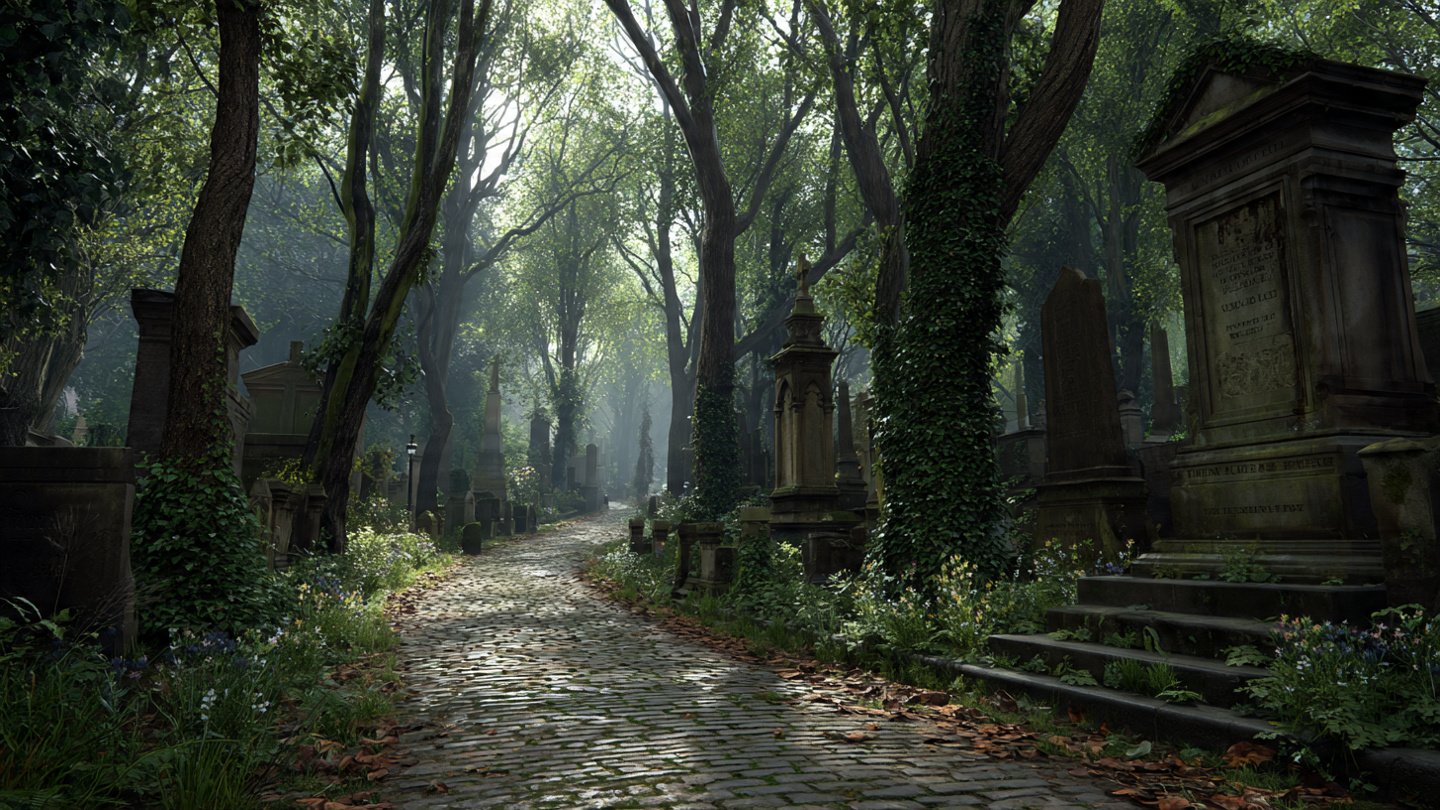
Landscapes of Reflection Within the City
While canal corridors encourage movement, historic cemeteries invite stillness. These spaces combine heritage, architecture, and mature vegetation in ways few other environments can. Tall trees, winding paths, and weathered stone monuments create a distinct atmosphere that feels removed from surrounding streets.
Within the wider system of green spaces in london, cemeteries offer a reflective dimension. They do not function primarily as recreational parks, yet they provide accessible outdoor environments rich in history and ecological value.
Highgate Cemetery and Layered Heritage
Highgate Cemetery stands as one of the most well-known examples. Overgrown pathways, Victorian monuments, and dense tree cover produce a dramatic and almost woodland-like setting. Visitors walk slowly, guided by curving routes rather than open lawns.
Unlike structured gardens, this environment blends architecture with natural growth. Ivy climbs across stone. Moss softens surfaces. Wildlife moves quietly between graves. The result feels immersive without being overwhelming.
Kensal Green and Designed Tranquility
Kensal Green Cemetery offers a slightly more structured layout. Wide avenues intersect with smaller paths, and landscaped sections provide visual order. Even so, mature trees and planted areas maintain a calm atmosphere.
These environments demonstrate how green areas in London can serve multiple purposes at once. They preserve cultural history while also supporting biodiversity and public access.
Biodiversity Within Cemetery Landscapes
Cemeteries often host a surprising range of wildlife. Because development remains limited, birds nest in tall trees and small mammals inhabit undisturbed sections. Wildflowers emerge between older stones during warmer months.
This ecological richness strengthens their role within London green spaces. They provide habitat corridors that connect with nearby parks, commons, and canal paths. As a result, they contribute to urban biodiversity without requiring heavy redesign.
Spaces for Quiet Observation
Unlike busy lawns filled with gatherings, cemeteries encourage quieter behavior. Visitors walk thoughtfully along pathways, read inscriptions, and observe the surrounding landscape. The pace naturally slows.
This atmosphere makes them particularly appealing to those seeking solitude. Among green spaces in london, few locations offer such a combination of history and calm.
Architectural Interest and Natural Framing
Many historic cemeteries feature elaborate mausoleums, chapels, and carved monuments. Trees frame these structures, softening stone edges and adding texture. Sunlight filters through branches, creating shifting patterns across pathways.
The interplay between architecture and vegetation creates visually compelling scenes. Photographers often appreciate this contrast, especially during early morning or late afternoon light.
Seasonal Transformation in Cemetery Grounds
Seasonal shifts appear vividly in these landscapes. Spring brings fresh growth around monuments. Summer deepens shade beneath mature trees. Autumn introduces warm tones across pathways. Winter reveals clearer architectural lines as leaves fall.
Because vegetation remains established and varied, these sites maintain character throughout the year.
Public Access and Guided Visits
Many historic cemeteries allow public access during specific hours. Some sections require guided tours, particularly in protected or conservation areas. Checking access guidelines before visiting ensures a smooth experience.
Despite their heritage focus, these sites remain part of the broader outdoor network. They complement other green spaces in london by adding historical depth and ecological importance.
A Unique Layer Within Urban Greenery
Cemeteries differ from parks and squares in purpose, yet they strengthen the overall landscape system. They remind visitors that greenery in the capital does not always revolve around recreation. Sometimes it centers on memory, heritage, and quiet continuity.
Community Gardens and Local Sustainability Projects
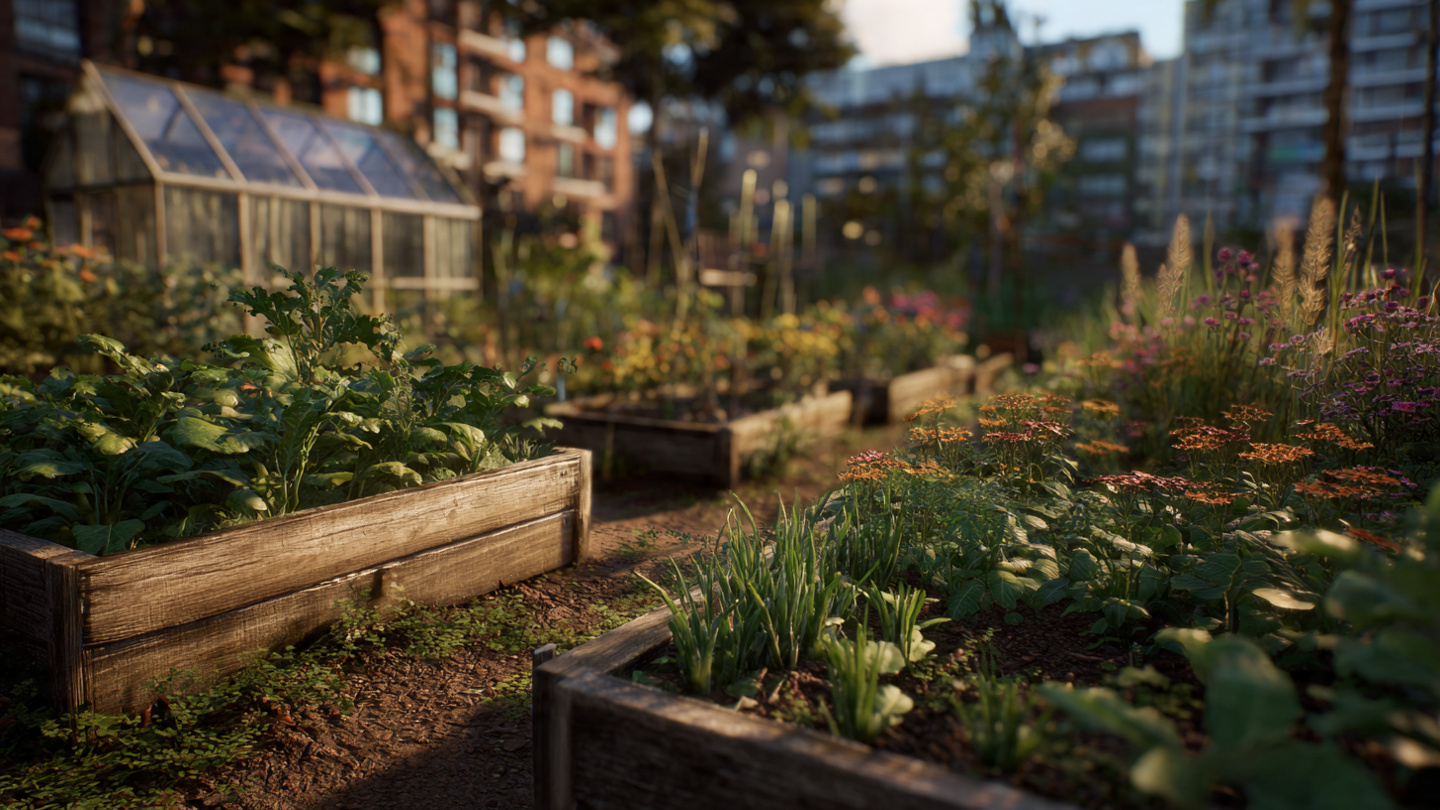
Grassroots Greenery Across Neighborhoods
While historic cemeteries reflect the past, community gardens represent a more contemporary expression of urban greenery. Across different neighborhoods, residents transform unused land into shared outdoor spaces. As a result, what once appeared neglected often becomes productive and welcoming.
Within the broader network of green spaces in london, these community-led projects introduce participation rather than passive enjoyment. Instead of simply visiting, people plant, maintain, and harvest together. Consequently, greenery becomes a shared responsibility rather than a fixed design.
Urban Agriculture in Action
In many locations, volunteers cultivate vegetables, herbs, and fruit trees. Therefore, these gardens provide practical benefits alongside visual appeal. Raised beds maximize limited space, and seasonal crops rotate throughout the year.
At the same time, composting systems reduce waste and enrich soil naturally. Because participants manage these systems collectively, they strengthen environmental awareness at a neighborhood level. In this way, green areas in London extend beyond relaxation and support sustainable living.
Transforming Underused Spaces
Many of these gardens began as overlooked corners or vacant lots. However, local groups recognized their potential and organized clean-up efforts. Gradually, planting beds replaced debris, and seating areas appeared where concrete once dominated.
This transformation highlights adaptability within London green spaces. Even compact environments can support vegetation when communities invest time and care. As a result, the city’s outdoor network continues to evolve organically.
Gardening naturally encourages cooperation. Volunteers meet regularly to water plants, manage growth, and prepare for seasonal changes. During these activities, conversations unfold without pressure.
Because participation often spans different age groups, these spaces encourage knowledge sharing. Younger participants learn practical skills, while more experienced gardeners contribute long-term insight. Consequently, community gardens strengthen both environmental and social resilience.
Supporting Biodiversity and Native Planting
Many projects prioritize native plant species and wildlife-friendly design. Flowering plants attract pollinators, while small water features support insects and birds. Therefore, these gardens contribute directly to urban biodiversity.
Furthermore, by linking with nearby parks or canal corridors, they form part of a wider ecological web. In this sense, green spaces in london operate not as isolated patches but as interconnected habitats.
Educational Opportunities for Local Communities
Community gardens often partner with schools and local organizations. Workshops introduce sustainable practices, seasonal planting cycles, and soil management techniques. As a result, children and adults alike gain hands-on environmental education.
This educational role expands the purpose of London green spaces. They function not only as leisure environments but also as learning spaces that foster long-term environmental awareness.
Adaptation in Dense Urban Districts
Space remains limited in many central neighborhoods. Nevertheless, creative design allows greenery to thrive. Vertical planting systems increase productivity. Compact seating arrangements maximize usability.
Therefore, even in dense districts, small-scale projects demonstrate how green areas in London can flourish. Innovation supports sustainability without requiring vast land.
Public Access and Visiting Etiquette
Although many community gardens welcome visitors during specific hours, volunteers maintain these spaces actively. For this reason, respectful behavior remains essential. Clear signage often explains guidelines for entry, photography, and participation.
Visitors who approach quietly and observe thoughtfully gain insight into local engagement. Even brief visits reveal how deeply greenery integrates into neighborhood identity.
A Contemporary Layer Within Urban Greenery
While royal parks reflect history and commons express scale, community gardens highlight modern priorities. They emphasize collaboration, sustainability, and environmental awareness. Consequently, they broaden the meaning of green spaces in london beyond aesthetics alone.
Choosing the Right Green Space Based on Your Travel Style
Understanding That Not All Outdoor Spaces Feel the Same
Although the city offers an impressive range of landscapes, not every setting delivers the same experience. Some locations feel expansive and dramatic, while others feel contained and intimate. Therefore, selecting the right environment depends largely on personal preference and travel rhythm.
Because green spaces in london vary in scale, atmosphere, and accessibility, thoughtful planning can significantly improve your visit. Instead of wandering without direction, you can align your choice with your mood and energy level.
For Quiet Reflection and Personal Time
If you value calm and minimal distraction, smaller garden squares and churchyards often provide the best atmosphere. These locations reduce noise and limit heavy foot traffic. As a result, they encourage reading, journaling, or simply sitting in stillness.
Similarly, certain woodland sections within larger landscapes create a sense of privacy. Although you remain within the city, dense tree cover and winding paths produce a quieter experience. Therefore, travelers seeking solitude should prioritize enclosed or semi-enclosed green areas.
For Long Walks and Continuous Movement
On the other hand, some visitors prefer steady movement rather than stationary relaxation. In that case, canal corridors, heathlands, and expansive commons offer greater freedom. These environments allow uninterrupted walking routes that extend across districts.
Because linear green areas in London connect multiple neighborhoods, they also introduce variety along the way. You might pass residential streets, markets, and quiet corners during a single walk. Consequently, these routes feel dynamic rather than repetitive.
Green corridors in London are not limited to traditional parks. Riverside paths, embankments, and long pedestrian routes create continuous stretches of nature woven through the urban fabric. If you prefer open water views combined with historic landmarks and relaxed walking routes, explore our complete guide to Scenic Walks Along the River Thames London for route ideas and practical walking tips.
For Families and Casual Gatherings
Families often prioritize visibility and open space. Larger parks and commons provide wide lawns where children can move comfortably. Clear sightlines allow caregivers to supervise without difficulty.
Moreover, accessible pathways and seating areas make longer visits manageable. For informal picnics or relaxed afternoons, centrally located London green spaces with facilities often feel more practical than remote landscapes.
Very good for nature walks alone, with friends or with family. Nice environment and has nice places to sit.
Read more reviews at Tripadvisor.
For Photography and Visual Contrast
If photography plays a central role in your travel plans, certain outdoor environments offer stronger visual framing. Garden squares surrounded by historic terraces create balanced compositions. Canal paths reflect buildings in water, producing layered images.
Additionally, elevated commons reveal panoramic skyline views. Therefore, choosing green spaces in london based on light conditions and architectural surroundings can significantly improve visual results.
Not every traveler seeks quiet isolation. Some enjoy observing city life within outdoor settings. Larger lawns and central parks naturally attract small gatherings, street performers, and casual events.
During warmer months, these social environments highlight how outdoor areas function as shared living rooms. If you prefer lively surroundings, selecting well-known public green areas in London may enhance your experience.
For Cultural and Historical Context
Certain landscapes carry deeper historical meaning. Garden squares reveal residential planning traditions. Commons reflect former royal estates. Cemeteries preserve architectural heritage and memorial culture.
Therefore, visitors interested in history should approach green spaces in london not only as recreational areas but also as cultural sites. Exploring them adds dimension to your understanding of the city.
Considering Time and Accessibility
Time constraints also influence choice. Central garden squares require little travel and fit easily between attractions. In contrast, expansive heathlands demand more planning but reward visitors with immersion.
Because transport links connect most districts efficiently, visitors can combine multiple types within one day. For example, a canal walk might lead into a formal garden, followed by a pause in a smaller courtyard.
Adapting to Season and Weather
Seasonal variation further shapes experience. Shaded areas feel especially valuable during summer. Open commons showcase dramatic skies in autumn. Structured gardens highlight symmetry during winter when leaves fall.
Therefore, matching travel style with seasonal conditions enhances comfort and atmosphere. Planning around light, temperature, and crowd patterns ensures a more satisfying visit.
Blending Multiple Experiences
Ultimately, the most rewarding approach often involves blending different types of greenery. You might begin with a long canal walk, transition into a structured square, and finish the day in a lively park.
This layered strategy reflects the diversity of green spaces in london. Rather than limiting yourself to one category, you can experience multiple expressions of urban nature within a single itinerary.
Seasonal Beauty and Practical Tips for Exploring Green Spaces in London
How the Seasons Transform Outdoor Landscapes
Although the structure of the city remains constant, its outdoor environments shift noticeably throughout the year. Because green spaces in london range from formal gardens to open heathlands, seasonal changes appear in distinct ways across different settings. As a result, the same location can feel entirely different depending on when you visit.
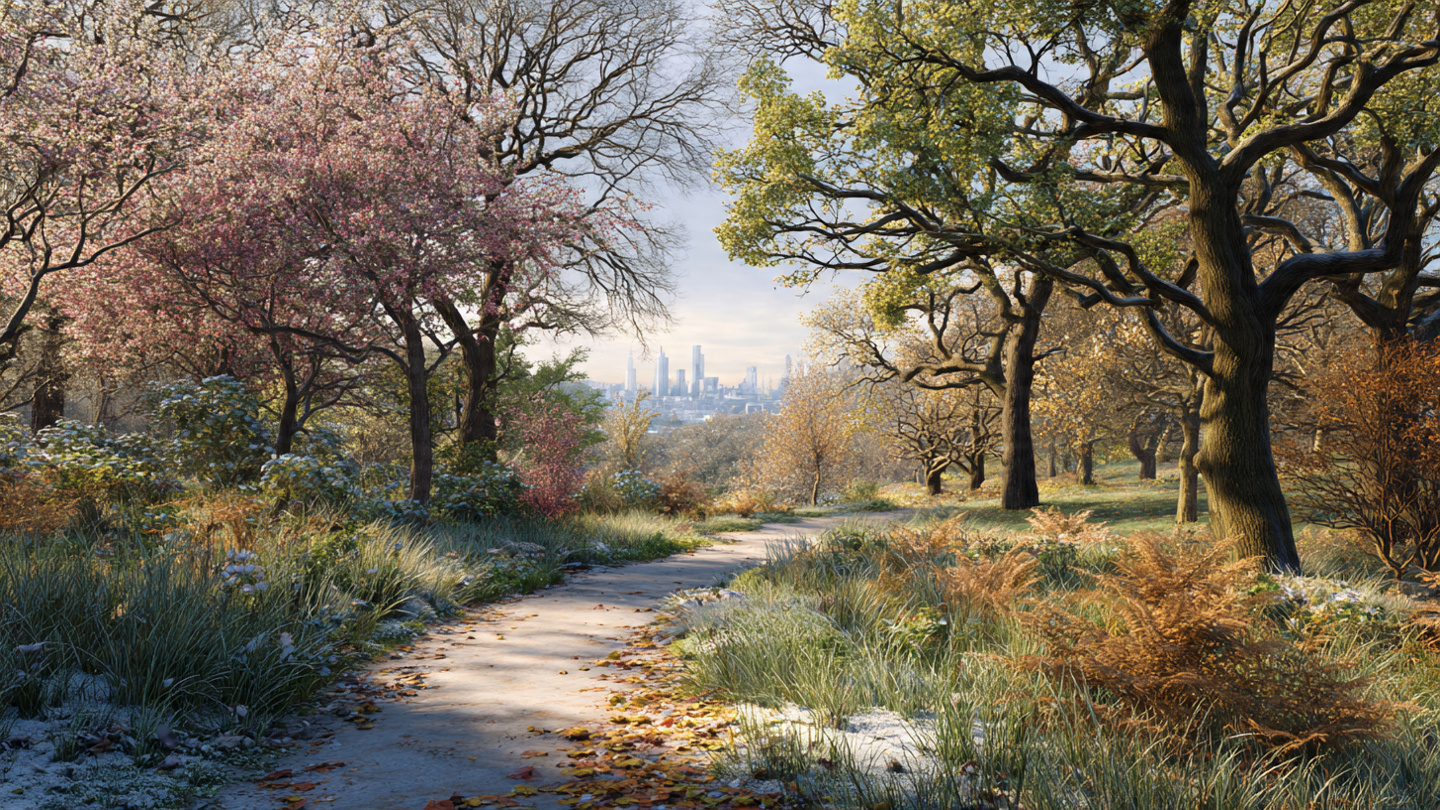
In spring, flowering trees brighten garden squares and park pathways. Fresh leaves soften architectural lines that appeared sharp during winter. Meanwhile, canal edges begin to show new growth, and commons regain color after colder months. Therefore, spring often feels like a period of renewal across the city’s outdoor network.
Summer and Extended Outdoor Living
As temperatures rise, people spend more time outside. Lawns fill with small groups sharing food and conversation. Shaded paths become especially valuable during midday heat. Because daylight extends into the evening, visitors can explore comfortably after major attractions close.
During this season, larger landscapes absorb activity well. At the same time, structured gardens showcase carefully maintained flower beds in full bloom. Consequently, summer highlights both the social and visual appeal of London green spaces.
Autumn and Shifting Color
When autumn arrives, the atmosphere changes again. Leaves turn shades of gold, amber, and deep red. Fallen foliage gathers along pathways, creating texture underfoot. In addition, thinner tree canopies allow more light to filter through.
Because of these visual shifts, green areas in London often appear more dramatic during this period. Photographers, in particular, appreciate the contrast between warm leaves and historic stone architecture. Therefore, autumn offers strong aesthetic variety within familiar settings.
Winter and Open Perspectives
Although winter reduces foliage, it introduces clarity. Bare branches frame skylines and architectural details more sharply. Frost occasionally settles across open grasslands during early mornings. As a result, the city’s structure becomes more visible.
Crowds also tend to thin during colder months. Consequently, those seeking quiet walks may find winter surprisingly rewarding. Even without dense greenery, green spaces in london retain their atmosphere through open views and subtle light.
Choosing the Right Time of Day
Beyond seasonal changes, time of day significantly shapes the experience. Early mornings typically provide calmer surroundings and softer light. In contrast, midday often brings more activity, especially in central locations.
Late afternoons and early evenings create warmer tones that enhance visual contrast. Therefore, planning visits around light conditions can improve both comfort and photography.
Preparing for Weather Variations
Weather in London can shift quickly. For this reason, carrying a light layer or small umbrella often proves useful. Comfortable footwear becomes essential when exploring heathlands, canal paths, or woodland sections with uneven ground.
Hydration also matters, particularly during summer visits to expansive landscapes. While central parks may offer facilities, larger commons sometimes require additional preparation. Planning ahead ensures outdoor time remains enjoyable.
Because many outdoor areas serve both residents and visitors, respectful behavior remains important. Disposing of litter properly, keeping noise levels moderate, and following posted guidelines support preservation efforts.
Furthermore, certain sections may protect wildlife habitats or sensitive planting areas. Staying on marked paths reduces damage and helps maintain ecological balance. Responsible use strengthens the long-term sustainability of London green spaces.
Safety and Awareness
Most outdoor environments remain well-maintained and accessible. However, awareness improves comfort, especially in larger or more wooded areas. Visiting during daylight hours enhances visibility, particularly in expansive landscapes.
Checking local updates before traveling to outer districts ensures accessibility and weather conditions remain suitable. As with any urban exploration, balanced awareness supports a positive experience.
Integrating Greenery Into Your Itinerary
Rather than treating outdoor areas as separate attractions, visitors can weave them naturally into daily plans. A canal walk might connect two neighborhoods. A garden square may offer rest between museum visits. A common can provide breathing space before an evening event.
By integrating greenery intentionally, travelers reduce fatigue and create a more balanced schedule. In this way, green spaces in london become structural elements within an itinerary rather than optional extras.
Final Reflections on Urban Nature
The capital’s outdoor environments form an interconnected system that supports wellbeing, heritage, and environmental resilience. From expansive commons to intimate courtyards, each location contributes differently to city life.
Together, these landscapes allow one of the world’s busiest capitals to remain livable and inviting. Exploring green spaces in london reveals not only trees and open land, but also the thoughtful balance that shapes everyday experience.
Frequently Asked Questions
General Questions
Green spaces in London include public parks, commons, garden squares, canal paths, churchyards, cemeteries, and community gardens. They range from large open landscapes to small planted areas within busy neighborhoods.
Most public outdoor areas are free and open year-round. However, some historic garden squares remain private and accessible only to local residents. Certain heritage sites may charge small entry fees.
London contains thousands of outdoor areas, from major parks to small pocket gardens. Nearly half of the city’s total area includes some form of green coverage, making it one of the greener major capitals in the world.
Visiting and Planning
Spring and early summer offer the most vibrant landscapes, while autumn provides dramatic foliage. Early mornings and weekdays are usually quieter.
Most central parks close at dusk. Larger commons and wooded areas are best visited during daylight hours. Always follow posted opening times and remain aware of surroundings.
Yes, picnicking is allowed in most public parks and commons. However, visitors should dispose of litter responsibly and follow local guidelines.
Types of Green Spaces
A park is usually a designed recreational space with maintained lawns and facilities. A common often refers to open land that feels more natural and less structured.
Yes. Smaller garden squares, churchyards, and certain woodland sections offer calmer environments compared to central tourist parks.
Yes. Canal corridors such as Regent’s Canal form linear green routes that connect neighborhoods through vegetation and water.
Environmental and Cultural Value
They reduce urban heat, improve air quality, manage rainfall, and support biodiversity. They also provide social, recreational, and mental health benefits.
Many do. Some began as royal hunting grounds, private estates, or Victorian landscaped cemeteries. Garden squares reflect historic residential planning traditions.