
Searching for peaceful walking routes in London does not mean expecting complete silence. The city never fully switches off. Traffic hums in the distance, trains pass beneath the streets, and conversations drift across open spaces. Even so, certain routes feel noticeably calmer than others.
What creates that difference is not the total absence of sound but a reduction in intensity. When stimulation lowers, the body relaxes. Pressure eases. Movement becomes voluntary instead of reactive. That subtle shift transforms an ordinary path into one of the more calming places to walk in London.
While this guide focuses specifically on peaceful walking routes in London, many of these quieter paths sit within larger landscaped areas that deserve deeper exploration. If you want a complete overview of the city’s most significant outdoor destinations, including historic grounds and expansive green landscapes, explore the full parks in London guide to understand how these spaces shape everyday life across the capital.
How Crowd Patterns Shape Your Experience
Crowd flow has an immediate impact on atmosphere. A riverside stretch filled with tour groups forces constant adjustments. Direction changes become frequent. Pauses happen without intention. Gradually, the rhythm of the walk is dictated by others.
With lighter foot traffic, control returns to the walker. Pace becomes personal. Stops happen naturally. Attention settles on surroundings rather than obstacles. Under these conditions, even central routes can function as quiet walks in London, provided timing supports it.
The Power of Open Space and Long Sightlines
Visual openness contributes strongly to calm. Wide paths and extended sightlines reduce tension because the eyes are not continually negotiating movement ahead. Instead of scanning for gaps between people, attention travels smoothly through the landscape.
Large commons, outer park loops, and certain embankments offer this spacious quality. Although these areas may sit near busy districts, their scale softens surrounding energy. As a result, peaceful walking routes in London often feel larger and quieter than expected.
Why Greenery Softens Both Sound and Mood
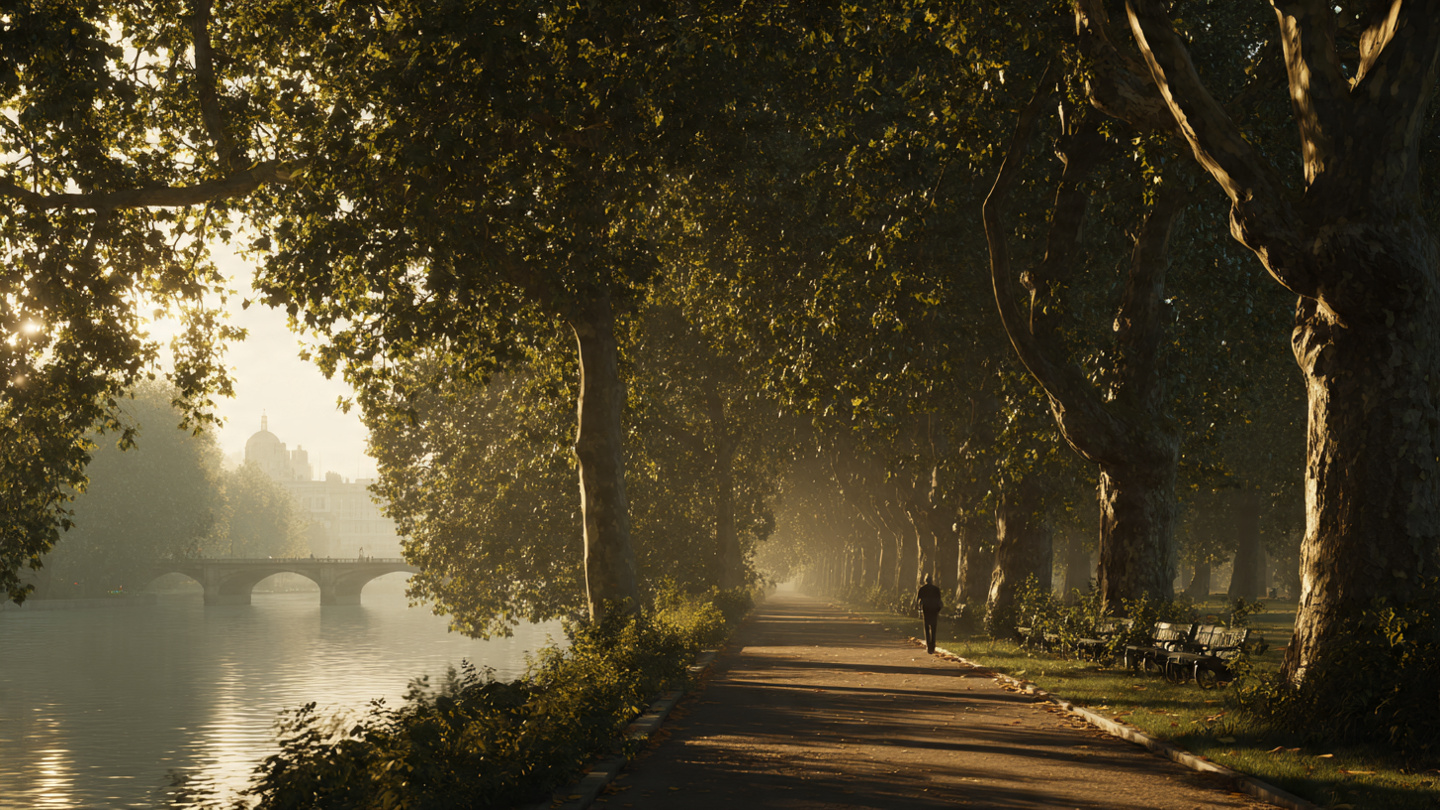
Tree cover changes perception in subtle ways. Leaves absorb sharp noise. Dense shrubs diffuse echoes. Light filtered through branches creates softer contrast. Because of this layered effect, woodland edges and heathland paths consistently rank among the most relaxing walks London offers.
Beyond acoustics, greenery redirects focus. Instead of reading storefront signs or traffic signals, the eye rests on bark texture, shifting light, and natural color variation. Gradually, attention moves away from urgency and toward observation.
Timing as the Deciding Factor
Location alone does not guarantee calm. A popular path can feel restorative at dawn and crowded by midday. Early weekday mornings often provide the most reliable quiet because visitor clusters have not yet formed. Movement during those hours feels purposeful rather than congested.
Late afternoons outside peak commuting periods sometimes offer another opportunity for slower walking. By adjusting the hour rather than the map, many well known areas can become surprisingly peaceful walking routes in London.
Walking Without the Pressure to Arrive
Many city walks are structured around landmarks. Clear endpoints create subtle urgency. Even with the intention to stroll, environmental cues encourage progress toward a monument or viewpoint.
Routes that lack a dramatic endpoint feel different. Circular paths, gentle meanders, and open-ended stretches remove the need to reach anything specific. Without destination pressure, the walk becomes reflective. In that environment, calm emerges naturally.
Residential Areas and Local Rhythm
Away from iconic attractions, residential neighborhoods often provide consistent stillness. Tree-lined terraces, garden squares, and smaller community greens establish a steady tempo. Traffic remains lighter. Pedestrian movement feels predictable.
Although these areas are not secret, they are frequently overlooked by visitors. Nevertheless, they deliver some of the most dependable calm places to walk in London, especially during weekday mornings or early evenings.
The Steady Influence of Water
Water introduces motion without chaos. Rivers and canals reflect changing light while maintaining a stable rhythm. Even when cyclists or boats pass, the overall flow rarely feels hurried.
Commercialized waterfront sections can attract dense crowds. However, stretches slightly removed from major bridges or entertainment zones often restore the softer pace associated with relaxing walks in London.
Seasonal Shifts and Emotional Tone
Season influences atmosphere more than many expect. Winter mornings tend to extend quiet into late morning hours because visitor numbers decrease. Autumn softens light and reduces large gatherings in open parks. Spring and early summer lengthen daylight, which allows calm evening walks after working hours.
Understanding these seasonal patterns helps identify when peaceful walking routes in London feel most restorative.
Personal Preference and Walking Style
Peace is not identical for everyone. Some walkers prefer wide grassland with distant views. Others feel calmer within enclosed woodland paths where sound remains muted. One person may appreciate light background movement, while another seeks near solitude.
Selecting the right environment therefore depends on temperament. When personal pace aligns with surroundings, the experience becomes restorative rather than distracting.
Finding Balance Within the City
Complete silence rarely exists in a global capital. Yet calm does not require isolation. Instead, balance creates it. Reduced crowd flow, softened acoustics, visual openness, and flexible pacing combine to produce a gentler experience.
Through thoughtful timing and intentional route selection, quiet walks in London become accessible even within central districts. Peace exists inside the city’s rhythm. It simply requires awareness to recognize it.
Early Morning Walks Before the City Wakes
Why Early Hours Transform the Experience
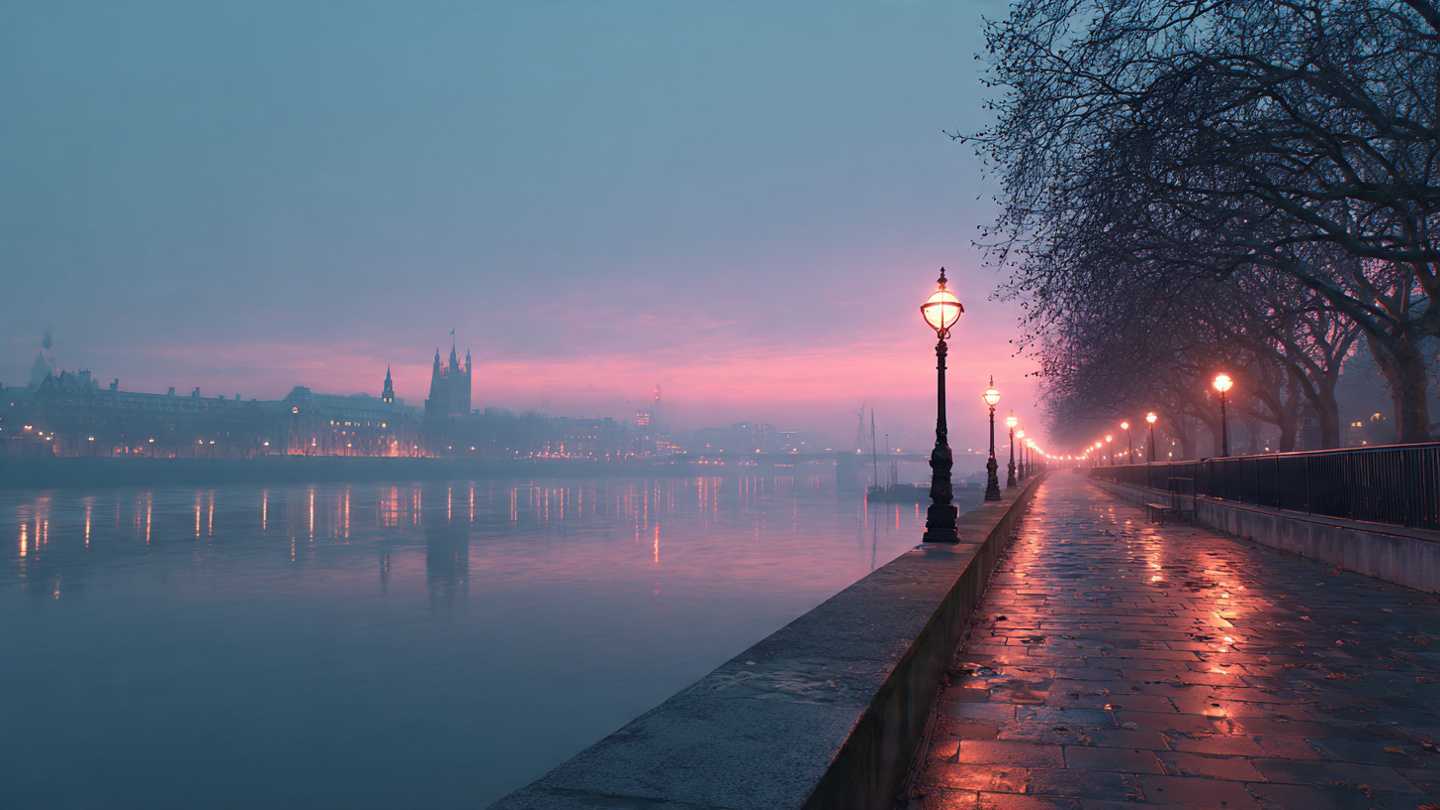
Among all strategies for finding peaceful walking routes in London, timing remains the most powerful. Before eight in the morning, the city moves differently. Delivery vans pass quietly. Commuters walk with direction rather than distraction. Tourist groups have not yet formed.
During these early hours, familiar paths feel almost private. Sound carries more softly. Footsteps echo lightly instead of blending into crowd noise. Because the environment has not reached peak intensity, even central areas can offer calm places to walk in London.
The Light and Atmosphere of Dawn
Morning light changes perception. Low sunlight creates long shadows and softer contrast across buildings and trees. Reflections along rivers and canals appear gentler. Air often feels cooler and clearer, especially outside summer months.
That combination of light and temperature influences mood. With fewer visual distractions and reduced glare, attention settles naturally. As a result, early hours often turn ordinary streets into quiet walks in London that feel unexpectedly restorative.
Central London Before Tourist Activity Begins
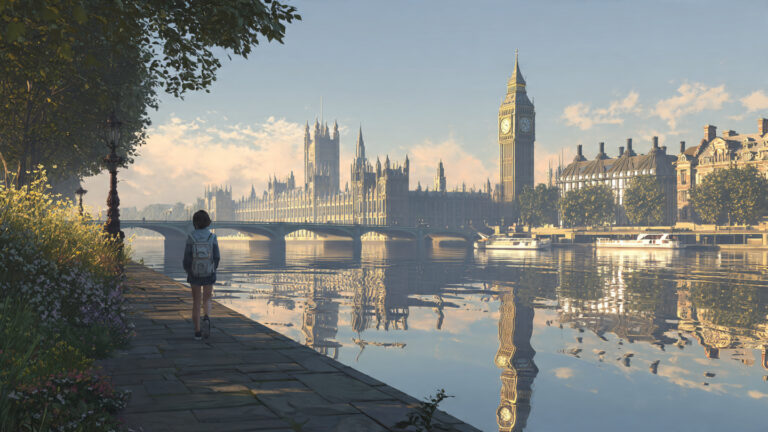
Areas that become crowded later in the day often provide surprising calm at dawn. Riverside embankments near Westminster, broad paths in large parks, and quieter squares in financial districts can feel open and spacious before peak movement begins.
Importantly, the atmosphere at this time is not empty but measured. Movement exists, yet it flows with purpose rather than congestion. For walkers seeking peaceful walking routes in London without leaving the center, early morning provides the most reliable opportunity.
Parks in Their Softest State
Large parks shift character significantly in the first hours of the day. Joggers move steadily along outer loops. Dog walkers remain dispersed rather than clustered. Open lawns appear untouched. The overall tone feels unhurried.
Because entrances near transport hubs remain quieter before commuter peaks, starting at a secondary gate can enhance the effect. In this window, even well known parks transform into relaxing walks London visitors rarely experience later in the day.
Riverside Calm Before Midday
Waterfront paths benefit especially from early timing. Without buskers, performance crowds, or heavy foot traffic, river edges regain their natural rhythm. Reflections dominate the view instead of people.
Although some cycling activity begins early, spacing remains generous. This allows walkers to maintain a steady pace without constant adjustments. In these conditions, sections of the Thames and quieter canal stretches become some of the most accessible peaceful walking routes in London.
Residential Neighborhoods at Daybreak
Residential districts offer another advantage in the morning. Streets remain orderly and quiet before school runs and delivery schedules intensify. Garden squares sit undisturbed. Light filters gently through terrace-lined avenues.
Because commercial activity has not yet begun, shopfront corridors that feel busy later can appear calm and spacious. Exploring these areas at dawn often reveals calm places to walk in London that disappear once the day fully unfolds.
Psychological Benefits of Morning Walking
Beyond reduced crowd density, early walking creates mental clarity. Decision fatigue has not yet accumulated. Noise levels remain lower. The mind processes surroundings more slowly.
Starting the day within peaceful walking routes in London often sets a stable emotional tone. Instead of reacting to external pressure, the body adapts gradually to the city’s rhythm. That transition reduces stress rather than amplifying it.
Choosing the Right Entry Point
Selecting where to begin remains essential. Main entrances near Underground stations typically receive early commuter flow. Secondary gates, residential access points, or outer loop entrances often remain quieter.
By entering slightly away from transport hubs, you preserve the softness of the morning atmosphere. Even popular destinations can maintain their calm when approached from less obvious starting points.
Weekday Advantage Over Weekends
Weekdays consistently offer more predictable quiet than weekends. On Saturdays and Sundays, leisure walking begins earlier. Families and group activities appear sooner. As a result, the window of calm shortens.
During the workweek, however, movement remains purposeful until midmorning. This predictable pattern allows walkers to plan consistent quiet walks in London without traveling far from central districts.
Seasonal Differences in Morning Calm
Winter extends peaceful hours. Shorter daylight limits early tourist activity, and colder temperatures reduce casual gathering. Autumn mornings often provide similar advantages with softer light and thinner foot traffic.
Spring and summer require slightly earlier starts to maintain the same effect. Nevertheless, dawn during these seasons still delivers some of the most reliable peaceful walking routes in London for those willing to adjust their schedule.
Creating a Sustainable Morning Habit
Consistency matters more than distance. Even a short 30-minute loop becomes restorative when practiced regularly. Rather than searching constantly for new destinations, identifying one dependable early route builds familiarity and comfort.
Over time, the body associates that path with calm. Noise fades into background awareness. Pace becomes instinctive. Through repetition, what began as a strategic choice evolves into a reliable personal retreat within the city.
Quiet Riverside Alternatives to the Busy Thames Paths
Why Not All Thames Walks Feel the Same
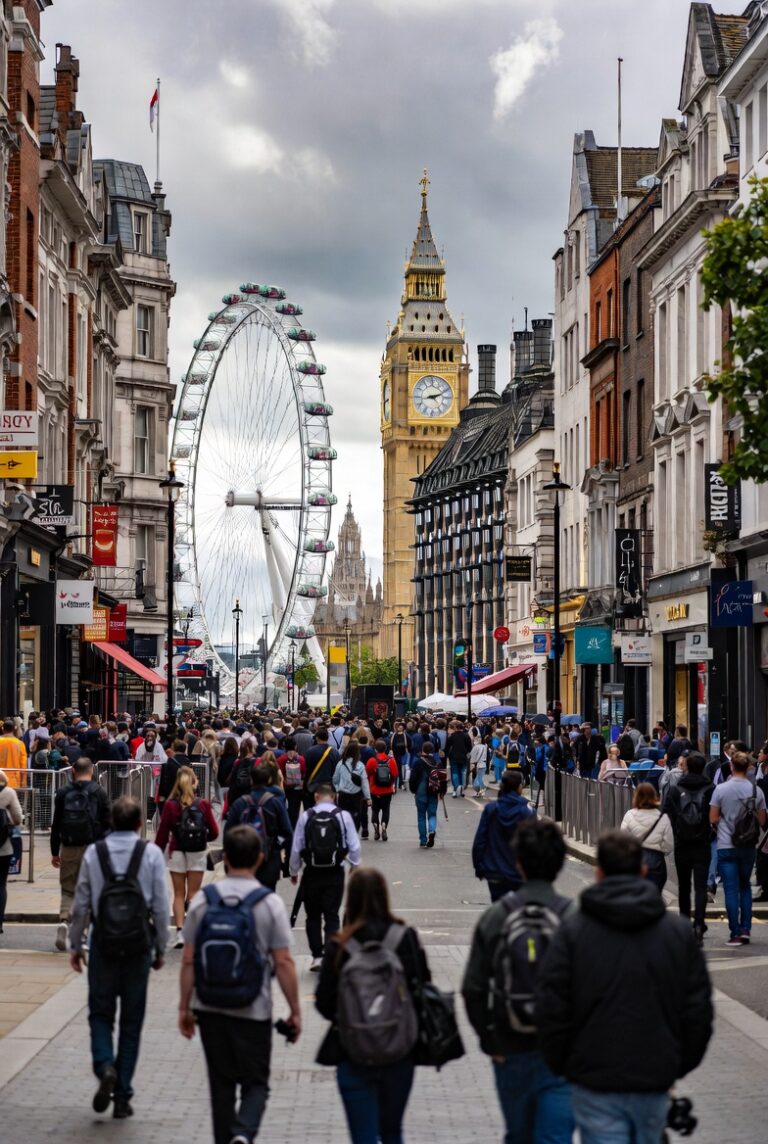
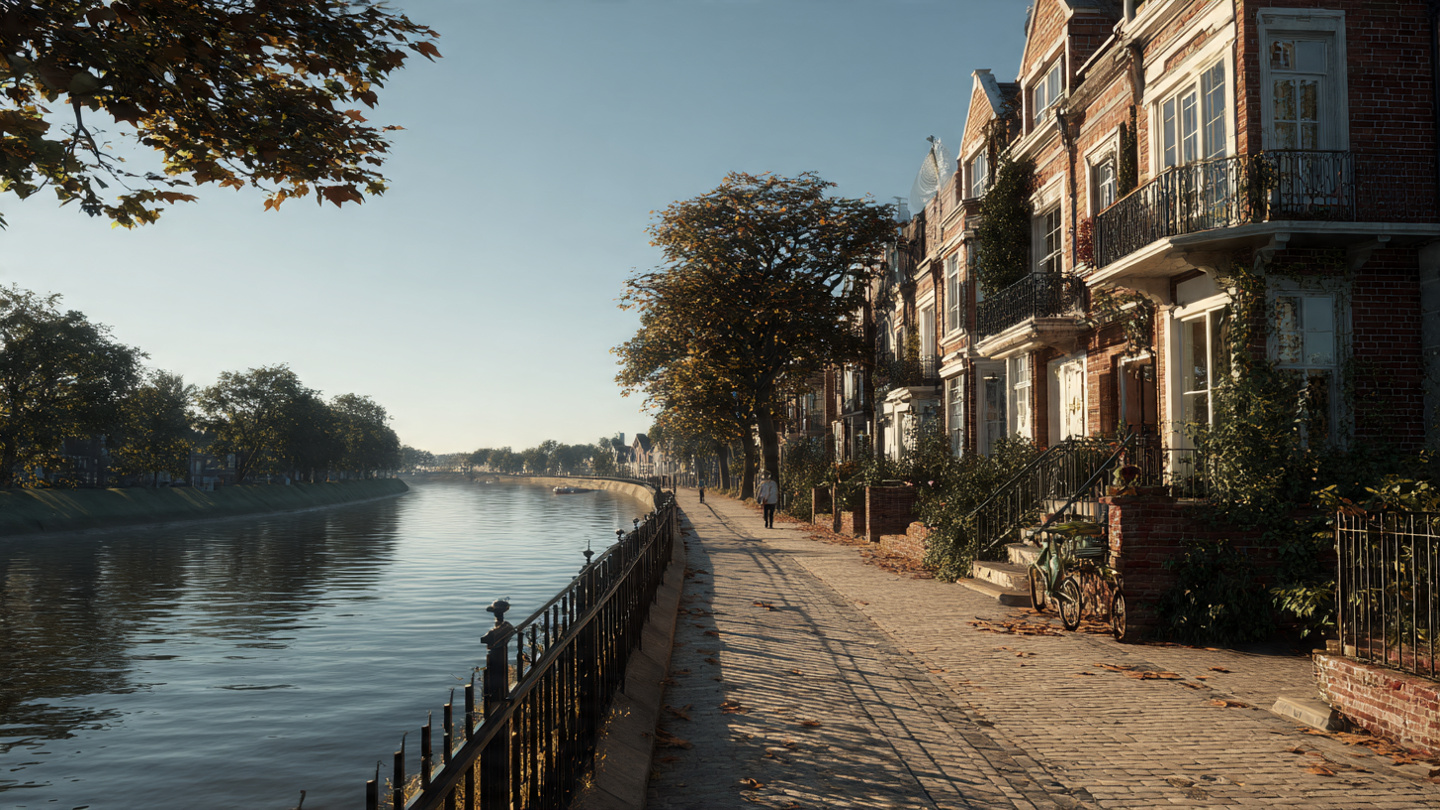
The River Thames runs through the center of London, yet not every riverside path offers the same atmosphere. Certain stretches near Westminster, the London Eye, and Tower Bridge attract constant activity. Street performers, food vendors, and tour groups shape the mood throughout the day.
However, move slightly beyond those focal points and the character changes. Foot traffic thins. Sound becomes less layered. The river regains its steady rhythm. In these areas, peaceful walking routes in London begin to emerge along the water without requiring long travel distances.
Chelsea Embankment and Albert Bridge Approach
West of the busiest central zones, Chelsea Embankment offers a noticeably calmer experience. Wide pavements, residential architecture, and fewer tourist clusters create a softer tone. While vehicles move along the road, pedestrian density remains manageable.
Continuing toward Albert Bridge, the space opens further. Views stretch across to Battersea, and benches provide natural pause points. Because commercial activity remains limited in this section, it consistently functions as one of the more relaxing walks London provides along the Thames.
Battersea Riverside Beyond the Park Entrances
On the southern bank, areas near Battersea Park entrances can become active, especially during weekends. Yet moving slightly away from the main gates restores balance. Residential developments and quieter river curves introduce a slower atmosphere.
Here, the path feels less performative and more local. Dog walkers, individual joggers, and a steady but thin pedestrian flow replace tour clusters. For those seeking calm places to walk in London without leaving the river, this stretch offers reliable relief from central intensity.
Putney to Barnes: A Residential River Stretch
Further west, the Thames transitions into a more residential environment. Between Putney and Barnes, riverside paths widen and crowd density drops significantly outside peak weekend hours. Boat clubs and quiet moorings add subtle visual interest without commercial pressure.
This section benefits from a village-like rhythm. Cafés exist, but they do not dominate the walkway. Movement remains steady rather than congested. Consequently, it ranks among the most dependable peaceful walking routes in London for extended, uninterrupted riverside strolling.
Avoiding Performance Zones and Major Crossings
Major bridges and entertainment zones often attract concentrated activity. Street musicians, food stalls, and gathering points create energy that can quickly overwhelm a reflective walk. Therefore, stepping beyond these nodes makes a measurable difference.
A short detour of even a few hundred meters often restores calm. By identifying where crowd clusters naturally form and walking slightly beyond them, you preserve the river’s softer qualities.
Early and Late Day Advantages Along the Water
Riverside calm improves significantly during early mornings and late afternoons on weekdays. During these hours, the river feels expansive rather than crowded. Reflections dominate the view. Wind patterns remain gentle. The path opens up.
Because water visually absorbs movement, even moderate pedestrian flow appears slower along wide embankments. Under these conditions, quiet walks in London become possible along sections that feel busy later in the day.
How Width Influences Comfort
Some riverside sections narrow near cafés or moored boats, creating natural bottlenecks. Others provide broad pavements or park-adjacent paths that reduce friction between walkers and cyclists.
Choosing wider segments improves comfort dramatically. When space allows for steady pacing without frequent adjustments, the route maintains its restorative tone. Many of the best peaceful walking routes in London along the Thames share this structural advantage.
The Psychological Effect of Open Water
Water creates depth in a city landscape. Long horizontal views across the Thames reduce visual clutter. Instead of focusing on nearby movement, the eye drifts toward distant bridges, sky reflections, and shifting light patterns.
This horizontal openness lowers mental strain. Even when traffic hums faintly nearby, the visual dominance of the river softens the overall impression. As a result, riverside stretches often feel calmer than parallel inland streets.
Seasonal Considerations Along the River
Winter mornings along the Thames tend to be especially quiet. Cooler temperatures discourage lingering crowds. Fog or mist occasionally settles over the water, further diffusing light and sound.
During summer, earlier starts help preserve calm. As temperatures rise, waterfront areas attract more activity. Therefore, adjusting timing remains essential for maintaining peaceful walking routes in London along popular river corridors.
Extending Calm Beyond the Main Route
Many riverside stretches connect to quieter side streets and small green spaces. Stepping briefly away from the water can provide additional relief if activity increases. Because these residential connectors sit just beyond the main path, they offer easy alternatives without disrupting the overall walk.
This flexibility allows walkers to maintain a steady experience. Rather than abandoning the river entirely, small adjustments preserve the calm atmosphere.
Finding Balance Along London’s Most Famous River
The Thames will always attract visitors. Its central sections carry historical and architectural significance that draw consistent interest. Yet peaceful walking routes in London exist along its edges when approached strategically.
By selecting residential stretches, avoiding performance hubs, choosing wider paths, and walking at quieter hours, the river transforms. Instead of a backdrop for crowds, it becomes a steady companion for reflection.
Canal Walks That Feel Slow and Unrushed
Why Canal Paths Often Feel Calmer Than Main Roads
Canals introduce a different rhythm into the city. Unlike major roads, they are not designed for constant vehicle flow. Instead, they follow gentle curves, narrow edges, and quiet residential backdrops. Because of this, movement along them naturally slows.
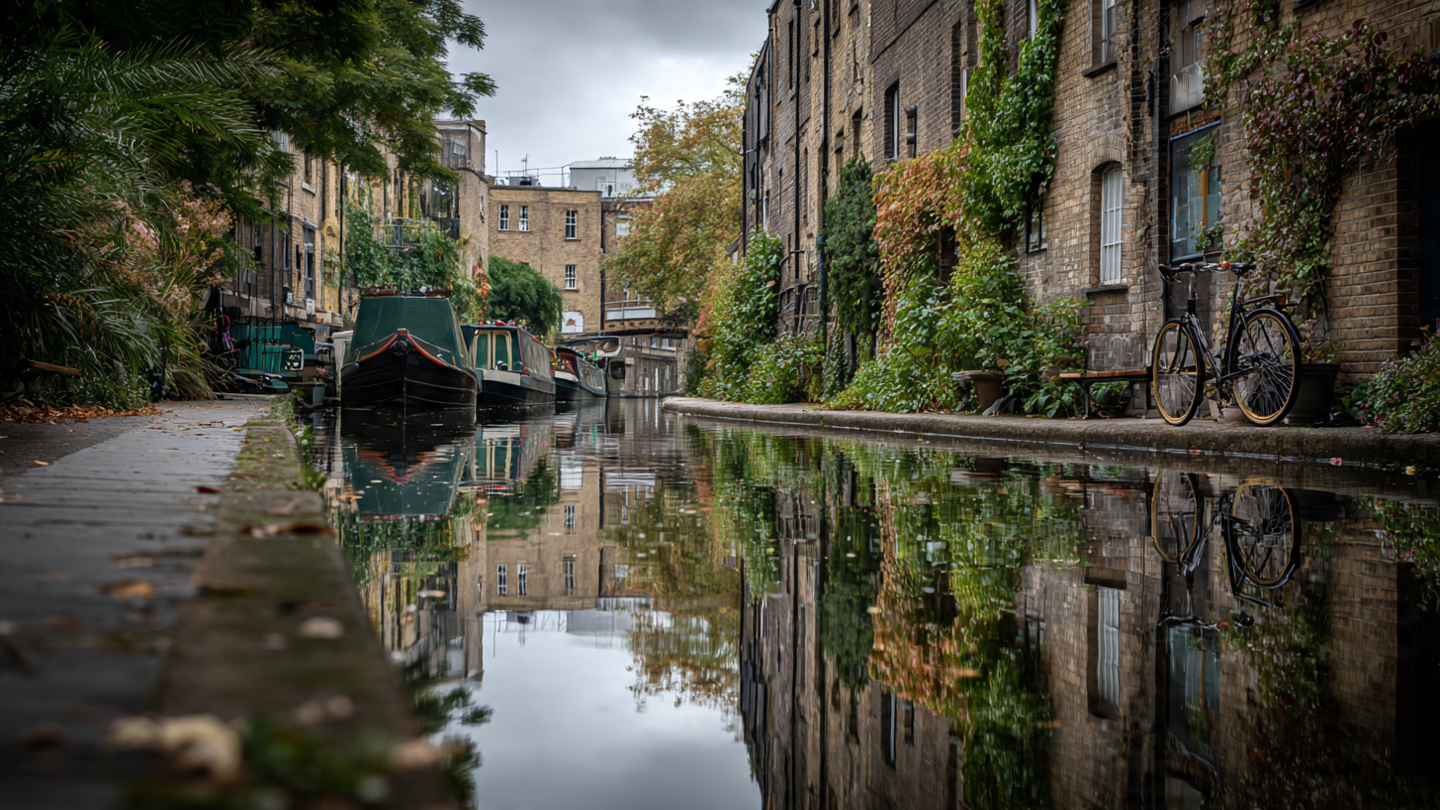
Although some canal sections attract steady cycling traffic, the overall pace remains measured. Water moves gradually. Narrowboats sit moored for long periods. Reflections shift softly across the surface. Under these conditions, canal corridors often become dependable peaceful walking routes in London.
Regent’s Canal West: A Softer Alternative
Regent’s Canal stretches across several neighborhoods, yet not all sections feel the same. Areas near Camden Market can become crowded, especially during weekends. However, moving west toward Little Venice changes the atmosphere noticeably.
In this western stretch, commercial density decreases. Residential façades line the water. Pedestrian flow spreads out rather than clustering. Consequently, the experience becomes one of the more relaxing walks London offers near central districts.
Little Venice and the Surrounding Loop
Little Venice itself draws visitors, yet the surrounding side paths often remain quieter than expected. Short loops around the basin and nearby residential streets create flexibility. If one segment grows busier, an adjacent route restores calm.
Because the area blends water, greenery, and residential architecture, it maintains visual softness. Light reflects gently off the canal, and the absence of heavy road traffic reduces sharp noise. These features make it one of the most accessible calm places to walk in London.
Use this slow canal walk map to follow the calmest Regent’s Canal stretch around Little Venice, where the water and residential backdrop naturally slow your pace.
The Paddington Arm and Less Traveled Branches
Beyond the more recognized sections, smaller canal branches provide extended quiet. The Paddington Arm, for example, carries fewer tourists than central segments. Movement feels local rather than touristic.
In these areas, spacing between walkers increases. Pauses become natural. Attention shifts toward water patterns and narrowboat details. As a result, canal branches frequently rank among the more understated peaceful walking routes in London.
How Narrow Paths Influence Pace
Canal towpaths tend to be narrower than park avenues. Initially, this might seem less comfortable. However, the constrained width often discourages rushing. Walkers naturally adjust to a slower tempo to accommodate cyclists and occasional joggers.
This slower rhythm benefits reflective walking. Instead of accelerating, you settle into a steady cadence. The environment encourages awareness rather than urgency.
Weekday Timing for Maximum Calm
Crowd levels along canals fluctuate significantly between weekdays and weekends. Saturdays and Sundays attract leisure walkers and visitors exploring market-adjacent areas. On weekdays, especially mid-morning or early afternoon, foot traffic becomes more predictable and dispersed.
Choosing these quieter windows transforms otherwise active stretches into quiet walks in London that feel manageable and restorative.
The Influence of Residential Backdrops
One reason canal paths often maintain calm is their proximity to residential neighborhoods. Terraced houses, small gardens, and modest balconies frame the water rather than retail storefronts. Because commercial activity remains limited, visual stimulation stays lower.
This architectural consistency supports mental steadiness. Instead of bright signage or heavy advertising, the surroundings present brick, greenery, and water. The repetition reinforces a feeling of stability.
Sound Patterns Along the Canal
Unlike busy streets where noise echoes sharply, canal corridors soften sound. Water absorbs some vibration. Buildings stand slightly back from the towpath. Trees line many segments. Even when a cyclist passes, the sound fades quickly.
These acoustic qualities contribute to the classification of canals among peaceful walking routes in London, particularly for walkers sensitive to sudden noise spikes.
Seasonal Variations on Canal Paths
Autumn enhances canal calm through falling leaves and muted light. Winter reduces overall foot traffic, especially outside central tourist zones. During spring and early summer, earlier starts preserve quiet before peak leisure hours begin.
By adjusting timing within each season, canal walks remain reliable sources of relaxation throughout the year.
Maintaining Flexibility Along the Towpath
Occasionally, narrow stretches may feel congested if cyclists cluster or maintenance work limits space. In such cases, brief detours through adjacent streets often restore calm. Because canals run parallel to residential areas, alternative routes are usually nearby.
This adaptability makes canal corridors especially useful for those seeking peaceful walking routes in London without rigid planning. If one segment feels busy, another lies only minutes away.
A Different Kind of Urban Escape
Canal paths do not remove you from the city. Instead, they reposition you within it. Buildings remain visible. Trains occasionally cross overhead. Yet the combination of water, greenery, and moderated movement creates a gentler layer of London.
For walkers who prefer steady visual flow and reduced crowd pressure, canals consistently offer some of the most dependable relaxing walks London provides.
Woodland and Heathland Paths for Natural Silence
Why Tree Cover Changes the Walking Experience
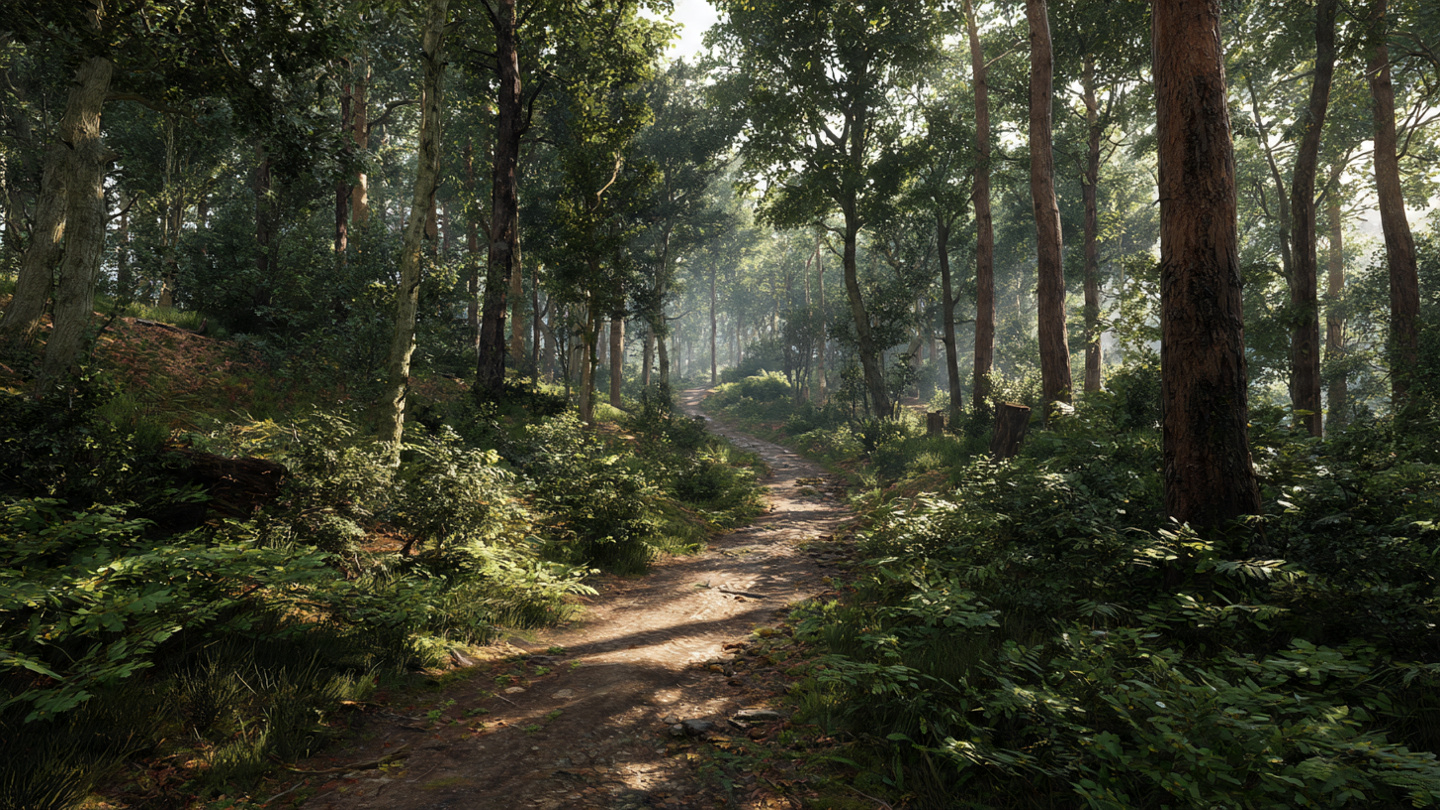
Among the most reliable peaceful walking routes in London are those shaped by woodland and heathland. Tree density alters sound patterns immediately. Leaves absorb sharper noise. Branches diffuse echoes. Even wind moving through foliage creates a soft, steady background tone.
Because of this layered natural buffer, woodland paths often feel more insulated than open urban streets. Although distant traffic may still exist, its impact becomes muted. The result is not silence, but a gentler atmosphere that supports slower movement.
If you prefer routes where greenery dominates the experience and tree canopy replaces skyline views, explore our detailed London nature walks guide to discover immersive woodland corridors and heathland paths that feel fully removed from urban pressure.
If you want two of the most reliable nature-based calm walks, use this Woodland calm walks map to jump straight to Hampstead Heath and Richmond Park and plan your timing.
Hampstead Heath Beyond the Main Viewpoints
Hampstead Heath attracts visitors to well known spots such as Parliament Hill. However, once you move beyond those focal areas, the environment shifts. Outer woodland paths and less direct trails provide noticeable relief from crowd clusters.
In these quieter sections, spacing between walkers increases. Paths curve naturally, reducing long sightlines that invite group gatherings. Consequently, the heath’s outer edges frequently rank among the more calming places to walk in London.
Very pleasant stroll, good views from Parliament Hill and nearby Primrose Hill as sunset approached, latter full of young people
Read more reviews at Tripadvisor.
Richmond Park’s Outer Loops and Wooded Edges
Richmond Park is vast, yet not every part feels equally crowded. While central deer viewing areas and main gates draw steady activity, outer loops and wooded edges maintain softer foot traffic, particularly during weekdays.
If you are in London and love nature, this is the place to be. Avoid it on Sundays, too many kids runing around. I’d go mid-week. Visit Isabella Plantation. The place is special.
Read more reviews at Tripadvisor.
Long stretches of open grassland combined with scattered tree clusters create a sense of scale. Even when other walkers appear in the distance, space remains generous. As a result, certain zones within Richmond Park function as dependable peaceful walking routes in London for extended, uninterrupted walking.
Epping Forest and the Feeling of Distance
Epping Forest sits slightly further from central districts, yet access remains straightforward by public transport. Once inside, dense tree cover and winding paths quickly reduce awareness of nearby urban zones.
The forest’s layered canopy filters light and dampens external noise. Because routes branch in multiple directions, walkers can choose narrower trails when seeking additional quiet. Under these conditions, it becomes one of the most immersive quiet walks in London for those willing to travel slightly outward.
The Psychological Effect of Enclosed Paths
Open spaces create calm through visual breathing room. Enclosed woodland paths, however, generate calm differently. Instead of expansive horizons, they provide containment. Trees line both sides. Light shifts through leaves. Sound remains localized.
This contained environment reduces visual distraction. Attention turns inward rather than outward. For many walkers, this shift encourages reflection and steady pacing, reinforcing the restorative nature of peaceful walking routes in London.
Heathland Versus Woodland Calm
Heathland areas, such as open stretches of Hampstead Heath, provide a contrast to dense forest. Grassland and scattered trees allow distant views while still maintaining reduced crowd density away from central gathering points.
Woodland paths emphasize enclosure and sound absorption. Heathland emphasizes openness and horizon space. Both contribute to relaxing walks London offers, yet each supports a slightly different emotional tone.
Weekday and Off-Peak Advantages
Even large green spaces can feel active during sunny weekends. Therefore, weekday mornings and mid-afternoons often preserve the quietest conditions. Outside school holidays, outer sections of parks and forests remain especially calm.
By selecting less direct routes and avoiding primary entrances, woodland and heathland paths continue to deliver consistent peaceful walking routes in London throughout most of the year.
Many of the city’s largest and most structured landscapes fall under historic royal designation, and understanding their layout helps you choose calmer entry points. Our complete royal parks of London guide explains their scale, history, and how to navigate them strategically.
Seasonal Shifts in Woodland Atmosphere
Autumn enhances woodland calm. Fallen leaves soften footsteps. Colors mute the landscape into warm tones. Visitor numbers typically decline after peak summer travel, extending quiet hours.
Winter reduces foot traffic even further. Bare branches increase sightlines, yet sound remains subdued. Spring introduces new growth and birdsong, which add gentle background movement without overwhelming the senses.
Wildlife as Subtle Presence
Deer in Richmond Park, birds across heathland areas, and small woodland creatures introduce quiet life into these environments. Their presence feels natural rather than staged. Observing them often encourages slower movement and longer pauses.
This organic interaction contributes to why woodland zones remain some of the most dependable calm places to walk in London, even within the boundaries of a major capital.
Choosing the Right Entry Point for Woodland Walks
Main gates near transport hubs often receive the highest concentration of visitors. Secondary entrances or outer edges reduce that initial density. Starting further from central landmarks increases the likelihood of sustained quiet.
Small adjustments in starting position frequently determine whether a route feels crowded or restorative. Strategic entry transforms popular green spaces into peaceful walking routes in London without requiring remote travel.
Reconnecting With a Slower Rhythm
Woodland and heathland paths do not eliminate the city. Instead, they soften its edges. Sound fades gradually. Movement spreads out. Visual clutter reduces.
Within these environments, walking becomes less about navigation and more about presence. For anyone seeking sustained calm, these natural corridors remain among the most reliable options the city provides.
Cemetery and Churchyard Walks for Reflective Stillness
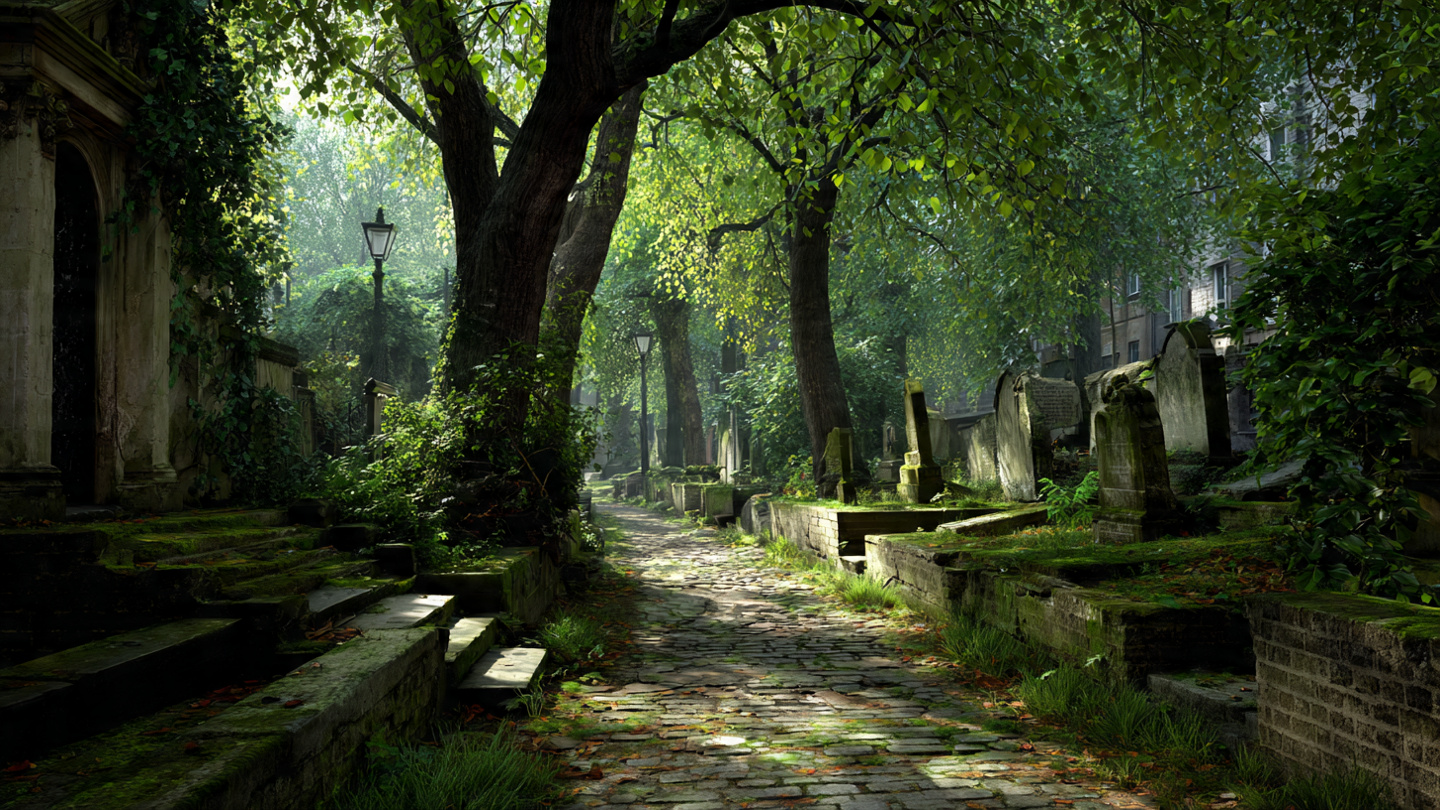
Why Cemeteries Offer Unexpected Calm
Cemeteries and historic churchyards rarely appear on standard walking itineraries. However, they consistently provide some of the most peaceful walking routes in London. Their primary purpose shapes their atmosphere. Movement slows naturally. Conversations lower in tone. Visitors approach with quiet intention.
Unlike parks designed for recreation, these spaces encourage reflection rather than activity. As a result, stimulation remains minimal. Even when located near busy streets, the boundary walls and layered planting soften outside noise.
Abney Park: A Woodland Cemetery Experience
Abney Park in Stoke Newington blends historic memorials with semi-wild woodland. Paths weave between ivy-covered monuments and mature trees. Because it receives fewer casual visitors than larger parks, foot traffic remains light throughout most weekdays.
The combination of nature and history creates steady calm. Sound remains muted beneath tree cover. Visual focus shifts toward stone textures and filtered light. For those seeking calm places to walk in London with a contemplative tone, Abney Park offers consistent relief.
Kensal Green Cemetery and Open Sightlines
Kensal Green Cemetery presents a slightly more structured landscape. Broad avenues align with historic memorials, creating long sightlines framed by trees. Although the space feels open, pedestrian density stays low outside occasional guided tours.
The layout supports uninterrupted walking. Wide paths reduce friction with other visitors. Because commercial activity does not surround the interior grounds, the atmosphere remains steady. In this setting, quiet walks in London feel accessible without traveling far from central districts.
Small Historic Churchyards in Central Areas
Beyond large cemeteries, smaller churchyards provide pockets of stillness throughout the city. Many sit only steps from busy streets, yet their enclosed design changes the tone immediately. Stone walls and iron gates act as subtle barriers to outside energy.
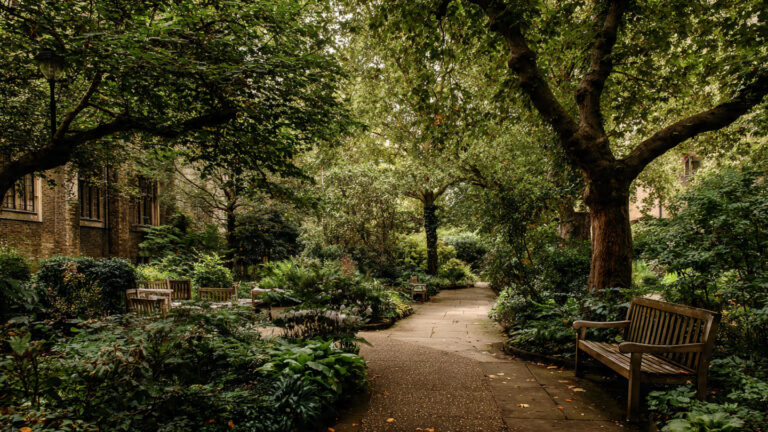
Within these compact spaces, benches and shaded corners allow short reflective pauses. Although limited in size, they function as micro peaceful walking routes in London when linked together thoughtfully during a longer stroll.
The Role of Respectful Atmosphere
One reason cemetery paths feel calmer is collective behavior. Visitors enter with an awareness of the setting’s purpose. Voices remain lower. Movement slows naturally. Even small groups adjust their pace.
This shared understanding reduces sudden noise spikes and erratic movement. The result is a consistently measured environment that supports restorative walking.
Layered Planting and Acoustic Softening
Many historic cemeteries feature dense tree cover, shrubs, and overgrown vegetation. These elements absorb sound and reduce sharp echoes. Even in central neighborhoods, traffic noise fades quickly once inside.
This acoustic buffering strengthens their place among peaceful walking routes in London. Although complete silence remains rare, the softened atmosphere allows attention to settle.
Walking With Historical Context
Cemetery walks also introduce historical depth. Names and dates on memorials quietly remind visitors of earlier eras. Architectural details on tombs and chapels provide subtle visual interest without overwhelming the senses.
Because there is no pressure to reach a specific landmark, walkers move slowly. Reflection replaces urgency. In that rhythm, relaxing walks London offers take on a deeper emotional tone.
Choosing the Right Time to Visit
Mid-morning and early afternoon during weekdays usually offer the quietest conditions. Weekends may bring occasional guided tours or photography groups, yet density rarely reaches park-level activity.
Autumn and winter enhance stillness further. Fewer visitors enter during colder months, and fallen leaves soften both sound and visual contrast.
Connecting Cemetery Walks With Surrounding Streets
Many cemetery entrances open onto residential areas rather than commercial corridors. Exiting through a secondary gate often leads to quiet side streets that maintain the calm atmosphere.
By linking these streets with adjacent churchyards, walkers can create extended calm places to walk in London without encountering dense crowds.
Respectful Etiquette for Reflective Routes
Maintaining calm requires awareness. Staying on marked paths, keeping voices low, and avoiding disruptive photography preserve the tone of these spaces. When approached with consideration, cemetery walks remain some of the most reliable peaceful walking routes in London.
A Different Kind of Urban Retreat
Cemeteries and churchyards do not offer dramatic vistas or entertainment. Instead, they provide steady presence. Stone, greenery, and quiet pathways combine to create a contained environment within the wider city.
For walkers seeking reflective stillness rather than visual spectacle, these historic grounds remain dependable options across multiple boroughs.
Elevated Walks and Upper Paths Away from Viewpoint Crowds
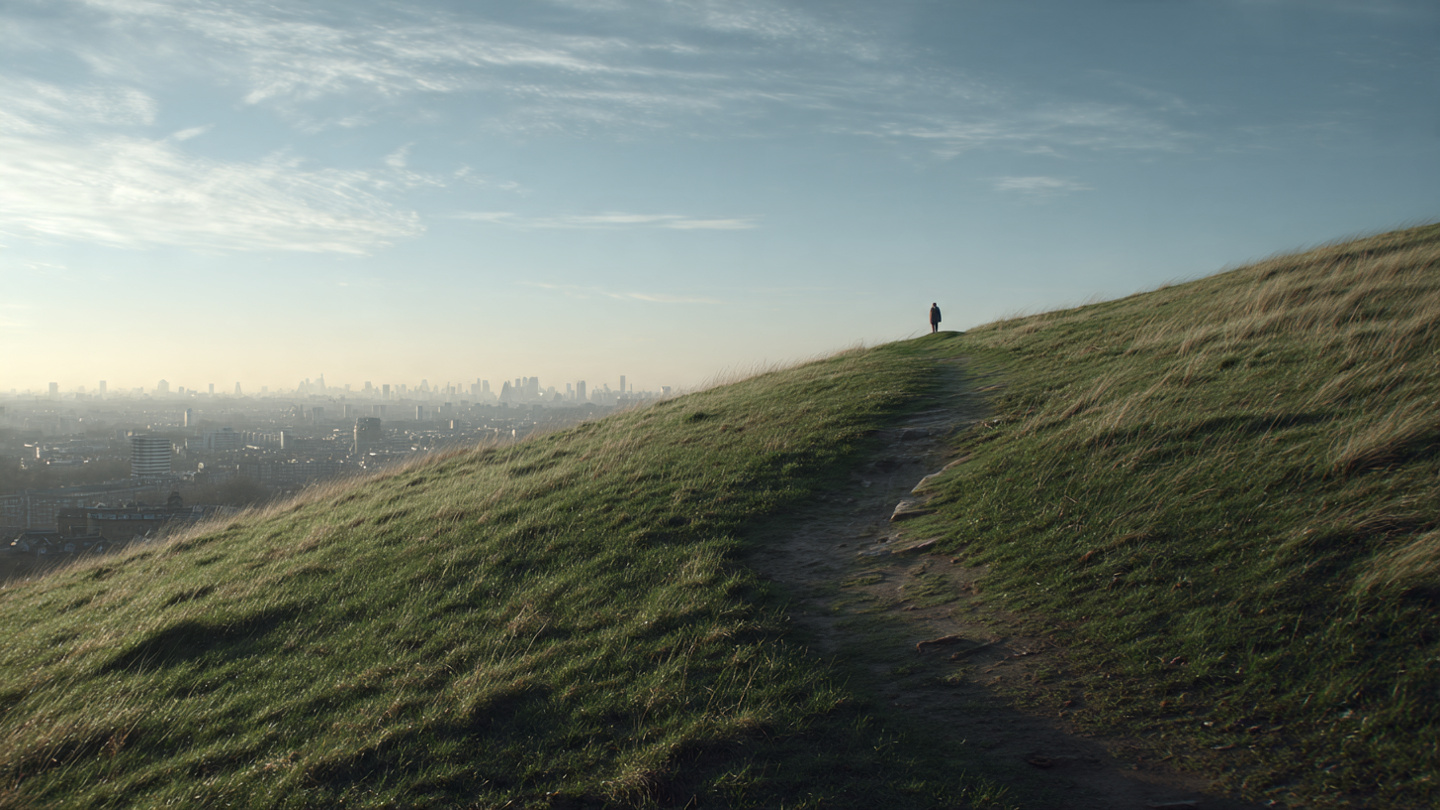
Why Height Changes Perspective and Mood
Elevation subtly reshapes the walking experience. Even a modest rise above street level creates psychological distance from traffic noise and pedestrian congestion. When the horizon expands, visual pressure decreases.
Because of this shift, elevated areas often provide peaceful walking routes in London despite being near busy districts. Height introduces breathing room without requiring long travel distances.
Greenwich Park Beyond the Prime Meridian Line
Greenwich Park attracts visitors to the Prime Meridian line and central viewpoints. However, the upper paths extending beyond these focal areas offer noticeably calmer conditions. Moving slightly away from the main terrace reduces clustering.
From these higher slopes, the skyline remains visible, yet foot traffic thins. Spacing increases between walkers. As a result, the outer sections of Greenwich Park frequently function as quiet walks in London, especially during weekday mornings.
Primrose Hill Outside Peak Sunset Hours
Primrose Hill is well known for sunset views, which can attract large gatherings during clear evenings. Nevertheless, outside those peak periods, the surrounding upper paths feel different. Early mornings and midweek afternoons often remain lightly populated.
Walking along the outer edges rather than directly atop the summit preserves openness without absorbing crowd density. Under these conditions, Primrose Hill contributes to peaceful walking routes in London that combine elevation with calm.
Parliament Hill and Its Quieter Slopes
Parliament Hill within Hampstead Heath draws visitors for panoramic city views. Yet the wider heathland surrounding it offers space beyond the main viewing point. Choosing peripheral slopes or secondary paths shifts the experience immediately.
These outer routes reduce compression around the central lookout. Although elevation remains, the environment feels less performative. This distinction transforms a popular landmark into a more relaxing walk London walkers can still enjoy.
Secondary Access Points and Their Advantage
Main entrances near transport hubs concentrate movement. Secondary access points, often located along residential streets, distribute foot traffic more evenly. Entering through these quieter gates preserves calm from the outset.
For elevated parks and hills, selecting a less obvious entry often determines whether the walk feels congested or restorative. Small adjustments in starting position significantly influence atmosphere.
The Relationship Between Horizon and Mental Space
Open horizons encourage the eye to travel outward rather than focus on nearby obstacles. This outward movement reduces mental compression. Even if distant traffic remains audible, the broad visual field softens its impact.
Elevated peaceful walking routes in London benefit from this horizontal expansion. Instead of feeling enclosed by buildings, walkers experience layered depth across rooftops and treetops.
Timing to Avoid Gathering Peaks
Sunset remains the busiest period for elevated viewpoints. Midday on weekends also attracts photography groups and casual visitors. For consistent calm, earlier morning and late weekday afternoon provide more reliable spacing.
Because crowd patterns tend to cluster around specific scenic moments, avoiding those windows dramatically improves the experience.
Weather as a Natural Filter
Light rain, overcast skies, or cooler temperatures often reduce attendance at exposed elevated sites. While heavy storms are impractical, mild weather variations create quieter conditions without eliminating visibility.
Under these circumstances, elevated zones transform into calm places to walk in London with expansive views and minimal interruption.
Linking Elevated Routes With Woodland Paths
Many hilltop areas connect directly to woodland or heathland trails. After enjoying the view, transitioning onto tree-lined paths preserves calm as you descend. This combination extends the sense of retreat.
By alternating between open horizons and enclosed greenery, walkers create varied yet balanced peaceful walking routes in London that maintain rhythm.
Maintaining Space at Popular Sites
Even at recognizable viewpoints, calm remains possible with intentional pacing. Standing slightly back from the central railing, choosing a side path, or walking along the perimeter instead of gathering at the focal point reduces crowd pressure.
These subtle positioning strategies allow elevated spaces to remain restorative rather than overwhelming.
Height Without Hustle
Elevation does not automatically mean activity. While certain viewpoints draw attention, their surrounding terrain often remains underused. With careful timing and thoughtful route selection, upper paths and hillside loops become dependable quiet walks in London.
Rather than avoiding popular areas entirely, adjusting how and when you approach them reveals calmer layers within the same landscape.
Residential Neighborhood Walks with a Local Atmosphere
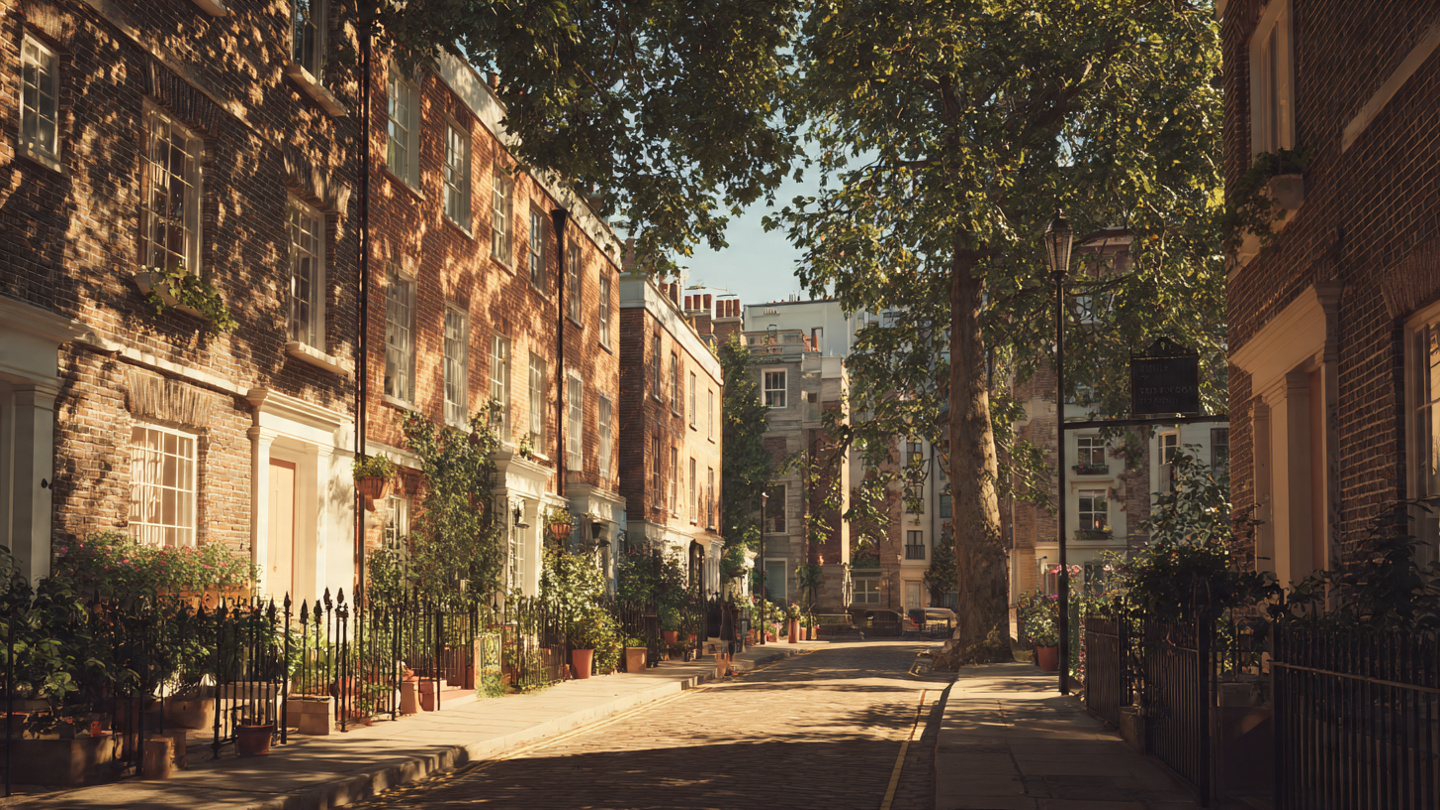
Why Residential Streets Often Feel More Balanced
Not every peaceful walking route in London runs through a park or along water. Some of the calmest environments are residential. These streets were designed for living rather than gathering. Because of that, movement remains steady but rarely overwhelming.
Shops exist, yet they serve local needs rather than large visitor flows. Traffic passes through, but it does not dominate. As a result, the tone feels grounded and predictable.
Chelsea’s Tree-Lined Side Streets
Chelsea is known for elegant architecture and boutique shopping. However, stepping away from main commercial corridors changes the rhythm immediately. Residential side streets lined with brick terraces and mature trees provide consistent quiet.
Here, pedestrians walk with purpose rather than sightseeing intensity. Vehicles move slowly. Garden squares appear unexpectedly between rows of houses. This combination frequently turns these streets into calm places to walk in London, especially during weekday mornings.
Islington’s Garden Squares and Quiet Corners
Islington balances residential calm with cultural activity. While Upper Street attracts steady foot traffic, nearby squares and side roads remain softer in tone. Rows of Georgian façades frame small green spaces that offer natural pause points.
Because the layout encourages wandering rather than direct sightseeing, pacing slows automatically. Under these conditions, quiet walks in London emerge without dramatic landmarks.
Hampstead Village Edges
Hampstead Village holds historic charm and draws visitors to its cafés and heath access points. Yet just beyond the central cluster, narrow residential lanes curve gently between older homes and leafy boundaries.
These streets feel insulated from commercial intensity. Although close to busier areas, they maintain a village-like rhythm. For walkers seeking peaceful walking routes in London with architectural character, Hampstead’s edges provide dependable calm.
The Role of Repetition and Architectural Continuity
Residential areas often share consistent building styles across several streets. This visual repetition creates stability. Instead of abrupt changes in storefront design or signage, façades follow similar patterns.
Such continuity reduces mental effort. The eye adjusts once and settles. In this environment, relaxing walks London offers feel steady rather than stimulating.
Limited Commercial Density and Reduced Noise
Retail corridors amplify energy. Music spills from shops. Deliveries create sudden interruptions. Residential streets, by contrast, experience less concentrated activity. Even when cars pass, spacing remains moderate.
Because of this reduced commercial pressure, many residential loops qualify as peaceful walking routes in London without relying on large green spaces.
Linking Small Squares for Extended Calm
Many neighborhoods contain interconnected garden squares. Walking from one to another extends the experience. Short pauses on benches or shaded corners provide rhythm without requiring long distances.
This linking strategy allows walkers to create custom calm places to walk in London that adapt to mood and available time.
Morning and Early Evening Advantages
Residential calm strengthens during specific windows. Early mornings feel open and quiet before school traffic increases. Early evenings after peak commuting hours also provide a balanced tone.
Weekends can introduce moderate leisure activity, yet density rarely approaches tourist hotspots. Consequently, these neighborhoods remain reliable for peaceful walking routes in London throughout most of the week.
Observing Local Life Without Intensity
Residential walking introduces subtle human presence without spectacle. Garden maintenance, quiet conversation, and daily routines unfold gently. This background activity feels authentic rather than performative.
Such steady life reinforces comfort. The environment remains alive, yet not demanding. For many walkers, this balance supports sustained relaxation.
Creating a Personal Loop
Unlike landmark-based routes, residential walks adapt easily into loops. Starting and ending at the same point reduces navigation pressure. Familiarity builds quickly when streets repeat consistent patterns.
Over time, these loops become dependable quiet walks in London that require little planning. Comfort replaces exploration urgency.
Calm Within the Everyday
Residential neighborhoods demonstrate that peaceful walking routes in London do not require dramatic scenery. Instead, they rely on moderation. Reduced stimulation, predictable movement, and architectural continuity combine to create steady calm.
For those seeking routine, balance, and gentle atmosphere, these streets offer one of the most accessible forms of urban retreat.
Choosing a Peaceful Walking Route Based on Your Mood
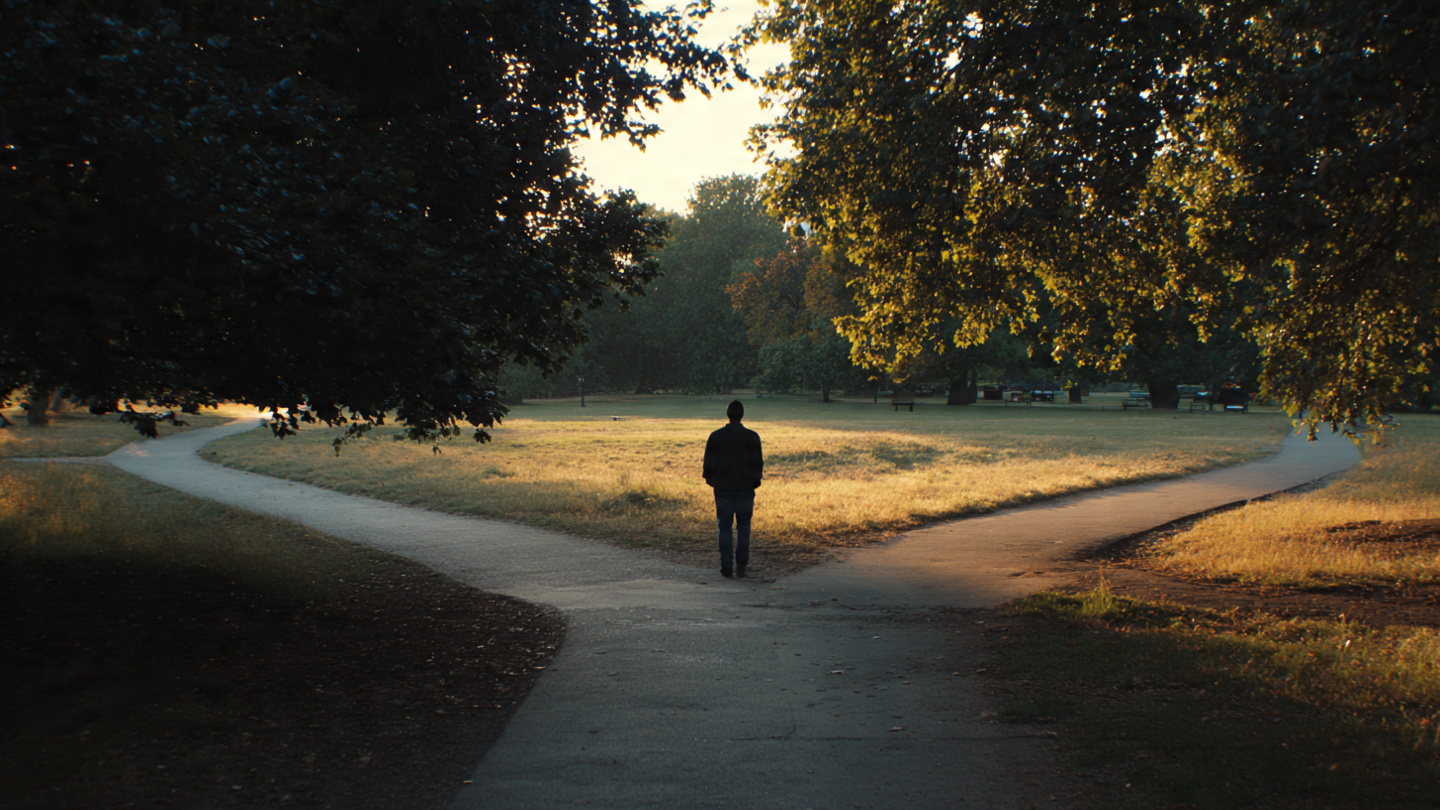
Why Mood Matters More Than Distance
Selecting peaceful walking routes in London is not only about geography. Emotional state plays an equally important role. A wide open park may feel restorative one day and overwhelming the next. Similarly, a contained woodland path might feel comforting or restrictive depending on mindset.
Before choosing a route, it helps to ask a simple question: do you need openness, enclosure, movement, or stillness? Matching environment to mood increases the likelihood of a genuinely calming experience.
When You Need Mental Space
On days when thoughts feel crowded, visual openness often helps. Large commons, broad embankments, and elevated slopes allow the eye to travel further. This outward focus reduces internal compression.
Under those circumstances, selecting routes with long sightlines supports clarity. Many calm places to walk in London provide this sense of breathing room without leaving the city.
When You Need Containment and Focus
At other times, enclosed woodland paths feel more stabilizing. Trees lining both sides of a trail create structure. Light filters downward rather than outward. Sound remains close and controlled.
For walkers seeking grounding rather than expansion, these environments consistently rank among the most dependable peaceful walking routes in London.
Short Reset Walks Versus Extended Retreats
Not every walk needs to cover long distances. A brief 20-minute loop through a residential square or small riverside stretch can reset mental rhythm effectively. Short routes suit busy schedules and midday breaks.
Extended walks, however, allow deeper pacing. Heathland paths, forest edges, and longer canal stretches provide continuity. For those seeking sustained quiet walks in London, longer routes maintain rhythm more consistently.
Solo Reflection Versus Gentle Background Presence
Some walkers prefer near solitude. Woodland and outer park loops support that preference, especially during off-peak hours. Spacing between pedestrians remains generous.
Others find comfort in light background presence. Residential neighborhoods and certain canal paths provide steady but moderate activity. In those settings, relaxing walks London offers feel balanced rather than isolated.
Choosing Based on Energy Level
Low energy days often call for flat, uninterrupted paths. Canal routes and embankments reduce physical strain while preserving calm. Elevated hills or uneven woodland trails may feel demanding during those periods.
Conversely, when physical movement feels energizing, heathland and park loops provide moderate challenge without sacrificing atmosphere. Matching route difficulty to energy prevents the walk from becoming another source of tension.
Seasonal Mood Considerations
Season influences mood as well as environment. Crisp autumn air may invite longer outdoor exploration. Winter mornings often suit shorter, focused walks with layered clothing and steady pacing.
Spring introduces renewal and visual freshness, which complements open parks. Summer, while vibrant, may require earlier starts to preserve peaceful walking routes in London before heat and crowds intensify.
Urban Calm Versus Nature-Dominant Calm
Urban calm emphasizes architectural continuity and predictable rhythm. Residential streets and quieter embankments fall into this category. Nature-dominant calm focuses on greenery, wildlife, and natural sound.
Understanding which type feels restorative on a given day clarifies route selection. Both options exist within the city, yet they provide different emotional textures.
Time Constraints and Accessibility
Availability shapes mood. When time is limited, choosing a nearby loop reduces pressure. Overplanning can diminish calm before the walk even begins. Simple access supports consistency.
Because peaceful walking routes in London appear across multiple boroughs, most neighborhoods contain at least one dependable option within short reach.
Building Familiarity With a Few Reliable Routes
Rotating between too many locations can introduce subtle decision fatigue. Instead, identifying two or three dependable routes builds familiarity. The body learns the terrain. Pace becomes instinctive.
Over time, these chosen paths evolve into personal anchors. Returning to them reinforces a stable emotional association with calm.
Listening to Internal Signals
Sometimes mood shifts during the walk itself. If an area feels busier than expected, adjusting direction maintains balance. Flexibility ensures that the route supports rather than disrupts.
Quiet walks in London do not require rigid planning. Attentiveness to internal response allows you to adapt naturally.
Personalizing Peace Within the City
London offers multiple layers of calm. Open parks, wooded paths, canals, residential streets, and elevated slopes all contribute. Selecting the right one depends less on trend and more on personal need.
When mood and environment align, peaceful walking routes in London transform from simple pathways into restorative experiences.
Practical Strategies for Finding Calm Anywhere in London
Recognizing Crowd Patterns Before You Arrive
Even the most carefully chosen location can feel different depending on current activity levels. Observing general patterns helps prevent frustration. Tourist hotspots tend to peak late morning through mid-afternoon. Transport hubs concentrate foot traffic around commuting hours.
Planning around these predictable windows protects the experience. When you adjust timing first, many well-known areas transform into peaceful walking routes in London without needing to travel far from the center.
For walkers who enjoy discovering lesser-known paths that avoid predictable crowd flow altogether, our guide to hidden walking trails in London highlights overlooked routes that remain consistently quieter than main tourist corridors.
Choosing Secondary Entrances
Main gates and central access points naturally attract the highest density of visitors. These entrances often sit closest to Underground stations and bus stops. Entering through side streets or lesser-known gates distributes you away from immediate crowd clusters.
This small adjustment changes the tone of the entire walk. Beginning in a quieter zone allows pacing to settle before encountering busier sections, if at all.
Walking Slightly Beyond the Focal Point
Crowds concentrate around landmarks, bridges, cafés, and scenic viewpoints. However, density usually drops sharply just a short distance away. Continuing beyond the obvious stopping point often restores calm.
Rather than turning back at the first gathering area, walking five to ten minutes further frequently reveals quieter stretches. In doing so, even popular destinations become usable as calm places to walk in London.
Using Loops Instead of Linear Routes
Linear paths can create subtle pressure to reach an endpoint. Circular or looped routes remove that urgency. When the start and finish connect naturally, pacing feels more relaxed.
Many peaceful walking routes in London benefit from this structure, especially in parks, residential squares, and canal systems. Loops allow flexibility without the need for constant navigation.
Adjusting to Weather Conditions
Light rain or overcast skies often reduce foot traffic dramatically. While heavy storms may disrupt plans, mild weather variations create quieter conditions across the city.
On such days, areas that typically feel active regain softness. This natural filtering effect can open access to quiet walks in London even in well-known districts.
Observing Sound Levels as a Guide
Sound provides immediate feedback about atmosphere. Sharp echoes, overlapping conversations, and amplified music indicate rising density. Softer ambient noise, distant footsteps, and consistent wind patterns suggest lower stimulation.
When sound intensifies, small directional changes often restore balance. Turning onto a parallel residential street or shifting toward tree cover preserves calm without abandoning the route entirely.
Avoiding Commercial Corridors
Retail-heavy streets introduce constant visual and auditory stimulation. Deliveries, signage, and shopfront music add layers of distraction. Steering slightly away from these corridors usually reduces pressure.
Even in central areas, moving one or two streets beyond primary shopping zones can reveal peaceful walking routes in London that feel separated from commercial intensity.
Creating Micro-Pauses
Calm is reinforced through pauses. Benches along riversides, quiet corners of parks, or shaded residential squares provide natural stopping points. Brief stillness resets pacing before continuing.
Integrating pauses into a walk prevents it from becoming another task. Instead of measuring distance alone, the experience becomes rhythm-based.
Keeping Routes Simple
Overcomplicating navigation increases mental strain. Choosing straightforward paths reduces decision-making fatigue. Familiar loops or clearly defined trails maintain flow.
Simplicity supports consistency. Repeated exposure to the same quiet walks in London builds comfort and reduces uncertainty.
Balancing Exploration With Routine
Exploration introduces novelty, yet routine provides stability. Alternating between discovering new peaceful walking routes in London and revisiting trusted paths maintains interest without sacrificing reliability.
A balanced approach prevents overexertion while still expanding awareness of calmer areas across the city.
Maintaining Awareness Without Overplanning
Detailed planning can undermine spontaneity. While basic timing awareness helps, remaining flexible ensures the walk adapts to current conditions. If a route feels busier than expected, minor adjustments preserve atmosphere.
Peace in a major city depends on responsiveness rather than rigid control. Observing and adjusting in real time allows calm to emerge naturally.
Finding Quiet Within a Living Capital
London’s scale and energy will always remain part of its identity. Yet calm exists in layers beneath that activity. By choosing thoughtful entry points, adjusting timing, observing crowd flow, and simplifying movement, walkers access those quieter layers consistently.
Peaceful walking routes in London do not require isolation from the city. Instead, they rely on awareness, rhythm, and small strategic decisions that transform familiar streets into restorative spaces.
Frequently Asked Questions
Finding the Quietest Walking Routes
The quietest routes are usually outside major tourist zones and away from central attractions. Residential neighborhoods, outer park loops, lesser-used canal stretches, and woodland edges consistently provide calmer conditions. Early mornings on weekdays offer the most reliable quiet.
Yes. Certain riverside sections beyond Westminster, residential streets in Chelsea or Islington, and outer paths in larger parks can feel calm during off-peak hours. Timing plays a key role in keeping central walks peaceful.
Early weekday mornings are the most dependable. Before 8:30 AM, foot traffic remains low in many areas. Late afternoons outside peak commuting times can also provide a balanced atmosphere.
Parks, Water, and Nature Walks
Canal walks can be ideal for relaxed pacing, especially outside market-adjacent sections. Regent’s Canal west of Camden and quieter residential branches tend to feel more open during weekdays.
Large parks such as Richmond Park and Hampstead Heath offer quieter outer paths away from main viewpoints. Entering through secondary gates and avoiding peak hours improves the experience significantly.
Yes. Historic cemeteries and churchyards often maintain a reflective atmosphere with minimal crowd density. They are especially calm during weekday mornings and colder seasons.
Planning and Practical Tips
Walk beyond the main gathering points, choose secondary entrances, and avoid weekends between late morning and mid-afternoon. Small adjustments in timing often make a major difference.
Most established parks, canal paths, and residential areas are well-used and generally safe during daylight hours. Staying aware of surroundings and choosing well-maintained routes ensures a comfortable experience.
Not necessarily. Many calm places to walk in London exist within central districts if you time your visit carefully and move slightly beyond the busiest attractions.
Seasonal Considerations
Autumn and winter tend to be quieter due to lower visitor numbers. However, spring and summer mornings can still provide peaceful conditions if you start early.
Yes. Mild overcast days or light rain often reduce foot traffic. While heavy storms are impractical, moderate weather variations can make popular areas noticeably calmer.