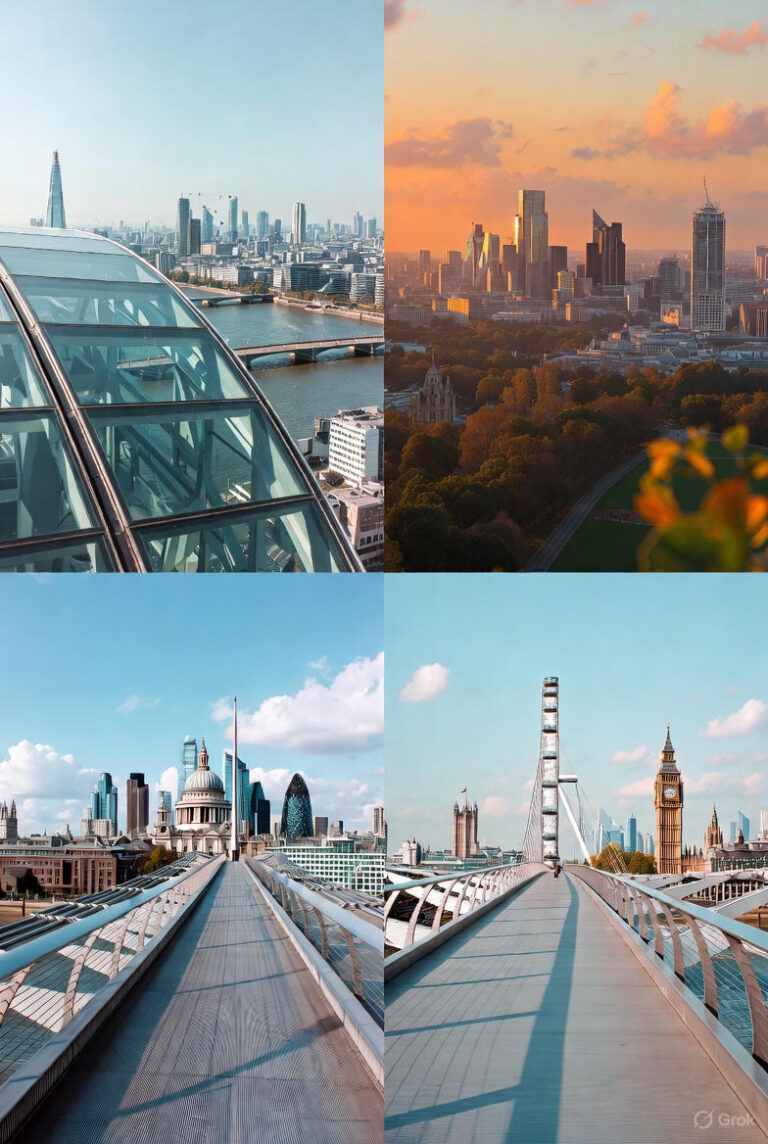

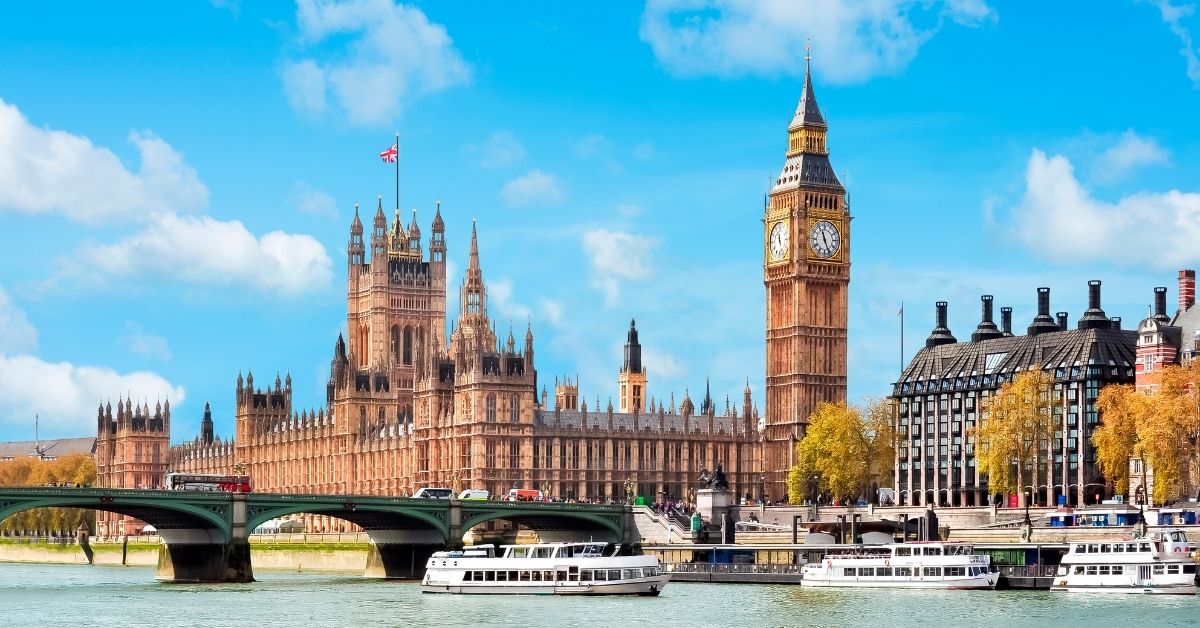
Cultural things to do in London shape how the city feels long after the trip ends. London does not rely on one single story, landmark, or tradition. Instead, culture here grows from layers built over centuries. Roman streets sit beneath modern avenues. Royal customs exist beside street art and neighborhood rituals. Because of this depth, cultural exploration in London never feels repetitive. Each area reveals a different side of the city’s identity.
At first glance, London can feel overwhelming. The scale alone makes planning difficult. However, culture offers a clear way to understand the city without rushing through endless attractions. When travel focuses on cultural things to do in London, each experience connects naturally to the next. Museums explain the past. Neighborhoods show how history still influences daily life. Food, music, and local traditions bring those stories into the present.
For a wider overview that combines culture with sightseeing, neighborhoods, and everyday experiences, many visitors also refer to this complete guide on things to do in London.
Cultural exploration often pairs well with quieter, intimate experiences, especially for travelers seeking emotional connection, which aligns closely with romantic things to do in London. For visitors who enjoy discovering culture in unexpected places rather than traditional venues alone, many ideas overlap with unique things to do in London. Younger travelers often experience culture through events, performances, and social settings, many of which appear in fun things to do in London for young adults.
Why Culture Is the Best Way to Understand London
Unlike cities built around a single era, London’s culture stretches across time. Medieval churches stand close to Victorian markets. Modern galleries sit beside classical theaters. As a result, cultural experiences never feel locked into one theme. Instead, they evolve as the day unfolds. Morning may begin with historic streets. Afternoon often shifts toward art or literature. Evening then introduces music, performance, or food traditions that locals still follow.
Another reason cultural things to do in London matter is balance. Sightseeing alone often becomes exhausting. Cultural exploration slows the pace. It encourages observation rather than constant movement. For example, spending time inside a museum or cultural neighborhood reduces travel stress. It also creates natural breaks between busy landmarks. This balance improves both memory and enjoyment.
How Cultural Experiences Shape the Flow of a London Trip
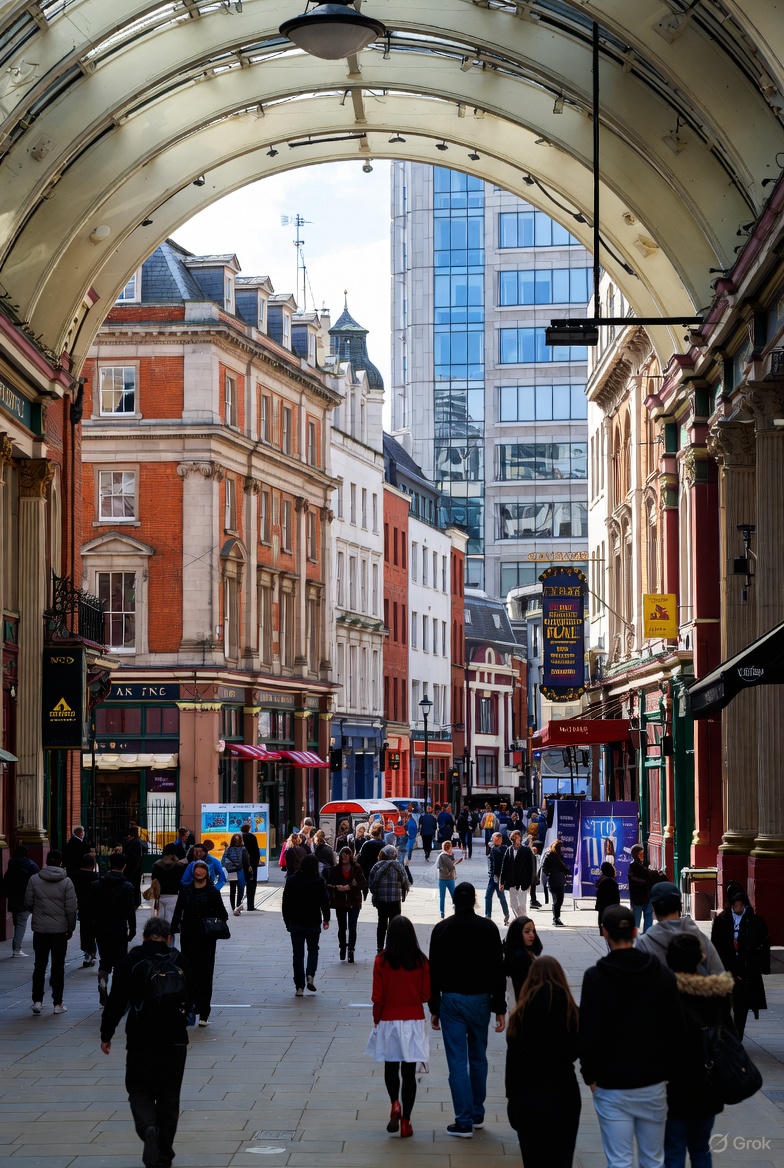
Cultural experiences also work well for different travel styles. Solo travelers appreciate museums and quiet historic areas. Families benefit from interactive exhibitions and open cultural spaces. Couples often enjoy galleries, performances, and neighborhood walks. Even short visits gain value when culture shapes the plan. Instead of checking off locations, travelers build understanding.
Importantly, culture in London is not limited to famous institutions. While large museums attract global attention, smaller cultural spaces often feel more personal. Local markets, independent theaters, historic pubs, and community festivals reveal daily life. These places show how London functions beyond tourism. For many visitors, these moments feel more memorable than major attractions.
Because London continues to change, culture here stays active rather than preserved behind glass. Immigration, creativity, and social movements constantly reshape neighborhoods. Therefore, cultural things to do in London include both heritage and living traditions. One afternoon may focus on royal history. The next may explore contemporary art or global food cultures. This contrast gives London its unique rhythm.
Museums and Cultural Institutions That Shape London
Cultural things to do in London often begin inside museums because they provide the clearest entry point into the city’s story. London’s museums do more than display objects. They explain how power, creativity, science, and daily life evolved together. As a result, even short visits create strong context for everything seen outside later.
One reason museums work so well in London is variety. Large national institutions sit alongside smaller, highly focused collections. Some places explore global history, while others concentrate on local neighborhoods or specific periods. This range allows travelers to choose depth instead of rushing through everything. Therefore, museum visits feel intentional rather than overwhelming.
Another advantage involves accessibility. Many major museums offer free entry, which removes pressure. Visitors can spend thirty minutes or several hours without worrying about value. Because of this flexibility, museums fit easily into cultural planning. A quick visit works between landmarks, while longer sessions anchor an entire day.
Many major cultural sites sit close together, which is why exploring things to do near London city center works especially well for visitors focused on museums and galleries.
Explore the culture in London on Google Maps
British Museum: A Global Cultural Foundation
Among cultural things to do in London, the British Museum stands as a foundational stop. Its collection covers civilizations from every continent. However, the value lies not only in scale. The museum shows how global history connects through trade, conquest, belief systems, and technology. As a result, visitors gain a wider perspective on London’s role as a historic world center.
Instead of attempting every gallery, focusing on selected sections improves understanding. Ancient Egypt, Greece, Rome, and South Asia offer strong starting points. These areas explain cultural influences still visible across the city. Architectural styles, symbols, and even street names often trace back to these origins.
Timing also matters here. Early mornings provide calmer spaces, while late afternoons suit shorter visits. Because the museum sits near other cultural areas, it pairs well with walking routes and neighborhood exploration afterward.
This is an amazing attraction. The fact that this attraction is free is amazing. Nice historical trip around the world for £0. Great!
Read more reviews on Tripadvisor
National Gallery: Art as Cultural Language
Art plays a central role in cultural things to do in London, and the National Gallery demonstrates this clearly. Located in Trafalgar Square, it connects visual art with public space. Inside, paintings trace European cultural thought across centuries. Changes in religion, politics, and daily life appear through color, subject, and technique.
Rather than treating art as decoration, the gallery presents it as communication. Each era reflects how people understood the world at that time. This approach helps visitors appreciate art without technical knowledge. Observation replaces analysis, which keeps the experience approachable.
Short visits work especially well here. Selecting one or two periods prevents fatigue. Renaissance works offer structure, while later movements reveal emotional shifts. Afterward, stepping back into Trafalgar Square reinforces how culture moves between galleries and streets.
Victoria and Albert Museum: Design, Craft, and Society
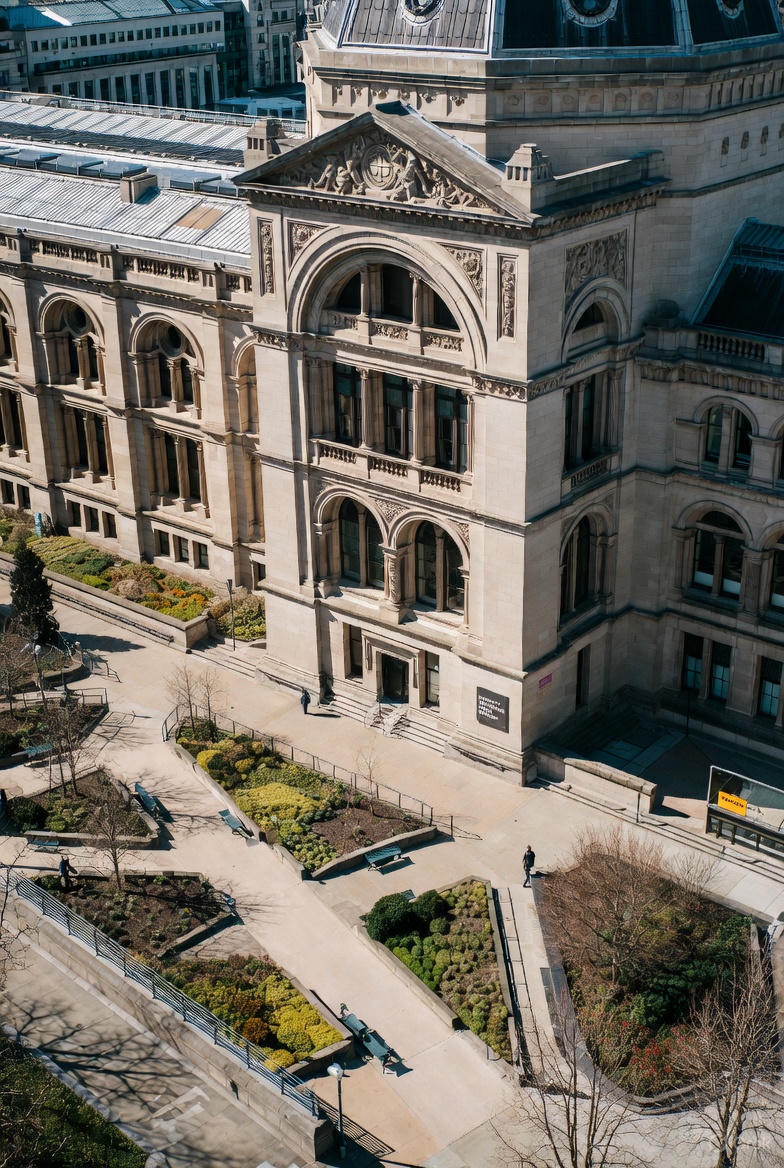
For cultural things to do in London that connect creativity with daily life, the Victoria and Albert Museum offers exceptional insight. Unlike traditional art museums, this institution focuses on design, fashion, and decorative arts. Objects here relate directly to how people lived, dressed, and expressed identity.
The museum’s layout encourages wandering. Rooms flow through different cultures and time periods without rigid paths. Because of this, visits feel exploratory rather than instructional. Textiles, furniture, ceramics, and jewelry reveal how taste changes alongside social structure.
This museum also works well for slower afternoons. Seating areas and quieter galleries reduce fatigue. As a result, longer visits remain comfortable even after busy mornings elsewhere.
Smaller Museums That Add Depth
While large institutions dominate attention, smaller museums often strengthen cultural understanding. Places like the Museum of London or neighborhood-focused galleries explain how everyday life developed. These spaces concentrate on social history rather than global narratives. Therefore, they complement major museums effectively.
Smaller museums also provide clarity. Instead of broad timelines, they focus on specific themes such as urban growth, migration, or craftsmanship. Visitors leave with clear insights rather than fragmented information. This clarity supports later exploration of streets and neighborhoods.
Additionally, these museums attract fewer crowds. Quieter environments improve focus and allow reflection. For travelers seeking calm cultural moments, these spaces often become highlights.
Planning Museum Visits Without Overload
Effective planning improves museum experiences significantly. First, grouping nearby museums reduces travel time. Second, limiting visits to one or two per day prevents fatigue. Third, balancing indoor museums with outdoor cultural walks maintains energy.
Cultural things to do in London work best when museums serve as anchors rather than checklists. They provide context early in the day, which then enriches later experiences. For example, understanding historical trade or migration makes markets and neighborhoods more meaningful afterward.
Weather also influences planning. Museums offer reliable options during rain or cold. However, saving them for difficult weather keeps good conditions free for outdoor culture. This strategy improves overall flow.
As this guide continues, cultural things to do in London will move beyond institutions and into the streets themselves. Neighborhoods, traditions, and daily life reveal how history continues outside museum walls.
Cultural Neighborhoods in London That Preserve Local Identity
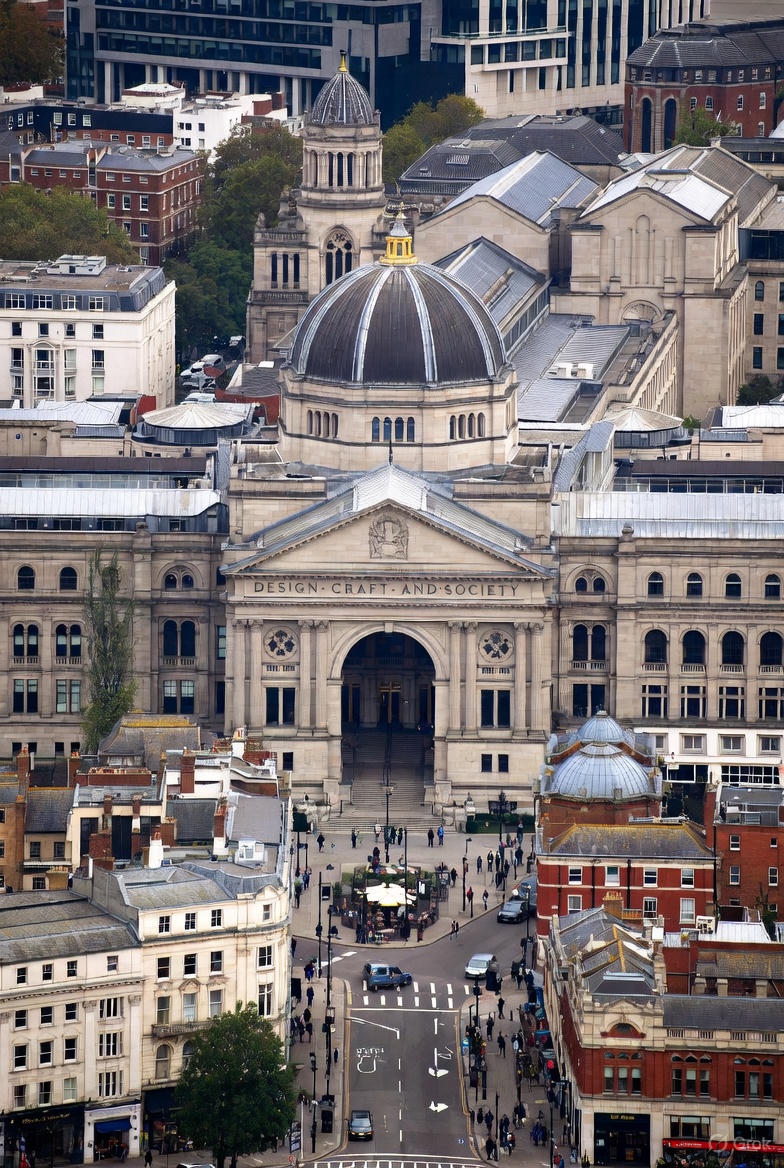
Cultural things to do in London extend far beyond museums. Neighborhoods often reveal culture more clearly because they show how history continues to shape daily life. Streets, buildings, local routines, and long standing communities preserve identity in ways no exhibition can fully explain. Walking through historic areas allows culture to unfold naturally, one block at a time.
London’s neighborhoods developed around trade, power, craft, and migration. As a result, each area reflects a different cultural role. Some districts highlight political history. Others reveal artistic movements or working class traditions. When travelers focus on neighborhoods rather than isolated attractions, the city begins to feel more understandable and less fragmented.
Another benefit involves pace. Exploring neighborhoods slows travel without reducing value. Instead of moving rapidly between landmarks, visitors remain present. Cafes, markets, churches, and residential streets become part of the experience. This slower rhythm supports deeper cultural awareness.
Westminster: Power, Tradition, and Ceremony
Among cultural things to do in London, Westminster represents authority and continuity. This area reflects centuries of governance, religion, and royal tradition. Buildings here were designed to communicate power and stability. Even today, ceremonies and rituals follow long established patterns.
Walking through Westminster reveals how architecture shapes behavior. Wide streets guide movement. Formal layouts encourage observation rather than spontaneity. Historic churches and government buildings dominate the skyline. These features explain why Westminster feels structured and ceremonial.
Timing improves the experience significantly. Early mornings provide quiet streets before official activity begins. This calm allows architectural details to stand out. Later in the day, ceremonial changes and public gatherings add movement and context. Both moments reveal different sides of cultural tradition.
Soho: Creative Cultural Things to Do in London’s Artistic Quarter
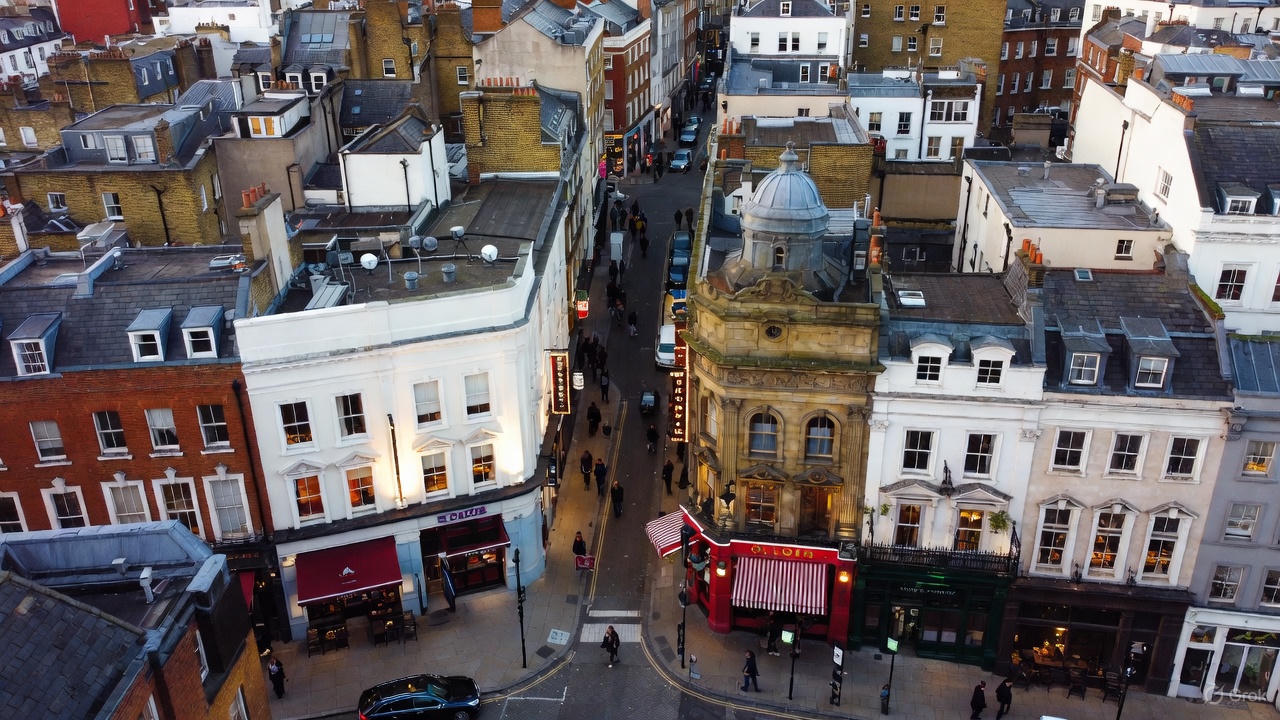
In contrast, Soho offers a very different cultural atmosphere. Creativity defines this neighborhood through music, theater, publishing, and nightlife history. Cultural things to do in London often feel more alive here because expression remains part of daily life.
Soho developed as a place where artists, writers, and performers gathered. Over time, this identity continued through independent venues and informal meeting spaces. Streets remain compact, which encourages exploration without planning.
Cultural value appears in small details. Historic theaters, recording studios, and cafes still influence the neighborhood’s character. Even modern businesses often reflect artistic roots. Because of this continuity, Soho feels authentic rather than curated.
Late afternoons and evenings work best here. Creative energy increases as venues prepare for performances. Walking without a strict route often reveals unexpected moments, which strengthens cultural connection.
Covent Garden: Craft, Performance, and Public Culture
Covent Garden blends formal history with public entertainment. Originally linked to trade and craftsmanship, the area later became known for performance. Cultural things to do in London often intersect here because art moves into open space.
Street performers, small theaters, and historic markets define the atmosphere. Culture becomes visible rather than contained. This openness makes Covent Garden accessible, even for visitors unfamiliar with London.
Although the area attracts crowds, cultural value remains strong when approached strategically. Early mornings reveal architectural charm and market preparation. Midday highlights performance culture. Evenings introduce theater audiences and social activity. Each period offers a different perspective.
Covent Garden also works well as a transition zone. After museums or galleries nearby, it provides a cultural shift without leaving the area.
East London: Modern Cultural Experiences and Local Things to Do in London
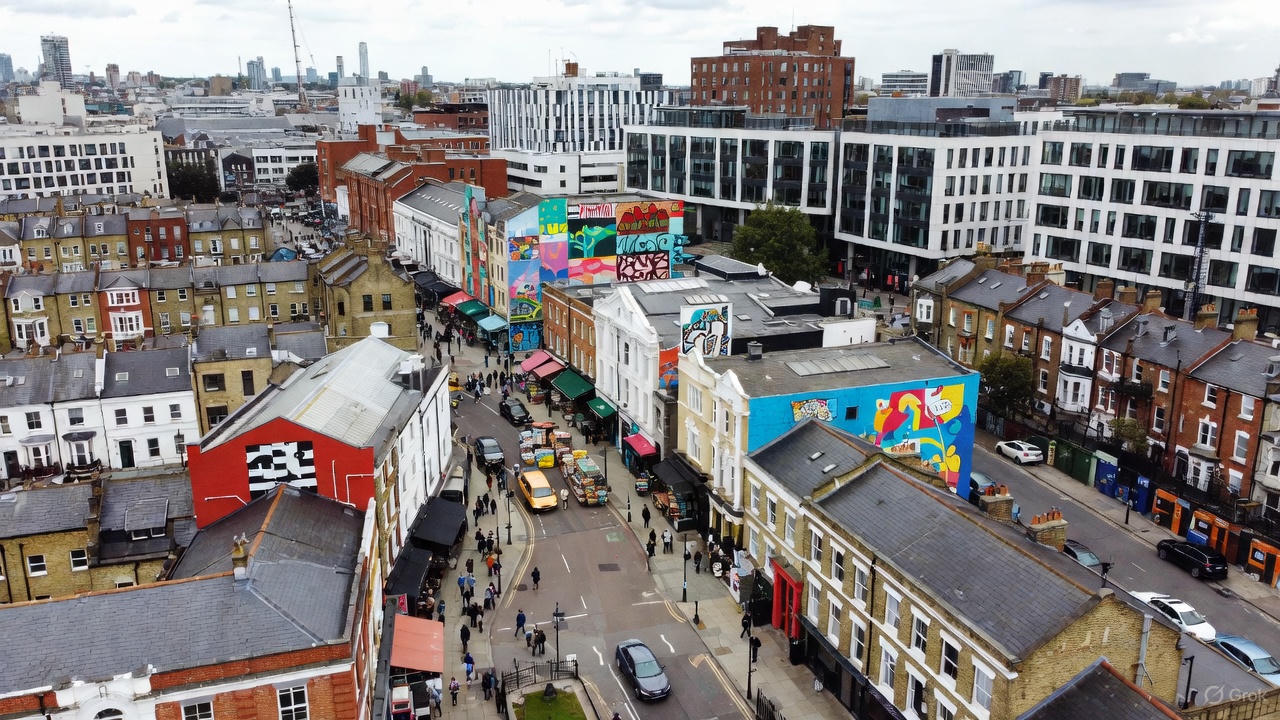
East London presents one of the most dynamic cultural landscapes in the city. Migration, industry, and creativity shaped this region continuously. As a result, cultural things to do in London often feel most contemporary here.
Neighborhoods in East London reflect layers of movement and adaptation. Markets show global food traditions. Street art communicates social commentary. Architecture mixes industrial remnants with modern design. Culture here evolves rather than preserves a single narrative.
Walking through these areas encourages observation of change. Old warehouses now host creative spaces. Residential streets reveal how communities adapt over time. This living culture contrasts sharply with more formal districts.
Timing matters again. Weekdays show everyday routines. Weekends highlight markets and community events. Both experiences add value depending on interest.
Choosing Neighborhoods Based on Cultural Goals
Selecting neighborhoods intentionally improves cultural exploration. Power and tradition align with Westminster. Creativity aligns with Soho. Performance fits Covent Garden. Contemporary culture appears strongest in East London. Matching interests to areas prevents fatigue and confusion.
Cultural things to do in London feel more coherent when neighborhoods guide planning. Instead of random movement, each day develops a theme. This structure reduces stress and improves memory.
As the guide continues, cultural exploration will move beyond place into shared experiences. Food, traditions, and daily rituals reveal how culture lives within people rather than buildings.
Cultural Things to Do in London Through Food, Markets, and Local Traditions
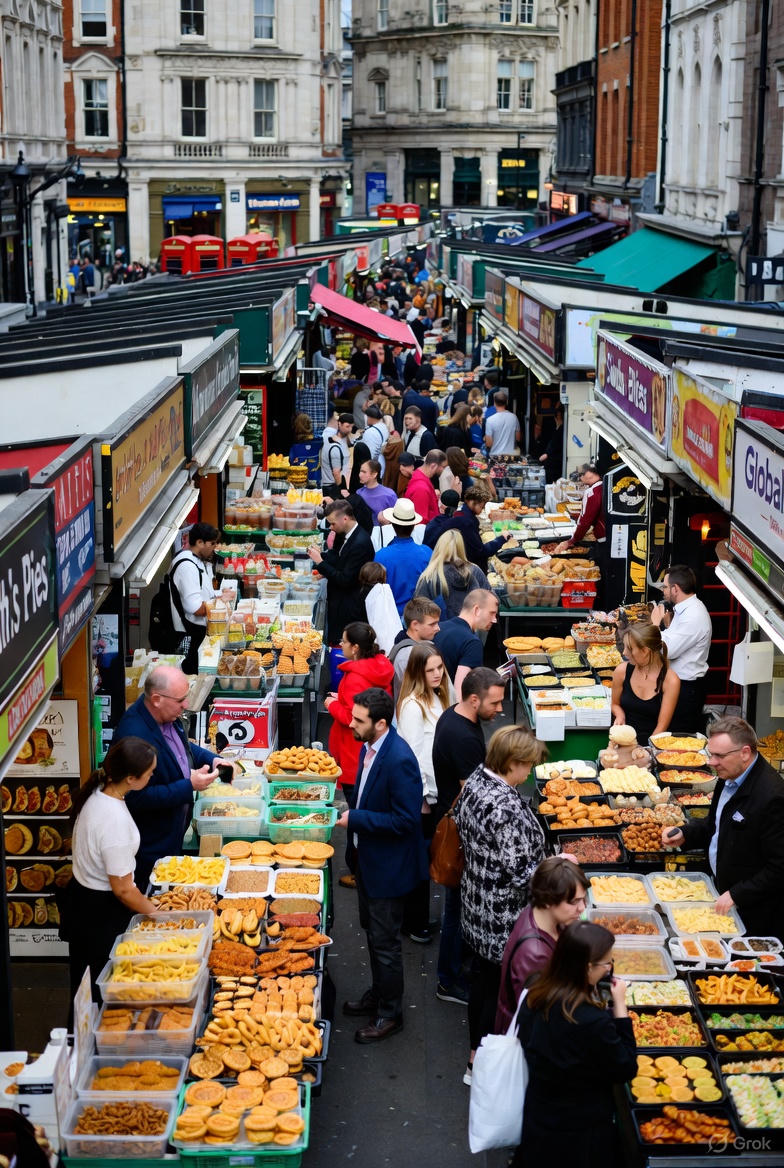
Cultural things to do in London become more tangible through food and everyday traditions. Meals, markets, and shared routines reveal how people live rather than how history is presented. Because of this, culinary culture often creates the strongest memories. Taste, sound, and atmosphere combine to explain the city without explanation boards or timelines.
Food culture in London developed through trade, migration, and local habits. Over centuries, new influences blended with established customs. As a result, traditional dishes exist beside global flavors without conflict. This balance explains London’s ability to evolve while maintaining identity.
Markets play a central role here. They function as social spaces rather than simple shopping areas. Locals meet, eat, and exchange ideas. Travelers who observe these interactions understand cultural rhythm more clearly than by visiting restaurants alone.
Traditional British Food as Cultural Experience in London
Among cultural things to do in London, experiencing traditional British food offers context for social history. Dishes reflect climate, class structure, and regional resources. Hearty meals developed to support long working hours. Baking traditions evolved from limited ingredients. Even tea culture reveals class and time based rituals.
Trying traditional food works best when expectations remain realistic. British cuisine emphasizes comfort rather than complexity. Pubs, cafes, and local bakeries present these dishes in their natural setting. Eating fish and chips in a local shop often feels more cultural than ordering it in a formal restaurant.
Timing matters here as well. Lunchtime offers quicker service and casual atmosphere. Evenings introduce pub culture, which blends food with conversation. Observing how locals interact during meals provides insight into social norms.
London Markets as Living Cultural Spaces
Markets represent some of the strongest cultural things to do in London because they combine food, conversation, and movement. Unlike fixed attractions, markets change daily. Vendors rotate. Crowds shift. Seasonal products appear and disappear. This constant change reflects real life rather than curated presentation.
Borough Market showcases food culture through variety and craft. Long standing vendors work beside newer producers. This mix demonstrates how tradition adapts. Camden Market reflects creativity and youth culture through street food and informal dining. Smaller neighborhood markets reveal daily routines more quietly.
Markets work best when visited slowly. Rushing removes cultural value. Standing, tasting, and observing improves understanding. Short conversations with vendors often reveal local attitudes and preferences.
Crowds can affect experience. Early mornings provide calmer environments. Weekends increase energy but reduce space. Choosing timing based on comfort level improves enjoyment.
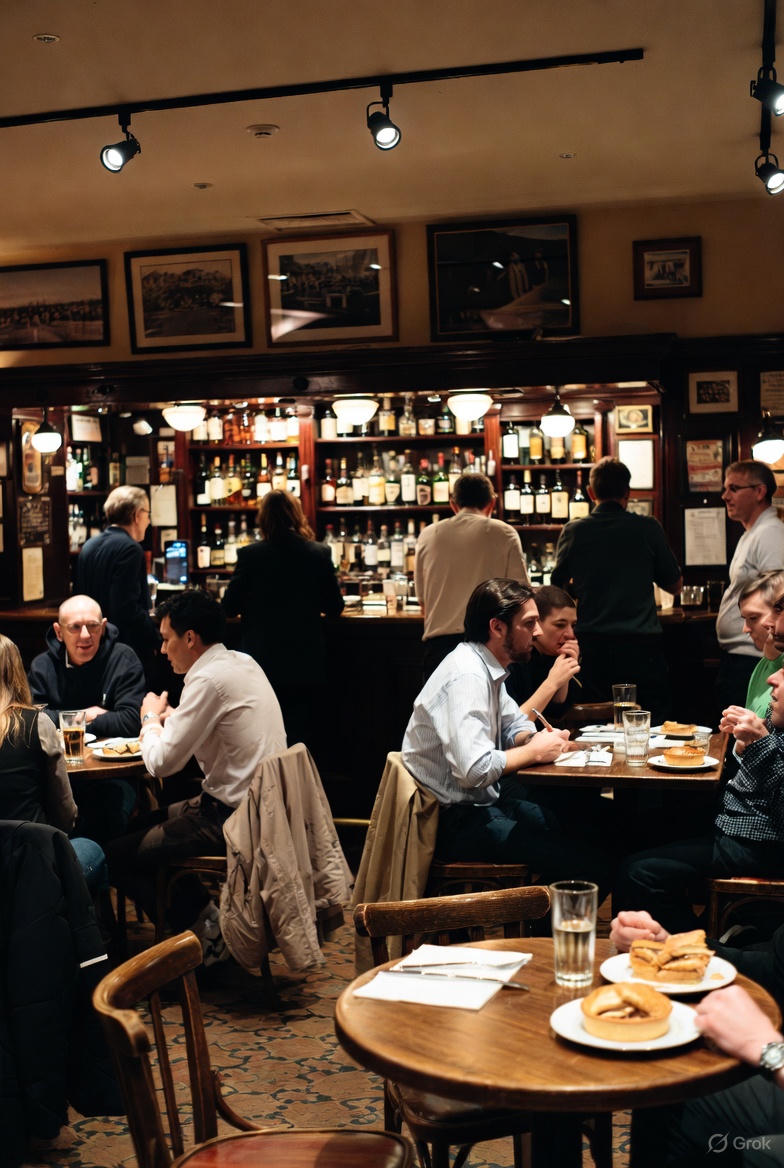
Pub culture forms an essential part of cultural things to do in London. Pubs function as social centers rather than drinking spaces alone. Historically, they served travelers, workers, and local communities. Today, they continue to support conversation and routine.
Understanding pub culture involves observation. Ordering at the bar, sharing tables, and casual interaction reflect social equality. Conversation flows naturally without formal structure. This informality explains why pubs remain culturally important despite modern alternatives.
Food in pubs supports this role. Simple meals encourage longer stays. Regulars often visit multiple times a week. Travelers who follow this rhythm gain insight into local social patterns.
Choosing older pubs adds historical context. Architecture, layout, and decoration reveal past uses. Even modern pubs often preserve these features to maintain identity.
Cultural Festivals and Seasonal Traditions in London
Seasonal events strengthen cultural things to do in London by connecting tradition with time. Festivals mark historical moments, religious observances, and community identity. Some events attract international attention. Others remain local and understated.
Seasonal markets, parades, and performances reveal how London celebrates change. Winter traditions focus on light and gathering. Summer events emphasize outdoor culture and movement. Observing these patterns helps travelers align plans with cultural rhythm.
Smaller festivals often provide stronger cultural insight. Community events prioritize participation rather than spectacle. Music, food, and informal gatherings dominate. These moments feel personal rather than performative.
Planning around festivals requires flexibility. Dates change annually. Crowds increase. Transport becomes busier. However, cultural value often outweighs inconvenience when expectations remain realistic.
Using Food and Traditions to Balance Cultural Exploration
Food and tradition provide balance within cultural things to do in London. After museums and walking, meals slow the pace. Markets create informal breaks. Pubs encourage rest without isolation. This balance prevents exhaustion while maintaining engagement.
Planning meals intentionally improves cultural flow. Eating near cultural neighborhoods reduces travel time. Markets pair well with walking routes. Pubs serve as natural endpoints after long days.
Cultural understanding deepens when food and tradition support rather than replace exploration. Together, they connect history, community, and daily life into a single experience.
As the guide continues, cultural things to do in London will shift toward performing arts and creative expression. Music, theater, and live performance reveal how culture communicates emotion and ideas in real time.
Cultural Things to Do in London Through Theater, Music, and Live Performance
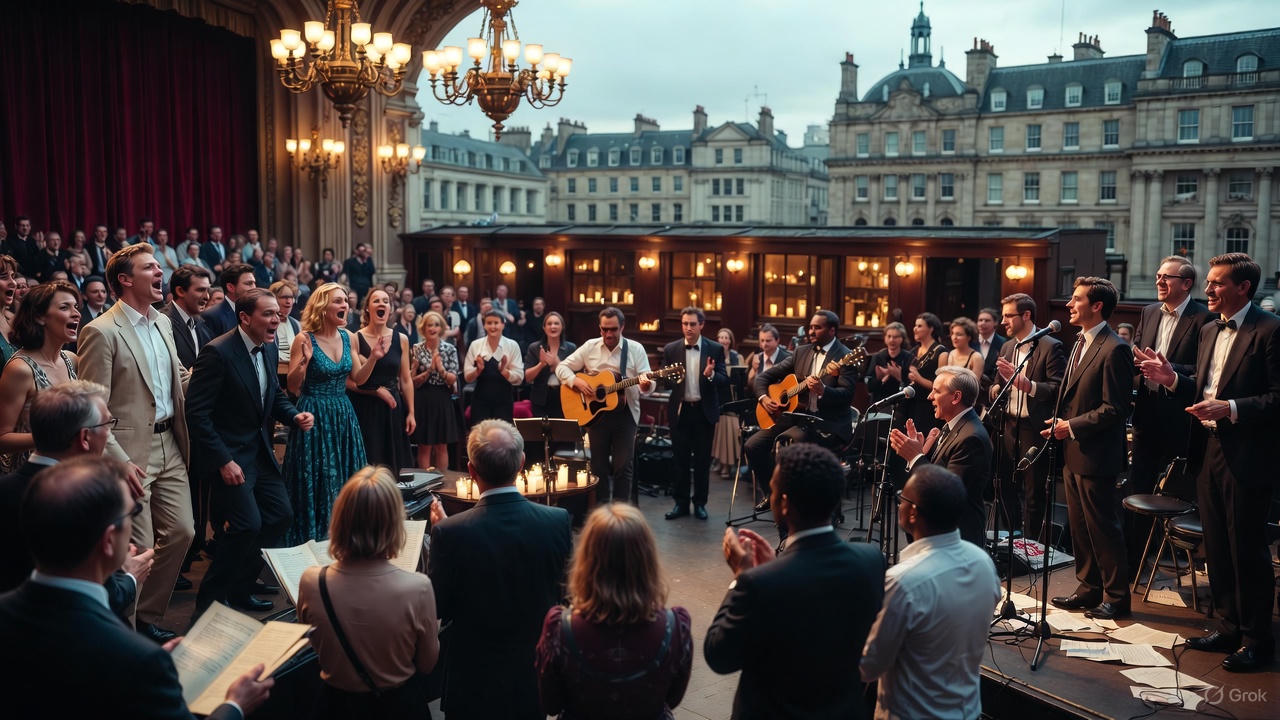
Cultural things to do in London reach their most expressive form through live performance. Theater, music, and spoken word reveal how ideas move from history into emotion. Unlike museums or neighborhoods, performance unfolds in real time. Each show exists only once. Because of this, live culture creates stronger memory and connection.
London’s performance culture developed alongside literacy, politics, and public debate. Over time, stages became places where society reflected on itself. Today, this tradition continues across formal theaters, small venues, and temporary spaces. As a result, cultural experiences range from grand productions to intimate performances.
Another advantage of live performance involves accessibility. London offers options at many price levels. Free street performances exist beside world famous stages. This range allows cultural exploration without financial pressure, which improves flexibility during planning.
West End Theater as a Cultural Experience in London
Among cultural things to do in London, the West End represents theatrical heritage and continuity. Productions here follow long standing traditions of storytelling, staging, and performance discipline. Even modern shows rely on techniques refined over centuries.
Attending a West End performance provides insight into British narrative style. Dialogue emphasizes wit and structure. Storytelling values pacing and character development. These traits reflect literary traditions deeply connected to British culture.
Choosing the right performance improves value. Matinees often cost less and attract calmer audiences. Evening shows feel more ceremonial and social. Both options offer cultural insight, although atmosphere differs.
Location adds context as well. Theaters cluster near historic districts, which supports pre or post performance walks. This combination strengthens cultural flow rather than isolating the experience.
Fringe Theater and Independent Performance Spaces

Beyond major stages, fringe theaters form a critical part of cultural things to do in London. These spaces support experimentation, new voices, and alternative storytelling. Performances often address contemporary issues or reinterpret classics.
Fringe venues operate in converted buildings, pubs, and community spaces. This informality changes audience behavior. Distance between performer and viewer decreases. As a result, engagement feels more direct.
Because schedules change frequently, spontaneity works well here. Checking listings during travel often reveals unexpected opportunities. Shorter performances also fit easily into busy days without fatigue.
This sector explains how London maintains cultural relevance. While tradition anchors the city, innovation keeps it alive.
Live Music and Cultural Identity in London
Music contributes significantly to cultural things to do in London. Genres developed here continue to influence global sound. From classical compositions to contemporary styles, music reflects social change and urban rhythm.
Live music venues vary widely in scale. Large concert halls emphasize formality and acoustic tradition. Smaller clubs prioritize atmosphere and community. Both formats offer cultural insight, although experience differs.
Timing influences music exploration. Weeknights provide relaxed environments with local audiences. Weekends increase energy and variety but attract larger crowds. Choosing based on preference improves comfort.
Observing audience behavior adds cultural understanding. Participation levels, etiquette, and interaction reflect genre and venue type. These patterns reveal how music functions socially rather than as entertainment alone.
Street Performance and Informal Cultural Expression
Street performance adds spontaneity to cultural things to do in London. Musicians, actors, and spoken word artists use public space to communicate directly. This tradition connects modern culture with historic public storytelling.
Street performances often appear near cultural hubs and busy areas. Although informal, many performers maintain high skill levels. Observing these performances requires no commitment, which increases accessibility.
Cultural value emerges through interaction. Audience reactions shape performance. Movement, sound, and setting combine into shared moments. These experiences feel authentic because they resist scheduling and structure.
Weather and timing affect availability. Clear afternoons and early evenings provide the best opportunities. Allowing flexible time increases the chance of discovery.
Choosing Performances Based on Cultural Interest
Selecting performances intentionally strengthens cultural exploration. Theater suits narrative focused interests. Music aligns with rhythm and emotion. Street performance appeals to spontaneity. Mixing formats prevents monotony.
Cultural things to do in London feel richer when performance complements other activities. Museums provide context. Neighborhoods provide setting. Performance then brings stories to life.
As the guide continues, cultural exploration will move toward everyday rituals and contemporary creativity. Daily habits, creative spaces, and modern expression reveal how London’s culture continues to evolve.
Cultural Things to Do in London Through Daily Life, Rituals, and Modern Creativity
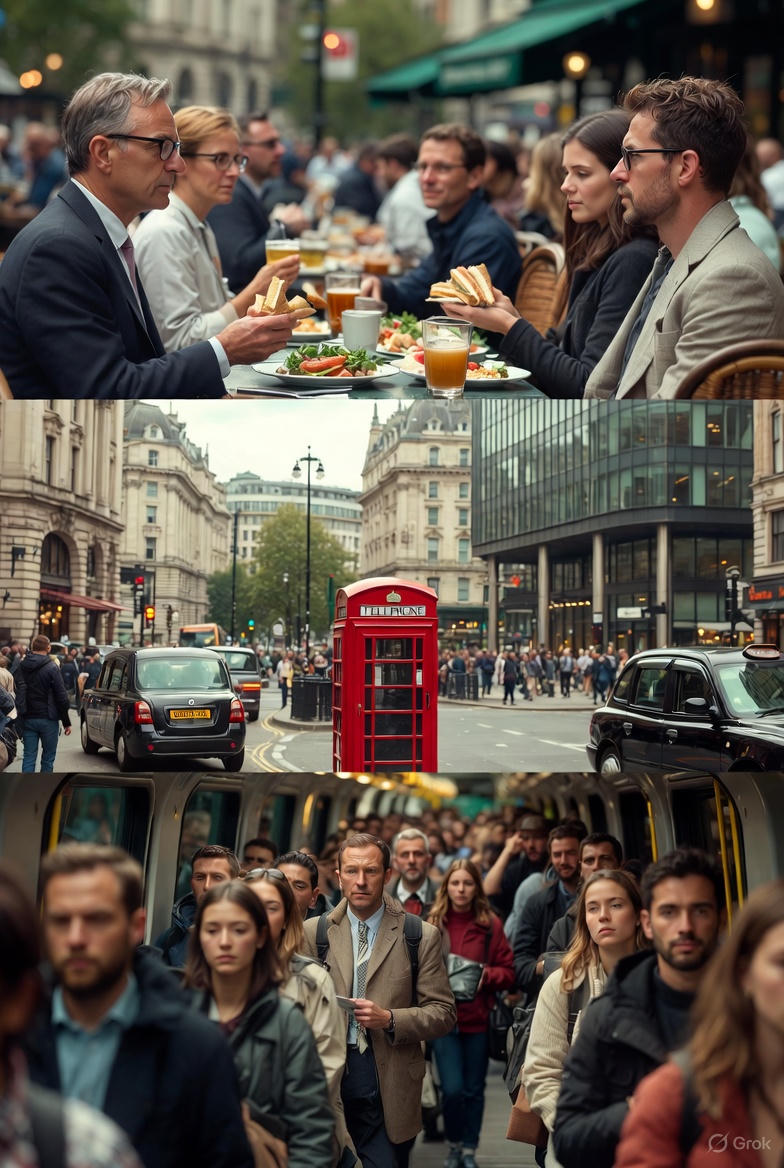
Cultural things to do in London do not exist only in planned activities. They also appear through daily habits, shared rituals, and modern creativity woven into ordinary life. These moments often feel subtle, yet they reveal how culture functions when no one is performing for visitors. Observing routine offers insight that formal attractions cannot replace.
Daily life in London follows patterns shaped by history, work culture, and social balance. Morning commutes, lunch habits, evening routines, and weekend rhythms reflect how the city organizes itself. Paying attention to these patterns transforms ordinary moments into cultural understanding.
Modern creativity adds another layer. London continuously reinvents itself through design, media, and innovation. This creativity does not erase tradition. Instead, it adapts it to new needs. Together, routine and creativity explain why London feels both historic and current at the same time.
Cultural Things to Do in London Through Everyday Rituals
Among cultural things to do in London, everyday rituals often go unnoticed. However, these habits explain social values more clearly than formal rules. Queuing culture, punctuality, and understated communication shape public interaction. Observing these behaviors helps visitors navigate the city more smoothly.
Coffee routines provide a simple example. Morning cafes fill quickly. Orders remain efficient. Conversation stays brief. This rhythm reflects work focused culture rather than disinterest. Understanding this prevents misinterpretation and improves comfort.
Lunch rituals reveal similar patterns. Short breaks dominate weekdays. Meals prioritize convenience. On weekends, the pace slows noticeably. Cafes and markets fill with longer conversations. This contrast highlights how London separates work and leisure.
Evening routines differ by area. Residential neighborhoods quiet early. Entertainment districts grow active. Recognizing these shifts helps travelers choose locations that match energy levels.
Creative Districts and Contemporary Cultural Expression in London
Modern creativity strengthens cultural things to do in London by keeping culture active rather than preserved. Creative districts blend art, design, media, and technology. These areas evolve quickly, which reflects the city’s adaptability.
Creative spaces often reuse historic buildings. Warehouses become studios. Former factories host exhibitions. This reuse connects past and present visually and functionally. Visitors see history working rather than displayed.
Independent galleries, pop up exhibitions, and design markets appear frequently. These spaces focus on experimentation rather than tradition. Visiting them offers insight into current cultural conversations. Because schedules change, discovery feels spontaneous.
Weekdays provide quieter access to creative spaces. Weekends increase energy but reduce space. Choosing timing based on preference improves experience.
Reading, Writing, and Literary Culture in London
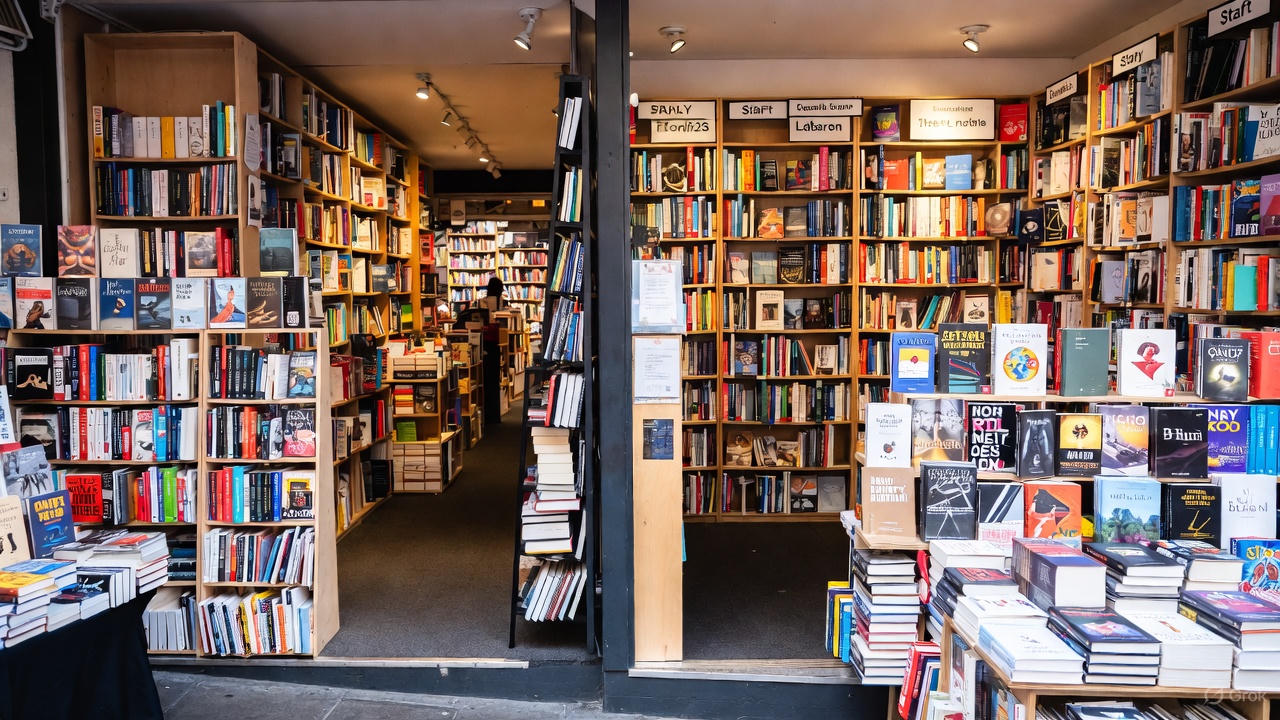
Literary tradition plays a strong role in cultural things to do in London. Reading spaces, bookshops, and libraries continue to shape cultural identity. London’s connection to literature extends beyond famous authors. It appears in how people consume and discuss ideas.
Independent bookshops support this culture. Curated selections reflect neighborhood interests. Staff recommendations replace algorithms. Spending time browsing reveals local intellectual preferences.
Public libraries serve similar functions. They provide quiet spaces within busy districts. Visitors often underestimate their cultural value. However, observing who uses these spaces and how reveals educational priorities and community structure.
Literary events, readings, and discussions occur regularly. These gatherings emphasize dialogue rather than performance. Participation requires little preparation, which makes them accessible cultural experiences.
Fashion, Design, and Cultural Identity in London
Fashion and design offer visible cultural signals. Clothing choices, street style, and retail presentation reveal social attitudes. Cultural things to do in London often appear through observation rather than participation here.
Street style varies significantly by neighborhood. Business districts favor subtle formality. Creative areas emphasize individuality. Markets display experimental fashion. These contrasts highlight social diversity without explanation.
Design culture extends beyond clothing. Interior design, public signage, and urban planning reflect priorities. Minimalist transport design contrasts with ornate historic architecture. This visual dialogue explains how London balances efficiency and heritage.
Exploring design through walking improves awareness. Looking upward at signage, storefronts, and details adds cultural depth to ordinary routes.
Using Daily Life and Creativity to Complete Cultural Understanding
Daily rituals and modern creativity complete cultural things to do in London by connecting theory with reality. Museums explain history. Neighborhoods show structure. Food and performance express emotion. Daily life then demonstrates how everything functions together.
Planning time for observation improves cultural outcomes. Slowing pace allows patterns to emerge. Sitting, watching, and listening often provide more insight than moving constantly.
Cultural understanding deepens when visitors stop trying to experience everything. Instead, they allow London to reveal itself naturally. This approach reduces fatigue and increases meaning.
As the guide continues, cultural things to do in London will be brought together through planning strategies and practical advice. Understanding how to combine experiences helps transform knowledge into smooth travel flow.
How to Plan Cultural Things to Do in London Without Feeling Overwhelmed
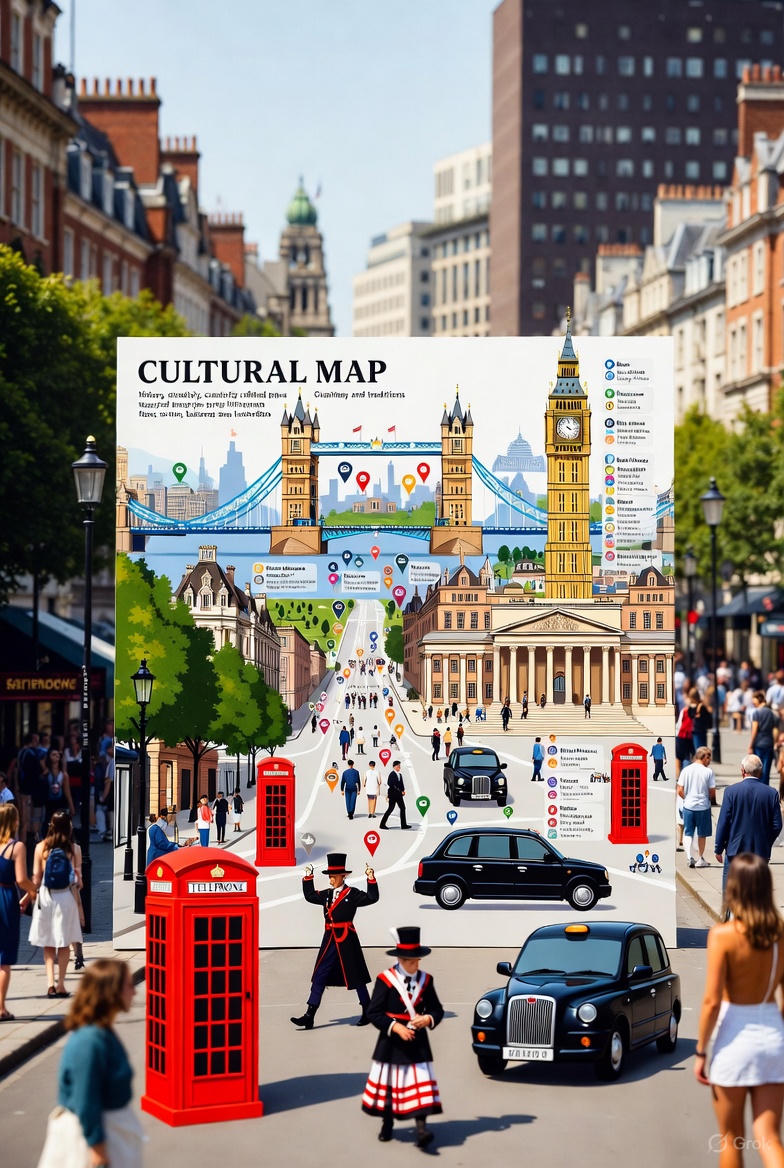
Cultural things to do in London can easily feel overwhelming without structure. The city offers more history, creativity, and daily tradition than most travelers can absorb in one visit. However, smart planning turns this challenge into an advantage. Instead of trying to see everything, a cultural plan focuses on flow, balance, and intention.
Culture works best when experiences connect naturally. Jumping between unrelated activities increases fatigue and reduces understanding. On the other hand, grouping experiences by theme, location, or pace improves clarity. Planning does not mean rigidity. It means choosing priorities that guide decisions throughout the day.
Another key factor involves energy management. Cultural exploration demands attention. Without breaks, even the most interesting experiences lose impact. Therefore, planning must account for mental and physical limits as much as attraction lists.
Planning Cultural Things to Do in London by Theme
One effective approach is thematic planning. Cultural things to do in London often align naturally around shared ideas. History, art, food, performance, and daily life form clear categories. Choosing one primary theme per day creates cohesion.
For example, a history focused day might combine museums with historic neighborhoods and traditional meals. An arts focused day could blend galleries, creative districts, and evening performances. This structure reduces decision making stress and strengthens memory.
Thematic planning also supports flexibility. If weather changes or crowds increase, alternative activities within the same theme remain available. This adaptability prevents frustration while maintaining cultural focus.
Planning Cultural Things to Do in London by Location
Geographic planning improves efficiency. London’s cultural attractions cluster in specific areas. Museums often group together. Performance venues concentrate around entertainment districts. Markets and creative spaces follow similar patterns.
By staying within one area, travel time decreases significantly. Walking replaces transport. Observation increases. Streets become part of the experience rather than obstacles between destinations.
This approach also reduces exhaustion. Frequent transport changes drain energy. Walking through cultural districts allows gradual immersion instead of constant adjustment. Even short distances reveal architecture, shops, and routines that enrich understanding.
Balancing Cultural Things to Do in London Across the Day
Balance plays a critical role in cultural planning. High concentration activities, such as museums or performances, require recovery time. Without balance, attention fades quickly.
A strong cultural day often begins with focused learning, shifts to informal exploration midday, and ends with expressive experiences in the evening. For instance, museums work well in the morning. Neighborhood walks suit afternoons. Food or performance fits evenings.
Breaks matter here. Cafes, parks, or quiet streets provide recovery without disengagement. These pauses allow reflection, which strengthens memory and enjoyment.
Adjusting Cultural Plans Based on Weather and Crowds
Weather affects cultural flow more than many travelers expect. London’s climate changes quickly. Therefore, flexible planning protects experience quality.
Indoor cultural things to do in London, such as museums, galleries, and performances, work best during rain or cold. Outdoor culture, including walking routes and markets, suits clear weather. Reserving indoor options as backups prevents disruption.
Crowds also influence enjoyment. Popular cultural sites feel different at various times. Early mornings reduce congestion. Late afternoons often calm after peak hours. Observing these patterns improves comfort without avoiding major experiences.
Knowing When to Stop and Let Culture Happen Naturally
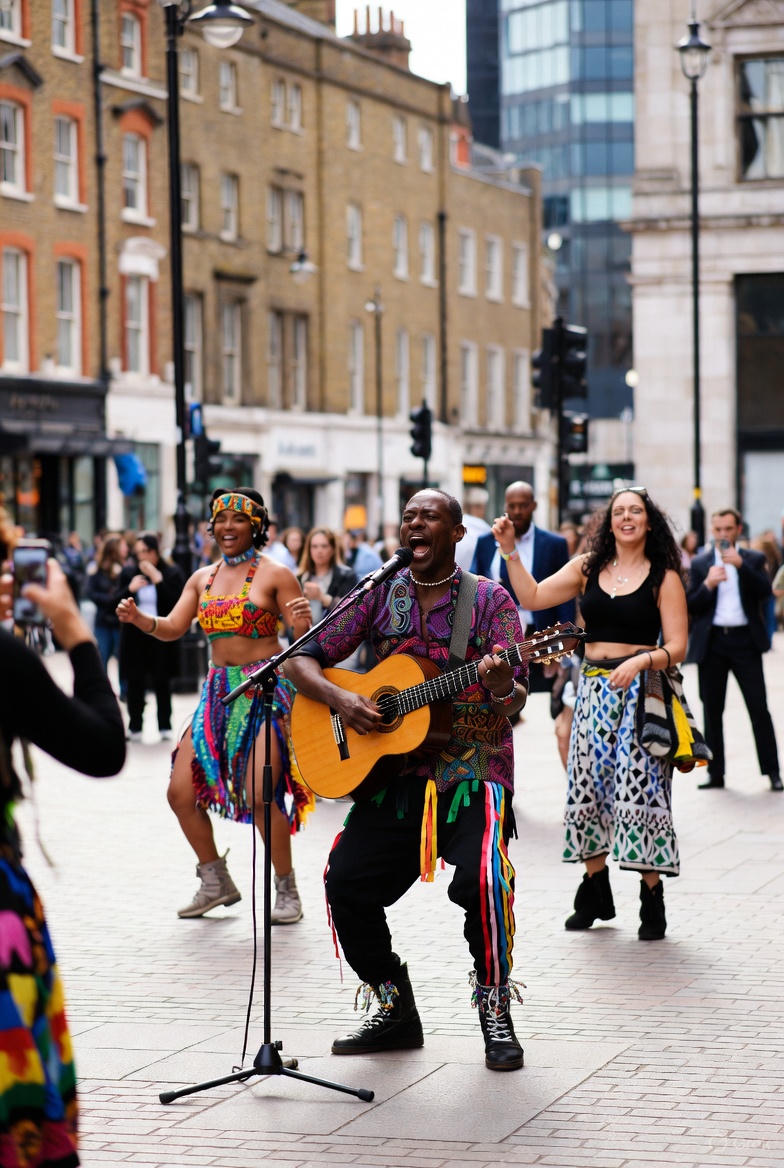
Overplanning weakens cultural exploration as much as underplanning. Cultural things to do in London sometimes appear unexpectedly. Street performances, conversations, and spontaneous discoveries often become highlights.
Leaving space in the schedule allows these moments to occur. Instead of filling every hour, planning anchor points works better. These anchors guide the day while leaving room for improvisation.
Trusting intuition also matters. If fatigue appears, slowing down preserves quality. Cultural understanding grows through presence, not quantity.
Turning Planning Into Cultural Confidence
Effective planning builds confidence. Travelers who understand structure feel less rushed and more curious. Cultural things to do in London then feel inviting rather than demanding.
By planning around themes, locations, balance, and flexibility, visitors create a framework rather than a checklist. This framework adapts to mood, weather, and discovery. As a result, cultural exploration feels personal instead of programmed.
As the guide moves forward, cultural things to do in London will be summarized through practical recommendations and final guidance. These insights will help transform planning into lasting cultural memory.
Common Mistakes to Avoid When Exploring Cultural Things to Do in London
Cultural things to do in London reward curiosity and patience. However, many travelers reduce the value of these experiences through avoidable mistakes. These missteps often come from rushing, poor planning, or misunderstanding how culture functions in a large city. Recognizing these issues early helps protect both time and energy.
Avoiding mistakes does not require rigid rules. Instead, it involves awareness and adjustment. Small changes in approach often improve cultural depth more than adding new activities.
Trying to Cover Too Much in One Day
One of the most common mistakes with cultural things to do in London involves overloading the schedule. London offers more cultural content than most cities, which tempts travelers to plan aggressively. Unfortunately, excessive planning reduces attention and enjoyment.
Culture requires mental space. Museums, performances, and historic areas demand focus. When too many experiences compete for attention, understanding fades quickly. A smaller number of well chosen activities produces stronger memory.
Limiting daily goals improves clarity. Two or three core cultural experiences per day often work better than five or six rushed stops. This approach also leaves room for spontaneous discovery.
Treating Cultural Experiences Like Checklists
Another frequent issue involves checklist behavior. Cultural things to do in London lose meaning when treated as tasks rather than experiences. Rushing through museums or neighborhoods simply to say they were visited removes context and connection.
Culture works through observation and reflection. Spending time reading, watching, and listening matters more than covering space. A single gallery visited thoughtfully often provides more value than multiple rushed stops.
Replacing checklist thinking with curiosity changes outcomes. Asking why a place matters encourages engagement without pressure.
Ignoring Local Rhythm and Timing
Timing affects cultural experiences significantly. Many travelers overlook local rhythm, which leads to unnecessary discomfort. Cultural things to do in London follow daily patterns shaped by work schedules, tourism flow, and tradition.
Arriving at popular cultural sites during peak hours increases noise and congestion. Visiting markets too late removes local interaction. Attending performances without understanding audience habits reduces atmosphere.
Observing timing improves results. Early mornings suit historic areas. Midday works well for museums. Evenings fit performance and food culture. Aligning plans with rhythm increases comfort naturally.
Overlooking Smaller Cultural Spaces
Major attractions dominate attention, yet smaller cultural spaces often deliver deeper insight. Travelers frequently ignore them while focusing on famous institutions. This creates an unbalanced experience.
Smaller museums, local galleries, neighborhood markets, and independent venues reveal everyday culture. These places show how people live rather than how history is presented.
Including at least one smaller cultural space per day improves perspective. It also reduces crowd exposure and mental fatigue.
Expecting Culture to Feel Entertaining All the Time
Another mistake involves expectation. Cultural things to do in London do not always feel exciting in the traditional sense. Some experiences feel quiet, reflective, or subtle. Expecting constant stimulation leads to disappointment.
Culture often reveals itself gradually. Understanding grows through exposure rather than immediate impact. Accepting this prevents frustration and increases appreciation.
Allowing moments of calm supports learning. Sitting, observing, and absorbing matter as much as movement.
Forgetting to Balance Indoor and Outdoor Culture
Imbalance between indoor and outdoor activities creates fatigue. Too many museums cause mental overload. Too much walking causes physical strain. Cultural things to do in London require balance.
Mixing formats maintains energy. Indoor learning pairs well with outdoor observation. Performance pairs well with quiet meals. This alternation improves stamina and focus.
Planning balance ahead of time prevents burnout without reducing depth.
Turning Mistake Awareness Into Cultural Confidence
Avoiding mistakes strengthens confidence. Travelers who understand pacing, timing, and balance feel more relaxed. Cultural things to do in London then feel approachable rather than demanding.
Mistake awareness does not limit experience. Instead, it sharpens it. By slowing down, observing rhythm, and choosing intentionally, culture becomes clearer and more personal.
As the guide approaches its conclusion, cultural things to do in London will be summarized through practical takeaways and final guidance. These insights will help turn planning and exploration into lasting cultural understanding.
Cultural Things to Do in London for Different Travel Styles
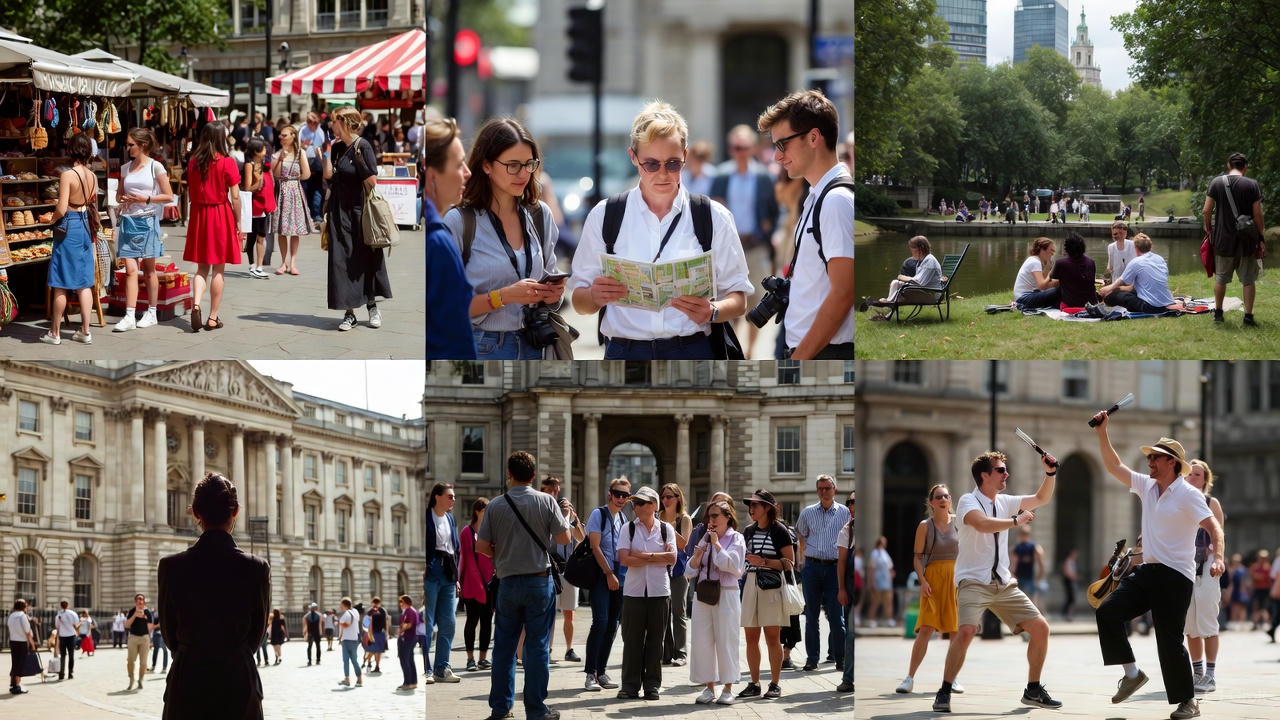
Cultural things to do in London do not look the same for every traveler. Interests, pace, and priorities shape how culture is experienced. What feels meaningful to one person may feel exhausting to another. Because of this, adapting cultural exploration to travel style improves satisfaction and reduces friction.
London supports many travel styles naturally. The city offers quiet reflection alongside energetic expression. Formal heritage exists beside informal creativity. Understanding how culture aligns with personal preference helps visitors choose experiences that feel natural rather than forced.
Cultural Things to Do in London for First-Time Visitors
First-time visitors often feel pressure to see everything. However, cultural things to do in London work best when used to build understanding rather than coverage. Foundational experiences create context for future visits.
Museums and historic neighborhoods provide structure early on. They explain how London developed and why certain areas matter. Pairing these with food culture and light performance creates balance without overload.
For first-time trips, limiting cultural goals per day improves clarity. One major cultural anchor, supported by smaller experiences, often delivers the strongest result.
Cultural Things to Do in London for Solo Travelers
Solo travelers often engage deeply with culture because they control pace and focus. Cultural things to do in London suit solo exploration particularly well. Museums, galleries, and walking routes allow independent movement without pressure.
Quiet cultural spaces feel more accessible alone. Reading rooms, historic churches, and neighborhood cafes support reflection. Solo travelers also benefit from flexible timing, which improves crowd avoidance.
Performances and lectures work well solo because attention remains focused. Cultural confidence grows through observation rather than participation.
Cultural Things to Do in London for Couples
Couples often seek shared meaning rather than volume. Cultural things to do in London support this through atmosphere and connection. Galleries, performances, and historic walks encourage conversation and memory building.
Food culture plays an important role here. Markets and pubs create relaxed environments that support interaction. Choosing cultural experiences that allow discussion rather than constant movement strengthens emotional connection.
Evening culture suits couples particularly well. Theater, music, and night walks add emotional texture without fatigue.
Cultural Things to Do in London for Families
Families require balance and flexibility. Cultural things to do in London can support family travel when chosen carefully. Interactive museums, open cultural spaces, and markets work better than long formal experiences.
Shorter cultural blocks improve attention. Mixing learning with movement prevents restlessness. Parks, walking routes, and informal food breaks provide recovery without disengagement.
Timing matters greatly. Early starts reduce crowds and noise. Planning cultural activities around energy levels improves cooperation and enjoyment.
Cultural Things to Do in London for Slow Travelers
Slow travelers prioritize depth over speed. Cultural things to do in London reward this approach strongly. Spending extended time in neighborhoods reveals routines, relationships, and subtle change.
Returning to the same cafes, markets, or walking routes builds familiarity. This repetition transforms observation into understanding. Cultural patterns become visible through contrast and consistency.
Slow travel also allows engagement with smaller cultural spaces. Independent galleries, local events, and community rituals become accessible without time pressure.
Cultural Things to Do in London for Short Visits
Short visits require focus. Cultural things to do in London must deliver value efficiently. Choosing experiences that combine learning, atmosphere, and accessibility works best.
Central neighborhoods with multiple cultural layers offer strong returns. Museums near historic streets allow combined exploration. Food markets double as cultural observation and meals.
Avoiding long travel times becomes critical. Concentrated cultural zones improve outcome without rushing.
Matching Cultural Choices to Personal Energy
Energy management applies to all travel styles. Cultural things to do in London vary in intensity. Recognizing personal limits prevents fatigue and frustration.
High focus activities suit mornings. Social and sensory experiences suit afternoons and evenings. Scheduling accordingly improves stamina and enjoyment.
Matching culture to energy transforms planning from obligation into comfort.
Using Travel Style Awareness to Improve Cultural Confidence
Understanding travel style builds confidence. Cultural things to do in London then feel chosen rather than imposed. Visitors move with intention instead of reaction.
When culture aligns with personal rhythm, exploration becomes sustainable. This alignment allows curiosity to replace stress and observation to replace urgency.
As the guide concludes, the final section will bring all cultural insights together. These closing thoughts will help turn experiences into lasting understanding rather than temporary impressions.
Final Thoughts on Experiencing Cultural Things to Do in London With Purpose
Cultural things to do in London create meaning when they are approached with intention rather than urgency. London does not reward speed. It rewards attention. The city reveals itself gradually through patterns, contrasts, and repetition. Travelers who understand this experience culture more deeply and with less effort.
One of the strongest lessons from cultural exploration is restraint. Trying to see everything weakens understanding. Choosing fewer experiences strengthens it. Cultural things to do in London become clearer when space exists between moments. Reflection matters as much as participation.
Another key insight involves connection. Museums explain history. Neighborhoods show continuity. Food and performance express emotion. Daily life confirms how everything works together. When these elements combine naturally, culture feels lived rather than learned.
Confidence also plays a role. Visitors who trust their pace enjoy culture more fully. Cultural things to do in London do not require expertise. Curiosity and patience matter more than preparation. Observing how locals move, eat, rest, and create provides guidance without instruction.
Purposeful exploration also improves memory. Experiences chosen intentionally leave stronger impressions than rushed itineraries. A single meaningful walk or conversation often outweighs multiple attractions visited quickly.
Cultural understanding does not end when the trip ends. London’s culture lingers through habits noticed, rhythms remembered, and perspectives gained. These insights often influence how travelers approach other cities afterward.
Ultimately, cultural things to do in London succeed when travelers stop trying to conquer the city and allow it to unfold. With balanced planning, thoughtful pacing, and openness to everyday moments, London becomes understandable rather than overwhelming.
Frequently Asked Questions About Cultural Things to Do in London
Getting started and planning
Major museums, historic neighborhoods, local food traditions, and a live performance give the best cultural foundation.
Two to three cultural stops per day is a comfortable pace for most travelers.
Mornings suit museums and historic areas, afternoons suit neighborhoods and markets, and evenings suit theater, music, and food culture.
Book ahead for popular shows and special exhibitions, but most museums, markets, and neighborhoods do not require reservations.
Budget and accessibility
Many are free or low cost, especially national museums, public galleries, and street level culture.
No. London culture includes indoor museums and theaters, plus outdoor neighborhoods, markets, walking routes, and street performance.
Families and short trips
Yes, if you choose interactive museums, open cultural spaces, markets, and shorter walking routes.
Yes. Stick to central areas and choose experiences that combine well, like a museum plus a nearby historic walk and a market meal.
Crowds and comfort
Go early, visit late afternoon, prioritize weekdays, and mix in smaller museums and quieter neighborhoods.
Understanding London’s cultural identity
Its culture is layered across centuries, with old and modern influences living side by side across neighborhoods, art, food, and daily life.