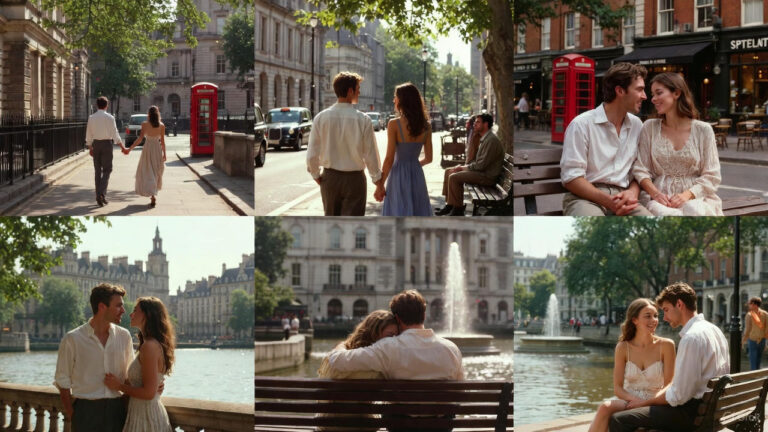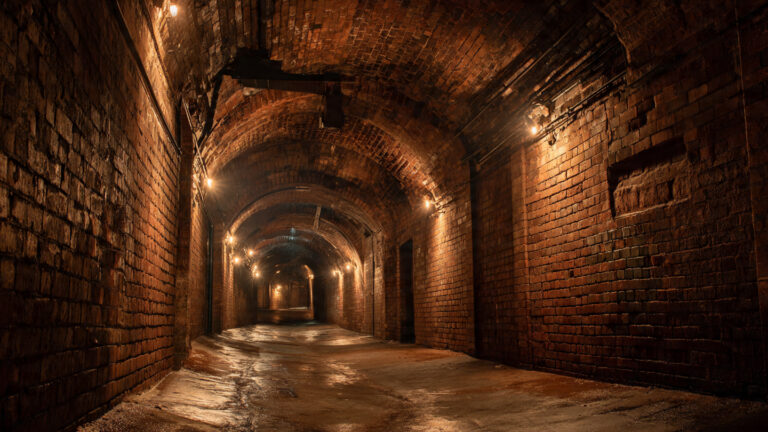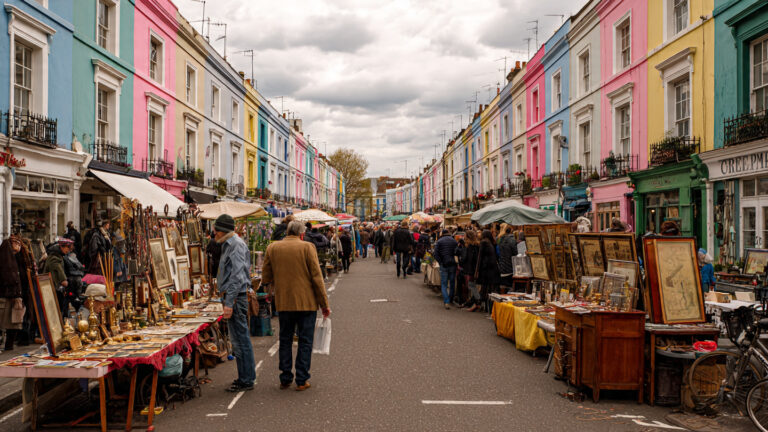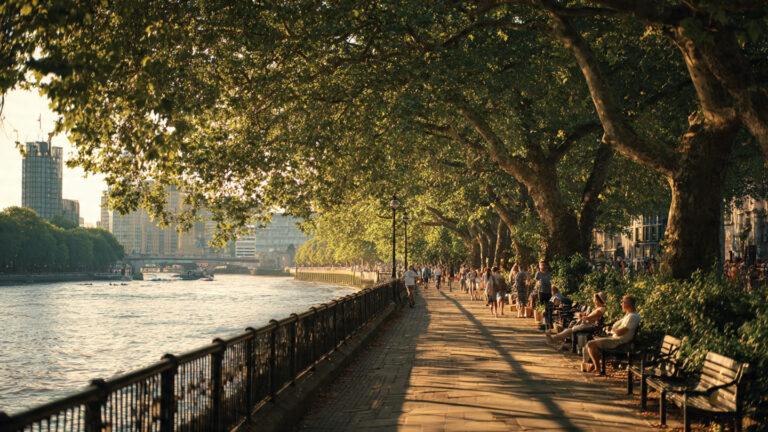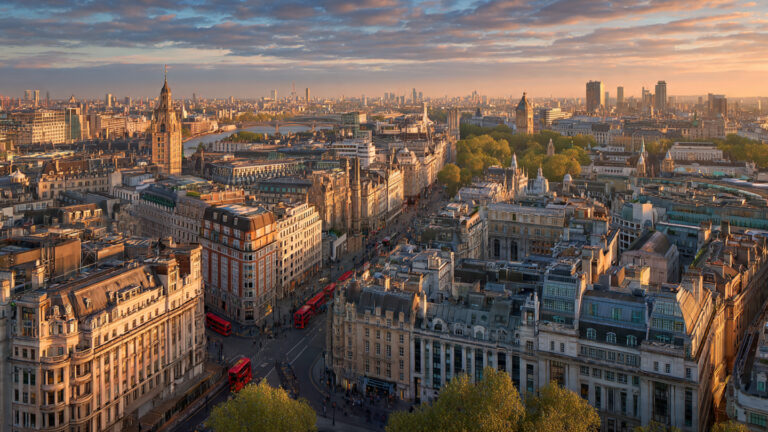

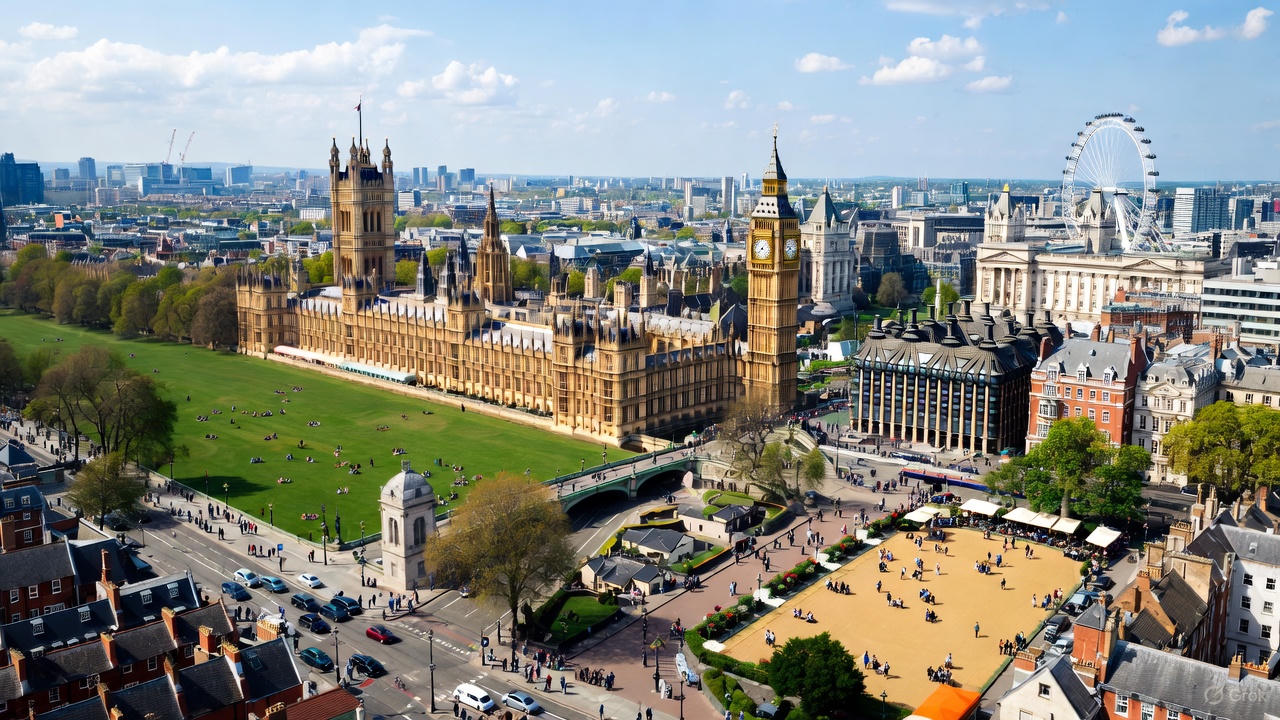
London often appears through its landmarks. Big Ben, Buckingham Palace, Tower Bridge, and the London Eye shape many first impressions. However, travelers searching for unique things to do in London rarely want another list of familiar attractions. Instead, they want experiences that feel different and closely connected to the city.
Many unique things to do in London reveal themselves slowly. London does not offer instant rewards. Instead, history, tradition, and modern life mix across neighborhoods and daily routines. Because of this layered structure, some of the most memorable moments appear in ordinary places.
This guide focuses on unique things to do in London that offer a fresh perspective. These experiences rely on atmosphere, timing, and local habits rather than ticket queues. As a result, travelers often feel a stronger connection to the city.
While popular attractions still matter, unique things to do in London show how the city works beyond the surface. Quiet traditions, overlooked streets, and everyday routines shape the city’s true character. These experiences often leave a deeper impression than famous landmarks.
In the sections ahead, unique things to do in London appear through history, culture, viewpoints, food traditions, and daily life. Each example highlights what makes the city distinctive rather than simply popular. These experiences help travelers see London in a different way.
Some travelers enjoy pairing these quieter discoveries with more physical and high-energy experiences, which is why exploring curated adventure activities in London can add contrast to a unique London itinerary.
If you want to balance these lesser-known experiences with London’s most popular attractions and classic highlights, this full overview of things to do in London helps place them into context.
Explore Map of Unique Things to Do in London on Google Maps
What Makes Unique Experiences in London Truly Different
Why London Feels Different From Other Cities
Many cities rely on scale or spectacle to impress visitors. London works in a quieter way. Many unique London experiences grow from contrast, continuity, and daily life shaped by history. Because of this, travelers often notice different things to do in London during simple moments rather than planned attractions.
London developed over centuries without removing its past. Roman routes, medieval streets, and modern neighborhoods exist together. As a result, unusual things to do in London often appear while walking, observing, or slowing down. These moments feel natural rather than staged.
Another defining feature is subtlety. London rarely highlights every special moment. Instead, many non touristy things to do in London reward curiosity and patience. This slow discovery often creates stronger memories.
Some of London’s most unusual experiences feel even more meaningful when shared as a couple, which is why many travelers combine them with ideas from romantic things to do in London. Hidden and alternative places often carry strong historical or artistic value, connecting naturally with themes found in cultural things to do in London. Many unique experiences also appeal to younger visitors looking for energy and originality, especially those featured in fun things to do in London for young adults.
How History Shapes Unique London Experiences
History in London does not stay confined to museums. It shapes movement, habits, and shared spaces. Because of this, many unique things to do in London involve interaction rather than observation.
People still meet in centuries-old buildings. Markets operate along routes shaped by early trade. Even daily commutes pass through spaces influenced by past eras. These conditions turn everyday activities into memorable London experiences.
Layers of History Behind Unique Things to Do in London
London never replaced one era with another. Each period built upon what came before. This layering creates unique things to do in London that feel impossible to recreate elsewhere.
A short walk can pass Roman remains, Victorian neighborhoods, and modern districts. Streets tell stories through layout and atmosphere. These details turn simple exploration into alternative things to do in London.
Everyday Traditions That Create Unique Experiences
Tradition remains part of daily life across the city. Ceremonies, routines, and customs continue quietly. Many visitors encounter unique London experiences by chance rather than planning.
Locals follow habits shaped decades or centuries ago. Observing these routines offers insight into how the city works beneath the surface. These moments often feel like the most different things to do in London.
Why Timing and Perspective Matter for Unique Things to Do in London
Timing plays a major role in shaping experiences. A crowded street in the afternoon may feel calm early in the morning. Because of this, many unique things to do in London depend on when exploration happens.
Perspective matters as well. When visitors look beyond landmarks, they notice rhythm and daily movement. This shift often reveals unusual things to do in London that feel personal.
Experiencing London at the Right Moment
Early mornings reveal local routines and quiet streets. Evenings soften the city and highlight atmosphere. These moments unlock unique London experiences that feel calm and immersive.
Visitors who adjust their schedules often discover non touristy things to do in London without effort. Timing removes pressure and allows experiences to unfold naturally.
Seeing the City Through Everyday Life
When travelers slow down, small details shape the experience. Sounds, movement, and local interaction define many unique things to do in London.
Instead of chasing highlights, visitors experience how the city functions daily. This approach often leads to the most memorable London experiences.
Experiences Rooted in London’s Living History
Exploring the City Beyond Famous Landmarks
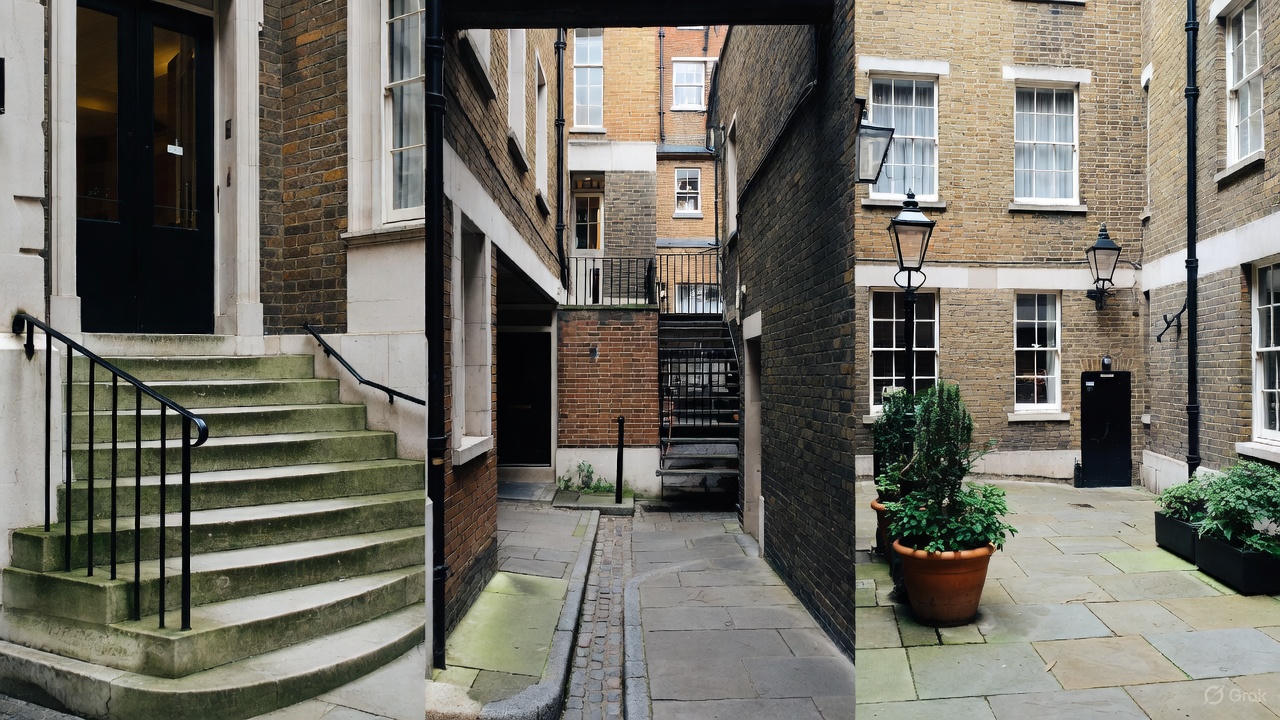
London’s history feels most alive away from the main attractions. While landmarks explain the past, everyday spaces reveal how it still functions. Many unique things to do in London appear when attention shifts from highlights to surroundings. Streets, corners, and routines often carry more meaning than monuments.
Walking without a fixed goal often exposes these moments. Small details such as worn steps, unusual street layouts, or unexpected courtyards signal older stories at work. These encounters create unique London experiences because they connect movement, place, and time in a natural way.
Places Where History Still Feels Active
Some locations continue their original purpose rather than serving as displays. In these spaces, history does not pause for visitors. People pass through, meet, and work as they always have. Observing this continuity offers unusual things to do in London that feel authentic rather than staged.
These moments often appear during simple actions. Sitting quietly, watching daily routines, or noticing how locals interact with historic surroundings reveals how the past remains present. This interaction turns observation into one of the most non touristy things to do in London.
Ordinary Streets With Extraordinary Stories
Many streets carry stories without signs or explanations. Their shapes, names, and quiet details reflect decisions made centuries ago. Paying attention to these details transforms an ordinary walk into alternative things to do in London.
Because these streets rarely appear in guides, discovery feels personal. Each turn adds context, and each pause adds meaning. Over time, these moments form memorable London experiences rooted in curiosity rather than planning.
How Daily Life Preserves the Past
London preserves history through use, not protection alone. Buildings, markets, and public spaces remain part of daily life. This continuity creates unique things to do in London that blend past and present without effort.
Instead of isolating history, the city allows it to function. People adapt old spaces to modern needs while respecting their original character. This balance shapes experiences that feel genuine and grounded.
Buildings That Continue Their Original Purpose
Some structures still serve the roles they held generations ago. These places do not feel frozen. Instead, they evolve through use. Visiting them offers unique London experiences shaped by repetition and routine.
Watching how people move through these spaces provides insight into the city’s rhythm. The experience feels different because it lacks performance. It simply exists, which makes it one of the most different things to do in London.
Historic Spaces Used by Locals Today
Local use keeps historic spaces relevant. Cafés, halls, and meeting places remain part of everyday schedules. Experiencing these spaces alongside locals creates unusual things to do in London grounded in shared routines.
This overlap removes distance between visitor and city. Instead of observing from outside, travelers experience London as it functions now. That shift often defines the most memorable London experiences.
Quiet Moments That Reveal London’s Past
Silence plays a powerful role in discovery. When crowds fade, details become clearer. Many unique things to do in London appear during these quieter moments.
Pausing allows sound, light, and movement to shape understanding. The city communicates through atmosphere rather than explanation. These moments often feel more meaningful than guided encounters.
Noticing History Outside Museums
Museums explain history, but streets express it. Observing materials, spacing, and wear reveals how the city adapted over time. These observations lead to alternative things to do in London based on attention rather than instruction.
By focusing on surroundings, travelers experience history without structure. This freedom creates unique London experiences that feel intuitive and personal.
When the City Slows Down and Stories Surface
Early mornings and calm evenings soften the city. During these times, layers become easier to notice. Light changes surfaces, and sound travels differently. These conditions unlock non touristy things to do in London without effort.
When movement slows, stories emerge naturally. The city reveals itself through mood rather than activity. These moments often remain the strongest memories of all.
Seeing London From Unexpected Angles and Perspectives
Understanding Culture Beyond Museums and Galleries
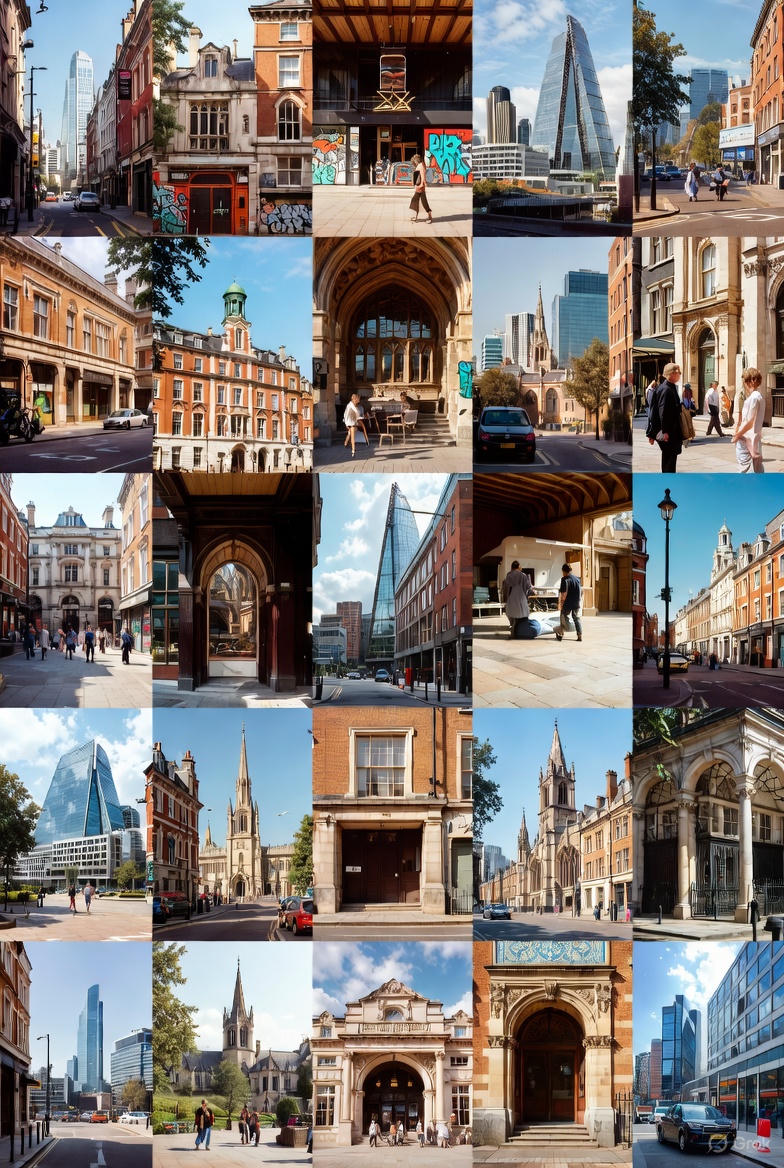
Culture in London extends far beyond formal institutions. While museums and galleries explain heritage, daily life expresses it. Many unique things to do in London come from observing how people interact with space, time, and tradition. These moments often appear during ordinary routines rather than planned visits.
London’s culture thrives through contrast. Old customs continue beside modern habits, and neither feels forced. Because of this balance, unique London experiences often emerge in places where tradition and change meet naturally. Watching this interaction reveals how culture functions as part of everyday life.
How Culture Shapes Daily Life in the City
Cultural influence appears in small details. Morning routines, social etiquette, and shared spaces reflect values shaped over generations. Noticing these patterns creates unusual things to do in London rooted in observation rather than action.
Simple moments often reveal the most. The way people queue, greet one another, or share public spaces speaks volumes. These habits form non touristy things to do in London that feel genuine and unplanned.
Where Tradition Meets Modern Expression
London adapts without erasing its past. Traditional practices evolve to fit modern needs while keeping their original character. Experiencing this balance offers alternative things to do in London that feel current and grounded at the same time.
Music, fashion, and language change constantly, yet echoes of older influences remain. Seeing how these layers interact creates memorable London experiences shaped by continuity rather than replacement.
Neighborhoods That Reveal London’s Cultural Layers
Each neighborhood carries its own rhythm. Cultural identity shifts from one area to another without warning. Exploring these transitions uncovers unique things to do in London that depend on place rather than attraction.
Neighborhood culture develops through community. Local routines, shared spaces, and long-standing relationships define how areas feel. Walking through these environments allows culture to reveal itself naturally.
Areas Defined by Long-Standing Communities
Some neighborhoods reflect generations of shared history. Family businesses, gathering places, and familiar faces shape daily movement. Observing these environments leads to unique London experiences grounded in continuity.
Because these communities function without performance, discovery feels authentic. Visitors often encounter different things to do in London simply by spending time rather than searching for highlights.
Streets Where Cultures Blend Naturally
London thrives on cultural overlap. Streets often host multiple influences at once, visible through language, food, and social interaction. Experiencing this blend creates unusual things to do in London that feel dynamic and real.
This coexistence shapes daily atmosphere. Sounds, scents, and movement combine to create moments that cannot be planned. These scenes often become memorable London experiences through immersion alone.
Everyday Cultural Moments Visitors Often Miss
Many cultural experiences pass unnoticed. Visitors focused on landmarks often overlook routine interactions. However, unique things to do in London frequently appear within these everyday moments.
Pausing allows awareness to sharpen. Small gestures, repeated habits, and shared customs begin to stand out. These observations form alternative things to do in London that feel personal and insightful.
Customs shape behavior in subtle ways. Social distance, conversation patterns, and public manners reveal unspoken rules. Watching these habits offers non touristy things to do in London without effort.
Understanding these norms deepens connection. Visitors who pay attention often experience unique London experiences shaped by respect and awareness rather than activity.
Experiencing Culture Through Routine and Rhythm
Routine gives culture structure. Daily schedules, repeated actions, and familiar paths define how the city moves. Aligning with this rhythm creates unique things to do in London based on timing and presence.
Rather than seeking events, travelers who follow routine discover meaning through repetition. These moments often feel calm, revealing, and deeply rooted in how London truly lives.
Unique Things to Do in London From Unexpected Angles
Changing Perspective Beyond Street Level
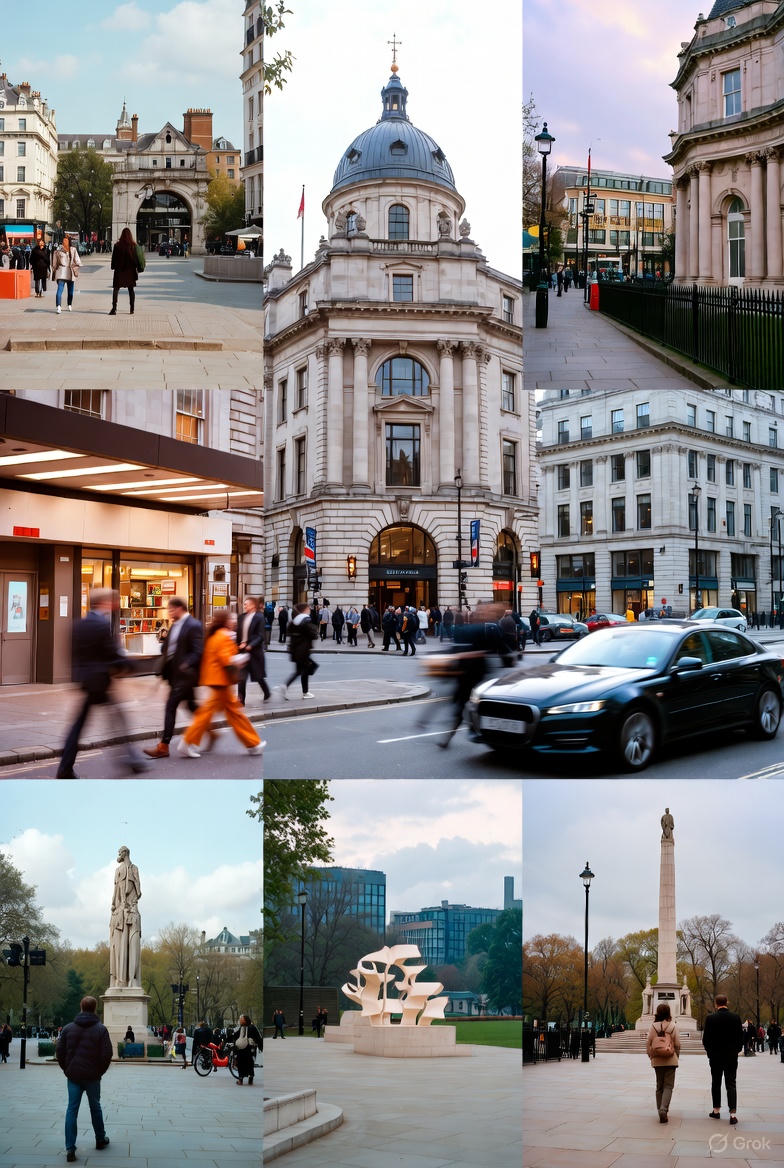
Most visitors experience London at ground level. Streets guide movement, landmarks frame direction, and crowds shape pace. However, many unique things to do in London appear when perspective changes. Shifting position alters how the city feels, sounds, and connects.
Looking beyond street level reveals patterns that often go unnoticed. Rooftops, bridges, elevated paths, and quiet overlooks change the relationship between visitor and city. These shifts create unique London experiences that feel reflective rather than rushed.
How Height Alters the City Experience
Height introduces distance and clarity. From above, noise softens and movement becomes readable. Observing the city from higher points reveals structure rather than chaos. These moments often form unusual things to do in London rooted in awareness rather than action.
Height also reshapes emotion. Familiar areas feel calmer when viewed from above. This separation allows reflection, which often leads to non touristy things to do in London defined by stillness and observation.
Viewing Familiar Areas in a Different Way
Changing position transforms familiar scenes. A street seen from above feels different from the same street experienced on foot. This contrast creates alternative things to do in London without changing location.
Viewing known areas from new positions encourages comparison. Details appear clearer, movement slows, and patterns emerge. These shifts often produce memorable London experiences through perspective alone.
Routes That Reveal Unique Things to Do in London
Routes shape experience as much as destinations. Many travelers move with purpose, following maps or schedules. However, unique things to do in London often appear when direction becomes flexible.
Wandering without a fixed goal allows surroundings to guide movement. Streets open naturally, and decisions happen instinctively. This approach reveals the city through rhythm rather than instruction.
Moving Through the City Without a Destination
Removing a destination changes behavior. Pace slows, attention widens, and curiosity leads. These conditions create unique London experiences shaped by choice rather than obligation.
Without pressure, exploration feels lighter. Unexpected turns, pauses, and observations become the focus. This mindset often uncovers different things to do in London that feel spontaneous and personal.
How Direction and Pace Shape Discovery
Direction influences discovery. A slower pace allows deeper observation, while a deliberate detour introduces contrast. Adjusting pace and direction often reveals unusual things to do in London hidden within familiar areas.
Walking against typical flow can also change perspective. Streets feel quieter, and details stand out. These adjustments lead to alternative things to do in London rooted in movement rather than location.
Moments When London Looks and Feels Different
London changes constantly. Light shifts, weather alters mood, and atmosphere reshapes experience. Many unique things to do in London depend on noticing these changes rather than planning activities.
Certain moments transform the city without warning. Shadows lengthen, reflections appear, and sound carries differently. These transitions create experiences that feel temporary and rare.
Light, Weather, and Atmosphere in the City
Light defines perception. Morning brightness reveals detail, while evening light softens edges. Weather adds texture, sound, and movement. These elements combine to produce unique London experiences shaped by timing rather than location.
Rain, fog, and changing skies often create non touristy things to do in London that feel immersive. Observing how the city responds to weather reveals another layer of character.
Why Certain Views Become Memorable Experiences
Some views linger long after leaving. They connect mood, memory, and place. These impressions often come from unexpected moments rather than planned stops. As a result, they form some of the most memorable London experiences.
When perspective, timing, and atmosphere align, the city feels personal. These moments explain why unique things to do in London often involve how you see the city rather than where you go.
Food and Drink Experiences That Feel Uniquely London
Understanding London Through Its Food Culture
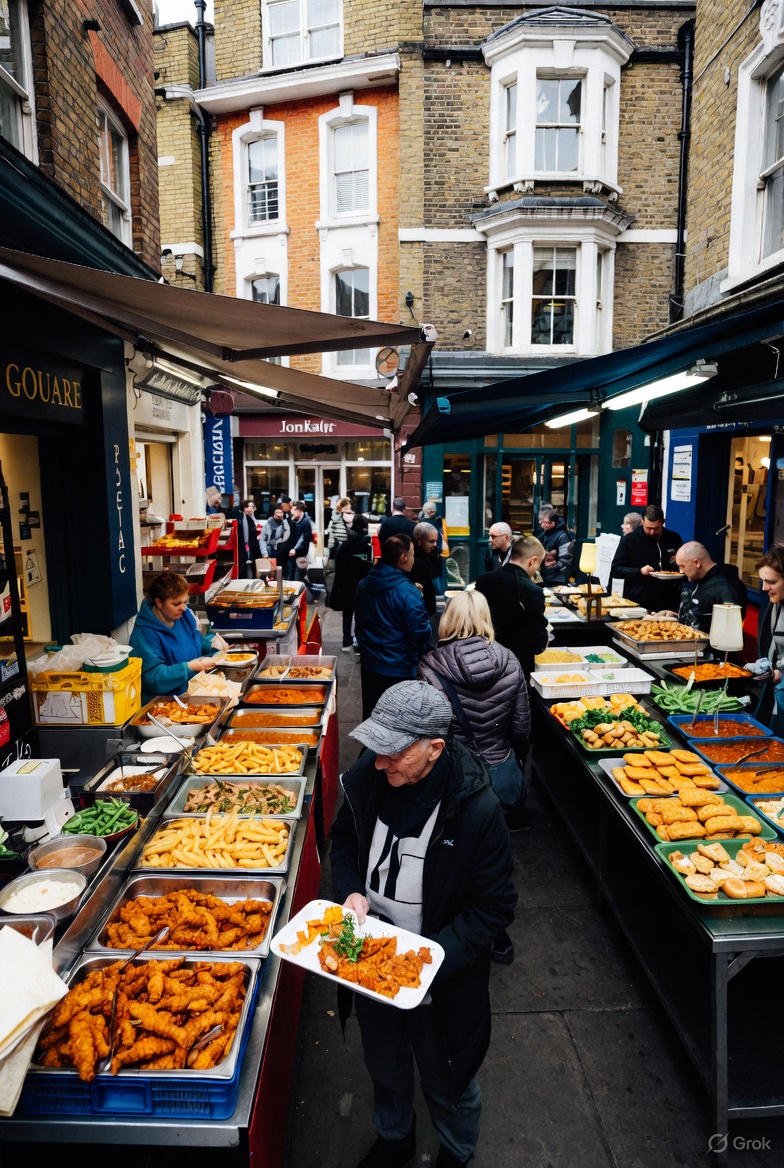
Food reveals how a city actually lives. In London, eating habits reflect history, migration, and routine rather than trends alone. Because of this, many unique things to do in London appear through food-related experiences that focus on timing, setting, and tradition instead of menus.
London’s food culture developed through layers. Each generation added influences without removing what came before. As a result, everyday eating often tells a deeper story than formal attractions. Observing how, when, and where people eat creates unique London experiences rooted in daily life.
Why Food Tells a Deeper Story Than Attractions
Attractions explain history directly. Food explains it quietly. Ingredients, preparation styles, and eating customs reflect social change over time. Paying attention to these details leads to unusual things to do in London that feel personal and informative.
Food spaces also encourage observation. People gather, move, and interact naturally. Watching these patterns turns a simple meal into one of the most non touristy things to do in London, especially when the focus shifts from consumption to experience.
How Tradition Shapes Everyday Eating Habits
Tradition influences when people eat, what they choose, and how meals fit into the day. These habits remain consistent across generations. Experiencing them offers alternative things to do in London grounded in routine rather than novelty.
Simple customs, such as morning rituals or evening pauses, reveal how food supports daily rhythm. These moments often become memorable London experiences because they feel genuine and unforced.
Places Where Food Reflects Local Life
Food becomes most meaningful where locals return repeatedly. These places operate without performance or explanation. Spending time in such settings creates unique things to do in London based on observation rather than discovery.
Local food spaces reflect trust and familiarity. Regulars move comfortably, staff recognize patterns, and routines unfold without interruption. Witnessing this dynamic offers insight into how the city sustains itself.
Long-Standing Food Institutions Still in Use
Some food institutions continue serving their original purpose after decades. These spaces evolve through use, not reinvention. Visiting them creates unique London experiences shaped by continuity and repetition.
Nothing feels staged. The atmosphere develops naturally through habit. Observing how these places function provides different things to do in London that feel authentic rather than curated.
Neighborhood Spots Locals Return to Regularly
Neighborhood food spots reveal loyalty and routine. Locals return for familiarity, not excitement. Experiencing these places offers unusual things to do in London grounded in everyday trust.
Time spent in these environments often feels calm. Conversation flows, movement slows, and routine takes over. These conditions create some of the most non touristy things to do in London without effort.
Experiencing London’s Food Scene Beyond Restaurants
Restaurants explain food through presentation. Everyday eating explains it through rhythm. Many unique things to do in London appear outside formal dining when attention shifts to process rather than product.
Food moments occur throughout the day. They shape breaks, transitions, and social pauses. Observing these patterns reveals how food supports the city’s pace.
Timing, Atmosphere, and Rituals Around Food
Timing defines food experiences. Morning habits differ from evening routines. Weather, light, and movement also shape atmosphere. These elements combine to create unique London experiences based on moment rather than location.
Rituals appear through repetition. Watching these routines unfold offers alternative things to do in London that rely on presence instead of planning.
Everyday Food Moments Visitors Often Overlook
Many food-related moments pass unnoticed. Quick stops, shared breaks, and familiar gestures shape daily life. Recognizing these moments creates unique things to do in London rooted in awareness.
Rather than seeking standout meals, observing ordinary interactions often leaves the strongest impression. These moments connect food with movement, conversation, and routine, forming memorable London experiences that reflect how the city truly lives.
Unique Things to Do in London That Reward Curiosity
Discovering Unique Things to Do in London Without a Fixed Plan

Some of the most memorable moments appear when plans loosen. London responds well to curiosity because the city offers constant variation. By allowing time to wander, many unique things to do in London surface naturally, often without intention.
Moving without strict direction encourages awareness. Streets suggest turns, sounds draw attention, and quiet corners invite pauses. This openness creates unique London experiences shaped by instinct rather than structure. Over time, these moments feel more personal than planned activities.
Why Curiosity Leads to Better Experiences
Curiosity sharpens attention. When visitors observe instead of rush, details stand out. A gesture, a rhythm, or a pattern often reveals unusual things to do in London hidden within ordinary scenes.
This mindset reduces pressure. Without expectations, discovery feels lighter. As a result, travelers often encounter non touristy things to do in London simply by following interest rather than instruction.
Letting the City Set the Pace
London sets its own rhythm. Neighborhoods move differently, and time stretches or compresses depending on place. Allowing the city to guide movement creates alternative things to do in London grounded in flow.
When pace slows, awareness grows. Sounds, movement, and atmosphere become clearer. These conditions support memorable London experiences that develop without effort.
Experiences That Create Unique Things to Do in London
Not every experience requires participation. Observation plays a powerful role in understanding London. Watching how people move, pause, and interact often reveals unique things to do in London that feel authentic.
Observation removes performance. It allows experiences to unfold as they are. This approach leads to unique London experiences built on presence rather than activity.
Watching the City Instead of Chasing Attractions
Attractions demand attention. Observation invites patience. When visitors stop chasing highlights, the city begins to speak through routine. This shift reveals unusual things to do in London that remain invisible during fast travel.
Moments of stillness often hold the most meaning. Sitting quietly or standing back allows patterns to emerge. These patterns form non touristy things to do in London rooted in daily life.
Finding Meaning in Small Details
Small details shape memory. Light on stone, repeated movement, or familiar sounds often leave lasting impressions. Recognizing these elements creates alternative things to do in London based on awareness.
By focusing on details, visitors connect more deeply with place. These moments often become memorable London experiences because they feel discovered rather than delivered.
When Exploration Feels Personal and Unscripted
Unscripted exploration removes expectations. Without a checklist, experiences feel owned rather than borrowed. This freedom allows unique things to do in London to emerge through chance.
Personal discovery builds attachment. The city feels less like a destination and more like a lived space. These conditions often define the strongest memories.
Moments That Cannot Be Planned
Some moments resist structure. Timing, mood, and chance align briefly. When this happens, visitors experience unique London experiences that cannot be repeated or scheduled.
These moments often appear during pauses. A quiet turn, an unexpected scene, or a brief interaction creates unusual things to do in London that feel rare.
Why These Experiences Stay Memorable
Memory favors emotion over activity. Experiences discovered through curiosity carry stronger emotional weight. Because of this, many unique things to do in London stay vivid long after the visit ends.
These moments reflect the city as it truly functions. They reward patience, attention, and openness, leaving impressions that feel deeply personal.
How to Find Your Own Unique Experiences in London
Thinking Beyond Popular Attractions
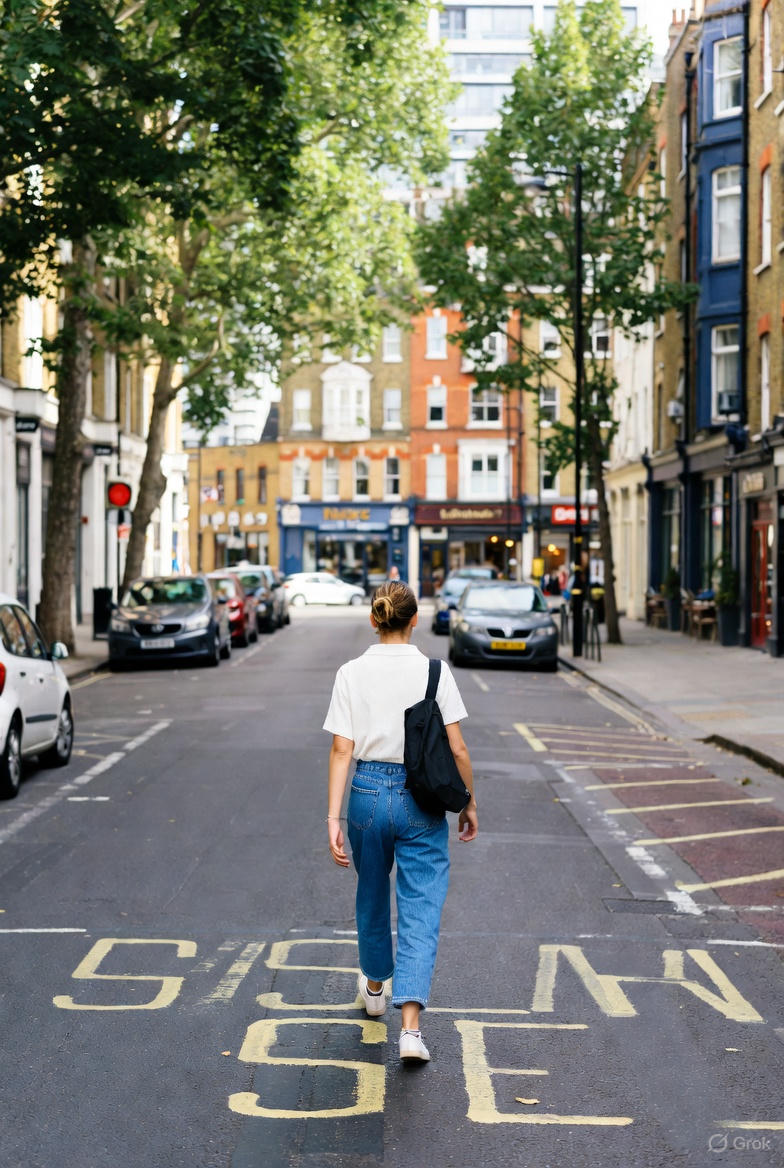
Many travelers arrive with a checklist. Famous sights often dominate early plans, which can limit discovery. However, stepping away from this approach opens the door to unique things to do in London that feel personal rather than predefined.
London rewards curiosity more than efficiency. When attention shifts from covering ground to noticing surroundings, the city begins to reveal itself differently. This mindset often leads to unique London experiences shaped by observation instead of obligation.
Why Moving Away From Checklists Matters
Checklists encourage speed. Speed reduces awareness. By letting go of rigid plans, travelers create space for unusual things to do in London that appear naturally.
Moments discovered without pressure often feel more meaningful. A quiet pause, an unexpected turn, or a small interaction can become one of the most non touristy things to do in London, simply because it was not planned.
How Expectations Shape What You Notice
Expectation filters experience. When visitors expect landmarks, they see landmarks. When they expect discovery, they notice details. This shift often reveals alternative things to do in London rooted in atmosphere rather than location.
Lowering expectations sharpens perception. Sounds, movement, and rhythm gain importance. These details often define memorable London experiences more strongly than attractions.
Using Time and Location More Intentionally
Where you go matters, but when you go often matters more. London changes throughout the day. Recognizing this creates access to unique things to do in London that depend on timing rather than place.
Different hours reveal different sides of the same street. Crowds fade, routines surface, and mood shifts. Travelers who adjust their schedules often experience the city more clearly.
Choosing When to Explore Instead of Where
Early mornings and late evenings offer balance. During these times, the city feels calmer and more readable. Exploring then often reveals unique London experiences shaped by quiet movement.
Timing also reduces friction. Without crowds, attention expands. This environment supports unusual things to do in London based on observation rather than activity.
Letting Neighborhoods Guide Discovery
Neighborhoods shape experience through rhythm and habit. Each area follows its own pace. Allowing neighborhoods to guide exploration often uncovers different things to do in London without searching.
Spending more time in fewer places builds familiarity. Familiarity leads to recognition. These conditions support non touristy things to do in London grounded in daily life.
Habits That Lead to More Meaningful Experiences
Habits influence how cities are experienced. Simple changes in behavior can unlock unique things to do in London without effort or cost.
Patience, attention, and flexibility create better conditions for discovery. These habits shift focus from outcome to process, which often deepens experience.
Slowing Down to Notice the City
Slowing down improves clarity. When pace reduces, detail emerges. Architecture, sound, and movement become easier to read. This awareness often leads to unique London experiences formed through presence.
Walking slower, pausing longer, and observing more frequently create opportunities for alternative things to do in London that feel grounded and authentic.
Paying Attention to Everyday Patterns
Patterns repeat daily. Commuting flows, social pauses, and shared routines shape the city’s rhythm. Paying attention to these patterns reveals unique things to do in London hidden within normal life.
Understanding routine builds connection. Visitors who notice repetition often experience memorable London experiences rooted in how the city truly functions.
Is London Still Full of Unique Experiences
Why London Continues to Surprise Visitors
London rarely feels finished. Even travelers who return multiple times often discover something new. This constant change explains why unique things to do in London never seem to run out. The city evolves quietly, adding layers without removing what already exists.
Unlike destinations built around a single era or theme, London grows through contrast. Old routines continue beside new habits. Because of this balance, visitors often encounter unique London experiences in familiar places that feel different each time they return.
How the City Changes Without Losing Its Identity
Change in London happens without erasing character. Neighborhoods adapt, but their core remains recognizable. This continuity allows unusual things to do in London to emerge naturally over time.
New details appear within existing spaces. A different crowd, a shift in rhythm, or a subtle change in atmosphere reshapes experience. These shifts keep the city engaging without needing reinvention.
Why Repetition Never Feels the Same in London
Repeating a walk or routine rarely produces the same result. Light, weather, and movement alter perception. As a result, even repeated actions can become non touristy things to do in London when approached with attention.
Familiarity does not reduce interest. Instead, it deepens understanding. Each return adds context, which often leads to memorable London experiences rooted in recognition rather than novelty.
The Difference Between Seeing London and Experiencing It
Seeing London involves landmarks. Experiencing London involves engagement. This distinction explains why many unique things to do in London depend on mindset rather than location.
When visitors shift focus from coverage to connection, the city responds differently. Experiences feel layered, personal, and grounded in daily life rather than attraction lists.
Why Experience Matters More Than Location
Location provides setting. Experience provides meaning. A famous place visited without awareness often leaves little impression. Meanwhile, a simple moment noticed fully can become one of the most alternative things to do in London.
Attention transforms experience. When visitors observe movement, sound, and rhythm, ordinary settings gain depth. These conditions support unique London experiences that feel earned rather than delivered.
How Personal Moments Shape Travel Memories
Memory favors emotion and connection. Personal moments carry weight because they involve choice and presence. Many unusual things to do in London stay memorable because they were discovered, not planned.
These moments resist comparison. They belong to the individual rather than the destination. As a result, they often define how London is remembered long after leaving.
What Makes London Feel Unique Every Time
London’s uniqueness comes from interaction rather than design. The city invites participation through pace, pattern, and habit. This openness ensures that unique things to do in London remain accessible to anyone willing to engage.
Curiosity unlocks variety. Attention reveals detail. Together, they create experiences that feel different each time, even within the same spaces.
The Role of Curiosity, Timing, and Attention
Curiosity directs movement. Timing shapes atmosphere. Attention defines meaning. When these elements align, visitors experience unique London experiences that feel effortless and real.
Small choices often matter most. A pause, a detour, or a change in pace opens space for discovery. These decisions lead to non touristy things to do in London that feel authentic.
Why London Rewards Slow and Intentional Travel
Speed limits perception. Slowness expands it. London responds best to travelers who move with intention rather than urgency. This approach reveals unique things to do in London rooted in daily rhythm.
Intentional travel encourages depth over quantity. Instead of chasing highlights, visitors build connection. This connection explains why London continues to feel distinctive, no matter how many times it is experienced.
Frequently Asked Questions About Unique Things to Do in London
Planning and timing
To avoid crowds, focus on timing rather than location. Early mornings, weekdays, and slower exploration reveal non touristy things to do in London. Moving away from checklists and letting neighborhoods guide discovery also helps.
Most unique things to do in London do not require advance booking. Many experiences come from walking, observing, and choosing the right time of day rather than reserved tickets.
Yes. Choose one or two areas, walk slowly, and build the day around atmosphere, viewpoints, and everyday routines instead of crossing the city repeatedly.
Curiosity, patience, and flexibility. When you slow down, notice patterns, and stop chasing only landmarks, London becomes more personal and surprising.
What counts as “unique”
Unique things to do in London focus on experiences rather than landmarks. They include quiet traditions, historic details in ordinary streets, unexpected angles, and moments shaped by timing, local habits, and atmosphere.
Hidden gems are usually lesser-known places. Unique things to do in London are about how the experience unfolds. Even famous areas can feel unique when timing and perspective change.
They feel memorable because they involve personal discovery. Moments shaped by curiosity and timing often create a stronger emotional connection than scheduled attractions.
Budget and practicality
Many unique things to do in London cost little or nothing. Walks, viewpoints, street-level culture, food rituals, and daily-life observation can be more memorable than paid attractions.
Yes. First-time visitors often benefit most because these experiences help them understand how London works beyond the surface, not only how it looks in photos.
Repeat visits
Yes. London changes through rhythm, light, weather, and neighborhood energy. Revisiting familiar areas at different times often creates a completely new experience.