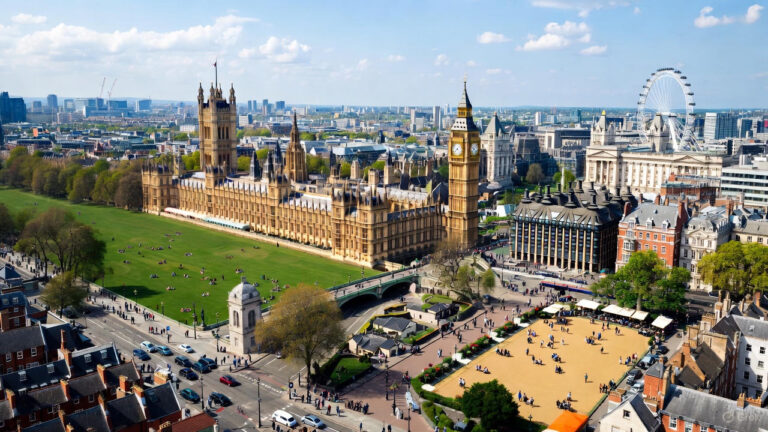

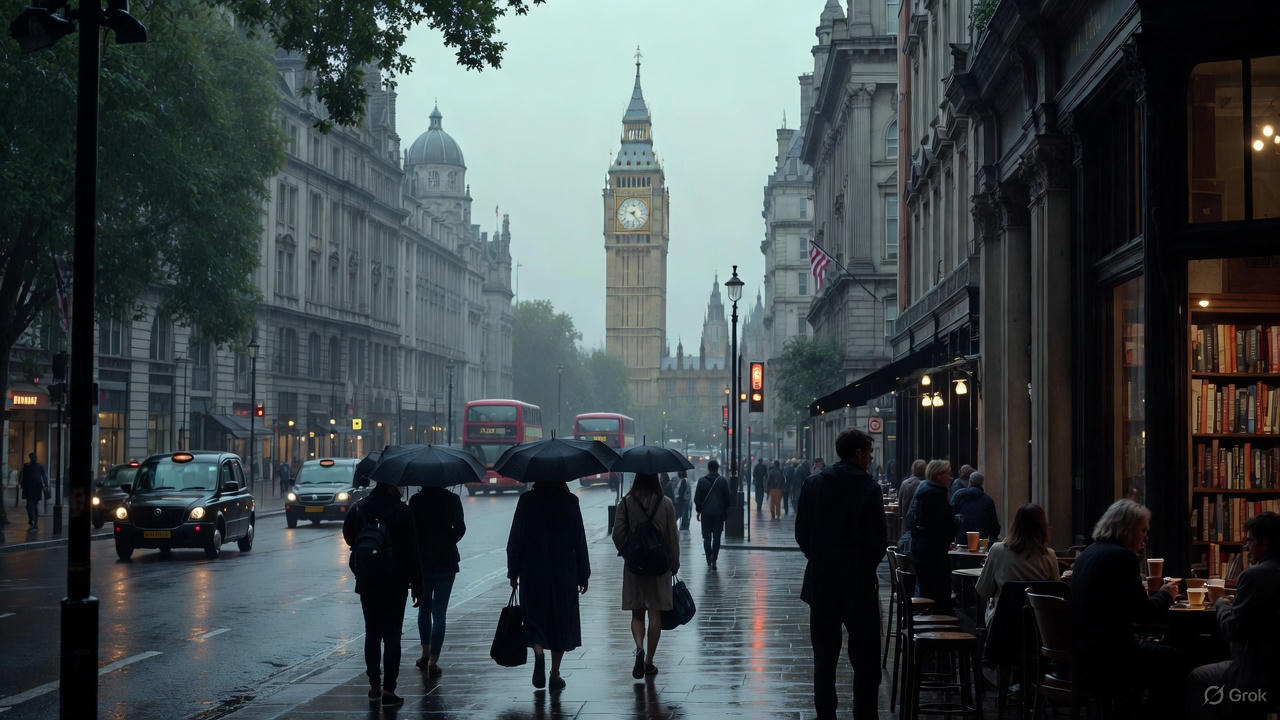
Rain changes how London feels, especially for visitors who arrive with outdoor plans. Because weather shifts happen often, rainy day activities in London become an essential part of realistic travel planning rather than a backup idea.
Many travelers quickly realize that grey days reveal a calmer side of the city. Indoor spaces feel less rushed, historic interiors gain atmosphere, and cafés become places to slow down rather than move through.
These qualities explain why rainy day activities in London often create stronger memories than schedules built around perfect weather.
Rain also changes how decisions are made. Instead of chasing landmarks, plans shift toward sheltered places that feel right in the moment. Because London developed around indoor culture, rainy day activities in London rarely feel limiting.
Short pauses, warm interiors, and quieter streets reshape how the city is experienced. For a broader view beyond wet-weather planning, this detailed overview of things to do in London connects rainy-day ideas with year-round experiences across the city.
Explore rainy day activities on Google Maps
Why Rainy Days in London Still Offer Great Experiences
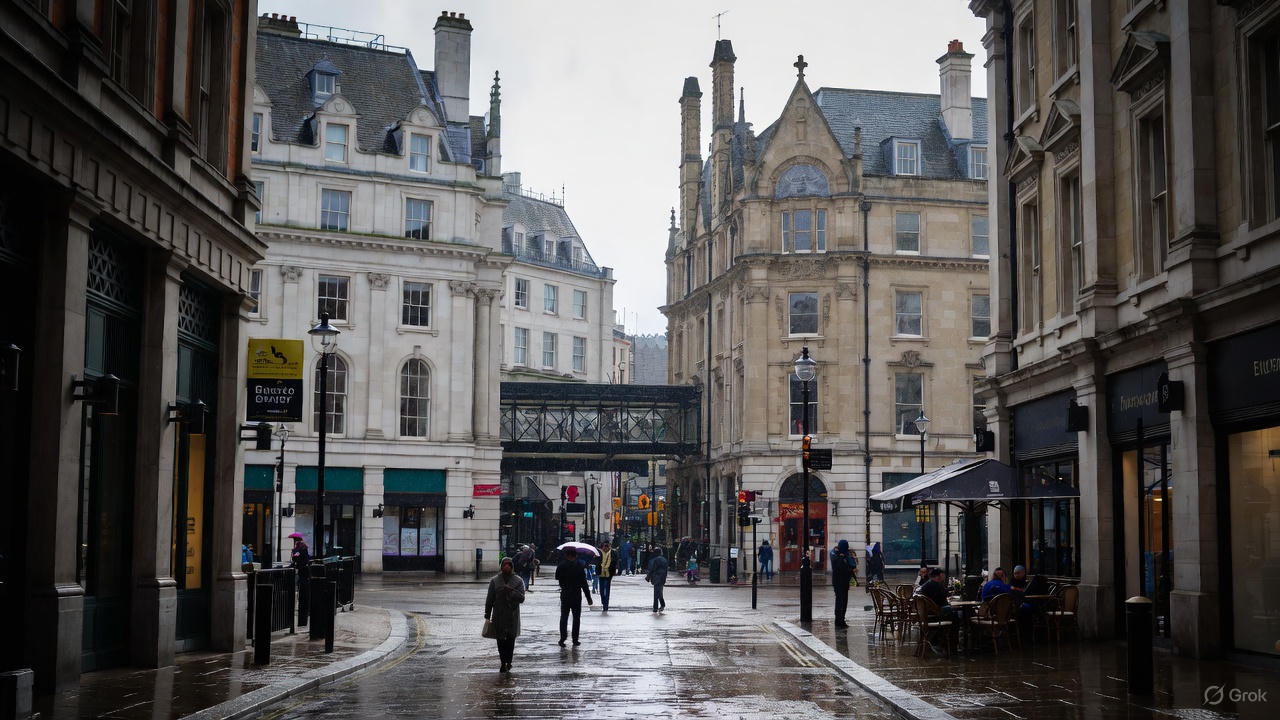
London functions well in wet weather because daily life evolved around interiors and covered spaces. Over time, this created a city where rainy day activities in London feel intentional rather than improvised.
Cultural spaces play a major role. Museums, galleries, theaters, libraries, and historic buildings were designed to be immersive environments. On wet days, visitors naturally slow their pace, which allows indoor visits to feel deeper and less transactional.
This slower rhythm supports rainy day activities in London that focus on observation rather than movement.
Crowd behavior also changes when rain appears. Outdoor plans pause, and people spread across indoor locations instead of clustering around landmarks. This shift improves comfort and reduces pressure inside popular attractions.
These patterns support better planning for rainy day activities in London, especially for travelers seeking quieter experiences.
Rain also affects atmosphere. Soft light, reflective streets, and reduced background noise add character to historic interiors. Galleries feel calmer, performances feel more intimate, and indoor markets feel warmer.
These details shape how rainy day activities in London are remembered long after the visit ends.
Transport design reinforces this advantage. Underground stations, covered walkways, and compact neighborhoods limit exposure to bad weather. Movement remains easy even during steady rainfall.
Taken together, these factors explain why rainy day activities in London continue to feel rewarding rather than restrictive.
Indoor Cultural Experiences That Work Well on Rainy Days
London’s cultural depth becomes easier to appreciate when weather slows the pace of the day. Because many institutions were designed for long indoor visits, rainy day activities in London often feel richer when focused on culture rather than movement.
Museums That Reward Slower Exploration
Museums remain the strongest starting point. Large national collections allow visitors to spend hours without repetition, which suits wet weather perfectly. Instead of rushing through highlights, time can be spent exploring smaller rooms, temporary exhibitions, and quieter corners. This approach makes rainy day activities in London feel deliberate rather than reactive.
Art Galleries and Reflective Indoor Spaces
Galleries offer a different rhythm. Compared to museums, gallery visits encourage wandering and reflection. On rainy days, natural light softens, crowds thin out, and attention sharpens. These conditions improve how art is experienced, which explains why gallery visits rank highly among rainy day activities in London for thoughtful travelers.
Historic Interiors and Atmospheric Buildings
Historic interiors also matter. Palaces, halls, and preserved buildings hold warmth, texture, and atmosphere that become more noticeable during bad weather. Rain outside heightens contrast inside, making woodwork, stone details, and lighting stand out. These spaces transform simple visits into memorable rainy day activities in London.
Libraries and Cultural Centers for Quiet Time
Libraries and cultural centers provide another option. Many visitors overlook them, yet they offer calm environments suited to slow exploration. Reading rooms, exhibitions, and public lectures fit naturally into a wet-day schedule. This type of quiet engagement adds balance to rainy day activities in London, especially for those seeking rest between heavier attractions.
Why Cultural Venues Work Well on Rainy Days
Cultural venues also support flexible timing. Entry often allows extended stays without pressure, which removes the need for constant movement. When rain persists, this flexibility keeps plans comfortable and unforced. As a result, rainy day activities in London centered on culture rarely feel rushed or incomplete.
Taken together, these indoor cultural experiences show why London remains engaging regardless of weather. Rain does not reduce access to meaning. Instead, it shifts attention toward depth, detail, and atmosphere, strengthening how rainy day activities in London are experienced.
Relaxed Rainy Day Activities Beyond Museums
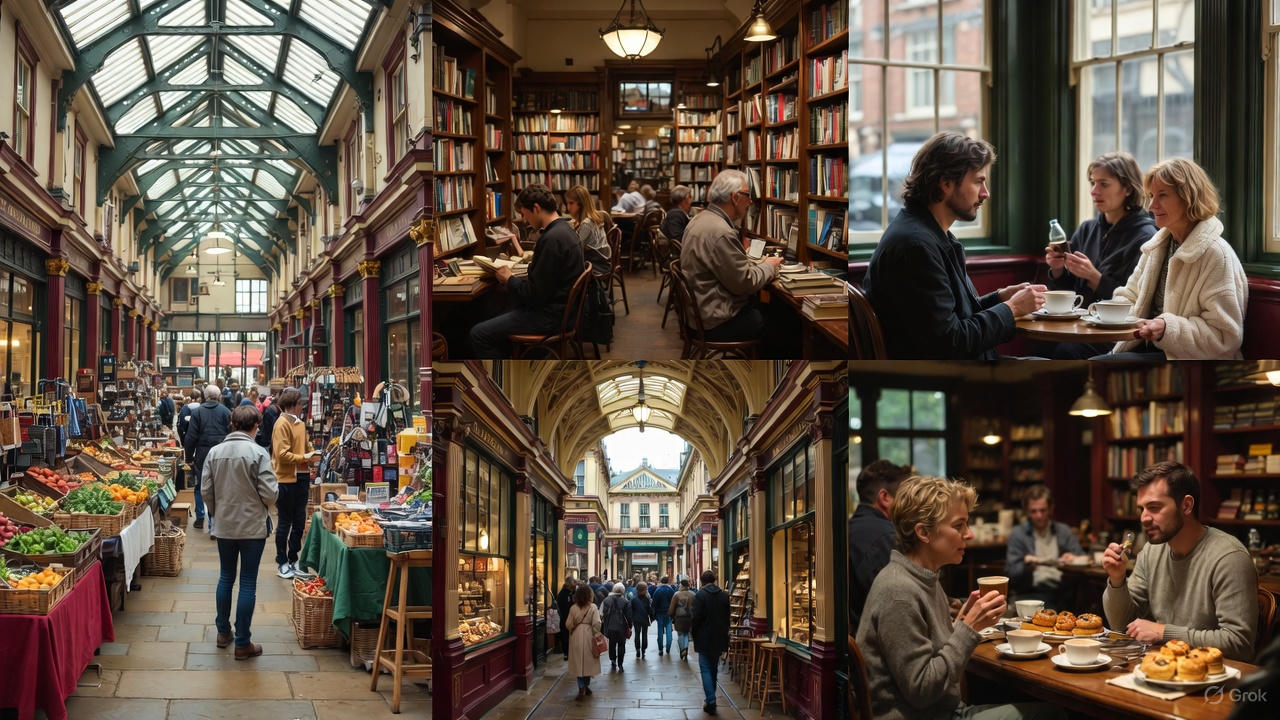
Not every wet day needs to revolve around formal attractions. Many travelers prefer slower, more casual experiences when rain shapes the schedule. Because London supports this pace well, indoor plans and sheltered options remain easy to organize during bad weather.
Covered markets offer a natural alternative. Historic market halls and indoor food spaces allow exploration without exposure to rain. Stalls create movement without pressure, and the mix of food, conversation, and browsing fills time comfortably. These environments suit rainy day activities in London that balance comfort with curiosity.
Bookshops play a similar role. Independent stores, secondhand sellers, and historic bookshops encourage lingering rather than rushing. Rain outside reinforces the appeal of quiet aisles and reading corners. For travelers who enjoy unstructured time, bookshops become ideal things to do in London when weather limits outdoor plans.
Cafés also gain importance when the sky stays grey. London’s café culture supports long stays without obligation. People read, talk, write, or simply watch the city slow down. These pauses shape personal memories and make indoor experiences during rainy weather feel more meaningful.
Arcades and covered passages connect walking with shelter. These architectural features allow movement while avoiding rain, which keeps energy levels steady. Window displays, small shops, and historic details turn simple walks into satisfying options for exploring London in wet conditions.
Food-focused experiences deserve attention as well. Bakeries, tea rooms, and casual eateries offer more than meals. They create anchors around which the rest of the day forms. Planning around food simplifies decisions and supports rainy day activities in London without forcing rigid schedules.
Together, these relaxed options show how rain does not reduce choice. Instead, it shifts focus toward spaces designed for comfort, conversation, and observation. This slower rhythm defines some of the most enjoyable ways to experience London during rainy weather.
Rain-Friendly Entertainment Options Across the City

When rain persists, entertainment becomes easier to plan if it happens indoors and follows fixed schedules. London performs well in this area because many venues operate independently of weather conditions. As a result, rainy day activities in London often shift toward performances and interactive spaces without reducing variety.
Theatre and Live Performances on Rainy Days
Theater remains one of the strongest choices. West End productions, smaller stages, and independent venues offer shows throughout the day and evening. Because performances run on time regardless of rain, schedules stay reliable. This consistency makes live shows a dependable option when planning rainy day activities in London around limited weather windows.
Cinemas and Indoor Film Experiences
Cinemas provide a similar advantage. From large screening rooms to historic picture houses, film culture allows long, uninterrupted stays indoors. Rain outside becomes irrelevant once the lights dim, which explains why cinema visits rank high among things to do in London during wet weather.
Interactive Indoor Entertainment and Group Activities
Interactive entertainment also fits well into rainy schedules. Escape rooms, immersive games, and indoor attractions provide structure and movement without exposure to the elements. These experiences work especially well for groups who want activity rather than passive observation. For this reason, interactive venues often anchor rainy day activities in London for travelers seeking energy rather than quiet.
If you are looking for weather-friendly attractions clustered around one of London’s largest green spaces, this guide to things to do near Hyde Park highlights nearby museums, cafés, and indoor-friendly experiences.
Comedy Clubs and Spoken-Word Events
Comedy clubs and spoken-word events add another layer. These venues rely on atmosphere and audience connection rather than scenery. Rain outside often increases attendance, which improves energy inside. This effect strengthens how indoor entertainment feels during rainy London days.
Why Timed Entertainment Works Well in Wet Weather
Timed events offer planning benefits as well. Entry slots, showtimes, and reservations reduce uncertainty, which matters when weather complicates movement. Clear start and end points help structure the day and prevent fatigue. This planning advantage supports rainy day activities in London that remain enjoyable even during long spells of rain.
Overall, entertainment venues provide reliability when weather disrupts outdoor plans. Instead of reacting to rain, schedules can be built around fixed experiences that feel intentional. This reliability explains why performances and indoor entertainment form a core part of effective rainy day activities in London.
Rainy Day Ideas for Different Travel Styles
Rain affects people differently. Some prefer quiet spaces, while others look for structured activities that keep energy high. Because London offers variety indoors, rainy day activities in London can be adapted to suit different travel styles without feeling repetitive.
For couples, rainy days often encourage slower movement and shared focus. Indoor exhibitions, performances, and cafés create space for conversation without distraction. These settings allow time to stretch naturally, which improves connection. As a result, planning indoor experiences becomes one of the more rewarding ways to spend time together when rain limits outdoor options.
Families often need balance. Children respond better to activities that mix structure with freedom, especially during long wet periods. Interactive attractions, creative spaces, and entertainment venues provide movement without exposure to weather. This approach keeps energy steady and helps families manage rainy schedules more comfortably.
Solo travelers experience rainy days differently. Without group coordination, decisions become more flexible. Reading spaces, galleries, and cultural venues allow unhurried exploration. These environments suit reflective travel and make solo indoor exploration feel purposeful rather than passive.
Groups benefit from activities with clear structure. Timed entry, reservations, and interactive experiences reduce decision fatigue. When rain complicates movement, having defined plans prevents frustration. This structure supports indoor planning that remains enjoyable even during extended rainfall.
Across all styles, adaptability matters. Instead of forcing the same solution for every traveler, London offers indoor variety that aligns with mood, pace, and preference. This flexibility explains why rainy day activities in London remain accessible and satisfying for different types of visitors.
By matching experiences to travel style, rainy days shift from obstacles to opportunities. With thoughtful choices, indoor planning supports comfort, rhythm, and enjoyment throughout the day.
For a wider look at weather-proof experiences beyond rainy conditions, this guide to the best indoor things to do in London covers museums, entertainment, and calm spaces across the city.
Free Rain-Friendly Options Worth Considering
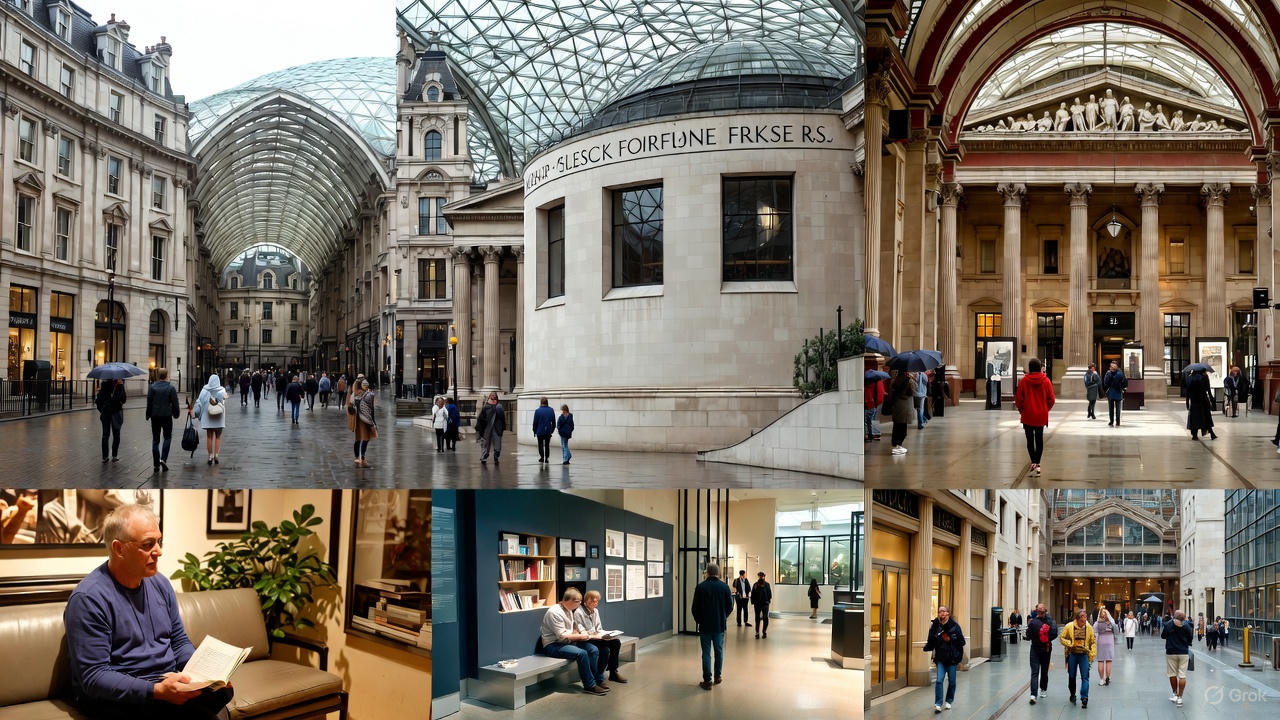
Rain does not always mean extra spending. London offers many no-cost indoor experiences that remain accessible when weather disrupts outdoor plans. Because of this, rainy day activities in London can stay budget-friendly without sacrificing quality.
Museums form the strongest foundation for free indoor exploration. National collections allow unrestricted access, which supports long visits without pressure. On wet days, this freedom matters. Visitors can slow down, focus on specific themes, and return to favorite rooms. These conditions make free museums one of the most reliable choices for indoor plans during rainy weather.
Galleries also provide cost-free cultural depth. Permanent exhibitions and rotating displays create variety without tickets. Rain outside often reduces foot traffic, which improves viewing comfort. This balance helps explain why gallery visits remain popular among travelers seeking quiet indoor experiences when weather limits outdoor movement.
Libraries and public cultural spaces deserve attention as well. Many feature exhibitions, lectures, and historic reading rooms open to visitors. These environments support reflection and learning, which suits slower schedules shaped by rain. Including these spaces strengthens planning for indoor activities without increasing costs.
Covered public areas offer another option. Indoor halls, atriums, and civic buildings allow movement and observation without exposure to rain. These spaces often host temporary displays or events, adding value to time spent indoors. As a result, free options continue to shape rainy day activities in London across different neighborhoods.
Walking also remains possible in limited form. Covered passages and transport-linked routes allow short walks between sheltered locations. This approach keeps momentum without requiring full outdoor exposure. Combining brief movement with indoor stops improves comfort on wet days.
Together, these free options show that budget and weather do not need to restrict experience. With thoughtful choices, rainy day activities in London remain accessible, engaging, and flexible even when rain persists.
How to Plan a Flexible Rainy Day in London
Rain becomes easier to manage when planning stays flexible. Instead of locking every hour in advance, effective planning focuses on adaptable choices that work regardless of conditions. This mindset supports rainy day activities in London without creating pressure or wasted time.
Start by grouping indoor options by area. London’s neighborhoods often contain several sheltered experiences within short distances. Museums, cafés, theaters, and shops tend to cluster naturally. Planning by location reduces unnecessary travel and limits exposure to weather, which keeps energy steady throughout the day.
Timing also matters. Arriving earlier at indoor attractions often avoids peak crowds, especially on wet days when visitor patterns shift. Mornings suit museums and galleries, while afternoons work well for cafés, markets, or entertainment venues. This sequencing improves comfort and supports smoother rainy day activities in London across long visits.
Transport choices shape flexibility as well. Underground routes, stations with indoor connections, and covered walkways simplify movement. Choosing routes that minimize outdoor walking allows plans to continue even when rain intensifies. This practical approach strengthens planning during unpredictable weather.
Reservations can help but should remain selective. Booking one anchor activity, such as a performance or timed attraction, creates structure. The remaining time stays open for spontaneous decisions based on energy and conditions. This balance prevents overplanning while keeping rainy day activities in London organized.
Clothing and pacing also influence experience. Waterproof layers, comfortable footwear, and slower movement reduce fatigue. Accepting a calmer rhythm improves enjoyment and reduces frustration. When expectations align with conditions, indoor plans feel intentional rather than reactive.
Ultimately, flexible planning turns rain into a manageable factor instead of a disruption. With adaptable choices, thoughtful timing, and realistic pacing, rainy day activities in London remain enjoyable and stress-free throughout the visit.
Rainy Day Activities in London by Season
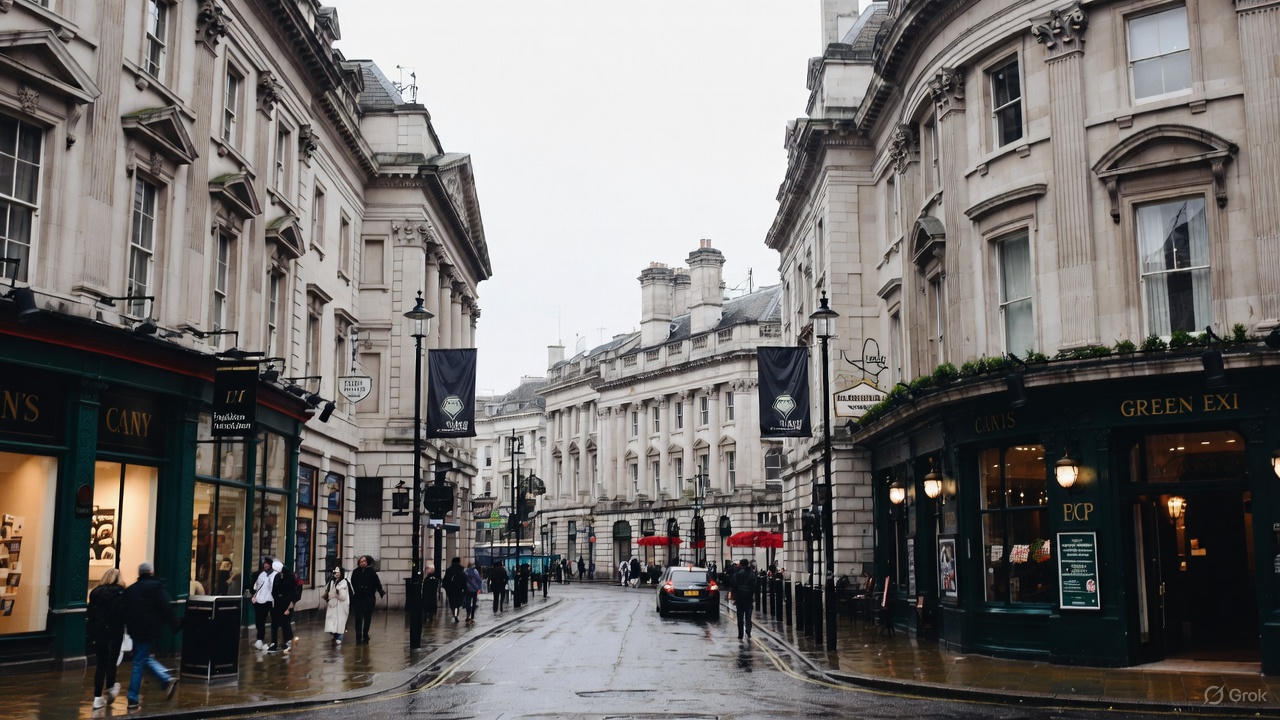
Rain in London does not behave the same way throughout the year. Each season changes how rain feels, how long it lasts, and how it affects daily movement. Understanding these differences helps travelers choose rainy day activities in London that suit both weather and mood rather than reacting at the last minute.
Rainy Days in London During Winter
Winter rain often arrives with colder temperatures and shorter daylight hours. Days feel slower, which makes indoor planning more important. During this season, rainy day activities in London work best when they allow long stays in warm, enclosed spaces.
Museums, historic houses, and large galleries become natural anchors. These places allow visitors to settle in without checking the time constantly. Afternoon performances and early evening shows also suit winter schedules, as darkness arrives sooner. Cafés, tea rooms, and traditional pubs provide natural breaks between indoor visits and help manage energy during cold, wet conditions.
Because winter rain tends to last longer, flexible pacing matters. Planning fewer locations and spending more time in each space improves comfort and reduces fatigue.
Rainy Days in London During Summer
Summer rain behaves differently. Showers are often brief and arrive without warning. Temperatures remain comfortable, which changes how rainy day activities in London should be approached.
In this season, a mixed strategy works best. Short indoor visits combined with covered walks allow plans to continue without full disruption. Galleries, markets, arcades, and transport-linked attractions help fill gaps while waiting for rain to pass. Because daylight lasts longer, schedules can restart easily once weather clears.
Summer rain also brings relief from heat and crowds. Indoor attractions often feel calmer during showers, which improves overall experience. Rather than cancelling plans, adjusting timing keeps momentum without stress.
Rainy Days in London During Spring and Autumn
Spring and autumn create the most balanced conditions. Rain appears more frequently than in summer but without winter’s cold. During these months, rainy day activities in London benefit from variety and adaptability.
Indoor cultural spaces work well during heavier rain, while covered walking routes support movement during lighter showers. Seasonal exhibitions, temporary displays, and cultural events add freshness, which keeps experiences feeling current rather than repetitive.
These transitional seasons reward flexible planning. Short walks between sheltered locations, combined with indoor stops, create rhythm without forcing rigid schedules.
Why Seasonal Awareness Matters
Treating rain as a single condition leads to frustration. Seasonal awareness allows better decisions and improves comfort. When planning aligns with how rain behaves at different times of year, rainy day activities in London feel intentional rather than reactive.
This approach also reduces decision fatigue. Instead of searching for options in the moment, travelers move smoothly between experiences suited to the season. Over time, this awareness shapes stronger memories and more relaxed days.
Final Thoughts on Enjoying London When Rain Appears
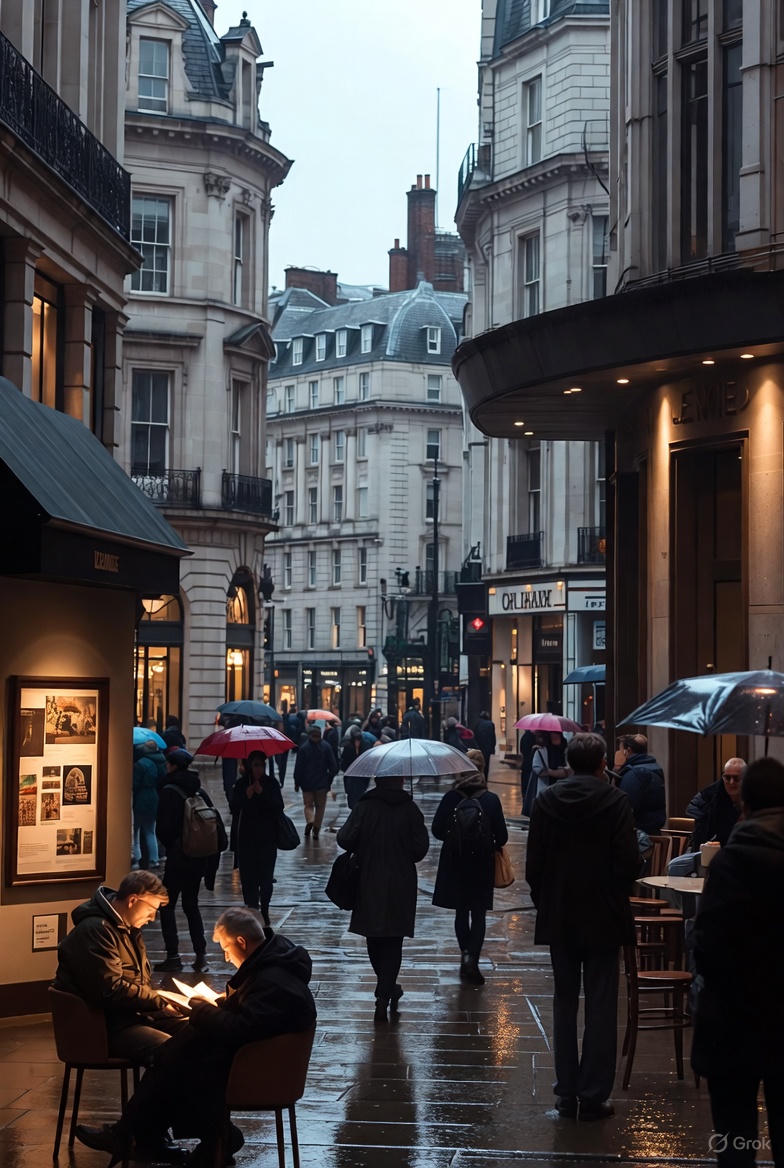
Rain changes pace, not possibility. London continues to work well when weather shifts because so much of the city developed around interiors, covered movement, and layered cultural spaces. Instead of treating wet days as interruptions, many travelers find that slower planning creates stronger memories.
Choosing indoor culture, relaxed spaces, and structured entertainment allows days to unfold naturally. When expectations match conditions, decisions feel easier and pressure disappears. This balance explains why rainy day activities in London often feel more intentional than plans built entirely around sunshine.
The key lies in adaptability. Short walks between sheltered places, flexible timing, and a willingness to slow down turn rain into part of the experience rather than a problem to solve. With this approach, weather becomes background rather than barrier.
Common Mistakes Travelers Make on Rainy Days in London
Rain often causes frustration not because of weather itself, but because of how plans are adjusted. Many travelers repeat the same mistakes when rain appears, which reduces enjoyment and creates unnecessary stress. Avoiding these patterns improves how rainy day activities in London are experienced.
Trying to Keep an Outdoor-Focused Schedule
One common mistake involves sticking to outdoor plans despite steady rain. Walking routes, viewpoints, and open-air attractions lose appeal when conditions remain wet. Forcing these plans leads to fatigue and disappointment.
A better approach involves switching focus early. Moving toward indoor options preserves energy and prevents frustration. Accepting the weather rather than resisting it allows rainy day activities in London to feel intentional rather than compromised.
Overloading the Day with Too Many Indoor Stops
Another issue comes from replacing outdoor plans with too many indoor visits. When rain appears, travelers sometimes rush to pack multiple attractions into a short window. This approach creates pressure and removes the relaxed pace that indoor spaces support.
Rainy days benefit from fewer locations and longer stays. Slower pacing improves concentration and comfort. When time stretches naturally, rainy day activities in London feel more immersive and less exhausting.
Ignoring Travel Time Between Locations
Rain magnifies travel challenges. Even short walks feel longer, and delays become more noticeable. Ignoring travel time between attractions often leads to frustration.
Grouping activities by area reduces this problem. Choosing locations near transport links or within the same neighborhood keeps movement efficient. This planning habit supports smoother rainy day activities in London without unnecessary exposure to weather.
Relying Too Heavily on Reservations
Reservations offer structure, but relying on too many fixed bookings limits flexibility. When rain affects timing or energy levels, rigid schedules become difficult to manage.
Booking one anchor activity works better than filling the day with timed entries. This balance allows adjustment without losing direction. Flexible scheduling strengthens rainy day activities in London during unpredictable weather.
Underestimating Comfort Needs
Clothing and footwear often receive little attention until discomfort appears. Wet shoes, heavy bags, and inadequate layers quickly reduce enjoyment.
Preparing for rain improves endurance and mood. Comfortable pacing, dry footwear, and practical layers make indoor exploration more enjoyable. These small adjustments support longer and more comfortable rainy day activities in London.
Treating Rain as Lost Time
The biggest mistake involves viewing rain as wasted opportunity. This mindset creates tension and reduces openness to alternative experiences.
Rain changes rhythm, not value. Accepting slower movement and quieter environments often leads to stronger memories. When expectations shift, rainy day activities in London become highlights rather than compromises.
Short Rain vs All-Day Rain Planning
Not all rainy days follow the same pattern. Some bring brief showers that pass quickly, while others settle in for hours. Recognizing this difference helps travelers choose rainy day activities in London that match conditions instead of reacting blindly.
Planning for Short Rain Showers
Short rain often appears unexpectedly and clears within an hour. During these moments, overreacting creates unnecessary disruption. Instead of cancelling plans, adjusting timing works better.
Indoor stops serve as temporary anchors. Galleries, cafés, covered markets, and transport-linked attractions allow time to pass comfortably while rain clears. Once weather improves, plans can resume with minimal change. This approach keeps rainy day activities in London flexible without losing momentum.
Short rain also offers quieter windows. Many people pause movement during showers, which reduces crowds indoors. Taking advantage of this lull improves experience and efficiency.
Planning for Steady, All-Day Rain
All-day rain requires a different mindset. When weather shows no sign of lifting, committing fully to indoor planning prevents frustration. On these days, rainy day activities in London work best when structured around long, immersive experiences.
Museums, theaters, cinemas, exhibitions, and libraries provide depth without pressure. Instead of moving constantly, staying longer in fewer places improves comfort. Scheduled performances or timed attractions offer structure that helps the day feel intentional.
All-day rain also suits reflective activities. Reading spaces, exhibitions, and quiet cafés allow rest without boredom. This slower rhythm supports energy management and reduces fatigue.
Mixing Strategies When Conditions Change
Some days fall between these extremes. Rain may appear in waves or intensify unexpectedly. Mixing short-rain and long-rain strategies keeps plans adaptable.
Booking one indoor anchor while leaving surrounding time flexible works well. If rain eases, movement increases. If rain continues, indoor time expands naturally. This hybrid approach strengthens rainy day activities in London under uncertain conditions.
Why Rain Duration Matters
Treating all rain the same leads to poor decisions. Understanding duration improves comfort, pacing, and satisfaction. When planning aligns with how rain behaves, rainy day activities in London feel deliberate rather than reactive.
By adjusting strategy to rain length, travelers maintain control and enjoy the city regardless of conditions.
Transport and Movement Tips During Rainy Weather
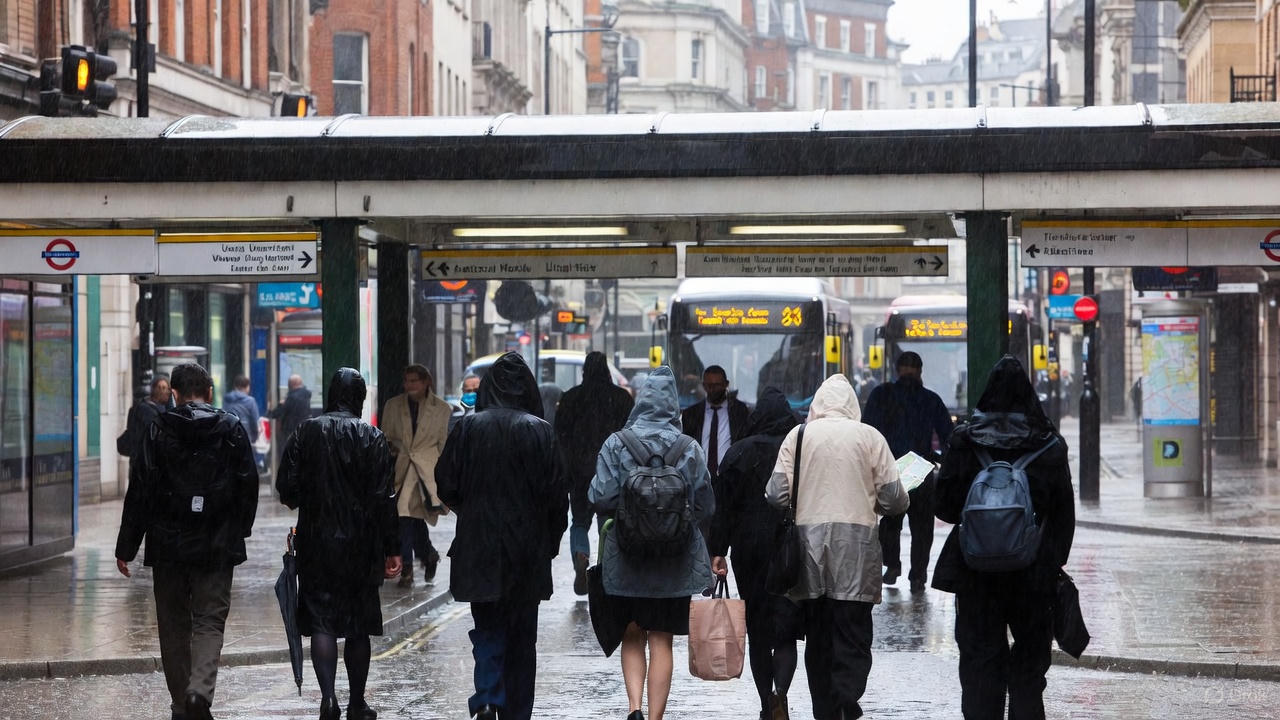
Movement becomes more important when rain affects visibility, comfort, and timing. London handles wet conditions well, but small planning choices make a big difference. With the right approach, rainy day activities in London remain easy to reach without unnecessary stress.
Using Public Transport Effectively on Rainy Days
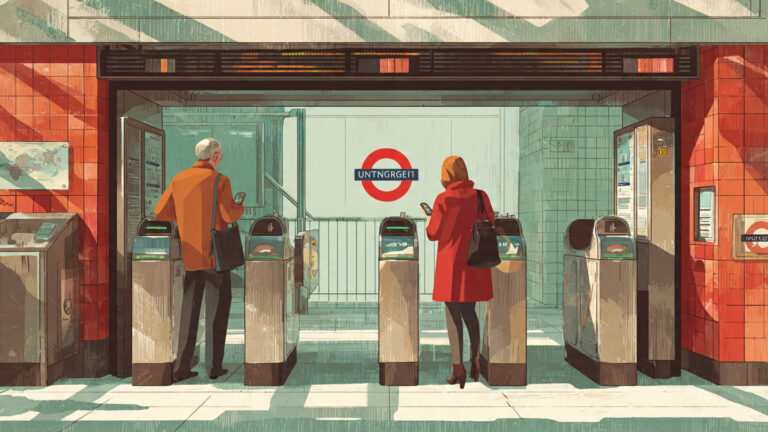
Public transport becomes the backbone of rainy-day planning. The Underground allows fast movement across the city with minimal exposure to weather. Many stations connect directly to attractions, shopping areas, or covered walkways, which reduces time spent outside.
Buses offer another advantage. While slower than the Tube, buses allow seated travel and visual orientation without walking in rain. For shorter distances, buses often provide a more comfortable option during wet conditions.
Choosing routes that minimize transfers reduces time spent navigating platforms and exits. This approach supports smoother rainy day activities in London, especially during steady rainfall.
Planning Routes with Shelter in Mind
Route selection matters more on rainy days. Covered passages, arcades, and transport-linked paths allow movement without full exposure. Planning short outdoor gaps between indoor stops preserves energy and improves comfort.
Maps and navigation apps help identify routes with minimal walking. Adjusting paths based on shelter rather than distance alone improves experience. This strategy keeps rainy day activities in London manageable even when rain intensifies.
Timing Movement to Avoid Peak Crowds
Rain changes crowd behavior. Many people move indoors at the same time, which creates congestion during peak hours. Adjusting movement slightly earlier or later reduces pressure.
Traveling between attractions outside peak commuting times improves comfort. This awareness supports rainy day activities in London that feel calm rather than rushed.
Choosing the Right Pace
Rain naturally slows movement. Accepting a slower pace reduces frustration and fatigue. Rushing between locations increases discomfort and limits enjoyment.
Allowing extra time for travel improves flexibility. This pacing helps maintain balance throughout the day and supports more enjoyable rainy day activities in London.
Preparing for Comfort While Moving
Comfort starts with preparation. Waterproof layers, practical footwear, and light bags reduce strain. Small choices prevent wet clothing and discomfort from shaping decisions later.
Prepared travelers maintain focus on experience rather than inconvenience. This preparation strengthens how rainy day activities in London unfold over long visits.
Making Movement Part of the Experience
Movement does not need to feel like a task. Short walks between sheltered locations allow observation without pressure. Reflections on wet streets, softened sound, and changing light add character to simple transitions.
When movement aligns with conditions, rainy day activities in London feel connected rather than fragmented.
Rainy day experiences help travelers stay comfortable and flexible when the weather turns unpredictable, but they represent only one side of how the city can be explored. Discovering things to do in London in summer reveals a contrasting seasonal rhythm shaped by longer daylight, outdoor movement, and open spaces, offering a broader perspective on how London adapts across the year.
The 157 year old St Pancras is one of the world’s greatest railway stations, though Shinjuku in Tokyo, Japan is one that annually handles more passengers.
Read more reviews on Tripadvisor
Frequently Asked Questions About Rainy Day Activities in London
First-time visitors benefit most from indoor cultural spaces. Museums, galleries, historic buildings, and performances provide depth without requiring constant movement. These experiences also help visitors understand the city beyond landmarks.
Yes. Weather changes frequently, and short periods of rain appear throughout the year. Planning a few indoor options ensures flexibility and prevents wasted time during unexpected showers.
Absolutely. Cafés, bookshops, libraries, and quiet exhibitions suit slower days. Rain often reduces crowds and noise, which improves atmosphere and comfort.
Many national museums, galleries, and public cultural spaces offer free entry. These locations support long visits without cost and work especially well on wet days.
Yes. Underground routes, covered stations, and compact neighborhoods limit exposure. Planning by area and using public transport keeps movement simple during rainfall.
They do. Interactive attractions, entertainment venues, and structured experiences help manage energy levels. Clear schedules reduce frustration when outdoor plans change.
Booking one anchor activity while leaving the rest of the day open works best. This structure allows flexibility without losing direction.