
Many travelers search for things to do near London city center because staying close to the heart of the city changes how every day unfolds. When you begin your day in a central location, you remove the need for constant planning around transport, timing, and distance. You step outside and immediately feel connected to the city’s movement, energy, and variety. This proximity allows exploration to happen naturally rather than through rigid schedules.
Central locations also help travelers experience London as a continuous space rather than a series of separate attractions. Instead of jumping between distant areas, you move through streets that flow into one another. A historic square leads into a cultural street, which then opens toward entertainment or riverside paths. This sense of flow creates a calmer pace and helps the city feel more approachable, especially for first-time visitors.
Over several days, this approach reduces fatigue. You spend less time commuting and more time engaging with your surroundings. Short breaks become easy, plans stay flexible, and evenings feel more enjoyable because returning to your accommodation never feels like a chore.
Explore the city center on Google Maps
What “City Center” Really Means for Visitors
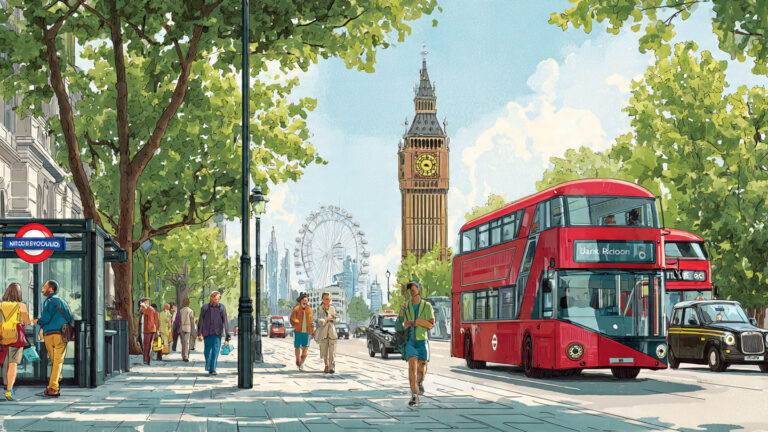
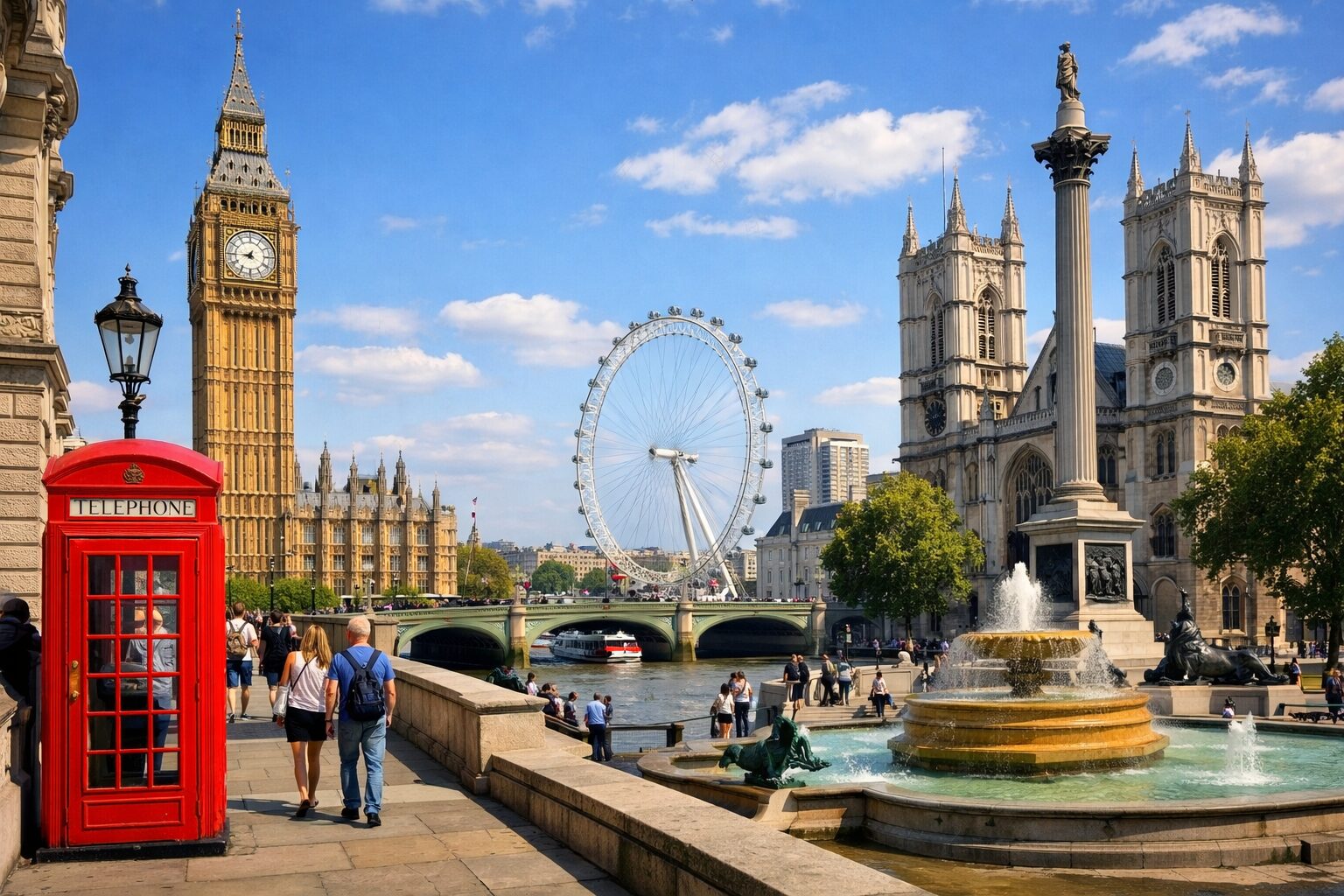
London does not rely on a single downtown district. Instead, its city center forms through several closely connected areas that function together. Westminster, Covent Garden, Soho, Leicester Square, and Trafalgar Square create a dense core where history, culture, government, and entertainment intersect. For visitors, these areas blend into one walkable zone rather than feeling like separate neighborhoods.
This structure explains why so many popular attractions sit close together. Within a short walk, you can move from formal civic spaces to lively streets filled with theaters, cafés, and shops. The atmosphere changes gradually rather than abruptly, which helps visitors feel oriented even when they explore without a fixed plan.
Understanding this layout also sets realistic expectations. The city center stays active throughout the day, but it does not feel uniformly crowded. Activity rises and falls depending on time, street, and purpose. Even in busy areas, quieter corners appear just a few steps away if you know where to look.
Walking as the Best Way to Discover Central London
Walking offers the most rewarding way to explore central London. On foot, the city reveals details that transport often hides. Architectural styles shift from block to block. Historic markers appear on building walls. Narrow streets open into small squares that invite pauses rather than movement.
Walking also encourages awareness. You notice how locals move through the city, how business districts soften after work hours, and how public spaces serve different roles across the day. This awareness builds familiarity. Routes start to feel intuitive, and the city becomes easier to navigate without constant reference to maps.
Flexibility adds another advantage. When something draws your attention, you can stop immediately. When a street feels crowded, you can choose another path. These small decisions often lead to memorable moments and unexpected discoveries that structured itineraries rarely provide.
Who This Area Is Best Suited For
The area near London’s center suits travelers who value variety, efficiency, and balance. First-time visitors benefit from clear reference points and short distances between major sights. Familiar landmarks help build confidence and make navigation easier from the first day.
Couples often enjoy how smoothly daytime activities transition into evening plans. Dining, entertainment, and casual walks blend together without long travel gaps. Solo travelers appreciate the constant presence of people and services, which creates a strong sense of comfort and security, even at night.
Families also find advantages here. Short walking distances help manage energy levels, especially with children. Plans can change easily, and breaks fit naturally into the day without disrupting the overall experience.
How This Guide Is Structured
This guide focuses on experiences that fit naturally within a central London stay. Instead of listing attractions without context, it groups activities by atmosphere, pace, and purpose. This structure helps you choose options that match your interests and available time rather than pushing you toward an overloaded schedule.
Each section builds on the idea of walkable exploration. The goal is to show how nearby experiences connect and how small decisions shape the overall feel of a day. By following this approach, visitors can explore confidently while allowing the city to guide the experience.
This walkable approach works best when combined with a wider understanding of things to do in London, helping visitors connect central experiences with the rest of the city.
Iconic Landmarks Within Easy Reach
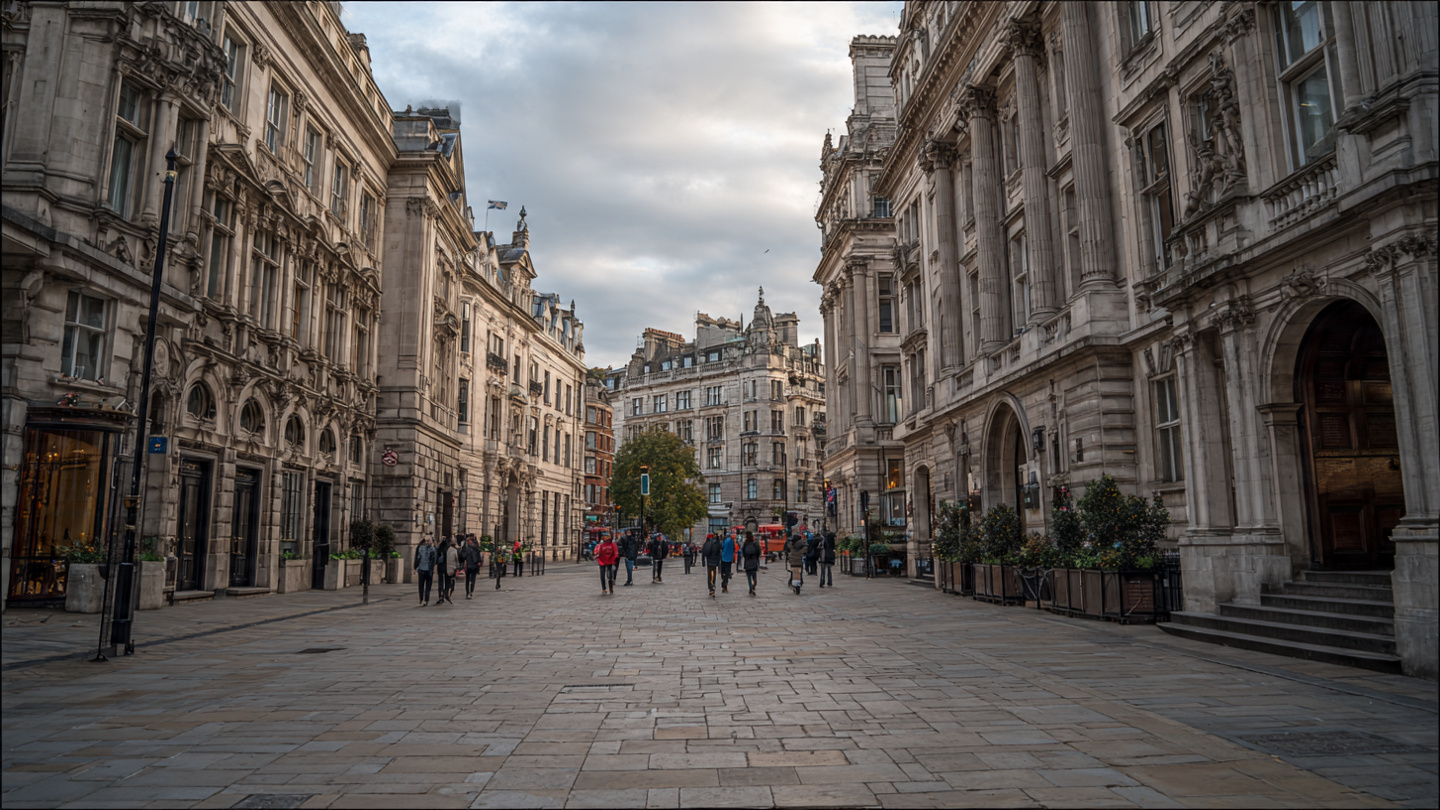
Historic Landmarks That Define Central London
Central London holds many of the landmarks people picture when they imagine the city for the first time. These places sit close enough to each other that visitors can experience them without viewing the day as a checklist. Walking between them creates context. Buildings start to feel connected by history rather than separated by distance.
Many of these landmarks gain meaning simply through presence. You do not need to enter every site to appreciate its importance. Standing nearby, observing architectural details, and watching how people interact with the space often provides a fuller sense of place. This approach suits travelers who want depth rather than speed, especially when time feels limited.
Because these landmarks anchor the city’s identity, they also help with orientation. After a short time, visitors begin to recognize patterns. Streets feel familiar, routes repeat naturally, and navigation becomes intuitive. This familiarity reduces mental effort and allows attention to shift toward observation and enjoyment.
Exploring Government and Royal Surroundings
The areas associated with government and royal history form one of the most distinctive parts of central London. Wide streets, formal buildings, and carefully maintained public spaces create a sense of scale and continuity. Walking through these areas feels different from moving through entertainment districts or shopping streets.
Visitors often underestimate how much can be experienced simply by walking through these surroundings. Ceremonial architecture, memorials, and long-established institutions shape the atmosphere even when no official events take place. The setting encourages slower movement and quieter observation, which contrasts nicely with livelier nearby areas.
This contrast becomes part of the experience. Within a short walk, the city shifts from formal to playful, from restrained to expressive. Experiencing these transitions on foot helps visitors understand how different functions coexist within the same central zone.
Public Squares That Anchor the City
Public squares play an important role in how central London functions. They act as gathering points, orientation markers, and resting spaces all at once. Some feel grand and symbolic, while others operate as everyday meeting spots where people pause, wait, or simply sit.
Spending time in these squares offers insight into daily life. You might see office workers passing through, performers drawing small crowds, or visitors stopping to regroup. These moments ground the experience. Instead of moving constantly from attraction to attraction, you pause and absorb the rhythm of the city.
Squares also serve as practical reference points. They help visitors reset their sense of direction and decide what comes next. From one square, several streets often radiate outward, each leading toward a different type of experience. This layout supports spontaneous decisions rather than rigid planning.
Viewing Architecture Without Entering Attractions
One of the advantages of exploring near the city center is the ability to appreciate architecture without committing to full visits. Many significant buildings reveal their character from the outside clearly enough to feel meaningful. Facades, statues, and surrounding spaces often tell their own stories.
This approach works well for travelers who want to maintain momentum. Instead of spending long periods indoors, you keep moving while still engaging with history and design. Over time, these brief encounters accumulate into a broader understanding of the city’s evolution.
Observing architecture in this way also reduces pressure. You no longer feel obligated to see everything from the inside. Instead, you choose selectively, allowing the day to breathe. This balance between observation and activity keeps exploration enjoyable rather than exhausting.
Cultural Experiences You Can Walk To
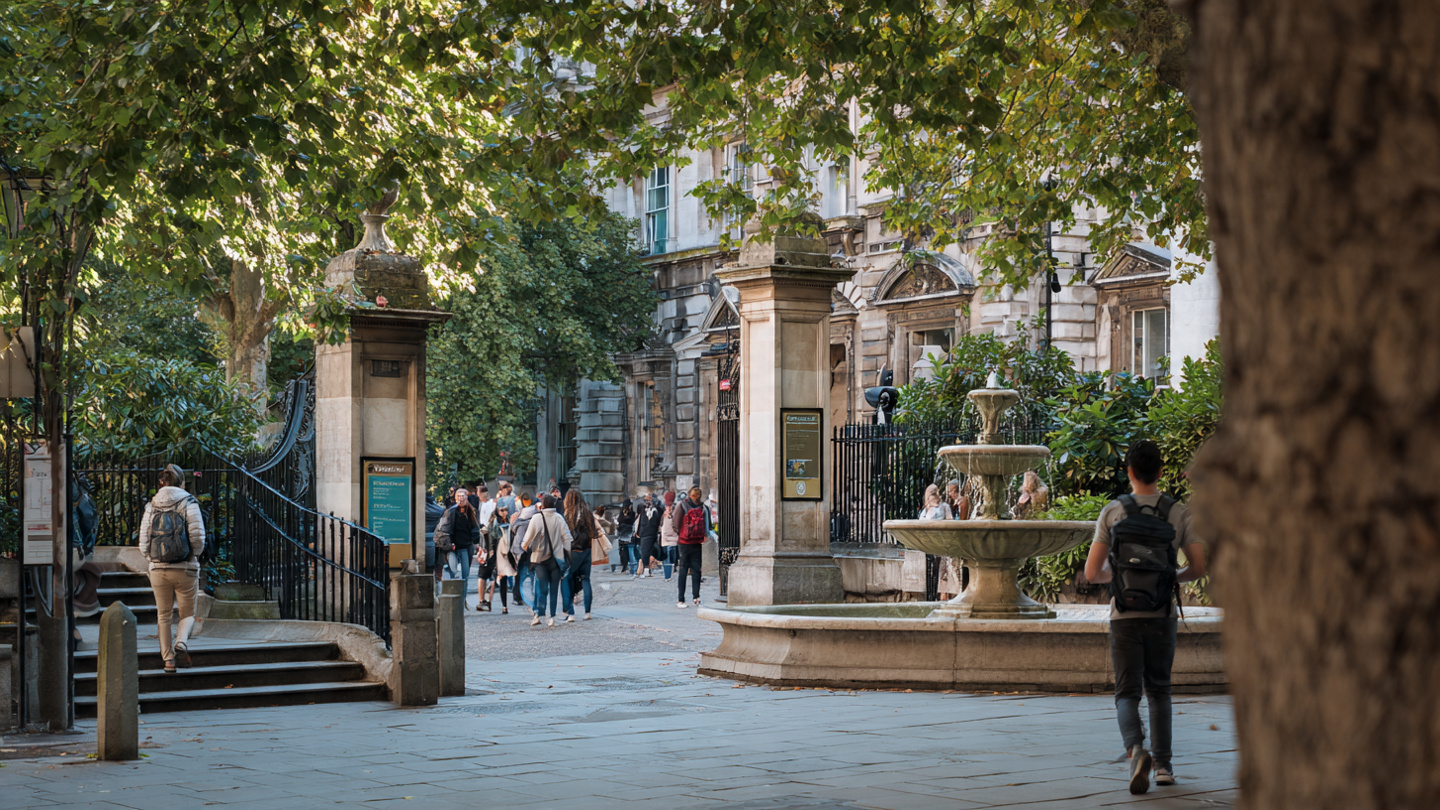
World-Class Museums Near the City Core
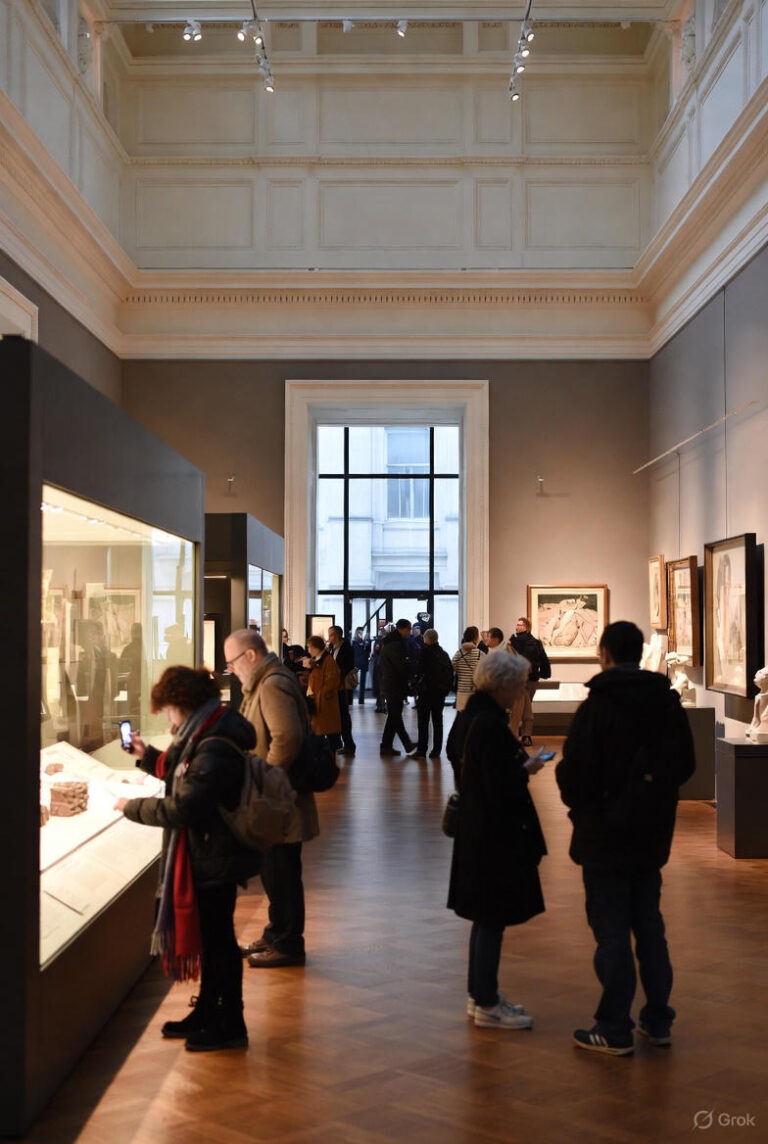
Central London places several major cultural institutions within easy walking distance of one another. This proximity changes how visitors experience museums. Instead of treating them as full-day commitments, you can approach them as flexible stops that fit naturally into a broader day of exploration. A short visit becomes just as valuable as a long one.
Many travelers find this approach refreshing. You might spend an hour with a specific collection, then step back outside to continue walking. This rhythm prevents cultural fatigue and keeps the experience engaging. Because these museums sit close to cafés, parks, and public squares, it becomes easy to balance indoor and outdoor time.
Walking to museums also creates anticipation. Approaching a grand building on foot allows you to notice its setting, scale, and relationship to nearby streets. This gradual arrival adds context and makes the visit feel intentional rather than rushed.
Galleries and Cultural Institutions Close to Major Streets
Beyond large museums, central London offers a network of galleries and cultural spaces woven into everyday streets. These places often feel more intimate and focused. You can encounter contemporary exhibitions, photography, or specialized collections without leaving the central area.
What makes these spaces appealing is accessibility. They do not require heavy planning or long queues. You can decide to enter on impulse, spend a short time inside, and continue your walk without disruption. This spontaneity suits travelers who want cultural exposure without committing large portions of the day.
These institutions also reflect the city’s evolving identity. By visiting them, you gain insight into modern creative life alongside historic narratives. The contrast between old and new becomes especially clear when these spaces sit just steps away from traditional architecture.
Libraries, Halls, and Historic Cultural Spaces
Cultural exploration in central London extends beyond museums and galleries. Libraries, historic halls, and long-standing institutions contribute quietly to the city’s intellectual atmosphere. Many of these places welcome visitors without requiring extensive time or planning.
Entering a historic reading room or public hall offers a change of pace. The environment encourages calm observation and reflection. Even brief visits can leave a strong impression, especially for travelers who enjoy quieter cultural experiences.
These spaces also highlight continuity. A sense of tradition persists, not as something frozen in time, but as part of daily life. Observing how locals use these places adds depth to the experience and reinforces the feeling that culture in London exists beyond major attractions.
Experiencing Culture Without Long Queues
One of the advantages of focusing on central cultural experiences is choice. When one place feels crowded, alternatives often sit just a short walk away. This flexibility allows visitors to adjust plans without frustration.
By spreading cultural activities across the day, you avoid the pressure of seeing everything at once. A short museum visit in the morning can pair with a gallery stop later in the afternoon. This distribution keeps the day balanced and prevents mental overload.
Ultimately, cultural exploration near the city center works best when approached with curiosity rather than obligation. Walking between experiences allows the city itself to become part of the cultural narrative, connecting spaces through movement and observation.
Many central walks naturally pass major institutions, making it easy to combine nearby exploration with deeper cultural things to do in London along the way.
Streets and Neighborhoods Worth Exploring
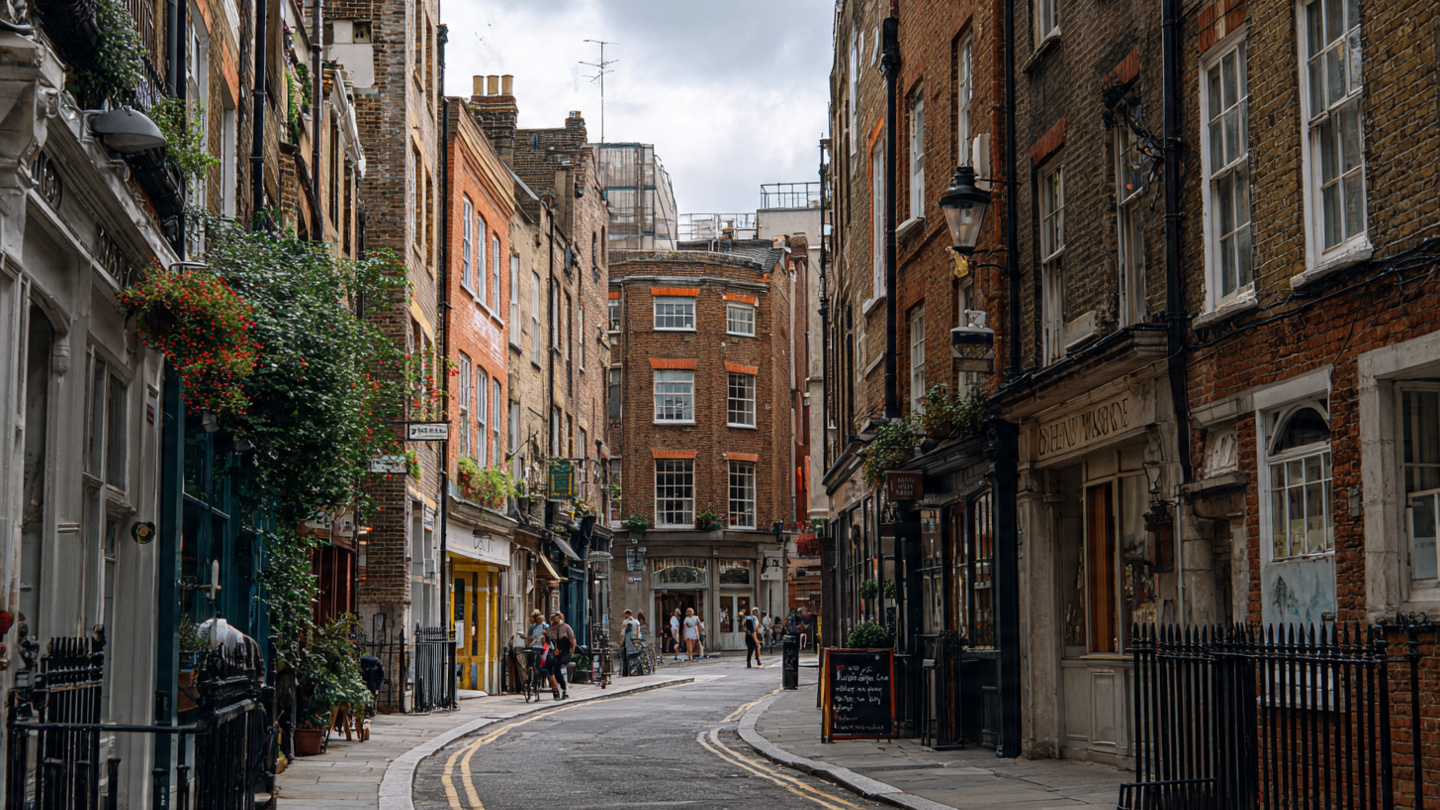
Walking Through Soho and Its Surroundings
Soho sits at the emotional center of London’s street life. When you explore this area on foot, you quickly notice how tightly packed stories, cultures, and moods feel. Streets change character within minutes. One moment feels creative and expressive, the next calm and residential. This constant shift keeps walking engaging and prevents the area from feeling repetitive.
What makes Soho especially rewarding is its scale. Streets feel human-sized rather than monumental. You can slow down without blocking others, pause to observe details, or turn into a side street without feeling lost. These small decisions shape the experience and allow the area to reveal itself gradually rather than all at once.
The surrounding streets extend this feeling. Moving outward, Soho blends naturally into nearby districts, each adding subtle changes in atmosphere. Walking these transitions helps you understand how central London functions as a connected whole rather than a collection of isolated zones.
Covent Garden Beyond the Main Piazza
Many visitors know Covent Garden for its central square, but the surrounding streets often leave a stronger impression. Once you step beyond the busiest area, the environment becomes more layered and less performative. Narrow lanes, small courtyards, and historic buildings create a sense of discovery that rewards unhurried walking.
Exploring this part of the city encourages observation. Architectural details stand out, and street layouts reveal their historical origins. You begin to notice how commerce, culture, and everyday life coexist within the same few blocks. This balance gives the area its distinctive character.
Time of day plays an important role here. Earlier hours feel calmer and more reflective, while later periods bring energy and movement. Experiencing both within the same day highlights how flexible central neighborhoods can be.
Leicester Square as More Than Entertainment
Leicester Square often gets reduced to its role as an entertainment hub, but walking through it with intention reveals more nuance. It functions as a crossroads where different streets, crowds, and purposes intersect. Rather than lingering in the busiest spots, walking through allows you to sense how movement shapes the area.
From the square, several routes branch outward, each leading toward a different atmosphere. Choosing one direction over another subtly changes the experience. This decision-making process keeps exploration active and personal rather than passive.
Viewed this way, Leicester Square becomes a transition space rather than a destination. It connects entertainment districts with quieter streets and cultural areas, reinforcing how central London blends multiple identities within a compact area.
Small Streets That Reveal Local Character
Some of the most memorable moments near the city center happen on streets that rarely appear on itineraries. These smaller streets often run parallel to major roads, offering a calmer environment just steps away from busy routes. Walking them reveals a more local rhythm.
Shops feel less standardized, and buildings carry visible signs of age and adaptation. You might notice residential entrances, independent businesses, or unexpected architectural details that hint at earlier uses. These elements add texture to the experience and prevent central exploration from feeling overly commercial.
Choosing to include these streets in your walk changes the tone of the day. The pace slows naturally, and attention shifts toward observation rather than movement. Over time, these moments create a deeper connection with the city and balance the more energetic parts of central London.
Riverside Walks and Outdoor Experiences
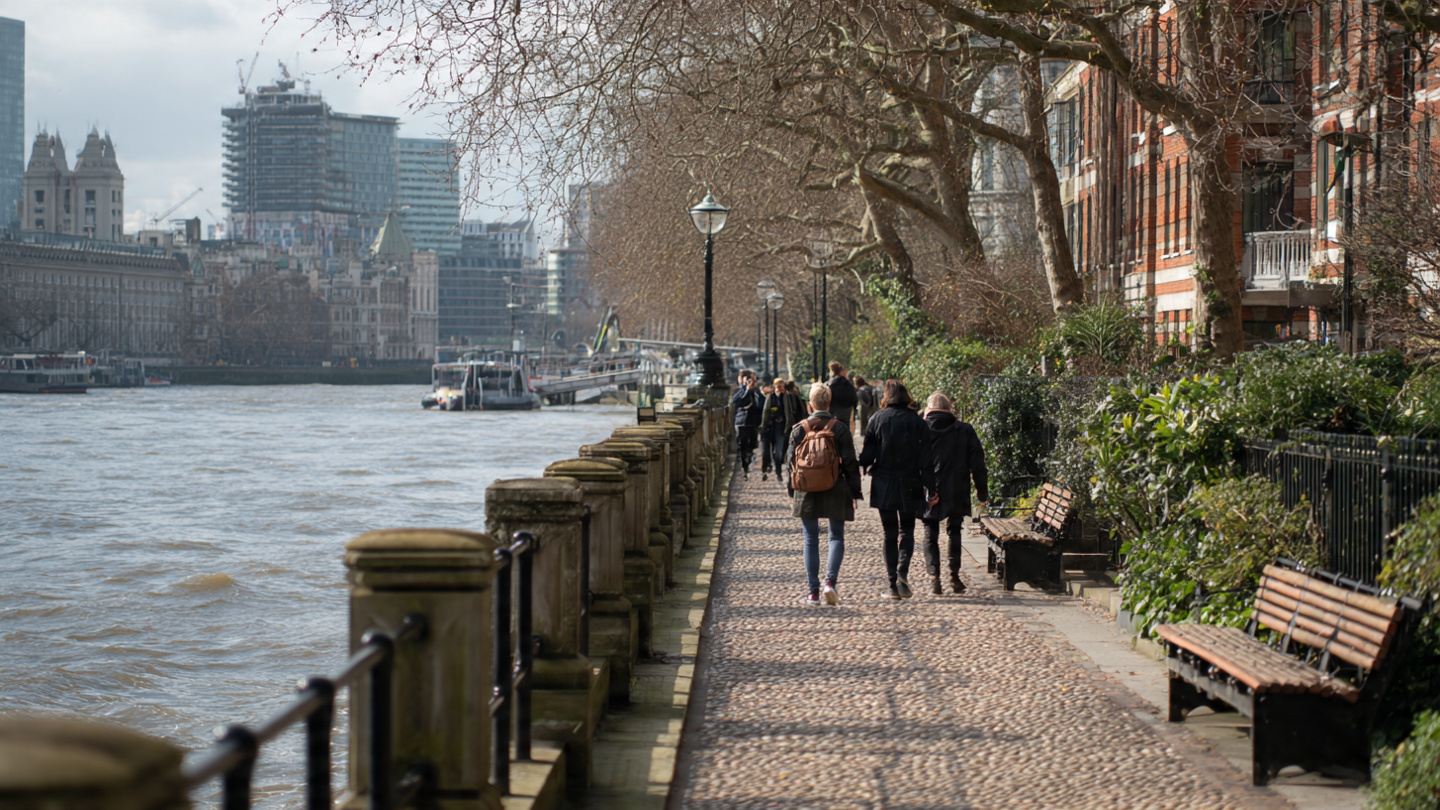
Discovering the Thames on Foot
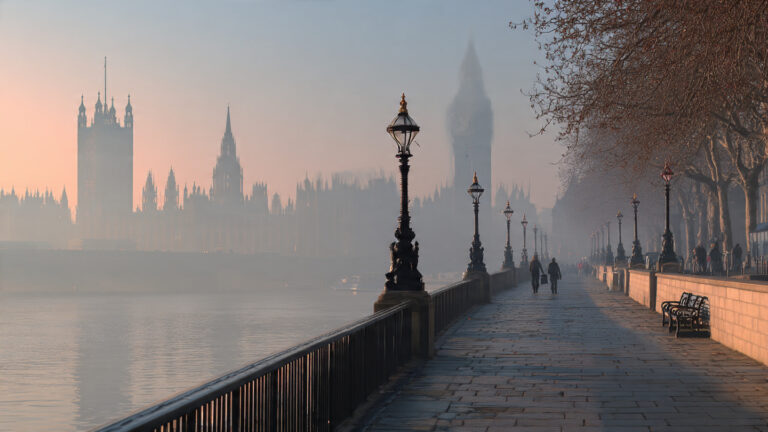
Walking along the River Thames offers a different perspective on central London. The pace slows naturally as the space opens up, and the city begins to feel broader and more layered. Instead of narrow streets and constant movement, the river introduces long sightlines, open skies, and a steady flow that contrasts with the surrounding districts.
Exploring the riverside on foot allows you to experience the city as a sequence rather than a series of stops. Landmarks appear gradually, framed by water and bridges rather than buildings. This gradual reveal creates a sense of continuity and makes the walk feel purposeful without being rushed.
Many visitors find that the river helps reset energy levels. After moving through dense streets and busy areas, the openness of the riverside offers a mental pause. Even short walks along the Thames can feel restorative and help rebalance the day.
Bridges as Scenic Experiences
In central London, bridges function as more than crossings. Each one offers a unique viewpoint and atmosphere. Walking across them provides moments of transition where the city opens outward before closing back in again. These brief pauses often become highlights rather than passing moments.
From the center of a bridge, the river stretches in both directions, reflecting light and movement. Boats pass below, buildings line the banks, and pedestrians share the space with a common purpose. This shared experience creates a quiet sense of connection among people moving through the city.
Crossing bridges also helps visitors understand how districts relate spatially. You see how areas connect across the water and how the city organizes itself around the river. This understanding deepens orientation and makes later exploration feel more intuitive.
Riverside Paths for Slow Exploration
Riverside paths near the city center invite slower exploration. These routes often feel separate from traffic, even when they sit close to busy streets. The separation allows you to walk without constant interruptions, making the experience more reflective.
These paths support different travel styles. Some visitors walk steadily, using the river as a scenic route between destinations. Others pause frequently, watching activity on the water or simply enjoying the view. Both approaches work equally well and contribute to a sense of personal rhythm.
Spending time on these paths also highlights how public space functions in London. Locals jog, stroll, or sit briefly, while visitors observe and photograph. This shared use reinforces the idea that central outdoor spaces belong to everyone, not just tourists.
Balancing Busy Areas With Quieter Stretches
One of the strengths of riverside exploration is the ability to balance energy levels. Certain sections feel lively and social, while others offer calm and space. Moving between these stretches helps structure the day naturally.
After visiting crowded streets or popular areas, a quieter riverside segment provides relief without removing you from the center. You remain close to major attractions while enjoying a change in atmosphere. This balance prevents fatigue and keeps exploration enjoyable across several hours.
By weaving riverside walks into your plans, you create moments of contrast that enhance the overall experience. The city feels less demanding and more adaptable, responding to your pace rather than controlling it.
Shopping and Markets Near the Center

Major Shopping Streets Within Walking Distance
Central London places several major shopping streets close enough that browsing feels natural rather than exhausting. Walking between them allows you to experience variety without committing to a single commercial zone. One street might feel lively and fast-paced, while the next offers a calmer atmosphere with space to slow down and explore.
What makes shopping near the center appealing is flexibility. You can browse briefly, step away, and return later without losing time. This approach removes pressure to buy quickly or cover everything at once. Instead, shopping becomes part of the walking experience rather than a separate activity that dominates the day.
These streets also reflect different sides of the city. Some emphasize global brands and movement, while others focus on presentation and detail. Experiencing both within a short walk helps visitors understand how commerce adapts to location and audience.
Small Boutiques and Independent Stores
Beyond the main streets, smaller shops add character to central exploration. These boutiques often sit on side streets or tucked between larger storefronts. Finding them usually requires slowing down and paying attention to details rather than following crowds.
Independent stores often feel more personal. Displays change frequently, and spaces tend to reflect individual taste rather than standardized layouts. Even when you do not plan to buy anything, browsing these shops adds texture to the day and offers insight into local style and creativity.
These areas also encourage conversation. Staff interactions feel less rushed, and visitors often linger longer. This slower pace contrasts nicely with busier shopping zones and helps maintain balance throughout the day.
Historic Arcades and Covered Passages
Historic shopping arcades offer a distinct experience near the city center. These covered spaces provide shelter from weather while preserving a sense of tradition. Walking through them feels like stepping into another era, where design and craftsmanship take priority over speed.
Arcades often invite unplanned exploration. Because they feel enclosed and calm, visitors naturally slow their pace. This change in rhythm creates space for observation and appreciation, even during busy hours outside.
Including arcades in a walking route adds variety. They break up outdoor movement and offer a change in sound, light, and atmosphere without removing you from the central area.
Markets That Feel Local Despite Central Locations
Markets near the city center manage to retain a sense of everyday life despite their location. Walking through them reveals routines that differ from surrounding shopping streets. Conversations, food preparation, and informal interactions create a lived-in atmosphere that feels authentic.
Markets also support flexible timing. You can pass through quickly or spend time observing without committing to a purchase. This openness makes them easy to include alongside other activities, especially during transitions between areas.
Experiencing markets near the center reminds visitors that the city continues to function beyond tourism. These spaces reflect daily rhythms and provide grounding moments that balance more curated environments.
Food and Dining Experiences Nearby
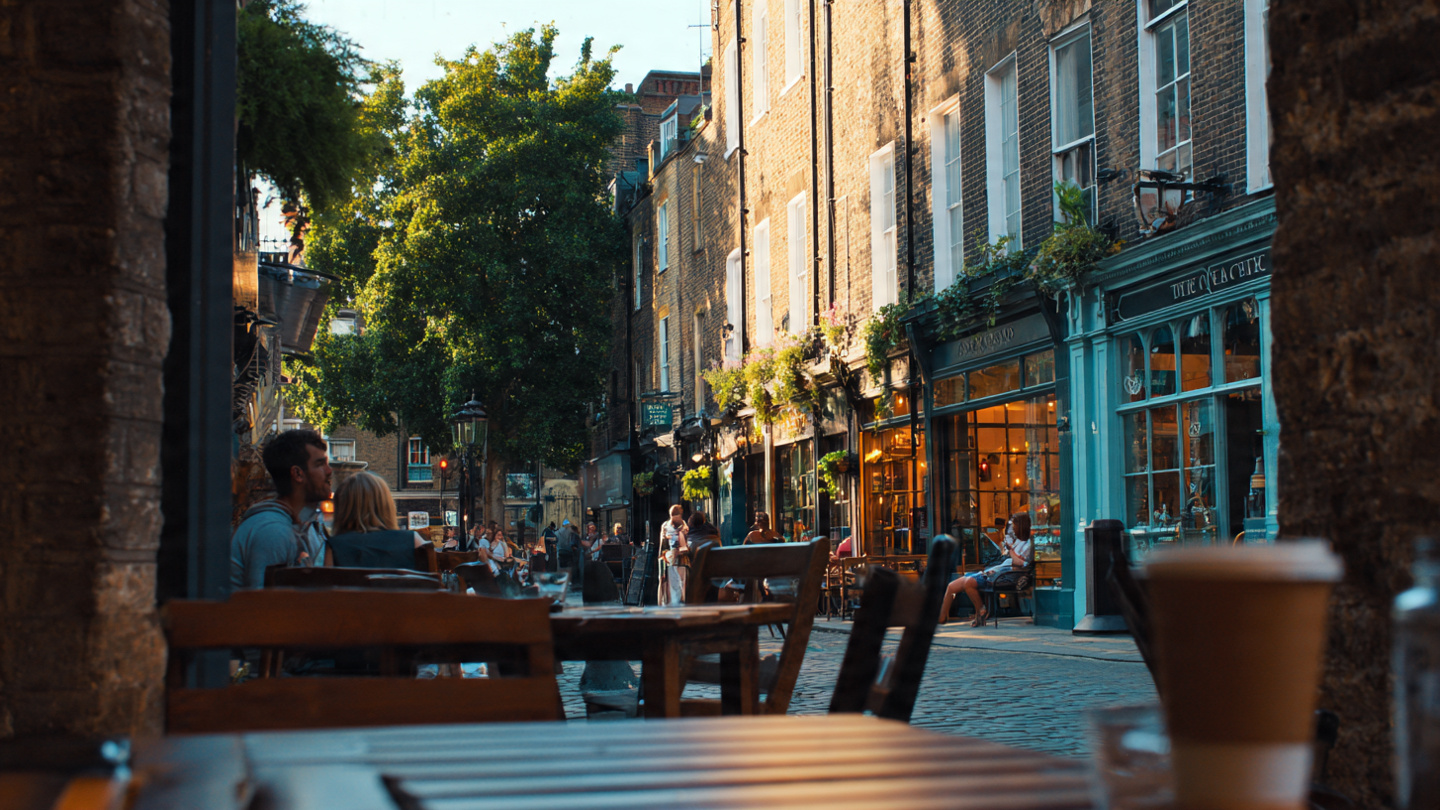
Casual Dining Options Near Major Attractions
Eating near the center of London does not require heavy planning or long reservations. Many casual dining options sit naturally along walking routes, making it easy to stop when hunger appears rather than forcing meals into a strict schedule. This flexibility fits well with days built around exploration.
Casual spots often work best between activities. You might finish a walk, notice a place that feels inviting, and decide to pause without overthinking the choice. These meals become part of the rhythm of the day rather than interruptions. The ability to eat well without committing to long dining experiences helps keep energy levels steady.
Dining casually also encourages observation. You notice how locals use these spaces, how crowds shift throughout the day, and how atmosphere changes between lunch and early evening. These small details add context to the experience of central London.
Historic Pubs and Traditional Eateries
Historic pubs and long-established eateries contribute strongly to the character of central dining. Many of these places have served people for generations, and their interiors reflect that continuity. Walking into one often feels like stepping into a familiar space, even on a first visit.
These establishments offer more than food. They provide moments of pause and grounding within busy surroundings. Sitting down in a traditional setting allows the city’s movement to continue around you while you rest and observe.
Including a pub or traditional eatery in your plans creates balance. After hours of walking, these spaces offer comfort without removing you from the central experience. They feel connected to the city’s story rather than separate from it.
Cafés for Breaks Between Walks
Cafés play an important role in pacing exploration near the city center. They act as informal rest points where you can pause without ending the day. A short stop allows you to recharge physically and mentally before continuing.
What makes central cafés useful is their availability. You rarely need to search far to find one, and many sit along natural walking routes. This convenience supports spontaneous decisions and prevents fatigue from building unnoticed.
Cafés also encourage reflection. Sitting briefly allows you to process what you have seen and decide what comes next. These moments often shape the flow of the day more than major attractions.
Choosing Where to Eat Without Overplanning
One of the advantages of staying central is freedom from rigid dining plans. Because options surround you, decisions can remain flexible. You choose based on mood, energy, and time rather than obligation.
This approach reduces stress. Instead of rushing to meet reservations, you respond to the day as it unfolds. If an area feels lively, you stay. If it feels crowded, you move on. Over time, this adaptability creates a more relaxed relationship with the city.
Food near the center works best when treated as part of exploration rather than a separate goal. Meals become moments of rest, observation, and connection that support the overall experience.
Entertainment and Evening Activities
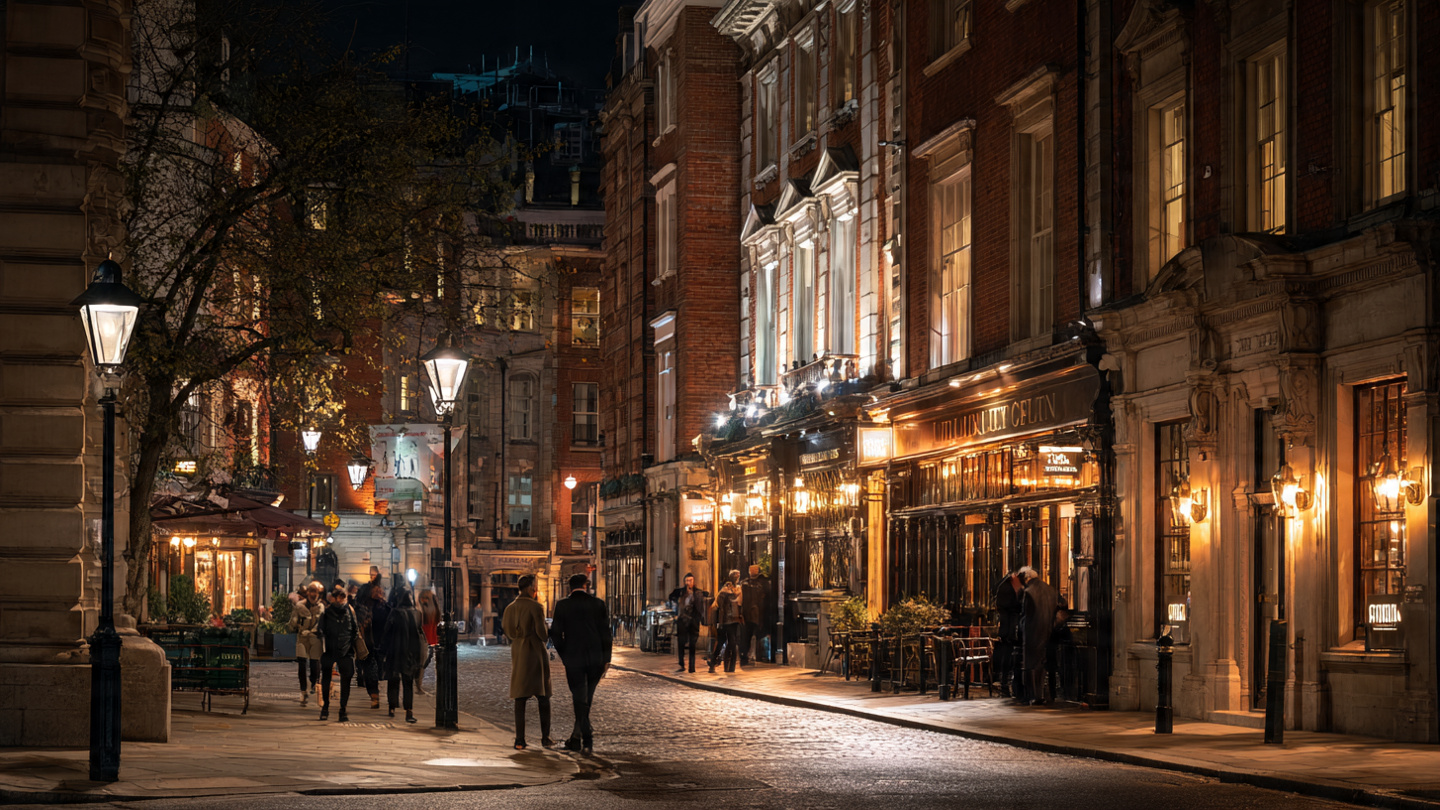
Theater District Experiences Close to the Center
Evenings near the heart of London carry a distinct energy that builds gradually rather than arriving all at once. As daylight fades, streets near performance venues begin to shift in mood. Crowds gather with purpose, conversations grow livelier, and the city takes on a sense of anticipation. Experiencing this transition on foot helps visitors feel part of the rhythm rather than observers passing through.
Theater districts work especially well for central stays because they sit among restaurants, cafés, and walking routes. You can enjoy a relaxed meal, take a short walk, and arrive without feeling rushed. This flow reduces stress and allows the evening to feel cohesive rather than segmented.
Even without attending a performance, walking through these areas provides insight into London’s cultural life. Posters, queues, and conversations create an atmosphere that feels celebratory and shared. This environment adds value to the evening regardless of specific plans.
Live Music and Performance Spaces
Beyond formal theater venues, central London hosts a variety of live music and performance spaces that come alive after dark. These places often feel more informal and accessible. You can encounter music drifting from doorways or small venues tucked into side streets.
What makes these spaces appealing is their spontaneity. You do not always need advance planning to enjoy them. Sometimes the best experiences emerge simply by following sound or movement. This openness suits travelers who prefer discovery over schedules.
Spending time near live performance areas also highlights how entertainment blends into everyday city life. Locals and visitors mix naturally, creating an atmosphere that feels inclusive rather than staged. These shared moments help evenings feel authentic and memorable.
Evening Walks That Feel Safe and Lively
Walking in central London during the evening often feels comfortable and engaging. Streets remain active, lighting stays consistent, and services continue well into the night. This environment encourages exploration without anxiety, especially for those unfamiliar with the city.
Evening walks offer a different perspective on familiar places. Buildings look softer under artificial light, reflections appear in windows and pavement, and crowds move at a steadier pace. These visual changes create a sense of novelty even in areas you explored earlier in the day.
Choosing to walk rather than rush from place to place allows you to experience these subtle shifts. The city feels calmer yet alive, offering a balance that many travelers find appealing after a full day of activity.
How the City Center Changes After Dark
The city center transforms rather than quiets after sunset. Some areas become more social, while others feel reflective and calm. Understanding this shift helps visitors choose how they want to spend the evening.
Busy streets often remain energetic, drawing people toward dining and entertainment. At the same time, nearby streets may feel quieter and more intimate. Moving between these environments allows you to control the pace of the night.
This flexibility makes central evenings rewarding. You can enjoy activity without feeling overwhelmed or retreat slightly without feeling isolated. By allowing the evening to unfold naturally, you create experiences that feel personal rather than planned.
Relaxed and Low-Energy Activities
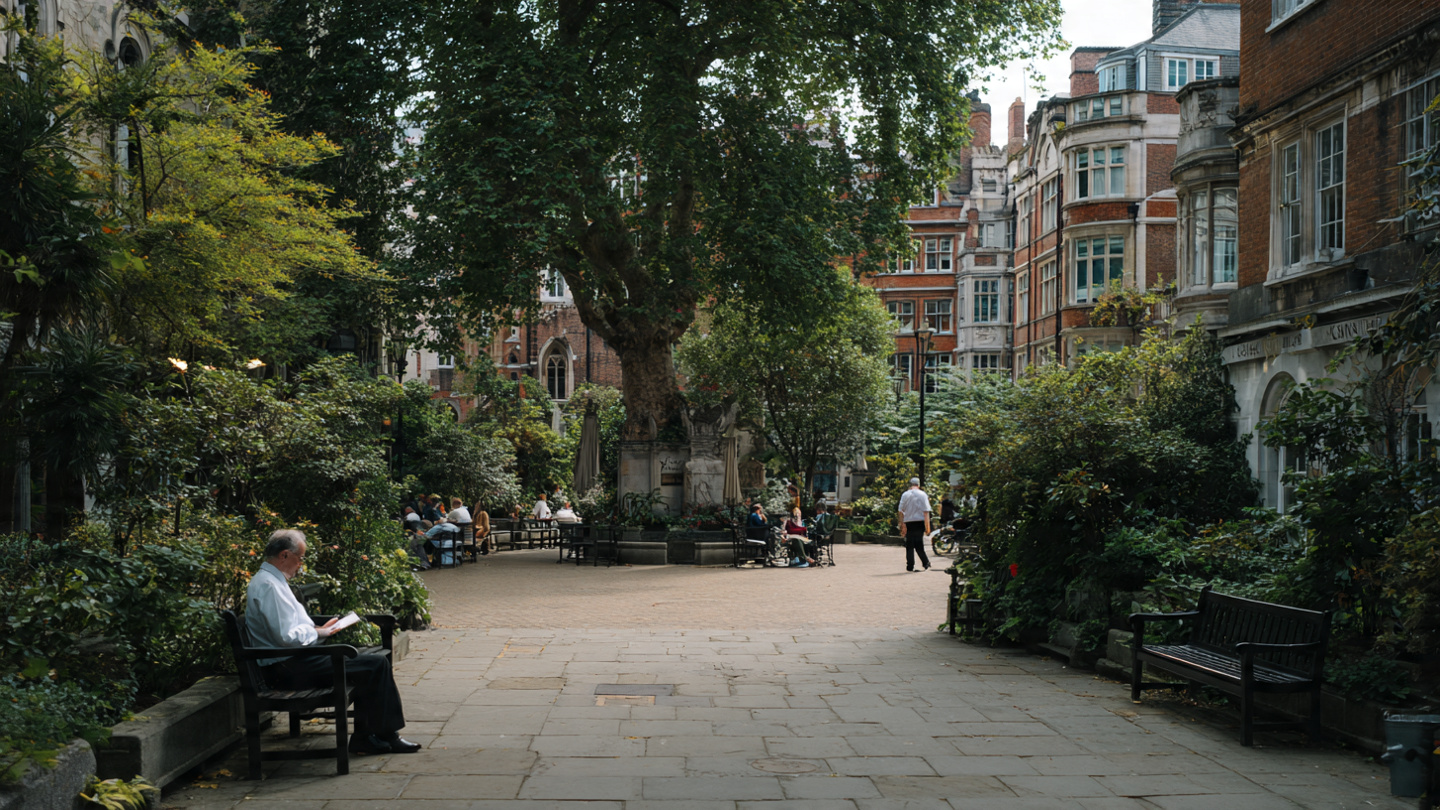
Even near the busiest parts of central London, calm spaces exist just a short walk away. These areas often go unnoticed because they do not announce themselves loudly. Small courtyards, tucked-away gardens, and lesser-used streets offer moments of stillness that contrast sharply with nearby movement.
Finding these places usually requires nothing more than slowing down. When you step slightly away from main routes, noise fades and pace changes. These quieter environments provide space to pause, observe, and reset without leaving the city center. For many travelers, these moments become highlights rather than breaks.
Spending time in calm spaces also helps maintain energy over long days. Instead of pushing continuously from one attraction to another, you allow brief pauses that prevent fatigue. This balance supports longer exploration without feeling drained.
Short Walks That Feel Restful
Not every walk needs to lead somewhere specific. In central London, short, unstructured walks can feel surprisingly restorative. Choosing a direction without a goal allows attention to shift from planning to observation. You notice textures, sounds, and movement rather than destinations.
These walks work especially well between more active experiences. A gentle stroll helps the body recover while keeping the mind engaged. Over time, this approach creates a rhythm that feels sustainable rather than demanding.
Short walks also help visitors reconnect with their surroundings. Instead of rushing through spaces, you experience them at a pace that encourages reflection. This slower movement often reveals details missed during faster exploration.
Indoor Options for Slower Days
Some days call for reduced movement, especially after several active hours. Central London offers many indoor spaces where you can slow down without isolating yourself. These environments allow rest while remaining connected to the city’s atmosphere.
Indoor activities provide relief from weather and crowds. They also support mental rest, giving you time to absorb what you have already experienced. Short indoor visits often feel more refreshing than long ones, especially when combined with outdoor exploration.
Including indoor options in your plans ensures flexibility. When energy dips, you adjust rather than push through. This adaptability helps maintain enjoyment across multiple days.
Balancing Activity With Rest
Exploring near the city center works best when activity and rest support each other. Continuous movement can dull attention, while too much rest can break momentum. Finding balance allows each experience to feel more meaningful.
Listening to your energy levels becomes important. Central London makes this easier by offering alternatives nearby. If a place feels overwhelming, calmer options usually sit within minutes. This proximity empowers you to adjust plans without frustration.
By treating rest as part of exploration rather than a pause from it, you maintain engagement without exhaustion. This balance helps the city feel welcoming and manageable, even during longer stays.
Experiences That Fit Short Stays
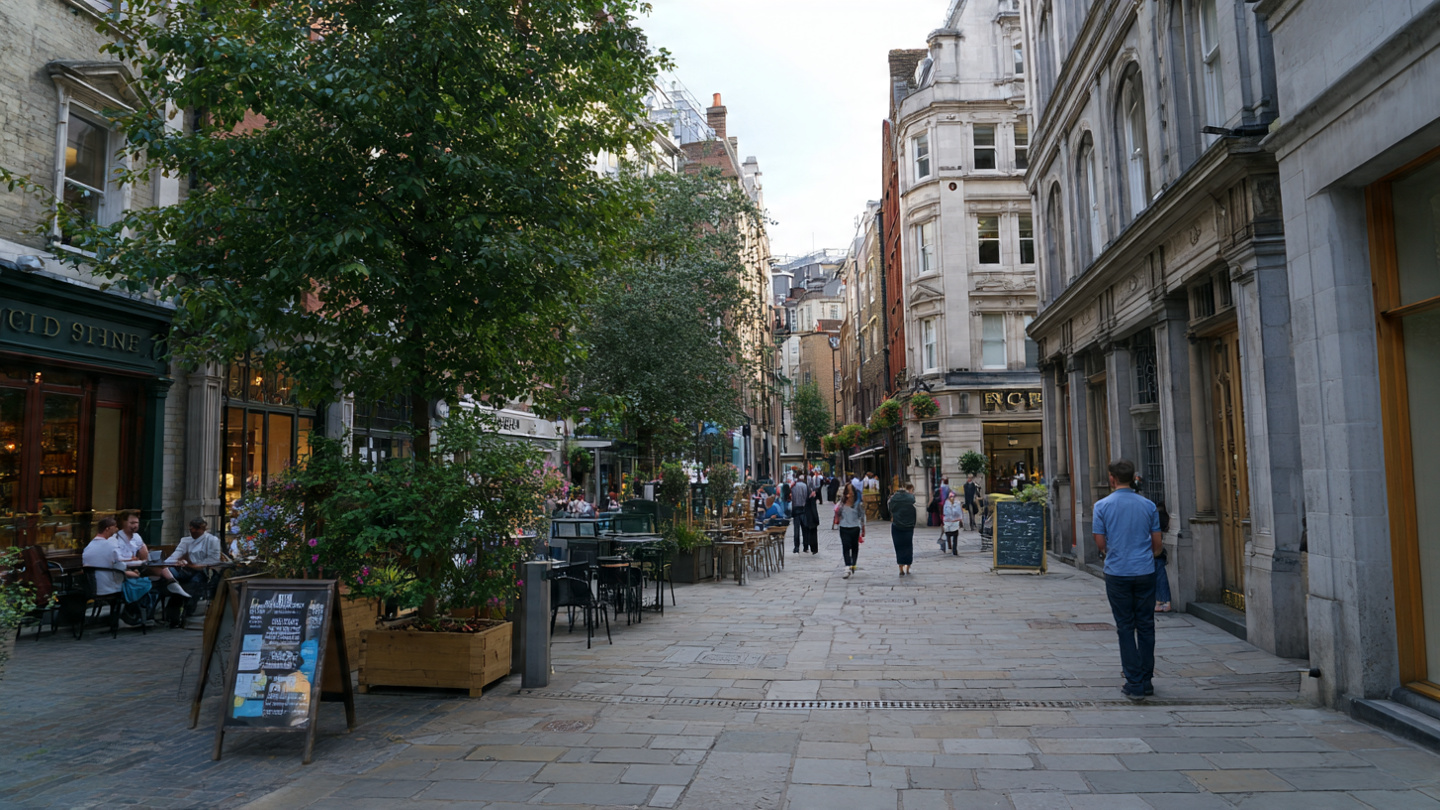
Half-Day Exploration Ideas
Short stays near the center of London benefit from experiences that feel complete without filling an entire day. A half-day approach allows you to explore deeply while leaving room for rest or spontaneous changes. Instead of trying to cover multiple distant areas, you focus on a compact zone and let it unfold naturally.
These half-day explorations often combine walking, observation, and light activities. You might begin with a cultural visit, continue through nearby streets, and end with time outdoors. This structure creates a sense of progression without pressure. Because distances remain short, transitions feel smooth rather than disruptive.
Travelers on limited schedules often find this approach more satisfying than rushing through multiple attractions. You leave with a clearer impression of the area rather than fragmented memories.
Making the Most of Limited Time
When time feels tight, proximity becomes a major advantage. Staying close to the city center allows you to start exploring immediately, even on arrival or departure days. Early mornings and late afternoons often become productive without feeling exhausting.
The key lies in choosing experiences that connect easily. Instead of moving across the city, you stay within a small radius and allow the day to build naturally. This focus reduces decision fatigue and helps you remain present rather than constantly checking schedules.
Limited time does not mean limited experience. In central London, even a few hours can feel full when movement stays efficient and choices remain flexible.
Combining Multiple Experiences in One Walk
One of the strengths of central exploration is the ability to combine different types of experiences into a single walk. Cultural spaces, outdoor areas, and dining options often sit close together, allowing variety without long breaks between activities.
This layering keeps interest high. You might begin with quiet observation, shift toward livelier streets, and end with a relaxed pause. Each change in atmosphere refreshes attention and prevents monotony.
Combining experiences also supports personal pacing. You decide how long to stay in each place and when to move on. This control helps short stays feel intentional rather than rushed.
Avoiding Overpacked Schedules
A common challenge during short visits is the temptation to overpack the schedule. Central London encourages the opposite approach. Because so much sits nearby, you gain more by choosing fewer experiences and allowing time between them.
Leaving space in the day allows unexpected moments to emerge. A street performance, a quiet square, or an inviting café can become memorable highlights when you are not rushing elsewhere.
By resisting the urge to see everything, you create room for enjoyment. Short stays feel richer when experiences have time to settle rather than blur together.
Short stays near the center often work best with flexible plans, and checking things to do in London this weekend helps shape half-day and last-minute itineraries.
Practical Tips for Exploring Central London
Best Times of Day to Explore
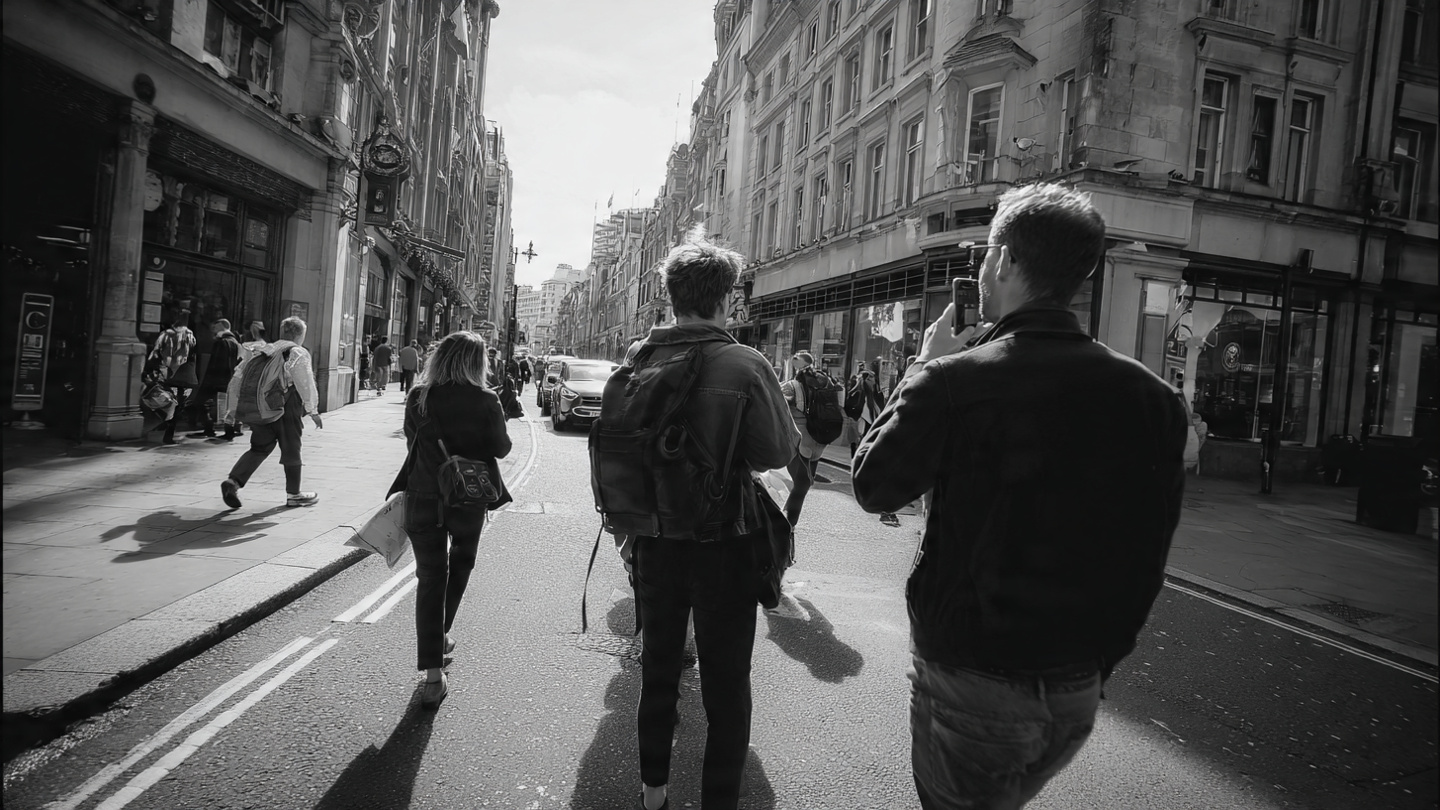
Timing plays a quiet but important role when exploring near the city center. Early mornings often feel calmer and more spacious, especially on popular streets. Shops begin to open, cafés prepare for the day, and the city moves at a slower pace. This time suits walking, photography, and relaxed observation.
Late mornings and early afternoons bring energy. Attractions fill gradually, streets become busier, and the atmosphere feels lively. This period works well for cultural visits, casual dining, and active exploration. Understanding this shift helps you choose where to spend your energy.
Evenings introduce a different rhythm. Some areas grow animated, while others soften. Planning lighter activities later in the day often feels more rewarding than pushing through crowded periods.
Managing Crowds Without Avoidance
Crowds form naturally in central areas, but they rarely remain constant. Movement patterns change by street, time, and purpose. Instead of avoiding busy areas entirely, adjusting timing and direction often makes a difference.
Stepping one street away from main routes frequently reduces congestion. Short detours can transform the experience without removing you from the center. Observing how locals move provides cues for smoother navigation.
Accepting some level of activity also helps. When you expect movement, it feels less intrusive. Central London rewards those who adapt rather than resist.
What to Wear for Walkable Days
Comfort matters more than style when walking extensively, though central London allows for both. Shoes should support long periods on varied surfaces, including pavement and cobblestone. Clothing layers help manage changing conditions and indoor transitions.
Carrying only what you need improves mobility. A lighter load allows freer movement and reduces fatigue. Simple adjustments like these often determine how long you enjoy walking before needing rest.
Practical preparation supports spontaneity. When you feel physically comfortable, you remain open to unplanned exploration.
Staying Flexible While Exploring
Flexibility defines successful central exploration. Plans work best as loose frameworks rather than fixed schedules. Allowing room for change keeps the day responsive rather than restrictive.
If an area feels overwhelming, shifting focus takes little effort. If energy dips, rest options sit nearby. This adaptability prevents frustration and preserves enjoyment.
Staying flexible also encourages discovery. Some of the most memorable moments occur when plans pause and curiosity takes over. Central London supports this mindset better than most places.
Common Mistakes Visitors Make Near the City Center
Trying to See Too Much Too Quickly
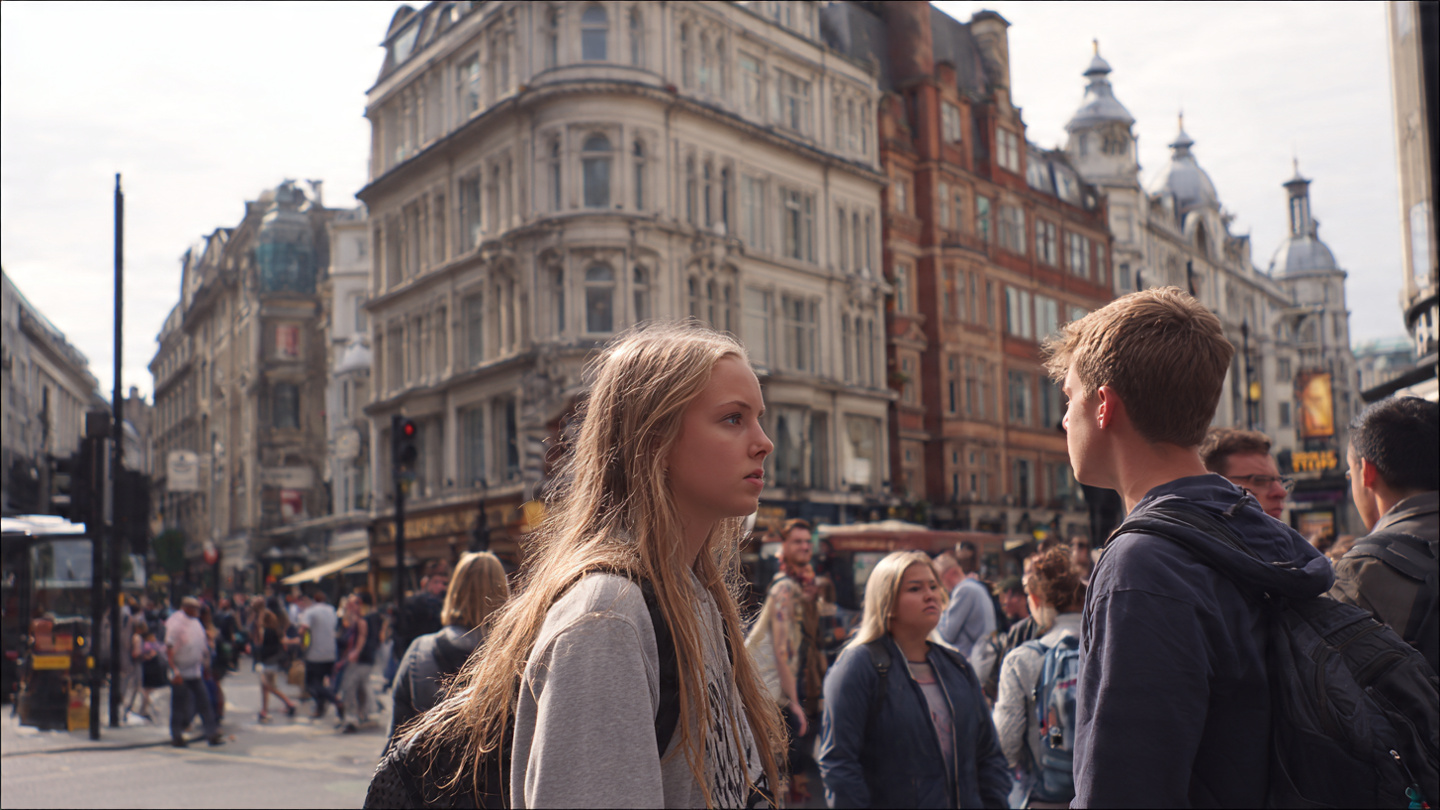
One of the most common mistakes visitors make near the city center is trying to fit too many experiences into a single day. Because attractions sit close together, it can feel tempting to move rapidly from one place to the next. Over time, this approach reduces enjoyment rather than increasing it. Moments blur together, and attention shifts toward timekeeping instead of observation.
Central London rewards slower exploration. Allowing experiences to breathe creates stronger memories and a clearer sense of place. When you choose fewer activities and spend more time with each, the city feels richer and more engaging.
Ignoring Walkability
Some visitors underestimate how walkable central London is and rely too heavily on transport for short distances. While public transport remains efficient, using it unnecessarily often breaks the natural flow of exploration. Short journeys that could feel enjoyable on foot instead become segmented and hurried.
Walking connects experiences seamlessly. It allows transitions to become part of the day rather than interruptions. By choosing to walk when possible, visitors gain context and reduce stress.
Relying Too Heavily on Transport
Closely related to walkability is the tendency to default to transport even within the city center. This habit often stems from unfamiliarity rather than necessity. While transport plays an important role, constant use can create a fragmented experience.
Central exploration works best when transport supports rather than replaces walking. Saving transport for longer distances preserves energy while maintaining continuity. This balance keeps days structured yet flexible.
Skipping Simple Experiences
Another common mistake involves overlooking simple moments in favor of major attractions. Sitting in a public square, wandering a quiet street, or pausing along the river may seem insignificant compared to iconic sites. In reality, these moments often shape how visitors remember the city.
Simple experiences ground the day. They provide contrast, rest, and reflection. Skipping them can make the city feel rushed and impersonal. Embracing simplicity often leads to deeper connection and enjoyment.
How to Choose What Fits Your Travel Style
For First-Time Visitors
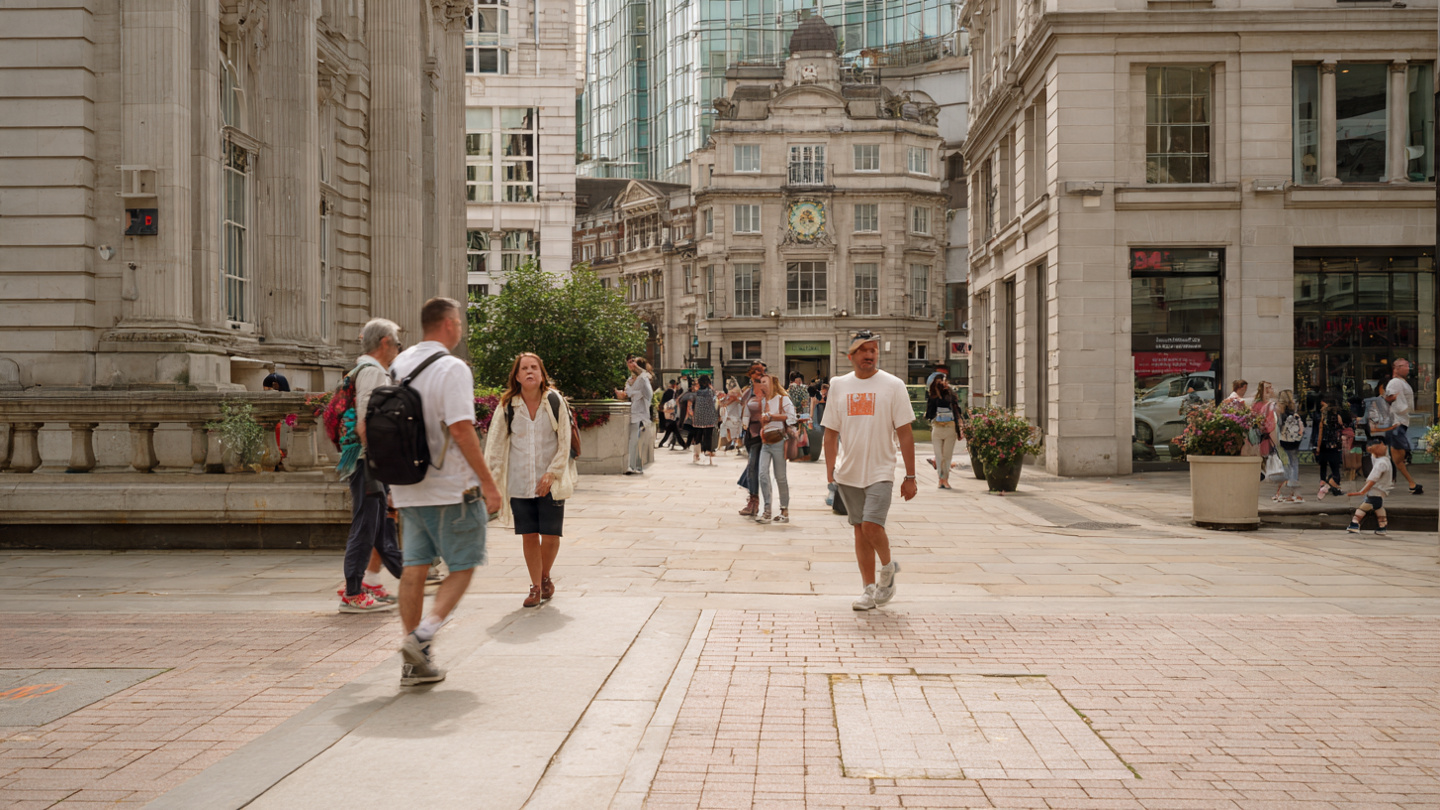
First-time visitors often feel drawn toward well-known sights, and staying near the center supports that instinct naturally. The key lies in balance. Choosing a few recognizable experiences helps create orientation and confidence, but leaving space between them allows the city to reveal itself more organically.
Rather than following a strict sequence, first-time travelers benefit from grouping experiences loosely by area. This approach reduces movement and allows for exploration between stops. Over time, streets begin to feel familiar, and navigation becomes intuitive. This familiarity helps replace anxiety with curiosity.
Allowing room for unplanned moments also matters. When you let curiosity guide part of the day, central London feels less overwhelming and more welcoming.
For Couples and Solo Travelers
Couples and solo travelers often enjoy the freedom and rhythm that central exploration provides. Without the need to coordinate larger groups, decisions can remain fluid. A walk can extend naturally into an evening activity, or a quiet pause can become part of the experience rather than a break from it.
For couples, shared discoveries often matter more than quantity. Wandering through different atmospheres, noticing details, and choosing when to linger creates meaningful moments. Solo travelers benefit from the steady presence of people and services, which supports confidence and comfort throughout the day.
Central London works especially well for independent exploration. The environment feels active without being overwhelming, and flexibility remains constant.
Central neighborhoods allow days to flow gently into evenings, which is why walkable plans often complement romantic things to do in London for couples exploring together.
For Families With Children
Families often need adaptability, and the city center provides it. Short distances make it easier to manage energy levels and adjust plans when needed. Instead of committing to full-day outings, families can move in smaller segments and respond to changing moods.
Including pauses throughout the day becomes essential. Central areas offer plenty of opportunities to stop, sit, and regroup without leaving the main zone. These breaks help children stay engaged and prevent fatigue from building too quickly.
Choosing experiences that allow movement rather than long periods of stillness often works best. Walking, observing, and light activities support attention and enjoyment for all ages.
For Travelers Seeking Balance
Some travelers look for a mix of activity and calm rather than extremes. Central London supports this balance naturally. Lively streets and quieter spaces often sit close together, allowing easy shifts in pace.
The key lies in listening to energy levels. When excitement peaks, movement satisfies it. When fatigue appears, rest options remain nearby. This responsiveness keeps exploration enjoyable over multiple days.
By choosing experiences that align with personal rhythm rather than external expectations, travelers create days that feel fulfilling rather than exhausting.
Final Thoughts on Exploring Near London City Center
Why Central Exploration Often Feels Most Rewarding
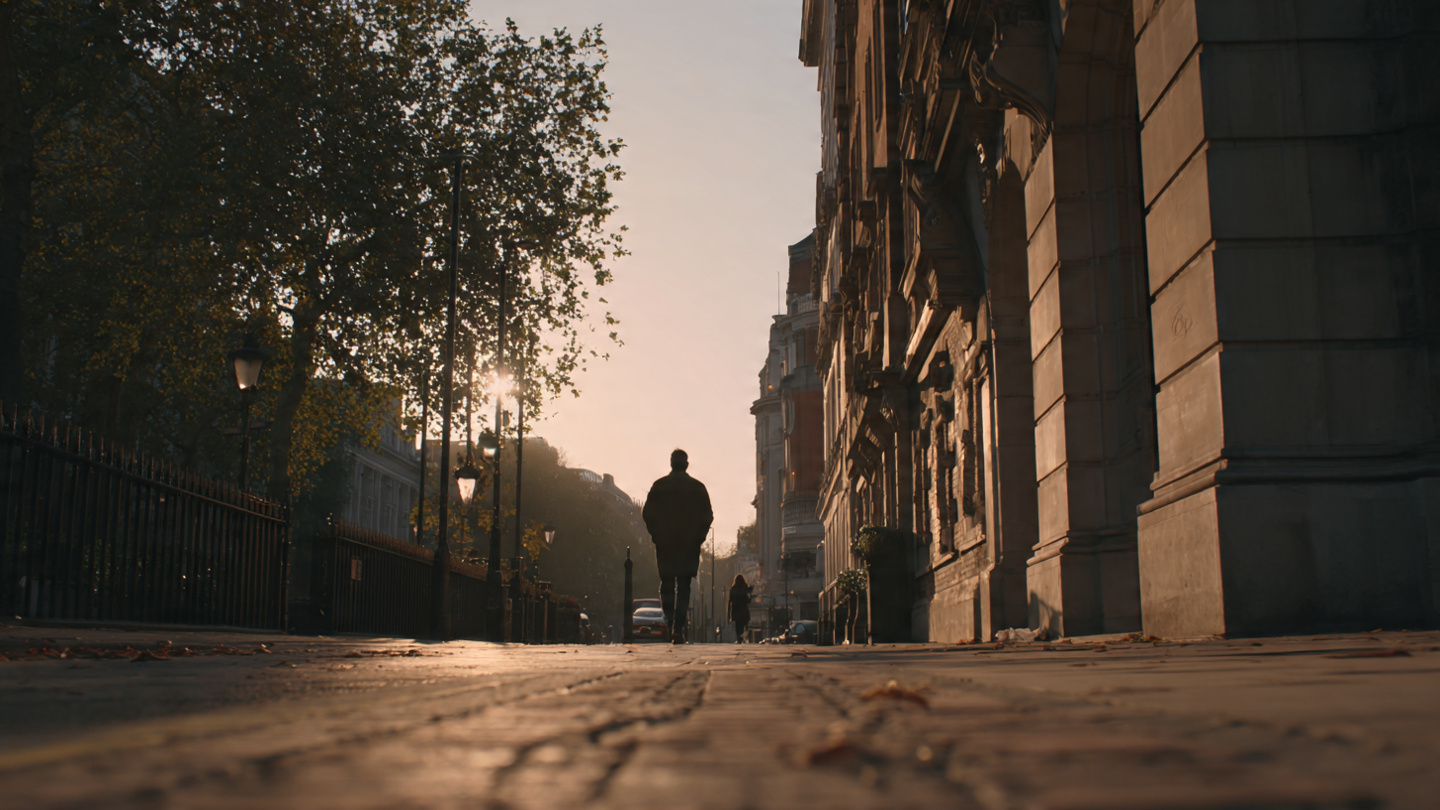
Exploring near the center of London often leaves the strongest impression because it brings many layers of the city together in one place. History, culture, daily routines, and movement coexist closely, allowing visitors to experience contrast without effort. You move from lively streets to quieter spaces, from formal surroundings to informal moments, all within a walkable area.
This proximity creates continuity. Instead of breaking the day into disconnected segments, experiences flow naturally. Over time, the city feels less like a destination you are visiting and more like a place you are temporarily part of. This sense of belonging often defines how travelers remember their time in London.
Central exploration also encourages attentiveness. When distances stay short, attention shifts away from logistics and toward observation. You notice details, patterns, and small interactions that shape the city’s character.
Letting the City Guide the Experience
One of the most valuable approaches to central exploration is allowing the city to guide decisions. Rather than forcing plans to fit expectations, you respond to what feels right in the moment. A busy street may invite movement, while a quiet corner encourages rest.
This responsiveness creates a more personal experience. Each day unfolds differently based on energy, interest, and chance encounters. Over time, these moments form a narrative that feels authentic rather than constructed.
Letting the city guide you also reduces pressure. You no longer measure success by how much you see, but by how connected you feel to the experience.
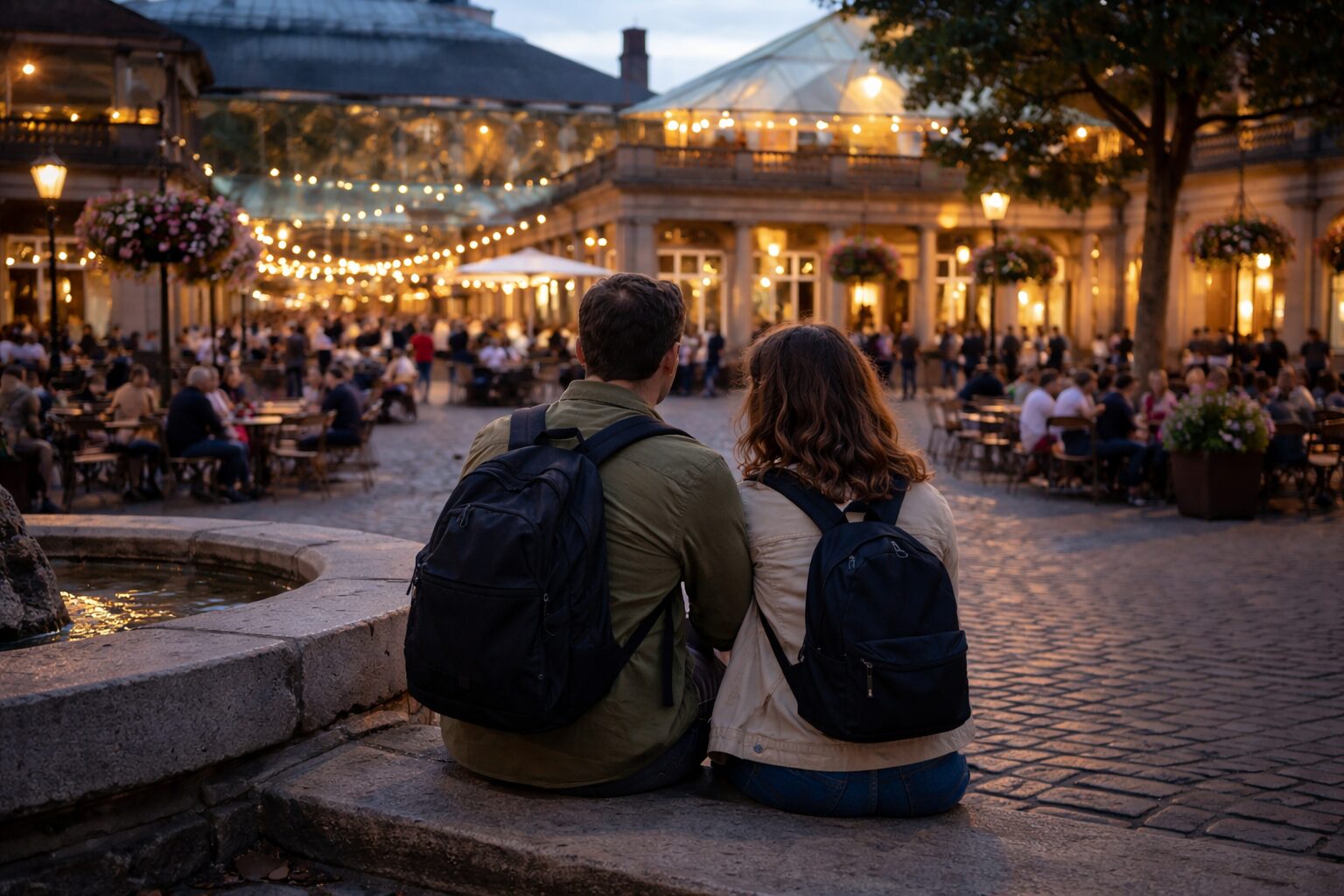
Making Central London Feel Personal
Central London may attract millions of visitors, but it still allows for individual experiences. Personal moments emerge through choices, pace, and attention rather than exclusivity. Walking familiar streets twice reveals new details. Sitting briefly in the same space at different times of day creates contrast.
These repeated encounters build familiarity. The city stops feeling anonymous and starts to feel navigable and welcoming. Even short stays can create this sense of connection when exploration remains intentional and unhurried.
Ultimately, spending time near the center works best when approached with curiosity and flexibility. By focusing on flow rather than volume, you allow London to reveal itself gradually. This approach turns central exploration into something lasting rather than fleeting.
Frequently Asked Questions About Exploring London City Center
Walkability and Getting Around
Yes, central London is highly walkable for visitors. Many major attractions, cultural areas, shopping streets, and public spaces sit close to one another. Walking often feels more practical than using transport for short distances and allows travelers to experience the city more naturally.
In many cases, yes. Walking covers a large portion of what visitors want to see near the center. Public transport remains useful for longer distances, but relying less on it within central areas often improves the overall experience.
Time Planning and Trip Length
The amount of time depends on travel style, but even one full day can feel rewarding. Visitors staying longer often benefit from spreading activities across several days, mixing walking, cultural visits, and relaxed breaks. The compact nature of the area makes short stays feel efficient.
Suitability for Different Travelers
Yes, the area near the center works especially well for first-time visitors. Clear landmarks, frequent services, and short distances help with orientation and confidence. Exploring this area provides a strong introduction to London’s history, culture, and daily life.
Travelers who value flexibility, efficiency, and variety benefit the most. This includes first-time visitors, couples, solo travelers, and families who prefer walkable days and easy access to multiple experiences without long travel times.
Crowds, Comfort, and Safety
Central London can feel busy, but crowd levels change throughout the day and vary by street. Quieter areas often sit just a short walk away from busy routes. Adjusting timing and pace usually allows for relaxed exploration without leaving the center.
Central areas generally remain active and well-lit in the evening. Restaurants, theaters, and public spaces keep streets lively, which many visitors find reassuring. As with any large city, staying aware of surroundings and choosing well-used routes supports comfort.