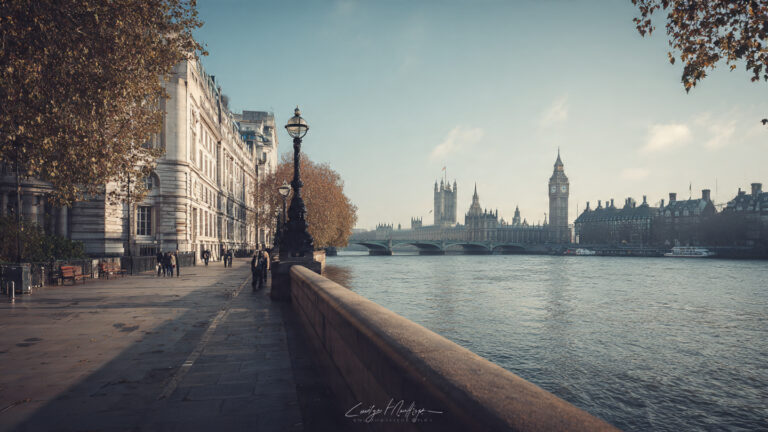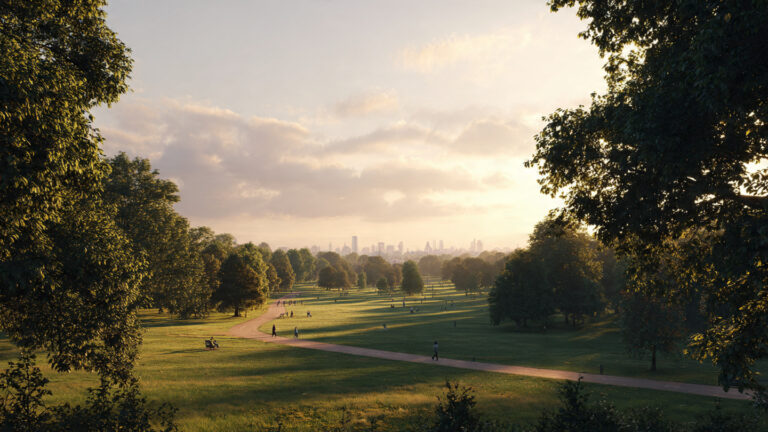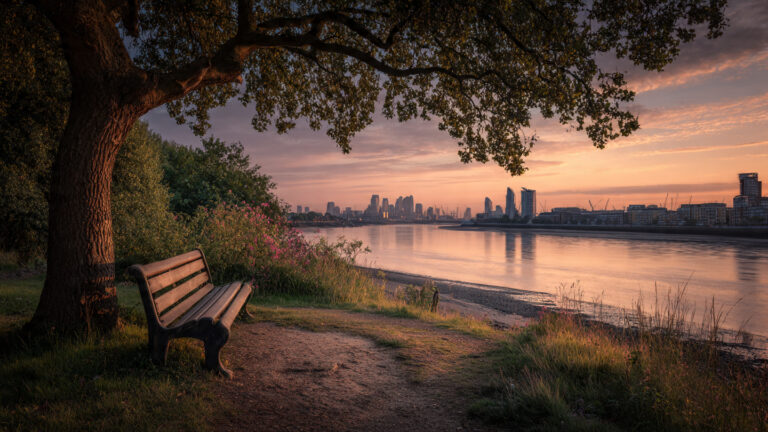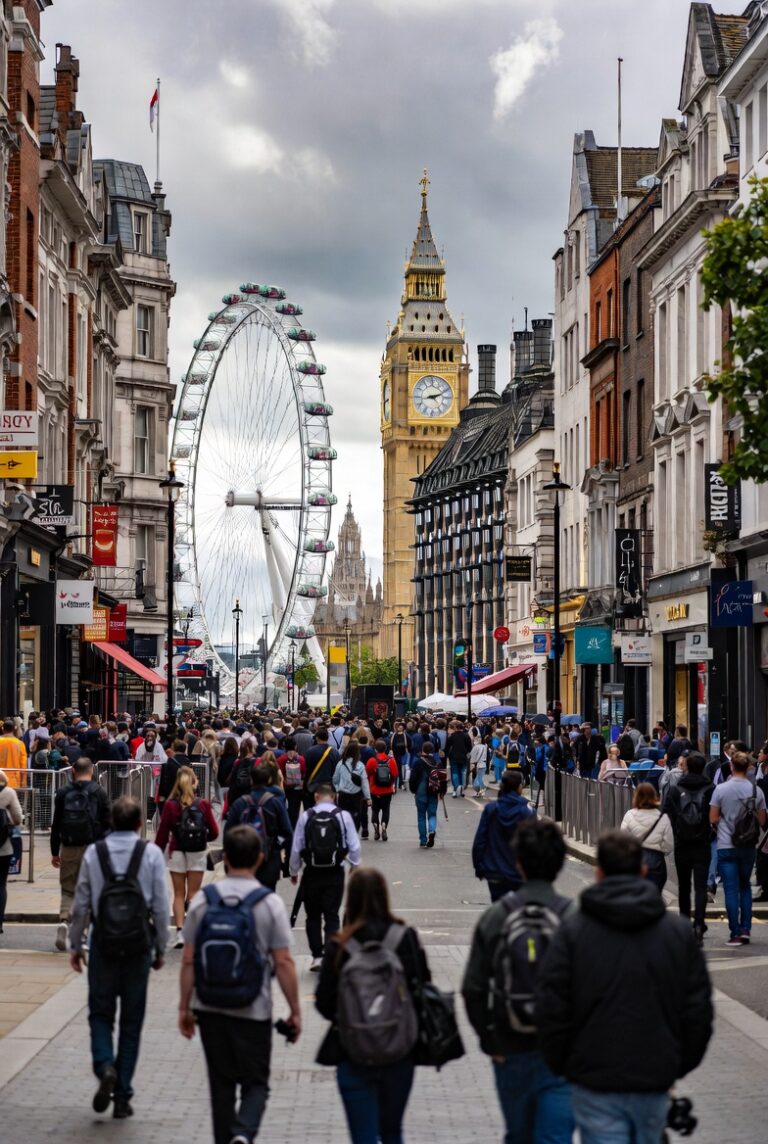

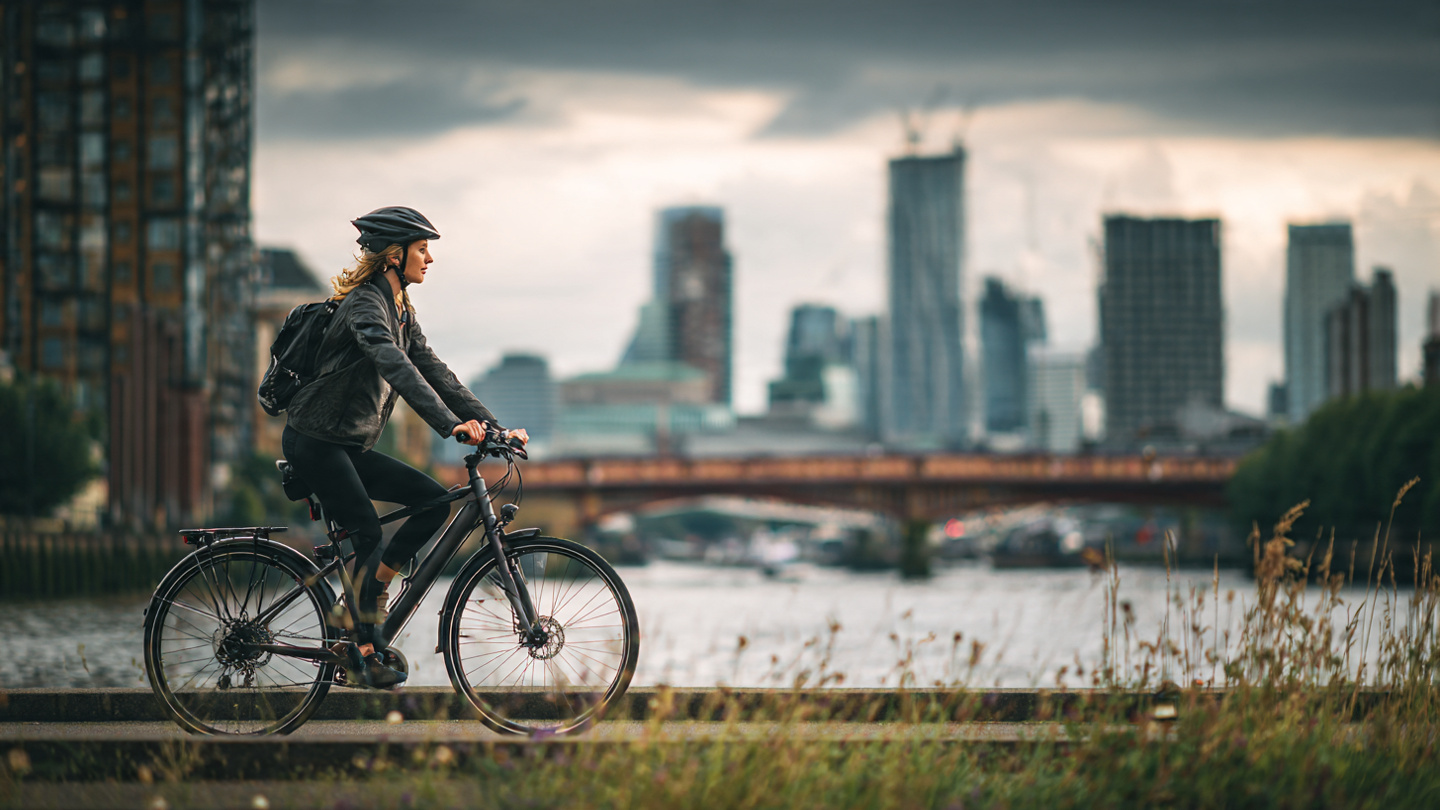
Seeing London vs Experiencing London Many travel guides describe London through landmarks, museums, and historic streets, and while those places matter, they only show part of how the city works. London becomes more engaging when you move through it with intention, interacting with the city through movement, challenge, and active participation rather than observing from the outside, especially when exploring adventure activities. Adventure in London does not rely on wilderness or extreme conditions, because the city creates its own form of challenge through scale, contrast, and energy. You can cycle through open parks, navigate dense neighborhoods, test balance near the river, or step into controlled high intensity environments, all of which demand focus and effort while keeping you within the urban setting, proving that adventure activities in London feel natural and exciting. Travelers who include active experiences often feel more connected to the city, since adventure shifts attention away from passive sightseeing and toward direct involvement. When your body and mind remain engaged, time slows in a meaningful way, streets feel more personal, distances feel earned, and moments stand out more clearly, turning London from a backdrop into an active part of the journey and strengthening memories created through adventure activities in the city.
Not every traveler prefers high-energy experiences all year, and exploring things to do in London in autumn offers a slower, more reflective alternative to adventure-focused activities.
London offers far more than just high energy experiences, and travelers who want a complete overview can explore a broader mix of iconic sights, cultural highlights, and seasonal ideas in this main things to do in London guide.
What Counts as an Adventure Activity in London
Understanding Adventure in an Urban Environment
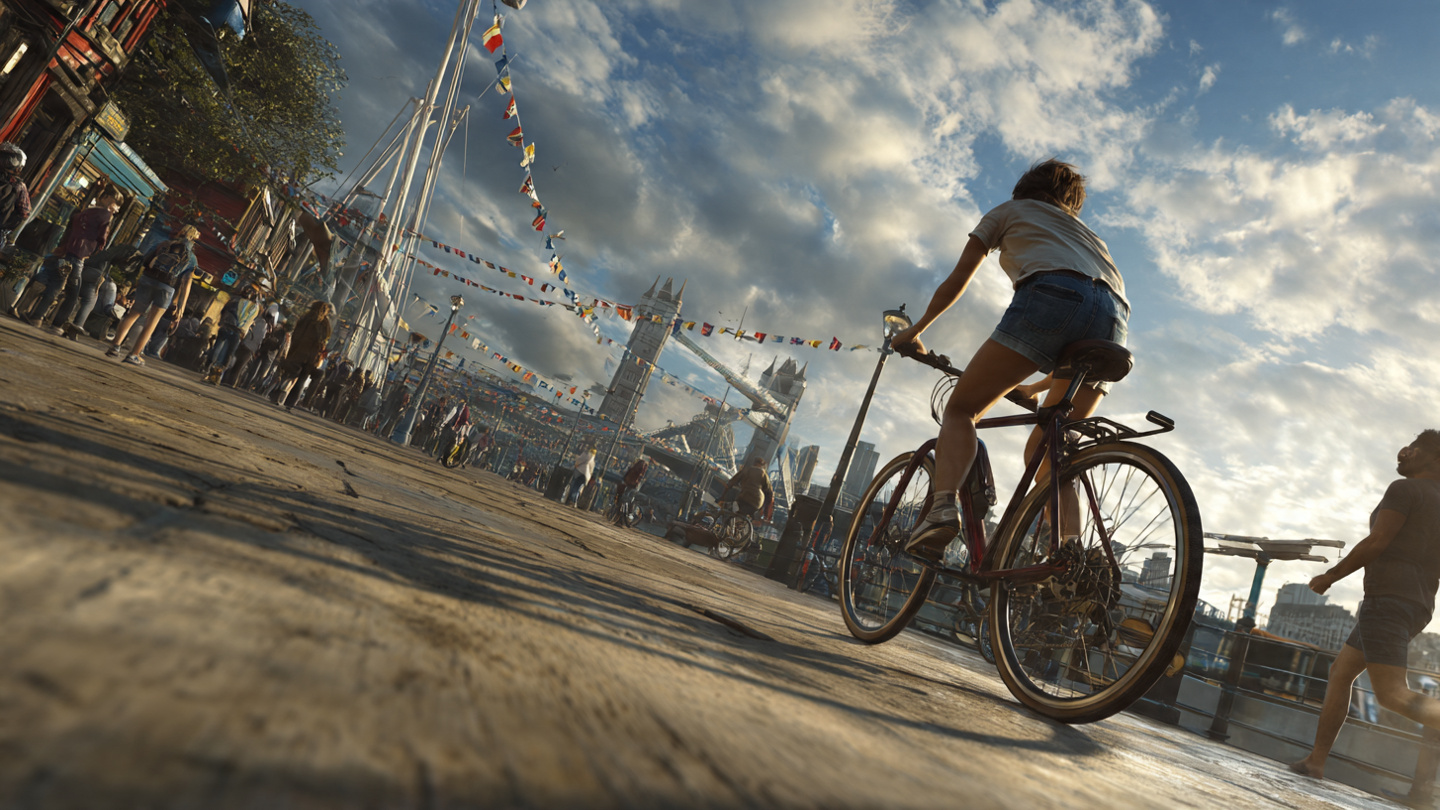
Adventure often brings images of mountains, forests, or remote landscapes to mind. In a city like London, adventure takes a different shape. It comes from interaction rather than isolation. An activity feels adventurous when it requires effort, awareness, or adaptability. The setting matters less than the level of involvement it demands. This is particularly true for adventure activities found in London.
London supports this idea well. The city combines movement, scale, and unpredictability in a way that keeps people alert. Streets change quickly, spaces overlap, and environments shift within short distances. When an activity uses these elements, it moves beyond sightseeing and becomes an adventure, which is why adventure activities in London are exceptional.
Active Participation vs Passive Observation
A clear line separates adventure from traditional sightseeing. Passive experiences allow you to stand back and observe. Adventure pulls you into the experience. You make decisions, adjust your pace, and respond to what happens around you. Your body and mind stay involved throughout the activity, which is essential when engaging in adventure activities across London.
In London, this distinction becomes obvious. Watching the city from a bench feels very different from navigating it through physical or mental challenge. Adventure activities replace distance with engagement. They ask you to take part rather than remain a spectator, which makes adventure activities in London compelling.
Physical Effort as a Defining Element
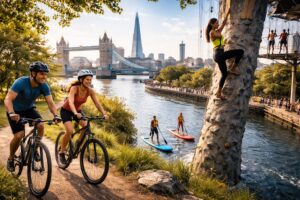
Many adventure activities involve some level of physical effort. That effort does not need to be extreme. Even moderate movement can feel adventurous when it challenges balance, stamina, or coordination. Cycling through varied terrain, climbing vertical spaces, or maintaining rhythm on moving surfaces all require active control. London’s environment enhances this effort, allowing adventure activities here to thrive.
London’s environment enhances this effort. Pavements, bridges, parks, and waterways create natural variation. These changes keep physical activity interesting rather than repetitive. The city itself becomes part of the challenge, making adventure activities in London vibrant and engaging.
Many adventure experiences also sit close to major green spaces, making it easy to combine high energy activities with relaxed walks and nearby attractions found around things to do near Hyde Park.

Mental Challenge and Decision-Making
Not all adventure activities rely on physical strength. Mental challenge plays an equally important role. Activities that involve problem-solving, time pressure, or teamwork demand focus and adaptability. They test how well you think under changing conditions, similar to adventure activities in London.
London works well for this type of adventure because it constantly presents choices. Routes shift, spaces overlap, and distractions compete for attention. When an activity builds on these conditions, it creates a sense of urgency and immersion that feels adventurous without relying on physical intensity alone. This is what makes adventure activities in London appealing and unique.
Many of these adventure based experiences also fall outside the usual tourist path, aligning closely with the city’s most unique things to do in London.
Why Controlled Risk Still Feels Exciting
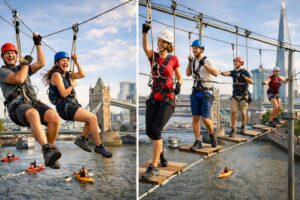
Adventure does not require danger. Controlled risk often creates a stronger sense of excitement because it allows people to push personal boundaries safely. London’s regulations and infrastructure support this balance. Activities operate within clear safety limits, yet still challenge comfort levels, making adventure activities in London accessible yet thrilling.
This structure opens adventure to a wider audience. Travelers can explore new experiences without needing specialist skills or high tolerance for risk. The excitement comes from stepping slightly outside routine rather than facing extreme conditions, enhancing adventure activities throughout London.
Adventure as a Way to Experience the City Differently
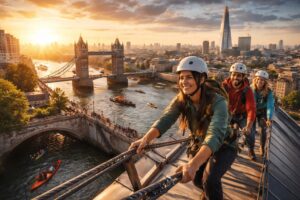
I have noticed that adventure activities change how people perceive London. Distances feel more meaningful when you move through them actively. Spaces feel more personal when effort connects you to them. The city shifts from a collection of sights into a lived environment, adding depth to adventure activities in London.
This change explains why adventure activities leave a stronger impression. They combine place, effort, and attention into a single experience. London becomes something you engage with, not something you simply pass through, making adventure activities in London an enriching experience.
Outdoor Physical Adventure Activities Across London
Why Outdoor Adventure Works So Well in London
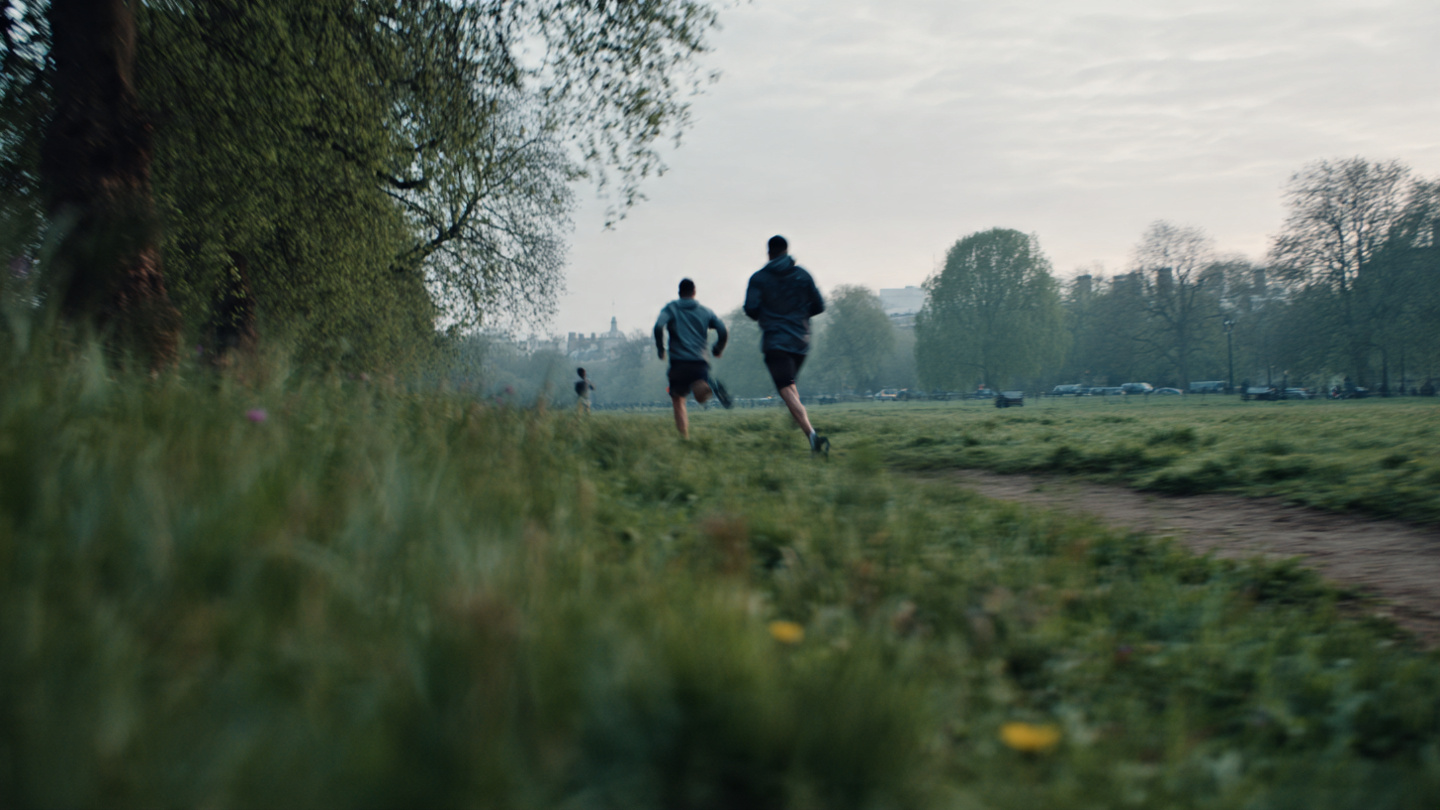
London may feel dense and busy, but it offers more open space than many visitors expect. Parks, riverside paths, canals, and wide urban corridors create room for physical movement. These spaces connect different parts of the city and allow outdoor activities to feel continuous rather than fragmented. Adventure grows naturally when movement flows through varied environments instead of staying confined to one location, making adventure activities plentiful in London.
Outdoor physical activities also reveal contrasts. One moment you move through quiet green space. The next, you pass alongside traffic, architecture, or crowds. This shift keeps attention high and prevents physical effort from becoming routine. London’s layout encourages this rhythm, which is why outdoor adventure feels dynamic rather than repetitive—a hallmark of adventure activities in London.
Explore Hyde Park on using google maps.
Cycling as a City-Based Challenge
Cycling through London offers more than simple transportation. It becomes an adventure when riders navigate changing surfaces, shared paths, and long-distance routes. Urban cycling demands awareness and adaptability. You constantly read the environment, adjust speed, and respond to others around you, reflecting adventure activities found in London.
The challenge does not come from speed alone. It comes from endurance, navigation, and balance within a living city. Long cycling routes across parks, along rivers, and through neighborhoods transform London into an active landscape. Riders experience distance in a tangible way and gain a deeper sense of scale than walking or public transport allows, showcasing adventure activities in London.

Climbing and Vertical Movement Experiences
Vertical movement introduces a different kind of physical challenge. Climbing activities test strength, coordination, and focus all at once. In London, these experiences often take place in controlled environments designed to simulate height and complexity, illustrating adventure activities in London.
What makes them adventurous is not danger, but concentration. Each movement requires intention. Progress depends on balance and decision-making rather than brute force. Vertical activities also change perspective. They shift attention upward and inward, pulling focus away from street-level distractions and toward controlled physical effort, capturing the essence of adventure activities in London.

Endurance and Obstacle-Based Outdoor Activities
Some outdoor adventure activities emphasize stamina rather than technique. Endurance challenges ask participants to maintain effort over time. Obstacle-based activities combine movement with problem-solving, requiring both physical strength and planning, highlighting adventure activities in London.
London’s open spaces allow these activities to unfold naturally. Trails, fields, and multi-use areas provide enough variation to keep effort interesting. Participants often move through changing terrain, which adds unpredictability and keeps energy levels engaged. These experiences appeal to travelers who enjoy testing limits without focusing on speed or competition, making adventure activities plentiful in London.
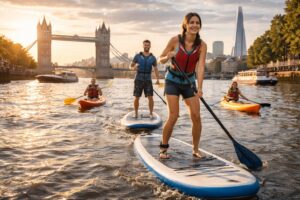
Balance, Coordination, and Body Awareness
Not all physical adventure relies on strength or endurance. Activities that challenge balance and coordination demand a different kind of effort. They require awareness of posture, movement, and rhythm. Small adjustments matter, and mistakes become learning moments rather than failures, reflecting adventure activities in London.
London’s outdoor environments support these challenges well. Uneven surfaces, narrow paths, and shared spaces encourage careful movement. This type of adventure often feels subtle at first, but it quickly becomes absorbing. The focus it requires pulls attention away from noise and distraction, enhancing adventure activities throughout London.

Why Outdoor Physical Adventure Feels More Personal
I have noticed that outdoor physical activities create a strong personal connection to the city. Movement links places together in memory. A route becomes a story rather than a line on a map. Effort anchors experiences in the body, making them easier to recall later, especially when undertaking adventure activities in London.
Outdoor adventure also slows travel in a useful way. Even when covering distance, the pace feels intentional. You notice transitions, sounds, and changes in atmosphere. London becomes something you move through actively rather than observe from a distance, capturing the essence of adventure activities across the city.
Enjoyed seeing London via bicycle. It was nice being able to avoid traffic.tour guide was easy going and knowledgeable. I recommend the tour by bicycle, fitness level was moderate.
Read more reviews on Tripadviser.
Water-Based and Movement-Focused Adventure Experiences
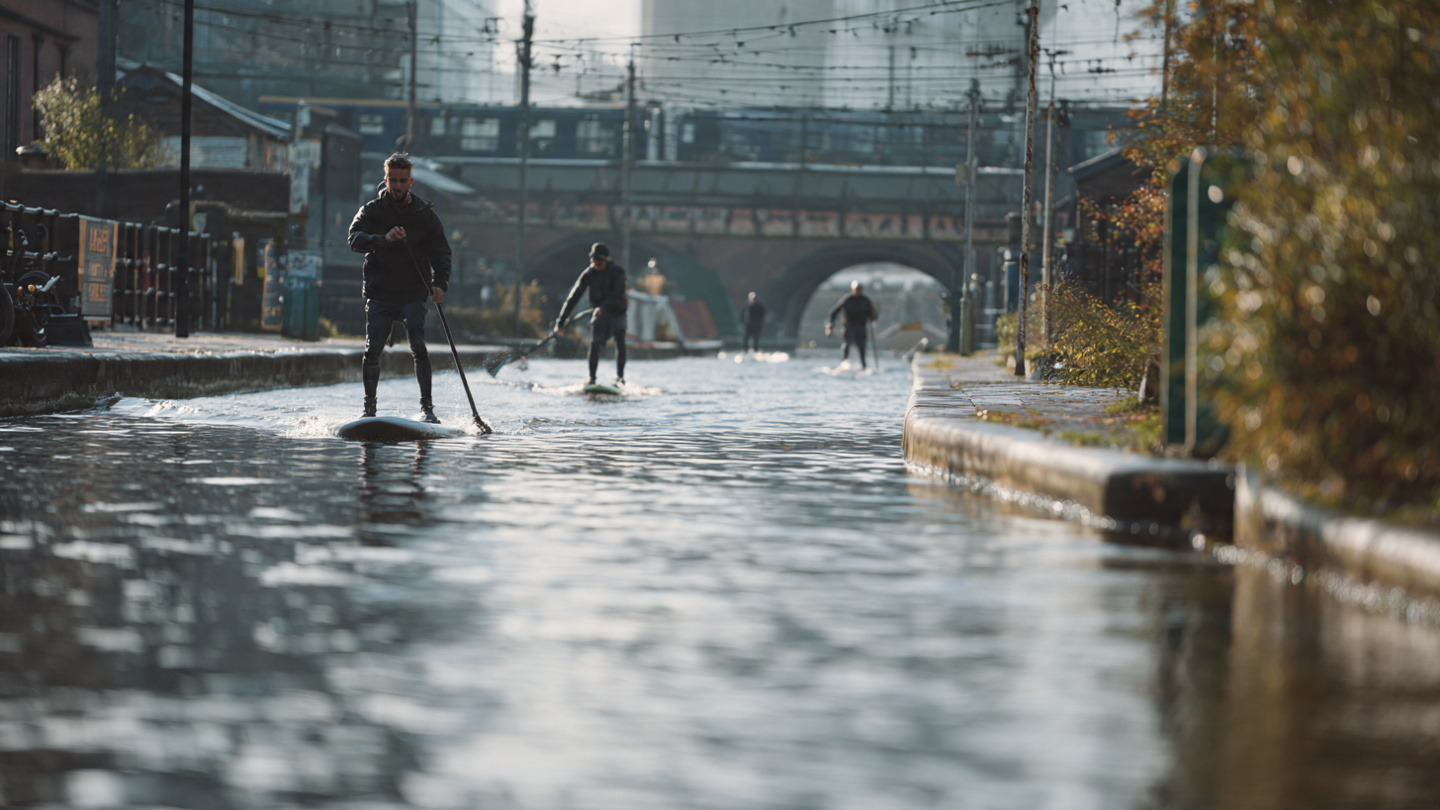
How Water Changes the Way London Feels
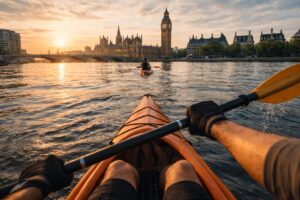
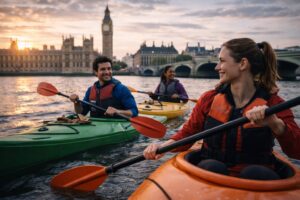
Water introduces a different rhythm to the city. Movement slows, sound softens, and attention shifts. In London, rivers and canals create long, continuous spaces that cut through busy districts and open areas alike. When adventure activities take place on or near water, they change how the city is experienced. The environment feels calmer, but the physical challenge remains present.
Water-based movement also demands a different kind of focus. Balance, timing, and awareness replace speed or strength as the main skills. This shift appeals to travelers who want adventure without high impact or constant intensity.
Thames river on google maps.
Balance and Control on Moving Water
Activities that involve standing or sitting on water require steady control. Small movements affect direction and stability. Participants learn quickly that calm, deliberate actions matter more than force. This learning process forms part of the adventure.
London’s waterways provide long, relatively predictable routes, which helps people build confidence as they move. At the same time, passing boats, changing currents, and urban surroundings keep attention sharp. The experience blends relaxation with challenge in a way that feels distinctly urban.
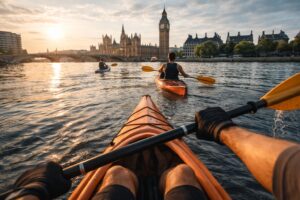
Rhythm, Endurance, and Flow
Some water-based adventures focus on rhythm rather than balance. Repetitive motion, coordinated breathing, and steady pacing define these experiences. Endurance plays a role, but the challenge comes from maintaining flow over time.
London supports this style of movement well. Long stretches of water allow sustained effort without constant interruption. Participants often find themselves settling into a pace that feels meditative yet physically demanding. This combination creates an adventure that engages both body and mind without relying on high intensity.

Movement Along Waterways
Not all water-related adventure happens on the water itself. Paths that follow rivers and canals offer continuous movement through varied environments. These routes encourage longer sessions of walking, running, or cycling with fewer interruptions than typical city streets.
Movement along water feels different because the surroundings change gradually. Buildings, boats, bridges, and open views create a steady visual flow. This continuity makes physical effort easier to sustain and keeps motivation high. Adventure emerges from distance, pace, and immersion rather than difficulty alone.
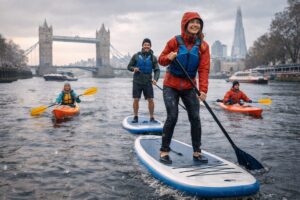
Seasonal Influence Without Limitation
Water-based adventure responds to weather more visibly than many other activities. Temperature, wind, and light affect comfort and energy. However, London’s moderate climate allows these experiences to remain accessible for much of the year.
Participants often adjust timing, clothing, and intensity rather than avoiding water-based movement altogether. This flexibility makes water-focused adventure a reliable option for travelers who want activity without strict seasonal dependence.
Why Water-Based Adventure Feels Mentally Restorative
I have noticed that water-based movement creates a sense of mental clarity. The combination of controlled physical effort and calming surroundings helps reduce mental noise. Attention narrows to movement, balance, and breath.
This effect explains why many travelers describe these experiences as both adventurous and restorative. They challenge the body while giving the mind space to settle. In a city as busy as London, that balance holds particular value.
Urban Challenge and Immersive Adventure Experiences

Redefining Adventure Through Mental Engagement
Adventure does not always depend on physical exertion. In a city like London, many of the most engaging adventures challenge the mind rather than the body. These experiences rely on problem-solving, observation, communication, and time management. They create pressure without physical risk and demand focus in a way that feels immersive.
Urban challenge activities appeal to travelers who enjoy puzzles, strategy, and teamwork. They replace distance and endurance with concentration and decision-making. The sense of adventure comes from uncertainty and involvement rather than movement alone.

Time Pressure and Decision-Making
Many immersive challenges operate under time constraints. Participants must make decisions quickly, adapt to new information, and manage limited resources. This pressure heightens awareness and creates urgency. Even simple tasks feel intense when time becomes a factor.
London’s fast-paced atmosphere complements this style of adventure. The city already moves quickly, and immersive challenges mirror that energy. Participants often feel pulled into the experience almost immediately, leaving little room for distraction or hesitation.
Teamwork as an Adventure Element
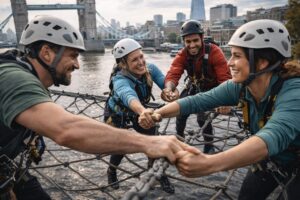
Urban challenge experiences often emphasize collaboration. Success depends on communication, trust, and shared problem-solving. Each participant contributes differently, and progress relies on how well the group functions as a unit.
This social dimension adds depth to the adventure. The experience becomes not only about solving a challenge, but also about understanding group dynamics. Travelers frequently leave these activities with stronger connections and shared memories, which enhances their overall impression of the city.

Story-Driven Immersion
Some urban adventure experiences build narratives around the challenge. Participants step into a story where tasks unfold as part of a larger scenario. This narrative structure increases emotional investment and makes the experience feel purposeful rather than abstract.
London’s history and architecture support this approach well. Story-driven challenges often draw on the city’s atmosphere, using familiar settings in unfamiliar ways. The result feels immersive without requiring suspension of disbelief. The city itself becomes part of the storyline.

Observation and Awareness in Busy Environments
Urban adventure often requires sharp observation. Participants must notice details, interpret clues, and connect information scattered across spaces. In a busy city, this skill becomes more demanding. Distractions surround you, and attention must stay focused.
This challenge adds realism to the experience. It mirrors the skills needed to navigate complex environments in everyday life. Adventure emerges from managing information under pressure rather than escaping to a controlled setting.

Why Mental Adventure Feels Just as Intense
I have noticed that mental challenge often leaves people as energized as physical activity. Concentration consumes mental resources, and sustained focus can feel exhausting in a satisfying way. When the challenge ends, participants often feel both relieved and accomplished.
Urban challenge and immersive experiences show that adventure does not depend on physical extremes. Engagement, uncertainty, and effort matter more than the type of challenge involved. In London, mental adventure fits naturally into the rhythm of city life.
Height, Speed, and Adrenaline Experiences in London

Why Adrenaline Feels Different in a City Setting
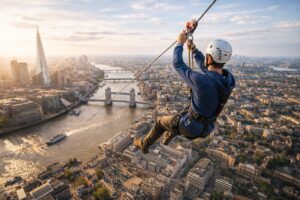
Adrenaline-based adventure often brings to mind remote locations or extreme sports environments. In London, the intensity comes from contrast rather than isolation. Height, speed, and controlled exposure to fear take place within a structured urban setting. This contrast heightens awareness because the city remains visible, active, and close at hand.
Urban adrenaline feels immediate. You sense movement, sound, and scale all at once. The presence of buildings, streets, and people below adds emotional weight to experiences involving height or speed. The excitement comes from stepping outside comfort zones while staying grounded in a familiar environment.
Height as a Psychological Challenge
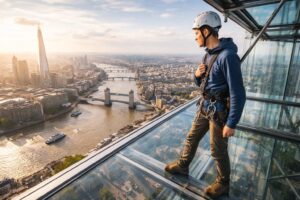
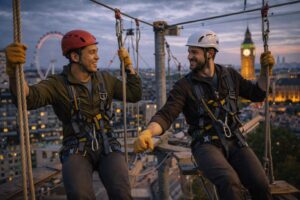
Height-based experiences test perception more than physical ability. Standing above ground level shifts perspective and challenges instinctive reactions. Even when safety systems are clear and reliable, the mind still responds to exposure and distance.
In London, height-based adventure often emphasizes observation and controlled movement rather than reckless behavior. Participants learn to manage fear through focus and breathing. This process creates a sense of achievement that feels deeply personal. The challenge lies in staying calm rather than pushing physical limits.

Speed and Momentum in a Controlled Environment
Speed-based adventure relies on momentum and flow. Acceleration changes how space feels and how quickly decisions must be made. In a city, speed carries additional sensory input. Visual cues pass faster, sounds intensify, and reactions need to stay sharp.
London’s infrastructure allows speed to feel exciting without becoming overwhelming. Routes remain defined, and boundaries stay clear. This balance lets participants experience intensity while maintaining a sense of control. The result feels thrilling rather than chaotic.
Adrenaline Without Recklessness
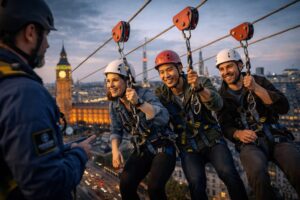
One reason adrenaline experiences work well in London is regulation. Clear rules and professional oversight keep risk at manageable levels. This structure allows people to explore excitement without feeling unsafe or unprepared.
Controlled adrenaline opens adventure to a wider audience. Travelers who might avoid extreme sports often feel comfortable trying height or speed-based activities in London. The challenge becomes psychological rather than dangerous, which encourages participation and confidence.
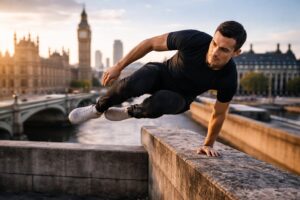
The Role of Focus Under Pressure
Adrenaline sharpens attention. Height and speed demand presence in the moment. Distractions fade, and awareness narrows to immediate sensations and decisions. This focus creates a strong sense of immersion.
I have noticed that people often remember adrenaline-based experiences in vivid detail. The heightened state of awareness anchors memories more firmly. In London, these moments stand out because they contrast so clearly with everyday movement through the city.
Why Adrenaline-Based Adventure Leaves a Lasting Impression
Adrenaline experiences mark transitions. They represent moments where travelers choose to confront fear, uncertainty, or discomfort. That choice gives the experience meaning beyond the activity itself.
In London, adrenaline adventure does not remove you from the city. It reframes it. The familiar skyline looks different from above. Movement feels sharper at speed. These shifts in perspective deepen how the city is remembered and understood.
Guided Adventure Experiences With Physical Elements
Rethinking Guided Experiences as Real Adventure
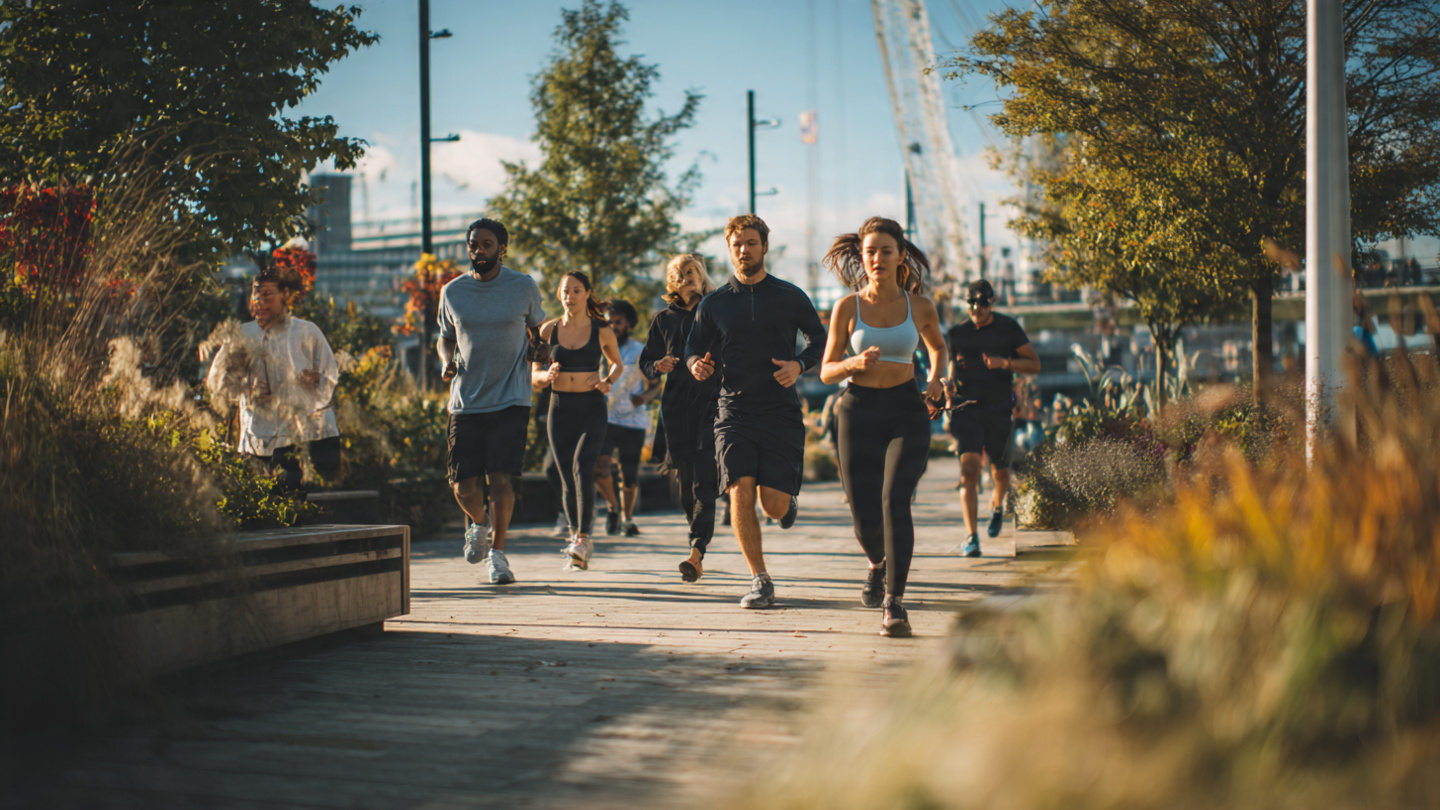
Many travelers assume that guided experiences lack authenticity or challenge. In reality, guided adventure often allows deeper engagement, especially in a complex city like London. Guidance does not remove effort or involvement. Instead, it provides structure that helps participants focus fully on the experience itself.
Guided adventure experiences combine movement, learning, and progression. They reduce uncertainty around logistics while still demanding physical participation. For travelers who want active experiences without constant planning, this balance works well.

Skill Development Through Structured Movement
Guided adventure frequently emphasizes skill-building. Participants learn techniques, strategies, or movement patterns that improve confidence over time. This learning process becomes part of the adventure. Progress feels earned rather than automatic.
In London, guided physical experiences often unfold in carefully chosen environments. Routes, spaces, and conditions support gradual challenge rather than immediate difficulty. This approach helps participants push limits safely while still feeling challenged.

Why Guidance Enhances Rather Than Limits Engagement
Guides shape experiences by directing attention. They highlight details, adjust pacing, and respond to group energy. This guidance prevents distraction and keeps effort focused. Instead of worrying about navigation or timing, participants concentrate on movement and awareness.
I have noticed that guided adventure often leads to deeper immersion. Participants stay present because responsibilities narrow. The city becomes part of the experience rather than something to manage. This clarity enhances enjoyment and reduces mental fatigue.
Physical Challenge With Built-In Support
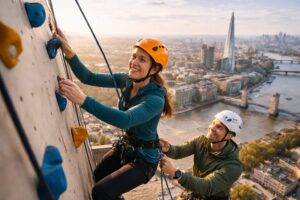
Guided adventure balances challenge with reassurance. Participants know support is available if needed, which encourages experimentation and confidence. This support system does not remove difficulty. It creates a safe space to explore unfamiliar movement or environments.
In London, this approach opens adventure to people with varied experience levels. Travelers who hesitate to attempt physical activities on their own often find guided experiences approachable. The presence of structure transforms uncertainty into motivation.

Guided adventure often includes a social component. Groups move together, share effort, and encourage one another. This shared momentum creates connection and accountability. Participants push themselves slightly further because they feel supported by the group.
Social energy also shapes memory. Shared challenges become shared stories. Many travelers remember guided adventure not only for the activity itself, but also for the interactions it created. London’s diverse setting adds richness to these social dynamics.
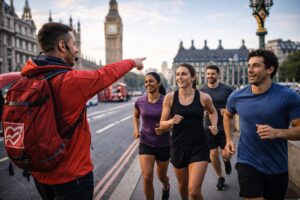
When Guided Adventure Makes the Most Sense
Guided adventure suits travelers who want active experiences without complexity. It works well for those with limited time, mixed ability groups, or unfamiliarity with the city. Guidance helps maintain flow and ensures that effort leads to meaningful experience rather than frustration.
In London, guided adventure bridges independence and support. It allows travelers to move actively through the city while staying oriented and confident. This balance explains why guided physical experiences remain a strong part of urban adventure.
Choosing the Right Adventure Activities for Your Travel Style

Matching Adventure to Personal Energy Levels
Adventure does not look the same for every traveler. Some people seek constant movement and physical challenge, while others prefer focused experiences that demand short bursts of effort. Choosing the right type of adventure starts with understanding how much energy you want to invest each day.
London offers flexibility in this regard. You can plan a physically demanding experience in the morning and follow it with something slower later in the day. Recognizing your natural rhythm helps prevent fatigue and keeps the experience enjoyable rather than overwhelming.
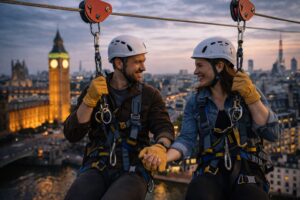
Adventure for Solo Travelers
Solo travelers often value independence and adaptability. Adventure activities that allow individual pacing or personal focus tend to work well. These experiences create structure without forcing social interaction, which suits travelers who enjoy moving at their own speed.
At the same time, some adventure activities introduce light social contact without pressure. Shared challenges provide brief moments of connection while still allowing independence. For solo visitors, adventure can balance solitude and interaction in a natural way.
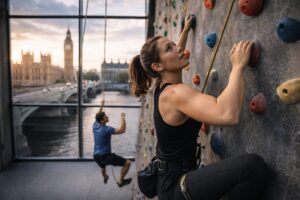
Adventure Experiences for Couples
Couples often look for experiences that encourage cooperation rather than competition. Adventure activities that involve shared decision-making, synchronized movement, or mutual support strengthen connection. These moments create memories rooted in effort and teamwork rather than passive observation.
London’s varied adventure options allow couples to adjust intensity easily. One experience may focus on problem-solving, while another emphasizes physical coordination. This range helps couples choose activities that match shared comfort levels and interests.
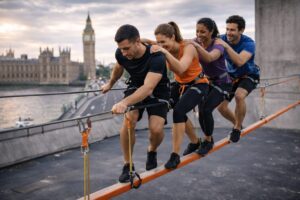
Group and Friend-Based Adventure Choices
Groups often benefit from adventure activities that channel collective energy. Experiences that involve teamwork, shared objectives, or friendly challenge tend to suit groups well. These activities help organize group dynamics and prevent fragmentation.
In London, group-based adventure often thrives on momentum. Moving together through space, solving problems collectively, or sharing physical effort creates a sense of unity. These experiences work especially well for friends traveling together or small organized groups.
These fast paced and interactive adventures are especially popular among travelers looking for social and energetic experiences, similar to those featured in fun things to do in London for young adults.
Considering Fitness and Comfort Levels
Adventure does not require peak physical condition. Many activities allow participants to adjust effort based on comfort. The key lies in honest self-assessment. Understanding current fitness, balance, and stamina helps avoid frustration or injury.
London’s adventure landscape supports gradual challenge. Many experiences emphasize technique, focus, or coordination rather than raw strength. This approach makes adventure accessible to a broad range of travelers without sacrificing engagement.

Time Availability and Scheduling
Time plays an important role in choosing adventure activities. Some experiences demand sustained effort and longer commitment. Others fit easily into short windows. Understanding how adventure fits into the broader travel schedule helps maintain balance.
I have noticed that travelers who plan adventure intentionally tend to enjoy it more. Allowing space for recovery, meals, and reflection prevents fatigue and enhances overall satisfaction. Adventure works best when it complements the trip rather than dominates it.
Aligning Adventure With Travel Goals
Every trip carries a purpose. Some travelers want excitement. Others seek connection or self-discovery. Adventure activities support these goals differently. Choosing experiences that align with personal intentions ensures that effort feels meaningful.
In London, adventure can deepen understanding of the city or provide contrast to traditional sightseeing. When selected thoughtfully, these activities become highlights rather than distractions.
Practical Planning Tips for Adventure Activities in London
Understanding Time Commitment and Energy Use
Adventure activities often take more time than they appear to on paper. Preparation, movement, and recovery all add to the experience. Planning with realistic time blocks helps prevent rushing and fatigue. It also allows you to stay present rather than watching the clock.
In London, travel time between locations can vary. Even when activities sit relatively close, transitions matter. Allowing buffer time keeps the experience enjoyable and reduces stress. Adventure feels most rewarding when it fits comfortably into the day rather than competing with other plans.
Common Mistakes Travelers Make When Planning Adventure Activities

Trying to Fit Too Much Into One Day
One of the most common mistakes involves overloading the schedule. Adventure activities demand energy, focus, and recovery time. Planning several demanding experiences back-to-back often leads to fatigue rather than satisfaction. What looks efficient on a schedule can feel rushed and exhausting in practice.
London’s size contributes to this issue. Travel time, transitions, and unexpected delays add up quickly. When too many activities compete for attention, adventure loses its impact. Fewer, well-chosen experiences usually create stronger memories than a packed itinerary.
Ignoring Physical and Mental Recovery
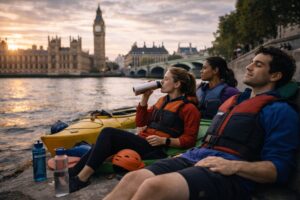
Adventure challenges both the body and the mind. Many travelers plan for movement but forget to plan for recovery. Skipping meals, hydration, or rest reduces enjoyment and increases frustration.
Recovery does not require long breaks. Short pauses, slower movement between activities, or quiet moments can restore energy. London provides many spaces where recovery happens naturally if you allow time for it. Treating recovery as part of the adventure keeps the experience sustainable.
Choosing Activities That Do Not Match Comfort Levels
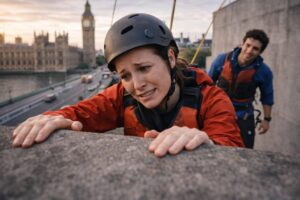
Another common mistake involves selecting activities based on appearance rather than personal comfort. Adventure looks impressive from the outside, but enjoyment depends on how well the challenge matches individual limits. Choosing something too intense often leads to anxiety rather than excitement.
Adventure should stretch comfort zones, not overwhelm them. London offers a wide range of difficulty levels. Selecting experiences that feel challenging yet manageable creates confidence and satisfaction. Honest self-assessment matters more than ambition.

Underestimating Mental Fatigue
Mental challenge consumes energy just as physical effort does. Immersive experiences, problem-solving activities, and high-focus environments require concentration over time. Planning several mentally demanding activities in one day can feel draining even without much physical movement.
Balancing mental and physical adventure helps prevent burnout. Mixing different types of challenge keeps attention fresh and energy steady. London’s variety makes this balance easier when planned intentionally.
Treating Adventure as Separate From the City
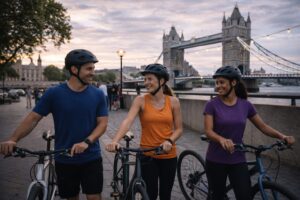
Some travelers approach adventure activities as isolated events rather than integrated experiences. This mindset limits their impact. Adventure becomes more meaningful when it connects with the city around it.
Allowing time to notice surroundings before and after activities enhances the experience. Movement through neighborhoods, parks, or streets adds context and continuity. Adventure feels richer when it blends into the broader rhythm of London travel.
Expecting Perfect Conditions
Waiting for ideal weather, energy levels, or timing often leads to missed opportunities. Adventure rarely requires perfection. Slight discomfort, uncertainty, or unpredictability often adds depth rather than detracts from the experience.
I have noticed that travelers who remain flexible enjoy adventure more consistently. Accepting variation allows experiences to unfold naturally. In London, adaptability often matters more than precise planning.
How Adventure Activities Change the Way You Experience London
From Watching the City to Participating in It
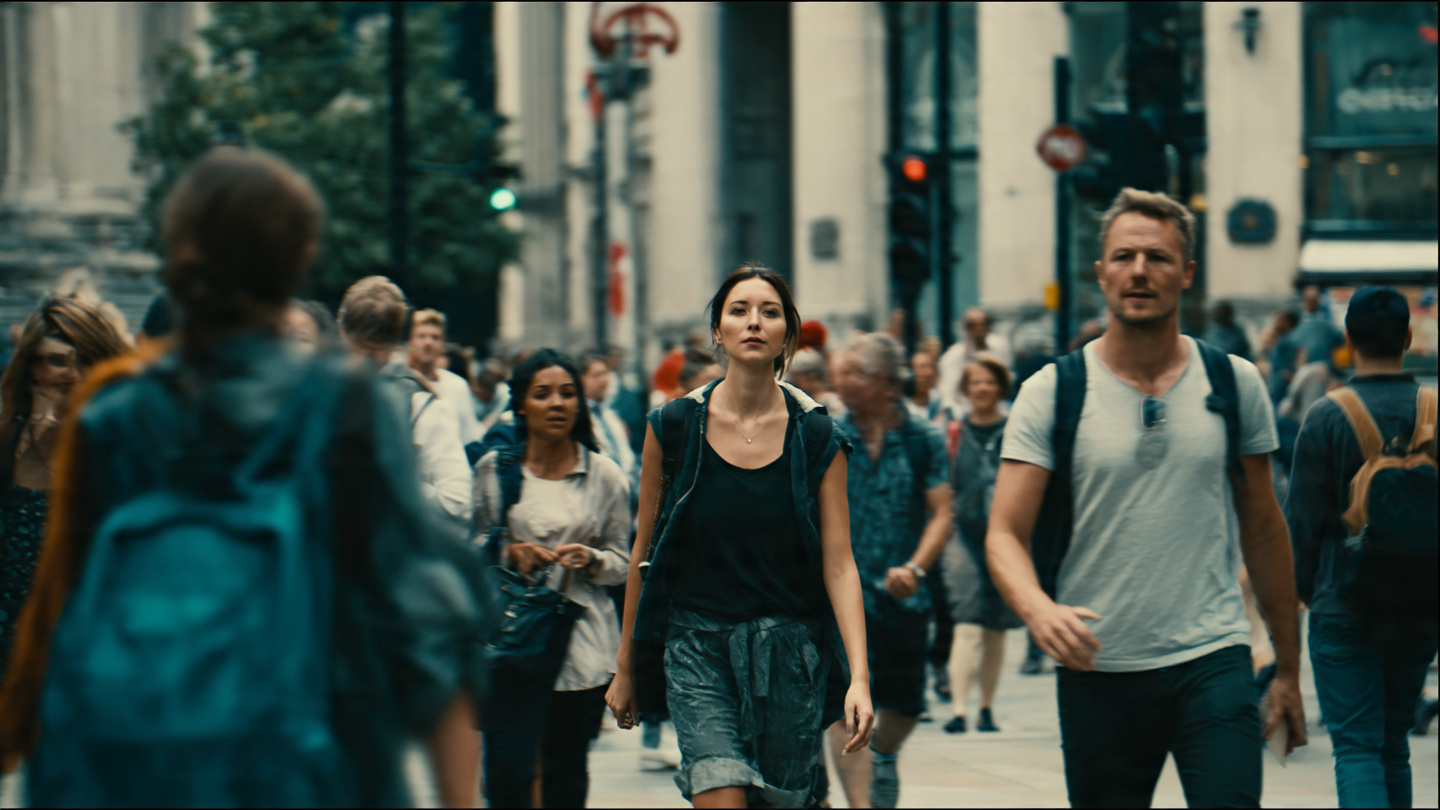
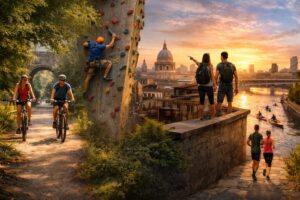
Many travelers experience London as observers. They move from one famous location to another, absorbing information and visuals along the way. Adventure activities change this relationship. Instead of watching the city, you become part of its movement. Streets, parks, and spaces stop feeling like backdrops and start feeling like environments you actively navigate.
This shift affects perception. Distances feel earned rather than measured. Routes carry meaning because effort connects them. London transforms from a collection of attractions into a place shaped by personal experience.
Creating a Stronger Sense of Place
Adventure anchors memory through action. When you engage physically or mentally with the city, places become linked to sensations rather than images alone. A park becomes memorable because of movement through it. A riverside path stays vivid because of rhythm and flow.
I have noticed that travelers often remember these experiences more clearly than traditional sightseeing. Adventure creates layers of memory that combine location, effort, and emotion. This depth strengthens the sense of place long after the trip ends.
Slowing Down Without Losing Momentum
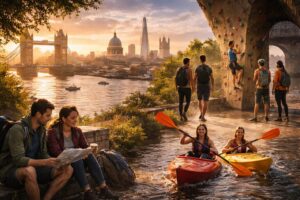
Adventure often appears fast-paced, but it can slow travel in a meaningful way. Focused activity narrows attention and reduces distraction. Time feels fuller rather than rushed. Even when covering distance, the experience feels deliberate.
In London, this balance matters. The city moves quickly, and it is easy to feel overwhelmed. Adventure activities provide structure that channels energy rather than dispersing it. They help travelers stay engaged without feeling hurried.

Building Confidence Through Experience
Adventure challenges comfort zones in manageable ways. Each successful experience builds confidence. That confidence often carries into other parts of the trip. Navigating the city feels easier. Decision-making becomes more relaxed.
This effect explains why many travelers feel more comfortable exploring after completing an adventure activity. Effort creates familiarity. London begins to feel navigable rather than intimidating.

Seeing Familiar Spaces With Fresh Perspective
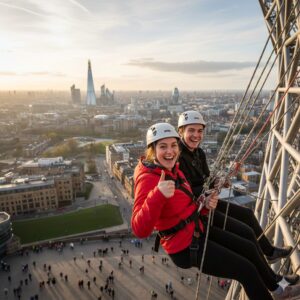
Adventure reframes familiar locations. Height changes how you see scale. Speed alters how you perceive distance. Mental challenges sharpen awareness of detail. These shifts reveal aspects of London that often go unnoticed during passive exploration.
The city becomes layered rather than flat. Movement uncovers transitions between spaces. Adventure helps travelers notice connections rather than isolated sights.
Why Adventure Often Becomes the Highlight of a Trip
Adventure activities stand out because they involve choice and commitment. Travelers actively decide to engage, push boundaries, and invest effort. That decision gives the experience weight.
In London, adventure fits naturally into the city’s rhythm. It does not replace classic experiences. It complements them. Many travelers later describe adventure moments as highlights because they felt personal, immersive, and earned.
Adventure activities often feel most rewarding when they are shaped by comfortable weather, longer daylight, and access to open outdoor spaces. Exploring things to do in London in summer highlights how warmer conditions naturally support movement, extended activity, and deeper engagement with the city, creating an ideal seasonal setting for adventure-led exploration.
Frequently Asked Questions
Are adventure activities in London suitable for beginners?
Yes, many adventure activities in London work well for beginners. The city offers experiences designed with gradual difficulty, clear instructions, and supportive environments. Most activities focus on participation rather than performance, which allows beginners to build confidence without feeling pressured. Choosing activities that emphasize balance, problem-solving, or moderate movement often provides a comfortable entry point into adventure.
Do you need to be physically fit to enjoy adventure activities in London?
High fitness levels are not required for most adventure activities. Many experiences allow participants to adjust effort based on comfort and ability. London’s adventure landscape includes options that focus on coordination, focus, or mental challenge rather than strength or endurance. Honest self-assessment helps ensure that the chosen activity feels engaging rather than exhausting.
Are adventure activities in London safe?
Adventure activities in London operate within strict safety standards. Clear guidelines, professional oversight, and well-maintained equipment help manage risk effectively. While adventure naturally involves stepping outside routine comfort zones, most experiences prioritize control and preparation. Listening to instructions and respecting personal limits further enhances safety.
Can adventure activities be done year-round in London?
Yes, many adventure activities remain available throughout the year. London’s moderate climate supports outdoor and movement-based experiences across seasons. Weather may influence comfort or intensity, but it rarely prevents participation entirely. Adjusting clothing, timing, or activity choice often allows adventure to continue even during cooler or wetter periods.
Are adventure activities expensive compared to other things to do in London?
Costs vary widely depending on the type and duration of the activity. Some adventure experiences require higher upfront investment due to equipment or guidance, while others remain relatively affordable. Planning ahead and prioritizing experiences that offer strong personal value helps manage cost effectively. Many travelers find that a few well-chosen adventure activities provide better value than multiple passive attractions.
How much time should you plan for an adventure activity?
Time requirements depend on the activity’s structure and intensity. Some experiences fit comfortably into a short time window, while others require half a day or more when preparation and recovery are considered. Allowing buffer time before and after activities improves enjoyment and reduces stress. Adventure often feels more rewarding when it does not compete with other commitments.
Can adventure activities be combined with traditional sightseeing?
Yes, adventure activities often complement traditional sightseeing rather than replace it. Active experiences add contrast and depth to a trip. Many travelers alternate between adventure and slower exploration to maintain balance. This approach keeps energy levels steady while offering a broader view of the city.
Is advance booking always necessary?
Advance booking is recommended for structured or guided adventure activities, especially during busy travel periods. Booking ahead increases availability and choice. However, London also supports spontaneous participation for certain experiences. Maintaining flexibility allows travelers to adapt plans based on energy levels and weather conditions.
Final Thoughts
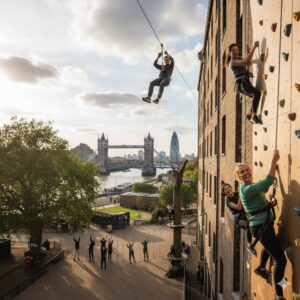
Adventure activities in London create a deeper connection to the city by turning travelers into active participants rather than observers. When people move, focus, and make decisions, familiar places gain new meaning. Adventure works best when it fits smoothly into a trip, balancing active moments with time for rest and reflection. The most memorable experiences are those that match personal comfort and interest, making effort feel purposeful and confidence grow naturally. Because adventure involves choice and commitment, it leaves a lasting impression and helps travelers remember London as a place of engagement and personal growth.