
London does not pause when the weather turns cold or unpredictable. Instead, the city shifts inward, revealing a wide range of experiences designed for comfort, depth, and continuity. Indoor attractions in London extend far beyond simple shelter. Museums, entertainment venues, cultural spaces, and carefully designed interiors allow daily plans to continue without disruption. Because of this, indoor activities become an essential part of exploring the city rather than a temporary alternative. Travelers who plan with indoor attractions in mind often experience London in a calmer, more structured, and more rewarding way.
To place indoor experiences within a wider itinerary, this complete guide to things to do in London brings together cultural highlights, seasonal ideas, and flexible planning tips.
Explore major indoor attractions and cultural areas across London on Google Maps
Museums and Galleries as Indoor Attractions in London
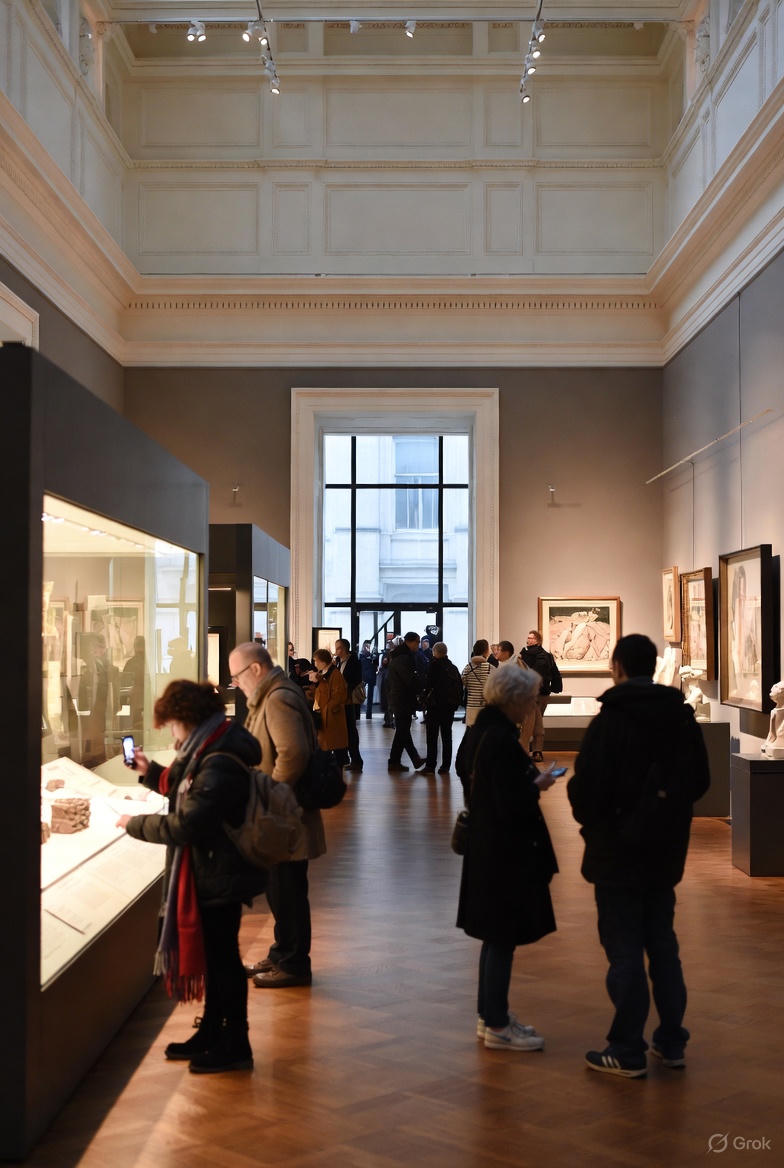
Museums and galleries sit at the center of indoor attractions in London because they offer structure, comfort, and depth in a controlled environment. When outdoor plans feel uncertain, these spaces provide consistency. Moreover, they allow long visits without pressure, which makes them dependable indoor attractions throughout the year.
Many indoor activities in London succeed because museums are designed for movement rather than speed. Clear layouts, resting points, and thematic sections reduce mental fatigue. As a result, time indoors feels purposeful instead of limiting.
National Museums as Free Indoor Activities in London
Free entry strengthens the role of national museums as indoor activities in London. Without ticket constraints, visits become flexible. People can explore selected sections, pause, and continue later. This freedom improves focus and comfort, especially during longer indoor days.
The British Museum represents one of the most comprehensive indoor attractions in London. Its galleries follow a logical progression across civilizations, which helps visitors stay oriented indoors. Because the building spreads crowds naturally, the experience remains calm even during peak hours.
The National Gallery offers a different indoor rhythm. Controlled lighting, quiet rooms, and consistent pacing support slow observation. This environment suits travelers looking for reflective indoor activities rather than constant stimulation.
Tate Modern adds contrast through contemporary design. Open spaces and rotating exhibitions prevent repetition, which keeps indoor exploration engaging over time. Therefore, it remains a strong option among things to do indoors in London.
First visit to the museum. Fantastic exhibits, with a huge variety of periods. Beautiful building. Really good morning out.
Read more reviews on Tripadvisor
Interactive Museums as Indoor Attractions in London
Some indoor things to do in London rely on participation instead of observation. Interactive museums transform passive viewing into active engagement, which helps maintain attention indoors.
The Science Museum encourages movement through hands-on exhibits and simulations. Because displays update frequently, repeat visits stay relevant. This adaptability makes it one of the most engaging indoor activities in London for extended stays.
The Natural History Museum balances scale with structure. Large displays create immediate interest, while smaller sections provide detail. Clear navigation and rest areas maintain comfort, which supports longer indoor visits. These features explain why it remains a reliable indoor attraction in London.
I highly recommend going to this museum, the ticket you can safely take online and it is free.
Read more reviews on Tripadvisor
Smaller Museums Offering Calm Indoor Attractions
Not every indoor attraction depends on size. Smaller museums provide focused indoor experiences by concentrating on specific themes. This approach reduces distraction and allows deeper engagement.
Design museums, transport collections, and historic houses adapted for exhibitions create quieter indoor environments. Because visitor numbers remain lower, pacing feels slower and more deliberate. This atmosphere appeals to those seeking calm indoor activities in London.
In addition, smaller museums fit easily into flexible schedules. Short visits combine well with cafés, theaters, or shopping nearby, which strengthens indoor planning without pressure.
Why Museums Lead Indoor Activities Across London
Museums remain central to indoorattractions in London because they meet multiple needs at once. They offer shelter, intellectual engagement, and freedom of movement. At the same time, they adapt to different energy levels and time limits.
Their locations often connect naturally with other indoor attractions. This proximity allows smooth transitions without exposure to weather, which makes museums effective anchors for indoor itineraries in London.
For indoor attractions located near major museums and calm walking areas, this guide to things to do near Hyde Park focuses on indoor-friendly experiences within a compact central zone.
Indoor Entertainment and Live Shows for Indoor Activities in London
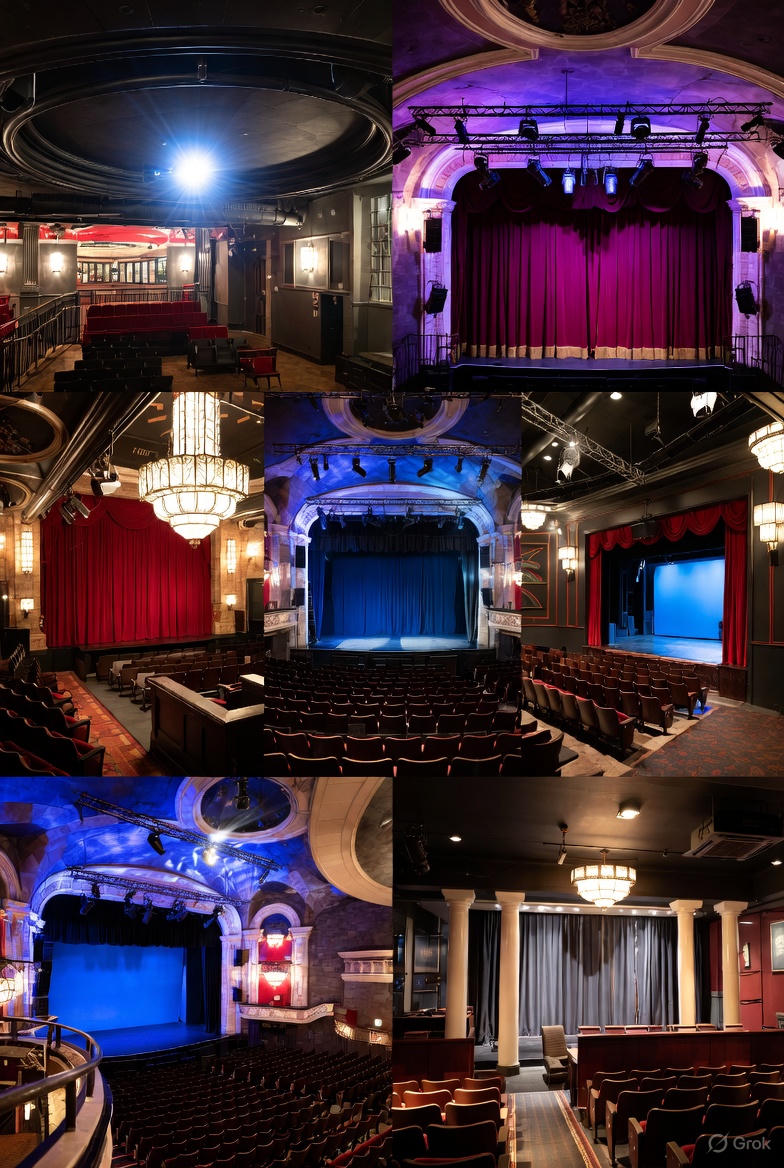
Indoor entertainment plays a major role in shaping indoor activities in London, especially when outdoor movement feels limited. The city offers a wide range of performance spaces that remain active throughout the year. These venues provide structure, warmth, and predictable scheduling, which helps indoor planning feel intentional rather than reactive.
Unlike casual sightseeing, live entertainment creates fixed moments. Show times, seating, and pacing guide the experience. As a result, indoor attractions focused on performance often bring clarity to travel days that might otherwise feel unstructured.
Theaters as Classic Indoor Attractions in London
Theater remains one of the most respected indoor attractions in London. Purpose built venues create controlled environments where attention stays focused. Lighting, acoustics, and seating arrangements support long performances without discomfort.
West End theaters attract visitors looking for polished productions, while smaller playhouses offer more intimate settings. Both options function well as indoor activities because they remove uncertainty. Once seated, movement stops and engagement deepens.
Moreover, theater schedules run consistently throughout the week. This reliability makes shows dependable options among things to do indoors in London, particularly during evenings or colder seasons.
Comedy, Spoken Word, and Indoor Performance Spaces
Not all indoor entertainment follows traditional theater formats. Comedy clubs, spoken word venues, and live storytelling spaces offer flexible indoor experiences that feel lighter and more spontaneous.
Comedy shows usually operate in smaller rooms, which creates closeness between performers and audiences. This intimacy keeps energy focused without overwhelming the space. Therefore, comedy works well as an indoor activity for shorter time blocks.
Spoken word events and live readings add another layer to indoor attractions in London. These performances rely on language rather than spectacle, which allows attention to stay centered even in modest venues. As a result, they appeal to visitors seeking quieter indoor engagement.
Music Venues for Indoor Evenings
Indoor music venues provide structured entertainment without exposure to weather. From classical concert halls to modern performance spaces, music continues to shape indoor experiences across the city.
Smaller venues often host acoustic sets or experimental performances. These settings encourage listening rather than movement, which supports relaxed indoor time. Larger concert halls, on the other hand, offer formal seating and strong acoustics that suit longer events.
Because music venues operate year round, they remain dependable indoor attractions in London regardless of season. This consistency helps balance travel schedules when outdoor plans feel uncertain.
Why Live Entertainment Strengthens Indoor Planning
Live performances succeed as indoor activities because they create defined experiences. Start times, intermissions, and endings provide structure, which reduces decision fatigue.
In addition, entertainment venues cluster near dining and transport hubs. This proximity allows smooth transitions between indoor attractions without long exposure outside. Consequently, live shows often anchor full indoor itineraries in London.
When weather shifts affect outdoor plans, this focused guide to rainy day activities in London shows how indoor culture, cafés, and entertainment keep the city engaging.
Cozy Indoor Experiences and Relaxed Spaces in London
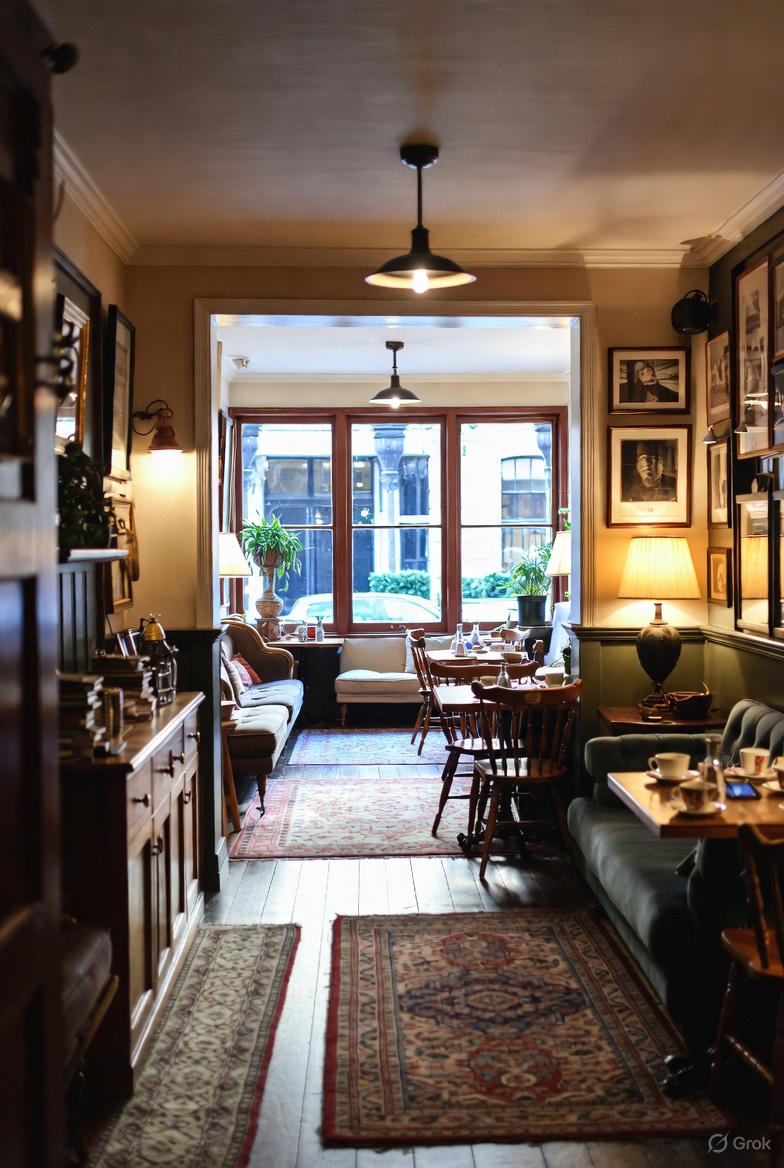
Not every indoor plan in London needs structure or schedules. Some indoor activities succeed because they slow the pace. Cozy environments offer warmth, comfort, and a sense of pause, which becomes valuable during busy travel days or poor weather. These spaces allow time to reset while still remaining connected to the city.
Cafés, reading spaces, and historic interiors play a quiet but important role in indoor attractions across London. Instead of demanding attention, they support reflection and unhurried movement. As a result, relaxed indoor experiences often balance more active plans.
Historic Cafés and Classic Tea Rooms
Traditional cafés and tea rooms represent some of the most comfortable indoor attractions in London. These spaces focus on atmosphere rather than speed. Seating encourages long stays, and service follows a steady rhythm.
Tea rooms often occupy historic buildings, which adds character to indoor time. Decorative interiors, soft lighting, and controlled noise levels create calm environments. Therefore, they work well as indoor activities during midday breaks or cold afternoons.
Historic cafés also provide structure without obligation. Visitors can sit, observe, and rest while still engaging with the city’s social flow. This makes them reliable things to do indoors in London when energy levels dip.
Libraries and Indoor Reading Spaces
Libraries offer a different type of indoor experience. Silence, order, and purpose define these spaces. As indoor attractions in London, libraries provide refuge from noise and constant movement.
Many libraries feature large reading rooms, architectural detail, and dedicated quiet zones. These environments encourage focus and calm exploration. Because of this, libraries appeal to visitors seeking thoughtful indoor activities rather than entertainment.
Reading spaces also support flexible timing. Short visits feel as natural as long stays, which improves indoor planning. As a result, libraries remain underused but valuable indoor attractions.
Historic Interiors and Covered Courtyards
Some indoor experiences exist within historic interiors rather than formal venues. Covered courtyards, arcades, and restored halls allow indoor movement while preserving architectural interest.
These spaces often connect shops, cafés, or cultural sites. Because movement continues indoors, weather becomes less relevant. This design supports indoor exploration without feeling enclosed.
Historic interiors work well as transitional indoor activities. They bridge larger attractions and allow natural breaks between destinations.
Why Cozy Indoor Spaces Matter
Relaxed indoor spaces succeed because they restore balance. After museums or performances, slower environments help reset focus and energy.
These indoor activities also adapt easily to changing plans. No tickets, no schedules, and no pressure make them flexible anchors throughout the day. For this reason, cozy indoor attractions strengthen overall indoor itineraries in London.
Group and Family Friendly Indoor Activities in London
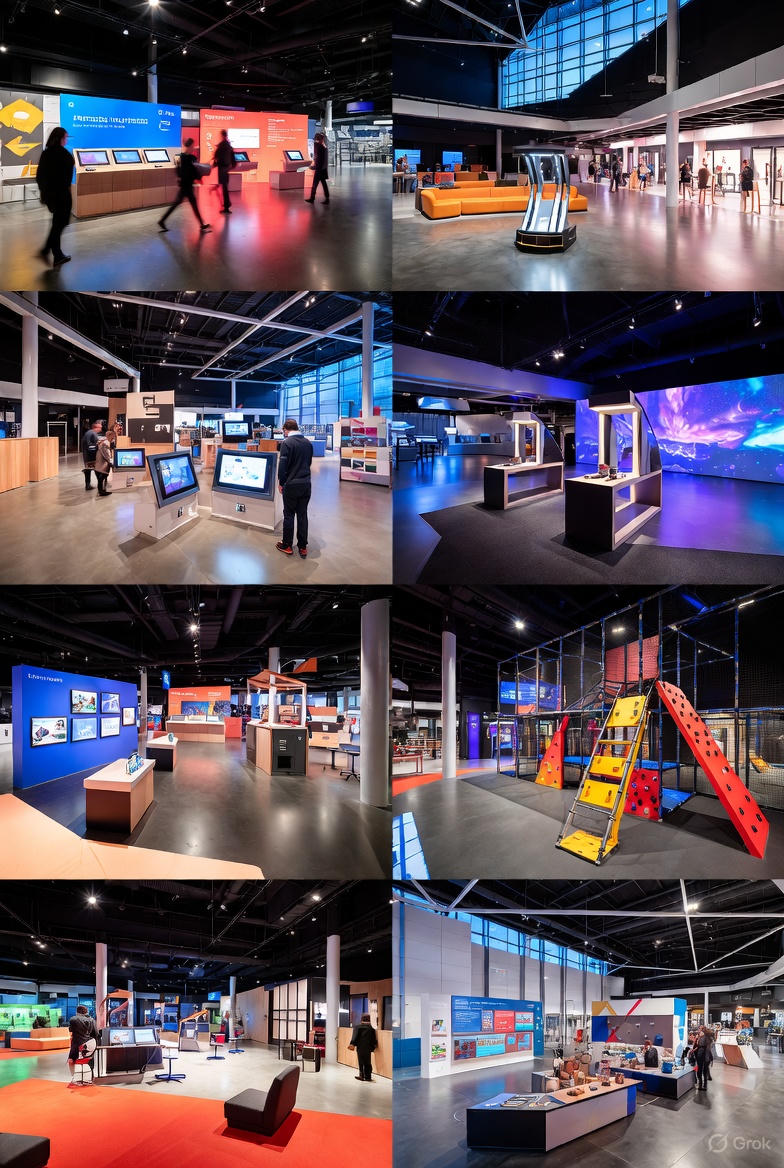
Indoor activities become more valuable when plans involve more than one person. Group travel and family schedules require spaces that support shared movement, varied attention spans, and predictable pacing. London offers many indoor attractions that meet these needs without creating stress or overload.
Unlike outdoor attractions, indoor environments provide consistency. Temperature, lighting, and layout remain controlled, which helps groups move together comfortably. As a result, indoor activities in London often feel smoother when coordination matters.
Some indoor attractions succeed because they encourage collective participation. Interactive spaces allow groups to engage together rather than splitting up. This shared focus improves communication and reduces friction during visits.
Hands on exhibitions, creative workshops, and immersive installations provide structure without rigidity. These environments guide movement while leaving room for exploration. Therefore, they function well as indoor activities for mixed age groups.
In addition, interactive attractions often include staff guidance or clear instructions. This clarity supports group flow and prevents confusion, especially in unfamiliar settings.
Indoor Play and Discovery Spaces for Families
Families benefit most from indoor attractions designed around movement and discovery. Indoor play areas, learning centers, and exploration spaces offer freedom within boundaries. Children can move, touch, and interact while adults remain comfortable nearby.
Many family focused venues divide space into zones. This layout allows different energy levels to coexist. Younger visitors stay engaged, while adults manage pacing without pressure. Consequently, these venues rank highly among indoor activities in London for families.
Rest areas and cafés inside these attractions further support longer stays. Breaks happen naturally without leaving the building, which improves overall comfort.
Creative Workshops and Hands On Indoor Learning
Creative workshops provide another strong option for group based indoor experiences. Art studios, craft spaces, and guided sessions combine learning with interaction.
Workshops often run on fixed schedules, which adds structure to indoor planning. At the same time, participation remains flexible and relaxed. This balance makes workshops suitable indoor activities for families, couples, or small groups.
Because outcomes involve making or creating something, engagement stays high. Participants leave with tangible memories rather than passive impressions.
Why Group Friendly Indoor Activities Matter
Group focused indoor activities succeed because they reduce uncertainty. Shared environments, clear layouts, and predictable pacing help everyone stay aligned.
These indoor attractions also support varied interests within a single space. While one person observes, another participates. This flexibility strengthens group experiences and prevents fatigue.
For these reasons, group friendly venues remain essential parts of indoor planning in London.
Unique Indoor Experiences That Feel Different in London
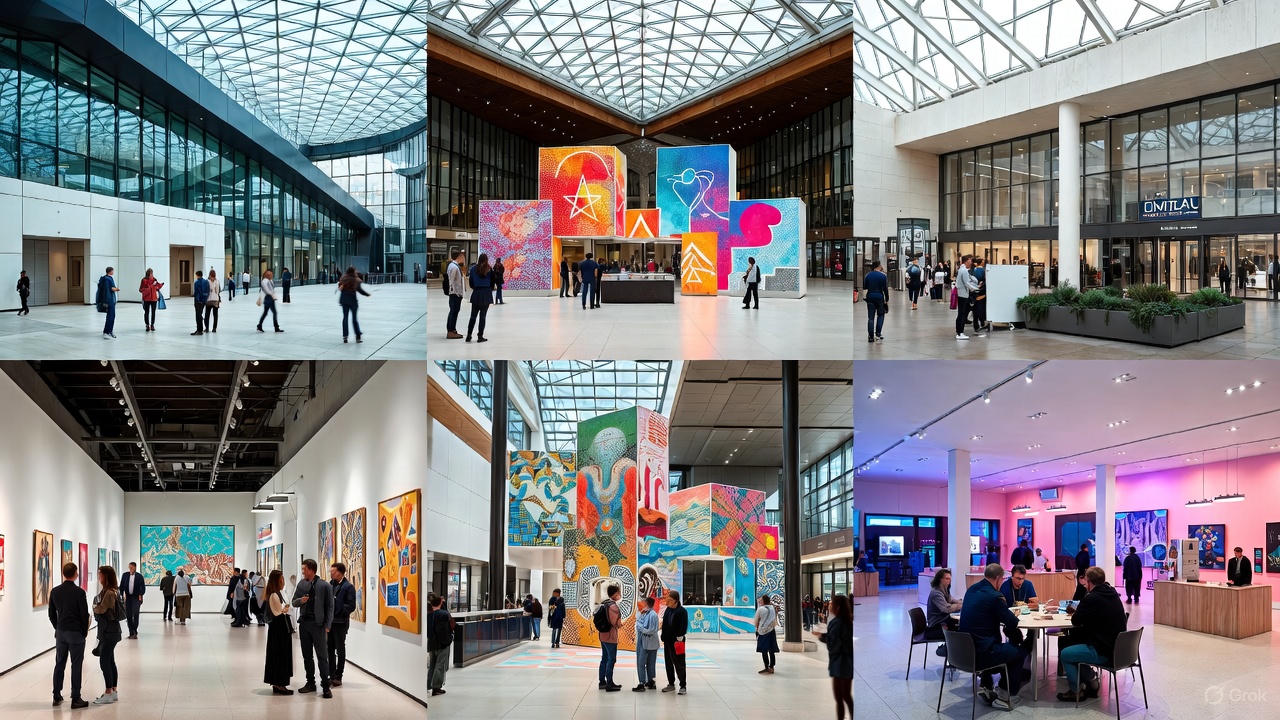
Not all indoor activities follow familiar patterns. Some stand out because they offer experiences that feel unexpected or unconventional. These unique indoor attractions add variety to planning and prevent indoor time from feeling repetitive. They work especially well for travelers who want something memorable without relying on weather or crowds.
London supports this variety by blending creativity with structure. Many unusual indoor experiences operate in controlled environments while still encouraging curiosity. As a result, these activities feel distinctive without becoming overwhelming.
Immersive Venues for Things to Do Indoors in London
Immersive attractions represent a growing category of indoor activities in London. These experiences rely on atmosphere, storytelling, and sensory detail rather than traditional displays. Rooms transform into themed environments where movement feels guided but not restricted.
Concept spaces often use lighting, sound, and design to shape attention. Because visitors move through defined paths, pacing stays consistent. This structure allows full engagement without confusion. Therefore, immersive venues work well as indoor attractions for shorter, focused visits.
Another advantage involves predictability. Timed entry and limited capacity help manage crowds, which improves comfort during peak periods.
History-Driven Experiences and Narrative Spaces
Some indoor attractions focus on narrative rather than interaction. Historic reconstructions, audio guided spaces, and themed exhibitions use storytelling to anchor attention.
These venues allow visitors to absorb information gradually. Instead of reading large volumes of text, stories unfold through rooms and scenes. This approach suits those who prefer guided indoor experiences rather than self directed exploration.
Because storytelling spaces often operate indoors exclusively, weather never affects scheduling. This reliability makes them practical options within indoor itineraries.
Food Focused Indoor Experiences
Food based experiences also play a role in unique indoor activities. Tasting rooms, demonstration kitchens, and culinary exhibitions offer engagement without full dining commitments.
These spaces focus on process rather than service. Visitors observe, learn, and sample in controlled settings. As a result, food experiences become educational as well as sensory.
Indoor culinary venues also function well between larger attractions. Short sessions fit easily into schedules, adding variety without fatigue.
Why Unique Indoor Experiences Add Value
Unusual indoor attractions succeed because they break routine. After museums or performances, different formats refresh attention and energy.
These activities also encourage exploration beyond major landmarks. Smaller venues often operate away from crowded centers, which introduces quieter indoor environments. This contrast strengthens overall indoor planning.
By mixing traditional venues with unique experiences, indoor itineraries in London remain engaging and balanced.
Free Indoor Activities and Low-Cost Options in London
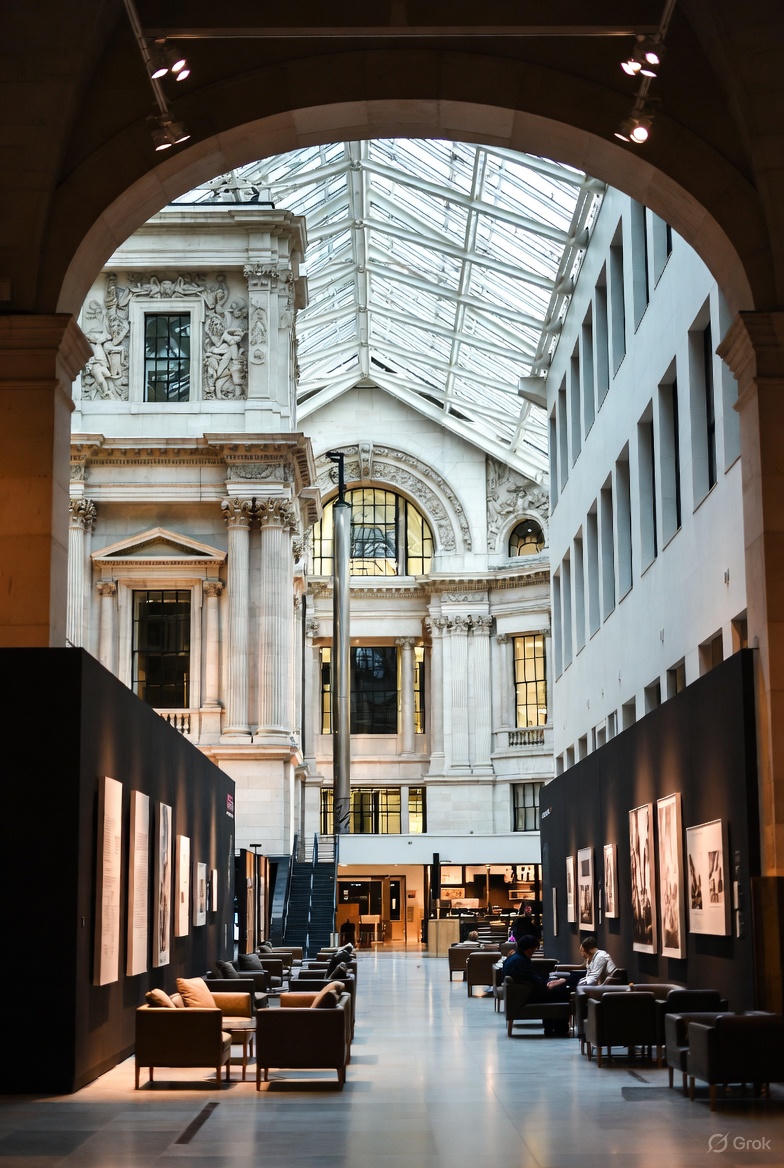
Indoor plans do not always require tickets or reservations. London offers many free or low cost indoor attractions that allow exploration without financial pressure. These spaces support flexible schedules and help balance days that already include paid experiences.
Free indoor activities play an important role when travel plans stretch across multiple days. They provide rest points while still delivering value. Because entry remains open, visits feel relaxed rather than rushed.
Free Museums Worth Visiting
Free museums continue to define affordable indoor activities in London. National institutions allow unlimited access, which removes urgency. Visitors can enter briefly or stay for hours without cost.
This accessibility encourages spontaneous indoor visits. When weather changes suddenly, museums offer immediate shelter and engagement. Therefore, free museums often become anchors during unpredictable days.
In addition, free entry allows selective exploration. Visitors can focus on one gallery or exhibition without committing to the entire venue, which improves comfort and pacing.
Public Cultural Buildings and Civic Spaces
Beyond museums, public indoor spaces provide valuable low cost experiences. Covered halls, civic buildings, and cultural centers allow indoor movement without spending.
Many of these buildings feature architectural detail, seating areas, and quiet corners. As a result, they function as indoor attractions even without formal exhibitions. These environments suit visitors seeking calm spaces rather than structured entertainment.
Public cultural buildings also support short visits. A brief walk through an interior can refresh energy before continuing plans elsewhere.
Temporary Exhibitions and Rotating Displays
Temporary exhibitions often appear inside libraries, universities, and cultural institutions. These displays rotate regularly and usually require no admission.
Because content changes often, repeat visits remain interesting. This variety strengthens free indoor planning across longer stays. Moreover, temporary exhibitions tend to attract lighter crowds, which improves the indoor experience.
These displays also introduce local perspectives. Instead of large scale narratives, exhibitions focus on specific themes, artists, or histories.
Why Free Options Matter for Planning
Free indoor attractions succeed because they remove barriers. Without cost considerations, planning becomes more flexible and spontaneous.
These activities also balance more intensive experiences. After paid shows or long museum visits, free spaces allow lighter engagement. This balance keeps indoor itineraries sustainable over time.
For this reason, free indoor options remain essential parts of indoor planning in London.
Indoor Areas to Explore by Neighborhood
Indoor experiences in London often become easier when planning focuses on specific neighborhoods. Instead of moving long distances between attractions, concentrating on areas with multiple indoor options reduces fatigue and improves flow. Many districts combine museums, entertainment, cafés, and covered spaces within walkable ranges.
Neighborhood based planning also improves flexibility. When one indoor attraction feels crowded or time limited, alternatives remain nearby. This density supports smooth indoor itineraries without constant schedule adjustments.
Central Areas With High Attraction Density
Central districts contain the highest concentration of indoor attractions in London. Museums, theaters, galleries, and historic buildings cluster closely, which allows full days to unfold indoors with minimal travel.
Areas near major transport hubs provide additional convenience. Underground access reduces outdoor exposure, while nearby cafés and covered walkways create natural breaks. Because of this structure, central areas remain reliable choices for indoor focused days.
Cultural districts in central London also support mixed pacing. High energy venues sit beside calm spaces, which allows quick adjustments based on mood or energy levels.
Creative Districts With Flexible Venues
Creative neighborhoods introduce a different indoor rhythm. Converted warehouses, independent venues, and flexible performance spaces define these areas. Indoor experiences here feel less formal and more experimental.
Art spaces, workshops, and small performance venues often operate within short distances. This concentration encourages exploration without pressure. Visitors can move indoors from one space to another while maintaining momentum.
These districts suit travelers looking for indoor activities that feel contemporary and less structured.
Residential Areas With Slower Pace
Some neighborhoods offer indoor attractions focused on quiet and routine rather than spectacle. Libraries, local museums, historic interiors, and cafés dominate these areas.
Because foot traffic remains lighter, indoor movement feels slower. This calm environment suits reflective activities, reading, or casual exploration. These neighborhoods often appeal during longer stays when balance becomes important.
Indoor experiences in residential areas also provide insight into everyday life. Instead of curated displays, visitors observe local rhythms from comfortable indoor settings.
Why Neighborhood-Based Planning Works
Planning indoor activities by neighborhood reduces unnecessary movement. Short distances between venues preserve energy and attention.
This approach also increases flexibility. If one indoor attraction feels crowded or unavailable, alternatives remain close. As a result, neighborhood based planning strengthens indoor itineraries across London.
Practical Tips for Enjoying Indoor Activities in London
Indoor plans become more rewarding when approached with intention. London offers an enormous range of enclosed venues, but timing, pacing, and preparation determine how enjoyable those experiences feel. A few practical choices can improve comfort and reduce friction throughout the day.
Unlike outdoor sightseeing, indoor activities rely more on awareness than movement. Knowing when to enter, how long to stay, and when to pause makes indoor days feel controlled rather than crowded.
Choosing the Right Time for Indoor Activities in London
Timing influences indoor experiences more than many travelers expect. Popular venues attract peak crowds during late mornings and early afternoons. Visiting earlier or later often improves flow and reduces waiting.
Weekdays usually offer calmer conditions for museums and performance spaces. Even when entry remains free, quieter hours allow deeper engagement. Therefore, timing adjustments often improve the quality of indoor activities without changing plans.
Evening indoor options also provide balance. After busy daytime schedules, quieter venues create smoother transitions into rest periods.
Managing Energy During Indoor Days
Indoor exploration can feel deceptively tiring. Standing, focusing, and navigating enclosed spaces drains energy differently than walking outdoors. Short breaks become essential.
Cafés, seating areas, and quiet corners help restore focus. Planning pauses between larger attractions prevents fatigue and keeps attention steady. As a result, indoor itineraries remain sustainable over longer stays.
Switching between active and passive environments also helps. For example, pairing a museum visit with a seated performance or reading space improves balance.
Using Transport and Covered Routes
Transport planning plays a key role in indoor focused days. Underground routes reduce exposure to weather, while covered walkways and connected buildings allow movement without interruption.
Choosing attractions near transport hubs minimizes unnecessary outdoor walking. This approach saves time and preserves energy, especially during colder months.
Indoor navigation improves when routes remain simple. Fewer transfers and shorter distances reduce stress and keep schedules flexible.
Staying Flexible With Indoor Plans
Indoor schedules benefit from adaptability. Crowds, closures, or limited capacity can change plans quickly. Having alternatives nearby prevents disruption.
Instead of rigid timetables, indoor days work best with loose sequences. This flexibility allows adjustments without frustration and keeps experiences enjoyable.
By combining preparation with adaptability, indoor activities in London feel intentional rather than reactive.
Final Thoughts on Enjoying London Indoors
Indoor experiences shape how London feels when weather, crowds, or pace limit outdoor movement. Rather than acting as substitutes, indoor activities provide depth, structure, and continuity throughout a visit. Museums, entertainment venues, quiet spaces, and creative environments allow exploration to continue without disruption.
What makes indoor planning effective lies in balance. Mixing structured experiences with relaxed moments keeps energy steady. Choosing nearby venues reduces unnecessary movement, while flexible timing prevents pressure. These small decisions often define whether indoor days feel crowded or calm.
London’s strength comes from variety. Formal venues exist alongside informal spaces, and high energy environments sit close to quiet interiors. This contrast allows indoor plans to adapt naturally to changing moods and conditions.
By approaching indoor exploration with intention rather than urgency, time spent inside becomes just as memorable as outdoor sightseeing. With thoughtful pacing and awareness, indoor experiences reveal another side of the city that feels purposeful, comfortable, and rewarding.
Frequently Asked Questions About Indoor Experiences in London
Indoor Activities and Weather Planning
London offers a wide range of indoor options that work well in poor weather. Museums, galleries, theaters, covered markets, libraries, and performance venues allow full days of exploration without relying on outdoor conditions. Many major attractions remain open year round and are designed for long indoor visits.
Yes. The city supports multiple indoor focused days without repetition. Cultural institutions, entertainment venues, quiet spaces, and creative experiences provide enough variety to plan extended stays entirely indoors if needed.
Cost and Accessibility of Indoor Attractions
Several national museums and public cultural buildings offer free entry. Temporary exhibitions, libraries, civic interiors, and rotating displays also provide free indoor experiences, making it easy to balance paid and no cost activities.
Many indoor venues support family visits through interactive exhibits, discovery spaces, workshops, and structured layouts. These environments allow children to stay engaged while adults maintain comfort and pacing.
Booking and Timing Indoor Activities
For theaters, concerts, and immersive experiences, advance booking helps secure preferred times. Museums and public spaces usually allow flexible entry, which supports spontaneous indoor planning.
Some popular venues attract crowds at certain times, but visiting earlier, later, or on weekdays reduces congestion. Smaller venues and public interiors often remain calm even during busy seasons.
Best Areas and Planning Strategies for Indoor Days
Central districts offer dense clusters of museums and theaters, while creative neighborhoods provide smaller venues and experimental spaces. Residential areas often feature calmer indoor environments such as libraries and local museums.
Flexibility improves by grouping nearby venues, avoiding peak hours, and keeping alternative options in mind. This approach prevents delays from affecting the entire day.