
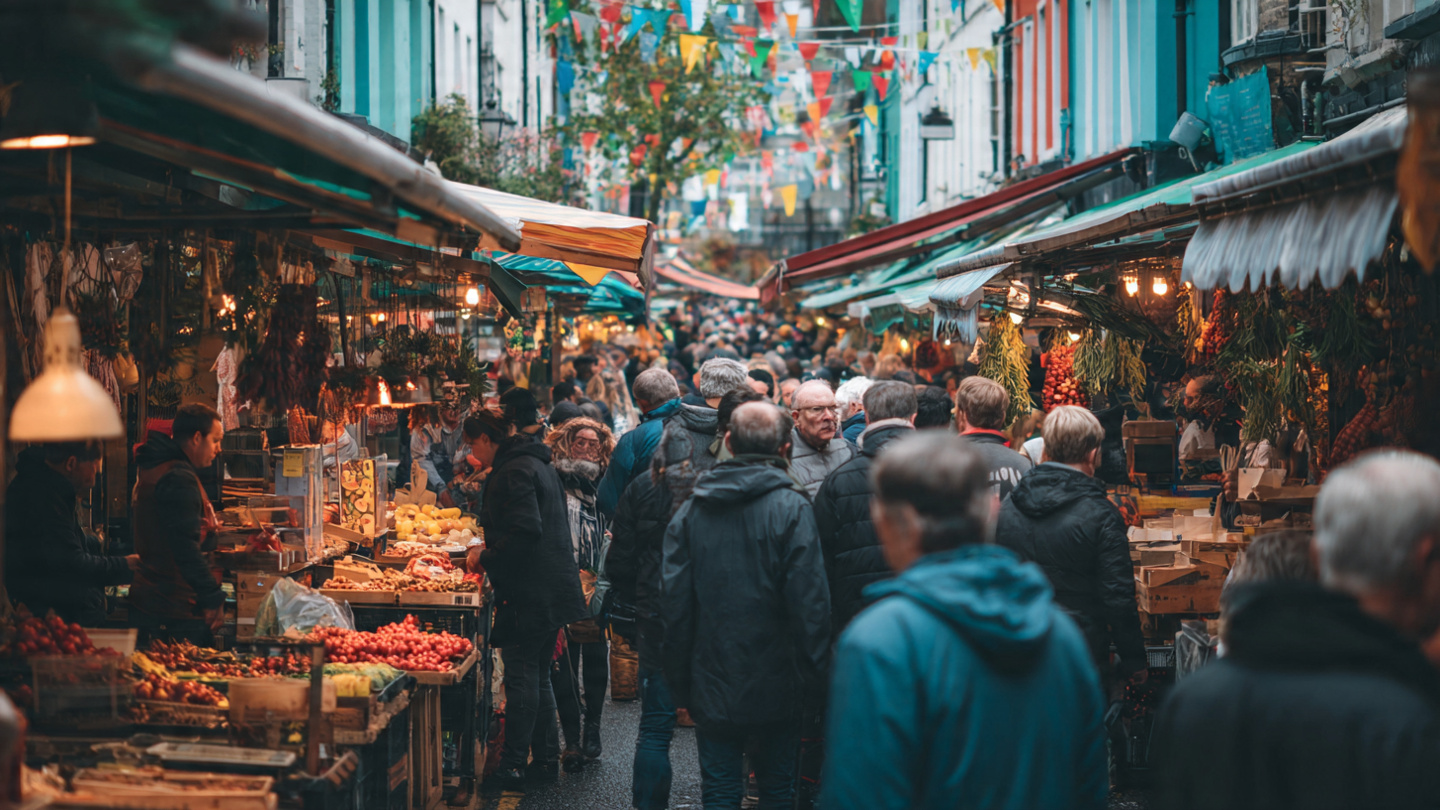
London markets play a central role in how the city shops, eats, and connects. Long before they became popular with visitors, these spaces existed to serve local communities. Even today, many residents rely on markets for fresh food, small purchases, and casual meals. This everyday function gives markets a grounded feeling that sets them apart from polished retail districts.
If your trip includes shopping streets as well as market stalls, it helps to understand how London’s high streets, boutique lanes, and local shopping districts compare with market-style browsing. This guide to street shopping in London explains where street retail fits into the wider shopping culture, and how to choose the right areas based on your travel style.
How Markets Shape the Way People Shop in London
Shopping inside markets feels different from walking through standard stores. Prices, products, and conversations change from stall to stall. Vendors often work independently, bringing personal knowledge and regional influences into what they sell. This creates a sense of discovery, where browsing becomes part of the experience rather than a task to complete quickly.
Food and Shopping Blended Into One Experience
One of the defining features of London markets is how food and shopping exist side by side. A single walk might include stopping for street food, browsing handmade items, and buying ingredients for later. This mix encourages visitors to slow down. Instead of rushing through aisles, people linger, observe, and interact with those around them.
Neighborhood Identity Reflected Through Markets
London’s size and diversity shape its market culture. Each area develops its own character, influenced by history, migration, and local habits. Markets reflect these differences clearly. Some emphasize international cuisine, others focus on traditional goods, and many blend both. This variety means no two markets feel the same, even within the same part of the city.
Why Markets Offer a Clear View of Local Culture
For visitors, markets provide direct exposure to everyday life. They reveal how people eat, shop, and spend time together without formality. Conversations happen naturally, routines are visible, and cultural influences appear without explanation. These small details often leave stronger impressions than planned attractions.
The Ongoing Role of Markets in Modern London
Despite changes in retail trends, markets continue to evolve rather than disappear. Many have adapted by welcoming new food concepts and independent makers while maintaining their original purpose. This balance allows them to stay relevant while preserving their identity. As a result, markets remain one of the most dynamic parts of the city’s daily rhythm.
Why London Markets Matter for Shopping and Food

London Markets as Living Shopping Spaces
London markets matter because they function as living spaces rather than fixed shopping locations. Instead of operating on rigid systems, they adapt continuously. As a result, stalls change, menus evolve, and vendors respond directly to customer behavior. Because of this flexibility, markets stay closely aligned with how people actually shop and eat in the city. Rather than following trends set by large retailers, markets often reflect what local communities value at a given moment.
How Food Culture Grows Inside Markets
Food plays a defining role in why london markets remain important. In markets, food culture develops in real time. For example, independent vendors test ideas, adjust flavors, and refine menus based on immediate feedback. Because of this process, food feels personal rather than standardized. In contrast to fixed restaurant menus, market food evolves constantly, which keeps the experience fresh for both locals and visitors.
Why Markets Offer Variety Without Pressure
Another reason markets continue to attract people is choice. Within a short distance, shoppers can compare prices, styles, and cuisines. At the same time, this comparison feels relaxed rather than rushed. Since there is no obligation to buy, people explore freely. As a result, markets often feel more accessible than traditional shopping areas, especially for visitors who want to browse without commitment.
How Independent Sellers Shape the Experience
Markets also matter because they support independent sellers. Unlike large retail environments, markets allow small businesses to operate with lower barriers. Therefore, sellers focus more on quality, originality, and personal connection. Over time, many traders build loyal followings through consistency and character. Because customers interact directly with sellers, trust develops naturally, strengthening the overall market experience.
Balancing Tradition With Modern Expectations
While markets are rooted in history, they are not frozen in time. Instead, they balance long-standing traditions with modern demand. Some stalls follow routines that have existed for decades. Meanwhile, others introduce new food concepts or contemporary handmade products. Because both exist side by side, markets feel relevant without losing identity. This balance prevents them from feeling outdated or overly commercial.
Beyond shopping and food, markets function as social spaces. People meet friends, share meals, and spend time without strict plans. As a result, visits feel relaxed rather than transactional. Unlike goal-driven shopping environments, markets encourage wandering and conversation. This social element adds depth to the experience and explains why markets remain memorable long after the visit ends.
Why Visitors Naturally Gravitate Toward Markets
For many visitors, markets feel easy to approach. Since they require no reservations or schedules, travelers can enter casually. Whether someone stays for ten minutes or several hours, the experience still feels complete. Because of this flexibility, markets often become starting points for exploring neighborhoods. Over time, visitors gain confidence navigating the city by observing everyday life inside these spaces.
While markets highlight London’s open and community-driven retail culture, those who want to compare this with the city’s structured retail corridors can explore how permanent high streets operate differently in Best Shopping Streets in London.
How History and Neighborhoods Shape London Markets
Markets Formed Around Early Trade Routes
To understand london markets today, it helps to look at how they formed. Historically, markets developed along trade routes, near river crossings, and beside growing settlements. Because London expanded gradually rather than from a single center, markets emerged where people naturally gathered to exchange goods. As a result, each market grew in response to local demand rather than a citywide plan. This organic growth still influences how markets function today.
The Influence of Migration on Market Identity
Over time, migration reshaped many neighborhoods, and markets changed with them. As new communities settled in different parts of London, they brought food traditions, crafts, and trading styles. Consequently, markets began reflecting the cultural makeup of their surroundings. This explains why markets across the city feel distinct rather than interchangeable. Each one carries layers of influence built over decades.
Neighborhood Needs Define What Markets Offer
Markets respond directly to the needs of nearby residents. For example, a residential area may support produce stalls and everyday food vendors, while a creative district may attract crafts, vintage goods, and experimental food concepts. Because of this connection, markets rarely feel random. Instead, they mirror the rhythm of local life. Visitors often sense this difference immediately, even without knowing the area’s history.
How Industrial Change Shaped Market Locations
As London industrialized, some markets adapted while others declined or relocated. Railways, factories, and housing developments altered how goods moved through the city. In response, markets adjusted their focus or scale. Some became wholesale hubs, while others turned toward retail and food. These shifts shaped modern market layouts and explain why certain markets feel expansive while others feel compact and intimate.
Markets Preserving History in Modern Settings
Although London has modernized rapidly, markets often preserve historical character. Buildings, street layouts, and long-standing trading traditions remain visible. At the same time, modern vendors operate alongside older stalls. Because of this layering, markets feel rooted yet current. Visitors experience history without stepping into a static environment.
Why Location Still Matters Today
Even now, location plays a major role in shaping market experiences. Markets near business districts attract weekday crowds, while those in residential areas feel quieter during the week and livelier on weekends. Therefore, timing and neighborhood context influence how a market feels. Understanding this helps visitors choose markets that match their interests and pace.
Famous Food Markets in London Worth Visiting
Why Certain Food Markets Became Widely Known
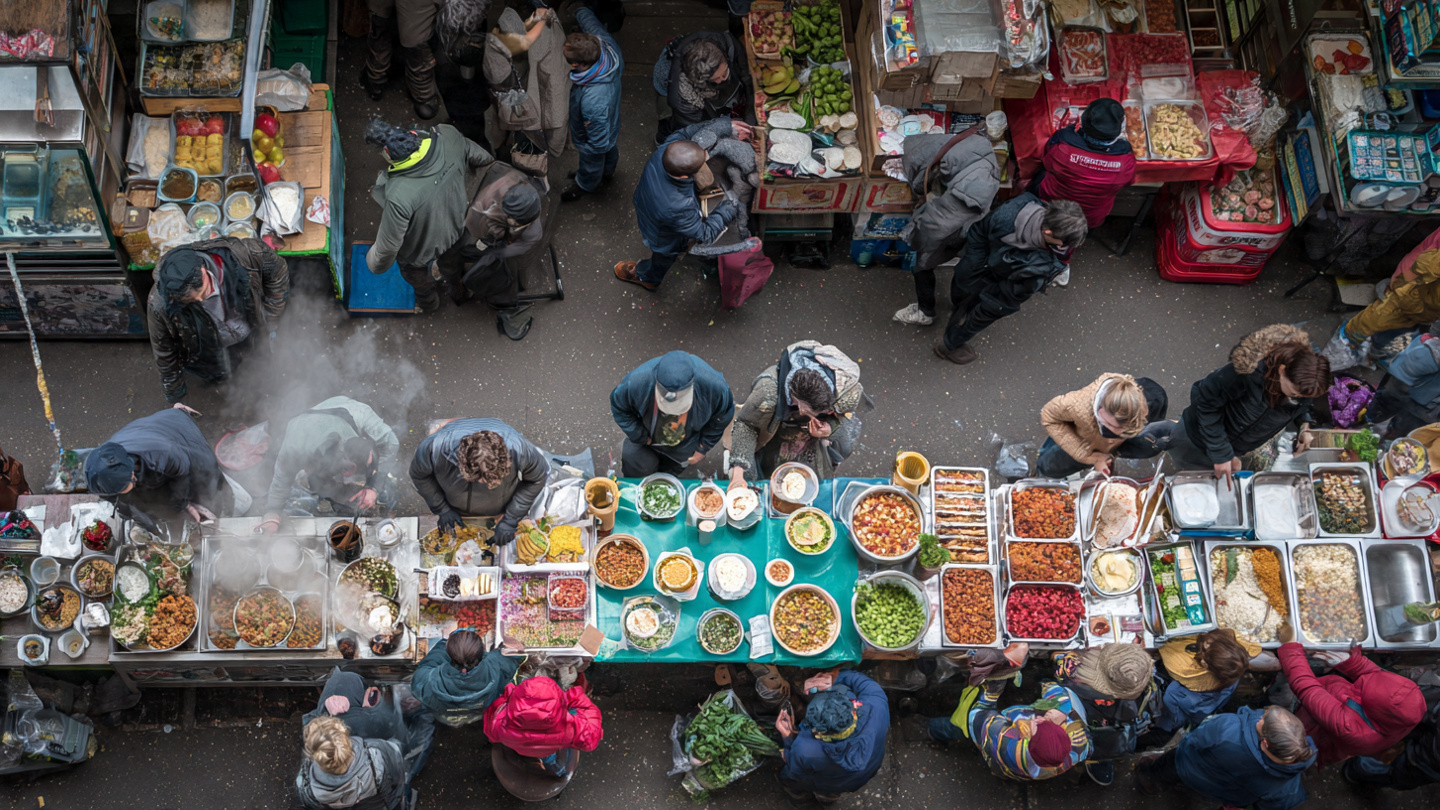
Some london markets gained recognition because they consistently delivered quality, variety, and atmosphere over time. Rather than becoming popular overnight, these markets earned their reputation through reliability. As word spread among locals, visitors followed. Eventually, these markets became reference points for food experiences across the city. Their popularity reflects long-term trust rather than temporary trends.
How Food Reputation Shapes Market Identity
Food-focused markets often build identity through specialization. Over time, customers associate certain markets with fresh ingredients, street food variety, or artisanal products. Because of this, expectations form before visitors arrive. While this popularity brings crowds, it also creates energy. Markets respond by refining offerings while maintaining standards that built their reputation in the first place.
Many visitors prefer seeing where major food markets are located before deciding which ones to visit. Viewing food markets on a map helps with planning routes, choosing nearby attractions, and avoiding unnecessary travel across the city. To get a clear overview, explore this map of London food markets.
Borough Market as a Benchmark for Quality
Borough Market is often seen as a reference point for food quality in London. Its reputation comes from long-standing relationships with producers and traders. Rather than focusing on novelty alone, the market emphasizes sourcing, preparation, and knowledge. As a result, visitors experience food as craft rather than convenience. This approach attracts both serious food enthusiasts and casual visitors looking for dependable quality.
Visitors who want a deeper understanding of how this market works in practice can explore a detailed breakdown of visiting tips, food choices, timing, and crowd flow specific to Borough Market.
What a great atmosphere! I can’t believe this little gem is still in the skyscrapers! Definitely worth a walk.Read more reviews at Tripadvisor.
Camden Market and Its Global Food Energy
Camden Market offers a different food experience shaped by creativity and global influence. Instead of focusing on tradition, it highlights variety and experimentation. Food stalls reflect international flavors and modern street food culture. Consequently, visitors encounter bold combinations and visually striking presentations. This atmosphere appeals strongly to younger crowds and travelers seeking energetic environments.
Spitalfields Market as a Blend of Old and New
Spitalfields Market balances historical setting with contemporary food offerings. The surrounding architecture gives the market a grounded feel, while modern vendors introduce updated concepts. Because of this contrast, the market attracts a diverse audience. Office workers, residents, and visitors share the space comfortably. Food here often feels curated but accessible, which keeps the experience relaxed despite its popularity.
What These Markets Have in Common
Although each market feels distinct, they share key traits. All prioritize quality, adaptability, and clear identity. Vendors understand their audience and adjust without losing purpose. As a result, these markets remain relevant even as food trends shift. Visitors often remember not just what they ate, but how the environment made them feel.
Managing Expectations When Visiting Popular Markets
Because famous markets attract attention, timing matters. Crowds can influence movement, seating, and browsing speed. However, understanding this in advance helps visitors approach the experience differently. Rather than rushing, many people choose to observe, sample selectively, and enjoy atmosphere. When approached with flexibility, popular markets remain rewarding rather than overwhelming.
Best Markets in London for Street Food and Global Cuisine
Why Street Food Thrives Inside London Markets
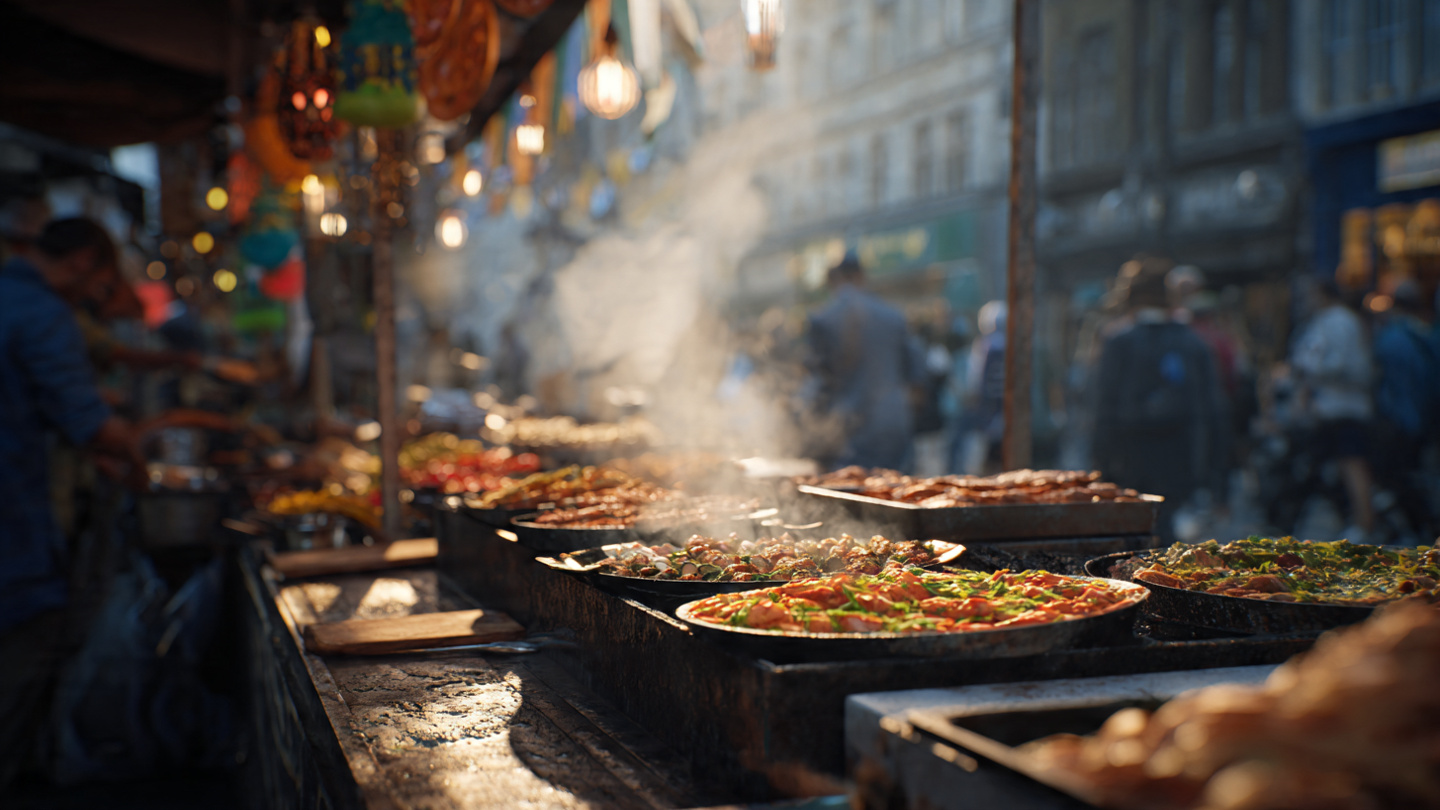
Street food thrives in london markets because these spaces encourage experimentation. Unlike fixed restaurants, market stalls allow vendors to adapt quickly. As a result, menus change often, flavors evolve, and new ideas appear without long delays. This flexibility keeps street food exciting and gives visitors the chance to try dishes that may not exist elsewhere in the city.
How Global Influences Shape Market Food
London’s diversity strongly influences its street food scene. Because people from many cultures live and work across the city, food traditions naturally blend inside markets. Consequently, visitors encounter a wide range of cuisines within a small area. Instead of traveling far between neighborhoods, people experience global flavors side by side. This concentration makes markets ideal places to explore unfamiliar food comfortably.
Brick Lane Market and Bold Cultural Expression
Brick Lane Market is closely associated with strong cultural identity and flavor. Food stalls here often reflect long-standing communities alongside newer influences. Because of this mix, dishes feel rooted yet contemporary. Visitors notice rich spices, distinctive cooking styles, and vendors confident in their craft. The atmosphere encourages curiosity, making the market especially appealing to those interested in cultural food experiences.
Southbank Centre Food Market and Casual Riverfront Dining
Located along a busy cultural corridor, the Southbank Centre Food Market offers a relaxed approach to street food. Since many visitors arrive while exploring nearby attractions, food here emphasizes accessibility and comfort. At the same time, quality remains consistent. This balance allows people to enjoy quick meals without sacrificing flavor or freshness, which suits both locals and travelers passing through.
Maltby Street Market and Small-Scale Creativity
Maltby Street Market demonstrates how smaller markets can deliver strong food experiences. Rather than relying on size, it focuses on specialization. Vendors often concentrate on a limited menu, refining it carefully. Because of this focus, food feels intentional and thoughtfully prepared. Visitors who prefer calmer environments often appreciate the slower pace and direct interaction with traders.
Why Street Food Markets Feel Approachable
Street food markets feel less formal than sit-down dining. There are fewer expectations around time, seating, or ordering. As a result, visitors feel comfortable trying something new without pressure. Sharing tables, standing while eating, or moving between stalls becomes part of the experience. This informality makes markets welcoming to solo travelers and groups alike.
Choosing the Right Street Food Experience
Not all street food markets feel the same. Some emphasize speed and volume, while others prioritize craft and presentation. Therefore, understanding personal preferences helps shape the visit. Travelers seeking energy may enjoy busier markets, while those wanting conversation and detail may prefer quieter spaces. Knowing this difference allows visitors to make better choices and enjoy the experience fully.
Shopping-Focused Markets in London for Fashion, Crafts, and Gifts
Why Markets Remain Popular for Shopping
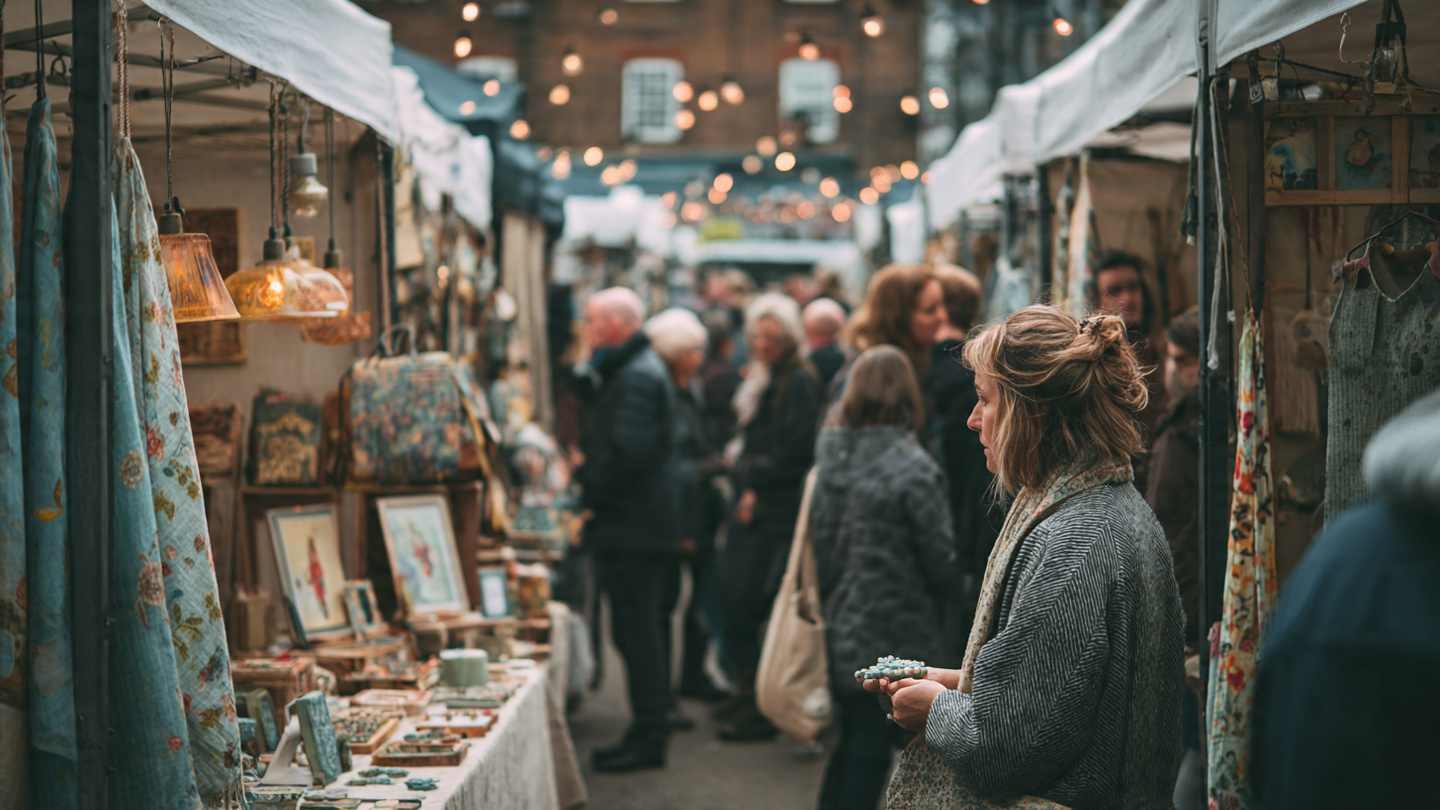
Shopping-focused london markets continue to attract attention because they offer variety without uniformity. Unlike traditional retail streets, markets allow shoppers to encounter different styles within a short distance. As a result, browsing feels exploratory rather than repetitive. People move between stalls comparing textures, prices, and craftsmanship, which turns shopping into an experience rather than a checklist.
The Appeal of Handmade and Independent Goods
Many shoppers visit markets specifically for items they cannot find elsewhere. Handmade goods, small-batch products, and independent designs appear more frequently in market spaces. Because vendors often produce what they sell, buyers gain insight into materials and methods. This transparency builds trust and adds meaning to purchases, especially when items are intended as gifts or keepsakes.
Shopping markets are spread across different neighborhoods, and location plays a big role in how each market feels. Seeing shopping-focused markets on a map makes it easier to plan visits around walking routes and nearby areas. This map of London shopping markets shows where key markets are located.
Portobello Road Market and Vintage Discovery
Portobello Road Market is known for its strong focus on antiques, vintage clothing, and collectibles. Over time, it developed a reputation as a place where careful browsing is rewarded. Rather than offering instant finds, the market encourages patience. Shoppers move slowly, examine details, and compare items across stalls. This process appeals to those who enjoy discovery over convenience.
A real experience. There really is an energy selection and the market is huge. Of course, many things are repeated and it is quite crowded, but it is still worth the visit. Especially those who like vintage are in good hands here.
Read more reviews at Tripadvisor.
Greenwich Market and Creative Craftsmanship
Greenwich Market emphasizes creativity and artisan work. Many stalls focus on handmade jewelry, artwork, and design-led products. Because of this focus, the market attracts shoppers interested in originality. Items often feel personal rather than mass-produced. Visitors appreciate the chance to speak directly with makers and learn the story behind each piece.
Fashion Markets and Individual Style
Fashion-focused market stalls often reflect individual expression rather than seasonal trends. Independent sellers experiment with cuts, fabrics, and styles without the constraints of large brands. Consequently, shoppers find clothing that feels distinctive. This appeals to those who value personal style and prefer items that stand apart from mainstream fashion.
How Markets Support Thoughtful Shopping
Markets naturally slow the pace of shopping. There are fewer distractions designed to push quick decisions. Instead, conversation, observation, and comparison guide choices. This slower rhythm encourages thoughtful purchasing. Shoppers leave with fewer items, but those items often carry more meaning and satisfaction.
Choosing Markets Based on Shopping Intent
Not all shopping markets serve the same purpose. Some focus on antiques and collectibles, while others highlight fashion or crafts. Therefore, understanding personal intent helps shape the visit. Travelers looking for souvenirs may prefer craft-focused markets, while collectors gravitate toward vintage spaces. Choosing with intention makes the experience more rewarding.
While many shopping markets focus on handmade goods and contemporary fashion, London also has entire market areas dedicated to older styles, retro clothing, and collectible pieces from past decades. This detailed guide to vintage markets in London explains where these markets are concentrated and how they differ from standard shopping-focused markets.
Vintage, Flea, and Specialty Markets Across London
Why Vintage and Flea Markets Hold Lasting Appeal
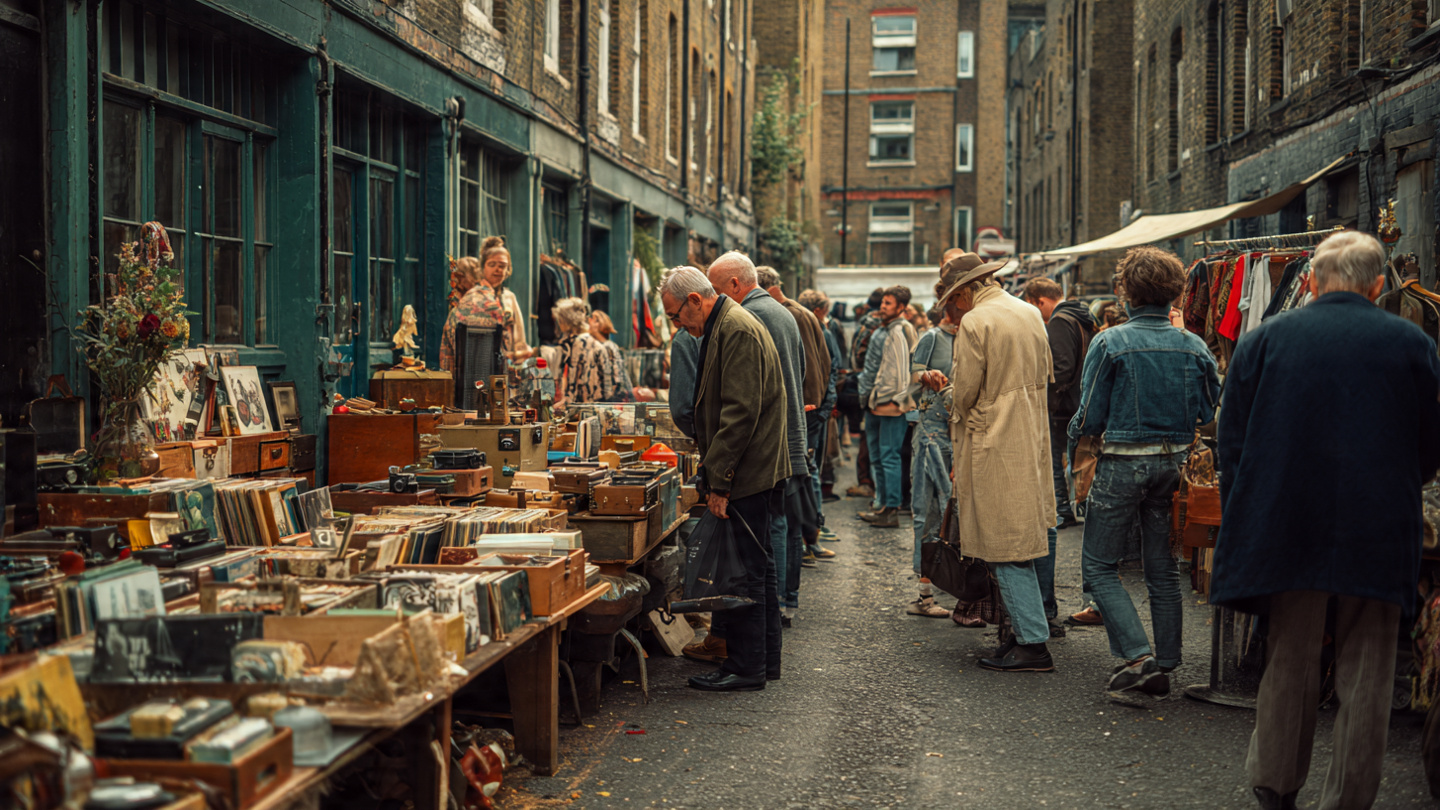
Vintage and flea-focused london markets attract people for reasons that go beyond price. Many visitors enjoy the sense of unpredictability that comes with browsing older or second-hand items. Unlike modern retail, these markets do not promise uniform quality or availability. Instead, they reward patience and curiosity. Shoppers often value the process as much as the purchase itself.
One of the most well-known places for this kind of vintage discovery is Portobello Road, where antiques, collectibles, and second-hand finds shape the browsing experience.
The Role of History in Vintage Market Culture
Vintage markets reflect London’s layered history. Items sold often carry visible signs of age, use, and changing taste. Because of this, browsing becomes a form of informal storytelling. Clothing, furniture, and collectibles hint at past decades without explanation. This connection to earlier eras adds depth to the shopping experience and appeals to collectors as well as casual visitors.
Alfies Antique Market and Structured Exploration
Alfies Antique Market offers a more organized approach to vintage browsing. Located indoors, it provides a calm environment compared to open-air flea markets. Stalls focus on antiques, decorative objects, and curated collections. Because of this structure, visitors often feel comfortable spending longer periods exploring. The experience suits those who prefer focused browsing over quick scanning.
Hackney Flea Market and Community Energy
Hackney Flea Market emphasizes community and creativity. Sellers often include independent makers, collectors, and small traders. As a result, the atmosphere feels informal and conversational. Visitors encounter a mix of vintage clothing, homeware, and unique finds. This blend attracts shoppers who enjoy discovery and interaction rather than formal retail settings.
Specialty Markets and Niche Interests
Some markets serve specific interests rather than general shopping. These specialty markets focus on areas such as books, vinyl records, design objects, or handmade goods. Because vendors share a clear focus, visitors with matching interests feel understood. This specialization creates a sense of belonging and encourages repeat visits from local communities.
Why Flea Markets Feel Different From Other Markets
Flea markets operate at a slower and less predictable pace. Prices may vary widely, and negotiation often feels acceptable. As a result, shoppers engage more actively with sellers. This interaction adds a human layer to the experience. Instead of fixed transactions, flea markets emphasize exchange and conversation.
For a deeper look at antiques, second-hand browsing, and how these markets actually work in real life, this guide to flea markets in London explains what to expect before you visit.
Choosing Between Vintage and Specialty Markets
Not all vintage or specialty markets offer the same experience. Some prioritize curated collections, while others embrace randomness. Therefore, understanding personal preference helps guide choice. Visitors seeking calm exploration may prefer structured markets, while those enjoying lively environments often gravitate toward open flea markets. Selecting accordingly leads to a more satisfying visit.
Weekend, Seasonal, and Night Market Experiences in London
How Timing Changes the Market Experience
Timing plays a major role in how london markets feel. The same market can offer very different experiences depending on the day and time of visit. Weekends often bring larger crowds, extended stall selections, and a more energetic atmosphere. In contrast, weekday visits tend to feel calmer and more routine-driven. Understanding this difference helps visitors plan visits that match their preferred pace.
Why Weekends Attract the Most Variety
Many markets expand their offerings on weekends. Additional traders appear, food stalls increase, and temporary vendors join regular sellers. As a result, weekends feel more vibrant and diverse. Visitors often experience a wider range of food, crafts, and specialty items during these times. However, this popularity also brings higher foot traffic, which can influence movement and seating availability.
Seasonal Shifts in Market Atmosphere
Seasonal changes affect both what markets offer and how they feel. During warmer months, outdoor markets feel open and social. Longer daylight hours encourage lingering and casual dining. In colder seasons, markets often shift focus toward comfort food, warm drinks, and enclosed spaces. These seasonal adjustments allow markets to remain appealing throughout the year without losing relevance.
For a detailed look at how festive markets transform the city during winter, explore this complete guide to Christmas markets in London.
The Appeal of Night Market Settings
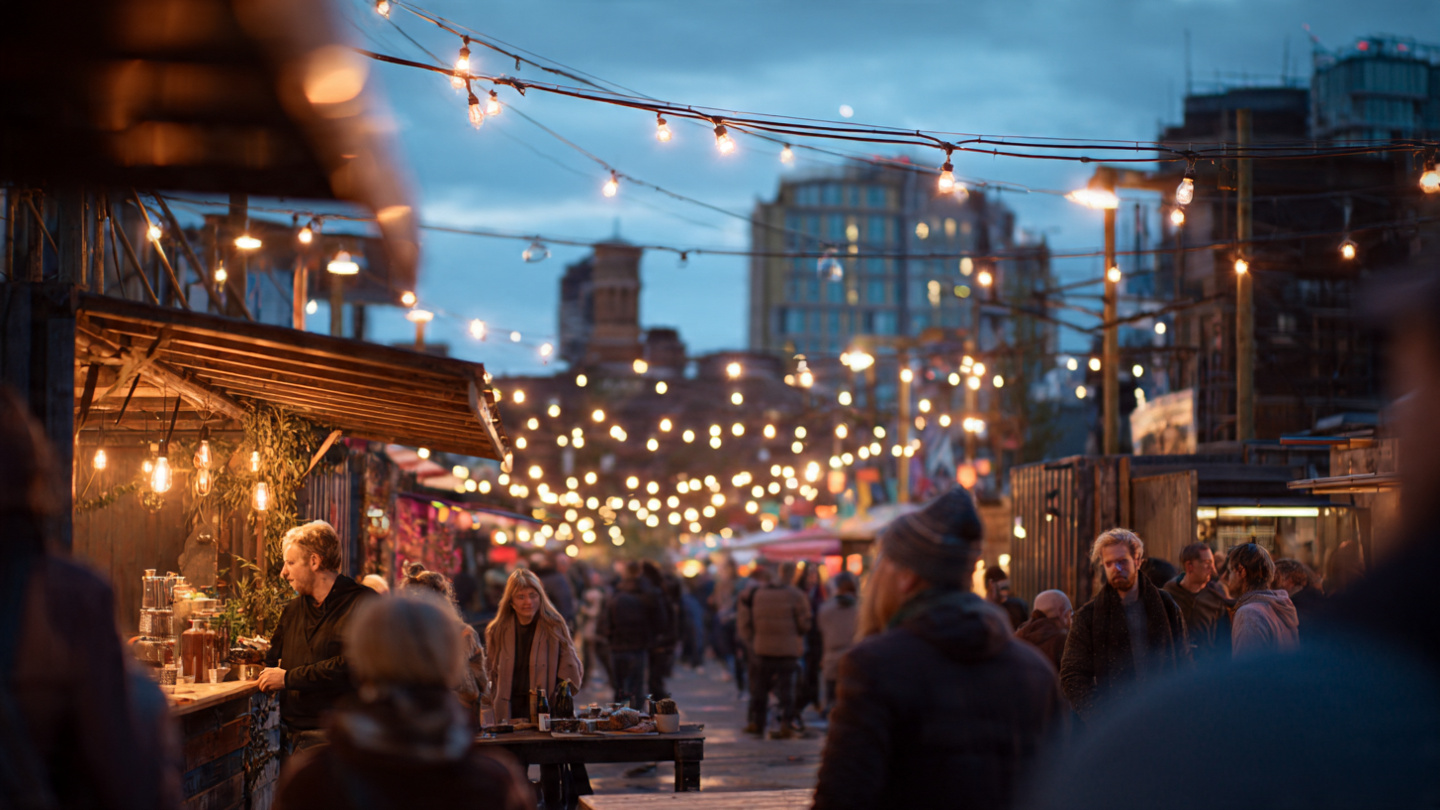
Night markets introduce a different rhythm altogether. As daylight fades, lighting, music, and atmosphere take on greater importance. Food stalls often emphasize ready-to-eat options, while shopping becomes more relaxed and exploratory. Because people visit after work or evening activities, night markets feel less rushed. This slower pace encourages conversation and social interaction.
While some markets extend into the evening, London does not follow the large nightly bazaar model seen in other global cities. If you want a clear explanation of how after-dark trading actually works in practice, including what to expect, when to visit, and how the atmosphere differs from daytime markets, read the detailed guide to night markets in London before planning your evening.
How Evening Markets Fit Into City Life
Evening and night markets blend naturally into London’s after-hours culture. They offer alternatives to restaurants and bars, providing casual environments where people can eat, browse, and socialize. This flexibility appeals to visitors who want experiences without formal planning. Markets become part of the evening rather than destinations that require commitment.
Choosing the Right Time to Visit
Choosing when to visit a market often matters as much as choosing which market to visit. Visitors seeking energy and variety may prefer weekends or evenings. Those who value space and conversation may enjoy weekday mornings or early afternoons. Recognizing these patterns allows travelers to shape their experience rather than reacting to crowds.
How Timing Influences First Impressions
First impressions often depend on timing. A crowded weekend visit can feel overwhelming to some, while a quiet weekday visit may feel underwhelming to others. Understanding this helps set realistic expectations. When visitors align timing with personal preferences, markets become more enjoyable and memorable.
What First-Time Visitors Should Know Before Visiting London Markets
Understanding That Markets Operate on Their Own Rhythm
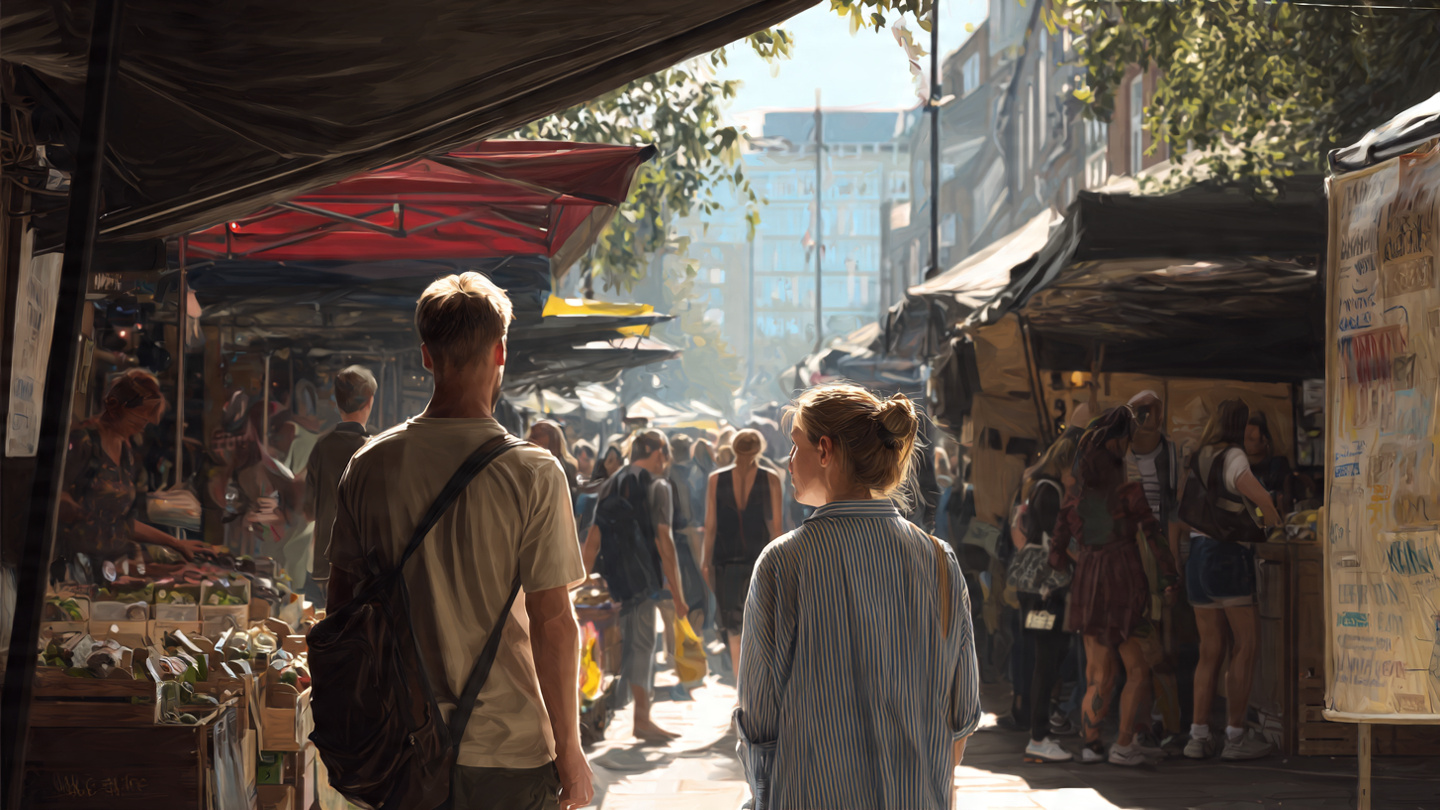
First-time visitors often expect markets to function like structured shopping centers. However, london markets operate on their own rhythm. Opening times may vary, stalls may change locations, and layouts can feel fluid rather than fixed. Because of this, flexibility becomes important. Visitors who approach markets without strict expectations often enjoy the experience more fully.
Why Browsing Comes Before Buying
Markets reward observation. Instead of purchasing immediately, many experienced visitors take a full walk through the market first. This allows time to compare prices, quality, and atmosphere. As a result, decisions feel more informed. Rushing often leads to missed opportunities, while browsing creates confidence and enjoyment.
Crowds are common, especially in popular markets and during peak times. Rather than resisting this, visitors benefit from adjusting their pace. Slowing down, stepping aside when needed, and observing flow patterns helps reduce stress. Markets rarely require constant movement. Pausing becomes part of the experience rather than an inconvenience.
Communicating With Vendors Respectfully
Market vendors usually welcome questions and conversation. Asking about ingredients, materials, or origins often leads to engaging exchanges. However, it helps to remain mindful of busy periods. When queues form, keeping interactions concise shows consideration. These small gestures contribute to positive exchanges and a welcoming atmosphere.
Managing Food Choices and Seating
Food markets may not offer formal seating. Visitors should expect shared tables, standing areas, or limited space. Because of this, flexibility matters. Choosing food that suits casual eating and being open to sharing space improves comfort. Many visitors find this informal setup enhances the social experience rather than limiting it.
Planning Around Weather Conditions
Since many markets operate outdoors or partially outdoors, weather influences comfort. Checking forecasts helps visitors prepare appropriately. Comfortable shoes, layered clothing, and light rain protection often make a noticeable difference. Being prepared allows visitors to focus on the experience rather than external discomfort.
Setting Realistic Expectations for the Visit
Markets rarely provide a single defining moment. Instead, they offer a collection of small interactions, discoveries, and impressions. First-time visitors benefit from viewing markets as places to explore rather than destinations to complete. This mindset reduces pressure and encourages genuine engagement.
How to Choose the Right Market and Make the Most of Your Visit
Matching Market Choice to Personal Interests
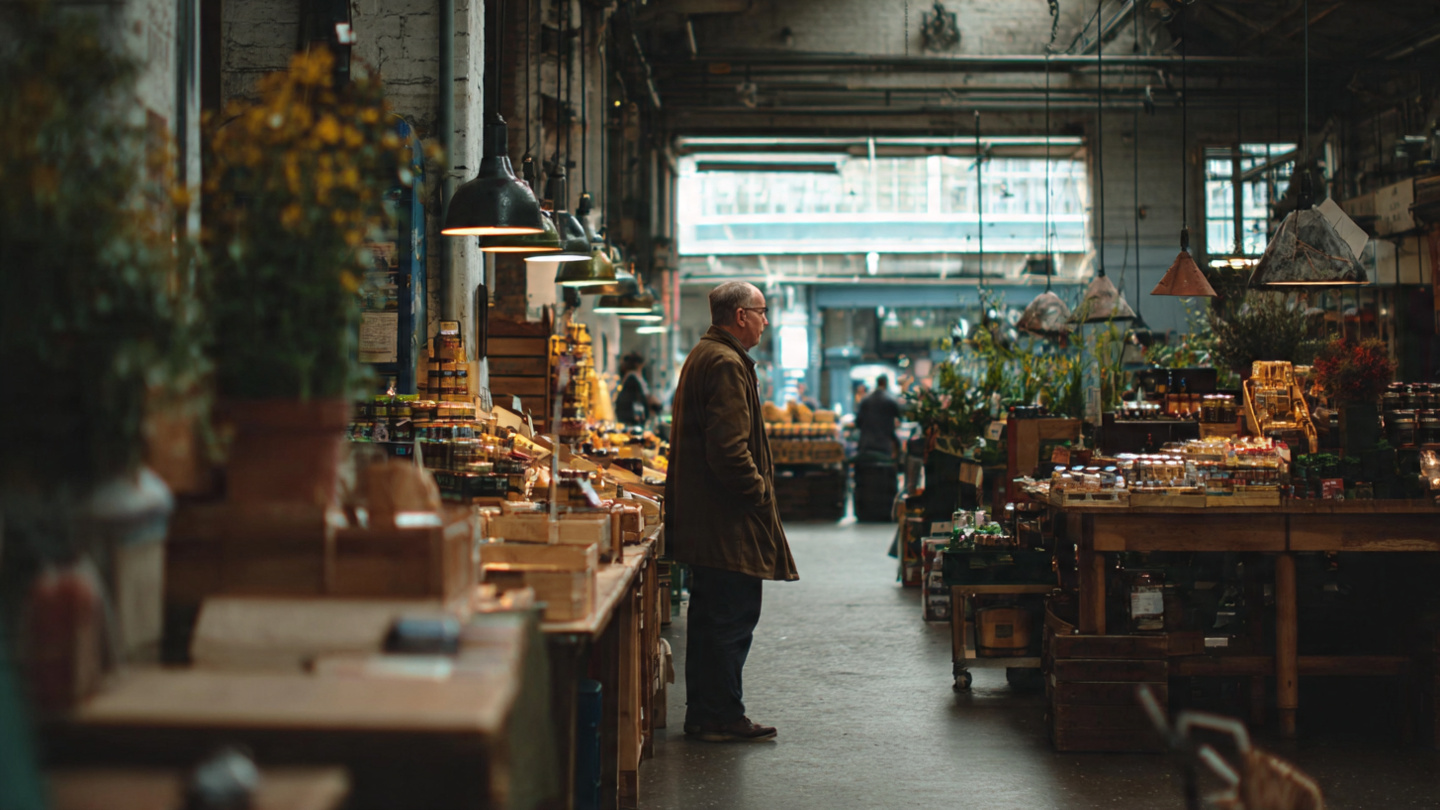
Choosing the right market begins with understanding personal interests. Some visitors prioritize food exploration, while others focus on shopping or atmosphere. Because london markets vary widely, aligning expectations with market character improves satisfaction. Travelers interested in tasting multiple cuisines may prefer food-driven markets, while those seeking unique items often gravitate toward craft or vintage-focused spaces.
Considering Time, Energy, and Travel Flow
Markets fit best into itineraries when energy levels and travel flow are considered. Visiting a large market early in the day may feel different from arriving late in the afternoon. Similarly, combining market visits with nearby neighborhoods helps reduce unnecessary travel. When markets are treated as part of a wider experience rather than isolated stops, the day feels more balanced.
Allowing Space for Unplanned Discovery
One of the strengths of market visits is unpredictability. Leaving space for unplanned stops, conversations, or detours often leads to memorable moments. Rigid schedules can limit this potential. Visitors who allow flexibility tend to engage more deeply and notice details that scripted plans overlook.
Making Thoughtful Food and Shopping Decisions
Markets encourage impulse, but thoughtful decisions enhance long-term enjoyment. Sampling small portions before committing, comparing similar items across stalls, and asking questions all contribute to better choices. These actions also support respectful interaction with vendors. The result is a more intentional experience rather than rushed consumption.
Understanding When to Move On
Markets do not require extended stays to feel complete. Recognizing when interest begins to fade helps maintain enjoyment. Some visitors prefer brief visits, while others stay for hours. Both approaches are valid. Knowing when to move on prevents fatigue and keeps the overall day engaging.
Viewing Markets as Cultural Experiences
Rather than treating markets purely as shopping or dining locations, viewing them as cultural spaces adds depth. Observing interactions, listening to conversations, and noting routines provides insight into everyday life. This perspective turns markets into learning experiences rather than transactional stops.
Reflecting on the Experience Beyond the Visit
Market visits often linger in memory through small details. A conversation, a flavor, or a handmade item may stand out more than major attractions. Reflecting on these moments reinforces the value of markets within the broader travel experience. Over time, markets often become reference points for understanding the city as a whole.
Frequently Asked Questions
General Planning and Expectations
Planning a market visit works best when it stays flexible. Rather than scheduling markets tightly between attractions, visitors benefit from allowing open time. Markets reward wandering and pauses. Planning only the general area and approximate time of day often leads to a more relaxed and enjoyable experience.
Markets fit well into short trips because they combine food, shopping, and atmosphere in one place. Even a brief visit can feel complete. Visitors on limited schedules often use markets as efficient stops that still provide cultural insight without requiring long travel or reservations.
Markets can feel busy at first, especially during peak hours. However, most visitors adjust quickly once they slow their pace. Taking time to observe before engaging helps reduce overwhelm. Markets are meant to be experienced gradually rather than navigated quickly.
Advance research is helpful but not essential. Many visitors discover markets organically and still enjoy the experience. Knowing general themes such as food-focused or shopping-focused markets helps set expectations, but spontaneity often leads to the most memorable moments.
Food Experience and Eating Habits
Market eating feels informal and flexible. Meals do not follow set courses or seating arrangements. Visitors choose when and what to eat, often sampling multiple options. This freedom creates a relaxed atmosphere where food exploration feels natural rather than structured.
Yes, many food stalls offer portions suitable for tasting rather than full meals. This allows visitors to explore multiple flavors in one visit. Sampling encourages curiosity and makes markets ideal for those who enjoy variety over large servings.
Markets generally offer a wide range of choices, including options suitable for different dietary needs. Vendors are often open to explaining ingredients and preparation methods. While not every stall can accommodate every restriction, variety increases the chance of finding suitable options.
Eating while walking is common in markets, especially when seating is limited. Visitors usually find spaces to pause briefly while eating. Being mindful of others and moving aside when needed keeps the experience comfortable for everyone.
Shopping, Pricing, and Purchases
Many market items are unique or produced in small quantities. Handmade goods, vintage pieces, and independent designs often cannot be replicated easily. This uniqueness appeals to visitors seeking items that feel personal rather than mass-produced.
Prices vary depending on the product and market type. Some items may cost more due to craftsmanship or sourcing, while others may be competitively priced. Markets allow comparison across stalls, helping visitors find value that suits their budget.
There is no expectation to buy at markets. Browsing is normal and accepted. Vendors understand that visitors are exploring. Taking time to look without purchasing is part of market culture and does not require explanation.
Markets are popular for gift shopping because items often carry a sense of place. Handmade goods, specialty foods, and creative products feel more meaningful than generic souvenirs. Visitors often choose market items to remember experiences rather than landmarks.
Timing, Crowds, and Atmosphere
Crowds increase during weekends, holidays, and midday hours. Popular markets attract both locals and visitors at these times. While crowds add energy, they may limit browsing space. Visiting earlier or later in the day often feels more comfortable.
Morning visits tend to feel calmer and more routine-driven. Vendors prepare, and locals shop with purpose. Afternoons bring more visitors, social activity, and food-focused browsing. Both times offer value depending on visitor preference.
Evening visits offer a different atmosphere. Lighting, music, and food become central features. Shopping may feel secondary, but social interaction increases. Visitors looking for relaxed evening experiences often enjoy markets later in the day.
Market visits vary widely. Some visitors spend thirty minutes, while others stay several hours. There is no ideal duration. Leaving when interest fades keeps the experience enjoyable and prevents fatigue.
Practical Tips and Comfort
Comfort matters more than appearance. Walking-friendly shoes and adaptable clothing improve the experience. Since many markets involve standing and movement, dressing for comfort allows visitors to focus on exploration rather than fatigue.
Markets are generally safe and welcoming spaces, even for solo visitors. Crowds and open layouts provide a sense of security. Solo travelers often enjoy the freedom to move at their own pace and engage casually with vendors.
As with any busy public space, awareness helps. Keeping personal items secure and avoiding distractions reduces risk. Markets encourage relaxed browsing, but basic awareness ensures a stress-free visit.
Accessibility varies by market. Some offer wide paths and smooth surfaces, while others operate on historic streets. Visitors with mobility concerns benefit from choosing larger or more modern markets and visiting during quieter times.
Cultural Understanding and Behavior
Simple courtesy goes a long way. Waiting patiently, respecting queues, and acknowledging vendors create positive interactions. Markets thrive on mutual respect rather than rigid rules.
Photography is usually acceptable, especially of stalls and food. However, asking permission before photographing people or close-up displays shows respect. Vendors often appreciate polite engagement.
Markets feel personal because interactions happen naturally. Conversations, shared tables, and spontaneous moments create emotional connections. These small experiences often leave lasting impressions beyond visual memory.
Markets reflect everyday routines, preferences, and habits. Observing how people shop, eat, and interact provides insight into daily life. This understanding often feels more authentic than structured sightseeing.