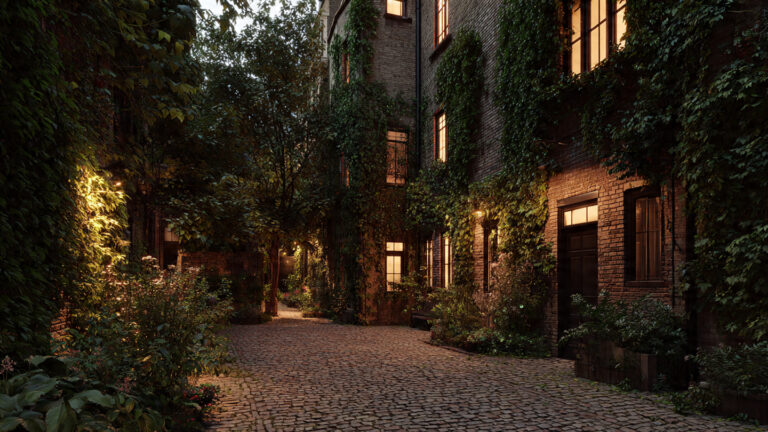

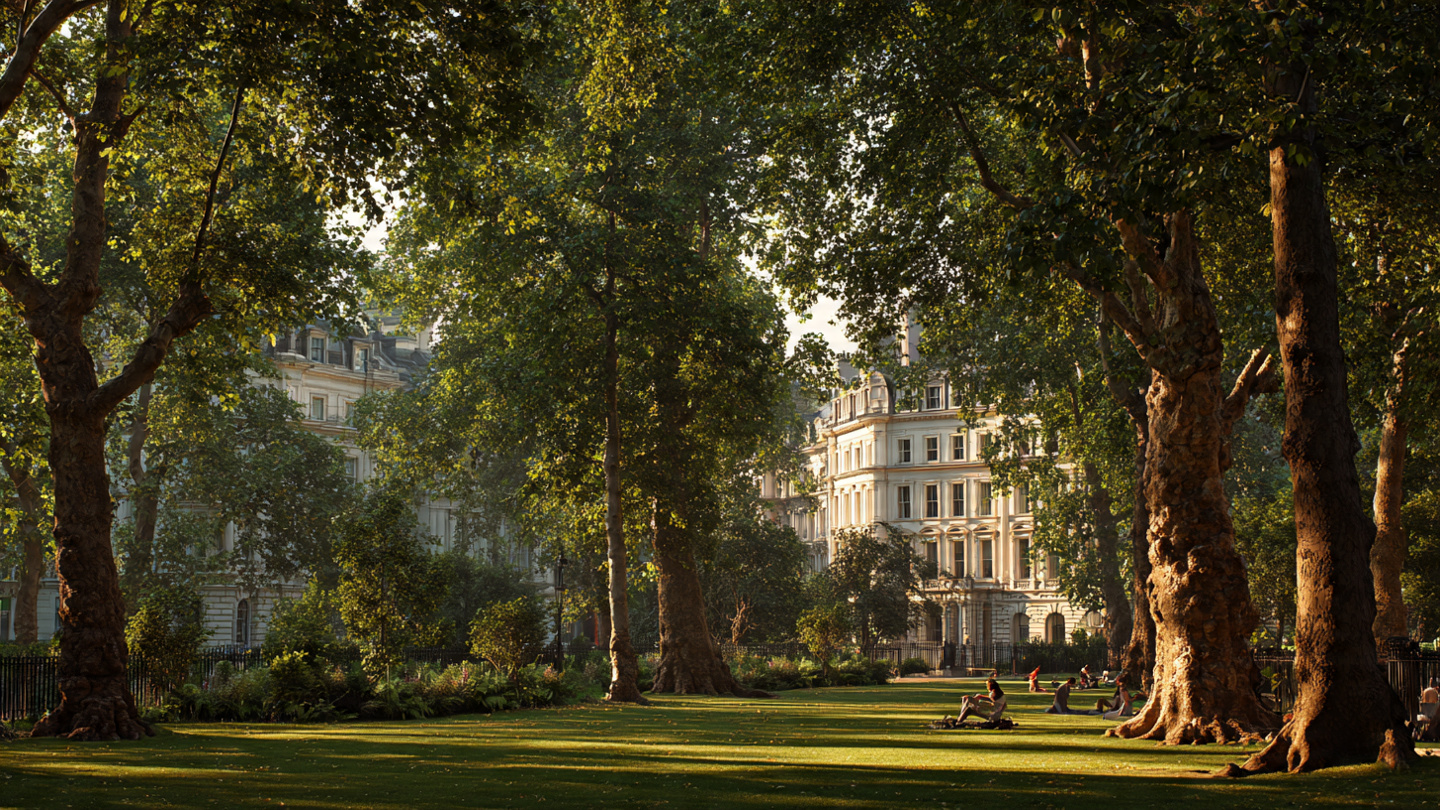
The best parks in central London play a vital role in the rhythm of the city. Central London is dense, fast-moving, and constantly active. Streets around Westminster, Mayfair, Soho, and Covent Garden rarely feel quiet. Because of this intensity, accessible green space becomes essential rather than decorative.
These parks offer immediate contrast. Within a short walk from crowded attractions, the atmosphere changes. Trees soften surrounding noise. Open lawns create breathing space between historic buildings. The shift feels noticeable. For visitors staying in Zone 1, these green spaces are not remote escapes. Instead, they function as natural pauses between sightseeing stops.
London’s green spaces extend far beyond the city center, and understanding the broader landscape helps put these central parks into context. If you want a complete overview that includes royal parks, neighborhood gardens, and walking routes across the entire city, explore our full guide to Parks in London to see how central spaces compare with larger landscapes across the capital.
What Central London Actually Includes
Central London generally refers to Zone 1 and the surrounding districts that hold the city’s major landmarks. This includes Westminster, the West End, Regent’s Park, South Kensington, and parts of Holborn. Since these areas attract the highest concentration of visitors, the parks within them serve both residents and travelers every day.
Because of their location, these parks are easy to integrate into a walking itinerary. For example, after visiting Buckingham Palace, you can step directly into nearby green space without taking transport. Similarly, after exploring museums or shopping streets, a park visit can follow naturally. Therefore, choosing the right park improves both comfort and efficiency.
Not Every Central Park Feels the Same
Although London contains many green spaces, they differ significantly in atmosphere and layout. Some parks are expansive with wide open fields. Others are structured with formal gardens and defined pathways. Meanwhile, smaller garden squares provide contained quiet within busy neighborhoods.
Expectations shape the experience. If someone expects calm reflection, a highly active park during summer may feel overwhelming. On the other hand, someone looking for broad skyline views may feel limited in a compact garden square. Therefore, understanding these differences helps you match the park to your purpose.
Built Into the City’s Daily Life
Unlike countryside reserves, central parks are woven directly into urban life. Office workers use benches during lunch breaks. Runners follow paved routes in the early morning. Families gather in the afternoon. Tourists rest between attractions.
Because of this daily use, these parks feel integrated rather than isolated. You still sense the city nearby, yet the pace slows. The combination creates balance. That balance defines why the best parks in central London remain essential to both residents and visitors.
Why This Guide Focuses Only on Central Locations
London offers larger and more natural landscapes beyond the city center. However, reaching them requires additional time and planning. This guide focuses only on parks that are practical for visitors staying near major attractions.
Every location discussed sits within walking distance of central landmarks or a short Underground journey away. By narrowing the focus, the advice becomes realistic. You can visit these parks without disrupting your itinerary.
What You Will Gain From This Guide
This guide will clarify which park works best for different needs. You will learn which green spaces are closest to royal landmarks, which ones feel most spacious, and which provide quieter corners. In addition, seasonal insights will help you decide when each park feels at its best.
By the end, selecting among the best parks in central London should feel simple and intentional rather than uncertain.
To understand how close these green spaces are to major landmarks, explore this interactive map of the best parks in central London before planning your route. Seeing their positions in relation to Buckingham Palace, Westminster, and Oxford Street makes choosing easier.
What Makes Central London Parks Different
Royal Origins Still Influence Their Design
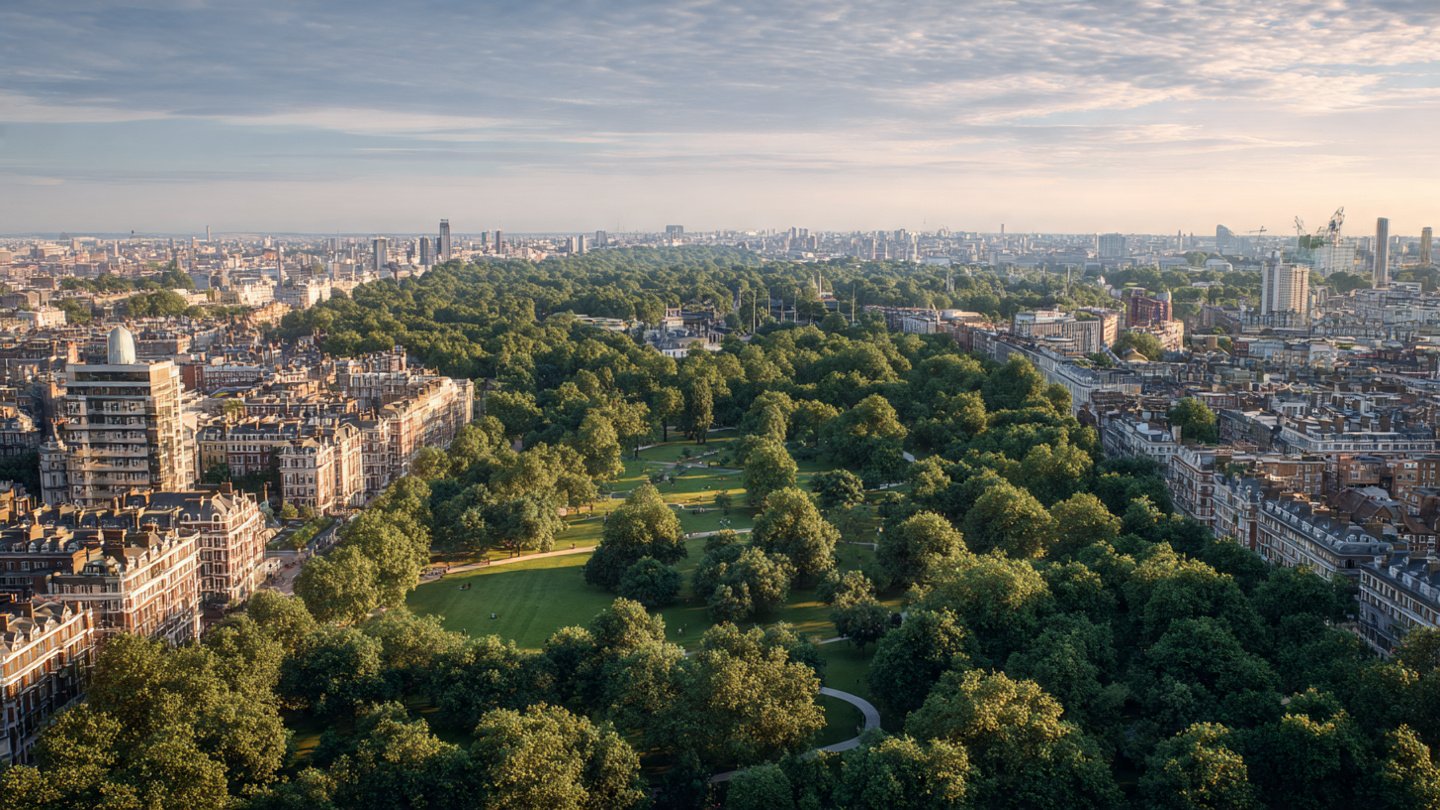
Many of the best parks in central London began as royal estates or private grounds. Although they are now fully public, their original purpose continues to shape how they look and function. Wide avenues, formal gardens, and carefully positioned lakes reflect deliberate planning rather than natural growth.
Because of these origins, central parks feel structured. Pathways align with long sightlines. Lawns open in defined sections. Trees are positioned to frame views rather than grow randomly. As a result, walking through these spaces feels intentional. The design guides movement without restricting it.
A Contrast to the Surrounding City
Central London developed over centuries, and much of it grew organically. Streets curve. Buildings cluster tightly. Traffic moves through narrow corridors of stone and brick. In contrast, parks interrupt this density.
When you step inside, the skyline opens. The sky appears larger. Sound softens as trees absorb urban noise. Therefore, the value of these parks lies not only in greenery but also in the visual and spatial contrast they provide. The best parks in central London feel expansive precisely because they sit within compact surroundings.
Structured Rather Than Wild
Unlike outer London landscapes that emphasize woodland or open countryside, central parks balance nature with order. Lawns are maintained carefully. Pathways are paved clearly. Flower beds are arranged deliberately.
This structure supports heavy daily use. Since thousands of people pass through regularly, maintenance standards remain high. Consequently, visitors can expect defined walking routes, clean open areas, and visible signage. The experience feels organized, which suits the fast pace of the surrounding districts.
Accessibility Defines Their Practical Value
Location plays a major role in what makes these parks different. Most sit within short walking distance of Underground stations. Many have multiple entrances along surrounding streets. Because of this, spontaneous visits become easy.
For example, you may decide to pause for twenty minutes between attractions. Instead of planning a separate journey, you can simply enter the nearest park. This flexibility increases their usefulness. The best parks in central London function as extensions of nearby neighborhoods rather than separate destinations.
Activity and Calm Coexist
Although central parks attract consistent foot traffic, they rarely feel chaotic. Designers historically incorporated wide paths and open lawns to distribute movement. Therefore, even during busy periods, it is often possible to find quieter corners.
However, the atmosphere varies by location. Some parks feel energetic due to nearby landmarks. Others maintain a quieter mood throughout the day. Recognizing this variation helps match expectations with reality.
Seasonal Changes in an Urban Setting
Seasonal shifts feel distinct in central parks because historic buildings frame the landscape. In spring, blossoms contrast against stone architecture. During summer, lawns fill with visitors resting between sightseeing stops. Autumn introduces golden tones that complement surrounding façades. Meanwhile, winter reveals more of the skyline as trees lose their leaves.
Because these parks sit within dense districts, each seasonal transition appears more dramatic. The surrounding city acts as a backdrop, emphasizing changes in light and color.
Safety and Maintenance Standards
Central parks maintain consistent upkeep. Grounds staff manage lawns and flower beds regularly. Pathways remain clear. Entrances are visible and well defined. In addition, surrounding streets remain active, which increases a sense of security during daylight hours.
While normal city awareness is always advisable, visitors generally feel comfortable using these spaces. This combination of structure, visibility, and daily use distinguishes them from more remote landscapes.
Integration With Major Attractions
Perhaps the most defining characteristic is proximity to key landmarks. You can exit a palace, museum, or shopping street and enter a park within minutes. This integration reduces travel time and enhances flexibility.
Therefore, when considering the best parks in central London, location relative to your daily route matters as much as size or design. Their connection to the surrounding city defines their practical value.
Hyde Park – The Most Versatile Central Park
A Historic Green Space at the Center of London
Hyde Park is often the first name that appears when discussing the best parks in central London. Its size, location, and history make it one of the most flexible green spaces in the city. Positioned between Mayfair, Knightsbridge, and Bayswater, it connects major shopping districts with residential neighborhoods and tourist landmarks.
Originally established as a royal hunting ground in the 16th century, the park eventually opened to the public. Over time, it evolved into a shared urban space where recreation, political expression, and relaxation coexist. Today, it functions as both a landmark and a daily-use environment.
Layout and Scale
Hyde Park covers a large area, especially by central London standards. Wide open lawns stretch across significant portions of the park, while tree-lined pathways divide sections into manageable zones. Because of this layout, the park rarely feels confined even during busy seasons.
The openness creates flexibility. Visitors can walk along defined routes, rest near the water, or sit beneath mature trees. Since entrances surround the park on multiple sides, access feels convenient from nearly any direction.
The Presence of the Serpentine
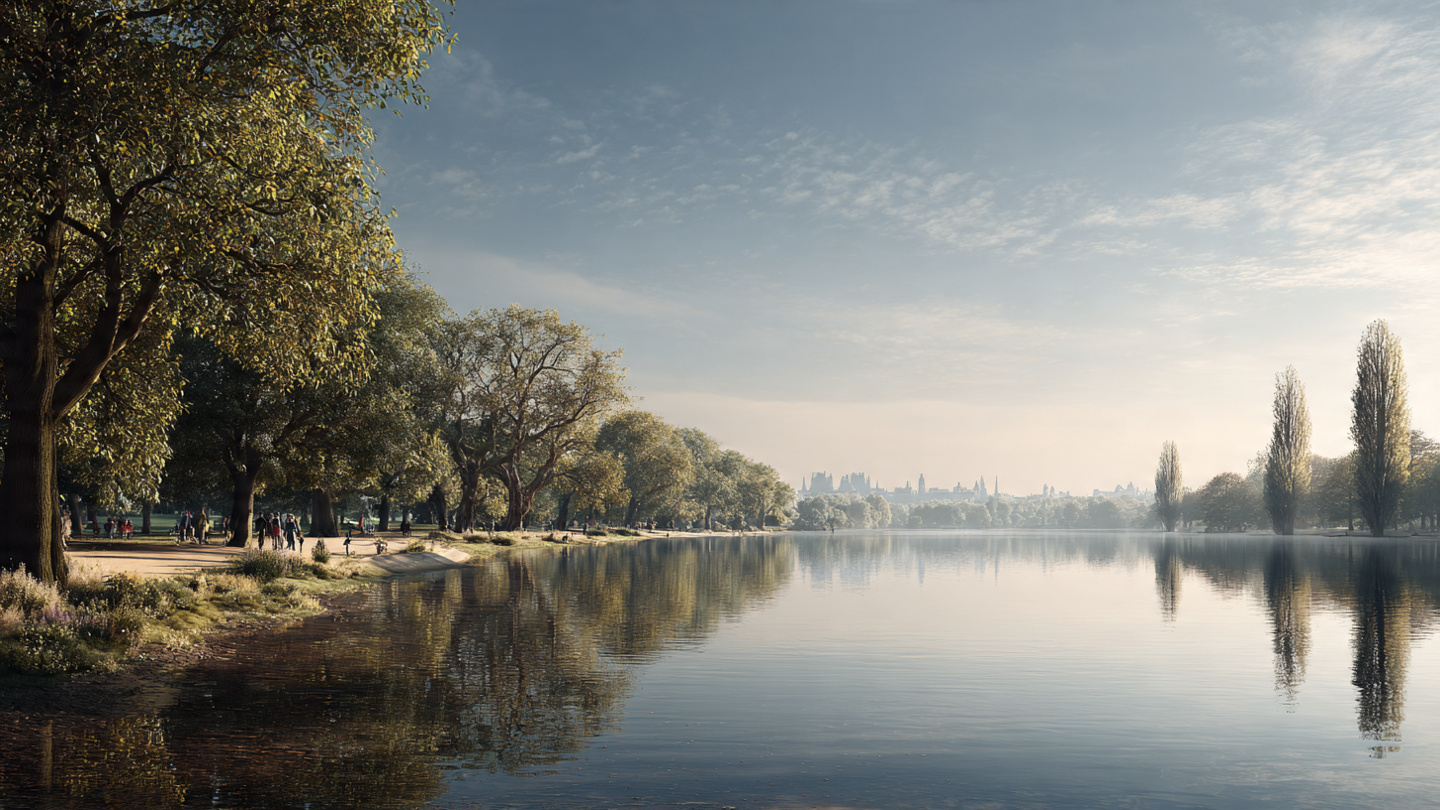
One of the defining features of Hyde Park is the Serpentine, a long, curved lake that divides the park visually. The water introduces a reflective surface that contrasts with the surrounding greenery. During warmer months, paddle boats and lakeside seating areas attract visitors seeking a relaxed atmosphere.
Walking along the edge of the lake offers shifting perspectives of trees, sky, and city structures in the distance. Because the water stretches through a central portion of the park, it anchors the entire landscape visually.
Who Hyde Park Suits Best
Hyde Park appeals to a wide range of visitors. First-time travelers often gravitate toward it because of its reputation and accessibility. Families appreciate the open lawns where children can move freely. Joggers use the paved paths regularly. Meanwhile, couples often choose quieter areas near the water for conversation.
Because of its size, the park accommodates different preferences simultaneously. Even when certain sections feel active, other corners remain calm. Therefore, it is one of the safest choices for visitors unsure which park to prioritize.
Seasonal Changes in Hyde Park
Each season transforms the park noticeably. In spring, trees regain foliage, and flower beds introduce color along pathways. Summer brings fuller lawns and extended daylight hours, increasing activity levels. Autumn shifts the tone toward warm hues, especially along tree-lined avenues. Winter simplifies the landscape, highlighting open space and architectural outlines.
Although activity levels rise in peak summer months, the park’s scale prevents it from feeling cramped. Therefore, seasonal changes enhance rather than diminish its appeal.
Location Advantages
Hyde Park’s central position strengthens its practical value. It sits within walking distance of major landmarks and connects easily to shopping districts. Because of this proximity, visitors often combine park visits with nearby attractions.
For example, after exploring museums or retail streets, stepping into Hyde Park offers immediate contrast. This convenience reinforces its place among the best parks in central London.
If you are planning to explore multiple royal parks in one walk, this detailed map showing Hyde Park and nearby royal parks helps visualize the walking distances between them.
When to Visit Hyde Park
Morning visits tend to feel calmer, especially on weekdays. Runners and early walkers share the space, yet crowds remain manageable. Afternoons, particularly during summer, become more active. Evenings bring softer lighting, which enhances the reflective quality of the lake.
Choosing the right time depends on your purpose. If you prefer movement and energy, mid-afternoon offers liveliness. If you prefer quiet reflection, earlier hours may suit you better.
Why Hyde Park Often Becomes the Default Choice
For many visitors, Hyde Park becomes the default option simply because it balances accessibility, scale, and atmosphere. It does not demand specialized interests. Instead, it provides open space adaptable to various needs.
However, while it remains versatile, it is not the only option. Other central parks offer more intimate views, stronger royal backdrops, or quieter environments. Therefore, understanding its strengths allows you to compare it clearly with other parks discussed next.
Very good for nature walks alone, with friends or with family. Nice environment and has nice places to sit.
Read more reviews at Tripadvisor.
St James’s Park – Iconic Views and Royal Surroundings
A Royal Setting in the Center of Power
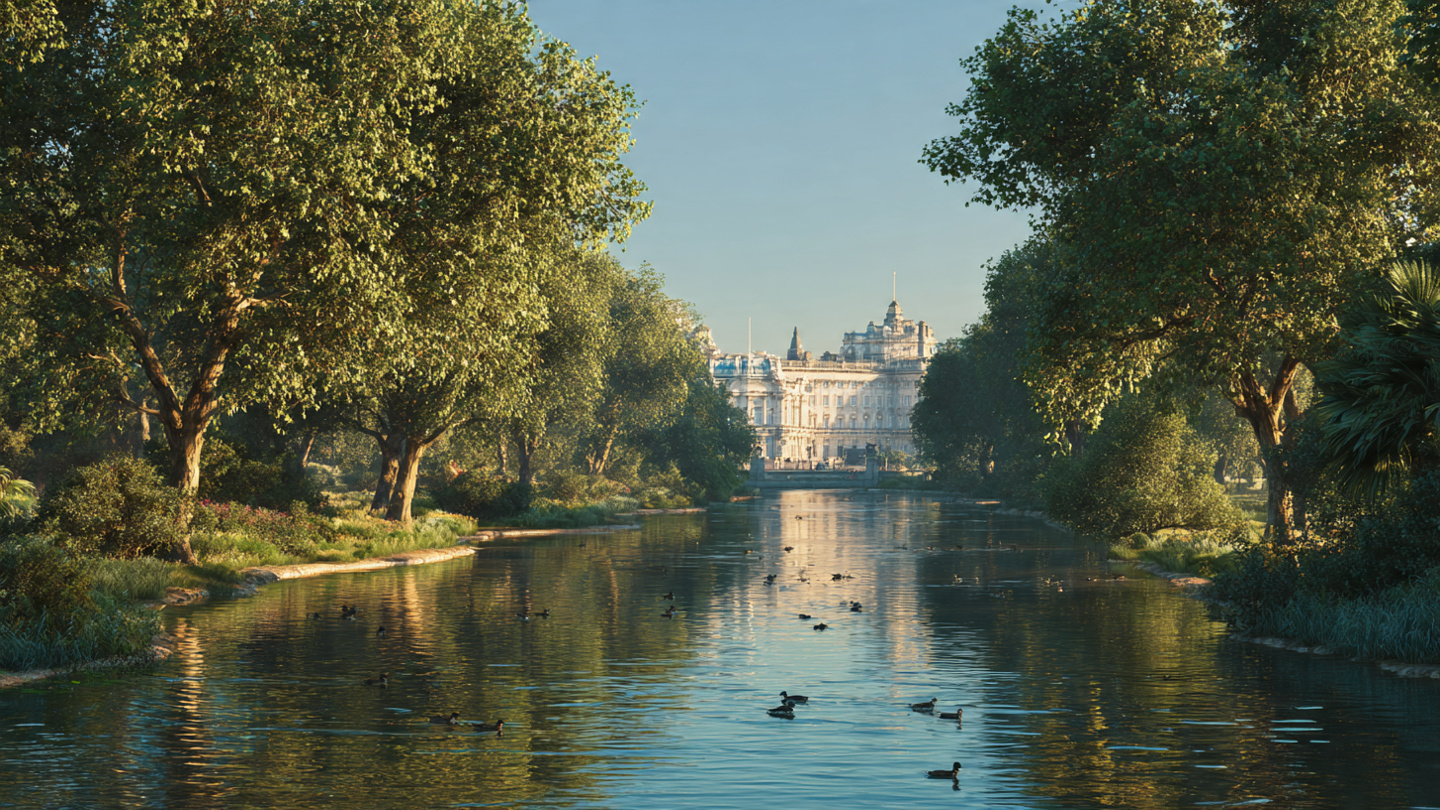
St James’s Park offers one of the most recognizable landscapes among the best parks in central London. Positioned between Buckingham Palace, Horse Guards Parade, and The Mall, it sits at the symbolic heart of the British monarchy and government.
If you are choosing a central park specifically for a slower, more intimate walk, the route matters just as much as the location. For park-led walk ideas designed around mood, quiet corners, and gentle pacing, read Romantic Walks in London for Couples and Scenic Evenings.
Although smaller than Hyde Park, its location elevates its importance. Surrounded by royal and historic architecture, the park feels ceremonial. The skyline is not dominated by modern buildings but by palaces, historic façades, and tree-lined avenues. As a result, the experience feels distinctly London.
The Lake That Defines the View
The central lake forms the visual anchor of the park. Curved pathways follow the water’s edge, creating framed perspectives toward Buckingham Palace at one end and government buildings at the other. Because of this alignment, many visitors pause on the bridges to capture photographs.
Reflections on the lake amplify the atmosphere. On clear days, the combination of water, greenery, and royal architecture creates one of the most balanced urban landscapes in the city. Therefore, if scenic composition matters to you, this park delivers consistently.
A More Intimate Scale
Compared to Hyde Park, St James’s Park feels contained. Its pathways guide visitors along a more defined loop, and open lawns are narrower. This smaller scale makes navigation simple. You can cross the park in a short amount of time without feeling rushed.
Because of this intimacy, the park often feels personal rather than expansive. While it attracts many visitors, especially near midday, the layout keeps movement organized. Consequently, even during busy periods, congestion rarely feels overwhelming.
Proximity to Buckingham Palace
One of the strongest advantages of St James’s Park is its immediate connection to Buckingham Palace. After observing the Changing of the Guard or exploring the palace exterior, stepping into the park feels seamless. The transition requires only a few minutes on foot.
This closeness makes the park especially useful for first-time visitors following classic sightseeing routes. Instead of moving directly from one landmark to another, you can integrate a green pause into your itinerary. Therefore, among the best parks in central London, this one aligns closely with royal attractions.
Who Will Appreciate St James’s Park Most
Visitors who value visual elegance often prefer this park. Couples appreciate the structured pathways and scenic bridges. Photographers favor the clear sightlines. Meanwhile, travelers seeking a calm yet centrally located space find it practical.
Families can also enjoy the park, although its lawns are more limited than Hyde Park’s open fields. Since activity space is somewhat contained, energetic recreation feels less dominant here. Instead, the atmosphere leans toward relaxed strolling.
Seasonal Character
Spring brings vibrant flower displays near entrances and along selected pathways. During summer, the lake becomes a focal point for visitors resting near the water. Autumn adds depth through warm foliage tones that complement the surrounding architecture. Winter reveals clearer palace views as trees lose leaves, making the skyline more pronounced.
Because the park’s scale is smaller, seasonal shifts feel concentrated rather than spread out. Each change becomes visible quickly within the defined space.
Best Times to Visit
Early mornings provide the quietest experience, especially before tourist groups arrive. Midday can feel busier due to its proximity to Buckingham Palace and Westminster. Late afternoon often softens the atmosphere as tour groups disperse.
If your goal is photography, light conditions matter. Morning and late afternoon light create softer reflections on the lake. Therefore, timing can enhance the visual experience significantly.
Why It Remains One of the Best Parks in Central London
St James’s Park stands out not because of size but because of context. Its royal backdrop, central location, and balanced design create a setting that feels both historic and accessible. While larger parks offer more space, few provide the same combination of architecture, water, and greenery within such a compact area.
For visitors following traditional sightseeing routes, this park often becomes the most convenient and visually satisfying choice.
My favorite place in London, the park is beautiful, animals everywhere including squirrels that are not wild. It is calm and relaxing.
Read more reviews at Tripadvisor.
Regent’s Park – Gardens, Space and Structure
A Designed Landscape With Formal Character
Regent’s Park introduces a different atmosphere among the best parks in central London. While Hyde Park emphasizes openness and St James’s Park highlights royal framing, Regent’s Park focuses on design and structure. Wide circular roads border the park, and its internal layout reflects careful architectural planning.
Originally shaped in the early 19th century, the park was part of a broader urban vision. As a result, it feels intentionally composed. Paths follow measured lines, gardens are arranged symmetrically, and open lawns sit within defined boundaries. The structure creates a calm, organized environment that contrasts with the surrounding city streets.
The Queen Mary’s Rose Garden
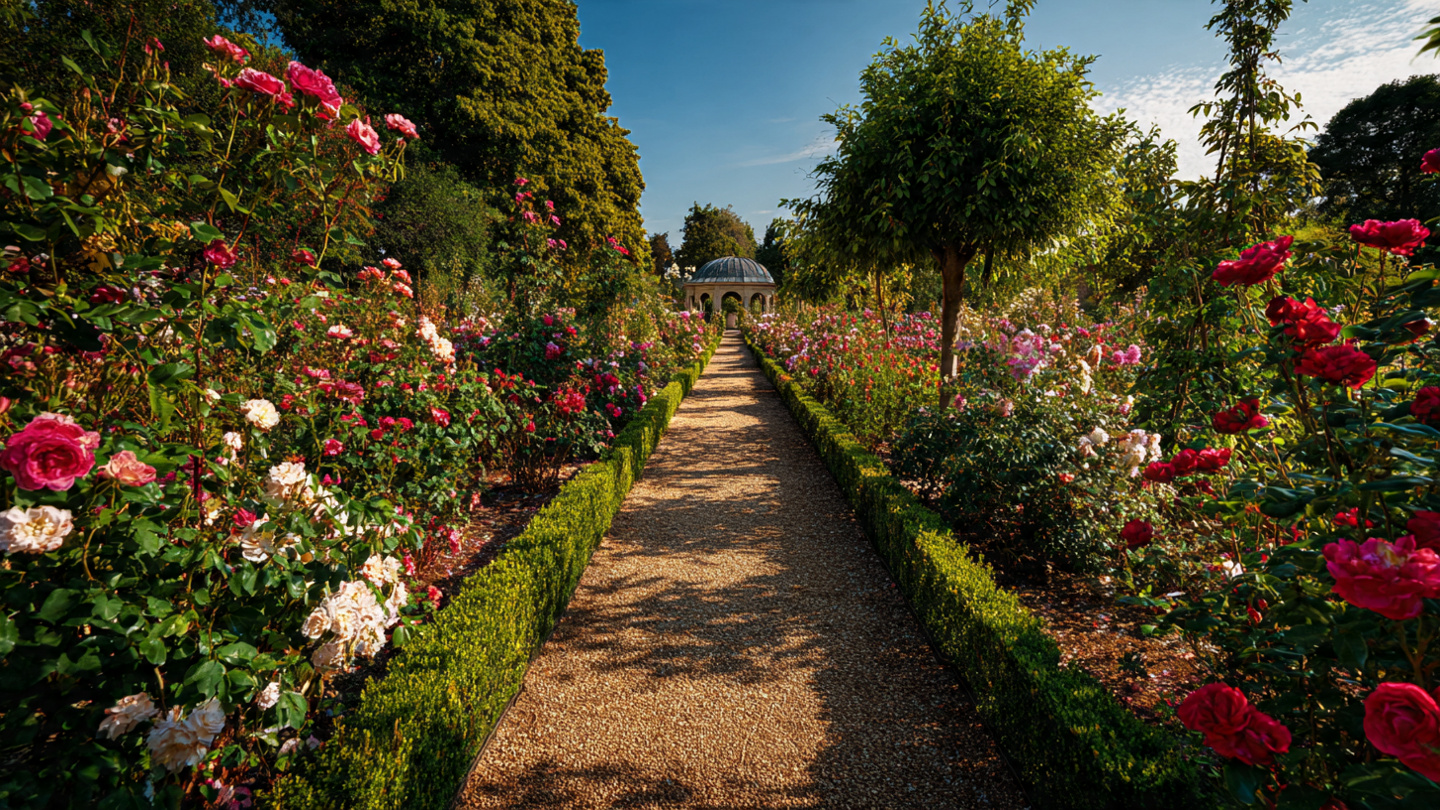
One of the most distinctive features of Regent’s Park is Queen Mary’s Rose Garden. During late spring and summer, the area fills with layered colors and fragrance. Carefully arranged flower beds form patterns that guide visitors along winding paths.
Because the garden is enclosed within a specific section of the park, it feels focused rather than scattered. Visitors often slow their pace here. Benches allow for longer pauses, and photography becomes more deliberate. Therefore, if floral displays matter to you, this area offers a strong reason to visit.
Expansive Lawns and Open Areas
Beyond the formal gardens, Regent’s Park includes large open lawns that support recreation and relaxation. These spaces feel broad without becoming overwhelming. Since the park is slightly north of Westminster and major palace zones, foot traffic can feel more evenly distributed.
The openness allows for flexibility. You can sit quietly on the grass, follow paved walking routes, or explore shaded sections beneath mature trees. Because of this balance, the park supports both structured and casual visits.
Cultural and Architectural Surroundings
Regent’s Park is surrounded by elegant terraces and classical façades that frame its perimeter. Unlike the royal context of St James’s Park, the architecture here feels residential and refined. This difference subtly changes the atmosphere.
In addition, nearby cultural institutions enhance the park’s relevance. Visitors often combine their walk with museum visits or theatre experiences in adjacent districts. Therefore, the park integrates naturally into broader exploration plans.
Who Will Enjoy Regent’s Park Most
Visitors who appreciate organized gardens and measured walking routes often prefer Regent’s Park. Couples frequently gravitate toward the rose garden for a quieter atmosphere. Solo travelers may enjoy the structured paths that make exploration straightforward.
Families also find suitable open space here, though the park’s formal design may encourage slower movement compared to more expansive green areas. Because it balances structure with accessibility, it suits travelers who prefer calm over spontaneity.
Seasonal Transformation
Spring introduces blooming flower beds that brighten the formal sections. Summer highlights the full rose garden display, drawing increased visitor attention. Autumn brings softer tones across tree-lined paths, and winter simplifies the landscape into open lawns and clear architectural outlines.
Because many areas are carefully maintained, seasonal shifts appear curated rather than wild. This consistency supports its reputation as one of the most visually composed options among the best parks in central London.
Accessibility and Layout
Multiple entrances surround Regent’s Park, and Underground stations sit nearby. Since the park is circular in shape, movement feels intuitive. You can follow the perimeter or explore inward without feeling disoriented.
This design supports both short and extended visits. If you only have thirty minutes, you can explore a focused section. If you prefer a longer walk, connecting pathways create a natural loop.
Why Regent’s Park Stands Out
Regent’s Park distinguishes itself through refinement. While other central parks emphasize scale or royal proximity, this one emphasizes order and visual harmony. It feels less spontaneous and more composed.
For visitors comparing the best parks in central London, Regent’s Park offers a structured alternative that blends floral detail, open space, and architectural framing in a balanced way.
Green Park and Kensington Gardens – The Elegant Royal Neighbors
Two Royal Parks With Distinct Personalities
Green Park and Kensington Gardens are often compared to Hyde Park, yet they offer noticeably different experiences. Although they sit within the same broader royal park system, their atmosphere, layout, and rhythm vary in subtle but important ways. Understanding these differences helps clarify when each park makes sense within a central London itinerary.
Green Park – Minimalist and Open
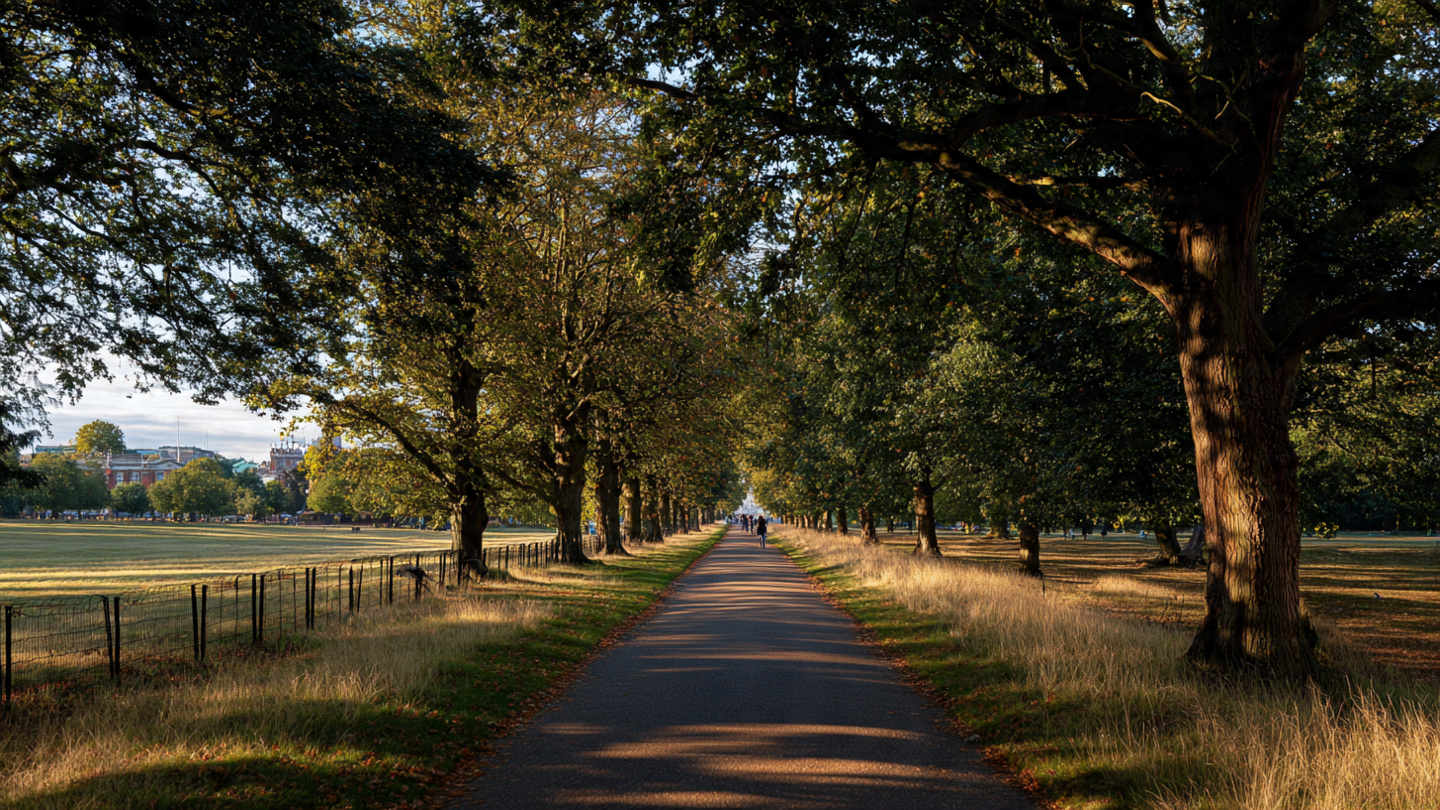
Green Park sits directly beside Buckingham Palace and connects closely to St James’s Park. Despite its prime location, it feels understated. Unlike other royal parks, it does not feature elaborate flower displays or decorative lakes. Instead, it presents open grass areas shaded by mature trees.
Because of this simplicity, the environment feels relaxed and less curated. Pathways move naturally through lawns rather than around formal gardens. As a result, Green Park often feels quieter and less visually busy than nearby alternatives, especially outside ceremonial periods.
Who Green Park Suits Best
Green Park works particularly well for visitors seeking quick access to green space near royal landmarks. Office workers use it regularly during lunch hours. Travelers moving between Westminster and Mayfair often pause here briefly.
Since the layout is straightforward, the park supports short visits efficiently. You can cross it in minutes, making it ideal as a transitional space between attractions rather than a long destination in itself.
Seasonal Character of Green Park
Seasonal change appears subtle here. Spring brings fresh foliage, but without extensive flower beds the transformation feels restrained. Summer emphasizes shade beneath the tree canopy, which becomes valuable during warmer afternoons.
Autumn introduces texture through fallen leaves across open lawns, while winter highlights the simplicity of the park’s open structure. This consistency reinforces Green Park’s understated identity among the best parks in central London.
Kensington Gardens – Refined and Spacious
Adjacent to Hyde Park yet distinct in character, Kensington Gardens offers a more defined and elegant setting. Although many visitors treat it as part of Hyde Park, it maintains a separate atmosphere shaped by structured pathways and formal sightlines.
The presence of Kensington Palace provides a clear architectural anchor. Long avenues align toward the palace, creating strong visual framing. Consequently, the park feels intentional and composed.
How Kensington Gardens Differs From Hyde Park
While Hyde Park emphasizes expansive openness, Kensington Gardens feels more controlled and refined. Lawns appear smoother, and pathways feel symmetrically arranged. Because of this order, the park often feels calmer even when visitor numbers remain steady.
Those who prefer organized landscapes over large recreational zones may find Kensington Gardens more appealing. The atmosphere encourages measured walking rather than energetic activity.
Who Will Appreciate Kensington Gardens
Travelers drawn to royal architecture often choose this park for its palace views. Couples may appreciate the symmetry of the layout and the quieter tone. Families still find open space available, though the experience feels more contained compared to Hyde Park’s broad lawns.
Because it balances accessibility with elegance, Kensington Gardens remains one of the most visually refined options among the best parks in central London.
Seasonal Experience in Kensington Gardens
Spring introduces flowering trees along structured avenues. Summer extends daylight across manicured lawns while maintaining a steady, calm pace. Autumn enhances the symmetry of tree lines with warm colors. Winter simplifies the scene, emphasizing palace architecture against bare branches.
These seasonal shifts feel curated rather than dramatic, reinforcing the park’s composed identity.
Choosing Between Green Park and Kensington Gardens
If proximity to Buckingham Palace and a minimalist setting matter most, Green Park serves effectively. If you prefer architectural framing and a more structured environment, Kensington Gardens offers stronger visual appeal.
Both parks demonstrate that atmosphere and intention often matter more than size when comparing the best parks in central London.
Smaller Central Retreats Most Visitors Overlook
Why Smaller Green Spaces Still Matter
When people search for the best parks in central London, they often focus only on the large royal parks. However, smaller green spaces play an equally important role in the city’s daily rhythm. These locations may not appear on every tourist checklist, yet they offer practical advantages.
Because they are compact, they feel easier to navigate. Because they attract fewer sightseeing crowds, they often feel calmer. Therefore, if your goal is a short, quiet pause rather than an extended walk, these smaller retreats can be more effective.
Victoria Embankment Gardens – A Riverside Escape
Victoria Embankment Gardens sits along the north bank of the River Thames near the Strand. Its position makes it especially convenient for visitors exploring central theatre districts or walking between Westminster and the City of London.
Unlike expansive royal parks, this garden feels contained. Flower beds, paved paths, and seating areas create a defined layout. Because of its riverside proximity, you sense openness beyond its boundaries. The nearby Thames adds movement and light without overwhelming the garden’s calm atmosphere.
Who Should Visit Victoria Embankment Gardens
Travelers exploring Covent Garden, the Strand, or nearby cultural venues often find this garden ideal for a short rest. It works well for solo visitors who want to sit quietly without crossing a large park. Office workers from surrounding buildings also use it during midday breaks.
Since the space is modest in size, visits tend to be shorter. However, its central location makes it efficient rather than limited. It provides relief without requiring additional travel.
Seasonal Changes by the River
Spring introduces color through planted flower beds, which contrast against the stone embankment walls. Summer brings more frequent foot traffic due to nearby events and warm riverside weather. Autumn softens the garden’s tone, while winter simplifies it into open pathways and visible architectural surroundings.
Because the garden sits at street level near busy roads, seasonal change feels subtle yet noticeable. The river remains the constant visual anchor throughout the year.
Lincoln’s Inn Fields – A Legal District Green Square
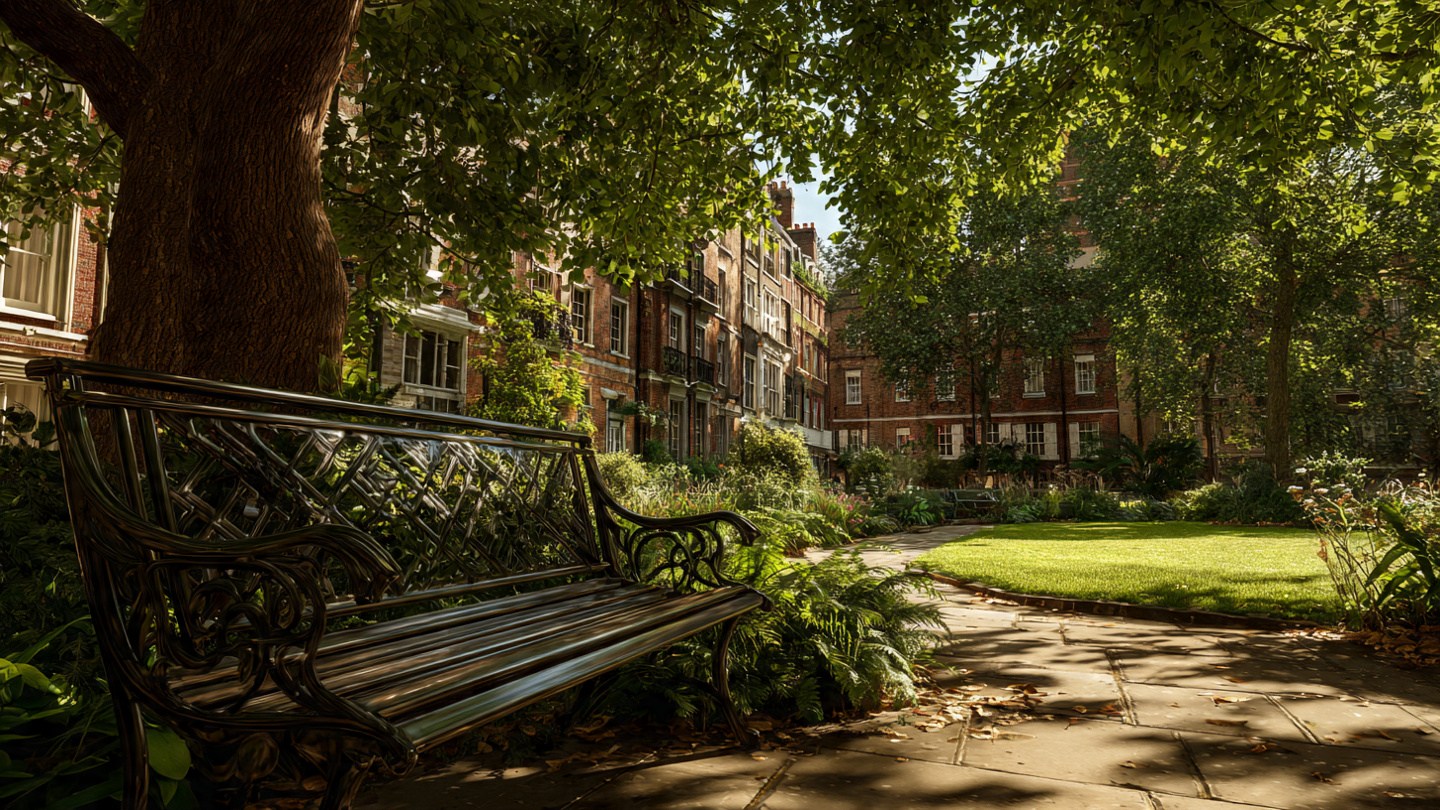
Lincoln’s Inn Fields offers a different atmosphere entirely. Located in the legal district near Holborn, it functions as London’s largest garden square. Unlike royal parks, it is surrounded by historic buildings rather than palace grounds.
The square layout feels orderly. Lawns sit in the center, with pathways tracing the perimeter. Benches line the edges beneath mature trees. Because of its surrounding professional environment, the atmosphere often feels quieter during weekends and calmer overall compared to more tourist-heavy areas.
Local Character and Everyday Use
Lincoln’s Inn Fields serves local workers and residents more than sightseeing crowds. During weekdays, office professionals use the space for lunch or short breaks. On weekends, it feels spacious and relaxed.
Since it does not anchor major tourist landmarks, the park avoids heavy group traffic. Therefore, it becomes one of the most peaceful options among the best parks in central London for those seeking understated surroundings.
Ideal Visit Duration
Both Victoria Embankment Gardens and Lincoln’s Inn Fields suit shorter visits. You can experience each within thirty to forty-five minutes. They function best as deliberate pauses between attractions rather than full afternoon destinations.
For travelers following a tight itinerary, these smaller parks provide efficient restoration. Instead of navigating a vast landscape, you can rest quickly and continue your route.
Why Smaller Parks Deserve Attention
Large royal parks dominate attention because of size and visibility. However, smaller central gardens often provide better alignment with practical travel needs. They require less walking, offer reliable seating, and avoid peak congestion.
Therefore, when evaluating the best parks in central London, scale should not be the only factor. Purpose, proximity, and atmosphere often determine the better choice.
Best Parks in Central London by Purpose
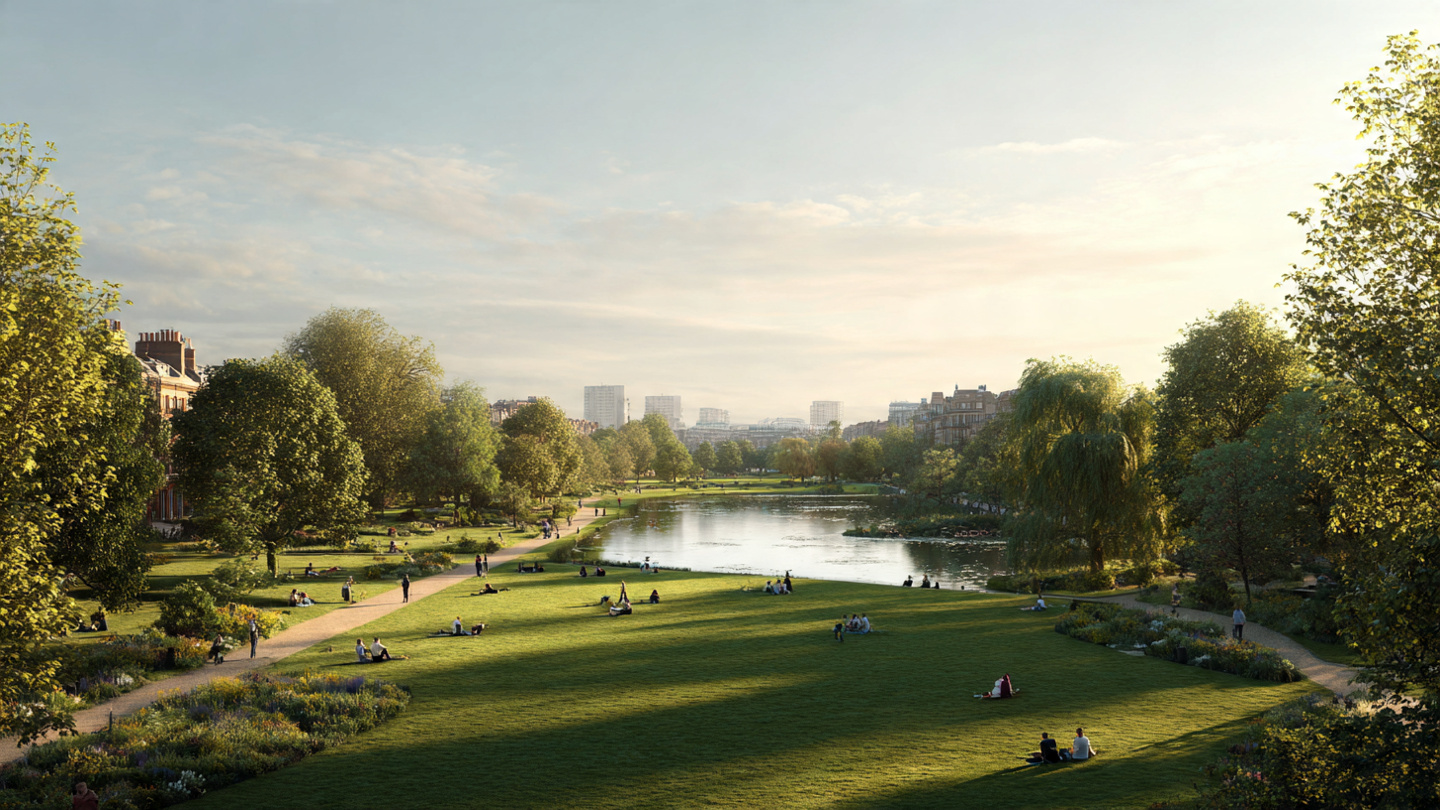
Best for First-Time Visitors
For travelers visiting London for the first time, location and visual impact usually matter most. In this case, St James’s Park often becomes the strongest choice. Its proximity to Buckingham Palace and Westminster makes it easy to include in a traditional sightseeing route.
The framed views across the lake toward royal buildings create a recognizable London scene. Because the park is compact, you can experience its highlights quickly without committing several hours. Therefore, it works well when your schedule includes multiple landmarks in one day.
Best Near Buckingham Palace
If your itinerary centers around Buckingham Palace, two parks stand out. Green Park provides immediate access and a calm environment without formal distractions. Meanwhile, St James’s Park offers more scenic composition and structured pathways.
Choosing between them depends on your goal. If you want a quiet resting point after palace viewing, Green Park feels efficient. If you prefer framed lake views and a slightly more curated atmosphere, St James’s Park becomes the better option.
Best for Spacious Lawns and Flexibility
When open space is the priority, Hyde Park remains the most versatile. Its wide lawns allow visitors to spread out, relax, or move freely. Even during busy seasons, its scale distributes crowds effectively.
Families, joggers, and travelers who enjoy casual sitting on grass often find Hyde Park most accommodating. Because of its size, it adapts easily to different activity levels.
Best for Formal Gardens and Structure
For those who appreciate floral design and symmetry, Regent’s Park offers a clear advantage. The structured rose garden and defined pathways create a composed setting that differs from more open landscapes.
Visitors who prefer organized walking routes and curated planting displays may find this park more visually satisfying. Therefore, if design detail matters more than scale, Regent’s Park becomes the preferred choice.
Best for Couples
Couples often look for balanced scenery with manageable scale. St James’s Park offers romantic lake views framed by royal architecture. Regent’s Park provides quieter corners within formal gardens. Meanwhile, Kensington Gardens offers palace backdrops and refined pathways.
Each option delivers a slightly different tone. If atmosphere and scenic framing matter most, St James’s Park stands out. If calm and structure feel more appealing, Kensington Gardens may suit better.
Best for Quiet Reflection
When solitude matters more than scenery, smaller spaces often outperform larger parks. Lincoln’s Inn Fields remains one of the calmest central options, especially outside weekday lunch hours.
Similarly, Victoria Embankment Gardens offers contained seating areas away from large tourist groups. Therefore, if your goal is a brief, peaceful pause rather than exploration, these locations work efficiently.
Best for Scenic Views
If visual composition ranks highest, St James’s Park consistently delivers framed water views toward royal buildings. Hyde Park’s Serpentine provides broader skyline reflections. Kensington Gardens offers palace-aligned pathways.
Choosing among them depends on whether you prefer architectural framing, expansive water views, or structured symmetry. Each delivers scenic appeal in a distinct way.
Best for Families
Families often require open lawns and flexibility. Hyde Park’s size makes it the safest overall choice for movement and informal recreation. Regent’s Park also provides space but within more structured surroundings.
Smaller parks may feel limiting for energetic activity, though they remain suitable for shorter visits.
Making the Final Decision
Selecting among the best parks in central London ultimately depends on your daily route and purpose. Location, time availability, and desired atmosphere should guide the decision more than reputation alone.
By matching your expectations with each park’s strengths, the experience becomes intentional rather than accidental.
When to Visit Central London Parks
Visiting in Spring
Spring marks one of the most balanced times to explore the best parks in central London. Temperatures begin to rise, yet peak summer crowds have not fully arrived. Trees regain foliage, flower beds introduce color, and daylight gradually extends.
In parks such as Regent’s Park, structured gardens become especially vibrant during this season. Meanwhile, lake reflections in St James’s Park feel clearer under softer light conditions. Because weather remains moderate, walking feels comfortable without intense heat.
Visiting in Summer
Summer brings longer daylight hours and increased visitor activity. Lawns in Hyde Park often fill with people resting, picnicking, or relaxing between attractions. This season highlights the social side of central parks.
However, mid-afternoon periods can feel busier, particularly near royal landmarks. Therefore, early morning or later evening visits provide a more balanced experience. The extended daylight allows flexibility, making it easier to avoid peak congestion.
Visiting in Autumn
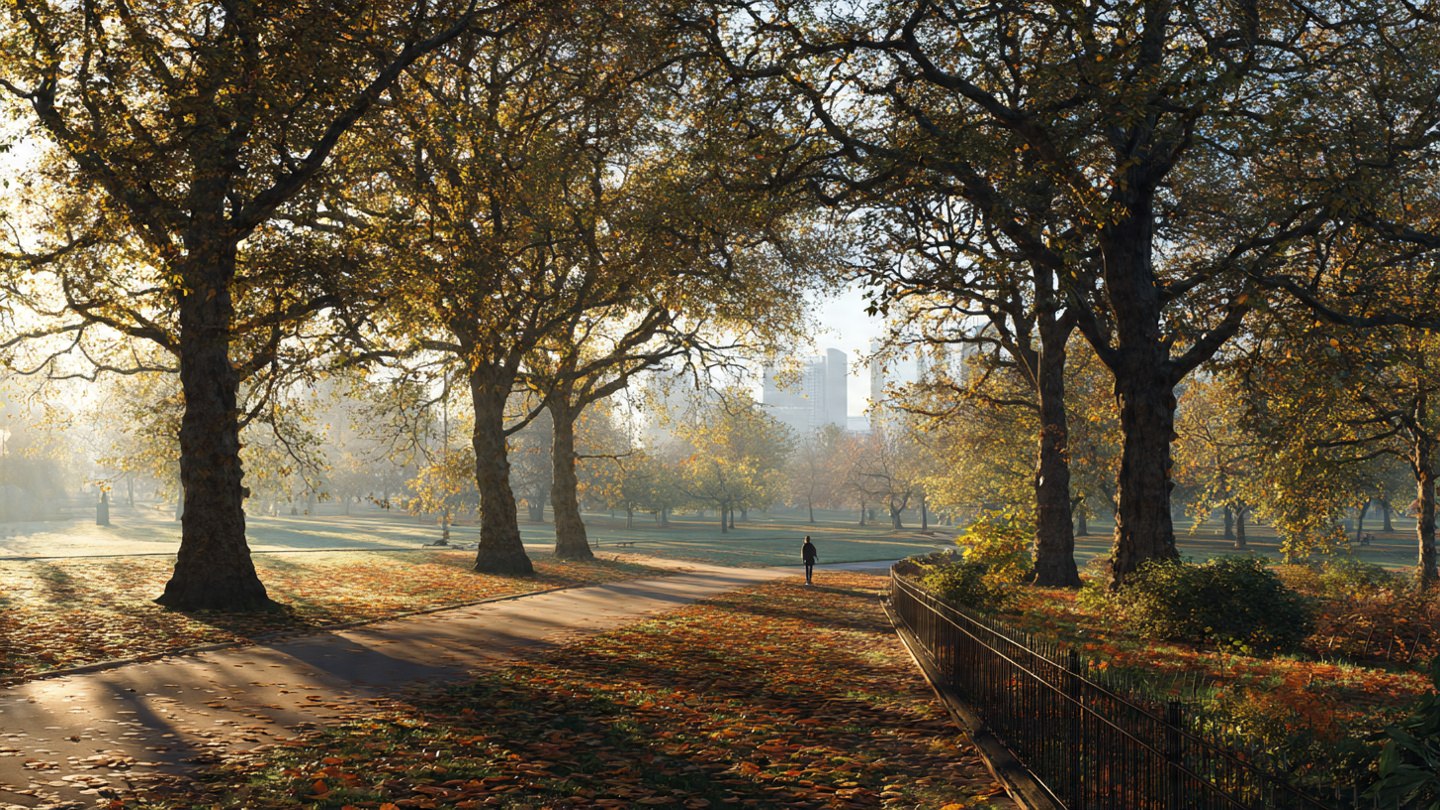
Autumn transforms central parks through warm foliage tones. Tree-lined avenues in Kensington Gardens gain depth as leaves change color. Open lawns become quieter as visitor numbers gradually decline.
Because temperatures cool, walking feels comfortable again. Photographers often favor this season due to softer light and textured landscapes. Although flower displays fade, the structural beauty of these parks becomes more visible.
Visiting in Winter
Winter offers a simplified version of the landscape. Trees lose leaves, revealing architectural backdrops more clearly. In St James’s Park, palace views become unobstructed. In Hyde Park, open fields feel expansive under pale skies.
Visitor numbers drop compared to summer, which can make the atmosphere calmer. However, daylight hours shorten significantly. Therefore, planning visits earlier in the day becomes important. While floral displays are limited, the clarity of structure and skyline provides a different kind of appeal.
Morning Versus Afternoon
Timing within the day matters as much as the season. Early mornings typically provide the calmest atmosphere. Joggers and commuters may be present, yet sightseeing crowds are minimal.
Midday sees increased foot traffic, especially near major landmarks. Parks adjacent to Buckingham Palace and Westminster experience higher concentration around ceremonial times. Afternoons often bring the highest overall activity levels during peak tourist months.
Late afternoons and early evenings introduce softer light conditions. As group tours disperse, the environment often feels more relaxed. Therefore, adjusting timing can significantly influence your experience.
Weekdays Versus Weekends
Weekdays often reflect a mix of local professionals and tourists. Smaller parks such as Lincoln’s Inn Fields may feel busier during weekday lunch hours but quieter on weekends.
Larger parks distribute weekend crowds more effectively due to scale. Hyde Park, for example, can accommodate increased numbers without feeling restricted. Understanding these patterns helps align visits with your preference for energy or calm.
Weather Considerations
London weather remains variable throughout the year. Light rain is common, yet central parks often remain usable due to paved pathways and maintained surfaces. Carrying light waterproof clothing allows flexibility rather than cancellation.
Because many parks include both open lawns and shaded areas, short weather shifts rarely disrupt visits entirely. Therefore, monitoring forecasts while remaining adaptable improves comfort.
Choosing the Ideal Time
Ultimately, the best time to visit the best parks in central London depends on your priorities. If floral displays matter most, late spring and early summer deliver strong visual impact. If quieter exploration appeals more, autumn and winter may suit better.
By aligning season, time of day, and purpose, you can experience each park at its most suitable moment.
Practical Tips for Visiting Central London Parks
Understanding Opening Hours
Most of the best parks in central London open early in the morning and close around sunset. Opening times vary slightly depending on the season, with longer daylight hours extending access during summer months. Therefore, checking seasonal schedules before visiting can prevent inconvenience.
For visitors who want to plan a central park afternoon that ends with skyline color and calm evening atmosphere, my guide to the best sunset viewpoints in London helps you choose the most reliable park hills, riverside angles, and rooftop options based on the season.
Royal parks typically follow structured opening policies, while smaller garden squares may operate with more limited hours. Planning accordingly ensures that you arrive while gates remain accessible.
Facilities and Amenities
Large parks such as Hyde Park and Regent’s Park offer public restrooms, seating areas, and clearly marked pathways. Smaller parks may provide fewer facilities but usually include benches and shaded areas.
Because central parks receive regular maintenance, pathways remain well defined. However, carrying water during warmer months is advisable, especially when exploring larger areas.
Safety and Awareness
Central London parks maintain a visible presence of staff and regular foot traffic. This activity generally creates a comfortable daytime environment. However, as with any urban setting, maintaining awareness of surroundings remains important.
Visiting during daylight hours provides the most secure atmosphere. While some parks remain accessible into the evening, visibility decreases after sunset. Therefore, planning visits earlier in the day improves comfort.
Most central parks include paved routes suitable for strollers and mobility devices. Entrances are often level with surrounding streets, making access straightforward. Because these parks sit near Underground stations and bus routes, reaching them rarely requires complex navigation.
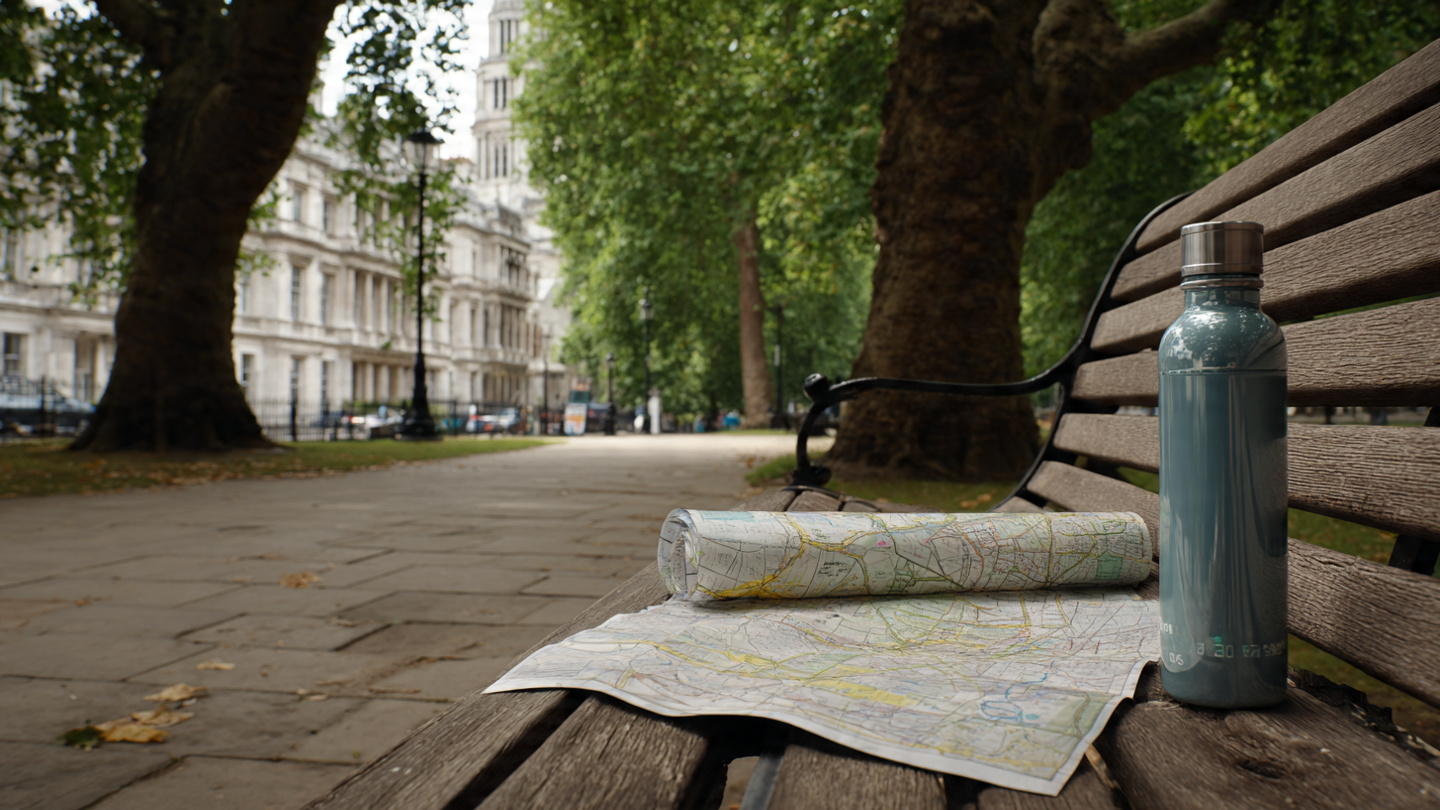
Clear signage helps orient visitors. In larger parks, maps near entrances provide useful guidance. If time is limited, identifying your preferred exit point in advance can help streamline movement toward your next destination.
Picnic Considerations
Picnicking is generally allowed in open lawn areas, especially in larger parks. However, respecting posted guidelines remains important. In peak summer months, lawns may become busy, so selecting less crowded sections improves comfort.
Keeping waste contained and using designated bins supports park maintenance standards. Since these parks serve thousands of visitors daily, responsible behavior preserves the environment for others.
Avoiding Peak Congestion
Certain times of day, particularly midday near major landmarks, bring increased foot traffic. Parks close to Buckingham Palace or Westminster experience noticeable crowd surges during ceremonial events.
Arriving earlier in the morning or later in the afternoon often reduces congestion. In addition, exploring sections farther from main entrances typically results in quieter surroundings.
Combining Parks With Nearby Attractions
One of the advantages of the best parks in central London is their proximity to major attractions. Instead of scheduling separate park visits, integrate them into existing routes. For example, after visiting a museum, plan a short walk through an adjacent park before continuing.
This approach saves time while enhancing overall comfort. Rather than rushing between landmarks, you introduce structured pauses that reduce fatigue.
Weather Preparedness
London weather can shift quickly. Carrying a lightweight jacket or umbrella helps maintain flexibility. Even brief showers rarely empty central parks completely, as paved pathways remain usable.
On warmer days, shaded areas beneath mature trees provide relief. During cooler months, layering clothing ensures comfort while walking.
Respecting the Environment
Although these parks sit within urban districts, they function as shared public spaces. Staying on pathways where required, respecting planting areas, and observing posted rules protects both landscape and visitor experience.
Simple consideration maintains the quality that makes the best parks in central London appealing year-round.
Making Your Visit Efficient
Finally, clarity of purpose improves every visit. Decide whether you want a short rest, a scenic walk, or extended relaxation. Matching your goal with the appropriate park and timing ensures the experience feels intentional.
With thoughtful planning, these central green spaces become more than background scenery. They become practical tools that enhance your time in London.
Frequently Asked Questions
General Questions
For first-time visitors, St James’s Park and Hyde Park are usually the easiest choices. St James’s Park offers classic views near Buckingham Palace, while Hyde Park provides expansive open space and flexible walking routes. Both are centrally located and easy to integrate into sightseeing plans.
Yes, the best parks in central London are free to enter. Visitors can walk, relax, and explore without paying an entrance fee. However, certain attractions inside parks, such as exhibitions or specific facilities, may charge separately.
During daytime hours, central parks are generally safe and well maintained. They receive regular foot traffic and oversight. As with any major city, it is advisable to remain aware of your surroundings, especially after sunset.
Location-Based Questions
Green Park and St James’s Park sit closest to Buckingham Palace. Green Park provides quick access and a simple landscape, while St James’s Park offers scenic lake views framed by royal architecture.
Hyde Park is within walking distance of Oxford Street. It offers a convenient place to rest after shopping and provides large open lawns and lakeside views.
St James’s Park is the most convenient option near Westminster. Its proximity allows visitors to transition easily from major landmarks into green space.
Experience-Based Questions
Lincoln’s Inn Fields and Victoria Embankment Gardens often feel quieter than larger royal parks. For expansive relaxation space, Hyde Park remains a reliable option.
St James’s Park and Kensington Gardens are popular with couples due to their scenic framing and structured walking paths. Both provide elegant surroundings without overwhelming scale.
Hyde Park is typically the most suitable for families because of its wide lawns and flexible open areas. Regent’s Park also offers structured space that works well for group visits.
Seasonal and Timing Questions
Late spring and early summer offer strong visual appeal due to blooming flowers and extended daylight. Autumn provides softer tones and fewer crowds. Winter visits feel calmer but include shorter daylight hours.
Early mornings usually feel quieter and more peaceful. Late afternoons offer softer lighting for photography. Midday can feel busier, particularly near royal landmarks.
Planning Questions
Visit duration depends on your purpose. A short pause may require 20 to 30 minutes. Larger parks such as Hyde Park or Regent’s Park may justify one to two hours if you plan a full walk.
Yes, picnicking is generally allowed in open lawn areas. Visitors should follow posted guidelines and dispose of waste responsibly.