
The best shopping streets in London offer far more than rows of stores. They represent centuries of economic growth, cultural influence, and neighborhood identity woven directly into the city’s urban fabric. Unlike cities built around one central commercial strip, London distributes its retail strength across multiple districts. As a result, shopping here feels layered rather than centralized.
Because of this structure, visitors quickly realize that not all London shopping streets deliver the same experience. Some emphasize international luxury. Others focus on accessible fashion. Meanwhile, certain areas champion independent designers and creative expression. Therefore, understanding these distinctions before arriving allows travelers to make better decisions and avoid unnecessary frustration.
While London’s markets offer unique local culture and daily discoveries, understanding how they complement permanent retail spaces will help you plan a richer shopping itinerary in the city, especially when exploring both open-air markets and structured high streets through Best Markets in London on Wanderbretain.
Why Location Shapes Retail Experience
London’s retail geography developed gradually. Consequently, different districts evolved distinct personalities based on wealth, trade history, and residential patterns. For example, high-end streets in Mayfair project exclusivity and architectural elegance. In contrast, creative neighborhoods highlight bold storefronts and youth-driven fashion.
Moreover, pedestrian flow changes from area to area. Some streets feel wide and open, encouraging relaxed browsing. Others feel compact and energetic, which appeals to shoppers seeking vibrant atmosphere. Because environment directly affects comfort, selecting the right location becomes just as important as selecting the right store.
Therefore, when evaluating the best shopping streets in London, atmosphere must be considered alongside brand presence.
Shopping Streets Versus Markets in London
Although London markets attract global attention, permanent shopping streets serve a different role. Markets typically operate on specific days and emphasize temporary vendors. In contrast, established retail corridors provide stability and consistency throughout the week.
Furthermore, flagship stores often anchor major streets, offering expanded product ranges and curated interiors. This consistency allows visitors to plan confidently. While markets encourage spontaneous discovery, shopping streets encourage structured exploration.
Recognizing this difference prevents confusion. Travelers searching specifically for the best shopping streets in London should focus on permanent retail districts rather than market spaces.
How Retail Reflects Social and Cultural Identity
Retail districts in London act as social indicators. Luxury corridors communicate affluence and tradition. High-street zones reflect accessibility and mass appeal. Boutique streets signal independence and lifestyle branding. Because neighborhoods influence retail positioning, walking through these areas reveals subtle details about London’s social structure.
In addition, architecture contributes to perception. Georgian facades, Victorian arcades, and contemporary glass storefronts coexist across the city. As a result, shopping often doubles as architectural sightseeing.
Consequently, exploring the best shopping streets in London provides cultural insight rather than purely transactional opportunity.
Common Misunderstandings About London Shopping
Many visitors assume one street defines London retail. However, relying on a single destination limits the overall experience. Oxford Street may dominate headlines, yet other streets offer more curated or distinctive atmospheres.
Similarly, some travelers expect uniform pricing across central districts. In reality, luxury streets, mainstream corridors, and boutique zones operate at different price levels. Therefore, researching beforehand ensures alignment between expectations and budget.
Because London’s retail system is distributed rather than centralized, strategic planning improves satisfaction.
What This Guide Will Help You Decide
This guide approaches the best shopping streets in London through structured analysis rather than random listing. Each section categorizes retail corridors by purpose and character. It explains who benefits most from each area and how timing, atmosphere, and layout influence experience.
If you’re curious about how London’s permanent retail streets differ from pop-up and temporary vendors, our complete guide to street shopping in London breaks down the distinctions and helps you explore neighbourhood-focused retail beyond markets.
As you continue reading, you will gain clarity about which districts match your travel style. Whether you prefer refined luxury, mainstream accessibility, independent boutiques, or creative fashion zones, London offers an environment tailored to your preferences.
Ultimately, shopping in London becomes more rewarding when approached with context rather than assumption.
Why London’s Shopping Streets Are Globally Influential
A Retail System Built Through History
The best shopping streets in London did not emerge suddenly. Instead, they developed gradually alongside trade expansion, industrial growth, and shifting residential patterns. Because London expanded outward rather than upward, commercial corridors formed organically within different neighborhoods. As a result, each retail street reflects the era and social conditions that shaped it.
Unlike cities that rely on one centralized shopping avenue, London distributes retail influence across multiple districts. Therefore, global brands, independent boutiques, and heritage retailers coexist without competing directly for the same physical space. This structural diversity strengthens the city’s overall retail authority.
Consequently, when visitors explore London shopping streets, they encounter layers of history embedded within modern storefronts.
How Neighborhood Identity Shapes Retail Positioning
Location in London determines far more than convenience. In fact, neighborhood identity directly influences brand positioning and consumer behavior. For example, Mayfair projects affluence and discretion, which attracts global luxury houses. Meanwhile, Shoreditch signals creativity and experimentation, encouraging emerging designers to establish presence there.
Because districts maintain distinct personalities, shopping streets in London rarely feel interchangeable. Instead, each corridor communicates a specific cultural tone. This differentiation allows travelers to select environments aligned with their preferences.
Moreover, clustering plays a strategic role. Luxury brands group together to reinforce prestige. High-street retailers concentrate in areas with heavy pedestrian flow. Boutique districts maintain smaller storefronts to preserve character. As a result, retail geography becomes a deliberate system rather than a coincidence.
The Influence of British Fashion and Craftsmanship
London holds a unique position among global fashion capitals. While Paris emphasizes couture and Milan highlights craftsmanship, London combines heritage tailoring with contemporary innovation. Therefore, the best shopping streets in London showcase both Savile Row precision and streetwear creativity within the same city.
Historic tailoring districts continue to serve diplomats, executives, and royalty. At the same time, youth-driven fashion movements emerge from creative neighborhoods. Because these two worlds operate in proximity, London maintains retail relevance across generations.
Furthermore, design education institutions in the city contribute to this influence. Graduates frequently launch brands locally before expanding internationally. Consequently, certain London shopping streets act as incubators for future global labels.
Tourism and International Retail Power
London attracts millions of international visitors annually. As a result, many global brands choose flagship locations on prominent retail streets. These flagship stores often exceed standard branches in size, product range, and interior design.
Because flagship presence elevates street reputation, certain corridors gain worldwide recognition. In turn, international travelers specifically seek out these areas when planning their itinerary. This cycle reinforces London’s global retail status.
However, tourism does not fully define these streets. Residents continue to shop locally, preserving everyday functionality. Therefore, London’s retail corridors balance global visibility with neighborhood relevance.
Architecture as a Competitive Advantage
One reason the best shopping streets in London maintain global influence lies in architecture. Georgian terraces, Victorian arcades, Edwardian facades, and modern glass structures coexist across the city. Consequently, shopping often becomes an architectural experience as much as a commercial one.
Historic arcades provide intimacy and elegance. Wide boulevards convey grandeur and accessibility. Meanwhile, contemporary developments signal innovation. Because physical design shapes perception, London retail streets compete visually with other fashion capitals.
In addition, seasonal decorations amplify this appeal. During festive periods, illuminated installations transform certain corridors into visual landmarks. Therefore, even visitors uninterested in purchasing often include these streets in sightseeing plans.
Diversity as a Defining Strength
Perhaps the most important factor behind London’s retail influence is diversity. Instead of concentrating luxury, mainstream fashion, independent boutiques, and creative retail in one zone, the city distributes them across neighborhoods. Consequently, travelers can move between dramatically different shopping environments within a short distance.
This variety allows the best shopping streets in London to serve multiple audiences simultaneously. Luxury travelers, budget-conscious visitors, fashion enthusiasts, and casual browsers all find suitable districts.
Because few cities offer such range without sacrificing coherence, London remains competitive with Paris, Milan, and New York.
Why Global Comparison Matters
Retail comparisons often place London alongside other fashion capitals. However, what distinguishes London is adaptability. Trends shift quickly, yet historic districts retain identity. New designers emerge, yet heritage houses remain stable.
As a result, London’s shopping streets evolve without erasing tradition. This balance sustains long-term influence. Travelers exploring these corridors experience both continuity and change within the same afternoon.
Ultimately, global recognition does not stem solely from brand presence. It emerges from the interplay between history, architecture, neighborhood identity, and international demand. Together, these elements shape the enduring reputation of London shopping streets.
Luxury Shopping Streets in London
Why Luxury Retail Concentrates in Specific Districts
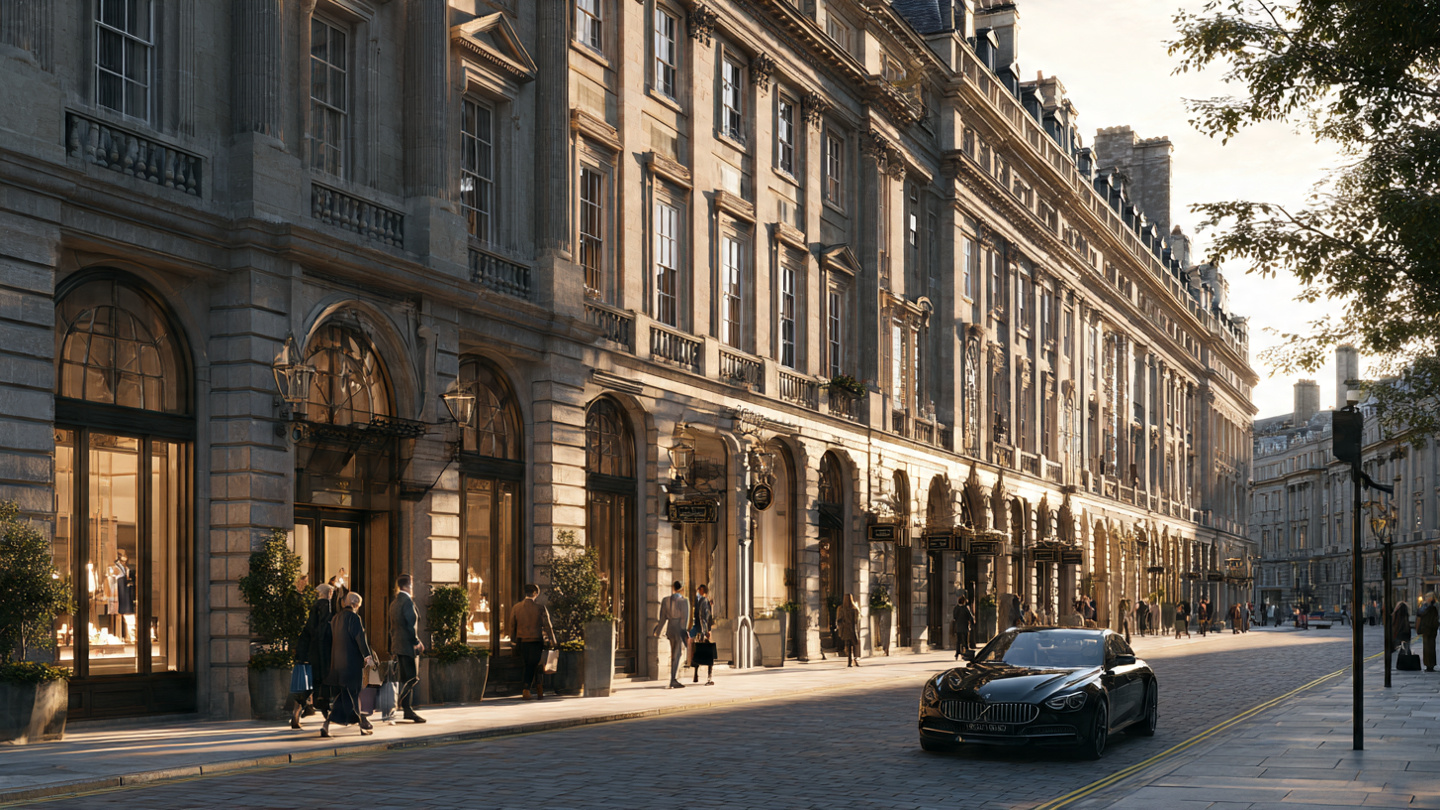
When discussing the best shopping streets in London, luxury corridors naturally occupy a central position. However, luxury in London is not scattered randomly. Instead, it concentrates in carefully positioned districts shaped by historical wealth, diplomatic presence, and architectural prestige. As a result, these streets feel composed, controlled, and intentionally curated.
Over time, Mayfair and Knightsbridge emerged as symbols of affluence. Consequently, global fashion houses selected these areas for flagship stores. Because luxury brands often cluster together, each street reinforces the status of its neighbors. This concentration creates an ecosystem where exclusivity feels natural rather than manufactured.
Moreover, pedestrian behavior differs in these areas. Movement slows. Window browsing becomes deliberate. Security remains discreet but present. Therefore, the experience feels refined from the moment you step onto the pavement.
Bond Street: Discretion and Prestige
Bond Street consistently ranks among the most prestigious retail destinations in Europe. Although technically divided into Old Bond Street and New Bond Street, the entire corridor functions as a unified luxury district. Here, heritage jewelers, haute couture houses, and watchmakers occupy historic facades.
Unlike louder commercial streets, Bond Street communicates wealth through understatement. Storefronts rarely overwhelm with signage. Instead, they rely on reputation. Because of this restrained aesthetic, the street feels calm even during busy periods.
In addition, art galleries operate alongside fashion houses, reinforcing cultural depth. Therefore, Bond Street appeals not only to shoppers but also to collectors and connoisseurs. Visitors exploring the best shopping streets in London for high-end fashion often prioritize this corridor for its legacy and architectural charm.
However, timing matters. Weekday mornings provide the most relaxed atmosphere. During peak tourist seasons, foot traffic increases significantly, although the street never feels chaotic.
To understand how London’s luxury corridors connect geographically, this visual reference of the Luxury Shopping Streets in London Map helps you see the positioning of Bond Street, Regent Street, and Sloane Street within central London.
Just returned from a wonderful experience at Cartier, Old Bond Street. Ash served us and he was superb. I am overjoyed with my beautiful bracelet.
Read more reviews at Tripadvisor.
Regent Street: Architectural Grandeur Meets Flagship Retail
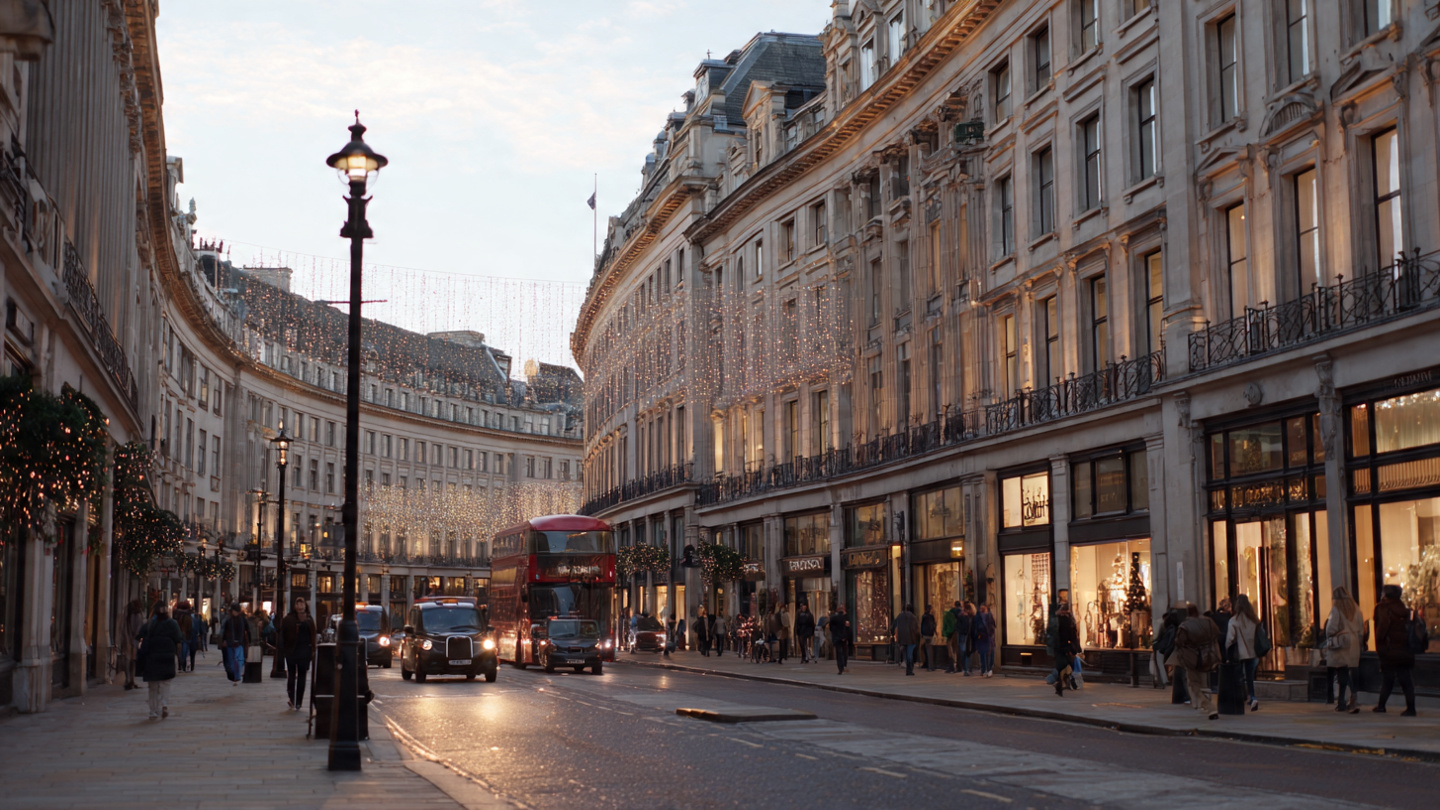
While Bond Street emphasizes discretion, Regent Street projects scale. Its sweeping curve and uniform facades create one of London’s most recognizable retail environments. Designed in the early nineteenth century, the street maintains architectural consistency rarely seen elsewhere in the city.
Because Regent Street connects multiple districts, it attracts a broader audience. International flagship stores line the boulevard, offering expansive interiors and extended collections. Consequently, it balances accessibility with prestige.
Furthermore, seasonal decorations elevate the atmosphere. During winter, illuminated installations transform the street into a visual spectacle. As a result, Regent Street becomes not only a shopping destination but also a seasonal landmark.
For travelers seeking one of the best shopping streets in London that blends architectural drama with mainstream luxury, Regent Street delivers both scale and diversity.
Sloane Street: Quiet Sophistication in Knightsbridge
Sloane Street offers a more private luxury experience. Located near Knightsbridge, it attracts a clientele that values discretion over display. Compared to Regent Street, pedestrian density remains lower. Therefore, browsing feels unhurried.
Luxury fashion houses dominate the corridor, and storefronts often feature minimalist window designs. Because the surrounding neighborhood includes upscale residences and embassies, the environment feels residential rather than touristic.
Additionally, proximity to Harrods and other high-end department stores strengthens its positioning within London’s luxury ecosystem. However, Sloane Street does not rely on spectacle. Instead, it appeals to shoppers who prefer understated refinement.
Among the best shopping streets in London for those prioritizing exclusivity and calm surroundings, Sloane Street consistently ranks high.
The Atmosphere of Luxury Streets Compared to Other Districts
Luxury corridors in London share certain characteristics. First, architecture tends to be preserved carefully. Second, branding appears subtle. Third, security and service levels remain elevated. Because these streets cater to global clientele, customer experience standards are exceptionally high.
In contrast to high-street retail zones, noise levels remain lower. Music rarely spills onto pavements. Street performers are absent. Consequently, the atmosphere feels controlled and composed.
For some visitors, this quiet prestige defines the ideal shopping experience. For others, it may feel too formal. Therefore, understanding personal preference becomes essential before selecting a district.
Who Should Prioritize Luxury Shopping Streets
Travelers interested in designer fashion, fine jewelry, tailored suits, and heritage craftsmanship will benefit most from exploring these areas. Additionally, those who appreciate architectural beauty may find the surroundings equally rewarding.
However, even visitors without purchasing intentions often include these corridors in their itinerary. Window displays, historic facades, and seasonal installations create visual interest regardless of budget.
Because the best shopping streets in London vary by purpose, luxury districts represent one dimension of the broader retail landscape. They set the tone for prestige and global influence, yet they form only part of the city’s retail identity.
High-Street and Mainstream Retail Districts
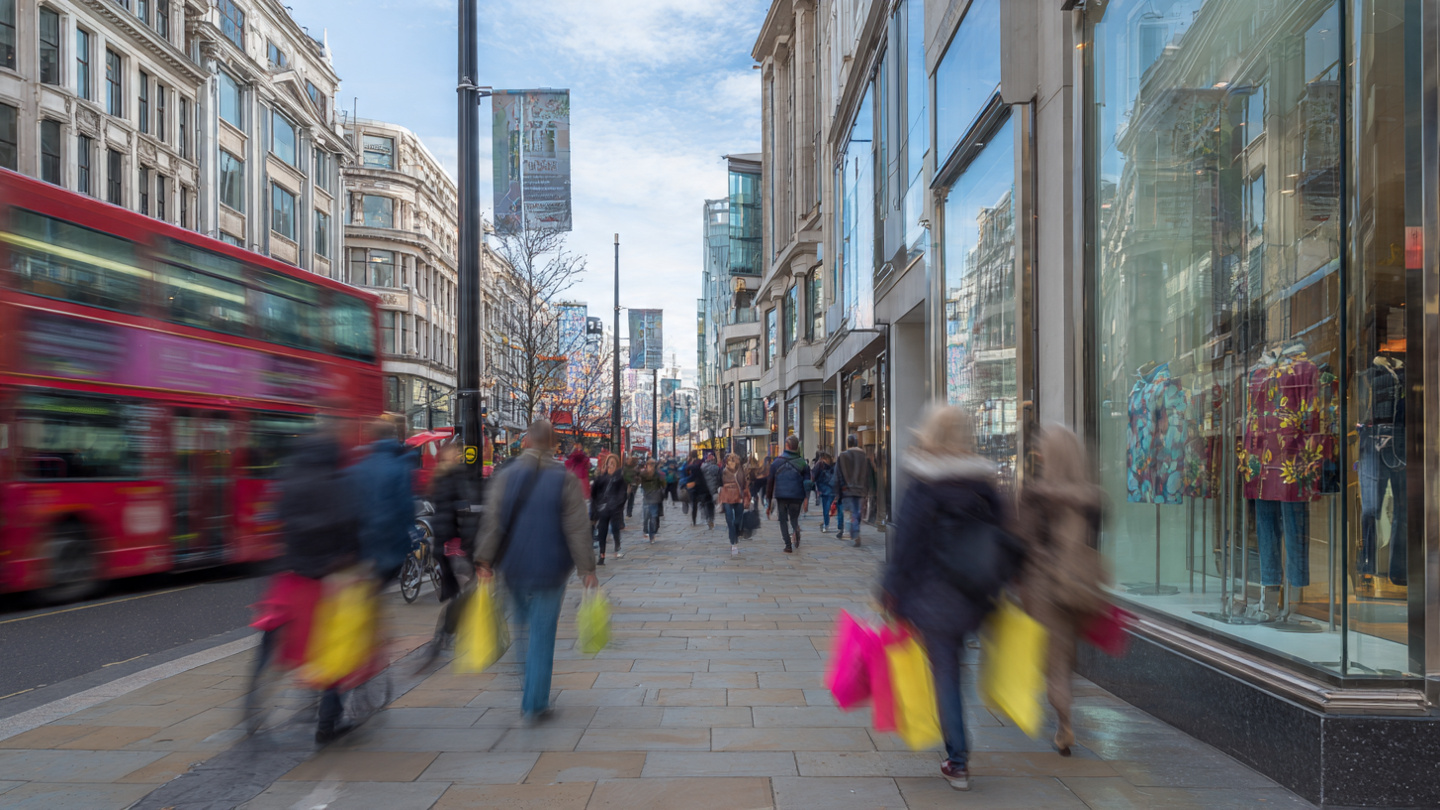
Why High-Street Shopping Plays a Central Role in London
While luxury corridors attract global attention, high-street districts form the backbone of everyday retail activity. In fact, many visitors researching the best shopping streets in London ultimately spend most of their time in these mainstream areas. Unlike exclusive luxury zones, high-street corridors prioritize accessibility, variety, and volume.
Because these districts serve both residents and tourists, they remain busy throughout the year. Moreover, their store mix tends to include international fashion brands, athletic retailers, electronics stores, cosmetics chains, and large department stores. As a result, they offer convenience that appeals to a wide audience.
Although some travelers overlook high-street areas in favor of prestige districts, these streets often provide the most practical shopping experience.
Oxford Street: Scale, Density, and Commercial Power
Oxford Street is frequently described as Europe’s busiest shopping street. Stretching over a mile, it hosts hundreds of stores, including flagship fashion chains and historic department stores. Therefore, it naturally appears in any discussion about the best shopping streets in London.
However, Oxford Street prioritizes scale over intimacy. Because pedestrian density remains high year-round, the atmosphere feels energetic and fast-paced. During weekends and holiday seasons, movement can become crowded. Consequently, visiting during weekday mornings significantly improves comfort.
In addition, accessibility strengthens its appeal. Multiple Underground stations connect directly to the corridor. As a result, tourists often arrive here first when beginning their shopping exploration.
Despite its popularity, Oxford Street does not represent the entire London retail experience. Instead, it offers a concentrated introduction to mainstream fashion and large-scale retail.
If you want to visualize how these busy retail corridors align across the city, this Mainstream Shopping Streets in London Map outlines Oxford Street, Kensington High Street, and Tottenham Court Road for easier planning.
Kensington High Street: Balanced and Residential
Compared to Oxford Street, Kensington High Street provides a more balanced environment. While it still hosts recognizable high-street brands, pedestrian density remains slightly lower. Therefore, browsing feels less rushed.
Because the surrounding area includes residential neighborhoods, the street attracts a mix of locals and visitors. This blend creates a more grounded atmosphere. Additionally, store layouts often feel spacious, particularly within large retail anchors.
For travelers seeking one of the best shopping streets in London without overwhelming crowds, Kensington High Street offers a practical alternative.
Tottenham Court Road: Technology and Urban Energy
Tottenham Court Road distinguishes itself through specialization. Historically associated with electronics and furniture retailers, it continues to attract shoppers seeking technology and home goods. Consequently, its retail identity differs from fashion-heavy corridors.
In recent years, redevelopment projects have modernized the area. Therefore, contemporary storefronts now coexist with long-standing specialist shops. Because it connects directly to major transport hubs, the street benefits from steady foot traffic.
Although it may not match the architectural elegance of Regent Street or the exclusivity of Bond Street, Tottenham Court Road plays a functional role within London’s retail network. For practical purchases, it remains highly relevant.
The Atmosphere of Mainstream Retail Streets
High-street corridors share certain characteristics. First, brand visibility is stronger and more promotional. Second, signage appears larger and more frequent. Third, seasonal sales drive noticeable fluctuations in foot traffic.
Unlike luxury streets, where discretion dominates, mainstream districts embrace commercial vibrancy. Music may spill onto sidewalks. Promotional banners appear regularly. Window displays change frequently to match trend cycles.
Because of this energy, these streets often feel younger and more dynamic. However, they can also feel overwhelming for travelers unprepared for crowd density.
Who Should Focus on High-Street Districts
Travelers prioritizing convenience, variety, and recognizable brands will benefit most from exploring mainstream corridors. Additionally, visitors on tighter budgets often find broader pricing options here compared to luxury districts.
Families, in particular, appreciate accessibility and proximity to transport stations. Furthermore, department stores offer restrooms, cafés, and indoor seating areas, which enhance comfort during longer shopping days.
Although the best shopping streets in London include both luxury and boutique options, mainstream districts remain essential for balanced itineraries.
Strategic Timing for Mainstream Shopping
Timing significantly affects experience in high-traffic areas. Weekday mornings typically provide the calmest environment. Conversely, Saturdays attract peak density, especially during sale periods.
Seasonal sales in winter and summer create noticeable surges. Therefore, travelers should plan accordingly if they prefer relaxed browsing. Additionally, holiday decorations transform certain streets into festive attractions, although crowd levels rise proportionally.
During winter, London’s shopping streets often blend with holiday cheer, but for dedicated festive stalls and seasonal vendors, nothing compares to the experience in our Christmas markets in London guide.
Because mainstream streets attract diverse audiences, preparation enhances satisfaction.
Boutique and Independent Shopping Streets
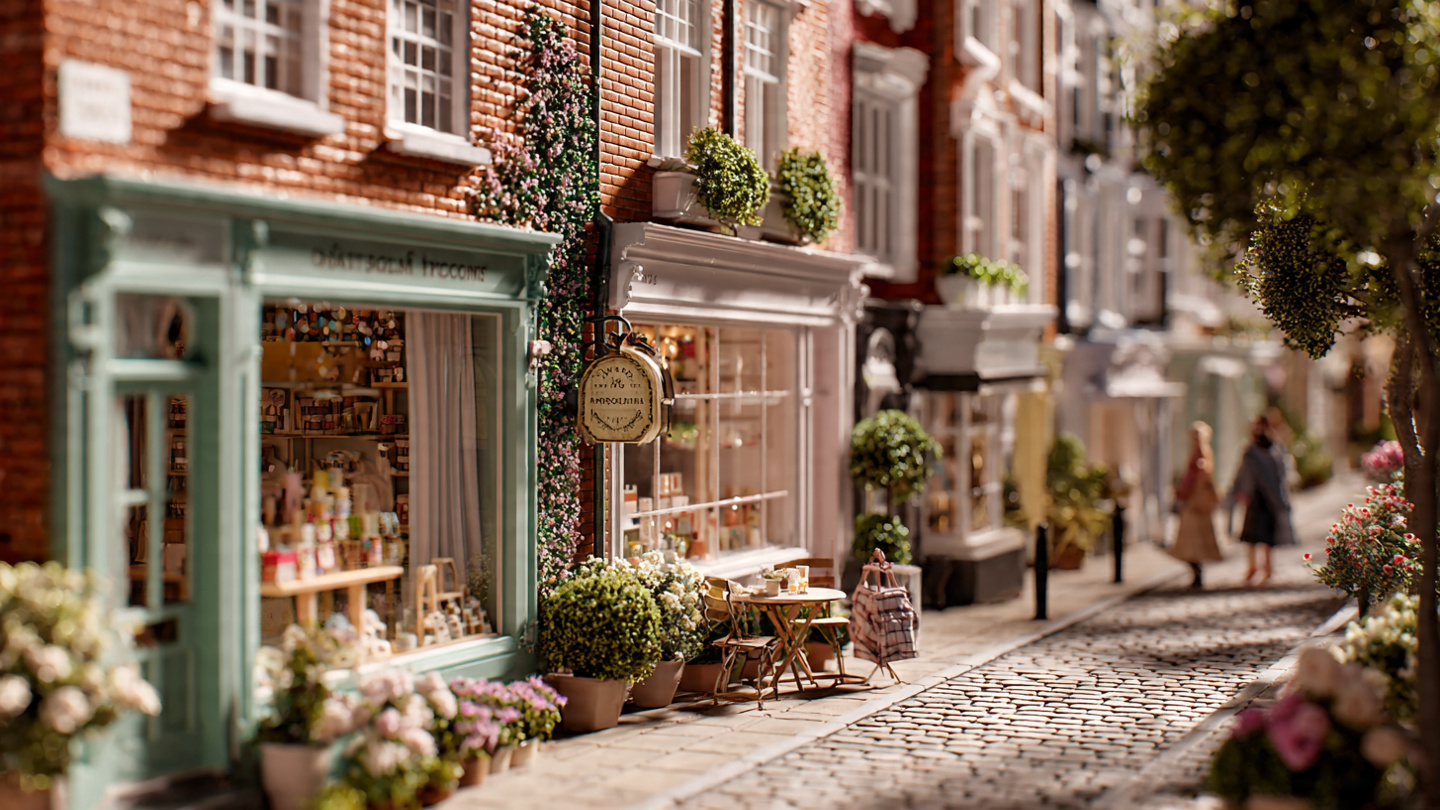
Why Boutique Districts Offer a Different Experience
Although mainstream corridors dominate foot traffic, boutique-focused areas provide a contrasting atmosphere. In fact, many travelers searching for the best shopping streets in London eventually realize that smaller, independent districts offer deeper character and more memorable experiences. Instead of uniform global brands, these streets emphasize individuality, curated design, and slower browsing.
Because boutique streets operate on a smaller scale, pedestrian flow feels calmer. Storefronts tend to be narrower yet more detailed. Window displays often highlight craftsmanship rather than mass production. As a result, shopping becomes less transactional and more exploratory.
Moreover, café culture frequently integrates into these areas. Consequently, visitors can pause between stores, extending their time in the neighborhood without feeling rushed.
Marylebone High Street: Curated and Refined
Marylebone High Street exemplifies boutique retail at its most polished. While recognizable brands appear occasionally, the overall atmosphere feels selective rather than commercialized. Because the surrounding neighborhood maintains residential elegance, the street retains a relaxed rhythm even during busy periods.
Independent fashion labels, specialty bookstores, and artisan food shops contribute to its identity. Therefore, browsing here feels intentional. Shoppers move slowly, often entering multiple stores rather than focusing on a single destination.
In addition, architectural consistency enhances visual appeal. Red-brick facades and uniform storefront heights create cohesion. For visitors exploring the best shopping streets in London with a preference for refinement without overt luxury, Marylebone High Street stands out.
Seven Dials: Compact and Creative
Seven Dials sits within the Covent Garden area but maintains its own character. Instead of one long corridor, it consists of interconnected streets radiating from a central point. Because of this layout, movement feels fluid and multidirectional.
The retail mix blends independent brands with selected international labels. Consequently, the area feels curated yet energetic. Street performers occasionally appear nearby, adding subtle vibrancy without overwhelming the shopping atmosphere.
Additionally, proximity to theatres and cultural venues increases evening foot traffic. Therefore, Seven Dials often feels lively beyond standard retail hours. For those evaluating the best shopping streets in London that combine boutique appeal with central location, this district offers balance.
Westbourne Grove: Fashion Meets Lifestyle
Westbourne Grove, located in Notting Hill, combines fashion with lifestyle branding. While certain established designers operate here, the overall tone remains understated. Because the neighborhood includes residential streets and local cafés, the atmosphere feels integrated rather than tourist-driven.
Boutique fashion, homeware stores, and wellness-focused retailers define the corridor. Consequently, the street attracts shoppers interested in aesthetics and lifestyle cohesion rather than rapid consumption.
Moreover, seasonal shifts influence visual presentation. In spring and summer, café seating extends outward, enhancing pedestrian comfort. During colder months, interior lighting creates warmth along the pavements. As a result, the experience changes subtly throughout the year.
For travelers seeking one of the best shopping streets in London with neighborhood charm and design consistency, Westbourne Grove offers a measured pace.
The Role of Independent Retail in London’s Identity
Independent shops strengthen London’s reputation as a creative capital. Unlike uniform high-street chains, boutique retailers experiment with branding, layout, and product selection. Therefore, these streets often introduce emerging designers before they expand internationally.
Because independent retailers rely heavily on neighborhood loyalty, customer interaction tends to feel more personal. Staff often provide product insight rather than purely transactional assistance. Consequently, browsing can evolve into conversation.
This human dimension distinguishes boutique streets from larger commercial corridors. While not every visitor prioritizes independence, those who do often rank these areas among the best shopping streets in London for authenticity.
Who Should Explore Boutique Districts
Travelers who prefer curated environments over crowd intensity will benefit most from boutique streets. Additionally, those interested in discovering unique brands unavailable in major malls often gravitate toward these areas.
Couples, solo travelers, and design-focused visitors typically appreciate the slower rhythm. Furthermore, photographers often find architectural and visual detail appealing.
However, expectations must remain realistic. Boutique streets rarely offer the volume of options seen in mainstream corridors. Instead, they provide depth within specific niches.
Timing and Atmosphere Considerations
Because pedestrian density remains moderate, boutique districts generally feel accessible throughout the week. Nevertheless, weekends bring noticeable increases, especially during favorable weather.
Seasonal transitions also affect experience. Summer enhances outdoor seating and extended daylight. Winter introduces festive window displays and atmospheric lighting. Therefore, planning visits around personal comfort preferences improves satisfaction.
Ultimately, boutique and independent corridors form an essential dimension within the broader discussion of the best shopping streets in London. They balance luxury and mainstream retail by offering character-driven alternatives.
Fashion-Forward and Trend-Led Streets
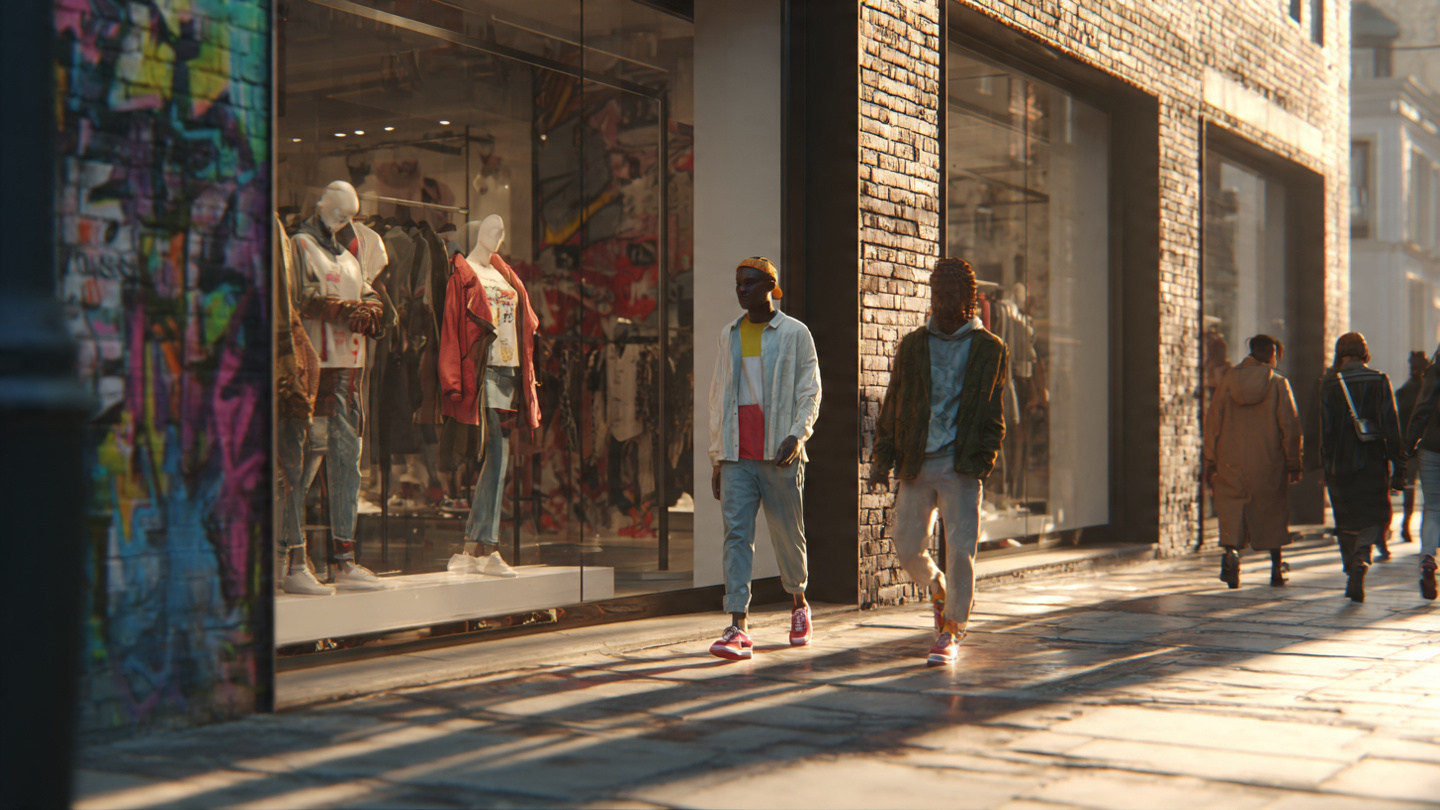
Where London’s Style Evolution Becomes Visible
While luxury corridors reflect heritage and mainstream districts prioritize accessibility, trend-led streets reveal London’s experimental side. In fact, many style-conscious travelers searching for the best shopping streets in London look specifically for areas that feel current rather than traditional. These districts shift faster, respond quickly to cultural movements, and often introduce brands before they reach wider recognition.
Because London functions as a creative capital, fashion innovation rarely stays confined to runways. Instead, it surfaces directly on streets shaped by music, art, and youth culture. Consequently, storefronts in these areas feel dynamic and visually bold.
Moreover, pedestrian behavior differs noticeably. Shoppers often dress expressively. Conversations feel animated. Photography becomes common. Therefore, the environment itself becomes part of the experience.
Carnaby Street: Youth Culture and Fashion Heritage
Carnaby Street holds historic significance in British fashion. During the 1960s, it became synonymous with youth-driven style revolutions. Although decades have passed, the area continues to embrace individuality and trend responsiveness.
Unlike more formal shopping boulevards, Carnaby Street feels compact and pedestrian-focused. Because vehicles are restricted in certain sections, browsing becomes relaxed despite steady foot traffic. Independent labels coexist with international brands, creating a blend of heritage and contemporary appeal.
In addition, seasonal decorations enhance visibility. Overhead installations frequently attract visitors who may not even intend to shop. As a result, Carnaby Street maintains both commercial relevance and cultural identity.
For travelers prioritizing energy and fashion experimentation, it often ranks among the best shopping streets in London for visible style diversity.
King’s Road: From Counterculture to Contemporary Fashion
King’s Road once symbolized rebellion and counterculture. Over time, however, it evolved into a polished retail corridor while retaining traces of its creative origins. Today, the street balances established fashion houses with independent boutiques and homeware stores.
Because the road stretches across a wider area, atmosphere varies depending on the exact section. Some stretches feel upscale and residential. Others maintain creative undertones. Consequently, exploration rewards those willing to walk beyond the most obvious storefront clusters.
Additionally, proximity to affluent neighborhoods influences pricing levels. Nevertheless, variety remains strong. Shoppers encounter both premium and mid-range brands within manageable walking distance.
Although King’s Road feels more refined than purely experimental districts, it still reflects London’s ability to adapt fashion identity over time.
Shoreditch High Street: Creative Energy and Streetwear Influence
Shoreditch High Street represents one of London’s most visibly creative shopping environments. Because the surrounding district houses art galleries, design studios, and technology startups, retail here feels contemporary and forward-thinking.
Streetwear labels, concept stores, and limited-edition releases dominate storefronts. Therefore, the atmosphere skews younger and trend-driven. Graffiti art and industrial architecture contribute to aesthetic character.
Moreover, weekend activity increases noticeably. Markets, pop-up events, and music performances often spill into adjacent areas. Consequently, the district feels fluid rather than rigidly commercial.
For those researching the best shopping streets in London with a focus on street style and emerging labels, Shoreditch remains essential. However, expectations should align with environment. Crowds fluctuate, and the area feels less structured than luxury corridors.
How Trend-Led Streets Differ from Luxury and Mainstream Districts
Fashion-forward corridors prioritize expression over uniformity. While luxury streets emphasize polish and mainstream districts emphasize volume, trend-led streets embrace change and experimentation.
Window displays frequently shift to reflect seasonal influences. Limited-edition collections appear without long-term permanence. Therefore, repeat visits may yield entirely different discoveries.
Because these districts evolve quickly, they attract shoppers who value originality. However, travelers seeking predictable brand presence may feel less comfortable in such fluid environments.
Understanding these differences ensures realistic expectations.
Who Should Explore Fashion-Driven Areas
Style-conscious travelers, younger visitors, and those interested in contemporary design will benefit most from these districts. Additionally, photographers and content creators often find visually stimulating backdrops in creative neighborhoods.
However, these streets may not suit travelers prioritizing quiet browsing or luxury service standards. Energy levels remain high, and storefronts often prioritize visual impact over spacious interiors.
Nonetheless, when evaluating the best shopping streets in London from a fashion perspective, trend-led corridors add essential variety to the city’s retail spectrum.
Timing and Practical Considerations
Because these districts attract both tourists and locals, timing influences comfort. Weekday afternoons often feel manageable. Weekends, particularly during good weather, bring heavier pedestrian flow.
Seasonal transitions also matter. Fashion drops frequently align with global retail calendars. Therefore, new collections typically appear in spring and autumn, increasing visual interest.
Planning accordingly allows visitors to experience the vibrancy without unnecessary crowd stress.
Historic and Character-Filled Shopping Streets
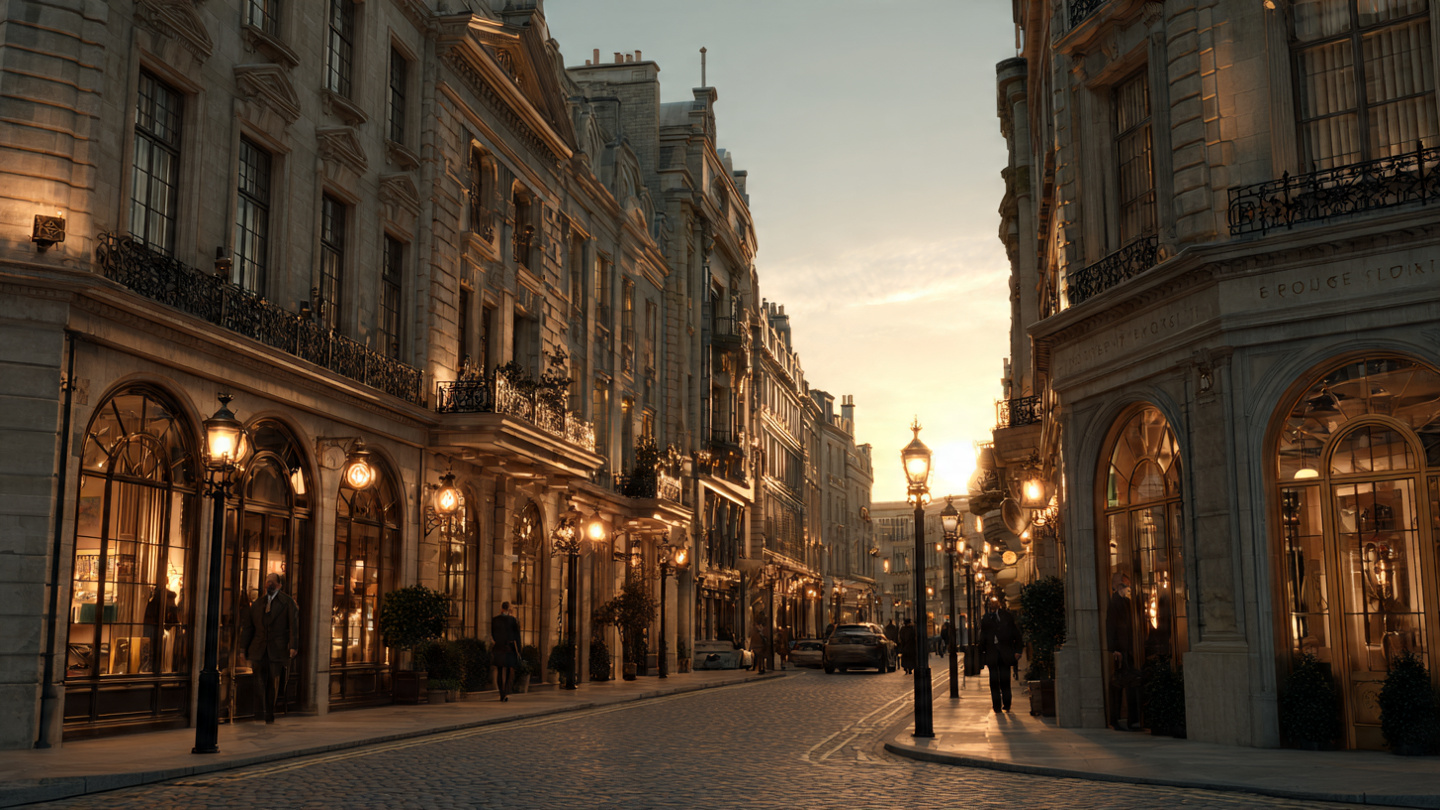
Where Retail and History Intersect
Some of the best shopping streets in London stand out not because of brand concentration or trend energy, but because of history. In these areas, architecture, craftsmanship, and tradition shape the retail experience just as much as merchandise. Walking through these streets often feels like stepping into a preserved chapter of London’s past.
Unlike modern retail corridors built for volume, historic shopping streets evolved gradually. Consequently, they retain architectural consistency and narrower layouts. Arched walkways, stone facades, and decorative ironwork create atmosphere before a visitor even enters a store.
Because London values preservation, many of these streets maintain long-standing businesses that have operated for generations. As a result, shopping becomes intertwined with heritage rather than pure consumption.
Covent Garden: Performance and Retail in Balance
Covent Garden combines historic architecture with modern retail energy. Originally a market square, it transformed into a cultural and commercial hub over time. Today, the district blends independent boutiques, premium brands, and performance spaces.
Because street performers frequently gather near the central piazza, atmosphere remains lively. However, the surrounding side streets offer quieter browsing opportunities. Therefore, visitors can experience both vibrancy and intimacy within a short walking distance.
In addition, the historic market buildings provide visual cohesion. Glass-roofed arcades and restored facades enhance architectural charm. Consequently, Covent Garden consistently appears in discussions about the best shopping streets in London that merge culture and commerce.
Timing influences experience significantly. Mid-morning weekday visits offer the most relaxed environment, while weekends bring noticeable crowd increases.
We went along for brunch and then Joel one of the waiters showed us around the okd bow street police station and magistrate court it was a historical experience
Read more reviews at Tripadvisor.
Jermyn Street: Tailoring and British Craftsmanship
Jermyn Street represents tradition at its most refined. Known for bespoke tailoring, shirtmakers, and classic menswear, the street preserves centuries-old retail practices. Because many shops specialize in formalwear and grooming, the atmosphere feels composed and understated.
Unlike trend-led districts, Jermyn Street values continuity over reinvention. Storefronts often display heritage signage. Interiors emphasize wood paneling and traditional presentation. Consequently, browsing here feels intentional rather than hurried.
Furthermore, proximity to St James’s enhances its dignified tone. Diplomats, executives, and long-time clients maintain loyalty to specific establishments. Therefore, Jermyn Street attracts shoppers who prioritize craftsmanship and longevity.
For travelers interested in exploring the best shopping streets in London with a focus on heritage retail, this corridor provides a distinctive contrast to modern fashion zones.
Burlington Arcade: Elegance Within a Passageway
Burlington Arcade offers a different historic retail experience. Rather than a long open boulevard, it operates as a covered passage connecting two major streets. Because of its intimate scale, the arcade feels sheltered and elegant.
Small boutiques line both sides of the walkway, specializing in jewelry, accessories, and luxury goods. Uniformed attendants maintain order and preserve decorum, reinforcing a sense of tradition.
Additionally, architectural detailing enhances the experience. Glass ceilings filter natural light, while polished floors reflect storefront displays. Consequently, visitors often linger longer than expected.
Although compact, Burlington Arcade frequently appears among the best shopping streets in London discussions due to its distinctive format and preserved atmosphere.
The Emotional Impact of Historic Retail Environments
Historic shopping streets create a slower pace by design. Narrower pathways encourage measured walking. Architectural features demand visual attention. Therefore, visitors often spend more time observing surroundings rather than focusing solely on products.
Because these districts emphasize continuity, they provide contrast to fast-changing fashion corridors. Shoppers seeking stability and refinement often gravitate toward these areas.
Moreover, photography becomes part of the experience. Stone columns, archways, and decorative signage offer visual depth rarely found in modern retail developments.
Who Should Prioritize Historic Shopping Streets
Travelers interested in architecture, craftsmanship, and British tradition will find these districts particularly rewarding. Additionally, those who appreciate quieter environments may prefer historic corridors over mainstream avenues.
However, expectations should align with specialization. These streets do not offer the scale of Oxford Street or the experimentation of Shoreditch. Instead, they focus on quality and heritage.
Consequently, when evaluating the best shopping streets in London, historic corridors represent a distinct category centered on cultural continuity.
Timing and Seasonal Atmosphere
Historic streets maintain steady appeal throughout the year. However, seasonal decorations often amplify charm. During winter, warm lighting enhances stone facades. In spring, natural daylight highlights architectural detailing.
Because pedestrian density remains moderate compared to major mainstream corridors, weekday visits typically feel comfortable. Nevertheless, peak tourist seasons increase foot traffic in central districts like Covent Garden.
Planning ahead ensures the most immersive experience.
Alternative and Creative Shopping Areas
Where Retail Feels Experimental and Unfiltered
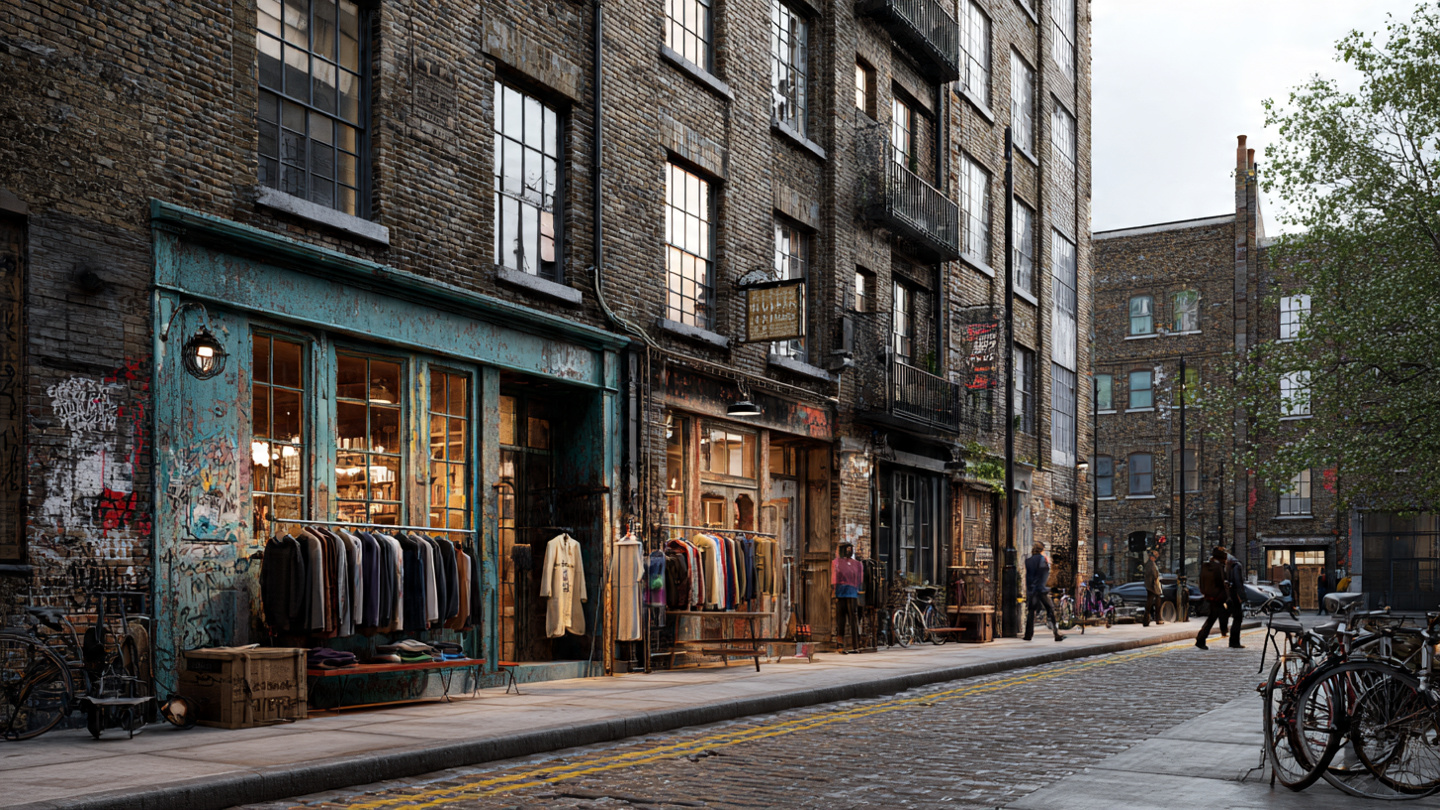
Beyond luxury boulevards and historic corridors, London offers retail districts that feel raw, artistic, and constantly evolving. These areas often attract travelers searching for the best shopping streets in London that reflect creativity rather than tradition. Instead of polished facades and uniform storefronts, alternative shopping zones embrace individuality.
Because these districts develop around art communities, music culture, and independent entrepreneurship, retail here feels less predictable. Store layouts may change frequently. Pop-up concepts appear without long-term permanence. As a result, no two visits feel exactly the same.
Moreover, street art, murals, and industrial architecture contribute to visual identity. Consequently, shopping becomes part of a broader creative landscape rather than a standalone activity.
Brick Lane: Cultural Layers and Vintage Influence
Brick Lane sits at the intersection of fashion, food, and multicultural history. While the area includes market activity on weekends, the street itself maintains permanent vintage stores, independent boutiques, and concept shops throughout the week.
Because the surrounding neighborhood reflects diverse cultural influences, retail identity feels layered. Vintage clothing shops operate alongside contemporary streetwear brands. Record stores and art spaces add further variety. Therefore, browsing here often leads to unexpected discoveries.
Additionally, the industrial backdrop of converted warehouses enhances atmosphere. Exposed brick, metal signage, and bold murals frame storefronts in ways that feel distinctly urban. As a result, Brick Lane frequently appears in conversations about the best shopping streets in London for creative exploration.
However, expectations must remain flexible. Unlike luxury corridors, organization may feel less structured. Crowds increase significantly during weekends, especially when nearby markets operate.
Portobello Road: Beyond the Market Reputation
Although widely associated with its famous market, Portobello Road functions as a permanent shopping street as well. During weekdays, antique dealers, fashion boutiques, and specialty stores remain open in fixed locations.
Because the street stretches through Notting Hill, atmosphere varies depending on the exact section. Pastel-colored houses create visual charm, while antique shops preserve historic character. Consequently, even outside peak market days, the street offers steady browsing opportunities.
Furthermore, small independent retailers contribute to authenticity. Unlike fully commercialized boulevards, Portobello Road maintains a neighborhood feel. Therefore, it represents a bridge between structured retail and creative spontaneity.
For travelers evaluating the best shopping streets in London that combine architectural appeal with vintage influence, this corridor remains relevant beyond its market identity.
The Role of Creative Districts in London’s Retail Identity
Alternative shopping areas play an important role within London’s broader retail system. While luxury districts reinforce prestige and mainstream corridors drive volume, creative zones encourage experimentation. Consequently, new designers often test concepts in these neighborhoods before expanding elsewhere.
Because rental structures and community culture support independence, retail diversity remains high. Shoppers frequently encounter limited-edition releases, handmade goods, and locally designed products. Therefore, authenticity becomes the primary attraction.
Moreover, these districts often integrate nightlife and cultural venues. As a result, energy extends beyond traditional retail hours, especially on weekends.
How Atmosphere Differs from Other Retail Zones
Creative shopping streets feel less formal than luxury corridors and less structured than mainstream districts. Sound levels may vary. Visual stimulation increases through murals and unconventional signage. Consequently, the environment appeals to visitors who enjoy sensory variety.
However, those seeking calm or premium service standards may prefer other areas. Because organization can feel fluid, browsing requires patience and openness to exploration.
Understanding these differences ensures that expectations align with reality when visiting alternative retail zones.
If your shopping style leans toward quirky finds, second-hand treasures, and local character, pairing street shopping with visits to the best flea markets in London can add unexpected discoveries to your itinerary.
Who Should Explore Alternative Shopping Streets
Travelers interested in vintage fashion, streetwear, art culture, and independent design will find these districts particularly rewarding. Additionally, photographers and content creators often gravitate toward these areas for visual diversity.
Budget-conscious shoppers may also discover unique pieces at lower price points compared to luxury streets. However, product quality varies widely, so careful selection remains important.
Ultimately, alternative districts expand the definition of the best shopping streets in London by adding creativity and unpredictability to the city’s retail ecosystem.
Timing and Crowd Considerations
Weekends bring the highest activity levels, especially in areas like Brick Lane and Portobello Road. Therefore, weekday visits provide more comfortable browsing conditions. Seasonal changes also affect foot traffic, with warmer months increasing outdoor activity.
Because these districts rely heavily on atmosphere, weather plays a role in overall experience. Sunny conditions enhance street art visibility and café culture, while colder months create a more subdued environment.
Planning around these factors improves overall satisfaction.
How to Choose the Best Shopping Street Based on Your Travel Style
Why Personal Travel Style Matters More Than Popularity
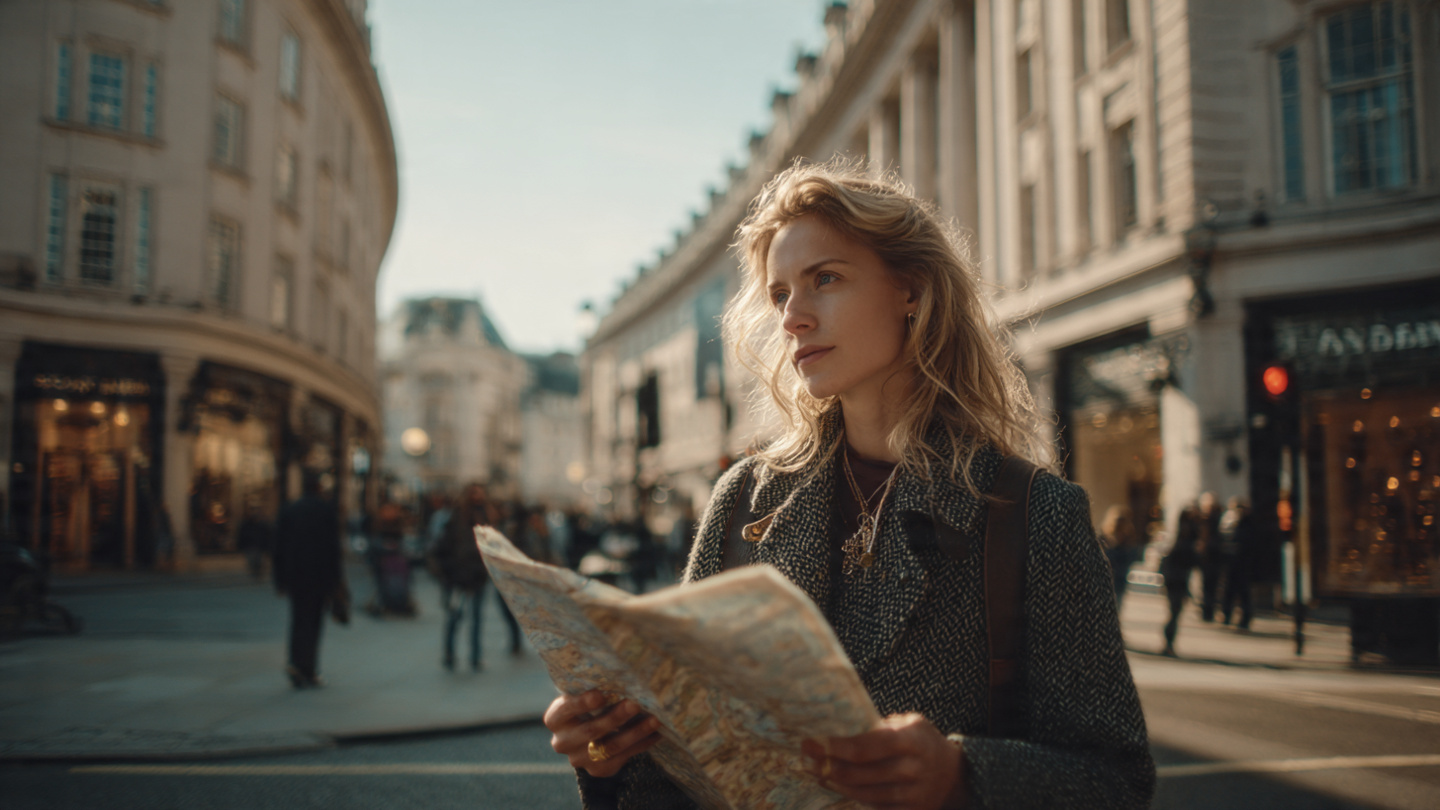
With so many retail districts across the city, selecting the best shopping streets in London depends heavily on personal preference rather than reputation alone. While certain names appear frequently in travel guides, not every street suits every traveler. Therefore, understanding your priorities before setting out prevents wasted time and unnecessary frustration.
Some visitors value prestige and architectural elegance. Others prefer accessibility and variety. Meanwhile, certain travelers prioritize creative energy and independent design. Because London distributes retail experiences across distinct neighborhoods, matching environment to personality becomes essential.
Rather than chasing the most famous street, thoughtful alignment creates a more satisfying day.
For Luxury-Focused Travelers
If premium brands, high-end tailoring, and heritage craftsmanship define your shopping interests, then luxury corridors deserve priority. Streets such as Bond Street and Sloane Street offer polished environments and globally recognized fashion houses.
Because these districts emphasize service standards and refined presentation, browsing feels calm and deliberate. However, prices reflect exclusivity. Therefore, even window shopping in these areas can feel immersive due to architectural detail and curated displays.
Luxury travelers often appreciate weekday mornings when pedestrian density remains manageable. Consequently, timing enhances the overall experience.
For Mainstream and Practical Shoppers
Travelers seeking recognizable brands and broad selection typically gravitate toward high-street corridors. Oxford Street and Kensington High Street provide scale and convenience. In addition, transport connectivity simplifies access.
Because these areas concentrate international retailers, shoppers can compare options efficiently. Families and group travelers frequently prefer these districts due to department stores and rest areas.
However, crowd management becomes important. Planning visits during quieter hours significantly improves comfort.
For Boutique and Design Enthusiasts
If individuality matters more than volume, boutique streets offer a stronger match. Marylebone High Street and Seven Dials emphasize curated selection and smaller storefronts. Consequently, browsing feels personal rather than overwhelming.
Design enthusiasts often appreciate slower pacing and detailed merchandising. Furthermore, café culture integrates seamlessly, allowing natural breaks between stores.
Because these districts attract both locals and visitors, atmosphere remains balanced rather than heavily touristic.
For Trend-Driven and Youth-Oriented Visitors
Travelers drawn to contemporary fashion, streetwear, and experimental retail concepts should prioritize areas like Carnaby Street or Shoreditch High Street. These districts respond quickly to cultural shifts and seasonal drops.
Because storefronts change frequently, repeat visits can reveal new discoveries. Additionally, visual identity plays a significant role. Murals, bold signage, and creative window displays enhance atmosphere.
However, energy levels remain high, particularly on weekends. Therefore, visitors seeking dynamic environments will feel most comfortable here.
For Vintage and Alternative Seekers
Shoppers interested in vintage fashion, independent labels, and artistic influence may find alternative corridors more appealing. Brick Lane and sections of Portobello Road offer layered retail experiences that combine fixed stores with creative community influence.
Because these areas prioritize individuality, inventory can vary widely in both style and pricing. Consequently, patience and open-minded exploration yield the best results.
Weather also influences enjoyment in these districts, as much of the experience unfolds outdoors.
For Time-Constrained Travelers
Visitors with limited time should focus on efficiency. Choosing a district close to planned attractions reduces transit time. For example, pairing Covent Garden with theatre visits or combining Regent Street with central sightseeing maximizes productivity.
Rather than attempting to cover multiple districts in one day, selecting one aligned with your priorities ensures depth over surface-level browsing.
Balancing Budget and Experience
Budget considerations naturally influence decision-making. Fortunately, the best shopping streets in London span multiple price ranges. Luxury corridors cater to premium budgets. Mainstream districts offer mid-range options. Alternative areas sometimes provide affordable finds.
Because pricing fluctuates seasonally, monitoring sale periods can significantly impact affordability. Winter and summer clearance events often attract larger crowds but present strong value opportunities.
Aligning expectations with budget prevents disappointment and improves overall satisfaction.
The Importance of Pace and Atmosphere
Finally, pace matters. Some streets encourage steady movement with heavy foot traffic. Others invite lingering exploration. Identifying your comfort level with crowds and noise ensures a smoother experience.
Travelers who prefer calm environments should avoid peak weekend hours in major corridors. Conversely, those who enjoy high energy may find quieter districts less stimulating.
Ultimately, choosing the best shopping streets in London involves evaluating environment as carefully as product selection.
When and How to Visit London Shopping Streets Strategically
Why Timing Influences the Experience
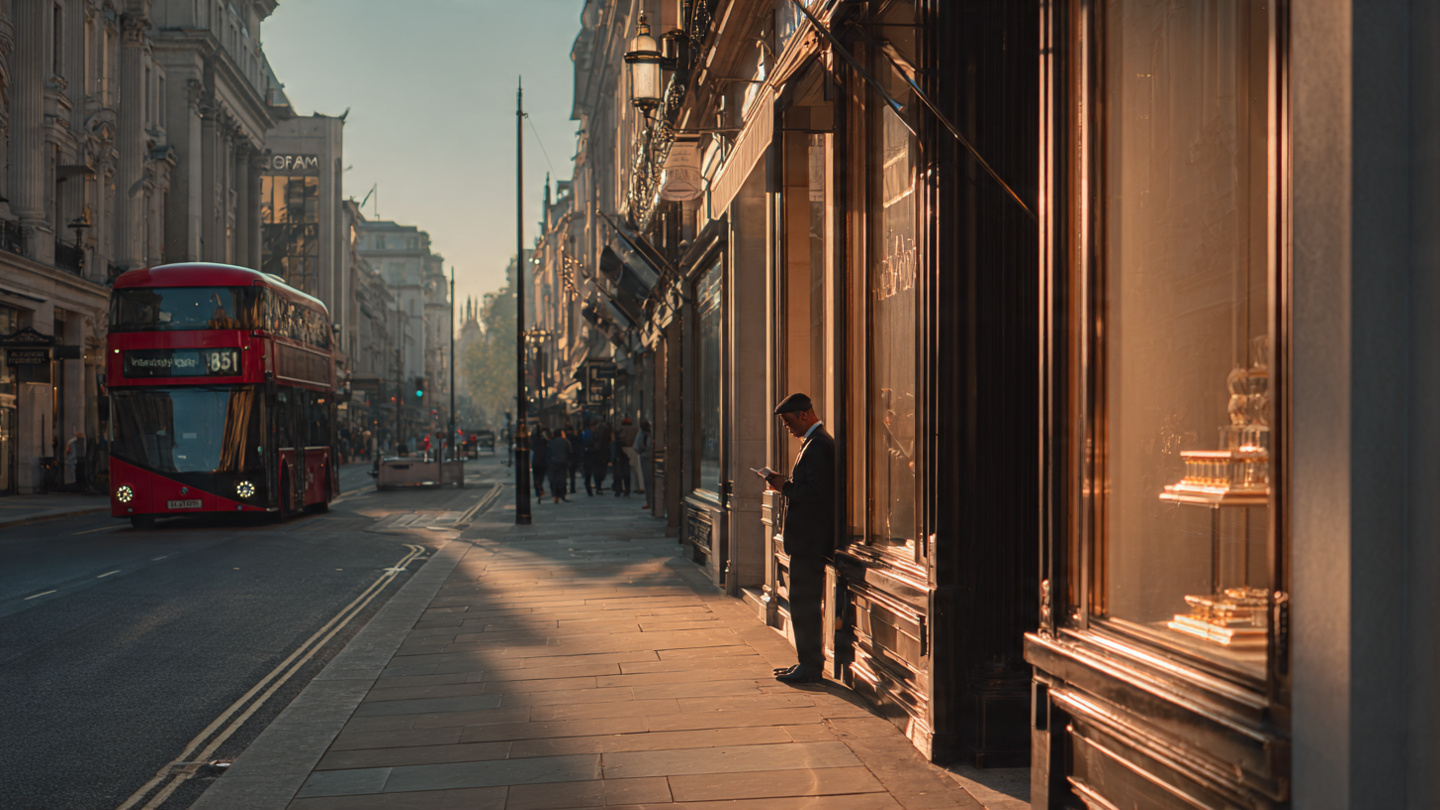
Even after identifying the best shopping streets in London for your travel style, timing plays a decisive role in overall satisfaction. Retail districts in this city respond strongly to seasonal shifts, tourism cycles, and weekly crowd patterns. Therefore, planning when to visit can be just as important as choosing where to go.
Because London attracts visitors year-round, pedestrian density fluctuates depending on school holidays, international travel trends, and local events. Consequently, a street that feels manageable on a weekday morning may feel overwhelming on a Saturday afternoon.
Understanding these dynamics allows you to adjust expectations and schedule accordingly.
Weekdays Versus Weekends
Weekday mornings typically provide the most relaxed shopping environment. Between opening time and early afternoon, foot traffic remains moderate in most districts. As a result, browsing feels more comfortable, especially in mainstream areas such as Oxford Street.
By contrast, weekends attract both tourists and local residents. Popular corridors experience heavier pedestrian flow, and queues may form outside flagship stores. Therefore, visitors sensitive to crowd intensity should avoid peak Saturday hours.
However, certain districts benefit from weekend energy. Creative neighborhoods, in particular, feel more vibrant when local markets and cultural events operate nearby. In those cases, busier conditions may enhance atmosphere rather than diminish it.
Seasonal Differences Throughout the Year
Seasonal variation significantly shapes retail ambiance. During winter, festive decorations transform major shopping streets into illuminated landmarks. Regent Street and Covent Garden, for example, often feature elaborate light displays. Consequently, even non-shoppers visit simply to experience the atmosphere.
However, colder temperatures and holiday tourism increase crowd density. Planning early morning visits during the festive period reduces congestion.
In contrast, spring and summer introduce longer daylight hours and outdoor café seating. Boutique districts such as Marylebone and Westbourne Grove feel especially inviting during warmer months. Therefore, travelers who value relaxed pacing may prefer these seasons.
Autumn provides balance. Tourist numbers often decrease slightly, while new fashion collections appear in stores. As a result, browsing feels comfortable yet visually fresh.
Sale Periods and Promotional Cycles
Retail calendars in London follow predictable sale cycles. Major clearance events typically occur in late December and mid-summer. Because discounts attract significant demand, foot traffic increases accordingly.
While these periods offer value opportunities, they require patience. Crowds intensify, fitting rooms become busier, and product availability fluctuates rapidly. Therefore, travelers seeking calm exploration may prefer visiting outside major sale windows.
Monitoring store-specific promotions can also improve strategy. Some luxury houses avoid dramatic discounting, whereas mainstream retailers emphasize seasonal reductions.
Transport and Accessibility Considerations
Most major shopping streets connect directly to Underground stations. However, during peak hours, transport congestion may mirror street congestion. Planning visits outside commuter rush periods enhances both arrival and departure comfort.
Additionally, walking between nearby districts often proves efficient. For example, Regent Street connects naturally to Carnaby Street and Oxford Street. Therefore, mapping clusters rather than isolated streets maximizes efficiency.
Comfortable footwear becomes essential, especially for travelers exploring multiple corridors in a single day.
Weather and Comfort Strategy
Weather conditions influence enjoyment, particularly in open-air retail streets. Rainy days may reduce pedestrian comfort, although covered arcades and department stores provide shelter.
Conversely, extreme summer heat can increase fatigue, especially in densely packed mainstream corridors. Therefore, adjusting pace and incorporating café breaks improves endurance.
Checking forecasts before planning extensive shopping walks enhances preparation.
Combining Shopping With Sightseeing
Strategic visitors often integrate shopping into broader sightseeing itineraries. Covent Garden pairs naturally with theatre visits. Knightsbridge connects conveniently to museum districts. Shoreditch aligns with gallery exploration.
Because the best shopping streets in London sit within culturally rich neighborhoods, combining activities increases overall efficiency. Rather than dedicating an entire day exclusively to retail, travelers can balance shopping with historical and cultural experiences.
Final Reflection on Strategic Planning
Ultimately, choosing when and how to explore London’s retail corridors determines whether the experience feels enjoyable or exhausting. By aligning timing, budget, personal style, and neighborhood character, visitors gain clarity rather than confusion.
The best shopping streets in London offer diversity across luxury, mainstream, boutique, historic, and creative categories. However, successful exploration depends on preparation.
Approached strategically, these streets reveal not only products, but also the layered identity of one of the world’s most influential cities.
Frequently Asked Questions
General Questions About London Shopping Streets
Oxford Street is often considered the most famous due to its size and number of international brands. However, depending on your travel style, other streets may offer a better experience. For example, Bond Street focuses on luxury, while Carnaby Street emphasizes fashion trends.
Tourists often prefer Oxford Street, Regent Street, and Covent Garden because they are centrally located and easy to access. However, boutique districts like Marylebone High Street can offer a calmer and more curated experience.
Most major shopping streets operate seven days a week. However, Sunday opening hours are usually shorter. Additionally, certain public holidays may affect operating times, so checking individual store schedules is recommended.
Luxury Shopping FAQs
Bond Street and Sloane Street are among the top destinations for luxury fashion and fine jewelry. These areas host flagship stores of global designer brands and provide a refined shopping environment.
Regent Street blends mainstream and premium brands. While it features some luxury retailers, it is more diverse compared to Bond Street, which focuses almost exclusively on high-end fashion.
Budget and High-Street Shopping FAQs
Oxford Street and Kensington High Street provide the widest selection of accessible high-street brands. Seasonal sales in summer and winter also offer additional value opportunities.
Pricing varies significantly by district. Luxury corridors carry premium pricing, while mainstream streets provide mid-range options. Alternative districts sometimes offer affordable vintage or independent finds.
Boutique and Independent Shopping FAQs
Marylebone High Street, Seven Dials, and Westbourne Grove are known for curated boutiques and smaller independent brands. These areas provide a slower and more personalized shopping experience.
Boutique-focused streets such as Marylebone High Street generally feel less crowded than Oxford Street. Visiting on weekday mornings further reduces pedestrian density.
Alternative and Creative Shopping FAQs
Brick Lane and Portobello Road are popular for vintage clothing and creative retail. While weekend activity increases, weekday visits provide more relaxed browsing conditions.
Shoreditch High Street and Carnaby Street are strong choices for contemporary fashion and streetwear brands. These districts often reflect current trends and youth culture.
Timing and Planning FAQs
Weekday mornings offer the calmest experience. Additionally, spring and autumn provide balanced conditions with moderate crowd levels and new seasonal collections.
Major sales typically occur in late December and mid-summer. During these periods, crowd density increases, but significant discounts may be available.