
Most visitors search for the best way to travel around London because they feel uncertain, not because they lack options. London presents too many choices at once. Underground lines intersect, buses run everywhere, trains appear alongside metro maps, and walking distances feel unclear on a screen. This overload creates hesitation. People assume there must be one correct method and worry about choosing the wrong one. In reality, the confusion comes from trying to apply a single rule to a city that does not work that way.
Why London Does Not Have One Universal Transport Answer
London is not built around one central core. The city grew outward over centuries as separate villages, each with its own center. Because of this, transport systems overlap instead of radiating from one point. What works perfectly in one part of London may feel inefficient in another. The best way to travel around London changes depending on where you are, where you are going, and what kind of experience you want that day. Treating transport as fixed creates frustration. Treating it as flexible creates confidence.
For a complete overview of how London’s transport system works together, this broader guide explains routes, tickets, and connections across the city in detail through the London transport guide.
How Visitor Expectations Shape Travel Decisions
Many travelers arrive with expectations formed by other cities. Some expect a compact layout where walking solves everything. Others expect a metro system that reaches every destination directly. London sits between these ideas. Walking often works better than expected, but not always. The Underground is fast and efficient, but not always the most pleasant option. Understanding this balance early prevents disappointment and wasted energy during the trip.
Why Speed Is Not Always the Right Measure
Speed feels like the obvious goal when choosing how to move around a city. In London, speed can be misleading. A journey that looks faster on a map may involve crowded platforms, long station corridors, and stressful transfers. A slightly slower option, such as walking part of the route or using a bus, can feel calmer and more enjoyable. The best way to travel around London often prioritizes ease and flow over raw speed.
How London Travel Is Tied to Daily Rhythm
London changes character throughout the day. Morning rush hours feel very different from mid afternoons. Late evenings feel calmer than early evenings. Transport choices that work well at one time may feel uncomfortable at another. Understanding that timing matters as much as distance helps visitors make better decisions without overthinking every journey. This rhythm based thinking is key to moving comfortably through the city.
Weather affects that rhythm more than most people expect, especially when rain, wind, and short daylight quietly change how far you feel like walking and which routes feel comfortable. The London weather travel guide explains how to plan around these conditions in a practical way, without turning every day into a forecast-checking routine.
Seasonal changes influence this rhythm even more, and this guide on the best time to visit London explains how crowds, daylight, and travel pace shift throughout the year.
Why Comfort and Confidence Matter More Than Perfection
Travel stress usually comes from uncertainty rather than mistakes. Missing a stop or taking a longer route rarely ruins a day. Feeling unsure about every move does. The best way to travel around London is the one that allows you to move with confidence, even if it is not technically perfect. When travelers accept that small detours are normal, London starts to feel more welcoming and less intimidating.
How Transport Choices Affect the Overall Experience
The way you move around London shapes how the city feels. Spending too much time underground can make the city feel distant and fragmented. Spending time at street level helps neighborhoods connect in your mind. Alternating between walking, public transport, and occasional rest creates a balanced experience. The goal is not to optimize transport but to support exploration without exhaustion.
Why Flexibility Is the Real Advantage
London rewards travelers who adapt. A plan that allows switching between walking, the Underground, and buses feels far less stressful than one that relies on a single method. Flexibility removes pressure. When you know you have multiple good options, decisions become easier and mistakes feel less important. This mindset transforms how the city feels from complex to manageable.
Setting the Right Approach Before Learning the Details
Before learning how each transport option works, it helps to adjust how you think about movement in London. The best way to travel around London is not something you memorize. It is something you respond to. Once this approach is clear, every practical detail becomes easier to apply without confusion or overload.
How London’s Size and Layout Affect Travel Choices

Why London Feels Larger Than It Looks on a Map
London often appears manageable when viewed digitally, but the reality on the ground feels very different. The city spreads outward rather than upward, and neighborhoods stretch far beyond what most visitors expect. Distances between areas that seem close on a screen can take real time to cross. This is why understanding London’s physical scale matters before choosing how to move around each day.
How London Grew Without a Central Plan
Unlike cities designed around one historic core, London developed gradually as separate towns that eventually merged. Areas like Westminster, the City, Southwark, and Kensington once functioned independently. This layered growth explains why transport routes overlap instead of flowing neatly from one center. It also explains why no single method works best everywhere at once.
Why Neighborhoods Feel Like Small Cities
Each London neighborhood operates almost like its own mini city. Local high streets, parks, stations, and community centers give each area a distinct rhythm. Moving between neighborhoods often feels like entering a new place rather than continuing through the same city. Travel choices should reflect this shift, especially when days involve multiple districts.
How This Layout Shapes Daily Movement
London travel works best when movement follows geography instead of attraction lists. Jumping back and forth across the city creates unnecessary fatigue. Grouping nearby areas allows walking to play a bigger role and reduces dependence on long transport journeys. When travelers understand how the city fits together, routes feel more natural and less forced.
Before daily movement becomes routine, travelers first need to enter the city from the airport. This guide breaks down getting from London airports to city center so visitors start their trip with confidence before navigating London day to day.
Why Straight Lines Rarely Exist in London
Many visitors expect direct routes between places. London rarely offers that simplicity. Roads curve, stations connect through corridors, and lines loop rather than run straight. Accepting that travel may involve small detours helps prevent frustration. These indirect paths are part of how the city functions rather than signs of inefficiency.
How Transport Lines Reflect Historical Growth
London’s transport network mirrors the city’s history. Underground lines were added at different times to serve different needs. Some areas have dense coverage while others rely more on surface transport. Recognizing this uneven distribution helps explain why certain routes feel effortless while others require more planning.
Central areas benefit from overlapping transport options. Walking, buses, and Underground stations sit close together, giving visitors flexibility. This density makes it easier to adjust plans mid day. As you move farther out, transport becomes more structured and less interchangeable, making early understanding especially helpful.
How Distance Changes the Travel Mindset
Short distances encourage exploration, while long distances encourage efficiency. In London, a mix of both exists within the same day. Knowing when to slow down and when to move efficiently helps balance energy. Travel choices should support this rhythm instead of fighting against it.
Why Layout Awareness Reduces Travel Stress
Most travel stress comes from misjudging distance and time. When visitors understand how London spreads and connects, expectations become realistic. Missed stops and longer routes feel less alarming. Confidence grows simply by knowing why the city behaves the way it does.
Preparing for Smarter Travel Decisions
Once London’s size and structure make sense, choosing how to travel becomes easier. Decisions shift from guessing to responding. This awareness sets the foundation for understanding when walking works best, when public transport helps most, and how to combine options smoothly.
Walking in London: When It Makes the Most Sense

Why Walking Is Often the Best Way to Travel Short Distances
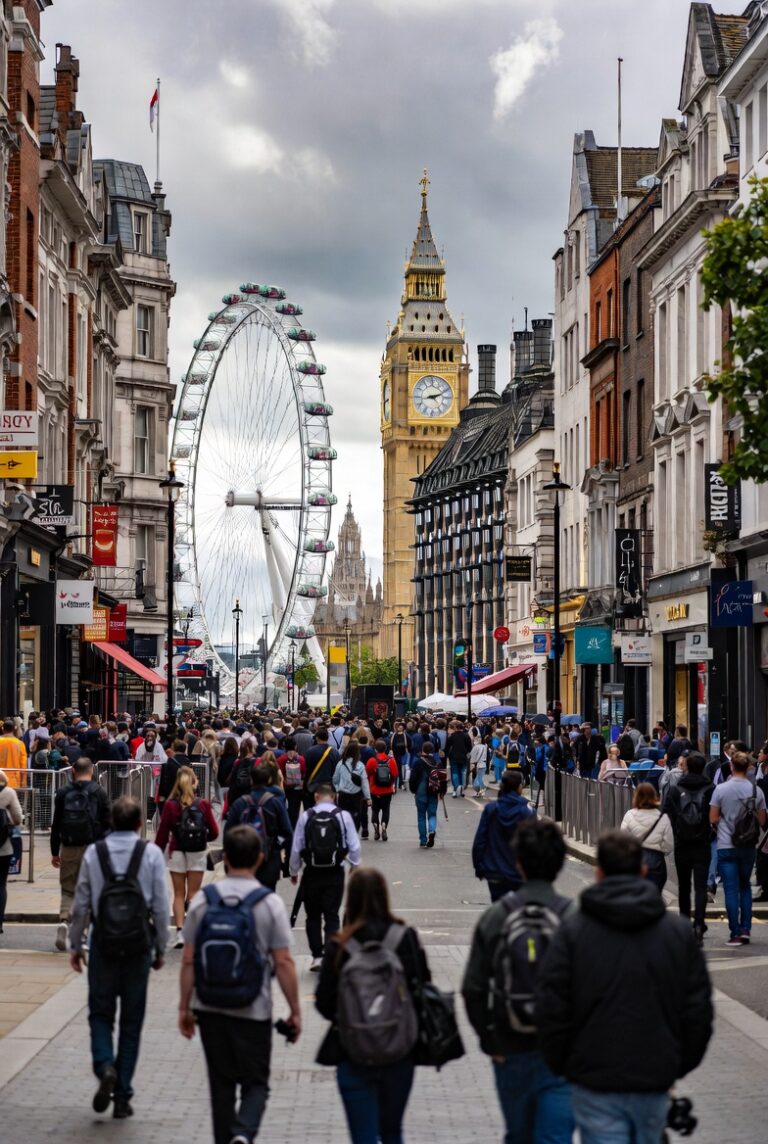
For many visitors, walking becomes the best way to travel around London when destinations sit close together. Central areas compress landmarks, streets, and neighborhoods into walkable clusters. Instead of navigating stations and transfers, walking keeps movement simple and predictable. For short distances, it often feels easier than any form of transport.
How Walking Helps You Get Around London More Naturally
Walking allows travelers to move through London without constantly checking routes or signs. Streets connect logically, and landmarks provide natural orientation. This makes walking one of the easiest ways to get around London when exploring dense areas. Movement feels intuitive rather than planned, which reduces mental effort throughout the day.
Walking works best when nearby neighborhoods connect naturally, especially in central areas where streets, attractions, and public spaces flow together without the need for constant transport. To understand how these areas link on foot, this Central London walkable areas map helps visualize where walking becomes the most practical choice.
When Walking Beats Public Transport
In many central districts, walking outperforms transport in both time and comfort. Entering stations, waiting on platforms, and exiting at the destination can take longer than simply walking. For visitors deciding on the best way to get around London, walking often wins for journeys under a few kilometers.
Why Walking Changes How London Feels
Traveling on foot keeps visitors connected to the city’s surface life. Streets reveal local rhythms, architecture, and everyday activity. This connection shapes how people experience London. Walking transforms travel from a task into part of the visit, which is why it plays a central role in choosing the best way to travel around London.
How Walking Supports a Balanced Travel Plan
Walking works best when combined with other transport methods. Long distances can be covered efficiently, while walking handles local exploration. This balance allows visitors to move smartly without fatigue. Using walking as part of the overall strategy improves how people get around London across multiple days.
Why Walking Reduces Travel Stress
Choosing walking removes many common travel concerns. There is no need to worry about missing stops or choosing the wrong line. For visitors seeking the easiest way to get around London, walking offers predictability and control. This sense of calm helps maintain energy and confidence.
The view was amazing. Went early in the morning. It wasnt crowded. So it was really nice to walk around and take in the sights.
Read more reviews at Tripadvisor.
How Walking Improves Spatial Awareness
Walking builds a clear understanding of how areas connect. Neighborhoods stop feeling isolated and start feeling linked. Over time, travelers rely less on navigation tools. This awareness helps visitors make better decisions about the best way to travel around London as the trip progresses.
When Walking Should Be Paired With Transport
Walking works best within defined areas. When distances stretch, switching to public transport preserves energy. Smart travel comes from knowing when to walk and when to ride. This flexibility defines the most practical way to get around London without exhaustion.
How Weather and Timing Influence Walking Decisions
Weather and time of day affect walking comfort. Mild conditions make walking ideal. During heavy rain or late hours, combining short walks with transport feels safer and easier. Adjusting plans based on conditions supports a smoother experience of getting around London.
Why Walking Remains Central to London Travel
No matter how visitors choose to move, walking always plays a role. It links transport stops to destinations and connects experiences along the way. For this reason, walking remains one of the most reliable and natural parts of the best way to travel around London.
The London Underground as the Backbone of City Travel

Why the Underground Forms the Core of London Travel
For most visitors, the Underground becomes the foundation of how they get around London. It connects distant areas quickly and allows travelers to cross the city without needing to understand every street or neighborhood. When people search for the best way to travel around London, they usually expect the Underground to play a major role, and in most cases, it does.
How the Underground Supports Efficient Long-Distance Movement
London covers a large area, and walking alone cannot handle longer distances. The Underground fills this gap by moving people efficiently between zones. It allows visitors to save time and energy when traveling between neighborhoods that would otherwise require long walks or multiple surface routes. This efficiency makes it a reliable option for daily movement.
For travelers who want a clearer, step-by-step understanding of navigating stations, lines, and directions, this guide explains exactly how to use the London Underground.
Why the Underground Can Feel Overwhelming at First
First impressions of the Underground often include confusion. Maps look crowded, station names feel unfamiliar, and multiple lines intersect. This initial complexity causes many visitors to doubt their ability to use it correctly. However, the system becomes manageable once travelers focus on single journeys instead of the entire network.
How Simplicity Emerges With Use
Using the Underground repeatedly builds familiarity quickly. Station layouts follow similar patterns, signage remains consistent, and announcements guide movement clearly. After a few trips, travelers begin to recognize line colors, directions, and station flow. This familiarity turns the Underground into one of the easiest ways to get around London.
When the Underground Is the Best Choice
The Underground works best when covering medium to long distances within the city. It excels at moving between central and outer areas, especially during daytime travel. For visitors deciding on the best way to travel around London, the Underground offers speed and reliability when walking becomes impractical.
Why Short Underground Trips Can Feel Inefficient
Despite its strengths, the Underground is not always the right choice. Short journeys may involve long station corridors and waiting times that outweigh the benefits. In these cases, walking or surface transport often feels simpler. Knowing when not to use the Underground is just as important as knowing when to rely on it.
How Crowd Levels Affect the Experience
Crowding shapes how the Underground feels. Rush hours create tight spaces and faster movement, while off-peak hours feel calmer and more comfortable. Timing trips wisely improves the experience significantly. Visitors who travel outside peak times often find the Underground surprisingly relaxed.
Why the Underground Works Best as Part of a Mix
The Underground performs best when combined with other methods. Using it to reach an area and then walking within that area creates balance. This combination reduces fatigue and keeps travel flexible. It also helps visitors experience the city beyond tunnels and platforms.
How the Underground Builds Travel Confidence
Successfully navigating the Underground builds confidence quickly. Each completed journey reinforces the feeling that London is manageable. This confidence carries into other travel decisions, making the entire trip smoother. Over time, the Underground becomes less intimidating and more empowering.
Understanding the Underground’s Role in Smart Travel
The Underground is not the answer to every journey, but it remains central to most travel plans. Recognizing its strengths and limits helps visitors choose the best way to travel around London without stress or second guessing.
Buses, Overground, and Trains: When to Use Each

Why Surface Transport Often Gets Overlooked
Many visitors focus almost entirely on the Underground and ignore surface transport. This happens because buses and trains feel less predictable at first glance. Routes look complex, and travel times seem harder to estimate. However, for many journeys, surface transport offers one of the most comfortable ways to get around London.
How Buses Fit Into Daily Travel
Buses operate across almost every part of London. They connect neighborhoods directly and run frequently throughout the day. For visitors deciding on the best way to travel around London, buses work especially well for short to medium distances where Underground access feels indirect or inconvenient.
Why Buses Feel More Relaxed Than the Underground
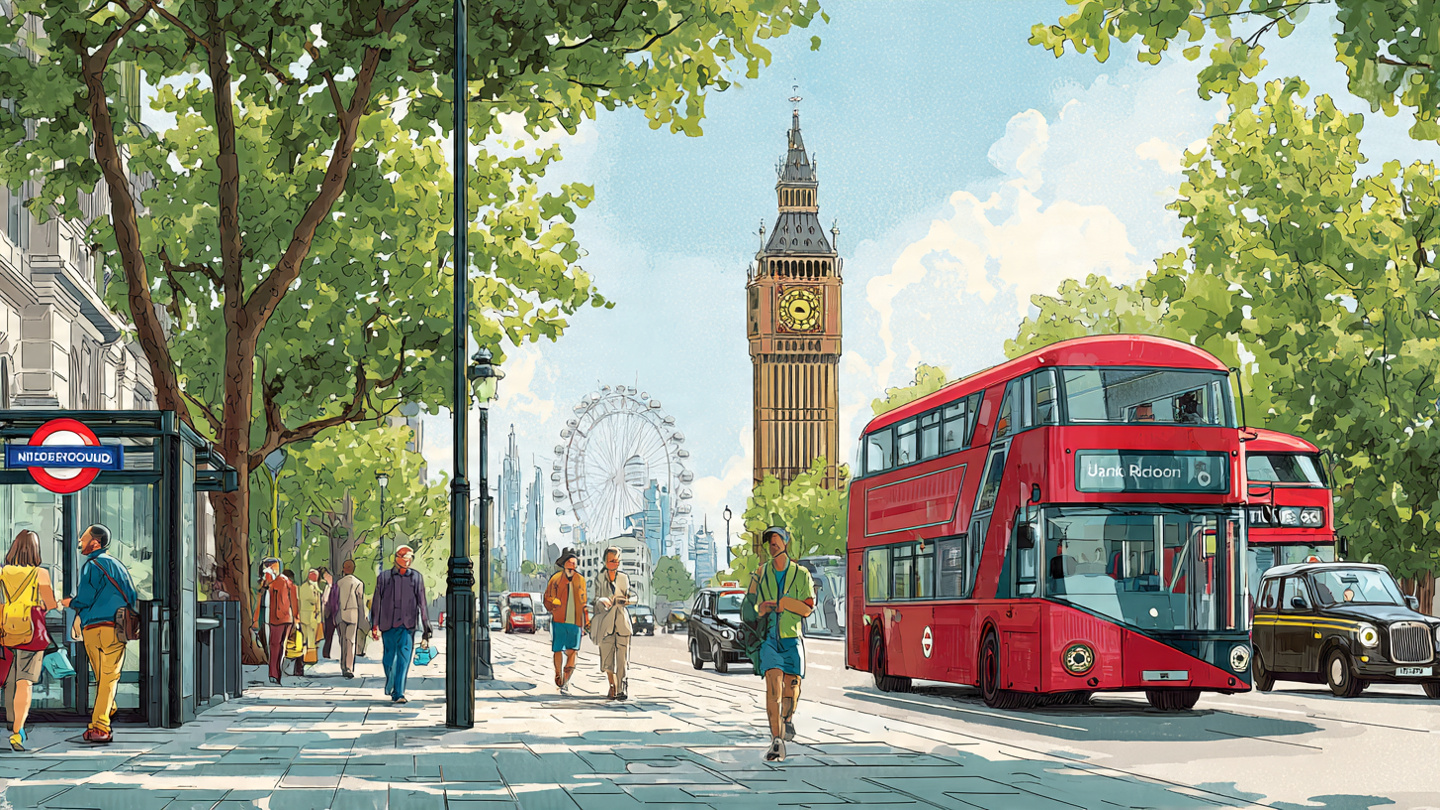
Buses allow travelers to stay above ground, see the city, and avoid crowded platforms. Seating is often easier to find, and movement feels slower and calmer. This makes buses appealing after long walking days or when travelers want a break from navigating stations.
When Buses Make the Most Sense
Buses work best for journeys within the same general area or along direct routes. They are particularly useful in central districts where traffic moves steadily and stops sit close together. For visitors learning how to get around London, buses often feel more intuitive than underground lines.
Understanding the Role of the London Overground
The Overground connects areas that sit outside traditional central routes. It links neighborhoods that the Underground does not serve directly. For travelers staying in outer zones, the Overground becomes a key part of daily movement and often provides a smoother experience than expected.
Why Overground Travel Feels Different
Overground stations feel more open, and trains tend to be less crowded than central Underground lines. Journeys feel less compressed, and station layouts feel easier to navigate. This makes the Overground a comfortable option for visitors unfamiliar with the city.
When Trains Are the Better Choice
National Rail trains operate alongside other transport options and serve longer routes within Greater London. They work well for traveling between major hubs or reaching outer neighborhoods quickly. In some cases, trains offer the fastest way to get around London without transfers.
How Trains Support Efficient Movement
Trains run less frequently than buses or Underground services, but they cover longer distances in shorter time frames. This efficiency helps when crossing large sections of the city. Travelers who understand when to use trains reduce unnecessary complexity in their routes.
Choosing Between Buses, Overground, and Trains
The best way to travel around London often depends on direction rather than distance. Surface transport works best when routes align naturally with the journey. Choosing the simplest option instead of the fastest one usually results in a smoother experience.
How Surface Transport Complements Other Methods
Buses, Overground, and trains work best when combined with walking and Underground travel. Using each method where it performs best creates balance. This flexible approach helps visitors move confidently and comfortably throughout London.
Taxis and Ride Services: Useful but Often Overused

Why Taxis Feel Like the Easiest Option at First
Many visitors see taxis as the simplest way to get around London because they remove the need for planning. You enter, give a destination, and arrive without thinking about routes or transfers. When people feel tired or overwhelmed, taxis feel like the safest choice. However, convenience does not always equal efficiency in London.
How Traffic Changes the Experience
London traffic can be unpredictable, especially in central areas. Congestion slows movement and turns short journeys into long rides. What seems like the best way to travel around London on paper can quickly become frustrating when cars move slower than pedestrians. This is why taxis rarely offer time savings in busy zones.
When Taxis Actually Make Sense
Taxis work best late at night, when carrying luggage, or when traveling in groups. They also help when destinations sit far from stations or require multiple transfers. In these situations, taxis reduce complexity and provide comfort without unnecessary stress.
Why Ride Services Are Not Always Faster
App based ride services face the same traffic conditions as taxis. Pickup locations can add delay, and surge pricing can increase costs quickly. For visitors focused on finding the easiest way to get around London, relying on ride services during peak hours often creates more problems than solutions.
How Cost Adds Up Without Notice
Short taxi trips feel affordable, but repeated use increases expenses quickly. Compared to public transport, taxis represent one of the most expensive ways to move around London. Visitors who rely on them too often usually notice budget strain before the trip ends.
Why Taxis Work Best as a Backup Option
Instead of treating taxis as a primary method, using them as a backup creates balance. They help when energy drops or when plans change unexpectedly. This mindset keeps costs controlled while preserving flexibility.
How Taxis Affect the Overall Travel Rhythm
Using taxis too often disconnects travelers from the city’s flow. Streets become something you pass through rather than experience. While this may feel efficient, it reduces orientation and awareness over time. Mixing taxis with walking and public transport maintains a healthier rhythm.
When Comfort Should Take Priority
There are moments when comfort matters more than efficiency. Long days, late nights, or weather challenges justify taxi use. Choosing comfort intentionally rather than automatically helps maintain a positive travel experience.
Understanding the Limits of Car Based Travel
London is not designed for heavy car movement in central areas. Narrow streets, pedestrian zones, and traffic controls limit speed. Recognizing these limits helps visitors make smarter decisions about the best way to travel around London.
Using Taxis Strategically Instead of Habitually
Strategic use of taxis supports smoother travel days. Habitual use creates delays and unnecessary costs. Visitors who treat taxis as one tool among many move with greater confidence and control.
Choosing the Best Way to Travel Based on Your Trip Style

Why Travel Style Matters More Than Distance
Many visitors focus only on distance when choosing how to move around London. In reality, travel style plays a much bigger role. A relaxed sightseeing day requires different movement than a tightly scheduled visit. Understanding your pace and priorities helps determine the best way to travel around London without unnecessary pressure.
Choosing the right payment method also affects how smooth daily travel feels, and this comparison explains the differences between Oyster and contactless in London.
How Slow Explorers Should Move Around the City
Travelers who enjoy wandering, photography, and spontaneous stops benefit most from walking combined with short transport hops. Staying at street level allows these visitors to experience neighborhoods fully. For this travel style, the best way to get around London emphasizes flexibility rather than speed.
How Fast-Paced Sightseers Should Choose Transport
Visitors with limited time often prioritize efficiency. The Underground and trains support quick movement between distant areas. Walking then fills the gaps within each location. This combination allows fast paced travelers to cover more ground without feeling rushed or disoriented.
Why Comfort-Focused Travelers Need Balance
Some travelers value comfort over exploration speed. They prefer fewer transfers, more seating, and smoother journeys. Buses, Overground services, and occasional taxis work well for this group. Choosing the easiest way to get around London keeps energy levels stable throughout the trip.
How Travelers With Fixed Schedules Should Plan Movement
Tours, tickets, and reservations create time pressure. In these cases, predictability matters more than flexibility. Using reliable routes and allowing buffer time reduces stress. For scheduled days, the best way to travel around London prioritizes consistency over spontaneity.
Why Flexible Travelers Benefit From Mixed Options
Visitors with open schedules can adapt travel methods throughout the day. Walking in the morning, public transport midday, and taxis at night creates balance. This adaptability leads to smoother days and fewer frustrations.
How Energy Levels Should Guide Transport Choices
Travel decisions should reflect how you feel, not just where you are going. Fatigue changes how transport feels. Walking that felt enjoyable in the morning may feel exhausting later. Adjusting methods based on energy keeps travel enjoyable.
Why There Is No Single Correct Combination
Different days require different approaches. A museum day feels different from a market day. The best way to travel around London changes accordingly. Accepting this variability prevents rigid planning and disappointment.
Matching Transport to Experience Goals
Some experiences require presence and time, while others require efficiency. Choosing transport that supports the experience rather than competes with it leads to better memories. Travel should enhance the visit, not dominate it.
Using Self Awareness to Travel Smarter
Knowing your preferences helps simplify decisions. When travelers understand their style, choosing how to get around London becomes intuitive instead of stressful.
Best Way to Travel Around London for First-Time Visitors

Why First-Time Visitors Feel Uncertain About Transport
First-time visitors often feel unsure because London presents too many options at once. Underground lines intersect, buses run everywhere, and walking distances are hard to judge before arrival. This uncertainty makes people worry about making mistakes. In reality, most first-time travel challenges come from overthinking rather than poor choices.
A lot of that uncertainty begins at the airport, because the first route into London sets the tone for the whole trip. This London airport transport guide explains the main options from each airport and helps first-time visitors choose a calm, practical arrival route without overthinking it.
Why Simplicity Matters More Than Optimization
For first-time visitors, trying to optimize every journey creates stress. The best way to travel around London during a first visit focuses on simplicity. Choosing clear, familiar methods builds confidence quickly. Once confidence grows, flexibility follows naturally.
For visitors arriving by air, understanding the first journey into the city sets the tone for the entire trip, and this guide explains how to travel from Heathrow to central London.
How a Simple Combination Works Best
A combination of walking and public transport works best for most first-time visitors. Walking handles nearby exploration, while the Underground or buses cover longer distances. This mix prevents exhaustion and keeps movement predictable. It also allows visitors to experience the city gradually rather than rushing through it.
Why Central Areas Feel Easier for Beginners
Central London offers dense transport coverage and walkable neighborhoods. Stations sit close together, and alternative routes exist if plans change. This makes central areas forgiving for first-time visitors. Small mistakes rarely cause major disruption, which reduces anxiety.
How First-Time Visitors Should Approach the Underground
The Underground can feel intimidating, but it becomes manageable when used one journey at a time. First-time visitors benefit from focusing only on the route they need rather than the full system. This approach keeps the Underground from feeling overwhelming and supports smoother travel days.
Why Walking Builds Confidence Quickly
Walking helps first-time visitors understand how areas connect. Seeing streets and landmarks in sequence creates orientation. Over time, London feels smaller and more familiar. This growing awareness improves decision making about the best way to get around London.
How Buses Help First-Time Visitors Feel Oriented
Buses keep travelers above ground and provide visual context. Seeing the city pass by helps connect places mentally. For beginners, buses often feel more intuitive than underground lines, especially for short journeys.
We had a fabulous time today touring Oxford and the Cotswolds with Giles as our local tour guide. He is very personable and quite knowledgeable. I have been looking forward to visiting these destinations and our tour with Day Tours London did not disappoint. I will certainly be booking with them again
Read more reviews at Tripadvisor.
When First-Time Visitors Should Avoid Certain Options
Taxis and ride services may feel easy but can create delays in busy areas. Overusing them reduces exposure to the city’s layout. First-time visitors benefit from relying on public transport and walking before turning to cars.
Why Mistakes Are Part of the Learning Curve
Missing a stop or choosing a slower route happens to everyone. These moments rarely cause real problems. For first-time visitors, accepting small mistakes as part of the experience removes fear and builds confidence.
How Confidence Transforms the Visit
Once first-time visitors feel comfortable moving around, London becomes enjoyable rather than intimidating. Transport fades into the background, and the focus shifts to experiences. This confidence defines the best way to travel around London for any first visit.
Common Travel Mistakes That Make London Feel Harder Than It Is

Trying to Use Only One Transport Method
One of the most common mistakes visitors make is committing to a single way of moving around London. Some rely only on the Underground, while others try to walk everywhere. London works best when transport methods are mixed. Using only one option limits flexibility and often creates unnecessary stress.
Many of these habits come from broader planning assumptions, which are explained clearly in London travel mistakes to avoid.
Overplanning Every Journey in Advance
Many travelers plan every route before arriving, expecting plans to unfold exactly as imagined. London rarely cooperates with rigid planning. Small delays, weather changes, or unexpected discoveries shift the day naturally. Overplanning makes these changes feel like failures rather than normal adjustments.
Ignoring Walking as a Serious Option
Walking often gets treated as something to do only when transport fails. This mindset leads visitors to miss easy, enjoyable routes. Short underground trips and unnecessary transfers add complexity. Walking should be viewed as a primary tool, not a backup.
Misjudging Distances Between Areas
London distances look shorter on maps than they feel in reality. Visitors often assume areas are closer than they are and underestimate travel time. This leads to rushed schedules and fatigue. Understanding that London spreads outward helps set realistic expectations.
Using Taxis During Busy Periods
Taxis feel convenient, but heavy traffic turns them into slow and costly choices during peak hours. Visitors who rely on taxis in central areas often feel frustrated by delays. Public transport usually moves faster and more predictably during busy times.
Expecting the Underground to Be the Best Option Every Time
The Underground plays a major role, but it does not suit every journey. Short distances, crowded periods, and surface level exploration often work better without it. Treating the Underground as the default solution creates missed opportunities for easier travel.
Focusing Too Much on Speed
Speed driven decisions often reduce enjoyment. Choosing the fastest route sometimes leads to crowded stations, long corridors, and mental fatigue. Slightly slower options frequently feel calmer and more rewarding. The best way to travel around London balances efficiency with comfort.
Avoiding Flexibility When Plans Change
Plans change often in London. Weather, crowds, or spontaneous discoveries shift priorities. Visitors who resist adapting feel stressed, while those who adjust easily enjoy smoother days. Flexibility is more valuable than perfect routing.
Comparing London Too Closely With Other Cities
Visitors often expect London to behave like other major cities they have visited. These comparisons create unrealistic expectations. London follows its own rhythm and structure. Accepting this uniqueness makes navigation feel easier and less frustrating.
Letting Early Confusion Define the Entire Trip
Early mistakes can shape how visitors feel about transport for the rest of the trip. Allowing initial confusion to dominate perception creates unnecessary fear. Most travelers adapt quickly once they gain a little experience. Confidence builds faster than expected.
Final Thoughts on Traveling Around London With Confidence

Why Confidence Matters More Than Perfect Planning
The biggest difference between a stressful London trip and an enjoyable one is confidence. Perfect planning rarely survives real travel conditions. Confidence allows visitors to adapt without frustration. When travelers feel comfortable making decisions on the go, London stops feeling overwhelming and starts feeling intuitive.
How Confidence Develops Naturally Over Time
Confidence does not appear immediately. It grows through small successes. Completing a journey, finding the right exit, or choosing to walk instead of overthinking builds trust in your ability to navigate the city. Each decision reinforces the feeling that London is manageable.
Why Getting Lost Is Rarely a Problem
Getting lost in London rarely means being truly lost. Streets are well connected, signs are clear, and transport options remain nearby. Small detours often lead to unexpected discoveries. Accepting this removes fear and encourages exploration rather than hesitation.
How Letting Go Improves the Experience
Trying to control every movement creates tension. Letting go of rigid expectations improves the overall experience. London rewards curiosity and flexibility. When travelers stop chasing the perfect route, they start enjoying the journey itself.
Why There Is No Single Best Answer
The best way to travel around London changes depending on the day, energy levels, weather, and plans. What works in the morning may not work at night. Accepting that there is no single correct method allows travel to feel fluid rather than forced.
How Smart Choices Become Automatic
As familiarity grows, decisions require less effort. Travelers begin to recognize when to walk, when to use public transport, and when to rest. These choices happen naturally without constant planning. This ease defines confident travel.
Why London Becomes Easier With Each Day
London often feels complex on the first day and surprisingly simple by the third. Patterns emerge, neighborhoods connect, and transport options feel familiar. This progression reassures visitors that early uncertainty is temporary.
How Transport Stops Being the Focus
When confidence takes over, transport fades into the background. Movement becomes a tool rather than a concern. Attention shifts to experiences, places, and moments instead of routes and schedules. This shift marks a successful London visit.
Why Flexibility Is the True Advantage
Flexibility allows travelers to respond rather than react. It supports spontaneous decisions and protects energy. London favors travelers who remain open to adjustment. This mindset makes every method of travel feel easier.
Traveling Through London With Ease
Traveling around London does not require mastery. It requires openness, awareness, and patience. When visitors trust themselves and stay flexible, the city reveals its rhythm naturally. Confidence, more than any transport choice, defines the best way to travel around London.
Frequently Asked Questions
General Travel Questions
The best way depends on distance and daily plans. Most visitors combine walking with public transport to move efficiently without feeling rushed or overwhelmed.
London feels complex at first, but it becomes manageable quickly. Clear signage, frequent transport, and walkable areas help first-time visitors gain confidence within a few days.
Planning helps, but overplanning causes stress. London travel works best when visitors allow flexibility and adjust routes as the day unfolds.
Public Transport Questions
The Underground is fast for longer distances, but it is not always the quickest option for short trips. Walking or buses can be more efficient within central areas.
Buses work well for short and medium journeys and help visitors stay oriented by keeping them above ground. They are often more relaxed than the Underground.
Yes. Trains and Overground services are useful for reaching outer neighborhoods and traveling longer distances across the city.
Walking and Comfort Questions
Walking is safe in most tourist areas and is often the easiest way to explore nearby neighborhoods. It also helps visitors understand how the city connects.
Most visitors walk more than expected. Mixing walking with public transport helps manage energy and prevents fatigue.
Cost and Convenience Questions
Taxis are useful at night or when carrying luggage, but they are slow and expensive during busy periods. They work best as an occasional option.
Common mistakes include relying on one transport method, underestimating distances, and using taxis during peak traffic hours.