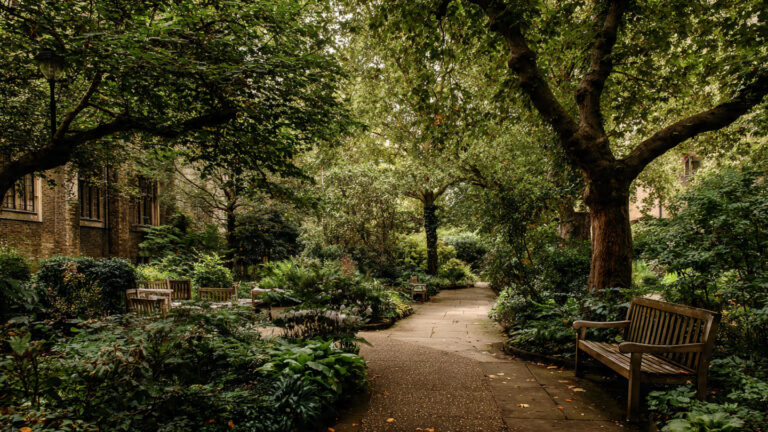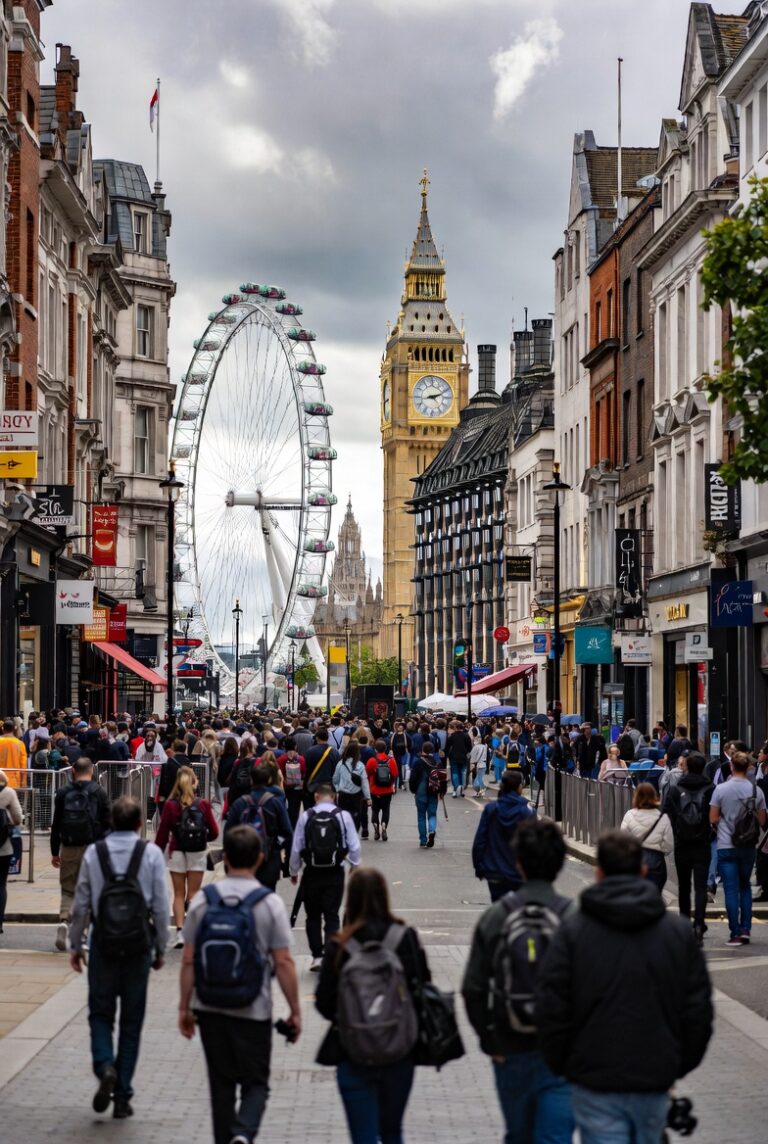

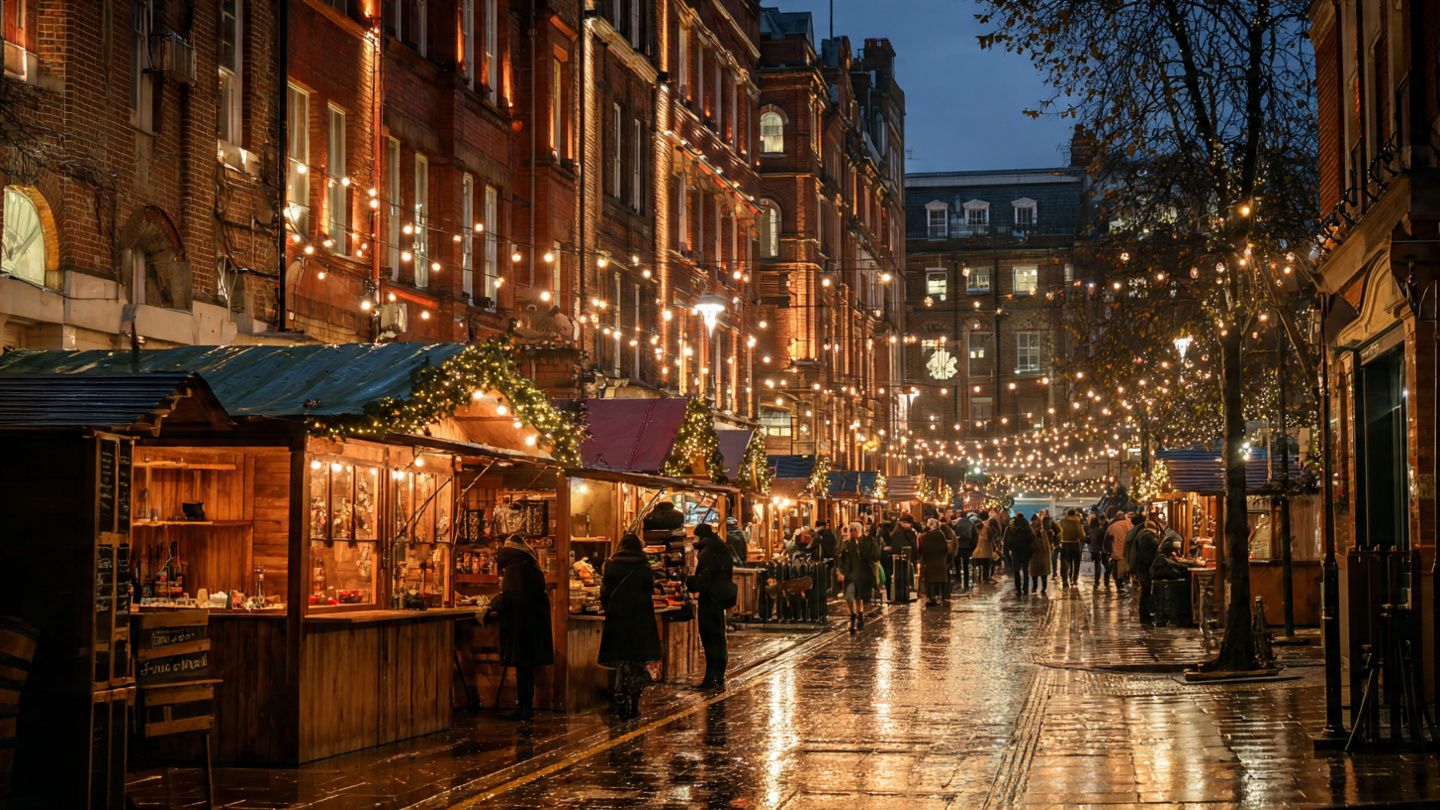
Christmas markets in London do not exist in isolation. They grow out of the city’s everyday streets, public squares, parks, and riverside walkways. Instead of being placed in one historic town square like in many European cities, London’s festive markets spread across different neighborhoods. This gives each market a distinct personality shaped by its surroundings rather than a single, uniform style.
London is not a city with one center. It is a collection of villages that expanded and connected over time. Christmas markets reflect this structure. Some feel lively and theatrical, others quiet and local, and a few feel more like winter festivals than traditional markets. This variety is one of the main reasons the experience feels different from city to city, and even from market to market.
For a broader look at how seasonal and year-round markets shape the city’s shopping culture, explore the complete guide to best markets in London.
A Blend of British Traditions and International Influence
London’s Christmas markets combine local seasonal customs with global influences. British winter traditions such as mulled wine, roasted chestnuts, and festive sweets mix naturally with European, Asian, and Middle Eastern flavors. This reflects how London eats and celebrates year-round, only amplified during the festive season.
Visitors often notice that many stalls feel familiar even when the products are not traditionally British. The atmosphere balances novelty with comfort. This makes the markets approachable for first-time visitors while still offering enough variety to keep repeat visitors interested. The result is an experience that feels festive without feeling staged.
Markets That Prioritize Experience Over Shopping
In London, Christmas markets are rarely just about buying gifts. They are places where people meet friends after work, warm up during winter walks, or spend slow afternoons browsing without pressure to buy. Food, drink, music, and lighting often matter more than retail.
This emphasis on atmosphere changes how people move through the markets. Instead of quickly scanning stalls, visitors tend to linger. They stop for hot drinks, watch performers, and enjoy the setting. This slower pace creates a sense of occasion, even in busy locations, and makes the experience feel more like an event than a shopping trip.
The Role of Temporary and Pop-Up Markets
Another reason London’s Christmas markets feel unique is their temporary nature. Many appear for only a few weeks each year and disappear completely afterward. Some return annually in the same locations, while others move or change format. This creates a feeling of urgency that encourages visitors to explore while they can.
Because space in London is limited and valuable, markets adapt creatively. Some occupy riverside paths, others take over courtyards, parks, or closed streets. This flexibility allows markets to fit naturally into the city rather than forcing the city to adapt to them.
How London’s Pace Shapes the Festive Atmosphere
London remains a working city throughout December. Commuters, shoppers, and tourists all share the same spaces. Christmas markets sit alongside daily routines rather than replacing them. This mix creates a unique energy where festive moments exist within everyday life.
For visitors, this can feel refreshing. Instead of stepping into a completely separate holiday zone, they experience festive touches woven into real city life. The contrast between busy streets and warm, decorated market spaces makes the festive atmosphere feel earned rather than artificial.
Because festive stalls operate alongside regular evening city life, visitors often notice how quickly the atmosphere shifts after dark. If you are curious about how London’s after-sunset trading works outside the holiday season, the guide to night markets in London explains where evening energy gathers and how it differs from December’s festive version.
When Christmas Markets in London Usually Open and Close
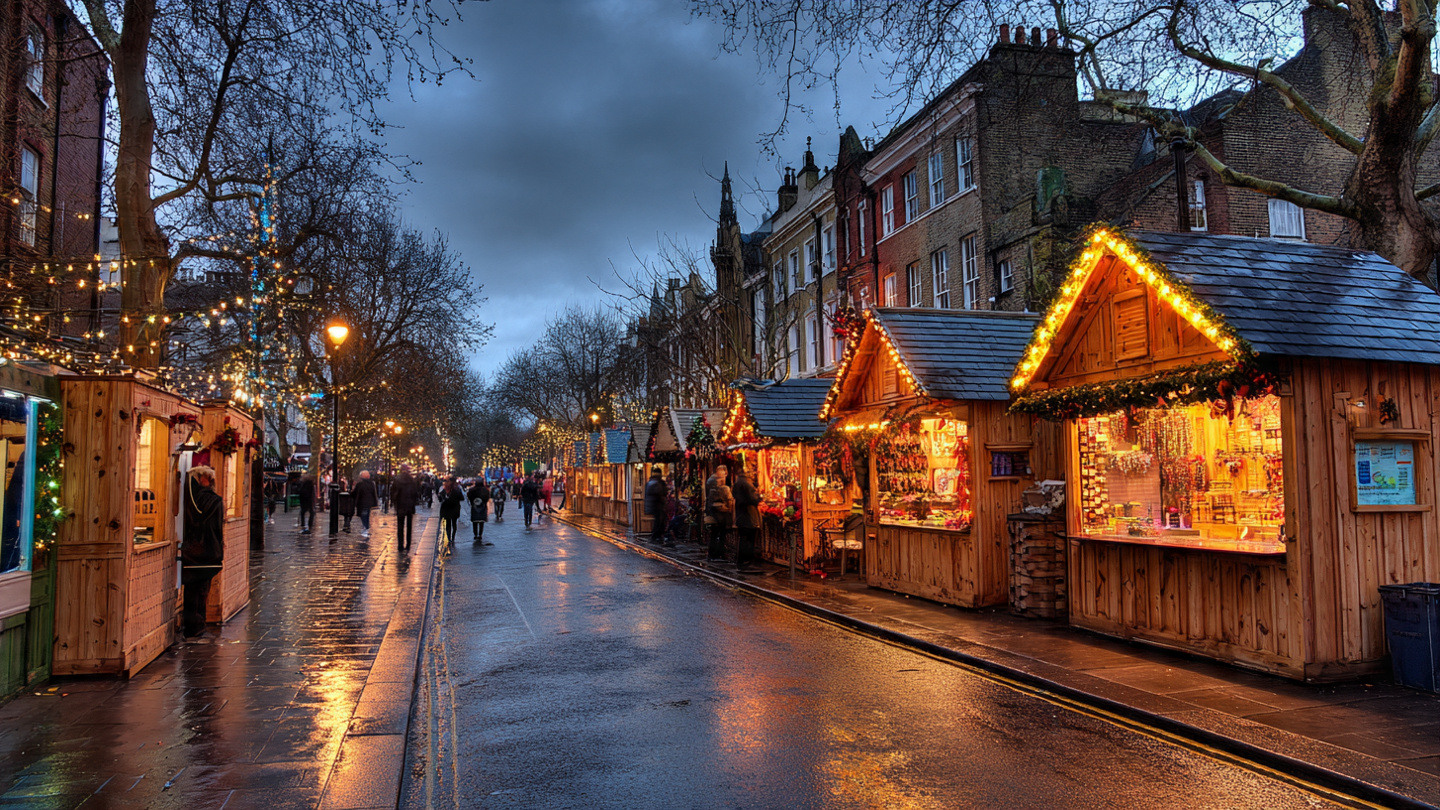
The Typical Seasonal Window for London Christmas Markets
Christmas markets in London usually begin appearing in the second half of November. This timing allows markets to align with early festive shopping, seasonal events, and the gradual shift into winter. While some smaller pop-up markets may open later, most established markets aim to be ready before December begins.
The season typically runs through most of December, with many markets closing shortly before Christmas Day. A smaller number continue into the final days of December or early January, especially those connected to larger winter events. Because London hosts many temporary markets, exact opening and closing dates can change slightly each year.
Why London Markets Open Earlier Than Expected
Many visitors assume Christmas markets only appear in December. In London, that assumption often leads to missed experiences. The city’s size and visitor demand encourage markets to open earlier than in smaller destinations. Opening in November spreads crowds and allows locals to visit before peak holiday congestion.
Early openings also match London’s broader festive calendar. Seasonal lights, winter menus, and holiday events often begin around the same time. Christmas markets become part of a wider seasonal shift rather than a standalone attraction.
Differences Between Early, Peak, and Late Season Visits
Visiting Christmas markets in London feels different depending on when you go. Late November often offers a calmer atmosphere. Crowds are lighter, queues are shorter, and browsing feels more relaxed. This period suits visitors who want atmosphere without pressure.
Early to mid-December is the busiest time. Markets feel lively, energetic, and sometimes crowded. This is when decorations, performances, and food stalls are fully active. Visitors who enjoy festive buzz and social energy often prefer this period, even with longer waits.
Late December visits feel quieter again, though fewer markets remain open. Some stalls reduce hours or simplify offerings. The atmosphere becomes more reflective than celebratory, which appeals to visitors who prefer a slower pace.
How Weather Influences Market Timing and Experience
Winter weather plays a role in how long markets operate and how they feel. London winters are generally mild compared to many European cities, but rain, wind, and cold evenings still affect foot traffic. Markets plan their schedules with flexibility, adjusting hours or layouts if conditions change.
For visitors, this means timing matters. Afternoon visits often feel more comfortable, while evenings offer better lighting and atmosphere but colder conditions. Understanding this balance helps visitors plan visits that feel enjoyable rather than rushed.
Why Exact Dates Change Every Year
Unlike permanent attractions, Christmas markets depend on permits, site availability, and event coordination. Because of this, dates are not fixed far in advance. Even long-running markets may adjust opening days, closing days, or weekly schedules.
This variability is normal in London. Visitors benefit from viewing dates as seasonal ranges rather than fixed commitments. Planning with flexibility allows you to adapt without disappointment and enjoy whichever markets align with your travel window.
Traditional Christmas Markets in Central London
Why Central London Hosts the Most Recognizable Christmas Markets
Central London is where most visitors encounter their first Christmas markets. These locations sit close to major landmarks, transport hubs, and shopping areas, making them easy to reach and hard to miss. The concentration of foot traffic creates a lively atmosphere that feels immediately festive, especially for travelers visiting London for a short time.
Christmas markets are not the only places where London feels festive in winter. Many of the city’s shopping streets become part of the seasonal atmosphere through lights, window displays, and late-night crowds. If you want to plan your Christmas trip around both markets and street-based shopping districts, this guide to street shopping in London shows the best areas to walk and browse.
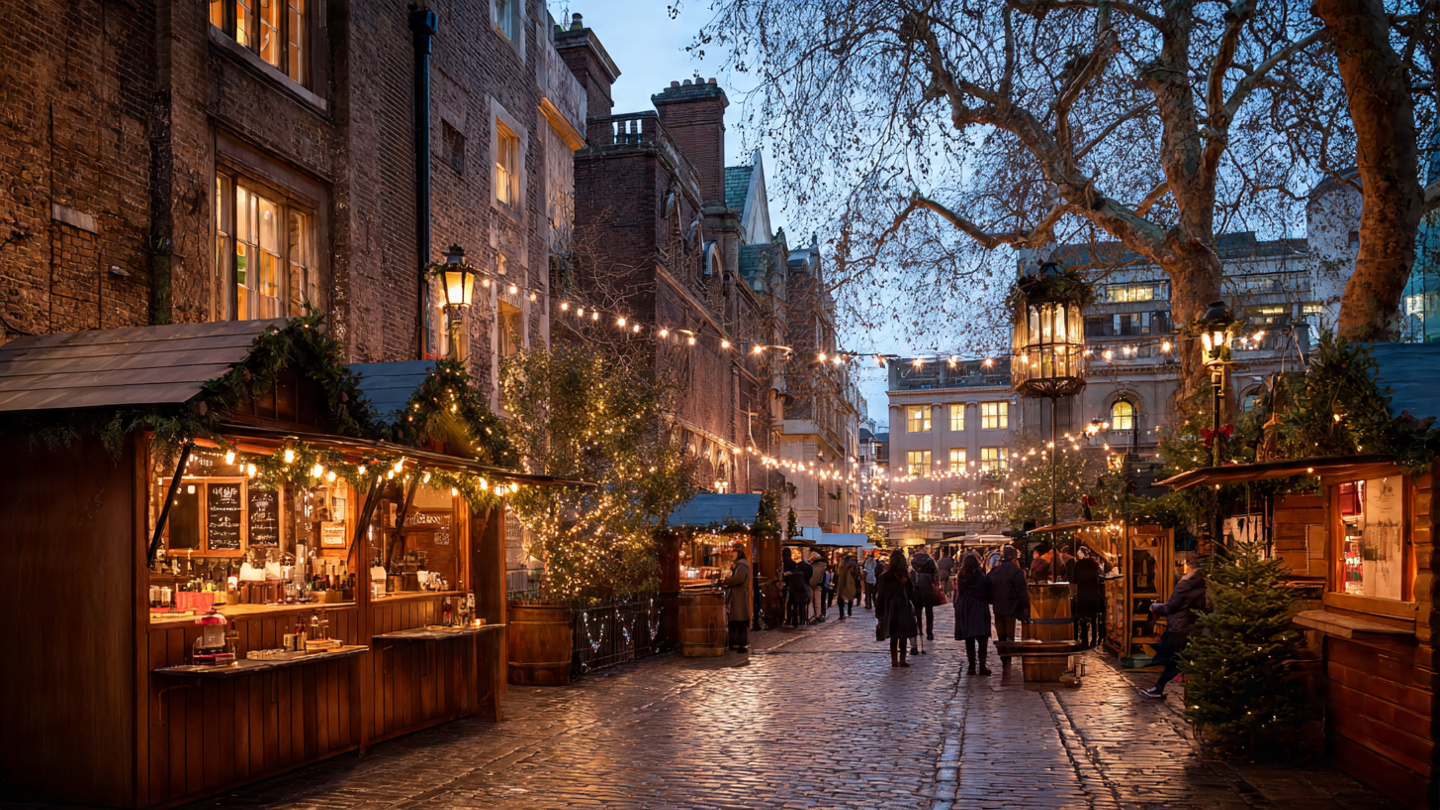
Traditional markets in central areas often serve as introduction points. They reflect what many people imagine when they think of Christmas markets, with wooden stalls, warm lighting, and seasonal decorations. While these markets can be busy, they deliver a reliable festive experience that aligns closely with visitor expectations.
Traditional Christmas markets in central London tend to cluster around busy public spaces where festive stalls blend naturally into everyday city life. These areas are easy to reach, close to major attractions, and often form part of a wider evening walk through the city. To understand how central locations shape the festive experience, it helps to see where these markets typically appear on the map.
The Role of Public Squares and Open Spaces
Many central Christmas markets take place in public squares, courtyards, or wide pedestrian areas. These spaces allow stalls to cluster naturally without blocking everyday movement. The open layouts make markets feel accessible rather than enclosed, even during peak hours.
Public spaces also allow markets to blend into their surroundings. Office workers, shoppers, and tourists pass through together, creating a mix of local and visitor energy. This interaction adds authenticity and prevents the markets from feeling isolated from the city.
What Makes These Markets Feel Traditional
The sense of tradition comes less from history and more from presentation. Wooden stalls, evergreen decorations, soft lighting, and seasonal music create familiarity. Vendors often focus on classic festive items such as winter snacks, handmade gifts, and simple decorations rather than experimental products.
Food offerings tend to emphasize comfort. Warm drinks, baked goods, and hearty snacks dominate menus. Even when flavors vary, the emphasis remains on warmth and familiarity. This consistency helps visitors feel grounded, especially if they are navigating the city for the first time.
Crowd Levels and How They Shape the Experience
Central London Christmas markets attract large crowds, especially in December. This affects how people move through the space. Browsing becomes slower, and spontaneous stops are common. While this can feel overwhelming, it also contributes to the sense of shared celebration.
Visitors who enjoy busy, energetic environments often appreciate this intensity. Those who prefer quieter experiences may find central markets more enjoyable earlier in the season or during weekday afternoons. Understanding crowd patterns helps visitors choose the right moment rather than avoiding these markets entirely.
Accessibility and Transport Advantages
One reason central markets remain popular is accessibility. They are usually close to underground stations, major bus routes, and walkable attractions. Visitors rarely need to plan special journeys to reach them, which lowers the effort required to include a market visit in a busy itinerary.
This ease of access makes central markets ideal for short visits. Travelers can combine shopping, sightseeing, and dining without committing a full day to a single activity. For many visitors, this convenience outweighs the downsides of crowds.
Expectations Versus Reality for First-Time Visitors
First-time visitors often arrive expecting a large, continuous market similar to those found in some European cities. In London, traditional Christmas markets are often smaller and more fragmented. Instead of one massive market, visitors encounter multiple compact markets scattered across central areas.
This difference can surprise travelers, but it also encourages exploration. Moving between markets becomes part of the experience. Visitors who adjust their expectations tend to enjoy the variety and discover festive moments in unexpected places.
For those drawn to handcrafted gifts and retro finds during the holidays, this curated overview of vintage markets in London highlights year-round options with similar browsing appeal.
Winter Wonderland Hyde Park and How It Differs From Other Christmas Markets
Why Winter Wonderland Feels Like a Category of Its Own
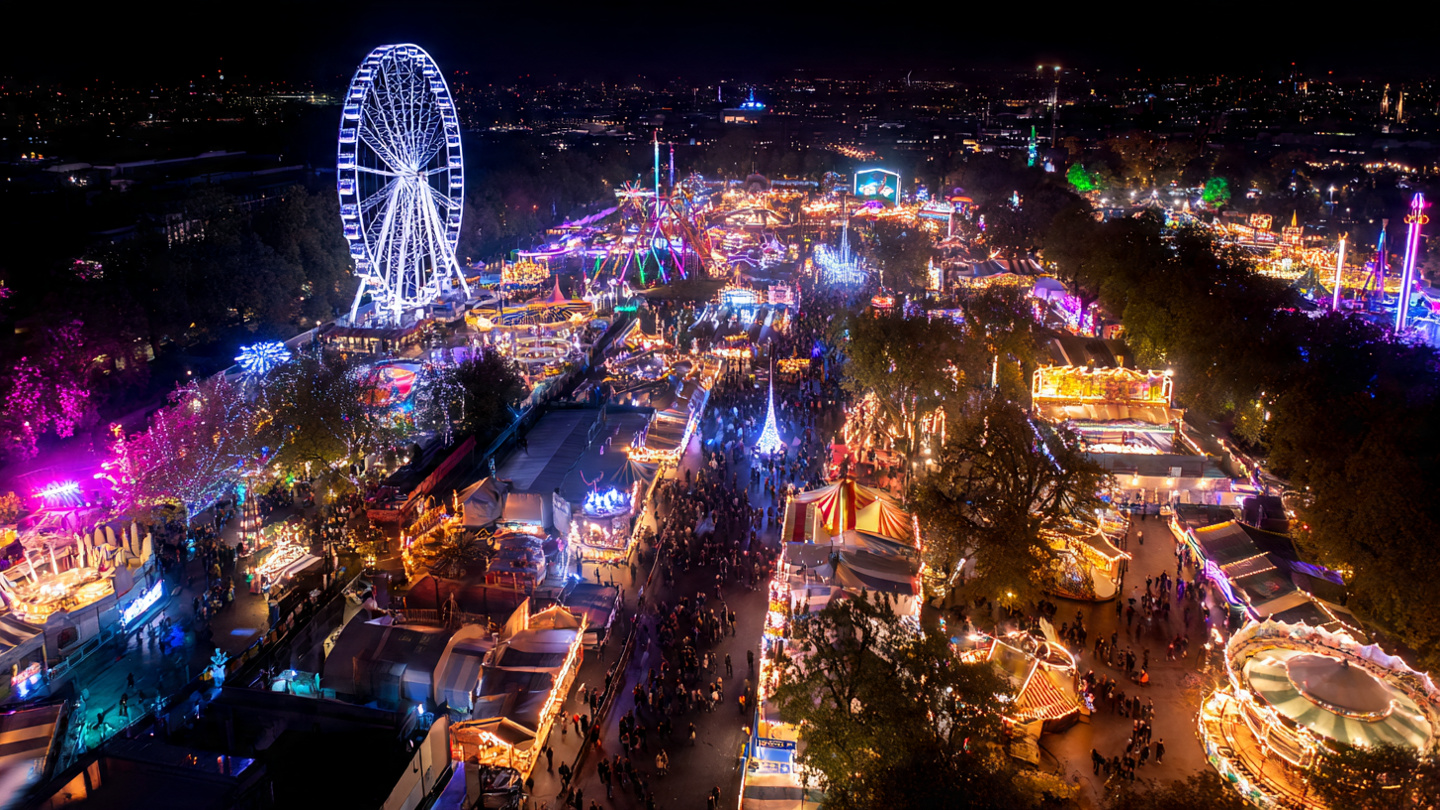
Winter Wonderland in Hyde Park is often grouped with Christmas markets, but the experience operates on a much larger scale. Unlike traditional markets that focus mainly on stalls and atmosphere, this event functions as a full winter festival. Markets exist within it, but they are only one part of a broader entertainment setup.
Visitors who arrive expecting a quiet market experience are often surprised. The space includes rides, shows, themed areas, and large crowds moving continuously through the park. Understanding this difference before visiting helps avoid mismatched expectations and allows visitors to decide whether it fits their travel style.
The Market Areas Inside Winter Wonderland
Within Winter Wonderland, market-style stalls are spread across different zones rather than concentrated in one compact area. These stalls often sell festive gifts, seasonal snacks, and winter drinks. While the visual style aligns with traditional Christmas markets, the setting feels more commercial and energetic.
The markets here prioritize volume and variety. Stalls are designed to serve large numbers of visitors quickly. This creates efficiency but reduces the slower browsing experience found in smaller markets. Visitors looking for quick festive shopping often enjoy this setup, while those seeking quiet exploration may prefer other locations.
Brilliant day out. Rides to suit all ages but not appropriate for kids under 3.Huge variety of places to eat and drink. We absolutely loved it.
Read more reviews at Tripadvisor.
Entertainment Takes Priority Over Browsing
What truly separates Winter Wonderland from other Christmas markets is the focus on entertainment. Rides, attractions, and scheduled performances dominate the layout. Music, lighting, and movement are constant, creating a high-energy environment from afternoon through evening.
For many visitors, this is the main appeal. The experience feels immersive and lively, especially after dark. For others, the constant activity can feel overwhelming. Recognizing this balance helps visitors choose how much time to spend there and when to visit.
Crowd Dynamics and Visitor Flow
Winter Wonderland attracts some of the largest crowds of the festive season. Entry systems, timed access periods, and security checks shape how visitors enter and move through the space. Unlike open street markets, access is more controlled.
Once inside, movement tends to be directional. Visitors follow pathways between attractions rather than wandering freely. This structure keeps crowds moving but reduces opportunities for spontaneous discovery. Visitors who prefer structured experiences often find this reassuring, while others may find it restrictive.
Who Winter Wonderland Is Best Suited For
Winter Wonderland works best for visitors who enjoy lively environments and planned activities. Families with older children, groups of friends, and visitors looking for an evening event often find it rewarding. The variety of attractions makes it easy to spend several hours without repetition.
Visitors seeking traditional Christmas market charm may find the experience less satisfying. For those visitors, smaller markets or neighborhood locations usually offer a better fit. Treating Winter Wonderland as a separate experience rather than a typical market helps align expectations.
How to Decide Whether to Include It in Your Trip
Including Winter Wonderland in a London itinerary depends on priorities. Travelers with limited time may choose between this event and smaller markets rather than trying to see everything. Those who enjoy large-scale seasonal events often consider it a highlight, while others prefer spreading their time across multiple locations.
Understanding that Winter Wonderland is entertainment-led rather than market-led allows visitors to make confident decisions. When expectations match reality, the experience feels enjoyable rather than overwhelming.
Smaller and Local-Style Christmas Markets Across London
Why Local Christmas Markets Feel Different From Central Ones
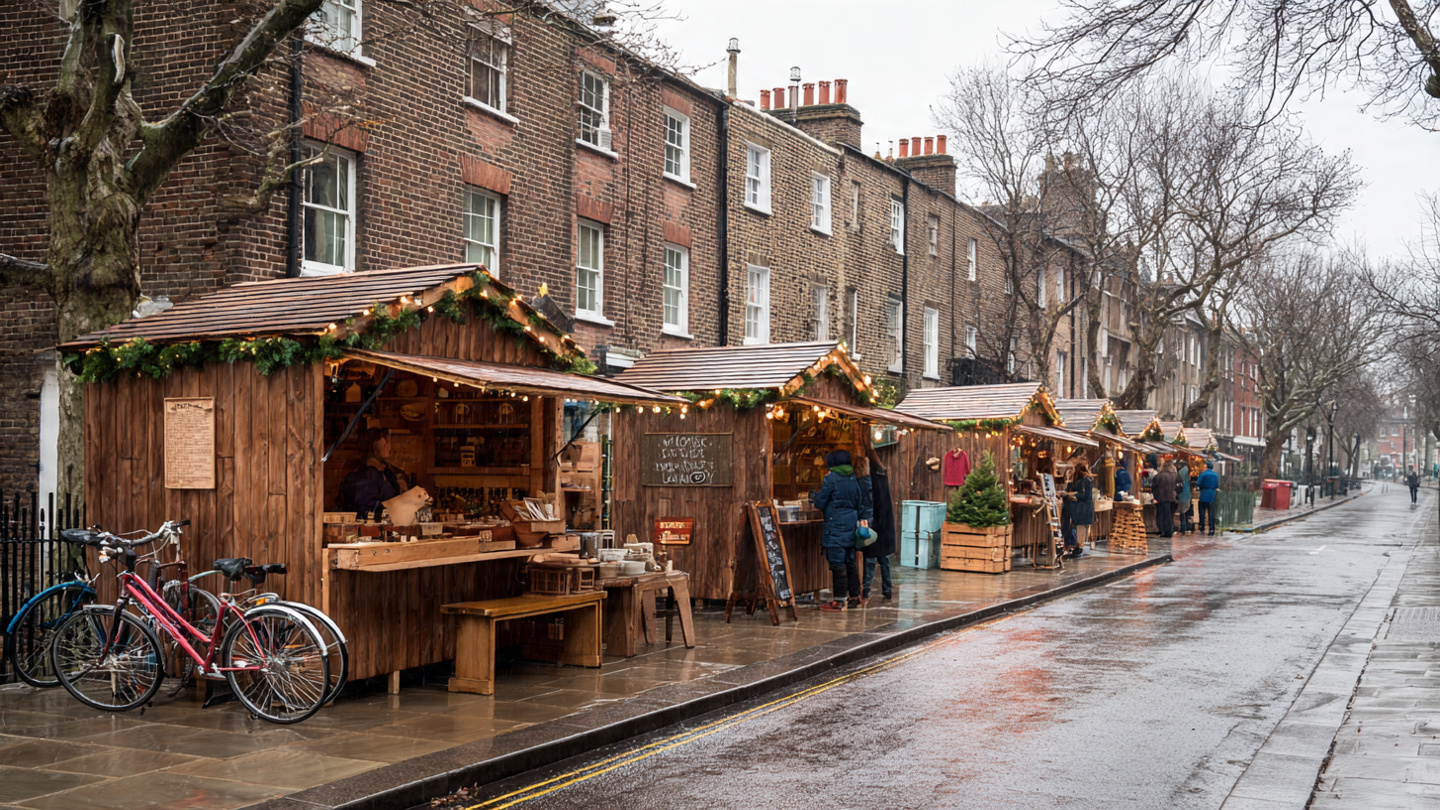
Smaller Christmas markets across London often feel more personal than those in central areas. These markets usually serve local neighborhoods first and visitors second. As a result, the atmosphere tends to be calmer, slower, and more conversational. People stop to chat with stallholders, browse without pressure, and return to familiar vendors year after year.
Because these markets are woven into community spaces, they often feel less performative. Decorations are simpler, music is softer, and layouts are designed for ease rather than spectacle. For many visitors, this creates a more authentic festive experience that feels connected to everyday London life.
Local-style Christmas markets are often spread across residential neighborhoods rather than tourist centers. These markets reflect community life, local creativity, and a slower pace that feels very different from central locations. Viewing their placement across the city helps explain why they feel calmer and more personal than larger festive areas.
The Role of Neighborhood Identity in Market Atmosphere
Each neighborhood shapes its Christmas market differently. Areas with strong creative communities often host markets focused on handmade goods, local artists, and small producers. Food offerings may reflect the cultural makeup of the area, adding regional character to the festive season.
For visitors curious about how neighborhood markets operate outside the festive season, this detailed guide to Portobello Road Market shows how local street markets shape London’s character year-round.
This neighborhood influence means no two local markets feel the same. Some feel cozy and traditional, while others feel modern and experimental. Visitors who enjoy variety often find these markets more memorable than larger, standardized events.
Pop-Up Markets and Short Seasonal Runs
Many local-style Christmas markets operate for shorter periods. Some appear only on weekends, while others run for a single week or even a single day. This temporary nature adds a sense of discovery and encourages spontaneous visits.
Because these markets are smaller, they can adapt quickly. Organizers often respond to weather, demand, and community feedback. This flexibility keeps the experience fresh and avoids the repetitive feel that can develop in long-running markets.
How Crowd Levels Shape the Experience
Crowds at local Christmas markets are usually lighter and more predictable. Peak times still exist, but they tend to align with community patterns rather than tourist schedules. This makes it easier to choose quieter visiting times, especially during daylight hours.
For visitors who dislike congestion, these markets offer breathing room. Movement feels natural rather than forced, and browsing becomes part of a relaxed outing rather than a strategic exercise. This calmer pace appeals to travelers who want to experience festive London without stress.
Why These Markets Appeal to Repeat Visitors
Repeat visitors often gravitate toward smaller markets because they offer something new each year. Stall lineups change, themes evolve, and community involvement remains strong. Even familiar locations feel different with each seasonal iteration.
These markets reward curiosity. Visitors who explore beyond central areas often discover unique products and interactions that do not appear in guidebooks. This sense of discovery builds lasting impressions and encourages deeper engagement with the city.
Balancing Convenience and Experience
While local Christmas markets offer atmosphere, they may require more planning to reach. Transport connections can be less direct, and opening times may be limited. However, for visitors with flexible schedules, the trade-off often feels worthwhile.
Combining one or two local markets with a central visit creates balance. Visitors experience both the festive energy of busy areas and the warmth of neighborhood celebrations. This mix often leads to a more rounded understanding of how London celebrates the season.
Christmas Markets in London for Food, Drinks, and Seasonal Flavors
Why Food Is Central to the Christmas Market Experience
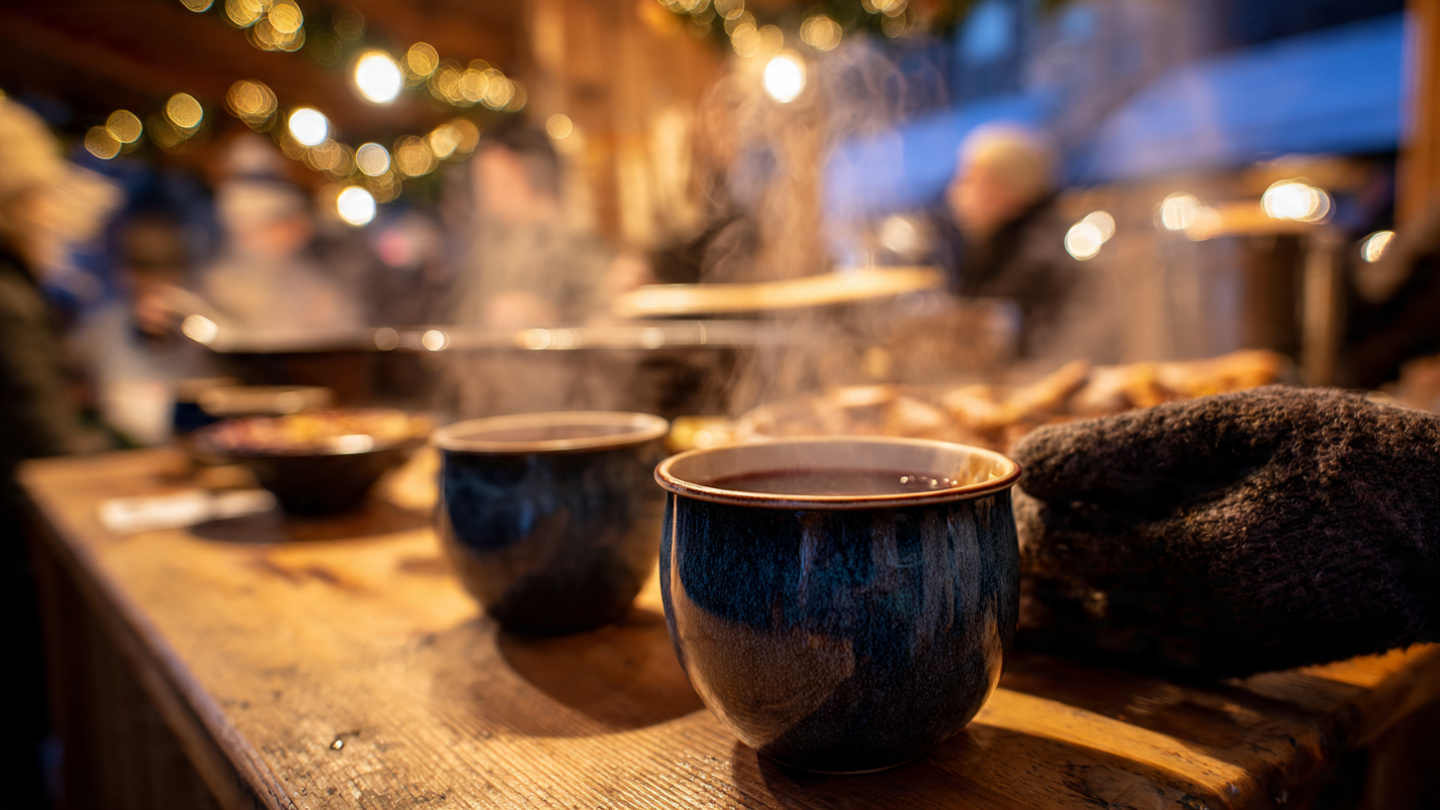
Food plays a defining role in how Christmas markets in London are experienced. While stalls may sell gifts or decorations, it is often the smell of cooking and the warmth of hot drinks that draw people in. During winter, food becomes more than sustenance. It becomes part of how visitors stay comfortable, socialize, and slow down.
London’s food culture naturally influences its festive markets. The city is known for variety rather than strict tradition, and this diversity appears clearly during the Christmas season. Visitors encounter both familiar seasonal flavors and unexpected combinations, often within the same market.
If festive food experiences are your priority, the complete Borough Market visitor guide explains how one of London’s most famous food markets operates beyond the holiday season.
Traditional Winter Foods You Are Likely to Encounter
Many Christmas markets feature foods associated with colder months. Warm pastries, roasted snacks, and slow-cooked dishes are common. These foods are designed to be eaten standing up, allowing visitors to move easily between stalls without committing to a full meal.
Warm drinks are especially prominent. Hot beverages serve both practical and social purposes. They warm hands, encourage pauses, and create natural gathering points. Visitors often linger longer in markets when food and drink are readily available, extending the overall experience.
Great selection of stalls but quite pricey for some things. Baubles were £25 to £50! But other stalls have great last minute presents. Everything from glassware to jewellery. There is a stall with amazing leather gloves for £20. Worth a visit. There is also an ice rink but didn’t venue onto the ice.
Read more reviews at Tripadvisor.
International Flavors in a Festive Setting
One of the defining characteristics of London’s Christmas markets is the presence of global food influences. Alongside traditional winter snacks, visitors may find flavors from across Europe, Asia, and the Middle East. This variety reflects London’s everyday dining scene, adapted to suit colder weather.
These international offerings often become highlights for visitors. They provide comfort while also offering novelty. For many people, discovering an unexpected dish becomes a memorable part of the visit and encourages exploration beyond the most obvious stalls.
How Food Shapes Crowd Movement and Atmosphere
Food stalls influence how people move through markets. Areas with popular food vendors tend to become natural gathering points. Visitors slow down, form informal queues, and create clusters of conversation. This movement pattern affects the overall flow of the market.
Markets with well-distributed food stalls feel more balanced. Visitors spread out, reducing congestion in any single area. Markets where food is concentrated in one section often feel busier, even if the overall number of visitors is similar. Understanding this helps visitors choose where to spend more time.
Eating Versus Browsing Balance
In London, Christmas markets rarely separate eating from browsing. Food stalls sit alongside gift vendors rather than in designated dining areas. This integration keeps the experience fluid and informal. Visitors can browse, eat, and socialize without feeling rushed.
This balance suits the city’s pace. People can drop in briefly or stay longer without commitment. For visitors with limited time, this flexibility allows food experiences to fit naturally into a broader itinerary.
Why Food-First Markets Appeal to Many Visitors
Markets with a strong food focus often appeal to visitors who value experience over shopping. Eating and drinking create shared moments that feel festive even without purchases. These markets feel welcoming to solo travelers, couples, and groups alike.
For many visitors, food becomes the reason to return. While gift stalls may change year to year, favorite flavors often become part of personal seasonal rituals. This emotional connection strengthens the appeal of London’s Christmas markets and encourages repeat visits.
Best Christmas Markets in London for Families and Children
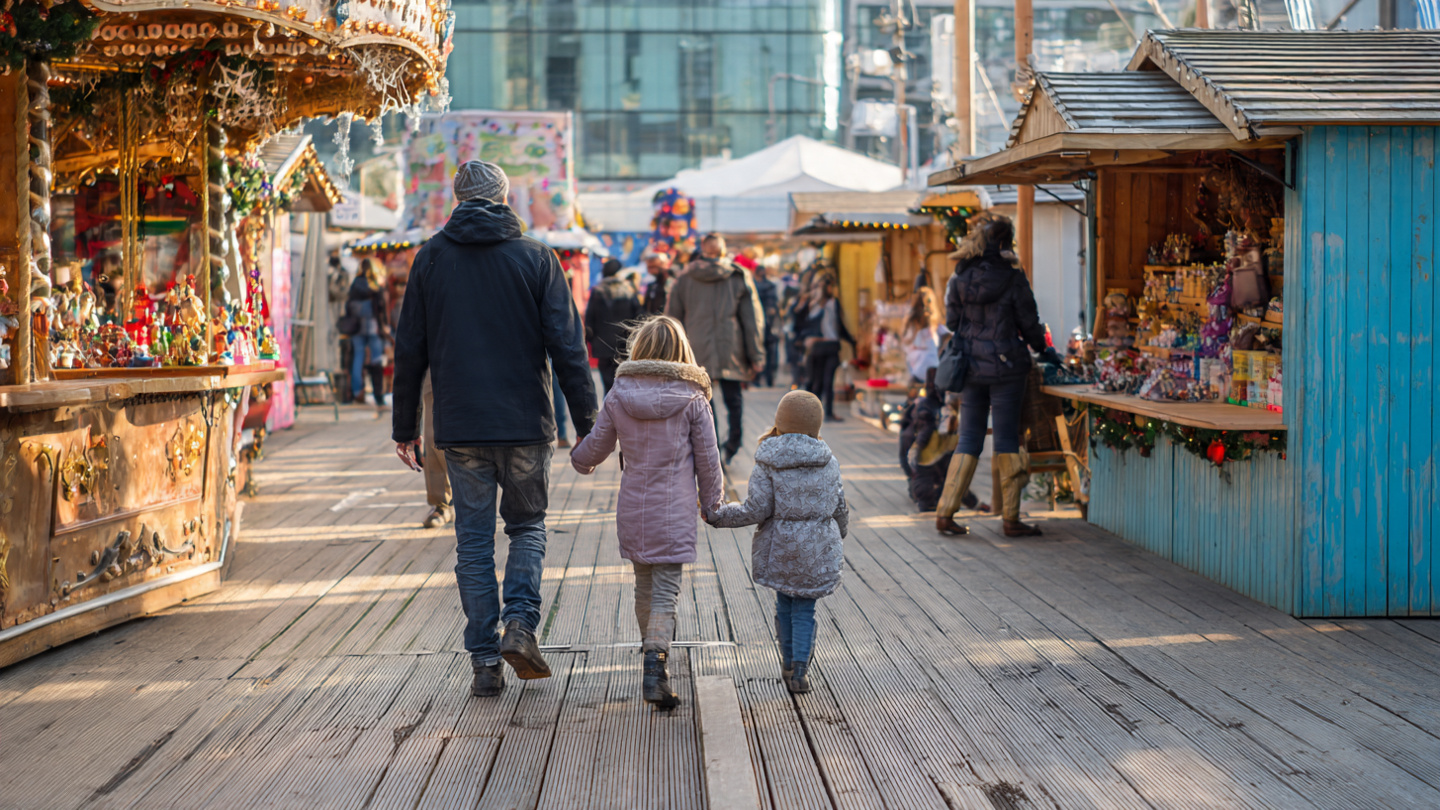
Why Family Needs Shape the Market Experience
Families experience Christmas markets differently from solo travelers or couples. Practical concerns such as space, noise levels, crowd flow, and comfort play a larger role. In London, family-friendly Christmas markets tend to balance festive atmosphere with structure, making them easier to navigate with children.
Parents often look for environments where children can move safely, stay engaged, and enjoy the experience without becoming overwhelmed. Markets that offer this balance feel welcoming rather than stressful, especially during busy seasonal periods.
Features That Make a Market Family-Friendly
Family-friendly Christmas markets usually share certain characteristics. Clear walkways, visible stall layouts, and open spaces reduce congestion and make movement easier. These markets often avoid narrow paths and dense clustering, which can feel overwhelming for younger visitors.
Visual elements also matter. Decorative lighting, simple performances, and seasonal displays help maintain children’s attention without overstimulation. Markets that focus on atmosphere rather than intense activity often work better for families with younger children.
Activities Beyond Shopping and Eating
For families, markets that include small interactive elements tend to feel more rewarding. Simple attractions, festive installations, or occasional entertainment give children something to focus on beyond browsing stalls. These features help extend visit length without requiring constant movement.
Importantly, these activities are usually optional rather than dominant. Family-friendly markets avoid overwhelming schedules or loud attractions, allowing parents to control pacing. This flexibility makes visits feel manageable rather than exhausting.
Crowd Timing and Its Impact on Families
Timing plays a major role in how family-friendly a market feels. Daytime visits often suit families best. Crowds are lighter, lighting is softer, and movement feels more relaxed. Early afternoon visits allow children to enjoy the atmosphere without the fatigue that can come later in the day.
Evenings tend to be busier and louder, which may suit older children but challenge families with younger ones. Understanding these patterns helps families choose the right time rather than avoiding markets altogether.
Food Options That Work for All Ages
Food choices influence how long families stay at markets. Markets that offer simple, familiar options alongside seasonal treats tend to appeal more broadly. Warm snacks that are easy to eat while walking help maintain energy without creating mess or stress.
Access to seating, even limited, can also make a difference. Places to pause briefly allow families to reset before continuing. Markets that recognize this need feel more accommodating and less rushed.
Why Families Often Prefer Structured Festive Areas
Many families gravitate toward markets connected to larger festive zones rather than standalone street markets. These areas often offer clearer layouts, visible entry points, and defined boundaries. This structure creates a sense of safety and predictability that parents appreciate.
When expectations are clear, families can relax and enjoy the experience together. Markets that combine atmosphere with gentle structure tend to leave the most positive impressions and become repeat visits during future holidays.
Romantic and Atmospheric Christmas Markets for Couples
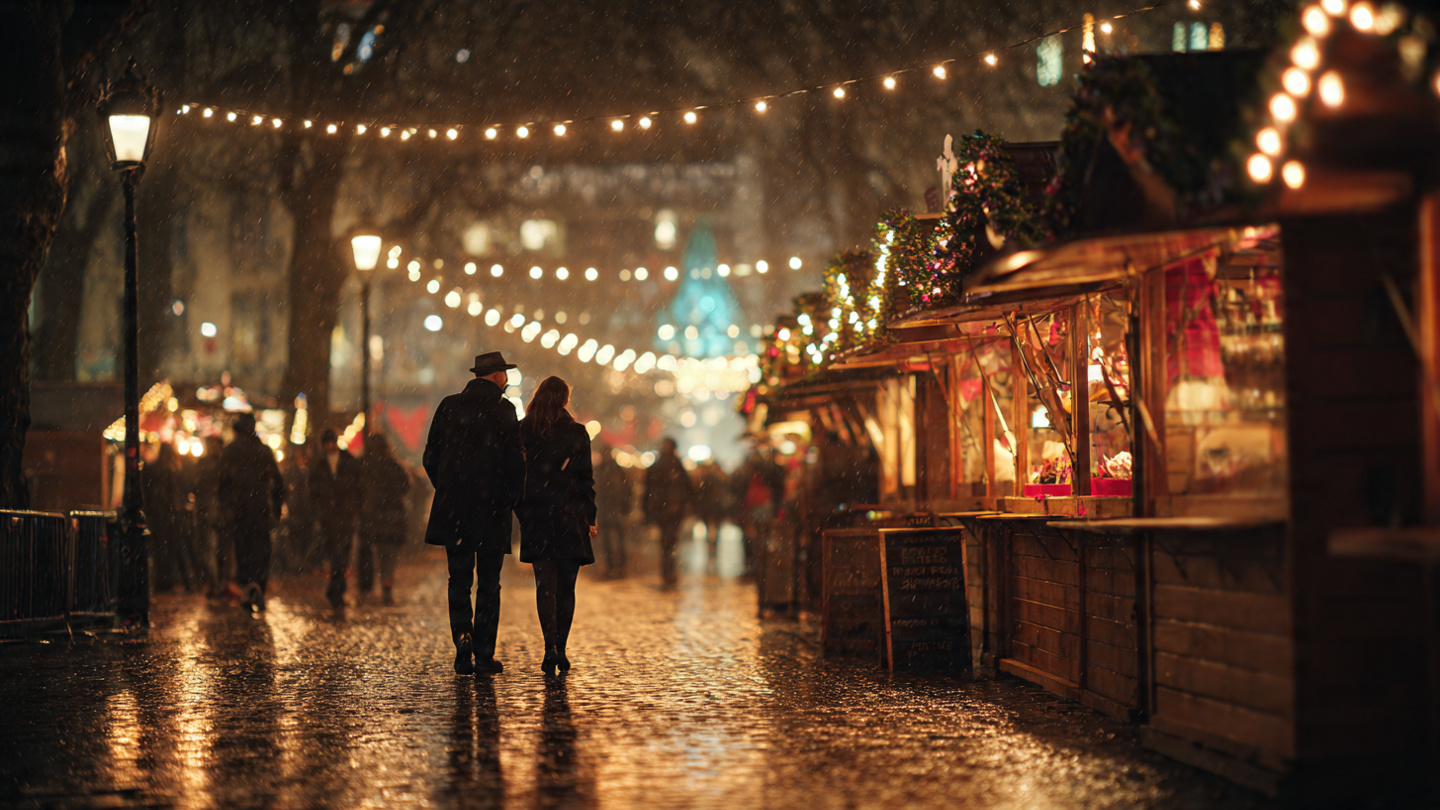
Why Christmas Markets Feel Especially Romantic in London
Christmas markets in London often feel naturally romantic because of how they fit into the city’s winter rhythm. Short daylight hours, glowing lights, and cooler evenings encourage slower movement and closer interaction. Markets become places to pause rather than rush, which creates space for shared moments.
Unlike highly structured attractions, markets allow couples to wander without a fixed plan. This openness encourages conversation, spontaneous choices, and unplanned stops. For many couples, this freedom becomes part of the romantic appeal.
The Importance of Setting and Surroundings
Atmosphere matters more than scale when it comes to romantic markets. Smaller spaces, softer lighting, and scenic surroundings tend to feel more intimate. Markets located near historic buildings, riverside paths, or quiet courtyards often create a stronger emotional impact than larger, louder events.
London’s layered architecture enhances this effect. Old brick walls, narrow lanes, and subtle seasonal decorations provide a sense of enclosure that feels cozy rather than crowded. Couples often find these environments easier to enjoy than open, high-energy spaces.
How Lighting Shapes the Mood
Lighting plays a major role in how romantic a market feels. Warm, low lighting encourages people to slow down and stay close. String lights, lanterns, and illuminated stalls create soft visual boundaries that make spaces feel contained and comfortable.
Evenings tend to heighten this effect. As darkness falls, markets feel more immersive. Background sounds soften, conversations feel more private, and the festive atmosphere becomes more pronounced. Couples who enjoy evening walks often find this timing especially appealing.
Food and drink create natural opportunities for connection. Sharing a warm drink or snack encourages couples to pause together rather than move continuously. These moments of stillness often become highlights of the visit.
Markets that offer space to stand comfortably while eating tend to feel more romantic. When couples are not rushed or crowded, interactions feel relaxed. This ease allows the experience to feel intimate even in public settings.
Crowd Levels and Emotional Comfort
Romantic experiences depend heavily on comfort. Crowds that are too dense can break the sense of intimacy. Couples often prefer markets that allow side-by-side movement rather than single-file queues. Moderate crowd levels support conversation and shared browsing without distraction.
Timing again plays a role. Early evenings or weekdays often provide the best balance between atmosphere and space. Choosing quieter moments allows couples to enjoy the setting without feeling pressured or overstimulated.
Why Couples Often Seek Atmosphere Over Variety
For couples, the emotional tone of a market often matters more than the number of stalls. A smaller market with strong atmosphere can feel more satisfying than a larger one with many options. Music, lighting, and setting contribute more to memory-making than product variety.
This focus on mood explains why many couples return to the same markets year after year. Familiar spaces become part of personal seasonal rituals, reinforcing emotional connections and shared experiences.
What First-Time Visitors Should Know Before Visiting Christmas Markets in London
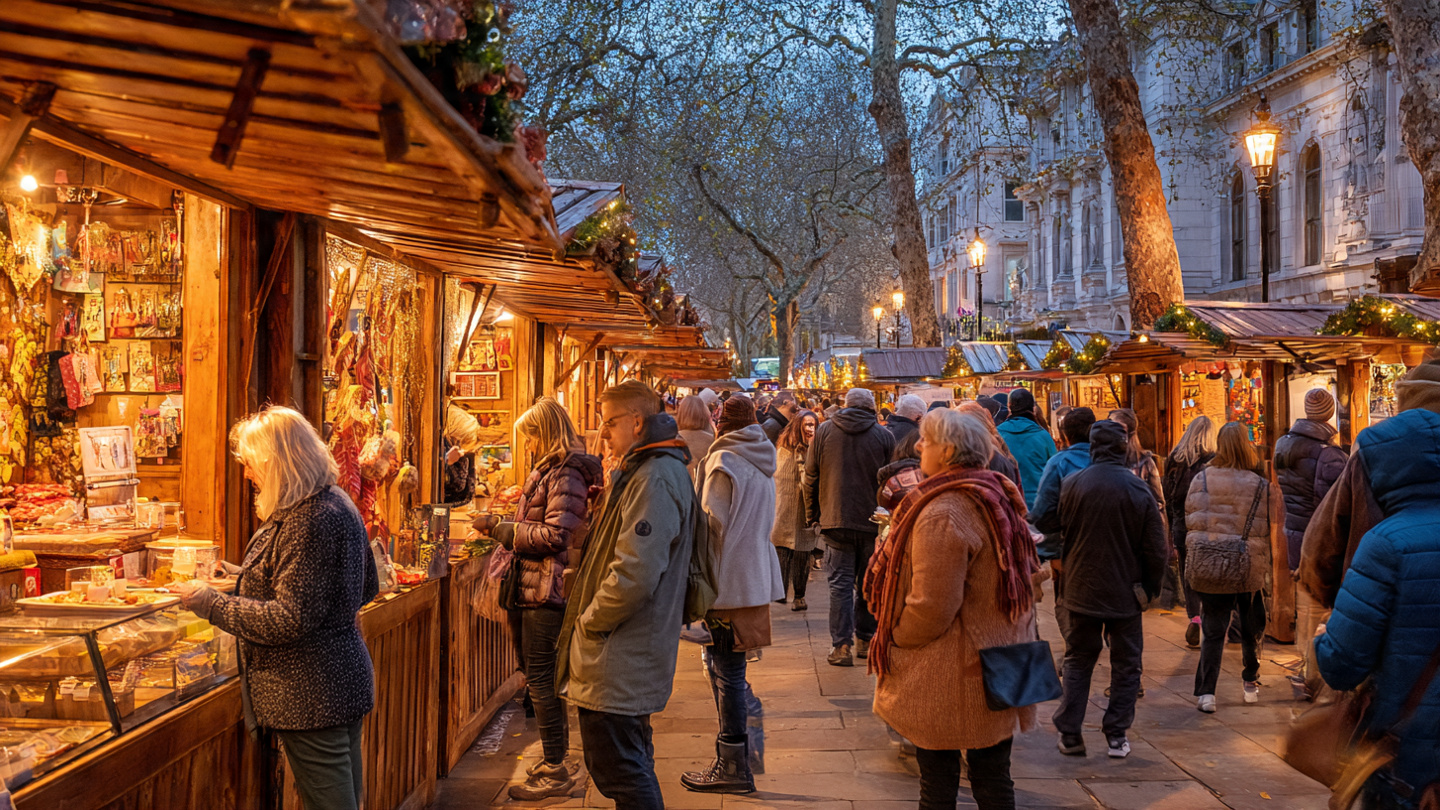
Why Expectations Matter Before Arrival
First-time visitors often arrive at Christmas markets in London with expectations shaped by images from other European cities. Many expect large, continuous markets with long rows of stalls in a single location. London’s markets work differently, and understanding this difference early helps prevent disappointment.
Markets are usually smaller, spread across multiple areas, and integrated into daily city life. Instead of one dominant destination, visitors encounter festive pockets throughout the city. Adjusting expectations allows visitors to enjoy the experience rather than searching for something that does not exist.
Understanding That Markets Are Part of Daily City Life
London does not pause during the festive season. Christmas markets operate alongside commuters, shoppers, and residents. This creates a mixed atmosphere where festive moments blend into everyday routines. For first-time visitors, this can feel surprising but also refreshing.
Markets are not isolated zones. People pass through them on the way to work, meet friends nearby, or stop briefly before continuing their day. Recognizing this rhythm helps visitors relax and enjoy the markets as part of the city rather than a separate attraction.
Planning Visits Around Crowd Patterns
Crowd levels vary widely depending on timing. Weekday afternoons tend to be calmer, while evenings and weekends feel busier. First-time visitors often underestimate how quickly markets fill during peak hours, especially in central areas.
Choosing visiting times strategically can change the experience entirely. Quieter periods allow easier browsing, clearer movement, and more relaxed interactions with vendors. Busy periods offer energy and excitement but require patience. Knowing this balance helps visitors choose based on personal preference.
Dressing and Comfort Considerations
Winter comfort plays a significant role in market enjoyment. Standing outdoors for extended periods can feel colder than expected, especially in the evening. Layered clothing and comfortable footwear make a noticeable difference.
Markets encourage walking and standing rather than sitting. Visitors who dress for warmth and mobility tend to stay longer and enjoy the experience more. Comfort supports exploration and prevents the need to leave early.
Payment and Practical Awareness
Most Christmas market stalls in London accept electronic payments, but not all operate the same way. First-time visitors benefit from having flexible payment options available. Queues can move quickly, and being prepared avoids unnecessary delays.
Food stalls often serve quickly but have limited space for lingering. Understanding this rhythm helps visitors plan pauses rather than expecting extended seating or table service.
Allowing the Experience to Unfold Naturally
One of the most important lessons for first-time visitors is to avoid overplanning. Christmas markets reward curiosity more than schedules. Wandering, stopping spontaneously, and following atmosphere often lead to the most enjoyable moments.
Visitors who allow time for unplanned exploration tend to leave with stronger impressions. Markets are best experienced as part of a broader walk or evening rather than a single focused destination. This mindset turns a simple visit into a memorable seasonal experience.
How to Choose the Right Christmas Market in London for Your Travel Style
Why There Is No Single Best Christmas Market
Many visitors search for the best Christmas market expecting one clear answer. In London, the idea of a single best option rarely applies. The city offers multiple festive experiences shaped by location, scale, and atmosphere. What feels perfect for one traveler may feel disappointing for another.
Choosing the right market depends less on reputation and more on personal travel style. Understanding what you enjoy during winter travel helps narrow choices and prevents frustration. London rewards visitors who match expectations with experience.
Choosing Based on Energy Level and Pace
Some travelers enjoy busy environments filled with sound, movement, and activity. Others prefer quieter settings that encourage slow browsing and conversation. London’s Christmas markets offer both, but rarely in the same place.
High-energy markets suit visitors who enjoy crowds, music, and constant stimulation. Slower-paced markets suit those who prefer calm spaces and gentle atmosphere. Identifying your comfort level helps determine where to spend time rather than trying to see everything.
Considering Time Constraints and Itinerary Flow
Travelers with limited time often benefit from markets located near other attractions. These markets fit easily into existing sightseeing plans and require minimal detours. Visitors with more flexible schedules can afford to explore markets that require extra travel or planning.
Thinking about how markets fit into a day prevents fatigue explained by overpacked itineraries. Markets work best as natural breaks rather than primary objectives. This perspective helps visitors enjoy the experience without pressure.
Matching the Market to Your Travel Companions
Who you travel with shapes how markets feel. Families, couples, solo travelers, and groups all experience markets differently. Markets that feel exciting for groups may feel overwhelming for couples. Markets that feel romantic may feel quiet for children.
Considering companions helps avoid mismatches. When expectations align across the group, markets become shared experiences rather than compromises. This alignment often determines whether a visit feels memorable or forgettable.
Deciding Between Atmosphere and Variety
Some visitors prioritize atmosphere over choice. Others prefer a wide range of stalls and activities. London’s markets tend to lean toward one strength rather than offering everything equally.
Markets with strong atmosphere create lasting emotional impressions but may feel limited in variety. Markets with broad offerings provide options but may feel less intimate. Deciding which matters more helps guide selection without disappointment.
Letting Flexibility Shape the Experience
Perhaps the most important factor in choosing a Christmas market is flexibility. London’s festive season is dynamic. Weather changes, crowd levels shift, and unexpected discoveries happen often. Visitors who remain open to adjusting plans tend to enjoy markets more fully.
Allowing space for spontaneous visits, early departures, or extended stays keeps the experience enjoyable. Christmas markets are not destinations to conquer. They are moments to experience. Choosing markets that align with your travel style transforms those moments into lasting memories.
Frequently Asked Questions
General Questions About Christmas Markets in London
Christmas markets in London are worth visiting if you enjoy festive atmosphere, seasonal food, and relaxed browsing. They work best as part of an evening walk or winter outing rather than as a full-day activity.
London markets are smaller, spread across multiple locations, and integrated into everyday city life. Instead of one large central market, visitors experience several festive pockets across the city.
Some central markets attract many visitors, but many smaller and local-style markets feel community-focused. The experience varies depending on location and timing.
Timing and Seasonal Planning
Most Christmas markets in London begin opening from mid to late November, with more appearing as December approaches. Opening periods can vary slightly each year.
Some markets close just before Christmas, while others continue into late December or early January. Smaller pop-up markets often run for shorter periods.
Early December is popular because markets are fully active and festive, though it is also the busiest period. Visitors looking for a calmer experience often prefer late November or weekday afternoons.
Visiting With Family or as a Couple
Many Christmas markets are suitable for families, especially those with open layouts and daytime visits. Choosing the right time of day makes the experience more comfortable for children.
Markets with softer lighting, scenic surroundings, and smaller crowds tend to feel more romantic. Evening visits often enhance the atmosphere for couples.
Food, Comfort, and Practical Tips
Food offerings usually include warm seasonal snacks, festive drinks, and a mix of traditional and international flavors. Most food is designed for easy eating while standing or walking.
Most stalls accept electronic payments, but payment methods can vary. Having more than one payment option available is helpful during busy periods.
Warm layers and comfortable shoes are recommended. Visitors often spend long periods standing or walking outdoors, especially in the evenings.
Planning Your Visit
Yes, many visitors combine several markets in one day, especially in central areas. Markets are usually small enough to fit naturally into a wider itinerary.
Advance planning is helpful for timing and expectations, but flexibility improves the experience. Allowing time for spontaneous visits often leads to the most enjoyable moments.