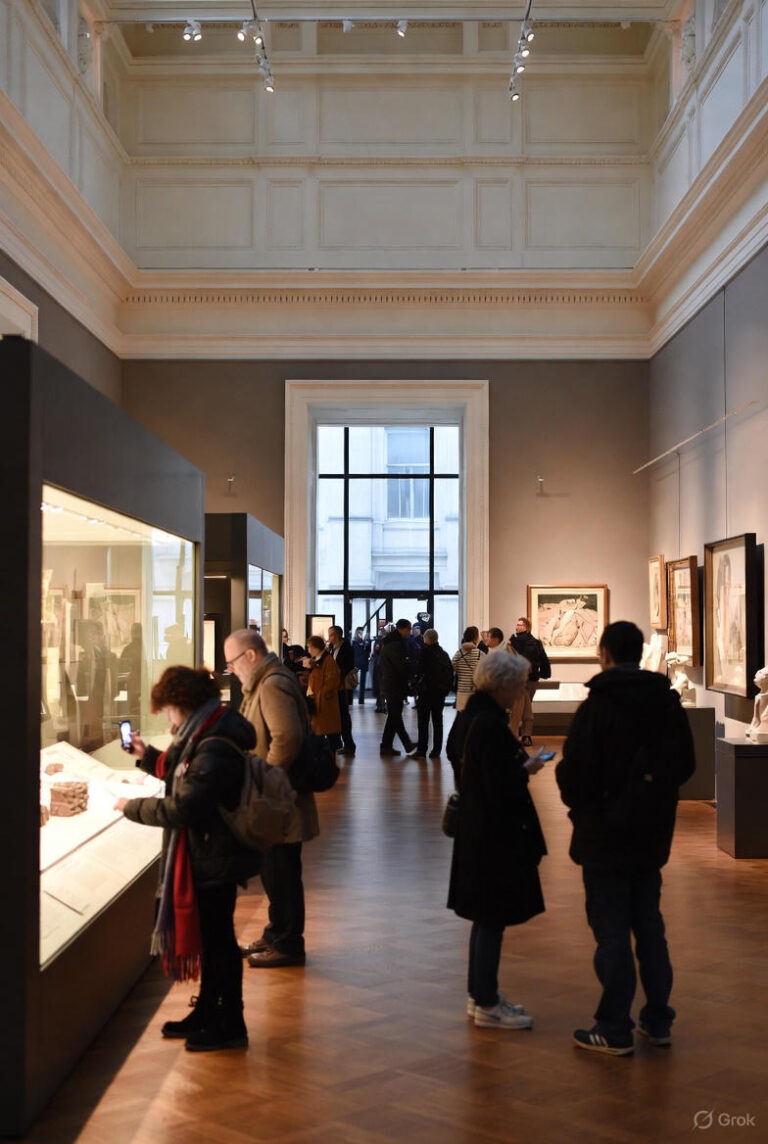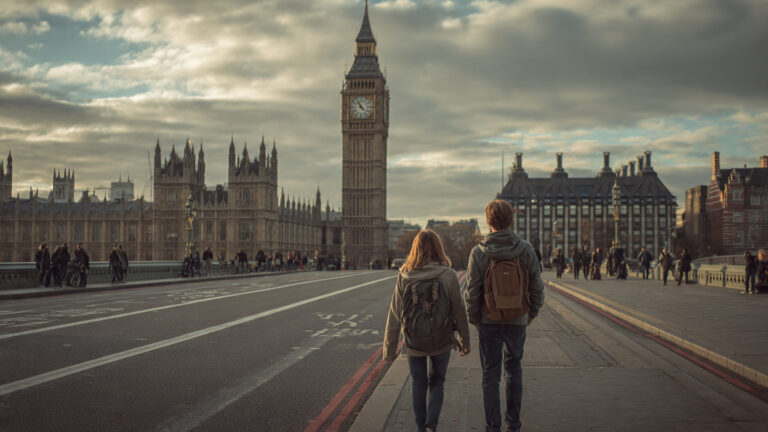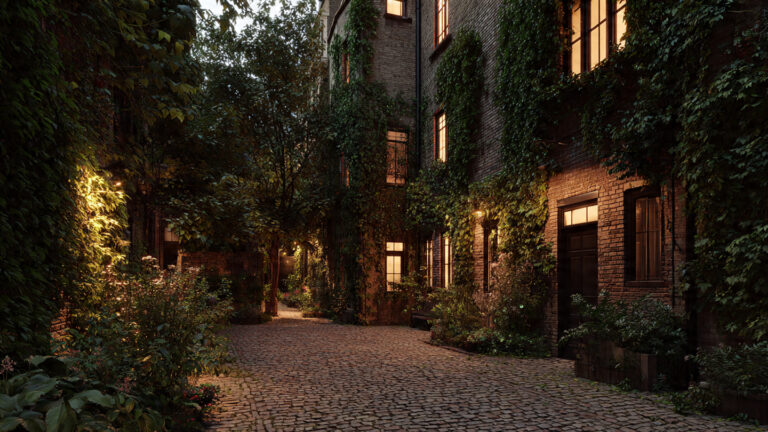

Hidden art spaces in London exist because the city’s creative life extends far beyond its most visible institutions. While major museums and internationally known galleries attract global attention, they represent only one layer of a much larger artistic ecosystem. Beneath this polished surface, artists, curators, and local communities continue to shape quieter spaces where creativity develops without commercial pressure. These lesser-known environments reveal how art functions as part of everyday urban life rather than as a packaged attraction.
At first glance, London may appear saturated with art venues. However, when visitors focus only on famous locations, they miss the creative networks that operate at street level. Hidden art spaces in London often grow out of necessity, experimentation, and community needs. They respond directly to the realities of living and working in a vast, expensive, and constantly changing city.
These creative environments form part of a wider pattern of places that reveal London beyond its well-known attractions, which is explored in this guide to hidden gems in London most tourists miss.
A City That Produces More Art Than the Mainstream Can Hold
London’s size plays a major role in shaping its underground creative scene. The city spreads across dozens of boroughs, each with its own social rhythms and cultural identities. Because of this diversity, no single artistic narrative can represent London as a whole. As a result, artists frequently establish independent spaces that reflect local voices rather than global trends.
Moreover, the number of practicing artists in London far exceeds the exhibition opportunities offered by established institutions. Large galleries operate within tight schedules and limited curatorial frameworks. Consequently, many artists seek alternative venues where they can show work more freely. These spaces allow them to explore ideas that feel personal, political, or experimental without worrying about market expectations.
Some creative activity in London also unfolds above street level, where overlooked viewpoints quietly shape alternative experiences of the city, as explored in this guide to hidden rooftop views in London.
Why Commercial Galleries Cannot Tell Every Story
Although major galleries contribute significantly to London’s cultural reputation, they also operate under clear constraints. Funding structures, sponsorship agreements, and international visibility shape curatorial decisions. Because of this, exhibitions often prioritize artists who already fit within recognized frameworks.
In contrast, smaller art spaces intentionally move away from this model. They often reject commercial goals in favor of creative dialogue. Artists run many of these venues themselves, which shifts decision-making away from profit and toward collaboration. As a result, these places support early-career artists, unconventional formats, and socially engaged work that might struggle to find space elsewhere.
The Role of Urban Pressure and Rising Costs
Urban change strongly influences where and how hidden art spaces develop. London’s rising rents and ongoing redevelopment push creative activity into less obvious locations. When traditional gallery spaces become financially unreachable, artists adapt by using shared studios, temporary leases, and unconventional buildings.
For example, former warehouses, office units, and unused commercial spaces frequently transform into exhibition venues. These locations may lack permanent signage or fixed opening hours, which keeps them off standard tourist routes. However, this flexibility also allows artists to respond quickly to new ideas and shifting circumstances.
Because these spaces often operate on short-term agreements, they evolve constantly. An exhibition might appear for a few weeks and disappear just as quickly. This fluidity keeps the scene dynamic, but it also explains why many visitors never encounter it unless they actively look beyond established paths.
Community as the Primary Audience
Another reason these art spaces remain hidden lies in their intended audience. Many do not aim to attract large crowds or international recognition. Instead, they serve local communities, creative networks, and neighborhood residents. Organizers often prioritize meaningful engagement over visibility.
As a result, promotion tends to stay low-key. Rather than investing in advertising, these spaces rely on personal networks, local newsletters, and informal recommendations. This approach fosters a sense of trust and familiarity. Visitors who find these places often feel invited into a conversation rather than directed through a curated experience.
Art Spaces Built Around Process, Not Products
In mainstream venues, exhibitions typically present finished works arranged for efficient viewing. Hidden art spaces in London often operate differently. They emphasize artistic process alongside outcomes. Visitors may encounter unfinished pieces, evolving installations, or experimental formats that invite interaction.
This focus changes how people engage with art. Instead of moving quickly from one work to another, visitors slow down. Conversations with artists happen naturally. Questions take precedence over conclusions. These environments encourage reflection rather than consumption, which appeals to travelers who want deeper cultural experiences.
Why Many of These Places Choose to Stay Quiet
Remaining hidden often serves a purpose. Increased visibility can bring challenges such as crowd management, commercial pressure, and rising expectations. Many organizers deliberately keep their spaces small to preserve creative freedom and community trust.
Additionally, frequent relocation plays a role. As leases end and buildings change hands, art spaces move or close without formal announcements. This instability prevents them from becoming fixed landmarks. Instead, they function as part of a living network that rewards curiosity and attentiveness.
Looking Beyond Famous Institutions
Visitors who explore beyond major museums often gain a more nuanced understanding of London’s creative life. Hidden art spaces offer insight into how artists respond to social change, urban pressure, and local identity. These places do not aim to impress. Instead, they invite participation and reflection.
I was finally at the Victoria and Albert museum after several times in London. Free museum, very nice, beautiful part of the sculptures. Recommended.
Read more reviews at Tripadvisor.
By stepping into these environments, travelers experience London as a city shaped by ongoing creativity rather than static heritage. The city’s art scene reveals itself not through spectacle, but through small rooms, temporary exhibitions, and conversations that unfold away from crowds.
Independent Galleries Operating Outside the Commercial Art World
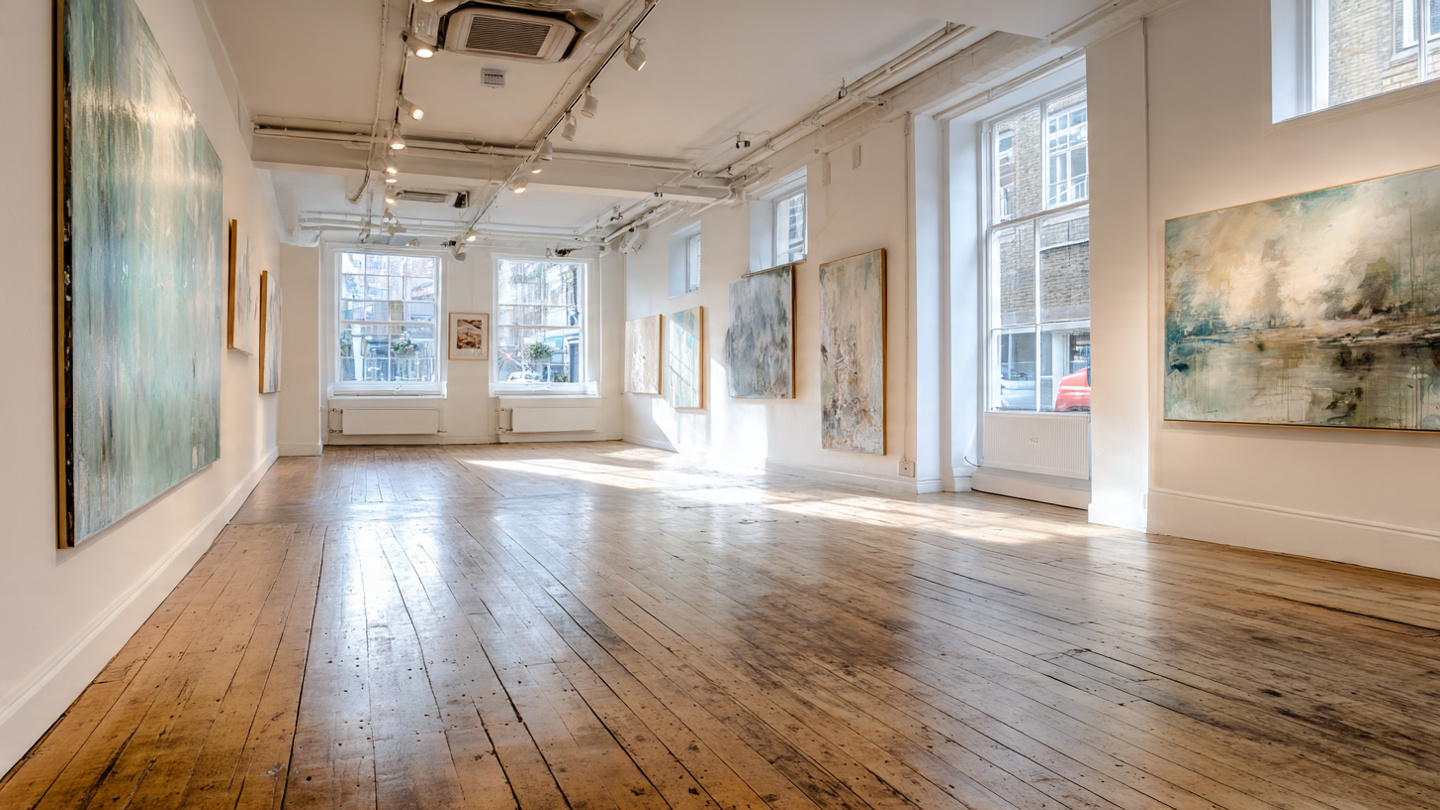
Independent galleries form one of the strongest foundations of hidden art spaces in London. These venues operate quietly across the city, often unnoticed by visitors who focus on major museums or internationally branded galleries. Yet they play a critical role in shaping London’s creative identity by offering artists a place to work and exhibit without commercial pressure. Through their independence, they help preserve artistic freedom and local relevance.
Unlike mainstream venues, these galleries rarely aim for visibility or profit. Instead, they focus on experimentation, dialogue, and creative development. This approach explains why many hidden art spaces in London feel more personal and less polished. They prioritize ideas over spectacle and community over recognition.
What Makes an Independent Gallery Different
An independent gallery usually exists outside the traditional art market system. It may operate as a non-profit, a cooperative, or a temporary project run by artists and curators. Because sales do not drive programming decisions, these galleries can explore themes that feel too specific, political, or experimental for commercial spaces.
In many cases, the gallery itself becomes part of the artwork. The layout, lighting, and use of space often reflect the ideas being explored rather than following standard exhibition design. This flexibility allows hidden art spaces in London to present work that feels immediate and responsive rather than carefully packaged.
Why Artists Choose These Spaces
Artists often turn to independent galleries when they want room to develop ideas without external expectations. Early-career artists benefit from the opportunity to show work in supportive environments, while established artists sometimes return to these spaces to experiment freely.
Because independent galleries attract smaller audiences, artists can engage directly with visitors. Conversations happen naturally, and feedback feels more genuine. This interaction reinforces the sense that these hidden art spaces in London exist for exchange rather than performance.
Curatorial Freedom as a Defining Feature
Curators working in independent galleries enjoy a level of freedom rarely found in larger institutions. Without sales targets or brand considerations, they can respond quickly to current events, local concerns, or emerging artistic movements.
As a result, exhibitions may change rapidly and follow unconventional formats. Some shows combine visual art with sound, writing, or live performance. Others invite visitors to participate rather than observe passively. These choices reflect the experimental spirit that defines many hidden art spaces in London.
Small Scale but Strong Identity
Although independent galleries tend to be modest in size, they often develop strong identities. Each space reflects the values of its founders, the neighborhood it occupies, and the creative communities it serves. Some focus on underrepresented voices, while others emphasize cross-disciplinary collaboration or socially engaged art.
This clear sense of purpose helps these galleries stand apart despite their low visibility. Visitors who step inside often sense that the space belongs to a specific moment and place. In this way, hidden art spaces in London become expressions of local identity rather than generic cultural venues.
Why These Galleries Remain Hard to Find
Many independent galleries choose not to promote themselves widely. Limited resources play a role, but so does intention. Organizers often prefer organic discovery through personal networks rather than mass exposure.
Irregular opening hours also contribute to their hidden nature. Some galleries open only during exhibitions or special events. Others operate by appointment. This unpredictability discourages casual visits but rewards those who approach London’s art scene with curiosity and patience.
Temporary Use and Constant Change
Temporary spaces play a major role in independent gallery culture. Short-term leases allow artists to activate empty buildings before redevelopment begins. These pop-up galleries create opportunities that might not exist in permanent locations.
However, this flexibility comes with instability. When leases end, galleries close or move quickly, often without formal announcements. Over time, this cycle creates a shifting network of hidden art spaces in London that resists fixed documentation.
A Different Way of Experiencing Art
Visiting an independent gallery often feels different from entering a major institution. Without crowds or commercial intent, the atmosphere feels quieter and more open. Artists or curators may greet visitors personally, creating space for conversation rather than consumption.
This environment encourages deeper engagement. Instead of asking what a piece is worth, visitors focus on what it communicates and why it exists. Many travelers find that this approach leads to a more meaningful connection with London’s creative culture.
Why Independent Galleries Matter
Independent galleries act as laboratories for new ideas. They support artists during critical stages of development and allow curators to test unconventional approaches. Although these spaces may remain hidden, their influence extends outward over time.
Ideas explored within hidden art spaces in London often shape broader cultural conversations. Larger institutions eventually absorb these experiments, proving that innovation often begins far from the spotlight. By sustaining creative risk, independent galleries ensure that London’s art scene remains dynamic and responsive.
Many creative spaces stay unnoticed because they blend into everyday streets and working buildings, and this guide to undiscovered London attractions explains why that happens across the city.
Artist-Run Studios and Collective Workspaces Open to the Public
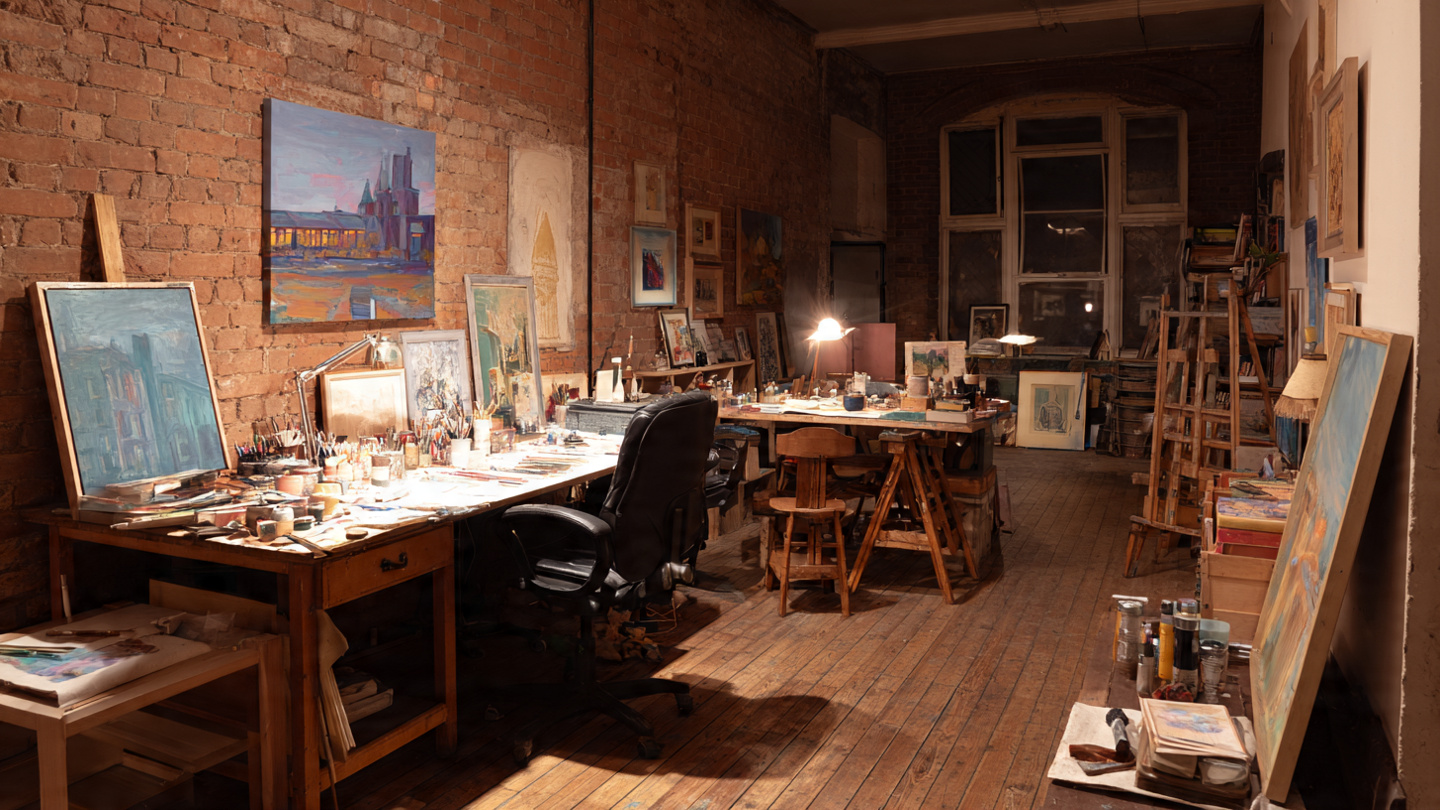
Artist-run studios and collective workspaces form another essential layer of hidden art spaces in London. These environments sit somewhere between private creation and public exhibition, offering visitors a rare opportunity to observe how art develops rather than only how it appears when finished. Unlike traditional galleries, these spaces prioritize making over showcasing, which gives them a distinctly authentic atmosphere.
Across London, artists often share studios to manage costs, exchange ideas, and build supportive networks. Over time, many of these collectives open their doors to the public through open studio events, informal exhibitions, or community-led programs. As a result, some of the most insightful artistic experiences unfold in places that never advertise themselves as galleries at all.
Why Artists Choose Collective Workspaces
Working alone can limit creative growth, especially in a city as expensive and fast-moving as London. Collective studios offer practical benefits such as shared rent and resources, but they also create intellectual and emotional support systems. Artists benefit from daily exposure to different practices, perspectives, and techniques.
Because these spaces grow from necessity rather than ambition, they often become deeply rooted in their neighborhoods. Over time, they evolve into hidden art spaces in London that reflect collaboration instead of competition. This shared foundation influences how visitors experience them when public access becomes available.
The Blurred Line Between Studio and Exhibition Space
In artist-run environments, the boundary between studio and gallery rarely feels fixed. A workspace used for painting or sculpture during the week may transform into an exhibition area on weekends. Walls display works in progress. Tools and materials remain visible. This openness shifts the focus from finished objects to creative processes.
Visitors encountering art in this context gain insight into how ideas develop. They see experimentation, revision, and sometimes failure. This transparency deepens appreciation and encourages conversation, making these hidden art spaces in London feel more approachable and human.
Open Studio Events as Points of Access
Many collective studios choose specific moments to invite the public inside. Open studio weekends allow visitors to walk through working spaces, meet artists directly, and engage with work at various stages of completion. These events often happen quietly, promoted through local networks rather than large campaigns.
Because of this low-key approach, open studios attract audiences genuinely interested in art rather than casual sightseeing. Conversations feel natural and unforced. Artists explain their work without rehearsed scripts, and visitors ask questions that shape the experience. This exchange forms the core of why artist-run spaces remain such valuable hidden art spaces in London.
Community Engagement and Local Identity
Artist-run collectives frequently develop strong relationships with their surrounding communities. They may offer workshops, talks, or collaborative projects that involve local residents. This engagement grounds artistic practice in real social contexts rather than abstract themes.
As neighborhoods change, these spaces often respond directly. Artists address issues such as redevelopment, migration, or cultural memory through their work. In doing so, they create hidden art spaces in London that act as cultural mirrors for the areas they occupy.
Informality as a Strength
Unlike formal galleries, artist-run studios rarely impose strict viewing rules. Visitors move freely, explore at their own pace, and interact with artists directly. This informality reduces barriers and encourages curiosity rather than intimidation.
Because these spaces do not rely on polished presentation, they feel welcoming even to those without art backgrounds. The emphasis stays on dialogue rather than interpretation. For many visitors, this relaxed environment provides one of the most memorable ways to engage with London’s creative life.
Why These Spaces Often Go Unnoticed
Despite their cultural value, artist-run studios often remain invisible to mainstream tourism. Their primary function centers on work rather than display, so public access stays limited. Many open only during specific events, while others welcome visitors by appointment.
Additionally, frequent relocation affects visibility. As leases end or buildings change use, collectives move quietly. Over time, this movement creates a shifting network of hidden art spaces in London that rewards those who pay attention to local patterns and announcements.
Experiencing Art Through Human Connection
Perhaps the most defining feature of artist-run spaces lies in the direct connection between creator and viewer. Visitors speak with artists in their own environments, surrounded by tools, sketches, and unfinished pieces. This context transforms how art is understood.
Instead of encountering art as a distant object, visitors experience it as part of a lived process. This connection often leaves a stronger impression than polished exhibitions. It reveals how creativity unfolds within the rhythms of daily life in London.
The Role of Artist-Run Spaces in the Broader Art Ecosystem
Artist-run studios contribute quietly but significantly to London’s cultural landscape. They nurture experimentation, encourage collaboration, and support artists before wider recognition arrives. Many ideas that later appear in larger institutions begin within these informal environments.
By sustaining creative exploration at a grassroots level, these spaces ensure that London’s art scene remains adaptable and diverse. Although they may stay hidden, their influence reaches far beyond their walls.
Converted Industrial and Warehouse Spaces Used for Art
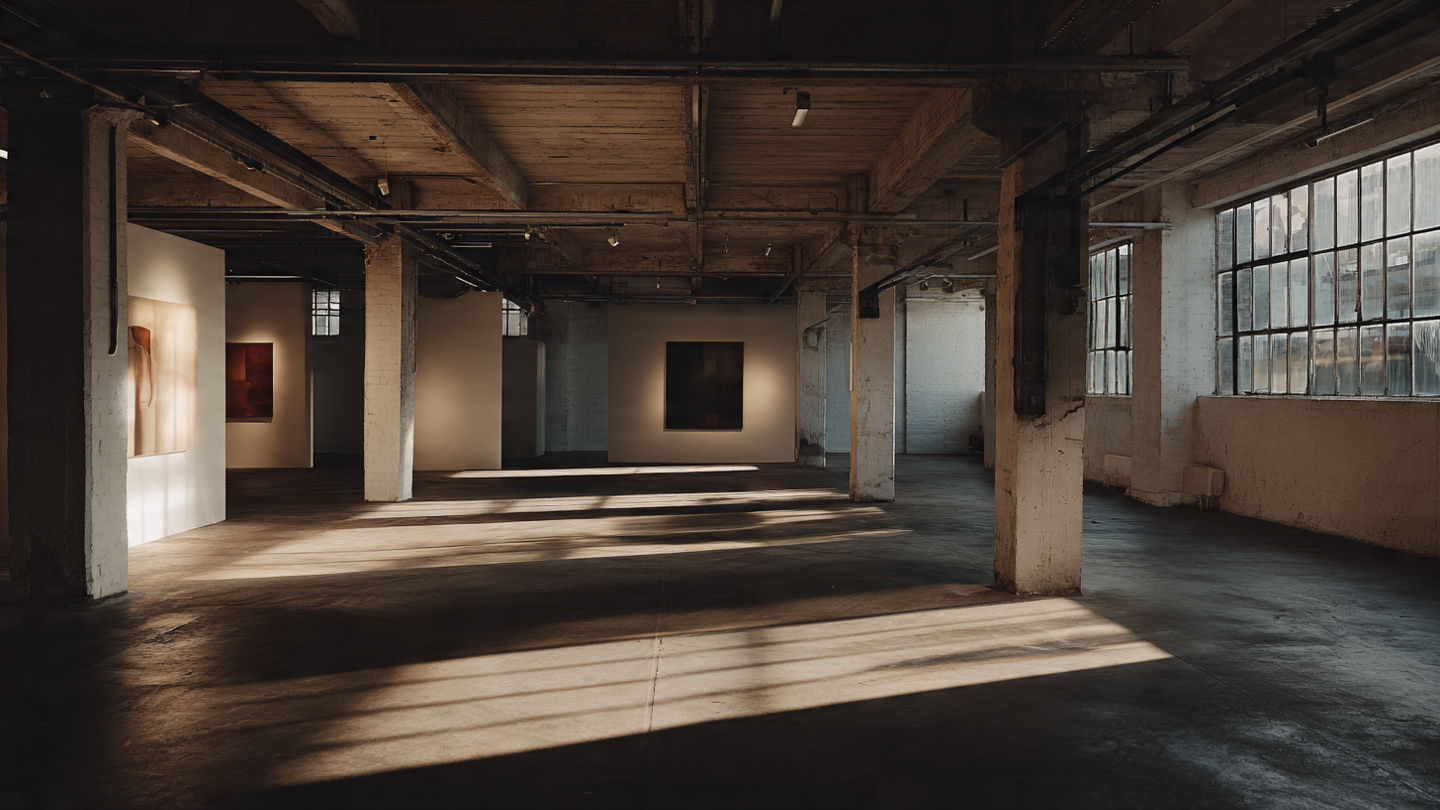
Many converted industrial buildings that support alternative art spaces sit within former manufacturing zones. These areas, once shaped by production and storage, now provide the scale and flexibility artists need to experiment outside traditional gallery settings.
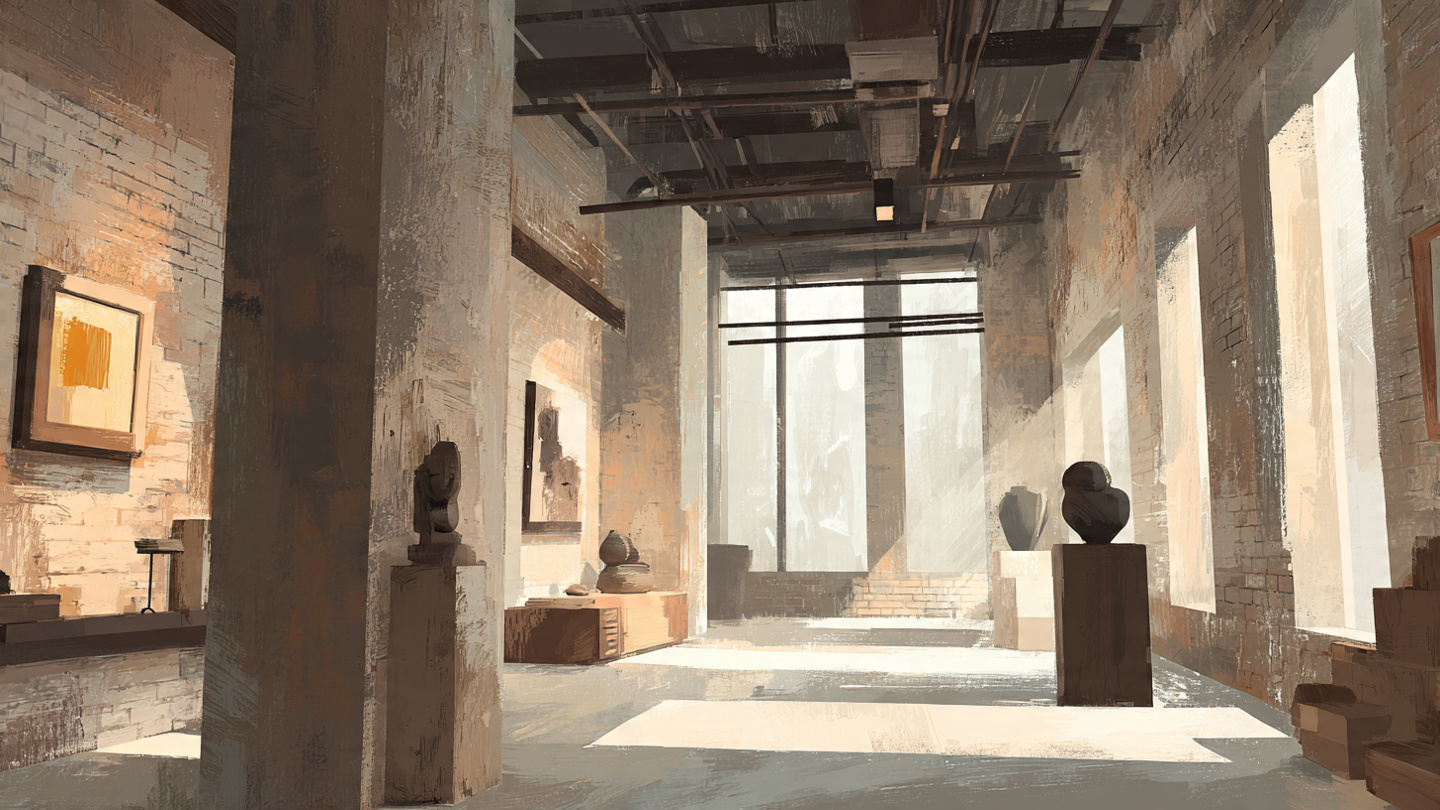
Converted industrial buildings and former warehouses represent some of the most distinctive hidden art spaces in London. These locations carry visible traces of the city’s working past, yet they now host creative practices that respond to the present. By reusing factories, depots, and storage facilities, artists transform utilitarian architecture into places of experimentation and expression.
Many artists are drawn to neglected and transitional environments, and this connection between creativity and forgotten spaces is examined further in this exploration of abandoned places in London.
This adaptation does not happen by accident. As traditional gallery spaces become harder to access, artists and curators look for buildings that offer scale, flexibility, and affordability. Industrial structures meet these needs while also providing a raw atmosphere that suits contemporary and experimental work. For visitors, these spaces reveal how London’s history continues to shape its creative future.
Why Industrial Buildings Attract Artists
Industrial buildings offer qualities rarely found in purpose-built galleries. High ceilings, open floor plans, and robust construction allow artists to work at larger scales. Installations that would feel constrained in small rooms gain freedom in expansive interiors.
Additionally, these buildings often sit in areas undergoing transition. As industries move out and neighborhoods change, empty structures become available for temporary use. Artists move in during these gaps, creating hidden art spaces in London that exist between past function and future redevelopment.
The Influence of Architecture on Artistic Practice
The physical character of industrial spaces strongly influences the art shown within them. Exposed brick, steel beams, and worn surfaces become part of the exhibition rather than a neutral backdrop. Artists respond to these features by creating site-specific works that interact with the building itself.
As a result, exhibitions feel inseparable from their surroundings. Visitors do not simply view art placed inside a room. Instead, they experience environments where space, sound, and movement combine. This relationship between architecture and creativity defines many of the most memorable hidden art spaces in London.
Temporary Use and Creative Urgency
Many warehouse-based art spaces operate under short-term agreements. Property owners allow temporary cultural use while planning redevelopment. This arrangement creates urgency. Artists know their time is limited, which encourages bold experimentation.
Because of this, exhibitions often feel immediate and energetic. Curators take risks. Artists push boundaries. Visitors sense that they are witnessing something fleeting. This temporary nature contributes to why these spaces remain hidden and why discovery feels rewarding.
From Production to Expression
Industrial buildings once designed for manufacturing now support cultural production of a different kind. Instead of goods, they generate ideas, dialogue, and creative exchange. This transformation reflects a broader shift in London’s economy and identity.
For artists, working in former industrial settings creates continuity with the city’s labor history. Art becomes a way to respond to change, memory, and loss. Hidden art spaces in London that occupy these buildings often address themes of displacement, regeneration, and urban transformation.
Accessibility and Informal Atmosphere
Despite their scale, many converted industrial art spaces maintain an informal atmosphere. They lack the polished entrances and signage associated with mainstream galleries. Visitors may enter through loading bays or side doors, which reinforces the sense of discovery.
Once inside, movement feels unrestricted. Large rooms invite exploration. Installations encourage immersion rather than observation from a distance. This openness allows visitors to engage with art physically as well as intellectually.
Why These Spaces Stay Outside Tourist Routes
Industrial art spaces rarely appear in standard travel guides. Their locations often sit outside central districts, and their temporary nature complicates promotion. Opening times change. Addresses shift. Some exhibitions last only days.
However, this instability also protects creative freedom. By remaining outside tourist circuits, these hidden art spaces in London avoid the pressure to simplify or commercialize. They serve audiences willing to travel, observe, and engage on deeper terms.
The Relationship Between Art and Urban Change
Converted warehouses highlight the close relationship between art and urban development. Artists often act as early occupants of areas before redevelopment accelerates. Their presence brings attention, community activity, and cultural value.
Yet this role carries tension. As neighborhoods change, rising costs eventually force artists to move again. This cycle repeats across London, continually reshaping where hidden art spaces emerge. Understanding this pattern helps visitors appreciate the fragile nature of these environments.
Experiencing Scale and Experimentation Together
Few places allow art to expand physically and conceptually like industrial spaces. Large-scale installations, sound works, and performance pieces find room to breathe. Visitors experience art with their whole bodies rather than only through sight.
This immersion leaves lasting impressions. It shows how hidden art spaces in London push beyond conventional formats and challenge expectations. By stepping into these transformed buildings, visitors encounter creativity shaped directly by space, history, and urgency.
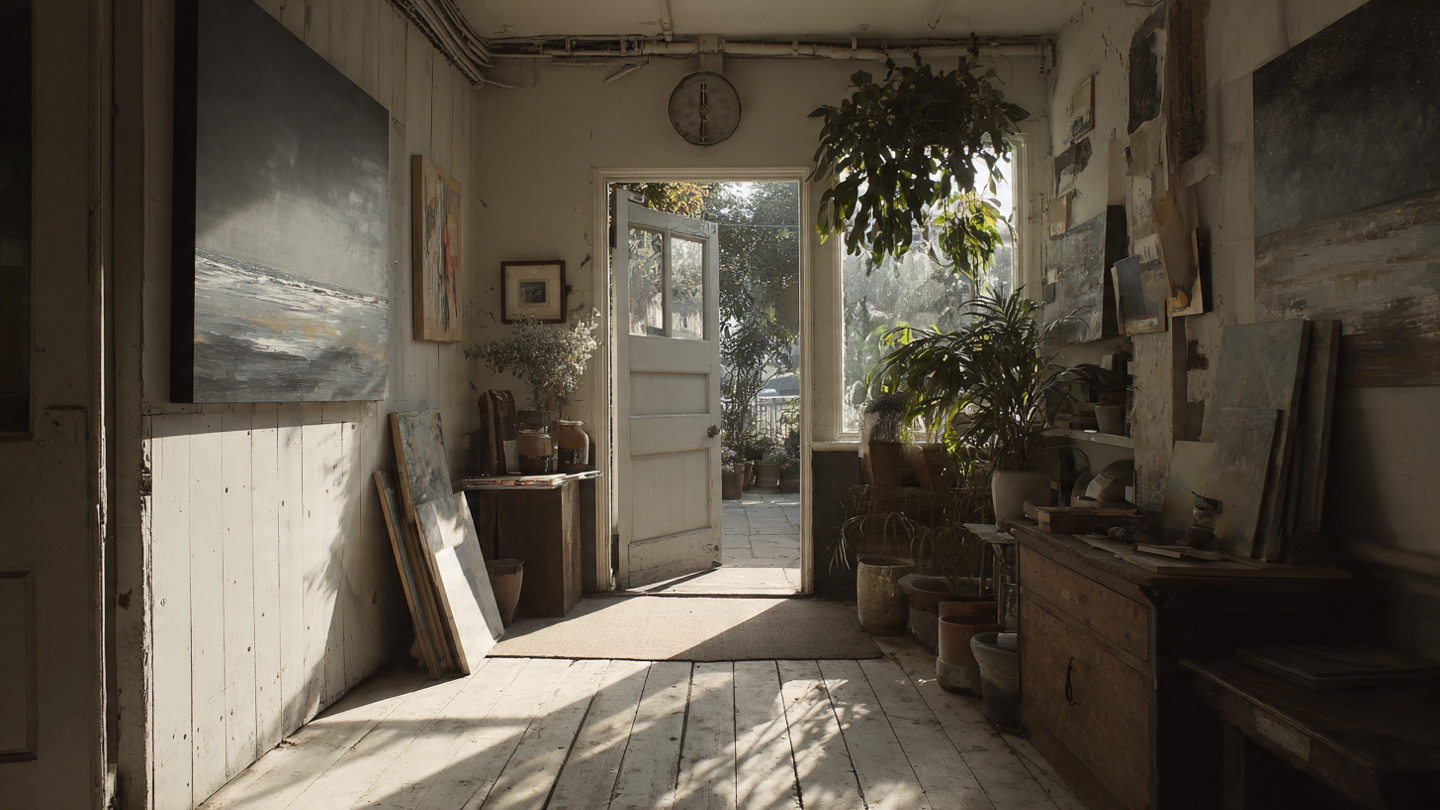
These creative neighborhoods help explain why hidden art spaces in London often develop away from the city center. By exploring areas like Peckham, Hackney Wick, Deptford, and Tottenham, visitors begin to see how local identity, affordability, and community networks shape alternative art scenes across the city.
Many hidden art spaces in London develop directly from the neighborhoods they serve. Rather than operating as isolated cultural destinations, these spaces reflect local histories, social relationships, and everyday realities. Their identity forms through close contact with surrounding communities, which explains why they often escape the attention of visitors who remain in central areas.
London’s neighborhoods differ widely in character, and this diversity feeds creative expression. In some areas, art responds to rapid regeneration. In others, it preserves long-standing cultural memory. These differences shape how hidden art spaces in London function and why they feel deeply connected to place.
Art Embedded in Everyday Neighborhood Life
Local art spaces often emerge in buildings that already hold meaning. Former shops, community halls, and shared spaces become sites for creative work without losing their original context. Because residents recognize these places, participation feels natural rather than imposed.
Programming frequently reflects daily concerns. Topics such as housing, migration, labor, and belonging appear not as abstract themes, but as lived experience. Through this grounding, hidden art spaces in London rooted in neighborhoods offer insight into how creativity responds to real conditions.
Creative Areas Beyond the City Center
Several outer and transitional neighborhoods support alternative creative scenes. Areas such as Peckham, Hackney, Deptford, and Tottenham attract artists seeking affordability and community. These locations encourage collaboration rather than competition.
In these districts, art spaces take many forms. A shared studio may host exhibitions. A warehouse may open briefly for events. A community venue may support rotating projects. Because these spaces blend into daily life, hidden art spaces in London become part of the neighborhood rather than destinations apart from it.
Responding to Urban Change Through Art
As regeneration reshapes neighborhoods, artists respond by documenting and questioning change. Exhibitions address displacement, memory, and shifting identity. In some cases, art spaces preserve stories that might otherwise disappear.
At the same time, these spaces face pressure themselves. Rising costs and redevelopment threaten their survival. This tension gives the work shown within them added urgency and emotional weight.
Collaboration as a Core Value
Many neighborhood-based art spaces prioritize collaboration. Artists work with residents, schools, and local organizations to create shared projects. Workshops, discussions, and participatory events form a central part of programming.
Through this approach, visitors experience art as a collective activity rather than a finished product. Engagement replaces observation, which changes how creativity is understood within the city.
Why These Spaces Stay Quiet
Despite their importance, neighborhood art spaces often remain unnoticed. Promotion stays local. Locations fall outside tourist routes. Events circulate through community networks rather than travel platforms.
This quiet presence protects the spaces from disruption while preserving trust with residents. Visitors who arrive thoughtfully tend to experience more meaningful encounters.
Understanding London Through Its Creative Communities
Exploring neighborhood-based art spaces offers insight into London beyond landmarks. Conversations, shared environments, and locally driven exhibitions reveal how creativity interacts with daily life.
Hidden art spaces in London shaped by neighborhood identity demonstrate that art exists not only in institutions, but within communities themselves.
Temporary, Pop-Up, and Rotating Art Spaces Most Visitors Miss
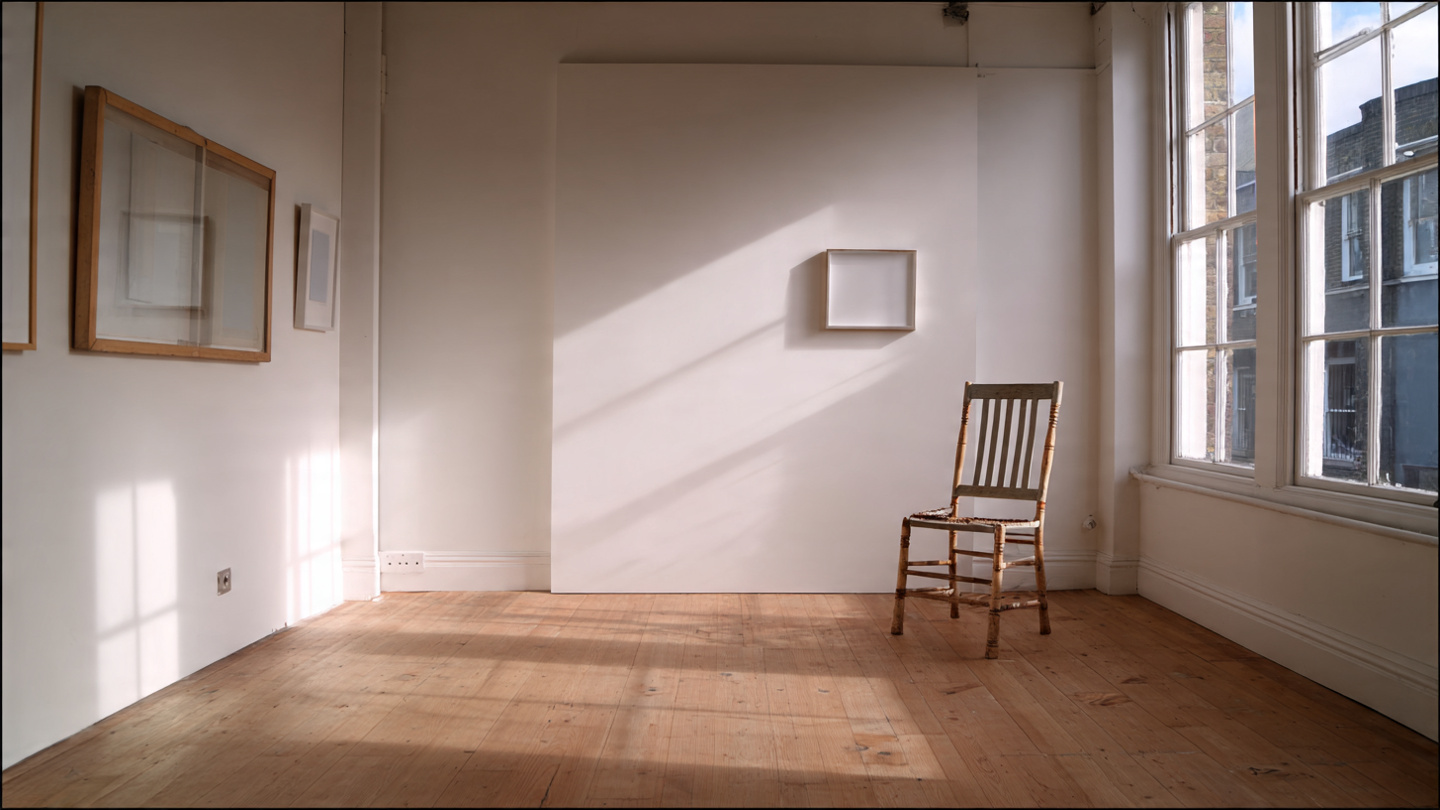
Temporary venues represent some of the most elusive hidden art spaces in London. These spaces appear briefly, operate with minimal visibility, and disappear without leaving a permanent trace. Their short lifespan explains why they rarely enter mainstream awareness, yet their impact on creative culture remains significant.
Instead of pursuing longevity, temporary art spaces focus on immediacy. Speed, adaptability, and experimentation define their purpose. For visitors who encounter them, these spaces often feel spontaneous and alive.
Conditions That Give Rise to Temporary Art Spaces
Temporary art spaces form when opportunity meets urgency. An empty shop becomes available. A redevelopment project pauses. A lease allows short-term use. Artists and curators respond quickly, activating spaces before circumstances change.
Because time remains limited, exhibitions prioritize expression over perfection. Creative risk increases. As a result, many hidden art spaces in London that operate temporarily feel more daring than established venues.
Pop-Up Culture and Creative Experimentation
Pop-up art spaces remove many structural barriers. Without long-term commitments, organizers explore unconventional themes and formats. One exhibition may last only a weekend. Another may exist for a handful of evenings.
This freedom encourages responsiveness. Curators react to current events. Artists test ideas without long-term pressure. Limited documentation keeps these spaces largely invisible beyond immediate audiences.
Rotating Locations and Moving Identities
Some art spaces choose movement over permanence. Rather than settling in one building, they rotate between locations as opportunities arise. This model keeps costs low while maintaining creative momentum.
For visitors, this movement increases difficulty of discovery. A space encountered once may never reappear in the same form. However, this instability also adds excitement and reinforces the hidden nature of these art spaces.
Unexpected Settings as Creative Environments
Temporary exhibitions often occupy spaces not designed for art. Offices, basements, retail units, and private residences become short-term venues. These environments remove expectations associated with formal galleries.
Art interacts directly with everyday surroundings, which creates intimacy. Visitors focus on ideas rather than presentation, reinforcing why temporary hidden art spaces in London feel personal.
Word-of-Mouth as Primary Promotion
Promotion remains minimal by design. Information circulates through creative networks, newsletters, and informal messages. Large campaigns rarely exist.
As a result, audiences arrive intentionally. Shared interest shapes the atmosphere, turning exhibitions into communal experiences rather than commercial events.
The Role of Timing in Discovery
Timing determines access. Exhibitions last briefly, and missing them often means losing the opportunity entirely. Staying attentive becomes part of the experience.
This challenge adds value. Discovery feels earned rather than scheduled, which aligns with the spirit of hidden art spaces in London.
Why Temporary Spaces Leave Lasting Impressions
Despite their short lives, temporary art spaces influence future work and relationships. Artists test ideas that shape later projects. Communities form through shared moments.
Impermanence does not reduce impact. Instead, it reinforces how creativity thrives through presence and connection rather than permanence.
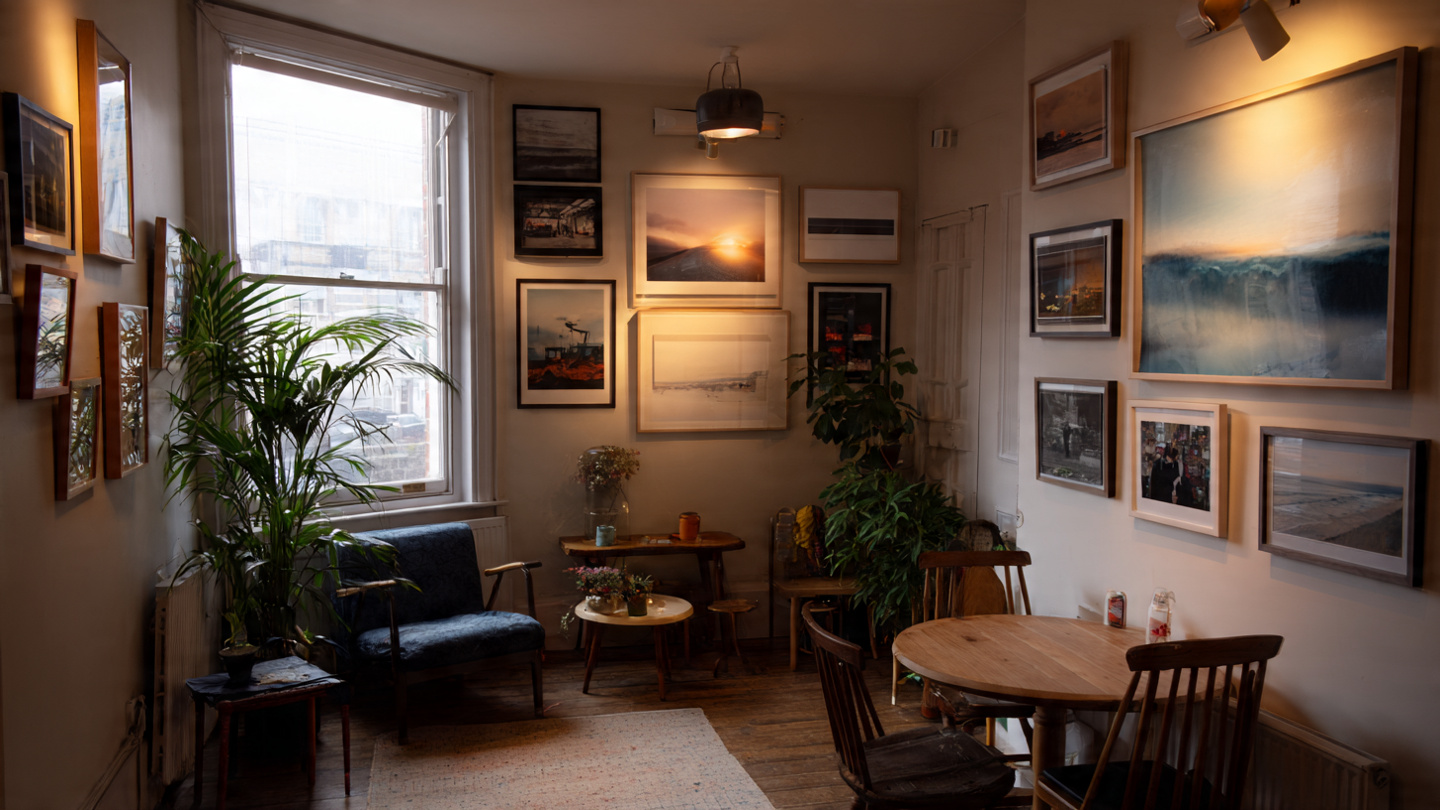
Community-focused venues represent some of the most socially grounded hidden art spaces in London. These places exist to serve people and conversations rather than prestige. Creativity becomes a shared resource rather than an isolated achievement.
Similar to independent art venues, small cultural spaces built around reading and conversation also support quiet creative communities, which can be seen in these hidden bookshops in London.
Grassroots art spaces often grow from local initiatives, activist movements, or cultural organizations. Participation matters more than recognition. This orientation explains why many remain unnoticed by visitors seeking formal art venues.
Community art spaces begin with intention. Issues such as inequality, migration, identity, and wellbeing shape programming. Rather than presenting finished works for observation, these spaces encourage dialogue and engagement.
Collaboration defines creative practice here. Artists work alongside residents, educators, and organizers. Through shared effort, hidden art spaces in London become platforms for collective expression.
Removing Barriers to Participation
Accessibility drives decision-making. Entry remains free or low-cost. Language stays welcoming. Prior art knowledge is unnecessary.
Workshops, talks, and participatory projects invite involvement. By reducing barriers, these spaces ensure that creativity feels relevant rather than exclusive.
Cultural Identity and Representation
Many grassroots spaces center specific cultural or identity-based experiences. They provide platforms for voices historically overlooked by mainstream institutions. Artists explore heritage, memory, and belonging without external pressure.
Through this focus, hidden art spaces in London preserve narratives that might otherwise remain unheard. Personal stories replace abstract themes.
Art as Ongoing Conversation
Projects in socially driven spaces evolve over time. Feedback shapes outcomes. Questions replace conclusions.
This openness encourages slow engagement. Visitors spend time listening, speaking, and reflecting. The experience feels relational rather than instructional.
Flexibility as a Survival Strategy
Rigid schedules rarely apply. Projects adapt to resources and community needs. A workshop may become an exhibition. A discussion may inspire collaboration.
Flexibility keeps these spaces responsive and alive despite limited support.
Why Grassroots Spaces Stay Under the Radar
External recognition often matters less than local impact. Promotion stays within communities. Locations remain outside cultural districts.
This invisibility protects trust while limiting exposure. Visitors who arrive respectfully experience deeper engagement.
The Quiet Influence of Community Art
Although grassroots spaces remain hidden, their influence spreads outward. They support emerging voices and shape broader cultural conversations over time.
By grounding creativity in lived experience, community-driven hidden art spaces in London ensure that the city’s cultural life reflects its people.
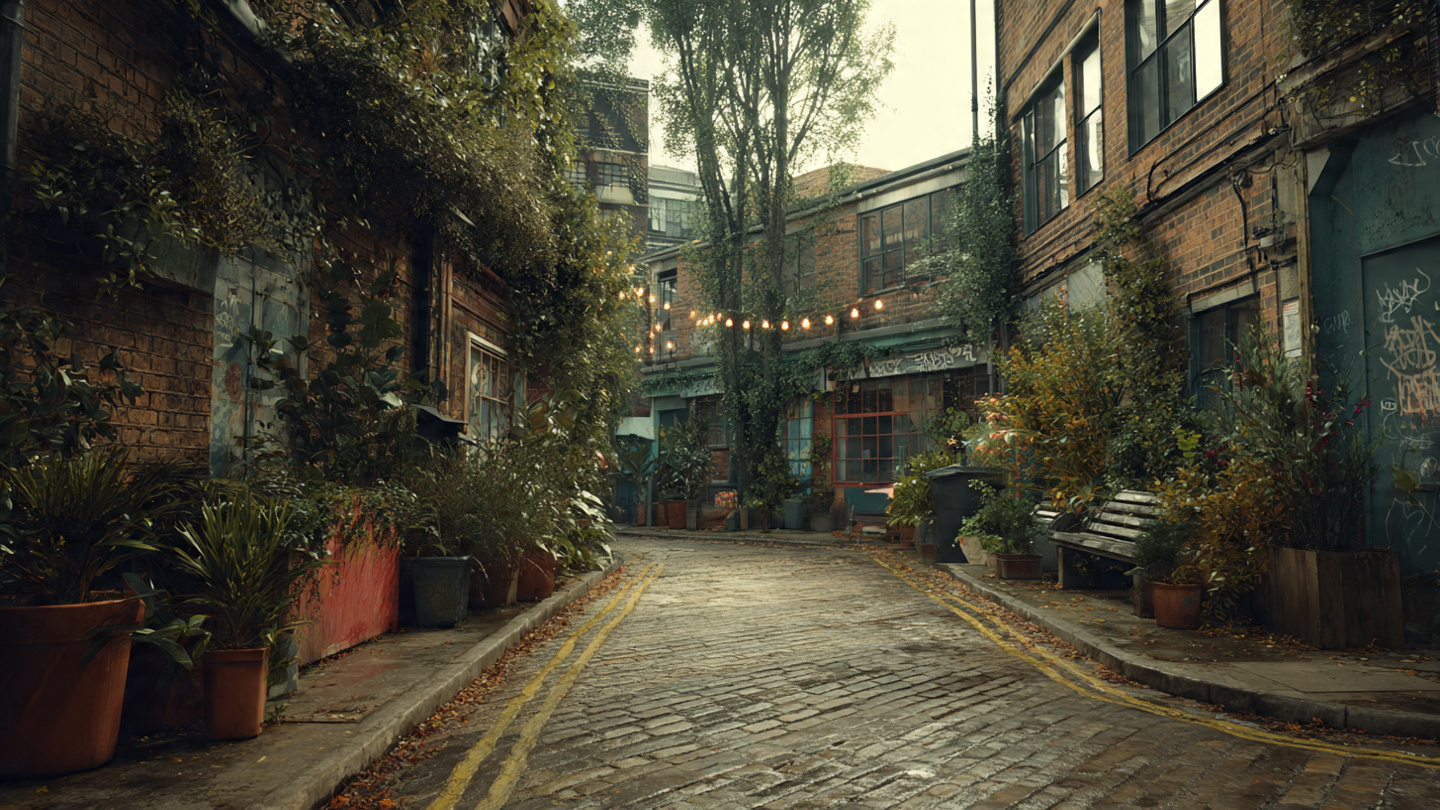
Finding hidden art spaces in London requires a different approach from following guidebooks or standard attraction lists. These spaces rarely announce themselves clearly, and many operate outside predictable schedules. Discovery depends less on planning and more on awareness, patience, and curiosity. Visitors who learn how to read the city rather than rely on fixed itineraries often uncover the most rewarding creative experiences.
Instead of asking where to go, it helps to focus on how to look. London’s hidden art scene reveals itself gradually, through patterns, local signals, and small clues embedded in everyday urban life.
Shifting Away From Tourist Habits
Tourist habits tend to prioritize certainty. Visitors look for clear opening hours, prominent signage, and reliable listings. Hidden art spaces in London operate differently. Many appear temporarily, open irregularly, or share spaces with other functions.
Letting go of rigid schedules creates room for discovery. Slowing down, exploring side streets, and remaining open to unexpected encounters often leads to spaces that never appear in mainstream recommendations.
Paying Attention to Neighborhood Signals
Local neighborhoods offer subtle clues about creative activity. Posters in café windows, handwritten signs, or community notice boards often announce exhibitions and open studio events. These signals rarely target visitors, yet they provide valuable information for those paying attention.
Walking rather than rushing through areas increases the chance of noticing these details. Hidden art spaces in London frequently reveal themselves through small, easily missed markers rather than formal entrances.
Following Local Creative Networks
Creative communities communicate quietly. Newsletters, independent listings, and social media accounts focused on local art scenes provide insight into upcoming events. Rather than following large institutions, paying attention to individual artists, collectives, and small organizations often proves more effective.
This approach shifts focus from destinations to relationships. Over time, patterns emerge, and connections between spaces become clearer. Hidden art spaces in London often exist within networks rather than as isolated venues.
Timing Matters More Than Location
Unlike permanent attractions, many art spaces operate around specific moments. Open studio weekends, short exhibitions, and community events create temporary access points. Missing these windows often means missing the space entirely.
Remaining flexible with timing allows visitors to adapt plans based on opportunity. Checking local listings during a stay rather than before arrival increases the chance of encountering active spaces.
Embracing Uncertainty as Part of the Experience
Exploring hidden art spaces involves uncertainty. Some doors remain closed. Some addresses lead to unexpected outcomes. Accepting this unpredictability changes how the city feels.
Instead of frustration, uncertainty becomes part of the experience. Each attempt builds familiarity with London’s creative rhythms. Over time, this approach reveals how hidden art spaces in London operate as living parts of the city rather than fixed destinations.
Talking to People Who Live and Work Nearby
Conversations offer valuable guidance. Café staff, shop owners, and residents often know when creative events take place in their area. Asking casually opens doors to information that never appears online.
This human connection reinforces the social nature of hidden art spaces. Discovery becomes collaborative rather than solitary, shaped by interaction rather than search results.
Recognizing Patterns of Creative Activity
Certain conditions attract hidden art spaces. Areas with mixed-use buildings, transitional development, and active community groups often support creative experimentation. Over time, visitors learn to recognize these patterns.
Rather than memorizing locations, understanding these dynamics allows repeated discovery across different parts of London. Hidden art spaces in London emerge where flexibility, community, and creative need intersect.
Letting Discovery Shape the Journey
Allowing art discovery to influence movement through the city changes the travel experience. Instead of moving between predetermined landmarks, visitors follow curiosity. Routes evolve organically, shaped by encounters rather than schedules.
This approach transforms exploration into participation. Hidden art spaces become part of a broader understanding of London as a creative, evolving environment.
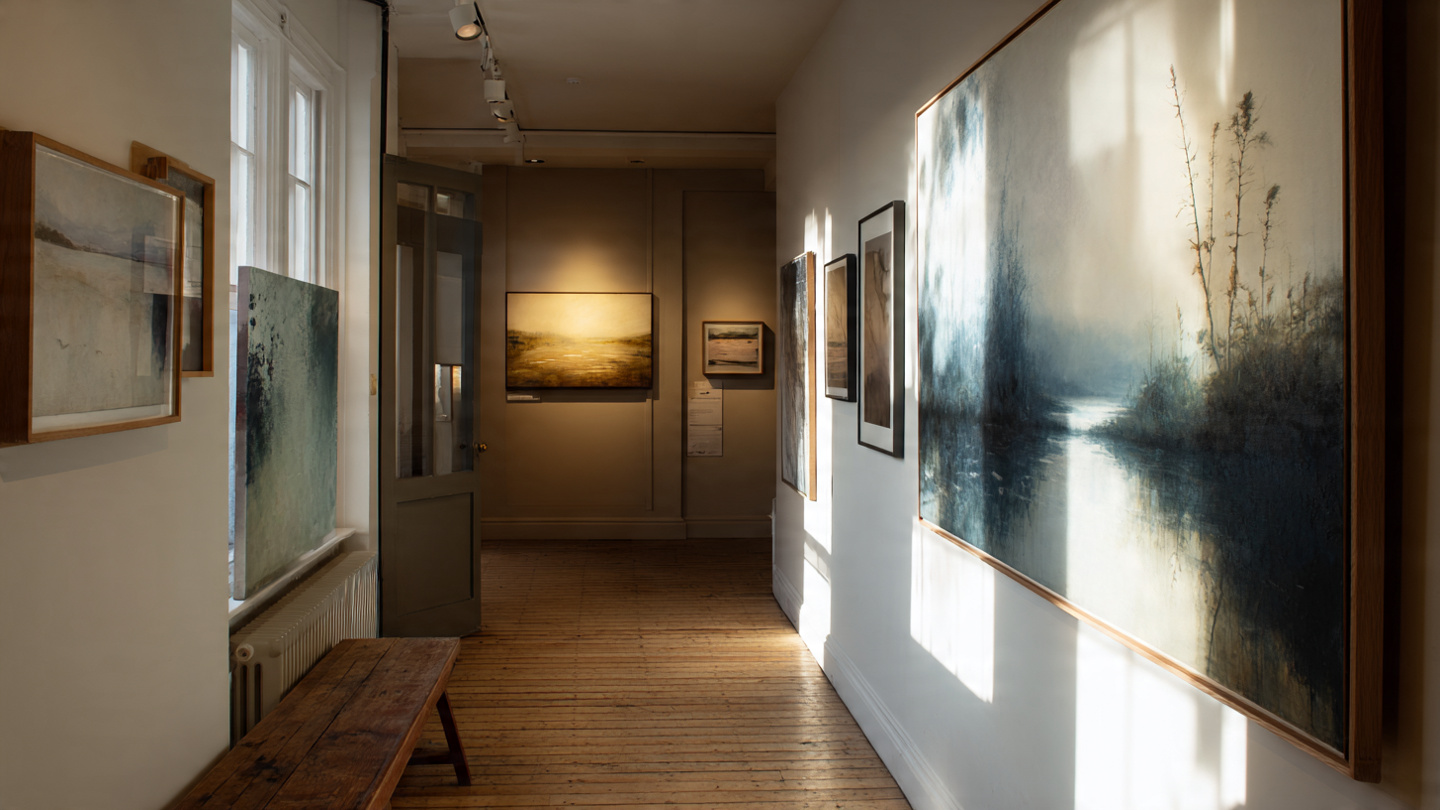
Visiting hidden art spaces in London carries a different kind of responsibility than visiting major cultural institutions. These places often operate with limited resources, rely on trust, and serve specific communities. Respectful engagement helps preserve their integrity and ensures that artists and organizers can continue their work without disruption.
Understanding how to behave in these environments matters just as much as finding them. Thoughtful visitors contribute positively, while careless behavior can strain already fragile spaces.
Recognizing the Purpose of the Space
Hidden art spaces in London often exist for creation, dialogue, or community support rather than entertainment. Visitors benefit from observing the atmosphere before engaging. Not every space functions as an exhibition open to casual browsing.
Taking time to understand why a space exists helps shape appropriate behavior. Some venues welcome conversation. Others prioritize quiet observation. Adapting to each environment shows respect for the people who maintain it.
Being Mindful of Photography and Sharing
Photography policies vary widely. Some spaces allow documentation freely, while others restrict images to protect privacy or unfinished work. Asking before taking photos demonstrates consideration.
Sharing experiences online also requires care. Avoid revealing sensitive information such as exact addresses or private event details without permission. Maintaining discretion helps keep hidden art spaces in London safe from unwanted attention.
Supporting Without Consuming
Many hidden art spaces operate without commercial sales. Support does not always involve purchasing work. Attending events, participating in discussions, or contributing to donation boxes often provides meaningful assistance.
Respect also means understanding that not every visit results in immediate gratification. Some exhibitions challenge rather than entertain. Approaching with openness allows deeper engagement.
Engaging With Artists and Organizers Thoughtfully
Artists and organizers often work on-site. Conversations can be enriching, but timing matters. Avoid interrupting active work unless invited. When discussion occurs, listening proves as valuable as speaking.
Expressing genuine interest without expectation fosters positive interaction. Hidden art spaces in London thrive on mutual respect rather than transactional exchange.
Respecting Community Context
Many art spaces sit within residential or community settings. Noise levels, behavior outside the venue, and interaction with neighbors affect relationships. Visitors who remain aware of surroundings help maintain goodwill.
Respect extends beyond the space itself. Thoughtful movement through neighborhoods reinforces trust between creative venues and local residents.
Understanding Resource Limitations
Limited funding shapes how hidden art spaces operate. Opening hours may change. Facilities may feel informal. These conditions reflect necessity rather than neglect.
Patience and flexibility make visits smoother. Accepting imperfections allows appreciation of the work happening within constrained circumstances.
Avoiding the Pressure to Publicize
Not all spaces benefit from increased visibility. Some choose to remain small to protect creative freedom. Respecting this choice means resisting the urge to promote every discovery widely.
Discretion helps preserve the delicate balance these spaces maintain. Hidden art spaces in London often rely on trust rather than exposure.
Contributing to Sustainable Creative Ecosystems
Responsible visitation supports long-term sustainability. Returning for events, sharing feedback privately, or recommending spaces thoughtfully strengthens creative networks.
By approaching hidden art spaces with care, visitors become part of a respectful exchange rather than passive observers.
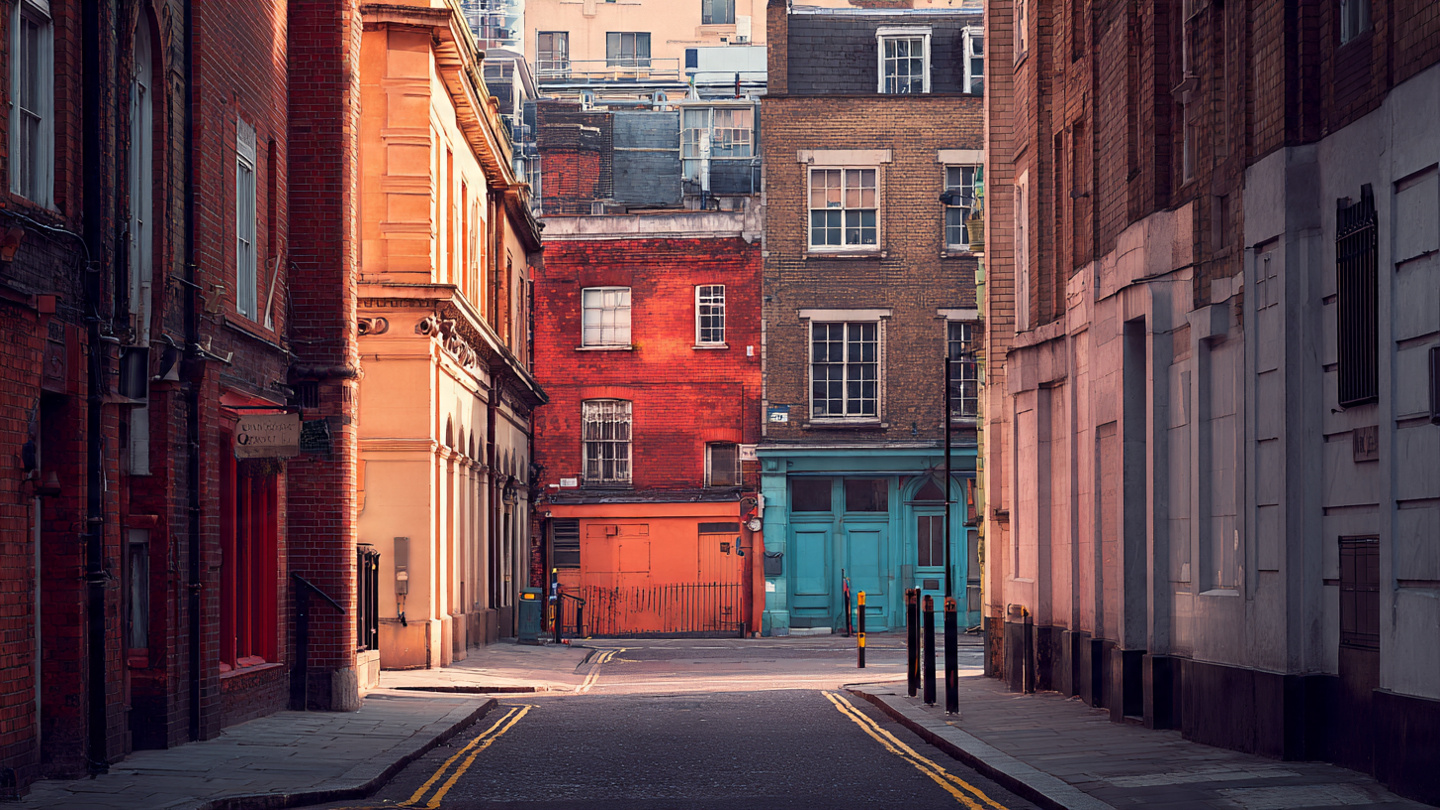
Encountering hidden art spaces in London often reshapes how the city feels and how it is remembered. These spaces encourage visitors to move beyond surface impressions and engage with London as a living, evolving place. Rather than presenting culture as something finished and polished, they reveal creativity as an ongoing process shaped by people, neighborhoods, and change.
Had an amazing day! Beefeater/Yeoman Darren Hardy was such a funny guy and told such interesting tales of the Tower. Highly recommend this visit.
Read more reviews at Tripadvisor.
This shift affects more than cultural understanding. It influences how visitors navigate streets, interact with communities, and interpret the city’s rhythms. Art becomes part of daily life rather than a scheduled activity.
Moving From Observation to Participation
Mainstream attractions usually position visitors as observers. Hidden art spaces invite participation, whether through conversation, collaboration, or reflection. This involvement creates a sense of presence rather than distance.
As visitors engage more actively, London begins to feel less like a destination and more like a shared environment. Hidden art spaces in London transform passive sightseeing into meaningful interaction.
Experiencing the City Through Its Creative Undercurrents
Art operating outside mainstream visibility often responds directly to social conditions. Exhibitions address housing pressure, migration, identity, and memory. By encountering these responses, visitors gain insight into contemporary London beyond historical narratives.
These creative undercurrents reveal tensions and transitions shaping the city today. Hidden art spaces in London function as windows into lived experience rather than curated heritage.
Slowing Down the Pace of Exploration
Discovering hidden spaces requires patience. Visitors walk more, observe closely, and allow plans to change. This slower pace alters perception.
Instead of moving between landmarks, exploration becomes fluid. Streets connect organically. Encounters replace checklists. London feels layered rather than segmented.
Developing a Personal Relationship With the City
Hidden art spaces rarely offer standardized experiences. Each visit feels unique, shaped by timing, context, and interaction. These moments create personal memories rather than shared tourist narratives.
Because of this individuality, visitors often remember London through specific conversations, spaces, or artworks rather than famous sites. Hidden art spaces in London help build relationships rather than impressions.
Understanding Creativity as a Daily Practice
Seeing artists work, experiment, and collaborate reframes creativity as part of everyday life. Art appears not as distant achievement but as ongoing effort.
This perspective fosters appreciation for the labor behind cultural expression. Visitors leave with deeper respect for the people shaping London’s creative landscape quietly and persistently.
Rethinking What Counts as Cultural Value
Hidden art spaces challenge conventional ideas of value. Success does not depend on crowds, sales, or recognition. Meaning emerges through connection, relevance, and honesty.
By engaging with these spaces, visitors learn to value depth over visibility. London’s cultural richness reveals itself through subtle experiences rather than grand statements.
Carrying the Experience Beyond the Visit
Encounters within hidden art spaces often influence how visitors approach other cities. Curiosity increases. Awareness sharpens. Attention shifts toward local signals rather than official guides.
London becomes a reference point for understanding how creativity operates within complex urban environments. Hidden art spaces in London demonstrate that meaningful cultural experiences often exist quietly, waiting for those willing to look closely.
Frequently Asked Questions
They are lesser-known galleries, studios, and creative venues that operate outside major museums and tourist-focused art institutions.
They focus more on experimentation, community, and emerging artists rather than permanent collections or large-scale exhibitions.
Finding and Visiting
Most are discovered through local neighborhoods, artist networks, open studio events, and independent creative listings rather than guidebooks.
Some are open regularly, while others welcome visitors only during exhibitions, events, or specific time windows.
Visitor Experience
Visitors often encounter contemporary, experimental, and socially driven art that reflects local culture and current ideas.
No. Hidden art spaces in London usually encourage curiosity and open-minded exploration rather than formal art expertise.