
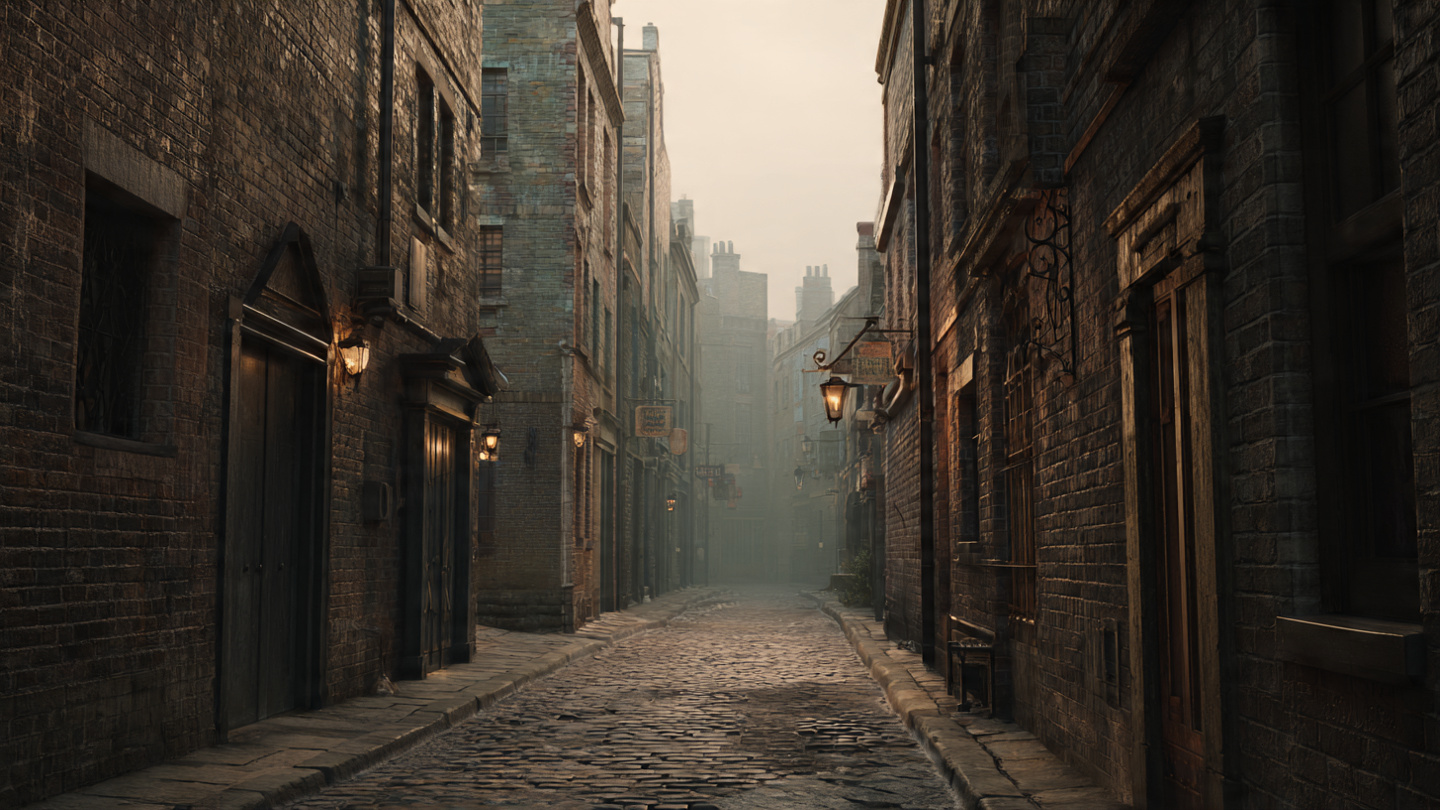
London often feels instantly recognizable. Many visitors arrive with a clear picture already formed, shaped by films, photos, and familiar landmarks. However, once you move beyond those well-known scenes, another version of the city begins to surface. Hidden historical sites in London exist quietly within everyday surroundings, and because of that, they rarely draw attention. Nevertheless, these overlooked places explain the city’s past far better than many famous attractions.
These locations matter because they reflect ordinary life rather than carefully curated history. For instance, they reveal how people worked, worshipped, traded, and adapted to change over long periods of time. Therefore, without noticing these lesser-known historical places, any understanding of London remains incomplete. The grand landmarks tell one story, but the quieter locations fill in the gaps.
As you explore these understated corners of the city, you’ll find they connect seamlessly with our broader guide to London’s hidden gems most visitors miss, showing that overlooked history and quiet discoveries often overlap in the same places.
To make this guide easier to use while you walk, I saved the featured spots into a single map you can open on your phone
Understanding London as a City of Layers
London does not belong to a single historical moment. Instead, it developed gradually, with each era leaving traces behind. As a result, Roman foundations sit beneath medieval streets, while Victorian buildings stand beside modern towers. Moreover, wars, fires, and rebuilding reshaped neighborhoods again and again. When you start paying attention to hidden historical sites in London, the city begins to feel like a layered landscape rather than a collection of attractions.
This layered character appears in subtle ways. For example, streets that curve unexpectedly often follow medieval boundaries. Likewise, narrow passages may trace old trade routes that existed long before modern transport. In addition, sudden open spaces can indicate the former presence of religious or civic buildings. Although their original purposes disappeared, their physical traces remain.
Historical Places Blended Into Everyday Life
Many historical places remain hidden simply because they blend into daily routines. People pass them while commuting, meeting friends, or running errands. Consequently, these sites rarely register as important. Unlike museums or preserved landmarks, they do not interrupt modern movement or demand attention.
Furthermore, these overlooked historical places rarely explain themselves. There are often no signs, plaques, or guided paths. Instead, recognition depends on observation. Changes in stonework, unusual building alignments, or a sudden sense of quiet can all suggest an older layer beneath the surface. Once you begin noticing these signs, however, they appear more often than expected.
Travel habits play a major role in what visitors notice. Many people follow tight schedules built around major sights. As a result, there is little time for wandering, which is often when hidden historical sites in London reveal themselves. When movement becomes rushed, subtle details fade into the background.
At the same time, expectations influence perception. Many travelers assume history must look dramatic or carefully preserved. Therefore, when history appears worn, modest, or incomplete, it often goes unnoticed. Yet some of London’s most authentic historical traces survive precisely because they were never turned into formal attractions.
The Contrast Between Famous and Lived History
Famous landmarks usually represent power, wealth, or national identity. In contrast, smaller historical sites tell stories of everyday life. They show how communities functioned, how spaces were shared, and how people adapted to change. Because of this, these places often feel more relatable and human.
For example, a quiet courtyard may reveal how space was organized centuries ago. Similarly, a fragment of wall can mark an old boundary or defensive line. Meanwhile, a small churchyard might preserve community memory long after the surrounding area transformed. Together, these lesser-known heritage sites help explain how London functioned beyond royal ceremonies and political events.
Once you begin noticing these places, the city feels different. London becomes calmer and more connected. Instead of rushing between major attractions, you start moving with curiosity. Consequently, streets make more sense, and neighborhoods reveal patterns shaped by history rather than traffic alone.
In addition, this shift changes how London stays in your memory. Rather than recalling only landmarks, you remember moments of discovery. A detail that suddenly explained a street layout. A quiet space that felt untouched. A structure that revealed its past through subtle clues. These experiences often remain longer than visits to crowded attractions.
The Quiet Emotional Impact of Unmarked History
Hidden historical sites often carry emotional weight precisely because they lack formal presentation. Without crowds or explanations, you experience them directly. As a result, imagination fills the gaps. You picture earlier uses, consider the passage of time, and reflect on the people who once occupied the space.
Moreover, this quiet connection encourages slower travel. Instead of consuming sights quickly, you engage with places more thoughtfully. Over time, London feels less like a checklist and more like a city shaped by real human lives.
Discovering Lesser-Known Heritage Through Slower Movement
Finding hidden historical sites in London does not require expert knowledge. Instead, it requires attention and patience. Slower walking reveals details that speed hides. Likewise, small detours often lead to meaningful discoveries. Pausing allows patterns to emerge.
For instance, stepping away from busy roads often leads to quieter spaces where older features survive. Looking upward reveals architectural remnants, while looking downward may uncover original paving. Gradually, these habits train your eye to recognize historical layers without effort.
This article focuses on historical places that many people walk past without understanding their significance. Therefore, the emphasis stays on accessibility and observation rather than ticketed attractions. The goal is to provide enough context to make these sites meaningful while keeping the experience approachable.
If you prefer planning first, here’s the same map again so you can skim the locations by theme before you start walking.
As the article continues, different eras of London’s past will emerge. Some locations reflect medieval life, while others reveal religious, industrial, or wartime history. Together, they form a richer and more connected picture of the city.
Building a Foundation for Deeper Discovery
Starting with this perspective ensures that each section that follows feels connected. Every site fits into a broader narrative rather than standing alone. Consequently, understanding why these places matter makes it easier to recognize them in real life.
London does not hide its history intentionally. Instead, it hides it through familiarity. Once that familiarity fades, the city begins to reveal itself more clearly. This guide aims to help you see what has always been there.
Forgotten Medieval Remnants Across the City
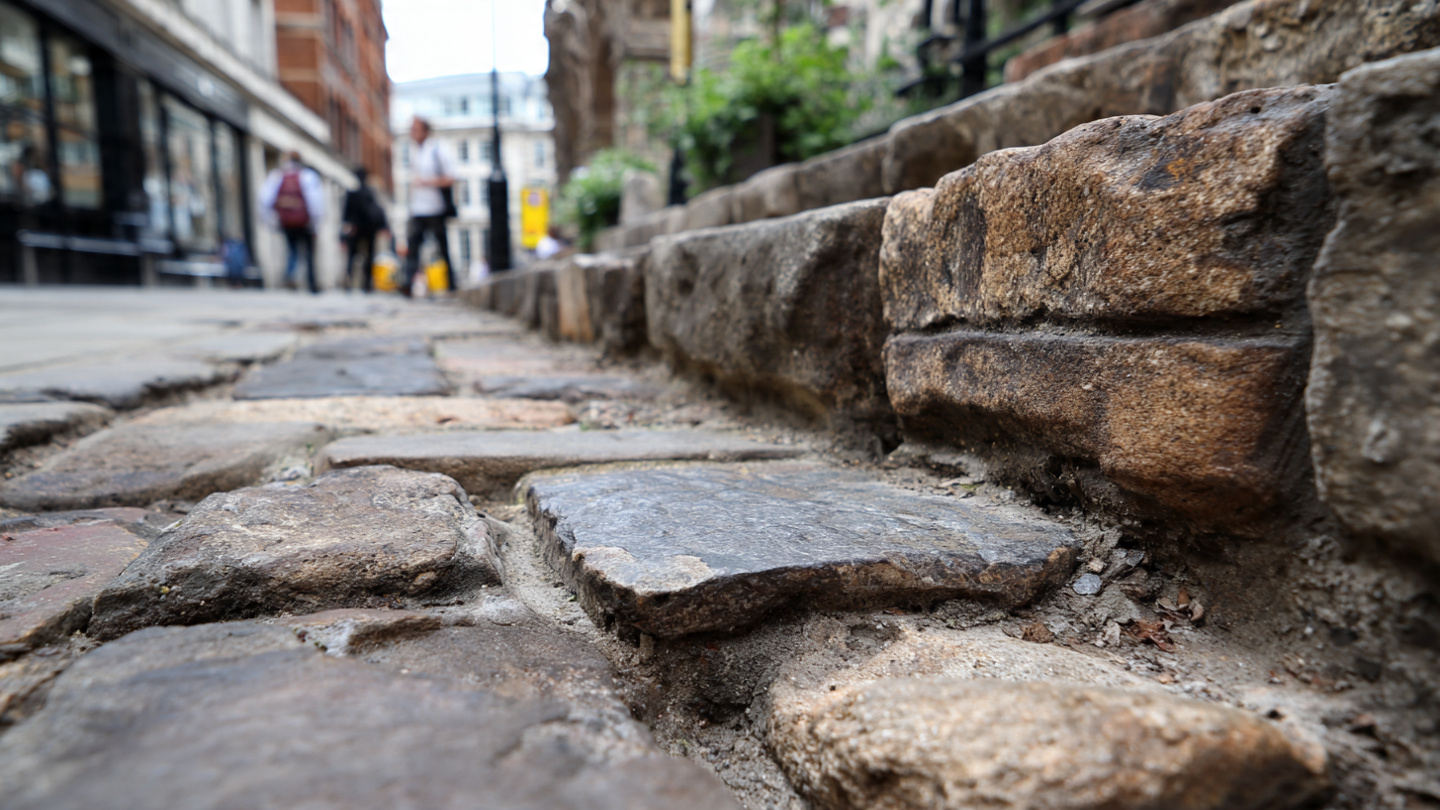
How Medieval London Still Shapes the Modern City
Although London feels unmistakably modern in many places, medieval London still quietly shapes the city’s structure. Long before wide roads, planned squares, and modern zoning, the city developed through narrow lanes, parish boundaries, and defensive needs. As a result, many hidden historical sites in London trace their origins to the medieval period, even if their original purpose is no longer obvious.
During this era, London grew organically rather than by design. Streets followed foot traffic, trade routes, and natural features. Consequently, the medieval city left behind an irregular layout that still influences movement today. When you notice streets that bend without reason or spaces that feel oddly enclosed, you are often seeing medieval planning at work.
Medieval Streets That Refuse to Disappear
Many modern streets sit directly on medieval paths. While names and buildings have changed, the routes themselves remain. For example, narrow lanes tucked behind main roads often follow the same lines used centuries ago by traders, messengers, and residents. Therefore, walking through these areas can feel like stepping into a different rhythm of the city.
In addition, some streets remain narrow because widening them would have erased property lines established long ago. As a result, these tight spaces preserve the scale of medieval London. Although modern shops and offices now occupy them, the sense of enclosure still reflects an earlier way of life.
London once relied on walls for protection, control, and identity. While most of these structures disappeared over time, fragments still survive in unexpected places. Often, they hide behind newer buildings or blend into later construction. Consequently, many people pass them without realizing their significance.
These remnants matter because they reveal how medieval London defined itself. Walls marked boundaries between safety and danger, commerce and control. Even when only small sections remain, they help explain why certain areas developed the way they did. Moreover, they show how the city expanded beyond its original limits.
Some of London’s history was not preserved at street level, but sealed beneath later development, and exploring these underground hidden spots in London reveals how the past still exists below the modern city.
Churchyards and Parish Spaces With Medieval Roots
Religion played a central role in medieval London, shaping neighborhoods and daily routines. As a result, many hidden historical sites in London trace their origins to medieval parishes. While churches themselves often remain visible, the surrounding spaces tell equally important stories.
Small churchyards, side courtyards, and adjacent paths often preserve medieval layouts. In some cases, these spaces served as meeting points, burial grounds, or centers of community life. Even when surrounded by modern buildings, they retain a distinct atmosphere that reflects their age.
Monastic and Religious Footprints Still Visible Today
Medieval London supported numerous monasteries, convents, and religious houses. Although most dissolved or vanished long ago, their footprints remain. Street names, building shapes, and unexpected open spaces often mark where these institutions once stood.
For instance, unusually large plots or oddly shaped courtyards may indicate former monastic grounds. In addition, certain paths still follow routes once used by religious communities. Recognizing these patterns helps explain why some areas feel different from their surroundings.
Markets and Trade Routes From the Medieval Period
Trade drove medieval London’s growth. Markets emerged near river access, gates, and crossroads. While modern commerce replaced medieval stalls, the locations themselves often remained important. Consequently, many busy areas today occupy the same spaces where medieval trade once thrived.
However, some former market areas now feel quiet or overlooked. These locations can appear unremarkable, yet they played crucial roles in the city’s economic life. By noticing these spots, you gain insight into how London functioned long before global trade transformed it.
One of the most striking medieval survivals lies hidden behind modern facades. Courtyards that appear private or forgotten often preserve medieval spatial design. These spaces provided light, access, and communal areas within dense development.
Today, many such courtyards sit behind offices or residential buildings. Because they are not obvious from the street, they remain overlooked. Nevertheless, stepping into one can reveal stonework, proportions, and layouts that feel distinctly medieval.
Why Medieval Remnants Are Easy to Miss
Medieval history often hides because it does not match expectations. Many people imagine medieval sites as dramatic ruins or castles. When the reality appears subtle or fragmented, it fails to register as historical. Therefore, hidden historical sites in London connected to the medieval period often go unnoticed.
Additionally, later development absorbed medieval structures rather than replacing them entirely. Builders reused walls, foundations, and plots. As a result, medieval elements survive inside newer buildings, invisible unless you know where to look.
How Medieval Traces Explain Modern London
Understanding medieval remnants helps make sense of modern London. Street patterns, neighborhood boundaries, and even property shapes often trace back to this period. When something feels irregular or unexpected, medieval history usually provides the explanation.
Moreover, recognizing these traces deepens appreciation. Instead of seeing oddities as inconveniences, you see them as evidence of continuity. London becomes a city shaped by adaptation rather than erasure.
Approaching Medieval Sites With Curiosity and Care
Exploring medieval remnants requires patience and respect. Many locations remain part of everyday life rather than preserved attractions. Therefore, observation matters more than access. Standing quietly, looking closely, and imagining earlier uses often reveal more than signage ever could.
As you move through the city, let curiosity guide you. Notice materials, alignments, and atmospheres. Over time, medieval London begins to emerge naturally from the modern surface.
Overlooked Religious and Spiritual Historical Sites
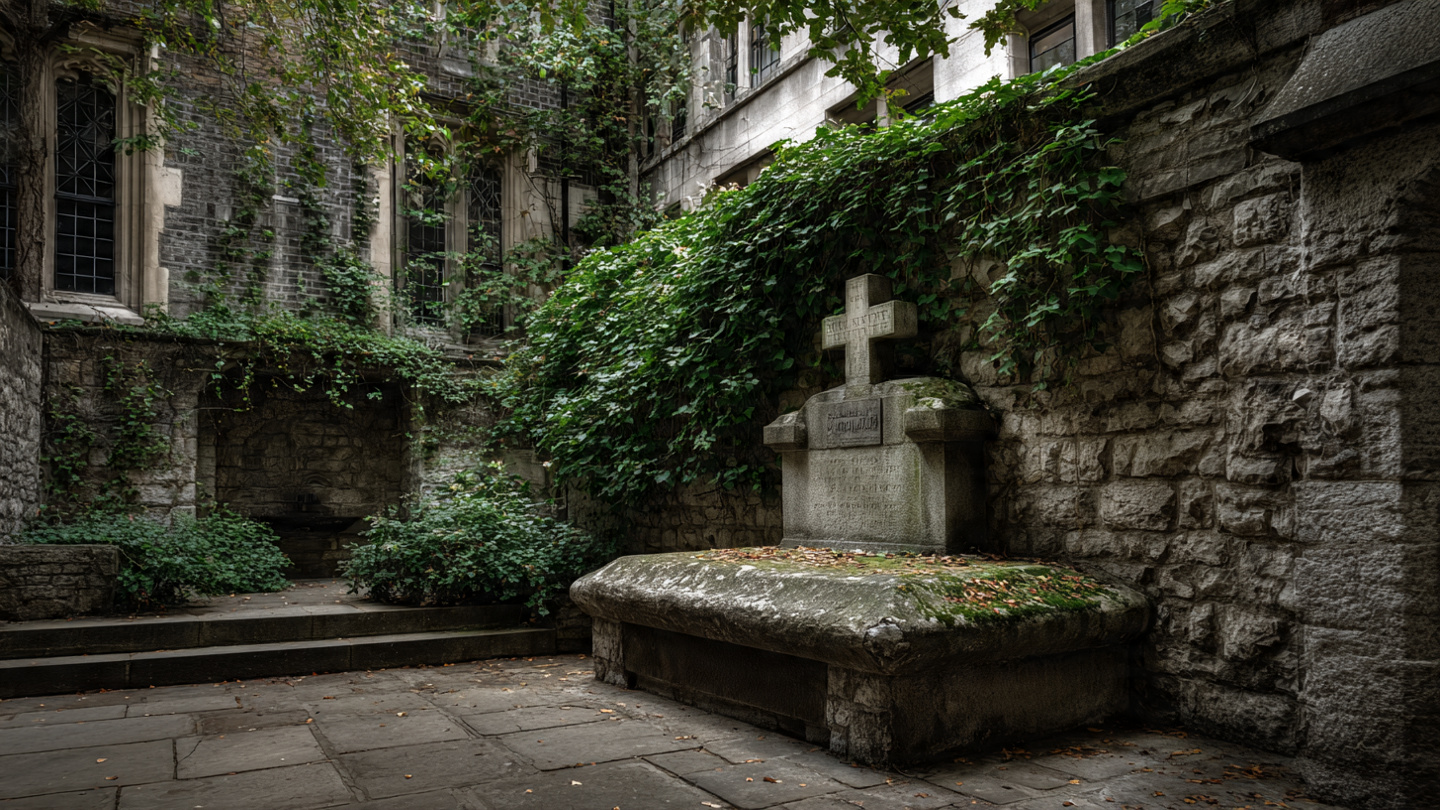
Religion has influenced London for centuries, often in ways that remain visible but rarely explained. While famous cathedrals draw attention, many smaller spiritual sites continue to exist quietly within the city. As a result, hidden historical sites in London connected to faith often escape notice, even though they played a central role in shaping communities.
In earlier periods, religion structured daily life. Parishes defined neighborhoods, bells marked time, and spiritual spaces offered refuge during hardship. Therefore, understanding these lesser-known religious sites helps explain how London functioned beyond politics and trade.
Very nice. Hidden in love with the City. A haven of peace that after advertising on IG is filled with people taking pictures.
Read more reviews at Tripadvisor.
Small Churches That Tell Bigger Stories
London contains many small churches tucked between modern buildings. Although they may appear modest, these places often hold deep historical significance. In many cases, they served local communities for centuries, adapting to fires, reformations, and rebuilding.
Moreover, these churches often reflect continuity rather than spectacle. Their locations reveal where people gathered, sought comfort, and built identity. Even when altered over time, their presence anchors neighborhoods to earlier eras.
Churchyards once played an essential role in community life. They served not only as burial grounds but also as gathering places. Today, many of these spaces remain, though surrounded by modern development. Consequently, they often feel like islands of calm amid busy streets.
These quiet areas preserve layers of memory. Worn gravestones, uneven ground, and old boundary walls all hint at centuries of use. Because they are not formal attractions, they invite reflection rather than observation from a distance.
Some historical spaces connected to London’s past are not visible at street level, as important parts of the city’s story continue beneath familiar routes and landmarks.
Chapels and Meeting Houses Beyond the Mainstream
Not all spiritual life centered on large churches. London supported diverse religious practices, many of which met in chapels or meeting houses that still exist in subtle forms. These spaces often appear plain and understated, reflecting values of simplicity and community.
Over time, some of these buildings changed function. Others remained active but quiet. As a result, they blend easily into residential or commercial streets. Yet they represent important chapters in London’s social and spiritual history.
Monasteries and convents once occupied significant portions of London. Although most disappeared long ago, their influence remains visible. Street names, building footprints, and unexpected open areas often mark where religious communities once lived and worked.
In addition, these institutions shaped local economies through education, charity, and care. Even after their dissolution, the spaces they occupied continued to influence urban development. Recognizing these traces adds depth to seemingly ordinary locations.
Religious Refuge and Community Support
During times of hardship, spiritual sites offered refuge. They provided food, shelter, and guidance. As a result, many hidden historical sites in London tied to religion also connect to social care. These places reveal how communities supported one another long before modern welfare systems existed.
Understanding this role helps explain why certain sites feel emotionally resonant. They were spaces of hope as much as worship.
Why These Spiritual Sites Remain Overlooked
Many religious historical sites remain overlooked because they do not fit tourist expectations. They lack grandeur and formal presentation. Instead, they exist as part of daily life. Consequently, people walk past them without recognizing their importance.
Additionally, secular modern life often reduces attention to religious heritage. Yet these places still hold historical value, regardless of belief. They represent continuity, resilience, and community.
How Spiritual Spaces Change the Pace of Exploration
Encountering these sites often slows your pace. Quiet courtyards, shaded churchyards, and simple interiors encourage pause. Therefore, they support a more reflective way of exploring the city.
This slower rhythm aligns naturally with discovering hidden historical sites in London. It allows observation rather than consumption, helping history feel present rather than distant.
Approaching Religious Heritage With Respect
Many of these sites remain active or sensitive. Respectful behavior matters. Observation, quiet presence, and awareness ensure these spaces remain welcoming. Understanding their dual role as historical and living sites helps maintain balance.
As you continue exploring London’s hidden past, these spiritual locations offer insight into values that shaped the city’s character.
Traces of Roman and Early London Still Visible Today

How Roman London Continues to Shape the City
Long before medieval streets and modern landmarks, London existed as a Roman settlement. Although centuries of rebuilding transformed the city, Roman London never disappeared entirely. Instead, it left traces that still surface in unexpected ways. As a result, some of the most intriguing hidden historical sites in London connect directly to this earliest urban phase.
Roman London was practical and structured. Roads followed clear lines, defensive systems defined boundaries, and public spaces served trade and administration. Even today, these choices influence how parts of the city function. When a street feels unusually straight or a boundary seems oddly persistent, Roman planning often sits behind it.
This section of the old wall is pretty nice. You can see down to the original Roman wall which is super cool to me. The Romans really knew how to build things.
Read more reviews at Tripadvisor.
Roman Roads Beneath Modern Streets
Roman roads formed the backbone of early London. Built for durability and efficiency, many of them continued to serve later generations. Over time, medieval and modern streets grew directly on top of these routes. Consequently, present-day movement often mirrors Roman decisions made nearly two thousand years ago.
Some of these routes remain clearly visible in street alignments. Others reveal themselves through consistent direction over long distances. Recognizing this continuity helps explain why certain roads feel more direct than others. It also highlights how Roman infrastructure shaped the city long after the empire withdrew.
Surviving Roman Walls and Defensive Traces
Roman London relied on walls for protection and control. Although most of these structures disappeared, fragments still survive. Often, they appear integrated into later buildings or hidden behind newer construction. Because of this, many people pass them without realizing their age.
These remnants matter because they show how the early city defined itself. Walls marked the limits of safety and authority. Even when only small sections remain, they reveal where Roman London once stood and how it defended itself against threats.
Unexpected Roman Materials in Later Buildings
Roman materials did not always vanish when buildings fell. Instead, later builders reused stone, brick, and foundations. As a result, Roman elements sometimes appear embedded within medieval or modern structures. These recycled materials create hidden connections across centuries.
Noticing differences in stonework, brick size, or construction style can reveal these layers. Once you begin looking closely, these details appear more frequently. They demonstrate how London evolved through adaptation rather than replacement.
Early Settlement Patterns Still Reflected Today
Roman London established key patterns that continued through later periods. Trade clustered near the river. Administrative functions occupied central areas. Roads linked the settlement to wider networks. These choices shaped development long after Roman rule ended.
Today, busy commercial zones often occupy the same spaces once used for Roman trade. Meanwhile, certain boundaries still reflect early administrative divisions. Understanding these patterns adds clarity to London’s seemingly complex layout.
Why Roman History Often Feels Invisible
Roman history often feels distant because it lacks visible grandeur. Unlike large ruins found elsewhere, London’s Roman remains are fragmented and subtle. Consequently, they rarely match expectations of ancient sites. However, this subtlety makes them fascinating.
Instead of dramatic ruins, Roman London survives through alignment, material, and structure. These clues require attention rather than spectacle. As a result, Roman-related hidden historical sites in London reward patience and observation.
How Roman Traces Connect London’s Timeline
Recognizing Roman traces helps connect London’s long history into a single narrative. Rather than seeing separate eras, you begin to see continuity. Roman decisions influenced medieval development, which in turn shaped modern London.
This connection deepens appreciation. Streets, walls, and spaces no longer feel random. They reflect choices made across centuries. By noticing these early traces, London’s story becomes more coherent and engaging.
Approaching Roman History Through Observation
Exploring Roman remnants does not require formal tours. Instead, careful observation reveals them. Watching how streets align, noticing reused materials, and recognizing defensive patterns all help uncover Roman layers.
As you move through the city, allow curiosity to guide you. Over time, Roman London emerges quietly beneath the modern surface.
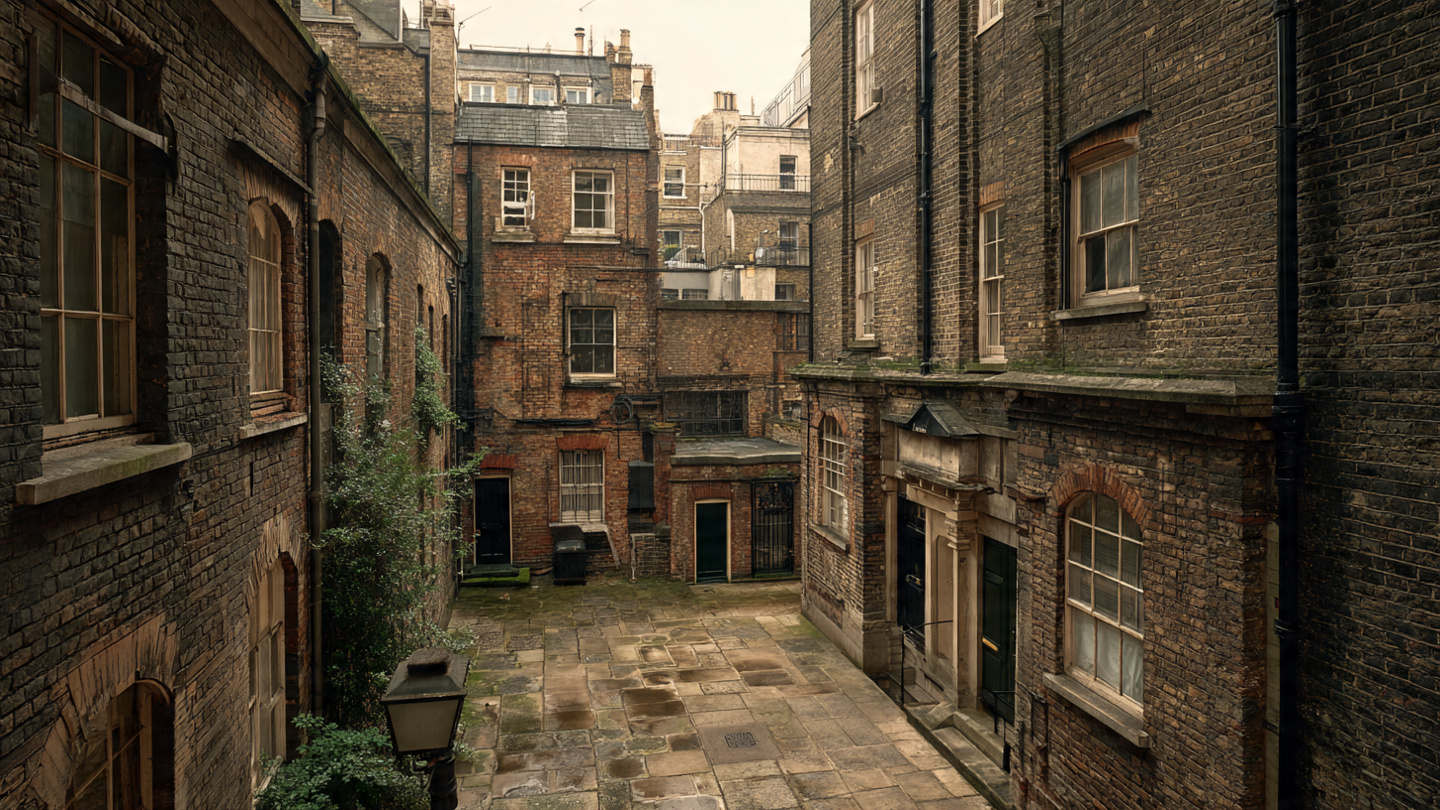
Why Courtyards Reveal London’s Quietest History
London often feels open and busy, yet some of its most revealing historical spaces sit just out of sight. Behind busy streets and modern facades, hidden courtyards preserve earlier ways of living and organizing space. Because they are enclosed and understated, these areas often rank among the most overlooked hidden historical sites in London.
In some cases, these enclosed spaces softened over time, turning former boundaries and functional areas into calm green pockets that still offer a sense of separation from the surrounding city.
Courtyards developed out of necessity. In dense cities, enclosed spaces provided light, access, and shared areas. Over time, they also became places of work, worship, and community life. Even today, their layouts reflect priorities from centuries ago.
Medieval and Early Modern Courtyard Design
Many of London’s courtyards follow medieval or early modern design principles. Buildings wrapped around shared spaces for protection, efficiency, and social connection. As a result, these spaces often feel balanced and human in scale.
Unlike large squares planned later, courtyards grew organically. They adapted to available land and existing structures. Consequently, their shapes feel irregular yet purposeful. Recognizing this design helps distinguish historic courtyards from newer developments.
One reason these spaces remain overlooked is their invisibility from the street. Modern buildings often mask older courtyards behind entrances, archways, or narrow passages. Without curiosity, people walk past without realizing what lies beyond.
Stepping through an unassuming doorway can reveal a completely different atmosphere. Stone paving, aged brickwork, and enclosed walls create a sense of separation from the surrounding city. These contrasts make courtyards powerful reminders of London’s layered history.
Working Life Preserved in Enclosed Spaces
Courtyards often supported trades and crafts. Workshops, storage areas, and small businesses clustered around shared space. As a result, these areas reflect working life rather than elite history.
Even when original uses changed, spatial arrangements remain. The proximity of buildings, the width of access points, and the layout of entrances all hint at earlier activity. These details help reconstruct how people used space efficiently.
Religious and Institutional Courtyards
Not all courtyards served commerce. Religious institutions, schools, and charitable organizations also relied on enclosed spaces. These courtyards provided quiet areas for reflection, learning, or care.
Although some institutions disappeared, their courtyards remain. Surrounded by modern uses, they preserve a calm atmosphere that reflects their original purpose. This continuity makes them some of the most emotionally resonant hidden historical sites in London.
Why Courtyards Encourage Slower Exploration
Courtyards naturally slow movement. Their enclosed nature encourages pause rather than passage. As a result, they align well with discovering hidden history.
Instead of rushing through, visitors tend to stop, look around, and absorb details. This shift in pace allows observation of materials, proportions, and wear that reveal age and use. Over time, these spaces reward patience.
Courtyards reveal how communities organized themselves. Shared access points encouraged cooperation. Enclosure provided security. Proximity fostered interaction.
These qualities explain why courtyards remained useful across centuries. Even as London modernized, enclosed spaces continued to serve social functions. Recognizing this continuity adds depth to understanding urban development.
Why Many Historic Courtyards Remain Undervalued
Modern city planning often favors visibility and openness. As a result, enclosed historic spaces can seem outdated or inconvenient. Consequently, they receive less attention and protection.
However, their value lies in preservation of scale and atmosphere. They show how London functioned before expansion prioritized traffic and efficiency. In that sense, they offer lessons in human-centered design.
Observing Courtyards Without Disruption
Many historic courtyards remain part of working or residential environments. Respectful observation matters. Quiet presence allows appreciation without intrusion.
By observing boundaries and behavior, visitors help preserve these spaces. Understanding their dual role as historical and living environments ensures they remain accessible and meaningful.
How Courtyards Connect London’s Past to the Present
Hidden courtyards link different periods seamlessly. Medieval design meets modern use without formal separation. This coexistence illustrates London’s ability to adapt without erasing its past.
As you continue exploring hidden historical sites in London, these enclosed spaces reveal how continuity shapes the city more quietly than monuments ever could.
Industrial and Working-Class History Often Ignored
How Industry Quietly Reshaped London
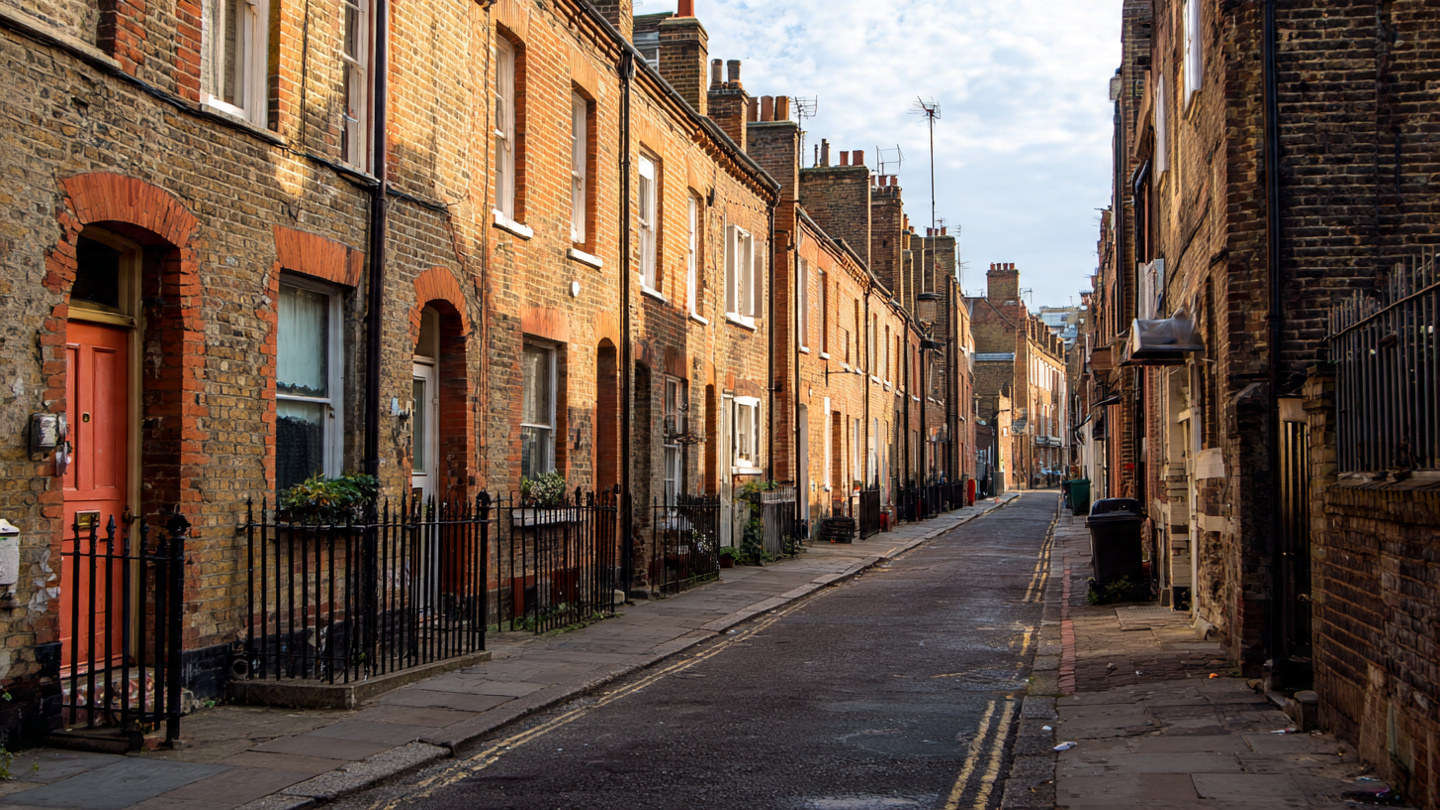
London’s growth did not rely only on kings, merchants, or institutions. Ordinary working people built much of the city through labor, skill, and endurance. However, industrial and working-class history often receives less attention because it lacks visual grandeur. As a result, many hidden historical sites in London connected to industry remain overlooked, even though they shaped everyday life for generations.
From small workshops to large-scale production, industry influenced where people lived, how neighborhoods formed, and how the city expanded. These changes did not happen in isolation. Instead, they blended into residential streets, riversides, and back alleys that still exist today.
Many of these working areas once depended on small trading hubs that operated quietly alongside daily life, where local exchange mattered more than spectacle and tradition shaped commerce over time.
Workshops, Yards, and Forgotten Places of Work
Before large factories dominated, much of London’s industry operated on a small scale. Craftspeople worked from yards, sheds, and rooms attached to homes. These spaces rarely survive as formal heritage sites, yet their layouts remain visible.
Narrow access routes, shared yards, and unusually shaped buildings often indicate former working spaces. Once you begin noticing these patterns, they appear frequently. These remnants help explain how people balanced work and domestic life within dense neighborhoods.
The Role of the River in Working London
The River Thames played a central role in London’s industrial development. Trade, transport, and manufacturing depended on water access. Consequently, many hidden historical sites in London sit near the river or former waterways.
Over time, docks closed and industries moved or disappeared. However, the spatial legacy remains. Paths, warehouses converted into other uses, and irregular shorelines all reflect industrial activity. Recognizing this connection helps explain why certain areas developed as they did.
Housing Shaped by Work and Survival
Working-class housing grew close to places of employment. As a result, entire neighborhoods developed around industry. These areas often feature dense layouts, small dwellings, and shared spaces.
While many buildings changed over time, their proportions and placement still reflect earlier living conditions. Observing these details reveals how communities adapted to economic demands and limited resources. These residential traces represent an important part of London’s hidden history.
Transport Routes Built for Labor
Industrial growth required movement of goods and people. Railways, canals, and roads expanded to support this need. Although many original functions ended, their routes often remain embedded in the city.
Former rail lines may appear as unusual open spaces or footpaths. Old canal routes still influence street alignment. These transport remnants show how industry shaped infrastructure beyond factories themselves.
Why Working-Class History Often Goes Unnoticed
Working-class history often lacks preservation because it was considered temporary or utilitarian. As a result, many sites disappeared without formal recognition. Others survived but lost their context.
Additionally, narratives of power and prestige often dominate historical storytelling. Everyday labor receives less attention despite its importance. Hidden historical sites in London connected to industry challenge this imbalance by revealing how the city truly functioned.
How Industrial Traces Add Depth to Exploration
Noticing industrial remnants changes how London feels. Streets become stories of effort and adaptation. Buildings reveal earlier uses through wear and modification.
This awareness creates a more balanced understanding of the city. It shifts focus from elite history to collective experience. As a result, London feels more human and grounded.
Respecting Places Still Part of Daily Life
Many industrial sites now serve new purposes. Homes, offices, and public spaces occupy former working areas. Respectful observation matters.
By acknowledging their layered past without disrupting present use, visitors help preserve these locations. Understanding their dual role ensures appreciation remains thoughtful rather than intrusive.
How Industrial History Completes the Picture
Industrial and working-class sites connect London’s past to its present economy. They show how labor shaped neighborhoods and opportunities. Without these stories, London’s history remains incomplete.
As you continue exploring hidden historical sites in London, these overlooked traces reveal the effort and resilience behind the city’s growth.
War-Era Remnants and Quiet Memorial Locations
How Conflict Left Lasting Marks on London
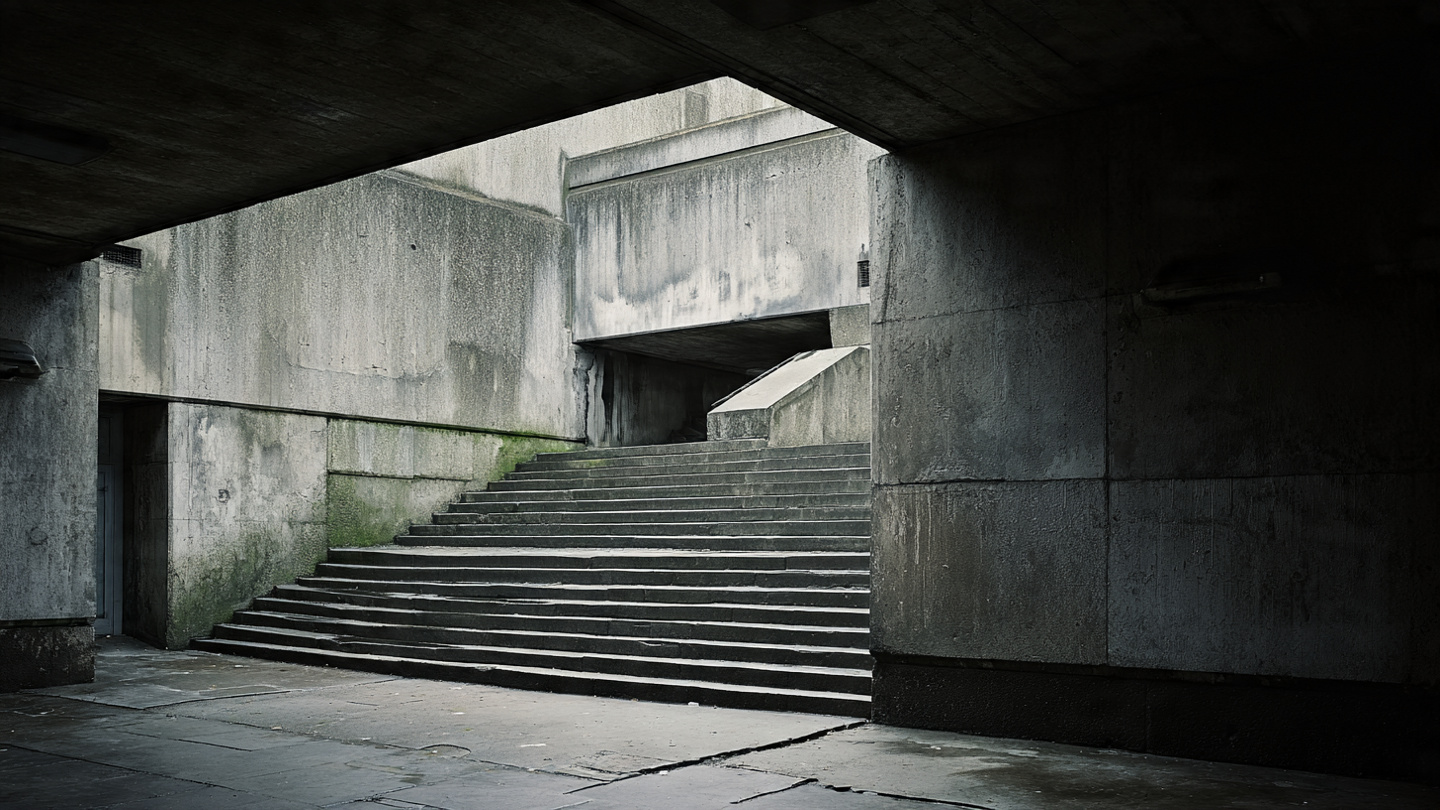
War reshaped London in ways that remain visible, even when rarely acknowledged. While major memorials attract visitors, many smaller reminders of conflict exist quietly within the city. These locations often rank among the most moving hidden historical sites in London because they reflect loss, resilience, and adaptation rather than victory alone.
Conflicts altered streets, buildings, and communities. Bomb damage, emergency construction, and post-war rebuilding changed the city’s fabric. Although decades passed, traces remain embedded in everyday spaces.
Subtle Signs of Wartime Damage and Repair
Not all war-related history appears dramatic. In many cases, signs appear through mismatched brickwork, altered building lines, or sudden gaps between structures. These features often indicate repairs made under pressure or reconstruction following damage.
Once you notice these details, they become easier to spot. They reveal how London adapted quickly to survive and rebuild. These physical traces help connect present-day streets to moments of crisis.
Shelters, Defensive Measures, and Temporary Solutions
During wartime, London required immediate protection. Temporary structures, shelters, and defensive measures appeared throughout the city. While many disappeared, their influence remains visible in altered spaces and repurposed sites.
Some underground areas, basements, and reinforced spaces reflect these needs. Even when their original function ended, their presence influenced later use. Recognizing these adaptations adds depth to understanding how the city responded to danger.
Quiet Memorials Beyond the Obvious
Not all remembrance takes place in large monuments. Small plaques, discreet markers, and modest memorial spaces often commemorate local losses. These locations rarely draw crowds, yet they hold deep emotional significance.
Such memorials connect history to specific communities rather than national narratives. They honor individuals, neighborhoods, and shared experiences. Because they exist within everyday environments, they encourage reflection rather than ceremony.
How War Altered Neighborhood Identity
Wartime destruction and rebuilding reshaped neighborhoods unevenly. Some areas lost entire streets, while others survived relatively intact. These differences influenced social patterns, housing, and development long after the conflicts ended.
Understanding these changes helps explain why certain areas feel fragmented or unusually open. War-era history often provides the missing context behind modern urban design choices.
Why War-Era Sites Often Go Unnoticed
Many war-related sites remain overlooked because they lack visual drama. Repairs blended into existing structures. Temporary measures disappeared. Over time, memory faded as daily life resumed.
Additionally, people often associate war history with museums rather than streets. As a result, hidden historical sites in London tied to conflict remain unnoticed unless actively sought.
The Emotional Weight of Quiet Remnants
Encountering subtle wartime traces can feel unexpectedly powerful. Without crowds or interpretation, these sites invite personal reflection. You imagine fear, uncertainty, and resilience experienced in the same space.
This emotional response deepens connection to the city. It transforms abstract history into lived experience. Quiet remnants often leave stronger impressions than formal displays.
Respectful Engagement With War-Era History
Many war-related sites remain part of daily life. Homes, offices, and public spaces now occupy former emergency areas. Respectful observation matters.
Acknowledging these layers without intrusion ensures these places remain meaningful. Awareness rather than access often provides the richest understanding.
How War-Era History Completes London’s Story
War-era remnants connect London’s past to its modern identity. They show how crisis shaped resilience and change. Without these traces, the city’s history feels incomplete.
As you continue exploring hidden historical sites in London, these quiet reminders reveal how conflict left marks that still shape the city today.
Historic Streets That Escaped Modern Change
Why Some Streets Still Feel Different
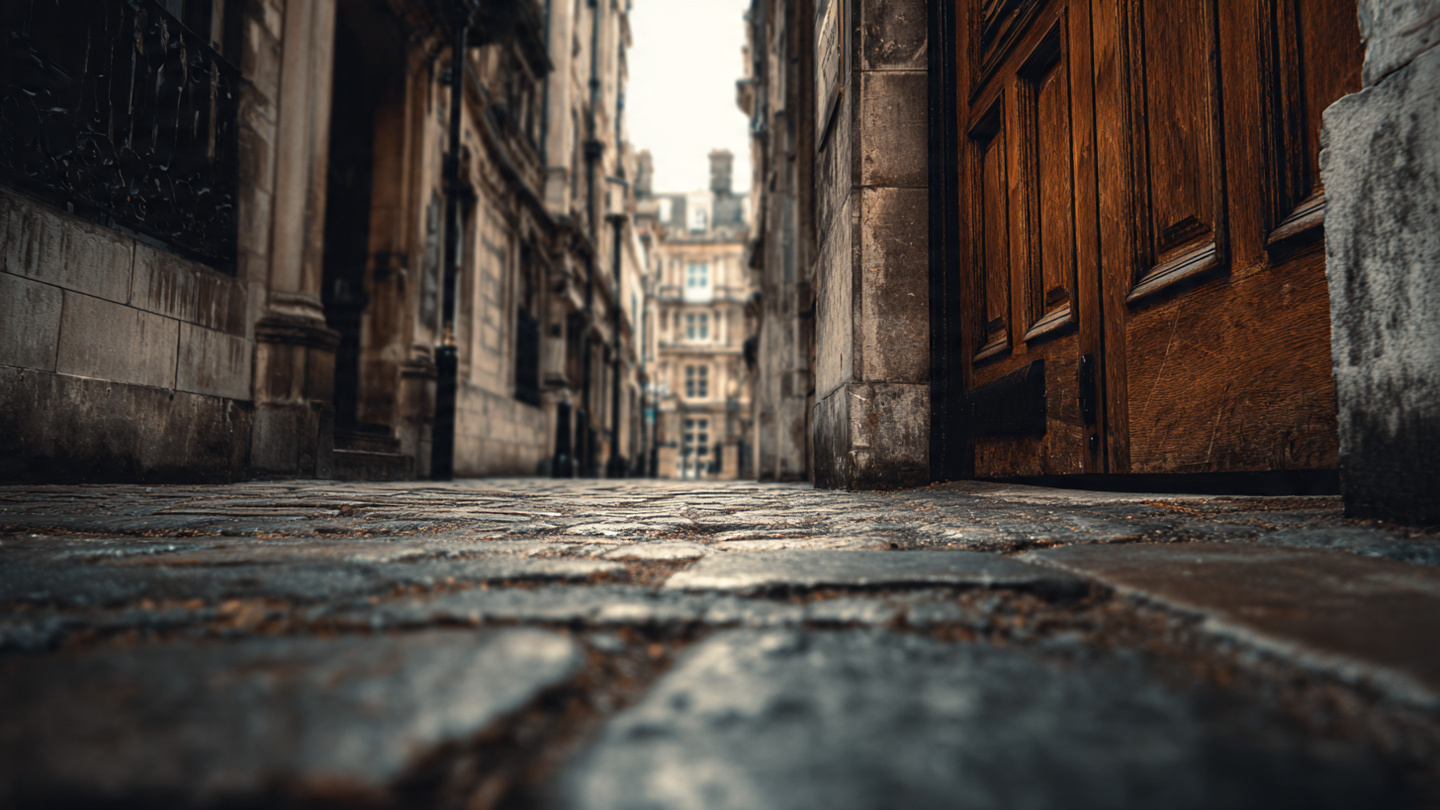
London constantly reinvents itself, yet a small number of streets have resisted complete transformation. These streets often feel different the moment you step onto them. The scale feels smaller. The pace slows. The surroundings seem more personal. Many of these streets qualify as hidden historical sites in London because they preserve character rather than spectacle.
Their survival usually comes down to circumstance rather than intention. Some escaped redevelopment because they were tucked away from major routes. Others remained useful enough to avoid replacement. As a result, they retain layouts, proportions, and atmospheres that reflect earlier centuries.
Street Layouts That Reveal Their Age
Older streets rarely follow modern logic. Instead of straight lines and wide paths, they curve, narrow, and adjust to the land around them. These irregular layouts often trace medieval boundaries, property lines, or foot traffic routes that existed long before cars.
When a street suddenly narrows or bends without explanation, history usually sits behind that choice. These features reveal how people once moved through the city. They also show how space was valued and negotiated over time.
Buildings That Grew Instead of Being Replaced
On many historic streets, buildings evolved gradually rather than being demolished and rebuilt. Additions appeared when needed. Repairs followed damage. Styles blended rather than replaced one another.
This layered growth creates visual variety. You may notice different rooflines, window sizes, or materials within a single street. These differences reflect centuries of adaptation. Rather than feeling chaotic, they create a sense of continuity that newer developments often lack.
Commercial Streets With Deep Roots
Some historic streets supported trade for generations. Shops, workshops, and services clustered where people passed regularly. Even as businesses changed, the function of the street remained.
Today, these streets may host modern shops or cafes, yet their proportions still reflect earlier use. Narrow frontages, low ceilings, and closely spaced buildings hint at commercial life long before modern retail standards. These details connect present activity to historical patterns.
Residential Streets Preserving Everyday History
Not all surviving streets served commerce. Many were residential, built to house families, workers, and communities. These streets often feel quieter and more intimate than major roads.
Small homes, shared entrances, and limited setbacks reflect older living conditions. These features reveal how space was shared and how neighborhoods functioned socially. Walking through these areas offers insight into everyday life rather than official history.
Why These Streets Often Go Unnoticed
Historic streets often lack signs announcing their importance. They do not feature grand monuments or famous names. As a result, they blend into surrounding areas.
Additionally, modern travel habits encourage movement between destinations rather than exploration. Without intentional wandering, these streets remain hidden in plain sight. They reward curiosity rather than planning.
How Historic Streets Change the Walking Experience
Walking along preserved streets feels different. The scale encourages slower movement. Details invite attention. Sounds soften as traffic reduces.
This change in pace supports deeper observation. You notice doorways, textures, and alignment. Over time, the street reveals its story through use rather than explanation. This sensory experience often leaves a stronger impression than visiting a single attraction.
The Role of Protection and Chance
Some historic streets survived because of heritage protection. Others survived through chance. Economic shifts, ownership patterns, and development priorities all played roles.
Understanding this mix explains why preservation appears uneven. It also highlights how fragile these survivals are. Once lost, their character cannot be recreated authentically.
Respecting Streets Still in Use
Many historic streets remain active residential or commercial areas. Respectful exploration matters. Observing without intrusion ensures these places continue functioning while remaining accessible.
Quiet appreciation allows history to coexist with daily life. This balance keeps these streets living parts of the city rather than frozen displays.
Why These Streets Matter
Historic streets offer continuity in a rapidly changing city. They connect modern London to its past through scale, texture, and use. Without them, the city would feel more fragmented.
As part of the broader network of hidden historical sites in London, these streets remind us that history survives not only in monuments, but also in the spaces people continue to use every day.
Some historic streets survived precisely because they sit just outside heavily modernized zones, where quieter walks still exist alongside some of London’s most visited areas.

Hidden historical sites in London often survive precisely because they blend into everyday life. Unlike major attractions, they are not separated from the city’s routines. People live, work, and move through these spaces daily. Because of this, respectful exploration becomes essential. Awareness ensures that curiosity does not disrupt the environments that allow these places to remain accessible.
Respect also protects history itself. Many hidden sites are fragile. Small changes, repeated disturbance, or careless behavior can damage features that survived for centuries. Understanding this responsibility helps preserve these locations for future discovery.
Observing Without Interfering
The most effective way to explore hidden historical sites is through observation. Looking closely does not require touching, entering restricted areas, or altering surroundings. Often, the most meaningful details appear through alignment, material, and atmosphere rather than access.
Standing back allows perspective. Noticing how a wall connects to newer structures or how a space relates to its surroundings often reveals more than physical interaction. This approach respects boundaries while deepening understanding.
Many historical sites exist within active neighborhoods. Courtyards may serve offices. Streets remain residential. Religious spaces may still function for worship. Awareness of these realities matters.
Moving quietly, avoiding obstruction, and respecting privacy ensures positive interaction. When people feel comfortable, history remains visible rather than hidden behind barriers. This balance allows exploration without exclusion.
Understanding the Difference Between Access and Appreciation
Not every historical space is meant to be entered. Some significance lies in external form rather than interior access. Appreciating a site does not always require physical entry.
This mindset shifts focus from consumption to understanding. Observing layout, materials, and context often reveals more than interior access alone. Accepting limits enhances rather than restricts exploration.
Letting Curiosity Guide Without Control
Hidden historical sites reward flexible exploration. However, curiosity should remain gentle rather than intrusive. Allowing discoveries to unfold naturally reduces pressure on sites and people alike.
Wandering without rigid goals often leads to the most meaningful encounters. This openness aligns with slower travel and deeper engagement. History appears when given space.
Respecting Silence and Atmosphere
Many hidden sites carry quiet emotional weight. Churchyards, memorial spaces, and enclosed courtyards benefit from silence. Maintaining that atmosphere honors both history and present use.
Lowering voice, limiting photography, and avoiding disruption preserves the character of these spaces. Silence allows reflection and connection without intrusion.
Photography With Awareness
Photography can support memory and appreciation. However, discretion matters. Avoid photographing private property, people, or sensitive spaces without permission.
Focusing on architectural details rather than individuals respects privacy. Thoughtful photography captures history without exploiting it. This approach supports ethical exploration.
Learning Through Context Rather Than Markers
Hidden historical sites rarely explain themselves. Learning often comes through context rather than signage. Observing surroundings, street patterns, and material transitions builds understanding organically.
Supplementing exploration with reading or research after the experience often proves more effective than relying on plaques. This method allows sites to remain uncluttered while still offering depth.
Supporting Preservation Through Awareness
Awareness itself supports preservation. When people value hidden history, they are more likely to respect and protect it. Sharing experiences thoughtfully rather than promoting exact locations publicly can help prevent overcrowding.
Responsible storytelling keeps these places accessible while minimizing harm. Preservation thrives on balance rather than exposure alone.
Exploring With Humility
Perhaps the most important principle is humility. These sites existed long before visitors arrived and will continue beyond them. Approaching with curiosity rather than entitlement keeps exploration grounded.
Hidden historical sites in London reveal their stories quietly. Respectful presence ensures those stories remain available to those willing to listen.
Final Reflections on Discovering London’s Unseen Past
Seeing London Beyond the Familiar Surface
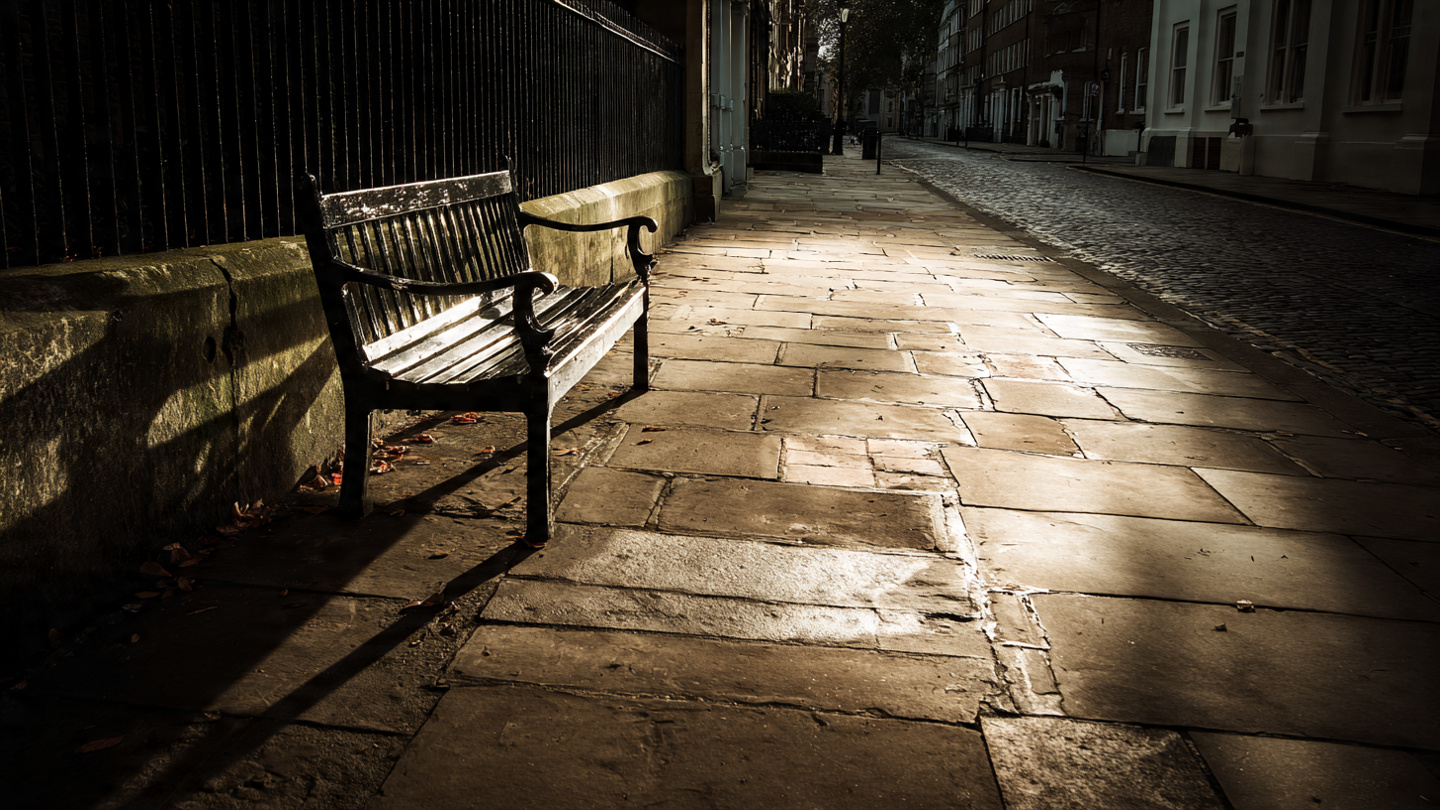
By the time you reach the end of this journey, London no longer feels like a city defined only by its landmarks. Instead, it becomes a place shaped by countless small decisions, adaptations, and survivals. Hidden historical sites in London reveal a version of the city that exists alongside the modern one, quietly influencing how streets flow, how neighborhoods feel, and how people interact with space.
This perspective shifts attention away from spectacle and toward continuity. History stops being something you visit and starts becoming something you notice. The city feels less overwhelming and more readable when you understand that its complexity comes from layers rather than chaos.
Exploring overlooked historical places encourages a different style of travel. You move more slowly. You rely less on lists and more on awareness. Instead of measuring a day by how many attractions you saw, you measure it by moments of recognition and connection.
This approach often leads to deeper satisfaction. Discovering a quiet courtyard or an old street pattern feels personal. These experiences belong to you rather than to crowds. Over time, they shape memories that feel more meaningful than standard sightseeing.
Connecting Everyday Life With the Past
One of the most powerful aspects of hidden historical sites is how closely they sit alongside everyday life. Offices stand above ancient foundations. Cafes operate beside medieval walls. Homes occupy streets shaped centuries ago.
This coexistence reminds you that history is not separate from the present. It lives within it. Recognizing this connection creates a sense of continuity that transforms how you see both the past and the present city.
Why These Places Matter for the Future
Preserving hidden historical sites does not always require formal protection. Often, it begins with awareness and respect. When people notice and value these places, they are less likely to dismiss them as expendable.
Understanding London’s hidden history also encourages thoughtful development. It highlights the importance of adapting rather than erasing. In this way, appreciation becomes a form of preservation.
Carrying This Way of Seeing Forward
Once you train your eye to notice hidden history, the habit stays with you. You begin seeing similar patterns in other cities. Narrow streets, reused materials, quiet courtyards, and irregular layouts all start telling stories.
London becomes a teacher rather than a destination. It shows how cities evolve through accumulation rather than replacement. That lesson extends far beyond one place.
A City That Rewards Attention
Hidden historical sites in London do not demand attention. They reward it. They offer depth to those willing to slow down, look closely, and remain curious. In doing so, they transform London from a place you visit into a place you understand.
The city has always been speaking. It simply waits for listeners.
Frequently Asked Questions
Hidden historical sites in London are lesser-known places that hold real historical value but are not widely promoted as tourist attractions. These include old streets, courtyards, foundations, religious spaces, and remnants from different periods of the city’s past that blend into everyday surroundings.
Many historical places are overlooked because they are not visually dramatic or clearly marked. Others remain part of daily life rather than preserved attractions, so people often walk past them without realizing their historical importance.
Yes, many overlooked sites are just as important historically. While famous landmarks often represent major events or power, hidden sites reflect everyday life, community history, and long-term urban development.
Visiting and Exploring Responsibly
Most hidden historical sites can be seen for free because they are part of public streets, courtyards, or open spaces. Some may be privately owned or active spaces, so respectful observation is important.
Generally, yes. These places are often located in normal neighborhoods. However, visitors should stay aware of their surroundings, respect private property, and avoid entering restricted areas.
Walking slowly and without a strict itinerary works best. Paying attention to street layouts, building materials, and quieter spaces helps reveal overlooked history more naturally than rushing between attractions.
History and Preservation
Many hidden sites relate to Roman, medieval, industrial, and wartime London. These periods shaped the city deeply, yet much of their physical evidence survives only in fragments.
In many cases, structures were reused, adapted, or built over rather than intentionally preserved. Practical needs often mattered more than heritage protection, especially during rapid growth or post-war rebuilding.
Some are protected through conservation rules, while others survive through continued use. Awareness and respectful behavior play an important role in preserving these places.
Planning and Experience
A guide is not essential, but background knowledge helps. Many people discover these places simply by walking carefully and observing details that reveal older layers of the city.
Yes, they often appear between major attractions. Even short walks can reveal overlooked heritage if you move slowly and stay curious.
Because they lack crowds and formal presentation, hidden sites often feel personal. They allow quiet reflection and imagination, which can create stronger emotional connections than busy tourist locations.