
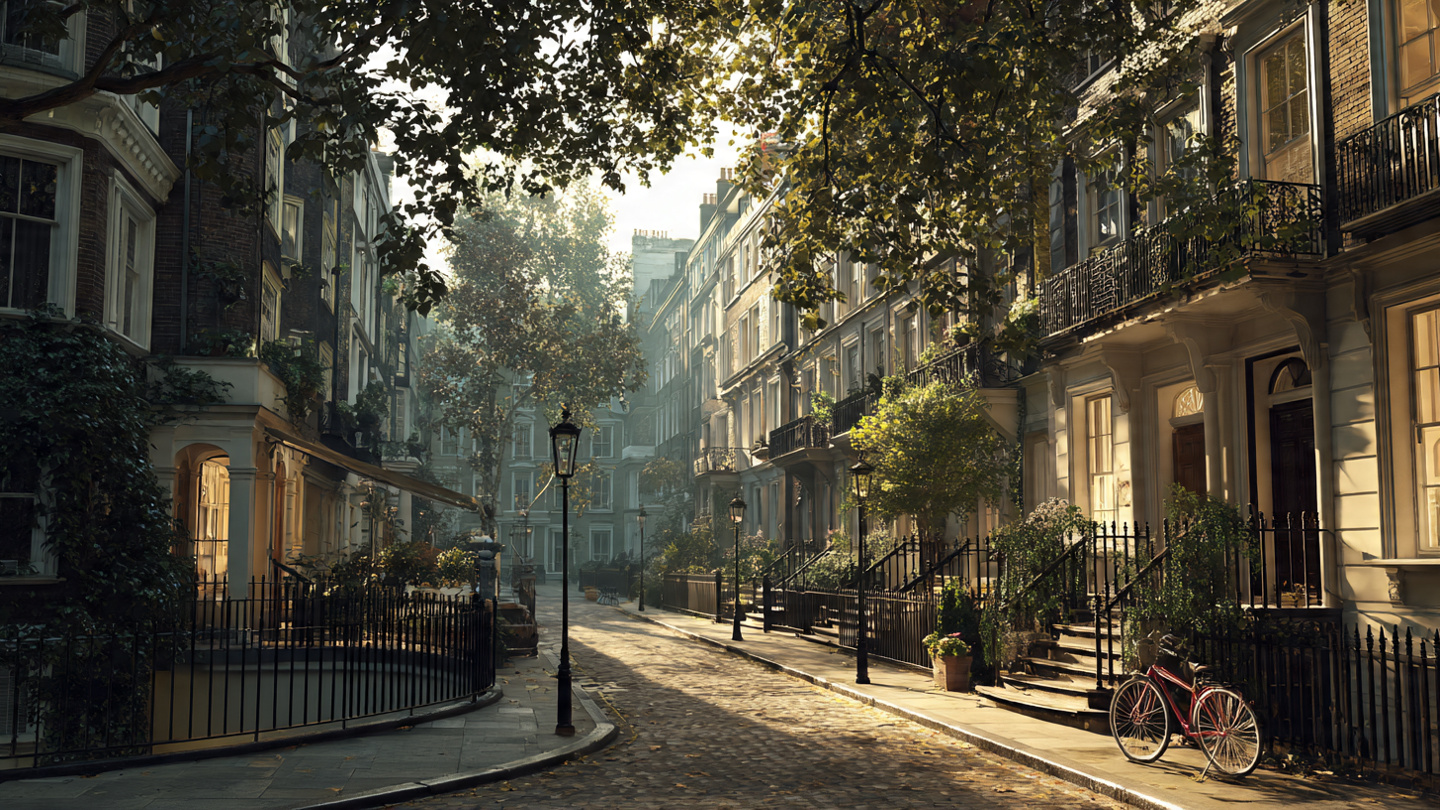
Most people encounter London through its landmarks. Travel guides emphasize famous buildings, maps highlight well known streets, and itineraries often move quickly between recognizable locations. This approach helps visitors understand the city’s global identity, but it rarely shows how London feels once the crowds thin. Developing your own itinerary with hidden London stops changes your perspective. A hidden London itinerary begins with a different goal. Instead of focusing on what is famous, it focuses on how the city unfolds when attention shifts to quieter movement and everyday spaces.
Why London Often Feels Overwhelming at First
Many travelers arrive expecting London to feel compact and walkable. Once there, distances stretch, neighborhoods blur together, and travel time takes over the day. This sense of overwhelm usually comes from trying to experience too much at once. Instead, try using a London itinerary focused on hidden corners and secret routes. When travelers follow quieter routes and reduce constant transitions, the city becomes easier to read. Streets begin to connect logically, and the scale of London starts to feel manageable rather than intimidating.
A hidden London itinerary does not mean avoiding everything familiar. Instead, it changes priorities. Famous areas may appear briefly, but they do not shape the entire journey. The focus shifts to residential streets, overlooked connections, and calm corners that sit close to busy zones. These spaces reveal how London functions beyond tourism. They show how people live, move, and interact with the city every day.
Why Fewer Stops Create Deeper Experiences
Traditional itineraries often measure success by how many places are visited. A hidden approach measures success differently. It values continuity over quantity. When days revolve around fewer areas, travelers spend less time navigating and more time observing. Small details stand out. Cafes feel less rushed. Streets develop personality. The city begins to feel layered rather than rushed, especially when following hidden London itinerary tips throughout the day.
How Route-Based Planning Changes the Day
This itinerary relies on movement rather than attraction lists. Each day follows a loose geographic logic that minimizes unnecessary transport changes. Walking becomes purposeful rather than exhausting. Short transitions replace long journeys. This structure creates a sense of flow that keeps energy levels steady. Notably, by planning with hidden London locations in your itinerary, you naturally respect how people explore unfamiliar cities.
Travel rarely follows perfect plans. Weather shifts, energy levels change, and unexpected discoveries pull attention in new directions. Rigid schedules struggle under these conditions. A hidden itinerary allows days to adjust naturally. In particular, a hidden London itinerary gives travelers room to slow down or move on without guilt when it does not feel right. This flexibility reduces stress and often leads to more meaningful moments.
Why This Approach Appeals to Repeat Visitors
Many visitors leave London believing they have already seen it. Their memories often center on crowds, queues, and transport lines. This is exactly why the hidden London itinerary approach reveals a different impression. It reveals contrast instead of spectacle. Busy streets fade into calm ones within minutes. Historic architecture blends into modern routines. Lesser known neighborhoods take priority over familiar names, creating a fresh impression of the city.
Suitable Even Without Local Knowledge
This itinerary does not require insider access or long-term experience. Every route remains practical for visitors. The difference lies in intention, not difficulty. To truly experience London as locals do, travelers should build their own itinerary focused on hidden London gems. The city begins to feel lived in, even during a short stay.
How This Guide Is Structured
The sections ahead break this hidden London itinerary into clearly defined days. Each day stands on its own while connecting naturally to the next. The focus remains on quiet exploration, realistic pacing, and understanding how London works beneath its surface. By following this structure, travelers gain confidence in navigating the city without feeling rushed or disconnected.
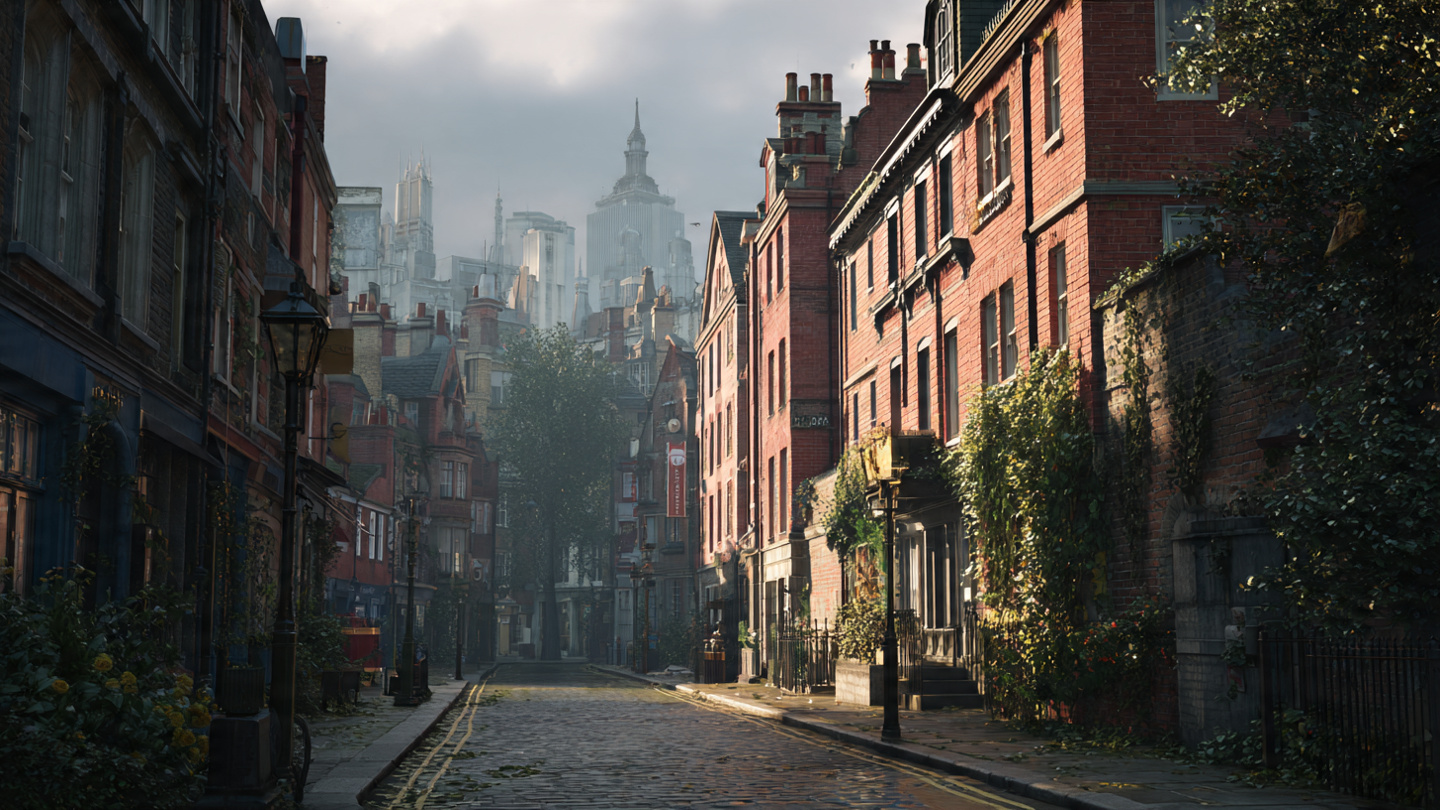
Moving Beyond the Tourist Version of the City
Many visitors experience London through a narrow lens shaped by popular attractions and fast paced schedules. As a result, the city often feels crowded, noisy, and tiring. However, a hidden London itinerary shifts attention away from that surface layer. When travelers stop chasing highlights and instead follow quieter routes, the city begins to feel more human. Gradually, streets carry everyday life rather than constant movement, and neighborhoods feel distinct rather than blended together.
How Slower Exploration Improves Understanding
London rewards patience, and this becomes clear once the pace slows. When travelers explore more deliberately, patterns begin to appear. For example, local routines become visible, independent businesses replace souvenir shops, and residential streets show how different areas function throughout the day. Because a hidden itinerary limits constant transitions, this understanding develops naturally. Instead of jumping between distant locations, travelers spend enough time in one place to notice contrast, rhythm, and subtle change.
The Psychological Impact of Fewer Crowds
Crowds shape perception more than most people expect. When places feel busy, attention shortens, stress increases, and energy drains faster. By contrast, following a hidden London itinerary reduces constant stimulation. Consequently, calmer streets create mental space. Decisions feel simpler, moments feel more personal, and the city becomes easier to engage with. Over time, this quieter environment often leads to a deeper emotional connection.
London’s size often surprises first time visitors. Because long transport journeys dominate many itineraries, the city can feel fragmented. A hidden itinerary addresses this problem by grouping nearby areas and using natural walking corridors. As a result, distances feel intentional rather than exhausting. Movement becomes part of the experience instead of a barrier between places.
Experiencing London as a Collection of Villages
London did not grow around a single historic center. Instead, it developed as many separate villages that slowly merged together. While famous itineraries often ignore this structure, a hidden London itinerary works with it. Each day focuses on a small cluster of neighborhoods. Therefore, travelers begin to understand why areas feel different from one another and how those differences shape the city’s character.
How Quiet Areas Reveal Local Identity
Local identity rarely appears in crowded spaces. Instead, it emerges in side streets, everyday shops, and informal meeting points. Through a hidden itinerary, these elements come forward. As travelers move through quieter areas, they see how people interact with their surroundings and how history blends into modern routines. In this way, the city reveals itself without explanation or performance.
Reducing Travel Fatigue Without Losing Depth
Many travelers worry that slowing down means missing important experiences. In London, however, the opposite often happens. A hidden itinerary reduces fatigue by limiting constant navigation and decision making. Consequently, energy remains more consistent from day to day. Because attention stays focused, experiences feel richer even when fewer locations appear on the plan.
Why This Approach Creates Lasting Memories
Memories form through moments rather than movement. While rushed itineraries produce photographs, they rarely create lasting impressions. A hidden London itinerary allows space for observation and reflection. As a result, conversations feel unhurried, streets feel familiar by the second visit, and small details stand out. These impressions often stay with travelers long after the trip ends.
Preparing for the Days That Follow
This change in approach sets the foundation for the itinerary ahead. Each upcoming day builds on the idea that London reveals itself through continuity rather than accumulation. With this understanding, travelers approach the next sections with clearer expectations and greater confidence.
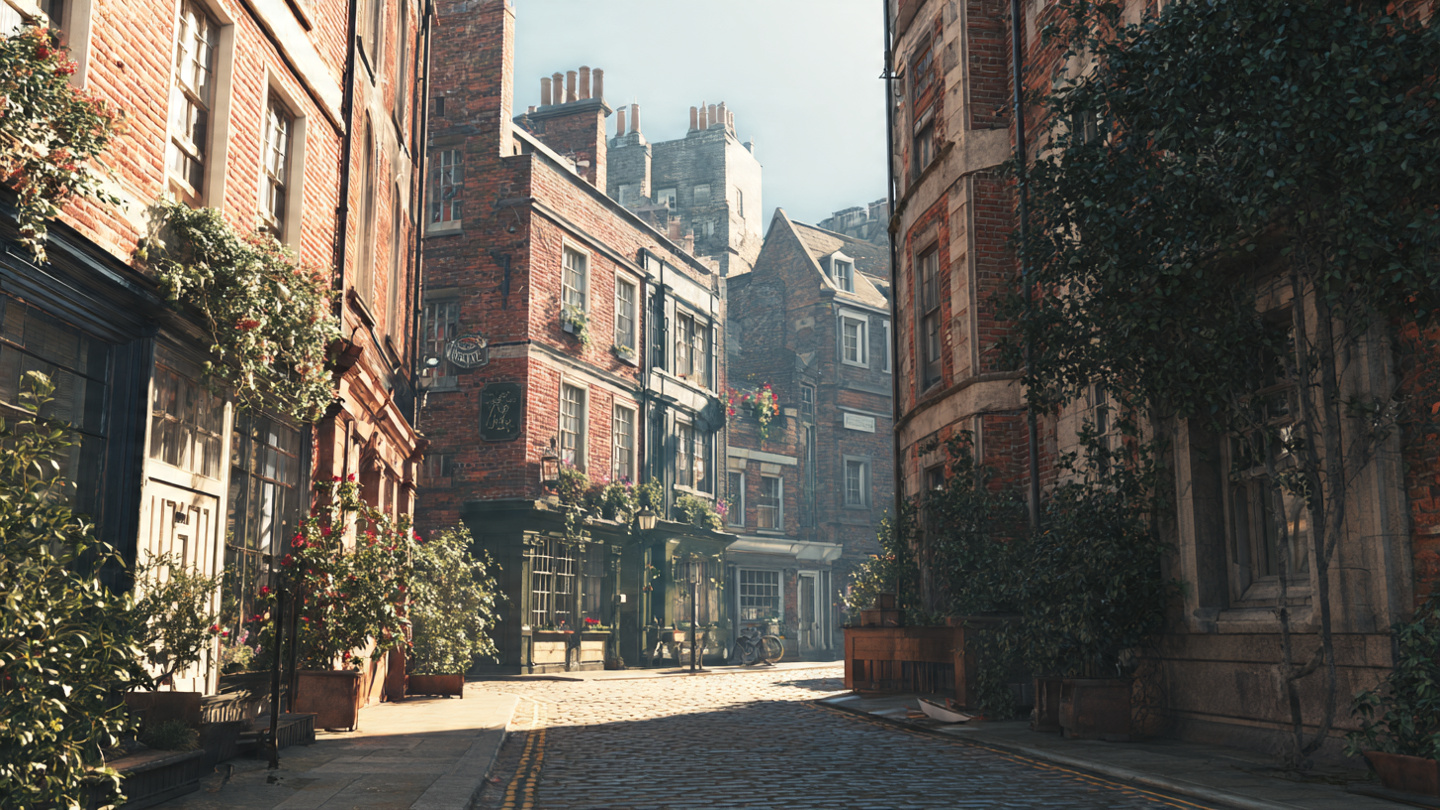
Built Around Flow Rather Than Checklists
This hidden London itinerary follows flow instead of fixed attraction lists. Rather than packing each day with unrelated stops, it groups nearby areas that naturally connect. As a result, movement feels logical and calm. Travelers spend less time navigating and more time experiencing their surroundings. This structure reduces decision fatigue and keeps each day feeling complete rather than rushed.
Why Geography Shapes Each Day
London rewards geographic planning. Because neighborhoods developed independently, areas close on the map often share a similar rhythm. Therefore, each day in this itinerary focuses on one primary zone and its surrounding streets. By staying within a contained area, travelers avoid unnecessary transport changes. At the same time, they gain a clearer sense of how different parts of London function.
To understand how these quieter routes connect across the city, this hidden-focused walking overview is shown in the Hidden London Itinerary Map.
A Flexible Day-by-Day Framework
Instead of rigid schedules, this itinerary uses a flexible daily framework. Each day has a clear focus, but no fixed hourly timeline. This approach allows travelers to adjust based on energy levels, weather, or unexpected discoveries. For example, a morning walk can easily extend into the afternoon if a neighborhood feels engaging. Likewise, a shorter day never feels like a failure because the structure allows for variation.
Balancing Walking With Natural Breaks
Walking plays an important role in a hidden London itinerary. However, this plan avoids long, exhausting routes. Each day includes natural pauses created by quieter streets, small parks, or local gathering spaces. Consequently, walking feels exploratory rather than tiring. These breaks also help travelers absorb details that often disappear when moving too quickly.
How Each Day Builds on the Previous One
The itinerary is designed so that days connect without repeating the same experience. While each day stands alone, it subtly builds on what came before. For instance, early days focus on orientation and calm exploration. Later days introduce deeper layers of local culture and creative spaces. Because of this progression, confidence grows naturally as the itinerary unfolds.
Avoiding Overlap With Traditional Itineraries
Many London itineraries repeat the same core attractions across different day counts. This hidden itinerary avoids that overlap. While familiar areas may appear briefly for context or transition, they never dominate the day. Instead, attention remains on less obvious routes and neighborhoods. This keeps the experience distinct from standard plans and prevents repetition for travelers who have visited before.
Designed for Realistic Energy Levels
Travel energy changes from day to day. Some mornings begin with excitement, while others start slowly. This itinerary accounts for that reality. Each day allows for an easy start and a gentle close. As a result, travelers maintain steady energy across the trip. This balance helps prevent burnout, especially on longer stays.
How to Use This Structure During Your Trip
Travelers can follow this itinerary exactly or adapt it freely. Because the structure focuses on areas rather than strict schedules, adjustments remain easy. For example, a day can be shortened, combined, or extended without disrupting the overall flow. This adaptability makes the itinerary practical for different travel styles while preserving its hidden focus.
Preparing for the Day-by-Day Breakdown
With the structure in place, the next sections move into the daily itinerary itself. Each upcoming day translates this framework into real exploration. By understanding how the itinerary is organized, travelers can approach each day with clarity and confidence instead of uncertainty.
Day One: Quiet Beginnings in Overlooked Central Neighborhoods
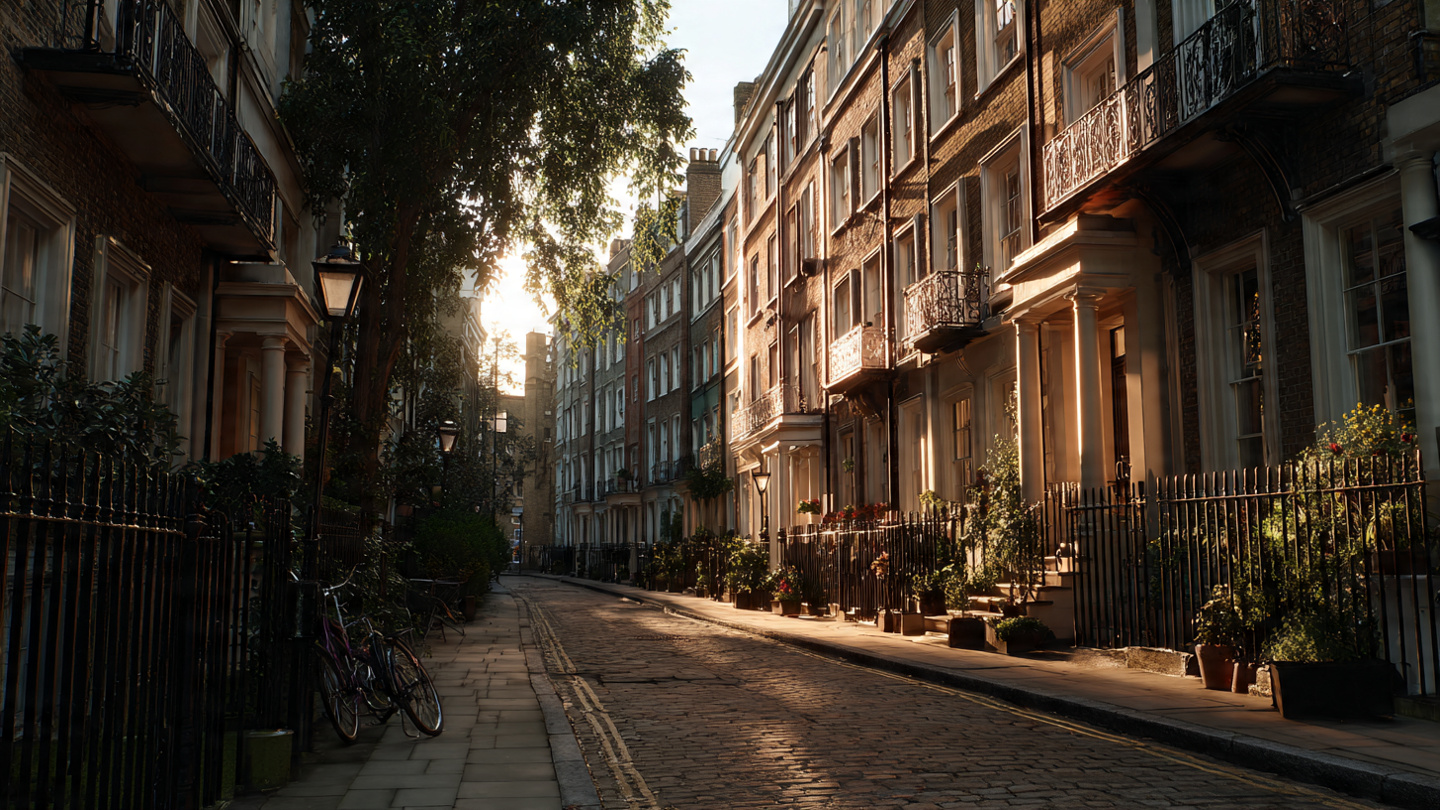
Starting the Journey Away From the Rush
The first day of a hidden London itinerary works best when it begins calmly. Many visitors start their trip by rushing toward famous landmarks, which often sets an exhausting tone. Instead, this day focuses on easing into the city through overlooked central neighborhoods. These areas sit close to major transport links, yet they feel surprisingly detached from tourist movement. As a result, travelers can orient themselves without pressure.
Why Central Does Not Have to Mean Crowded
Central London carries a reputation for congestion. However, not every central neighborhood attracts the same attention. Several districts operate quietly alongside busy zones without drawing crowds. By choosing these areas, travelers experience central London as it actually functions day to day. Streets feel lived in, cafes serve regulars, and movement follows local rhythms rather than visitor schedules.
These calm streets and overlooked routes are easier to visualize using the Quiet Central London Walking Routes map.
Letting Streets Set the Pace
Rather than aiming for specific attractions, this day allows streets to guide exploration. Walking without constant destination pressure encourages observation. Architectural details stand out, small businesses feel approachable, and transitions between areas feel natural. Because the itinerary does not force a rigid route, travelers can pause, wander, and adjust direction easily.
Discovering Residential London Up Close
Residential streets play an important role on the first day. These spaces reveal how Londoners live within the city’s historic framework. Townhouses, quiet squares, and narrow lanes replace wide boulevards. Consequently, the city begins to feel more personal. Travelers gain confidence navigating without relying on landmarks, which helps throughout the rest of the itinerary.
Understanding the Rhythm of the Morning
Morning hours often reveal the most authentic side of London. Commuters move with purpose, local shops open gradually, and streets feel calm before the afternoon builds. A hidden London itinerary uses this time intentionally. By exploring quieter neighborhoods early, travelers experience a balance between activity and stillness that disappears later in the day.
Transitioning Through Lesser Known Connectors
London contains many short connectors that link neighborhoods quietly. These routes rarely appear in guidebooks, yet they shape how locals move. Walking through them creates a sense of continuity. Instead of jumping from one area to another, travelers feel the city of London unfolding piece by piece. This gradual transition reduces fatigue and increases familiarity.
Finding Pause Without Leaving the City
Even within central neighborhoods, moments of calm exist. Small green spaces, tucked away courtyards, and quiet streets offer places to pause. These moments prevent the first day from feeling overwhelming. As a result, travelers end the day feeling grounded rather than overstimulated.
Building Confidence for the Days Ahead
The purpose of this first day extends beyond exploration. It builds confidence. By navigating central London without relying on major attractions, travelers learn how the city fits together. Transport systems feel less intimidating, distances feel manageable, and movement becomes intuitive. This confidence carries forward into the following days of the hidden London itinerary.
Closing the Day Without Rush
Rather than ending the day with a final push, this itinerary encourages a gentle close. As evening approaches, quieter streets take on a different character. Lights soften, local routines slow, and the city feels approachable. Ending the day in this way preserves energy and sets a calm tone for what follows.
Day Two: Local Streets, Markets, and Slow Exploration

Shifting From Orientation to Immersion
By the second day, the city starts to feel less intimidating. After a calm introduction, travelers usually move with more confidence. Therefore, day two of a hidden London itinerary shifts from orientation to immersion. Instead of learning how London works, the focus turns to living within it for a while. Streets feel familiar enough to wander without hesitation, and decisions become easier.
Whether you’re looking for some shopping or food, Camden market is a great place to visit. Lots of people, energy and places to see. Had a great time shopping, eating and a few pints here and there. Well worth it!
Read more reviews at Tripadvisor.
Why Local Streets Matter More Than Famous Ones
Well known streets often attract attention, but they rarely reveal daily life. Local streets, however, show how neighborhoods truly function. On this day, exploration centers on areas where residents shop, meet, and move through their routines. As a result, travelers experience London at a human scale. The city no longer feels like a destination and starts to feel like a place.
Experiencing Markets as Everyday Spaces
Markets often appear in travel plans as must-see attractions. In a hidden London itinerary, markets serve a different purpose. They act as community spaces rather than highlights. Visiting them without urgency allows travelers to observe rhythms instead of rushing through stalls. Consequently, markets feel less like events and more like natural extensions of neighborhood life.
Letting Time Stretch Naturally
Unlike traditional itineraries, this day avoids fixed schedules. Time stretches or compresses based on interest and energy. For example, a quiet street may invite a longer walk, while a busy corner might signal a change in direction. Because the plan remains flexible, travelers stay present rather than focused on what comes next.
How Neighborhood Variety Reveals Contrast
London’s neighborhoods differ sharply even when they sit close together. Day two highlights this contrast. Moving slowly through adjacent areas shows how architecture, atmosphere, and pace shift within short distances. As a result, travelers begin to understand the city’s layered identity. These subtle differences often leave stronger impressions than iconic sights.
The Role of Casual Stops and Observations
Casual stops define this day. Small shops, benches, and informal gathering places become part of the experience. Instead of searching for specific attractions, travelers respond to what feels inviting. This approach reduces pressure and encourages curiosity. Over time, the city reveals itself through ordinary moments rather than planned highlights.
Managing Energy Through Slow Exploration
Slower exploration helps regulate energy. By avoiding long transport journeys and constant navigation, travelers conserve mental and physical strength. Consequently, the day feels full without being exhausting. This balance becomes especially important as the itinerary progresses and deeper exploration follows.
How Day Two Builds Connection
Connection develops through repetition and familiarity. By spending extended time in a small area, travelers recognize streets, faces, and routines. This familiarity creates comfort. London begins to feel navigable rather than overwhelming. That sense of connection often marks the turning point in a hidden London itinerary.
Preparing for the Shift Ahead
As day two closes, the itinerary prepares for a change in environment. While the first two days focus on streets and neighborhoods, the next day introduces more open and restorative spaces. This transition maintains balance and keeps the experience from feeling repetitive.
Day Three: Green Corridors and Calm Spaces Inside the City
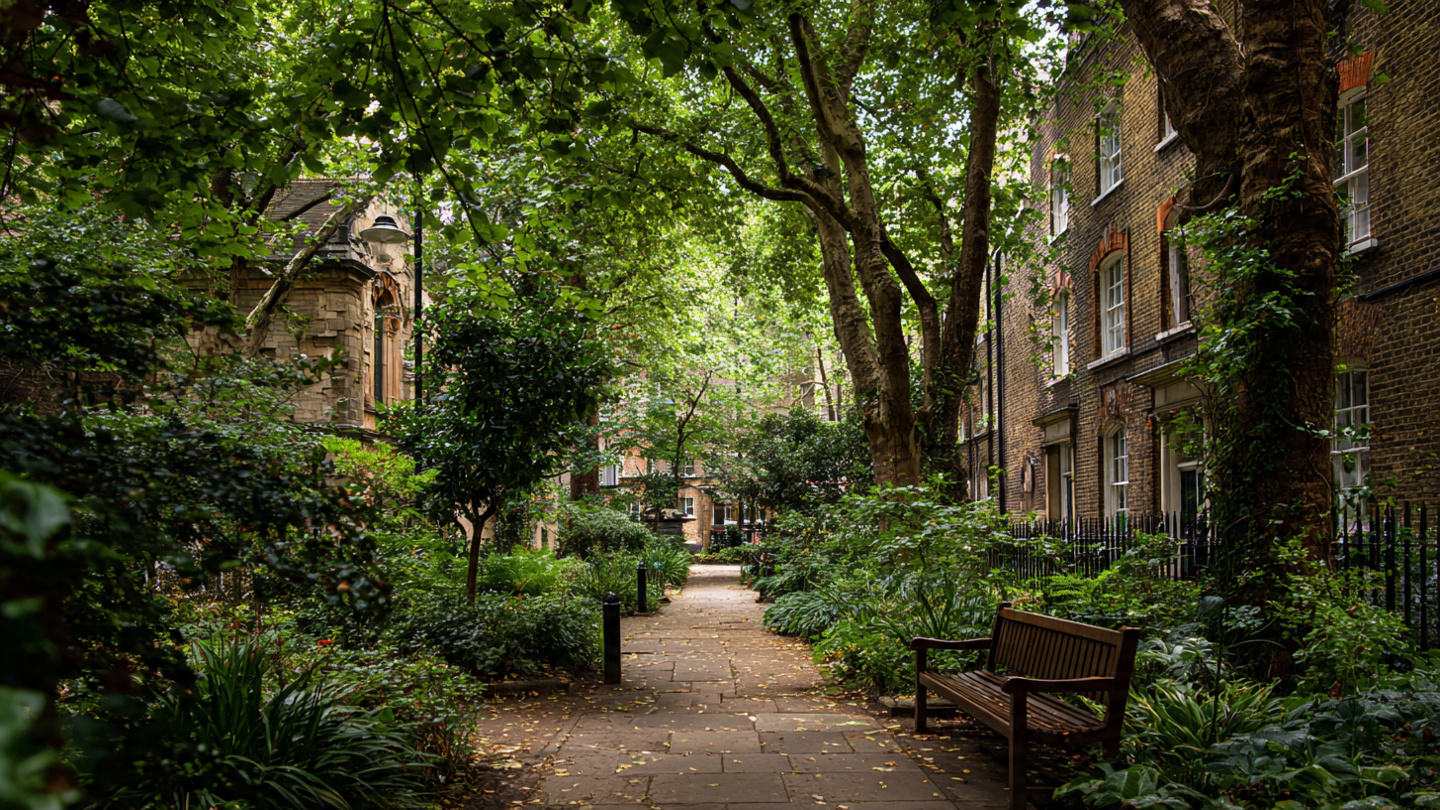
Slowing the Pace After Urban Exploration
By the third day, even well paced itineraries can begin to feel dense. Therefore, this stage of a hidden London itinerary intentionally shifts the environment. After two days of streets and neighborhoods, the focus moves toward calmer spaces that allow the mind and body to reset. This change prevents fatigue while still keeping exploration meaningful.
Why Green Spaces Matter in London
London contains an unusual amount of green space for a global city. However, many visitors only see the most famous parks. A hidden itinerary approaches greenery differently. Instead of treating parks as destinations, it uses green corridors as connectors. As a result, nature becomes part of movement rather than a separate activity.
For travelers who want to follow these calmer transitions, the London Green Corridors and Calm Paths map highlights the most peaceful connections.
Experiencing Calm Without Leaving the City
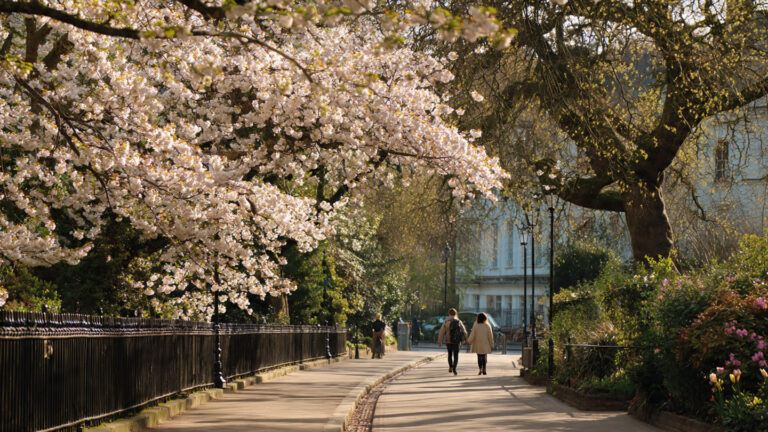
One of London’s strengths lies in how quickly calm appears once travelers step away from busy routes. Quiet paths, tree lined streets, and small open spaces sit minutes from crowded areas. Because of this proximity, travelers can slow down without losing access to the city. This balance keeps the experience grounded and realistic.
How Green Corridors Create Natural Transitions
Green corridors act as buffers between neighborhoods. They soften transitions and reduce sensory overload. When travelers move through these spaces, the city feels less fragmented. Instead of sharp shifts between busy districts, movement becomes gradual. Consequently, the day feels smoother and more restorative.
On this day, observation replaces navigation as the primary focus. With fewer decisions to make, attention turns outward. Sounds change, movement slows, and details emerge more clearly. This shift allows travelers to absorb London at a deeper level. Even familiar surroundings can feel new when approached calmly.
The Emotional Effect of Slower Surroundings
Quieter environments influence mood. Stress levels drop, patience increases, and curiosity returns. Because a hidden London itinerary prioritizes emotional balance, this day plays an essential role. It prevents burnout and prepares travelers for the final stages of exploration.
Integrating Nature Into the Itinerary Flow
Rather than isolating green spaces, this itinerary integrates them naturally into the day. Walks connect neighborhoods, pauses feel intentional, and movement regains purpose. As a result, nature supports exploration instead of interrupting it.
Ending the Day With Restored Energy
Day three often ends with renewed energy rather than exhaustion. By spending time in calm spaces, travelers regain clarity and comfort within the city. This restoration ensures that the final day of the hidden London itinerary feels engaging rather than demanding.
Setting Up the Final Day
With balance restored, the itinerary prepares to shift again. The next day introduces creative and alternative spaces that benefit from the calm established here. This progression maintains variety while preserving the hidden focus.
Day Four: Creative Corners and Alternative London
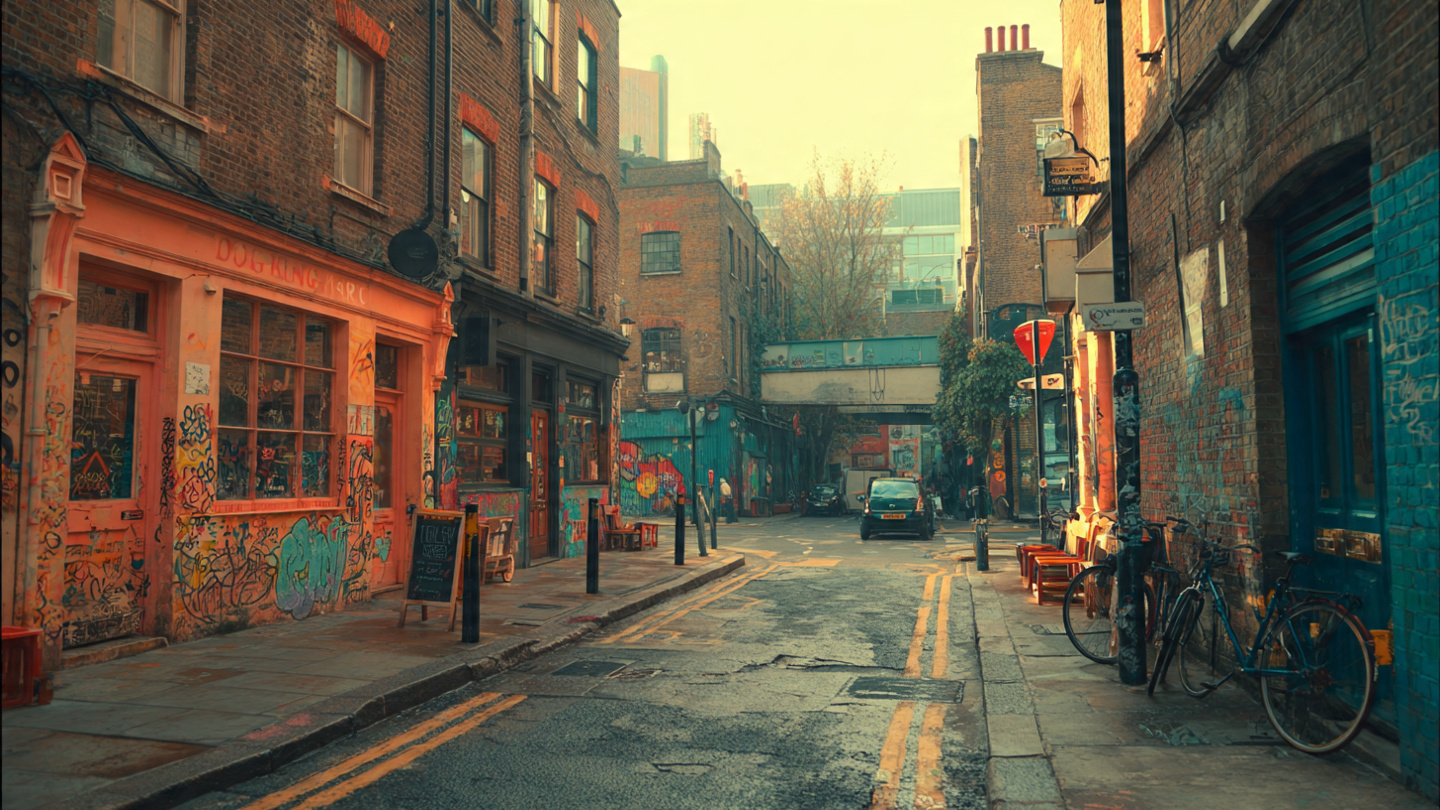
Shifting From Calm to Creative Energy
After the restorative pace of green spaces, the final day of a hidden London itinerary introduces a different kind of quiet. Instead of physical calm, this day explores creative energy that exists outside mainstream attention. These areas feel active without being overwhelming. Movement returns, but it carries intention rather than urgency.
Why Creativity Thrives Away From Main Routes
Creative spaces rarely survive in heavily commercial areas. High visibility brings crowds, which often push out independent expression. London’s creative corners exist slightly off the main routes, where experimentation feels possible. By focusing on these areas, travelers see how the city continues to evolve beyond its historic image.
Understanding Alternative London as Everyday Culture
Alternative London is not defined by shock value or trend chasing. It appears in small studios, community spaces, and streets shaped by independent voices. A hidden itinerary approaches these areas respectfully, observing rather than consuming. This mindset allows travelers to understand creativity as part of everyday life rather than performance.
Letting Curiosity Guide the Day
This day works best without strict plans. Curiosity becomes the guide. When a street feels interesting, it is worth following. When an area feels crowded, it is equally valid to move on. Because the itinerary remains flexible, travelers stay engaged without pressure. Creative districts reward openness more than structure.
How Independent Spaces Shape Atmosphere
Independent spaces influence their surroundings in subtle ways. Cafes, studios, and informal gathering places set the tone for entire streets. As travelers move through these areas, they sense how creativity shapes local identity. The experience feels organic rather than curated, which aligns perfectly with a hidden London itinerary.
Observing the City’s Modern Layer
London is often associated with history, but its modern layer remains equally important. Creative neighborhoods reveal how the city adapts. New ideas sit beside older structures without conflict. This coexistence shows London as a living city rather than a preserved one. Observing this balance adds depth to the overall experience.
Managing Energy on the Final Day
The final day balances stimulation with restraint. While creative areas feel lively, the itinerary avoids overwhelming concentration. Short walks, pauses, and changes in direction prevent fatigue. This approach ensures the day feels complete without draining energy at the end of the trip.
Reflecting on the Journey So Far
As the day unfolds, travelers often reflect on how their perception of London has changed. The city no longer feels defined by landmarks alone. Instead, it feels layered, adaptable, and approachable. This realization marks the success of a hidden London itinerary.
Closing the Itinerary With Intention
Rather than ending with a grand finale, this itinerary closes quietly. Creative corners do not demand conclusions. They leave impressions instead. By ending the trip in these spaces, travelers carry a sense of continuity rather than closure. London feels ongoing, not finished.

Adapting the Itinerary for Shorter Stays
Not every traveler has four full days available. A hidden London itinerary remains effective even when time is limited. For shorter stays, the focus should stay on continuity rather than coverage. Combining elements from earlier days often works better than skipping directly to later sections. For example, pairing quiet central neighborhoods with nearby local streets preserves the rhythm without forcing long transitions.
Slowing the Pace for Longer Visits
Travelers staying longer can stretch this itinerary naturally. Extra time allows deeper exploration within the same areas instead of adding more locations. Repeating walks at different times of day often reveals new details. Morning and evening can transform the same street entirely. This slower approach strengthens familiarity and reduces the need for constant planning.
Adjusting for Energy Levels
Energy rarely remains consistent throughout a trip. Some days invite movement, while others require rest. A hidden London itinerary adapts easily to these changes. On lower energy days, staying within a single neighborhood maintains engagement without strain. On higher energy days, extending walks or exploring connecting streets feels rewarding rather than exhausting.
Weather often shapes travel decisions in London. Instead of fighting conditions, this itinerary works with them. Quieter routes and residential areas remain enjoyable in light rain or overcast skies. When weather changes unexpectedly, travelers can shorten walks, pause more often, or shift focus without losing the overall flow. This adaptability keeps the experience comfortable regardless of conditions.
Traveling Solo Versus With Others
Solo travelers often move intuitively, while groups require more coordination. A hidden London itinerary supports both styles. Solo travelers benefit from flexibility and quiet observation. Groups benefit from contained areas that reduce logistical stress. Because the structure avoids tight schedules, decision making remains simple even with multiple preferences involved.
Modifying the Itinerary for Different Interests
Interests vary widely among travelers. Some prefer architecture, others enjoy street life or creative spaces. This itinerary allows emphasis to shift naturally. By spending more time in areas that resonate and less in others, travelers create a personalized experience without redesigning the plan. The hidden structure supports curiosity without forcing balance.
Managing Budget Without Sacrificing Depth
Hidden exploration often aligns well with budget conscious travel. Quieter neighborhoods and everyday spaces reduce pressure to spend constantly. Walking replaces frequent transport use. Casual stops replace high cost attractions. This approach maintains richness while controlling expenses, making the itinerary practical for a wide range of travelers.
Keeping the Itinerary Flexible Until the End
The most important adjustment is mindset. A hidden London itinerary works best when treated as a guide rather than a rulebook. Plans remain suggestions, not obligations. When travelers allow the city to shape the experience, the itinerary adapts naturally. This flexibility often leads to the most satisfying moments.
Preparing for the Final Sections
With adjustments in mind, the itinerary moves toward its closing guidance. The next sections focus on common planning mistakes and how to avoid them. These insights help travelers protect the experience they have built so far.
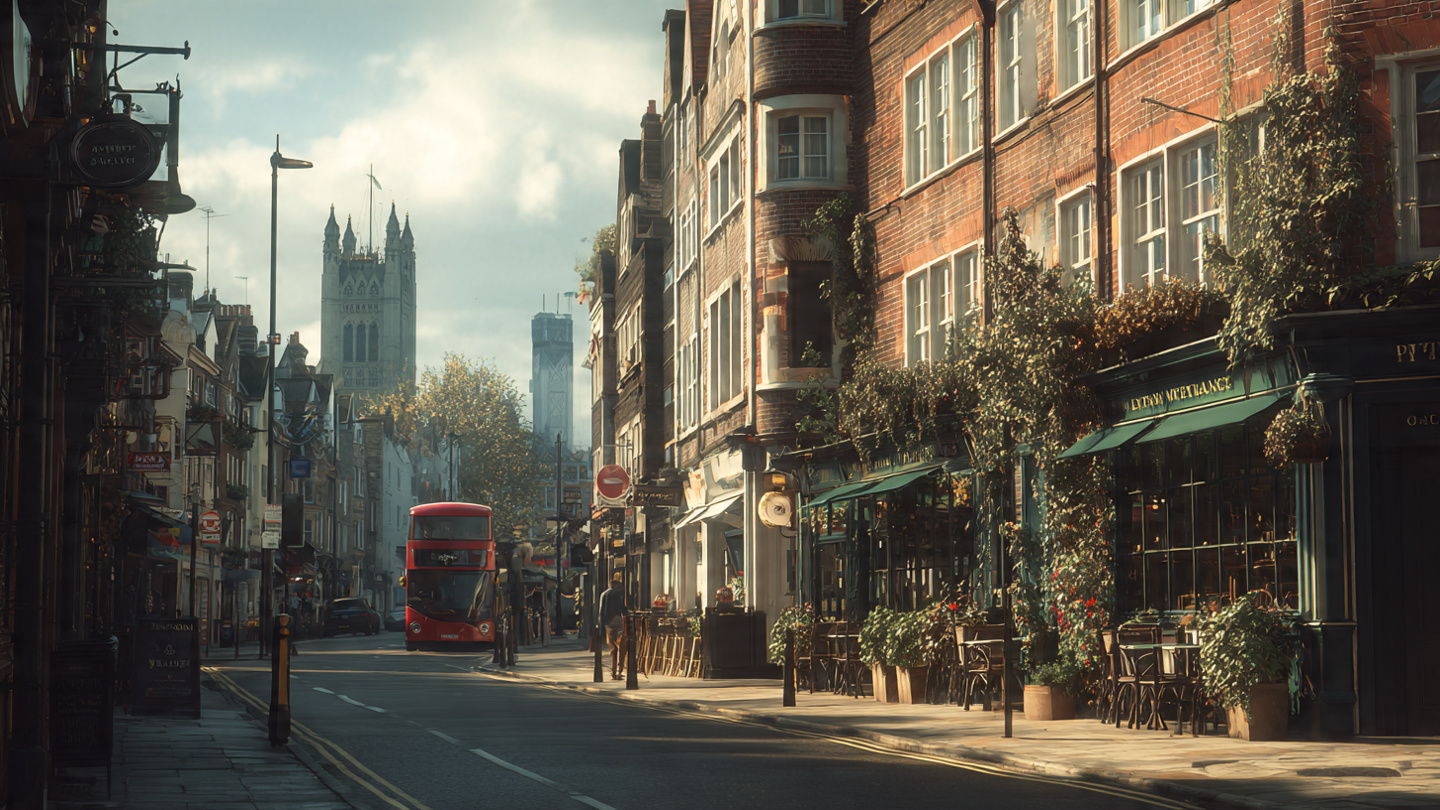
Trying to See Too Much Too Quickly
One of the most common mistakes is treating a hidden London itinerary like a standard sightseeing plan. When travelers try to fit too many areas into a single day, the experience loses its quiet focus. Movement becomes rushed, and attention shifts back to logistics. A hidden itinerary works best when fewer places are explored more deeply. Reducing daily targets often leads to stronger impressions and less fatigue.
Hidden does not mean remote or inconvenient. Some travelers assume they must travel far from central London to find quieter spaces. In reality, many calm routes and overlooked neighborhoods sit close to busy areas. When travelers push too far out without reason, they spend unnecessary time in transit. Staying within connected zones preserves energy and keeps exploration grounded.
Overplanning Every Detail
Detailed planning can feel reassuring, but it often limits discovery. A hidden London itinerary depends on flexibility. When every hour is assigned, spontaneous moments disappear. Streets that invite exploration get ignored. Allowing time for unplanned movement keeps the experience alive. Preparation should guide, not control, the day.
Avoiding Familiar Areas Completely
Another mistake involves avoiding all familiar areas out of principle. While the focus remains on quieter routes, some well known spaces serve as useful connectors or reference points. Ignoring them entirely can make navigation harder and break geographic flow. A hidden itinerary benefits from balance rather than strict avoidance.
Ignoring Daily Energy Patterns
Travelers often plan days without considering natural energy changes. Mornings may feel productive, while afternoons slow down. A hidden London itinerary works with these patterns. When plans ignore energy levels, even quiet exploration feels tiring. Structuring days to allow natural rises and dips improves comfort and enjoyment.
Relying Too Heavily on Transport
London’s transport system is efficient, but overusing it fragments the experience. Constant switching between lines and stations creates mental fatigue. A hidden itinerary favors walking and short connections. When transport use increases unnecessarily, the city feels disconnected rather than cohesive.
Expecting Constant Visual Highlights
Hidden exploration offers subtle rewards rather than dramatic moments. Travelers who expect constant visual impact may feel underwhelmed at first. Adjusting expectations helps. Details emerge slowly. Atmosphere replaces spectacle. When travelers allow this shift, satisfaction increases.
Comparing the Experience to Traditional Itineraries
Comparison often undermines enjoyment. Measuring a hidden itinerary against attraction-based plans creates pressure. These approaches serve different purposes. A hidden London itinerary prioritizes feeling over volume. Letting go of comparison allows the experience to stand on its own.
Protecting the Experience Through Awareness
Avoiding these mistakes requires awareness rather than strict rules. When travelers stay attentive to pace, energy, and curiosity, the itinerary adjusts naturally. This awareness protects the calm structure and preserves the hidden quality of the journey.
Travelers Who Prefer Experience Over Checklists
This itinerary suits travelers who value how a place feels more than how many sights they can name afterward. If the idea of rushing between attractions feels draining, a hidden London itinerary offers an alternative. It allows space to observe, pause, and absorb the city without pressure. These travelers often remember moods, streets, and moments rather than monuments.
Must see if only for the nostalgia. Easy walk from Ladbroke Grove tube. Packed full of branded stuff. You literally will see things that bring back memories. Great cafe too.
Read more reviews at Tripadvisor.
Visitors Returning to London
Many repeat visitors feel unsure how to approach London a second or third time. The major sights feel familiar, yet the city still feels vast. This itinerary works well for return trips because it shifts attention away from landmarks and toward overlooked areas. It provides a new way to experience London without repeating past trips.
Solo Travelers Seeking Calm Exploration
Solo travelers often move at a natural pace and respond intuitively to surroundings. A hidden London itinerary supports this style. Quiet streets feel safer and less overwhelming. Decisions feel simpler without group coordination. The itinerary encourages independence while maintaining structure, making it ideal for solo exploration.
Couples and Small Groups
For couples and small groups, this itinerary reduces common travel friction. Short walking routes, flexible days, and fewer transport decisions create ease. Conversations feel unhurried. Shared discoveries feel personal rather than staged. The calm pace allows connection to form both with the city and with each other.
Travelers Sensitive to Crowds and Noise
Some travelers enjoy cities but struggle with crowds and constant stimulation. London’s busiest areas can feel exhausting under those conditions. A hidden itinerary minimizes exposure to congestion without removing the urban experience. Quieter routes and residential neighborhoods provide balance and comfort.
Slow Travelers and Long-Stay Visitors
Those staying longer than a few days often benefit most from this approach. A hidden London itinerary encourages repetition, familiarity, and routine. Streets become recognizable. Daily rhythms emerge. Over time, London feels less like a destination and more like a temporary home.
Budget-Conscious Travelers
Hidden exploration often aligns naturally with budget awareness. Walking replaces frequent transport use. Everyday neighborhoods reduce pressure to spend. Free or low-cost experiences become central. This itinerary proves that depth does not require constant spending.
Travelers Comfortable With Subtlety
This itinerary works best for those comfortable with subtle rewards. It does not rely on dramatic moments or visual spectacle. Instead, it offers atmosphere, continuity, and quiet discovery. Travelers open to this style often find the experience more lasting and personal.
Final Thoughts on Experiencing a Different Side of London
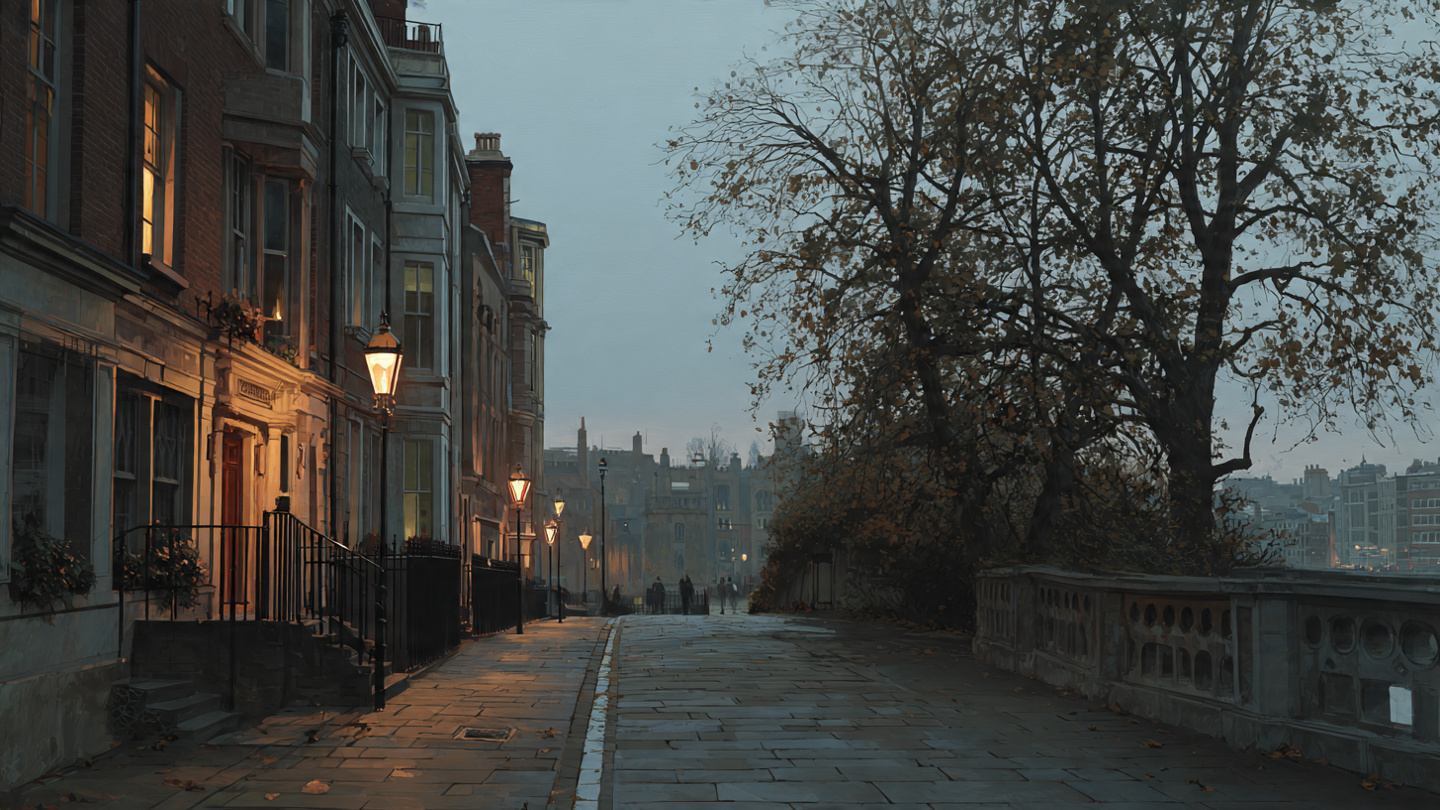
Moving Through the City With Intention
A hidden London itinerary changes how travelers move. Instead of chasing destinations, they follow continuity. Streets connect naturally. Days feel complete without feeling full. This intentional movement transforms the experience from consumption to engagement.
Redefining What It Means to See London
Seeing London does not require standing in every famous place. It requires understanding how the city works, how neighborhoods differ, and how daily life unfolds. This itinerary reframes sightseeing as presence rather than accumulation.
The Value of Quiet Discovery
Quiet discovery often leaves the strongest impressions. A short walk through an overlooked street can feel more meaningful than hours spent in crowded spaces. These moments create emotional connection. They shape how the city is remembered.
Carrying the Experience Beyond the Trip
Travelers often leave London feeling that the city remains unfinished. That feeling is not a failure. It is a sign of depth. A hidden London itinerary encourages curiosity rather than closure. It leaves room for return and reinterpretation.
Letting London Remain Ongoing
London is not a city that needs to be completed. It is a city that continues. By exploring it quietly, travelers step into that continuity rather than standing outside it. The experience becomes less about what was seen and more about how it was lived.
Frequently Asked Questions
Planning and Timing
A hidden London itinerary works best over three to four days. This allows time to explore quieter neighborhoods without rushing or relying heavily on transport.
Yes, especially for first-time visitors who prefer calm exploration. It avoids overload and helps build confidence navigating the city naturally.
Getting Around
Not frequently. Most days focus on walkable areas and short connections, which reduces transport use and travel fatigue.
Yes, walking plays an important role. However, routes are planned to feel natural and manageable rather than exhausting.
Experience and Expectations
No. The itinerary prioritizes atmosphere and flow, not avoidance. Well known areas may appear briefly, but they do not dominate the experience.
This style suits repeat visitors, slow travelers, solo travelers, and anyone who prefers quieter streets over crowded attractions.