


A well-planned London itinerary helps first-time visitors understand how the city fits together before they arrive. London is not difficult to enjoy, but it can feel confusing without a clear structure. With the right itinerary, travelers move through the city with confidence instead of constantly second-guessing their plans.
First Impressions of London Can Feel Overwhelming
London often feels larger than expected when viewed on a map. Attractions appear spread out, transport lines overlap, and neighborhoods blend into one another. For first-time visitors, this can create uncertainty about where to begin and how much is realistic to see in a single trip.
Why London Is Different From Other Major Cities
Unlike cities built around a compact historic center, London grew over centuries as separate villages. Many of these areas still feel distinct today. This is why a London travel itinerary works best when it focuses on flow and geography rather than simply listing famous sights.
The Role of an Itinerary in Reducing Travel Stress
Some travelers avoid itineraries because they fear losing flexibility. In London, a thoughtful itinerary actually creates freedom. When the overall structure makes sense, there is less pressure to rush, and it becomes easier to enjoy unplanned moments along the way.
Seeing London Versus Experiencing London
A first visit to London should balance landmarks with everyday experiences. While famous attractions are important, the city’s character often reveals itself in quieter streets, parks, cafés, and local neighborhoods. A balanced itinerary allows space for both without feeling rushed.
Understanding London as a City of Layers
London combines history and modern life in a way few cities do. Ancient walls sit near modern buildings, and traditional pubs exist beside contemporary spaces. First-time visitors often appreciate London more when their itinerary allows time to notice these layers rather than moving too quickly.
Who This London Itinerary Is Designed For
This guide is written specifically for first-time visitors planning a London itinerary from scratch. It assumes no prior knowledge of the city and avoids unrealistic pacing. The goal is to help travelers feel oriented, comfortable, and prepared rather than overwhelmed.
Travelers visiting with children may prefer a version of this framework that focuses more on pacing, energy levels, and flexibility, which is explained in this London family itinerary for parents traveling with kids.
What This Guide Will Help You Achieve
This itinerary explains how to organize days, choose priorities, and understand London’s layout. Instead of locking travelers into strict schedules, it offers a flexible framework that adapts to different trip lengths and personal travel styles.
For visitors with limited time, this planning framework pairs well with a focused 1 day London itinerary that shows how to experience London efficiently without rushing.
How to Use This Itinerary Before and During Your Trip
Many travelers read this guide once while planning and then return to it during their visit. It works best as a reference rather than a checklist. London changes with weather, energy levels, and interests, and a good itinerary should adapt naturally.
Setting Realistic Expectations for a First Visit
No first-time London itinerary can cover everything. Accepting this early removes unnecessary pressure. London is a city people return to many times, and a successful first trip is about comfort, confidence, and enjoyment rather than ticking every box.
Beginning Your London Trip With Confidence
When first-time visitors understand how London works, planning becomes easier. With a clear itinerary framework, the city feels less intimidating and more welcoming. This guide begins by helping travelers feel grounded before moving into practical planning.
What First-Time Visitors Should Know Before Creating a London Itinerary

London Is Bigger Than It Looks on a Map
One of the most important things first-time visitors learn quickly is that London covers a large area. Even places that look close on a map can take time to reach once walking and transport are factored in. A realistic London itinerary respects distance and avoids squeezing too many locations into a single day.
Neighborhoods Matter More Than Individual Attractions
London is best understood as a collection of neighborhoods rather than a list of sights. Each area has its own pace, character, and atmosphere. When a travel itinerary groups nearby areas together, days feel smoother and more enjoyable instead of fragmented and rushed.
Central London Is Not One Single Place
Many first-time visitors assume Central London is a small, defined zone. In reality, it stretches across several districts, each with different landmarks and experiences. Understanding this helps travelers build an itinerary that flows logically instead of jumping back and forth unnecessarily.
Travel Time Shapes the Entire Itinerary
In London, travel time often determines how much can be realistically done in a day. Trains, walking routes, and station changes all add up. A strong itinerary allows buffer time so visitors are not constantly watching the clock or feeling late.
Attractions Take Longer Than Expected
Popular sights in London often involve queues, security checks, and time spent exploring. First-time visitors frequently underestimate how long these experiences take. A well-planned itinerary leaves breathing room instead of stacking major attractions back-to-back.
Walking Is Part of the London Experience
Many visitors are surprised by how walkable London feels once they arrive. Streets connect naturally, and walking often reveals details missed underground. A good London itinerary embraces walking rather than treating it as wasted time.
Weather Influences Daily Planning
London’s weather can change quickly, especially for visitors unfamiliar with the climate. Rain, wind, or unexpected sunshine can affect energy levels and comfort. Flexible itinerary planning allows days to adjust without stress when conditions change.
Energy Management Is Just as Important as Sightseeing
First-time visitors often plan based on sights rather than stamina. Long days, constant movement, and sensory overload can reduce enjoyment. A balanced itinerary considers rest, meals, and slower moments as part of the experience.
London Rewards Slower Exploration
Some of London’s most memorable moments happen between destinations. Small streets, public squares, and everyday scenes create lasting impressions. An itinerary that allows space for these moments feels more personal and less mechanical.
Planning With Priorities Prevents Burnout
Trying to see everything leads to exhaustion. First-time visitors benefit from choosing a few daily priorities and allowing the rest of the day to unfold naturally. This approach keeps the itinerary focused without becoming restrictive.
Why First-Time Visitors Need Structure Without Rigidity
London can feel chaotic without a plan, but too much structure removes spontaneity. The best itineraries strike a balance. They provide direction while still allowing room to pause, explore, or change plans when something unexpected catches attention.
Building Confidence Before Arrival
Understanding how London works before arriving removes much of the anxiety associated with first trips. When visitors know what to expect, the itinerary becomes a helpful guide rather than a source of pressure. Confidence improves the entire travel experience.
Understanding London’s Layout: Areas Every First-Time Visitor Encounters

London Is a Collection of Connected Areas
London does not function as a single compact city center. Instead, it is made up of many connected areas that blend into one another. For first-time visitors, understanding this layout makes planning a London itinerary far easier and more realistic.
The River Thames as a Natural Reference Point
The River Thames plays a quiet but important role in orientation. Many major areas sit along or near the river, and several routes naturally follow it. Using the Thames as a reference helps travelers understand direction and flow within the city.
Central London Is a Broad Zone, Not a Dot
Central London is often misunderstood as one small area. In reality, it covers several districts that each deserve time. A good itinerary treats Central London as a wide zone made up of walkable sections rather than a single destination.
Why West and East Feel So Different
West London often feels more polished and historic, while East London carries a creative and industrial energy. First-time visitors benefit from knowing this contrast when planning their itinerary, as it helps balance traditional sights with modern experiences.
North and South London Have Distinct Rhythms
North and South London differ in pace and layout. Some areas feel residential and calm, while others are lively and dense. Understanding these differences prevents unnecessary backtracking and keeps daily travel smoother.
Major Transport Hubs Shape Movement
Certain areas naturally become connection points due to major train and underground stations. These hubs influence how days flow within a London itinerary. Planning around them reduces travel fatigue and wasted time.
Tourist Areas and Local Areas Overlap
Unlike some cities, London does not separate tourist zones from everyday life. Attractions sit beside offices, homes, and local cafés. This overlap is why first-time visitors often feel immersed rather than isolated when following a thoughtful itinerary.
Walking Routes Connect More Than Maps Suggest
Maps can make London appear disconnected, but many areas link together naturally on foot. Streets, bridges, and parks create smooth transitions. An itinerary that allows walking between nearby areas often feels more rewarding than constant transport use.
Parks Create Natural Breaks in the City
Large green spaces interrupt dense urban areas and act as natural pauses. These parks help first-time visitors reset during busy days. Including them within a London itinerary improves pacing and energy levels.
Understanding Distance Versus Time
Distance alone does not define travel time in London. Crowds, station layouts, and walking routes all affect movement. First-time visitors who understand this plan more realistically and enjoy their days without rushing.
Why Area-Based Planning Works Best
Grouping nearby areas together creates logical daily routes. This approach keeps a London itinerary efficient and enjoyable. Instead of hopping across the city, visitors experience places more deeply and with less stress.
Gaining Confidence Through Spatial Awareness
Once first-time visitors understand how London’s areas connect, the city feels more approachable. The itinerary becomes easier to follow, decisions feel simpler, and confidence grows with each day spent exploring.
How Many Days Do You Really Need in London?

There Is No Single Perfect Answer
The number of days needed in London depends on expectations, energy, and travel style. First-time visitors often look for a definitive answer, but London does not work that way. A good itinerary adapts to time available rather than forcing unrealistic goals.
One or Two Days Offer Only a Brief Introduction
A very short stay allows visitors to see a few iconic sights and get a basic feel for the city. While this can be enjoyable, it often feels rushed. A London itinerary for one or two days works best when expectations are limited and priorities are clear.
For visitors planning a short stay, this two-day plan is the easiest way to turn the framework into a realistic route without rushing, using this 2 day London itinerary.
For travelers who want to slow the pace and experience London with greater comfort and intention, this luxury London itinerary shows how thoughtful planning changes the entire feel of the trip.
Three Days Begin to Feel Comfortable
For many first-time visitors, three days create the first sense of balance. There is enough time to explore central areas, walk between neighborhoods, and experience London beyond just highlights. At this point, an itinerary feels structured rather than hurried.
For visitors planning a short stay, this 3 day London itinerary breaks the trip into a comfortable flow with culture, landmarks, and flexible walking time.
Four to Five Days Create a Strong First Experience
Four to five days allow a London itinerary to breathe. Visitors can spread activities across days, include parks and slower moments, and recover from long walks. This time frame suits most first-time visitors who want both structure and flexibility.
For travelers who want a slower pace and deeper neighborhood exploration, this 7 day London itinerary shows how to experience London comfortably across a full week.
Six to Seven Days Allow Deeper Exploration
With nearly a week, visitors can explore beyond the most obvious areas. Neighborhoods feel more familiar, daily routines settle, and the city feels less overwhelming. A longer itinerary reduces pressure and allows personal interests to shape each day.
Longer Stays Change How London Feels
Extended visits shift focus away from sightseeing toward everyday exploration. First-time visitors staying longer often feel less like tourists and more like temporary locals. At this stage, the itinerary becomes a loose guide rather than a strict plan.
Why Trying to Do Too Much Backfires
Many first-time itineraries fail because they assume more days automatically mean more activities. Overloading schedules leads to fatigue and frustration. A well-designed London itinerary values rest and enjoyment as much as attractions.
For travelers who want to slow the pace and avoid unnecessary spending, this budget London itinerary explains how structured planning keeps costs controlled without sacrificing the experience.
The Relationship Between Time and Pace
More days do not always mean slower travel. Some visitors move quickly regardless of trip length. Understanding personal pace helps shape a realistic itinerary that matches energy levels rather than external expectations.
How First-Time Visitors Should Choose Their Stay Length
Instead of asking how many days are ideal, visitors should consider comfort and curiosity. If the goal is confidence and enjoyment, fewer days done well are better than longer trips filled with pressure. The right itinerary supports this mindset.
Accepting That London Is a Repeat Destination
London is not meant to be completed in one visit. First-time visitors benefit from accepting that some experiences will wait for future trips. This perspective removes stress and allows the itinerary to focus on quality over quantity.
Matching Expectations to Reality
Understanding how long London truly takes to explore prevents disappointment. When expectations align with available time, the itinerary feels achievable and satisfying rather than exhausting.
Choosing Days That Feel Right for You
Ultimately, the best London itinerary matches personal travel style. Whether the trip is short or extended, clarity and balance matter more than numbers. First-time visitors who plan with this mindset enjoy London far more.
A Flexible London Itinerary Framework for First-Time Visitors

Why a Framework Works Better Than a Fixed Schedule
Many first-time visitors search for exact daily schedules, but London rarely rewards rigid planning. A flexible framework provides direction without pressure. Instead of locking every hour, it helps travelers understand how days naturally unfold across the city.
Starting With Area-Based Days
The most effective way to structure time in London is by focusing on areas rather than individual attractions. Grouping nearby places reduces unnecessary travel and creates smoother days. This approach keeps movement logical and energy levels steady.
Balancing Major Sights With Everyday Moments
A strong itinerary framework balances famous locations with ordinary experiences. While major sights are important, small moments such as walking through a neighborhood or sitting in a park often become the most memorable parts of a first visit.
Allowing Each Day to Have a Clear Focus
Each day benefits from having a general theme or focus. This could be an area, a type of experience, or a pace preference. When days have a purpose, decisions feel easier and the overall trip feels more organized.
Planning Around Natural Energy Patterns
Most visitors have higher energy in the morning and early afternoon. A flexible framework places demanding activities earlier and leaves evenings lighter. This rhythm reduces fatigue and makes longer days feel manageable.
Leaving Space for Adjustment and Discovery
London often surprises visitors with unexpected discoveries. A rigid plan can make these moments feel like interruptions. A flexible itinerary allows room to change direction without feeling like something important is being missed.
Understanding That Not Every Day Should Feel Full
Some days should feel intentionally lighter. Including slower days prevents burnout and helps travelers stay engaged throughout the trip. A good framework accepts that rest is part of exploration, not wasted time.
Using Walking as a Connecting Tool
Walking often connects experiences more smoothly than transport. When days are planned around walkable routes, the journey itself becomes part of the experience. This approach adds depth without adding stress.
Avoiding the Trap of Over-Optimization
First-time visitors sometimes try to make their itinerary perfectly efficient. This often leads to exhaustion rather than enjoyment. A flexible framework values comfort and flow over squeezing in extra stops.
Letting the City Guide the Pace
London has its own rhythm, shaped by crowds, weather, and daily life. When visitors allow the city to influence their pace, the experience feels more natural. A good itinerary adapts rather than resists this rhythm.
Building Confidence Through Structure, Not Control
The goal of a framework is confidence, not control. Knowing where the day is generally heading makes it easier to relax. First-time visitors often enjoy London more when they trust the structure without clinging to it.
Preparing for Different Trip Lengths
This flexible framework works whether the visit is short or extended. Days can be added, removed, or reshaped without breaking the overall flow. That adaptability makes it ideal for first-time travelers.
To make sense of how London fits together, it helps to see the main areas visually before planning daily movement. This London itinerary map for first-time visitors shows how key neighborhoods connect, helping travelers understand distances, walking flow, and how days naturally group together.
Daily Rhythm in London: How to Structure Each Day Without Rushing

Why Daily Rhythm Shapes a Successful London Itinerary
A London itinerary works best when it follows a natural daily rhythm instead of rigid hourly planning. First-time visitors often focus on what to see but overlook how days actually feel. When rhythm guides the itinerary, the experience becomes calmer and more enjoyable.
Understanding How London Days Naturally Flow
London follows a predictable daily pattern shaped by commuting, opening hours, and walking culture. A first-time travel itinerary that respects this flow prevents frustration and unnecessary pressure throughout the day.
Morning Hours Set the Tone for the Entire Itinerary
Mornings in London are usually quieter and easier to navigate. This makes them ideal for structured activities within a daily itinerary. Starting the day with purpose helps first-time visitors feel organized and confident.
Using Mornings for Priority Experiences
Energy levels tend to be highest earlier in the day. A well-planned London trip itinerary places priority experiences in the morning when attention and stamina are strongest. This approach reduces exhaustion later on.
Late Morning Is Best for Walking-Based Itinerary Planning
Late morning hours suit walking-focused sections of a London itinerary. Streets feel active without being overwhelming, and moving between nearby areas becomes part of the experience rather than a task.
Lunch as a Built-In Reset for Any Travel Itinerary
Lunch is more than a meal in a first-time itinerary. It acts as a reset point that restores energy and focus. A short break at midday often improves the quality of the afternoon rather than slowing the day down.
Afternoon Planning Requires Extra Flexibility
Afternoons are when fatigue often begins to appear. A realistic London itinerary avoids packing this part of the day with too many fixed plans. Flexibility here keeps the overall travel plan comfortable.
Using Green Spaces to Balance the Day
Parks and open spaces play an important role in daily itinerary pacing. Including them in a London trip plan provides mental and physical relief during longer days of exploration.
Evenings Should Support Recovery, Not Exhaustion
Many first-time visitors overestimate evening energy levels. A balanced itinerary keeps evenings simple, allowing travelers to unwind and prepare for the next day without feeling rushed.
Accepting That Each Itinerary Day Feels Different
No two days in London feel exactly the same. Weather, crowds, and mood all influence how an itinerary unfolds. A flexible travel itinerary adapts to these changes instead of fighting them.
Avoiding the Pressure to Fill Every Hour
Leaving small gaps in a London itinerary improves the overall experience. These pauses allow rest, spontaneous discoveries, and adjustments without disrupting the day.
Managing Energy Across a Multi-Day Itinerary
For longer trips, energy management becomes essential. A first-time London itinerary should balance demanding days with lighter ones to maintain enjoyment throughout the visit.
Recognizing Signs That the Pace Is Too Fast
Fatigue often appears gradually. When walking feels heavy or focus fades, it signals the need to slow down. Adjusting the itinerary early prevents burnout later.
Letting Experience Fine-Tune the Daily Plan
No itinerary is perfect from the start. As first-time visitors gain experience, daily planning becomes more intuitive. A good London itinerary evolves naturally with confidence.
Ending Days in a Way That Supports the Next One
How a day ends affects the following morning. Calm evenings improve sleep and energy. A thoughtful itinerary considers the end of each day as part of the overall rhythm.
Why Rhythm Matters More Than Perfection
The goal of a London itinerary is not perfection but comfort and clarity. When rhythm guides daily planning, first-time visitors enjoy the city more deeply and with less stress.
Transportation Basics That Shape Every London Itinerary
Why Transport Knowledge Shapes a London Itinerary
Transport decisions influence how smoothly a London itinerary unfolds. First-time visitors often plan what to see without fully considering how they will move between places. A realistic travel itinerary accounts for transport early, preventing stress later in the day.
London Transport Supports Daily Life, Not Sightseeing
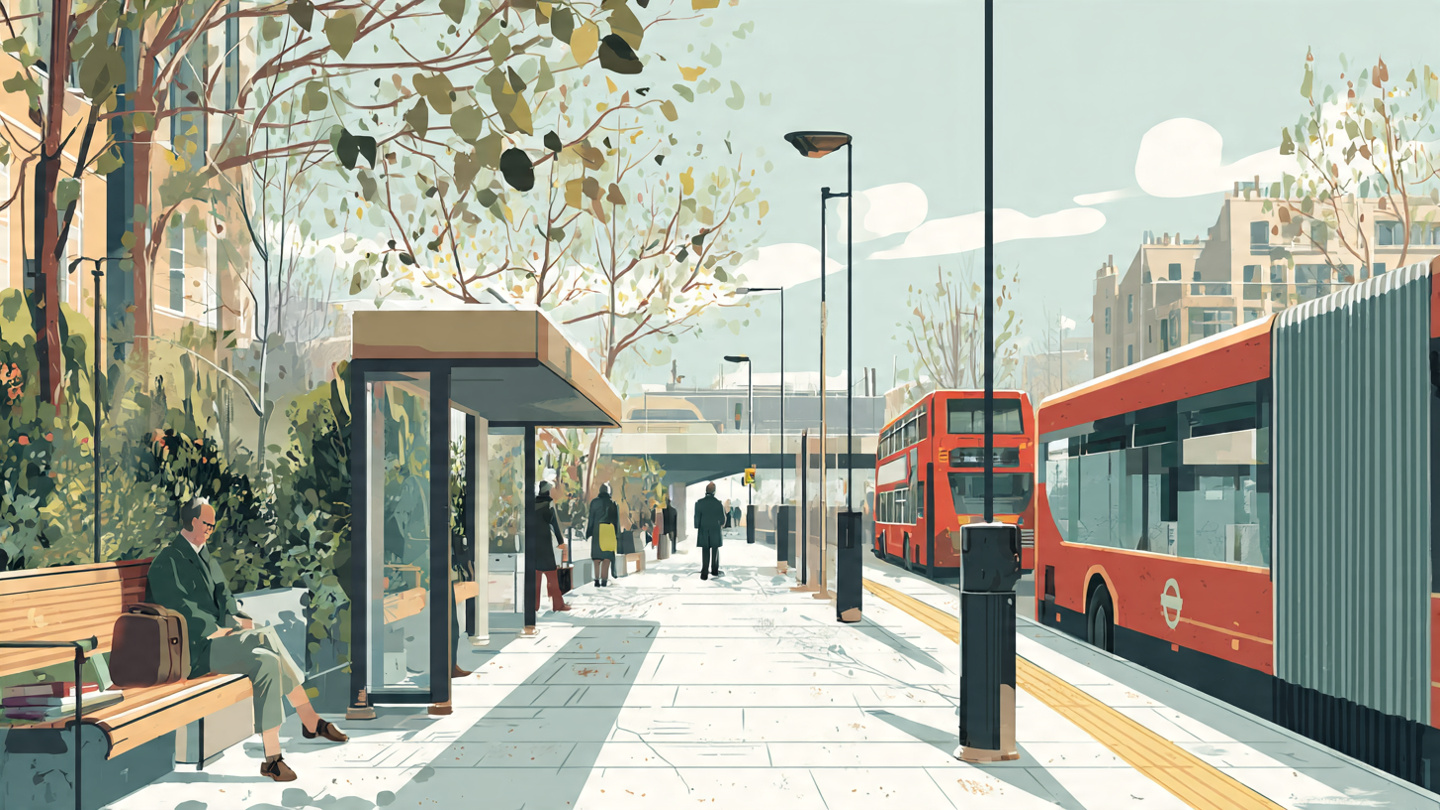
London’s transport system is designed around commuters and residents. For first-time visitors, understanding this helps shape a practical London trip plan. When expectations align with reality, the itinerary feels easier to follow.
The Underground Is Efficient but Not Always Simple
The Underground connects most areas quickly, but routes often involve transfers and long station walks. A first-time itinerary should account for this hidden travel time. Doing so keeps daily planning realistic and calm.
Walking Plays a Major Role in Any London Travel Itinerary
Walking connects many nearby areas more smoothly than transport. A London itinerary that includes walking feels more natural and less rushed. For first-time visitors, walking also builds a clearer sense of the city’s layout.
Knowing When Transport Saves Energy
While walking is valuable, transport becomes important for longer distances. A balanced travel itinerary uses trains or buses strategically rather than constantly. This approach preserves energy across multiple days.
Time spent entering, exiting, and navigating stations is part of every journey. First-time visitors often overlook this when planning a daily itinerary. Including this buffer prevents late arrivals and frustration.
Peak Travel Times Affect Comfort Levels
Crowded transport during peak hours can drain energy quickly. A well-paced London itinerary avoids these times when possible. Comfort matters just as much as speed in a first-time travel plan.
Buses move more slowly but are often easier to understand. Some first-time visitors prefer them for short journeys within a London trip itinerary. Street-level views also add context to the experience.
Transport Choices Influence Daily Energy
Stairs, standing, and crowds affect stamina more than expected. A thoughtful itinerary considers how transport choices impact energy throughout the day. This awareness improves comfort and enjoyment.
Planning Days to Reduce Unnecessary Backtracking
Backtracking wastes time and effort. Grouping nearby areas together creates a smoother London itinerary. Efficient movement keeps daily travel plans manageable.
Accepting Minor Mistakes as Part of the Experience
Wrong turns and missed stops happen to everyone. First-time visitors should see these moments as normal rather than failures. A flexible itinerary absorbs small errors without stress.
Using Transport as Support, Not the Focus
Transport should support exploration, not dominate it. A balanced London travel itinerary uses movement to enhance experiences rather than rush through them. This mindset keeps the trip enjoyable.
Understanding How Transport Shapes Scheduling
Some areas work better earlier or later due to crowd patterns and distance. Transport awareness helps visitors schedule days more effectively. This improves the flow of the entire itinerary.
Confidence Grows With Repeated Routes
Navigation becomes easier after a few days. As confidence grows, the London itinerary feels less demanding. Familiar routes reduce mental effort and save time.
Choosing Simplicity Over Speed
The fastest route is not always the best. Clear, simple journeys often lead to a better experience. A first-time itinerary benefits from prioritizing clarity.
Seeing Transport as Part of the City Experience
Movement through London reveals everyday life. Stations, streets, and shared spaces add texture to the trip. When transport is seen as part of exploration, the itinerary feels more complete.
Common Mistakes First-Time Visitors Make When Planning London Itineraries

Trying to See Too Much in Too Little Time
One of the most common mistakes in a first-time London itinerary is attempting to see everything. London’s size makes this unrealistic. When a travel itinerary is overloaded, days become stressful instead of enjoyable, and visitors often remember exhaustion more than experiences.
Treating Attractions as Quick Stops
Many first-time visitors underestimate how long attractions actually take. Queues, walking within large sites, and simple curiosity add time. A realistic London trip plan allows attractions to unfold naturally instead of treating them as brief stops.
Ignoring the Importance of Location
Choosing activities without considering location leads to unnecessary travel. A daily itinerary that jumps across the city wastes time and energy. Planning by area creates smoother days and reduces transport fatigue.
Overestimating Daily Energy Levels
Excitement often leads visitors to plan ambitious days. However, long walks, crowds, and constant navigation drain energy quickly. A well-balanced itinerary respects physical limits and includes lighter moments.
Assuming Transport Is Always Fast
First-time itineraries often rely too heavily on transport assumptions. While trains are efficient, station navigation and waiting time add up. A thoughtful London itinerary includes buffers rather than relying on ideal conditions.
Skipping Breaks to Stay on Schedule
Some travelers push through fatigue to stay on plan. This usually backfires. Breaks are not wasted time. In a smart travel itinerary, they are essential for maintaining focus and enjoyment.
Planning Every Hour Too Precisely
Overly detailed schedules leave no room for flexibility. When something runs late, stress builds quickly. A strong London itinerary provides structure without locking visitors into minute-by-minute plans.
Following Generic Lists Without Context
Many first-time visitors rely on generic lists that ignore personal interests. A successful itinerary reflects individual curiosity rather than popularity alone. Context matters more than rankings.
Underestimating Walking Distances
Maps can be misleading. Distances that appear short may take longer due to crowds or indirect routes. A daily itinerary should account for realistic walking time to avoid rushing.
Forgetting That Weather Changes Plans
Weather affects mood, energy, and movement. Rigid itineraries struggle when conditions change. Flexible London trip planning adapts easily without disappointment.
Trying to Experience London Like a Checklist
Viewing the city as a checklist removes enjoyment. London rewards observation and presence. A meaningful itinerary leaves room for noticing everyday life rather than chasing completions.
Not Allowing Time to Adjust to the City
First-time visitors need time to orient themselves. Jet lag, unfamiliar transport, and new surroundings require adjustment. A smart London itinerary starts gently instead of demanding too much too soon.
Choosing Quantity Over Quality
Seeing fewer places well often creates stronger memories. Overcrowded itineraries dilute experiences. A focused travel itinerary emphasizes depth rather than volume.
Ignoring Personal Travel Style
Some visitors enjoy slow exploration, while others prefer fast movement. Copying someone else’s itinerary without adjustment leads to dissatisfaction. The best London itinerary matches personal style.
Expecting London to Feel Familiar Immediately
London takes time to understand. Streets, accents, and routines may feel unfamiliar at first. Accepting this learning curve helps visitors relax and enjoy the process.
Viewing Mistakes as Failures
Missed trains or wrong turns happen. These moments do not ruin a trip. A flexible itinerary absorbs small mistakes and keeps the experience positive.
Really relaxing, slow enough so you can really take in the London views, plenty of room in pod, even though there could be upto 15 people in there. Ventilated well and lots of photo opportunities. Be careful boarding and alighting the pods though, they are moving slowly as yoy do. Staff are there to guide you.
Read more reviews at Tripadvisor.
Letting Pressure Replace Curiosity
Pressure to see everything often replaces curiosity. When visitors slow down and follow interest instead of obligation, London feels more welcoming and personal.
Choosing the Right London Itinerary Style for Your Travel Personality

Why Travel Personality Matters More Than Popular Advice
No single London itinerary works for everyone. First-time visitors often follow popular advice that does not match how they naturally travel. When a travel itinerary aligns with personal rhythm and interests, the experience feels easier and more rewarding.
Fast Explorers Prefer Momentum Over Pauses
Some travelers enjoy movement and variety. They feel energized by seeing many places in a short time. A London trip plan for fast explorers benefits from clear structure, efficient routes, and defined priorities without lingering too long in one area.
Slow Travelers Value Depth and Atmosphere
Other visitors prefer to spend more time in fewer places. They enjoy observing daily life and revisiting favorite streets. A slower London itinerary allows space for wandering, sitting, and absorbing atmosphere rather than constant movement.
First-Time Visitors Often Sit Between Fast and Slow
Many first-time visitors fall somewhere between these extremes. They want to see highlights but also avoid exhaustion. A balanced travel itinerary blends structured sightseeing with unplanned moments and rest.
Families Need Predictable and Flexible Planning
Traveling with children changes how days unfold. Energy levels fluctuate, and unexpected needs arise. A family-friendly London itinerary benefits from predictable pacing and built-in flexibility rather than ambitious schedules.
Solo Travelers Benefit From Adaptive Itineraries
Solo travelers often move more freely and adjust plans easily. A London itinerary for solo visitors can remain loose while still providing direction. This style allows spontaneous decisions without losing structure.
If you are traveling alone and want a complete day-by-day plan built specifically for independence, pacing, and confidence, my solo travel London itinerary breaks it down in a clear way that is easy to follow.
For independent visitors who want a plan built around flexibility and self-paced days, this solo travel London itinerary shows how to explore London alone without feeling rushed.
Couples may prioritize atmosphere, shared moments, and relaxed exploration. A London trip itinerary for couples often feels slower and more intentional, with fewer daily objectives and more time together.
Group Travel Requires Extra Breathing Room
Traveling in groups introduces coordination challenges. Different interests and energy levels affect timing. A group-focused itinerary works best when days have fewer fixed commitments and clearer meeting points.
Cultural Explorers Seek Context Over Quantity
Some visitors are drawn to history, art, and local culture. Their travel itinerary benefits from fewer locations explored more deeply. Context enriches experience more than volume for this style.
Travelers who enjoy people-watching and social energy often gravitate toward busy neighborhoods. A London itinerary designed for this style includes flexible afternoons and evenings where atmosphere shapes decisions.
Independent Planners Prefer Loose Structure
Some first-time visitors dislike strict plans but still want guidance. A flexible itinerary framework suits them best. It provides direction without dictating exact steps.
Structured Planners Feel Comfortable With Clear Paths
Others feel more relaxed when plans are clearly defined. A structured London trip plan helps them enjoy the city without constant decision-making. Knowing what comes next reduces anxiety.
Energy Awareness Improves Every Itinerary Style
Regardless of travel personality, energy awareness matters. A good itinerary adapts when energy drops rather than forcing progress. This flexibility improves enjoyment across all styles.
Letting Personality Guide, Not Limit, the Trip
Travel personality should guide planning, not restrict it. First-time visitors can experiment with pacing and discover what suits them best. A successful London itinerary evolves with experience.
Why Matching Style Prevents Burnout
When itinerary style matches personality, burnout becomes less likely. Visitors feel engaged instead of pressured. This alignment makes the trip feel natural rather than demanding.
Building Confidence Through Personal Fit
Confidence grows when travelers feel their itinerary reflects who they are. First-time visitors who plan with personal style in mind enjoy London more fully and remember it more positively.
How This London Itinerary Connects to Shorter and Longer Trip Plans

Why One Itinerary Cannot Fit Every Trip Length
No single London itinerary works perfectly for every visitor. Trip length shapes priorities, pacing, and daily structure. This guide is designed as a foundation that adapts easily, whether the visit is brief or extended.
Using This Itinerary as a Planning Framework
Rather than acting as a fixed schedule, this itinerary functions as a framework. First-time visitors can scale it up or down without losing balance. The core logic of area-based planning remains effective across different trip lengths.
Adapting the Itinerary for Short Visits
Short trips require focus. A condensed travel itinerary works best when visitors choose a limited number of areas and avoid unnecessary movement. This framework helps identify what fits realistically into a shorter stay without creating pressure.
Understanding What to Leave Out on Brief Trips
When time is limited, not everything belongs in the plan. First-time visitors often struggle with what to skip. A thoughtful London trip plan accepts that leaving things out improves enjoyment rather than diminishing it.
Expanding the Itinerary for Medium-Length Stays
With a few extra days, the itinerary gains flexibility. Visitors can slow the pace, revisit favorite areas, and include more open time. This expansion keeps the experience comfortable rather than crowded.
Allowing Days to Develop Their Own Character
Longer stays allow each day to feel distinct. Instead of repeating the same rhythm, visitors can vary pace and focus. A flexible itinerary encourages this variety without losing structure.
Using Buffer Days to Improve Flow
Buffer days absorb unexpected changes such as weather or fatigue. Including them in a London itinerary improves resilience. These days often become favorites because they reduce pressure.
Adjusting Expectations as Time Increases
As trip length grows, expectations should shift. The goal moves from seeing highlights to understanding the city. A longer travel itinerary benefits from this mindset change.
Avoiding the Trap of Filling Extra Days
More days do not mean more activities are required. Overfilling an extended itinerary leads to burnout. A balanced London trip plan values space as much as activity.
How Longer Stays Change Daily Planning
Extended visits often involve later starts, longer breaks, and slower movement. This natural adjustment improves comfort. A good itinerary allows this evolution without feeling unproductive.
Seeing Repetition as Familiarity, Not Waste
Returning to the same areas during a longer trip builds familiarity. First-time visitors sometimes avoid this, fearing repetition. In reality, familiarity often deepens enjoyment.
Letting Curiosity Replace Obligation
As days increase, obligation should decrease. Visitors benefit from following interest rather than forcing plans. A flexible itinerary supports curiosity-driven exploration.
Maintaining Structure Without Rigidity
Even long trips benefit from light structure. Completely unplanned days can feel directionless. A soft itinerary provides guidance without control.
Using This Guide as a Reference Throughout the Trip
Many visitors return to this itinerary multiple times during their stay. It serves as a reference rather than a rulebook. This ongoing use supports confident decision-making.
Preparing for Future Visits
London rewards repeat travel. A first-time itinerary often sparks ideas for future trips. Seeing what remains unexplored adds excitement rather than regret.
Why Scalability Matters for First-Time Visitors
Knowing an itinerary can adapt reduces anxiety. Visitors feel free to adjust plans without failure. This flexibility makes the first London experience more relaxed and satisfying.
Final Thoughts: Making Your First London Trip Feel Personal, Not Rushed

A London Itinerary Is a Guide, Not a Test
A first-time London itinerary should never feel like a challenge to complete. It exists to guide movement and decisions, not to measure success. When visitors see the itinerary as support rather than obligation, the city feels far more welcoming.
Confidence Matters More Than Coverage
Covering fewer places with confidence creates a better experience than rushing through many without clarity. A thoughtful travel itinerary helps first-time visitors feel grounded, even when plans change or days unfold differently than expected.
Comfort Is Part of Good Travel Planning
Comfort is often overlooked in itinerary planning. Walking pace, rest, and mental space influence enjoyment as much as attractions. A balanced London trip plan respects comfort without sacrificing discovery.
Letting London Reveal Itself Naturally
London does not reveal itself all at once. It opens slowly through movement, observation, and repetition. An itinerary that allows this process creates deeper appreciation than one focused only on efficiency.
Why Flexibility Improves Every Trip
Flexibility allows visitors to respond to weather, mood, and curiosity. A rigid plan resists these changes, while a flexible itinerary absorbs them. This adaptability turns potential stress into opportunity.
Accepting That You Will Miss Things
Missing experiences is inevitable on a first visit. Accepting this removes pressure and disappointment. A successful London itinerary leaves visitors curious to return rather than exhausted from trying to see everything.
Measuring Success by How the Trip Feels
The best measure of a trip is how it feels, not how much was completed. If days feel calm, engaging, and memorable, the itinerary has done its job. First-time visitors benefit from this perspective.
Creating Space for Personal Moments
Personal moments often define a trip more than major sights. Small discoveries, conversations, and quiet walks shape memory. A good travel itinerary leaves room for these moments to appear naturally.
Trusting Your Instincts as You Explore
As confidence grows, visitors rely less on plans and more on instinct. This shift signals comfort within the city. A strong itinerary supports this transition rather than preventing it.
Using the Itinerary as a Learning Tool
A first London trip teaches visitors how they like to travel. The itinerary becomes a learning tool that informs future trips, not just a one-time plan.
Carrying the Experience Beyond the Visit
The experience of navigating London often stays with visitors long after they leave. Understanding how to move through a complex city builds confidence that transfers to future travel.
Why First-Time Visitors Often Return
London rarely feels finished. A well-planned first visit sparks curiosity rather than closure. This is one reason many travelers return again and again.
Ending the Trip Without Regret
Trips end best when visitors feel satisfied rather than rushed. A calm final day, supported by a realistic itinerary, helps close the experience on a positive note.
Letting the City Stay With You
London lingers in memory through details rather than checklists. When an itinerary supports presence and curiosity, those details become lasting impressions.
The Real Goal of a First London Itinerary
The true goal is not to master the city but to feel comfortable within it. When first-time visitors leave feeling oriented, confident, and inspired, the itinerary has succeeded.
Frequently Asked Questions
General London Itinerary Questions
London can feel confusing at first, but it becomes manageable once visitors understand how areas connect. With a clear itinerary framework and basic transport awareness, navigation quickly feels more intuitive.
No. A flexible itinerary works better than a strict schedule. Structure helps with confidence, but leaving room for adjustment makes the experience more enjoyable.
Yes. London rewards slow exploration. Walking, observing daily life, and spending time in fewer areas often creates a deeper and more memorable experience.
Questions About Time and Trip Length
Most first-time visitors feel comfortable with three to five days. This allows time to explore central areas without rushing while still leaving room for rest.
Two days provide only a brief introduction. Visitors can experience a few highlights but should expect a fast pace and limited depth.
For travelers visiting London for a short break, this planning approach works especially well when paired with a realistic London weekend itinerary designed around two balanced days.
Longer stays allow slower pacing and deeper exploration. Visitors can revisit favorite areas and let daily routines develop naturally.
Planning and Pacing Questions
It is best to choose a few priorities per day and keep the rest flexible. Overplanning often leads to fatigue rather than enjoyment.
Yes. Mornings usually suit focused exploration, while evenings work better when kept relaxed. This balance helps maintain energy across the trip.
Free time improves the overall experience. It allows rest, spontaneous discoveries, and adjustment when plans change.
Transportation and Movement Questions
Public transport is helpful, but not always required for short distances. Walking often works well in central areas and adds to the experience.
Most visitors walk more than expected. Comfortable shoes and realistic daily planning make a big difference.
Both have advantages. Trains are faster for longer distances, while buses are simpler and offer street-level views. Many visitors use a mix of both.
Common Concerns for First-Time Visitors
Missing some places is normal and unavoidable. A relaxed itinerary often leads to better memories than trying to see everything.
Weather changes are common. A flexible itinerary adapts easily by shifting pace or focus rather than forcing plans to continue.
London can feel overwhelming initially, but this feeling fades quickly. Once visitors understand the city’s rhythm, it becomes surprisingly comfortable.
Personalizing the London Itinerary
Yes. The framework is designed to adapt. Visitors can move faster or slower depending on personal preference without losing structure.
The approach works for both. Families benefit from predictable pacing, while solo travelers enjoy flexibility and independence.
Yes. Many visitors adapt the same framework for return trips, adjusting focus based on interests discovered during the first visit.