


Many visitors search for a london transport guide early in their planning because London’s travel system looks complex at first glance. Route maps feel crowded, transport lines overlap, and advice online often feels inconsistent. Without a clear explanation of how transport in London works, travelers arrive unsure how to move confidently between places.
How London Travel Transport Developed Over Time
London travel transport did not grow around one central hub. The city expanded over centuries as independent districts that slowly connected. Because of this history, the transport system operates as a layered network rather than a simple layout. Understanding this structure helps travelers see how different routes and services support one another.
How Transport Knowledge Improves Daily Travel
A strong understanding of London transport makes daily movement easier. When travelers know how underground lines, buses, and walking routes connect, planning feels more natural. Choosing accommodation, estimating travel time, and organizing sightseeing days becomes simpler with the right transport awareness.
Choosing transport becomes much easier when travelers understand which options suit different situations, and this guide on the best way to travel around London breaks down how walking, buses, trains, and the underground fit together in real-world travel.
Why Too Much Transport Information Causes Confusion
Many visitors struggle because they consume too much disconnected advice about London travel transport. Buses, trains, river services, and walking paths all serve different purposes. Without context, travelers treat them the same, which often leads to inefficient routes and unnecessary stress.
Why Overplanning Transport Rarely Helps
Some travelers attempt to memorize routes and ticket options before arrival. This approach usually increases anxiety. A practical london transport guide focuses on understanding how the system behaves instead of forcing travelers to remember every detail in advance.
Understanding the Logic Behind London’s Transport System
This guide explains the logic behind transport in London rather than giving rigid instructions. When travelers understand why certain transport options work better in specific situations, they adapt more easily once they arrive. This flexibility is essential in a large and busy city.
Understanding the logic is important, but many first-time visitors still need to see how underground travel works in real situations, from entering stations to choosing directions and handling common mistakes.
How Transport Choices Shape the London Experience
Transport decisions influence how London feels. Buses reveal street-level life and distance. Underground travel prioritizes speed. Walking connects neighborhoods naturally. Knowing how London transport affects experience helps travelers choose the right option at the right time.
Protecting Energy With Smarter Transport Decisions
Efficient use of London travel transport protects both time and energy. Long transfers, backtracking, and poor timing quickly reduce enjoyment. Understanding how to move efficiently allows travelers to focus on experiences rather than logistics.
What This London Transport Guide Is Designed to Provide
This london transport guide is designed to offer clarity without overwhelm. It assumes no prior knowledge and avoids technical detail that belongs in focused articles. The goal is to help travelers feel confident making transport decisions on their own.
Building Confidence Before Exploring London
When transport in London feels manageable, the city becomes easier to explore. Neighborhoods feel closer, plans feel flexible, and daily movement feels natural. Confidence with transport turns London into an enjoyable and accessible destination.
How London’s Transport System Is Structured

London Transport Works as a Network, Not a Single System
London transport is not built around one dominant mode of travel. Instead, it operates as a network of connected systems that work together. Underground lines, buses, surface trains, and walking routes overlap by design. This structure allows travelers to choose different ways to move depending on distance, time, and comfort.
Why London Does Not Have a Central Transport Hub
Many cities rely on one main station or central transport area. London does not function this way. The city grew outward over centuries, absorbing nearby towns and villages. As a result, transport routes connect multiple centers rather than feeding into one point. Understanding this helps travelers avoid expecting a single starting location.
The Role of Zones in London Transport
Zones are the organizing backbone of London travel transport. They help manage distance, pricing, and coverage across the city. While zones are important for fares, they also reveal how London expands outward in layers. Central areas sit within inner zones, while residential and outer districts spread beyond.
How Different Transport Layers Serve Different Purposes
Each part of London transport serves a specific role. Underground lines move large numbers of people quickly across longer distances. Buses connect neighborhoods and offer flexible routes. Overground and regional trains link outer areas to the city. Walking fills the gaps between short journeys. Seeing these as layers rather than competitors makes planning easier.
Why Overlapping Routes Are Intentional
Visitors often feel confused when multiple transport options seem to cover the same area. This overlap is intentional. It creates flexibility during busy hours, service interruptions, or personal preference. A good london transport guide helps travelers understand that having choices is a strength, not a complication.
How Transport Adapts to a Growing City
London continues to change, and its transport system adapts constantly. New lines, extended routes, and upgraded stations reflect population growth and shifting travel patterns. This adaptability explains why rigid planning rarely works well. The system is designed to respond rather than remain fixed.
Why Maps Look More Complex Than Reality
Transport maps can feel overwhelming at first glance. Lines intersect, colors overlap, and stations cluster together. In practice, most travelers use only a small portion of the network each day. Understanding the structure of London transport helps filter out unnecessary detail and focus only on what matters.
How Structure Affects Daily Travel Decisions
When travelers understand how the transport system is structured, daily decisions become simpler. Choosing where to stay, how to move between attractions, and when to walk instead of ride feels more natural. Structure creates confidence, even in a city as large as London.
The Benefit of Thinking in Areas Instead of Lines
Instead of memorizing specific routes, experienced travelers think in areas. They understand which transport options serve a neighborhood best. This mindset reduces stress and allows flexible adjustments throughout the day, especially when plans change.
Building a Foundation Before Learning Details
Understanding how London transport is structured provides a foundation for everything else. Ticket choices, route planning, and timing decisions make more sense once the system itself feels familiar. This foundation is what turns complexity into clarity.
The Main Transport Options Travelers Use in London

Why London Offers Multiple Transport Options
London transport works best because it offers several ways to move through the city rather than relying on one solution. Different transport options exist to serve different distances, travel speeds, and personal preferences. A well-rounded london transport guide explains these options clearly so travelers can choose what suits each situation instead of defaulting to one method.
The Role of the London Underground
The underground forms the backbone of London travel transport for longer distances within the city. It connects major districts quickly and efficiently, especially across central and inner areas. While it is often the fastest option, it does not always provide the most pleasant experience during busy hours, which is why understanding alternatives matters.
Understanding how London’s transport options spread across the city becomes much easier when you see how major stations, bus routes, and rail lines connect visually on a single map. Exploring the layout first helps travelers choose transport options more confidently throughout their stay.
How Buses Fit Into London Transport
Buses play a crucial role in London transport by connecting neighborhoods that underground lines do not directly serve. They operate above ground, allowing travelers to see the city as they move. For shorter distances or routes within a single area, buses often provide a more relaxed and practical option than underground travel.
Overground and Surface Train Services
London travel transport includes overground lines and surface trains that link outer districts with central areas. These services are especially useful for travelers staying outside the city center or visiting areas beyond traditional tourist zones. They operate differently from underground lines but integrate smoothly into the overall transport network.
Regional Trains and Their Purpose
Regional rail services extend beyond London and connect nearby towns and cities. While tourists may not use these daily, they become important for day trips or accommodation outside the city. A complete london transport guide helps travelers understand where local transport ends and regional travel begins.
River Transport Along the Thames
River services offer an alternative way to move through parts of London. While not always the fastest option, they provide a different perspective of the city. For certain routes, river transport combines sightseeing with practical movement, especially when avoiding congested streets.
Walking as a Core Part of London Travel
Walking is often underestimated within London transport discussions. Many central areas are closer together than they appear on maps. Walking allows travelers to experience streets, shops, and landmarks that other transport options pass by. In many cases, walking is the most efficient and enjoyable choice.
Cycling and Short Distance Travel
Cycling supports short distance travel in specific parts of the city. While not suitable for every traveler, it provides flexibility in less crowded areas and parks. Understanding where cycling fits into London travel transport helps travelers decide when it makes sense and when it does not.
Why No Single Option Works for Every Journey
One common mistake travelers make is relying on a single transport option for the entire trip. London transport is designed for combination use. Underground for speed, buses for local movement, walking for short distances, and trains for outer areas. Knowing when to switch between options improves efficiency and comfort.
Choosing Transport Based on Situation
A good london transport guide does not push one option over another. Instead, it helps travelers choose based on distance, time of day, crowd levels, and personal comfort. Understanding the strengths of each transport type allows travelers to move through London with confidence rather than confusion.
Choosing the Right Transport Based on Your Travel Style

Why Travel Style Matters in London Transport
London transport works best when it matches the way you travel. Two visitors can take the same trip and have very different experiences depending on how they move through the city. A smart london transport guide helps travelers choose options that fit their pace, priorities, and comfort level rather than following a one-size-fits-all approach.
Transport Choices for Short Stay Visitors
Travelers staying in London for only a few days often value speed over comfort. In these cases, London travel transport should minimize travel time between major areas. Underground routes usually make sense for longer cross-city journeys, while walking fills short gaps. The key is reducing unnecessary transfers that eat into limited sightseeing time.
Transport Planning for Longer Stays
Visitors staying a week or more benefit from variety. Relying only on the underground can feel tiring over time. Mixing buses, walking, and surface trains creates a more relaxed rhythm. A well-balanced london transport guide encourages longer-stay travelers to explore different options rather than repeating the same routes every day.
Families and Slower-Paced Travelers
Families and travelers who prefer a slower pace often prioritize comfort and simplicity. London travel transport choices should reduce stairs, long corridors, and crowded spaces when possible. Buses and walking routes within compact neighborhoods often work better than fast underground transfers for this group.
Budget-Focused Transport Decisions
Budget travelers often assume the cheapest option is always the best. In reality, poor transport choices can cost time and energy, which reduces overall trip value. A good london transport guide helps budget travelers understand when walking or buses make more sense than multiple paid journeys.
Travelers Focused on Comfort and Convenience
Some visitors prioritize ease over cost. For these travelers, avoiding crowded routes and long transfers is more important than saving a small amount of money. London transport offers many ways to travel comfortably if choices are made with timing and distance in mind.
Solo Travelers and Flexible Movement
Solo travelers often have more flexibility with London travel transport. They can change plans quickly, adjust routes easily, and move at off-peak times. This flexibility allows them to use a wider range of transport options without stress.
How Luggage Affects Transport Choices
Travel style also includes what you carry. Travelers with luggage should consider routes that minimize stairs and long walks. London transport offers alternatives for moving with bags, but choosing the wrong option can make even short journeys uncomfortable.
Matching Transport to Daily Energy Levels
Energy changes throughout the day. Morning travel may feel easy, while evening movement feels exhausting. A smart london transport guide encourages travelers to adjust transport choices based on how they feel, not just distance or cost.
Making Transport Decisions Without Overthinking
The goal is not perfection. London travel transport is flexible enough to allow small mistakes without ruining plans. Choosing options that feel comfortable and practical usually leads to better experiences than chasing the fastest or cheapest route every time.
Understanding Zones, Fares, and Daily Limits Without Stress

Why Zones Exist in London Transport
Zones are the foundation of how London travel transport is organized. They divide the city into expanding rings that help manage distance and pricing. Central areas fall into the inner zones, while residential and outer districts spread outward. Understanding this structure helps travelers make sense of fares without needing to study maps in detail.
These fare and distance principles become especially important on arrival day, when travelers must decide how to enter the city from different airports. This guide explains how zones, timing, and comfort affect getting from London airports to city center, helping travelers make confident decisions before their first journey.
Why Zones Matter More for Cost Than Movement
Zones influence how much a journey costs, not how difficult it is to travel. Many visitors assume traveling between zones is complicated or slow. In reality, London transport moves smoothly across zones. The difference appears mainly in pricing rather than accessibility or convenience.
How Zones Affect First-Time Visitors
First-time visitors often focus too much on zones when planning routes. This usually leads to unnecessary worry. Most tourist attractions sit within a small group of central zones, which simplifies daily travel. A practical london transport guide helps travelers focus on areas rather than exact zone numbers.
Understanding Fare Calculation in Simple Terms
Fares in London travel transport are calculated based on distance, zones, and time of day. While the system may look complex, travelers do not need to calculate fares manually. Knowing that longer journeys across more zones cost more is usually enough to make smart decisions.
What Daily Limits Mean for Travelers
Daily limits exist to protect travelers from overspending. Once a certain amount is reached, additional travel within the day does not increase the total cost. This feature removes pressure from planning every journey perfectly and allows flexibility when plans change.
Why Daily Limits Reduce Transport Anxiety
Many travelers worry about taking the wrong route or making too many journeys. Daily limits within London transport remove this fear. Travelers can move freely within the system without constantly checking costs, which encourages exploration rather than restriction.
Peak and Off-Peak Travel Considerations
Time of day affects fares in London travel transport. Peak periods usually align with work commute hours, while off-peak travel costs less. Visitors who understand this pattern can make small timing adjustments that improve comfort and reduce crowd exposure.
Why Tourists Rarely Need Complex Fare Knowledge
Despite online advice suggesting otherwise, most visitors do not need deep knowledge of fare structures. A solid london transport guide emphasizes awareness over calculation. Understanding general patterns works better than memorizing specific prices.
How Zones Influence Accommodation Decisions
Zones matter most when choosing where to stay. Accommodation closer to central zones usually reduces daily travel time. However, outer areas can still work well if connected by efficient transport. Understanding zones helps travelers balance cost, distance, and convenience.
Keeping Zone Knowledge Practical and Simple
The purpose of understanding zones is confidence, not mastery. When travelers treat zones as a general guide rather than a strict rule, London transport feels easier to manage. Simplicity leads to better decisions and less stress.
Oyster Card, Contactless, and Travel Cards Explained Simply

Why Ticket Choice Confuses Many Visitors
Ticket options are one of the most confusing parts of London travel transport for first-time visitors. Many travelers assume they must choose the perfect option before arriving. In reality, London transport is designed to work smoothly even if travelers keep things simple.
The Purpose Behind Different Payment Options
Different payment methods exist to serve different travel habits. Some are designed for short stays, others for frequent travel. A practical london transport guide explains these options in terms of convenience rather than technical differences.
Understanding Oyster Cards in Plain Terms
Oyster cards are reusable travel cards designed for regular use across London transport. They work well for travelers who prefer a dedicated card for transport. Oyster cards are widely accepted and easy to use once travelers understand their role within the system.
How Contactless Payments Fit Into London Transport
Contactless payment allows travelers to use a bank card or device directly. This option removes the need to manage a separate travel card. For many visitors, contactless is the simplest way to access London travel transport without additional setup.
Travel Cards and When They Make Sense
Travel cards offer unlimited travel within selected zones for a set period. They suit travelers who prefer predictable costs over flexibility. However, they are not always the most cost-effective choice for every itinerary.
Why No Option Is Always the Best
A common mistake is assuming one payment method is superior. London transport is flexible by design. The best option depends on trip length, travel frequency, and personal preference. A good london transport guide encourages travelers to choose what feels easiest rather than chasing small savings.
Avoiding Overthinking Ticket Decisions
Many travelers spend unnecessary time comparing ticket options. In practice, the difference in cost is often minimal for short stays. Simplicity usually leads to better experiences than over-optimization.
How Daily Limits Apply Across Payment Methods
Daily limits protect travelers regardless of payment method. Once the limit is reached, additional journeys do not increase the cost. This feature allows travelers to explore freely without tracking every ride.
Common Misunderstandings About Payment Options
Some visitors believe they need to buy tickets in advance or commit to one method for the entire trip. London travel transport allows flexibility. Payment choices can be adjusted if plans change.
Choosing the Option That Matches Your Travel Style
The best payment method is the one that fits your travel habits. Travelers who value convenience may prefer contactless. Those who like structure may prefer a dedicated card. Understanding this choice makes London transport easier from the first day.
Travelers who want a clear, side-by-side comparison can explore this detailed guide explaining oyster vs contactless in London and how each option affects daily travel decisions.
Buses vs Underground: When Each Option Makes More Sense
Why This Choice Matters More Than Travelers Expect
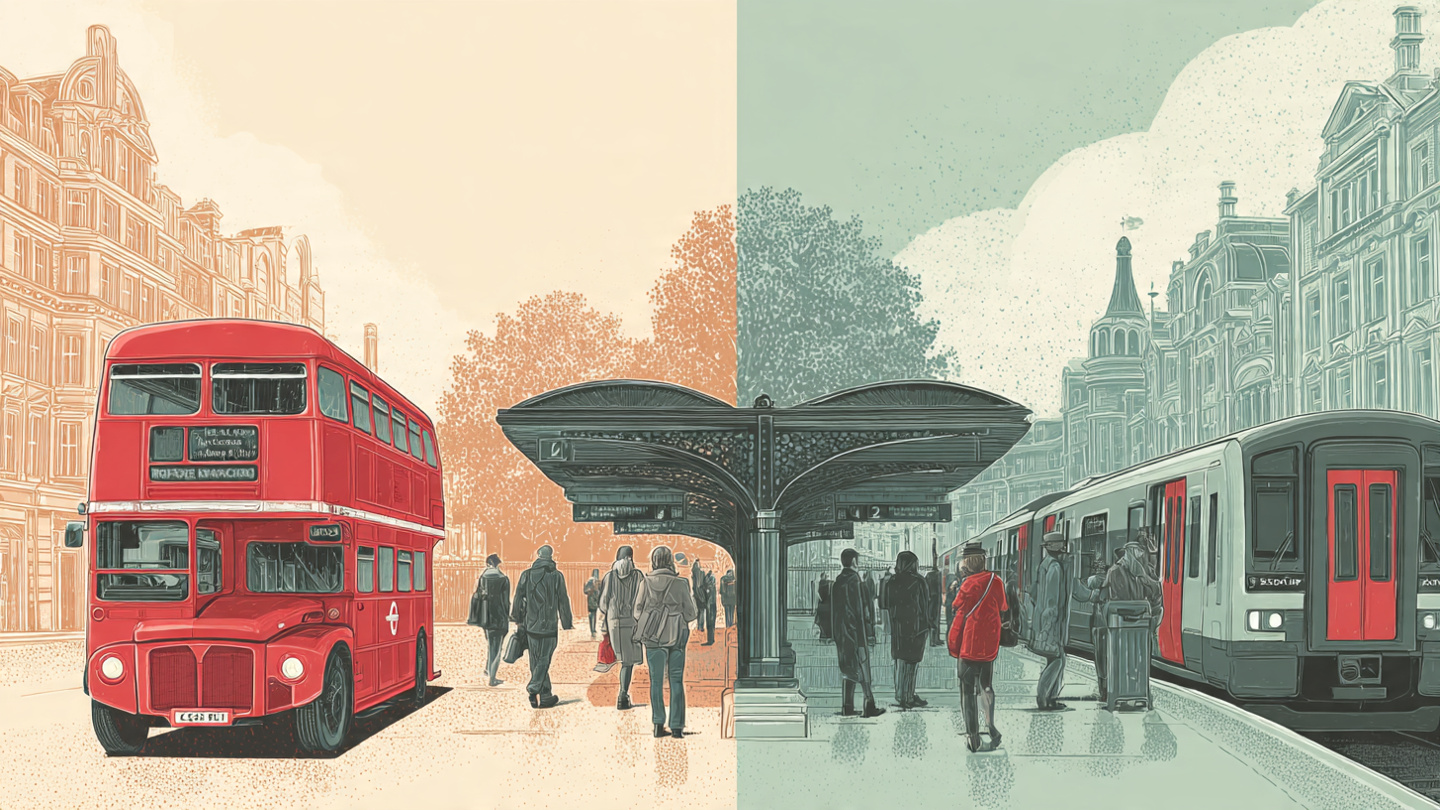
Many visitors default to the underground for every journey without considering alternatives. While it is fast, it is not always the best option. A thoughtful london transport guide helps travelers understand when buses or walking may offer a better experience.
Speed Versus Experience in Daily Travel
The underground is designed for speed, especially over longer distances. It moves beneath the city and avoids street traffic. Buses, on the other hand, move at street level and offer a visual connection to London. Choosing between them often depends on whether speed or experience matters more at that moment.
Kingsley, thanks for helping my family and I on the underground yesterday at London Bridge – you’re a true underground legend 👍👍👍
Read more reviews at Tripadvisor.
How Buses Reveal the City Above Ground
Buses provide a unique way to understand London’s layout. Traveling above ground allows visitors to see neighborhoods transition naturally. This visual context helps travelers better understand distances and relationships between areas, which underground travel often hides.
When the Underground Saves Time
For cross-city journeys or longer distances, the underground usually saves time. It avoids traffic and runs frequently throughout the day. During off-peak hours, underground travel is often smooth and efficient, making it a strong choice for busy itineraries.
Crowds and Comfort Considerations
Crowd levels play a major role in transport decisions. Underground trains can feel crowded during peak hours. Buses may also fill up, but crowding tends to feel different due to visibility and seating options. A smart london transport guide encourages travelers to consider comfort alongside speed.
How Time of Day Affects the Best Choice
Time of day changes everything. Morning and evening commute hours affect both buses and underground services. Outside peak periods, buses often provide a relaxed alternative, especially for shorter journeys within central areas.
Why Buses Often Work Better for Short Distances
For short distances, buses can be surprisingly efficient. Entering and exiting underground stations often involves stairs, corridors, and waiting time. In many cases, staying above ground saves time and energy.
Weather and Transport Decisions
Weather influences transport comfort. Underground travel avoids rain and cold, while buses expose travelers to the elements. However, buses also reduce walking distance in poor weather. Understanding this balance helps travelers adapt daily plans.
Mixing Transport Options for Better Flow
The best approach is rarely choosing one option exclusively. London travel transport works best when travelers mix underground rides with bus journeys and walking. This combination creates smoother days and reduces fatigue.
Choosing What Feels Right in the Moment
There is no perfect rule for choosing between buses and the underground. The best choice depends on distance, crowd levels, energy, and time constraints. A good london transport guide empowers travelers to trust their judgment rather than follow rigid rules.
Airport Transport and Entering London for the First Time

Why Airport Arrival Shapes First Impressions
The first transport decision many travelers make happens at the airport. After a long flight, confusion around routes, pricing, and timing can feel overwhelming. A clear london transport guide helps travelers understand airport transport logic before they arrive, reducing stress at the most vulnerable moment of the trip.
Why Each London Airport Feels Different
London is served by multiple airports, each located in a different direction from the city. Because of this, airport transport options vary significantly. Some airports prioritize speed, while others focus on cost or regional connections. Understanding this difference prevents unrealistic expectations.
If your arrival airport is Heathrow, this step-by-step guide explains exactly how to travel from Heathrow to central London.
Seeing where London’s airports sit in relation to the city helps travelers understand why transport time, cost, and route choices vary so much. A visual overview makes it easier to plan arrivals without overcomplicating the first day.
Speed Versus Cost at Airport Entry
Airport transport often involves a trade-off between speed and cost. Faster options reduce travel time but usually cost more. Slower options save money but require patience. London travel transport offers both, and the best choice depends on energy levels, budget, and arrival time.
Why Central Location Matters After Arrival
Where you stay influences how airport transport feels. Accommodation closer to central areas usually reduces transfer complexity. Outer locations may involve additional connections but often provide better value. Understanding this relationship helps travelers plan arrival routes more confidently.
Luggage and Comfort Considerations
Traveling with luggage changes transport priorities. Stairs, long corridors, and crowded platforms can turn short journeys into uncomfortable experiences. London transport offers alternatives that reduce physical strain when travelers choose carefully.
Late-Night and Early-Morning Arrivals
Arrival time matters more than many travelers expect. Late-night or early-morning arrivals limit available transport options. Knowing this in advance helps travelers avoid surprises and make realistic plans for entering the city.
Why Overplanning Airport Routes Backfires
Many visitors attempt to plan exact routes in advance, down to specific platforms and transfers. In practice, conditions change. Delays, crowd levels, and service adjustments make flexibility more valuable than rigid planning. A good london transport guide encourages adaptable thinking.
Understanding the Transition Into the City
Airport transport is about more than reaching accommodation. It marks the transition from travel mode to exploration mode. Choosing a calm and manageable route sets the tone for the entire trip.
Airport arrival choices shape how confident travelers feel during their first hours in London. For a focused breakdown of airport-specific routes, timing differences, and arrival strategies, this London airport transport guide explains how to move from each airport into the city with less stress.
Common Airport Transport Mistakes
Common mistakes include choosing the fastest option when exhausted, ignoring luggage limitations, or underestimating connection time. Understanding these pitfalls helps travelers make better first-day decisions.
Starting the Trip With Confidence
Entering London confidently sets the foundation for everything that follows. When travelers understand airport transport options in advance, they begin the trip feeling prepared rather than rushed. That confidence carries into the rest of their London experience.
How Time of Day, Crowds, and Seasons Affect Transport

Why Timing Matters in London Transport
Time plays a major role in how London transport feels from day to day. The same journey can feel effortless at one hour and exhausting at another. Understanding how timing affects London travel transport helps visitors plan smoother days without constantly adjusting routes.
Time, crowd levels, and seasonal shifts all influence how transport in London feels on a daily basis. Factors like daylight length, rain, and temperature subtly change walking comfort and transport choices, which are explored in more depth in the London weather travel guide.
Understanding Rush Hours in London
Rush hours reflect daily work patterns rather than tourist movement. Morning and evening commute periods bring heavier crowds, especially on underground lines serving central areas. Travelers who recognize these patterns can avoid unnecessary congestion by adjusting departure times slightly.
Travel timing affects far more than transport comfort, and understanding how seasons, crowds, and daylight shape the overall trip is explored in detail in this guide on the best time to visit London.
How Midday Travel Feels Different
Midday travel often feels calmer across London transport options. Underground trains and buses usually have more space, and stations feel easier to navigate. This period works well for longer cross-city journeys or visiting popular areas without pressure.
Evening Travel and Changing Crowd Dynamics
Evenings introduce a different type of movement. Crowds shift from commuters to social and leisure travelers. Certain areas become busier while others quiet down. Understanding these shifts helps travelers choose the right transport option for evening plans.
Late-Night Transport Considerations
Late-night travel requires a different mindset. Service frequency may decrease, and some routes operate differently. London travel transport still functions well at night, but travelers benefit from planning realistic travel windows rather than assuming daytime conditions apply.
Seasonal Changes and Transport Pressure
Seasons influence transport demand. Summer brings higher visitor numbers, while winter introduces weather-related challenges. Holiday periods increase crowd levels across London transport, especially in central areas. Awareness of seasonal pressure points helps travelers stay patient and flexible.
Weather and Its Impact on Movement
Weather affects transport comfort more than schedules. Rain increases demand for underground services and buses, while good weather encourages walking. Understanding this pattern helps travelers adapt plans instead of fighting conditions.
Weekends Versus Weekdays
Weekends change transport rhythms entirely. Commuter pressure drops, but tourist activity increases. Certain routes become busier due to events and attractions. London travel transport remains reliable, but timing choices matter more on weekends.
Why Flexibility Beats Fixed Plans
Rigid schedules rarely work well in a city as active as London. Delays, crowd surges, and spontaneous opportunities all affect movement. A smart london transport guide encourages flexibility rather than strict adherence to pre-planned routes.
Using Timing to Improve the Travel Experience
By understanding how time of day and season affect transport, travelers can make small adjustments that improve comfort and efficiency. These adjustments often matter more than choosing the fastest route.
Common Transport Mistakes Tourists Make in London

Assuming the Underground Is Always the Best Option
One of the most common mistakes visitors make is relying on the underground for every journey. While it is efficient for longer distances, it is not always the most practical choice. Short trips, nearby neighborhoods, and scenic routes often work better by bus or on foot. A good london transport guide helps travelers recognize when alternatives make more sense.
Overestimating Distances on the Map
London looks compact on maps, especially around central areas. In reality, walking distances can feel longer due to crowds, intersections, and street layouts. Travelers who underestimate distance often rush unnecessarily or choose inefficient routes. Understanding realistic travel time helps avoid frustration.
Ignoring the Impact of Rush Hours
Many tourists unknowingly travel during peak commute times. This leads to crowded trains, slower movement, and reduced comfort. London travel transport works smoothly outside these periods, so small timing adjustments can dramatically improve the experience.
Many of these issues are covered in more detail in this guide to London travel mistakes to avoid, which explains how planning and transport assumptions affect the overall trip experience.
Overplanning Routes in Advance
Some visitors plan every journey down to the exact station and transfer. This approach rarely works well. Delays, service changes, and crowd conditions vary daily. Flexibility usually produces better results than rigid planning.
king’s cross st pancras, harry potter stage (station 93⁄4), very nice, I stayed next to st.pancras international, as it is a “Capital” all trains go to king’s cross, I loved the place, my sister fan of harry potter, she liked to go to know a stage of her favorite movie in real life.
Read more reviews at Tripadvisor.
Choosing Transport Based Only on Cost
Cost matters, but choosing the cheapest option without considering time and comfort often backfires. Saving a small amount of money can result in longer travel times and exhaustion. A balanced london transport guide encourages value over minimal cost.
Misunderstanding Zones and Fares
Zones often intimidate visitors unnecessarily. Many travelers avoid certain routes because they believe zones complicate travel. In practice, zones mainly affect pricing, not accessibility. Understanding this distinction reduces anxiety and opens more route options.
Carrying Luggage Without Adjusting Routes
Travelers often forget to adjust transport choices when carrying luggage. Long staircases, crowded platforms, and narrow corridors can make simple journeys uncomfortable. London transport offers alternatives that work better with bags when chosen carefully.
Treating All Transport Options the Same
Each transport option serves a different purpose. Treating buses, underground trains, and walking routes as interchangeable leads to inefficient movement. A clear london transport guide helps travelers match the right option to the situation.
Underestimating Walking as a Transport Option
Many tourists overlook walking, even for short distances. Walking often saves time, reduces transfers, and reveals unexpected parts of the city. Recognizing walking as a valid part of London travel transport improves both efficiency and enjoyment.
Learning From Small Mistakes Instead of Stressing
Small mistakes are part of learning any new transport system. London transport is forgiving, and most errors cost only a few extra minutes. Travelers who accept this reality enjoy the city more than those who stress over perfection.
Final Thoughts on Getting Around London Confidently

Why Transport Confidence Changes the Whole Trip
Confidence with transport affects how travelers experience London more than most people expect. When movement feels manageable, the city feels smaller and more welcoming. Decisions happen faster, stress drops, and attention shifts from logistics to experiences. A solid london transport guide exists for this exact reason.
Accepting That London Transport Is Designed for Flexibility
London travel transport is not meant to be mastered before arrival. It is designed to adapt to millions of daily users with different needs. Travelers who understand this stop chasing perfect routes and instead make choices that fit the moment.
Trusting the System Instead of Fighting It
The transport network works reliably, even when it feels complex. Trains run frequently, buses cover gaps, and walking routes connect everything in between. Trusting the system allows travelers to move confidently without constant checking and second-guessing.
Letting Transport Support the Travel Experience
Transport should support exploration, not dominate it. When travelers choose options that match their pace and energy, days feel balanced. Faster travel makes sense when moving across the city, while slower options work better within neighborhoods.
Learning London Gradually Through Movement
Each journey teaches something new. Travelers begin recognizing station names, route patterns, and neighborhood connections naturally. This gradual familiarity builds confidence faster than studying maps or schedules in advance.
Avoiding Comparison With Other Cities
London does not operate like smaller or more compact cities. Comparing transport systems often leads to frustration. Accepting London on its own terms helps travelers appreciate how well the system supports a city of this scale.
Using Transport Choices to Shape Each Day
Transport decisions influence how long days feel, how crowded experiences become, and how much energy remains in the evening. Smart choices create smoother days without requiring rigid planning.
Allowing Room for Spontaneity
One of London’s strengths is how easily plans can change. Missed turns, unexpected discoveries, and spontaneous stops are part of the experience. London travel transport allows travelers to adjust quickly when curiosity leads somewhere new.
Remembering That Mistakes Are Part of the Process
Even experienced travelers make occasional mistakes. Taking the wrong train or missing a stop is rarely a problem. London transport offers enough flexibility to recover easily without losing the day.
Moving Through London With Ease and Confidence
When transport feels familiar, London opens up fully. Neighborhoods feel connected, distances feel manageable, and exploring becomes enjoyable. Confidence with movement turns a complex city into one that feels intuitive and rewarding.
Frequently Asked Questions
General Questions About Getting Around London
London transport can feel confusing at first, but it becomes manageable once travelers understand how the system is structured. Most visitors find that after one or two days, moving around the city feels much easier.
No. Travelers do not need to learn every detail in advance. Understanding the basics of how transport options connect is far more useful than memorizing routes or schedules.
Yes. Many central areas are closer than they appear on maps. Walking often saves time, reduces transfers, and allows travelers to experience the city more naturally.
Questions About Tickets, Zones, and Costs
Most tourists do not need to focus heavily on zones. Many major attractions are located within central areas, which keeps travel simple and predictable.
Costs depend on how often and how far travelers move each day. Daily limits help prevent overspending, which makes London transport more affordable than many visitors expect.
Advance ticket purchases are usually unnecessary. London transport is designed to work smoothly for travelers who decide as they go.
Questions About Choosing Transport Options
Not always. For short distances or nearby neighborhoods, buses or walking can be just as fast and more comfortable.
Yes. Buses offer street-level views and are useful for shorter journeys or exploring local areas. Many travelers find buses less stressful than underground travel.
Absolutely. London transport works best when travelers combine walking, buses, and trains depending on distance and energy levels.
Questions About Airport and Arrival Transport
It can seem complicated, but understanding the general options makes it manageable. Each airport offers both faster and more affordable ways to reach the city.
Not always. After long flights, comfort and simplicity often matter more than speed. Choosing a calmer route can improve the first day of the trip.
Questions About Timing and Crowds
Midday and early afternoon tend to be calmer. Rush hours are busiest during weekday mornings and evenings.
Yes. Weekend travel is usually less affected by commuters, but popular areas may be busier with visitors and events.