
Planning a trip to London often begins with checking the weather, yet most visitors quickly realize that forecasts alone do not tell the full story. This London weather travel guide exists to bridge that gap. Instead of focusing on daily predictions, it explains how weather actually behaves in the city and how travelers experience it on the ground. When expectations match reality, planning becomes easier, packing becomes smarter, and daily movement feels more relaxed.
How London’s Location Shapes Its Everyday Weather
London’s weather is strongly influenced by its geographic position. The city sits close enough to the Atlantic Ocean to receive frequent cloud cover and light rain, yet far enough inland to avoid extreme coastal conditions. This balance creates mild temperatures throughout most of the year. Heat waves and deep cold spells do occur, but they are usually short and manageable. For travelers, this means the city rarely feels hostile, even when conditions change.
Weather plays a quiet but important role in how people move through London each day. Rain, daylight hours, and seasonal comfort all affect walking, public transport use, and timing decisions. To understand how weather fits into the wider system of buses, trains, and daily movement, this connects naturally with the complete London transport guide for first-time visitors.
Why Visitors Often Expect the Wrong Climate
Many travelers arrive with assumptions shaped by stereotypes. Some imagine constant rain, while others expect cold streets and grey skies year-round. In reality, London’s climate sits comfortably between extremes. Winters feel cool rather than harsh. Summers feel warm rather than oppressive. Rain appears often, but usually in short bursts. When expectations lean too far in one direction, even normal conditions can feel disappointing.
The Gap Between Forecasts and Travel Experience
Weather apps present numbers, icons, and percentages, but travel involves movement, atmosphere, and timing. A day marked as rainy may still offer long dry stretches ideal for walking. Cloudy skies do not prevent sightseeing, river walks, or outdoor markets from feeling lively. London continues to function smoothly in most conditions. Understanding this gap helps travelers avoid canceling plans unnecessarily.
Why Weather Should Inform Planning, Not Control It
In London, weather rarely shuts the city down. Public transport remains reliable. Attractions stay open. Neighborhoods remain active. Instead of planning rigid schedules around ideal conditions, experienced travelers build flexibility into their days. This approach allows plans to adapt naturally rather than collapse when conditions shift. The London weather travel guide mindset focuses on preparation, not avoidance.
How Local Habits Reveal the True Nature of London Weather
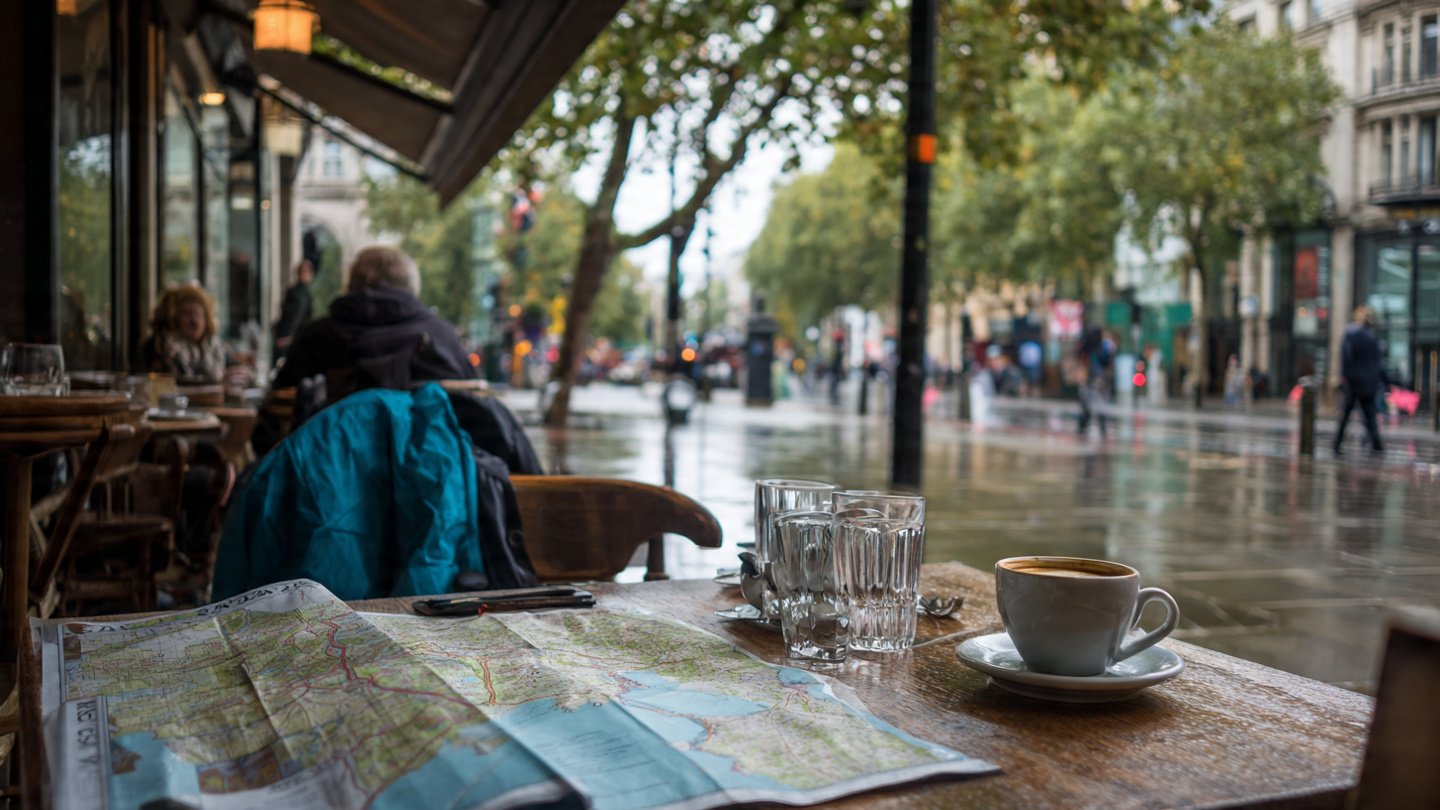
Observing locals offers one of the best clues to understanding the climate. Londoners rarely change plans because of light rain or cooler temperatures. Umbrellas appear briefly and disappear just as quickly. Outdoor seating continues under awnings and heaters. Parks remain in use year-round. This behavior reflects confidence in the predictability of mild conditions, even when skies are uncertain.
Why Early Weather Awareness Improves the Entire Trip
When travelers understand London’s weather patterns early in the planning process, every other decision improves. Accommodation choices feel more informed. Packing becomes lighter and more intentional. Daily itineraries feel less stressful. Small adjustments stop feeling like setbacks. This awareness sets the tone for the entire visit and reduces common travel frustrations.
Setting Realistic Expectations Before Arrival
The most important takeaway from this London weather travel guide is expectation alignment. London’s weather rarely aims to impress or disrupt. It exists quietly alongside daily life. Travelers who arrive expecting balance rather than perfection settle in faster and enjoy the city more deeply. Once expectations are realistic, the city reveals itself as calm, walkable, and welcoming in almost any condition.
Why London Weather Often Feels Different Than Expected
The Role Expectations Play in How Weather Is Experienced
Weather does not exist in isolation. How it feels depends heavily on what travelers expect before arrival. In London, expectations often come from exaggerated descriptions or isolated anecdotes rather than lived experience. When visitors anticipate constant rain or gloomy skies, even mild cloud cover can feel disappointing. This disconnect explains why two people can experience the same day very differently. One feels inconvenienced. The other barely notices.
How Visual Impressions Shape Perception
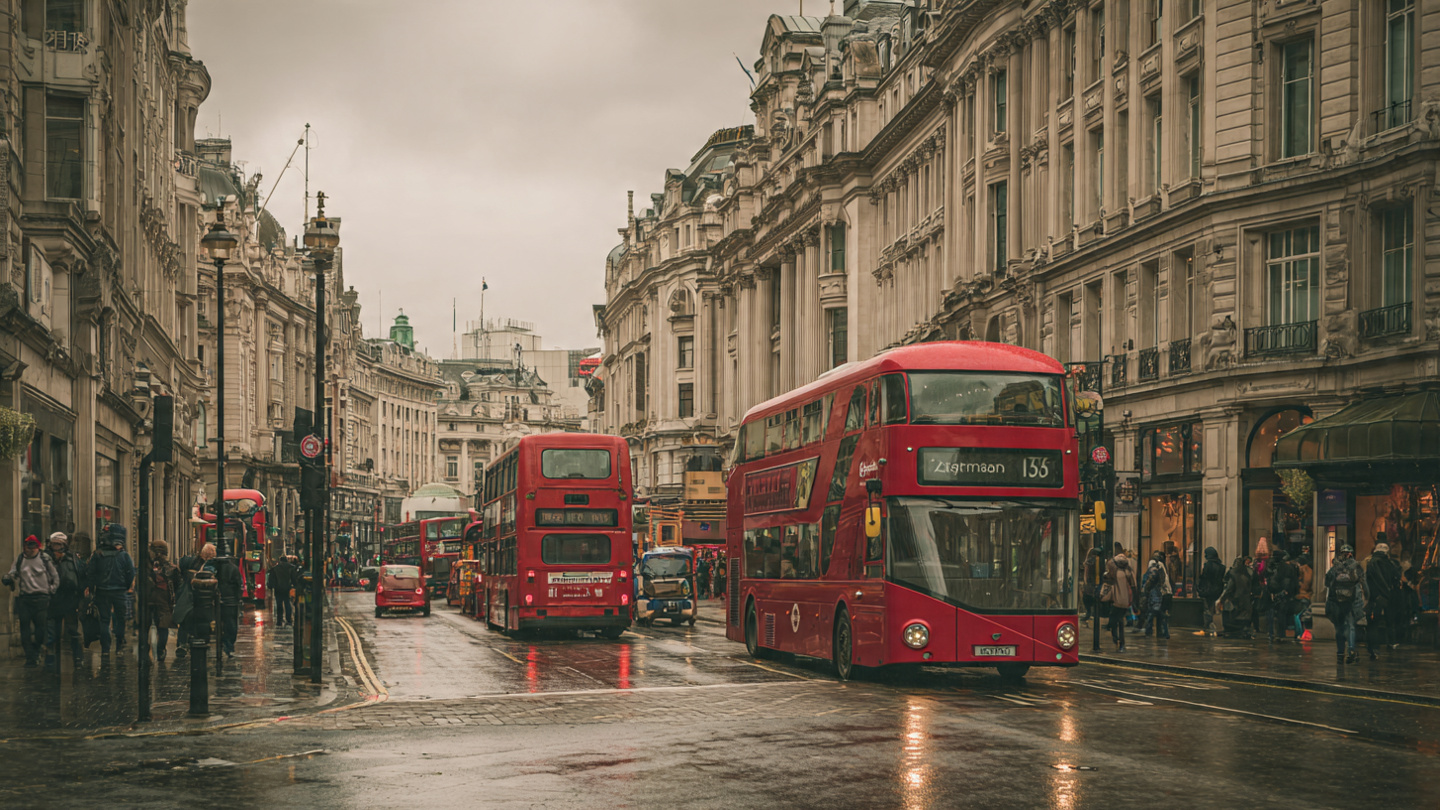
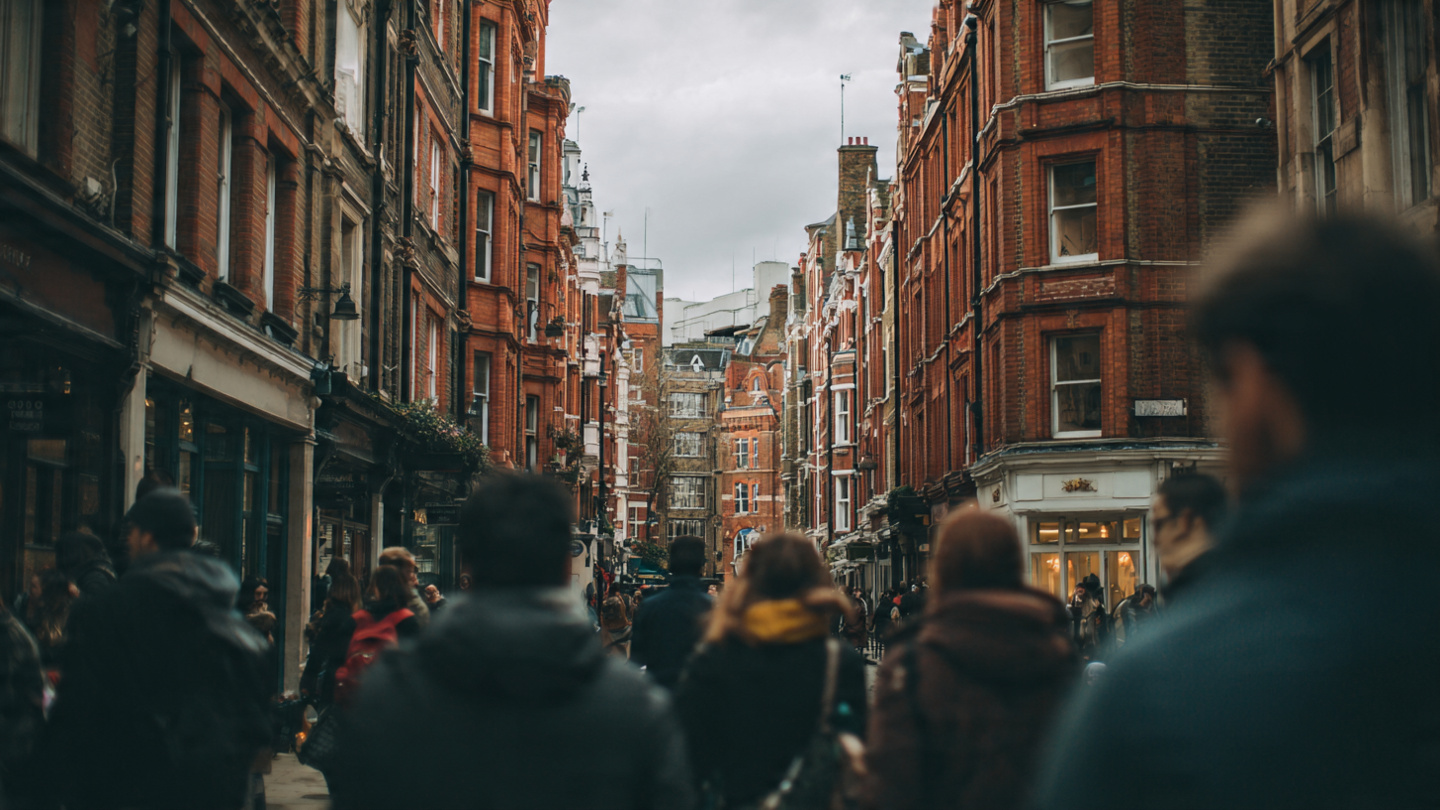
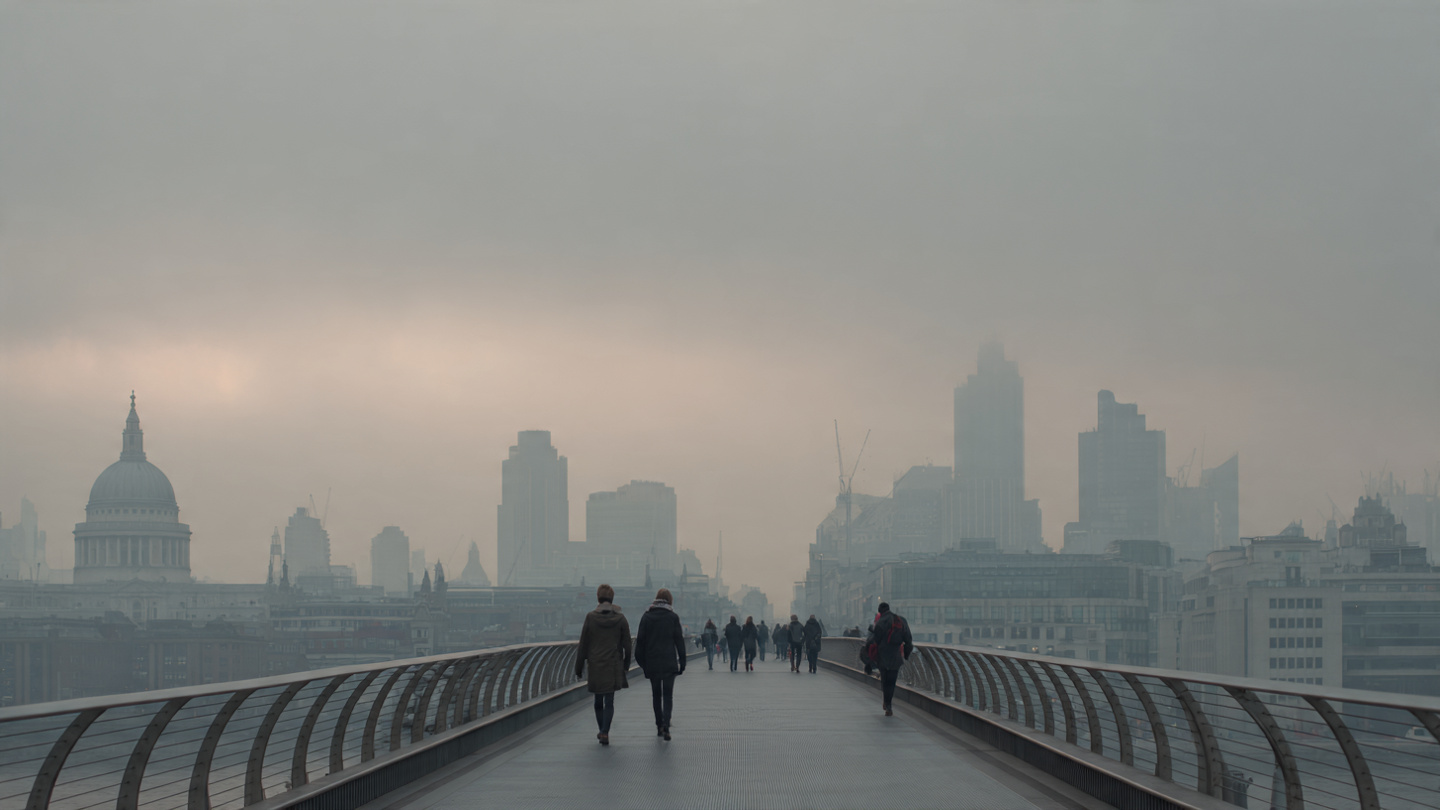
London’s architecture, narrow streets, and historic buildings influence how weather is perceived. Cloudy skies appear heavier against stone façades and older structures. Light rain reflects off pavements, making conditions feel wetter than they actually are. These visual cues can exaggerate the sensation of poor weather even when conditions remain comfortable for walking and sightseeing. Understanding this effect helps travelers interpret what they feel more accurately.
Why Mild Weather Can Feel More Unpredictable
Cities with extreme climates often feel more predictable because conditions follow clear patterns. London sits in a middle zone where changes happen gradually and frequently. Temperatures shift subtly. Light rain appears and disappears. Cloud cover breaks unexpectedly. This variability creates the feeling of unpredictability even though extremes are rare. Travelers who expect stable conditions throughout the day often find this more confusing than genuinely harsh weather.
The Influence of Movement on Weather Comfort
Weather feels different depending on how travelers move through the city. Walking between neighborhoods, entering and exiting transport stations, and transitioning from indoors to outdoors amplify sensations. A cool breeze feels stronger after sitting on a warm train. Light rain feels heavier when combined with walking. London’s travel style involves constant movement, which makes subtle weather changes more noticeable.
How Clothing Choices Affect Perception
What travelers wear plays a major role in how London weather feels. Visitors who dress for worst-case scenarios often feel overheated or restricted. Those who dress too lightly may feel chilled by wind or shade. Because London’s weather sits in a moderate range, comfort depends more on adaptability than insulation. Layers, breathable fabrics, and flexible footwear change how conditions are experienced throughout the day.
Why Time of Day Changes Everything
Morning, afternoon, and evening can feel like different seasons within the same day. Early hours often feel cooler and quieter. Midday brings warmth and activity. Evenings cool quickly, especially outside central areas. Travelers who judge the entire day based on one moment often misinterpret overall conditions. Recognizing these daily shifts helps visitors pace activities more comfortably.
The Psychological Effect of Constant Cloud Cover
Clouds affect mood as much as temperature. Even when rain never arrives, grey skies can create the impression of poor weather. In London, cloud cover is common but rarely dense all day. Breaks appear frequently, allowing light to shift and brighten streets unexpectedly. Travelers who expect clear skies as a default may misread this pattern as persistent gloom.
Why London Weather Feels Manageable to Locals
Locals experience London weather differently because they have adapted their routines around it. They expect variability and plan accordingly. Outdoor spaces are designed with cover, heating, and shelter in mind. Transport systems reduce exposure time. This adaptation reduces friction. Visitors who mirror this mindset often find that the weather fades into the background rather than dominating the day.
How London’s Climate Influences Travel Comfort and Movement

Why Travel Comfort in London Is Shaped by Daily Movement
Travel comfort in London depends less on temperature numbers and more on how visitors move through the city. Walking between neighborhoods, entering stations, riding buses, and transitioning between indoor and outdoor spaces happen constantly. This rhythm amplifies even small weather changes. A well-written london weather travel guide focuses on movement because comfort is experienced minute by minute, not forecast by forecast.
How Walking Through London Interacts With Weather Conditions
London is a walking city at heart. Streets, markets, and historic areas reveal themselves best on foot. However, walking increases exposure to wind, light rain, and shifting temperatures. Drizzle feels heavier during longer walks, while cooler air feels sharper in shaded streets. This does not make walking impractical. It means walking should be planned in balanced segments rather than long, uninterrupted stretches.
Public Transport as a Weather Buffer for Travelers
London’s transport system quietly protects travelers from weather discomfort. Trains, buses, and underground stations offer frequent opportunities to warm up, cool down, or dry off. Travelers who mix walking with transport experience far less weather fatigue than those who rely on walking alone. This balance is a core principle behind smart planning explained in any effective london weather travel guide.
Weather conditions often influence whether walking, buses, or underground travel feels more comfortable at different times of the day. These comfort-based decisions connect closely with guidance on the best way to travel around London.
How Crowds Change the Way Weather Feels
Crowd density alters weather perception significantly. Busy streets trap warmth during warmer months and reduce airflow. In cooler seasons, crowds create shared warmth and shelter. Central areas often feel warmer than quieter neighborhoods at the same temperature. Travelers who account for crowd patterns often experience better comfort than those who plan only around attractions.
Why Wind Often Matters More Than Rain
Rain receives the most attention, but wind often has a greater impact on comfort. Wind cuts through clothing, especially near bridges, open squares, and river paths. It can make mild temperatures feel unexpectedly cool. Unlike rain, wind is harder to anticipate and avoid. Understanding wind exposure helps travelers choose routes and timings that feel more comfortable.
Indoor and Outdoor Transitions Shape Weather Experience
London travel involves frequent transitions between indoor and outdoor spaces. Heated interiors in winter and cooled interiors in summer create sharp contrasts. Stepping outside after time indoors can exaggerate sensations of cold or warmth. Travelers who expect consistent comfort often struggle with these shifts. Those who accept brief discomfort as part of movement adapt more easily.
The Role of Breaks in Managing Weather Fatigue
Even mild weather can drain energy when exposure is constant. London offers countless cafés, museums, shops, and covered spaces that allow travelers to reset. Using these spaces intentionally reduces fatigue and improves enjoyment. Breaks are not lost time. They are essential tools for maintaining comfort across long sightseeing days.
Why Flexible Planning Improves Physical Comfort
Rigid schedules magnify discomfort when conditions change. Flexible planning absorbs it. When travelers allow time to slow down, switch activities, or reorder stops, weather becomes manageable rather than disruptive. London’s dense layout and transport network support this flexibility, making comfort easier to maintain throughout the day.
London Weather by Season: A Practical Overview for Travelers
Why Seasonal Understanding Matters More Than Daily Forecasts
Daily forecasts change quickly in London, but seasonal patterns remain consistent. Travelers who rely only on short-term predictions often misjudge what the city feels like overall. A seasonal view provides context. It explains temperature ranges, light levels, and typical conditions that shape daily travel. Any reliable london weather travel guide prioritizes seasons because they influence comfort, pacing, and expectations far more than isolated weather icons.
Seasonal weather patterns shape when London feels most comfortable for different types of travelers, especially when daylight, crowd levels, and outdoor walking conditions are considered together. This planning approach fits naturally with the detailed breakdown in the best time to visit London.
How Spring Feels in London for Visitors
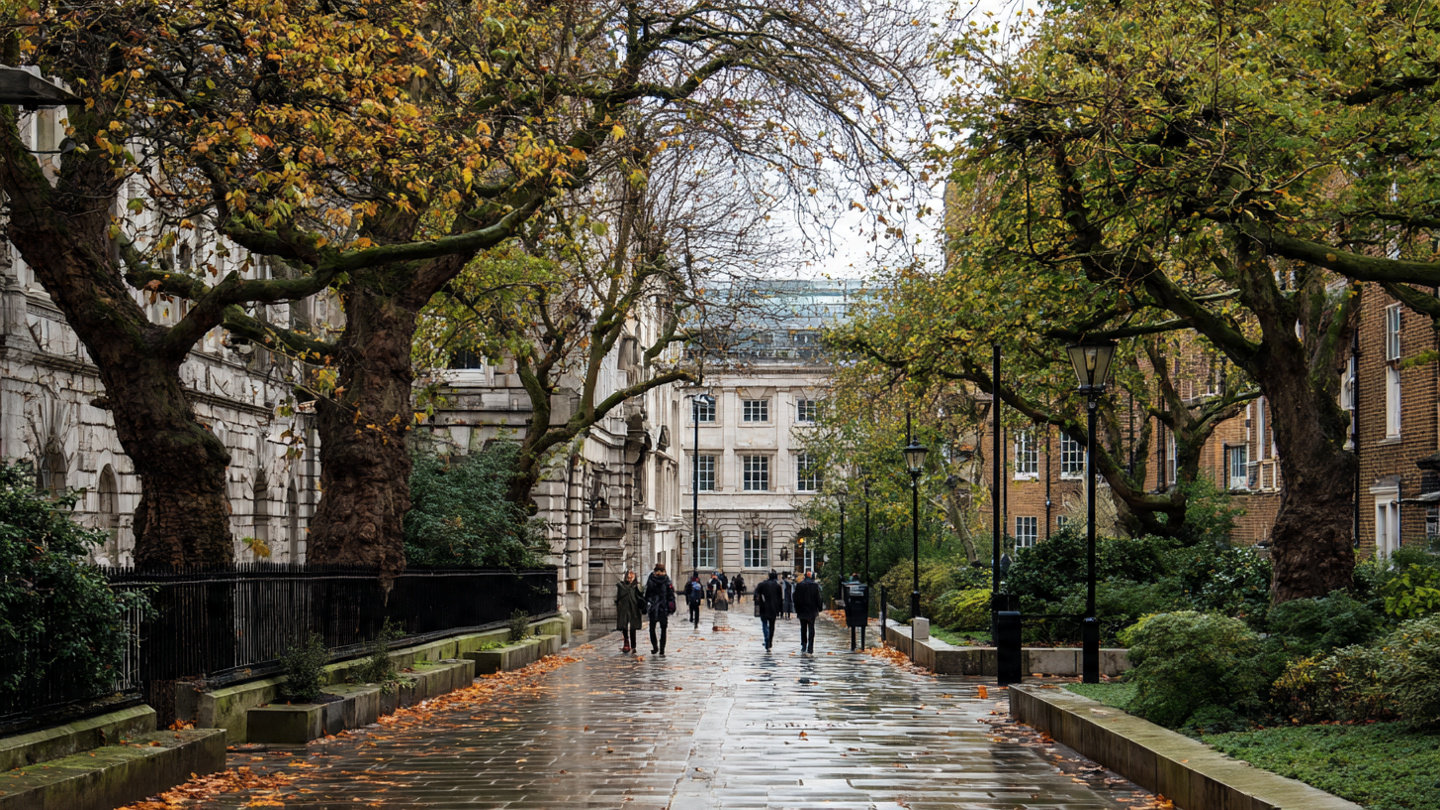
Spring in London is defined by transition. Temperatures slowly rise, but consistency takes time. Early spring can still feel cool, especially in the mornings and evenings. As weeks pass, daylight increases and parks begin to fill with activity. Rain remains possible, but it rarely dominates entire days. Spring rewards travelers who enjoy moderate walking, quieter streets, and gradual warming rather than instant sunshine.
What Summer Weather Means for Daily Travel
Summer brings London’s most stable conditions, but not necessarily its hottest. Days are long, evenings stay light, and outdoor spaces remain active well into the night. Temperatures usually stay comfortable rather than extreme. When warmer days arrive, they tend to be short-lived. Crowds increase during this season, which often affects comfort more than temperature itself. Summer travel works best with early starts and flexible pacing.
How Autumn Changes the Travel Experience
Autumn introduces cooler air and shorter days, but it also brings clarity. Crowds thin, streets feel calmer, and walking becomes comfortable again. Temperatures drop gradually rather than sharply. Rain becomes more frequent, but it still tends to appear in light spells. Autumn suits travelers who value atmosphere, photography, and slower exploration without peak-season pressure.
What Winter Really Feels Like in London
Winter in London is often misunderstood. It is rarely severe. Snow is uncommon, and deep cold is unusual. Instead, winter brings cool temperatures, early sunsets, and a quieter rhythm. Indoor spaces become more appealing, but outdoor exploration remains possible most days. Travelers who expect harsh conditions are often surprised by how manageable winter feels, especially when dressed appropriately.
How Seasonal Light Affects Travel Energy
Light changes shape the travel experience as much as temperature. Long summer days allow extended sightseeing without feeling rushed. Short winter days encourage focused planning and earlier starts. Spring and autumn sit comfortably between these extremes. Travelers who plan around daylight rather than temperature often enjoy better energy levels and smoother daily flow.
Why Seasons Influence Packing More Than Temperature
Seasonal expectations guide smarter packing decisions. Spring and autumn favor layers. Summer prioritizes breathable clothing. Winter requires warmth without bulk. Because London rarely experiences extremes, packing becomes about adaptability rather than protection. Understanding seasonal patterns reduces overpacking and improves daily comfort.
Using Seasonal Awareness to Plan Better Days
When travelers understand how each season behaves, they stop fighting conditions and start working with them. Activities align naturally with light, temperature, and crowd levels. This mindset forms the backbone of an effective london weather travel guide. Seasons become tools rather than obstacles, shaping trips that feel intentional and enjoyable.
Rain, Cloud Cover, and Realistic Expectations in London

Why Rain Has an Outsized Reputation in London
Rain is often the first thing people associate with London, yet its reputation is larger than its reality. Visitors imagine long, soaking downpours that cancel plans and darken the city for days. In practice, rain in London is usually light, brief, and scattered. Understanding this difference early is essential to interpreting any london weather travel guide correctly. Rain exists, but it rarely dominates the day.
How Often Rain Actually Interrupts Travel
Rain in London tends to arrive in short bursts rather than extended periods. A forecast showing rain may only mean a passing shower that lasts minutes rather than hours. Many days labeled as rainy still offer long dry windows suitable for walking, sightseeing, and outdoor meals. Travelers who cancel plans too quickly often miss perfectly usable weather conditions.
The Role of Cloud Cover in Shaping Perception
Cloud cover plays a bigger role in how London weather feels than rain itself. Overcast skies can make the city feel cooler and darker, even when conditions remain comfortable. Stone buildings and narrow streets amplify this effect visually. However, cloud cover in London is rarely uniform. Breaks appear frequently, allowing light to shift throughout the day. Recognizing this pattern prevents unnecessary pessimism.
Why Grey Skies Do Not Mean Poor Travel Conditions
Grey skies do not stop London from functioning or thriving. Markets remain busy, museums stay lively, and neighborhoods retain their character. In many cases, cloud cover softens light, making walking and photography more comfortable. Travelers who associate sunshine with quality often overlook how pleasant London feels without harsh brightness or heat.
Definitely well worth a visit. I am a military history afficianado …my wife isn’t. But even she found interest in the displays and other information. .
Read more reviews at Tripadvisor.
How Rain Interacts With Walking and Transport
Light rain becomes more noticeable when combined with walking, especially on longer routes. Pavements reflect light, making conditions feel wetter than they are. However, London’s transport network reduces exposure time. Frequent stations, bus stops, and indoor spaces allow travelers to move efficiently even during showers. This infrastructure is why rain rarely becomes a serious obstacle.
Why Umbrella Culture Reflects Local Confidence
Umbrellas in London appear quickly and disappear just as fast. Locals carry them casually, using them for brief showers rather than extended protection. This behavior reflects confidence in the predictability of light rain. Visitors who adopt the same mindset often feel less stressed and more integrated into daily city life.
How Rain Changes Crowds and Atmosphere
Rain subtly reshapes the city rather than shutting it down. Some outdoor areas become quieter, while indoor spaces grow more active. Streets feel calmer, and popular attractions often thin slightly during showers. For travelers, this can create unexpected advantages, such as shorter queues and more relaxed exploration.
Setting Realistic Rain Expectations for Travel Planning
The most practical approach to rain in London is acceptance rather than avoidance. Planning flexible routes, carrying light protection, and understanding that showers are usually brief transforms rain from a concern into a minor detail. This realistic outlook forms a key pillar of any effective london weather travel guide, allowing travelers to move confidently regardless of passing showers.
Daylight Hours in London and Their Impact on Sightseeing
Why Daylight Shapes the Way London Is Experienced
Daylight influences how travelers move through London more than temperature does. The city changes rhythm depending on how long the day lasts. Longer daylight encourages extended walks and flexible evenings. Shorter daylight pushes travelers toward focused plans and earlier starts. A well-structured london weather travel guide treats daylight as a planning factor rather than a background detail.
How Long Summer Days Expand Travel Possibilities
During summer, daylight stretches well into the evening. This creates a feeling of extra time that benefits sightseeing, dining, and spontaneous exploration. Attractions feel less rushed because visitors are not racing against darkness. Evening walks, river paths, and neighborhood wandering become natural extensions of the day. Travelers who plan loosely during summer often experience more without feeling fatigued.
How Short Winter Days Change Daily Planning
Winter daylight is limited, with early sunsets shaping the flow of the day. Mornings become more important, and delays feel more costly. Travelers who start late often feel pressure as daylight fades. This does not reduce what can be seen, but it changes how days should be structured. Concentrating outdoor activities earlier and indoor experiences later creates a smoother rhythm.
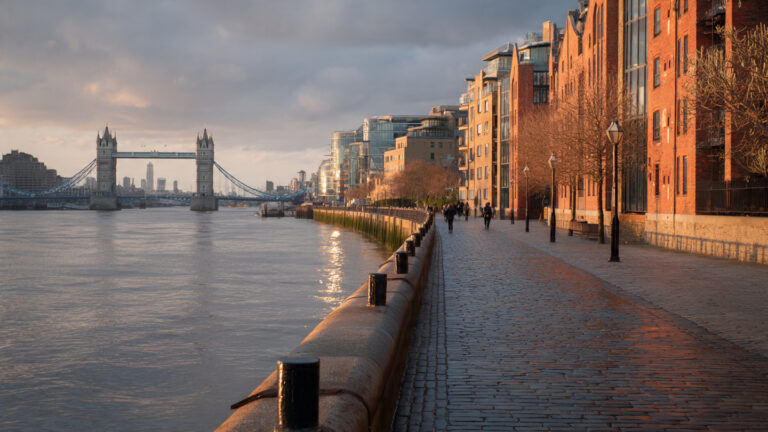
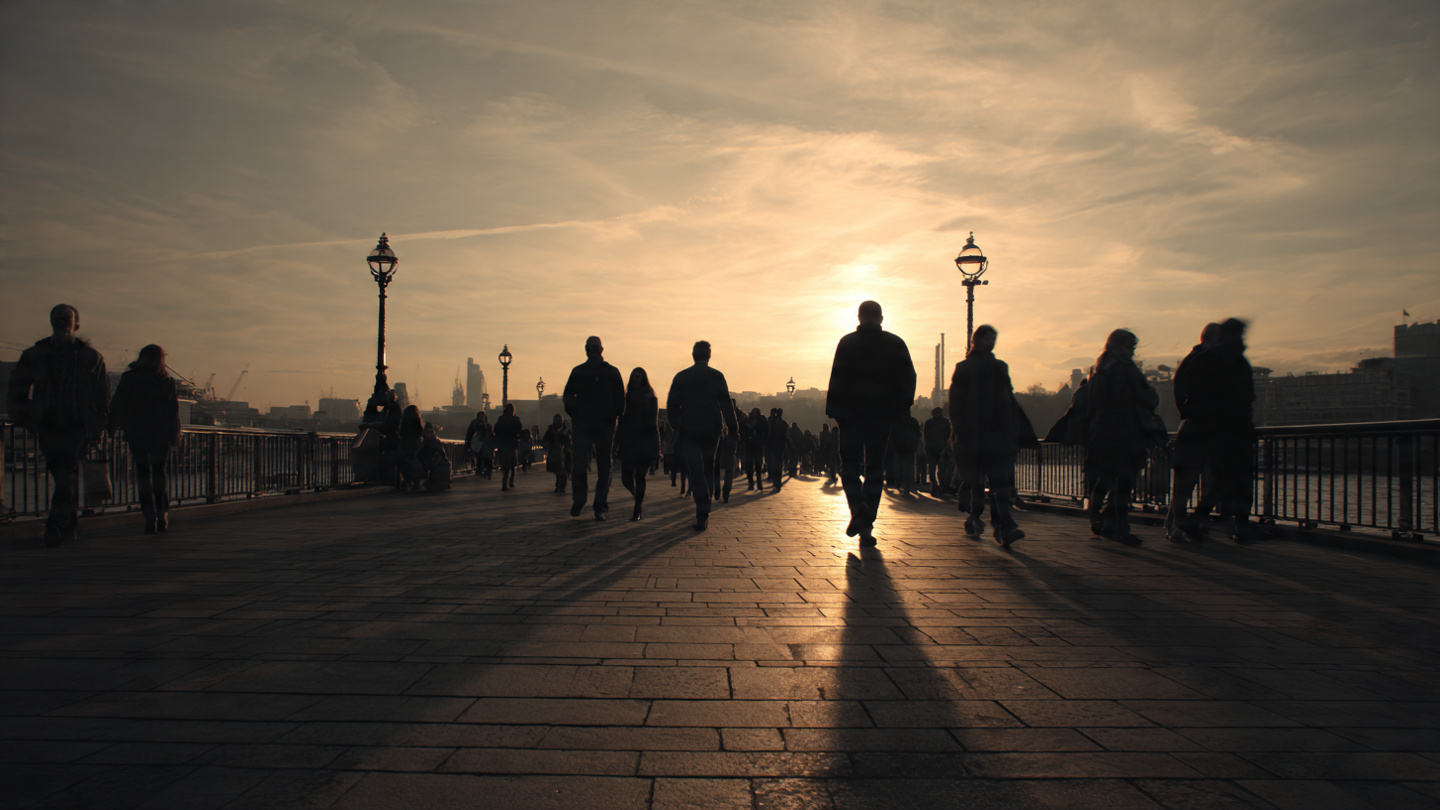
Some parts of London work especially well during shorter or fading daylight hours because they combine open views, lighting, and nearby transport. Riverside areas are particularly useful for relaxed sightseeing when timing matters more than distance.
The Role of Light in Travel Energy Levels
Light affects mood and energy as much as visibility. Bright days feel motivating, while darker periods can reduce momentum. Travelers unfamiliar with shorter daylight hours sometimes underestimate how this impacts pacing. Planning breaks, warm indoor stops, and clear daily goals helps maintain energy when light is limited.
How Spring and Autumn Balance Light and Comfort
Spring and autumn offer a balance between long and short days. Daylight increases or decreases gradually, allowing travelers to adjust naturally. These seasons often feel comfortable for walking without the intensity of peak summer or the constraints of winter. Many visitors find these periods ideal for steady sightseeing and relaxed exploration.
Why Daylight Matters More Than Weather Icons
A cloudy day with long daylight often feels more usable than a sunny day with limited light. Daylight provides flexibility. It allows plans to shift without urgency. Travelers who focus only on temperature or rain forecasts often miss this advantage. Understanding daylight patterns leads to better decisions about when to explore, rest, and transition indoors.
Adapting Sightseeing Plans to Changing Light
Successful planning means aligning activities with light availability. Outdoor sightseeing benefits from daylight, while museums, cafés, and evening shows work well after sunset. London supports this balance naturally. Travelers who adjust plans around light rather than fighting it often feel less rushed and more present.
Using Daylight Awareness to Improve the Trip
When travelers understand how daylight behaves throughout the year, they stop feeling surprised by early evenings or extended nights. This awareness improves timing, reduces stress, and enhances enjoyment. It reinforces the broader message of any effective london weather travel guide, which is to plan with conditions rather than against them.
Packing Smart for London Weather Without Overpacking

Why Overpacking Is One of the Most Common London Mistakes
Many travelers pack for London as if they are preparing for extreme conditions. This usually leads to heavy bags filled with rarely used items. London’s weather rarely demands specialized gear. Overpacking increases fatigue, slows movement, and makes transport less comfortable. A practical london weather travel guide focuses on versatility rather than volume, helping travelers stay mobile and relaxed.
How Layering Solves Most Weather Challenges
Layering is the most effective way to handle London’s changing conditions. Temperatures can shift throughout the day, especially between morning and evening. Lightweight layers allow travelers to adjust quickly without carrying bulky items. A simple base layer, a mid layer, and a light outer layer cover most situations across seasons. This approach keeps packing efficient while maintaining comfort.
Choosing Clothing That Matches Daily Movement
London travel involves a lot of walking, standing, and transitions between indoor and outdoor spaces. Clothing should support movement rather than restrict it. Breathable fabrics prevent overheating on public transport. Flexible materials improve comfort during long walking days. Travelers who pack with movement in mind often feel better prepared than those who pack for static conditions.
Why Footwear Matters More Than Any Other Item
Footwear plays a critical role in how weather is experienced. Wet pavements, uneven streets, and long distances demand supportive shoes. Waterproof or water-resistant footwear offers peace of mind during light rain without sacrificing comfort. Packing one reliable pair often works better than carrying multiple options that serve limited purposes.
How to Pack for Rain Without Going Overboard
Rain protection does not need to be heavy or complicated. A compact umbrella or lightweight rain layer is usually enough. Full rain suits and heavy coats are rarely necessary. Because rain in London is often brief, quick-drying clothing works better than thick waterproof gear. This balance keeps bags lighter and movement easier.
Adjusting Packing Choices by Season
Each season calls for small adjustments rather than complete wardrobe changes. Spring and autumn benefit from layers and light protection. Summer favors breathable fabrics and sun protection without heavy insulation. Winter requires warmth, but not extreme cold gear. Understanding these seasonal differences prevents unnecessary packing and supports smarter preparation.
Why Accessories Should Be Chosen Carefully
Accessories can either improve comfort or add clutter. Scarves, hats, and gloves help regulate warmth without adding bulk. Large accessories that serve only one purpose often go unused. Choosing multifunctional items keeps packing efficient and adaptable throughout the trip.
Packing With Flexibility Rather Than Certainty
The goal of packing for London is not to prepare for every possible condition. It is to prepare for change. Travelers who accept flexibility as part of the experience feel less stressed when conditions shift. This mindset sits at the heart of any effective london weather travel guide, helping visitors move confidently through the city without feeling weighed down.
Common London Weather Mistakes Travelers Make
Expecting London Weather to Behave Like Home
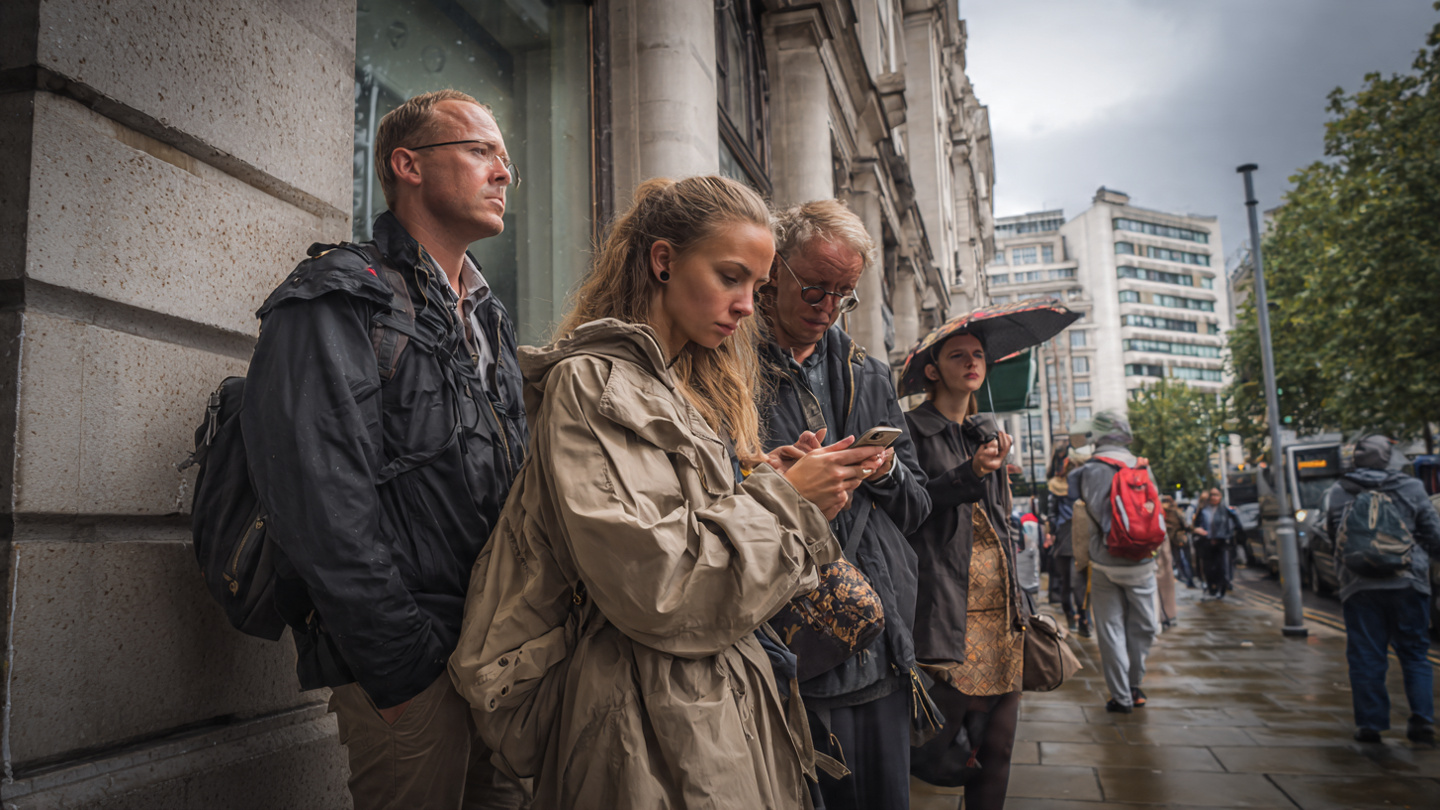
One of the most common mistakes travelers make is assuming London’s weather will behave like the climate they are used to. Visitors from warmer regions often expect constant cold and rain. Those from colder climates expect harsher winters. London sits between these extremes. When travelers apply familiar weather rules to an unfamiliar climate, small changes feel more disruptive than they actually are.
Planning Days Around Perfect Conditions
Many visitors design itineraries that only work if conditions are ideal. When weather shifts slightly, plans feel ruined even though alternatives remain available. London rarely delivers perfect conditions for long stretches, but it also rarely delivers unusable ones. Planning days that require flawless weather increases stress unnecessarily. Flexible plans allow experiences to continue smoothly despite minor changes.
Many travel frustrations in London come from misunderstanding how weather interacts with movement, timing, and expectations rather than from the weather itself. Several of these issues overlap with broader planning errors explained in London travel mistakes to avoid.
Overreacting to Weather Forecasts
Weather apps often trigger unnecessary worry. A forecast showing rain can cause travelers to cancel outdoor plans, even when showers are brief or localized. This reaction leads to missed opportunities. Understanding that forecasts in London often indicate possibility rather than certainty helps travelers interpret them more calmly and realistically.
Packing for Extremes That Rarely Occur
Overpacking for extreme cold, heavy rain, or intense heat is another frequent mistake. Bulky coats, heavy boots, and specialized gear often remain unused. This adds weight and reduces mobility. London’s climate rewards adaptability rather than heavy protection. Packing for comfort across changing conditions works better than packing for unlikely scenarios.
Ignoring How Wind Affects Comfort
Many travelers focus on temperature and rain while ignoring wind. Wind can make mild conditions feel cooler, especially near open spaces like bridges and river paths. Ignoring wind exposure leads to discomfort that feels unexpected. Awareness of wind-prone areas helps travelers choose routes and clothing more wisely.
Misjudging the Impact of Short Daylight
Shorter daylight, especially in winter, often surprises visitors. Travelers who start days late feel rushed as darkness arrives earlier than expected. This can create unnecessary pressure. Recognizing daylight limits and adjusting start times prevents this frustration and allows days to feel more complete.
Assuming Indoor Time Means Lost Time
Some travelers treat indoor activities as backups rather than integral parts of the experience. When weather changes, they feel forced indoors and assume they are losing value. In London, indoor spaces are central to the city’s culture. Museums, cafés, and galleries are not compromises. Viewing them this way limits enjoyment and flexibility.
Letting Weather Dictate Mood
Perhaps the most impactful mistake is allowing weather to dictate emotional experience. Grey skies or light rain can influence mood more than comfort. Travelers who frame weather as a neutral condition rather than a problem often enjoy the city more deeply. This perspective shift is a key lesson reinforced throughout any effective london weather travel guide.
Adjusting Daily Travel Plans Based on Weather Conditions
Why Flexibility Is the Most Valuable Planning Tool
In London, the most reliable way to handle changing conditions is flexibility. Weather shifts subtly rather than dramatically, and rigid plans struggle to keep up. Travelers who allow room to adjust start times, reorder stops, or change pacing experience fewer disruptions. Flexibility does not mean lack of planning. It means building plans that can absorb change without stress.
Using Morning Conditions to Set the Tone for the Day
Morning weather often provides useful clues for the rest of the day. Cooler air, lighter crowds, and calmer streets create ideal conditions for walking-heavy activities. Even if rain appears later, mornings frequently offer the best window for outdoor exploration. Travelers who prioritize outdoor plans early often feel more accomplished regardless of later changes.
How to Shift Activities Without Losing Momentum
When conditions change, the goal is not to abandon plans but to shift them. Outdoor sightseeing can move earlier. Indoor experiences can move later. Short walks can replace long routes. London’s dense layout makes these adjustments easy. Attractions, transport links, and neighborhoods sit close enough to allow seamless transitions without wasted time.
Letting Weather Guide Pacing Rather Than Direction
Weather does not need to change where travelers go. It often only needs to change how fast they move. Slowing down during light rain or cooler periods reduces fatigue. Taking more frequent breaks during warmer conditions maintains energy. Adjusting pace rather than direction preserves itineraries while improving comfort.
How Transport Choices Help Manage Weather Exposure
Choosing transport strategically reduces exposure without limiting exploration. Short rides can replace long walks during uncomfortable moments. Buses offer views while providing shelter. Underground travel reduces time spent outdoors during rain or wind. Blending transport options allows travelers to stay comfortable while still experiencing the city fully.
Sean was great — knowledgeable and good at sharing both the history and interesting modern-day stories about each site. They made everything engaging and easy to follow, and we learned a lot without it ever feeling like a lecture. Highly recommend!
Read more reviews at Tripadvisor.
Making Use of Covered and Transitional Spaces
London offers many spaces that sit between indoor and outdoor environments. Arcades, markets, station entrances, and covered walkways allow travelers to pause without fully retreating indoors. Using these spaces intentionally smooths transitions and keeps momentum going even when conditions shift unexpectedly.
Why Breaks Are a Strategic Choice, Not a Delay
Weather-related fatigue builds gradually. Taking breaks before exhaustion sets in improves overall enjoyment. Cafés, galleries, and small museums provide opportunities to reset without feeling like detours. Travelers who view breaks as part of the plan rather than interruptions maintain energy across longer days.
Ending Days Based on Comfort, Not Completion
Adjusting daily plans also means knowing when to stop. Forcing additional activities after energy drops rarely improves the experience. Ending days when comfort declines preserves enthusiasm for the following day. This approach creates a rhythm that feels sustainable rather than rushed.
How Adaptability Transforms the Travel Experience
When travelers stop fighting conditions and start adapting to them, weather fades into the background. Plans feel resilient rather than fragile. This adaptability represents the core message of a strong london weather travel guide, helping visitors move through the city with confidence regardless of shifting conditions.
Final Thoughts on Using London Weather to Your Advantage
Why London Weather Should Be Seen as a Travel Companion
London’s weather works best when it is treated as a companion rather than an obstacle. It moves quietly alongside daily life, shaping rhythm and atmosphere without demanding constant attention. Travelers who accept this relationship often feel less resistance and more ease. Instead of waiting for perfect conditions, they move with what the day offers and discover that most experiences remain accessible and enjoyable.
How Acceptance Improves Confidence While Traveling
Confidence grows when travelers stop questioning every cloud or forecast update. Accepting that light rain, shifting temperatures, and variable skies are normal reduces decision fatigue. Plans feel steadier because they are no longer dependent on ideal scenarios. This confidence allows travelers to focus on neighborhoods, culture, and movement rather than conditions beyond their control.
Why London Rewards Prepared, Not Perfect, Planning
London does not reward rigid planning built around ideal weather. It rewards preparation that allows adaptation. Packing smart, understanding seasonal patterns, and respecting daylight changes create a foundation that supports enjoyable travel in nearly any condition. Travelers who prepare for flexibility experience fewer disruptions and more satisfying days.
How Weather Enhances the City’s Character
Weather adds texture to London rather than dulling it. Light rain reflects streetlights and architecture. Cloud cover softens busy scenes. Cooler air makes walking comfortable. Even darker days bring a sense of intimacy to cafés, museums, and indoor spaces. Travelers who notice these shifts often feel more connected to the city’s character.
Letting Weather Guide Experience Instead of Limiting It
When travelers allow weather to guide experience rather than restrict it, they unlock new perspectives. A rainy afternoon becomes an opportunity for indoor exploration. A cool evening encourages a slower pace. A bright but mild day invites longer walks. These adjustments feel natural rather than forced when expectations are realistic.
The Long-Term Value of Weather Awareness
Understanding London’s weather does more than improve one trip. It builds travel intuition that applies across future visits and other destinations with similar climates. Travelers become better planners, lighter packers, and calmer decision-makers. This awareness reduces stress and increases enjoyment over time.
Ending the Trip With Balanced Expectations
The most successful trips to London end with a sense of balance. Travelers feel they experienced the city as it truly is, not as an idealized version shaped by weather myths. By aligning expectations with reality, visitors leave with memories rooted in atmosphere, movement, and discovery rather than missed opportunities.
Using This Understanding Beyond London
The mindset developed through understanding London’s weather extends beyond the city itself. It encourages adaptable travel, realistic planning, and appreciation for environments that do not conform to extremes. This perspective enriches future journeys and builds confidence in navigating unfamiliar places.
Final Perspective for Travelers
London does not demand perfect weather to be rewarding. It asks for awareness, preparation, and flexibility. Travelers who approach the city with these qualities find that weather becomes a background detail rather than a defining challenge. That understanding is the true advantage offered by a well-applied london weather travel guide.
Frequently Asked Questions
General London Weather Questions
London does experience rain throughout the year, but it is usually light and short. Long periods of heavy rain are uncommon. Many days that show rain in forecasts still include plenty of dry time for sightseeing.
Extreme weather is rare in London. Heatwaves and very cold spells can happen, but they usually last only a few days. Most of the year feels mild compared to many other global cities.
Wind, cloud cover, and frequent movement between indoor and outdoor spaces can make temperatures feel cooler than the numbers suggest. Shaded streets and open areas like bridges also affect how the weather feels.
Best Time and Seasonal Planning Questions
Spring and autumn are often considered the most comfortable due to mild temperatures and balanced daylight. Summer offers long days but comes with larger crowds, while winter is quieter with shorter daylight hours.
Winter is not a bad time to visit London. Temperatures are cool rather than severe, and snow is rare. With proper clothing and planning around daylight, winter travel remains comfortable.
Yes. Daylight strongly affects how much can be comfortably done in a day. Longer days allow flexible sightseeing, while shorter days require earlier starts and better pacing.
Packing and Preparation Questions
Layered clothing works best. Light layers allow easy adjustment as temperatures change throughout the day. Comfortable walking shoes and light rain protection are usually more useful than heavy outerwear.
Heavy rain gear is rarely necessary. A compact umbrella or lightweight waterproof layer is usually enough, as rain tends to be brief rather than continuous.
Planning and Daily Travel Questions
In most cases, no. Public transport runs reliably, and attractions remain open in nearly all weather conditions. Weather may influence pacing but rarely stops travel entirely.
Forecasts should be used as guidance rather than strict rules. London weather can change quickly, and forecasts often indicate possibilities rather than certainty. Flexible planning works better than rigid schedules.