
London weekend itinerary planning works best when travelers understand the limits of two days. A weekend in London moves quickly, and decisions made early often shape the entire experience. Clear structure helps visitors focus on movement and atmosphere rather than stress and guesswork.
Why Two Days in London Need Direction
Two days in London pass faster than most visitors expect. Travel time between neighborhoods, busy streets, and crowded transport lines all compete for attention. A defined weekend plan keeps the focus on connected areas instead of scattered attractions.
For travelers planning a longer stay or wanting to understand how a weekend fits into a broader trip, this guide connects naturally with a complete planning framework in the London itinerary for first-time visitors.
Setting Realistic Expectations for a London Weekend
Many travelers assume they can see London in the same way they explore smaller European cities. London challenges that assumption immediately. A weekend itinerary creates boundaries that protect energy, time, and enjoyment.
What This London Weekend Itinerary Aims to Do
This guide builds a weekend experience around flow rather than volume. Each part of the plan follows geography and walking logic. The goal is to experience London as a living city instead of a list of famous stops.
Who Will Benefit Most From This Guide
This itinerary suits first-time visitors who want clarity without pressure. It also works for travelers returning to London after many years who want a refreshed understanding of the city’s layout. Anyone visiting London for a short break will benefit from a structured approach.
Solo visitors who prefer to explore independently and adjust plans as they go may also benefit from a dedicated solo travel London itinerary designed around flexibility and self-paced days.
How This Guide Approaches London Differently
Instead of isolating landmarks, this guide connects streets, parks, and districts into a single narrative. Each day unfolds naturally, helping travelers feel oriented rather than rushed. The focus stays on how places relate to one another.
Managing Time and Energy Over a Weekend
A weekend itinerary succeeds when it respects physical limits. Long walks, standing time, and transport transfers add up quickly. This guide balances movement with pauses so the weekend remains enjoyable from start to finish.
What Travelers Gain by Following This Plan
By the end of the weekend, visitors should feel confident navigating London. The aim is familiarity, not exhaustion. Travelers leave with a sense of place, direction, and readiness for a longer visit in the future.
What This London Weekend Itinerary Assumes Before You Start

A Short Stay With Clear Arrival and Departure Times
This London weekend itinerary assumes a typical short stay that begins either late Friday night or early Saturday morning and ends on Sunday evening. Travelers who arrive much later or leave very early may need to adjust pacing, but the structure still provides a reliable framework for decision making.
Staying Within or Near Central London
The plan works best when accommodation sits within central London or along a well connected Underground line. Staying far outside the center often adds hidden travel time that eats into a short weekend. Central access allows each day to flow without constant transport pressure.
Comfortable Walking Ability
A weekend in London involves walking, even when public transport handles longer distances. This itinerary assumes visitors feel comfortable walking moderate distances across flat city terrain. Short walks between nearby areas form a key part of how the city reveals itself.
Willingness to Prioritize Areas Over Attractions
This itinerary assumes travelers feel open to experiencing neighborhoods rather than chasing every famous sight. London rewards visitors who stay within one area longer instead of jumping constantly across the map. This mindset leads to a calmer and more satisfying weekend.
Flexibility Rather Than Rigid Scheduling
The structure of this guide provides direction, not strict timing. Queues, weather, and personal energy levels all influence how a weekend unfolds. This plan assumes travelers remain flexible and adapt without feeling that something has gone wrong.
Basic Familiarity With Public Transport
While no advanced knowledge is required, this itinerary assumes travelers understand the basics of London transport. Using contactless payment, reading station signs, and following platform directions all support smoother movement during a short stay.
Interest in Experiencing London as a City
This guide assumes visitors want to understand London beyond postcard images. Streets, public spaces, and everyday movement matter just as much as landmarks. A weekend itinerary works best when travelers remain curious about how the city functions.
Acceptance of Not Seeing Everything
Two days never capture all of London. This itinerary assumes travelers accept that limitation from the start. By letting go of the idea of completeness, visitors gain a clearer and more enjoyable experience within the time available.
Understanding London’s Scale When You Only Have a Weekend
London Is Not a Compact City
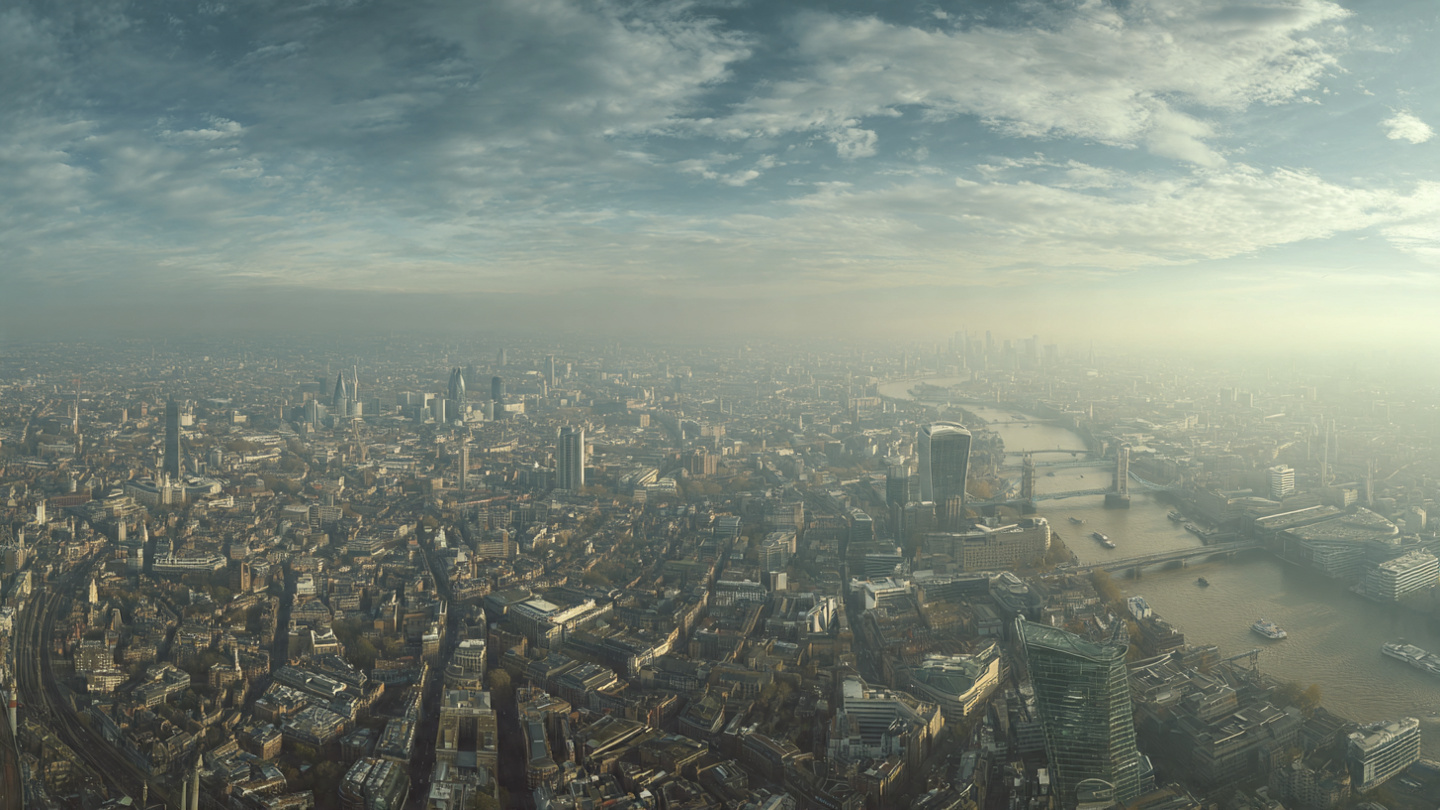
London often looks manageable on a map, but the reality feels very different on foot. The city developed over centuries as a collection of villages rather than a single planned center. Because of this, distances between areas feel longer than expected, especially during a short weekend stay.
Why Distance Shapes Every Weekend Decision
A London weekend itinerary succeeds or fails based on how well it respects distance. Even when locations appear close, movement involves traffic lights, crowds, station corridors, and street crossings. Ignoring these factors often leads to rushed afternoons and missed opportunities.
Transport Does Not Eliminate Scale
London’s transport network works efficiently, but it does not shrink the city. Trains still require walking before and after each ride. Platform changes, station size, and peak-hour congestion all add hidden time. A weekend plan must account for these layers rather than relying on transport alone.
Central London Still Covers a Wide Area
Many visitors assume that staying in central London solves distance issues. While central locations help, they still span several distinct districts. Westminster, Soho, Bloomsbury, and the South Bank each demand time to explore properly. Treating central London as one small zone often creates unrealistic schedules.
Walking Reveals London’s True Character
Walking plays a central role in understanding London’s scale. Short walks between nearby areas reveal street life, architecture, and rhythm that transport skips entirely. A good weekend itinerary uses walking deliberately rather than accidentally.
Why Area-Based Planning Works Best
Area-based planning respects London’s size while maximizing experience. Spending longer in one district reduces transport fatigue and allows the city to unfold naturally. This approach creates depth even within a limited timeframe.
The Cost of Overestimating What Fits in Two Days
Trying to cross London multiple times in one day usually results in exhaustion. Energy drains faster than expected, and enjoyment drops quickly. A realistic London weekend itinerary protects momentum by limiting unnecessary movement.
How Scale Informs the Rest of This Guide
Every section that follows builds on this understanding of scale. The itinerary groups experiences logically, follows geography, and avoids long backtracking. Recognizing London’s size early helps travelers move through the weekend with confidence rather than pressure.
How to Use This London Weekend Itinerary

Read the Full Structure Before You Start
This London weekend itinerary works best when travelers understand the full flow before following individual sections. Reading the entire structure once helps set expectations and prevents confusion during the weekend. The plan relies on continuity rather than isolated moments.
Treat the Itinerary as a Framework, Not a Schedule
This guide provides direction, not fixed time slots. London weekends rarely unfold exactly as planned due to queues, weather, and crowds. Using the itinerary as a framework allows adjustments without losing the overall rhythm of the trip.
Follow the Order to Maintain Flow
The order of each day matters. Locations appear in sequence because they connect naturally through walking routes and transport logic. Rearranging sections often increases travel time and reduces enjoyment during a short stay.
Pace Yourself From the First Morning
Energy management starts on Saturday morning. Many travelers rush early and feel exhausted by afternoon. This itinerary encourages a steady pace so energy remains consistent across both days.
Choose Depth Over Extra Stops
Skipping one attraction often improves the overall experience. Staying longer in fewer areas creates stronger impressions than constant movement. This approach suits a weekend visit far better than a crowded checklist.
Adjust Based on Personal Interests
Every traveler values different experiences. Museums, food, parks, and streets all play different roles depending on preference. This itinerary allows easy substitutions without breaking the structure.
Accept Small Deviations Without Stress
Unexpected moments often become highlights. Street performances, local cafes, or quiet corners may slow progress. The itinerary assumes flexibility and encourages curiosity without anxiety.
Use Evenings to Reset, Not Rush
Evenings provide a chance to slow down and reflect. Instead of squeezing in extra movement, evenings work best when they restore energy for the next day. This balance keeps the weekend enjoyable from start to finish.
Saturday: London’s Historic Core and River Thames Experience
Why Saturday Focuses on London’s Foundations
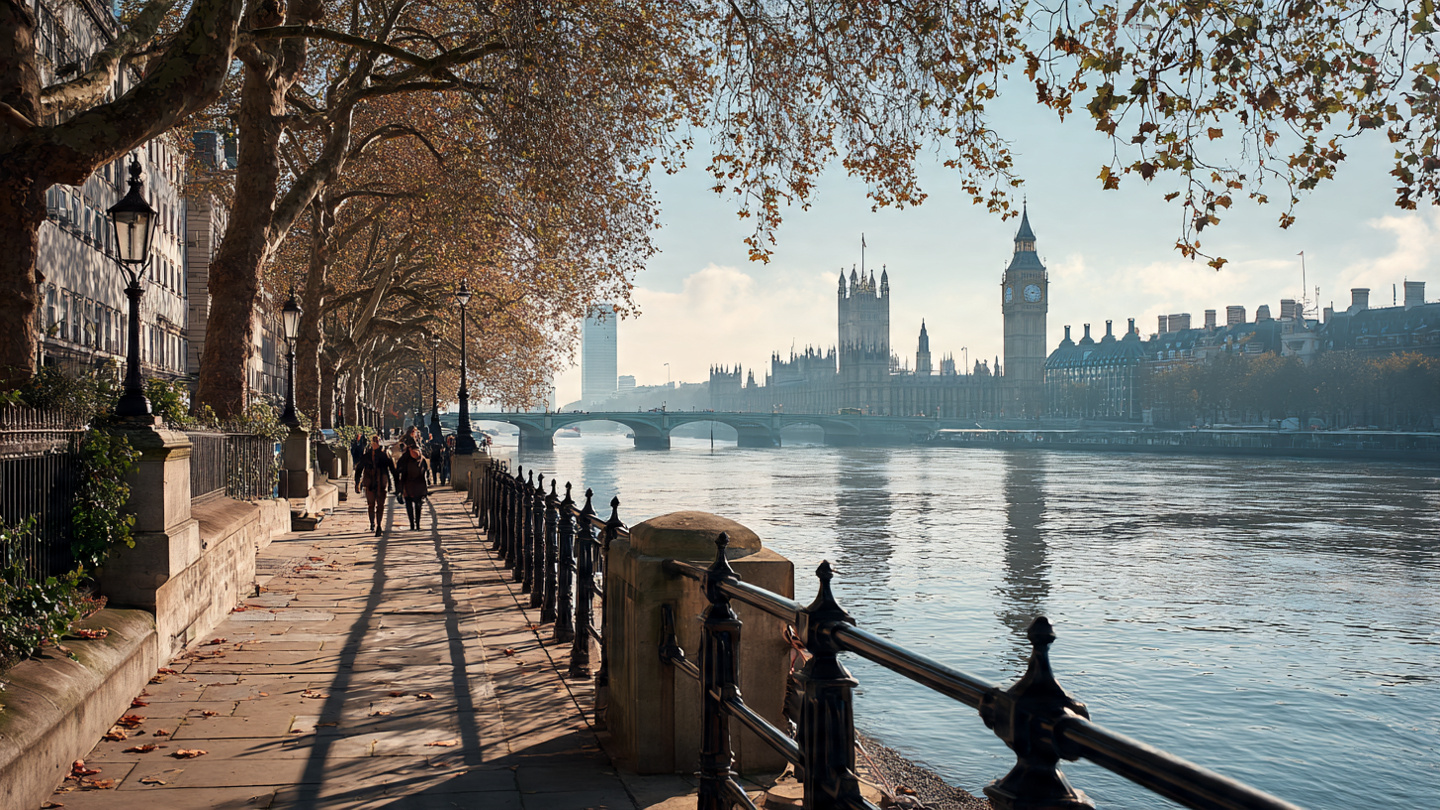
Saturday works best when it introduces London’s historic heart. Starting here helps first-time visitors understand how the city developed and how major areas connect. This approach creates orientation early, which reduces confusion later in the weekend.
Saturday Morning: Beginning in Westminster
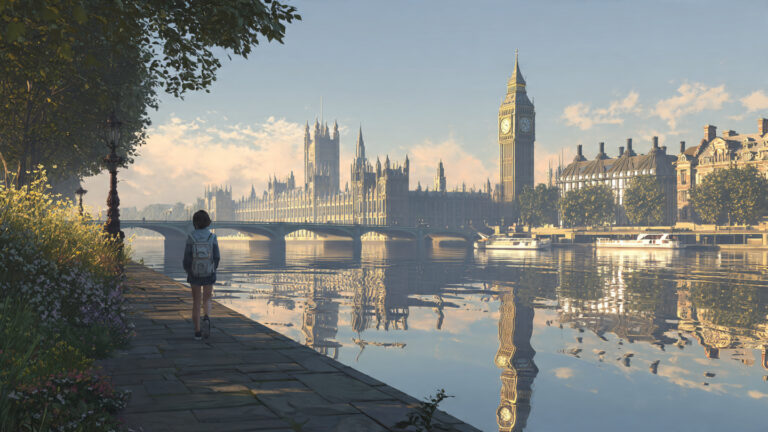
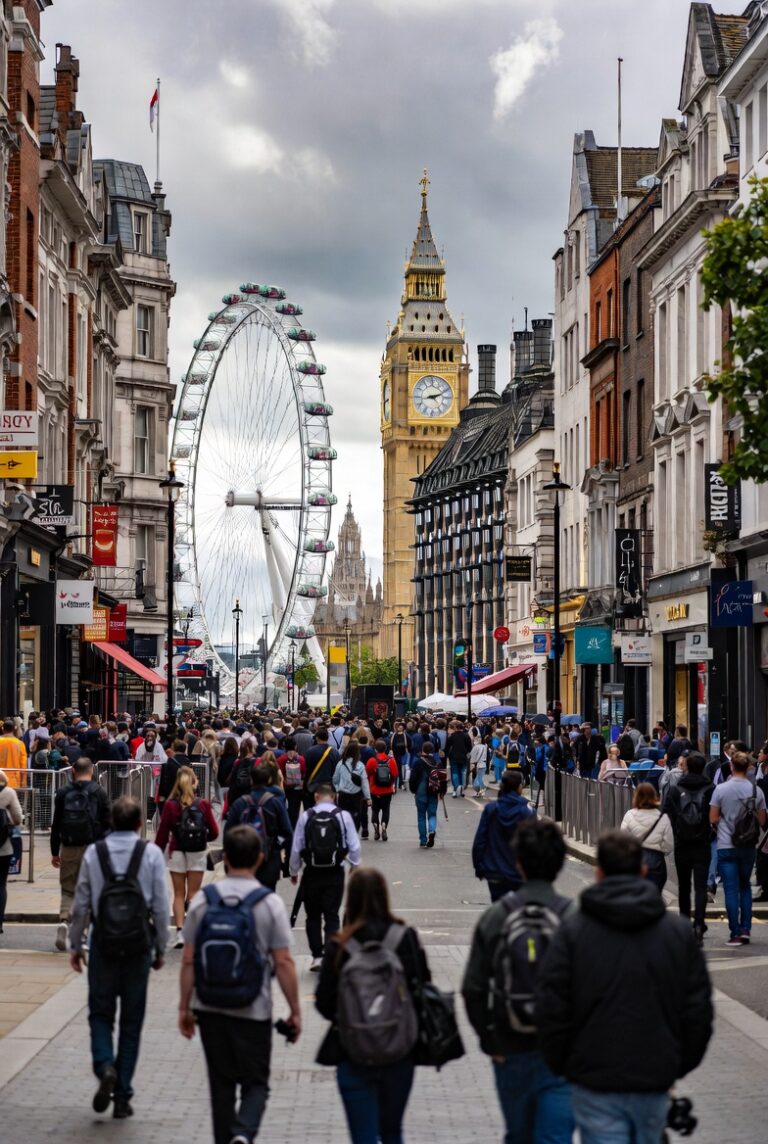
Westminster provides a natural starting point for a London weekend itinerary. The area concentrates political history, iconic architecture, and open spaces within a walkable zone. Arriving here early allows visitors to experience the area before crowds reach their peak.
Taking in Landmarks Without Rushing
The goal in Westminster is awareness, not completion. Seeing major landmarks from the outside still delivers context and atmosphere. Lingering briefly at each point keeps the morning relaxed while maintaining forward momentum.
Ash was an amazing guide! He was informative and entertaining and happy to answer questions! The tour was exactly as described and perfect for our short trip to London! Highly recommend!Read more reviews at Tripadvisor.
Moving Toward the River Thames
From Westminster, the natural flow leads toward the River Thames. This transition shifts the experience from formal spaces to open views. Walking toward the river also provides a mental reset after the intensity of landmark-heavy areas.
Saturday Midday: Walking Along the Thames
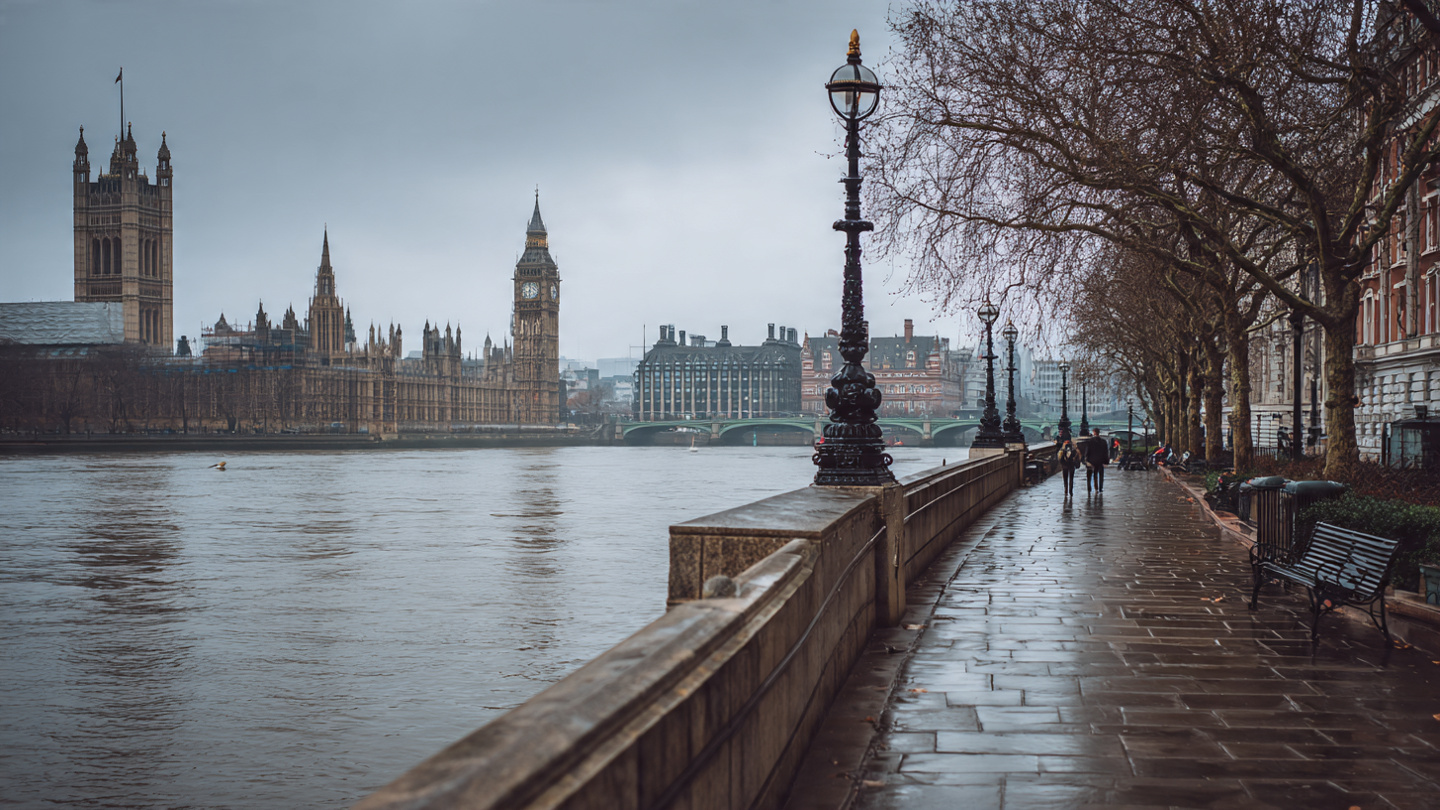
The Thames acts as a visual guide through central London. Walking beside the river connects multiple districts without the need for transport. This stretch allows visitors to absorb the city’s scale at a comfortable pace.
This walking route shows how Westminster and the South Bank connect naturally along the river, making it easier to follow the Saturday London Historic Core Walking Route without unnecessary transport.
Balancing Views With Breaks
Midday works best when movement includes pauses. Benches, riverside spaces, and nearby cafes provide opportunities to rest without losing time. These breaks help maintain energy for the rest of the afternoon.
Saturday Afternoon: Central Streets and Culture
After the river walk, the itinerary shifts inland toward central streets and cultural spaces. This period allows flexibility based on interest. Museums, historic streets, or quieter corners all fit naturally at this stage of the day.
Choosing Experiences Based on Energy
Afternoons often reveal how energy levels change. This itinerary encourages visitors to listen to those signals. Shorter visits often work better than long indoor sessions during a busy weekend.
Transitioning Into the Evening
As daylight fades, movement slows. Walking shorter distances and staying within one area prevents fatigue. This transition sets up a calmer and more enjoyable evening experience.
Saturday Evening: Experiencing London After Dark
London evenings offer atmosphere without requiring intense activity. Streets, lights, and local life create a sense of place even without formal plans. Ending the day calmly preserves energy for Sunday.
Why Saturday Avoids Overcrowded Night Plans
Many visitors overload Saturday night and struggle the next day. This itinerary avoids that trap by keeping evenings flexible and relaxed. A sustainable pace improves the overall weekend experience.
Sunday: Neighborhoods, Culture, and Local London
Why Sunday Shifts Away From Major Landmarks
Sunday works best when it feels slower and more personal. After a landmark-heavy Saturday, the second day focuses on neighborhoods, everyday streets, and cultural depth. This shift helps visitors experience London beyond its most photographed locations.
Sunday Morning: A Gentle Start to the Day
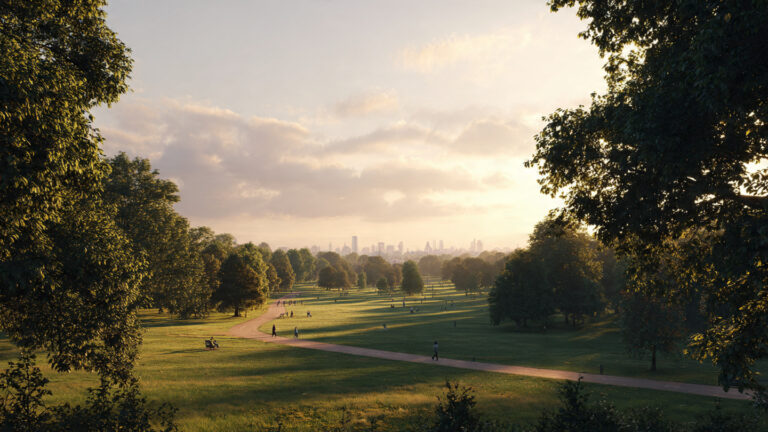
Starting Sunday calmly protects energy and improves focus. Parks, quiet streets, or local breakfast spots provide a softer re-entry into the city. This slower beginning balances the intensity of the previous day.
Exploring London Through Its Neighborhoods
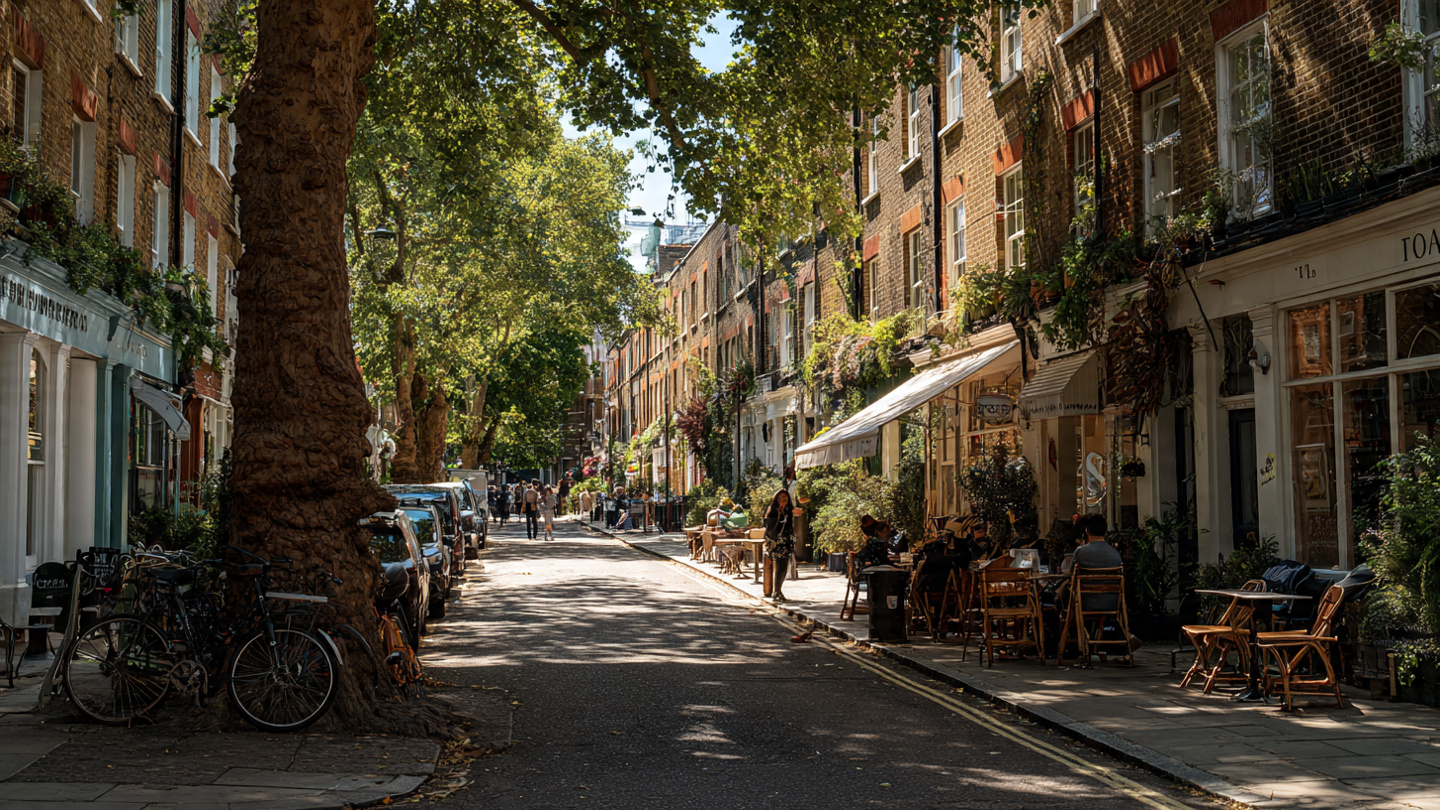
Neighborhoods reveal how London functions day to day. Residential streets, local shops, and small public spaces show a different side of the city. Spending time here creates a stronger sense of place than moving quickly between attractions.
This area-focused walk highlights quieter streets and everyday life, helping visitors explore London at a slower pace using the Sunday London Neighborhood Exploration Map.
Mary was absolutely wonderful, staying with us all night, ensuring we were always topped up and well cared for. 5starrrs
read more reviews at Tripadvisor.
Sunday Midday: Culture Without Pressure
Midday suits cultural experiences that do not demand rigid timing. Museums, galleries, or historic areas fit well when approached selectively. Short visits often work better than long indoor sessions during a weekend trip.
Choosing One Area Instead of Many
London rewards commitment to one area at a time. Choosing a single district for Sunday midday reduces travel fatigue and allows deeper exploration. This approach keeps the experience cohesive and enjoyable.
Sunday Afternoon: Flexible Exploration
The afternoon allows personal interests to guide movement. Food, shopping, walking routes, or quiet breaks all fit naturally here. This flexibility helps travelers feel in control rather than constrained by the itinerary.
Managing Energy Late in the Weekend
Energy levels often dip by Sunday afternoon. Recognizing this early helps avoid frustration. Short walks, seated experiences, or open spaces help maintain comfort without sacrificing engagement.
Sunday Evening: Ending the Weekend Smoothly
A strong ending matters as much as a strong start. Staying close to central areas or transport routes reduces stress before departure. A calm final evening helps travelers leave London with positive momentum.
Reflecting on the Weekend Experience
Sunday evening offers a moment to reflect on what the weekend revealed. Understanding London’s layout, rhythm, and character prepares visitors for future trips. The goal is clarity, not completeness.
Getting Around London During a Weekend Trip

Why Transport Decisions Matter More on a Weekend
A short weekend leaves little room for inefficient movement. Every transport decision affects energy, timing, and overall enjoyment. Choosing how to move around London carefully helps protect limited time and keeps the itinerary on track.
Walking as the Primary Way to Experience London
Walking plays a central role during a weekend visit. Many key areas connect naturally through short walking routes. Moving on foot allows travelers to notice details, street life, and transitions between districts that transport often hides.
Using Public Transport to Support, Not Replace, Walking
Public transport works best as a support system rather than the main method of exploration. Short Underground or bus rides help bridge longer distances while preserving energy. Combining walking with selective transport creates balance.
Understanding Station Size and Transfer Time
London stations often take longer to navigate than expected. Platforms sit deep underground, and exits may lead far from the intended street. Factoring this time into each move prevents frustration and rushed decisions.
Avoiding Peak Travel Periods
Weekend crowds peak during late mornings and early afternoons. Traveling just before or after these windows reduces congestion. Small timing adjustments can significantly improve comfort.
Staying Within One Area When Possible
Limiting how often you cross the city reduces fatigue. Staying within a single zone for several hours allows transport to fade into the background. This approach supports a calmer and more immersive weekend experience.
Planning Transport Around Energy Levels
Energy changes throughout the day. Using transport strategically during low-energy periods helps maintain momentum. Walking works best when energy feels high, while short rides help during slower moments.
Overplanning routes often causes confusion. Simple paths, fewer transfers, and familiar lines work best on a short trip. Clear navigation supports confidence and reduces mental fatigue.
How Transport Fits Into This Itinerary
This London weekend itinerary groups experiences to minimize unnecessary movement. Transport decisions follow geography rather than attraction lists. This structure helps the weekend feel smooth and manageable.
Common Mistakes to Avoid on a London Weekend

Trying to See Too Much in Too Little Time
One of the most common mistakes during a London weekend is attempting to cover too many areas. London’s scale makes this approach exhausting and often disappointing. Fewer locations with more time in each almost always lead to a better experience.
Underestimating Walking and Standing Time
Walking distances and standing time add up quickly in London. Queues, crossings, and station corridors all contribute to fatigue. Ignoring these factors often causes plans to unravel by the afternoon.
Treating Transport as Instant Movement
Many visitors assume transport eliminates distance. In reality, reaching platforms, waiting times, and exits still consume time and energy. Weekend plans work better when transport supports movement rather than replaces thoughtful planning.
Skipping Breaks to Stay on Schedule
Some travelers push forward without resting to keep pace with an itinerary. This usually leads to burnout before the weekend ends. Planned pauses improve focus and enjoyment across both days.
Prioritizing Attractions Over Areas
Focusing on individual attractions often creates unnecessary travel. London rewards area-based exploration, where streets, parks, and public spaces matter as much as landmarks. Ignoring this leads to a fragmented experience.
Overloading Saturday Night
Saturday night often feels tempting to overfill with activities. Doing too much late into the night usually affects Sunday’s energy. A balanced evening keeps the weekend sustainable.
Ignoring Weather and Seasonal Conditions
London’s weather changes quickly. Rain, wind, or unexpected heat can disrupt rigid plans. Flexible thinking helps travelers adapt without stress.
Forgetting the Purpose of a Weekend Visit
A weekend trip serves as an introduction, not a conclusion. Forgetting this leads to unrealistic expectations. A successful London weekend leaves visitors curious and confident, not exhausted.
How This London Weekend Itinerary Fits Into Longer London Trips

A Weekend as an Introduction, Not a Conclusion
A London weekend itinerary works best when viewed as a starting point. Two days allow visitors to understand the city’s rhythm, layout, and scale without pressure. This foundation makes longer future visits feel easier and more familiar.
For travelers who want to slow the pace further and experience London with greater comfort, privacy, and refinement, this luxury London itinerary shows how a longer stay transforms the overall feel of the city.
How a Weekend Builds Confidence for Extended Stays
By moving through central areas logically, travelers gain confidence using transport, walking routes, and neighborhoods. This confidence carries naturally into longer itineraries. Visitors no longer feel overwhelmed by London’s size once they understand how areas connect.
Expanding Saturday and Sunday Into Additional Days
Each day in this weekend plan can expand outward. Saturday’s historic core leads naturally into nearby districts explored in longer itineraries. Sunday’s neighborhood focus creates space to explore less central areas on future trips.
Avoiding Repetition When Staying Longer
Starting with a weekend-focused plan helps prevent repetition later. Visitors who follow this structure can avoid revisiting the same areas unnecessarily. Longer trips benefit from deeper exploration rather than repeated surface-level stops.
Travelers exploring London alone often benefit from a plan that goes beyond a short stay, and this solo travel London itinerary explains how to build confidence and flow when traveling independently.
How This Plan Connects With Other London Itineraries
This weekend itinerary fits cleanly alongside multi-day London itineraries. It acts as a compressed version of longer plans while preserving logic and flow. Travelers can scale up without changing their overall approach.
Using the Weekend to Define Personal Interests
A short visit helps clarify what matters most. Museums, walking routes, food scenes, or quieter neighborhoods all reveal themselves quickly. Longer itineraries become more personal once these preferences emerge.
Why Starting Small Improves the Overall Experience
Beginning with a weekend avoids burnout and decision fatigue. Travelers build understanding gradually rather than forcing everything into one trip. This method leads to more rewarding future visits.
The Long-Term Value of a Well-Planned Weekend
A thoughtful weekend creates lasting impressions. Visitors leave London oriented, curious, and confident. That sense of familiarity often draws them back with clearer goals and better planning.
If you have slightly more flexibility and want to spread the same experience over a calmer pace, this approach expands naturally into a detailed 2 day London itinerary.
Travelers who want to add cultural depth and spend more time in individual neighborhoods will find that this structure scales smoothly into a well-balanced 3 day London itinerary.
Final Thoughts on Experiencing London in One Weekend
Why a Weekend Can Still Feel Meaningful
A weekend in London may feel short, but it can still feel complete when planned well. Understanding how areas connect, how distance affects movement, and how energy changes across two days makes the experience far more rewarding. Meaning comes from flow, not volume.
Letting London Reveal Itself Naturally
London does not need to be rushed to be appreciated. Streets, parks, and neighborhoods often leave a stronger impression than landmarks alone. Allowing the city to unfold at a steady pace creates moments that feel personal rather than staged.
Travelers who leave London feeling oriented and curious often choose to return with more time, and this weekend structure naturally expands into a slower and more detailed 5 day London itinerary.
Measuring Success Beyond Checklists
Success during a weekend trip does not come from counting attractions. It comes from feeling oriented, comfortable, and curious. When travelers leave London knowing where things are and how the city moves, the weekend has done its job.
The Value of Restraint in Short Trips
Restraint protects enjoyment. Choosing not to do something often improves what remains. This itinerary encourages travelers to stop before exhaustion sets in, ensuring the weekend ends on a positive note.
Using This Experience as a Foundation
A well planned weekend becomes a reference point for future visits. Travelers return with clearer priorities and confidence. London feels less intimidating and more inviting after even a short, structured stay.
Leaving London With the Right Feeling
The best London weekends end without urgency or regret. Calm departures, familiar routes, and a sense of understanding create lasting impressions. The city remains vivid in memory rather than blurred by fatigue.
A Weekend That Encourages Return
London rewards repeat visits. A thoughtful weekend often sparks the desire to come back with more time. That curiosity marks a successful first encounter with the city.
Frequently Asked Questions
Planning a Weekend Trip to London
A weekend is enough to gain a meaningful introduction to London, especially for first-time visitors. While it is not possible to see everything, two days allow travelers to understand the city’s layout, atmosphere, and rhythm. With a structured approach, a weekend visit can feel complete rather than rushed.
The best approach focuses on areas rather than individual attractions. Grouping nearby neighborhoods, limiting long transport journeys, and balancing walking with rest time helps create a smoother experience. A realistic plan matters more than an ambitious one.
Overplanning often leads to stress. A weekend itinerary works best as a framework rather than a strict schedule. Leaving space for breaks, unexpected delays, and spontaneous discoveries improves the overall experience.
London can be enjoyed spontaneously, but a basic itinerary significantly improves a short visit. Knowing where to start each day and how areas connect prevents wasted time and unnecessary backtracking.
Getting Around London on a Short Stay
Walking plays a major role, but it works best when combined with short public transport trips. Many central areas connect naturally on foot, while transport helps bridge longer distances without draining energy.
Travel time in London often takes longer than expected due to large stations and walking distances within them. Allowing extra buffer time helps prevent frustration and keeps the itinerary flexible.
Basic familiarity helps, but advanced knowledge is not required. Clear signage, simple routes, and contactless payment make transport manageable even for first-time visitors.
Weekends are busy, especially in popular areas and during midday hours. Traveling slightly earlier or later in the day reduces congestion and improves comfort.
What to Expect From a London Weekend
It is unlikely to see every major landmark comfortably in two days. A weekend itinerary prioritizes exposure and orientation rather than completeness. Seeing landmarks from the outside still provides context and atmosphere.
A weekend only feels rushed when expectations are unrealistic. With a balanced itinerary that respects distance and energy levels, the experience can feel calm and rewarding.
A steady pace works better than a fast one. London rewards visitors who slow down, walk between nearby areas, and avoid unnecessary crossings of the city.
Yes, limiting how often you cross the city improves comfort and enjoyment. Area-based planning helps maintain flow and reduces fatigue.
First-Time Visitor Concerns
London can feel overwhelming without structure, but a clear itinerary reduces confusion. Understanding scale, transport logic, and area connections makes the city easier to navigate.
Common mistakes include trying to see too much, underestimating walking distances, and relying too heavily on transport. These issues often lead to exhaustion and frustration.
Landmarks provide context, but neighborhoods provide understanding. A weekend itinerary works best when it includes both, with neighborhoods forming the backbone of each day.
Short museum visits work well, but long indoor sessions can consume too much time. Balancing cultural stops with outdoor exploration keeps the weekend dynamic.
Timing and Energy Management
Starting earlier helps avoid crowds, especially on Saturday. Sunday mornings work best with a slower start to preserve energy after the first day.
Breaks are essential. Sitting, eating, or pausing in open spaces helps maintain energy and focus. Skipping breaks often leads to fatigue later in the day.
Relaxed evenings generally work better. Overloading Saturday night often affects Sunday’s experience. A calm evening preserves energy and enjoyment.
Limiting long transport journeys, pacing walks, and choosing fewer locations help prevent burnout. Listening to energy levels is more effective than sticking rigidly to a plan.
Adapting the Weekend Itinerary
Yes, the structure adapts well across seasons. Weather may affect pacing or time spent outdoors, but the overall flow remains effective.
Flexibility is key. Indoor options, shorter walks, and adjusted timing help maintain momentum without stress.
Yes, the framework allows easy substitutions. Food-focused, culture-focused, or walking-focused preferences can fit without breaking the structure.
Repeat visitors benefit by refining areas they enjoyed previously. A weekend allows deeper exploration rather than surface-level sightseeing.
Extending Beyond a Weekend
A weekend builds familiarity with transport, neighborhoods, and scale. This knowledge makes longer itineraries easier to plan and more personal.
A well-planned weekend reduces unnecessary repetition. Visitors can expand outward rather than revisit the same central areas.
Starting with a weekend helps many travelers understand what they want from London. Longer trips become more focused and rewarding afterward.
The main takeaway is orientation. Visitors leave knowing how London fits together, which areas appeal most, and how to move confidently through the city.