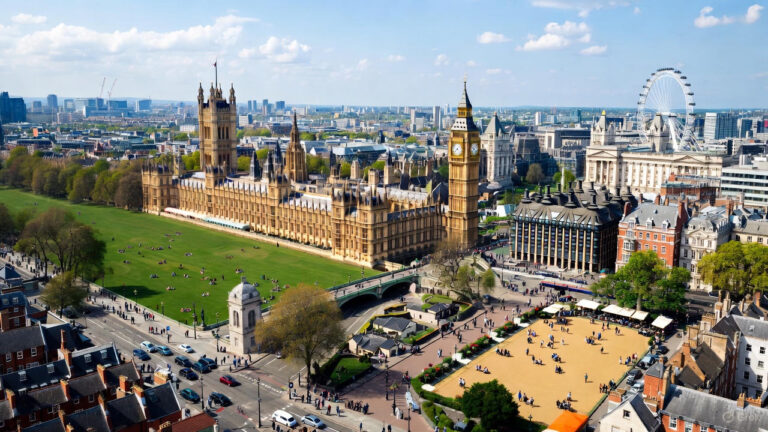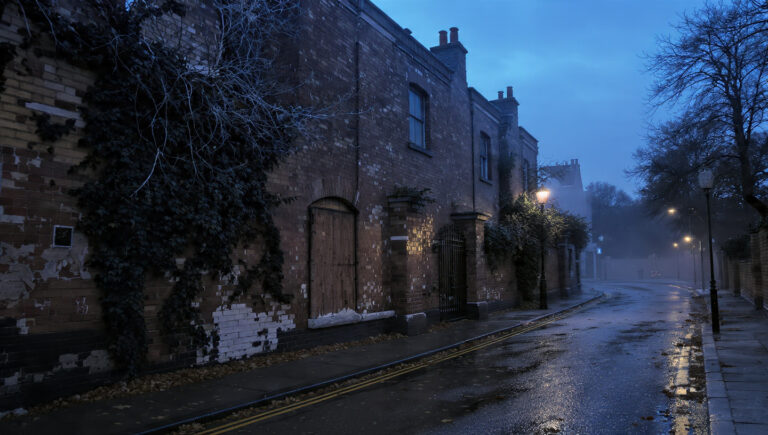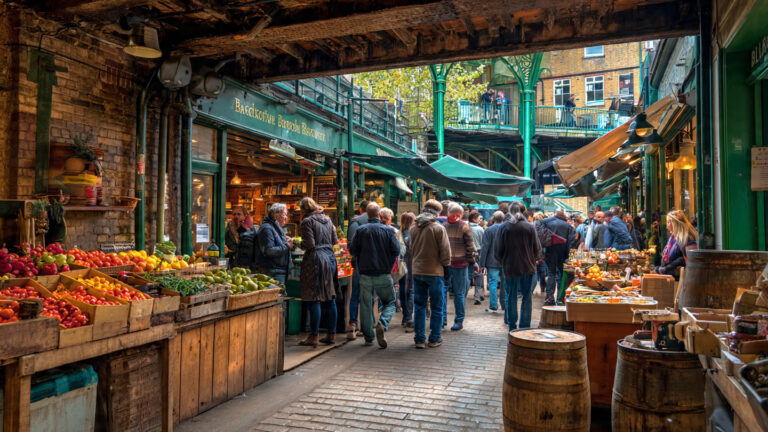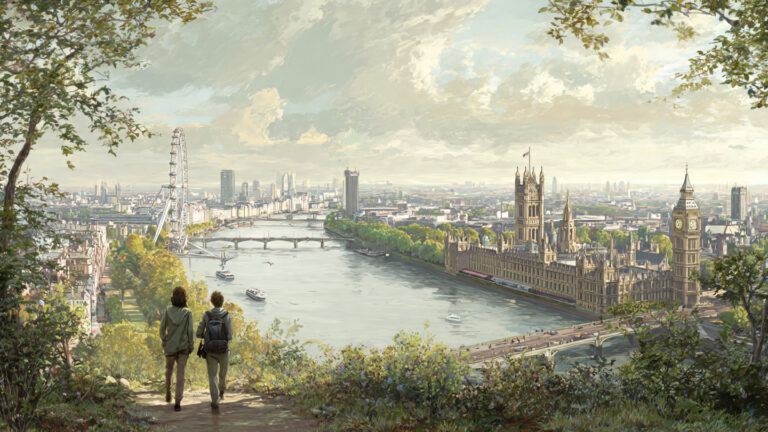

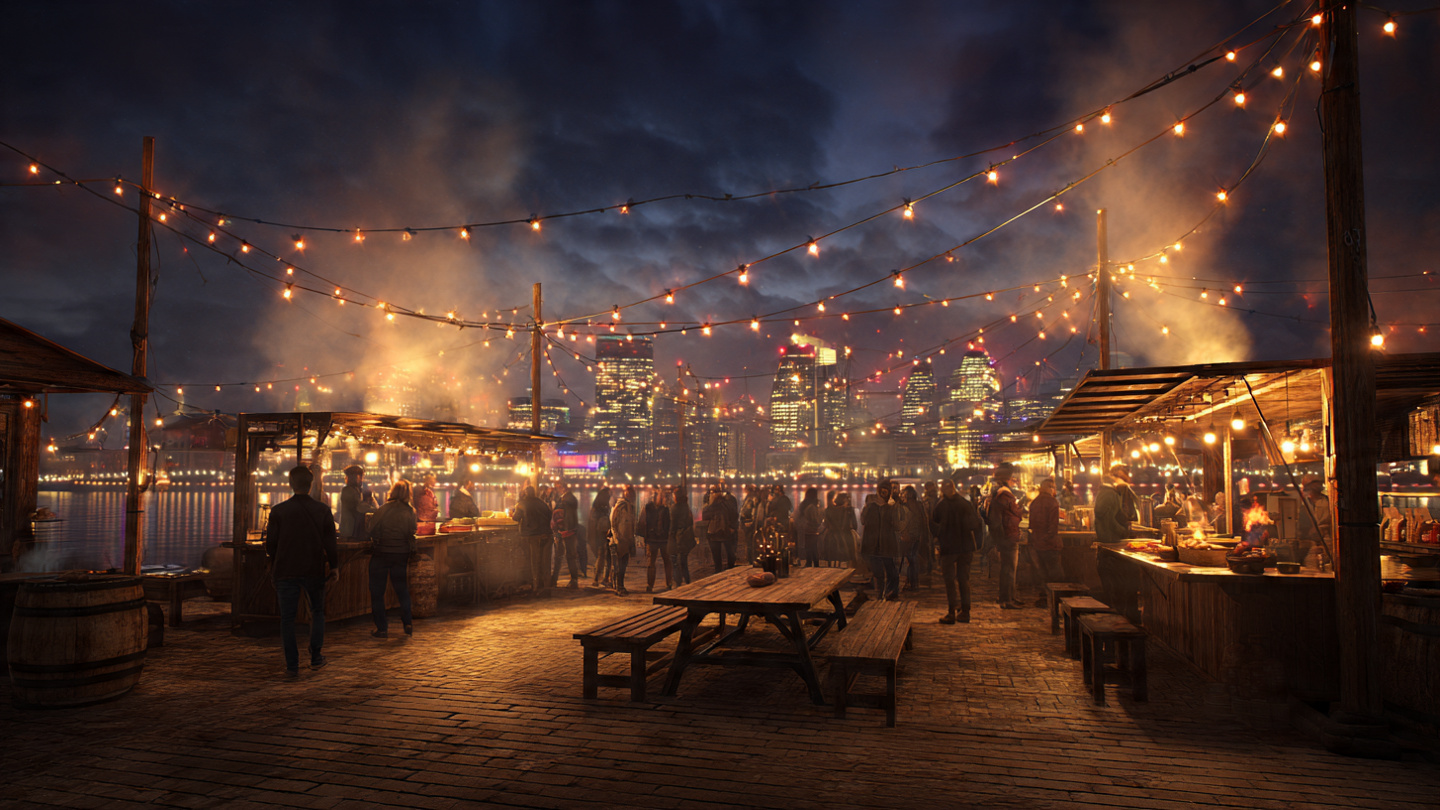
Night markets in London attract travelers who want to experience the city after sunset. Exploring markets at night in London introduces a unique side of the capital. Visitors search for lively evening spaces filled with food stalls, warm lighting, and social energy. The idea of exploring a market at night feels different from daytime sightseeing. It promises movement, conversation, and a more immersive atmosphere.
Travel trends have increased interest in evening markets across major cities. As people look for more interactive food experiences, they naturally start searching for night markets happening in London. This rising curiosity keeps the topic relevant for both first-time visitors and returning travelers.
London’s shopping streets are only one part of the city’s wider retail culture. Many visitors explore high streets first, but markets offer a completely different atmosphere shaped by tradition, local vendors, and community trading. If you want to understand how street retail fits into the broader shopping landscape, I recommend reading the best markets in London guide before planning your visit.
What Many Visitors Expect Before Arriving
When people imagine a night market experience, they often picture endless rows of open-air stalls operating every evening. Many anticipate the atmosphere will be similar to those well-known night markets found in London and Asia. They expect midnight shopping, busy food vendors, and constant activity. Popular images from Asian night bazaars strongly influence this expectation.
London does not follow that exact model. Instead of running one permanent nightly bazaar, the city offers selected markets that extend their hours on certain days. As you explore night markets in London, you’ll notice seasonal events also create temporary evening trading environments. This structure shapes how the nighttime market scene functions in practice.
How the City’s Evening Trading System Works
Local regulations shape the way vendors operate after dark. Licensing rules define closing times. Night markets, especially in London, are affected by these borough councils and their management of street trading permissions. Weather conditions also affect outdoor activity, especially during colder months.
Because of these factors, evening markets in London operate within structured timeframes. If you’re interested in attending night markets in London, note that organizers plan events carefully. Vendors follow clear schedules. This approach limits spontaneous late-night trading but improves safety and organization. Visitors often appreciate the balance between energy and control.
Why Food Drives the Nighttime Market Atmosphere
Food forms the core of most after-dark market experiences in the capital. Street food traders, indoor dining halls, and riverside stalls create much of the nighttime energy at night markets in London. Retail shopping plays a smaller role once evening arrives.
Instead of browsing clothing or antiques, visitors focus on tasting international dishes and enjoying shared seating areas. And that’s one reason why night markets in London are especially known for food. Live music, entertainment, and waterfront views often enhance the atmosphere. This strong focus on food distinguishes the city’s evening markets from traditional retail-heavy bazaars.
Where Evening Energy Feels Most Vibrant
Certain neighborhoods naturally feel more active after sunset. From riverside locations to cultural districts, nightlife thrives and adds vibrancy to the experience of night markets in London. Entertainment hubs attract crowds during the evening hours. These spaces contribute to what many visitors interpret as the city’s night market scene, even when they do not function as classic bazaars.
Rather than searching for one massive central location, travelers discover evening trading energy spread across multiple districts. This distributed structure is a distinctive characteristic of most night markets in London, and reflects the broader character of the city itself.
Why Clear Expectations Improve the Experience
Some travelers expect midnight shopping and daily outdoor bazaars. Others assume every major market transforms fully at night. In reality, night markets in London follow defined schedules, not 24-hour patterns, and operate according to the city’s seasonal calendar.
This guide explains how night markets in London operate within that framework. It outlines the types of evening experiences available and highlights practical considerations for planning.
When visitors understand how the city approaches nighttime trading, they avoid disappointment. Discovering the appeal of night markets in London leads many to appreciate its distinct and structured version of evening market culture.
What Night Markets Mean in the London Context
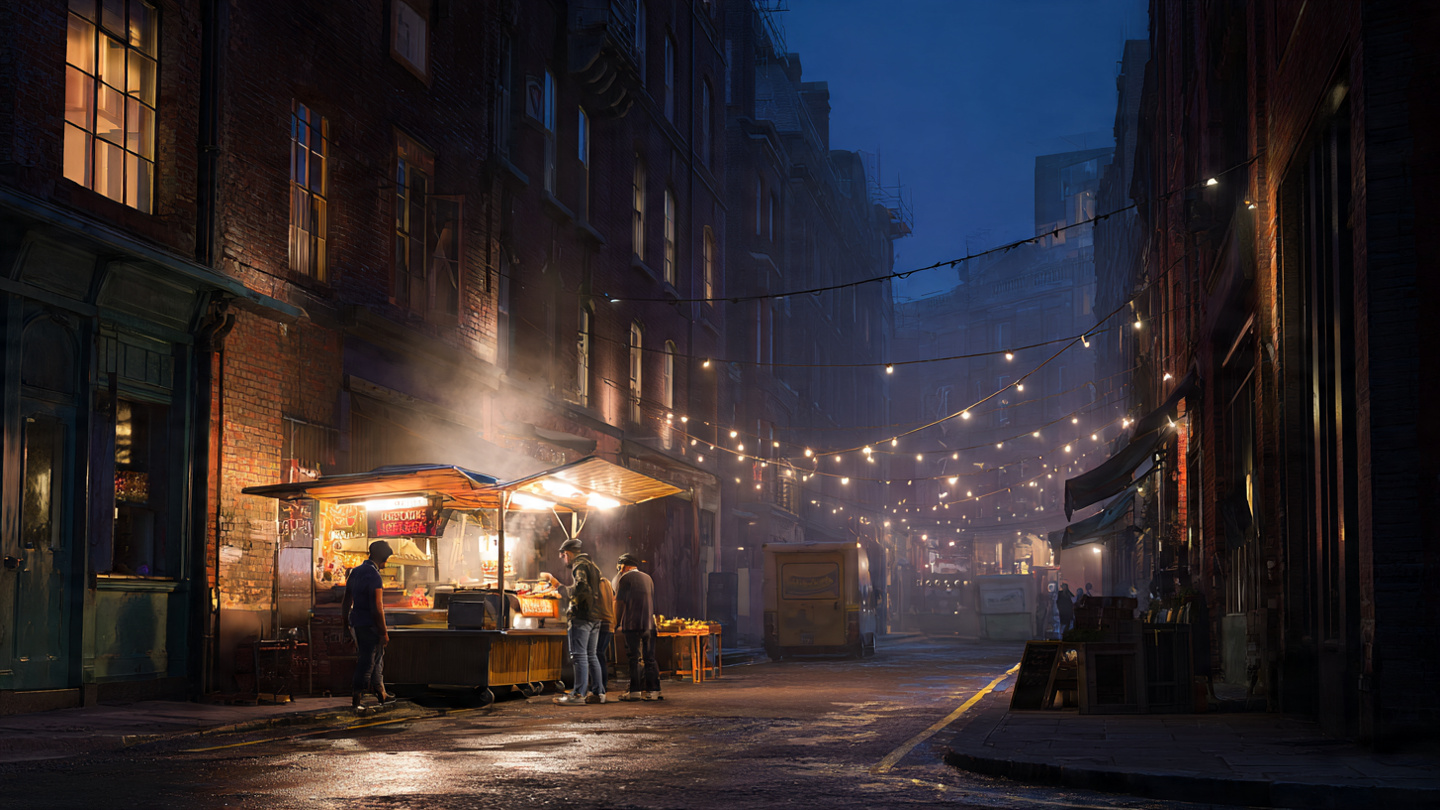
Defining the Term Within a London Setting
When travelers search for night markets in London, they often use the term loosely. In many global cities, a night market refers to a permanent open-air bazaar that operates every evening. Vendors sell clothing, accessories, street food, souvenirs, and household goods late into the night. The atmosphere feels informal and continuous.
In the London context, the definition shifts. The city does not operate a large, permanent nightly bazaar. Instead, evening market activity appears in specific formats and locations. Understanding this difference prevents confusion and helps visitors approach the experience realistically.
The Difference Between a Night Bazaar and an Evening Market
A traditional night bazaar functions as a daily social hub. Vendors set up at sunset and remain open until midnight or later. Shoppers browse retail goods and street food side by side. The experience centers on scale and density.
London’s evening markets function differently. Some daytime markets extend their hours on selected evenings. Certain food halls operate later into the night. Seasonal festivals introduce temporary after-dark stalls. These environments create nighttime energy, but they do not follow the same nightly pattern seen elsewhere.
This distinction explains why visitors searching for a single large bazaar often struggle to find one. The city offers evening market experiences, but they appear in curated and scheduled forms rather than in permanent nightly formats.
Many visitors mix up night markets with London’s street retail culture, but the two experiences work in different ways. If you also want a clear breakdown of how London’s outdoor street retail and high streets function in daily life, read the guide to street shopping in London to see how it compares to evening-only market experiences.
Why Regulations Shape Evening Trading
London’s structured trading environment influences how late vendors can operate. Borough councils issue licenses that define operating hours. Residential zoning laws limit noise levels in certain neighborhoods. Public transport schedules also influence how long visitors can comfortably remain in market areas.
Because of these factors, organizers plan late-evening trading carefully. Vendors cannot simply extend hours indefinitely. Instead, they operate within defined windows that balance commercial activity with residential life. This system creates predictability, though it reduces spontaneity compared to traditional night bazaars.
The Role of the Evening Economy
While London does not rely on large-scale nightly bazaars, it does maintain a strong evening economy. Restaurants, theaters, live music venues, and riverside attractions generate consistent nighttime movement. Markets that operate after sunset often integrate into this broader system.
For example, a food market near a cultural venue may extend trading hours to capture theater crowds. Seasonal markets may align with winter festivals or summer events. These connections link evening markets to the wider entertainment landscape rather than isolating them as standalone bazaars.
How Visitors Should Interpret “Night Market” in London
In practical terms, visitors should interpret the term as a category rather than a single location. It may include:
• Food-focused markets that remain active into the evening
• Seasonal markets with nighttime lighting and entertainment
• Weekend markets that extend hours beyond typical daytime schedules
• Indoor dining halls that operate after sunset
When viewed through this broader lens, the city offers meaningful after-dark market experiences. The key lies in understanding that London’s version emphasizes atmosphere and food rather than large-scale retail trading.
Setting a Realistic Framework for Exploration
Approaching night markets in London with flexibility leads to a better experience. Instead of searching for a single massive bazaar, visitors benefit from identifying specific neighborhoods and events that align with their travel dates. Timing matters. Season matters. Location matters.
By recognizing how the concept functions locally, travelers can plan evenings strategically. They can combine food markets with riverside walks, entertainment districts, or cultural events. This integrated approach reflects how the city organizes its nighttime activity.
The Evolution of London’s Evening Market Culture
From Daytime Street Trading to Controlled Evening Activity
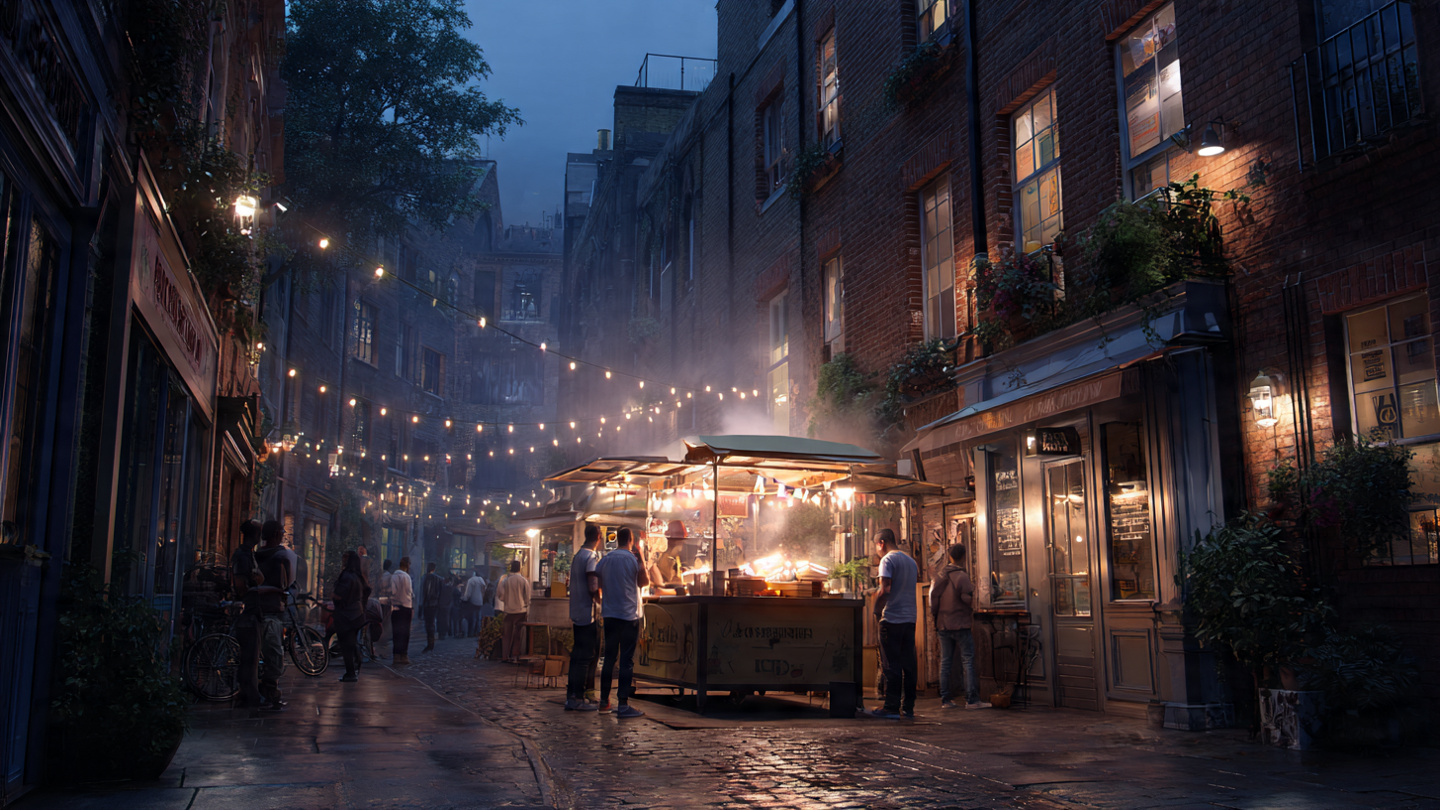
London’s market culture developed long before modern nightlife became a defining feature of the city. For centuries, markets primarily operated during daylight hours. Traders sold produce, meat, textiles, and household goods to local communities. Early street trading followed strict time limits tied to daylight and public order.
As the city expanded, local authorities introduced more structured regulation. Borough councils controlled where and when vendors could operate. These regulations shaped not only daytime markets but also how trading could extend into the evening. Unlike cities where informal night bazaars grew organically, London’s trading culture evolved within a regulated framework from the beginning.
The Influence of Licensing Laws on Evening Markets
Licensing laws continue to influence how evening markets function today. Vendors must apply for permits. Organizers must comply with noise restrictions and public safety rules. Residential neighborhoods require careful planning to balance commercial activity with local living conditions.
Because of these controls, spontaneous large-scale nighttime trading rarely develops. Instead, evening markets operate through coordinated planning. Organizers select specific days, hours, and locations. This structured approach prevents chaotic growth while ensuring safety and order. It also explains why the city does not host a permanent nightly bazaar in the traditional sense.
The Growth of the Modern Evening Economy
In recent decades, London has embraced a broader evening economy. Restaurants, theaters, music venues, and entertainment districts generate strong nighttime movement across the city. This shift created new opportunities for market-style experiences after sunset.
Food-focused markets began extending their hours to attract dinner crowds. Cultural festivals introduced temporary stalls that remained open into the night. Riverside areas became gathering points during warmer months. These developments shaped what many visitors now interpret as the city’s nighttime market culture.
Rather than replacing daytime markets, evening trading became an extension of existing spaces. Markets adapted to modern social habits, especially the growing demand for street food and communal dining.
The Role of Street Food in Reviving After-Dark Activity
Street food played a major role in expanding evening market activity. As international cuisine gained popularity, food traders attracted younger crowds seeking informal dining experiences. This shift encouraged certain markets to remain active beyond traditional closing times.
Food halls and pop-up events responded to this demand. They created organized environments where visitors could explore multiple cuisines in one place. These venues often operate later than traditional retail markets, reinforcing the connection between food culture and nighttime energy.
Seasonal Events as a Catalyst for Night Trading
Seasonal events also shaped how evening markets developed. Winter festivals introduced illuminated stalls and festive decorations. Summer cultural programs extended trading hours to complement outdoor entertainment. Holiday-themed markets created temporary nighttime gathering spaces that felt different from regular daytime trading.
These seasonal moments contribute significantly to the perception of night markets in London. Visitors who arrive during festive periods often encounter stronger after-dark atmospheres than those visiting during quieter months.
Why London Chose Structure Over Spontaneity
Some cities allow informal street trading to expand organically at night. London chose a more controlled path. Authorities prioritized safety, transport coordination, and residential balance. This decision limited the growth of unregulated bazaars but strengthened overall organization.
While this structure reduces scale compared to global night bazaar capitals, it increases predictability. Visitors can expect defined hours, regulated vendors, and managed public spaces. The city’s approach reflects its broader urban planning philosophy.
How This History Shapes Today’s Night Market Experience
Understanding this evolution clarifies why London’s evening market scene looks the way it does today. Rather than one permanent nightly bazaar, the city offers:
• Extended-hour food markets
• Seasonal illuminated events
• Weekend-focused evening trading
• Organized cultural night gatherings
This layered structure results from historical regulation, modern food culture, and careful planning. Visitors who recognize this context often appreciate the city’s approach more fully.
London did not build its identity around nightly bazaars. Instead, it integrated evening trading into a broader entertainment ecosystem. That distinction shapes every aspect of the experience.
Types of Night Market Experiences in London
Food-Focused Evening Markets
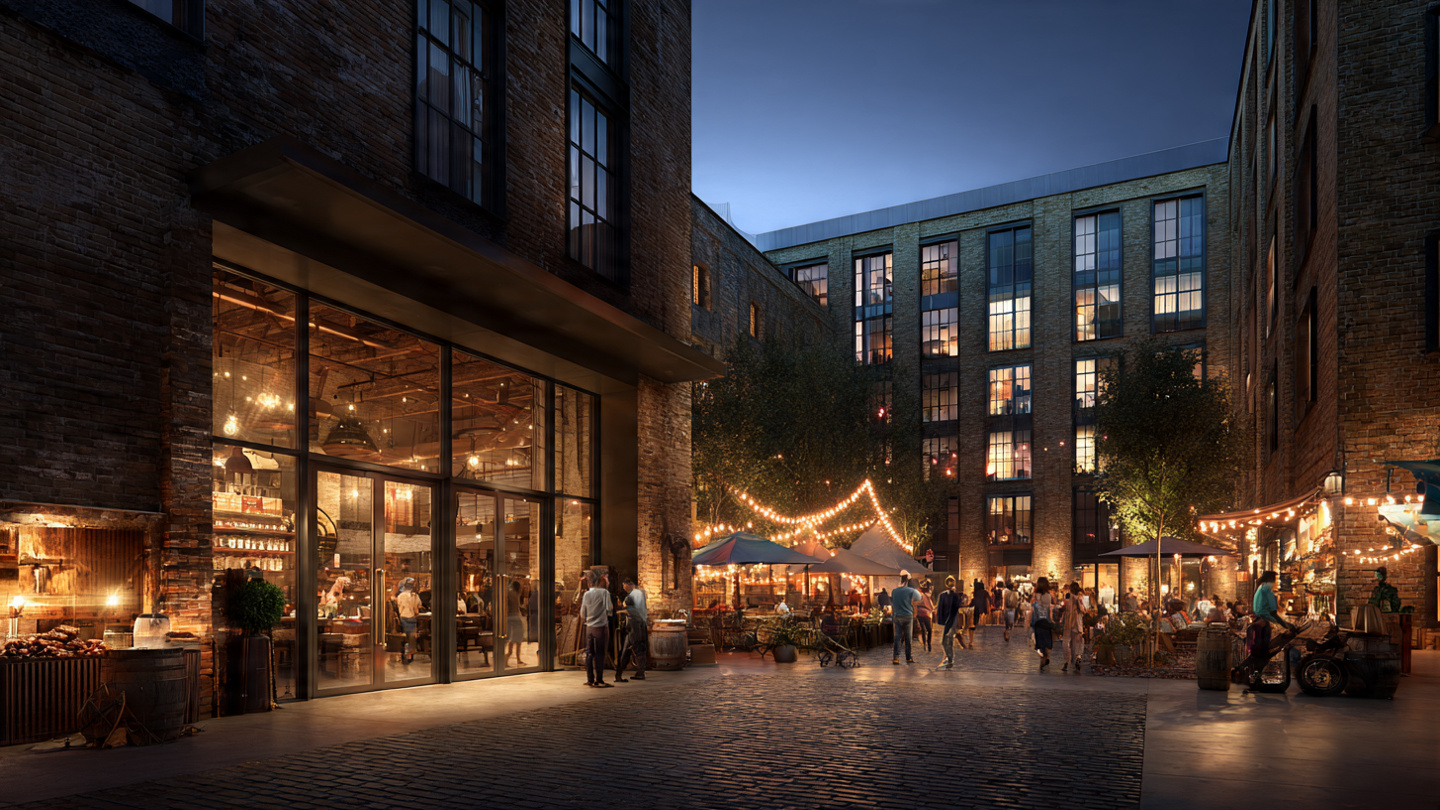
The most common form of nighttime trading in the city revolves around food. Many travelers searching for night markets in London ultimately discover that the strongest after-dark experiences center on street food and casual dining. Vendors set up stalls offering global cuisine, and visitors gather around communal tables rather than browsing retail goods.
These food-focused markets often extend beyond traditional daytime closing hours. Some operate late on weekends. Others align their schedules with nearby entertainment venues. Instead of functioning as shopping bazaars, they create social spaces where dining becomes the main attraction.
This structure reflects how London integrates markets into its broader evening economy. Food drives traffic. Atmosphere supports the experience. Retail plays a secondary role.
Indoor Food Halls That Stay Open Late
Indoor food halls represent another major category. These venues provide structured environments where multiple vendors operate under one roof. Because they function within commercial buildings, they often maintain more flexible evening hours than outdoor markets.
Visitors who expect open-air stalls may initially feel surprised. However, indoor dining markets offer comfort during colder months and reliable schedules throughout the year. Lighting, music, and communal seating help create a lively environment even without the traditional bazaar layout.
For many travelers, these venues deliver the most consistent version of an evening market experience in London.
Seasonal and Festive Night Markets
Seasonal events significantly influence how people perceive night markets in London. During winter, illuminated stalls appear across selected districts. Decorative lighting and holiday-themed vendors transform public spaces into temporary evening marketplaces.
Summer festivals create a different kind of nighttime energy. Outdoor events extend trading hours and attract crowds seeking food, drinks, and entertainment. These seasonal moments often feel closer to what visitors imagine when they think about a classic night bazaar.
However, they operate temporarily rather than permanently. Timing plays a critical role. Visitors who plan their trips around festival seasons experience a stronger after-dark market atmosphere than those arriving during quieter periods.
Pop-Up Cultural Night Events
Cultural celebrations also contribute to evening trading activity. Neighborhood festivals, community gatherings, and international cultural events sometimes include temporary stalls that operate after sunset.
These pop-up events often combine music, food, and local vendors. They may not appear daily, but when they do, they create concentrated nighttime energy. Because they are event-driven, they feel dynamic and vibrant.
Travelers who remain flexible and monitor local event calendars often discover these temporary evening markets unexpectedly. This spontaneous element adds variety to the city’s nighttime trading landscape.
Extended-Hour Day Markets
Some established daytime markets extend their hours into the evening on specific days. This extension does not transform them into full-scale night bazaars, but it does create a hybrid experience.
Visitors can explore familiar market layouts under evening lighting. Food vendors often stay active longer than retail traders. The environment feels calmer than daytime peak hours but still lively enough to maintain energy.
These hybrid spaces represent a practical middle ground. They bridge the gap between daytime shopping and full nighttime entertainment.
Neighborhood-Based Nighttime Atmosphere
Not every evening market experience comes from a formal market structure. Certain neighborhoods naturally develop strong after-dark trading environments. Restaurants, food vendors, and small retailers operate side by side, creating an organic sense of movement.
Travelers often interpret these districts as night market zones even if they lack traditional stall arrangements. The combination of lighting, food, music, and pedestrian traffic produces a similar feeling.
Understanding this distinction helps visitors broaden their expectations. Instead of focusing only on official markets, they can consider vibrant districts as part of the overall nighttime trading scene.
How These Categories Shape Expectations
Recognizing these categories clarifies what night markets in London truly represent. They are not uniform. They do not operate daily in one central location. Instead, they appear in multiple formats:
• Food-led evening markets
• Indoor dining halls
• Seasonal illuminated events
• Cultural pop-ups
• Extended-hour day markets
• Lively nighttime neighborhoods
Each type offers a slightly different experience. Visitors who understand these variations can choose the format that matches their interests and travel dates.
Rather than searching for one definitive bazaar, travelers benefit from identifying which type of evening market environment aligns with their expectations.
Best Food-Focused Night Markets in London
Southbank Evening Food Scene
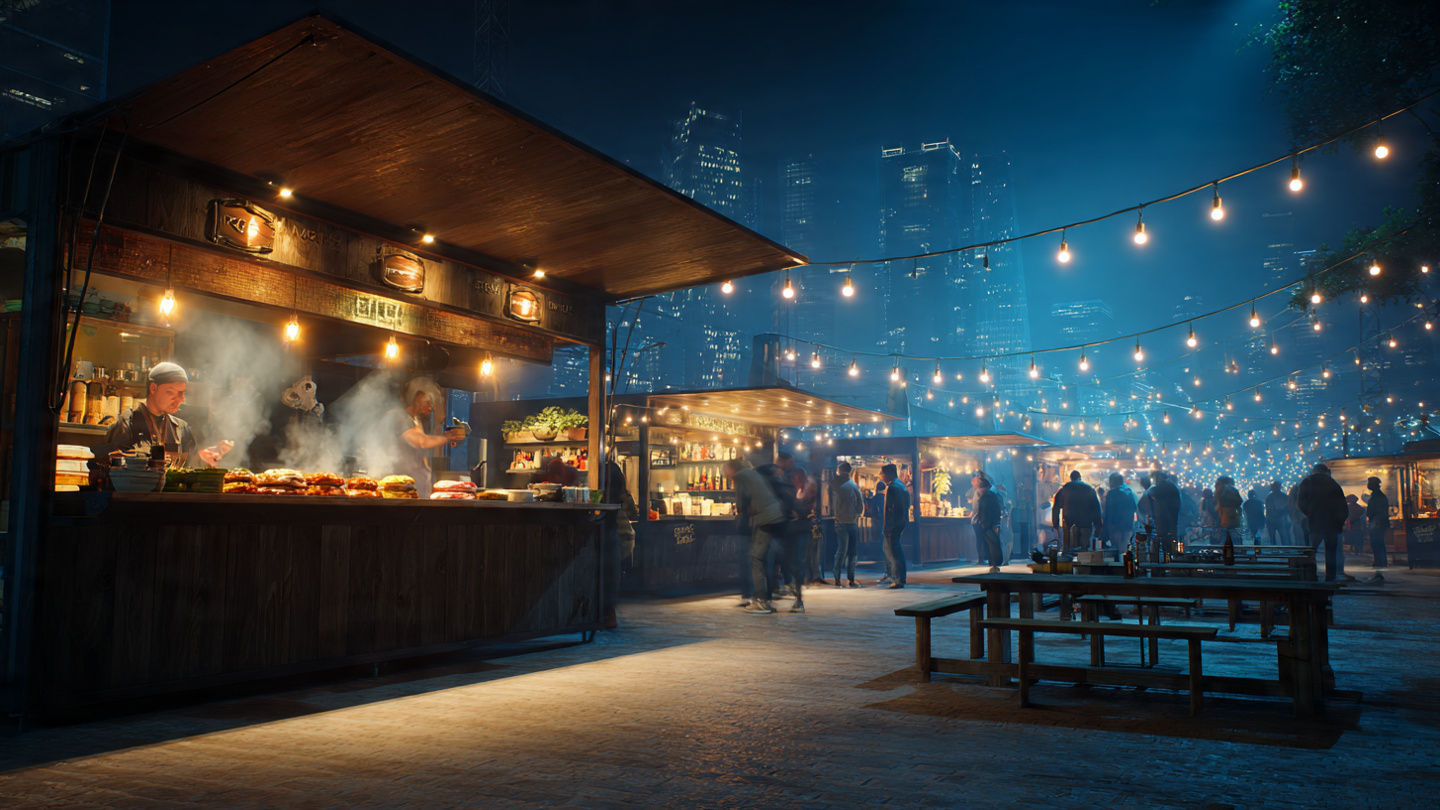
The Southbank area delivers one of the most consistent after-dark market atmospheres in the city. Located along the River Thames, this stretch attracts both tourists and locals during the evening hours. Food vendors often remain active later than typical daytime markets, especially on weekends.
Visitors exploring the riverside frequently encounter stalls offering global cuisine, desserts, and hot drinks. The combination of river views, live performers, and illuminated walkways creates a strong nighttime setting. While it may not function as a permanent bazaar, the environment captures much of what people imagine when searching for evening market experiences.
During warmer months, this area feels particularly lively. Street food becomes the central attraction. Crowds gather casually rather than rush through purchases. The atmosphere leans social rather than transactional.
Camden’s Evening Energy
Camden remains one of the most recognizable market districts in London. While much of its retail trading slows after sunset, certain food vendors and nearby eateries maintain evening activity. The broader neighborhood contributes to a sense of nighttime market culture.
Music venues, alternative fashion shops, and late-opening restaurants create movement well into the evening. Visitors often combine street food with live entertainment, giving the area a hybrid market-nightlife identity.
Camden does not operate as a traditional nightly bazaar. However, its cultural energy and food options make it one of the stronger examples of how the city blends market culture with nighttime activity.
Seven Dials Market
Indoor food halls provide some of the most reliable evening market experiences. Seven Dials Market, located in Covent Garden, exemplifies this model. Multiple vendors operate under one roof, offering diverse cuisines in a controlled environment.
Because it functions indoors, it remains active regardless of weather. Visitors can explore different food stalls, share communal seating, and enjoy a lively setting without worrying about outdoor conditions.
This format aligns well with how the city organizes nighttime trading. Rather than sprawling open-air stalls, it offers curated vendor selections within a structured venue. For travelers seeking consistency, this type of environment often delivers a dependable after-dark dining experience.
Maltby Street and Weekend Extensions
Maltby Street Market primarily operates during the day, but certain events and weekend schedules extend activity into the evening. Food vendors attract crowds looking for casual dining in a more intimate setting compared to larger tourist-heavy districts.
The narrow railway arches create a distinctive visual atmosphere once lights turn on. Visitors often enjoy a slower pace here, focusing on specialty foods and drinks rather than large crowds.
Although it does not operate nightly, extended hours during special events contribute to the broader perception of evening market culture across the city.
Street Food Events Across Boroughs
Various boroughs host rotating street food events that extend into evening hours. These events may not appear on a permanent schedule, but they add variety to the city’s after-dark trading scene.
Pop-up food gatherings often emerge near business districts, transport hubs, or residential neighborhoods seeking community engagement. Vendors test new concepts, and visitors gain access to diverse cuisines in compact settings.
These temporary gatherings play a crucial role in shaping what travelers experience when they search for night markets in London. They demonstrate that the concept does exist, but it appears in shifting forms rather than fixed daily bazaars.
Why Food-Focused Markets Dominate the Night Scene
Food thrives in evening environments because it aligns with social behavior. After sunset, people prioritize dining and entertainment over retail browsing. This behavioral pattern explains why street food markets dominate the nighttime landscape.
Retail stalls close earlier due to lower late-evening demand and regulatory restrictions. Food vendors, however, attract consistent crowds seeking dinner and drinks. As a result, the city’s after-dark market identity centers on culinary experiences rather than traditional shopping.
What Visitors Should Expect From These Locations
Visitors exploring these food-led markets should expect:
• Structured operating hours
• Defined closing times
• Strong focus on dining
• Organized vendor layouts
• Managed crowd control
They should not expect unlimited midnight shopping or sprawling retail bazaars. Instead, they will encounter curated food environments that integrate smoothly into the broader evening economy.
By understanding this distinction, travelers can appreciate these spaces for what they offer rather than comparing them to global night bazaar capitals.
Seasonal and Festive Night Markets
Winter Illuminations and Holiday Trading
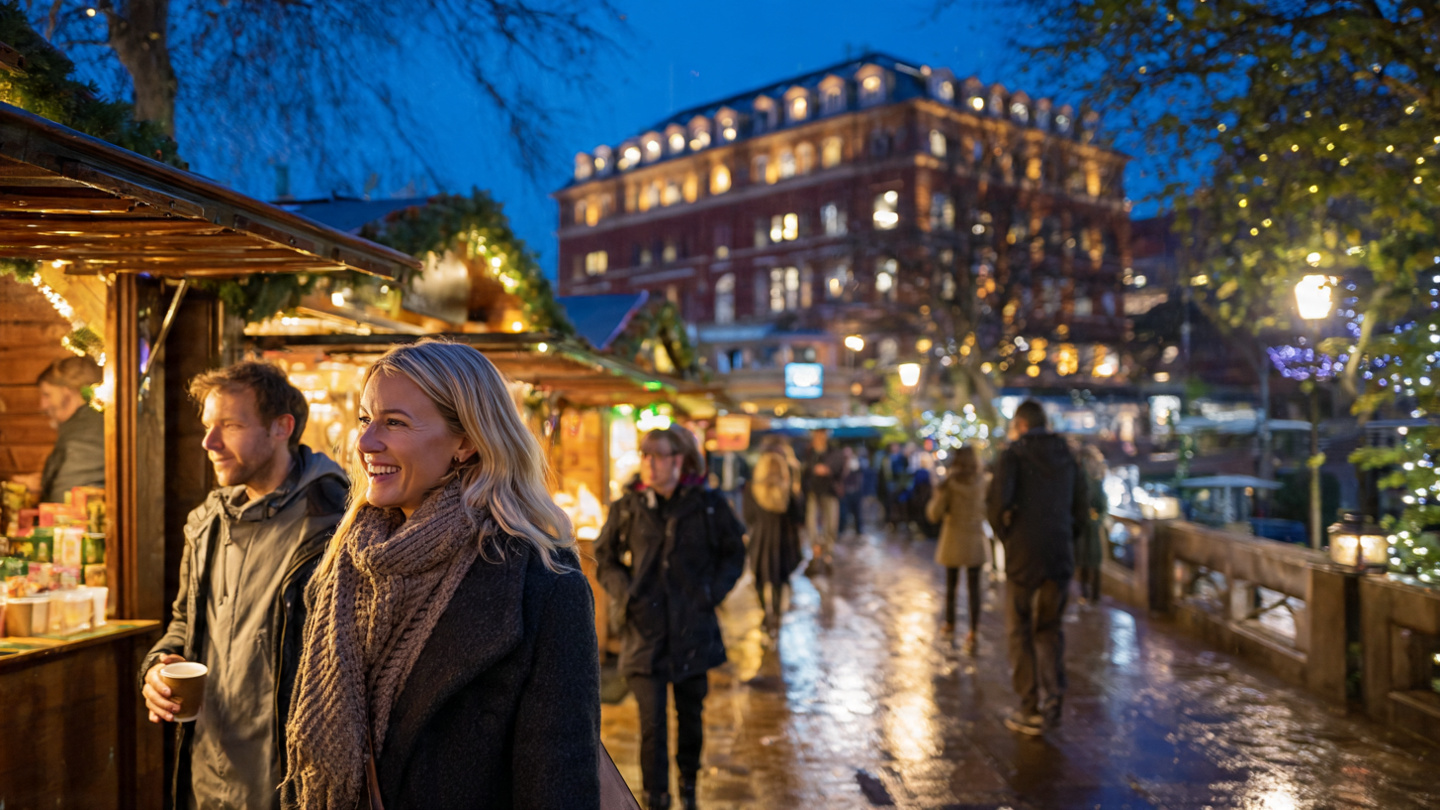
Seasonal events significantly reshape how visitors experience after-dark markets in the city. During winter, illuminated stalls appear across selected districts, creating temporary festive environments. Decorative lighting, seasonal decorations, and themed vendors transform public spaces into lively evening gathering areas.
These winter markets often operate later than typical daytime markets. Visitors browse food stalls, seasonal gifts, and specialty drinks while enjoying a festive atmosphere. The lighting and structured layouts create a strong visual impact that aligns closely with what many people expect when imagining a nighttime bazaar.
However, these events remain seasonal. They usually run for limited weeks during the colder months. This temporary nature reinforces the idea that London’s night market culture depends heavily on timing.
Winter is when London feels most like a classic evening market city, mainly because festive trading runs later and the lighting creates that warm night-time atmosphere people expect. If you are visiting in November or December, the guide to Christmas markets in London will help you choose the best seasonal markets to match your travel dates.
Summer Festivals and Extended Outdoor Trading
Summer brings a different version of evening market energy. Warmer temperatures encourage outdoor gatherings, and organizers extend trading hours to align with longer daylight and increased tourism. Street food events, music festivals, and riverside celebrations create vibrant nighttime environments.
During these months, public spaces feel more dynamic after sunset. Food vendors remain active. Pop-up bars operate alongside stalls. Crowds move slowly through open areas, creating a relaxed yet lively atmosphere.
While these summer experiences may not operate daily, they contribute strongly to the perception of night markets in London. Visitors who arrive during this period often encounter the most authentic after-dark trading energy the city offers.
Cultural Celebrations That Extend Into the Night
Cultural festivals across various boroughs also influence evening trading patterns. Community celebrations, international heritage events, and neighborhood gatherings frequently include food vendors and temporary stalls that operate after sunset.
These events create concentrated bursts of nighttime activity. Unlike permanent markets, they appear around specific dates and themes. When active, they deliver a vibrant mix of music, food, and social interaction.
Travelers who monitor local event calendars can discover these opportunities and experience a more dynamic side of the city’s evening market culture.
The Role of Iconic Seasonal Attractions
Large-scale seasonal attractions further strengthen the association between London and nighttime trading. Events such as Winter Wonderland introduce illuminated market stalls, festive entertainment, and food vendors that operate into the evening.
These events create a structured yet energetic nighttime atmosphere. Visitors encounter decorative lighting, organized vendor layouts, and themed food options. Although they operate temporarily, they significantly influence how people perceive evening markets in the capital.
Why Seasonality Shapes Expectations
Seasonality explains why some visitors report strong nighttime market experiences while others feel underwhelmed. Those visiting during winter festivals or summer events encounter extended hours and concentrated energy. Travelers arriving during quieter months may find fewer after-dark trading options.
Understanding this pattern helps set realistic expectations. Evening market intensity fluctuates throughout the year. Planning travel dates strategically increases the likelihood of encountering vibrant nighttime environments.
Temporary Markets Versus Permanent Structures
Unlike cities where nightly bazaars operate year-round, London relies on temporary installations and scheduled extensions. Seasonal lighting, pop-up stalls, and event-driven programming generate much of the after-dark market atmosphere.
This approach aligns with the city’s broader planning philosophy. Organizers prioritize safety, crowd management, and regulatory compliance. While this limits spontaneity, it enhances predictability and structure.
How Seasonal Markets Enhance the Evening Economy
Seasonal nighttime markets integrate seamlessly into London’s larger entertainment ecosystem. Visitors often combine festive markets with theater performances, river walks, or dining reservations. This integration strengthens the city’s evening economy without relying on permanent nightly bazaars.
By understanding how seasonality influences evening trading, travelers can plan their visits more effectively. Instead of searching for a fixed location, they can align their travel dates with periods that naturally amplify nighttime market energy.
Areas in London That Feel Like Night Market Districts
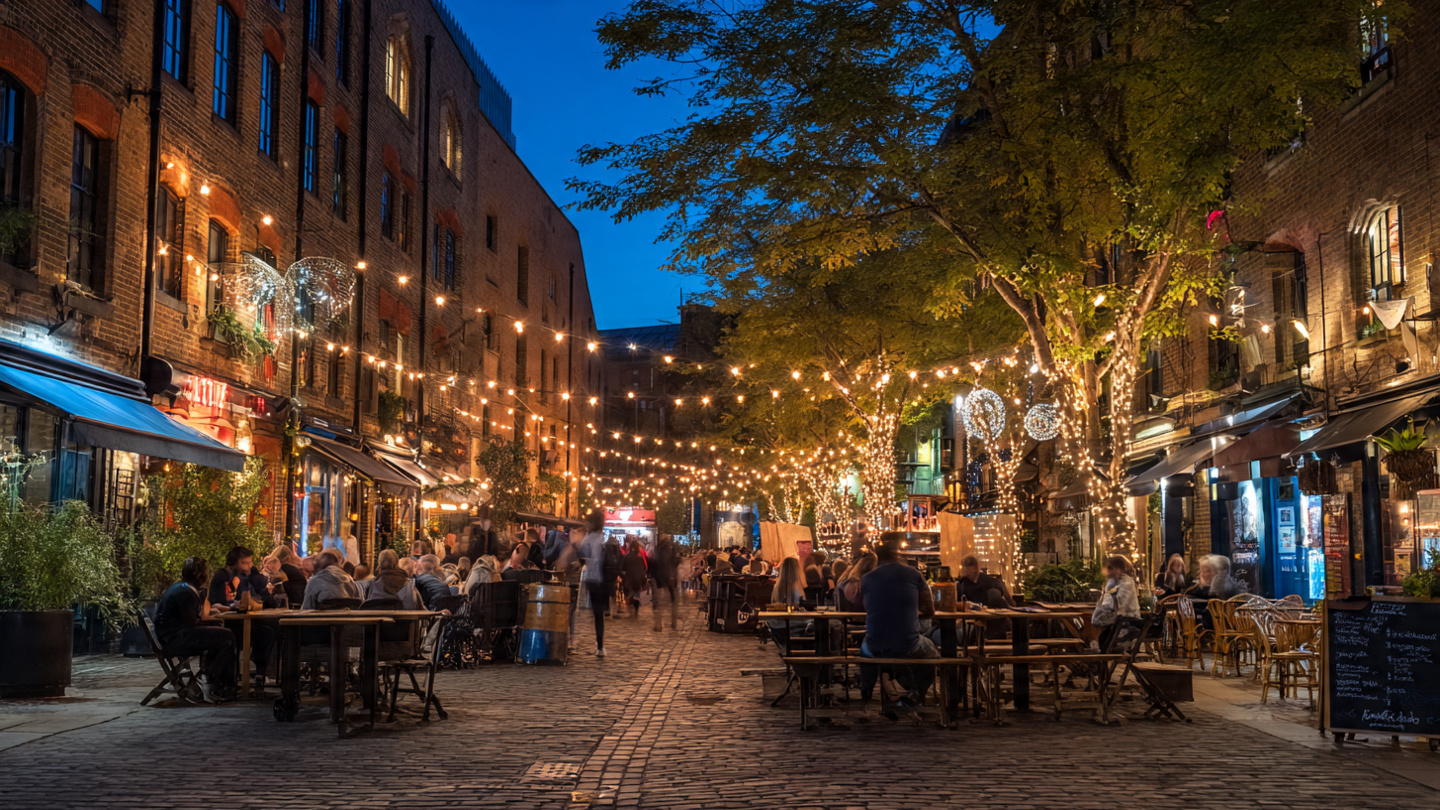
Chinatown’s Concentrated Evening Energy
Chinatown remains one of the strongest examples of a district that feels like a night market zone, even though it does not operate as a traditional bazaar. Located near Soho, this area becomes especially vibrant after sunset.
Restaurants extend onto sidewalks. Neon signs illuminate narrow streets. Dessert shops and takeaway counters remain active well into the evening. Visitors move slowly between venues, sampling different dishes rather than committing to a single restaurant.
Although Chinatown does not function as an open-air market with stall rows, the density of food outlets and pedestrian traffic creates a similar sensory experience. For many travelers searching for night markets in London, this district delivers a comparable atmosphere.
Shoreditch and East London’s Street Food Culture
Shoreditch offers another version of nighttime market energy. This area blends creative spaces, bars, pop-up food vendors, and cultural venues. Evening crowds gather for dining, live music, and social events.
Street food traders often operate near event spaces and markets. Even when official market hours end, nearby food vendors and bars maintain activity. The environment feels layered and dynamic.
Unlike a structured bazaar, Shoreditch offers scattered clusters of evening trading. Visitors who explore the area on foot often discover small food-focused gatherings that contribute to the broader perception of a night market scene.
Southbank’s Riverside Atmosphere
The stretch along the River Thames near London Eye develops strong evening momentum. Performers entertain crowds. Food stalls attract visitors seeking quick bites. The river backdrop enhances the visual experience once city lights reflect on the water.
This area may not operate as a permanent nightly bazaar, but it creates many of the elements associated with night markets:
• Food vendors
• Open pedestrian space
• Lighting effects
• Casual social interaction
During summer, this riverside zone becomes one of the most reliable areas for experiencing evening trading activity.
Soho’s Late-Night Dining Culture
Soho remains active long after sunset. While it is primarily known for restaurants and entertainment venues rather than formal markets, the dense concentration of food options creates a marketplace feel.
Visitors move from venue to venue sampling different cuisines. Street-level activity, illuminated storefronts, and constant pedestrian flow produce the sensation of an informal night trading environment.
Although Soho does not operate stalls in the traditional sense, its layout encourages the same exploratory behavior associated with market culture.
Camden’s Alternative Night Identity
Camden Market slows its retail operations in the evening, but the broader Camden area retains energy after dark. Music venues, street food vendors, and alternative fashion outlets contribute to a layered nighttime atmosphere.
Visitors often combine market visits during the day with live performances at night. The transition from shopping to entertainment creates continuity in the district’s identity. This hybrid structure blurs the line between traditional market culture and nightlife.
Why These Districts Feel Like Night Markets
These neighborhoods share common characteristics that resemble night bazaar environments:
• High pedestrian density
• Concentrated food vendors
• Decorative lighting
• Social gathering spaces
• Entertainment integration
They may not follow the exact stall-based model of global night bazaars, but they deliver similar emotional experiences. For many travelers, atmosphere matters more than structure.
Understanding the Difference Between Atmosphere and Structure
Visitors often equate energy with market identity. When they encounter crowds, street food, and illuminated streets, they interpret the space as a night market. However, structure differs significantly.
Traditional night bazaars rely on organized rows of independent vendors operating nightly. London’s evening districts rely on permanent restaurants, regulated vendors, and structured business hours. The experience overlaps emotionally but differs operationally.
Recognizing this distinction prevents unrealistic comparisons. It allows visitors to appreciate how the city expresses its version of after-dark trading through neighborhoods rather than through a single centralized bazaar.
Planning Around Neighborhood Activity
Travelers who want to experience a lively evening atmosphere should focus on districts known for after-dark movement. Instead of searching exclusively for official market listings, they can explore neighborhoods that naturally develop nighttime trading energy.
Combining riverside walks, food halls, and entertainment districts often creates a richer experience than limiting exploration to one location. This layered approach aligns more closely with how the city organizes its nighttime economy.
Comparing London’s Night Markets to Asian and European Night Bazaars
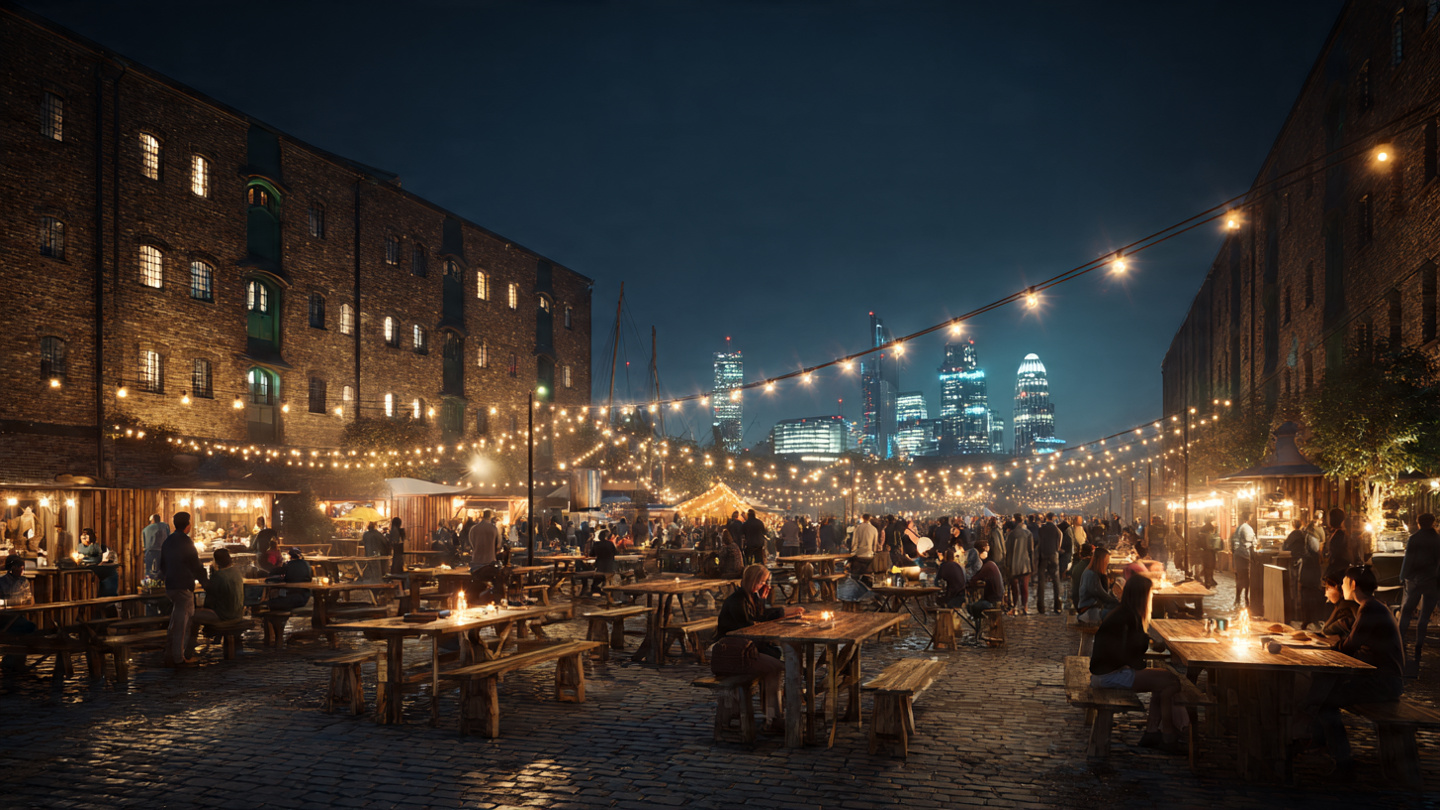
Understanding the Global Night Bazaar Model
To understand the nature of night markets in London, it helps to compare them with cities where nightly bazaars form part of everyday life. In places such as Taipei, Bangkok, or Kuala Lumpur, night markets operate daily as large-scale public marketplaces. Vendors set up rows of stalls every evening. Shoppers browse clothing, electronics, toys, street snacks, and souvenirs in one continuous open-air space.
These markets usually function independently of strict zoning limitations. They grow organically over time and often operate until midnight or later. The experience emphasizes scale, density, and constant movement.
London does not replicate this model. The city approaches evening trading through structured planning rather than informal nightly expansion.
Differences in Operating Frequency
One of the clearest distinctions lies in frequency. Traditional Asian night bazaars open every evening. Visitors can depend on them regardless of the season. Vendors expect daily crowds, and the culture integrates seamlessly into routine life.
In contrast, London’s after-dark trading appears in specific contexts. Some markets extend hours only on weekends. Seasonal markets operate for limited periods. Pop-up events emerge around festivals.
This difference changes visitor expectations. Travelers accustomed to daily night bazaars must adjust their planning when visiting London. Timing becomes essential.
Retail Versus Food Emphasis
Global night bazaars typically combine retail shopping and food in equal measure. Shoppers browse clothing and accessories while eating street snacks. Retail vendors form the backbone of the market’s commercial activity.
London places greater emphasis on food. After sunset, dining becomes the central attraction. While some retail stalls operate during extended hours, most close earlier. Evening market energy therefore concentrates around street food vendors, indoor dining halls, and communal seating areas.
This shift toward culinary focus reflects broader consumer behavior in the city. People prioritize social dining and entertainment after work hours rather than late-night retail browsing.
Regulatory Environment and Urban Planning
Regulation plays a major role in shaping how London’s evening markets function. Borough councils regulate vendor permits. Authorities enforce noise restrictions. Public transport schedules influence how long visitors can comfortably remain in certain districts.
Many Asian night bazaars operate in less restrictive environments. Vendors often expand trading space informally. While this creates dynamic energy, it also introduces variability in safety and organization.
London chooses predictability over spontaneity. The result feels structured, controlled, and managed. For some visitors, this enhances comfort. For others expecting a chaotic bazaar atmosphere, it may feel restrained.
Climate and Its Influence
Climate also shapes evening trading patterns. In tropical regions, warm nighttime temperatures encourage outdoor browsing. Vendors operate comfortably late into the evening year-round.
London’s cooler climate, particularly outside summer months, limits consistent outdoor night trading. Winter events compensate with illuminated seasonal markets, but daily open-air bazaars remain impractical for much of the year.
Indoor food halls therefore play a more significant role in the city’s evening market landscape. They provide temperature control and stable operating environments.
European Comparisons
Comparing London to European cities provides additional perspective. Many European capitals host seasonal Christmas markets that operate into the evening during winter. These markets resemble festive night bazaars but remain temporary.
London follows a similar pattern. Illuminated winter markets create strong nighttime atmosphere, yet they operate only for defined periods. Outside those seasons, evening trading becomes more dispersed across neighborhoods and food venues.
Unlike Mediterranean cities where warm climates support late-night street life year-round, London’s urban rhythm follows a more moderate pattern influenced by weather and regulation.
Cultural Attitudes Toward Night Trading
Cultural norms influence how cities approach after-dark commerce. In some regions, families visit night bazaars regularly as part of daily life. In London, evening culture often revolves around restaurants, pubs, theaters, and concerts rather than open-air shopping.
Markets integrate into that broader entertainment ecosystem rather than dominating it. Visitors often combine food markets with performances or riverside walks rather than treating them as standalone destinations.
This cultural orientation shapes how night markets in London function within the city’s identity. They complement nightlife rather than define it.
Scale and Density Differences
Global night bazaars frequently stretch across multiple streets with hundreds of stalls operating simultaneously. London’s evening markets tend to remain smaller in scale. Organizers prioritize defined vendor numbers and controlled layouts.
This difference affects sensory intensity. Traditional night bazaars overwhelm visitors with dense sounds, smells, and visuals. London’s evening markets feel more curated and spacious.
For some travelers, this creates a calmer experience. For others expecting packed rows of vendors, the environment may feel less dramatic.
Why Comparison Matters for Expectations
Understanding these contrasts helps travelers interpret their experiences accurately. Without context, visitors may judge London’s evening markets unfairly by comparing them directly with Asian night bazaars.
When viewed within its regulatory, cultural, and climatic framework, the city’s approach makes sense. It prioritizes safety, organization, and integration with broader nightlife rather than relying on informal nightly commerce.
Recognizing this distinction allows visitors to appreciate London’s evening trading culture on its own terms.
A Different, Not Inferior, Model
London does not lack night market energy. It expresses that energy differently. Instead of nightly sprawling bazaars, it offers structured food-focused markets, seasonal illuminated events, and vibrant neighborhood atmospheres.
This model may feel subtler, but it aligns with the city’s planning philosophy and lifestyle patterns. Visitors who approach the experience with flexibility often discover that London’s version of evening markets offers its own unique strengths.
Practical Planning Tips for Visiting Night Markets in London
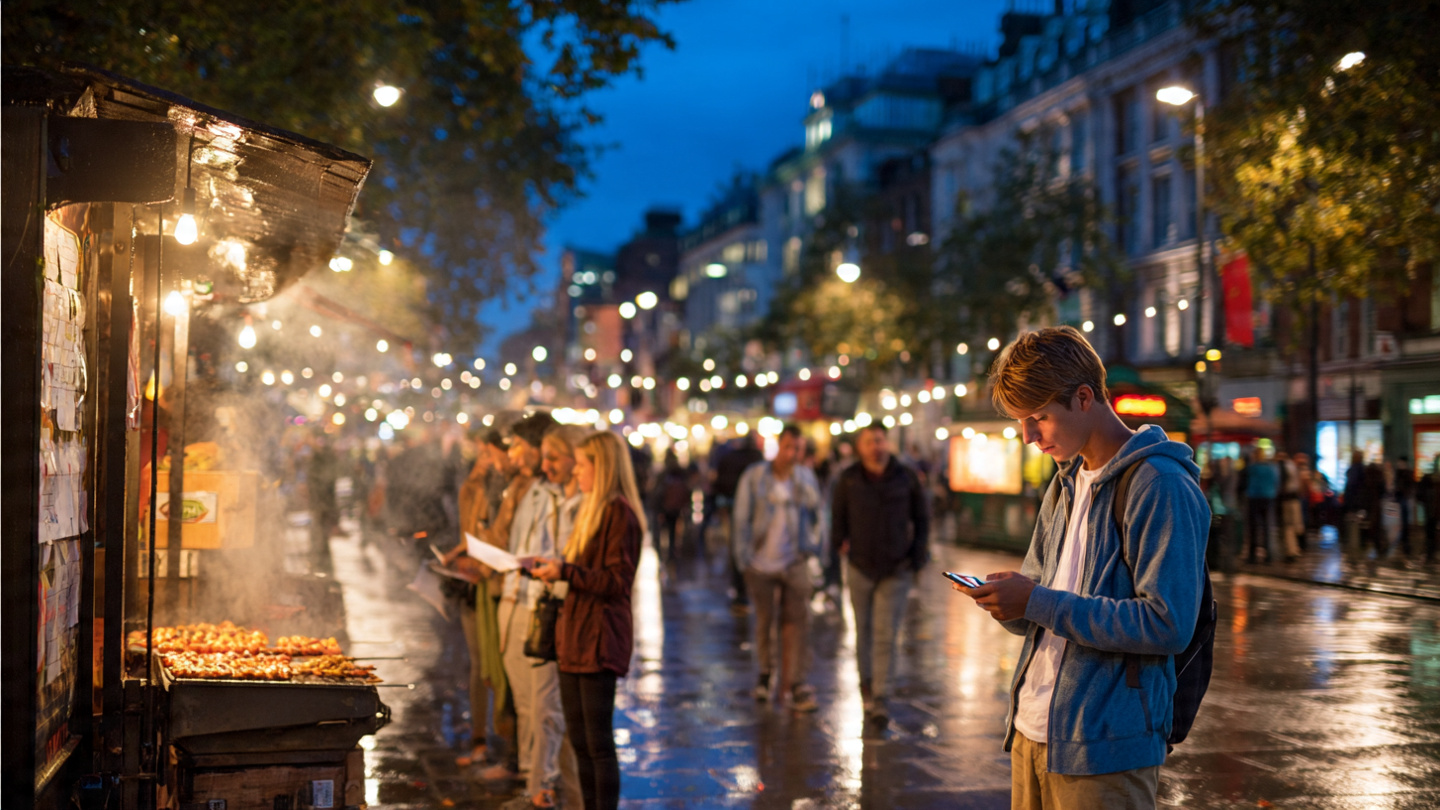
Check Operating Days Before You Go
Evening trading in the city does not follow a uniform schedule. Some markets extend their hours only on specific days. Others operate later during weekends or festival periods. Travelers who assume daily late-night availability often arrive to find stalls already closed.
Before heading out, check official websites or event listings for updated hours. Seasonal variations matter. Public holidays can also affect trading times. Planning ahead prevents wasted travel and helps align expectations with reality.
Arrive Earlier Than You Think
Many visitors assume nighttime markets operate until midnight. In practice, several evening markets close earlier than expected. Food vendors may begin shutting down one hour before official closing time, especially if stock runs low.
Arriving earlier in the evening allows you to experience the full range of vendors. It also reduces the risk of missing popular stalls. In busy areas, early arrival helps avoid long queues.
Understand the Food-Centered Structure
Unlike traditional retail-heavy bazaars, most after-dark trading experiences in London focus heavily on food. Travelers should prepare for dining rather than extended shopping.
Approach the visit as a culinary exploration. Try small portions from multiple vendors. Share dishes if traveling in a group. Expect seating areas rather than browsing aisles filled with retail goods.
Recognizing this food-driven identity makes the experience more satisfying.
Plan Around Neighborhood Activity
Since nighttime market energy spreads across districts rather than concentrating in one location, consider combining activities. For example, visitors might explore riverside stalls before attending a theater performance or visiting nearby attractions.
Entertainment hubs such as Soho or cultural districts near Southbank Centre often maintain steady evening movement. Aligning your visit with these areas increases the likelihood of encountering lively after-dark environments.
Consider the Season Carefully
Season strongly influences the atmosphere. Winter brings illuminated festive markets and holiday-themed stalls. Summer encourages outdoor food gatherings and extended evening activity.
Visitors arriving during spring or autumn may encounter fewer large-scale evening events. Checking event calendars helps identify pop-up markets or temporary festivals that enhance nighttime trading experiences.
Planning travel dates strategically increases the chance of encountering the strongest version of London’s evening market scene.
Dress for Comfort and Weather
Outdoor evening markets require practical clothing. Even in summer, temperatures can drop after sunset. Comfortable footwear is essential, especially when exploring riverside paths or busy districts.
Indoor food halls reduce weather concerns but may become crowded during peak hours. Prepare for standing, queuing, and moving between vendors.
Comfort enhances the experience and prevents minor inconveniences from overshadowing the evening.
Budget Expectations
Evening markets in central areas often reflect city pricing. Food portions may cost more than daytime street snacks in other global cities. Budget accordingly, especially when sampling multiple dishes.
While prices may feel higher compared to traditional night bazaars abroad, quality and hygiene standards typically remain strong. Visitors should expect curated vendor selections rather than bargain-heavy retail stalls.
Safety and Crowd Awareness
Structured planning contributes to a relatively safe environment. Organized layouts, lighting, and security presence often accompany larger events. However, crowded spaces still require awareness.
Keep personal belongings secure. Stay aware of surroundings in busy districts. Use official transport routes when leaving later in the evening.
Because the city regulates after-dark trading carefully, visitors often find the atmosphere comfortable and well-managed compared to informal night bazaars elsewhere.
Transport Considerations
Public transport schedules influence evening planning. While Underground services run late on weekends, weekday schedules may close earlier. Buses operate throughout the night in many areas, but travel times vary.
Plan return journeys before arrival. Confirm last train times if staying outside central districts. Efficient planning ensures that the evening ends smoothly without unnecessary stress.
Managing Expectations About Scale
Perhaps the most important tip involves scale. Night markets in London do not resemble sprawling daily bazaars found in some global capitals. They operate in focused formats: food-led venues, seasonal events, and neighborhood-based activity clusters.
Visitors who expect one massive centralized bazaar may feel disappointed. Those who approach the experience as a curated culinary and social evening often leave satisfied.
Understanding this distinction transforms the visit from a search for something that does not exist into an appreciation of what the city genuinely offers.
Are Night Markets in London Worth Experiencing?
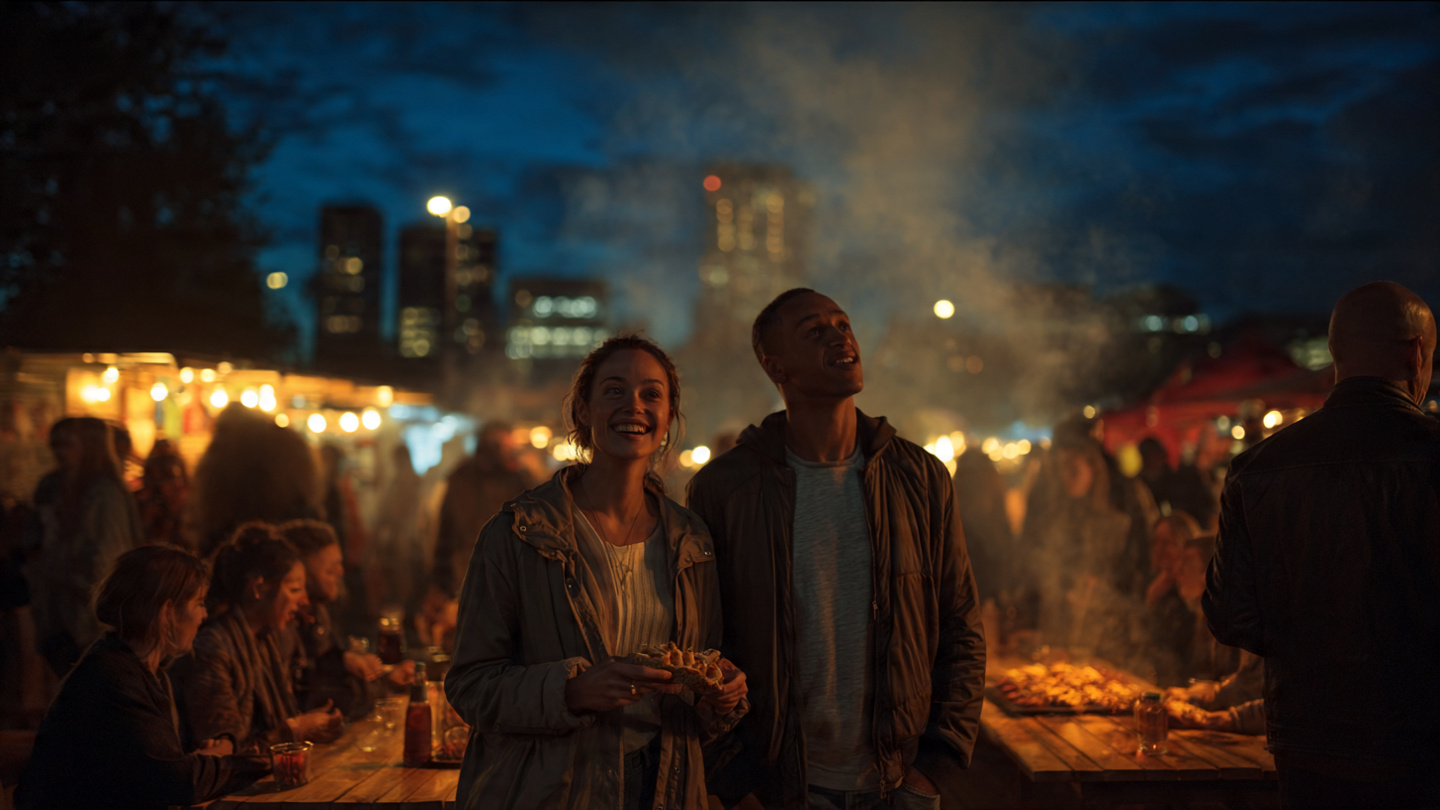
Understanding What You Are Really Looking For
Whether night markets in London feel worthwhile depends largely on expectations. Travelers who arrive expecting a sprawling nightly bazaar with endless retail stalls may feel surprised. The city does not offer that model. It does not operate a permanent open-air marketplace every evening.
However, visitors who approach the experience with flexibility often discover something equally rewarding. Evening food markets, illuminated seasonal stalls, and lively neighborhood districts create an atmosphere that feels social and immersive. The value lies not in scale, but in atmosphere and integration with the city’s broader nightlife.
Night markets are only one piece of London’s bigger market culture, and they make more sense when you see how they fit alongside daytime classics, weekend markets, and the city’s best-known market areas. For the full overview, I recommend starting with the guide to best markets in London and then using this night market guide to plan your evenings.
Strengths of the Evening Market Experience
London’s approach offers several clear advantages. Organization remains strong. Vendors operate within regulated frameworks. Lighting and layout typically feel safe and structured. Visitors benefit from curated food selections rather than random stall quality.
Because the city integrates evening markets into entertainment districts, travelers can combine food exploration with theater, music, riverside walks, or cultural events. This layered experience often feels more diverse than a standalone bazaar visit.
In summer and during festive seasons, illuminated stalls and extended hours create particularly memorable evenings. These moments showcase the strongest version of the city’s after-dark trading culture.
Limitations to Keep in Mind
Despite these strengths, limitations exist. The absence of a daily permanent night bazaar means spontaneity feels more limited. Retail-heavy late-night browsing remains rare. Some markets close earlier than visitors expect.
Travelers seeking a chaotic, dense, late-midnight bazaar atmosphere similar to Bangkok or Taipei will not find an identical version here. The city’s structured regulatory environment shapes the experience differently.
Recognizing these limits helps visitors evaluate the experience fairly rather than comparing it directly with global night bazaar capitals.
Who Will Enjoy the Experience Most
The evening market scene suits travelers who:
• Enjoy street food exploration
• Appreciate organized environments
• Prefer curated vendor selections
• Want to combine dining with entertainment
• Visit during summer or festive seasons
It may feel less exciting for visitors who prioritize bargain shopping or late-night retail browsing.
Understanding your travel style helps determine whether the experience aligns with your interests.
When the Experience Feels Most Rewarding
Timing strongly influences satisfaction. Summer evenings often create the best balance between comfort and atmosphere. Winter festive markets offer decorative lighting and seasonal charm. Weekend evenings generally feel more active than weekday nights.
Planning around these peak periods increases the likelihood of encountering the most vibrant version of London’s evening market culture.
Final Perspective
Night markets in London represent a structured, food-focused interpretation of nighttime trading rather than a sprawling nightly bazaar model. The city prioritizes safety, regulation, and integration with its broader entertainment ecosystem.
Visitors who adjust expectations often discover an enjoyable and well-managed experience. They sample diverse cuisine, explore lively neighborhoods, and enjoy illuminated public spaces without overwhelming crowds or disorder.
Rather than searching for a single massive bazaar, travelers benefit from viewing the experience as a network of food-led venues, seasonal events, and energetic districts. This approach reflects how the city naturally organizes its evening economy.
When understood on its own terms, London’s version of nighttime market culture offers a distinct and rewarding way to explore the capital after sunset.
Frequently Asked Questions
General Understanding
London does not have permanent nightly bazaars like those found in parts of Asia. Instead, the city offers evening food markets, seasonal illuminated events, and selected markets that extend their hours on certain days. These experiences create nighttime atmosphere, but they operate within structured schedules rather than daily late-night trading.
Closing times vary depending on the location and season. Some evening markets close around 9 PM or 10 PM, while larger seasonal events may operate later. Vendors often begin packing up before official closing time, so arriving earlier in the evening is recommended.
Most do not. Many operate only on weekends or during specific festivals. Seasonal markets may run daily for limited periods, such as during winter holidays, but permanent nightly operation is uncommon.
Food and Shopping
Most after-dark markets in London focus heavily on food. Street food vendors, dessert stalls, and drinks dominate the evening scene. Retail shopping plays a smaller role compared to traditional daytime markets.
In most cases, retail stalls close earlier than food vendors. While some seasonal events may include gift or craft stalls, late-night shopping for clothing or souvenirs is limited compared to daytime markets.
Prices reflect central London standards. Street food at evening markets may cost more than traditional night bazaars abroad. However, vendors typically offer high-quality and diverse international cuisine. Budgeting for multiple small dishes is advisable if you plan to sample widely.
Best Time and Planning
Summer evenings and winter festive periods offer the strongest nighttime market atmosphere. Warmer weather encourages outdoor activity, while winter events introduce decorative lighting and themed stalls. Weekend evenings generally feel more active than weekdays.
Many evening markets are family-friendly, especially food halls and seasonal events. However, some areas may become crowded during peak hours. Checking the location’s atmosphere and timing your visit earlier in the evening helps ensure a comfortable experience.
Checking official market websites and local event listings provides the most reliable information. Because evening trading schedules vary, confirming hours before visiting prevents disappointment.
Safety and Practical Concerns
Evening markets typically operate in well-lit, organized environments. Larger events often include security presence and structured layouts. As with any busy public space, visitors should stay aware of personal belongings and surroundings.
Central areas usually offer strong public transport connections. Weekend Underground services run later, and night buses operate across many routes. Planning your return journey before arrival ensures a smooth end to the evening.
Comfortable footwear is essential. Even during summer, temperatures can drop after sunset. Outdoor markets may require a light jacket, while indoor food halls offer more controlled conditions.