
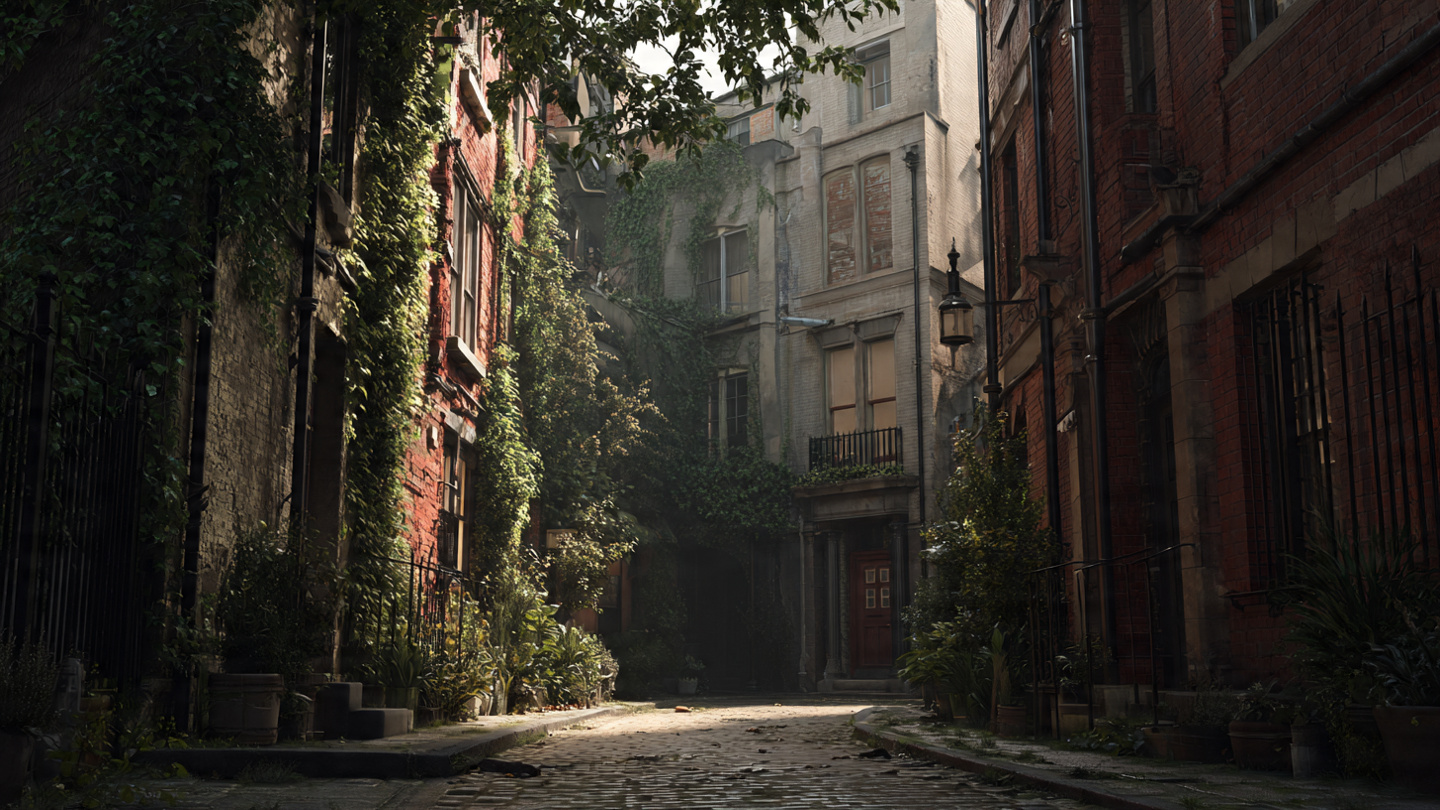
London often feels overwhelming at first glance. Streets stay busy, transport moves without pause, and popular districts rarely rest. However, quiet places in London continue to exist alongside this constant motion. These calm places in London do not announce themselves. Instead, they reveal their presence gradually through slower movement, softer sound, and reduced visual noise. Because of this, many travelers walk past peaceful places in London without realizing they are nearby.
A City That Grew Without Erasing Its Past
London expanded over centuries rather than decades. As a result, new streets and buildings often appeared beside older ones instead of replacing them. This layered growth created quiet places in London that no longer sit within modern traffic patterns. In many cases, areas lost their original function while remaining physically intact. Therefore, peaceful places in London formed naturally as daily life shifted elsewhere.
Some of the quietest moments in London happen above street level, where overlooked elevated spaces create calm perspectives similar to those explored in hidden rooftop views in London.
Some quiet environments feel calm because activity has faded over time, and exploring abandoned places in London reveals how silence and stillness shape a deeper emotional connection with the city.
To see how these underground layers connect with other overlooked places across the city, this guide fits naturally within the broader collection of hidden gems in London most tourists miss.
At the same time, these tranquil spots in London avoided redevelopment pressures. Because they no longer served commercial needs, they stayed outside the city’s fastest rhythms. Over time, this separation allowed calm places in London to develop a slower identity without deliberate planning.
Many of these quiet places in London remain connected to layers of history that modern development overlooked, which is why several hidden historical sites in London still feel untouched by the city’s pace.
Movement Determines Noise
Noise in a city follows people more than geography. For this reason, busy streets remain loud regardless of beauty or size. In contrast, quiet places in London appear where movement slows or fragments. Narrow entrances, enclosed courtyards, or indirect routes reduce foot traffic without forcing people away. As a result, calm places in London emerge quietly through design rather than restriction.
Meanwhile, fewer people passing through means fewer overlapping sounds. Conversations lower naturally. Footsteps soften. Consequently, many peaceful places in London maintain their atmosphere without signs or rules guiding behavior.
Purpose Shapes Behavior
Function plays a powerful role in preserving calm. Libraries, churches, residential squares, and institutional buildings attract visitors who already expect stillness. Therefore, these quiet places in London remain calm because people adjust their behavior instinctively. I noticed that even near crowded streets, peaceful places in London maintain quiet simply because of their purpose.
Because of this shared understanding, these calm places in London do not require isolation. Instead, they rely on collective behavior shaped by environment rather than enforcement.
Tourism Creates Natural Gaps
Tourism in London follows predictable routes. Visitors move between landmarks, shopping streets, and well-known attractions. However, quiet places in London often fall just outside these paths. As a result, tranquil spots in London remain overlooked, not because they hide, but because they offer no spectacle.
At the same time, the absence of promotion protects calm places in London. Without queues or visual drama, these peaceful places in London continue to feel slow even during peak seasons.
Design That Encourages Slower Movement
Certain spaces gently guide people to slow down. Enclosed courtyards soften sound. Inward-facing buildings reduce visual stimulation. Protected gardens limit through-traffic. Therefore, calm places in London influence behavior through design rather than instruction.
Because people respond instinctively to these environments, quiet places in London grow calmer over time. The space teaches stillness without explanation.
Time as a Protector of Calm
Time also plays an important role. Places that avoided constant redevelopment escaped modern urgency. Consequently, many tranquil places in London feel steady rather than outdated. Because they no longer compete with commercial speed, these calm places in London exist at a different pace.
In contrast to newly developed areas, older peaceful places in London carry rhythms shaped by continuity rather than change.
Calm as a Natural Outcome, Not a Goal
Most quiet places in London were never designed to be retreats. Instead, calm developed through history, design, and shifting priorities. Therefore, when travelers stop searching for silence and begin noticing slower movement, calm places in London become easier to recognize.
Ultimately, peaceful places in London are not rare exceptions. They form a quiet layer woven into the city itself. Once noticed, these calm places in London change how the city feels, encouraging slower exploration and deeper awareness.
How London’s Design Creates Natural Calm
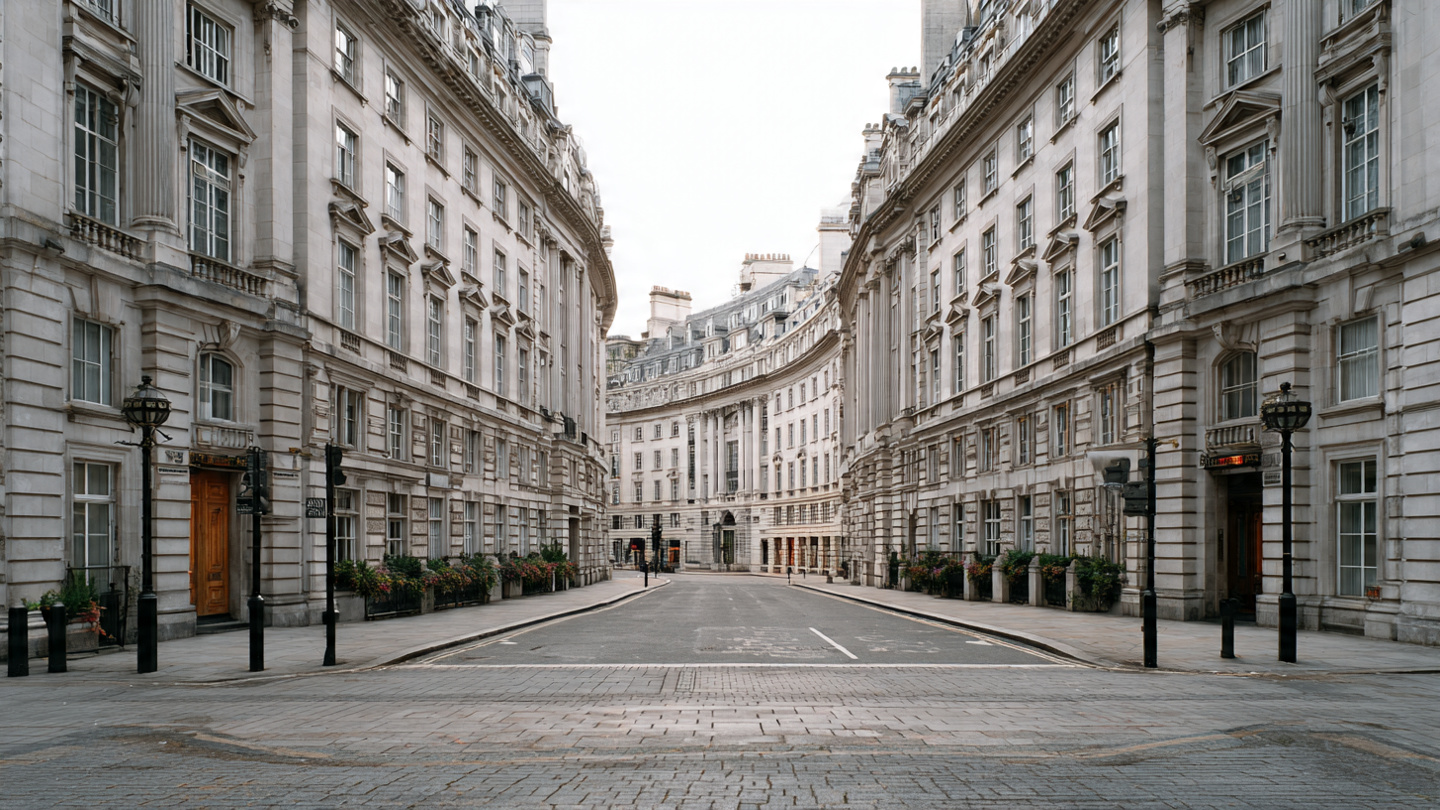
London did not design calm deliberately, yet the city produces it repeatedly. The way streets connect, buildings face inward, and spaces separate from main routes all shape how quiet places in London continue to exist. When you look closely, design choices guide movement gently, which allows calm places in London to form without signs, barriers, or rules.
Streets That Break the Flow
Many London streets do not move people straight through. Instead, they bend, narrow, or end unexpectedly. Because of this, foot traffic thins out naturally. Busy roads feed into quieter side streets, and movement slows without effort. As a result, calm places in London often appear just one turn away from noise.
To understand how urban layout creates quiet places in London, it helps to view calm streets that naturally sit away from the city’s main flow.
Moreover, these street patterns discourage rushing. When routes feel less direct, people walk more slowly. Therefore, peaceful places in London develop through reduced urgency rather than isolation.
Enclosed Spaces That Hold Sound
London contains countless enclosed environments. Courtyards, cloisters, small squares, and inward-facing buildings trap sound instead of letting it travel. Consequently, quiet places in London feel protected even when the city hums nearby. Sound softens quickly, which changes how people behave.
At the same time, enclosure creates psychological calm. When walls or buildings surround a space, the outside world feels distant. Because of this, tranquil spots in London often exist in compact areas rather than wide open ones.
Buildings That Turn Inward
Many older London buildings face inward instead of outward. Colleges, religious complexes, and institutional structures often hide calm interiors behind plain exteriors. Therefore, quiet places in London remain unnoticed unless someone steps inside intentionally.
This design limits visual distraction. Without traffic, signs, or constant motion, calm places in London encourage slower attention. People pause, sit, or observe rather than move through quickly.
Green Space Used as Buffer
Green space in London does more than offer nature. In many cases, it works as a buffer between busy zones. Small gardens, tree-lined paths, and modest lawns interrupt noise and visual clutter. As a result, peaceful places in London form at the edges of larger areas rather than at their centers.
Furthermore, greenery absorbs sound and movement. Leaves, soil, and uneven ground reduce echo and pace. Because of this, calm places in London often feel quieter than their size suggests.
Elevation Changes That Reduce Traffic
London’s subtle changes in elevation shape calm unexpectedly. Steps, slopes, and raised platforms interrupt direct movement. Therefore, fewer people pass through these areas without intention. As a result, quiet places in London often sit slightly above or below main routes.
In addition, elevation changes shift perspective. When you look down or up instead of straight ahead, the city feels less immediate. This change contributes to the sense of calm found in many peaceful places in London.
Limited Visual Signals
Busy areas rely on signs, lights, displays, and movement to attract attention. In contrast, quiet places in London lack visual signals. There are fewer advertisements, fewer storefronts, and less movement demanding attention. Therefore, people slow down because nothing pulls them forward.
Because of this absence, calm places in London feel emotionally lighter. The mind rests when fewer decisions compete for attention.
Design That Encourages Respectful Behavior
Design shapes how people act. Narrow paths encourage quiet footsteps. Enclosed rooms invite lower voices. Seated areas suggest pause. Consequently, peaceful places in London maintain calm through shared behavior rather than enforcement.
Over time, these environments teach visitors how to behave. Quiet places in London remain calm because people sense the tone and respond naturally.
Calm as an Outcome of Structure
London’s design did not aim to create calm places intentionally. However, structure produces behavior, and behavior shapes atmosphere. Therefore, quiet places in London emerge as a natural outcome of design choices layered over centuries.
Once you recognize these patterns, calm becomes easier to find. Peaceful places in London stop feeling rare and start feeling woven into the city’s fabric.
Quiet Green Corners That Stay Overlooked
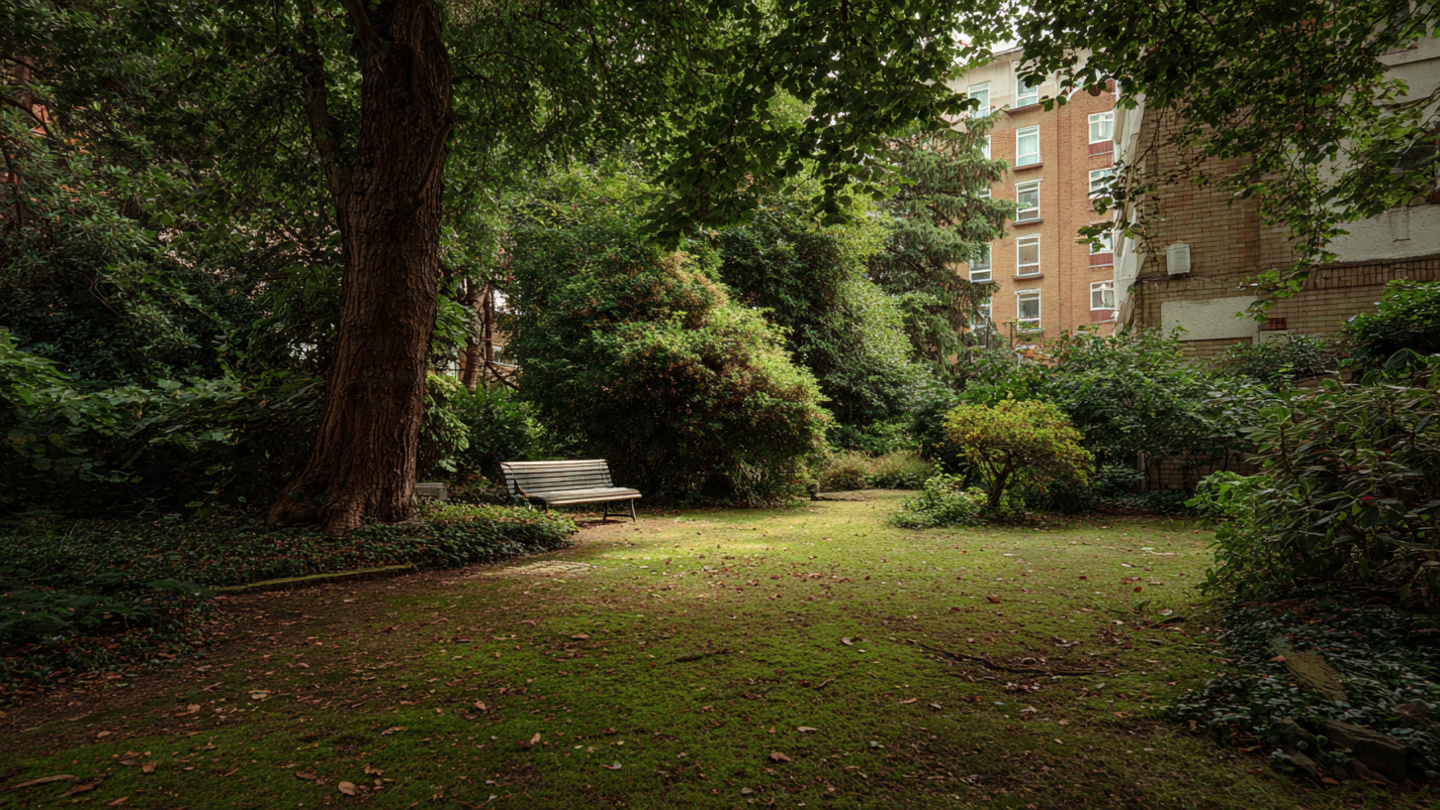
Green space plays a major role in shaping calm across the city. However, not every green area offers the same sense of peace. Some parks attract crowds, events, and constant movement. In contrast, quiet places in London often emerge in smaller green corners that people overlook or pass through quickly. These calm places in London remain peaceful because they sit slightly outside attention rather than outside the city.
Some of the most calming green spaces remain hidden behind walls and narrow entrances, and these secret gardens in London often provide the deepest sense of quiet within the city.
Several quiet places in London appear as small, overlooked green corners that rarely attract crowds or attention.
Small Green Spaces With Limited Access
Large parks invite movement. People jog, cycle, picnic, and gather. Meanwhile, smaller green spaces limit activity naturally. Narrow entrances, short paths, or enclosed layouts reduce through-traffic. As a result, calm places in London form in modest gardens, tucked-away lawns, and enclosed green courtyards.
Because fewer people pass through, sound fades quickly. Birds, wind, and distant city noise replace conversation. Therefore, peaceful places in London often feel quieter than larger parks despite their size.
Green Areas Without a Central Attraction
Many busy parks revolve around landmarks, cafés, playgrounds, or viewpoints. However, quiet places in London often lack a central attraction. Without something to draw crowds inward, people move past rather than gathering. As a result, tranquil spots in London maintain a steady calm throughout the day.
This absence of focus changes behavior. Visitors walk slowly, sit briefly, or simply pass through without stopping long. Because of this, calm places in London remain balanced rather than active.
Tree Cover That Softens the City
Trees do more than add beauty. Dense tree cover absorbs sound and blocks sightlines. Consequently, quiet places in London often sit beneath heavy canopy rather than open lawns. Leaves diffuse light, reduce wind, and muffle sound, which alters how a space feels immediately.
Moreover, tree-lined paths limit long views. When you cannot see far ahead, urgency fades. Therefore, peaceful places in London feel enclosed even without walls.
Green Spaces Between Busy Zones
Some of the calmest places exist between louder areas. Small green strips between roads, institutional buildings, or residential blocks act as buffers. As a result, quiet places in London form where people transition rather than gather.
These spaces often feel unnoticed. People pass through quickly without lingering. However, when someone pauses, calm becomes clear. Because of this, peaceful places in London often reward those who slow down rather than those who rush.
Gardens Designed for Containment
Certain gardens prioritize containment over openness. Low walls, hedges, and inward-facing paths create separation from surrounding streets. Therefore, calm places in London develop through subtle boundaries rather than fences.
Because the space feels protected, visitors lower their voices and slow their steps. Tranquil spots in London maintain their atmosphere because the design shapes behavior gently.
Green Corners Attached to Institutions
Institutions such as colleges, churches, and civic buildings often include green areas meant for reflection rather than recreation. These spaces discourage noise through purpose alone. As a result, quiet places in London remain calm even during busy hours nearby.
I noticed that peaceful places in London attached to institutions feel different from public parks. The atmosphere feels shared rather than social, which encourages stillness.
Seasonal Calm in Overlooked Green Areas
Seasons affect how green spaces function. In spring and summer, popular parks attract crowds. Meanwhile, quiet places in London remain steady across seasons because they never rely on spectacle. In autumn or winter, these calm places in London feel even quieter as casual visitors disappear.
Some of London’s quieter experiences are not only found in peaceful streets or open spaces, but also in the hidden layers of the city that remain out of sight.
Therefore, overlooked green corners often offer the most consistent calm throughout the year.
Calm Grows Through Use, Not Promotion
Promotion changes how people use space. When a green area appears in guides or social media, movement increases quickly. In contrast, quiet places in London stay calm because they lack attention. Peaceful places in London survive by remaining ordinary rather than impressive.
Off-the-beaten-path, quiet, and serene. Great spot to stop, read, eat lunch, etc. They’ve got a memorial to everyday people who lost their lives saving others. Would recommend if you’re looking for a smaller park to hang out in.
Read more reviews at Tripadvisor.
This quiet survival allows green corners to function as emotional pauses within the city. Calm places in London do not need recognition to serve their purpose.
Learning to Notice Green Calm
Many people walk past these spaces without awareness. However, when you begin looking for reduced movement, softened sound, and enclosed greenery, quiet places in London become easier to find. Calm places in London reveal themselves through atmosphere rather than appearance.
Once noticed, these peaceful places in London change how the city feels. They offer rest without requiring escape, reminding visitors that calm exists alongside activity rather than far from it.
Calm Courtyards and Enclosed Historic Spaces
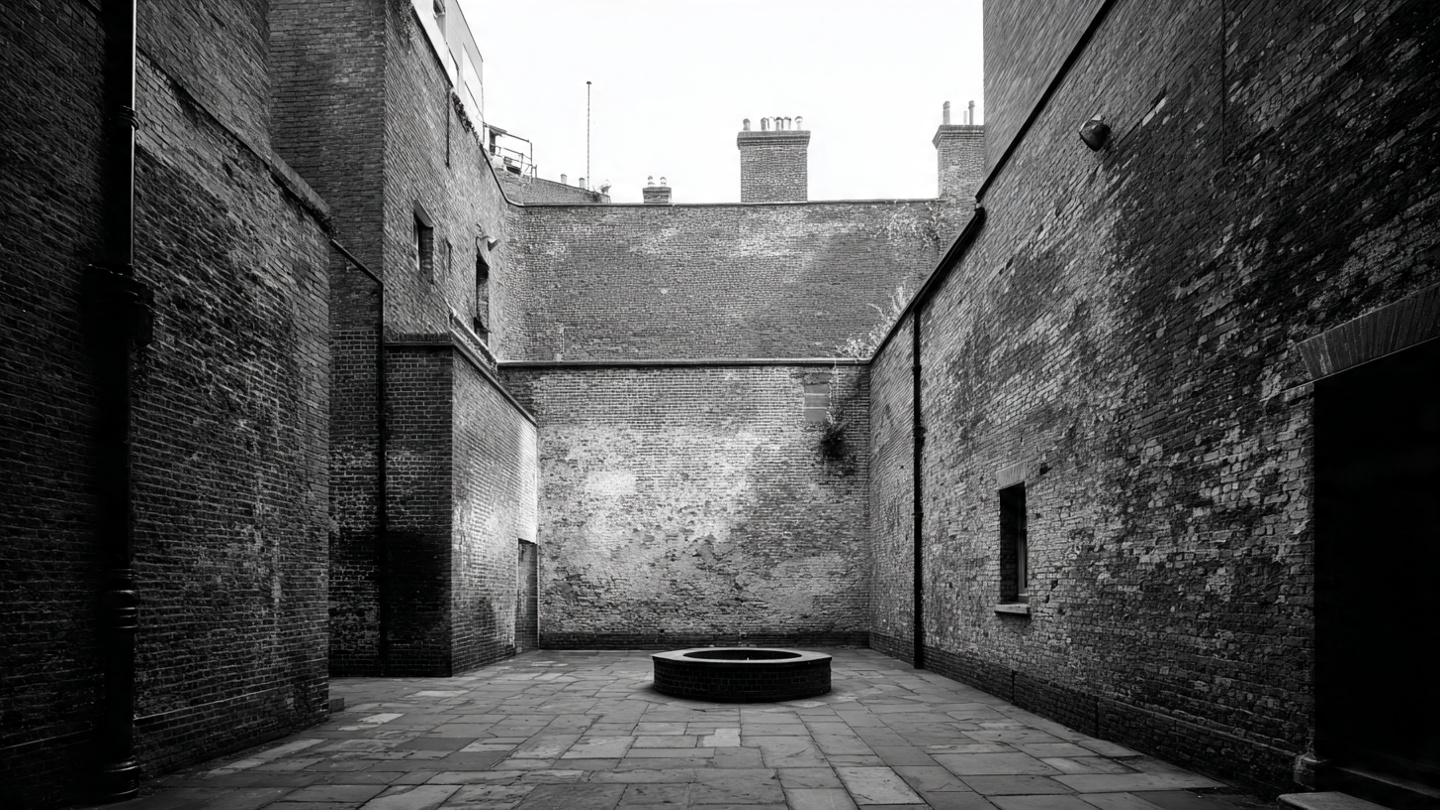
Courtyards and enclosed historic spaces form some of the most reliable quiet places in London. While streets carry sound and movement forward, enclosed spaces absorb and contain them. Because of this, calm places in London often appear behind walls, gates, or narrow passages that separate them from surrounding activity. These spaces feel quieter not because they hide, but because they hold stillness within defined boundaries.
Many calm courtyards remain among the most peaceful places in London, especially within historic districts that limit through movement.
Enclosure That Interrupts Noise
Sound behaves differently in enclosed areas. Walls, buildings, and surrounding structures interrupt echo and block traffic noise. As a result, quiet places in London often emerge inside courtyards where sound fades quickly. Even when busy streets lie nearby, calm places in London maintain a softer atmosphere because noise cannot travel freely.
Moreover, enclosure changes perception. When a space feels contained, the outside world feels distant. Therefore, peaceful places in London inside courtyards create calm through separation rather than distance.
Courtyards Designed for Pause
Many historic courtyards served practical purposes in the past. They allowed light, air, and access while keeping activity controlled. Over time, these spaces lost their original functions but retained their form. As a result, calm places in London formed where movement once slowed by design.
Because courtyards rarely act as shortcuts, fewer people pass through them. Consequently, tranquil spots in London develop naturally without requiring signs or restrictions. Visitors enter deliberately rather than accidentally, which preserves calm.
Historic Materials That Soften Sound
Older buildings often use materials that absorb sound better than modern surfaces. Stone, brick, and aged wood diffuse noise instead of reflecting it sharply. Therefore, quiet places in London within historic spaces feel acoustically softer.
At the same time, these materials age visually. Worn textures reduce visual stimulation, which further contributes to calm. Peaceful places in London benefit from this subtle sensory balance.
Inward-Facing Architecture
Historic complexes often turn inward. Colleges, religious buildings, and civic structures prioritize internal spaces over outward display. Because of this, calm places in London remain hidden behind modest entrances. Once inside, noise drops immediately, and movement slows.
This inward focus protects quiet. People entering these calm places in London instinctively adjust their behavior, lowering voices and reducing pace without instruction.
Thresholds That Reset Attention
Entrances to courtyards often require a physical transition. A gate, archway, or narrow passage separates the space from the street. Therefore, quiet places in London benefit from thresholds that reset attention. The act of stepping through signals a change in environment.
Because of this pause, visitors arrive more aware. Calm places in London feel quieter because people enter with intention rather than momentum.
Courtyards encourage shared calm. Seating remains limited. Paths stay simple. There is little to distract or entertain. As a result, peaceful places in London inside courtyards feel communal without becoming social. People coexist quietly without interacting directly.
This shared stillness reinforces calm. Tranquil spots in London maintain balance because no single activity dominates the space.
Time Slows Inside Enclosed Spaces
Enclosed historic spaces often feel detached from modern time. Without traffic, advertisements, or digital prompts, urgency fades. Therefore, quiet places in London inside courtyards encourage lingering rather than rushing.
Because time feels slower, visitors experience rest even during short visits. Calm places in London offer relief without requiring long breaks.
Alongside parks, libraries, and reflective spaces, many travelers also find calm and comfort indoors, and exploring hidden cafés in London reveals peaceful places where quiet moments continue over coffee.
Calm Preserved Through Respect
Many enclosed spaces remain calm because visitors treat them carefully. Historic significance, age, and atmosphere inspire respect. Consequently, peaceful places in London benefit from shared understanding rather than rules.
This respect preserves quiet over time. Calm places in London remain stable because behavior aligns naturally with space.
Brought here on a walking tour and it was amazing. Plenty of historic buildings with some wonderful gardens; an oasis just seconds from the hubbub of Fleet Street. The Church of Middle Temple is somewhere you can’t miss.
Read more reviews at Tripadvisor.
Courtyards as Anchors of Calm
Courtyards anchor calm within busy districts. They act as still points surrounded by movement. Therefore, quiet places in London do not require distance from activity to exist. They require structure, enclosure, and purpose.
Once recognized, these calm places in London change how the city feels. They prove that stillness survives not by escaping the city, but by shaping space within it.
Some of London’s most peaceful environments exist below street level, where hidden tunnels and passageways remove movement entirely, as explored in these underground hidden spots in London.
Libraries, Churches, and Interior Retreats
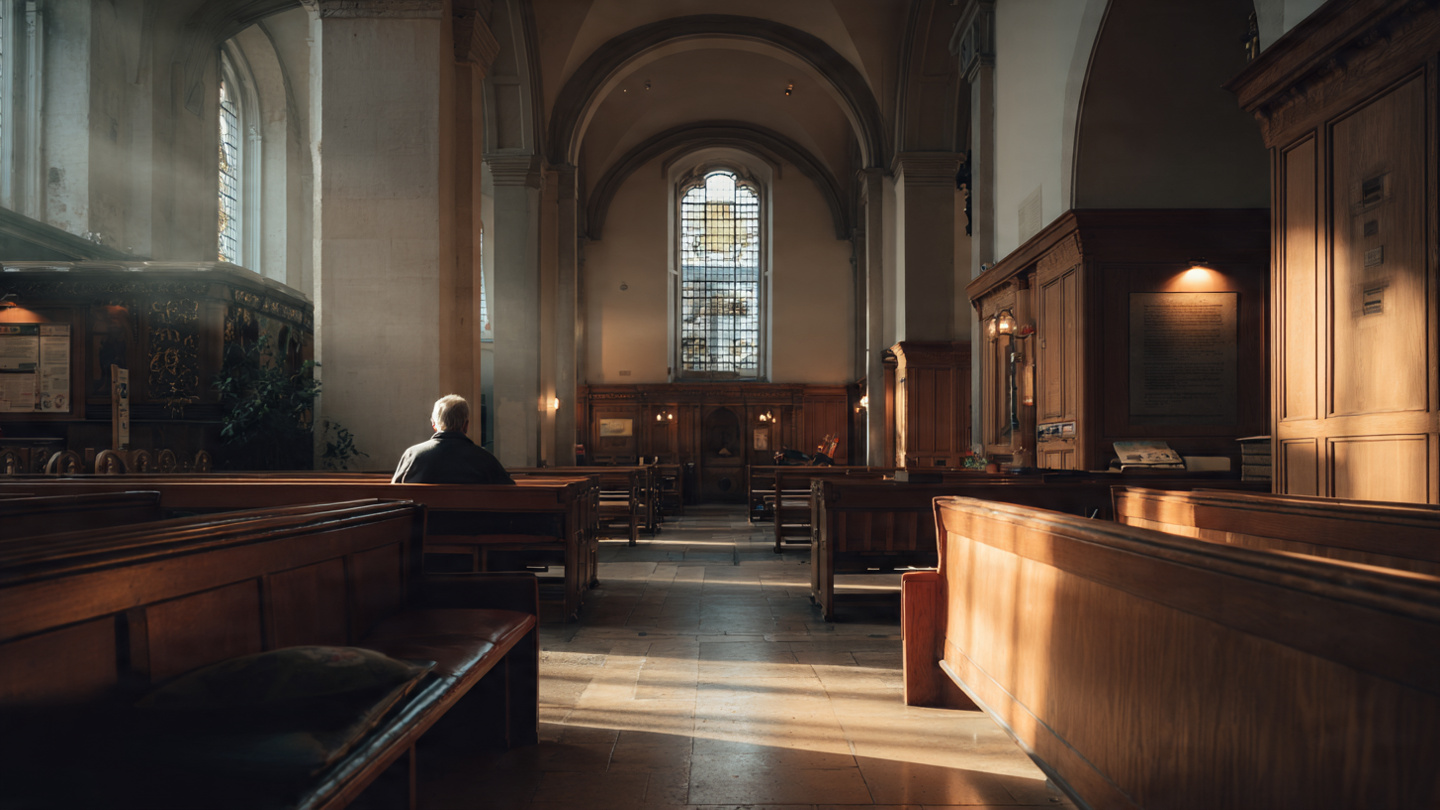
Interior spaces play a powerful role in shaping quiet places in London. While outdoor calm depends on movement and layout, interior calm depends on expectation and behavior. Libraries, churches, and similar interior retreats remain among the most dependable calm places in London because they invite stillness rather than activity. These peaceful places in London feel different the moment you step inside, even when busy streets remain just outside the door.
Interior retreats such as libraries and churches remain some of the most reliable quiet places in London throughout the day.
Entering Spaces Designed for Quiet
Interior quiet begins at the threshold. Doors close. Sound drops. Light changes. Because of this immediate shift, quiet places in London inside buildings feel separated from the city without requiring distance. Libraries and churches prepare visitors for calm through atmosphere alone.
Moreover, people enter these spaces with an understanding of how to behave. Voices lower automatically. Movement slows. Therefore, calm places in London maintain their atmosphere through shared expectation rather than enforcement.
Libraries as Anchors of Stillness
Libraries exist to support focus and reflection. As a result, they naturally form peaceful places in London regardless of location. Even when surrounded by busy streets, libraries preserve calm because activity remains controlled and purposeful.
In addition, libraries limit unnecessary movement. Seating remains fixed. Paths stay clear. Sounds remain minimal. Because of this, calm places in London inside libraries feel stable throughout the day. Visitors come and go quietly without disrupting the atmosphere.
Churches That Invite Pause
Churches and chapels offer a different kind of calm. While libraries support concentration, churches support reflection. Quiet places in London inside religious spaces feel slower because time carries less urgency. People sit without distraction. Movement feels optional rather than required.
Even when not used for worship, these peaceful places in London maintain their atmosphere. Architecture, light, and silence guide behavior. Therefore, calm places in London inside churches remain effective regardless of belief.
Light as a Tool for Calm
Interior calm relies heavily on light. Soft, indirect light reduces stimulation and eases attention. Libraries and churches often filter light through high windows or shaded openings. As a result, quiet places in London inside these spaces feel gentle rather than bright.
Because light shapes mood, these calm places in London encourage stillness without effort. Visitors respond instinctively to the environment.
Sound That Absorbs Rather Than Echoes
Interior retreats manage sound carefully. Books, wood, stone, and fabric absorb noise rather than reflecting it sharply. Therefore, peaceful places in London inside buildings maintain acoustic balance even when occupied.
Small sounds remain present but never dominate. Pages turning, footsteps, or distant murmurs blend into background texture. Because of this, calm places in London feel alive without becoming loud.
Interiors That Remove Urgency
Interior retreats remove signals that demand speed. There are no traffic lights, advertisements, or moving crowds. Therefore, quiet places in London inside buildings feel detached from schedules and pressure.
This removal of urgency allows visitors to remain without purpose. Calm places in London support presence rather than productivity, which makes even short visits restorative.
Seating That Encourages Stillness
Seating inside libraries and churches serves calm rather than comfort alone. Benches, desks, and chairs face inward or remain fixed. Because of this, movement stays limited. Visitors settle rather than wander.
As a result, peaceful places in London inside interior retreats maintain their atmosphere through posture and orientation. The body adapts to stillness naturally.
Interior retreats depend on shared respect. Visitors understand that behavior affects others. Therefore, quiet places in London inside libraries and churches remain calm because people protect the experience collectively.
Rules exist, but atmosphere does most of the work. Calm places in London sustain themselves through mutual awareness rather than supervision.
Interior Calm in a Busy City
Interior retreats prove that calm does not require escape. Quiet places in London exist inside the city’s busiest areas because structure, purpose, and expectation shape behavior effectively.
Once you recognize this pattern, peaceful places in London become easier to find. Any interior designed for reflection can become a calm retreat, offering rest without distance or isolation.
We went for the Secret Maps exhibition, which was really good and far more interesting than the title suggests. We will be going back for future events.
Read more reviews at Tripadvisor.
Riverside Areas Away From the Main Flow
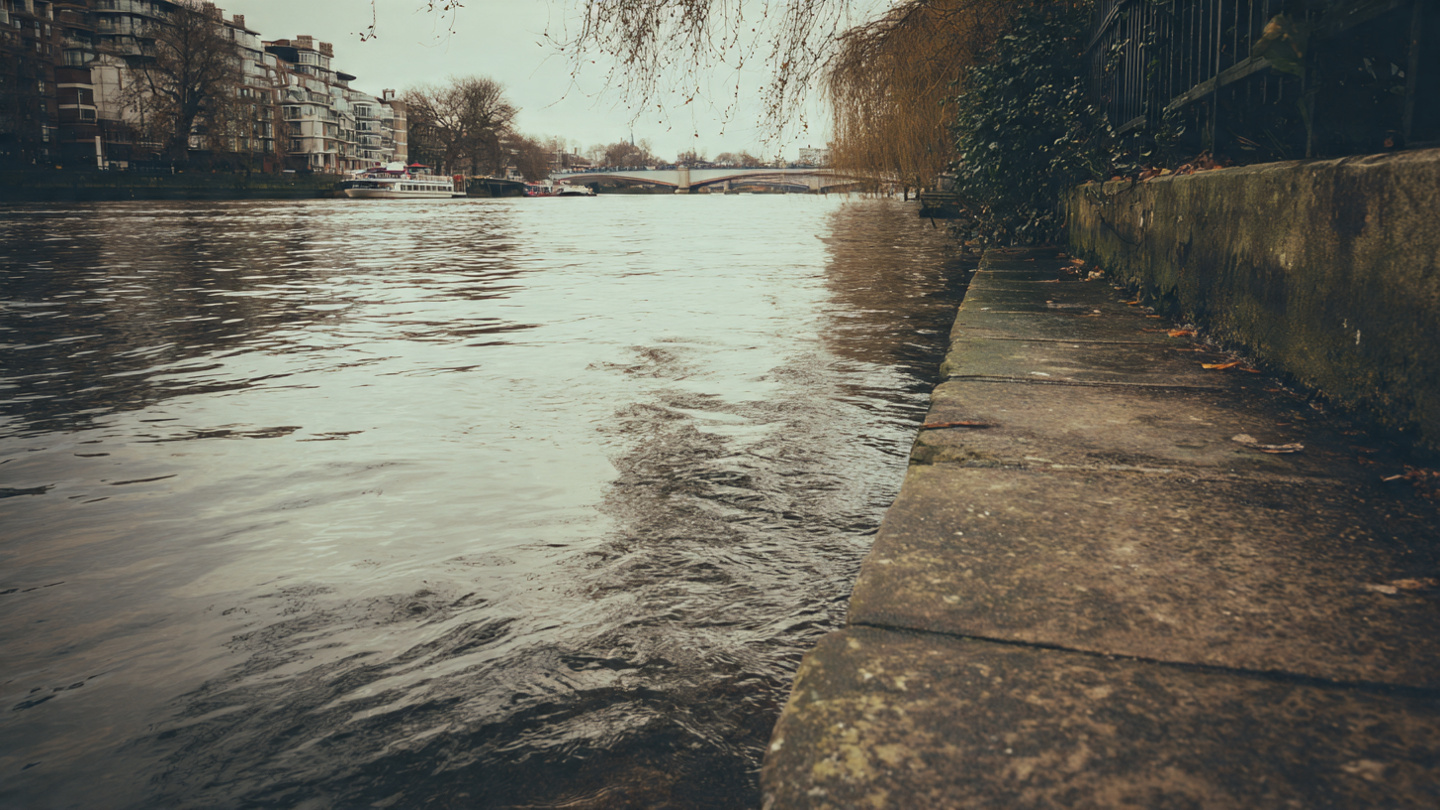
Rivers often attract movement. In London, the main river paths draw walkers, cyclists, vendors, and performers, especially in central areas. However, quiet places in London still exist along the river where movement breaks apart and attention shifts inward. These calm places in London form not on the busiest stretches, but in overlooked edges where the river resumes its natural rhythm.
Stepping slightly away from popular paths reveals riverside quiet places in London that feel slow and reflective.
How Popular Paths Create Contrast
Well-known riverside routes concentrate activity. People walk with purpose, stop for photos, or gather around attractions. Because of this, areas just outside these routes often feel dramatically calmer. Quiet places in London emerge where the river bends, narrows, or becomes less visually dramatic.
In contrast to lively promenades, peaceful places in London along quieter river sections offer slower movement and softer sound. The river remains present, but the crowd disappears.
Distance Measured in Steps, Not Miles
Riverside calm rarely requires long travel. Often, stepping away from the main path by only a few meters changes everything. A lower walkway, a tucked-away bench, or a side path immediately reduces foot traffic. As a result, calm places in London appear close to busy areas without sharing their energy.
This proximity creates balance. Visitors can experience the river without absorbing the pressure of constant movement.
Water as a Natural Sound Filter
Water reshapes sound differently than streets do. Flowing water creates steady, low-frequency noise that masks sharper city sounds. Therefore, quiet places in London near water feel calmer even when nearby roads remain active.
Because the sound stays consistent, the mind relaxes. Peaceful places in London along the river offer calm through rhythm rather than silence.
Slower Visual Pace Near Water
Water slows visual movement. Boats pass slowly. Reflections shift gently. Unlike traffic, nothing demands immediate attention. As a result, calm places in London near the river encourage longer pauses and slower observation.
This reduced visual urgency helps visitors settle into stillness without effort.
Edges That Discourage Through-Traffic
Some river sections lack clear connections to major routes. These areas discourage through-traffic naturally. Because people do not pass through on the way to somewhere else, only those who intend to stop remain. Therefore, quiet places in London develop along these edges without needing protection.
These calm places in London feel intentional rather than accidental.
Seating That Invites Pause
Benches and steps near quieter river areas often face the water rather than the path. This orientation shifts focus away from movement. People sit without watching others pass. As a result, peaceful places in London along the river feel personal rather than social.
This design choice encourages reflection instead of interaction.
Riverbanks as Transitional Space
Rivers create natural boundaries within the city. On quieter stretches, this boundary feels emotional as well as physical. Calm places in London near water often act as transitional spaces where people reset before re-entering busier areas.
This role makes riverside calm especially valuable during long days of exploration.
Seasonal Shifts Along the River
Seasonal change affects river use. In colder months, activity drops sharply. Meanwhile, quiet places in London along the river remain consistent. Wind, light, and reflection shape atmosphere more than crowds.
Because of this, riverside calm often feels strongest when the city slows slightly.
Learning to Step Away From the Main Path
Many people follow the river without questioning the route. However, calm places in London appear when you pause, turn, or descend instead of continuing forward. Small choices lead to quieter experiences.
Once noticed, peaceful places in London along the river become reliable anchors of calm. They remind visitors that the city offers rest not by hiding calm, but by placing it just beyond the obvious path.
Residential Streets Where London Slows Down
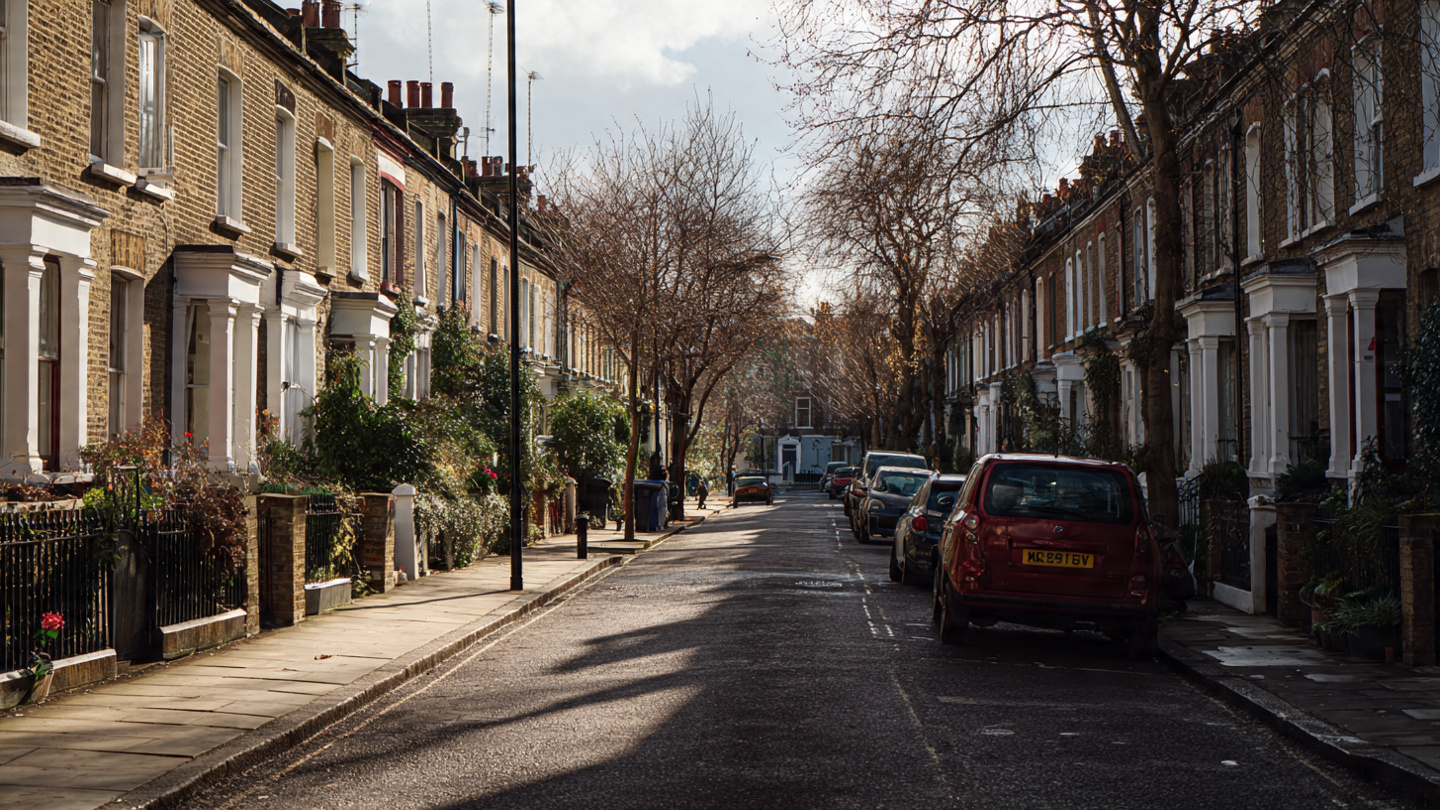
Residential streets form some of the most consistent quiet places in London. Unlike parks or public buildings, these calm places in London exist within everyday life rather than apart from it. They remain peaceful not because they attract visitors, but because they serve residents. This difference in purpose shapes atmosphere in subtle but powerful ways.
Streets Designed for Living, Not Passing Through
Residential streets discourage speed. Narrow lanes, parked cars, uneven surfaces, and limited visibility all reduce movement. Because of this, quiet places in London often appear where streets were designed for access rather than flow. People walk rather than rush. Vehicles slow naturally.
As a result, calm places in London develop through daily patterns rather than intentional design.
Absence of Commercial Pull
Shops, cafés, and attractions draw people forward. Residential streets lack this pull. Without destinations competing for attention, movement remains minimal. Therefore, peaceful places in London often exist where nothing asks you to stop, buy, or photograph.
This absence allows stillness to remain uninterrupted.
Sound Shaped by Familiar Rhythm
Residential noise differs from city noise. Doors close. Footsteps pass occasionally. Conversations happen at low volume. Because sounds feel familiar rather than demanding, quiet places in London within residential areas feel emotionally calmer.
These sounds blend into background texture instead of competing for attention.
Architecture That Softens Space
Homes shape space differently from commercial buildings. Windows face inward. Entrances stay modest. Materials age quietly. Because of this, calm places in London along residential streets feel visually stable rather than stimulating.
This stability reduces mental fatigue. Visitors sense calm without analyzing why.
Predictable Movement Patterns
Residents move with purpose and familiarity. They know where they are going. Therefore, movement stays efficient and quiet. In contrast, tourists move unpredictably, stopping often and gathering in groups.
Because residential streets lack this behavior, quiet places in London maintain consistent calm throughout the day.
Time Feels Different in Residential Areas
Residential streets follow daily rhythms rather than event schedules. Morning, afternoon, and evening bring subtle changes without sharp peaks. As a result, peaceful places in London within neighborhoods feel steady rather than fluctuating.
This steadiness allows calm to persist without interruption.
Respect Shapes Behavior
Visitors sense when a space belongs to residents. Voices lower. Movement becomes cautious. This respect preserves calm without enforcement. Quiet places in London within residential streets depend on awareness rather than rules.
Because of this shared understanding, calm places in London remain intact even when discovered.
Calm Without Designation
Residential streets rarely advertise calm. There are no signs or expectations. Yet they offer some of the most genuine quiet places in London because they exist naturally within daily life.
Once you recognize this, neighborhoods become part of the calm experience rather than just routes between attractions.
Timing, Light, and Movement Matter More Than Location
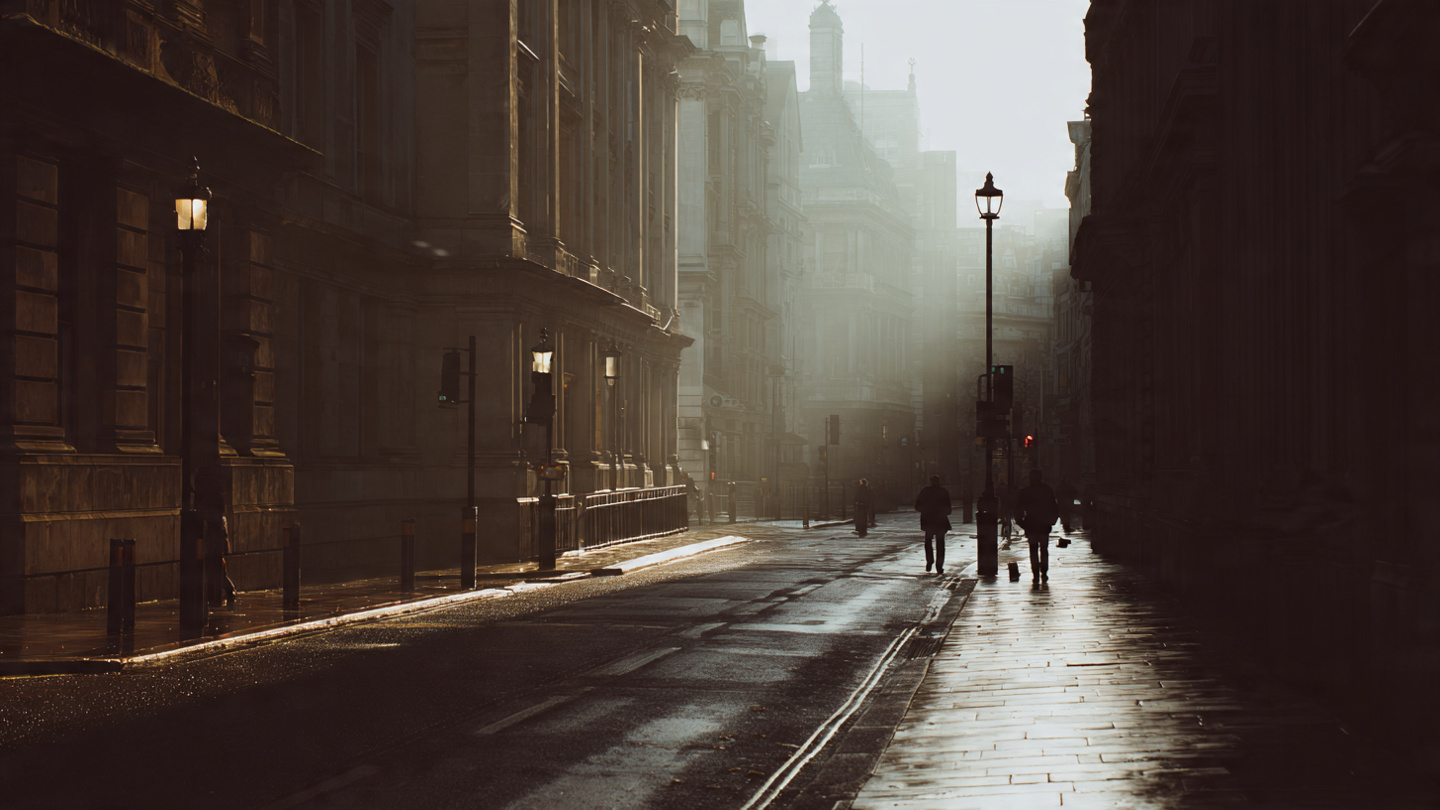
Many people assume that finding calm depends entirely on choosing the right place. However, quiet places in London often reveal themselves through timing rather than geography. The same street, garden, or interior can feel crowded at one moment and peaceful at another. Calm places in London exist not only where you go, but when and how you move through the city.
Why Time Changes Everything
Time shapes behavior more than space does. Early mornings, late afternoons, and transitional hours reduce pressure on public areas. As a result, quiet places in London appear during moments when most people follow routines elsewhere. Commuters move in waves. Tourists start late. This creates natural gaps where calm settles temporarily.
Because of this, peaceful places in London often emerge outside peak hours rather than far from popular areas.
Morning Calm Before the City Accelerates
Morning offers one of the clearest windows for calm. Before shops open fully and crowds gather, the city moves gently. Streets feel wider. Sounds remain distant. Therefore, calm places in London often feel most accessible early in the day.
Even busy districts carry a softer tone in the morning. This shift allows visitors to experience familiar places as peaceful places in London without changing location.
Light Shapes Mood and Pace
Light influences how people move and feel. Soft morning light reduces urgency. Overcast skies lower contrast and visual noise. As a result, quiet places in London feel calmer under certain lighting conditions regardless of crowd size.
Bright midday light sharpens edges and increases activity. In contrast, lower light encourages slower movement. Therefore, peaceful places in London often align with softer lighting rather than specific locations.
Transitional Hours Reduce Pressure
Periods between major activity blocks create natural calm. Late morning, early afternoon, and early evening often fall between rushes. During these times, movement thins out. Because of this, calm places in London appear unexpectedly across the city.
These transitional hours reward flexibility. Visitors who avoid strict schedules discover peaceful places in London without seeking them deliberately.
Movement Patterns Matter More Than Density
Calm depends on movement patterns, not just crowd size. A space with steady, predictable movement often feels calmer than one with erratic behavior. Therefore, quiet places in London form where people move purposefully rather than unpredictably.
Predictable flow reduces tension. Even when people are present, calm places in London feel manageable because movement remains smooth.
Standing Still Changes Perception
Many people experience the city while moving. However, standing still reveals calm more clearly. When you pause, sound layers separate. Movement patterns become visible. As a result, peaceful places in London emerge through observation rather than discovery.
Pausing allows the city to pass rather than carry you. This shift transforms familiar spaces into calm places in London without relocation.
Letting Others Move First
Following crowds keeps you within noise. Letting others move ahead creates space. By waiting briefly or stepping aside, you allow gaps to form. Therefore, quiet places in London often appear moments after groups pass through.
This patience creates calm without effort. Peaceful places in London reward those willing to slow slightly.
Calm Exists in Moments, Not Just Places
Calm does not remain fixed. It appears and fades. Quiet places in London sometimes exist for minutes rather than hours. Recognizing this allows visitors to experience calm without searching for permanence.
Once you accept this, the city feels more generous. Peaceful places in London reveal themselves through timing, light, and movement rather than distance or secrecy.
Learning to Notice Quiet While Exploring
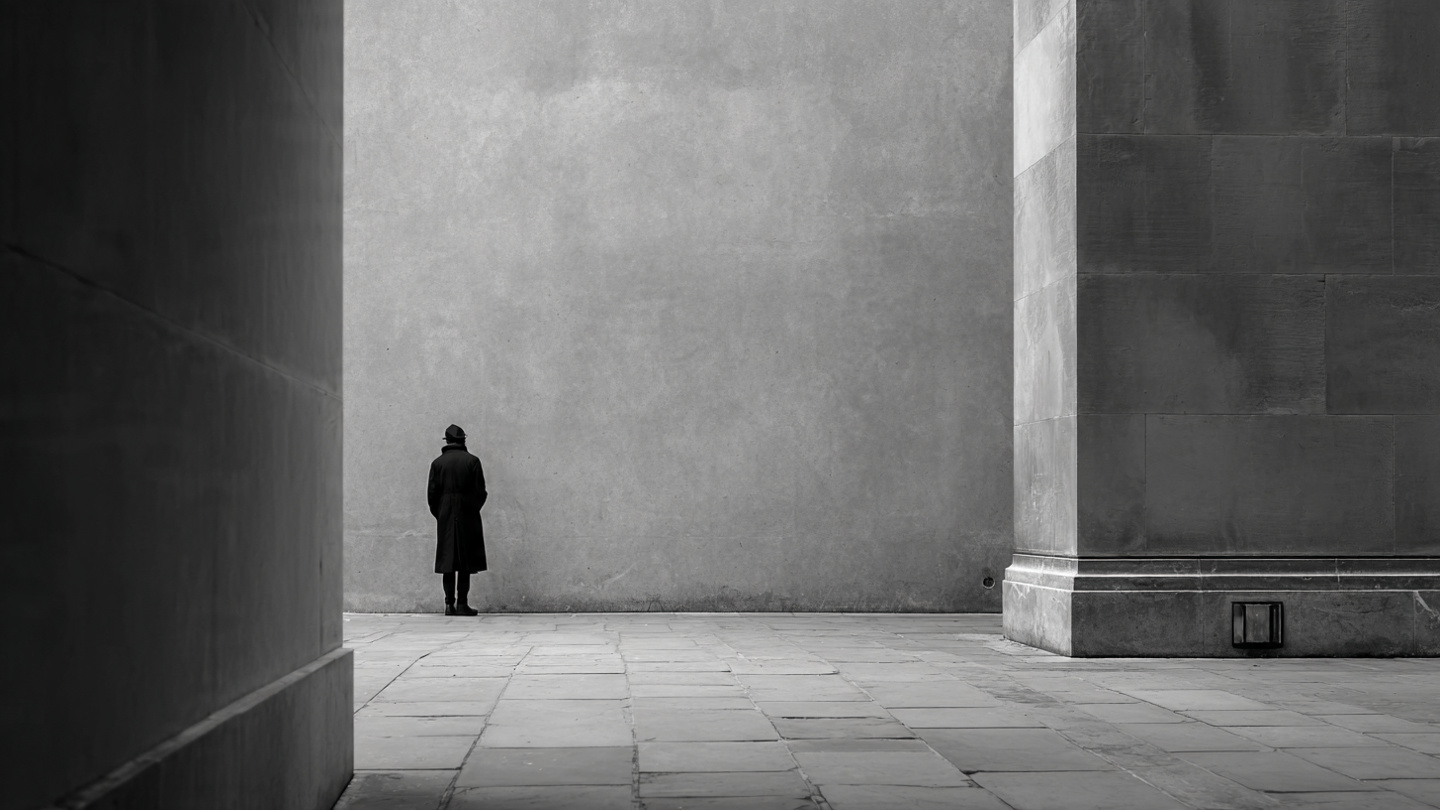
Finding quiet places in London becomes easier once attention shifts from destinations to experience. Many calm places in London do not appear on lists or maps because they rely on awareness rather than location. Learning to notice quiet changes how the city feels, turning ordinary spaces into peaceful places in London without requiring detours or planning.
Quiet Reveals Itself Through Sound
Sound offers the clearest signal of calm. Instead of listening for silence, it helps to listen for softer layers. Distant traffic, footsteps spaced apart, or natural sounds replacing conversation all indicate calm places in London nearby. When sound stops demanding attention, peaceful places in London begin to emerge.
This awareness develops gradually. Once practiced, it becomes instinctive.
Watching How People Move
Movement reveals atmosphere quickly. Rushed steps, sudden stops, and crowd clustering indicate pressure. In contrast, steady walking, relaxed posture, and purposeful movement suggest calm. Quiet places in London often exist where people move without urgency.
By watching movement patterns, calm places in London become visible before they are felt.
Paying Attention to Visual Simplicity
Busy spaces overwhelm the eye. Signs compete. Colors clash. Motion dominates. Calm places in London reduce visual complexity. Fewer signs, softer tones, and stable lines allow the eye to rest.
When visual noise fades, peaceful places in London feel clearer even without silence.
Letting the Body Set the Pace
The body responds to calm faster than the mind. When shoulders relax, breathing slows, and posture eases, the environment supports stillness. Quiet places in London often announce themselves through physical response rather than thought.
Trusting this response leads naturally toward calm places in London without analysis.
Accepting Partial Calm
Calm rarely appears fully formed. A space may still carry distant noise or movement. However, quiet places in London often offer reduced stimulation rather than total stillness. Accepting partial calm allows peaceful places in London to register without unrealistic expectations.
This acceptance expands the range of spaces that feel restorative.
Choosing Observation Over Movement
Exploration often emphasizes motion. However, observation reveals calm more effectively. Sitting briefly, leaning against a wall, or standing still allows atmosphere to settle. Quiet places in London reveal themselves when movement pauses.
Observation transforms spaces from routes into experiences.
Allowing the City to Lead
Planning can obscure calm. When routes stay flexible, the city guides attention toward quieter spaces. Quiet places in London often appear when plans loosen slightly.
Letting the city lead creates openness to calm rather than control over it.
Calm Grows With Familiarity
Repeated exposure deepens awareness. What felt ordinary at first begins to feel peaceful. Calm places in London often emerge through familiarity rather than discovery.
Over time, learning to notice quiet changes the entire experience of London. Peaceful places in London stop feeling rare and start feeling accessible, woven gently into daily movement rather than hidden away.
Final Reflections on Finding Calm in a Busy City
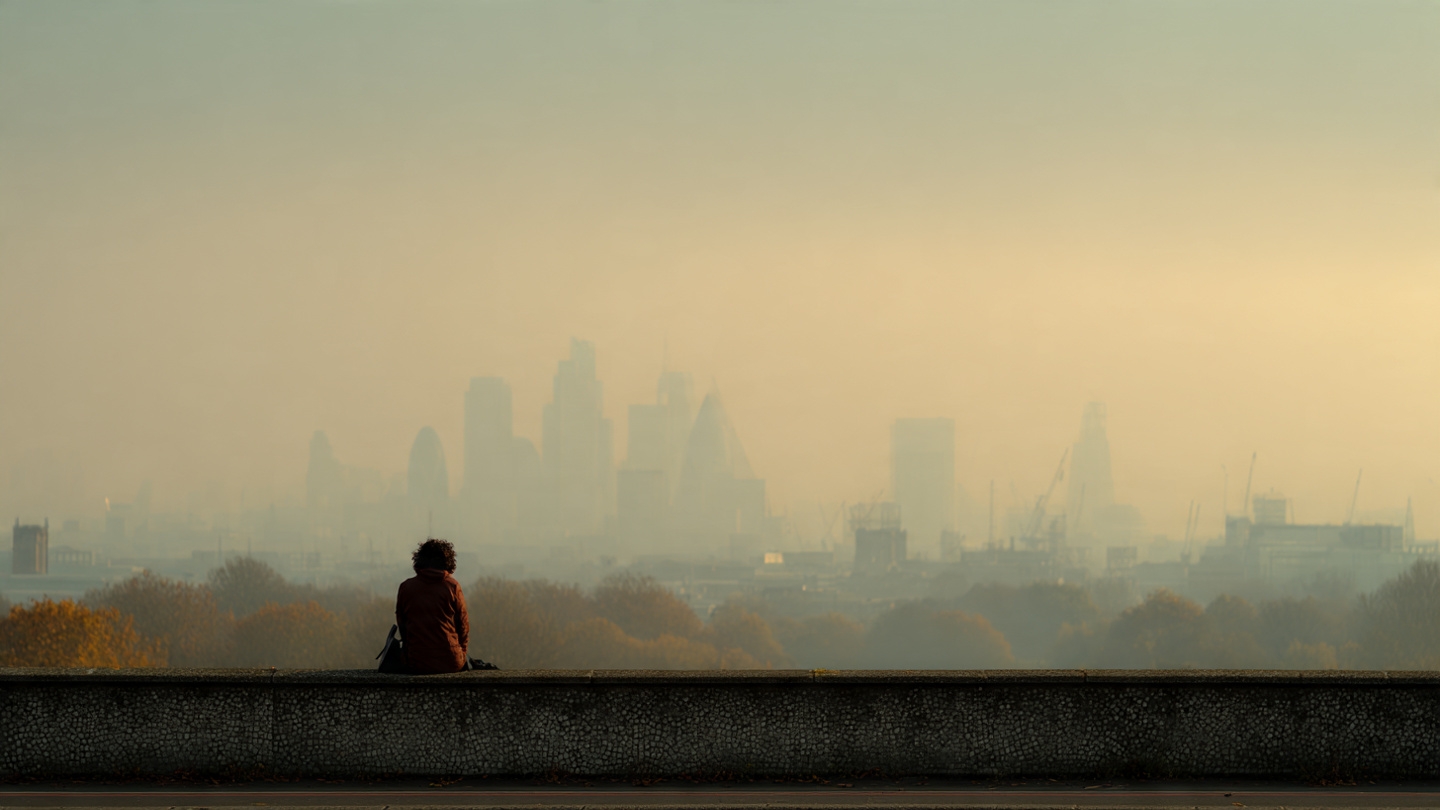
London rarely advertises its quieter side. The city presents energy, scale, and movement first, leaving calm to be discovered rather than displayed. Yet quiet places in London remain deeply embedded within the city’s structure, daily routines, and rhythms. They exist not in opposition to activity, but alongside it, offering balance rather than escape.
Calm Does Not Require Distance
One of the most surprising realizations is that calm does not require leaving the city or traveling far. Quiet places in London often sit within walking distance of noise and crowds. A single turn, a short pause, or a change in elevation can shift the entire atmosphere. Peaceful places in London thrive because they coexist with movement instead of avoiding it.
This proximity allows calm to become part of exploration rather than a separate goal.
Slowing Changes Perception
Speed shapes experience. When movement slows, details emerge. Sounds soften. Spaces feel larger. Calm places in London reveal themselves most clearly when pace adjusts slightly. Slowing down does not mean stopping exploration. It means allowing moments to register fully.
Through slower movement, peaceful places in London stop feeling accidental and start feeling intentional.
Calm as a Layer, Not a Destination
Calm in London functions as a layer rather than a location. It overlays streets, buildings, green spaces, and interiors depending on timing, behavior, and awareness. Quiet places in London appear when this layer becomes visible.
This understanding removes pressure. There is no need to hunt for perfection. Calm exists in fragments, moments, and transitions.
Respect Preserves Quiet
Quiet survives through shared respect. Calm places in London remain peaceful because visitors sense their tone and respond appropriately. Lower voices, slower steps, and mindful presence protect stillness without enforcement.
This shared responsibility allows calm to endure even as awareness grows.
Reframing Exploration
Exploration often focuses on movement and discovery. However, quiet places in London invite a different approach. Observation replaces urgency. Presence replaces completion. Peaceful places in London reward attention more than ambition.
This reframing transforms how the city feels, making exploration less exhausting and more sustainable.
Carrying Calm Beyond Specific Places
Once recognized, calm extends beyond specific locations. Streets feel less aggressive. Interiors feel more welcoming. Transitions feel softer. Quiet places in London teach awareness that carries into every part of the city.
Calm becomes a skill rather than a destination.
London as a City of Balance
London’s strength lies in contrast. Activity and stillness exist together. Noise and quiet share space. Calm places in London prove that balance remains possible within complexity.
Those willing to notice this balance experience the city differently. London becomes not only a place of movement, but also a place of rest.
A Different Way to Remember the City
Memories often form around feeling rather than sight. Quiet places in London shape memory gently. They create pauses that anchor experience. Peaceful places in London leave impressions that last longer than crowds or landmarks.
In the end, calm does not compete with the city. It completes it. Quiet places in London remain present, patient, and available to those willing to slow enough to see them.
Frequently Asked Questions
Finding Quiet Places in London
Yes. Despite its size and energy, London contains many calm spaces where movement slows and noise softens. These places often sit slightly away from main routes or exist within enclosed environments.
Quiet places often appear just minutes away from busy streets. Small courtyards, interior spaces, residential streets, and overlooked green corners can feel calm even in central areas.
Not usually. Many calm places reveal themselves naturally when you slow down, pause, or step away from the most direct routes rather than following strict plans.
Timing and Atmosphere
Early mornings and transitional hours tend to feel calmer. During these times, movement decreases and spaces feel more open, even in popular areas.
Yes. Autumn and winter often bring a softer atmosphere, especially in outdoor spaces. However, many quiet places remain calm year-round because they are not crowd-driven.
They can. The same location may feel crowded at one moment and peaceful at another. Timing and movement patterns matter as much as location.
Types of Quiet Places
No. While green spaces play a role, calm also exists in libraries, churches, courtyards, riverside edges, and residential streets.
Often, yes. Interior spaces designed for reflection or focus tend to maintain a steady atmosphere regardless of weather or crowd levels outside.
Yes, when explored respectfully. Residential streets often feel quieter because they serve daily life rather than tourism or commerce.
Behavior and Etiquette
Lower voices, slower movement, and awareness of others help preserve calm. These spaces rely on shared respect rather than rules.
Yes, as long as it does not disturb others or block movement. Many quiet places encourage brief pauses rather than activity.
They can if heavily promoted. However, many remain calm because they are experiential rather than visually dramatic.
Experiencing London Differently
They create contrast. Calm moments reduce fatigue and allow the city to feel more balanced and approachable.
Very much so. Calm environments support reflection, observation, and flexible pacing, which many solo travelers value.
Yes. Integrating calm moments makes long days more sustainable and helps create deeper, more memorable experiences.