
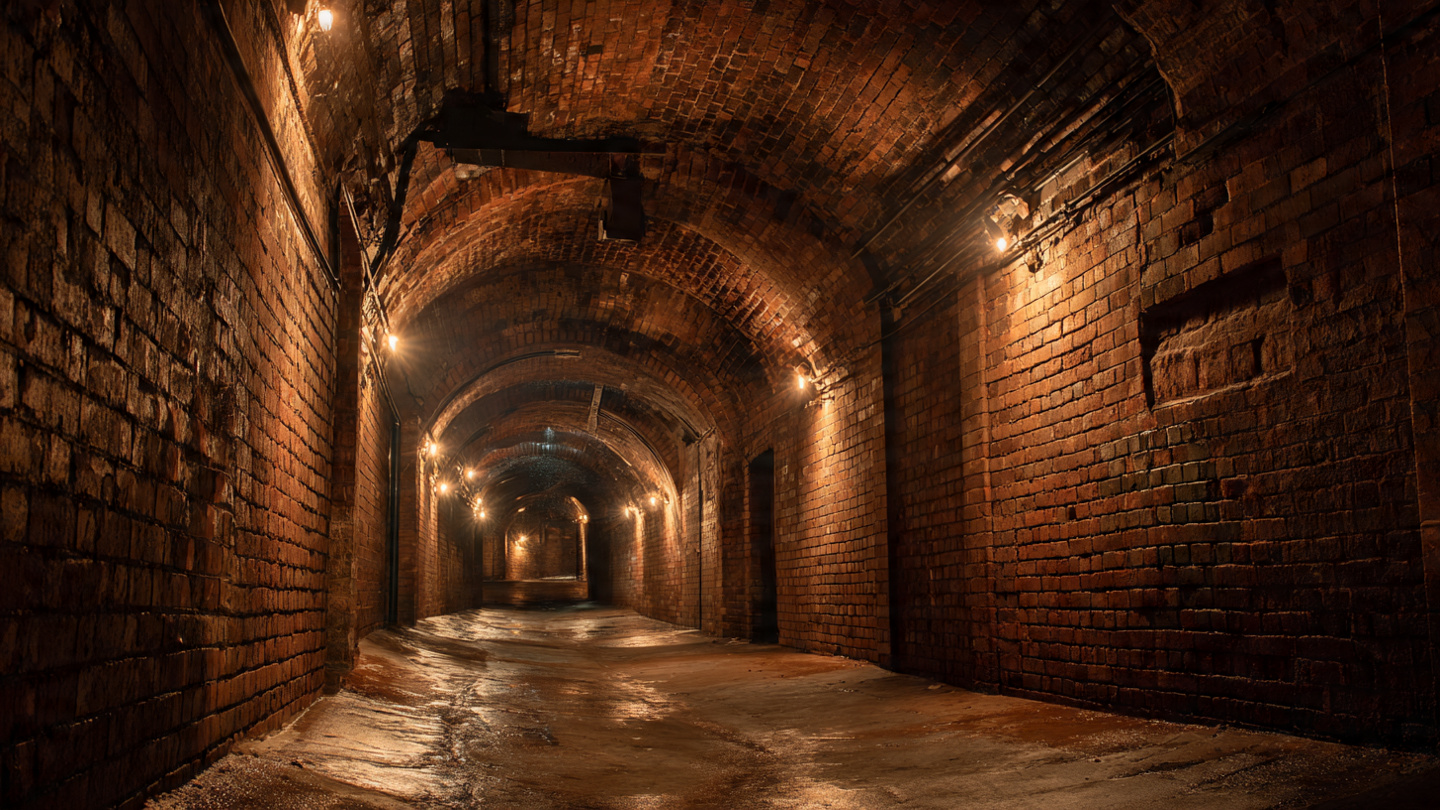
London is a city filled with history, but part of that history exists below ground. Beneath familiar streets and landmarks, there are secret tunnels in London that tell stories many people never see. These tunnels run under busy roads, historic neighborhoods, and transport routes. They reveal how earlier generations built systems for work, safety, communication, and transport beneath the surface. When visitors walk across the city today, they move above hidden spaces that once supported everyday life.
THE PURPOSE AND LIFE OF THESE UNDERGROUND PASSAGES
Different groups created secret tunnels in London for many reasons. Engineers designed some passages to support postal services and essential city systems. Governments used others during wartime planning and communication. Some tunnels helped residents and workers travel beneath traffic or cross difficult areas safely. As time passed, several tunnels changed function or went out of use. Even so, many still exist beneath the city and continue to shape its deeper story.
To understand how these underground spaces fit into the wider story of places most visitors overlook, this broader guide to hidden gems in London most tourists miss explores lesser-known locations that reveal the city’s quieter and more authentic side.
WHY PEOPLE FEEL DRAWN TO SECRET TUNNELS IN LONDON
Curiosity plays a strong role in how people react to these underground spaces. When travelers learn that secret tunnels in London lie beneath familiar streets, they want to know more. The thought of hidden corridors beneath ordinary places creates a sense of mystery. People wonder who built these tunnels, how they worked, and why they mattered to the city. By exploring their history, readers gain a clearer and more meaningful view of London’s past.
TUNNELS THAT REFLECT THE CITY’S GROWTH AND CHARACTER
These tunnels do more than sit quietly underground. They show how the city responded to challenges, change, and progress. Each network of passages represents effort, planning, and human decision-making. Instead of fading from memory, many secret tunnels in London continue to act as reminders of resilience and innovation. Together they form a timeline beneath the city, linking different eras through architecture, purpose, and engineering design.
WHAT THIS GUIDE REVEALS ABOUT SECRET TUNNELS IN LONDON
This guide focuses on secret tunnels in London that carry historical value and cultural meaning. The aim is to explain their stories in a responsible and informative way. The goal is understanding rather than unsafe exploration. By learning about these tunnels, readers see London as more than streets and skyline. They discover a city shaped by the remarkable underground world that lies beneath everyday life.
How London’s Secret Tunnels Developed Through History
THE EARLY FORMATION OF SECRET TUNNELS IN LONDON
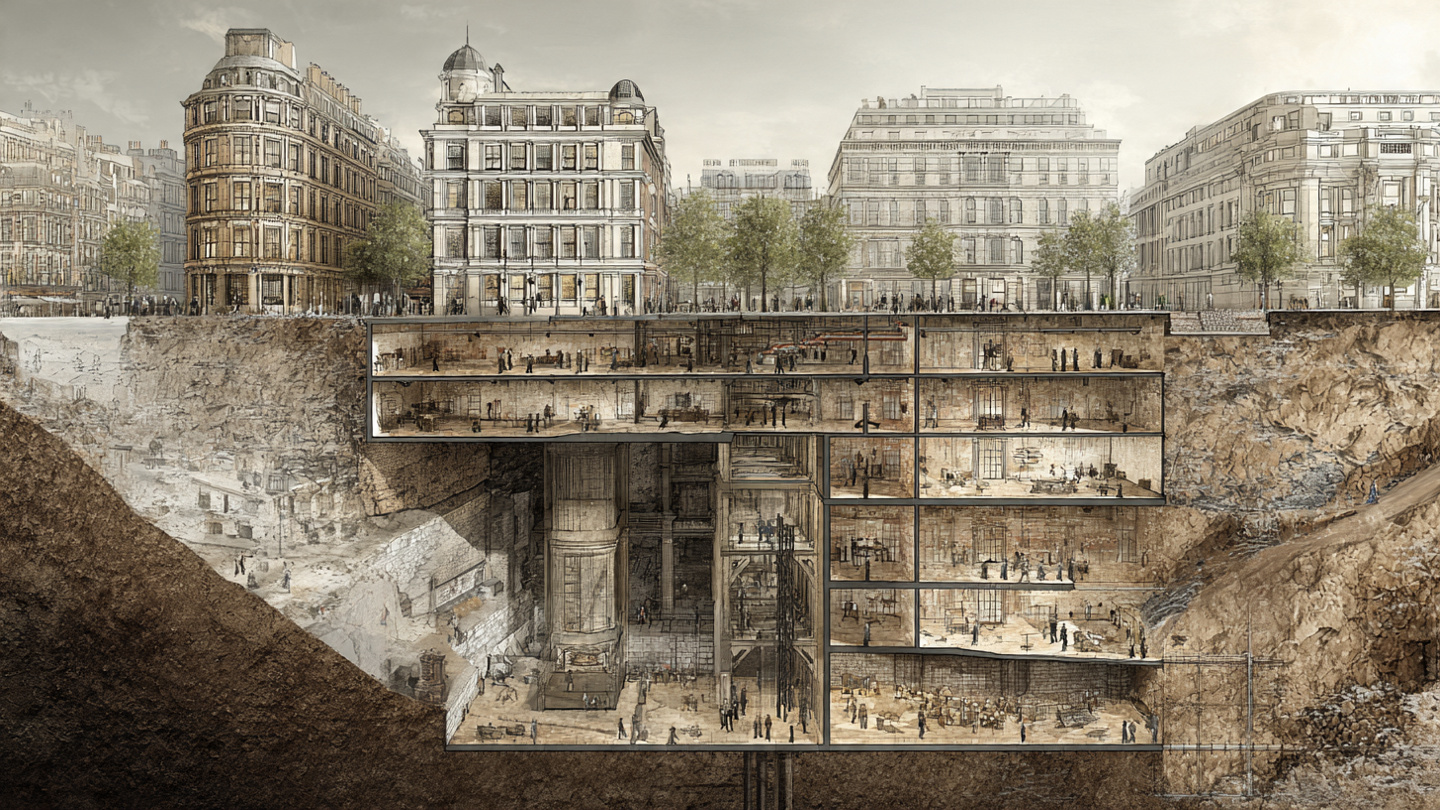
The story of secret tunnels in London begins many centuries ago, when the city first started expanding beneath the surface. In earlier periods, people built small underground passages for drainage, storage, and protection. These early structures were simple, but they introduced the idea that spaces below ground could support life above. Over time, engineers, builders, and city planners continued to develop this concept. Each new project contributed another layer to the underground world that still exists today.
GROWTH DURING THE INDUSTRIAL ERA AND RAPID URBAN CHANGE
The industrial era changed the entire shape of the city. Population growth, trade, and new forms of transport created pressure on streets and public spaces. To solve these problems, planners designed more secret tunnels in London to support movement, infrastructure, and communication. Underground passages helped transport goods, move workers, and manage essential city services. These tunnels allowed the surface of the city to remain functional while important operations happened below ground. Many of the systems built in this period later became part of larger tunnel networks.
Many underground tunnels connect closely with forgotten layers of the city’s past, reflecting moments of history that often remain unnoticed at street level.
THE ROLE OF SECRET TUNNELS IN LONDON DURING WARTIME
Moments of conflict had a powerful impact on the development of underground networks. During wartime, governments needed secure spaces for communication, planning, and protection. As a result, several secret tunnels in London became strategic locations where leaders and officials could meet or organize operations away from danger. Some tunnels protected workers and important facilities from air raids and attack. Others supported communication routes that helped the city continue functioning during difficult times. These spaces still reflect the urgency and resilience of the periods in which they were built.
TECHNOLOGICAL ADVANCEMENT AND NEW ENGINEERING SOLUTIONS
As engineering knowledge improved, architects and designers gained new tools and techniques to expand the underground environment. Stronger materials, better ventilation, and new construction methods allowed deeper and more complex tunnels to appear beneath the city. This progress supported transport systems, postal networks, and service routes. Many secret tunnels in London from this era show how technology shaped the city’s growth, both above ground and below. Even today, some of these older tunnels connect with newer structures, forming layered networks beneath modern streets.
The development of secret tunnels in London was not driven only by technology or conflict. Everyday life also played a role. People needed safer routes, easier movement across busy areas, and protected walkways beneath the city. Tunnel construction often reflected social needs, such as work transportation, industrial access, or safe pedestrian passage under the river. These spaces supported daily routines and economic activity, making them an essential, though often hidden, part of urban life.
FROM ACTIVE USE TO MEMORY AND PRESERVATION
Over time, many tunnels lost their original purpose. Some routes closed when new systems replaced them. Others became sealed or restricted after their functions ended. Even when activity stopped, the physical structures remained beneath the city. Today, these secret tunnels in London continue to exist as historical records carved into the ground. They remind people of changing priorities, evolving technology, and the different ways London adapted to each era of its growth.
Mail Rail and the Secret Postal Tunnels Beneath the City
DAILY OPERATIONS THAT KEPT THE SYSTEM MOVING
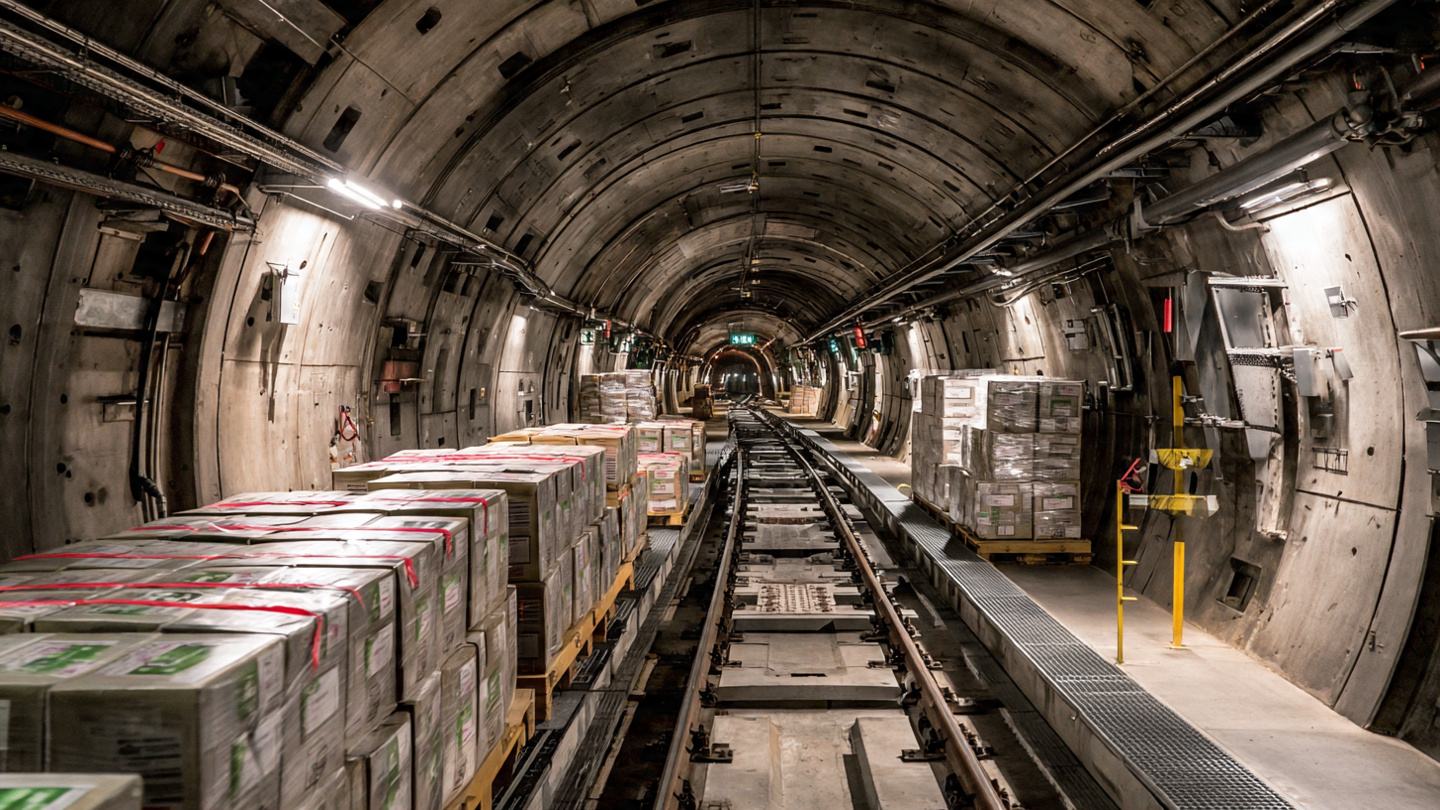
Everyday work inside these secret tunnels in London depended on coordination and timing. Trains followed precise routes, and schedules ensured that mail reached the correct sorting offices without delay. Workers monitored machinery, handled cargo loading, and maintained equipment to keep the network reliable. The tunnels formed a working environment where efficiency mattered more than visibility. While millions of people relied on postal delivery, few ever realized that part of the process happened underground.
One of the few places where visitors can learn about London’s underground postal system in a structured and safe environment is through the preserved Mail Rail site. This location helps explain how secret tunnels in London supported communication and logistics beneath the city.
London Postal Museum, we stayed with our son who enjoyed the train ride in the tunnels where historically mail was sorted (don’t be afraid if at some point all the lights go out, it’s part of the tour). Across the street there is a small museum, recommended
Read more reviews at Tripadvisor.
THE DESIGN AND ENGINEERING BEHIND THE POSTAL TUNNELS
The engineering approach behind the system reflected both creativity and necessity. Narrow tracks allowed the trains to pass through compact tunnel spaces, reducing construction costs while maximizing efficiency. Engineers built curves, slopes, and junctions that matched the structure of streets above. Ventilation systems controlled airflow, and power supplies kept the trains running smoothly. These design features showed how secret tunnels in London could operate as functional transport corridors even without passengers or public access.
CONNECTIONS BETWEEN DIFFERENT PARTS OF THE CITY
The Mail Rail linked several key locations that played major roles in communication and administration. Sorting offices, business districts, and postal hubs became part of a single underground network. Instead of depending on surface traffic, these sites stayed connected through the tunnels below. This system helped unite different areas of the city in a quiet, unseen way. It demonstrated how secret tunnels in London supported movement and coordination that most people never noticed in their daily routines.
HOW TECHNOLOGY CHANGED THE FUTURE OF THE POSTAL TUNNELS
As digital communication and new delivery systems emerged, the demand for large underground postal operations began to decline. Modern vehicles offered greater flexibility, and automated systems reduced the need for tunnel-based transport. Over time, parts of the network stopped operating. Some areas were preserved, while others remained closed and silent. Even in periods of inactivity, the tunnels continued to represent a meaningful part of the city’s industrial and technological heritage.
MEMORY, PRESERVATION, AND PUBLIC AWARENESS
In recent years, greater interest in urban history and heritage has encouraged people to look more closely at these underground spaces. Historians, engineers, and city researchers study the Mail Rail to understand how it shaped communication and logistics. Awareness of these secret tunnels in London helps people appreciate how much work once happened below ground. The tunnels also inspire curiosity about the hidden structures that continue to exist beneath everyday streets.
WHAT THE MAIL RAIL TEACHES ABOUT LIFE BENEATH THE CITY
The story of the postal railway shows that progress in London did not occur only on the surface. Innovation, problem solving, and infrastructure also developed underground. The Mail Rail proves that new ideas can appear in unexpected places, including beneath the city itself. By learning about these secret tunnels in London, readers gain insight into how underground engineering supported daily life, economic activity, and communication through many different periods of history.
Down Street Station and the Wartime Government Tunnels
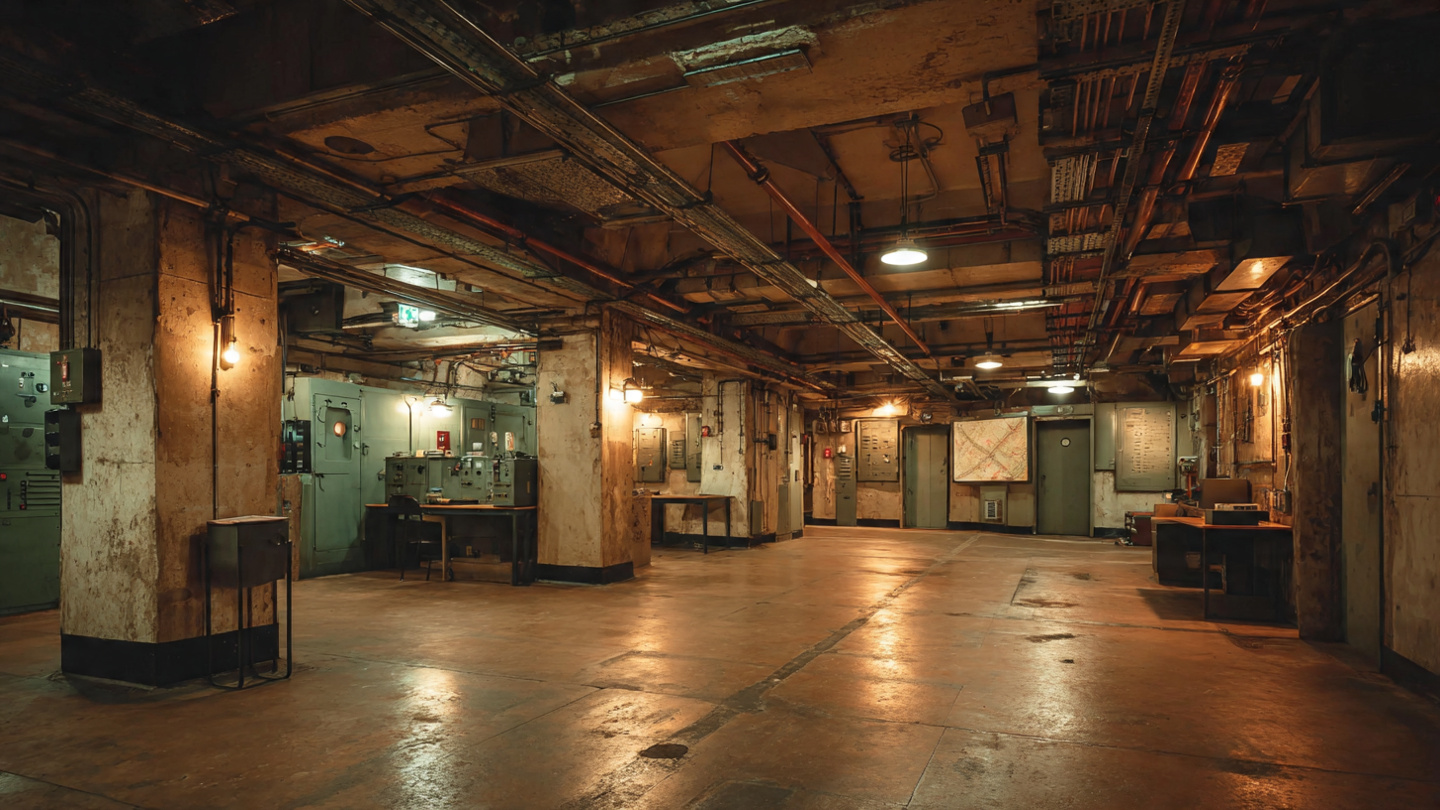
Down Street Station is one of the most interesting places connected to secret tunnels in London. The station originally formed part of the early Underground network, but passenger numbers remained low. Over time, regular services stopped, and the station closed to the public. Instead of disappearing from history, the location gained a new and highly confidential purpose during wartime, when safety and strategic planning became critical.
HOW DOWN STREET BECAME A SECURE WARTIME SPACE
When conflict placed pressure on the city, officials needed protected spaces where they could continue their work without interruption. The closed station offered an ideal location beneath the surface. Engineers and planners adapted the site, extending corridors and connecting areas through new underground routes. These changes turned the station into part of a wider network of secret tunnels in London that supported communication, strategy, and essential decision-making during dangerous periods.
Although Down Street Station is not open for regular public access, its location helps readers understand where wartime government tunnels operated beneath London. The site reflects how secret tunnels in London were positioned close to key areas while remaining hidden from everyday life.
LIFE AND WORK INSIDE THE UNDERGROUND WARTIME ROOMS
Inside the converted station, the environment felt very different from the busy world above. Staff worked in enclosed rooms where lighting, ventilation, and equipment created a controlled underground setting. People carried out administrative duties, coordinated operations, and communicated with other departments across the city. The tunnels provided privacy and protection, allowing important work to continue even during air raids and periods of uncertainty. These underground spaces became a quiet but vital part of wartime activity.
THE IMPORTANCE OF LOCATION AND DISCRETION
The position of Down Street Station helped maintain secrecy. The entrance blended into the surrounding area, and few people knew how the tunnels were being used. Movement in and out of the site remained carefully managed. This level of discretion helped the location operate safely and effectively. Like many secret tunnels in London, the station served as a hidden support system that allowed essential services to continue without public visibility.
ADAPTATION, INNOVATION, AND UNDERGROUND ENGINEERING
The conversion of the station demonstrated how creativity and engineering could transform unused spaces into functional environments. Rooms were reinforced, pathways extended, and access routes improved to meet new requirements. These changes showed how underground structures could evolve across different periods of history. Instead of remaining abandoned, the site took on a second life and became part of the city’s broader network of protective and strategic tunnels.
DOWN STREET AFTER THE WARTIME YEARS
Once the period of conflict ended, the underground role of the station gradually reduced. Activity declined, and many areas returned to silence. Even so, the tunnels and adapted rooms continued to exist beneath the city, preserving the memory of how the space once functioned. The station remains an example of how secret tunnels in London played a role not only in transport, but also in national security, planning, and resilience during some of the most demanding moments in modern history.
WHY THIS LOCATION STILL MATTERS TODAY
Down Street represents more than an unused railway site. It stands as a reminder of how underground environments supported leadership, administration, and protection in times of crisis. By learning about the history of this location, readers better understand how London relies on both visible and hidden infrastructure. The story of this station highlights the deeper relationship between the city’s surface and the tunnels that operate quietly beneath it.
The Kingsway Tram Subway and Forgotten Transport Passages
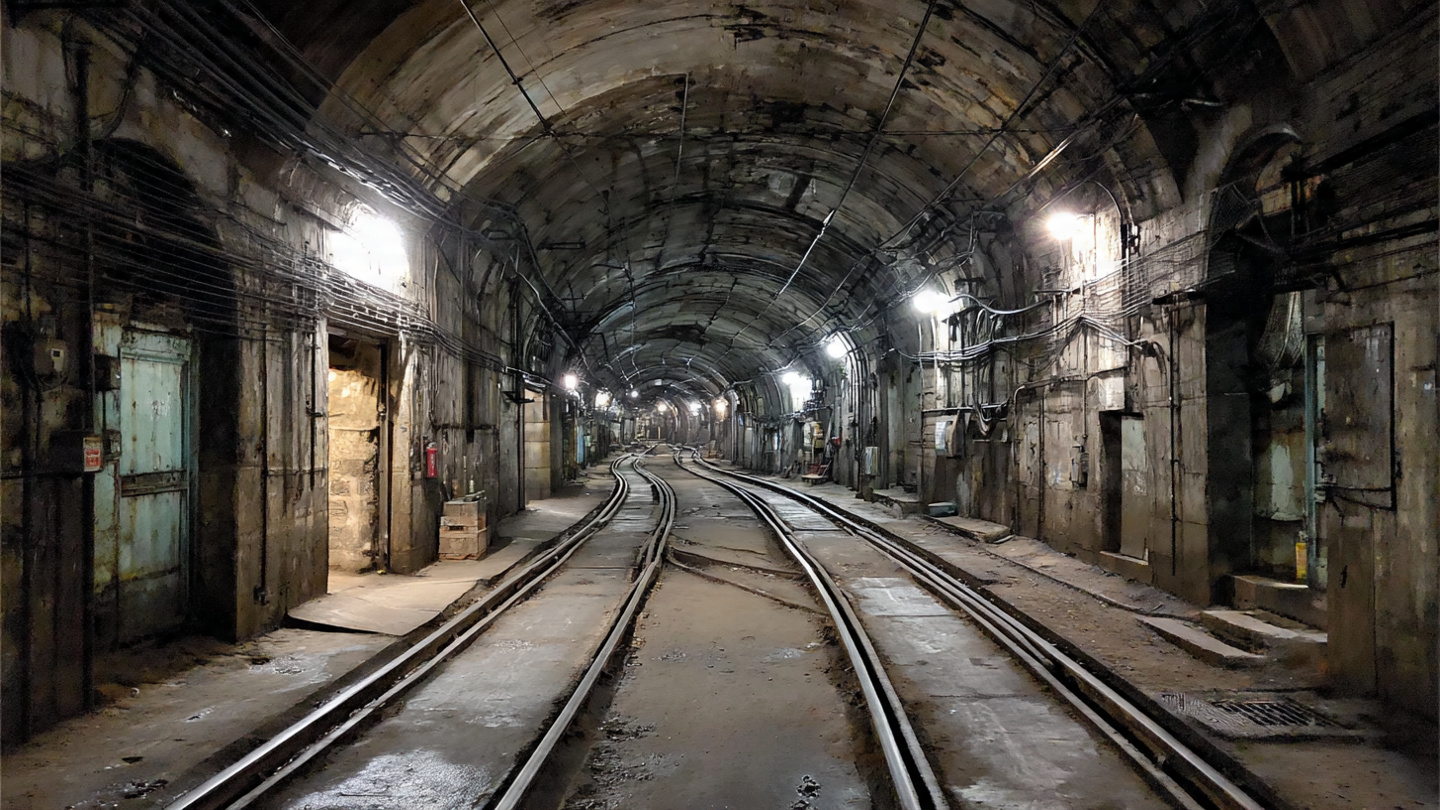
The Kingsway Tram Subway is another important example of secret tunnels in London that once played a major role in everyday transport. This underground route was created to help trams move between different parts of the city without becoming stuck in heavy surface traffic. The tunnel allowed vehicles to travel beneath busy streets, connecting northern and southern routes in a more efficient way. For many years, this system supported workers, travelers, and local communities who depended on tram travel as part of daily life.
WHY THE TRAM SUBWAY WAS BUILT AND HOW IT WORKED
City planners designed the tunnel to solve practical transport problems. Streets around the area remained crowded, and surface routes limited the speed and reliability of trams. By placing part of the network underground, engineers created a faster connection that reduced delays and improved movement across central districts. The subway formed part of a broader system of secret tunnels in London that quietly supported infrastructure without drawing attention from people above ground.
The route of the former Kingsway Tram Subway shows how underground transport once moved beneath some of London’s busiest streets. Seeing its position on the map helps explain how secret tunnels in London reduced surface congestion during periods of rapid growth.
THE EXPERIENCE OF TRAVEL THROUGH THE UNDERGROUND TRAM ROUTE
Passengers traveling through the tunnel experienced something very different from normal street-level journeys. The tram passed through enclosed spaces beneath buildings and roads, creating a brief moment where travel shifted from open daylight into a quiet underground passage. For many people, the tunnel felt unusual but also efficient. It represented progress, modern engineering, and the desire to keep the city moving smoothly during a time of rapid urban growth.
ENGINEERING FEATURES THAT SUPPORTED THE SYSTEM
The construction of the Kingsway Tram Subway required careful planning and technical skill. Engineers reinforced the tunnel walls, managed ventilation systems, and shaped the route to fit the layout of the streets above. Tracks followed specific curves and gradients that allowed trams to pass safely through the confined space. These design decisions showed how secret tunnels in London could operate as practical transport corridors while remaining hidden beneath the surface.
CHANGES IN TRANSPORT AND THE DECLINE OF THE TRAM SUBWAY
As new transport systems developed, the role of trams in the city gradually declined. Buses, cars, and other forms of travel began to replace older tram routes. Over time, the Kingsway Tram Subway lost its original purpose and eventually fell out of regular use. The tunnel remained in place but became a quiet and largely unseen part of the city’s infrastructure. Like many other underground locations, it shifted from everyday function to historical memory.
HOW THE TUNNEL CONNECTS PAST AND PRESENT
Even though trams no longer run through the passage, the tunnel still helps people understand how the city once operated. The route shows how engineering and planning shaped urban life beneath the streets. By learning about this site, readers see how secret tunnels in London supported transport long before modern systems appeared. The subway stands as a physical reminder of earlier technology, changing priorities, and the constant need to adapt urban infrastructure to new conditions.
WHY THE KINGSWAY TRAM SUBWAY REMAINS SIGNIFICANT
This tunnel is important because it represents innovation, problem solving, and the desire to improve movement across the city. It also reflects how transport history continues to exist beneath modern buildings and roads. The Kingsway Tram Subway forms part of a wider story in which underground spaces contributed to progress, connection, and everyday function. Understanding its history helps people appreciate the layers of development that lie beneath the visible streets of London.
The Vaults near Waterloo and Atmospheric Underground Spaces
AN UNDERGROUND AREA SHAPED BY CULTURE AND HISTORY
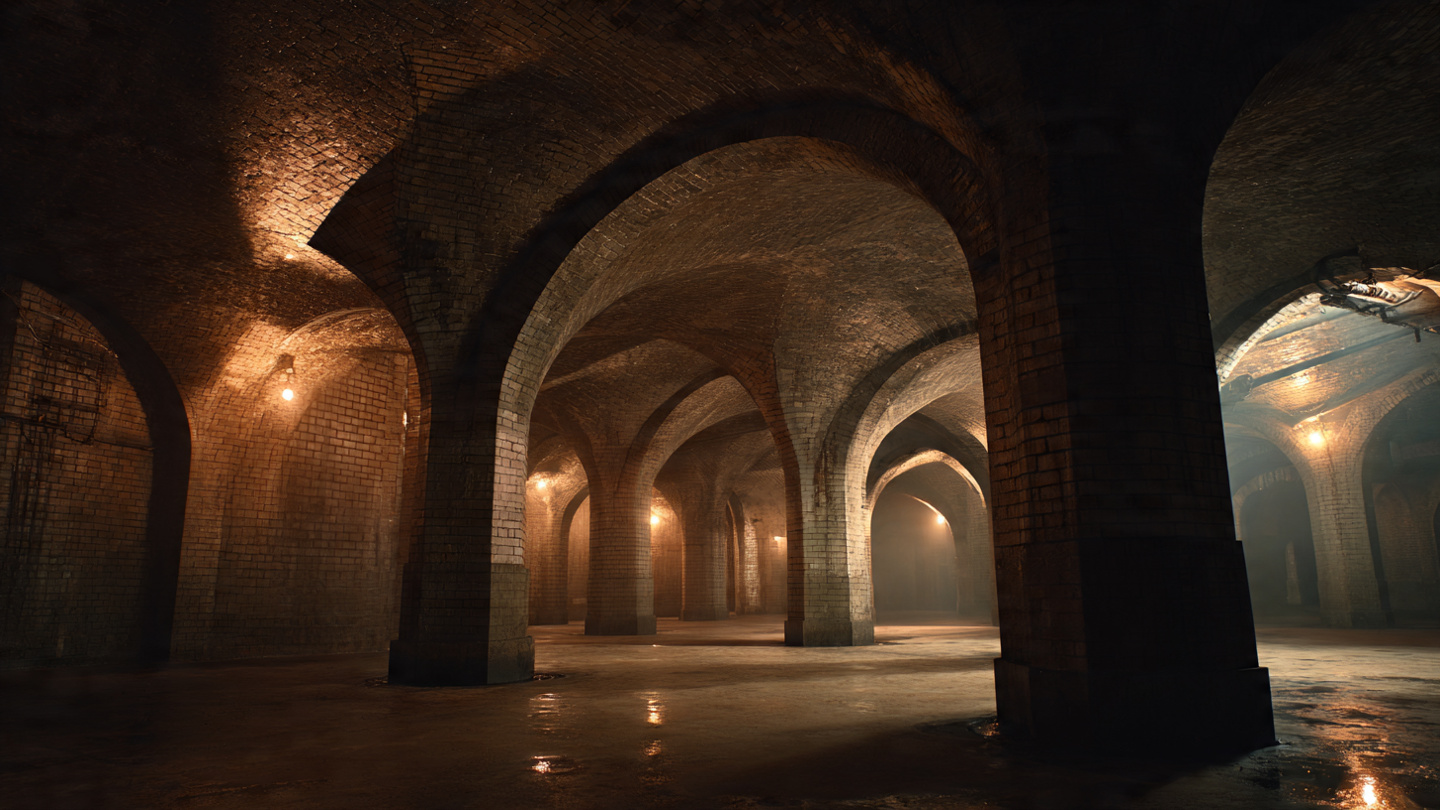
The Vaults near Waterloo are among the most atmospheric underground locations connected to secret tunnels in London. These spaces sit beneath railway lines and surrounding structures, forming a maze of archways, passages, and enclosed rooms. Over time, the area has changed function many times. What was once an industrial and structural environment gradually developed into a place known for creativity, performance, and alternative culture. The mixture of history and modern use makes this tunnel network different from many other underground locations in the city.
HOW THE VAULTS DEVELOPED AS PART OF THE UNDERGROUND LANDSCAPE
The tunnels originally existed as structural support spaces beneath railway tracks and nearby infrastructure. Engineers built archways and enclosed sections to stabilize the transport network above. As the city evolved, many of these underground areas no longer served their original purpose. Instead of remaining empty, they were adapted and reimagined. This transformation reflects how some secret tunnels in London move from one role to another, carrying traces of every stage in their lifetime beneath the surface.
THE UNIQUE ATMOSPHERE INSIDE THE TUNNEL SPACES
Visitors who enter the Vaults experience a very different environment from the busy streets above. Brick walls, echoing corridors, and low lighting create a strong sense of character. The tunnels feel both historic and contemporary at the same time. The structure reminds people of industrial London, while the creative activity that takes place inside brings new life to the space. This contrast between past and present makes the tunnels one of the most distinctive underground environments in the city.
HOW ART AND PERFORMANCE BROUGHT NEW MEANING TO THE TUNNELS
In modern years, artists, performers, and creative groups began using the tunnels as venues for events and cultural projects. The underground setting provided an atmosphere that could not be recreated in traditional buildings. The Vaults became a place where expression, imagination, and alternative ideas could grow. This new identity shows how secret tunnels in London can evolve into spaces that support community culture rather than technical or industrial activity. The tunnels gained relevance not through machinery or transport, but through creativity and human experience.
THE ROLE OF LOCATION AND URBAN ENVIRONMENT
The position beneath railway structures gives the tunnels a strong connection to the city’s wider infrastructure history. Above ground, trains and commuters continue to move every day. Below, the tunnels still exist as quiet, enclosed spaces that operate on a completely different rhythm. This relationship between surface transport and underground culture highlights how London functions on multiple levels at the same time. The city does not rely only on visible spaces. Hidden structures also influence how people experience place, identity, and environment.
PRESERVATION, ADAPTATION, AND RESPONSIBLE USE
Even though the tunnels have gained a new role, they still require care and respect. Structural preservation remains important, and activities inside the space must work safely within the physical limits of the environment. The Vaults demonstrate how old underground areas can find renewed purpose without losing their historical value. They stand as an example of how secret tunnels in London can survive through adaptation rather than abandonment, continuing to serve the city in ways that align with changing cultural needs.
WHY THE VAULTS NEAR WATERLOO MATTER IN THE STORY OF THE CITY
The significance of this location lies in the way it connects engineering past with creative present. The tunnels remind people that underground environments do not always belong solely to history. They can remain active, meaningful, and influential. By learning about the Vaults, readers understand how hidden spaces help shape identity, memory, and imagination within the urban landscape. These tunnels prove that the world beneath London is not only functional, but also emotional, expressive, and deeply connected to the life of the city above.
The Greenwich Foot Tunnel and Historic River Passageways
A PRACTICAL UNDERGROUND ROUTE WITH A STRONG HISTORICAL STORY
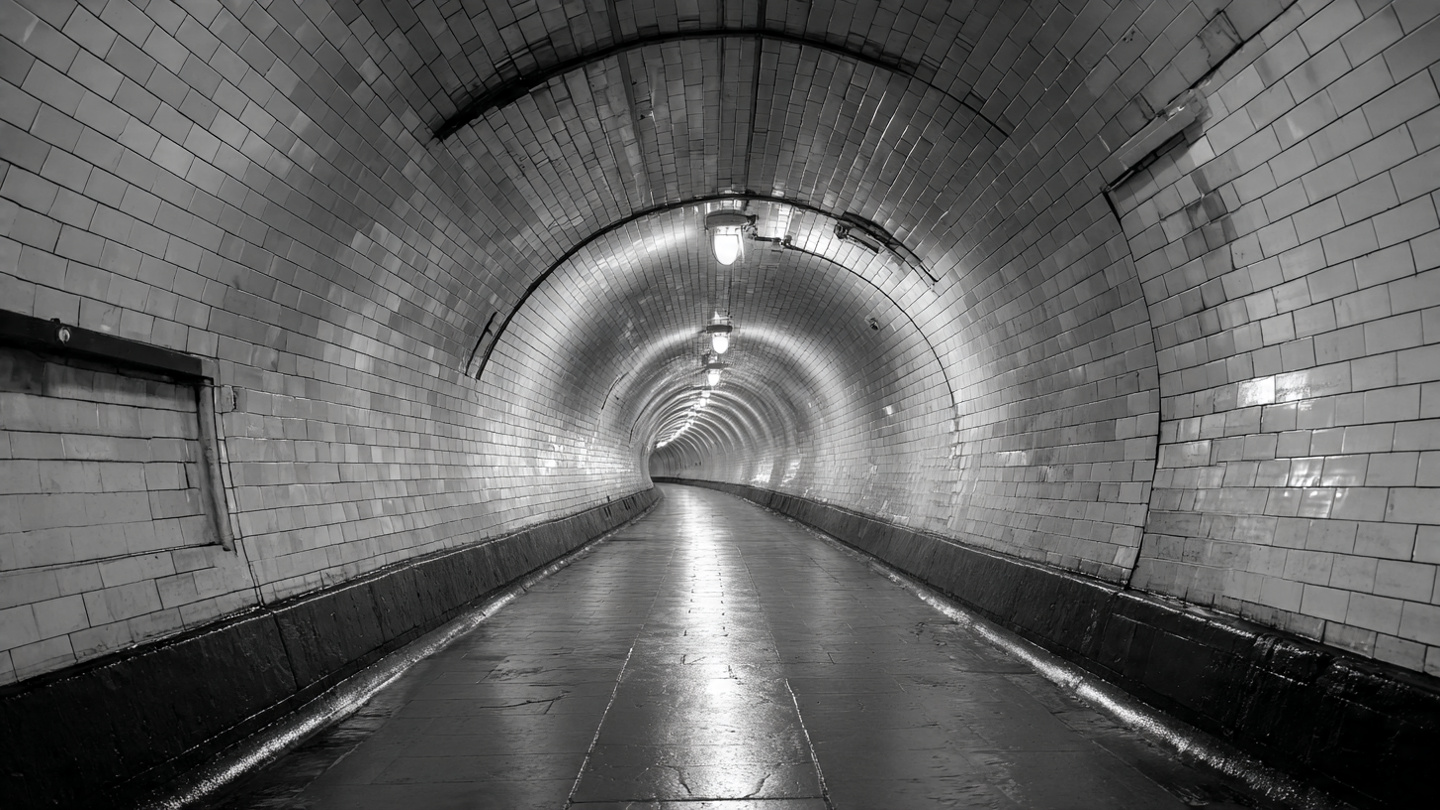
The Greenwich Foot Tunnel is one of the most well known examples of underground passageways connected to secret tunnels in London. Unlike some tunnels that served military or industrial purposes, this one was created to help ordinary people travel safely beneath the River Thames. Before the tunnel existed, movement between the two riverbanks depended heavily on ferry services, which were often affected by weather and operating conditions. The tunnel provided a protected route that allowed workers and residents to cross the river on foot, supporting both daily life and economic activity.
The Greenwich Foot Tunnel remains one of the most accessible examples of underground river crossings in the city. Mapping its location shows how secret tunnels in London helped connect communities separated by the River Thames.
There’s stairs and lifts at either end. It took about four minutes to walk under the Thames and it didn’t leak! Just look out for cyclists who break the rules and ride their bikes.
Read more reviwes at Tripadvisor.
WHY THE FOOT TUNNEL WAS BUILT FOR WORKERS AND COMMUNITIES
The tunnel was designed during a period when many people needed reliable routes to reach workplaces across the river. Shipyards, factories, and riverfront industries employed large numbers of workers who depended on consistent access between both sides. The Greenwich Foot Tunnel offered a solution that reduced travel difficulty and improved safety. Like other secret tunnels in London, it reflected how engineering projects responded to real social needs rather than simply technical ambition. The tunnel served as an important connection between communities that had long been separated by the river’s natural barrier.
WHAT IT FEELS LIKE TO WALK THROUGH THE UNDERGROUND PASSAGE
Walking through the tunnel creates a very different experience from crossing the river above or traveling by bridge. The long curved passage, tiled walls, and echoing footsteps produce a sense of enclosed space that feels both calm and atmospheric. The environment is simple and practical, yet it carries strong historical meaning. People moving through the tunnel today follow the same route that countless workers once used every day. In this way, the tunnel acts as a living reminder of how underground engineering shaped ordinary city life.
ENGINEERING FEATURES THAT SUPPORTED SAFETY AND FUNCTION
The design of the tunnel required careful attention to structure, water pressure, and long term durability. Engineers built a strong cylindrical passage reinforced to withstand the conditions beneath the riverbed. Stairwells and lift shafts at each end allowed people to enter and exit the tunnel safely. Ventilation and waterproofing measures helped maintain stability over time. These features demonstrated how secret tunnels in London could combine practicality with engineering innovation, allowing the tunnel to remain useful long after its original construction period.
CHANGES IN HOW THE TUNNEL IS USED OVER TIME
Although the tunnel was initially created for industrial workers, its purpose gradually expanded as the city evolved. Today, many people use it for leisure walks, commuting, and local exploration. Instead of serving only work travel, the tunnel has become part of the wider urban landscape that connects neighborhoods, parks, and riverside paths. This shift in use shows how underground spaces can adapt to different generations while still preserving their historical identity.
THE RELATIONSHIP BETWEEN SURFACE LIFE AND THE UNDERGROUND ROUTE
Above the tunnel, the river continues to flow as ships, boats, and modern transport systems operate across its surface. Below, people move quietly through the enclosed passage, separate from the movement above yet still linked to it. This contrast highlights the layered nature of London, where everyday life takes place on multiple levels. Like other secret tunnels in London, the Greenwich Foot Tunnel demonstrates how the city balances visible public spaces with hidden routes that quietly support mobility and connection.
PRESERVATION, RESTORATION, AND LONG TERM CARE
Over the years, maintenance and restoration projects have helped protect the tunnel’s structure and ensure its continued use. Engineers and planners work to preserve both its historical character and functional value. These efforts show how underground heritage requires ongoing responsibility. Instead of being forgotten, the tunnel remains active and respected as an important part of London’s engineering legacy.
Not every overlooked place in London sits underground, and this guide to undiscovered London attractions explores the quieter everyday spots people miss above ground as well.
WHY THE GREENWICH FOOT TUNNEL REMAINS IMPORTANT TODAY
The tunnel matters not only because of its design, but because of the people whose lives it supported. It reflects community resilience, practical problem solving, and the determination to improve access across physical barriers. By learning about this site, readers understand how secret tunnels in London were not always about secrecy or restricted spaces. Some existed to serve ordinary workers, strengthen communities, and make daily life easier in a growing and changing city.
Abandoned Underground Passages and Sealed Tunnel Networks
TUNNELS THAT FADED FROM DAILY USE OVER TIME
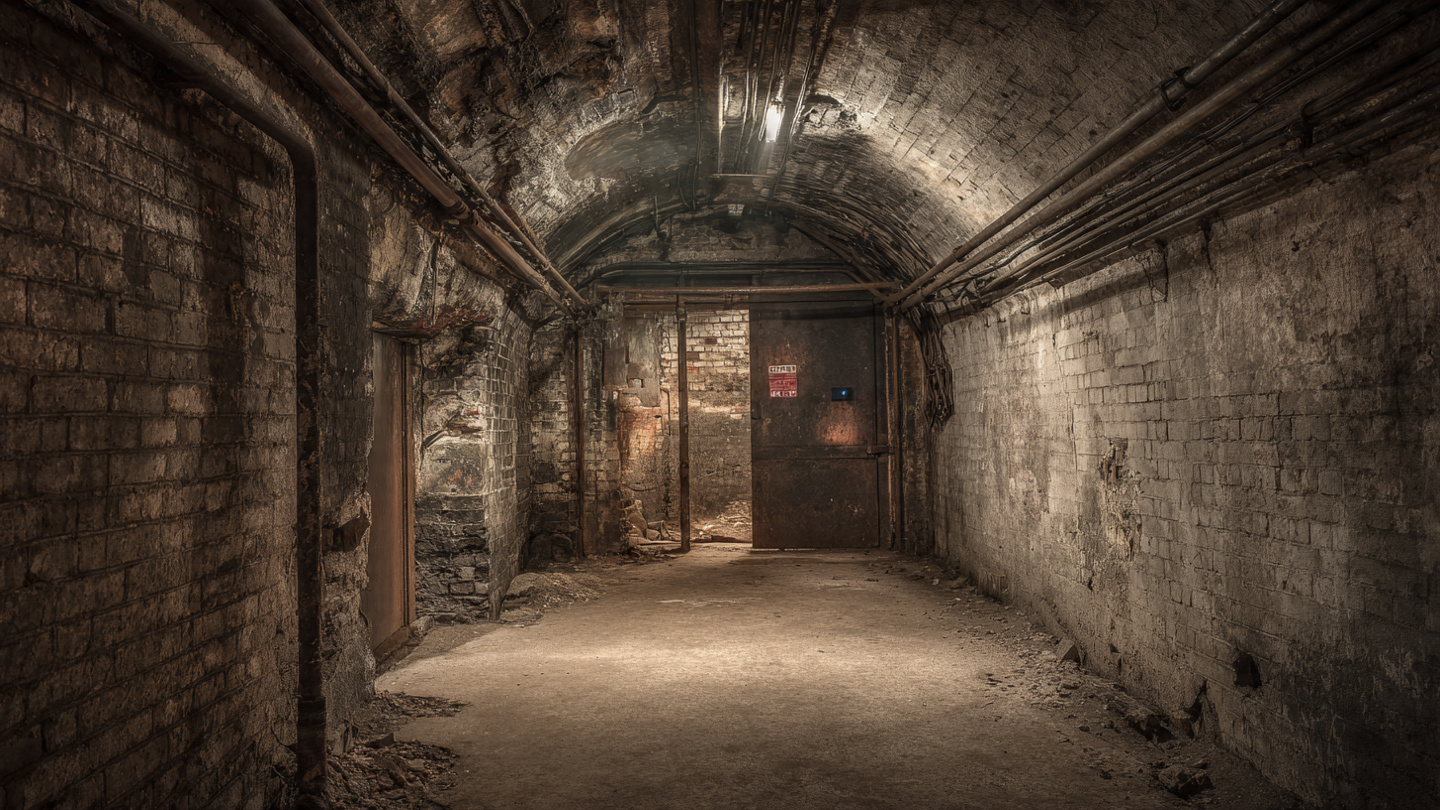
Across the city, there are many abandoned underground passages that once played important roles in transport, communication, or industry. As technology advanced and urban systems changed, some routes stopped serving their original purpose. These quiet and sealed areas now form part of the broader landscape of secret tunnels in London. Even though they are no longer active, they remain physically present beneath streets, buildings, and neighborhoods, preserving traces of the city’s past in their structure and design.
Beyond sealed tunnels, London also contains lesser-known subterranean locations that continue to shape the city’s hidden underground landscape.
HOW TUNNELS BECAME DISCONNECTED FROM MODERN SYSTEMS
Some tunnels fell out of use because newer routes replaced them. Others closed when industries declined or when safety regulations changed. In certain cases, access became limited for structural or environmental reasons. These decisions gradually turned busy underground corridors into silent, isolated spaces. Although the public no longer interacts with them, these tunnels continue to exist as hidden layers beneath the modern city, reminding people of systems that once operated in different ways.
Many tunnels disappeared as priorities changed, and exploring abandoned places in London offers a wider perspective on how entire spaces were left behind as the city evolved.
Even though many of these tunnels are inaccessible, they still capture the imagination of historians and urban researchers. People feel curious about what remains inside these spaces and how they once functioned. The idea that secret tunnels in London lie sealed and unseen beneath familiar areas creates a sense of depth and mystery. Instead of being visible landmarks, these tunnels act as quiet archives that store fragments of earlier periods in the city’s development.
WHY RESPONSIBILITY AND SAFETY MATTER WITH ABANDONED TUNNELS
It is important to understand that many of these underground spaces are closed for safety reasons. Structural wear, air quality, and unstable ground conditions can make older tunnels dangerous to enter. Responsible awareness helps protect both people and heritage. Learning about these places through research, documentation, and historical study allows their stories to be preserved without risking damage or unsafe exploration. This approach treats secret tunnels in London as valuable cultural and engineering heritage rather than inaccessible adventure sites.
HOW ARCHIVES AND RECORDS HELP REVEAL THEIR HISTORY
Because many tunnels cannot be accessed physically, much of their history survives through maps, engineering drawings, administrative reports, and historic photographs. Researchers study these records to understand how each tunnel connected to infrastructure systems, neighborhoods, and workplaces. These documents help reconstruct the story of sealed passages and explain how they once interacted with the city above. In this way, abandoned tunnels continue to share knowledge even when they remain hidden below ground.
THE ROLE OF URBAN CHANGE IN SHAPING TUNNEL NETWORKS
Cities constantly evolve, and changing priorities influence which spaces stay active and which are left behind. New developments, modern utilities, and updated transport routes often reshape the underground environment. Some tunnels become absorbed into new systems, while others remain sealed in place. These outcomes show that secret tunnels in London are part of an ongoing process rather than a fixed historical moment. The underground world grows, adapts, and sometimes retreats as the surface city moves forward.
PRESERVATION, MEMORY, AND HISTORICAL VALUE
Even when out of use, old tunnels hold emotional and historical meaning. They represent effort, engineering skill, and moments when people built solutions for their time. By recognizing the value of these abandoned spaces, the city preserves its deeper story rather than allowing it to disappear. These tunnels act as reminders that every generation leaves traces beneath the ground, contributing to the layered identity that defines London.
WHY SEALED TUNNELS REMAIN IMPORTANT TO UNDERGROUND HISTORY
Abandoned tunnels may no longer serve transport or industrial roles, but they still matter to the narrative of the city. They reveal how needs changed, how technology progressed, and how urban systems evolved from one era to the next. Understanding these places helps people see the connection between past and present. They form an essential part of the network of secret tunnels in London that continues to shape how the city is remembered, studied, and understood.
Safety, Access, and Responsible Exploration of Tunnel Sites
WHY RESPONSIBLE BEHAVIOR MATTERS AROUND UNDERGROUND LOCATIONS
Many people feel curious when they learn about secret tunnels in London, but curiosity needs to be balanced with awareness and responsibility. Underground environments are complex, and many tunnels were never designed for casual entry. Structural changes, lack of maintenance, and restricted access can make certain areas unsafe. Understanding these realities helps people appreciate the history of tunnels without placing themselves or the locations at risk. Respect for safety also protects the heritage value of these underground spaces.
DIFFERENT TYPES OF ACCESS ACROSS TUNNEL LOCATIONS
Not all tunnels fall into the same category. Some remain part of protected infrastructure. Others belong to preserved heritage environments or controlled working areas. Certain tunnels are permanently closed due to structural conditions, while a smaller number may be accessible through regulated environments. This variety means that each location must be understood individually. Treating all secret tunnels in London as the same type of place can lead to misunderstanding or unrealistic expectations about access.
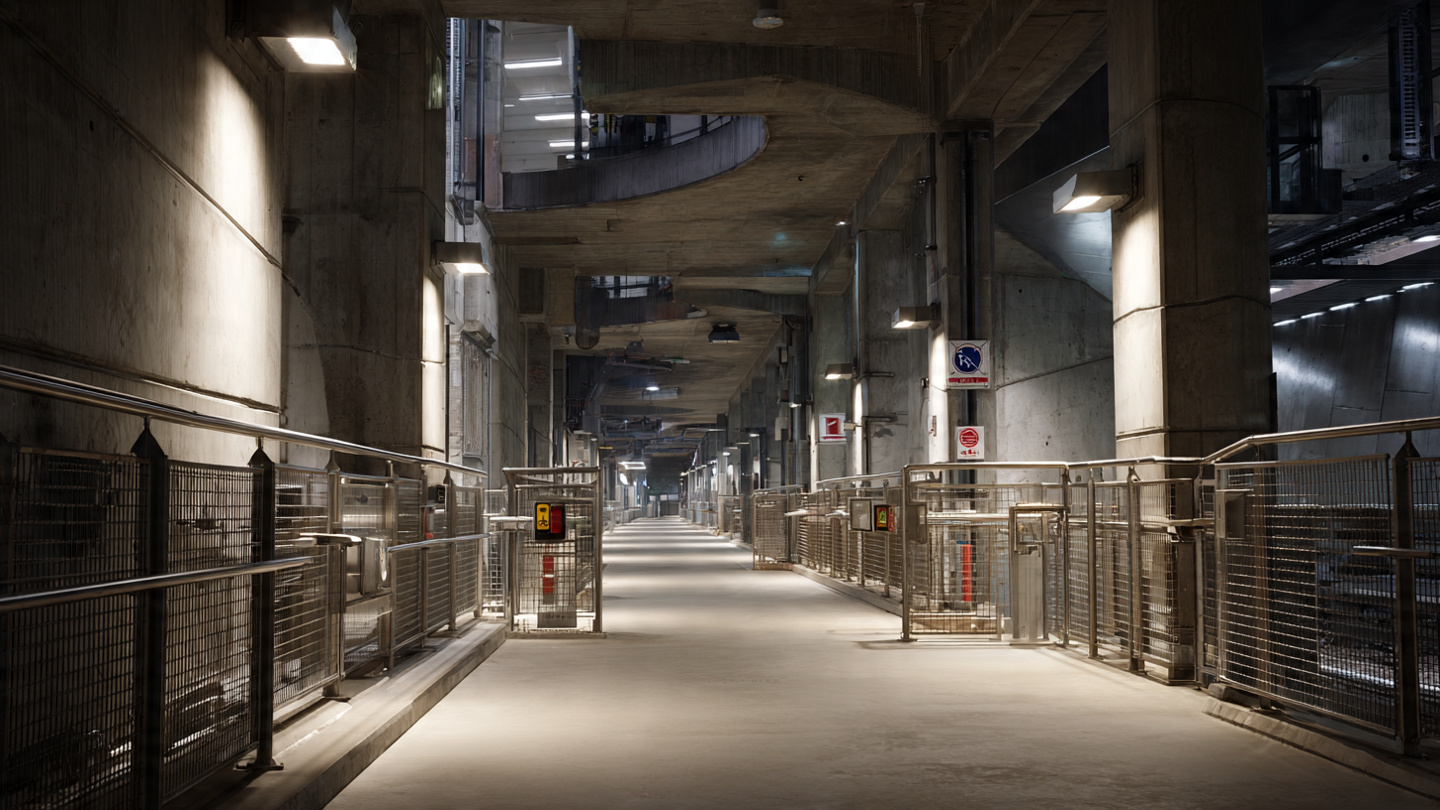
Even tunnels that once operated safely may now contain hazards that are not visible from the outside. Damp conditions, unstable flooring, poor ventilation, and narrow passageways can all create danger. Underground spaces may also include steep drops, incomplete structures, or areas affected by age and erosion. These conditions developed over long periods of disuse and environmental change. Awareness of these risks explains why many tunnels are sealed, restricted, or maintained under controlled supervision rather than left open to the public.
THE ROLE OF PRESERVATION AND PROTECTION
Protecting underground heritage is just as important as preserving buildings, monuments, or historic streets. Many tunnels represent rare examples of engineering design, wartime adaptation, or early transport history. Uncontrolled entry can cause structural damage, environmental disturbance, or loss of original materials. Responsible preservation helps ensure that the deeper story of secret tunnels in London remains intact for research, education, and historical understanding. Protection allows future generations to learn from these spaces without compromising their condition.
HOW PEOPLE CAN LEARN ABOUT TUNNELS IN A SAFE WAY
There are many ways to explore the history of underground spaces without entering restricted locations. Books, official archives, museum collections, engineering reports, and academic studies provide insight into how tunnels were designed and used. Documentaries, exhibitions, and educational material also help people understand the significance of these networks. Through these sources, the stories of secret tunnels in London can be appreciated in detail while still respecting safety boundaries and site restrictions.
COMMUNITY INTEREST AND RESPONSIBLE STORYTELLING
Public interest in underground history continues to grow, and many communities engage with these stories through heritage projects, research groups, and historical writing. Responsible storytelling plays an important role in shaping how people view these tunnels. Accurate information, respectful language, and awareness of safety considerations help maintain a balanced understanding. Instead of encouraging unsafe behavior, responsible discussion treats tunnels as part of the city’s cultural and engineering heritage.
HOW RESPECT SUPPORTS BOTH PEOPLE AND HISTORY
When people respect access rules and safety guidance, they help protect both themselves and the historical environment. Responsible behavior shows appreciation for the effort, labor, and creativity that went into building underground systems. It also supports the continued preservation of these spaces, ensuring that they remain part of the wider story of London. Respect strengthens the relationship between the city’s visible world and its hidden layers beneath the surface.
WHY SAFETY AND HERITAGE BELONG TOGETHER IN THE UNDERGROUND LANDSCAPE
Safety and preservation are not separate ideas. They work together to protect the meaning and value of secret tunnels in London. By understanding why restrictions exist and why certain locations remain closed, people develop a deeper sense of connection with the city’s history. Awareness encourages thoughtful reflection rather than risk, helping the underground world remain a source of knowledge, curiosity, and cultural significance rather than danger or misuse.
HOW UNDERGROUND HISTORY SHAPES THE WAY WE SEE THE CITY
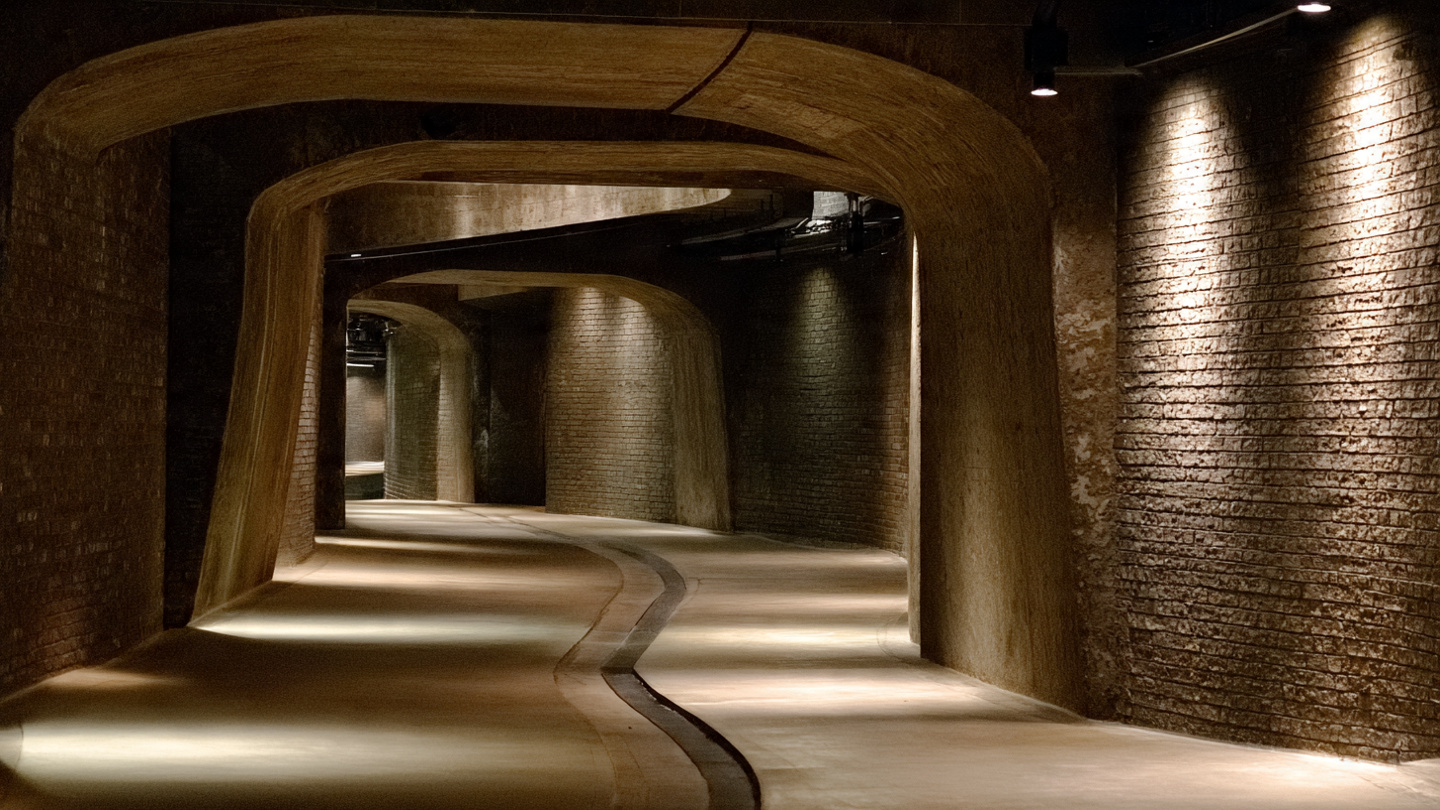
Learning about secret tunnels in London changes the way people understand the city. Instead of seeing London only as streets, buildings, landmarks, and public spaces, readers begin to recognize that another world exists beneath the surface. The tunnels reveal how different generations built, adapted, and reshaped the city according to the needs of their time. They show that urban history is not limited to what stands above ground. Much of London’s story remains buried, layered, and quietly preserved below the places people walk every day.
For readers drawn to calm and reflective environments rather than busy attractions, these themes extend into quieter spaces across the city.
A CITY THAT EVOLVED BOTH ABOVE AND BELOW GROUND
The development of these tunnels demonstrates that progress in London happened on multiple levels. Transport expanded not only through roads and railways on the surface, but also through underground routes and engineering solutions hidden from public view. Wartime efforts relied on protected rooms and passageways beneath the city. Communities depended on functional tunnels that supported work, communication, and safe movement. These examples prove that secret tunnels in London played an essential role in shaping how the city grew, survived, and adapted through changing periods of history.
WHY THESE TUNNELS CONTINUE TO INSPIRE CURIOSITY
Even today, people feel drawn to the idea of the underground world. The presence of sealed corridors, abandoned passageways, and preserved tunnel systems creates a sense of mystery. Readers imagine the lives of workers, officials, travelers, and engineers who once moved through these spaces as part of ordinary routine. The contrast between the visible and the hidden encourages reflection and curiosity. Secret tunnels in London remind people that every familiar place may hold deeper stories waiting quietly beneath it.
CONNECTION BETWEEN MEMORY, ARCHITECTURE, AND HUMAN EXPERIENCE
These tunnels are more than structures made of brick, steel, and concrete. They represent human effort, ambition, fear, resilience, and creativity. Some tunnels were built during periods of urgency and crisis. Others appeared as solutions to practical challenges or industrial growth. Each passage carries emotional weight because it reflects the choices and needs of the people who created and used it. This combination of architecture and lived experience gives the underground world a strong cultural and historical identity.
HOW UNDERGROUND SPACES CONTINUE TO INFLUENCE MODERN LONDON
Even when tunnels fall out of use, they still shape the city above. Their routes influence construction, development plans, and infrastructure decisions. Some tunnels are preserved as heritage spaces, while others remain sealed but still mapped and monitored. The continued presence of secret tunnels in London shows that the past does not disappear. It remains physically embedded in the ground, guiding how the city thinks about expansion, preservation, and long-term planning.
The story of London’s tunnels encourages people to look beyond what is immediately visible. Cities are complex environments built over centuries, and many of their most important systems once operated out of sight. These underground networks demonstrate how much work, coordination, and innovation took place in locations few people ever saw. By recognizing this hidden layer, readers gain a richer and more complete understanding of how the city functions and evolves across generations.
WHY THE UNDERGROUND WORLD REMAINS A LIVING PART OF THE CITY’S STORY
Even though many tunnels are silent today, their influence continues through research, storytelling, preservation, and public interest. Historians study them, communities remember them, and architects learn from the engineering solutions they represent. These spaces remain part of the city’s cultural identity rather than fading into obscurity. Secret tunnels in London continue to shape imagination and historical awareness, reminding people that every city carries hidden depths beneath its modern surface.
A CLOSING REFLECTION ON MEANING AND DISCOVERY
Exploring the history of these tunnels encourages respect for the unseen spaces that supported communication, safety, transport, and daily life across many generations. They show how human effort extends beyond the visible world and into places most people rarely witness. By understanding the stories of these underground networks, readers develop a deeper connection to the city and its layered past. The tunnels beneath London will always remain a symbol of mystery, resilience, and the remarkable ways in which a city grows both above and below the ground.
Frequently Asked Questions
General Questions About Underground Tunnels
Secret tunnels in London are underground passageways that were built for different purposes such as transport, communication, postal services, wartime planning, and safe pedestrian movement. Many of them were created to solve practical city problems during different periods of history.
No. Some tunnels are still connected to infrastructure or controlled environments, while many others are sealed, preserved, or no longer active. Their physical structures remain underground, even if their original functions have ended.
People feel curious because these tunnels represent a hidden layer of the city that most people never see. They connect history, engineering, and mystery, and they reveal how earlier generations lived and worked beneath the surface.
Safety, Access, and Public Availability
Most tunnels are not open for casual exploration due to safety, preservation, or structural conditions. Access is often restricted or controlled to protect both visitors and the historical environment.
Many tunnels were built for past systems that no longer exist, and over time they developed structural risks such as unstable ground, poor ventilation, or environmental decay. Closing them helps prevent accidents and protects heritage value.
The safest way is through historical research, archives, museums, documentaries, educational resources, and verified information sources. These allow people to understand their history without entering restricted locations.
Historical and Cultural Significance
They reflect how the city adapted to industrial growth, wartime needs, urban expansion, and social change. Each tunnel represents engineering decisions, community needs, and moments of innovation across different eras.
Yes. Even when they are no longer used, they influence planning, development, preservation decisions, and the study of engineering heritage. Many remain mapped, monitored, and recognized as part of the city’s historical structure.
They show how people solved problems, protected communities, supported transport and communication, and built systems that existed out of sight but played an essential role in everyday life.
Understanding the Role of the Underground World
No. While they inspire curiosity, they are primarily historical, technical, and cultural spaces that played functional roles in the city’s development.
It represents the hidden layers of progress, resilience, adaptation, and human effort that shaped the city from beneath the surface as much as from above it.