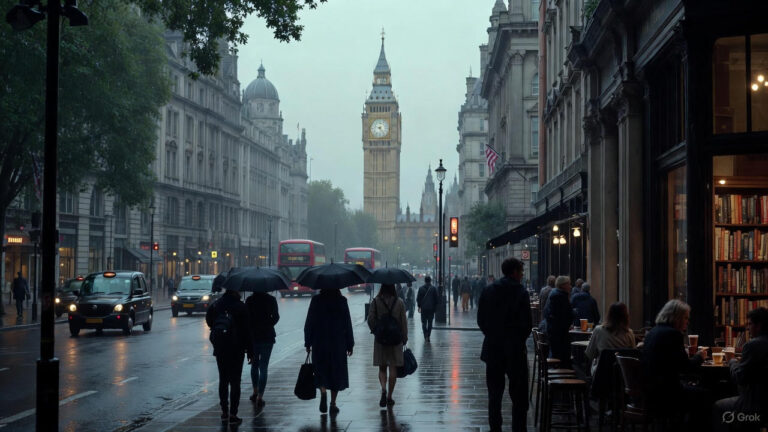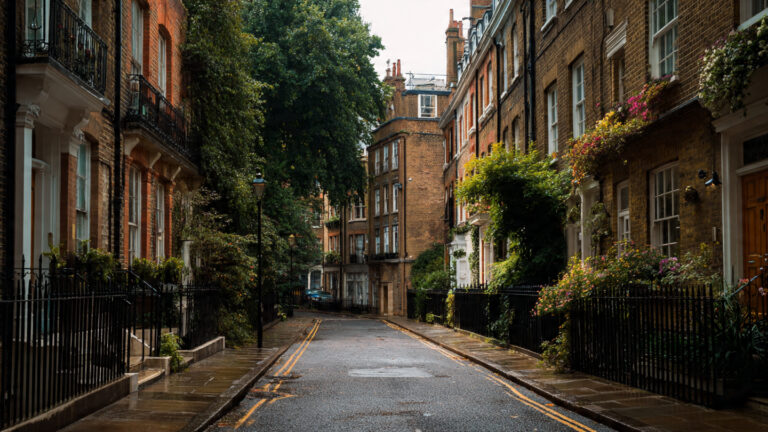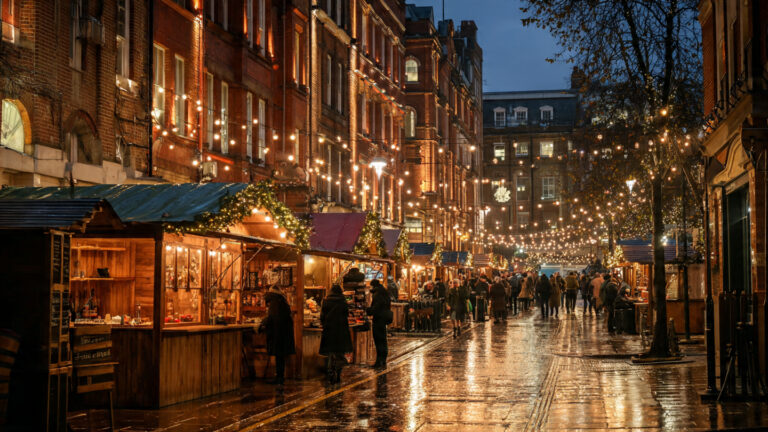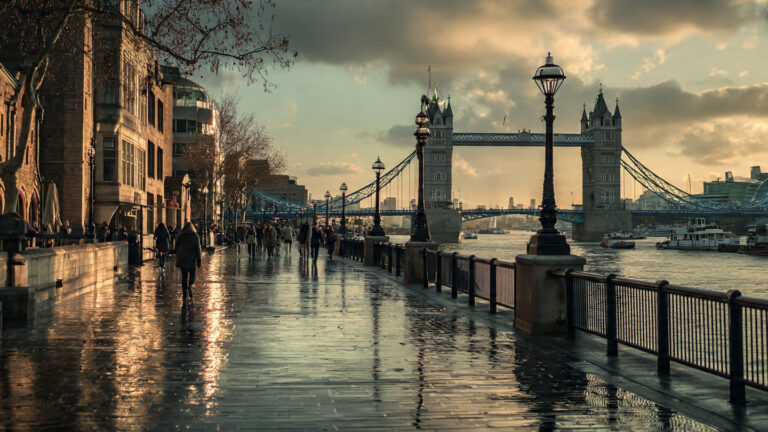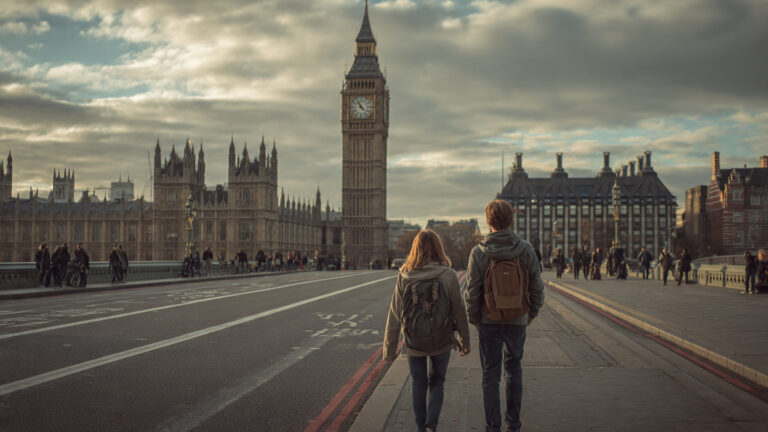

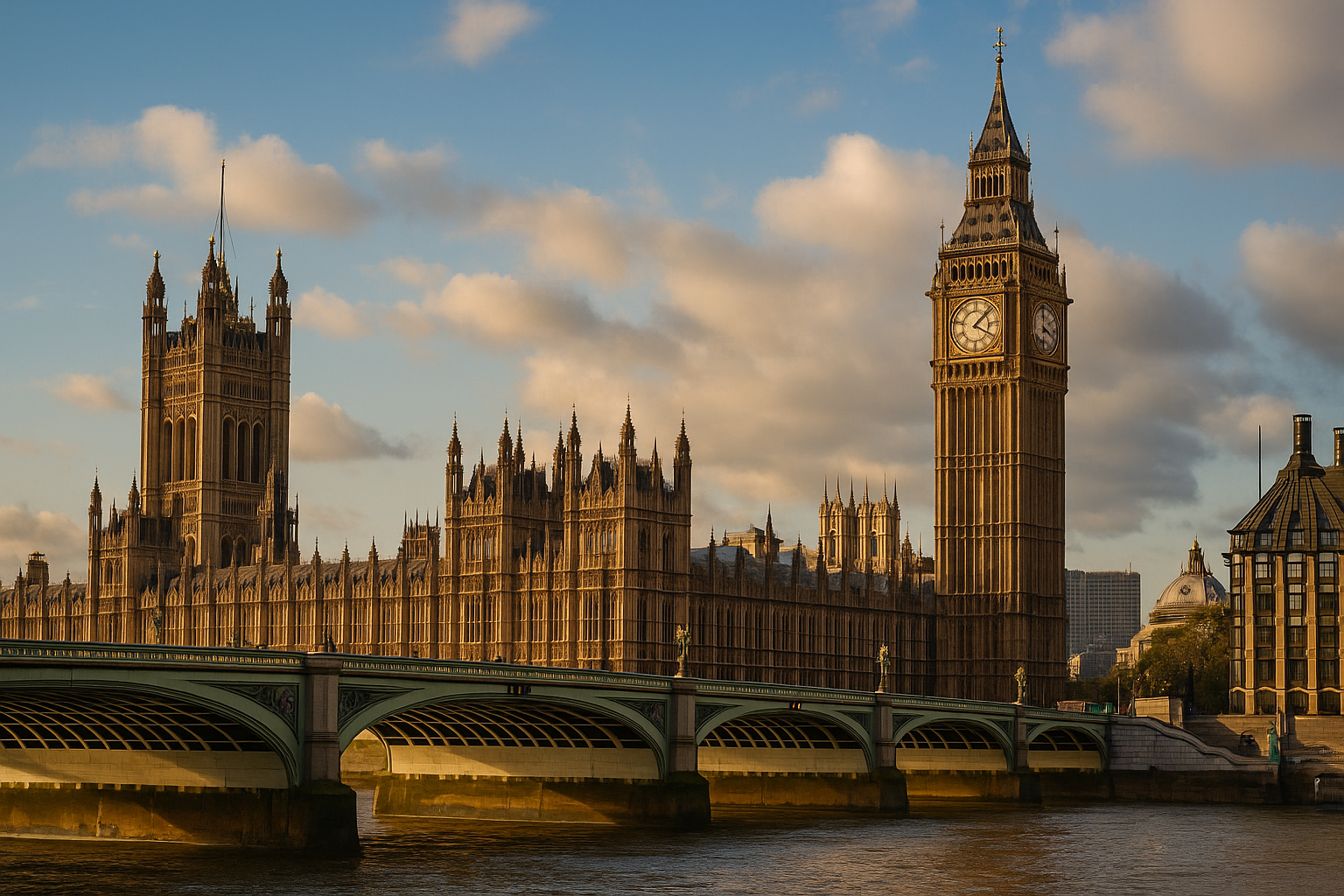
London feels exciting from the very first step outside the airport or train station. Historic streets, royal landmarks, modern skyscrapers, riverside walks, world-class museums, and street markets all compete for attention at once. For first-time visitors, this energy feels thrilling but also overwhelming. With so many choices, planning can quickly become confusing without a clear direction.
This complete guide focuses on the things to do in London that matter most for first-time visitors. It helps travelers avoid wasted time, skip tourist traps, and build a balanced plan that mixes famous sights with local experiences. By the end of this guide, every visitor will know exactly where to start, what to prioritize, and how to shape each day with confidence.
If you prefer to explore London without spending money, this detailed guide to major no-cost attractions will help you plan better using Free Things to Do in London. If you are interested in green spaces, museums, and classic attractions clustered around one of London’s most famous parks, this guide to things to do near Hyde Park highlights what you can experience within walking distance.
London rewards those who plan wisely. Some attractions demand advance booking, while others shine best early in the morning or late in the evening. Weather also plays a major role in shaping daily plans. Therefore, this guide does not only list activities. It explains when to visit them, how much time each one deserves, and how to connect nearby sights efficiently.
Throughout this guide, visitors will find realistic suggestions based on time, energy, and movement across the city. Whether traveling for one day or an entire week, the goal stays the same. See the best of London without stress.
For travelers planning activities that work in any season, this guide to the best indoor things to do in London explores museums, entertainment, cozy spaces, and weather-proof experiences across the city. When rain changes outdoor plans, this detailed guide to rainy day activities in London shows how to enjoy museums, cafés, entertainment, and indoor spaces without losing momentum.
1. How to Plan Your First Trip to London Properly
Planning creates the foundation for every successful London trip. Without a basic structure, even the best attractions lose their impact due to poor timing and exhaustion. Therefore, first-time visitors should sort out several important details before selecting daily activities.
Best Time to Visit London for Sightseeing
London stays active all year. However, the experience changes dramatically by season. Spring and early summer bring mild weather, blooming gardens, and longer daylight. Autumn offers golden parks and lighter crowds. Winter creates festive lighting, Christmas markets, and indoor comfort activities.
For sightseeing comfort, April to June and September to early October offer the best balance of weather and crowd levels. During these months, walking routes feel pleasant and long queues remain manageable.
How Many Days First-Time Visitors Need
Time strongly affects the choice of activities. For first-time travelers:
-
One day allows only core landmarks.
-
Three days covers major highlights with balance.
-
Five days supports deeper discovery including parks, neighborhoods, and cultural venues.
-
Seven days allows relaxed pacing with hidden locations.
Rushing across too many places reduces enjoyment. It is always better to see fewer places with full attention than to chase dozens of attractions in haste.
Transport Basics for New Visitors
London’s transport network works well for visitors once understood. The Underground, buses, and overground trains connect nearly every area of the city. Contactless bank cards work on most routes, which removes the need for special passes.
Travel becomes smoother when visitors group attractions by zone. Daily zigzag movement across distant areas drains time and energy. Instead, walking clusters around nearby attractions saves both.
Where First-Time Visitors Should Stay
Location determines daily comfort. Central areas provide easy access to most landmarks, while outer zones offer lower hotel prices but longer commutes. First-time visitors should focus on areas with strong rail and underground connections.
Staying near popular arteries like the Thames routes, museum districts, or central shopping zones reduces wasted travel time and improves daily flexibility.
Daily Budget Guidance for First-Time Travelers
London suits both budget and luxury styles. However, cost control begins with daily estimates.
-
Food varies from affordable street meals to fine dining.
-
Many museums offer free entry.
-
Public transport remains the most cost-efficient movement option.
-
Paid attractions require advance planning to avoid inflated same-day prices.
Visitors who organize ticket priorities early often save both time and money during peak seasons.
For official city events, attraction updates, and visitor planning resources, the official tourism portal is always the most reliable reference at Visit London official tourism site.
2. Must-See Attractions for First-Time Visitors
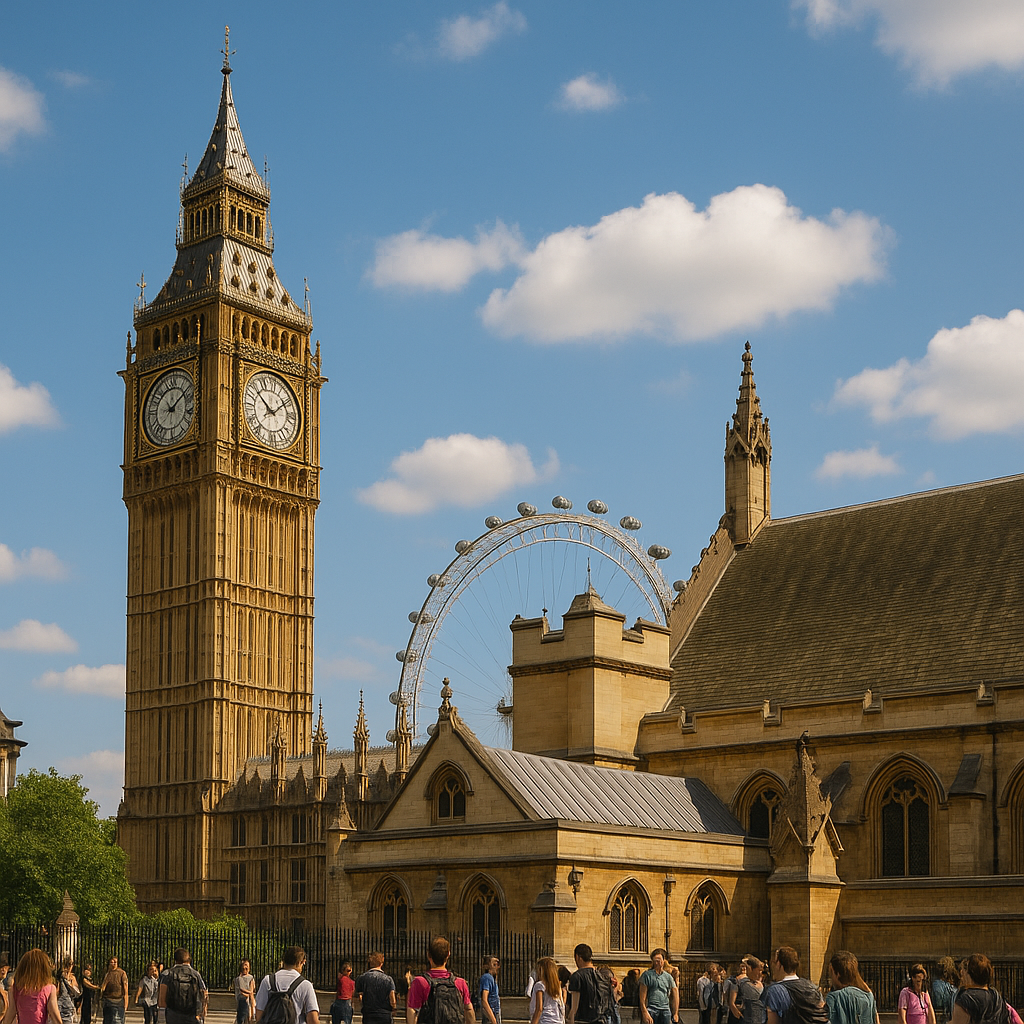
London holds one of the world’s richest collections of landmarks, museums, royal sites, and riverside viewpoints. For first-time visitors, choosing the right balance matters more than trying to see everything. Therefore, this section focuses on the attractions that deliver the strongest first impression, cultural depth, and visual impact.
Moreover, these core sights sit close to each other in walkable clusters. As a result, travelers save time while experiencing the most important chapters of London’s story within a compact area.
If you want to explore the full attraction zone surrounding the iconic viewing wheel, this walking-focused area guide helps you plan better using Things to Do Near London Eye.
Famous Landmarks That Define London
Every first visit begins with London’s landmark spine. These sights appear in postcards, films, and history books for a reason. Westminster Abbey, Big Ben, and the Houses of Parliament shape the political and visual heart of the city. Nearby river crossings frame these landmarks with dramatic reflections at sunrise and sunset.
Trafalgar Square also holds strong importance for first-timers. It connects iconic statues, fountains, museums, and street performances into one lively public space. From here, visitors smoothly branch toward the West End or river routes.
Westminster Abbey is truly a stunning place The historic atmosphere and beauty of the ArThe Westminster Abbey is truly a stunning place The historic atmosphere and beauty of the Ar
Read more reviews on Tripadvisor
Museums and Heritage Sites That Shape First Impressions
London’s museum culture stands unmatched. The British Museum introduces world civilizations under one roof, while the Natural History Museum blends science with grand architecture. Meanwhile, the Science Museum attracts visitors of all ages through hands-on discovery and innovation.
Most importantly, many of these museums offer free entry. Therefore, first-time visitors gain premium cultural access without financial pressure. Early mornings provide the calmest experience before school groups and tour crowds arrive.
A special thanks to Ganesh from front office for being kind and giving us a warm welcome. Give him a raise. 😀😀😀😀😀😀😀😀
Read more reviews on Tripadvisor
Royal Attractions and Ceremonial London
Royal London forms a defining layer of the city’s identity. Buckingham Palace stands at the center of this experience. The ceremonial changing of the guard attracts massive crowds because it represents tradition in full display. Therefore, arriving early improves visibility and comfort.
If you plan to focus on the royal district, this focused planning guide helps structure your walk using Things to Do Near Buckingham Palace.
St. James’s Park sits directly beside the palace and adds natural beauty to the royal zone. Peacocks, waterfowl, and long tree-lined paths soften the stone and steel environment of central London.
We went for the Changing of the Guard, and it was spectacular! The palace is majestic, and even though it was busy, there was enough space to enjoy the ceremony. Definitely worth getting there early for a good spot.
Read more reviews on Tripadvisor
River Thames Highlights That Connect the City
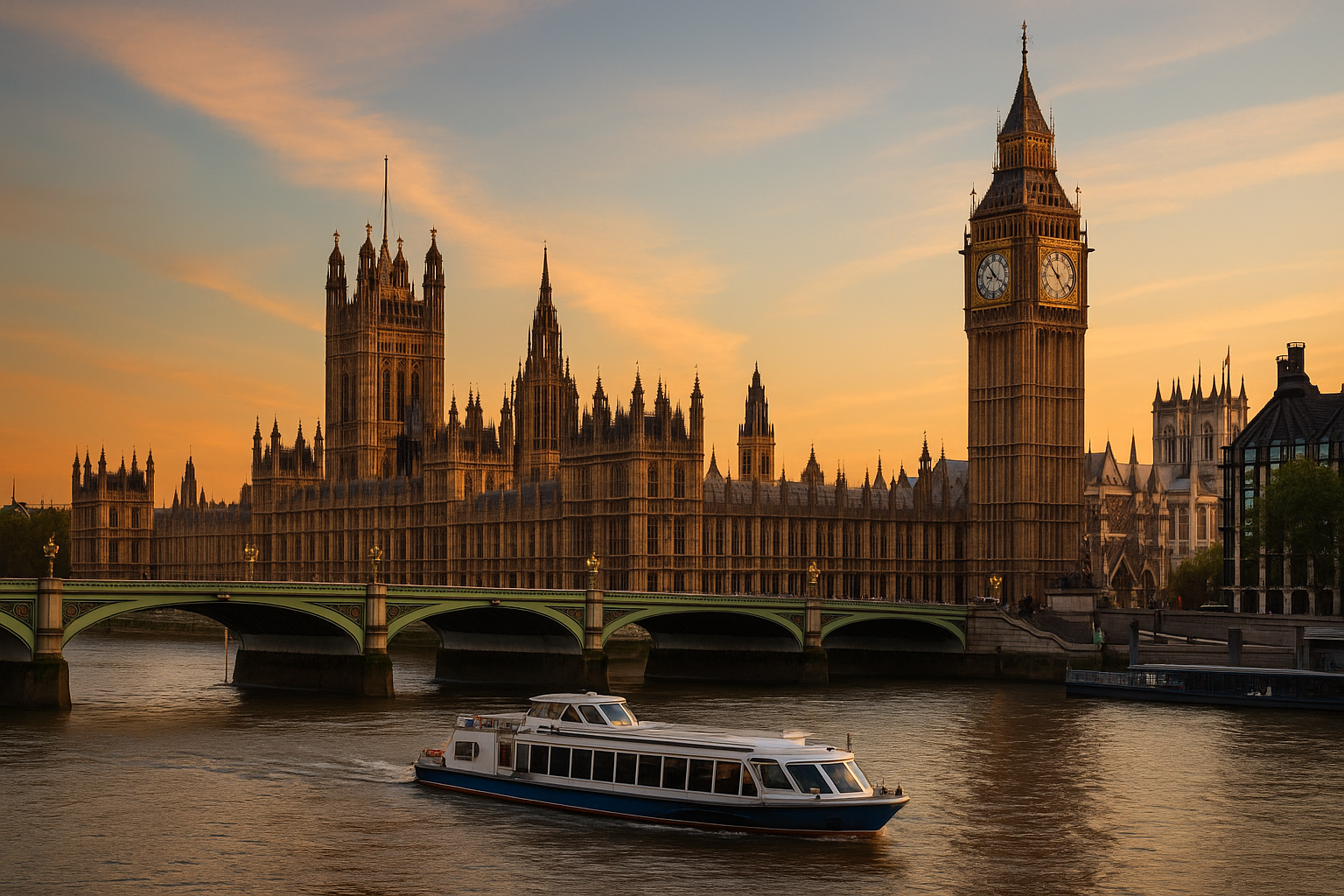
The Thames works as London’s natural navigation line. Walking its banks reveals bridges, theaters, food markets, and skyline shifts within short distances. South Bank stands out as the liveliest river promenade. Street performers, food stalls, book markets, and riverside seating create a constantly moving scene.
River cruises also serve as relaxed sightseeing options. These float past multiple landmark clusters while reducing walking fatigue on busy days.
For those planning a full riverside exploration loop, this route-based activity guide helps with timing and walking flow using Things to Do Near Tower Bridge.
Observation Points and City Views
Viewing London from above changes perspective instantly. The London Eye delivers one of the smoothest skyline introductions for new visitors. Wide glass capsules allow complete city visibility without moving on foot.
Sky gardens, rooftop terraces, and observation decks add variety to skyline experiences. Some require advance reservations even for free entry. Therefore, booking ahead prevents last-minute disappointment.
How First-Time Visitors Should Prioritize These Attractions
Time always limits experience. Therefore, the smartest strategy involves:
-
Grouping landmarks within the same walking zone
-
Mixing one major attraction with one slow-paced activity per half day
-
Avoiding peak midday hours for indoor museums during summer
-
Reserving one riverside evening for relaxed discovery
This balanced rhythm protects energy while maximizing visual reward.
3. Free Things to Do in London for First-Time Travelers
London offers one of the richest collections of free attractions in the world. For first-time visitors, this creates a powerful advantage. Travelers can experience global culture, history, science, art, and green spaces without placing pressure on their daily budget. As a result, sightseeing feels relaxed rather than restricted.
After your first two days of major paid landmarks, free attractions help balance both spending and energy. They also allow flexible planning when weather changes unexpectedly.
For a full route-based breakdown of free sights, parks, viewpoints, and museums, this dedicated guide expands your planning options using free things to do in London.
World-Class Free Museums Every First-Time Visitor Should See
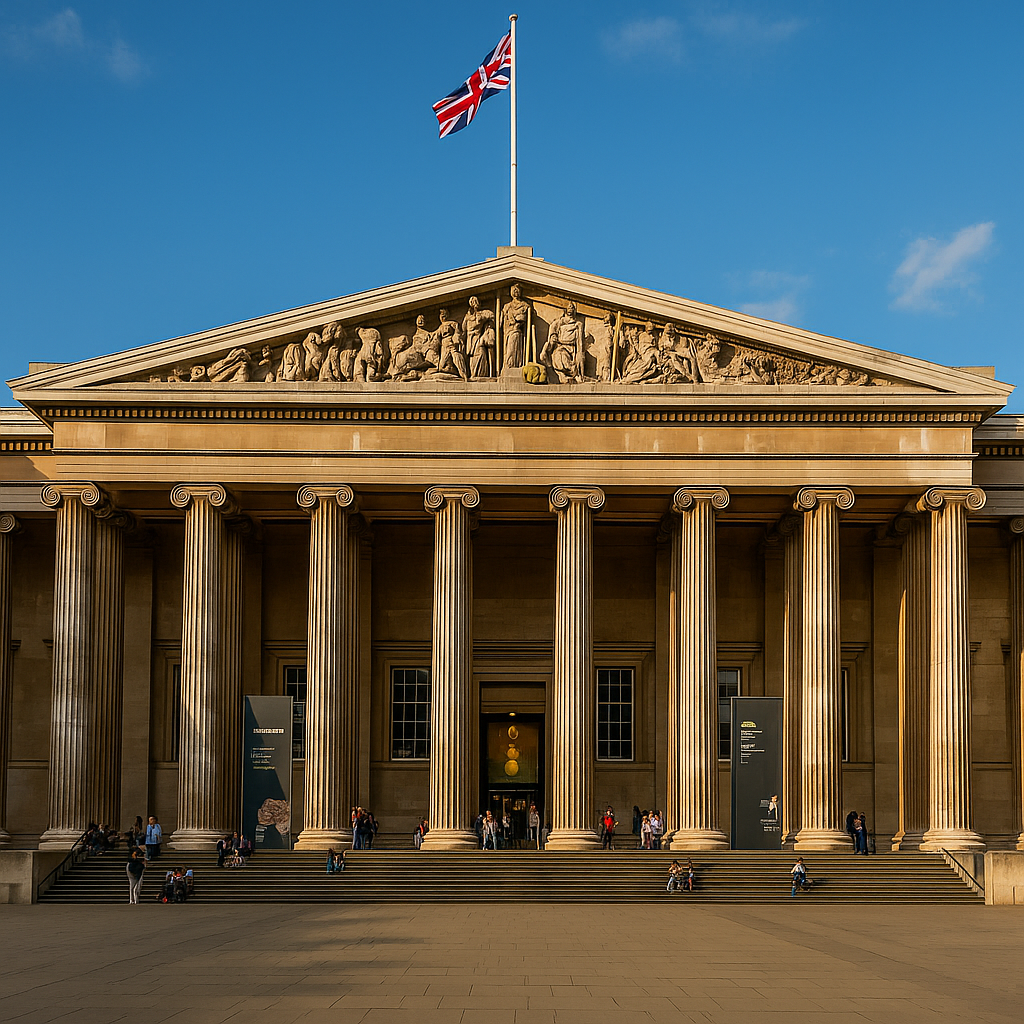
London’s museum network forms the backbone of its free cultural access. The British Museum alone can fill several hours with ancient civilizations, global artifacts, and architectural wonder. Visitors walk through Egyptian mummies, Greek sculptures, and medieval manuscripts without any ticket at the door.
The Natural History Museum attracts massive interest with dinosaur skeletons, earthquake simulators, and ocean life galleries. Meanwhile, the Science Museum adds hands-on learning with space exploration, medical innovation, and transport history.
Early arrival always improves the experience. Morning hours bring quieter halls and smoother movement between galleries.
For permanent collections, exhibition schedules, and global artifact history, the strongest academic museum reference remains the British Museum official collections guide.
Free Parks and Gardens That Reset the Mind
London’s green spaces provide essential breathing room between dense sightseeing routes. Hyde Park, Regent’s Park, and St James’s Park stand out for first-time visitors due to their central location and visual beauty.
Walking these parks introduces a slower rhythm. Grass lawns, lakes, flower beds, and shaded paths restore energy after museum and landmark visits. Wildlife sightings also surprise many visitors, especially along the water edges.
Spring and summer offer the strongest visual impact. However, autumn colors create powerful photographic moments as well.
Free Viewpoints and Walking Routes
Several skyline viewpoints in London require no entry fee. Hilltop walks, river bridges, and elevated walkways reveal panoramic city layers without paid observation decks.
River Thames walks remain completely open and form one of the best sightseeing corridors in the city. From Westminster to Tower Bridge, every bend reveals shifting architecture, historic docks, performance spaces, and skyline transitions.
Street Performers, Markets, and Public Culture
Free entertainment thrives across London’s public spaces. Street performers gather near Covent Garden, South Bank, and Leicester Square. Musicians, living statues, magicians, and dancers perform continuously throughout the day.
Markets also create free cultural immersion. Food scents, artisan crafts, second-hand book stalls, and local designers form living social galleries that require no entrance ticket.
Exploring these areas adds spontaneity and energy between structured sightseeing periods.
Why Free Activities Matter for First-Time Visitors
Free attractions offer more than budget relief. They create schedule flexibility. When rain interrupts outdoor plans or crowds overwhelm key landmarks, free museums and indoor markets provide an immediate shift without penalties.
They also allow visitors to experience daily London life rather than only staged tourist zones. This balance strengthens the overall travel memory.
4. Unique Things to Do in London Most Visitors Miss
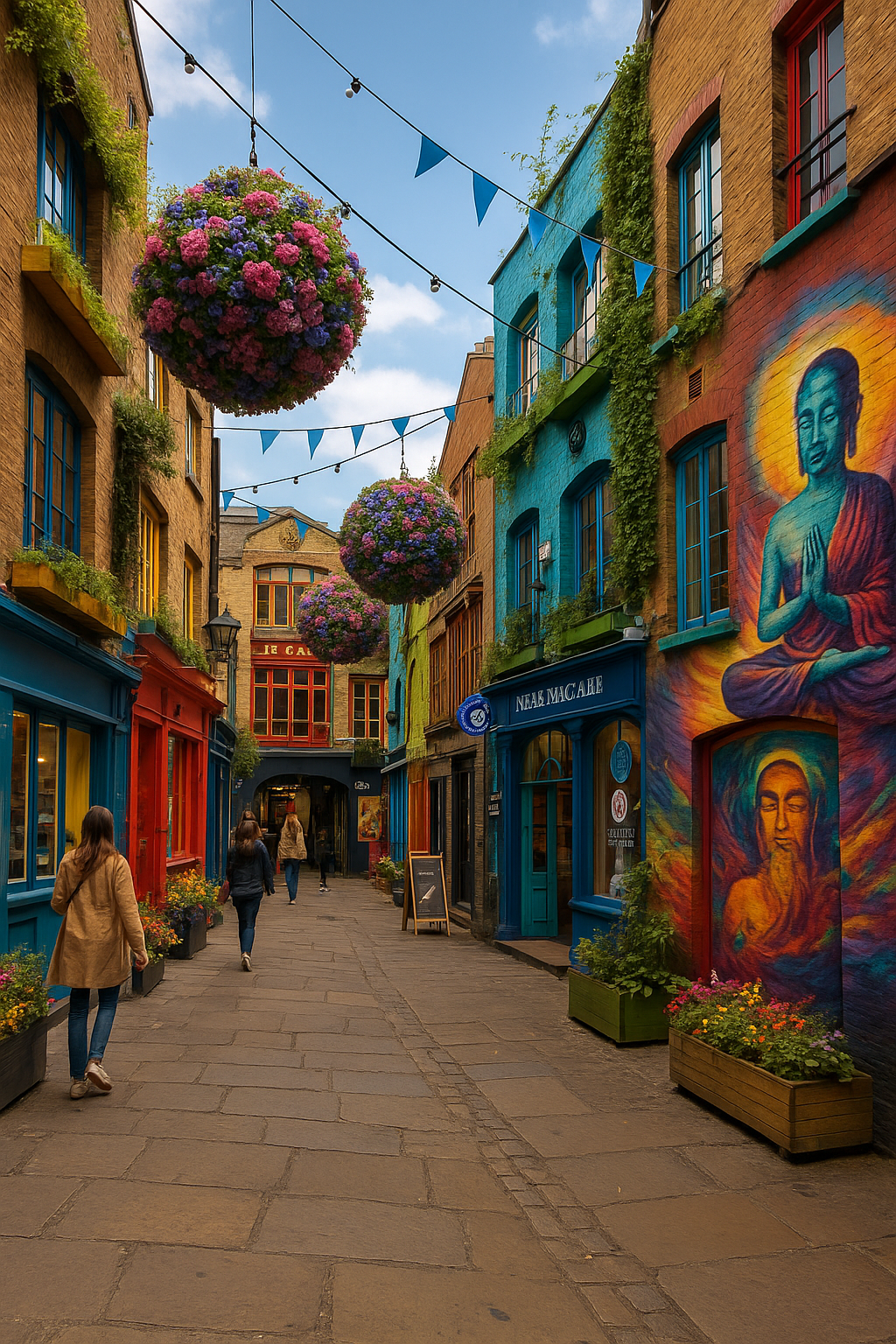
London rewards curiosity. Beyond the famous streets and postcard landmarks, the city hides layered neighborhoods, quiet courtyards, overlooked viewpoints, and cultural corners that most first-time visitors never reach. These experiences often feel more personal, calmer, and surprisingly memorable. Therefore, adding a few lesser-known stops to your itinerary transforms a standard trip into something deeper.
For travelers who enjoy discovery and contrast, this side of London feels especially satisfying. It also helps break the rhythm of crowded sightseeing zones.
If you want a full expanded list of hidden locations and offbeat experiences, this detailed guide helps you go deeper using Unique Things to Do in London.
Several London districts remain overlooked despite sitting close to major tourist zones. These areas feel residential, creative, and locally driven. Streets feel quieter, cafés feel personal, and small galleries often replace crowds with conversation.
Wandering these neighborhoods allows visitors to observe everyday London life. Local bakeries, bookshops, florists, and vintage stores shape a slower and more authentic rhythm. These walks often become the moments visitors remember most clearly after returning home.
Some visitors prefer experiences that feel unexpected or slightly off the tourist path, especially when they want stories and places that stand out from the usual itinerary, which makes unique things to do in London a natural extension of this guide.
Unusual Museums That Spark Curiosity
Beyond the major museum giants, London hosts collections dedicated to topics many travelers never expect. These spaces explore themes such as antique trades, transport history, medical science, performance art, and design evolution.
These museums feel intimate rather than grand. As a result, visitors move slowly, engage more deeply with exhibits, and avoid the rush that defines larger attractions.
Alternative City Views as Unique Things to Do in London
While skyline observation decks attract heavy traffic, several quieter viewing points reveal strong city perspectives with far less pressure. Elevated walkways, riverside terraces, and hidden hill paths create layered city views without ticket lines.
These locations feel ideal for short rest stops between major attractions. They also work well during golden hour when lighting transforms the rooftops and water surfaces into soft reflections.
Underground Culture and Creative Spaces
London’s creative energy thrives underground. Independent music venues, experimental theaters, art studios, community cinemas, and late-night performance spaces bring cultural depth beyond mainstream entertainment districts.
These venues shift constantly. Therefore, asking locals or checking updated boards often leads to unexpected discoveries that never appear in standard guidebooks.
Unique experiences break the predictable rhythm of typical sightseeing. They reduce crowd fatigue, add emotional contrast, and strengthen personal connection with the city. Most importantly, they allow visitors to experience London as a living environment rather than a rotation of landmark stops.
By blending famous highlights with overlooked corners, first-time visitors shape a richer and more balanced travel memory.
5. Cultural Things to Do in London for First-Time Visitors
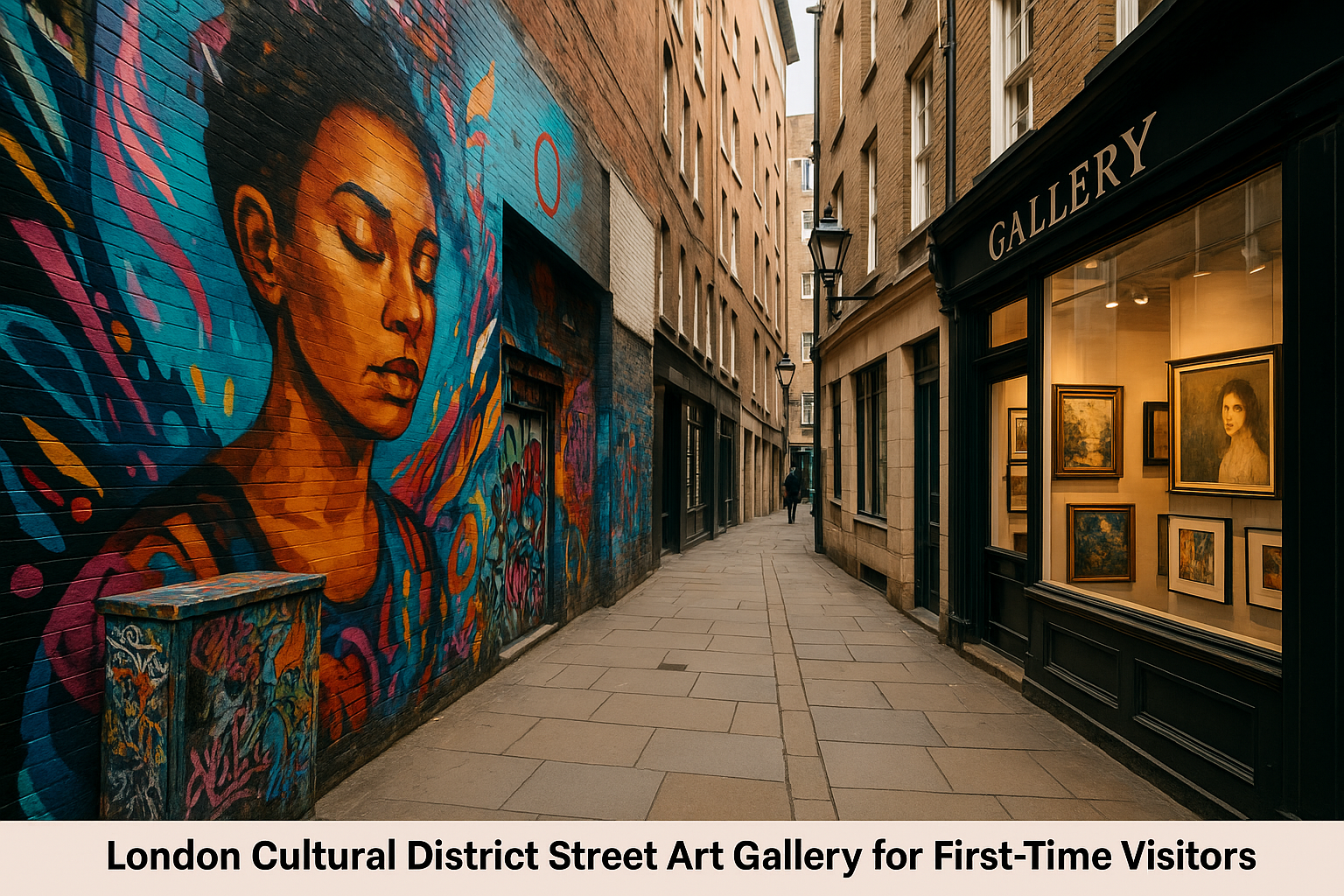
London stands among the world’s strongest cultural capitals. History, performance, literature, film, music, and heritage blend into daily life across the city. For first-time visitors, cultural exploration brings meaning to every street walked and every building observed. Therefore, this section highlights the cultural experiences that shape London’s identity most strongly.
If you want a complete breakdown of performance venues, galleries, festivals, and heritage walks, this full guide expands cultural planning using Cultural Things to Do in London.
Theatre and West End Shows as Cultural Things to Do in London
The West End defines London’s live performance scene. World-class productions, classic plays, modern dramas, and large-scale musicals run daily across historic theater streets. First-time visitors often find West End evenings to be one of the most memorable moments of the entire trip.
Matinee performances work well for tight schedules. Evening shows suit those who prefer relaxed dining before curtain time. Booking in advance protects both budget and seating quality, especially during peak travel months.
Classical Music and Live Performance as Unique Cultural Experiences in London
London’s music culture stretches far beyond mainstream concerts. Classical halls, chamber venues, and historic churches host orchestras, soloists, and chamber groups throughout the year. These performances feel refined, calm, and deeply connected to the city’s artistic roots.
Jazz bars, acoustic lounges, and underground performance rooms also shape the modern soundtrack of London after dark. These venues create a quieter contrast to crowded nightlife districts.
Historical Exhibitions as Cultural Things to Do in London
London’s historical exhibitions exist far beyond museums. Old dockyards, preserved neighborhoods, royal courtyards, war memorials, and historic prisons reveal layered stories across centuries. These spaces allow visitors to walk through events rather than only read about them.
Temporary exhibitions often rotate through cultural institutions. Therefore, checking dates near the travel window helps capture unique seasonal programming.
Literary and Film Locations as Unique Cultural Things to Do in London
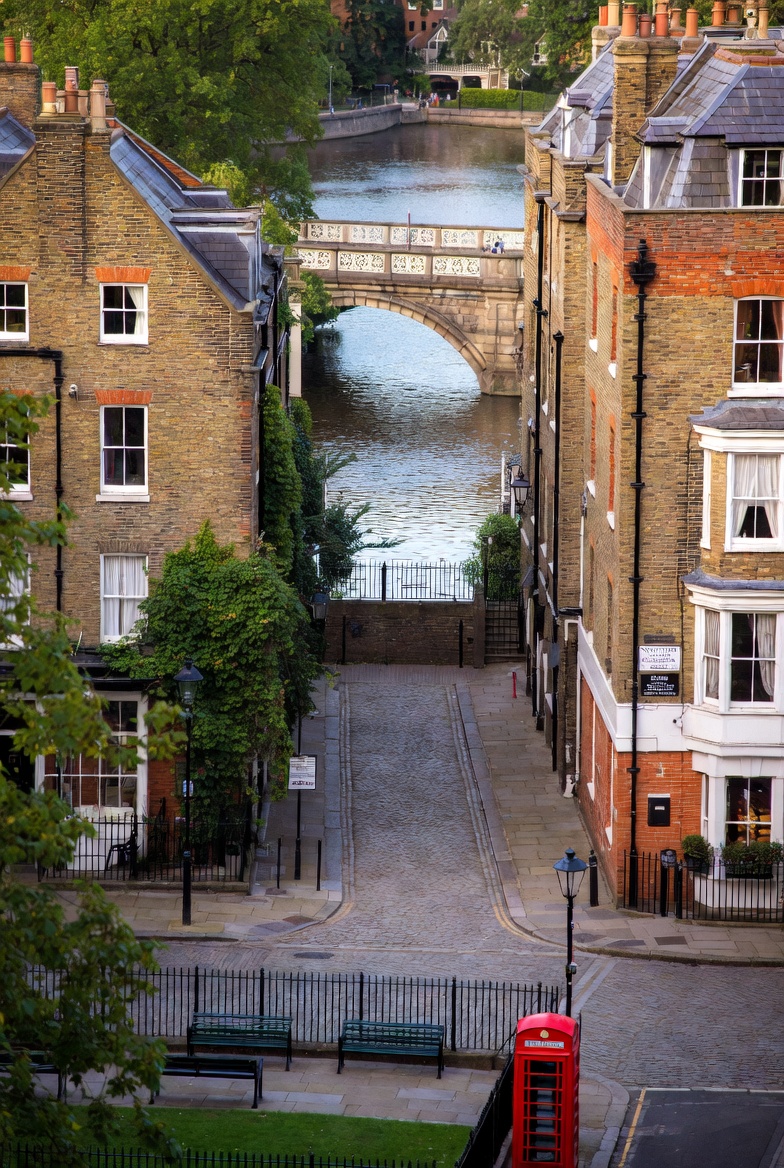
London belongs strongly to both literature and film. For example, streets, bridges, houses, and public squares repeatedly appear in novels, biographies, crime thrillers, and cinema history. As a result, walking through these routes brings fictional worlds into physical form.
In addition, bookshop districts, author homes, and film-location neighborhoods attract visitors who enjoy storytelling, photography, and creative history layered into urban scenery.
Cultural Districts as the Heart of Things to Do in London
London’s cultural energy organizes itself through distinct districts. In fact, each area carries its own creative personality, influenced by history, migration, performance, and architecture. As a result, street art zones, creative campuses, gallery clusters, and performance corridors define how culture disperses across the city.
Moreover, wandering these districts without strict schedules often leads to spontaneous discoveries. For instance, street exhibitions, pop-up performances, and temporary installations appear without warning and disappear just as quickly.
Why Cultural Things to Do in London Matter for First-Time Visitors
Cultural experiences provide balance. Most importantly, they slow the pace between landmarks while deepening emotional connection to the city. Rather than simply observing London, visitors gradually begin to understand how people live, perform, express, and preserve identity.
By blending museums, theaters, exhibitions, music venues, and creative districts into an itinerary, first-time visitors therefore experience London as a living cultural environment rather than a static collection of buildings.
6. Romantic Things to Do in London for Couples
London carries a soft romantic energy that appears quietly through river reflections, evening lights, historic bridges, candlelit restaurants, and long park walks. For couples visiting for the first time, the city therefore offers countless ways to slow down and share meaningful moments together. For this reason, this section highlights the most memorable romantic things to do in London that balance beauty, privacy, and atmosphere.
If you want a full couples-only planning guide with date ideas and scenic routes, this expanded guide therefore helps shape your experience using Romantic Things to Do in London.
River Cruises as Romantic Things to Do in London
Few experiences feel as calm and intimate as drifting along the Thames together. As you glide forward, river cruises pass illuminated bridges, royal landmarks, riverfront restaurants, and skyline silhouettes. In the evening, soft lights and reflected city colors appear, which create a quiet, cinematic mood.
Because of this, these cruises work especially well on the first night in the city. At the same time, they allow couples to relax after travel while still enjoying a full introduction to central London.
Skyline Dining as Romantic Things to Do in London
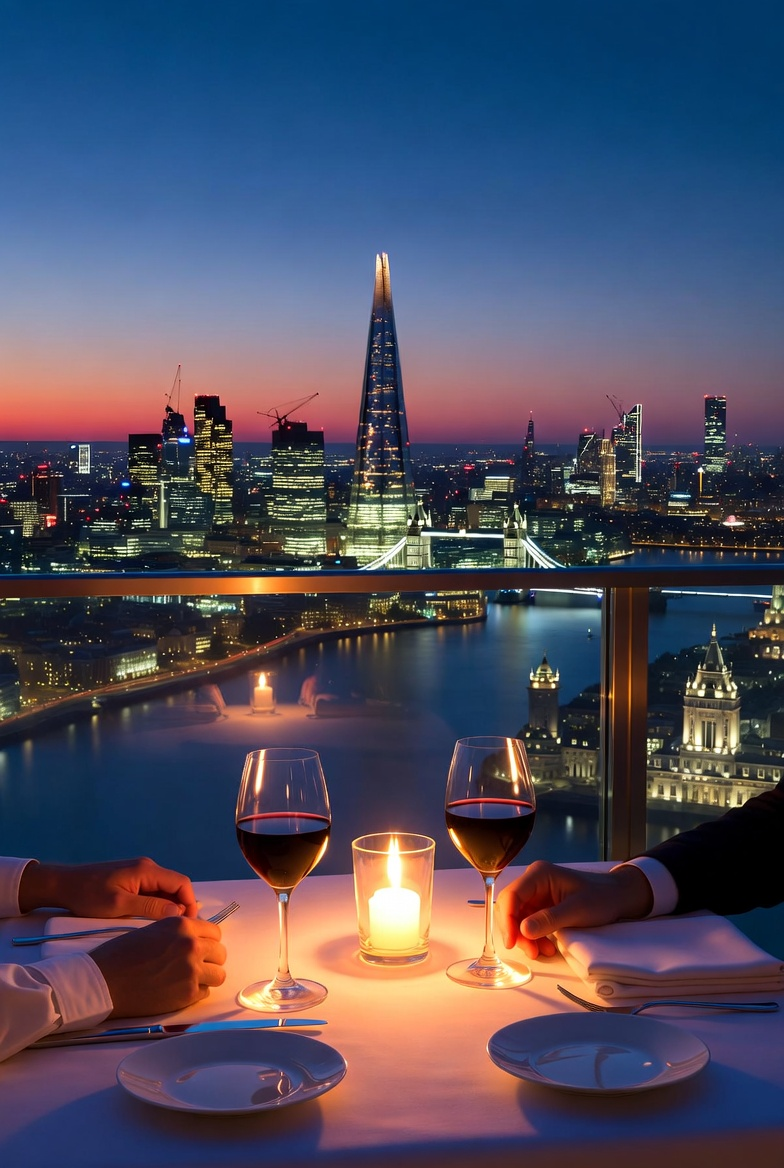
London’s skyline transforms at night. As a result, rooftop restaurants, elevated terraces, and river-facing dining rooms offer candlelit views across rooftops and bridges. In many cases, shared meals with slow pacing and panoramic scenery therefore become the most cherished memories of a trip.
For this reason, reservation planning matters here. In particular, popular skyline venues fill quickly on weekends and during summer evenings. Meanwhile, early dinner seating provides the best lighting for photography and relaxed conversation.
Sunset Viewpoints as Unique Romantic Things to Do in London
Sunset shifts the mood of the entire city. Gradually, bridges glow, windows warm, and river reflections soften. As a result, quiet viewpoints near riversides, parks, and elevated walkways allow couples to pause without rushing.
In most cases, golden hour works best after a full day of sightseeing. Therefore, it creates a natural emotional close before transition into evening dining or theater plans.
Park Strolls as Gentle Romantic Things to Do in London
London’s royal parks offer peaceful escape within the heart of the city. Along these routes, tree-lined paths, hidden gardens, lakes, and open lawns support long, unhurried walks. In the early morning, these spaces feel private, while in the evening, light adds reflection to water surfaces.
Additionally, seasonal changes reshape these walks. For instance, spring blooms, summer greenery, autumn foliage, and winter frost all create different visual moods for couples.
Theatre Nights as Classic Romantic Things to Do in London
Live theater carries a timeless romantic quality. When couples share an evening performance, emotional connection deepens through music, story, and atmosphere. At the same time, West End productions provide variety ranging from dramatic storytelling to large-scale musical experiences.
After the show, post-theater walks through softly lit streets extend the romantic mood long after final applause. As a result, combining dinner and performance creates a full evening rhythm without rushing.
Why Romantic Things to Do in London Matter for Couples
Romantic experiences shape memory through emotion rather than checklist sightseeing. In fact, they slow the pace, deepen connection, and turn ordinary travel into shared story. For first-time visitors, these moments therefore often become the strongest emotional anchors tied to London itself.
By mixing river views, park walks, skyline dining, sunsets, and theater nights, couples ultimately build a balanced romantic layer into an already vibrant city journey.
7. Fun Things to Do in London for Young Adults
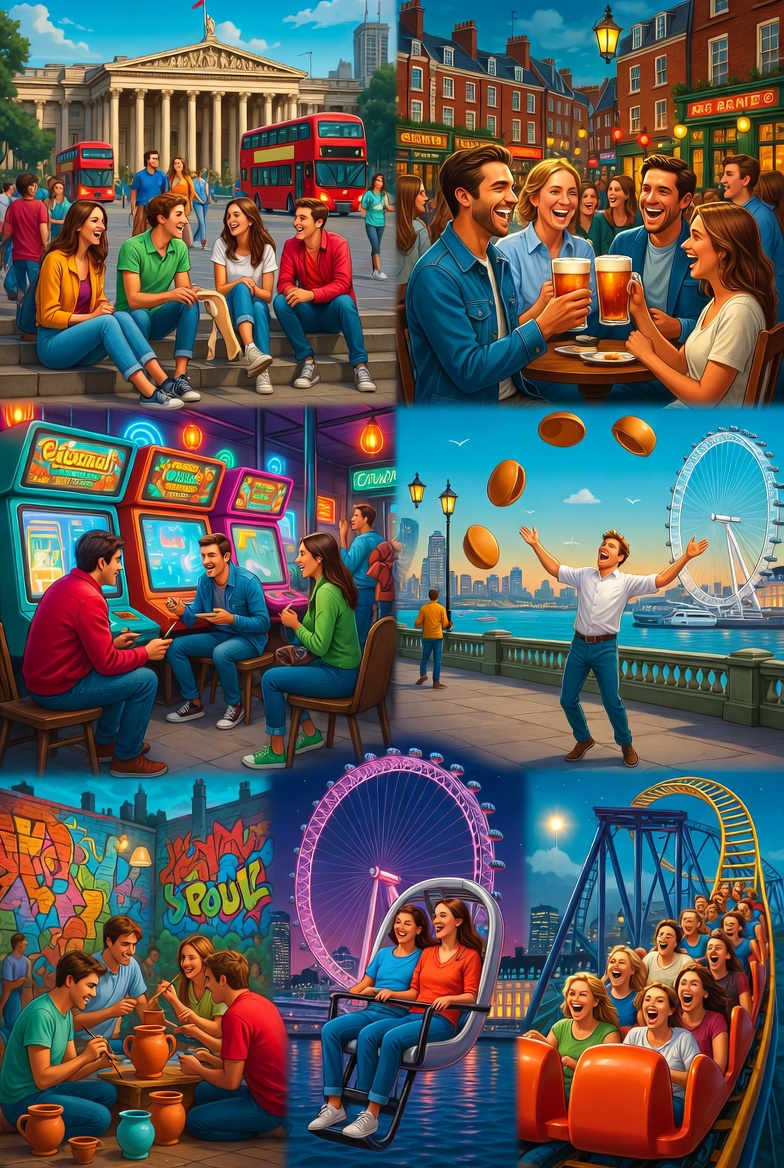
London delivers non-stop energy for young adults who enjoy social scenes, interactive entertainment, creative experiences, nightlife, and adrenaline-filled attractions. For first-time visitors in this age group, the city therefore offers endless ways to stay active from morning until late at night. For that reason, this section focuses on the most exciting fun things to do in London that blend play, culture, and social energy.
If you want a full youth-focused activity guide with nightlife zones, trend spaces, and social venues, this detailed breakdown therefore expands your options using Fun Things to Do in London.
If you are planning evenings in the city, this complete guide to things to do in London at night explores nightlife, late walks, food scenes, and cultural experiences after dark.
Night Markets and Street Food as Fun Things to Do in London
Night markets bring together food, music, lighting, and crowds in one lively environment. At the same time, street food vendors offer global flavors in one compact space. As a result, spices, smoke, and music mix into an atmosphere that feels energetic and spontaneous.
Because of this, these markets work especially well for group travel. For example, friends can split dishes, move between stalls, and stay active without formal dining schedules. Ultimately, this open structure keeps the night relaxed and social.
Game Arcades and Interactive Play Zones as Fun Things to Do in London
Interactive entertainment has grown rapidly across the city. As a result, game arcades, virtual reality rooms, bowling lounges, and competitive social clubs now attract young adults seeking playful competition.
On rainy days, these spaces work particularly well when energy shifts away from sightseeing. In this setting, laughter, group challenges, and shared scoring create instant bonding within travel groups.
Sky Rides and Thrill Attractions as Fun Things to Do in London
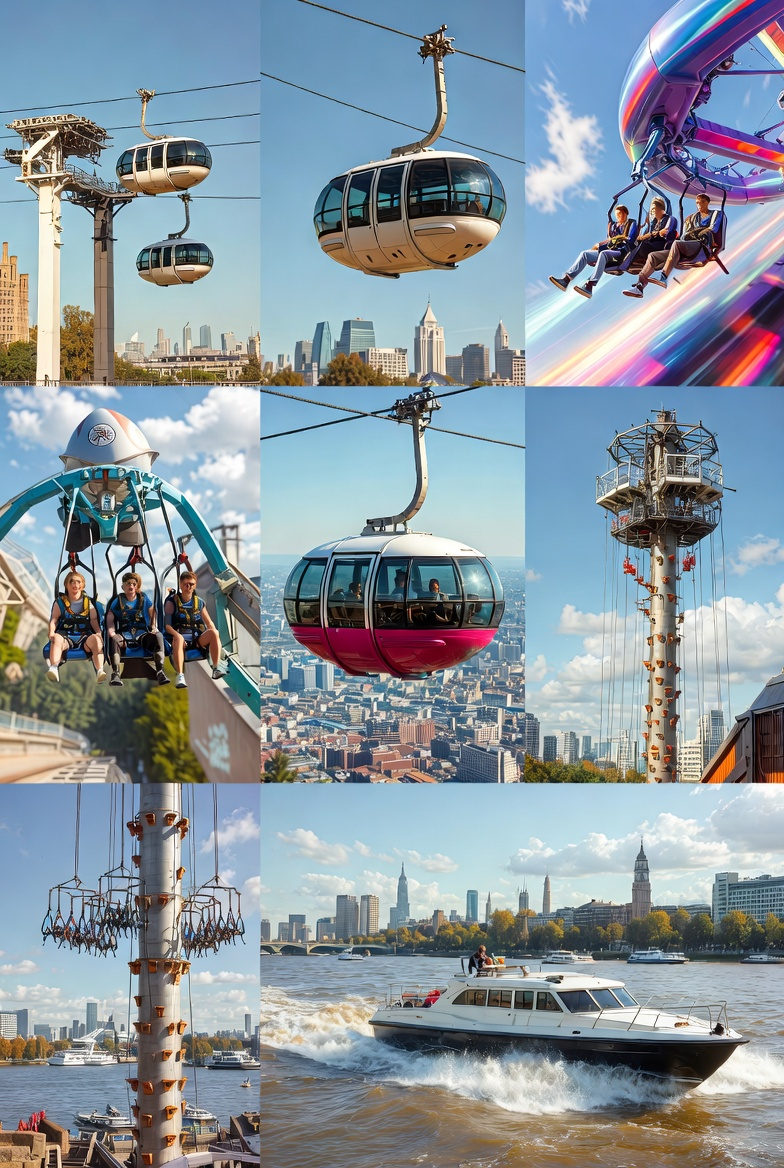
Adrenaline-oriented attractions add a physical thrill to city exploration. For instance, high-speed rides, aerial viewing capsules, climbing towers, and river-based speed experiences break the routine of museum and walking routes.
As expected, these activities suit travelers who prefer motion and excitement. At the same time, they deliver sharp photographic moments that stand out on social platforms.
London’s social bar culture stretches far beyond traditional pubs. Instead, the city features themed cocktail rooms, rooftop lounges, underground dance bars, and late-night cafés that host music sets.
Meanwhile, each neighborhood shapes a different mood. For example, some zones focus on casual conversation, while others push toward dance and performance. As a result, exploring a few districts helps visitors find their personal nightlife rhythm.
Young travelers often look for social energy, flexible plans, and experiences that feel lively without being overwhelming, and many of those ideas are explored in fun things to do in London for young adults.
Pop-Up Experiences and Trend Events as Fun Things to Do in London
Pop-up experiences define modern London culture. In many cases, temporary food festivals, immersive exhibitions, themed rooms, street installations, and experimental venues appear for short periods before disappearing again.
Because of this, these experiences reward visitors who stay flexible. In practice, checking local listings during the travel week often reveals spontaneous opportunities unavailable in long-term planning guides.
Why Fun Things to Do in London Matter for Young Adults
Fun-focused experiences keep energy high throughout long travel days. At the same time, they prevent sightseeing fatigue and promote group connection through shared excitement. For first-time visitors, these social moments therefore often define the emotional highlight of the trip.
By blending night markets, interactive play, thrill attractions, nightlife, and pop-up culture, young adults ultimately experience London as a living, breathing playground rather than a static sightseeing circuit.
8. Things to Do in London With Kids for First-Time Families
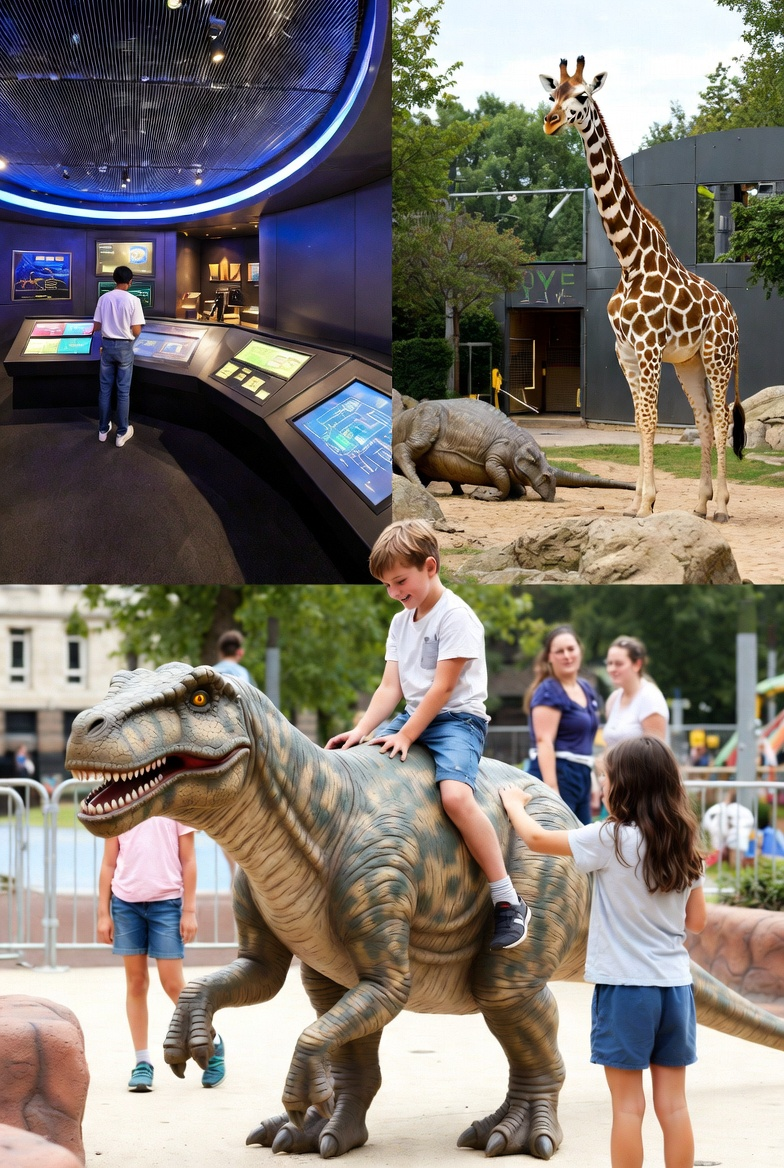
London works surprisingly well for family travel. In fact, the city blends education, imagination, outdoor play, animals, science, and storytelling into daily movement. For first-time families, this balance therefore creates excitement without constant fatigue. For this reason, this section focuses on the most rewarding things to do in London with kids that combine learning, play, and comfort.
If you want a full family-only planning guide with age-based activity breakdowns, this complete resource therefore expands your options using Things to Do in London With Kids.
Child-Friendly Museums as Things to Do in London With Kids
Museums in London attract children through interaction rather than lectures. For example, hands-on science exhibits, fossil displays, space exploration zones, and transport collections transform learning into adventure.
As a result, children move freely between galleries while parents enjoy structured organization. Overall, the blend of curiosity and education makes museums one of the strongest family foundations in the city.
Theme Attractions and Interactive Zones as Things to Do in London With Kids
Interactive attractions deliver full-body engagement. In particular, motion-driven rides, immersive experiences, and themed environments capture attention through sound, movement, and visual storytelling.
Because of this, these attractions work especially well after morning sightseeing. At the same time, they allow children to release physical energy while adults relax into guided activity flow.
Parks and City Zoos as Outdoor Things to Do in London With Kids
London’s parks form open playgrounds for families. For instance, large lawns support running, picnics, and casual play. Meanwhile, lakes invite boat rides and wildlife observation. At the same time, shaded walking paths allow restful movement between activity bursts.
In addition, city zoos introduce animals within natural enclosure design. As a result, children learn through observation instead of performance-based staging. Over time, this calm exposure builds natural awareness rather than overstimulation.
Interactive Shows and Story-Based Performances as Things to Do in London With Kids
Live performances designed for children focus on imagination and movement. As a result, story-driven theater, puppet shows, musical playrooms, and circus-style acts combine narrative with visual excitement.
Because of this, these shows hold attention spans without overwhelming volume or pace. At the same time, they help children settle into evening schedules after long physical activity during the day.
Educational Experiences as Smart Things to Do in London With Kids
London integrates education into outdoor discovery. For example, science centers, historical walkthroughs, transport museums, and exploration trails turn city movement into classroom extension.
As a result, children absorb learning naturally when lessons appear inside physical space. In turn, this connection strengthens memory far beyond worksheets or screens.
Why Things to Do in London With Kids Matter for First-Time Families
Family travel builds shared memory through movement and discovery. When planned well, the right activities prevent exhaustion, reduce stress, and maintain emotional balance within the group. Importantly, London’s variety supports this balance at every stage of the day.
By mixing museums, parks, interactive attractions, children’s theater, and educational exploration, first-time families therefore enjoy London without pressure or overstimulation.
09. Best Indoor Things to Do in London for All Weather Conditions
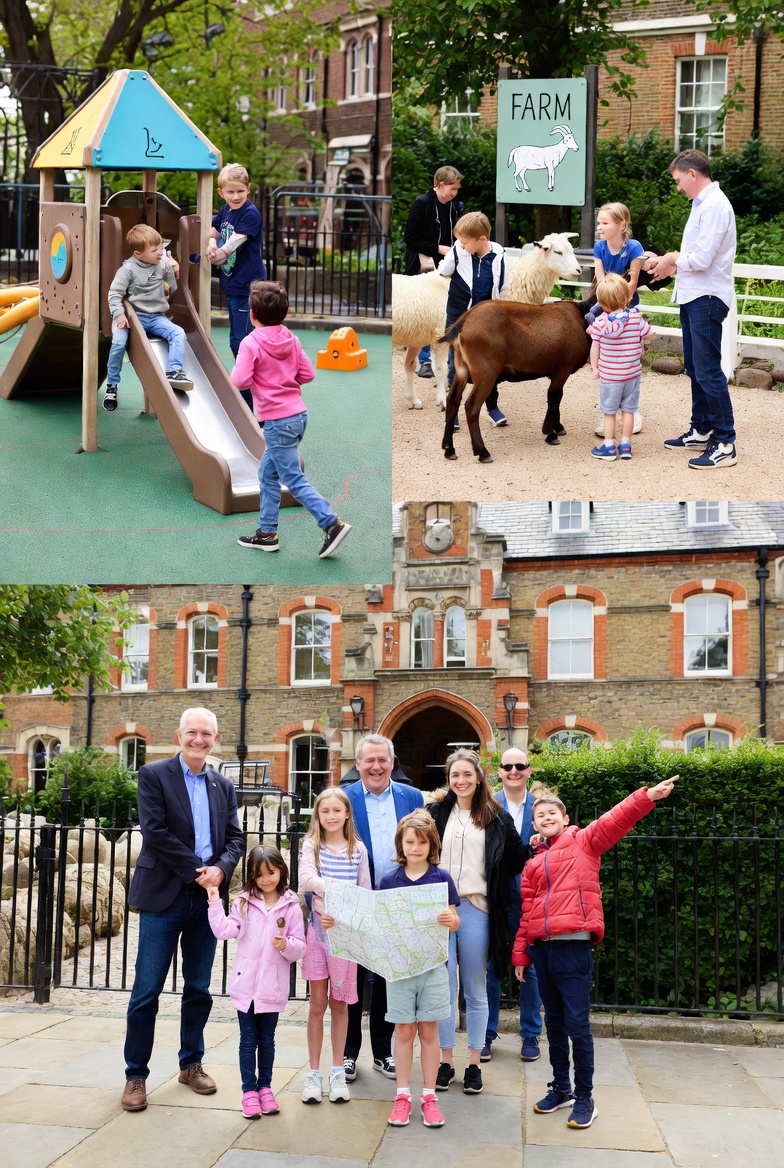
London’s weather changes quickly. As a result, sudden rain, cold winds, or heavy heat can disrupt outdoor plans without warning. Therefore, indoor attractions play a vital role in keeping daily schedules smooth and enjoyable. For first-time visitors, these experiences ensure that time never feels wasted even when outdoor sightseeing slows down.
If you want a complete indoor-only activity planner with entertainment zones and weather-proof routes, this detailed breakdown therefore expands your planning options using Best Indoor Things to Do in London.
Indoor Entertainment Venues as Best Indoor Things to Do in London
Indoor entertainment venues provide high-energy relief from walking-heavy days. For instance, cinemas, performance halls, interactive game lounges, and digital experience centers attract visitors who want both relaxation and stimulation without exposure to weather conditions.
In the evening, these spaces work especially well. At that time, they allow recovery from long daytime exploration while keeping the night socially active and memorable.
Aquariums and Science Centers as Best Indoor Things to Do in London
Large aquariums and science discovery centers deliver full sensory engagement without stepping outdoors. For example, underwater tunnels, marine life exhibits, space simulation rooms, and hands-on science galleries blend education with visual excitement.
As a result, these attractions appeal equally to adults and children. At the same time, they provide the perfect balance between structured exploration and relaxed pacing.
Escape Rooms and Puzzle Experiences as Best Indoor Things to Do in London
Escape rooms and problem-solving attractions transform indoor time into group challenge and mental adventure. In these settings, teams solve clues, unlock stages, and race against the clock in themed environments.
Because of this, these activities strengthen group connection while stimulating creativity and focus. In addition, they work well for families, friends, and couples seeking shared challenge indoors.
Shopping Arcades and Covered Markets as Best Indoor Things to Do in London
London’s covered shopping spaces merge retail with architecture. For example, glass-roofed arcades, historic markets, and indoor food courts offer shelter while maintaining visual beauty and exploration energy.
As a result, food stalls, handmade crafts, clothing boutiques, and specialty shops create slow browsing opportunities that feel social rather than purely commercial.
Art Galleries and Indoor Exhibition Spaces as Best Indoor Things to Do in London
Art galleries provide calm contrast to high-energy entertainment zones. Here, visitors move at a self-chosen pace through painting collections, digital installations, sculpture halls, and rotating exhibitions.
Because of this, these spaces allow reflection and quiet absorption of creative expression. At the same time, they work well between physically demanding sightseeing blocks.
Why Best Indoor Things to Do in London Matter for First-Time Visitors
Indoor attractions protect travel rhythm. Specifically, they prevent weather disruption, reduce physical strain, and preserve daily momentum without forcing cancellation. For first-time visitors, this flexibility therefore becomes essential to maintaining enjoyment across multiple days.
By blending entertainment venues, aquariums, science centers, escape rooms, shopping arcades, and galleries, indoor planning ultimately strengthens the entire London experience.
10. Rainy Day Activities in London for First-Time Visitors
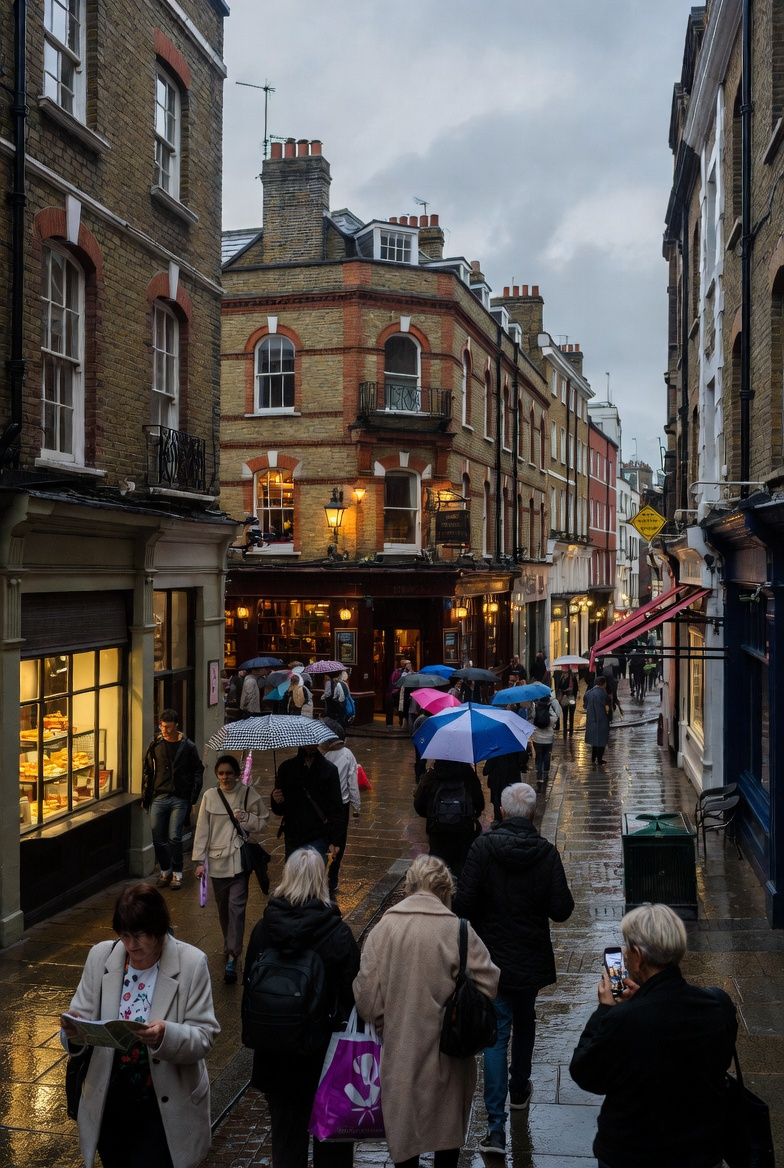
Rain often arrives without warning in London. However, a wet day does not reduce the value of the city when planned smartly. Instead, rain reshapes the rhythm into slower, cozier, and more immersive indoor exploration. For first-time visitors, this shift therefore often reveals a more intimate side of the city that sunny sightseeing does not provide.
If you want a full rain-ready activity planner with indoor walking routes and shelter-friendly zones, this detailed guide therefore expands your options using Rainy Day Activities in London.
Museum Routes as Rainy Day Activities in London
Museums form the strongest foundation for rainy-day sightseeing. In fact, many stand close together, which allows sheltered walking between multiple indoor spaces with minimal outdoor exposure. As a result, these routes create smooth half-day explorations without weather pressure.
While large galleries support long wandering, smaller collections, on the other hand, suit quick visits between café stops. This flexible pacing therefore prevents fatigue when weather slows movement.
Café Hopping as Cozy Rainy Day Activities in London
Rain transforms cafés into natural shelters across the city. At the same time, warm lighting, quiet music, and window seating turn short breaks into extended rest moments. As a result, coffee, pastries, and slow meals blend naturally with observation of city life passing outside.
Because of this, café routes work especially well between museums, shopping arcades, and covered markets. In turn, they allow warmth recovery while keeping the day fluid and social.
Cinema Experiences as Relaxed Rainy Day Activities in London
London’s cinema culture offers far more than mainstream screenings. Independent theaters, historic film houses, and modern IMAX venues provide varied visual experiences for all age groups.
Midday screenings suit travelers seeking rest after long walks. Evening films serve as calm transitions into night dining without exposure to unpredictable rain.
Shopping Zones as Practical Rainy Day Activities in London
Covered shopping streets and indoor retail centers create dry exploration even during heavy rain. Visitors move freely between boutiques, bookstores, food courts, and specialty shops without needing umbrellas.
These zones also provide essential travel shopping opportunities such as clothing layers, souvenirs, accessories, and comfort items for extended stay planning.
Indoor markets create vibrant shelter during rainy weather. Food fumes, music, artisan stalls, and conversation fill shared public halls. Visitors browse slowly, taste local flavors, and chat with vendors without weather distraction.
These markets often become the emotional highlight of rainy days due to their warmth and social atmosphere.
London also works beautifully for couples who want slower moments, scenic walks, and shared experiences that feel personal rather than rushed, which is why many visitors explore romantic things to do in London alongside the city’s famous attractions.
Why Rainy Day Activities in London Matter for First-Time Visitors
Rain changes speed. Instead of rushing between landmarks, visitors slow down, focus inward, and connect more closely with space. This change often reveals depth, patience, and atmosphere that bright sun cannot deliver.
By blending museums, cafés, cinemas, shopping zones, and covered markets, first-time visitors transform rain from a disruption into a memorable travel layer.
For travelers interested in art, history, performance, and everyday traditions that shape the city’s identity, these experiences connect well with the broader ideas covered in cultural things to do in London.
11. Adventure Activities in London for Thrill-Seeking Visitors

London does not only offer history, museums, and quiet parks. It also delivers speed, height, water motion, climbing, and physical challenge for travelers who crave active excitement. For first-time visitors who enjoy movement and adrenaline, this side of the city adds powerful contrast to traditional sightseeing. Therefore, this section focuses on the most exciting adventure activities in London that raise energy and momentum.
If you want a full thrill-based planning guide with safety tips and booking guidance, this detailed resource expands your activity options using Adventure Activities in London.
Climbing Centers as Adventure Activities in London
Indoor climbing centers attract visitors seeking full-body challenge without leaving the city. These facilities feature climbing walls for beginners and advanced climbers alike. Staff guidance allows even first-timers to participate with confidence.
Climbing sessions work well between sightseeing days. They activate muscles that museum routes rarely use and refresh both body and mind.
Kayaking on the Thames as Adventure Activities in London
Paddling across the Thames introduces a completely different perspective of the city. From water level, bridges rise higher, riverside architecture feels larger, and skyline views stretch uninterrupted.
Kayaking sessions range from calm guided paddles to faster current routes. Travelers control both speed and intensity based on confidence level and weather conditions.
Speedboat Rides as Adventure Activities in London
Speedboat rides cut sharply across the calm river cruise rhythm. Engines roar, water sprays, and vessels accelerate beneath bridges at thrilling pace. These rides compress excitement into short, unforgettable bursts.
They work well for visitors who prefer fast-impact experiences without long time commitment.
Ziplining and Aerial Routes as Adventure Activities in London
Aerial routes introduce vertical adventure within controlled safety environments. Ziplining zones, rope courses, and suspended walkways challenge balance and courage while offering wide open city views.
These activities bring physical engagement into urban space, adding height and motion rarely experienced through normal sightseeing.
Cycling Experiences as Adventure Activities in London
Cycling transforms sightseeing into kinetic adventure. Dedicated cycling routes follow riverbanks, park systems, historic streets, and cultural districts. Riders control pace while covering large distances quickly.
Guided cycling tours suit first-time visitors who prefer structure. Independent rides suit those who enjoy flexible navigation and exploration.
Why Adventure Activities in London Matter for First-Time Visitors
Adventure changes emotional tone. It replaces passive observation with active participation. For first-time visitors, these experiences deepen physical memory of the city through movement, speed, balance, and effort.
By blending climbing, kayaking, speedboats, aerial routes, and cycling, London reveals itself not only as a historic capital but also as a dynamic playground of motion and challenge.
12. Seasonal Things to Do in London for First-Time Visitors
London transforms with the seasons. Weather, light, crowd levels, festivals, and outdoor access all shift the way the city feels and functions. For first-time visitors, understanding this seasonal rhythm helps avoid disappointment and improves daily planning. Therefore, this section focuses on the most suitable seasonal things to do in London across the year.
If you want a full month-by-month breakdown with festivals, weather patterns, and best activity timing, this expanded guide helps you plan smarter using Seasonal Things to Do in London.
Spring Events and Outdoor Experiences
Spring reawakens London after winter. Parks bloom with color, riverside walks feel fresh again, and outdoor cafés return to life. Cultural festivals, garden shows, and walking tours grow more active during this season.
Spring works best for visitors who enjoy mild temperatures, lighter crowds, and photography-focused sightseeing. The city feels open and refreshed during these months.
Summer Festivals and Open-Air Celebrations
Summer represents London at its most energetic. Outdoor concerts, food festivals, river events, rooftop venues, and late-night street activity dominate the city. Long daylight hours allow extended sightseeing without pressure.
This season suits travelers who enjoy crowds, social energy, and outdoor exploration. However, popular attractions require early arrival and advance booking due to higher visitor volume.
Autumn Colors, Food Events, and City Walks
Autumn softens the city into warm tones. Parks shift into gold and red foliage. Museums become quieter. Food festivals and cultural exhibitions return as weather cools.
This season suits travelers who prefer moderate temperatures, fewer crowds, and relaxed walking conditions. It also offers some of the best photography lighting of the year.
Winter Attractions as Seasonal Things to Do in London
Winter introduces festive lighting, holiday markets, ice skating zones, and indoor cultural programming. Outdoor sightseeing shortens, while indoor spaces become more active.
This season works best for visitors who enjoy cozy cafés, museums, theater nights, and holiday atmosphere. Cold weather reduces large walking circuits but enhances visual charm in decorated districts.
How Seasonal Planning Improves First-Time Visits
Seasonal awareness prevents missed opportunities. Certain experiences only appear during short windows. Others lose value outside ideal weather conditions. Planning around season ensures that visitors experience London at its most suitable rhythm during their stay.
By matching activities to seasonal strengths, first-time visitors gain stronger value from both time and budget while avoiding unrealistic expectations.
For travelers planning a short stay or last-minute visit, this focused guide to things to do in London this weekend highlights current events, seasonal activities, and time-sensitive experiences.
13. Things to Do in London in Winter for First-Time Visitors

Winter reshapes London into a quieter, more atmospheric city. Streets glow with festive lights, indoor venues become central to daily life, and cultural activity shifts toward theaters, museums, and seasonal events. For first-time visitors, winter offers a calmer version of London that feels reflective and visually rich rather than crowded and rushed.
This season suits travelers who enjoy cozy exploration, cultural depth, and holiday charm rather than long outdoor walking days.
Christmas Markets and Seasonal Fairs
Winter markets bring warmth and color to cold evenings. Wooden stalls glow with soft lighting, while vendors serve hot drinks, baked goods, crafts, and seasonal foods. These markets create relaxed social spaces where visitors wander slowly, browse handmade items, and enjoy live music.
Even after the holiday period, many winter fairs continue with food stalls, small rides, and entertainment zones that keep public spaces active despite low temperatures.
Ice Skating and Winter Play Zones
Ice skating becomes one of the strongest winter highlights in London. Temporary outdoor rinks appear near landmarks, parks, and public squares. Skating beneath festive lights creates a memorable visual experience even for beginners.
Winter play zones also introduce heated activity areas, small amusement corners, and family-friendly attractions that replace typical outdoor summer festivals.
Museum and Gallery Exploration During Winter
Cold weather naturally shifts attention indoors. Museums feel warmer, calmer, and easier to navigate during winter months. Visitors linger longer in galleries, read deeper into exhibitions, and move between collections without rushing.
Temporary exhibitions also peak during winter cultural calendars. These limited programs often deliver some of the most curated artistic and historical displays of the year.
Theatre, Concerts, and Indoor Performances
Winter strengthens London’s performance season. Theaters fill nightly, orchestras tour regularly, and indoor concert venues remain consistently active. These performances bring emotional warmth to dark evenings and often become the highlight of winter trips.
Early booking remains essential due to holiday crowds and reduced seasonal schedules.
Cozy Cafés and Winter Food Culture
Food becomes central in winter. Warm cafés, bakeries, and dining rooms turn into travel anchors throughout the day. Visitors pause longer, enjoy slow meals, and use food stops as recovery points between attractions.
Winter menus introduce seasonal flavors, warm desserts, and specialty drinks that enhance the overall travel mood.
Why Winter Travel in London Feels Unique for First-Time Visitors
Winter slows London’s pace. The city feels quieter, more intimate, and emotionally reflective. Instead of rushing between landmarks, visitors absorb atmosphere through light, sound, and indoor culture.
By combining markets, skating, museums, theater, and winter dining, first-time visitors experience a softer, more contemplative side of London that many summer travelers never see.
14. Things to Do in London in Summer for First-Time Visitors
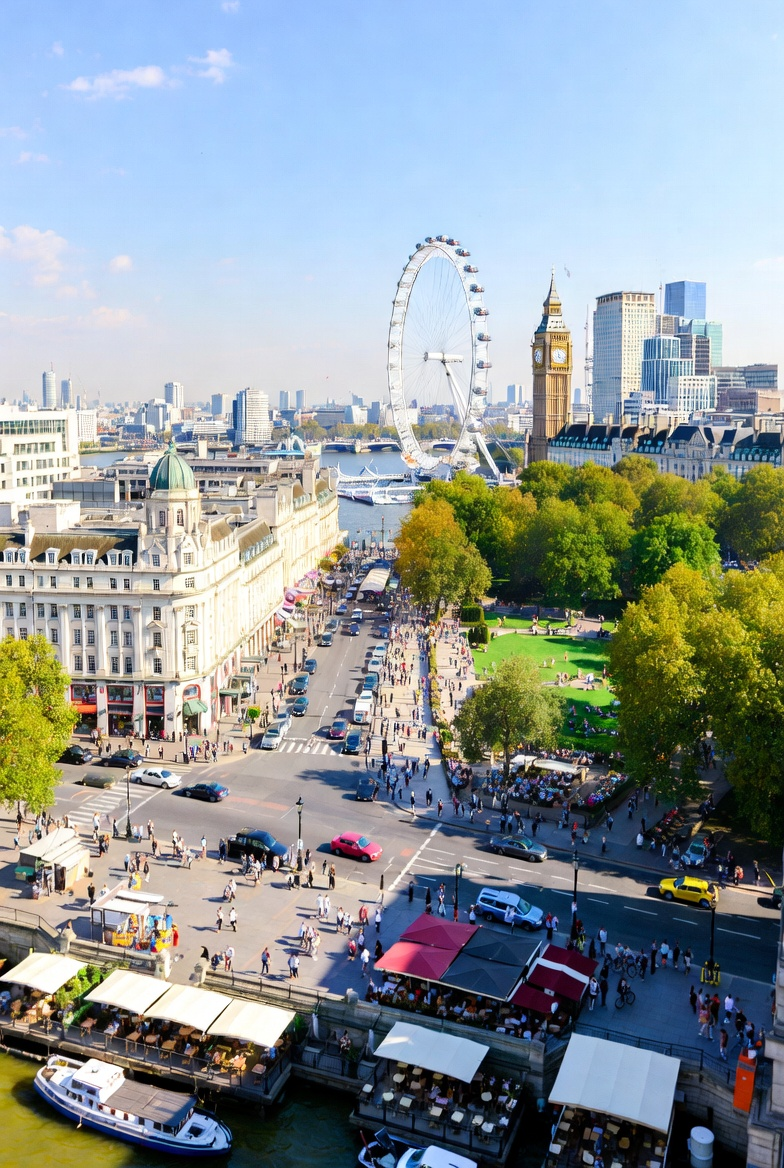
Summer brings London to full life. Long daylight hours, open parks, outdoor festivals, riverside energy, and extended evening activity reshape the city into a vibrant open-air destination. For first-time visitors, this season delivers maximum variety but also requires smart timing to avoid fatigue and crowd pressure.
This period works best for travelers who enjoy outdoor movement, social activity, open views, and extended sightseeing days.
Open-Air Cinemas, Concerts, and Pop-Up Events
Summer turns rooftops, parks, and public courtyards into entertainment venues. Open-air cinemas screen classic films and new releases beneath the sky. Music performances appear across riversides, gardens, and temporary stages.
Pop-up events define summer rhythm. Food festivals, cultural showcases, themed exhibitions, and experimental performance zones appear for short periods before disappearing again. Checking local schedules during your stay often reveals unexpected highlights.
Parks, Picnics, and Riverside Leisure
London’s parks become central gathering spaces in summer. Lawns fill with picnics, games, casual reading, and sunbathing. Walking routes between shaded trees and lakes offer relaxed movement during high sightseeing days.
Riverside paths also grow lively. Walkers, cyclists, street performers, and food stalls line long stretches of the Thames. This creates an ideal environment for slow exploration without strict schedules.
Rooftop Venues and Outdoor Dining
Summer unlocks London’s rooftop culture. Elevated terraces, open decks, and sky-facing dining rooms deliver skyline views paired with warm air and late sunsets. Even simple meals feel elevated when positioned above the city.
Outdoor cafés, food markets, and garden dining spaces extend eating rituals across the entire day rather than compressing them into indoor seating.
River Festivals and Water-Based Activity
Summer activates the Thames as a social corridor. Boat parades, river festivals, public cruises, and water sports define seasonal movement. Floating stages and riverside installations create ever-changing waterfront scenes.
Water-based activity also increases. Paddle routes, guided river tours, and casual boating become popular due to extended daylight and stable conditions.
How Summer Conditions Shape First-Time Visitor Planning
Summer creates opportunity and pressure at the same time. Longer daylight supports extended sightseeing, but crowds peak around major landmarks. Early starts and mid-afternoon rest periods protect energy and prevent exhaustion.
By structuring days around cool morning exploration, shaded midday recovery, and evening outdoor activity, first-time visitors gain the best balance of comfort and experience.
Why Summer Travel in London Feels Different for First-Time Visitors
Summer reveals London at its most expressive. Streets stay active late into the evening, conversations spill outdoors, performances move into open space, and the river becomes a central gathering point.
By blending parks, rooftops, river activity, festivals, and open-air dining, first-time visitors experience London as a living outdoor city rather than a sequence of indoor attractions.
15. Things to Do in London in Spring for First-Time Visitors

Spring signals renewal across London. Gardens bloom, daylight increases, outdoor cafés reopen, and walking routes feel lighter after winter’s stillness. For first-time visitors, spring offers one of the most comfortable seasons for sightseeing thanks to mild temperatures and balanced crowd levels.
This season suits travelers who enjoy nature, photography, and relaxed city exploration without extreme heat or cold.
Gardens in Bloom and Park Walks
Spring transforms London’s parks and botanical areas into color-rich landscapes. Flower beds burst into life, trees regain fresh leaves, and long walking paths become visually dynamic again. These environments support slow-paced exploration, casual photography, and quiet recovery between major sightseeing blocks.
Morning walks work especially well in spring. Light feels soft, temperatures stay cool, and crowds remain manageable before midday.
Walking Routes and Riverside Exploration
Spring improves walkability across the entire city. Long walking circuits between markets, bridges, parks, and cultural districts feel comfortable without summer heat pressure. Riverside paths regain steady foot traffic without becoming congested.
These routes allow first-time visitors to experience London as a connected outdoor environment rather than a sequence of indoor stops.
Outdoor Markets and Seasonal Food Stalls
As temperatures rise, outdoor markets regain momentum. Street food vendors return with fresh seasonal menus, cafés reopen sidewalk seating, and public squares fill with casual dining activity.
Seasonal produce, handmade goods, and local specialties become more visible across weekends and public squares. These market stops add natural breaks within longer walking days.
Street Events and Public Performances
Spring reactivates open-air performance culture. Musicians, dancers, and small theater groups return to public spaces after winter. Temporary stages appear near cultural hubs, riverfronts, and park edges.
These displays add spontaneous entertainment without formal schedules or ticket requirements. Visitors often encounter them naturally while moving between major attractions.
Light Weather Planning for First-Time Visitors
Spring weather shifts quickly. Morning sun often transitions into afternoon cloud and evening chill. Light layers support comfort throughout the day without weighing down movement.
This flexibility allows visitors to stay out longer without constant climate adjustment.
Why Spring Travel in London Feels Ideal for First-Time Visitors
Spring restores balance to the city. Outdoor spaces remain active but not overwhelming. Walking becomes pleasant rather than demanding. Nature, culture, and street life reconnect after winter pause.
By blending gardens, parks, riverside routes, markets, and public performances, first-time visitors experience London in its most comfortable seasonal rhythm.
16. Things to Do in London in Autumn for First-Time Visitors

Autumn wraps London in warm tones and a slower rhythm. Parks shift into deep gold and red shades, cultural calendars become active again, and the city settles into a calm balance between outdoor movement and indoor comfort. For first-time visitors, autumn delivers strong visual beauty without the pressure of peak summer crowds.
This season suits travelers who enjoy photography, relaxed walking, cultural depth, and comfortable temperatures.
Fall Foliage Walks and Scenic Parks
Autumn transforms London’s green spaces into colorful landscapes. Tree-lined paths, lakeside reflections, and quiet garden corners become ideal for long, unhurried walks. Fallen leaves soften footpaths and add warmth to photographs.
These walks feel especially peaceful in the early morning and late afternoon when light filters through changing foliage. The atmosphere feels calm rather than busy.
Museum Season and Cultural Returns
As outdoor temperatures cool, museums, galleries, and indoor exhibitions regain attention. Autumn marks the return of major cultural programming after summer festivals fade.
Visitors benefit from quieter galleries, deeper exhibitions, and more comfortable indoor movement without winter crowd pressure.
Food Festivals and Seasonal Dining
Autumn introduces harvest-based food culture across the city. Street food festivals, themed dining weeks, and seasonal menus focus on warm flavors, baked goods, and comfort dishes.
Restaurants shift toward slow dining and richer menus. Visitors naturally spend longer at the table, turning meals into extended rest periods between sightseeing blocks.
Walking-Friendly Weather for First-Time Visitors
Autumn temperatures remain mild without summer heat. Long walking routes feel easier to manage without constant hydration breaks or shade searching. This allows first-time visitors to connect neighborhoods through walking rather than transport.
Bridges, riverside paths, and historic streets all shine under soft autumn light.
Theatre and Indoor Performance Season
Autumn restarts London’s full performance cycle. Theaters introduce new productions, orchestras return to regular schedules, and indoor performance halls regain nightly programming.
These evenings offer emotional contrast after slow autumn walks through the city.
Why Autumn Travel in London Feels Balanced for First-Time Visitors
Autumn creates balance between motion and rest. Outdoor exploration remains active without exhaustion. Cultural life deepens indoors without winter confinement. Crowds reduce while color intensifies.
By blending fall foliage walks, museums, food festivals, indoor performances, and long walking days, first-time visitors experience London in one of its most comfortable seasonal forms.
17. Things to Do Near Hyde Park for First-Time Visitors
Hyde Park sits at the center of London’s green heart and connects directly with museums, shopping streets, historic districts, and leisure zones. For first-time visitors, this area works as both an attraction and a navigation anchor. It allows travelers to rest, walk, explore culture, and shop within one connected zone.
If you want a full route-based guide focused only on this district, this detailed area planner expands your options using Things to Do Near Hyde Park.
Park Exploration and Lakeside Walking
Hyde Park itself offers wide lawns, shaded trees, long walking paths, and calm lakeside routes. Visitors often begin the day with slow walks across the park before moving into nearby museum districts or shopping zones.
The Serpentine lake adds peaceful scenery through paddle boats, bridge crossings, and quiet water reflections. These routes work well for recovery between busy sightseeing blocks.
Museum Clusters Near Hyde Park
Several major museums sit within walking distance of the park. These clusters allow visitors to transition from outdoor relaxation into indoor discovery without transport delays.
Half-day plans often combine:
-
Morning park walks
-
Midday museum visits
-
Late afternoon café stops
-
Evening shopping or dining
This rhythm reduces fatigue while maintaining sightseeing efficiency.
Shopping Streets and Retail Districts
Hyde Park connects directly to some of London’s most active shopping corridors. Visitors move easily between park greenery and urban retail zones within minutes.
Large department stores, fashion streets, souvenir shops, and boutique lanes attract travelers seeking both high-end items and casual browsing. These zones also provide strong shelter options during light rain.
Historic Streets and Architectural Walking Routes
Several historic streets border the park and reveal layers of London’s architectural evolution. These walking routes feel quieter than major tourist corridors while still offering strong visual appeal.
Visitors who prefer photography, slow walking, and observational travel often enjoy these streets more than crowded landmark zones.
Food, Cafés, and Rest Stops Around Hyde Park
The Hyde Park district supports a steady network of cafés, bakeries, casual dining rooms, and international restaurants. These spaces act as recovery anchors between walking zones.
Slow meals near the park feel calmer than restaurants in high-traffic tourist arteries. This allows first-time visitors to reset energy without pressure.
Why Things to Do Near Hyde Park Matter for First-Time Visitors
Hyde Park functions as a natural balance point within the city. It protects visitors from exhaustion through greenery while staying connected to museums, shopping, dining, and historic streets.
By blending park walks, museum clusters, shopping corridors, quiet streets, and dining zones, first-time visitors experience one of London’s most complete and flexible districts.
18. Things to Do Near London City Center for First-Time Visitors
London’s city center brings together history, finance, entertainment, shopping, and riverside walkways within one compact zone. For first-time visitors, this area offers the highest density of experiences with the least need for long-distance travel. Many of London’s most recognizable scenes unfold within short walking distances here.
If you want a complete map-based walking guide for this zone, this detailed planner expands your route options using Things to Do Near London City Center.
Walkable Attraction Clusters and Historic Streets
Central London supports continuous walking between major landmarks without transport interruption. Narrow historic streets connect plazas, bridges, churches, performance zones, and market corridors into one flowing urban circuit.
These walking clusters work best in the morning before crowds thicken. Visitors enjoy freer movement and clearer photography during early hours.
Central Markets, Food Halls, and Street Dining
Food markets and central dining corridors generate constant energy near the city core. Visitors encounter street food vendors, indoor food halls, casual cafés, and international restaurants positioned within minutes of each other.
These food zones provide natural rest points between walking segments. Travelers recover energy without fully stepping away from exploration.
Performance Zones and Public Entertainment
Central London hosts open-air performance corners, small street theaters, cultural plazas, and seasonal stages throughout the year. Live music, comedy sketches, and short-form theater acts often appear without formal scheduling.
These public performances offer spontaneous entertainment during walking days without requiring tickets or time blocks.
River Access and Bridge Views Near the Center
Several river access points connect directly with the city center. Visitors step from busy streets onto calm promenades within moments. Bridges frame some of the most striking skyline views across the Thames.
Even short riverside walks here feel visually rich and emotionally grounding amid dense urban movement.
Shopping Corridors and Central Retail Activity
London’s main retail arteries pass directly through the city center. Department stores, fashion streets, souvenir shops, and specialty boutiques create long retail corridors that stretch across several districts.
These areas serve both functional and experiential roles. Visitors shop, observe fashion trends, browse crafts, and pause at cafés without leaving central walking zones.
Why Things to Do Near London City Center Matter for First-Time Visitors
Central London simplifies travel decisions. It reduces transport dependence, compresses sightseeing time, and maximizes variety within limited schedules. For first-time visitors with short stays, this efficiency becomes critical.
By blending historic streets, food halls, performance zones, river access, and shopping corridors, the city center delivers London’s most concentrated travel experience.
19. Things to Do This Weekend in London for First-Time Visitors
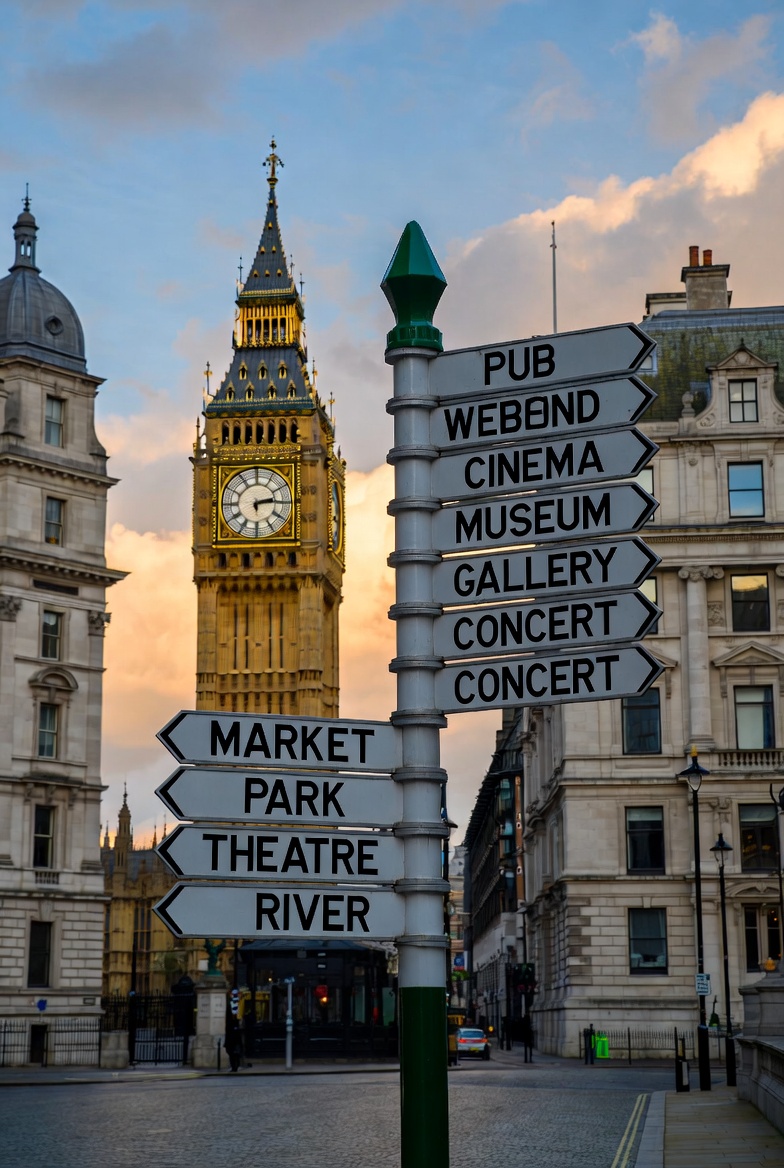
A London weekend moves fast. Events rotate quickly, crowds shift by hour, and availability changes without warning. For first-time visitors, weekend planning requires a flexible structure rather than a fixed schedule. Therefore, this section focuses on how to shape a short, high-impact things to do this weekend in London plan without stress or overbooking.
If you want a real-time, event-driven activity planner for short stays, this focused guide expands your weekend options using Things to Do in London This Weekend.
Event-Based Planning for Short-Term Visitors
Weekends in London thrive on temporary experiences. Pop-up exhibitions, street festivals, food fairs, live performances, and weekend-only markets appear across different districts.
Instead of locking every hour in advance, first-time visitors benefit from choosing:
-
One confirmed anchor activity
-
One flexible outdoor block
-
One evening performance or dining plan
This structure keeps the day open while still protecting the core experience.
Last-Minute Tickets and Walk-In Experiences
Many attractions release unsold tickets shortly before performance time. Theaters, exhibitions, river cruises, and experience-based venues often open last-minute availability.
Visitors who remain flexible with timing gain access to premium experiences without paying peak advance prices. Midday and late evening slots usually offer the best availability.
Local Experiences That Work Best on Weekends
Certain experiences only reach full energy during weekends. Street performers increase in number. Community events activate small neighborhoods. Outdoor markets expand with additional vendors and live music.
Weekend energy also reshapes nightlife zones. Lounges, rooftop terraces, and dining streets become livelier and more social than during weekdays.
Crowd Management for First-Time Visitors
Weekends bring the highest visitor density. Therefore, timing becomes the main tool for comfort.
Smart weekend movement follows this rhythm:
-
Early morning for landmarks
-
Midday for indoor attractions
-
Late afternoon for parks and cafés
-
Evening for dining and performances
This pattern protects energy while avoiding worst crowd pressure.
Why Weekend Planning Feels Different in London
Weekends compress London’s full personality into two days. Culture, performance, food, and street life all peak at once. This intensity feels exciting but also demands balance.
By using event-based planning, flexible ticketing, and time-aware movement, first-time visitors turn a short London weekend into a complete, emotionally rich experience rather than a rushed checklist.
20. Best Experiences in London for Tourists
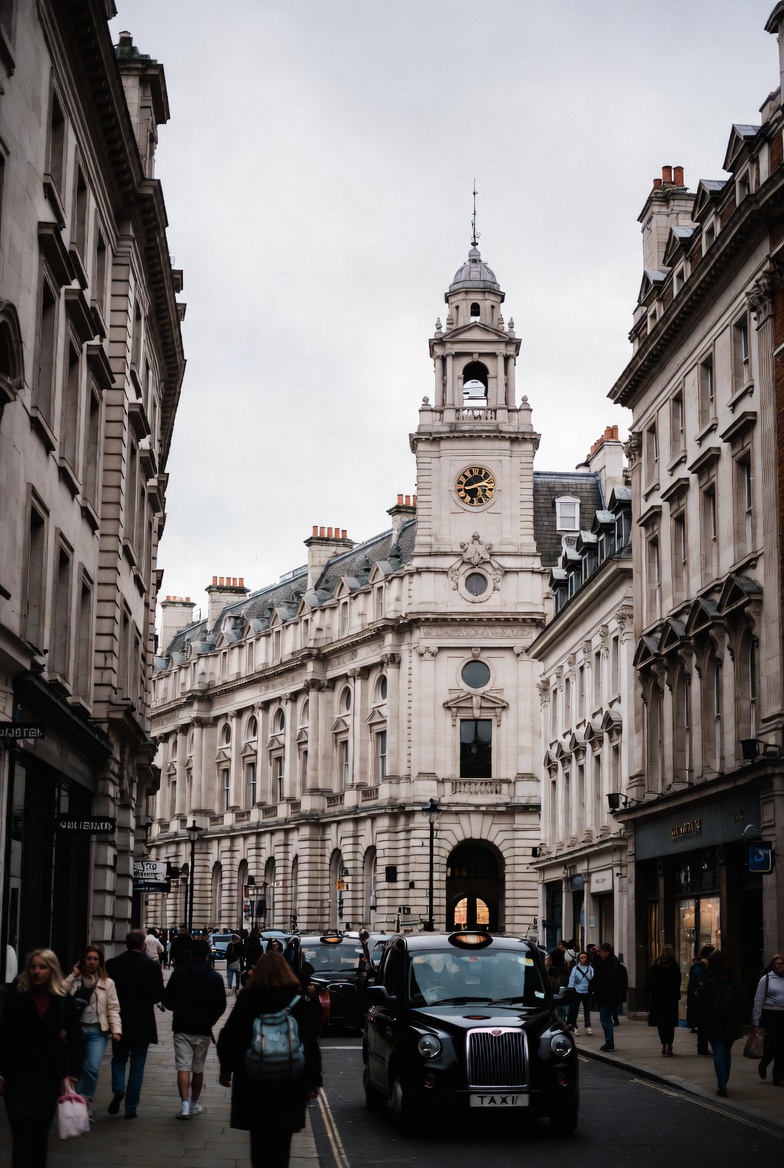
Some experiences define a London trip more strongly than any single landmark. These are the moments that linger long after the flight home. For first-time visitors, choosing the best experiences in London means focusing on activities that combine atmosphere, uniqueness, and emotional impact rather than only ticking off attractions.
If you want a full experience-focused planner with premium activities and booking strategies, this expanded guide helps you refine your choices using Best Experiences in London.
Iconic Paid Experiences That Shape First Impressions
Certain paid experiences deliver immediate visual and emotional reward. Panoramic observation rides, river cruises, and landmark tours allow visitors to absorb large portions of the city in a short time frame.
These experiences work best during the first two days of a trip. They provide orientation, visual context, and confidence for navigating the rest of the visit.
Once-in-a-Lifetime Cultural Experiences
Live performances, historic theater shows, orchestral concerts, and special exhibitions often become the emotional centerpiece of a trip. These events connect visitors directly with London’s living cultural identity rather than static sightseeing.
Even travelers who rarely attend live performances often find London’s stage experiences unexpectedly powerful due to production quality and atmospheric venues.
Luxury Experiences That Elevate a London Visit
Luxury travel experiences focus on comfort, exclusivity, and elevated atmosphere. This may include private tours, fine dining environments, premium river experiences, or exclusive viewing platforms.
These activities suit visitors celebrating special occasions or those who value privacy and high-service environments over crowds and queues.
Immersive Experiences and Story-Driven Attractions
Immersive attractions blend storytelling with movement, sound, lighting, and interaction. These experiences often include walk-through environments, themed rooms, and narrative-based participation rather than passive observation.
They work especially well for travelers who prefer creative engagement over traditional sightseeing.
Why These Are the Best Experiences in London for Tourists
The best experiences create emotional memory rather than checklist satisfaction. They slow time, deepen connection, and turn a trip into a story rather than a schedule.
By blending iconic views, live performance, immersive storytelling, and select luxury moments, first-time visitors experience London at its most powerful emotional level.
21. Best Areas for First-Time Visitors to Stay in London

Where you stay in London shapes your entire travel experience. Transport access, walking distance to attractions, safety, dining options, and nighttime activity all influence how smooth or stressful each day feels. For first-time visitors, choosing the right area matters more than choosing the perfect hotel.
This section focuses on location strategy first, not hotel names, so visitors can confidently match their stay to their travel style and daily plan.
Central Areas for Maximum Walkability
Central London offers the highest convenience for first-time visitors. Staying near major transport hubs and walking corridors allows travelers to reach landmarks, museums, markets, theaters, and river routes without long commutes.
This option works best for:
-
Short trips
-
First visits with tight schedules
-
Travelers who prefer walking over transport
The main advantage is time efficiency. The trade-off is higher accommodation cost.
Budget-Friendly Areas With Strong Transport Access
Outer zones connected by fast underground lines offer lower prices without sacrificing access. These areas suit travelers who want to balance comfort and cost while still staying within reasonable reach of central attractions.
This option works best for:
-
Budget-focused travelers
-
Longer stays
-
Visitors comfortable using public transport
The key factor is choosing a location close to an underground station to avoid long daily walks before and after sightseeing.
Mid-Range Areas With Dining and Shopping Access
Several London districts offer a strong middle ground between price, access, and atmosphere. These areas balance:
-
Walkable streets
-
Active dining zones
-
Local shopping
-
Good transport links
They suit travelers who want evening activity near their accommodation without paying full central pricing.
Luxury Areas for Comfort and Lifestyle Travelers
Luxury districts focus on refined dining, high-end shopping, quiet streets, and premium services. These areas feel calmer, more private, and visually polished.
This option works best for:
-
Special occasion travel
-
Couples seeking privacy
-
Visitors who prefer comfort over crowds
The main benefit is atmosphere. The trade-off is reduced proximity to budget food and casual nightlife.
Why Location Matters More Than Hotel Rating for First-Time Visitors
A high hotel rating cannot fix long daily transport routes, late-night commutes, or disconnected walking access. First-time visitors benefit most from:
-
Shorter travel time
-
Easier navigation
-
Flexible daily planning
-
Safer late-evening movement
Choosing the right area simplifies every day of the trip, even when plans change due to weather, energy level, or crowd pressure.
22. Google Maps View of Major Attractions for First-Time Visitors
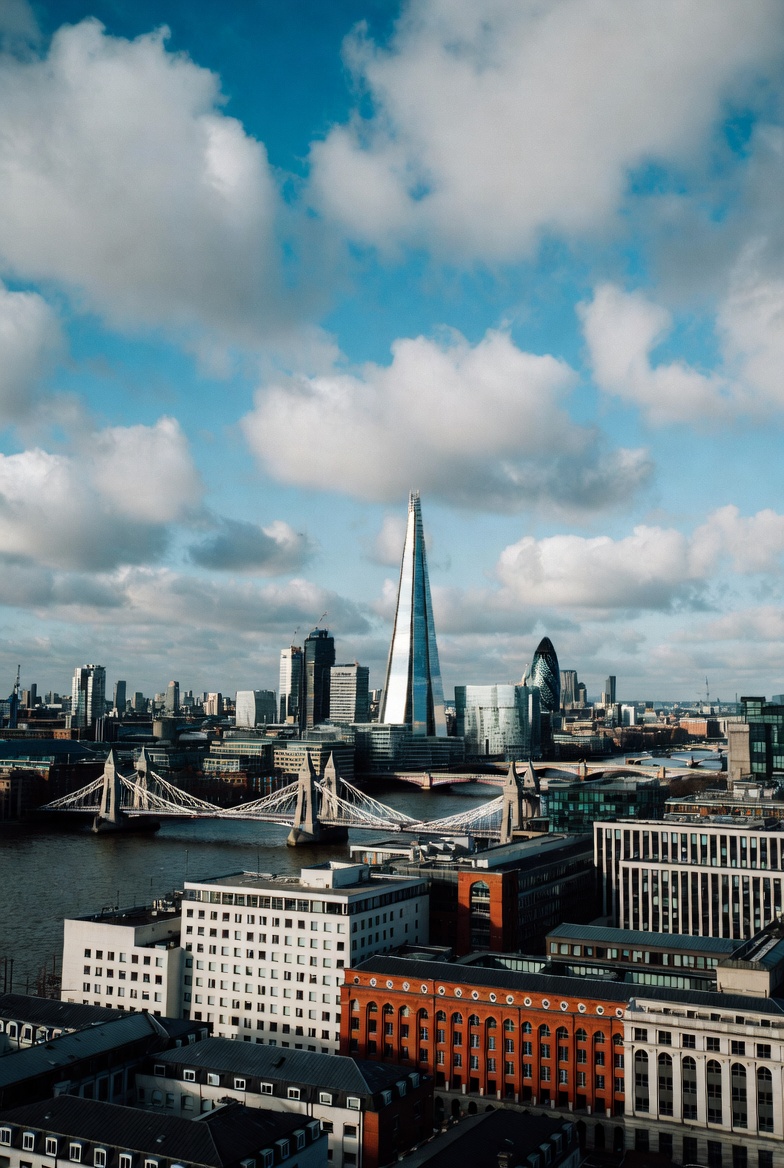
Navigating London becomes far easier when major attractions are visualized on a single interactive map. For first-time visitors, this geographic clarity prevents wasted travel time, reduces fatigue, and improves daily planning accuracy. Instead of guessing distances or relying only on written directions, a map view turns London into a set of walkable zones rather than a confusing sprawl.
This section explains how surrounding landmarks naturally group together and how visitors can use these clusters to build smart daily routes.
Explore London’s Major Attractions on Google Map
Central Landmark Cluster Around Westminster
The Westminster zone forms the historical and ceremonial center of London. This area includes major political, religious, and royal landmarks within short walking distance. Visitors often combine this cluster into one focused half-day route.
This zone works best for:
-
First-day orientation
-
Early morning sightseeing
-
River walk connections
-
Photography-focused exploration
Because of its popularity, early arrival helps avoid heavy midday crowds.
River Thames Sightseeing Corridor
The Thames acts as London’s natural navigation spine. Many of the city’s most recognizable views align directly along the riverbanks. A map view reveals how bridges, observation points, performance zones, and markets align smoothly along this corridor.
Visitors use this route to:
-
Connect north and south sightseeing zones
-
Transition between landmarks and entertainment
-
Add relaxed evening walks to the schedule
This corridor also supports flexible cruising options for slower-paced exploration.
Museum and Cultural District Cluster
Several major museums and cultural institutions sit within one concentrated zone. Mapping these together allows visitors to organize:
-
A full museum-focused day
-
Mixed indoor and outdoor movement
-
Café stops and park breaks within walking range
This cluster works especially well during rainy weather or cultural-focused travel days.
Shopping and Market Zone Connectivity
London’s retail activity spreads across long corridors rather than single districts. A map view shows how shopping streets, indoor markets, food halls, and dining zones connect across central areas.
This visualization helps visitors:
-
Combine meals with shopping
-
Avoid backtracking
-
Move smoothly between casual browsing and sightseeing
Why Map-Based Planning Improves First-Time Visits
A written list of attractions shows what to see. A map shows how to see them efficiently. For first-time visitors, this difference determines whether a trip feels smooth or exhausting.
By using a clear map structure, travelers:
-
Reduce daily transport time
-
Walk more and commute less
-
Stay flexible when plans change
-
Balance energy across long sightseeing days
Map-based planning protects both time and physical comfort throughout the entire trip.
23. Google Maps View of Major Attractions for First-Time Visitors
Spring Activity Balance

Spring delivers one of the most comfortable sightseeing environments in London. Mild temperatures, blooming gardens, and lighter crowds create ideal conditions for walking, photography, markets, and riverside exploration.
Best suited for:
-
Walking tours
-
Garden visits
-
Outdoor cafés
-
Street performances
-
Light museum hopping
Spring favors travelers who enjoy movement without heat pressure.
Summer Activity Balance
Summer brings maximum outdoor energy but also the highest crowd levels. Long daylight hours extend sightseeing into the evening, while festivals and river events dominate the calendar.
Best suited for:
-
Open-air festivals
-
Rooftop dining
-
River cruises
-
Outdoor cinemas
-
Night markets
Summer suits travelers who prefer social energy and long active days.
Autumn Activity Balance
Autumn returns comfort and calm. Temperatures remain mild, crowd levels drop, and cultural calendars fill back up after summer.
Best suited for:
-
Park photography
-
Museum exploration
-
Food festivals
-
Long walking routes
-
Theatre performances
Autumn favors travelers who enjoy balance between outdoor beauty and indoor culture.
Winter Activity Balance
Winter shifts activity indoors. Daylight shortens, but atmosphere deepens through festive lights, markets, performances, and cozy dining.
Best suited for:
-
Museums and exhibitions
-
Theatre and concerts
-
Holiday markets
-
Ice skating
-
Café hopping
Winter suits travelers who value atmosphere over high outdoor movement.
How First-Time Visitors Should Use This Comparison
No season is better than another in absolute terms. The correct season depends on:
-
Preferred temperature
-
Crowd tolerance
-
Outdoor versus indoor interest
-
Festival and performance priorities
Understanding these patterns allows first-time visitors to choose dates that align with personal travel style rather than only price or availability.
24. Visitor Interest Activity Chart for First-Time Travelers
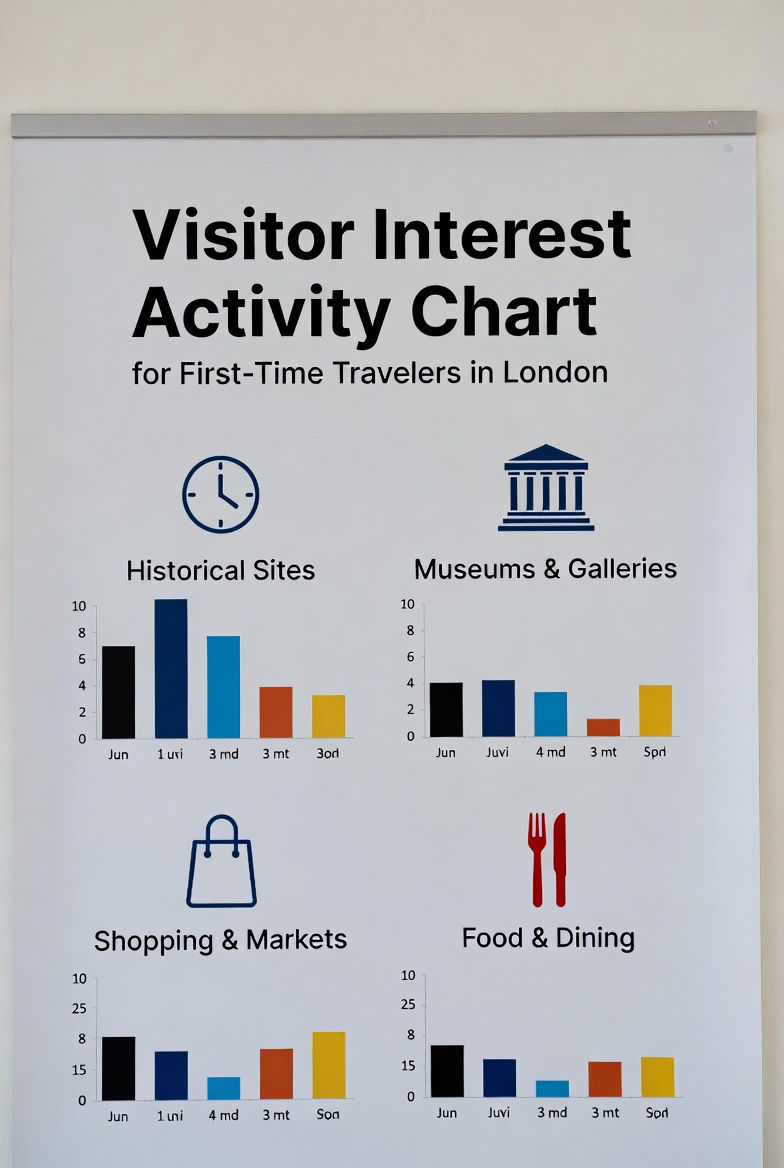
Every traveler arrives in London with different priorities. Some seek history and museums. Others want nightlife, shopping, or outdoor walks. For first-time visitors, understanding these interest patterns helps build a daily plan that feels balanced instead of overwhelming.
This section organizes the most common visitor interests and shows how London naturally supports each one throughout a typical trip.
Sightseeing and Landmark Exploration
This group focuses on iconic views, historic streets, royal areas, bridges, and skyline observation points. These visitors prefer structured routes, early mornings, and walkable clusters.
Best supported by:
-
Central landmark zones
-
River corridors
-
Observation viewpoints
-
Historic walking routes
This interest group benefits most from tight geographic planning.
Free Attractions and Budget-Friendly Exploration
Many first-time visitors prioritize value-based travel. They seek museums, parks, street culture, and public spaces that deliver experience without high cost.
Best supported by:
-
Free museums
-
Large public parks
-
Street performances
-
Markets and walking districts
This group benefits from flexible timing and mixed indoor-outdoor days.
Museum, Culture, and Indoor Discovery
This interest group prefers calm, depth, and learning. Weather rarely interrupts their plans because most experiences remain indoors.
Best supported by:
-
Museum districts
-
Galleries and exhibitions
-
Theaters and performance halls
-
Cinemas and cultural venues
This group favors slow pacing and long indoor sessions.
Young adults and social travelers often prioritize energy after sunset. This group plans days around evenings rather than mornings.
Best supported by:
-
Night markets
-
Rooftop venues
-
Lounges and music spaces
-
Pop-up entertainment zones
This group benefits from late-day rest and evening-focused scheduling.
Nature, Walking, and Relaxation
Some visitors prefer calm movement over urban intensity. They enjoy parks, riverside walks, slow neighborhoods, and scenic photography.
Best supported by:
-
Royal parks
-
River promenades
-
Quiet historic streets
-
Garden districts
This group benefits from early starts and daylight-focused planning.
How First-Time Visitors Should Use Interest-Based Planning
Most travelers belong to two or three interest groups at once. The key is not to overload one day with only one type of activity.
Balanced days often combine:
-
One sightseeing block
-
One cultural or indoor block
-
One relaxed walking or dining block
This structure protects energy, keeps motivation high, and prevents travel burnout.
Families visiting the city will find this detailed guide to things to do in London with kids helpful for planning age-friendly attractions, interactive museums, and relaxed family experiences.
25. Final First-Time Visitor Tips for London

A first visit to London becomes far smoother and more enjoyable with a few strategic habits in place. These final tips focus on safety, timing, movement, ticketing, and common mistakes that often affect first-time travelers. Applying even a few of these points can significantly improve comfort and confidence across the entire trip.
Safety and Awareness in Busy Areas
London is generally safe, but crowded areas require awareness. Major transport hubs, markets, and landmark zones attract pickpocket activity due to high foot traffic.
Simple habits help prevent problems:
-
Keep bags zipped and in front in dense crowds
-
Avoid placing phones on café tables near busy walkways
-
Stay alert on public transport during peak hours
Late evenings remain safe in most central areas when streets stay active. However, quiet side streets feel less comfortable at night, especially when walking alone.
Transport Timing and Daily Movement Strategy
Transport works best when used with time awareness. Peak commuting hours bring heavy congestion and slower movement. Late mornings, early afternoons, and evenings allow smoother travel.
Walking remains the most efficient way to experience central London. Using transport only for longer distances preserves energy while maintaining sightseeing flow.
Attraction Timing and Ticket Strategy
Popular attractions fill quickly during weekends and peak seasons. Early arrival protects both time and experience quality.
Smart ticket habits include:
-
Booking major attractions in advance
-
Visiting free museums during morning hours
-
Scheduling indoor attractions for midday crowd peaks
-
Keeping evenings open for flexible dining and performances
This timing balance prevents both exhaustion and wasted waiting time.
Avoiding Common First-Time Mistakes
Several mistakes reduce travel quality for first-time visitors:
-
Trying to see too much in one day
-
Ignoring walking distance between attractions
-
Underestimating transport time during peak hours
-
Skipping rest periods and meals
-
Leaving all booking until arrival
London rewards slow, layered exploration far more than rushed checklist travel.
Packing and Daily Comfort Tips
Comfort affects enjoyment more than most travelers expect. Weather shifts quickly, and walking dominates most itineraries.
Helpful packing habits include:
-
Light waterproof layers
-
Comfortable walking shoes
-
Compact travel bag for daily movement
-
Portable charger for phone navigation
These small items prevent major discomfort during long sightseeing blocks.
Why These Final Tips Matter for First-Time Visitors
Landmarks create memory, but smooth travel creates enjoyment. When visitors move with confidence, manage time wisely, and stay comfortable, the city feels welcoming rather than overwhelming.
These habits allow first-time visitors to focus on discovery, connection, and experience rather than logistics and stress.
26. Final Thoughts for First-Time Visitors to London
A first trip to London often begins with excitement and uncertainty at the same time. The city feels vast, layered, and full of possibility. Yet, with the right planning and a flexible mindset, London becomes surprisingly easy to enjoy. Every street tells a story, while each neighborhood reveals a different rhythm. With each passing day, a new perspective slowly unfolds.
This guide was created to help first-time visitors move with clarity instead of confusion. From iconic landmarks and free cultural spaces to romantic evenings, family-friendly attractions, seasonal planning, and neighborhood discovery, London proves that no single travel style defines the city. It adapts to the traveler.
The most rewarding London trips are not the ones that chase every attraction. They are the ones that balance structure with freedom. A slow park walk after a busy museum morning. A quiet café stop after a long river walk. A theater night after a day of open-air exploration. These contrasts shape the strongest memories.
London does not ask visitors to rush. It invites them to stay curious, walk with intention, and allow the city to unfold naturally over time. For first-time visitors, that is the true gift of London. Not just what is seen, but how it is experienced.
Frequently Asked Questions About Things to Do in London for First-Time Visitors
First-time visitors should focus on a mix of iconic landmarks, museums, river walks, and local neighborhoods. Key experiences include exploring Westminster, walking along the Thames, visiting at least one major museum, and spending time in a London park to balance the pace.
Three to five days work best for first-time visitors. Three days allow you to see major highlights, while five days give enough time to explore neighborhoods, parks, museums, and cultural experiences without rushing.
London can be expensive, but it is very manageable with planning. Many top museums are free, walking routes replace transport costs, and food ranges from budget street meals to high-end dining. Smart planning helps control daily expenses easily.
First-time visitors benefit most from staying in areas with strong transport links and walkable access to attractions. Central locations save time, while well-connected outer areas offer better value with slightly longer travel times.
Yes, some popular attractions and experiences require advance booking, especially during weekends and peak seasons. Booking major attractions early helps avoid long queues and last-minute price increases.
London is very easy to navigate once the transport system is understood. Contactless payment works across buses and trains, and walking between nearby attractions is often faster than using public transport in central areas.
Free museums, parks, street markets, riverside walks, and public performances offer some of the best experiences in London. These attractions allow first-time visitors to explore culture and history without budget pressure.
London is generally safe for visitors. Like any major city, awareness is important in crowded areas and public transport. Staying alert, keeping belongings secure, and avoiding empty streets late at night helps ensure a smooth visit.
The best approach is to group attractions by location and balance each day. Mixing one major attraction with slower activities like parks, cafés, or river walks helps avoid exhaustion and keeps the trip enjoyable.
Spring and early autumn offer the best balance of weather and crowd levels. Summer brings festivals and long days but higher crowds, while winter suits visitors who enjoy indoor culture, festive lights, and a quieter atmosphere.