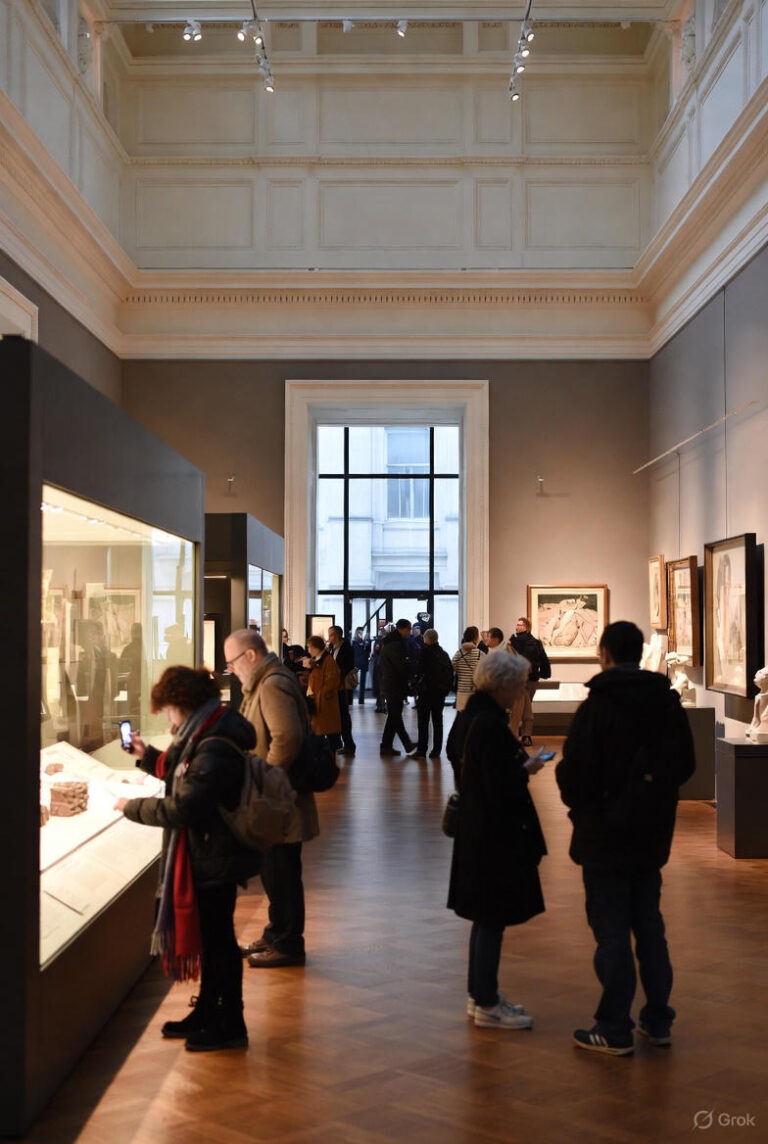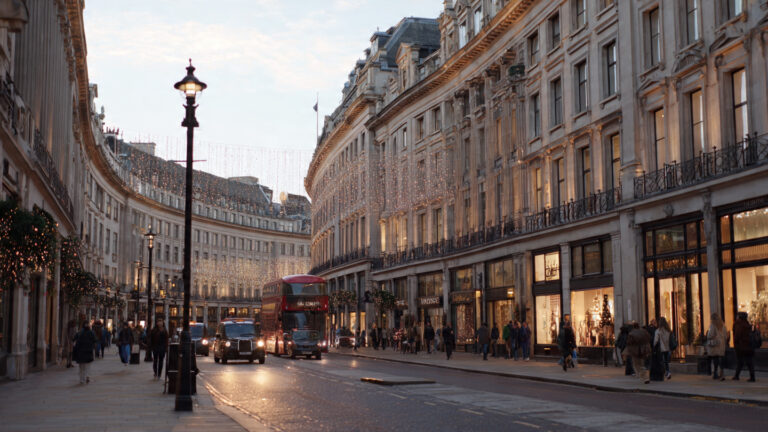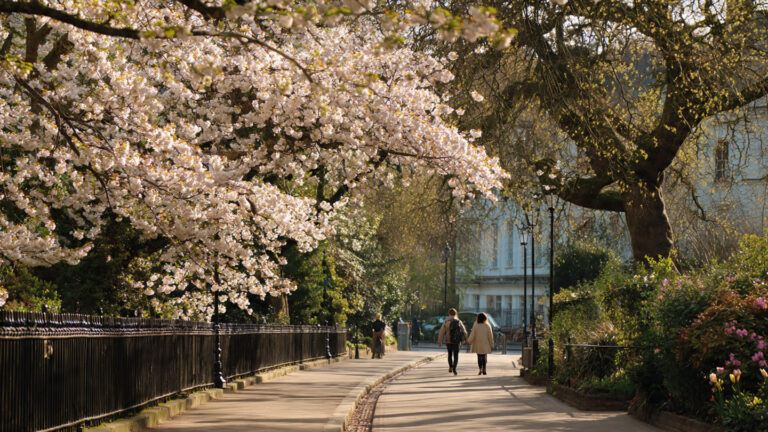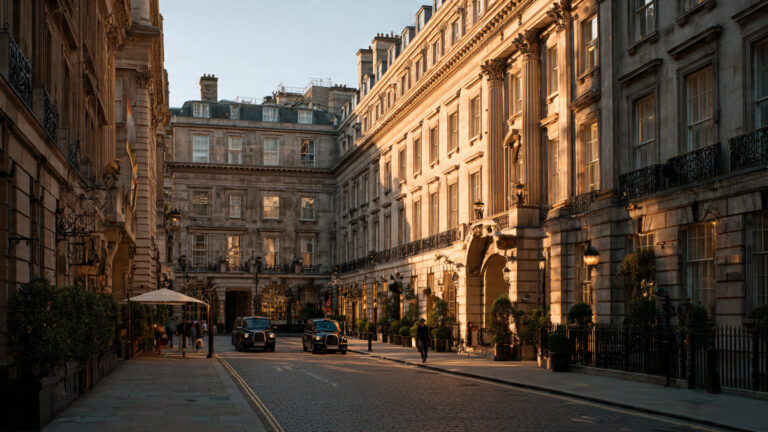

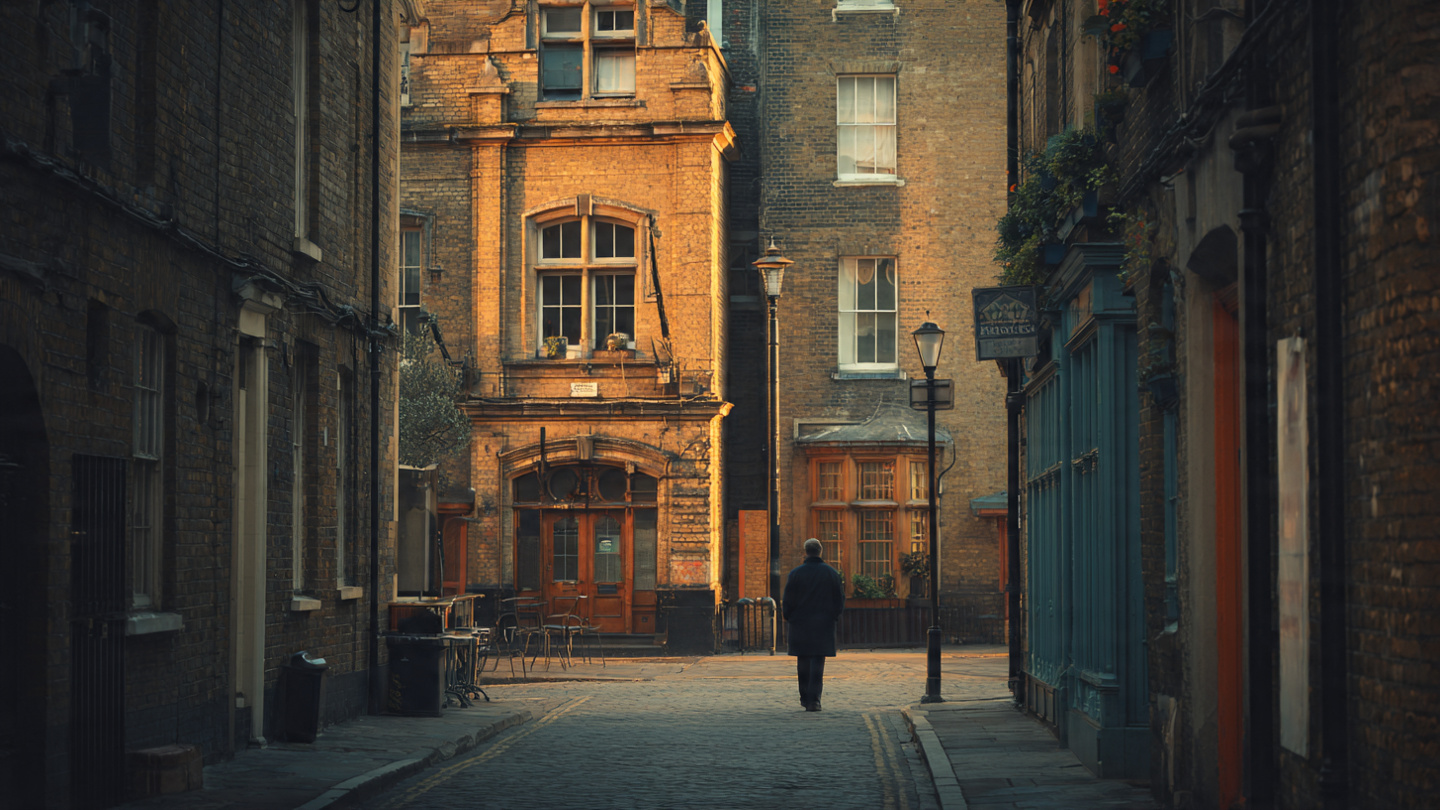
Most people arrive in London with clear expectations. They plan routes, mark famous sights, and follow lists created by others. As a result, their attention stays fixed on what feels important before they even arrive. However, beyond those well-known landmarks, undiscovered London attractions exist quietly within the city’s daily flow. These places do not demand attention. Instead, they reveal themselves only when you slow down and observe.
When I first changed how I explored the city, I noticed this difference immediately. Rather than moving quickly from one highlight to another, I allowed myself to pause. Because of that shift, places I had passed countless times suddenly felt meaningful. They were never hidden. Instead, they blended into ordinary surroundings and waited patiently for curiosity to take over.
This way of noticing overlooked spaces fits naturally into a wider exploration of places most visitors miss, which is explored in this guide to hidden gems in London most tourists miss.
In Many Cases, “Undiscovered” Means Misunderstood
At first glance, many people assume undiscovered attractions must be secret or difficult to access. In reality, that assumption often misleads travelers. In London, undiscovered attractions usually remain open, visible, and easy to reach. Nevertheless, people overlook them because they do not fit familiar ideas of what an attraction should look like.
For example, some sit inside working buildings. Others appear too functional to seem interesting. Because they lack dramatic entrances or promotional signage, visitors pass them without stopping. Consequently, these places stay unnoticed despite being right in front of people.
As Travel Habits Change, Attention Narrows
Today, travel planning relies heavily on digital platforms. Search engines, social media feeds, and recommendation lists highlight the same locations repeatedly. As a result, attention narrows toward what already feels popular. Undiscovered London attractions rarely appear in those systems because they do not generate viral interest.
Furthermore, many of these attractions require time rather than speed. They reward observation, not efficiency. Travelers who move quickly between major sights often overlook places that do not promise instant impact. Because of this, quieter attractions continue to exist outside the spotlight.
Many of these unnoticed places reveal themselves most clearly when you slow your pace and move without a fixed destination, an approach explored further in these off-the-beaten-path London walks.
Meanwhile, London’s Growth Creates Overlooked Layers
London did not grow by erasing its past. Instead, the city layered new functions over older ones. Over time, buildings adapted, spaces changed roles, and older features remained woven into modern life. Consequently, many undiscovered attractions emerged without intention.
These places were never designed to impress visitors. Instead, they survived because the city found new uses for them. Therefore, they feel authentic rather than curated. That authenticity creates a deeper connection for those who take the time to notice it.
As a Result, Familiarity Makes These Places Invisible
People tend to overlook what feels familiar. Locals pass through these spaces daily without thinking twice. Likewise, visitors often follow the same patterns, assuming that anything ordinary must lack interest. As a result, undiscovered London attractions fade into the background of everyday movement.
However, once you slow down, details begin to stand out. Textures, sounds, and atmosphere reveal themselves. At that point, spaces that once felt ordinary begin to feel meaningful and intentional.
Therefore, Curiosity Becomes the Key
You do not need special access or advanced planning to find these attractions. Instead, you need curiosity. When you stop asking what comes next and start paying attention to what surrounds you, London changes character.
I have found that many of my most memorable experiences came from moments of unplanned discovery. Because undiscovered attractions reward awareness rather than preparation, they often feel more genuine and personal.
Popular landmarks attract crowds for good reasons. However, they often feel shared with thousands of others. Undiscovered London attractions create a different emotional response. When you notice something most people ignore, the experience feels personal.
As a result, memories form differently. Instead of recalling queues and noise, you remember calm moments, subtle details, and quiet observation. Those memories tend to last longer and feel more meaningful.
Finally, Preparing for What Comes Next
Every attraction discussed in this article remains open and accessible. Nothing depends on secrecy or restricted entry. Instead, these places reward a willingness to notice what others overlook.
Next, I will explore undiscovered London attractions found inside everyday buildings. These are spaces people enter regularly without realizing they stand inside something worth experiencing.

At First, These Undiscovered London Attractions Feel Ordinary
At first glance, many everyday buildings in London appear purely functional. Offices, civic buildings, and working institutions seem designed only for efficiency. Because of this, most people move through them without curiosity. However, some of the most undiscovered London attractions exist quietly inside these ordinary environments.
These overlooked attractions do not rely on spectacle. Instead, they create meaning through contrast. You enter expecting nothing memorable. Yet once you slow down, the space begins to reveal a deeper layer of London’s character.
Why Everyday Buildings Contain Undiscovered Attractions
London rarely assigns a single purpose to a building forever. Over time, structures adapt to new needs while retaining traces of earlier roles. As a result, many undiscovered attractions in London survive inside buildings that still function in modern life.
Because visitors associate attractions with standalone destinations, they often fail to recognize significance inside working spaces. Consequently, these undiscovered London attractions remain unnoticed despite their accessibility.
Entering Without Realizing You’ve Found an Attraction
In many cases, discovery happens unintentionally. You step inside to escape the weather, attend an appointment, or pass time. At first, nothing suggests the place holds value beyond its function. However, once you pause, the atmosphere begins to change.
Light behaves differently. Sound softens. Architectural details hint at earlier purposes. At that moment, the building stops feeling routine and starts to feel like one of London’s undiscovered attractions.
How Quiet Interiors Shape the Experience
Unlike major landmarks, these undiscovered London attractions do not overwhelm you. Instead, they encourage calm attention. Smaller scale and quieter surroundings invite reflection rather than urgency.
Because of this, you experience the space more personally. You notice textures, proportions, and movement. In contrast to crowded attractions, these interior spaces allow London to feel intimate and grounded.
The Importance of Transitional Interior Spaces
Many undiscovered attractions in London exist in spaces people treat as purely transitional. Entrance halls, staircases, atriums, and internal corridors often serve as passages rather than destinations. As a result, people rarely stop to observe them.
However, when you slow down, these spaces reveal careful design choices. Architects shaped them to guide light, movement, and emotion. Over time, what once felt like a corridor becomes a meaningful experience.
Why Visitors Continue to Miss These Attractions
Most visitors enter buildings with a specific goal. They want to reach a service desk, an exit, or another location. Because of that focus, they overlook what surrounds them. Furthermore, modern travel habits reward speed rather than awareness.
As a result, many undiscovered London attractions remain invisible to those who rush. Yet they reward anyone willing to pause, even briefly, and engage with the space.
How These Undiscovered Attractions Reflect London’s Identity
London values continuity more than spectacle. These interior attractions reflect that mindset clearly. They carry history without announcing it. They integrate beauty into function rather than separating the two.
That approach explains why undiscovered London attractions inside everyday buildings feel authentic. They show how the city preserves meaning through use rather than display.
Learning to Notice Attractions Where You Least Expect Them
Discovering these attractions does not require detours or planning. Instead, it requires intention. When you enter a building, pause before moving on. Look upward. Notice materials and light.
Through this habit, everyday interiors transform into undiscovered attractions. Gradually, this awareness reshapes how you experience the entire city.
Why These Experiences Feel Personal
Because these places do not present themselves as attractions, discovery feels accidental. That sense of finding something on your own creates a personal connection. You feel engaged rather than guided.
As a result, these undiscovered London attractions often become some of the most memorable moments of a trip. They feel quiet, authentic, and deeply connected to real life.
Preparing to Move Beyond Buildings
Undiscovered attractions hidden inside everyday buildings offer a gentle introduction to noticing London differently. They teach awareness before effort.
Next, I will explore forgotten cultural spaces that still quietly operate today, places that continue serving communities while remaining largely unnoticed.
Forgotten Cultural Spaces Still Quietly in Use
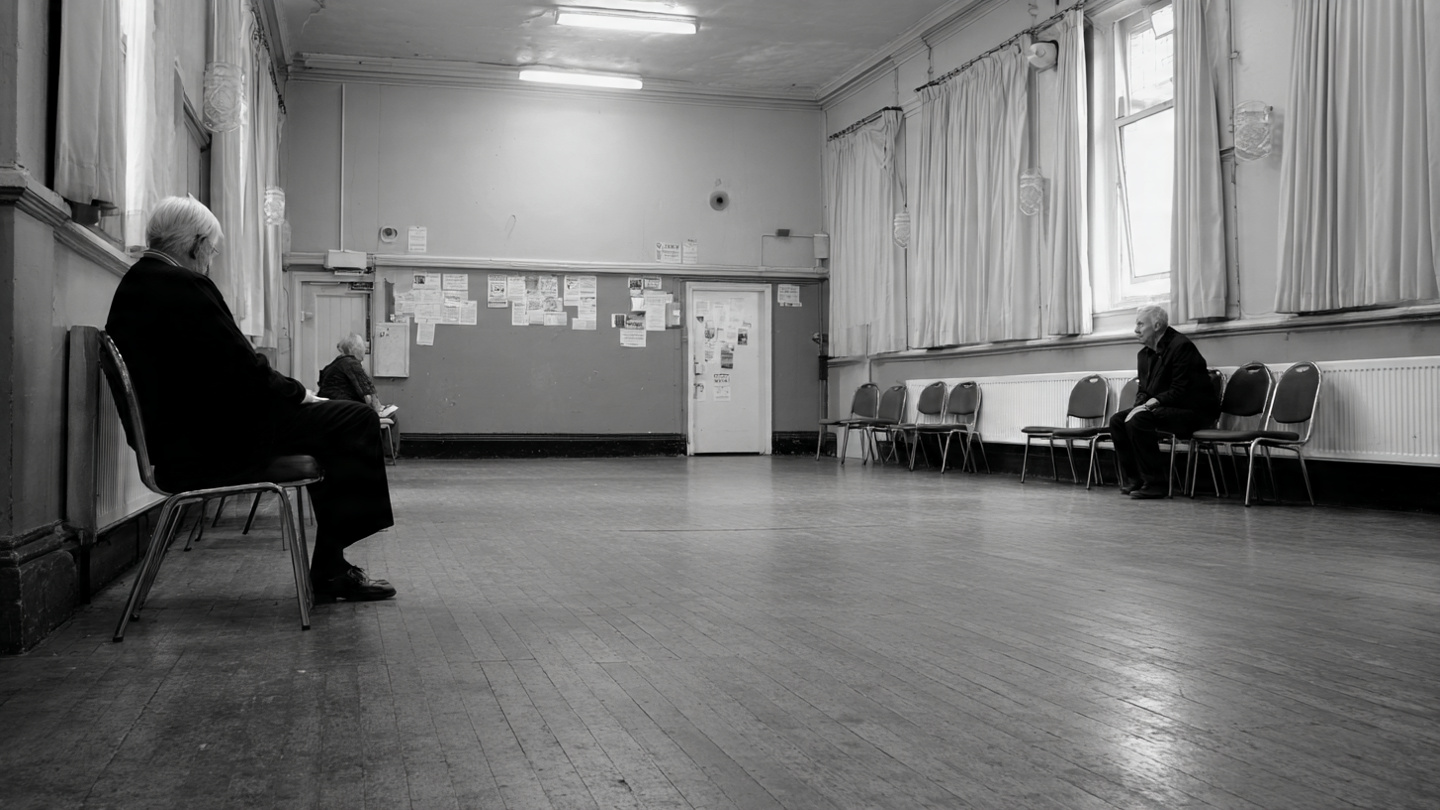
At First, These Undiscovered London Attractions Feel Unremarkable
At first, forgotten cultural spaces rarely announce themselves. From the outside, they often look like ordinary halls, modest institutions, or functional venues serving specific communities. Because of this, many visitors pass them without curiosity. However, some of the most undiscovered London attractions continue to operate quietly inside these spaces.
These places do not rely on promotion or popularity. Instead, they survive through consistent use. Once you step inside and slow down, their cultural depth becomes clear.
Best experience ever. I felt like luckiest person when I walked on to the stage of Grand hall of Central Hall Westminster.
Read more reviews at Tripadvisor.
How Cultural Spaces Drift Out of Public Awareness
Over time, cultural priorities change. New venues open, trends shift, and attention moves elsewhere. As a result, older cultural spaces lose visibility even though they remain active. In London, this process creates a unique category of undiscovered attractions that still play meaningful roles in daily life.
Because these spaces do not adapt themselves for tourism, visitors rarely notice them. Nevertheless, they often preserve traditions, performances, or community functions that newer venues cannot replicate.
Entering a Space That Still Serves Its Original Purpose
Many undiscovered London attractions within cultural spaces continue doing exactly what they were built to do. They host gatherings, performances, discussions, or civic activities without interruption. When you enter, you step into a rhythm that predates modern tourism.
This continuity creates authenticity. Instead of staged experiences, you encounter real activity. As a result, the experience feels grounded and honest rather than curated.
Why Quiet Use Preserves Atmosphere
Crowds often reshape spaces. Noise, signage, and constant movement alter how a place feels. In contrast, cultural spaces that remain lightly used preserve their original atmosphere. This quality makes them some of the most undiscovered attractions in London.
Because people treat these places with familiarity rather than excitement, the environment stays calm. Consequently, you experience sound, light, and movement in a more natural way.
How These Attractions Reward Patience
Unlike mainstream venues, these spaces do not offer instant gratification. Instead, they reveal their value gradually. Details emerge as you observe behavior, architecture, and interaction.
For travelers willing to stay present, undiscovered London attractions like these create a deeper sense of connection. You feel like a guest rather than an audience member.
Why Visitors Rarely Seek These Spaces Out
Most travel planning focuses on what feels iconic. Cultural spaces without strong branding rarely appear on must-see lists. As a result, travelers overlook them even when they sit close to popular areas.
Furthermore, these attractions require openness rather than instruction. Because they do not explain themselves immediately, they appeal more to curious explorers than checklist travelers.
How These Cultural Attractions Reflect London’s Diversity
London’s cultural identity extends far beyond famous theaters and galleries. Smaller, quieter spaces reflect the city’s layered communities and evolving traditions. Many undiscovered attractions in London exist precisely because these spaces continue serving local needs.
Through them, you see how culture lives rather than performs. That distinction adds depth to the travel experience.
Experiencing Culture Without Performance
In these spaces, culture does not present itself as entertainment alone. Instead, it appears as participation, routine, and shared understanding. You observe rather than consume.
Because of this, undiscovered London attractions within cultural spaces feel immersive. They allow you to witness the city as it functions rather than how it markets itself.
Learning to Respect the Space While Observing
While these attractions welcome the public, they still serve communities. Awareness and respect matter. Observing quietly, following posted guidance, and matching the pace of the space help preserve its character.
Through respectful attention, you gain access to experiences most visitors never encounter.
Preparing to Look Beyond Cultural Use
Forgotten cultural spaces teach an important lesson. London does not need constant reinvention to remain interesting. Sometimes, continuity itself creates attraction.
Next, I will explore historic attractions overshadowed by famous neighbors, places that disappear from attention simply because something louder stands nearby.
Some of these quiet cultural environments blur the line between function and expression, a theme that continues in London’s lesser-known creative environments found in hidden art spaces in London.
Historic Attractions Overshadowed by Famous Neighbors
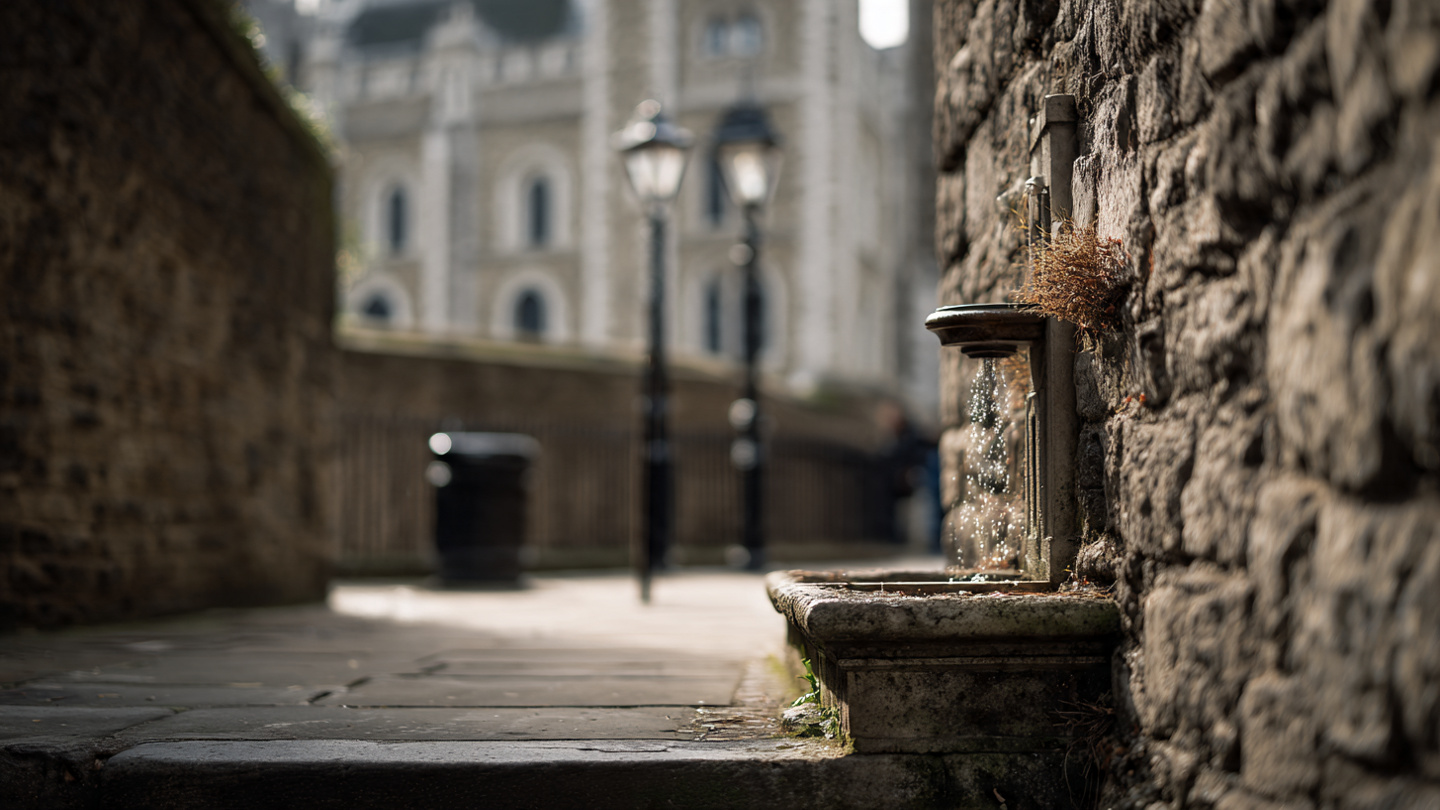
Often, Undiscovered London Attractions Sit Beside Icons
In many parts of the city, major landmarks dominate attention. Their size, reputation, and visibility shape how people move and where they stop. As a result, undiscovered London attractions located nearby often disappear from awareness. People focus on the famous sight and ignore what surrounds it.
This pattern happens repeatedly across London. Historic places that once stood at the center of local life now sit quietly beside global icons. Although they remain accessible, few visitors pause long enough to notice them.
My second Silent Night Christmas visit. Loved it so much last year that I took my daughter this year. The house is amazing – so atmospheric. An absolutely fabulous experience.
Read more reviews at Tripadvisor.
How Fame Creates Blind Spots
Fame directs movement. When a landmark attracts crowds, everything around it becomes background. Visitors rush toward the main attraction, take photos, and move on. Consequently, nearby historic spaces fade into the edges of experience.
Many undiscovered attractions in London exist precisely because of this effect. They do not compete for attention. Instead, they remain still while the crowd flows past them.
Why These Places Lose Their Voice Over Time
History does not disappear when attention shifts. However, once a site loses its role as a focal point, its story becomes quieter. New narratives take over, and older ones remain physically present but rarely told.
Because travel narratives prioritize scale and spectacle, smaller historic attractions struggle to stay visible. As a result, these undiscovered London attractions continue existing without explanation or promotion.
Standing in the Shadow of Something Bigger
Some historic attractions sit only steps away from major sights. Ironically, that proximity makes them easier to miss. Visitors assume that anything worth seeing must belong to the famous site nearby.
Yet these overlooked places often offer a calmer, more reflective experience. They allow you to engage with history without crowds, noise, or pressure to move quickly.
How Slowing Down Changes What You See
Once you step away from the main flow of visitors, perspective changes. Details emerge. Surfaces show age. Spaces reveal intention. In these moments, undiscovered London attractions begin to feel alive again.
By slowing down near famous landmarks instead of rushing away, you allow the surrounding history to reappear. That shift transforms familiar areas into new experiences.
Why These Attractions Feel More Authentic
Overshadowed historic places rarely adjust themselves for tourism. They keep their original scale, layout, and atmosphere. Because of this, they feel more authentic than attractions designed to impress.
Many travelers search for authenticity without realizing it often exists beside what everyone else sees. Undiscovered attractions near famous sites provide that authenticity through restraint rather than display.
The Emotional Impact of Quiet History
Quiet historic spaces create a different emotional response. Instead of excitement, they invite reflection. Instead of urgency, they encourage stillness.
For many visitors, these undiscovered London attractions leave a deeper impression than the landmark next door. They offer room to think, absorb, and connect.
Learning to Look Around, Not Just Ahead
Travel habits teach people to move forward toward goals. However, some of London’s most meaningful experiences exist slightly to the side. When you allow yourself to look around instead of ahead, overlooked history comes back into focus.
This awareness turns familiar routes into new discoveries.
Preparing to Notice Public Spaces Differently
Historic attractions overshadowed by famous neighbors reveal how attention shapes experience. They remind you that significance does not always align with popularity.
Next, I will explore public spaces people do not realize are attractions, places that function as part of daily life while quietly offering something more.
Public Spaces People Do Not Realize Are Attractions
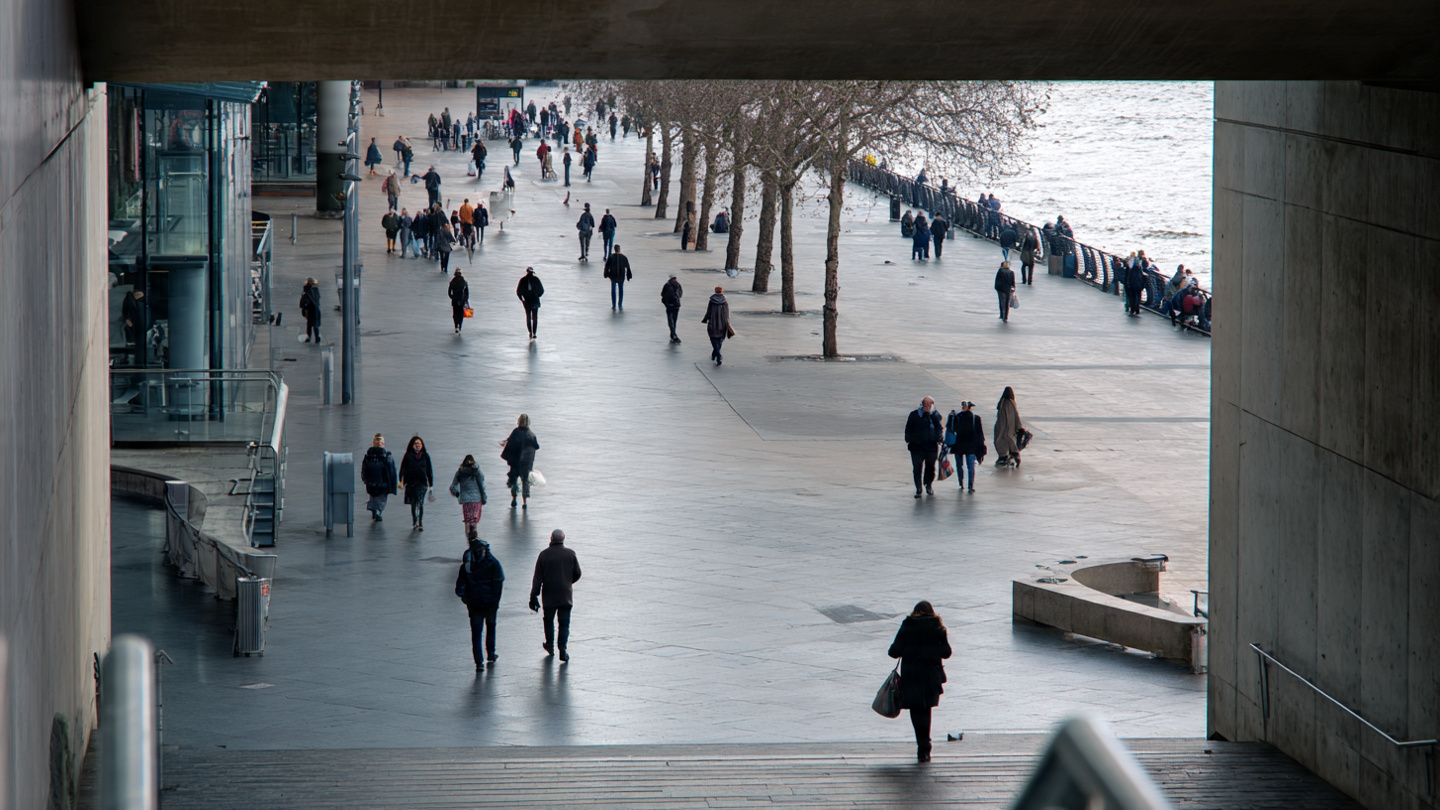
At First, These Undiscovered London Attractions Feel Like Background
Public spaces shape how London functions every day. People move through them on the way to work, appointments, or meetings. Because these spaces support routine movement, most visitors treat them as background rather than destinations. However, some of the most undiscovered London attractions exist within these shared public environments.
These places do not ask for attention. Instead, they blend into the rhythm of the city. Once you pause and observe, their value becomes clear.
Why Function Often Hides Meaning
Public spaces prioritize use over display. They serve circulation, gathering, or access. Because of this, people rarely associate them with attraction or experience. Nevertheless, London’s approach to public design often embeds meaning beneath function.
Many undiscovered attractions in London appear where practicality meets intention. Designers considered light, proportion, and movement, even when aesthetics were not the primary goal. As a result, these spaces reward those who notice them.
How Everyday Movement Creates Invisibility
When people repeat the same routes daily, attention narrows. Familiar paths stop registering as experiences. Visitors often adopt the same mindset, moving quickly and following others.
Consequently, undiscovered London attractions located in public spaces remain invisible. They do not interrupt movement. They wait quietly within it.
What Changes When You Stop Moving
The moment you stop, perspective shifts. Sounds separate. Light patterns become visible. Architectural details emerge. At that point, the space transforms from passageway to place.
Many travelers never experience this shift because they associate stopping with inefficiency. However, public spaces reward stillness more than most attractions do.
How These Spaces Reflect Civic Values
Public spaces reveal how a city treats its people. In London, many of these environments emphasize continuity, access, and restraint. They do not overwhelm visitors. Instead, they create room for coexistence.
This philosophy explains why undiscovered London attractions in public spaces feel grounded. They reflect civic intention rather than commercial motivation.
Why Visitors Rarely Think of These Spaces as Attractions
Travel narratives encourage destinations rather than environments. As a result, visitors focus on endpoints rather than the spaces between them. Public spaces fall outside that mindset.
Because undiscovered attractions do not fit neatly into travel categories, they remain unlisted and unexplained. Yet they often shape how the city feels more than any landmark.
Experiencing the City Without Consuming It
Public spaces allow you to experience London without buying tickets or following instructions. You simply exist within them. That simplicity creates authenticity.
Undiscovered London attractions within these spaces invite observation rather than consumption. They allow the city to unfold naturally.
Why These Experiences Stay With You
Moments of quiet observation often leave stronger impressions than busy sightseeing. When you notice how people move, pause, or interact, the city feels human rather than performative.
As a result, undiscovered attractions found in public spaces often become emotional anchors in memory.
Learning to Redefine What an Attraction Is
Once you recognize public spaces as experiences, your definition of attraction expands. You stop searching for highlights and start noticing environments.
That shift opens the door to a deeper relationship with London.
Preparing to Explore Spaces That Feel Private
Public spaces teach awareness. Next, I will explore places that feel private even though they are public, environments that create intimacy without restriction.
These undiscovered London attractions are not concentrated in one area. Instead, they are scattered across everyday neighborhoods, civic spaces, and historic streets that people pass through without noticing. Viewing them together on a map helps reveal how closely these overlooked places sit beside daily London life.
Places That Feel Private Even Though They Are Public

At First, These Undiscovered London Attractions Feel Almost Personal
Some places in London create an unexpected sense of privacy. Even though they remain open to everyone, they feel enclosed, calm, and removed from the surrounding city. Because of this contrast, many undiscovered London attractions exist in spaces people hesitate to enter, assuming they belong to someone else.
That hesitation often keeps visitors away. Yet once you step inside, the atmosphere feels welcoming rather than exclusive.
Why Public Does Not Always Feel Public
Not all public spaces encourage movement or noise. Some invite pause and reflection. Designers achieve this effect through scale, layout, and material choices. As a result, these spaces create emotional distance from the street outside.
Many undiscovered attractions in London rely on this subtle design. They do not signal openness loudly. Instead, they offer quiet permission to enter.
How Perception Shapes Access
People often decide whether a place feels accessible within seconds. If a space looks calm, formal, or enclosed, visitors assume restrictions exist. However, many of these assumptions prove incorrect.
Because of this mismatch between perception and reality, undiscovered London attractions remain underused. They stay open, yet empty, simply because people do not feel invited.
What Happens When You Step Inside Anyway
Once you cross the threshold, the experience changes immediately. Sound softens. Movement slows. Visual clutter fades. At that point, the space begins to feel intentional and restorative.
These moments create strong emotional contrast. You move from public intensity to personal calm within seconds. That shift defines many of London’s most undiscovered attractions.
Why These Spaces Encourage Reflection
Privacy, even temporary privacy, encourages attention. Without crowds or noise, your senses open. You notice light, texture, and proportion more clearly.
As a result, undiscovered London attractions that feel private often leave deeper impressions. They allow you to process the city rather than react to it.
These places remain calm partly because people behave differently inside them. Social cues signal respect, quiet movement, and awareness of others. Over time, this shared behavior preserves the atmosphere.
Because visitors instinctively adapt, these spaces protect themselves without rules or enforcement. That self-regulation keeps them undiscovered by mass tourism.
Why These Attractions Matter in a Busy City
London moves fast. Noise, crowds, and constant activity define many areas. Spaces that offer pause without exclusion play an important role in balance.
Undiscovered London attractions that feel private provide that balance. They allow restoration without isolation.
Learning to Trust the Invitation
Often, the hardest step involves believing you are allowed to enter. Once you trust that invitation, the city opens differently.
This lesson extends beyond individual spaces. It changes how you approach London as a whole.
Preparing to Notice History Without Signs
Private-feeling public spaces teach confidence and awareness. Next, I will explore attractions that reveal London’s past without announcing it, places where history exists quietly within the present.
Attractions That Reveal London’s Past Without Announcing It
At First, These Undiscovered London Attractions Look Like Everyday Spaces
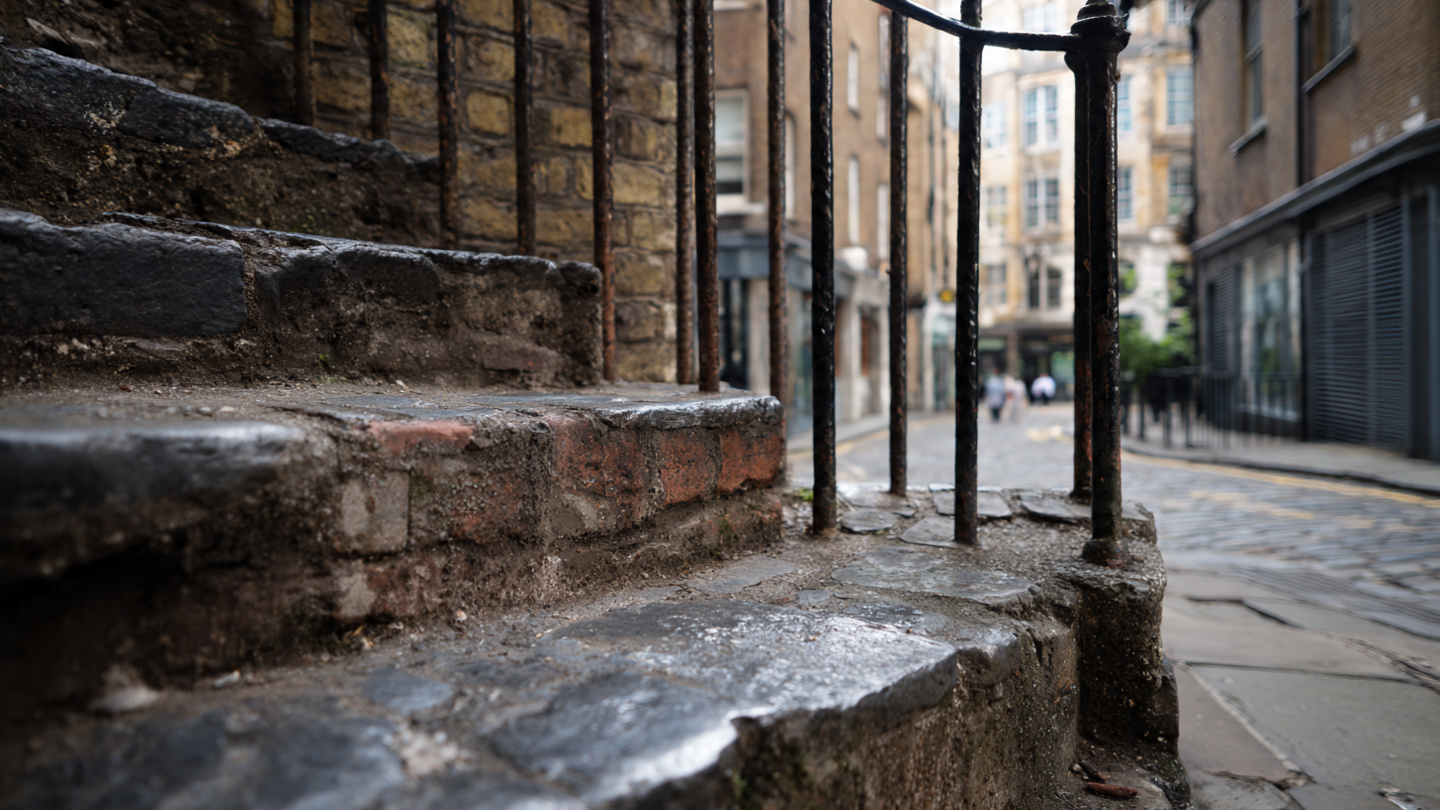
Some places in London carry history so quietly that people rarely notice it. There are no plaques demanding attention, no guided routes, and no clear signals that something important happened there. Because of this, many undiscovered London attractions blend completely into modern life.
At first glance, these places feel ordinary. However, once you slow down and observe, traces of the past begin to surface. Small details, worn surfaces, and subtle design choices hint at stories that still exist beneath the present.
Why London Rarely Erases What Came Before
London rarely clears space entirely. Instead, it builds forward while leaving fragments behind. Streets shift purpose, buildings adapt, and older elements remain embedded within newer structures. As a result, history often survives without explanation.
Many undiscovered attractions in London exist because of this approach. They remain physically present but narratively silent. Without signs or promotion, they rely on awareness rather than instruction.
How Modern Life Masks Historical Meaning
Daily routines often obscure historical context. People hurry through spaces focused on current needs. Over time, familiarity replaces curiosity. As a result, places with deep historical roots fade into normalcy.
Visitors often mirror this behavior. When a space does not announce its significance, they assume none exists. Consequently, undiscovered London attractions tied to history remain unnoticed.
Learning to Read the City Instead of Being Told
Discovering these attractions requires a different kind of attention. Instead of waiting for information, you begin reading the environment. Materials, proportions, and layout become clues rather than decoration.
I have found that this process feels more rewarding than guided explanations. When you piece together meaning yourself, the experience feels personal and memorable.
Why Quiet History Feels More Powerful
Large museums and monuments explain history directly. Quiet historical spaces work differently. They allow you to feel time rather than study it.
Undiscovered London attractions that reveal the past subtly create emotional impact through presence. You stand where history unfolded without barriers or narration.
How These Places Change Your Sense of Time
When you notice historical layers within modern spaces, time feels compressed. Past and present coexist. That awareness changes how you move through the city.
Instead of rushing, you begin to sense continuity. London stops feeling segmented into eras and starts feeling whole.
Why These Attractions Remain Unlisted
Travel guides prefer clarity. They highlight places that explain themselves easily. Quiet historical spaces resist that format. They require interpretation rather than instruction.
Because of this, many undiscovered attractions in London never appear on itineraries. They survive outside tourism narratives.
The Emotional Effect of Unmarked History
Standing in a place that carries history without labels creates intimacy. You are not told what to feel. You discover it on your own.
This freedom allows deeper connection. Undiscovered London attractions like these often leave lasting impressions precisely because they do not guide your response.
Learning to Trust Subtlety
Once you begin noticing unmarked history, the city changes. You stop expecting explanation and start trusting observation.
This shift prepares you for a deeper relationship with London.
Preparing to Reflect on the Experience as a Whole
Quiet historical attractions teach patience and awareness. Next, I will reflect on why discovering these attractions changes how you experience London, tying together everything explored so far.
This kind of unmarked history also exists below street level, where forgotten infrastructure quietly survives, as explored in these secret tunnels in London.
Why Discovering These Attractions Changes How You Experience London

Gradually, London Stops Feeling Like a Checklist
At first, many people experience London as a series of destinations. They move from one famous place to another, measuring progress by how much they have seen. However, once undiscovered London attractions enter the picture, that mindset begins to shift.
Instead of counting sights, you start noticing moments. The city feels less like something to complete and more like something to inhabit. That change transforms the entire travel experience.
As Attention Shifts, Pace Naturally Slows
Undiscovered attractions rarely demand urgency. They encourage observation rather than movement. As a result, your pace adjusts without effort.
When you slow down, stress fades. You stop rushing between locations and start responding to the environment around you. London begins to feel more approachable, even gentle, despite its size.
Consequently, the City Feels More Coherent
Popular attractions often feel disconnected. Each one exists as its own event. In contrast, undiscovered London attractions connect seamlessly to daily life.
Because these places exist within ordinary environments, they help the city feel continuous rather than fragmented. Streets, interiors, and public spaces flow together naturally.
Emotional Connection Deepens Through Discovery
Finding something on your own creates ownership. When you notice an attraction others ignore, the experience feels personal.
This emotional connection changes memory. Instead of recalling crowds or queues, you remember stillness, light, and atmosphere. Undiscovered London attractions often anchor those memories.
The Role of Confidence in Exploration
As you grow comfortable discovering these places, confidence builds. You trust your instincts instead of relying entirely on recommendations.
This confidence opens more doors. You feel free to enter spaces, pause where others pass through, and explore without anxiety. London becomes less intimidating and more inviting.
Awareness Replaces Expectation
Expectation limits experience. When you expect grandeur, you may miss subtlety. Undiscovered attractions teach you to release expectation.
By focusing on awareness, you allow the city to reveal itself naturally. This mindset often leads to richer experiences than planned sightseeing ever could.
Why These Attractions Reshape Perspective
Undiscovered London attractions challenge common ideas about travel. They prove that meaning does not require fame or scale.
Once you understand this, you stop equating value with popularity. London becomes a place of nuance rather than spectacle.
How This Approach Changes Future Visits
After experiencing the city this way, it becomes difficult to return to checklist travel. You begin applying the same awareness everywhere you go.
London, in particular, rewards repeat visits through subtlety. Each return reveals something new without needing major changes.
Preparing for a Final Reflection
At this stage, undiscovered attractions no longer feel separate from the city. They become part of how you move, observe, and engage.
In the final section, I will bring everything together and reflect on learning to notice London instead of searching for it.
Learning to Notice London Instead of Searching for It

In the End, Discovery Becomes a Habit
By the time you begin noticing undiscovered London attractions, something subtle changes. You stop actively searching for highlights and start responding to what surrounds you. Discovery becomes less about effort and more about awareness.
This shift does not happen all at once. It grows gradually as you slow down, observe, and trust your instincts. Over time, London stops feeling overwhelming and starts feeling legible.
Why Noticing Matters More Than Knowing
Many travelers believe knowledge leads to better experiences. While preparation helps, attention matters more. Undiscovered attractions rarely appear on lists or maps. They reveal themselves only when you remain present.
When you notice rather than search, you engage with London as it exists rather than as it gets marketed. That difference shapes memory, emotion, and connection.
How This Way of Exploring Stays With You
Once you experience London this way, the approach follows you elsewhere. You begin noticing overlooked details in other cities, too. Travel becomes less about consumption and more about relationship.
Undiscovered London attractions teach this lesson gently. They do not demand time or money. They simply invite awareness.
London as a City That Rewards Patience
London does not reveal itself immediately. It unfolds through layers, routines, and quiet spaces. The city rewards patience more than urgency.
By embracing undiscovered attractions, you align yourself with how London actually functions. You move with the city rather than through it.
A Different Kind of Memory
Long after specific sights fade, moments of quiet discovery remain vivid. You remember how a space felt rather than what it was called. Those memories feel personal because they belong to you alone.
That is the lasting value of undiscovered London attractions. They do not impress the world. They change how you experience it.
Carrying This Mindset Forward
You do not need to abandon famous sights to explore this way. Instead, you balance them with attention and openness. Between landmarks, inside ordinary buildings, and within public spaces, London continues to offer more than most people notice.
Once you learn to see the city this way, every walk becomes an opportunity. London stops being something to complete and becomes something to understand.