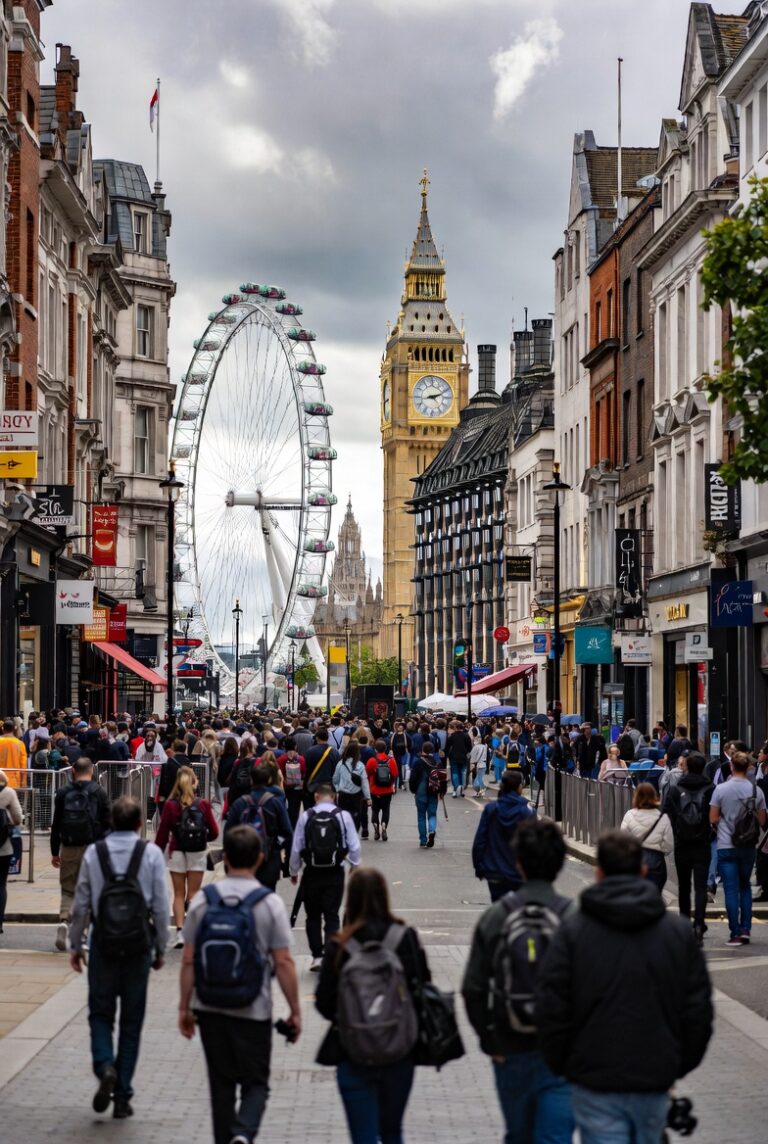

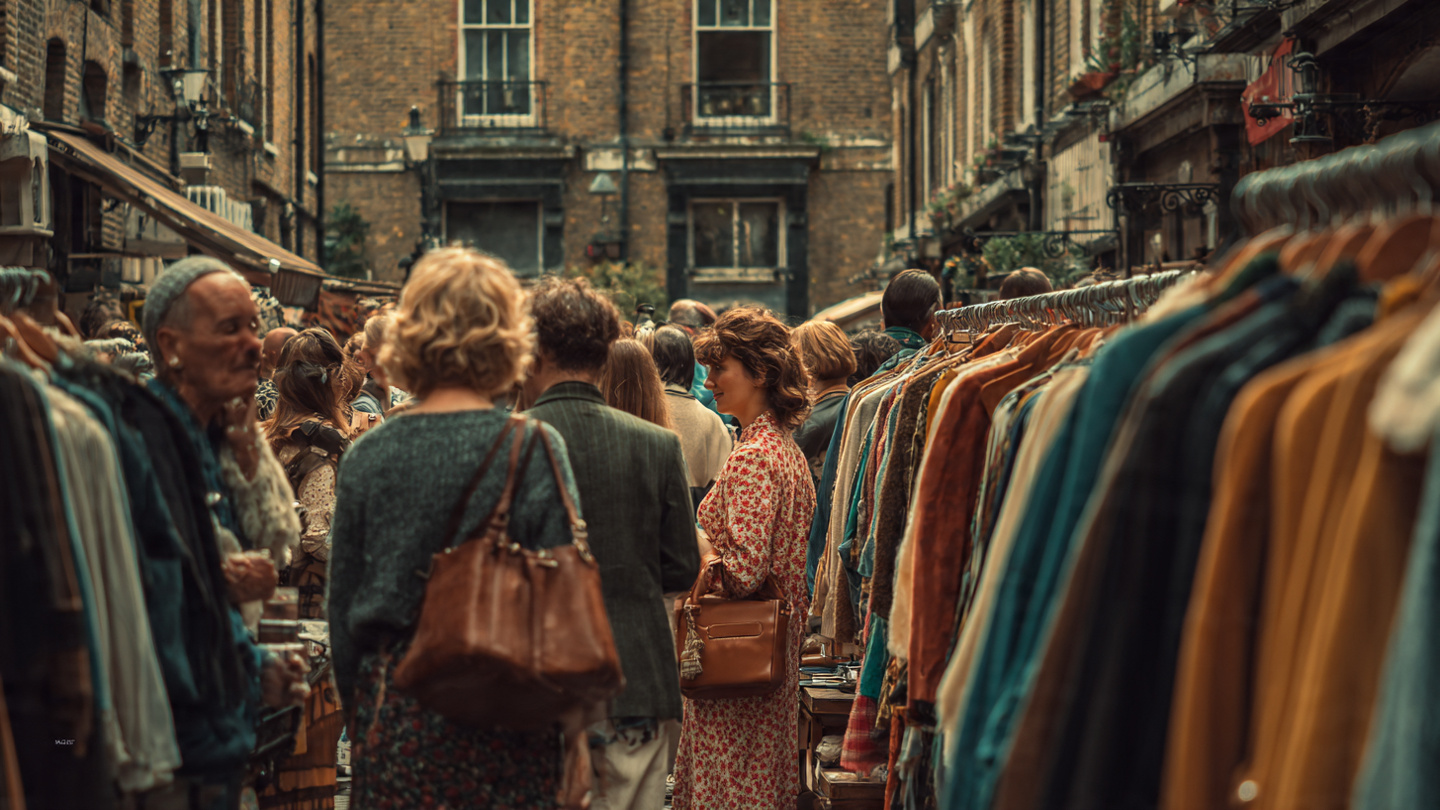
Vintage markets in London reflect how the city values history, individuality, and reuse within everyday life. These markets are not simply places to buy older items. They operate as cultural spaces where clothing, objects, and styles from past decades remain relevant and functional. Understanding this role helps visitors approach vintage shopping with the right expectations before exploring the city’s markets.
Why the Definition of Vintage Matters
The word vintage is often used loosely, which causes confusion for first-time visitors. In London, vintage generally refers to items from earlier decades that still hold aesthetic, cultural, or practical value today. Age alone is not enough. Condition, design, and connection to a recognizable era all matter. This distinction explains why vintage markets feel different from general second-hand shopping environments.
Vintage shopping is only one part of London’s wider market culture, which includes food markets, street markets, and neighborhood trading spaces spread across the city. For a broader overview of how all these markets fit together and which ones suit different travel styles, explore the complete guide to the best markets in London.
How Vintage Markets Differ From Flea and Antique Markets
Vintage markets sit between flea markets and antique fairs in both purpose and atmosphere. Flea markets usually focus on reuse and affordability without emphasis on era or design. Antique markets prioritize historical value and rarity, often with higher prices. Vintage markets in London balance these ideas by offering items that are old enough to reflect past styles but modern enough to remain wearable or usable.
If you want a clearer sense of what London flea markets are actually like in real life, including how they feel, what people buy, and how to shop without getting overwhelmed, this guide to flea markets in London will help.
The Role of Curation in Vintage Markets
Curation plays an important role in shaping the vintage market experience. Many sellers specialize in specific decades, materials, or styles. This focus creates stalls that feel intentional rather than random. Shoppers notice that items are grouped thoughtfully, which encourages browsing with curiosity rather than urgency. This curated approach separates vintage markets from more chaotic resale environments.
Why Vintage Markets Feel Slower and More Intentional
Vintage markets encourage a slower pace compared to conventional retail. Browsing involves touching fabrics, checking details, and asking questions. Sellers often share background information about items, which adds context and value. In London, this slower rhythm contrasts with the fast-moving city around it, making vintage markets feel like temporary pauses within urban life.
How London’s History Supports Vintage Culture
London’s long history supports a steady supply of vintage items. Fashion, design, and household goods from many periods remain in circulation rather than disappearing. As styles changed, older items were stored, reused, or passed along rather than discarded. Vintage markets became natural spaces where these items re-enter everyday use, connecting modern life with earlier periods.
Why Understanding Vintage Markets Improves the Visit
Visitors who understand what vintage markets represent tend to have better experiences. They arrive prepared to browse patiently, compare options, and appreciate variation. Instead of feeling overwhelmed, they engage more deeply with the environment. Vintage markets in London reward this mindset by offering discovery rather than efficiency.
Why Vintage Shopping Thrives in London

London’s Long Relationship With Fashion and Reinvention
London has always been a city that reshapes old ideas into something new. Fashion trends rarely disappear here. Instead, they cycle back through different generations, gaining new meaning each time. This constant reinvention creates a natural environment where older styles feel relevant rather than outdated. Vintage shopping fits comfortably into this rhythm because it reflects London’s habit of blending past and present without clear boundaries.
A City Where Individual Style Is Valued
One reason vintage shopping remains popular in London is the value placed on personal expression. Many people prefer clothing and objects that reflect individuality rather than trends driven by fast fashion. Vintage pieces allow shoppers to build a style that feels intentional and distinct. This mindset supports the growth of markets that specialize in curated, character-rich items rather than uniform collections.
Cultural Diversity and Its Influence on Vintage Demand
London’s cultural diversity plays a quiet but important role in sustaining vintage shopping. Different communities bring their own fashion references, memories, and aesthetic preferences. Items that might seem niche in one context can feel meaningful in another. Vintage markets become shared spaces where these influences overlap, creating demand for a wide range of styles from different eras and backgrounds.
Sustainability and Conscious Buying Habits
In recent years, sustainability has become more than a trend in London. Many shoppers actively look for ways to reduce waste and extend the life of existing products. Vintage shopping aligns naturally with these values. Buying pre-owned items feels like a practical and ethical choice rather than a compromise. This shift in mindset has helped vintage markets move from niche spaces into mainstream shopping culture.
Vintage markets offer era-specific finds and independent sellers, but to see how London’s fixed retail corridors contrast with these curated spaces, visit Best Shopping Streets in London for a full comparison of the city’s main shopping environments.
The Appeal of Stories Behind Vintage Items
People are often drawn to vintage shopping because items carry visible traces of earlier lives. A jacket, a bag, or a decorative object can suggest a time, a place, or a lifestyle that no longer exists in the same form. London, with its layered history, provides endless context for these stories. Vintage markets offer a setting where these narratives feel tangible rather than abstract.
Economic Flexibility and Changing Shopping Priorities
Vintage shopping also thrives because it adapts to different budgets and priorities. Some visitors search for rare or collectible pieces, while others simply want something well made at a reasonable price. London’s vintage markets accommodate both approaches. This flexibility allows people to participate without feeling excluded by cost or expertise.
Why Vintage Shopping Feels Like Discovery in London
Unlike structured retail environments, vintage markets reward patience and curiosity. Shoppers rarely know what they will find in advance. This sense of discovery turns shopping into an experience rather than a transaction. In a city as busy as London, this slower and more exploratory way of browsing feels refreshing, which helps explain its lasting appeal.
Why Vintage Shopping Thrives in London
London’s Long Relationship With Fashion and Reinvention
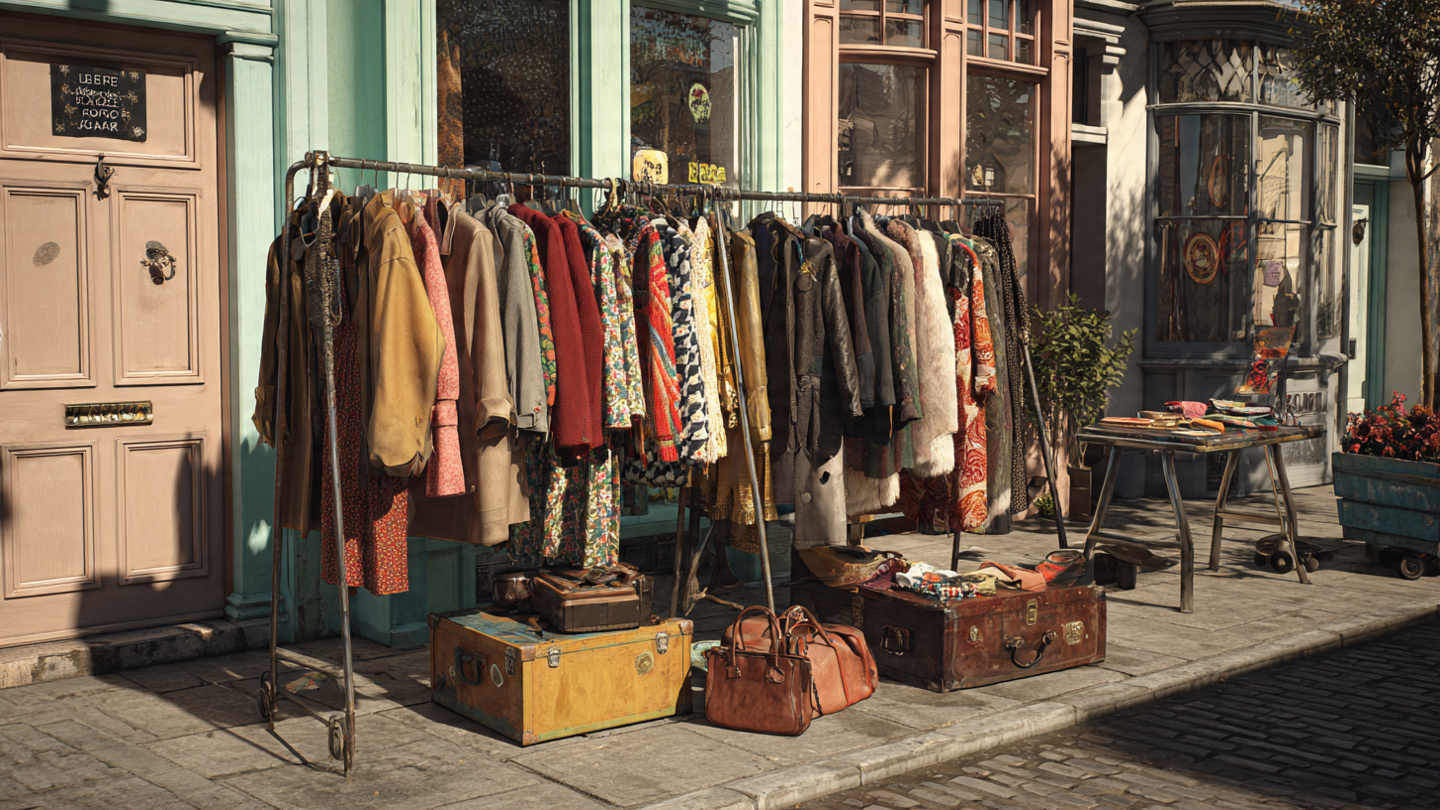
London has always treated fashion as something fluid rather than fixed. Styles move forward, circle back, and reappear with new meaning. This ongoing cycle explains why vintage markets in London feel so natural within the city’s shopping culture. Clothing and objects from earlier decades do not feel out of place here. Instead, they blend easily into everyday life, supported by a city that constantly reshapes old ideas into modern expressions.
Individual Style and the Role of Vintage Shopping
Personal style carries strong cultural value in London. Many shoppers actively avoid mass-produced fashion in favor of items that feel distinctive. Vintage shopping allows people to build a look that reflects personality rather than trends. London vintage markets support this approach by offering pieces that cannot be replicated easily, which keeps demand steady among locals and visitors who value originality.
Cultural Diversity Supporting Vintage Market Demand
The diversity of London’s population contributes directly to the popularity of vintage markets. Different communities bring different references to fashion, design, and daily life. What one person sees as nostalgic, another may see as expressive or meaningful. This shared demand sustains a wide range of vintage styles across London markets, from everyday wear to statement pieces tied to specific eras or subcultures.
Sustainability and the Shift Toward Conscious Buying
Concerns about waste and overproduction have reshaped how many people shop. Vintage markets in London benefit from this shift because they offer an alternative to fast fashion without sacrificing style or quality. Buying pre-owned clothing or objects feels practical rather than limiting. For many shoppers, vintage shopping has become part of a broader effort to make more thoughtful purchasing decisions.
The Importance of Story and Character in Vintage Finds
One reason London vintage markets continue to attract interest is the sense of story attached to individual items. Clothing, accessories, and objects often show signs of previous use, which adds character rather than reducing value. In a city with visible layers of history, these details resonate. Vintage shopping becomes a way to connect with earlier periods through tangible, everyday items.
Economic Flexibility Within Vintage Markets
Vintage shopping in London adapts well to different budgets. Some visitors search for rare or collectible pieces, while others simply want something well made at a fair price. Vintage markets allow both approaches to coexist. This flexibility keeps the experience accessible and prevents it from feeling exclusive or intimidating to first-time visitors.
Why Vintage Markets Feel Engaging Rather Than Transactional
Unlike conventional retail spaces, vintage markets encourage exploration. Shoppers rarely arrive with a fixed outcome in mind. Browsing becomes part of the appeal, especially within London vintage markets where variety and surprise shape the experience. This slower pace contrasts with the city’s usual intensity and helps explain why vintage shopping remains appealing year after year.
How London’s Neighborhoods Shape Vintage Market Culture
Why Location Matters in London’s Vintage Scene
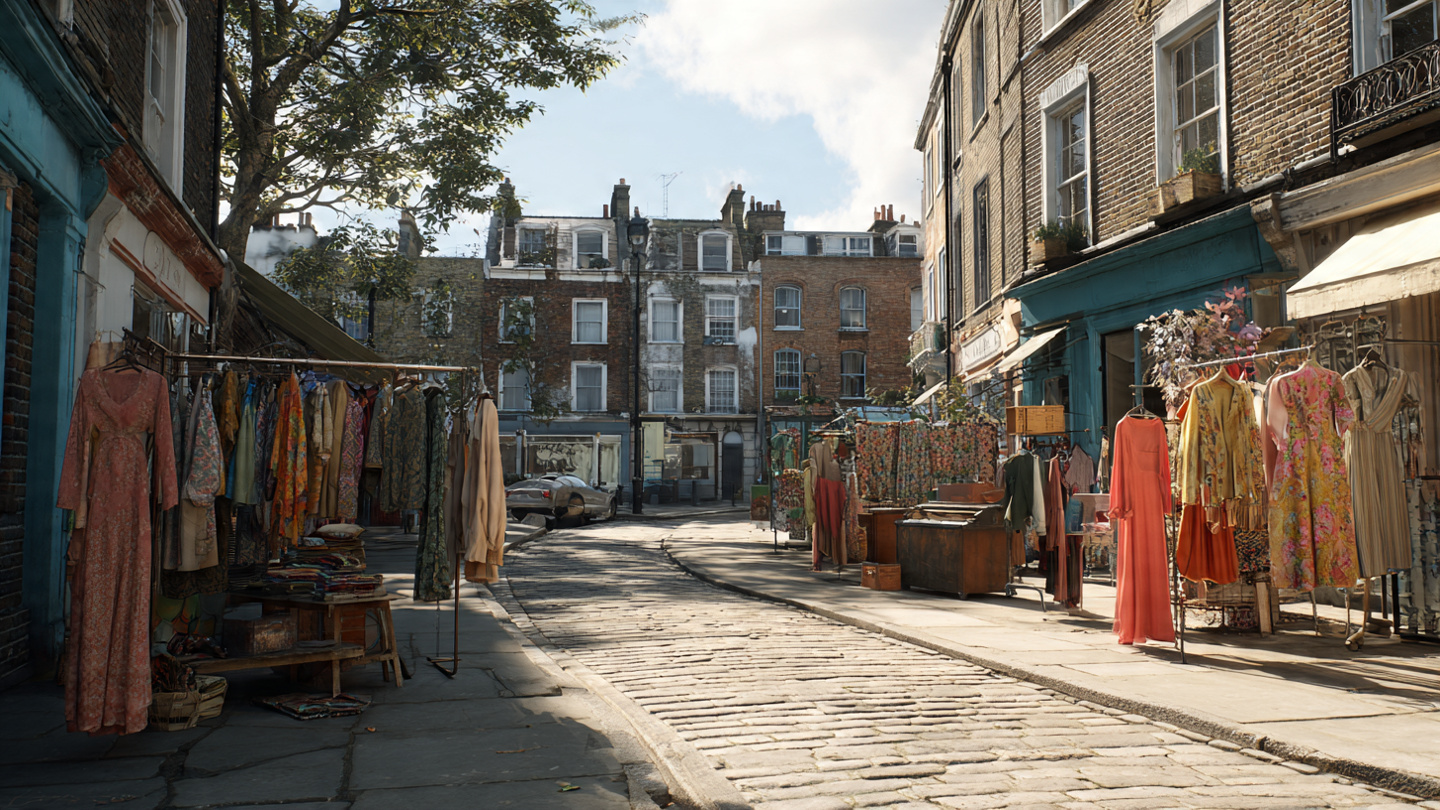
Vintage markets in London do not exist in isolation. Each one reflects the neighborhood around it. London is not a single, uniform city. It is a collection of districts that developed at different times, often with their own social identities. This layered urban structure shapes how vintage markets operate, what they sell, and who shops there. Understanding location helps visitors see why vintage markets in London feel so different from one area to another.
Historic Neighborhoods and Their Influence on Vintage Style
Areas with long-established histories often support vintage markets that focus on classic styles and timeless design. These neighborhoods tend to attract sellers who specialize in well-preserved clothing, accessories, and objects that align with traditional tastes. Shoppers visiting vintage markets in these parts of London often look for quality, craftsmanship, and recognizable eras rather than experimental fashion. The surroundings reinforce a sense of continuity between past and present.
Vintage markets are ideal for curated stalls and concentrated browsing, but London’s vintage scene also lives on everyday shopping streets where boutiques and independent stores trade year-round. If you want to mix market visits with street-based vintage browsing, this guide to street shopping in London explains which areas suit different styles and budgets.
Creative Districts and Experimental Vintage Culture
In more creative or alternative neighborhoods, vintage markets take on a different role. These areas attract people who treat vintage shopping as a form of self-expression rather than nostalgia. Clothing is often styled in unexpected ways, and sellers may mix eras or reinterpret older pieces creatively. Vintage markets in London’s creative districts feel more playful and less restrained, reflecting the energy of the surrounding streets.
Residential Areas and Community-Focused Vintage Markets
Some vintage markets develop in quieter residential neighborhoods where local involvement matters more than trend visibility. These markets often feel less performative and more practical. Residents visit regularly rather than occasionally, and sellers build relationships with repeat customers. Vintage markets in these areas of London feel grounded and familiar, shaped by daily routines rather than tourism.
How Neighborhood Demographics Affect What Is Sold
The types of people who live and work in a neighborhood influence what appears at its vintage markets. Areas with younger populations often support markets that focus on affordable fashion and casual wear. Neighborhoods with older or more established communities may lean toward home items, accessories, or carefully maintained clothing. This connection between local demographics and product selection helps explain why vintage markets in London vary so widely even within short distances.
Tourism, Visibility, and Market Evolution
Some neighborhoods attract heavy visitor traffic, which naturally affects their vintage markets. Increased visibility can lead to larger selections and more specialized sellers. At the same time, it can shift prices and presentation. Vintage markets in highly visited parts of London often balance local character with broader appeal, adapting their offerings without fully losing identity. This ongoing adjustment reflects how neighborhoods and markets evolve together.
Why Exploring Different Areas Changes the Vintage Experience
Moving between neighborhoods changes how vintage shopping feels. What works in one part of London may feel out of place in another. By exploring vintage markets across different areas, visitors gain a clearer understanding of the city itself. Each neighborhood adds context, shaping not only what is sold but how people browse, interact, and value vintage items.
The Most Well-Known Vintage Markets in London
Why Certain Vintage Markets Become Widely Recognized
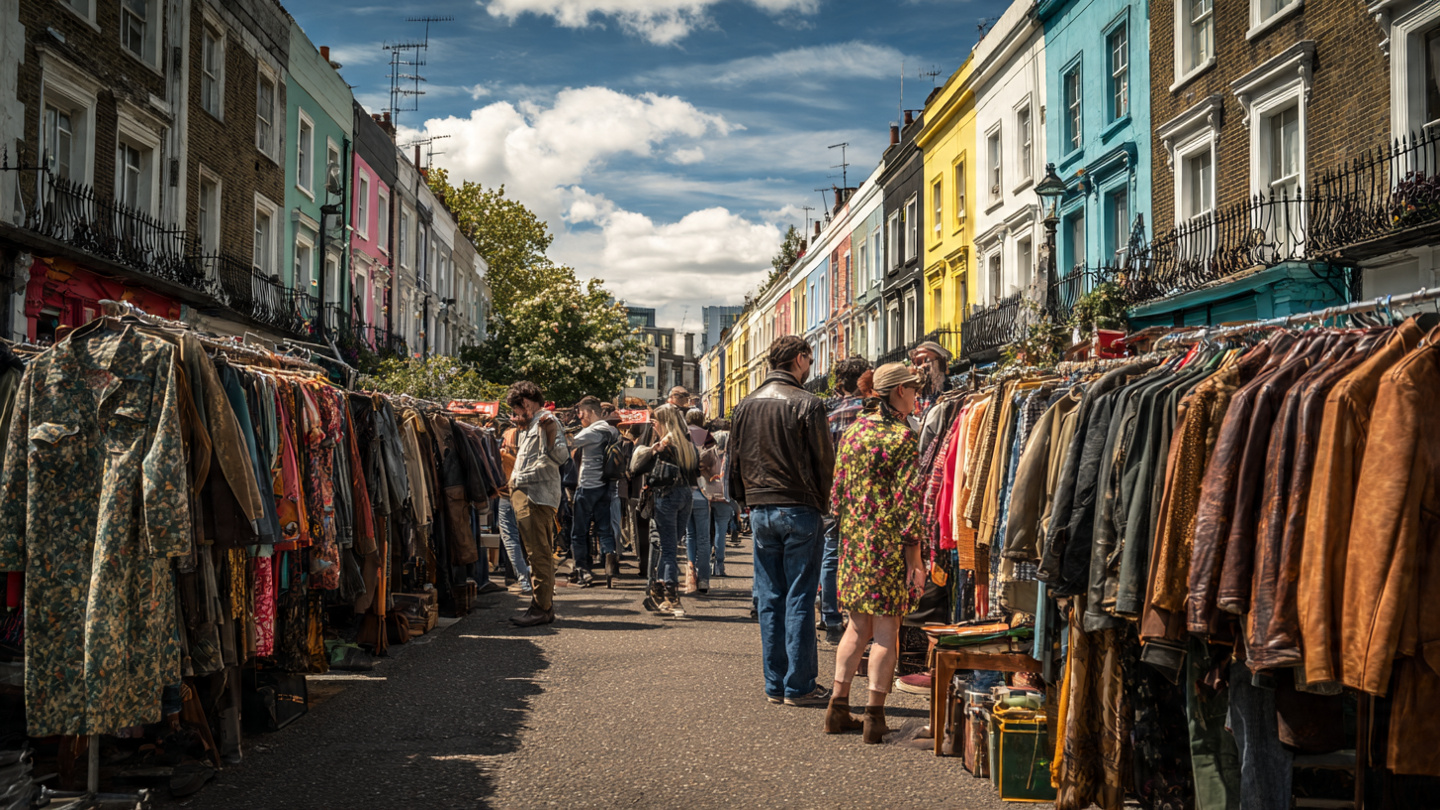
Some vintage markets in London gain recognition because they sit at the intersection of history, location, and consistency. These markets have operated long enough to build reputations that extend beyond their neighborhoods. Visitors often hear about them before arriving in the city, which shapes expectations. Their visibility does not come from size alone, but from reliability. Shoppers know they will find vintage-focused stalls rather than occasional or inconsistent offerings.
Several of London’s best-known vintage markets are concentrated in areas that have long histories of street trading and creative culture. Seeing these locations together helps visitors understand how vintage shopping fits naturally into the city’s most recognizable market districts.
Portobello Road and Its Vintage Sections
Portobello Road is often associated with antiques, but its vintage sections play a distinct role within the wider street. Certain stretches and side areas focus on clothing and accessories from past decades rather than collectible antiques. Vintage markets in this part of London attract shoppers who enjoy browsing through racks of retro fashion in a lively street setting. The mix of residential buildings and market stalls creates a relaxed atmosphere that encourages exploration rather than hurried buying.
Brick Lane and the Surrounding Vintage Scene
Brick Lane has long been linked to alternative fashion and creative expression. The vintage markets around this area reflect that identity clearly. Clothing from multiple eras appears alongside reworked and customized pieces. Vintage markets in this part of London appeal to shoppers who value bold styling and experimentation. The surrounding streets reinforce this atmosphere, making the shopping experience feel immersive rather than isolated.
Read more reviews at Tripadvisor.Great spot to visit in Brik Lane! if you looking to go back in time you have a vintage soul! For sure you can find some very unique items which will make your outfit look special.
Camden’s Role in London’s Vintage Market Identity
Camden plays a major role in shaping how many people imagine vintage markets in London. The area’s long-standing association with music, subcultures, and street style influences what appears on the racks. Vintage clothing here often reflects expressive eras, with strong visual identities and statement pieces. For many visitors, Camden represents the more dramatic and theatrical side of vintage shopping in London.
Spitalfields and Curated Vintage Experiences
Spitalfields offers a more curated approach to vintage markets. The setting encourages a calmer, more selective browsing style. Sellers often focus on well-maintained items presented with attention to detail. Vintage markets in this area of London tend to attract shoppers who appreciate quality and presentation over volume. The environment supports slower exploration and thoughtful purchasing decisions.
What These Markets Have in Common
Despite differences in style and atmosphere, the most well-known vintage markets in London share a few core qualities. They operate regularly, maintain a strong focus on vintage goods, and are deeply connected to their neighborhoods. These markets also adapt over time without losing their identity. Their continued relevance comes from balancing tradition with changing tastes rather than remaining fixed in the past.
How Popularity Shapes the Shopping Experience
Popularity brings both advantages and challenges. Well-known vintage markets in London offer variety and energy, but they also attract larger crowds. This can affect how shoppers move through stalls and how long they spend browsing. Understanding this dynamic helps visitors choose the right time and mindset for exploring these markets without frustration.
Some of London’s most recognizable vintage stalls appear along streets that host much larger and more complex market experiences. One of the best examples is Portobello Road, where vintage clothing sits alongside antiques, food stalls, and everyday shopping, all changing by the day. For a deeper breakdown of how the street works and when different sections come alive, read the detailed Portobello Road Market guide.
Smaller and Less Obvious Vintage Markets Worth Exploring
Why Lesser-Known Vintage Markets Matter in London
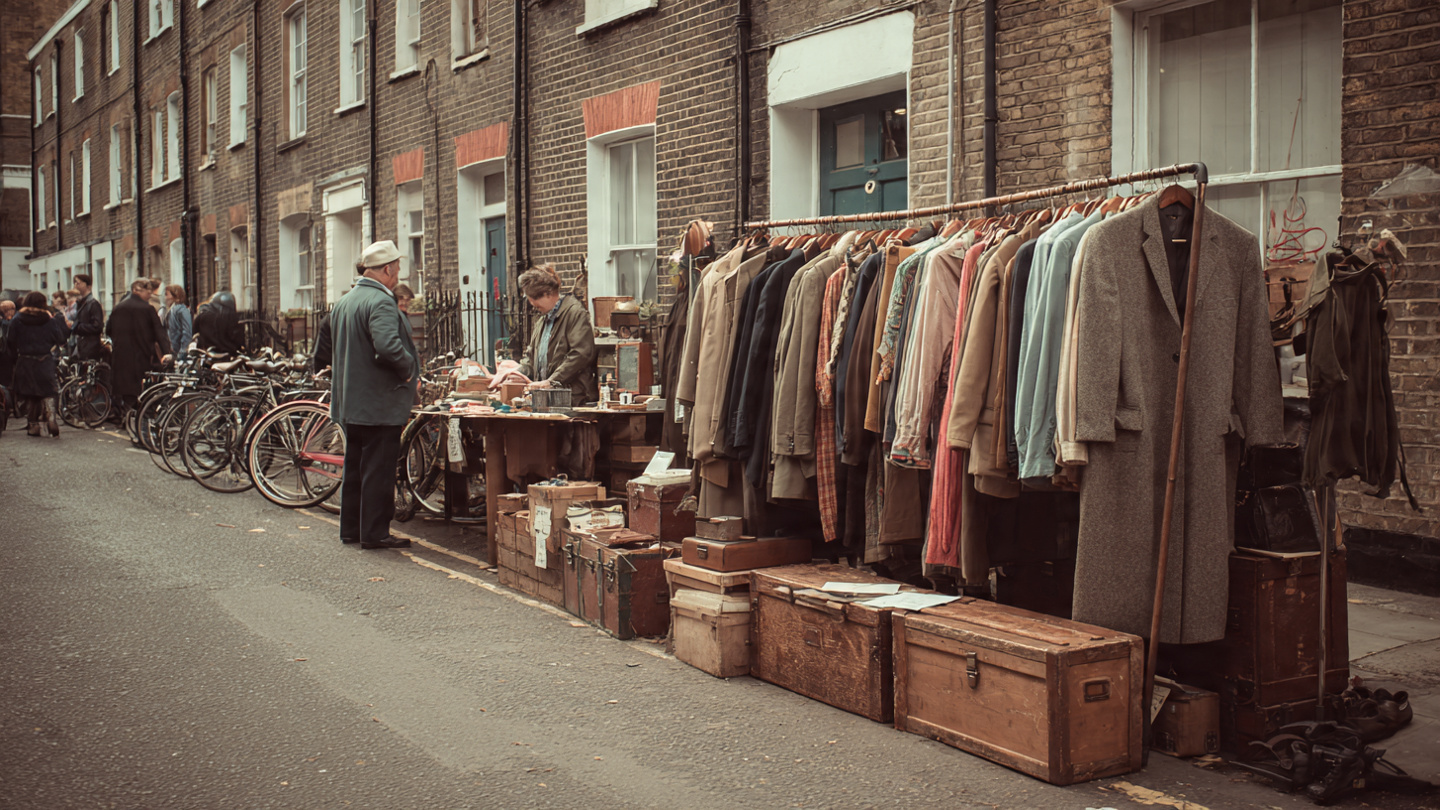
Not all vintage markets in London are widely advertised or easy to spot. Some operate quietly within neighborhoods, attracting people who value discovery over familiarity. These smaller markets often feel less rushed and more personal. Shoppers who seek them out tend to spend more time browsing and talking with sellers. This slower pace creates a different kind of vintage shopping experience, one that feels more local and less performative.
Community-Driven Vintage Market Spaces
Many smaller vintage markets grow out of community initiatives rather than large commercial planning. They may operate on specific days or share space with other types of markets. These environments encourage regular participation from both sellers and visitors. Vintage markets in these settings often reflect the tastes of the surrounding area more closely than larger, well-known locations. Items feel practical and wearable rather than curated for attention.
Beyond the busiest streets, many quieter neighborhoods host vintage markets that feel more local and less crowded. Mapping these areas makes it easier to explore places that are often missed by visitors focused only on famous locations.
Temporary and Pop-Up Vintage Markets
London also supports a number of temporary or pop-up vintage markets. These appear seasonally or for limited periods, often hosted in shared venues or event spaces. Their short lifespan encourages sellers to bring carefully selected items rather than large volumes. Vintage markets of this type appeal to shoppers who enjoy variety and change, knowing that each visit may feel different from the last.
Neighborhood Markets With a Vintage Focus
Some neighborhood markets include vintage stalls alongside food or craft vendors. While vintage is not the only attraction, it remains an important part of the experience. These mixed-use markets feel approachable, especially for visitors new to vintage shopping. Vintage markets in these contexts often offer accessible pricing and everyday styles, making them easy entry points for casual browsing.
Why Smaller Markets Often Feel More Approachable
Smaller vintage markets in London tend to feel less intimidating than larger ones. Stall layouts are simpler, crowds are lighter, and conversations feel more natural. Shoppers who feel overwhelmed by busy market environments often enjoy these quieter alternatives. The experience becomes less about competition and more about enjoyment and curiosity.
How Exploration Leads to Better Finds
Because smaller vintage markets attract fewer visitors, items may remain available longer. This increases the chance of finding something unexpected. Shoppers who explore beyond the most popular vintage markets in London often describe their finds as more personal or distinctive. The sense of discovery becomes part of the value, not just the item itself.
When Smaller Markets Make the Most Sense
Smaller and less obvious vintage markets work best for visitors who have flexibility in their plans. These markets may not operate daily, and their offerings change frequently. Those willing to explore neighborhoods and adjust expectations often find these experiences more rewarding. In many cases, they provide a deeper connection to London’s everyday life than more famous market locations.
What You Can Buy at Vintage Markets in London

Vintage Clothing From Different Eras
Clothing remains the most visible category at vintage markets in London. Shoppers encounter pieces from a wide range of decades, each reflecting the materials, cuts, and attitudes of its time. Some stalls focus on everyday wear, while others highlight statement garments that defined specific eras. Vintage clothing appeals because it allows people to wear something with character rather than following current trends. The variety ensures that both subtle and expressive styles feel equally represented.
Accessories That Define a Vintage Look
Accessories play an important role in shaping vintage style. Bags, belts, scarves, hats, and jewelry often complete an outfit or become the focal point on their own. Vintage markets in London offer accessories that feel durable and thoughtfully designed. Many shoppers prefer these items because they are easier to integrate into modern wardrobes while still adding a sense of history. Accessories also tend to be more accessible for first-time vintage buyers.
Footwear and Everyday Wearables
Footwear appears less consistently than clothing, but it remains a valued category at vintage markets. Shoes from earlier decades often feature craftsmanship that feels distinct from modern mass production. Some shoppers visit vintage markets in London specifically looking for boots, leather shoes, or casual wear that balances comfort with individuality. Condition matters more here, and experienced sellers usually curate carefully to maintain quality.
Home Items and Decorative Objects
Beyond fashion, many vintage markets include home-related items such as lamps, mirrors, ceramics, and small decorative objects. These pieces appeal to visitors interested in interior character rather than uniform design. Vintage home items often show subtle signs of age that add charm rather than reducing value. In London, where living spaces vary widely, these objects help people personalize their surroundings in meaningful ways.
Printed Materials and Collectibles
Books, posters, magazines, and printed ephemera appear regularly at vintage markets in London. These items attract collectors and casual browsers alike. Printed materials offer insight into everyday life from earlier periods, capturing design styles, language, and cultural priorities. For many visitors, these items feel like affordable and portable pieces of history.
Music, Media, and Entertainment Objects
Records, tapes, and older media formats continue to hold appeal within vintage markets. Music lovers often browse with a sense of nostalgia or curiosity, looking for formats that feel more tactile than digital alternatives. Vintage markets in London support this interest by offering a mix of well-known titles and obscure discoveries. These sections tend to encourage conversation between sellers and buyers who share similar interests.
Practical Items With Lasting Use
Not everything at vintage markets is decorative or expressive. Some shoppers seek practical items such as kitchen tools, storage pieces, or everyday household goods. These items often appeal because they were designed for longevity rather than disposability. Vintage markets in London provide access to functional objects that still perform their original purpose while adding character to daily routines.
Why Variety Is Central to the Vintage Market Experience
What makes vintage markets compelling is not just individual categories but the way they coexist. Shoppers move between clothing, objects, and collectibles in a single visit. This variety encourages exploration and reduces pressure to buy something specific. At vintage markets in London, browsing itself becomes part of the experience, allowing visitors to discover interests they did not expect.
Lots of stalls for the bargain hunter here wherein sure anyone can pick up a bargain, or sample a delicacy from the food stalls. Best time visit on a saturday.
Read more reviews at Tripadvisor.
Best Times and Strategies for Visiting Vintage Markets
How Timing Shapes the Vintage Market Experience
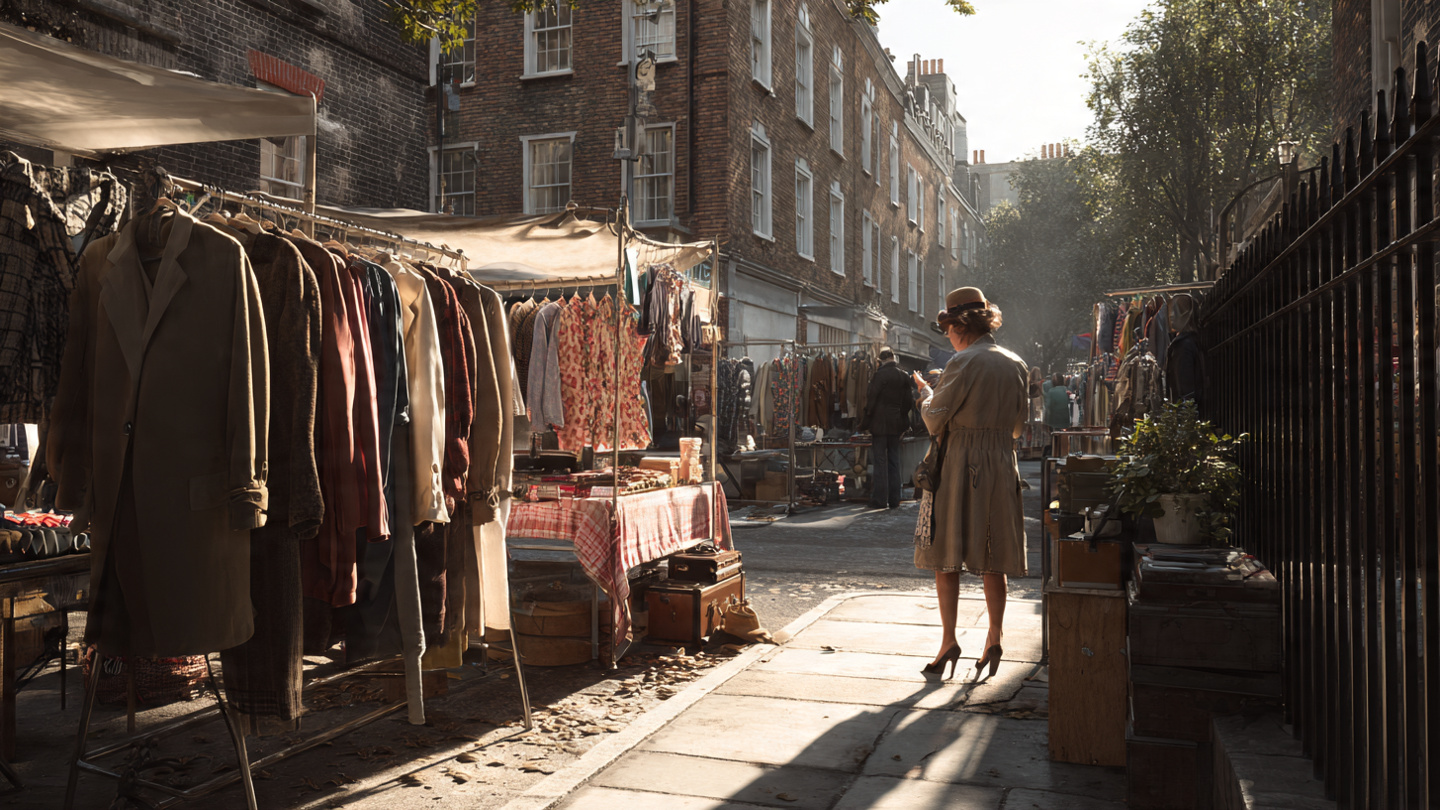
Timing plays a major role in how vintage markets in London feel. The same market can offer completely different experiences depending on the day and hour of the visit. Early mornings often feel calmer and more deliberate, while later hours bring energy and crowds. Understanding this rhythm helps visitors decide whether they want a focused browsing session or a more social and lively atmosphere.
Timing plays a major role across all types of London markets, not just vintage-focused ones. Food markets, in particular, operate on different rhythms, with peak hours and quieter windows shaping the experience. To understand how timing affects one of London’s most popular food destinations, this Borough Market visitor guide explains when to arrive and how to avoid the busiest periods.
Weekdays Versus Weekends at Vintage Markets
Weekends are the most active period for vintage markets in London. More sellers are present, and the range of items tends to be broader. However, increased activity also means heavier crowds and less space to browse comfortably. Weekdays, when available, offer a quieter experience. Fewer visitors allow shoppers to examine items more carefully and engage in longer conversations with sellers. Choosing between weekdays and weekends depends on whether variety or comfort is the priority.
The Advantage of Arriving Early
Arriving early provides practical benefits for vintage shoppers. Sellers are often more organized, and items are easier to view before racks become crowded. Early visits also increase the chance of finding unique pieces before they attract attention. At vintage markets in London, experienced shoppers often arrive shortly after opening to browse calmly and make decisions without pressure.
Why Late Visits Can Still Be Rewarding
Late visits to vintage markets offer a different set of advantages. Sellers may be more flexible, especially toward closing time. Browsing feels less competitive, and conversations tend to be more relaxed. While the best-known items may already be gone, late visits can still lead to unexpected finds. For visitors who prefer a slower pace, this timing can feel more comfortable.
Seasonal Changes and Their Impact on Vintage Markets
Seasonality affects what appears at vintage markets in London. Clothing selections shift with weather changes, and sellers adjust their offerings accordingly. Warmer months often bring lighter fabrics and casual styles, while cooler seasons highlight outerwear and layered pieces. Understanding these patterns helps shoppers plan visits around their specific interests rather than browsing randomly.
During winter, many shoppers pair vintage browsing with festive gift-hunting and seasonal atmospheres, so this guide to Christmas markets in London helps plan the best places to experience that holiday energy
Planning Your Visit Without Overplanning
While preparation helps, overplanning can reduce enjoyment. Vintage markets reward flexibility and openness. Rather than setting rigid goals, visitors benefit from allowing time to explore without pressure. Vintage markets in London are best experienced as part of a broader day rather than a single, rushed destination. This mindset encourages discovery and reduces frustration.
Practical Strategies for Comfortable Browsing
Comfort matters when spending time at vintage markets. Wearing practical clothing, allowing time for breaks, and carrying only what is necessary improves the experience. Shoppers who feel physically comfortable tend to browse longer and more attentively. At vintage markets in London, small adjustments like pacing and awareness can make a noticeable difference.
Knowing When to Move On
Recognizing when to move on is an underrated strategy. Spending too long in one area can lead to fatigue and reduced focus. Vintage markets often reward short, attentive browsing sessions across multiple stalls rather than extended concentration in one spot. This approach keeps the experience engaging and helps maintain perspective when evaluating items.
How Pricing, Bargaining, and Quality Work
Why Prices Vary Across Vintage Markets
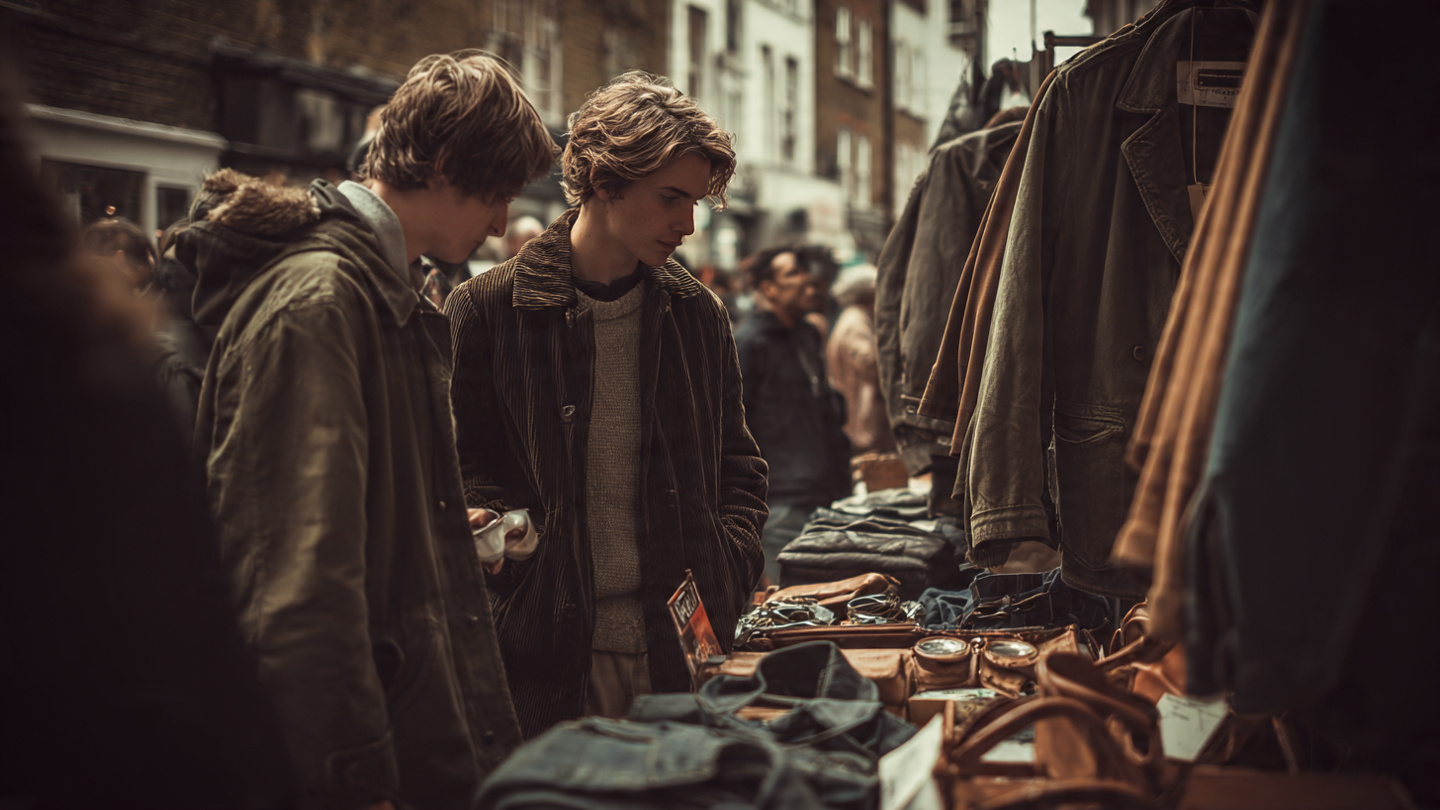
Prices at vintage markets in London can differ widely, even for similar items. Several factors influence this variation, including condition, rarity, era, and seller expertise. Some sellers specialize in carefully sourced pieces and price them accordingly, while others focus on volume and accessibility. Understanding that pricing reflects more than age helps shoppers evaluate items more realistically rather than assuming inconsistency or unfairness.
The Role of Condition in Vintage Pricing
Condition plays a central role in determining value. Items that show minimal wear, intact materials, and functional details usually command higher prices. Vintage markets in London often attract sellers who inspect and restore items before selling them. Small repairs, cleaning, or careful storage can significantly affect price. Shoppers who understand how condition influences value tend to make more confident decisions.
Rarity and Era as Price Indicators
Some items cost more because they are harder to find rather than because they are older. Certain styles, brands, or production periods appear less frequently at vintage markets. When demand exceeds availability, prices rise naturally. Vintage markets in London reflect these patterns clearly, especially for clothing or objects tied to specific cultural moments or subcultures.
Bargaining Expectations at Vintage Markets
Bargaining exists at some vintage markets, but it is not universal. In many cases, prices reflect careful sourcing and preparation rather than arbitrary markup. Polite conversation matters more than aggressive negotiation. Sellers at vintage markets in London are often open to discussion, especially when buyers show genuine interest and respect for the item’s value. Understanding this balance helps avoid awkward interactions.
When Bargaining Is More Likely to Work
Bargaining tends to be more effective later in the day or when purchasing multiple items. Sellers may be more flexible when clearing stock or rewarding repeat customers. However, expectations should remain realistic. Vintage markets rely on small margins, and respectful negotiation focuses on mutual understanding rather than pressure.
How Quality Is Assessed by Experienced Sellers
Quality assessment goes beyond appearance. Materials, stitching, construction methods, and durability all influence how items are valued. Sellers who specialize in vintage markets in London often develop expertise in recognizing these details. Shoppers benefit from observing how sellers describe items and explain their condition. These conversations provide insight into what makes certain pieces more valuable than others.
Avoiding Common Pricing Misunderstandings
Some visitors assume that vintage items should always be cheaper than new ones. This assumption leads to frustration when encountering higher prices. Vintage markets offer value through uniqueness, craftsmanship, and longevity rather than low cost alone. Recognizing this difference helps shoppers approach pricing with appropriate expectations.
Building Confidence as a Vintage Buyer
Confidence develops through experience rather than expertise alone. Asking questions, comparing similar items, and taking time to browse all contribute to better decision-making. Vintage markets in London reward patience and curiosity. Over time, shoppers learn to recognize fair pricing and quality without relying solely on labels or reputation.
Common Mistakes Visitors Make at Vintage Markets
Expecting Vintage Markets to Feel Like Regular Shops
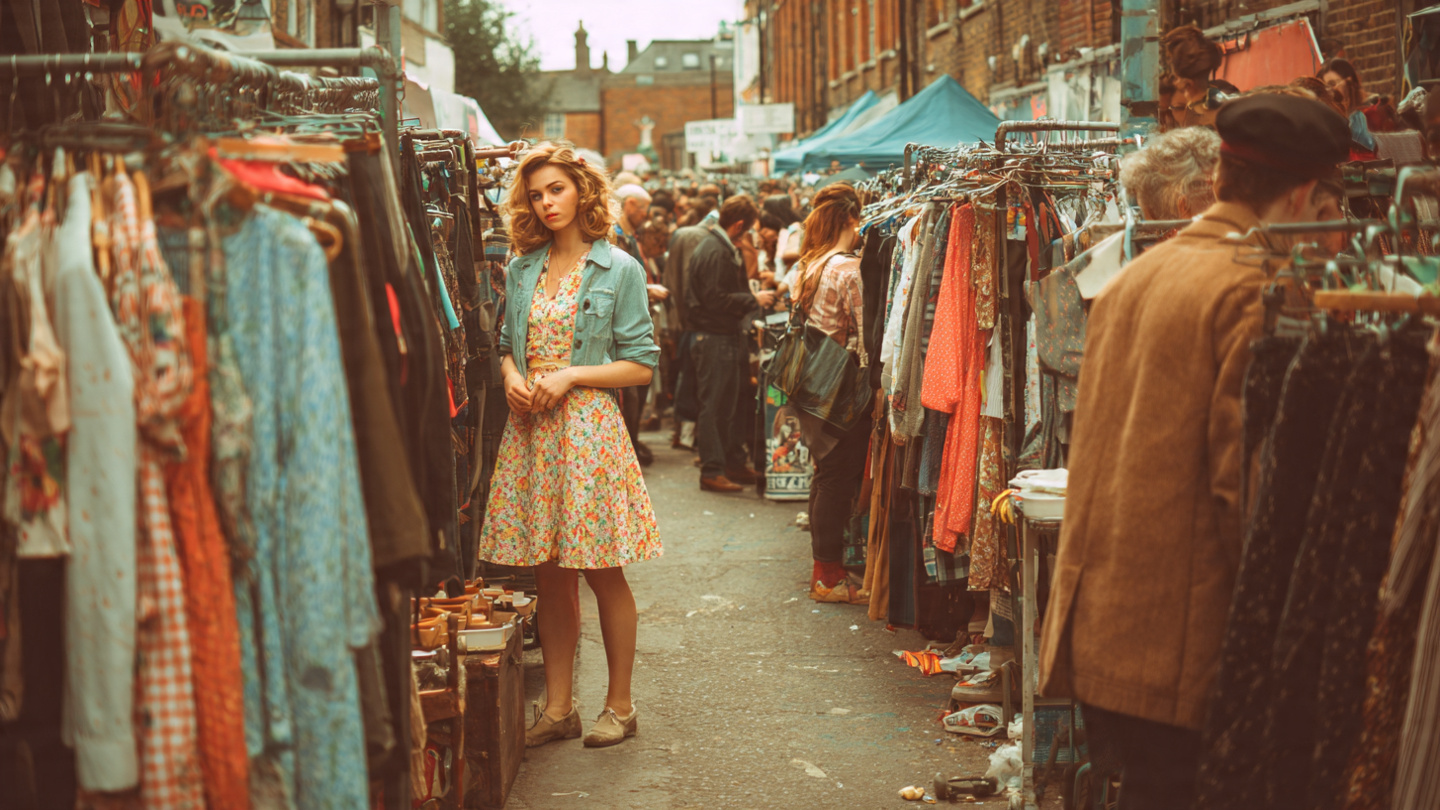
One of the most common mistakes visitors make is expecting vintage markets in London to operate like standard retail spaces. Vintage markets are less structured, and browsing takes time. Items are not arranged for speed or convenience. Shoppers who arrive expecting quick decisions or uniform sizing often feel frustrated. Understanding that vintage markets reward patience helps visitors adjust their mindset before they begin browsing.
Arriving Without a Clear Sense of Purpose
While flexibility matters, arriving with no sense of direction can lead to feeling overwhelmed. Some visitors wander aimlessly, scanning every stall without focus. This often results in fatigue rather than discovery. At vintage markets in London, having a loose idea of what you enjoy, such as clothing, accessories, or home items, makes the experience more satisfying without becoming restrictive.
Relying Too Heavily on First Impressions
Vintage markets can appear chaotic at first glance. Some visitors move on too quickly if a stall looks crowded or disorganized. This approach causes missed opportunities. Many valuable items are not immediately visible. Taking time to look through racks and displays often reveals better finds. Vintage markets in London reward attention to detail rather than surface impressions.
Ignoring Condition and Fit Details
Another common mistake is focusing only on appearance. Vintage items may look appealing but require closer inspection. Checking seams, fastenings, fabric condition, and sizing prevents disappointment later. Vintage markets in London often carry items made to older sizing standards, which differ from modern measurements. Shoppers who skip these checks risk purchasing items they cannot comfortably use or wear.
Comparing Prices Without Context
Visitors sometimes compare prices between stalls without considering context. Differences in condition, sourcing, and seller expertise influence pricing. Assuming all similar-looking items should cost the same leads to confusion. Vintage markets in London operate through individual sellers rather than centralized pricing, so understanding variation improves decision-making.
Feeling Pressure to Buy Immediately
The fear of missing out causes some visitors to rush purchases. While unique items do appear, not every decision needs to be immediate. Taking a moment to step back and consider quality and fit often leads to better outcomes. Vintage markets in London encourage thoughtful browsing rather than impulsive buying.
Overlooking Smaller or Quieter Stalls
Busy stalls attract attention, but quieter ones often hold equally interesting items. Some visitors focus only on crowded areas, assuming popularity equals quality. This approach limits discovery. Vintage markets in London include many sellers who prefer a low-profile presence while offering carefully selected goods.
Forgetting That Browsing Is Part of the Experience
Treating vintage markets purely as shopping tasks reduces enjoyment. Browsing, observing, and engaging with sellers are central to the experience. Visitors who rush through stalls often miss the atmosphere that makes vintage markets in London distinctive. Slowing down turns a visit into something memorable rather than transactional.
Final Thoughts on Exploring Vintage Markets in London
Why Vintage Markets Offer More Than Shopping
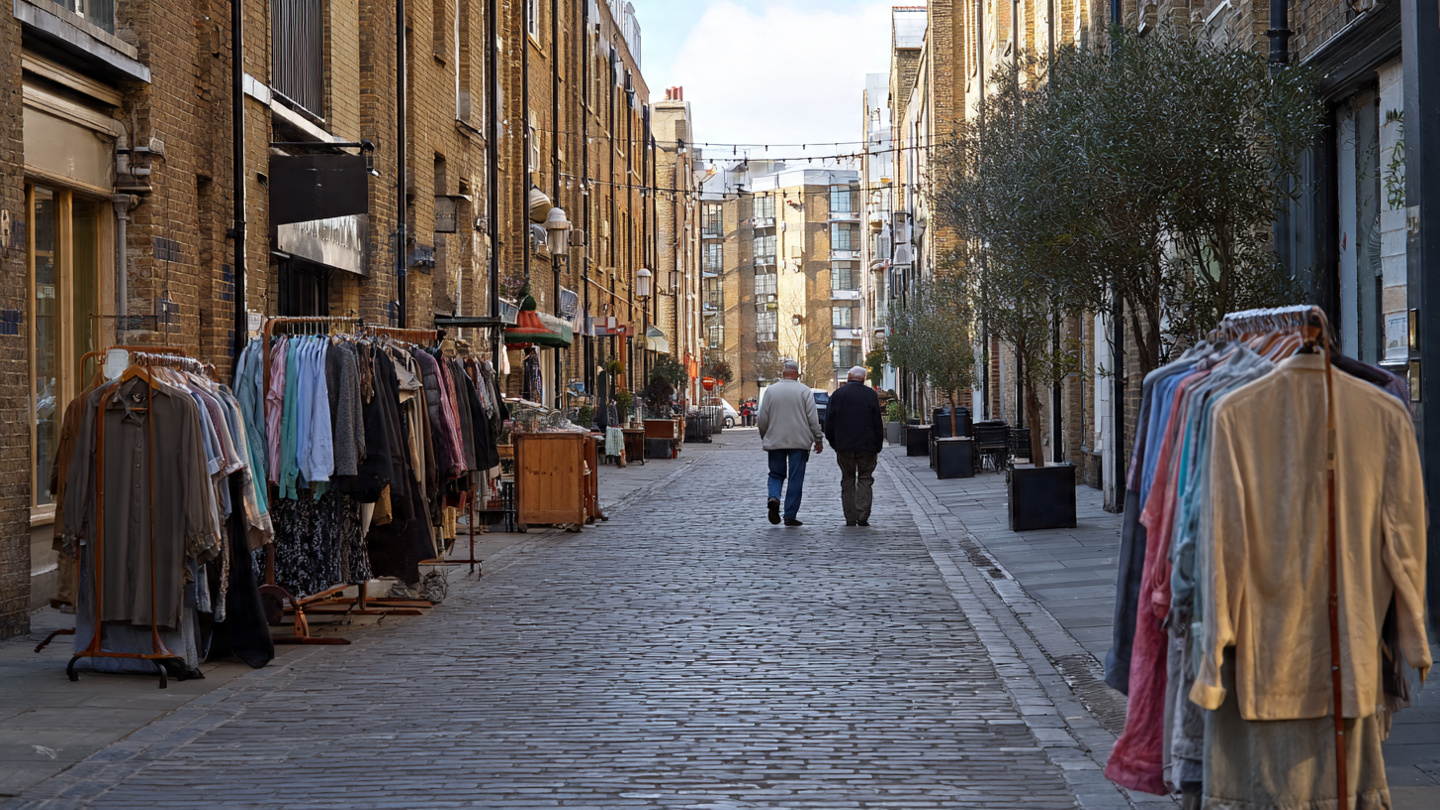
Vintage markets in London provide an experience that goes beyond purchasing items. They invite visitors to slow down, observe, and engage with the city in a more thoughtful way. Each stall reflects individual taste, effort, and history rather than standardized retail logic. This creates an environment where browsing feels meaningful, even when nothing is bought. For many people, the value lies as much in the experience as in the items themselves.
How Vintage Markets Reflect London’s Character
London is a city shaped by layers rather than replacements. Old structures sit beside new developments, and traditions evolve rather than disappear. Vintage markets reflect this character clearly. They show how earlier styles and objects remain part of everyday life rather than being pushed aside. Exploring vintage markets in London offers insight into how the city respects its past while continuing to change.
The Importance of Approach and Mindset
Enjoying vintage markets depends largely on approach. Visitors who arrive with patience and curiosity tend to leave with a deeper appreciation of what these spaces offer. There is no single correct way to explore. Some people browse casually, while others search carefully for specific items. Vintage markets in London accommodate both styles, rewarding openness rather than rigid expectations.
Why Vintage Markets Suit Different Types of Visitors
Vintage markets appeal to a wide range of people because they serve different interests at once. Fashion-focused visitors find distinctive clothing, while others connect with objects that add character to their homes. Some people enjoy the social atmosphere, while others value quiet discovery. This flexibility explains why vintage markets in London continue to attract both locals and travelers without losing relevance.
Taking Vintage Markets at Your Own Pace
There is no need to see everything in one visit. Vintage markets change constantly as sellers rotate stock and styles shift. Returning over time often leads to better experiences than rushing through in a single day. Treating vintage markets as part of a broader exploration of London allows them to fit naturally into travel plans rather than feeling like a separate obligation.
What Makes Vintage Markets Worth Exploring
The lasting appeal of vintage markets lies in their unpredictability. No two visits are the same, and outcomes cannot be guaranteed. This uncertainty is what makes the experience engaging. Vintage markets in London offer moments of surprise, connection, and discovery that structured retail environments rarely provide.
Leaving With More Than You Arrived With
Even without a purchase, visitors often leave with a better understanding of London’s culture and everyday life. Conversations, observations, and small details add context to the city beyond landmarks and attractions. Vintage markets create space for these quieter experiences, making them a valuable part of exploring London at a deeper level.
Frequently Asked Questions
General Questions About Vintage Markets
Vintage items typically come from past decades and reflect recognizable styles, materials, or design trends. In London markets, vintage usually refers to clothing, accessories, and objects that are old enough to show character but still practical to use or wear today.
No. Vintage markets focus on era-specific items with stylistic or cultural value, while flea markets often include a wider mix of second-hand goods without emphasis on age or design.
Some operate regularly, while others run only on specific days or weekends. Availability depends on the market and location, so planning ahead helps.
Shopping Experience and What to Expect
Yes. Many markets are welcoming to beginners, especially those that mix vintage stalls with food or crafts. Taking time to browse without pressure makes the experience enjoyable even without prior knowledge.
No. Most shoppers browse based on personal taste rather than expertise. Sellers often explain details if asked, which helps newcomers feel more comfortable.
Yes. Prices vary, but many markets offer accessible options alongside higher-priced specialty items. Budget-friendly finds are common if you take time to explore.
Pricing, Quality, and Bargaining
Bargaining is not required and depends on the seller. Polite conversation works better than aggressive negotiation. Some sellers are open to discussion, especially later in the day.
Checking fabric, stitching, fastenings, and overall condition helps. Asking sellers about an item’s background also provides useful insight into quality.
Differences in condition, rarity, sourcing effort, and seller expertise all influence pricing. Vintage markets operate through independent sellers rather than standardized pricing.
Planning and Visiting Tips
Early mornings are calmer, while weekends are busier but offer more variety. Choosing a time depends on whether you prefer relaxed browsing or lively atmosphere.
Yes, but it helps to focus on one or two markets rather than trying to see everything. Vintage markets fit well into flexible travel plans.
Yes. Seasonal changes affect clothing selection and market activity. Outerwear appears more in cooler months, while lighter styles dominate warmer periods.